Discovering Frank Lloyd Wright In Florida

Lakeland, Florida isn’t usually considered a Sunshine State tourist destination but it still has some real overlooked jewels worthy of a visit. One particular gem is a small Methodist college with an amazing history. In 1938 the college convinced America’s greatest architect to take on the project of redesigning its entire campus making the school a landmark..
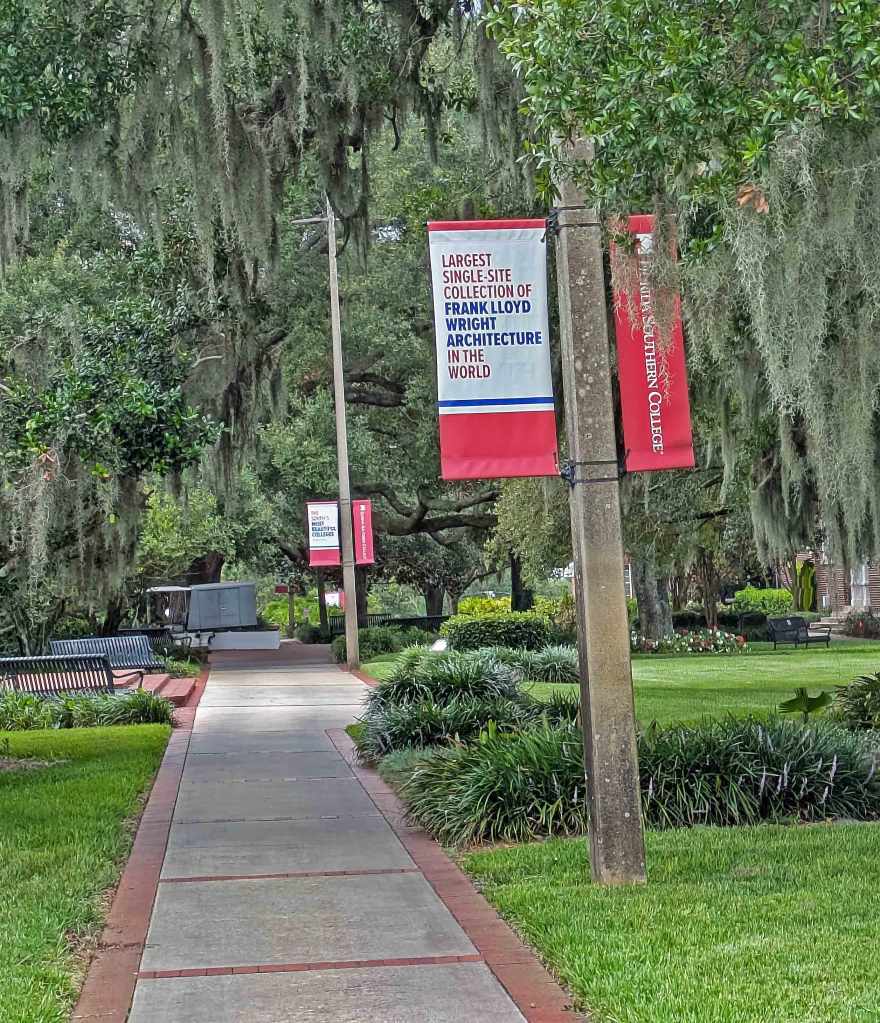
Florida Southern College hired Frank Lloyd Wright in 1938 after Wright’s son, John Lloyd Wright, had worked on a project with the college president, Ludd Spivey. Spivey was impressed by Wright’s work and invited him to submit a proposal for the campus design. Wright was one of several architects considered, but the board of trustees ultimately selected him due to his reputation in addition to his innovative and forward-thinking concepts.

Considered by many as America’s greatest twentieth century architect, Frank Lloyd Wright (1867-1959) was an architect, interior designer, writer, and educator and is known for his designs and contributions to the Prairie School architectural style. He designed over 1,000 structures, including Falling Water in Pennsylvania, the Guggenheim Museum in New York City, and the Robie House. He also was the creator of “organic architecture,” which emphasized harmony between buildings and their natural surroundings. Wright’s work has had a profound impact on architecture and design. He is credited with shaping the modern architectural landscape and inspiring generations of architects.

The college campus in the city of Lakeland, Florida became one of Wright’s largest projects that occupied years of his life. These buildings, collectively known as the “Child of the Sun” campus, are considered masterpieces of Wright’s organic architecture style, and reflect his belief in harmony between nature and architecture. He used natural materials like Florida beach sand mixed concrete, bricks, and cypress wood to create buildings that blend seamlessly with the surrounding landscape. His signature geometric shapes and open floor plans are also evident in the campus structures.

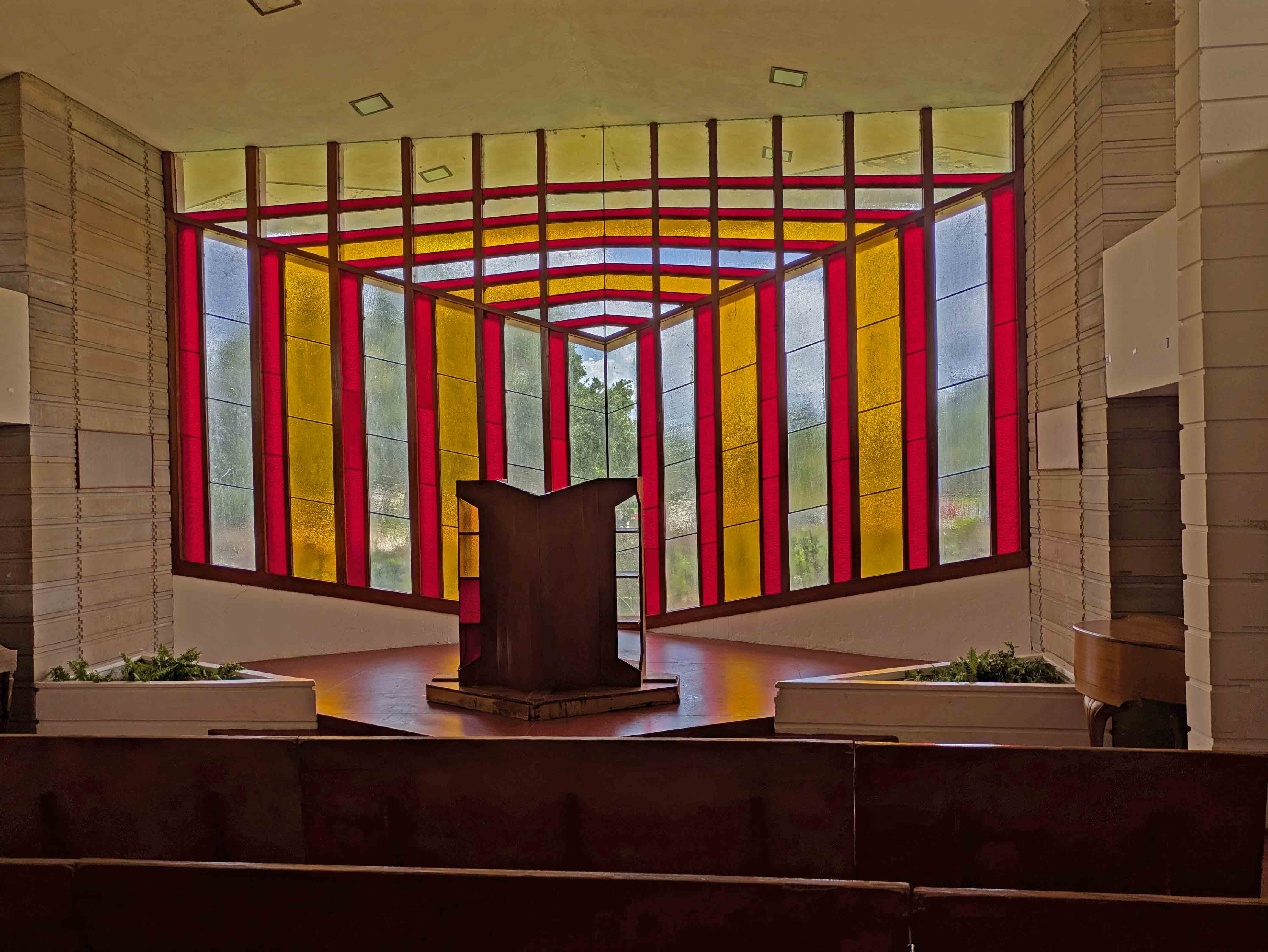
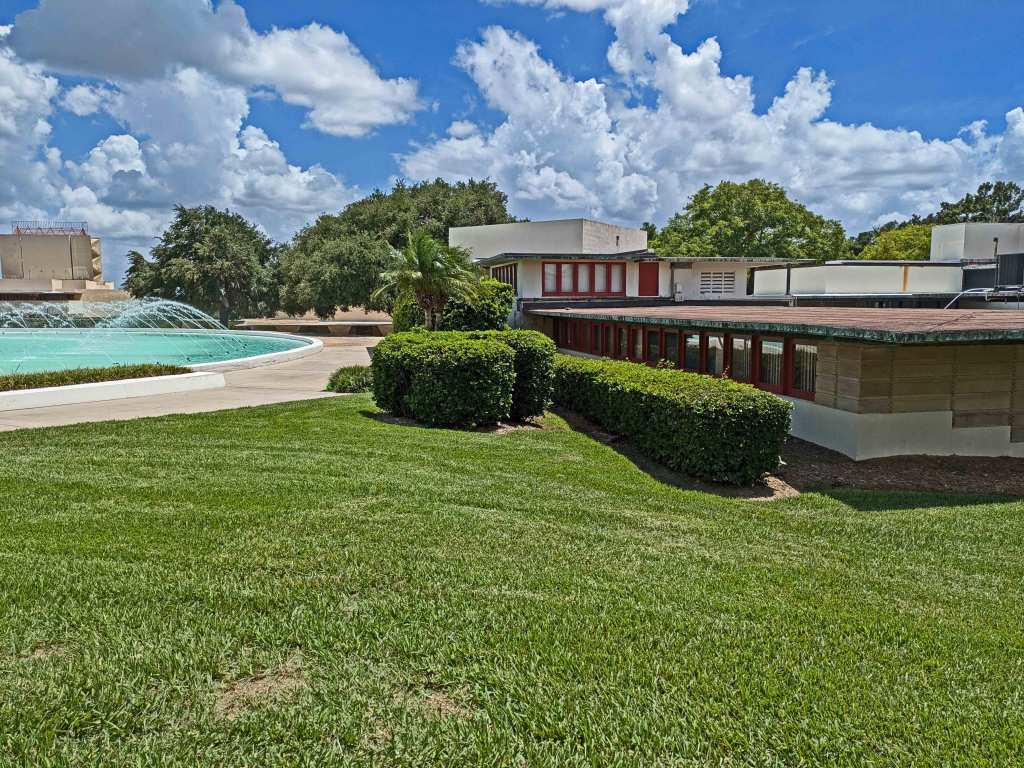
Some of the most iconic buildings designed by Wright at Florida Southern College include the Annie Pfeiffer Chapel, the Esplanade, and the Water Dome. The Annie Pfeiffer Chapel, with its spiraling roof and stained-glass windows, is considered one of Wright’s most significant religious structures. The Esplanade, a long, covered walkway, connects many of the buildings on campus and features a series of arches and columns. The Water Dome, a circular building with a reflecting pool, was originally intended as a library but now serves as an administrative building.

Arrange Guided Tours HERE

Tours begin at the Sharp Family Tourism and Education Center and GEICO Gift Shop. It was opened as part of an ongoing effort to better educate visitors to the Frank Lloyd Wright architecture at Florida Southern College.
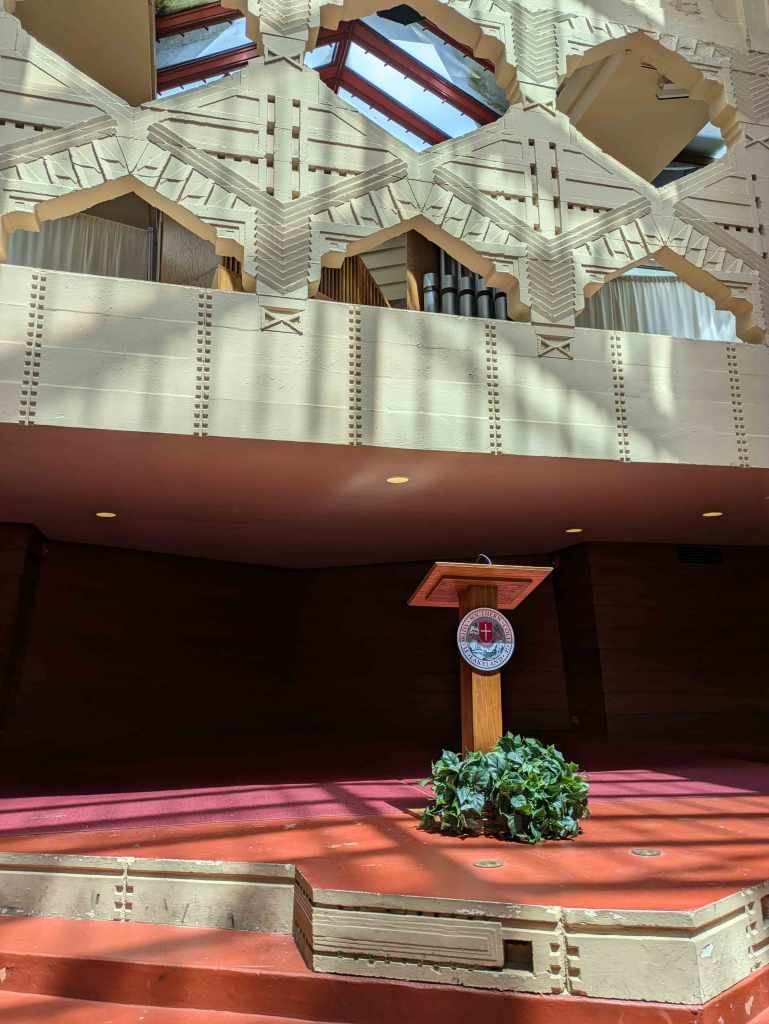
There are several Frank Lloyd Wright tour options for visiting the campus starting with the Basic Campus Tour. It’s a 90-minute guided tour led by one of our experienced docents. The tour begins with an overview of the campus project, detailing how Frank Lloyd Wright assembled his vision for the college as well as the unique method of construction he chose for the site. As you walk the campus grounds, your guide will inform you of the history and design of all 13 Wright-designed structures. Additionally, the interiors of the Annie Pfeiffer Chapel, the Danforth Chapel, and the new Usonian Faculty House are visited.

Reservations are recommended and cos from $35 per person (Ten percent off for members of AAA, AARP and Active/Retired Military). Duration: 90 minutes Schedule: 10:00 AM and 2:00 PM – 7 days a week

Driving Directions: From Interstate 4, take exit #32 (US 98 South) The name of the street changes to S. Florida Avenue. Stay on South Florida Avenue about a half mile past the downtown area. Turn left on Frank Lloyd Wright Way (formerly McDonald St.) and go six blocks. The Tourism and Education Center is on the corner of Frank Lloyd Wright Way and Johnson Avenue in the butterscotch colored bungalow.

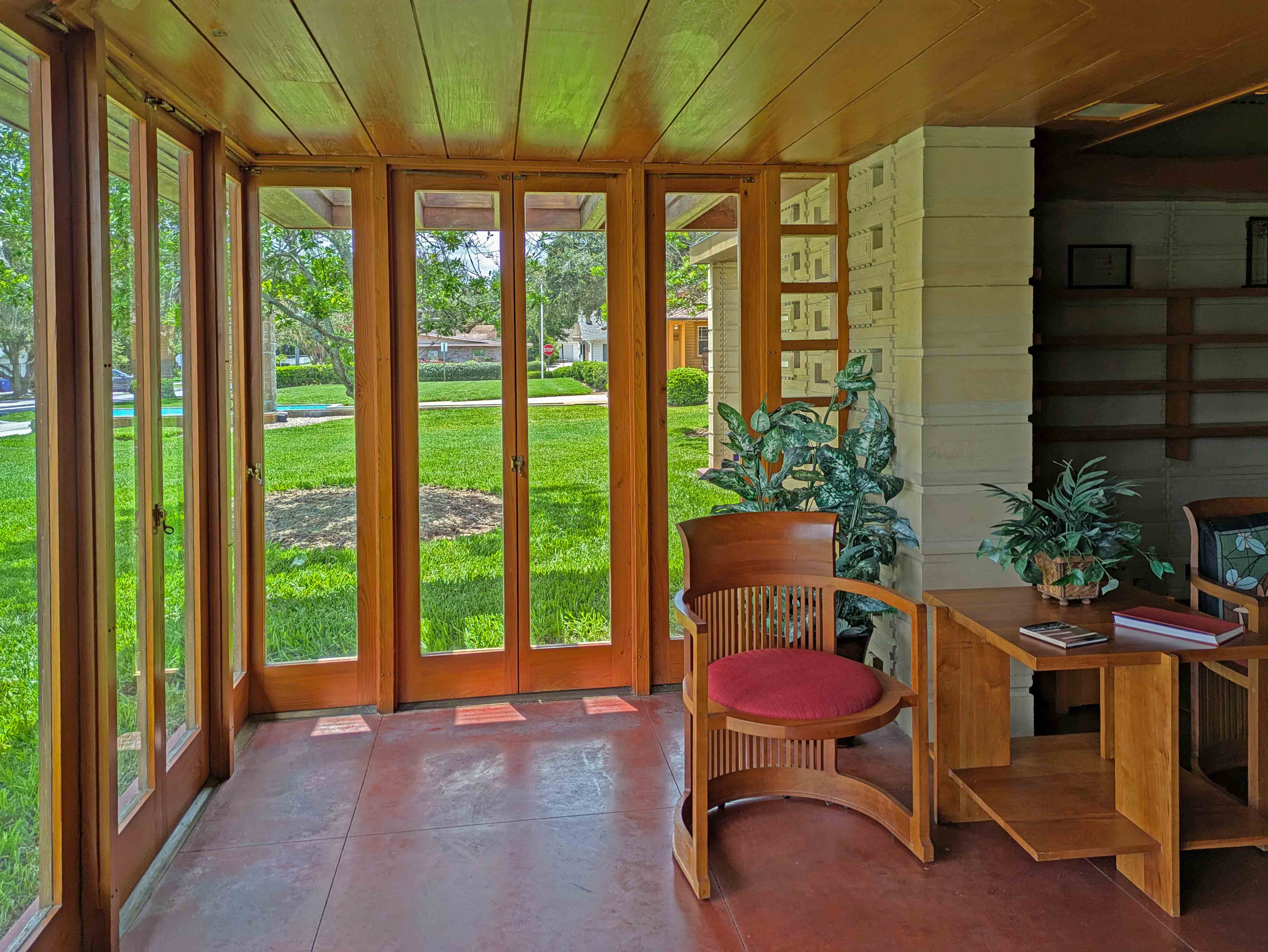
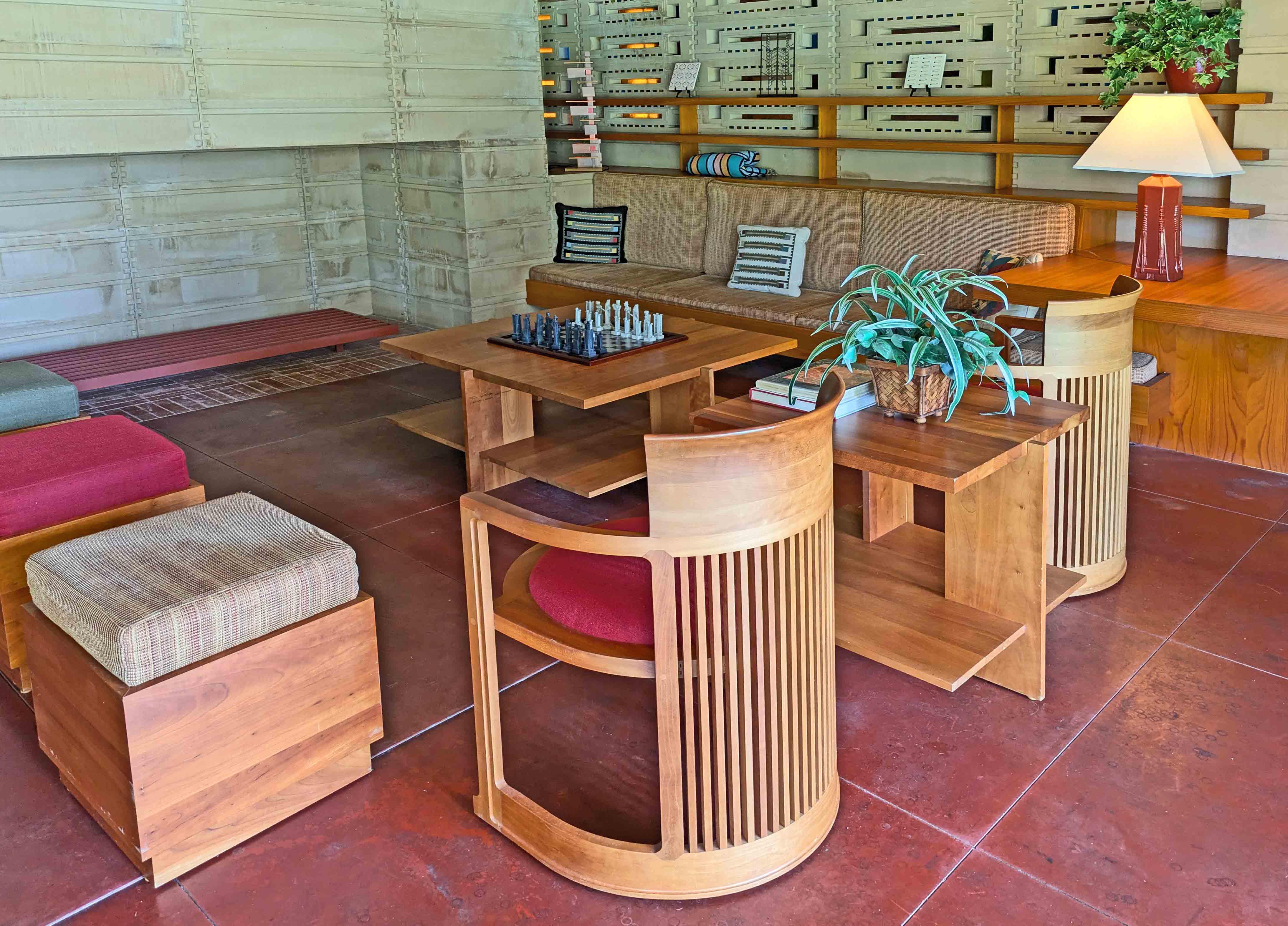
Above – Wright also intended there to be a cluster of single family home for the faculty located next to the campus. The community was never built but one house was eventually built from his plans and it’s located next to the The Tourism and Education Center and is included on the tours.
What’s With Those Big Red Buses

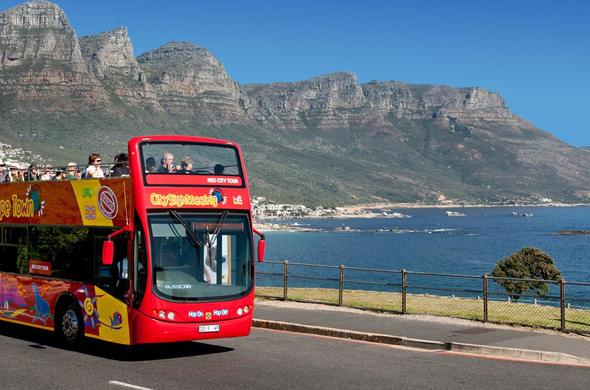
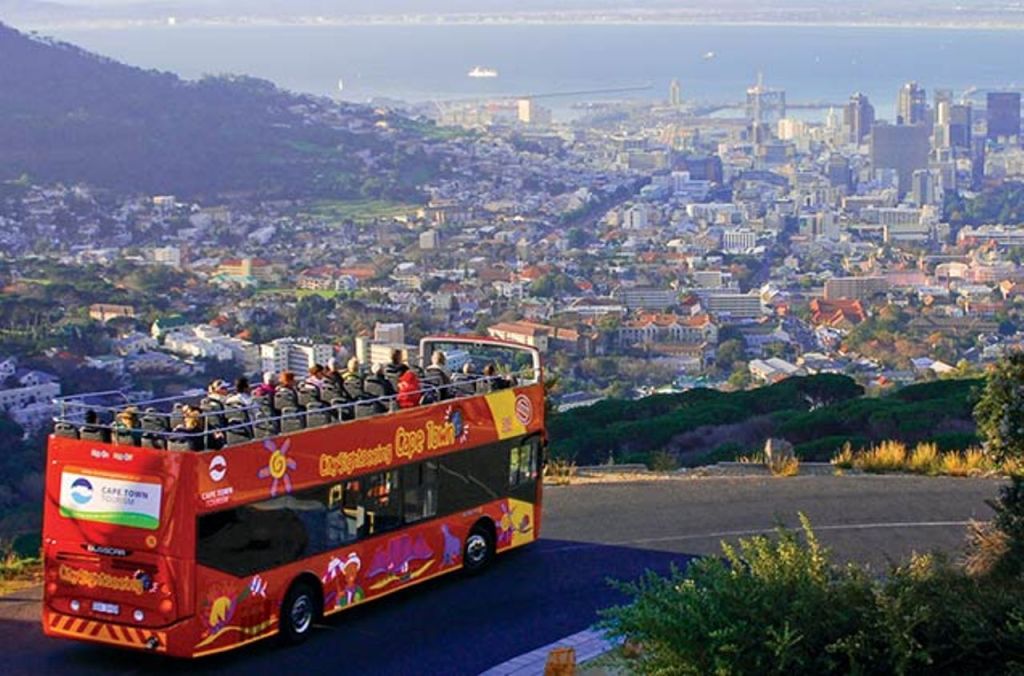
City Sightseeing On The Big Red Bus

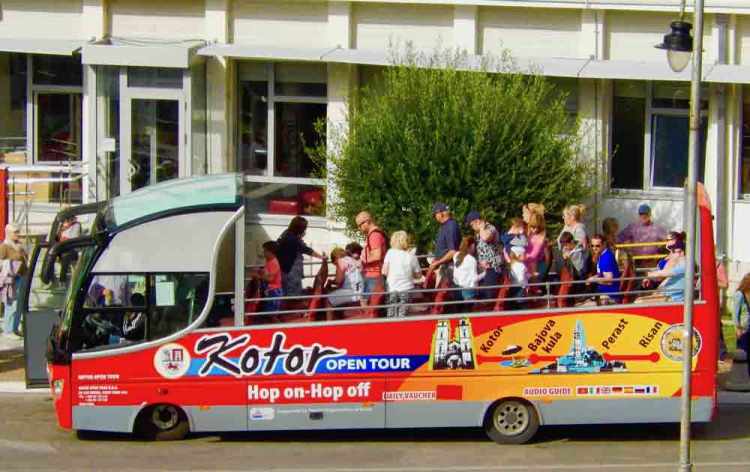
They seem to be everywhere you go. Those big, usually double decker, red buses that are often described as Hop-On Hop-Offs. Typically they’re open air on the top deck and usually include headphones and taped commentary on the routes sights.

You’ll find them in well over a hundred cities around the world and they can be the perfect way to get an overview of a place, especially if you’re short of time.

We’re not generally fans of guided tours. On our own we’d much rather spend an hour in a local open air market or spend time hiking on a trail. But we will also admit that these tours do have their place. Often we travel with friends and they’re great company but we have an understanding about spending days following our own interests while they do their thing. They’re big tour fans and there are times when we go with them, especially if we’re short on time and it’s a Hop-On Hop-Off bus.

If we have more time we will opt for local mass transit though. This approach does require some homework on what attractions you’ll want to visit and how to make use of metros, buses, ferries, etcetera. After doing research you’ll probably find you’ve saved a lot of money and seen more. Often many city mass transit systems will offer visitors inexpensive multi-day passes.

One advantages to using hop-on hop-off buses is they provide a great way to get a feel for a city. Especially with big, spread out cities where you get introduced to the major highlights without jumping in and out of subways and buses and spending time figuring out directions to attractions.

City Sightseeing Cape Town route map

One of the things we have realized is all those big red bus tours are not the same or even operated by the same companies. The three names that pop up over and over are City Sightseeing, Hop-On Hop-Off, and Grey Line and a great place to get the best information is directly on their websites:

Regardless of where you’re traveling, the best place to start doing research is directly with the company’s home site. First you’ll know you’re dealing directly with the official company and not some local, sound alike tour operator. Secondly, you’ll be sure about the locations where they are operating and you can also make reservations or buy tickets directly. This is very important as often you’ll find these companies bus tour tickets sold by a range of travel companies and often at significantly higher prices (we booked a South Africa wine tour through our tour company and discovered that we could have saved a third by booking with City Sightseeing directly in Cape Town.

In planning a visit to a new city we’d recommend considering the various routes and the time a circuit usually takes. Recently, in Cape Town because of the cities size, we found a typical route would take 1 to 2 hours to complete with getting off the bus.

Another important factor that you should consider is how conducive is the city you’re visiting to the hop-on hop-off buses. Local reviews are an excellent place to check. Tokyo, for example is not the best environment for surface street bus routes because of traffic congestion. Common complaints about hop-on hop-off buses is having to wait an hour or two for the next bus at a stop.

FYI the main companies that operate hop-on, hop-off bus tours in Tokyo are:

Tokyo Cruise & Sightseeing Bus: Operates several hop-on, hop-off bus routes in central Tokyo. Stops include Tokyo Station, Imperial Palace, Asakusa, and Odaiba. Offers both daytime and nighttime tours. Visit the website HERE

Hato Bus: One of the largest sightseeing bus operators in Tokyo. Offers multiple hop-on, hop-off routes covering major landmarks. Stops include Tokyo Tower, Sensoji Temple, and Meiji Shrine. Visit the website HERE

Tokyo City Bus: Operates a popular hop-on, hop-off bus route called the “Tokyo Sightseeing Bus”. Covers destinations like Asakusa, Sensoji Temple, and Tokyo Skytree. Visit the website HERE

Gray Line Tokyo: Part of the global Gray Line sightseeing bus network. Offers hop-on, hop-off bus tours with multilingual audio guides. Routes include stops at Tokyo Station, Tsukiji Market, and Ginza. Visit the website HERE

Regarding Tokyo the best option for getting around this city is to use the trains and metros but you’ll need to study up and probably use a Tokyo app for navigation.

Internationally the best option for hop-on hop-off bus tours are the three listed here:

Hop-On Hop-Off Buses have routes typically designed to cover the major tourist attractions in a city. This can be a great way to get an overview of the city and decide which places you want to explore further. They offer a flexible and convenient way to see the sights at your own pace. You can hop on and off the bus at designated stops, allowing you to explore the areas that interest you most.

Grey Line Sightseeing – Grey Line is one of the oldest tour operators and offers a variety of sightseeing options around the world, including hop-on hop-off tours, day trips, and private tours. The quality of these options can vary depending on the specific tour and location. Service seems to be dependent on individual locations but reviewers have often praised Grey Line for its convenient hop-on hop-off tours, knowledgeable guides, and comfortable buses.
City Sightseeing is a well-known and established company offering hop-on hop-off bus tours in over 100 cities worldwide. It’s a convenient and popular choice for sightseeing, especially for first-time visitors. City Sightseeing buses typically offer audio commentary in multiple languages, providing insights and information about the city’s landmarks and attractions.

A Memory In B&W

Growing Up With History

I was going through the internet searching for something and came across a black and white photo that was dated 1963 and memories overwhelmed me.
It was November 22, 1963, a Friday, and in the middle of a high school assembly the school’s principle came out on the auditorium stage to loud laughter. It turned out he found himself inside a prop jail cell that was there for the school play – Oklahoma. He quickly stepped to the microphone and announced that the President of the United States had just been shot in Dallas, Texas. Complete silence.

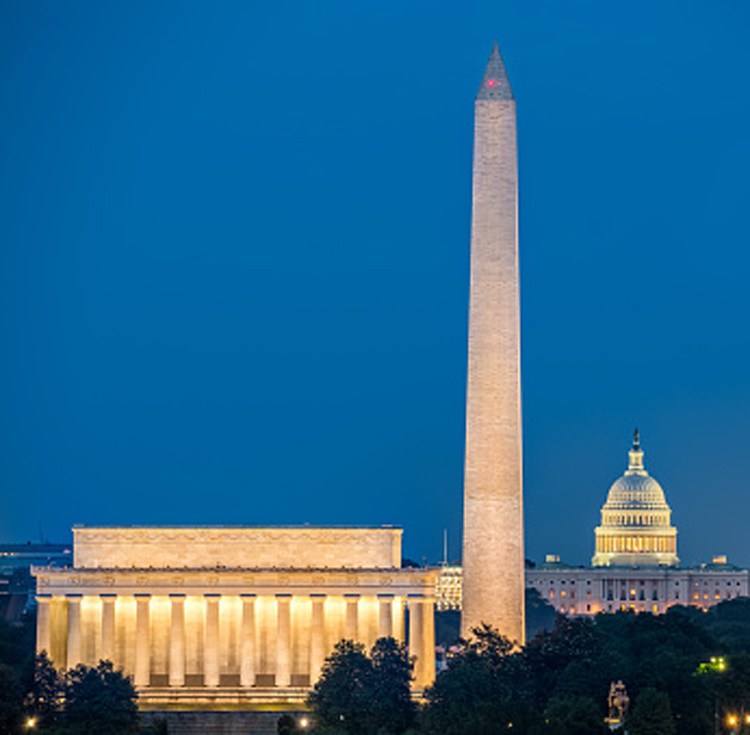
That Sunday afternoon I took a bus into Washington and walked to the Capital to get in line to pass through the Rotunda where John F. Kennedy lay in state. I walked past the coffin sometime after 2 am on the 25th.

Later on Monday I found myself standing on Pennsylvania Avenue as the funeral procession passed by. As the caisson carrying the coffin passed it was followed by the riderless horse and the Army handler was on the verge of losing control as the horse pulled at its reins and reared up. That was followed by the walking international dignitaries and what struck me as the only light moment of those four days. The front row included Charles de Gaulle of France walking next to the Emperor of Ethiopia, Haile Selassie. The contrast struck me as humorous since de Gaulle stood six foot six while Selassie less than five foot.

I had met Kennedy less than a year before when my Mother had been asked to bring her school class to the Rose Garden for a ceremony and I tagged along. Also if you’ve seen movies of the assassination you may recall the Secret Service agent jumping over the trunk of Lyndon Johnsons limo. That was a neighbor of mine named Mr. Youngblood. Also the Air Force One flight crew that day had another neighbor – Col. William Barnes. In those times Washington D.C. was like a small town and was a great place to grow up.

More Posts From The Intentional Travelers

Todays Image • Where’s The Beach

The Resort Island Of Tenerife, Canary Islands

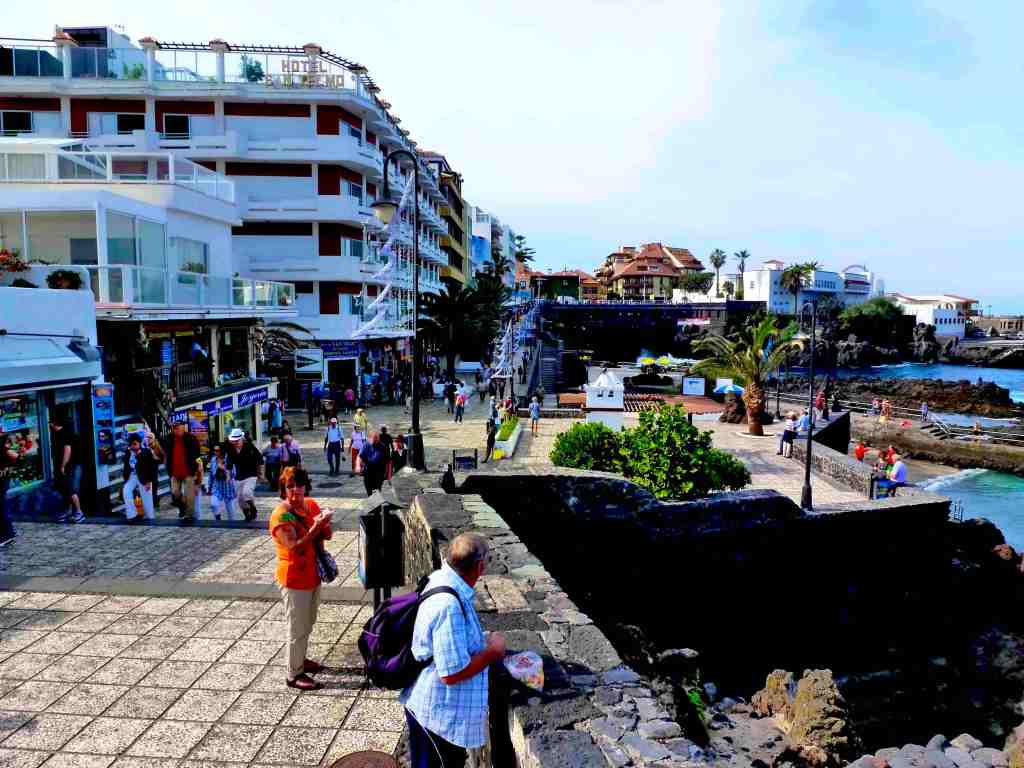
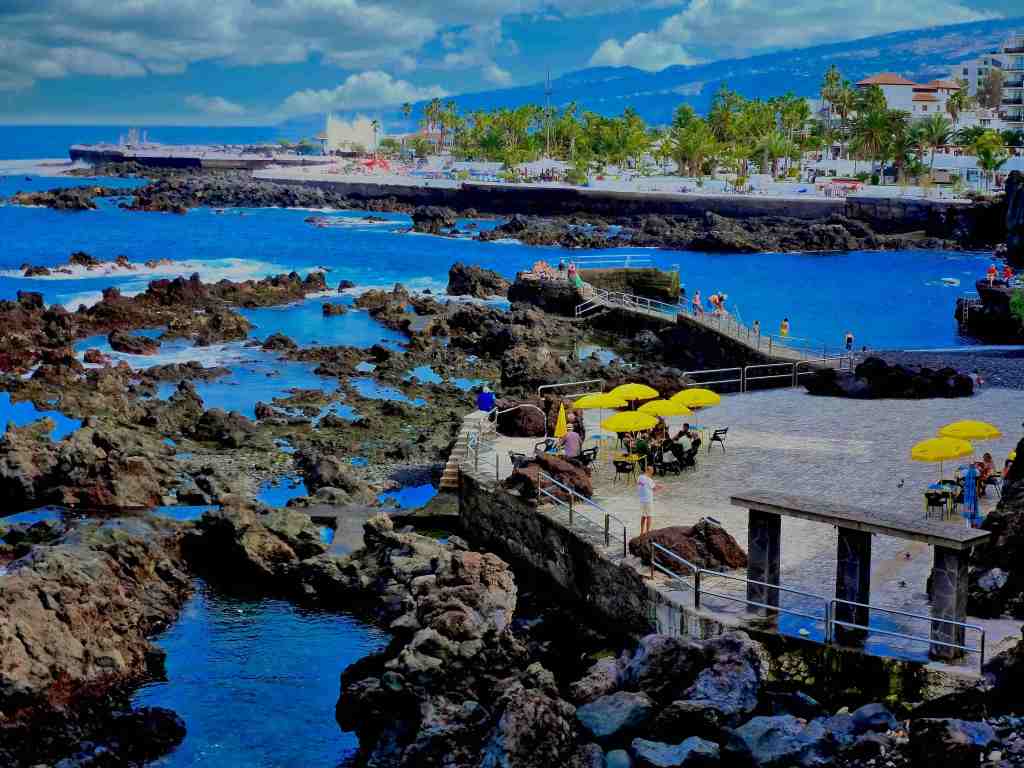
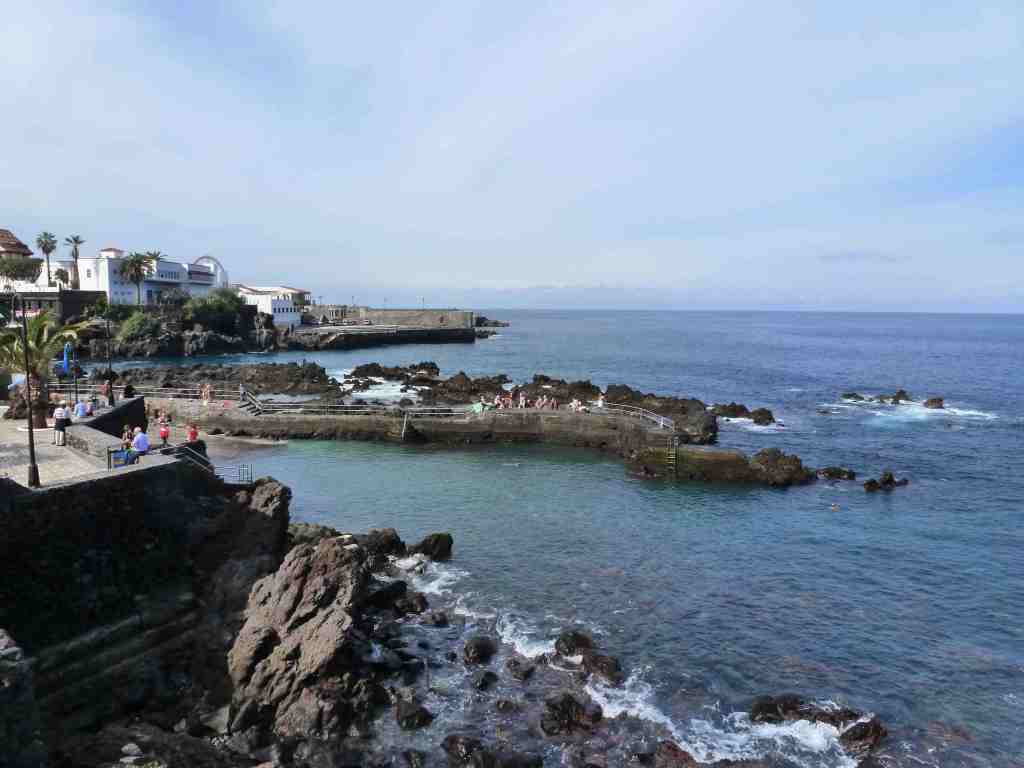
Tenerife is a popular vacation spot for many Europeans. The climate is near perfect, the water crystal clear, and it isn’t a particularly difficult place to get to. This Canary Island is also noted for its many beautiful beaches. One of the larger and more popular resort areas is Playa del San Telmo on the north central coast. It’s odd because this area has only a small sandy beach. Most of the jagged shore line is made up of volcanic rock formations. Most of the large sand beaches are located on the north west coast and on the south shore.

Just to the east of Playa del San Telmo is Costa Martiánez a very popular leisure, cultural, and gastronomic complex located in Puerto de la Cruzn. Known for its unique architecture, which includes pools, gardens, sculptures, and a variety of restaurants offering a wide range of culinary experiences. The complex features a series of seawater pools designed by architect César Manrique, offering guests the opportunity to enjoy swimming and sunbathing in a stunning oceanfront setting. In addition to the pools, there are a number of food venues and various cultural events held at Costa Martiánez throughout the year.


Discovering Kruger National Park, South Africa

Visiting Kruger: The Ultimate Safari Experience For The Trip Of A Lifetime Rated as one of the world’s greatest wildlife experiences and reported to be the number one African safari destination, Kruger National Park is not to be overlooked when considering your travel plans. Larger than many countries and containing mostly undeveloped land, Kruger is…

Todays Images • Mykonos

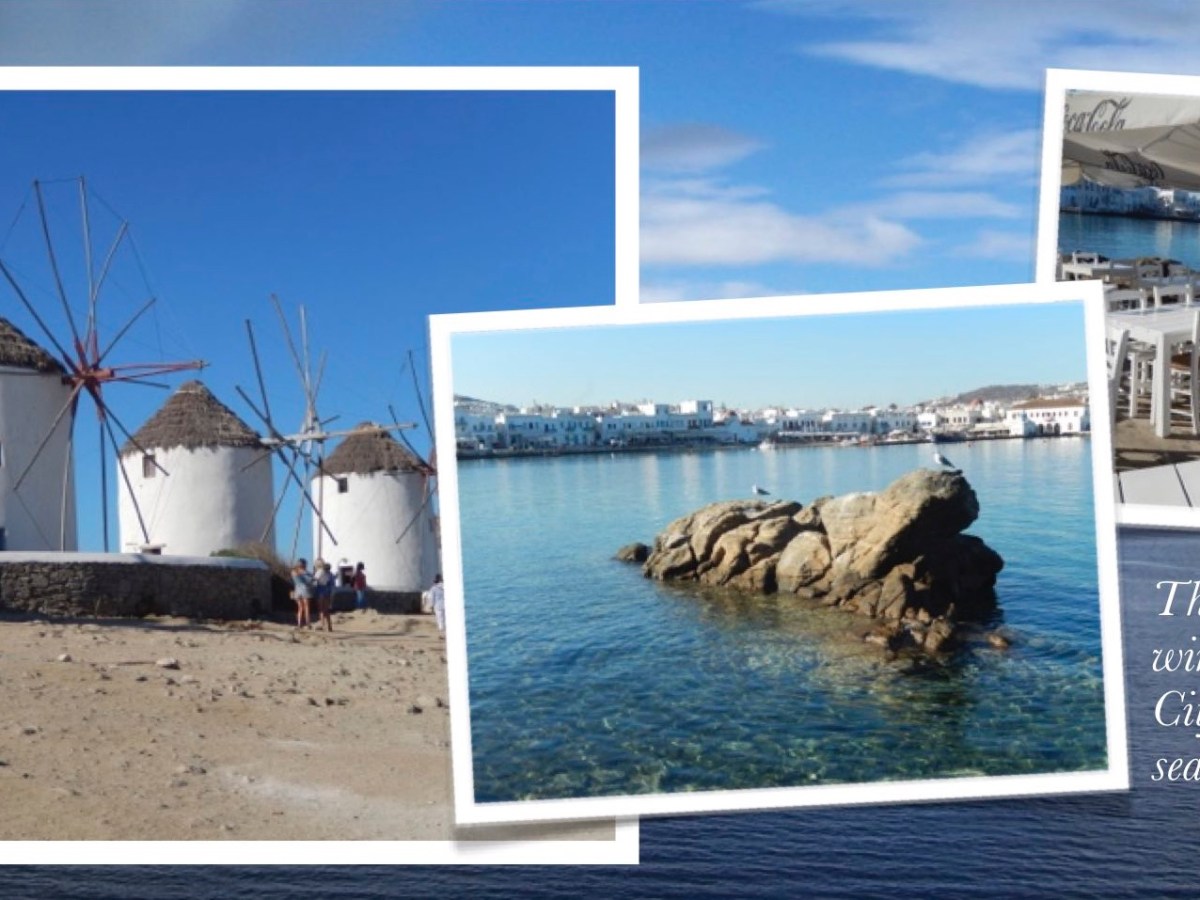
The Iconic Windmills Of Mykonos. Traditionally, these windmills are heavy, three-story buildings made of stone, are circular in shape, reflecting the simple yet functional design typical of the Cycladic islands. They were primarily built by Venetians in the 16th century and continued to be constructed into the early 20th century for milling wheat. Mykonos is…

Where In The World #4?

What country claims this baked treat as its own? This is a traditional European pastry made from sweet yeast dough. This unique treat is crafted by wrapping strips of the dough around a conical baking tube, which is then grilled usual over coals till it achieves a golden brown color and crispy exterior. Answer •…

Civil Unrest, War, Natural Disasters and International Travel

We’re asking for your opinion… I think Clint Eastwood said it best; “If you’re looking for a guarantee in life, buy a toaster.” We have, over the years, visited over one hundred countries and on a few occasions we’ve found ourselves in some touchy situations, but we have always been cautious in selecting when and…

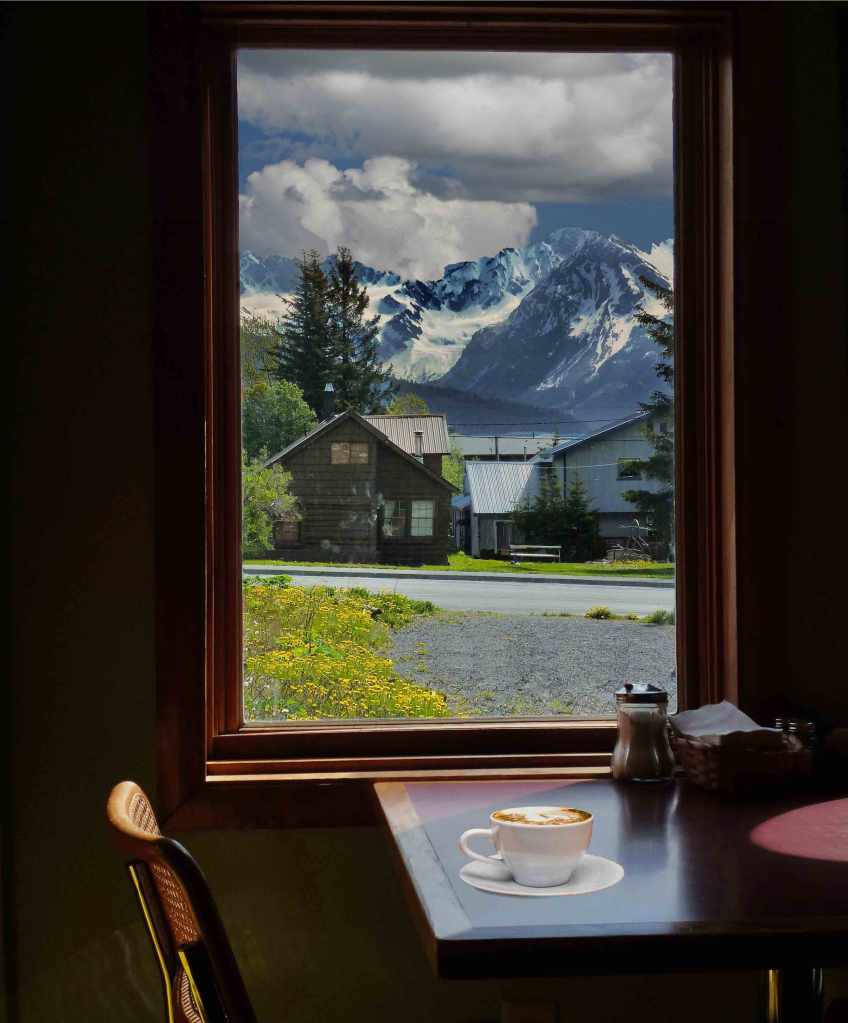
Image Of The Day • Coffee With A View

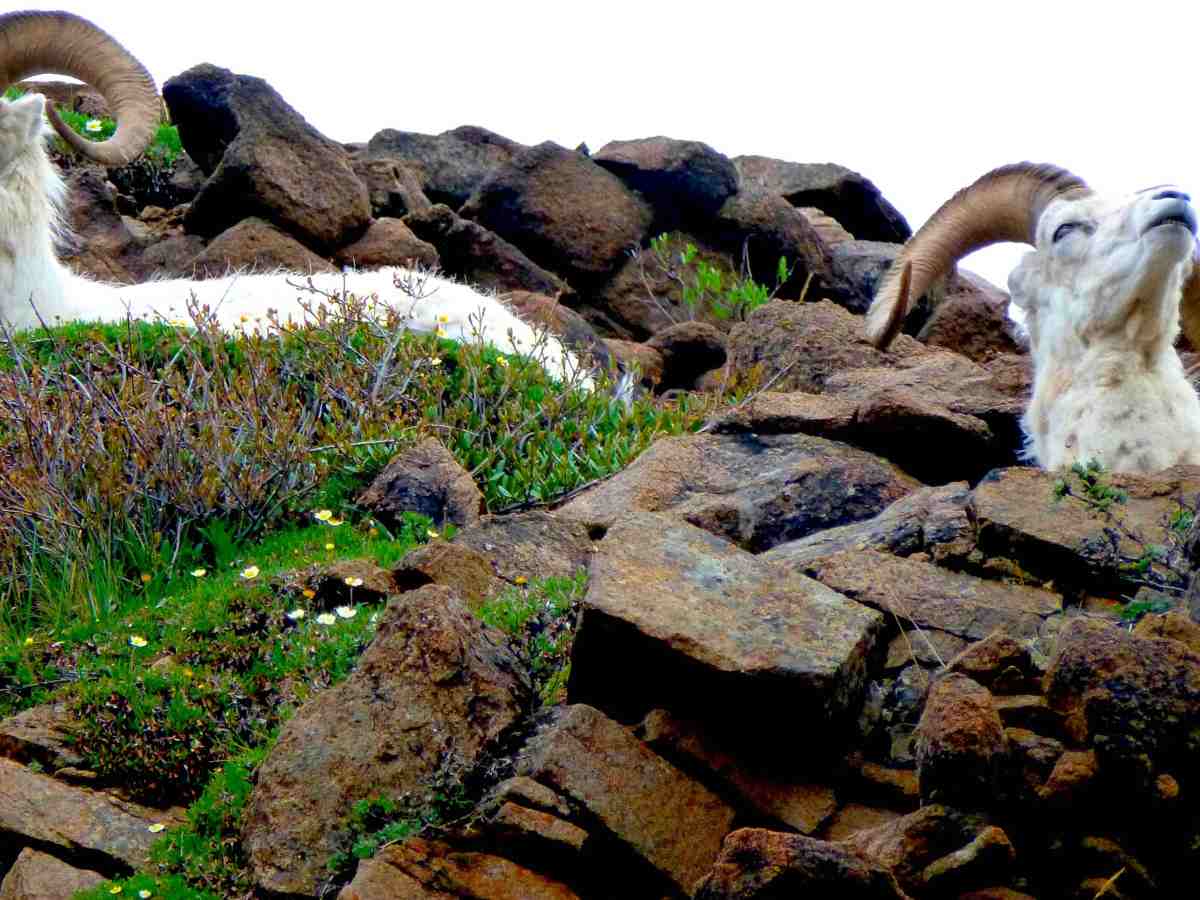
Traveling from Anchorage and heading for Denali we stopped in a small town for a quick rest stop. Sitting the in the cafe with a coffee and looking across the street at the view it struck us what an amazing place Alaska is. As we get closer to Denali Park we spend hours running next to the Alaska Range.

There may be a place here and there that can match the landscapes and scenery in Alaska but there aren’t many of them…

Here Are A Few Our More Recent Posts You Might Find Interesting…

Looking for Travel Inspiration?

This Intentional Traveler features thousands of pages of information on destinations, great maps, amazing images, detailed travel help and just a few stories for the fun of it. Chance are we’ve got what you’ve been looking for, so take a moment and explore this incredible world with The Intentional Travelers. CLICK FOR GREAT TRAVEL IDEAS!…

Hidden Gems: Florida’s Small Museums to Visit

A Few Attractions Well Worth Your Time There was a time when small roadside attractions where the highlight of family road-trips to Florida. Today they have been overshadowed by the mega-parks and major resorts, but there are still a number of roadside gems that you should explore – amazing little pieces of history encased in…

The Ponce de Leon Inlet Lighthouse

The Ponce de Leon Inlet Light, Florida

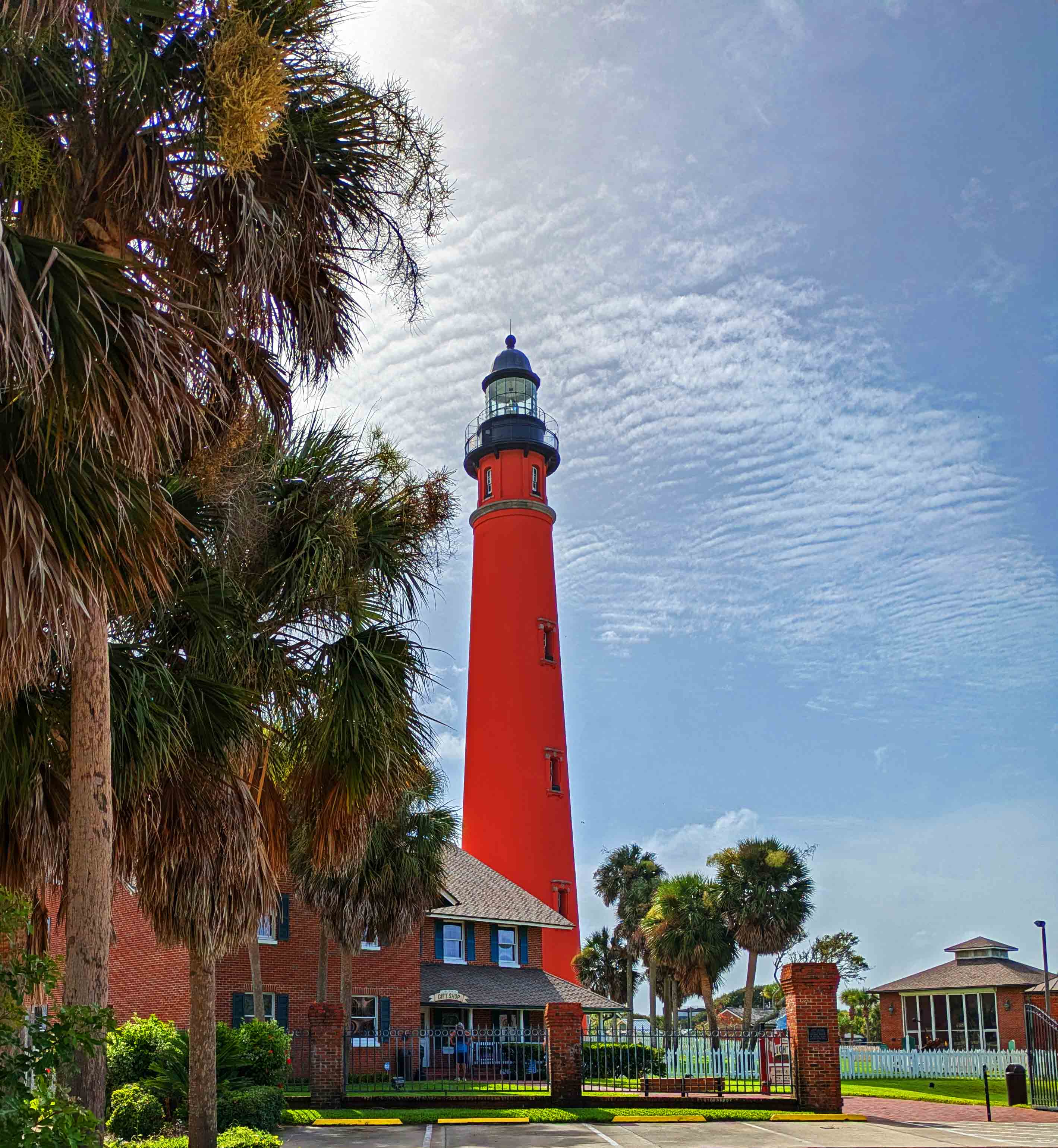
Visiting Daytona Beach, Florida, not only offers what is claimed to be the world’s most famous beach, but also provides an opportunity to visit one of the world’s best lighthouse and museum complexes.

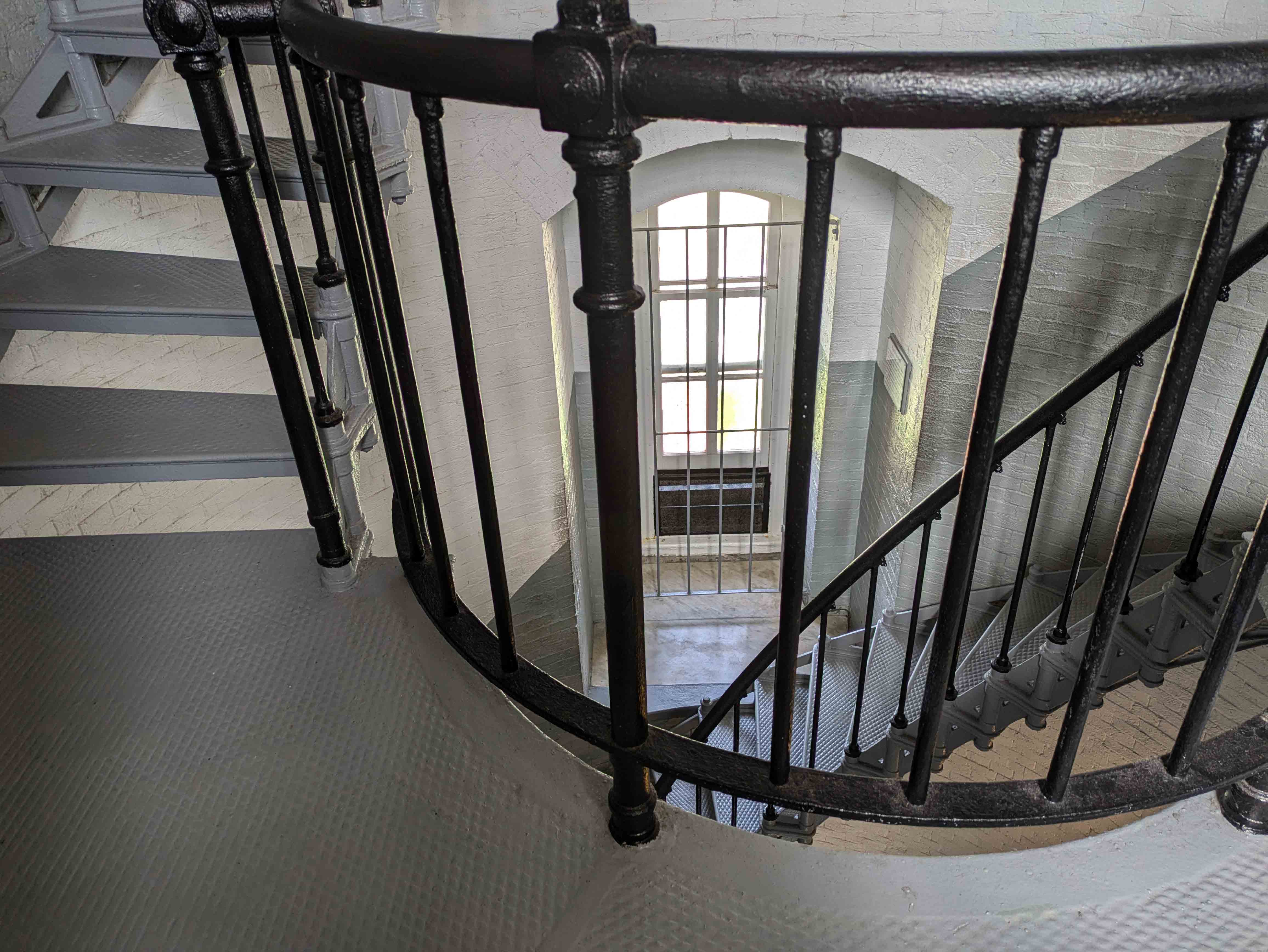
The Ponce de Leon Inlet Light is a lighthouse and museum located at the mouth of Leon Inlet in Florida. It was first established in 1885 and the current structure dates back to 1936. The lighthouse is owned and maintained by the United States Coast Guard. The Ponce de León Inlet light stands 175 feet in height and is the tallest lighthouse in Florida and one of the tallest in the United States (the Cape Hatteras Light in North Carolina is the tallest at 207 feet). The lighthouse was erected to warn ships away from offshore shoals and to help guide ships and boats through the narrow inlet channel.

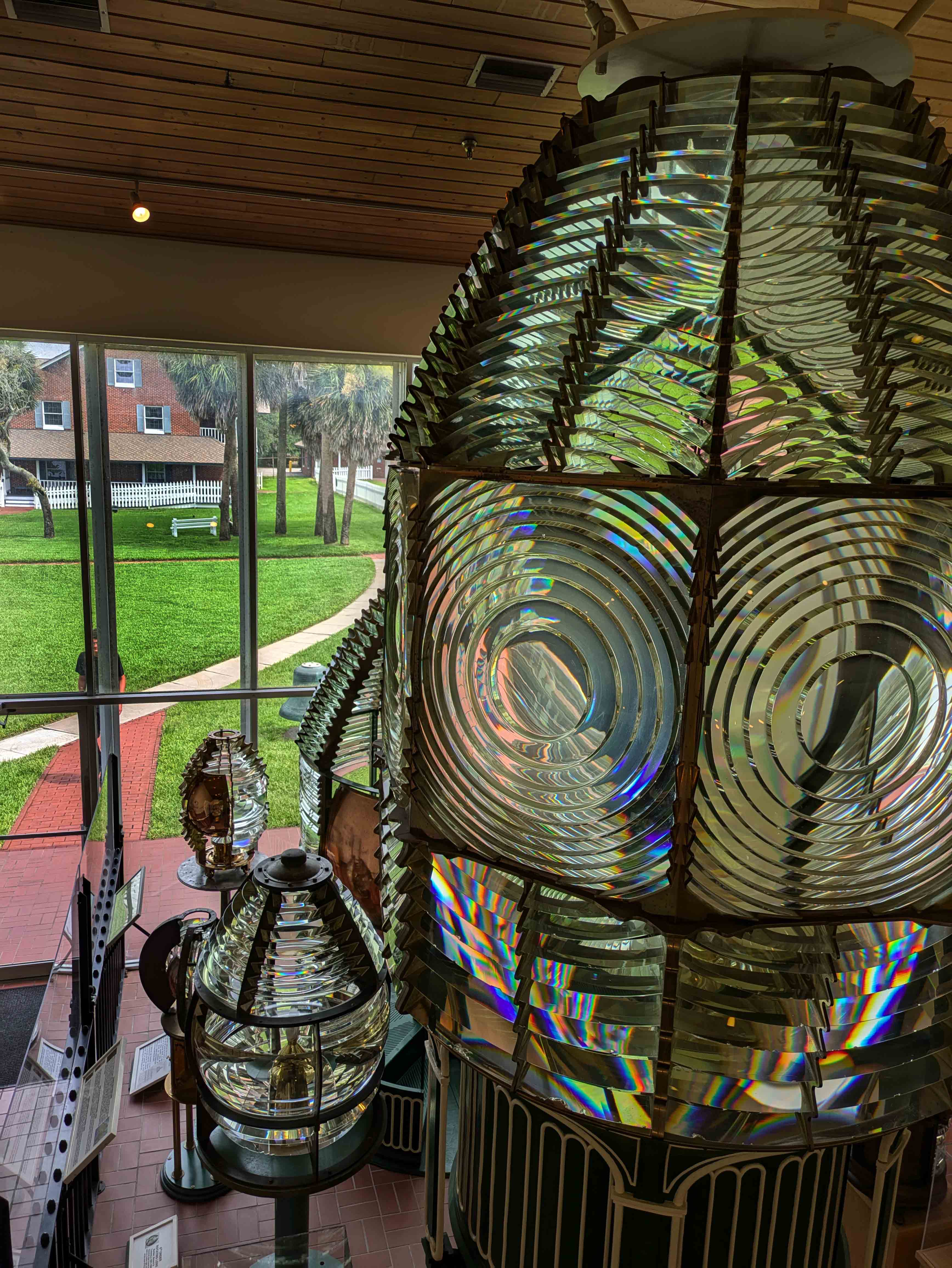
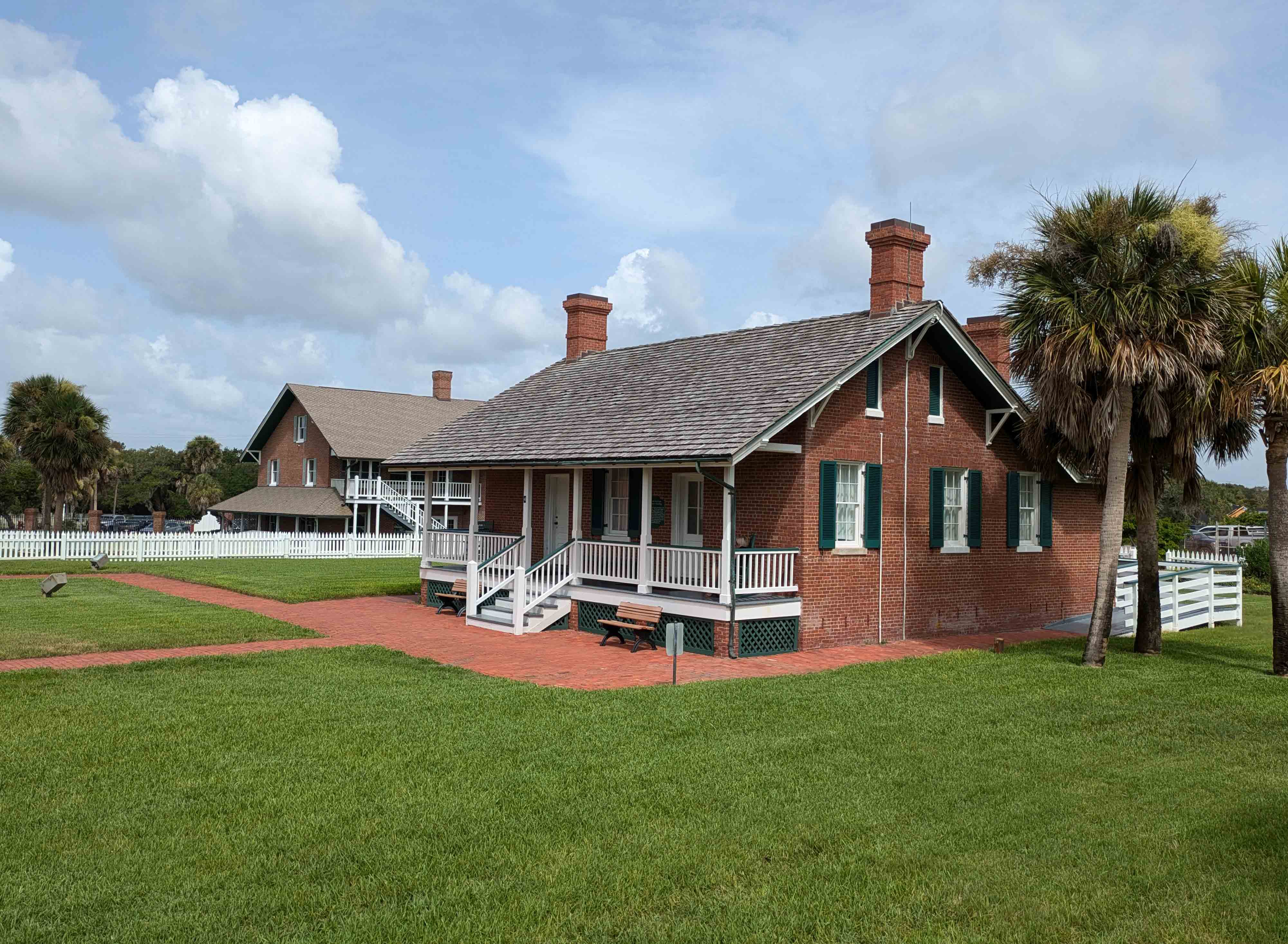
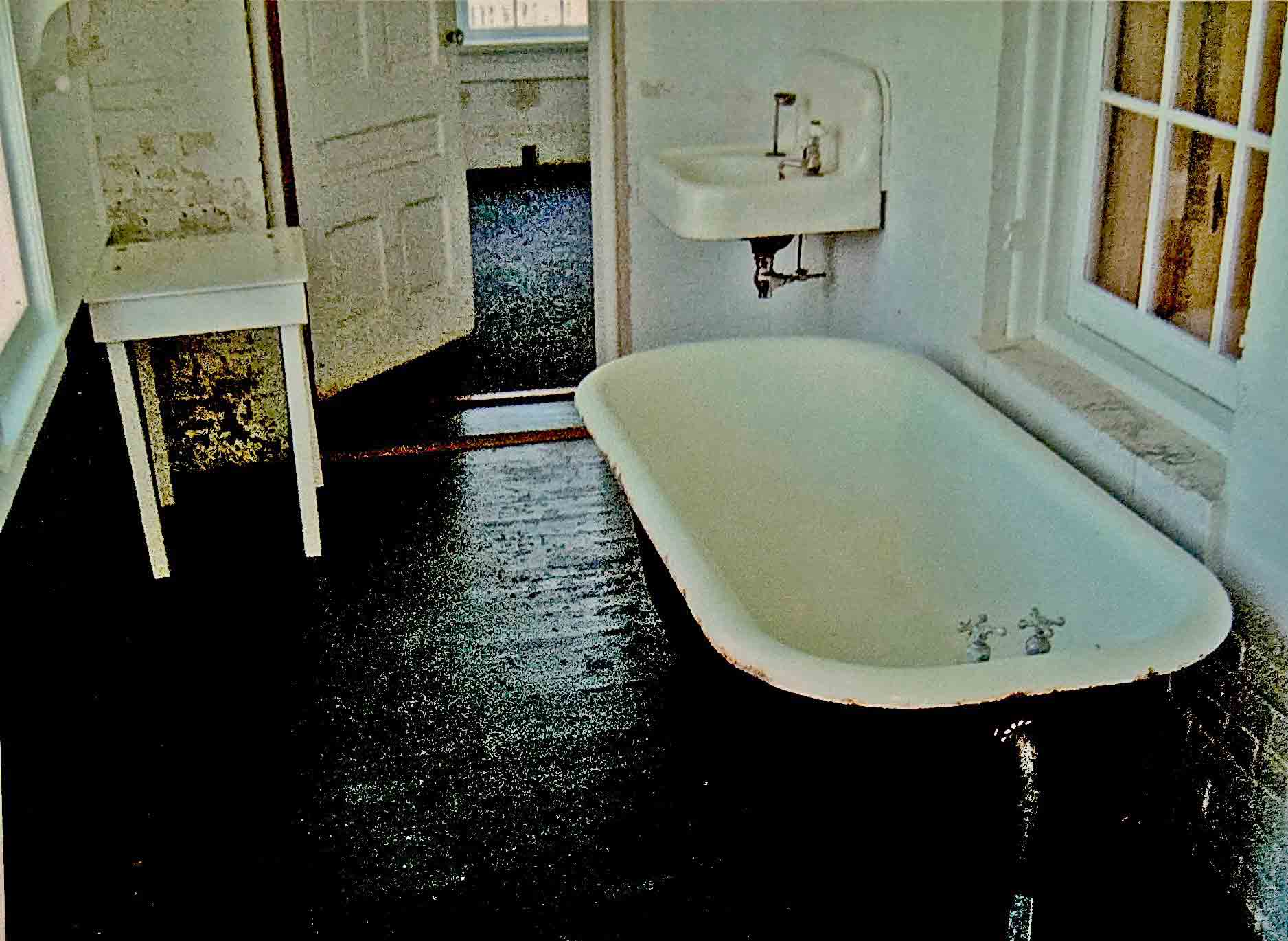
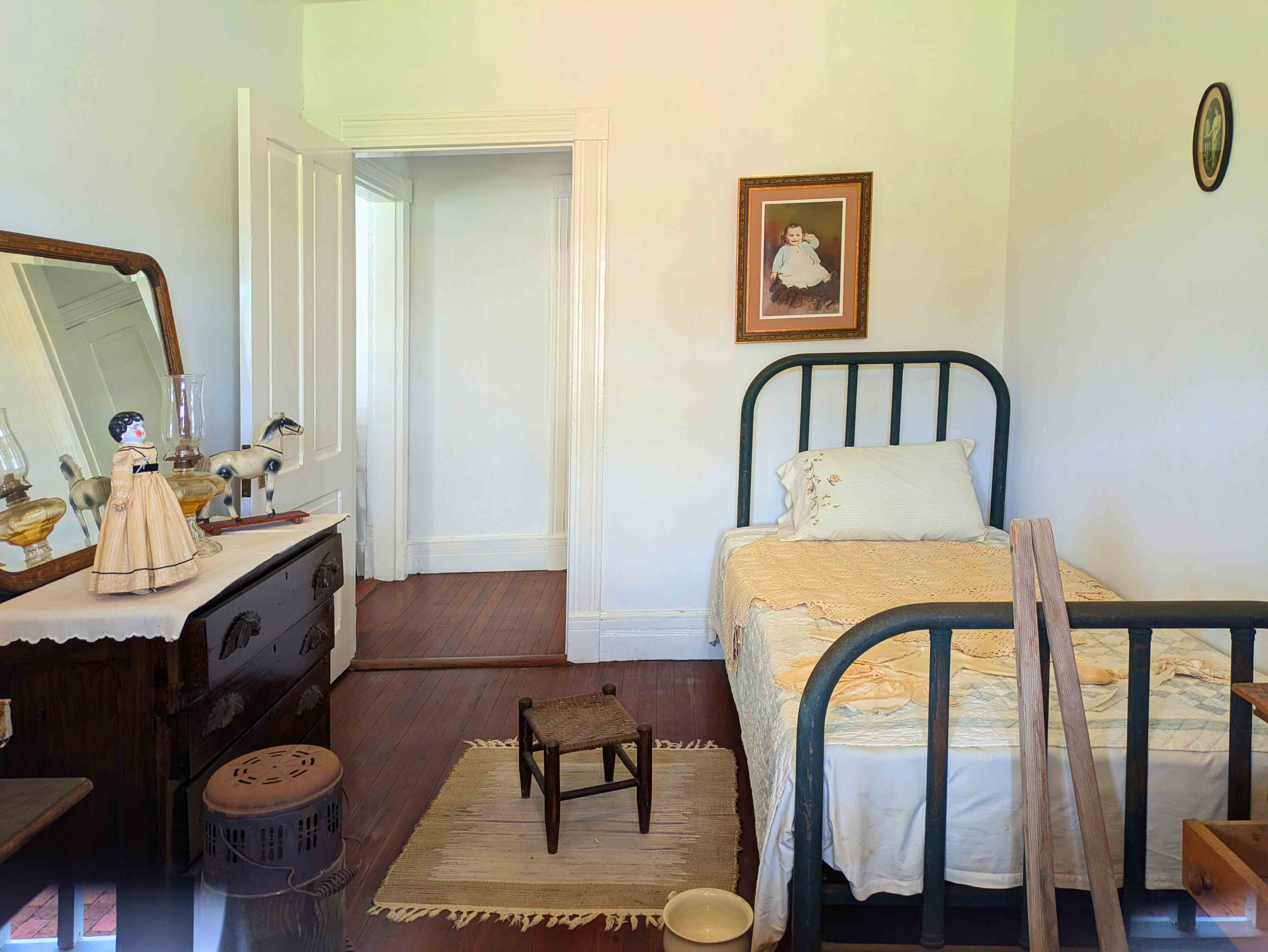
The Ponce de Leon Inlet Light Station is widely considered one of the most authentic and complete historic lighthouse facilities in the country. Declared a National Historic Landmark in 1998 this important site has been managed and operated by the non-profit Ponce de Leon Inlet Lighthouse Preservation Society. The grounds includes the lighthouse, the light keepers house, the assistant light keepers house, the generator building and five additional out buildings. Featured are numerous exhibits on the services that kept the light working along with the history of the U.S. Life Saving Service and the area around the lighthouse.

https://www.ponceinlet.org/history/index