The historic section of Cusco, Peru besides being the old capitol of the Inca Empire and the gateway to visiting Machu Picchu is also an amazing place to explore. Museums, archeological wonders, fantastic restaurants, cafes and interesting shopping. We recommend that if your travel plans take you to Cusco be sure and allow plenty of time to take in this remarkable place.
Join us as we visit historic treasures, natural wonders and vibrant cities set against backdrops that are endlessly changing and visually magnificent.
Join Us • We understand that the last thing you want is more emails cluttering up your inbox, but we promise we’ll work hard to make this worth while. Give us a try and if we don’t live up to our promise all you need do is click the unsubscribe link in our emails.
Don’t Miss Out, SubscribeNow!
You’ll receive notices of new posts, special features and updates right in your inbox…
Kagoshima is located at the southwestern tip of the southern island of Kyūshū. It has been nicknamed the “Naples of the Eastern world” for its warm climate, its bay location and its nearby active stratovolcano, Sakurajima. The city was officially founded on April 1, 1889.
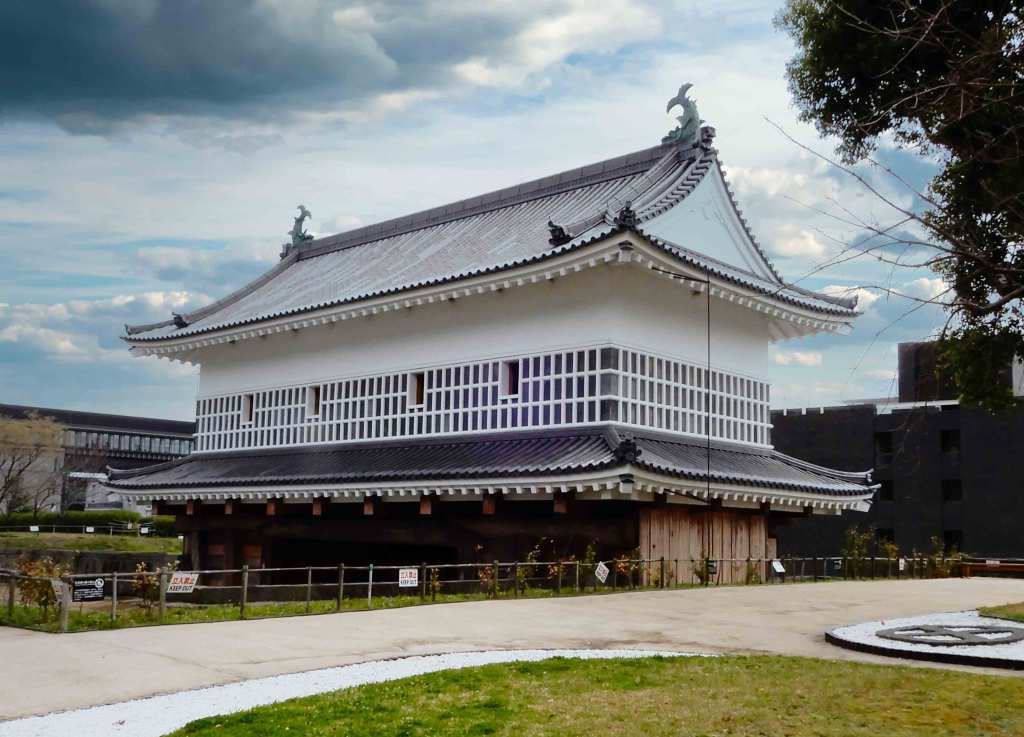
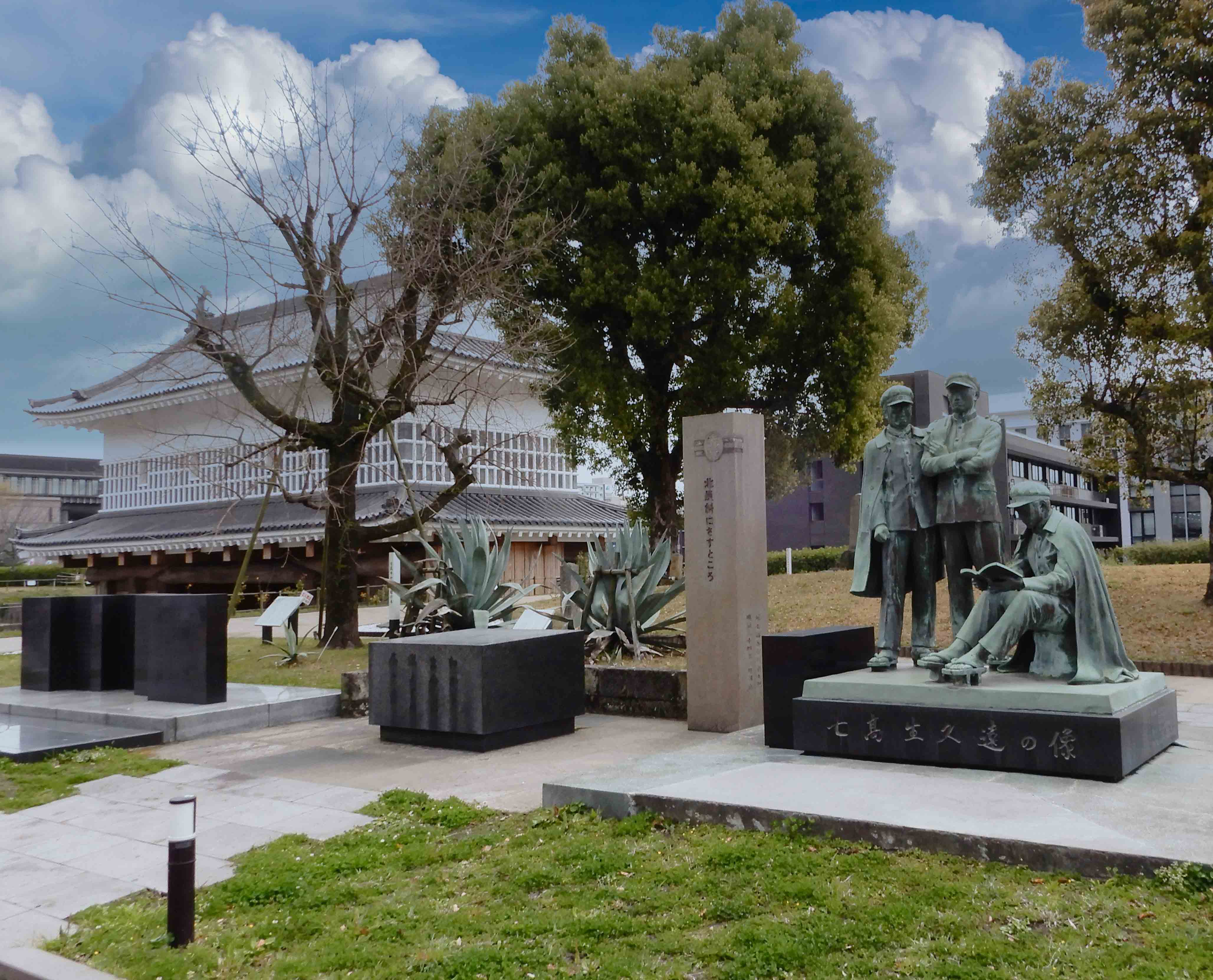
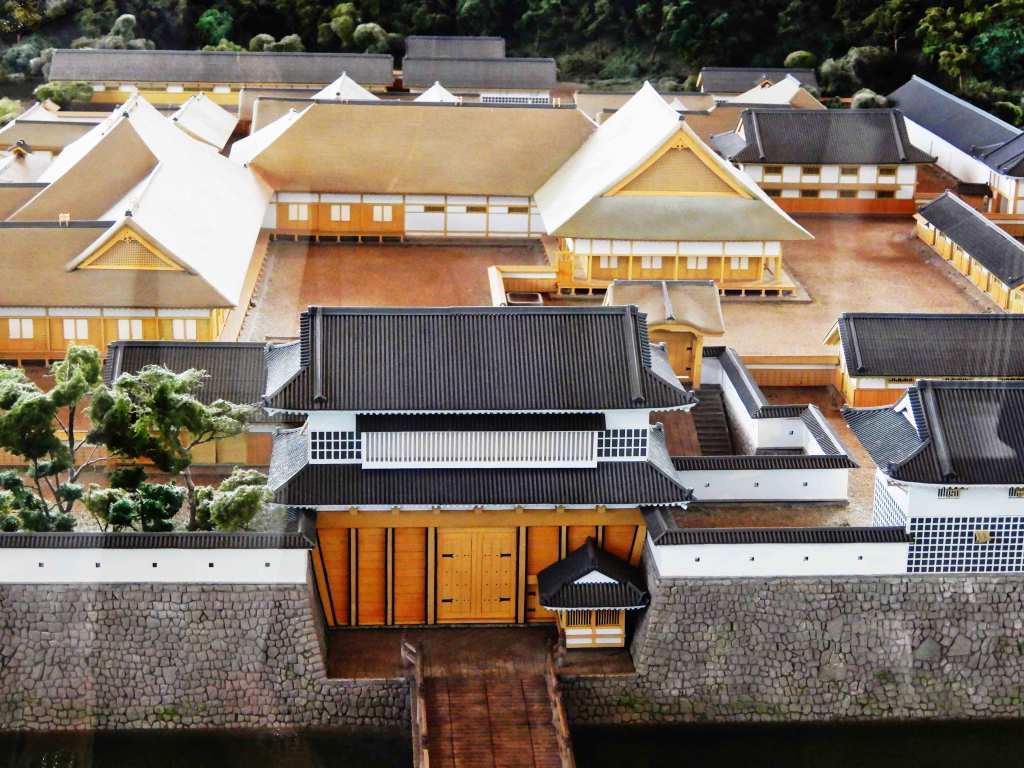
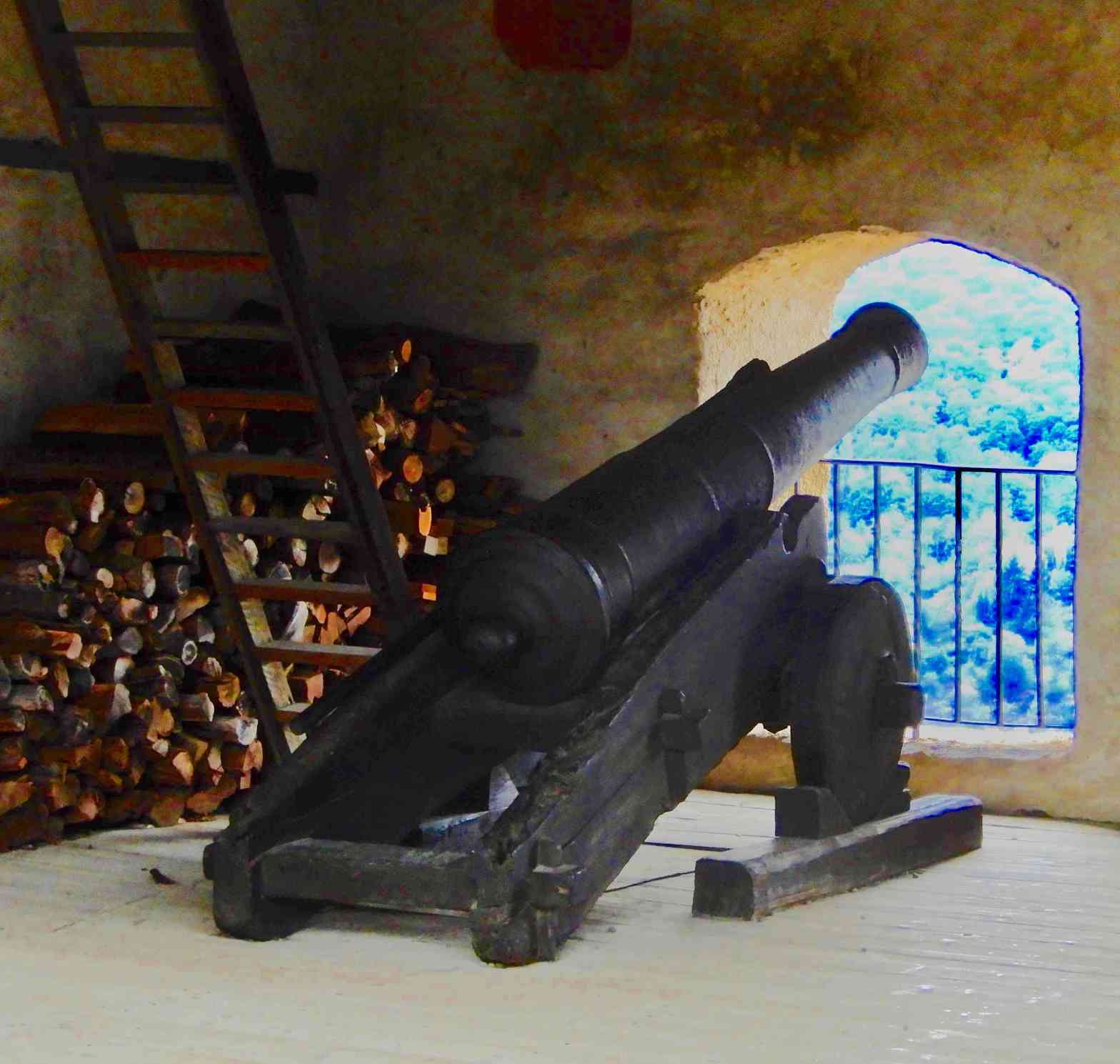
One area of particular note is its historical importance involving the Samurai. Today, Kagoshima preserves its samurai heritage through museums, historical sites, and festivals. The city’s Tsurumaru Castle, built in the 17th century, is a popular attraction.
Where Your Ship Docks
Kagoshima has a modern seaport and the cruise pier is only a mile or two from downtown. Right near the pier there are public facilities and local vendors often offer items for sale near the pier. Getting into town is a bit of a walk but taxis are usually available at the pier.
.
Wheelchair Accessibility
Disembarking – This port has a developed cruise ship pier but the ease of disembarking varies by the individual ships gangway designs. The Kagoshima cruise pier disembarks in a park like setting about two miles from the city’s downtown.right into downtown. For passengers using wheelchairs there can be a moderate ramp incline to deal with.
Port City Characteristics – This port has an average wheelchair infrastructure typical of large cities. The port area has moderate inclines in sidewalks. Intersection crosswalks may have ramps but few wheelchair obstacles.
Currency
Japanese Yen equals 0.0065 US Dollars. 1 USD = 154.68 JPY. Most credit cards are welcome and ATMs are common. The best option for changing currency is the ATMs at 7-Eleven stores.
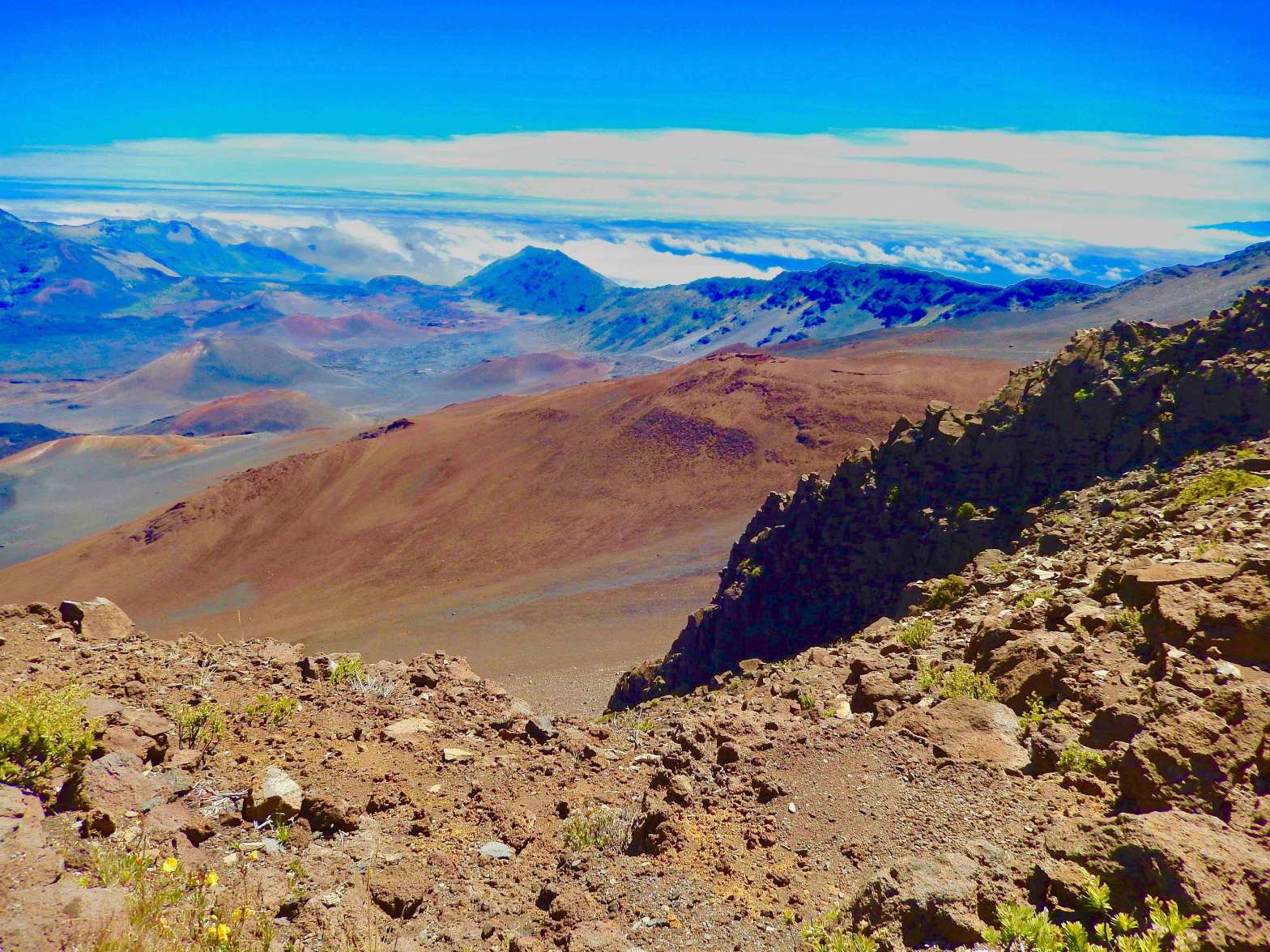
The observatory overlook
Transportation In Kagoshima
Kagoshima has a readily available taxi system, with designated taxi stands located throughout the city. You can hail a taxi on the street or call a taxi company to book a ride.
Taxi Fares The starting fare for a taxi in Kagoshima is 600 yen, with an additional 80 yen added for every 270 meters traveled. There is also a late-night surcharge of 20% between 11 pm and 5 am.
Public Transportation
Kagoshima offers a well-developed public transportation network, including buses, trams, and ferries. The city’s main bus terminal is located near Kagoshima-Chuo Station, and buses connect various parts of the city and surrounding areas. The Kagoshima City Tram is a convenient option for exploring the city center, with stops at major attractions like Sakurajima Ferry Terminal and Tenmonkan. Ferries provide access to nearby islands, including Sakurajima and Yakushima.
Uber has been available in Japan since 2018. However, unlike in the U.S., you’ll find that Uber here is mostly used for airport transfers and other occasional longer-distance trips. Overall, Uber cars are pricier compared to regular cabs for shorter in-city trips.
Trains
Kagoshima is served by the Kyushu Shinkansen bullet train, which connects the city to major destinations like Fukuoka and Osaka. Local JR trains also operate within the prefecture, providing access to towns and villages. The Ibusuki Makurazaki Line offers scenic coastal views.
Historic Events
The Satsuma Rebellion: In 1877, Kagoshima was the center of the Satsuma Rebellion, a samurai uprising against the Meiji government. This rebellion, led by Saigō Takamori, was a significant event in the modernization of Japan and the end of the samurai era.
The Atomic Bombing of Nagasaki: Although not directly in Kagoshima, the atomic bombing of Nagasaki in 1945 had a profound impact on the region. Kagoshima served as a major evacuation point for survivors of the bombing, and the city continues to commemorate the event and advocate for peace.
Sakurajima Volcano: Witness the awe-inspiring Sakurajima Volcano, an active stratovolcano that offers stunning views and opportunities to learn about its geological history.
Major Attractions
Kagoshima Castle: Explore the remnants of Kagoshima Castle, a historical landmark that played a significant role in the Satsuma Rebellion. Climb the observation tower for panoramic city views.
Kirishima Onsen: Relax and rejuvenate in the therapeutic hot springs of Kirishima Onsen, renowned for its healing properties and scenic surroundings.
Kagoshima Black Pork: Indulge in the culinary delights of Kagoshima, particularly the renowned Kagoshima Black Pork a breed of pig native to Kagoshima, known for its high-quality meat, which is characterized by its tenderness, juiciness, and rich flavor.
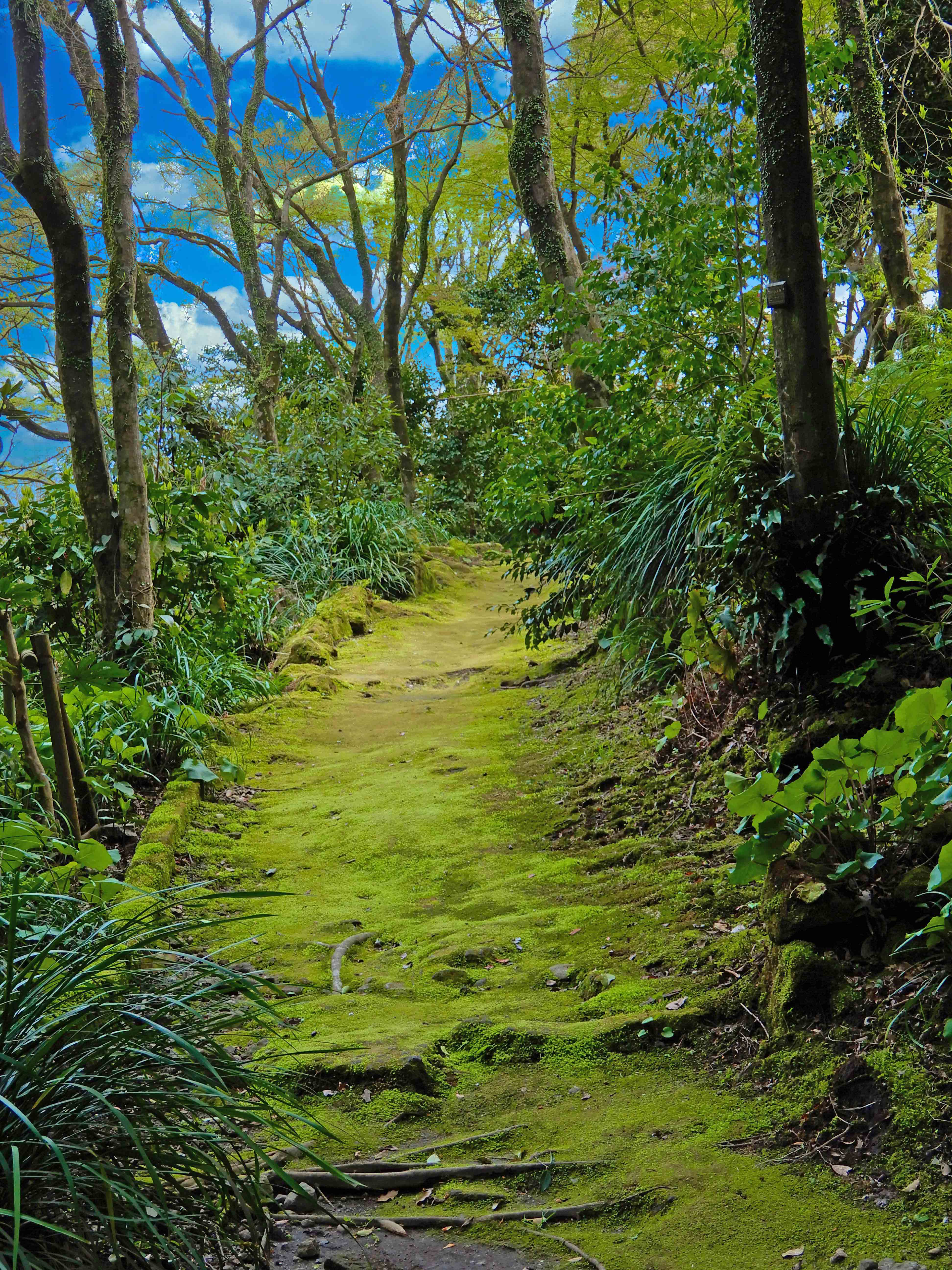
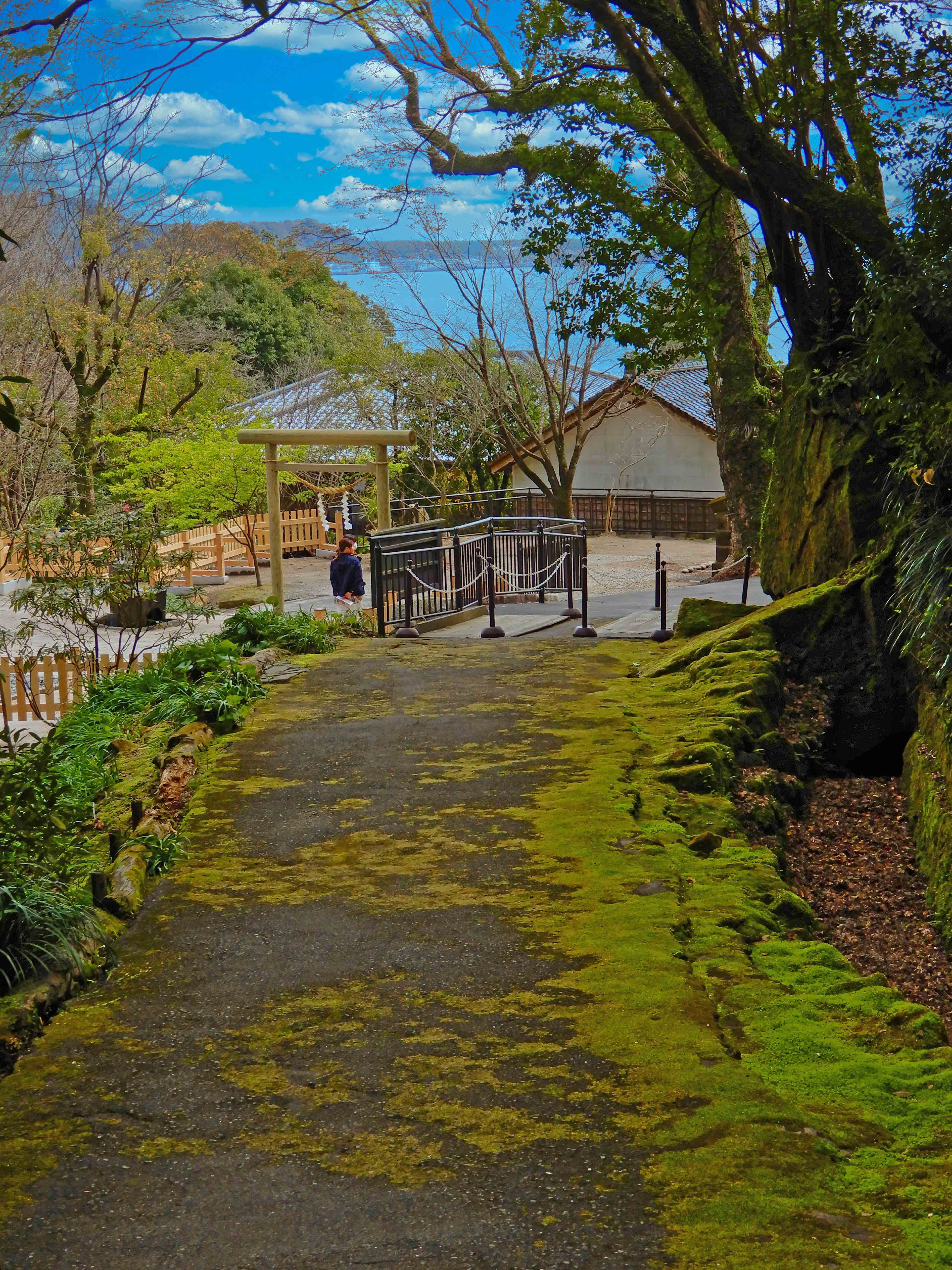
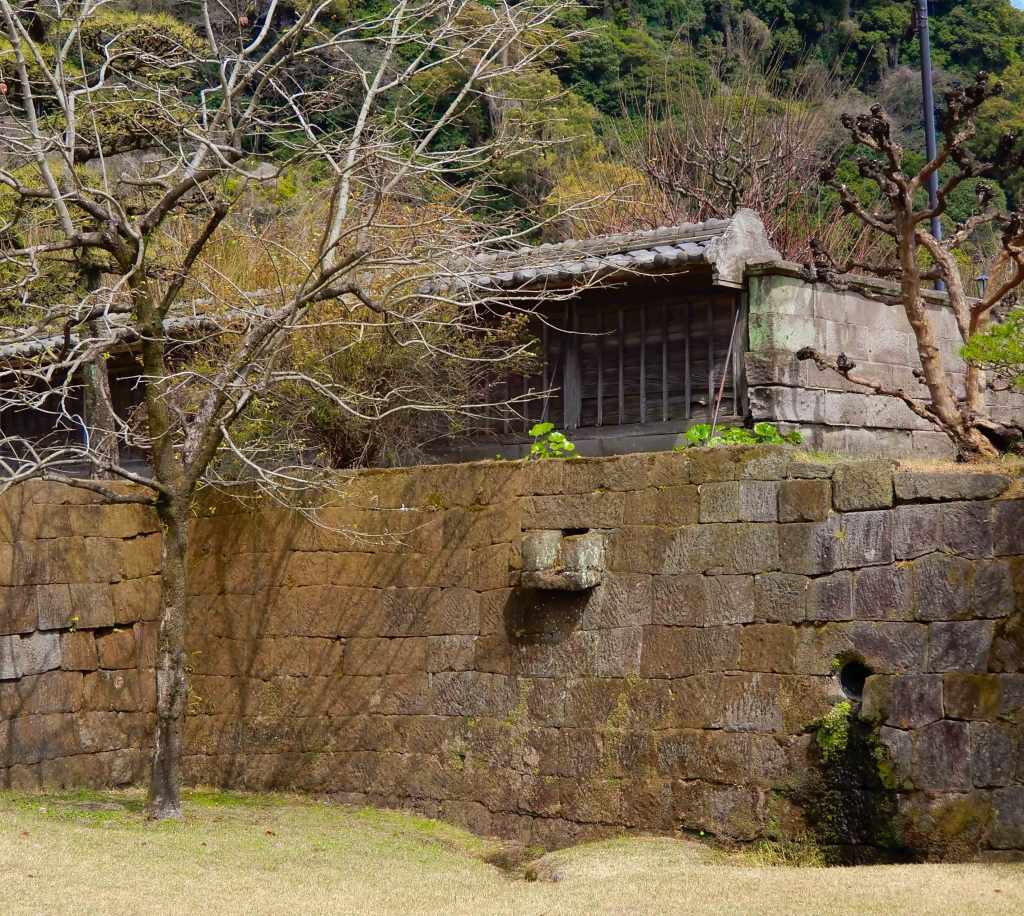
Sengan-en Garden: High on the list is Sengan-en Garden, a traditional Japanese landscape garden boasting picturesque views of the Sakurajima Volcano, Kinko Bay and some interesting archeological sites.
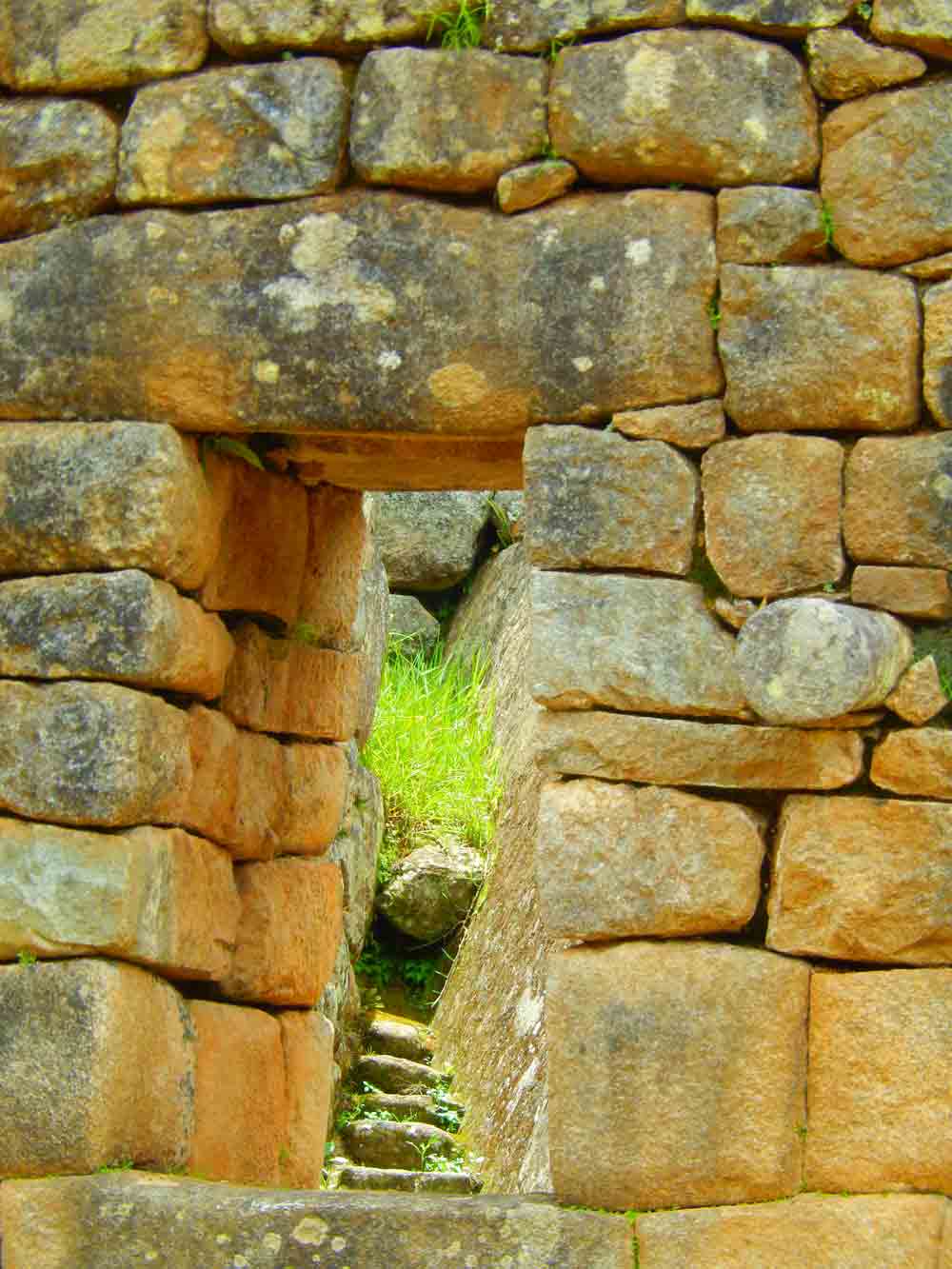
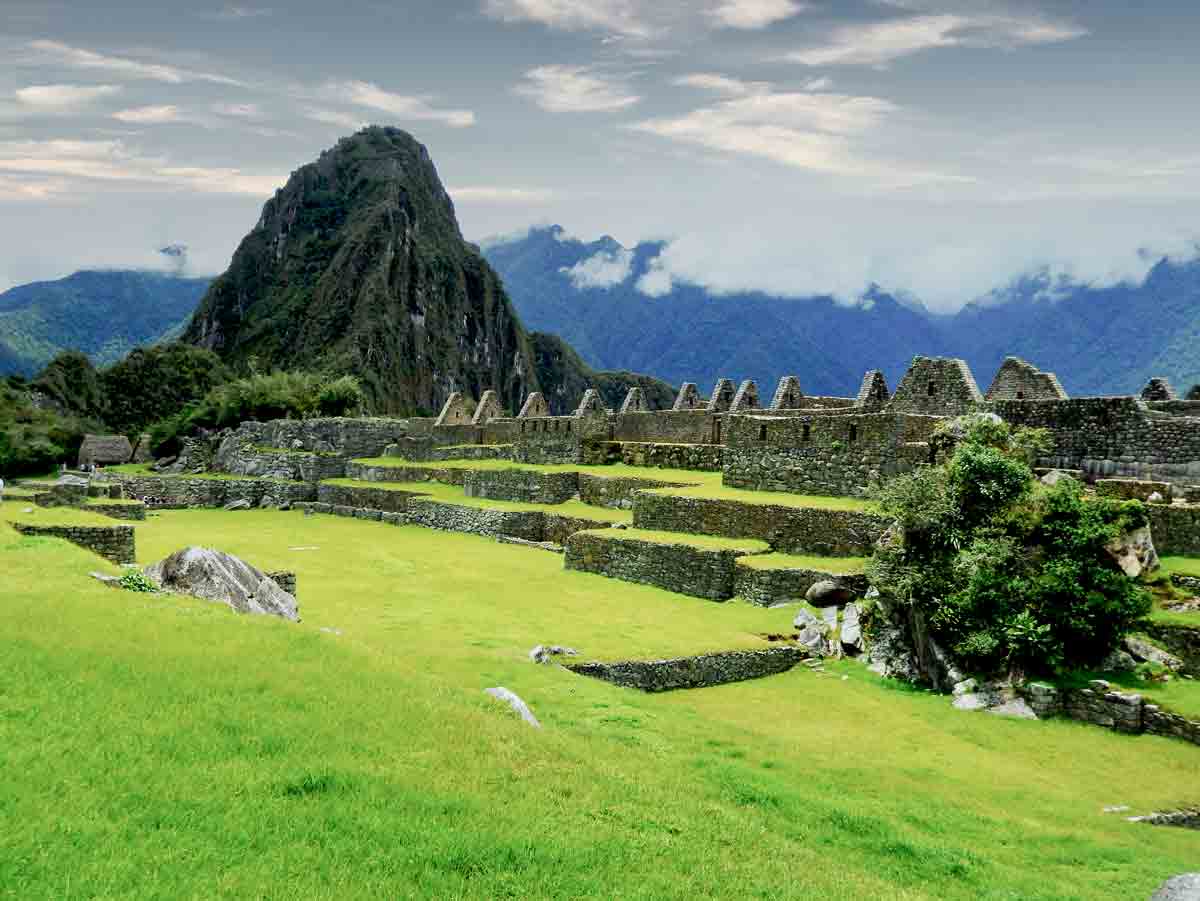
Machu Picchu is a 15th-century Inca citadel located in the Eastern Cordillera of southern Peru, on a 7,970 feet mountain ridge. It is one of the most popular tourist destinations in South America and was declared a UNESCO World Heritage Site in 1983.
The purpose of Machu Picchu remains a mystery, though it is believed to have been built as an estate for the Inca emperor Pachacuti. It was abandoned during the Spanish conquest and remained largely unknown to the outside world until 1911, when it was rediscovered by American historian Hiram Bingham.
Haven’t Subscribed? • We understand that the last thing you want is more emails cluttering up your inbox, but we promise we’ll work hard to make this worth while. Give us a try and if we don’t live up to our promise all you need do is click the unsubscribe link in our emails.
Don’t Miss Out, SubscribeNow!
You’ll receive notices of new posts, special features and updates right in your inbox…
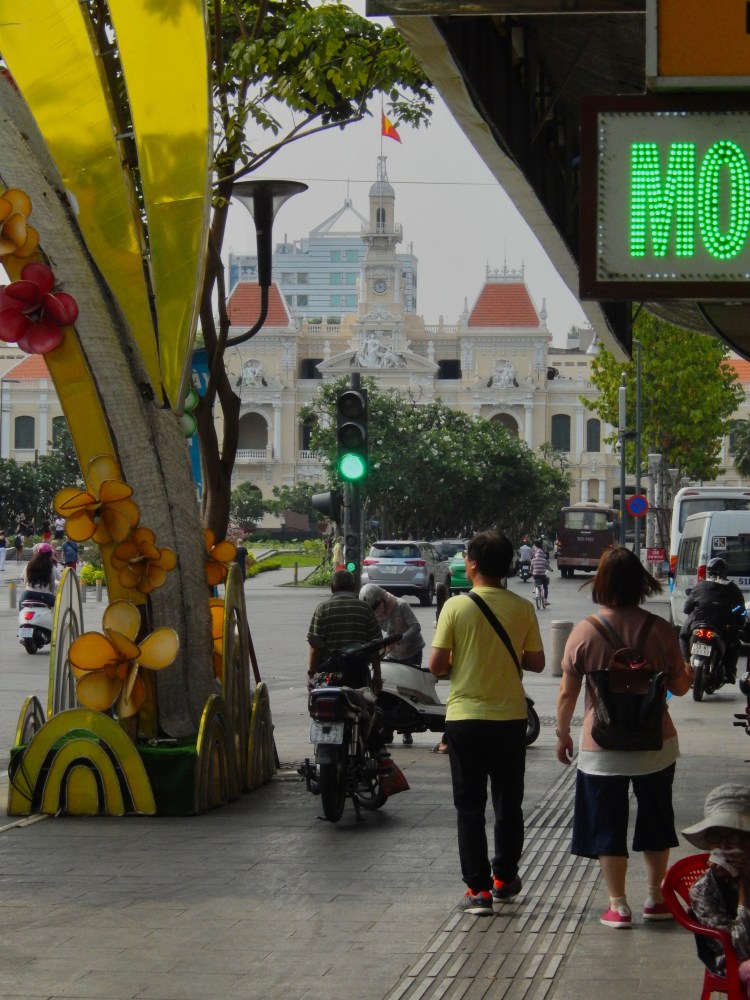
Seven years after this visit to Dong Khoi we returned to Saigon and were really surprised at how much this city and Dong Khoi Street have changed. Most of the high fashion boutiques, posh shops, souvenir outlets and restaurants are gone – replaced by the glass and stainless facades of brand new skyscrapers. Things change and I’m guessing many shops have relocated. More on Saigon soon…
A Short Story
Spending a few days in Vietnam on two occasions recently, we spent time shopping on Dong Khoi Street in Saigon. (Officially, it’s Ho Chi Minh City, but even the residents still call it Saigon.) Vietnam is bargain hunter heaven, featuring a great exchange rate with the U.S. Dollar which are also accepted virtually everywhere. Most countries have a famous, upscale shopping street like Fifth Avenue, Bond Street, Champs-Elysées and Via Veneto, and Dong Khoi Street is Vietnam’s. About a mile long, it is lined with high fashion boutiques, posh shops, international hotels and restaurants and more than a few souvenir outlets.
While walking Dong Khoi Street, we stopped in front of a collectibles shop where the entire window was full of military Zippo lighters. Our first reaction was one of shock. As an American, you cannot visit Vietnam without being conscious of the ghosts of the War and, if you served, your memories are still incredibly stark. We have spoken with a number of Vietnamese and, generally, their attitude seems to be focused on the future rather than the past. For most of our time in Vietnam, we rarely felt any resentment from the people we met and, the official policy is, America is an ally and a valuable trading partner.
U.S. Military unit Zippo lighters in a shop window Dong Khoi Street, Saigon Vietnam
In the sixties and seventies, the Zippo lighter was ubiquitous in our military. Almost everyone smoked and the Zippo was THE lighter. Most military units bought Zippo lighters with their emblem attached or engraved. Standing on Dong Khoi Street looking in that window, the first thought was how did they come by hundreds of U.S. military lighters from dozens and dozens of military units? The first guess wasn’t particularly good, but than I thought back to those days. The lighters were solid, well made, reliable and pretty inexpensive, and everyone wanted them. Working with the Vietnamese it was an inexpensive gift that was very appreciated and we often carried a couple on us as a reward or for barter. In the months that I served, I probably gave away over a dozen of our unit’s Zippo lighters to Vietnamese we worked with. That’s where those lighters came from…
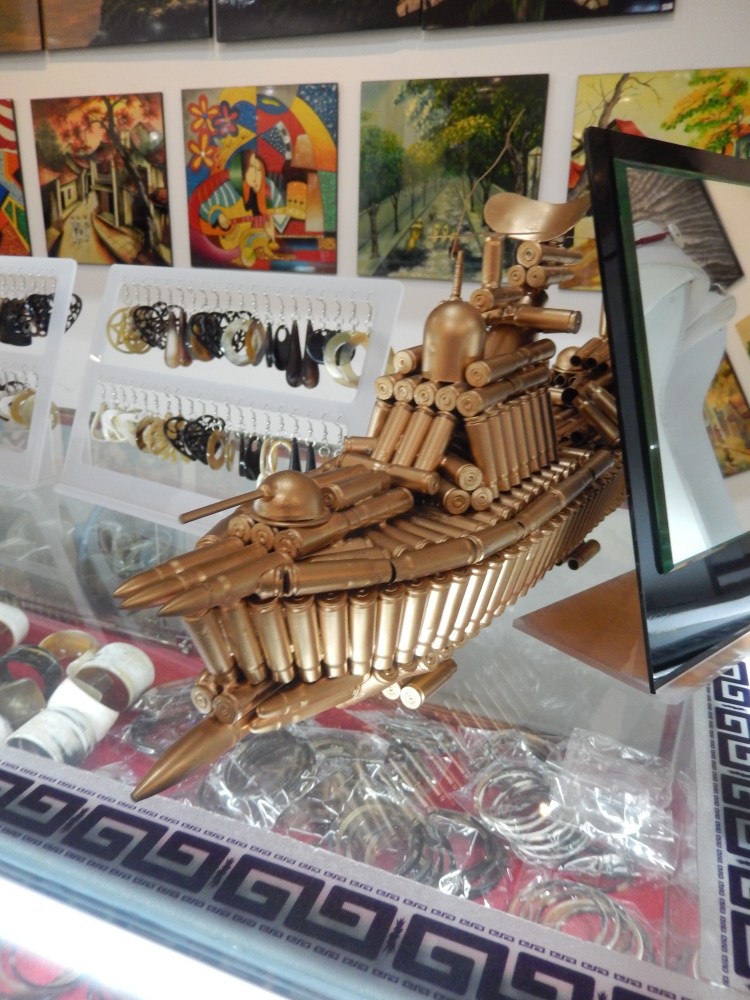
Made from 50 Cal. casings
The memories of the war are everywhere in Vietnam like the Cu Chi Tunnels where the Viet Cong hid from the enemy. We came across a few shops that were selling “art” made from left over war materials. A couple of times we came across models made from 50 caliber shell casings.
Laser Pop-Up Cards
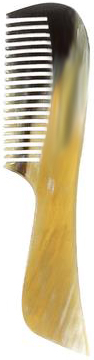
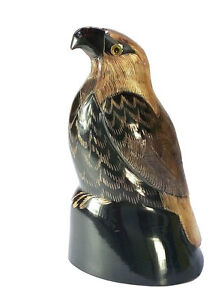
Water buffalo horn
Walking the neighborhood around Dong Khoi Street there are a number of notable sites like the Saigon Opera House and the Rex Hotel, but it’s the shopping that brought us there. As a visitor, we discovered a number of remarkable items in Vietnam. One is laser-cut greeting cards. You know those cards with finely cut patterns that pop-up when opened. At home these sell for up to $10 but, in Vietnam, street vendors sell them for 1 to 2 dollars. Tee shirts are a great buy with prices as low as $3 or $4 but sizing is all over the place so be careful when purchasing. Saigon is also noted for great prices on high fashion and custom tailoring with a number of famous fashion houses represented along Dong Khoi. Lacquerware featuring hand painted pieces with that deep, dark finish are a local speciality available in a number of shops. For small items there are also hundreds of things crafted from water buffalo horns like hair combs and art carvings that make good souvenirs. Bamboo and wooden products are mostly hand made and available in a variety of woods and colors. Look for carved bamboo hats, bowls, trays and baskets. Paper fans are also a familiar item in Vietnamese lives and make a good souvenir that is easy to pack.
Carved wood figures
If you’ve had reservations about visiting Vietnam as an American, put them aside. This country is on the move and the people are friendly and welcoming
The bar at the Hilton Dong Khoi Street
Looking For Something Special? Search this site to find travel inspiration, tips and more.
The view in the opposite direction from the featured image
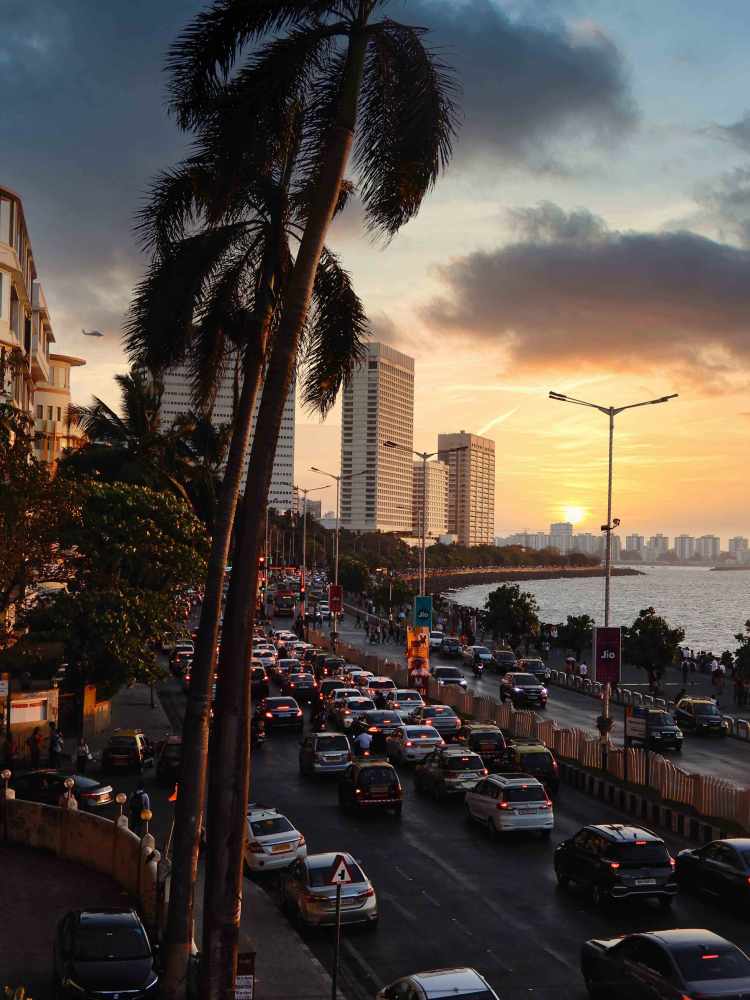
The view from atop a high rise on Marine Drive looking across Back Bay to the WNW. Mumbai is India’s second largest city and its most affluent but it is also home to one of the world’s largest slums.
Like much of Asia’s large and growing metropolitan areas, Mumbai is also struggling to deal with traffic congestion, smog, poverty and affordable housing, while it is also home to some of Asia’s richest residents helping to fuel a huge building boom.
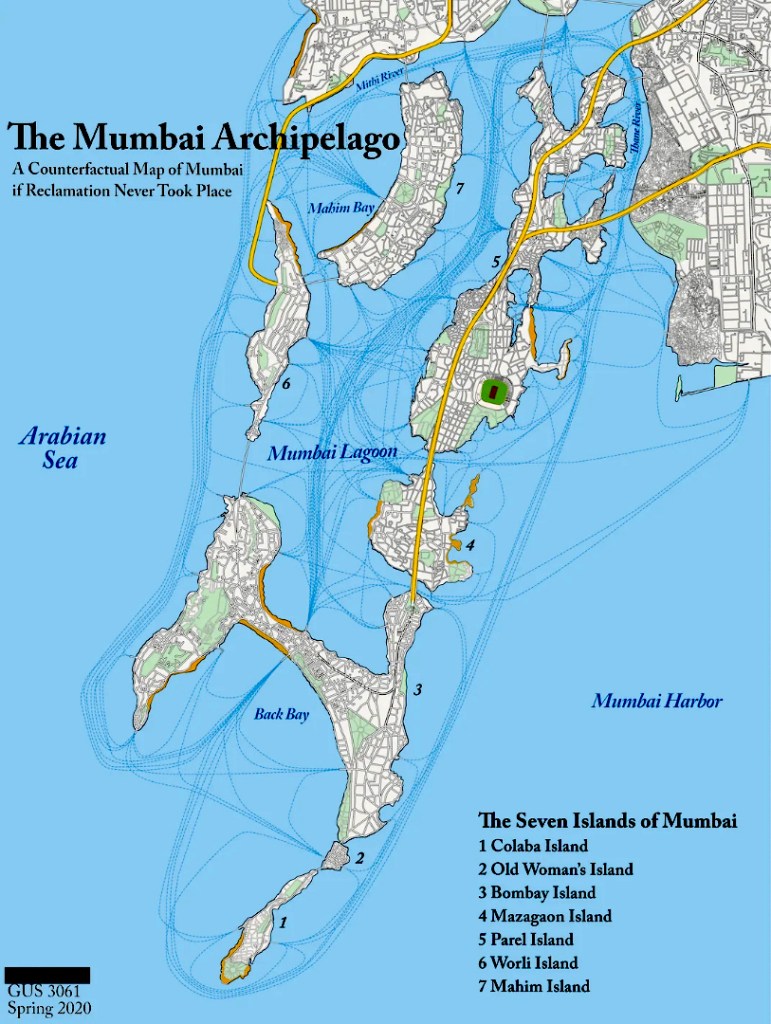
Mumbai was actually built from what was originally an archipelago of seven islands that included Mumbai Island, Parel, Mazagaon, Mahim, Colaba, Worli, and Old Woman’s Island (also known as Little Colaba). The islands were turned into a single landmass by the Hornby Vellard engineering project in 1784.
Screenshot
Looking for good information on ports of call? Descriptions on using public transportation or visiting international cities? Sign up and follow us as we explore the world.
Sure, we understand that the last thing you want is more emails cluttering up your inbox, but your subscription means a lot to us. We promise we’ll work hard to make this worth your while. Give us a try and if we don’t live up to our promise all you need do is click the unsubscribe link in our emails.
Don’t Miss Out, SubscribeNow!
You’ll receive notices of new posts, special features and updates right in your inbox…
Submitted by Team Custom Alaska Cruises teamcustomalaskacruises@gmail.com
Large Vs Small Ship Cruises: Choosing Your Ideal Alaska Adventure
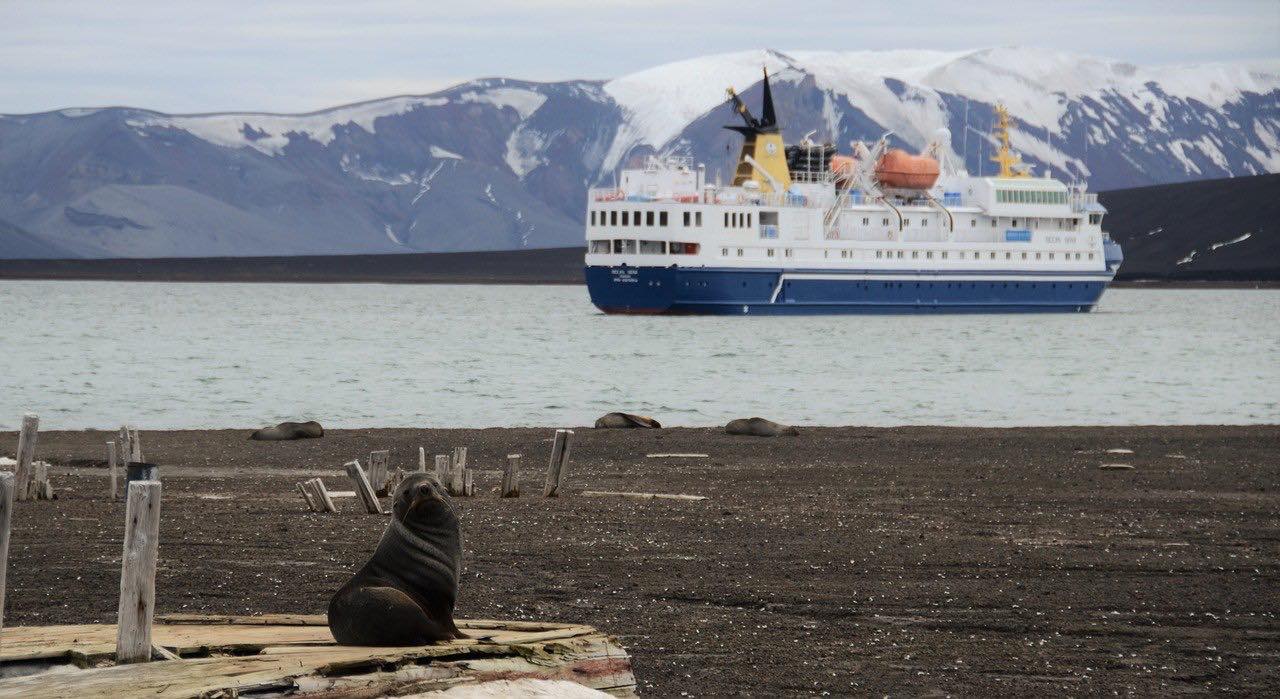
Dreaming of an Alaskan cruise? It’s more than just a trip; it’s a dream come true. Imagine yourself amidst towering glaciers, diverse wildlife, and landscapes so beautiful they take your breath away. But wait, before you pack your bags, there’s a big decision to make: large ship or small ship? Both have their perks, and it really boils down to what kind of experience you’re looking for.
Benefits of small ship Alaska Cruises
What is the benefit of small ship Alaska Cruises? They offer a more intimate experience, getting you up close with nature and often a more relaxed vibe. Here’s why they might be your perfect match:
All-inclusive: Most Alaska small ship cruising companies offer all-inclusive excursions, food and internet. Yes, you heard that correct: free internet!
Nature Up Close: Small ships can sneak into places the big ones can’t, offering a front-row seat to Alaska’s natural wonders.
Personal Touch: With fewer passengers, expect personalized service that makes you feel right at home.
Flexible Itineraries: Spot a pod of whales? Small ships can change course for impromptu wildlife watching.
Peace and Quiet: If a laid-back, serene atmosphere is what you’re after, small ships are where it’s at.
Benefits of large ship Alaska cruises
Let’s talk big ships. They’re like floating cities, loaded with activities and amenities. Perfect for those who love a bit of hustle and bustle. Here’s the scoop:
Variety on a Grand Scale: Think Broadway-style shows, endless dining options, and pools you could get lost in. Ideal for families or groups who want a bit of everything.
Non-Stop Entertainment: Love a good show or a night out dancing? Large ships are your ticket to non-stop fun.
Amenities Galore: Fancy a spa day or staying fit while at sea? Large ships have you covered with all kinds of facilities.
Diverse Dining: From casual bites to upscale dining, your taste buds are in for a treat.
Making Your Choice
So, big or small? It comes down to what you want out of your cruise. If variety and constant entertainment are your things, go big. But if you prefer intimacy with nature and a quieter setting, small is beautiful. Either way, Alaska won’t disappoint.
Excursions to Remember
Regardless of your ship size, Alaska’s excursions are where the magic really happens. Here are some must-dos:
Glacier Bay National Park: Experience the raw beauty of glaciers and wildlife.
Denali National Park: Dive into wild landscapes and spot majestic wildlife.
Mendenhall Glacier and Juneau: Go for a helicopter ride or trek near this icy giant.
Sitka’s Wildlife: Perfect for spotting sea creatures and enjoying nature activities.
Ketchikan’s Rainforest: Blend adventure and culture in this unique setting.
In a Nutshell
Choosing between a large and small ship for your Alaskan cruise is all about matching your vacation style with the right experience. Whichever you choose, Alaska’s stunning landscapes and unforgettable excursions are sure to make your journey memorable.





















 The Intentional Travelers