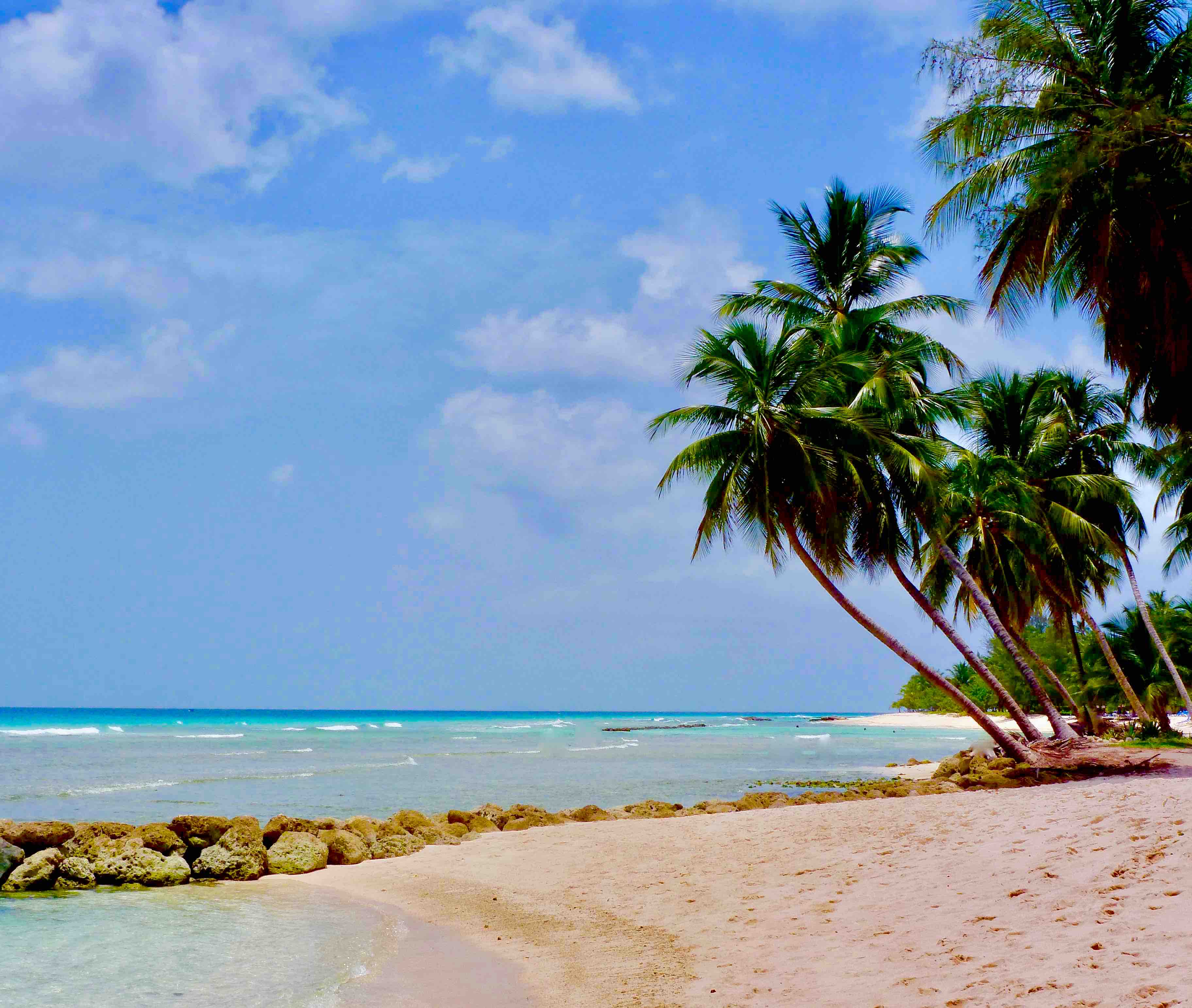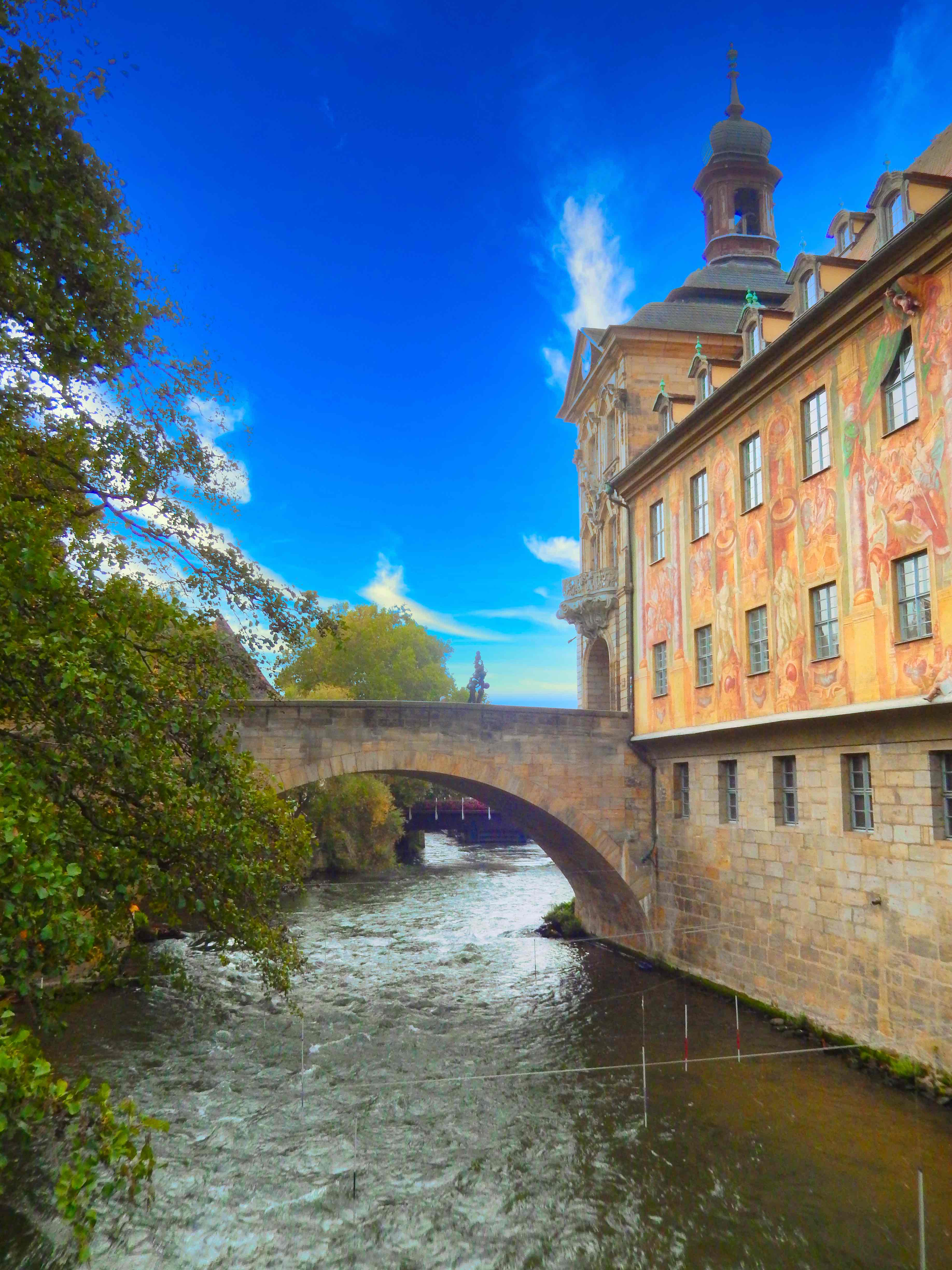
Bucket List • 77 Places To See Before You Die

Plus A Compilation Of Travel Bucket Lists

A number of bucket lists compiled by visiting over two dozen sources and selecting those destinations that have been mentioned most often.


The Intentional Travelers 25 Must Do Additions To Your Travel Bucket-list

This is The Intentional Travelers top destinations compiled from our decades of exploring the world. You might find it incomplete and you’d be right, since hopefully we haven’t done all of our own bucket list items yet.


After this list you’ll find more compiled lists featuring cruise itineraries, historic sights, nature travel and more…

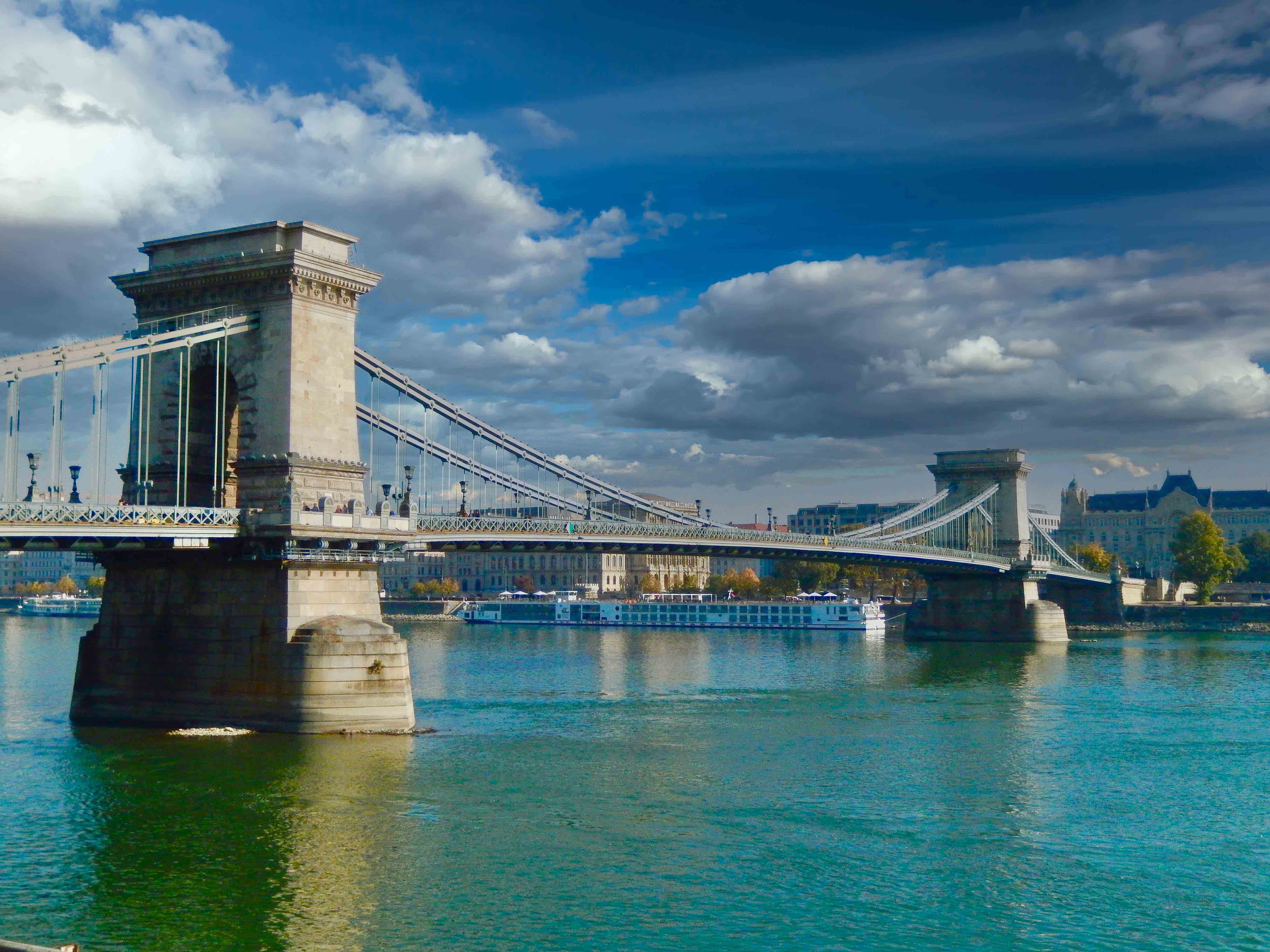
  • Budapest: While it’s hard to single out one city from all the world’s great cities, Budapest is our favorite all-around city. It’s incredibly beautiful with castles, cathedrals and the Parliament building along the Danube River, a fantastic mass transit system and amazing restaurants and cafes.
  • Iguazu Falls: Now recognized as one of the natural wonders of the world, Iguazu Falls is an experience that belongs on every bucket list. Be sure and note the best park for visiting the falls is in Argentina and the time is December to May.

  • Prague: This historic city features a vibrant culture, world class public transportation and fantastic food and cafe opportunities. The parks and trails along the Vltava River invite you to spend hours strolling and relaxing.
  • Kilauea Volcano At Night: When the volcano is active don’t miss the unparalleled opportunity to observe molten lava flowing into the ocean, lighting up the coast while clouds of steam billow skyward. Be sure and check ahead with tour operators about the current conditions.

  • Paris: There is only one Paris and should be near the top of everyone’s bucket list. Home to the Eiffel Tower, the Louvre, Notre Dame, the list goes on and on and don’t miss the food and nightlife.
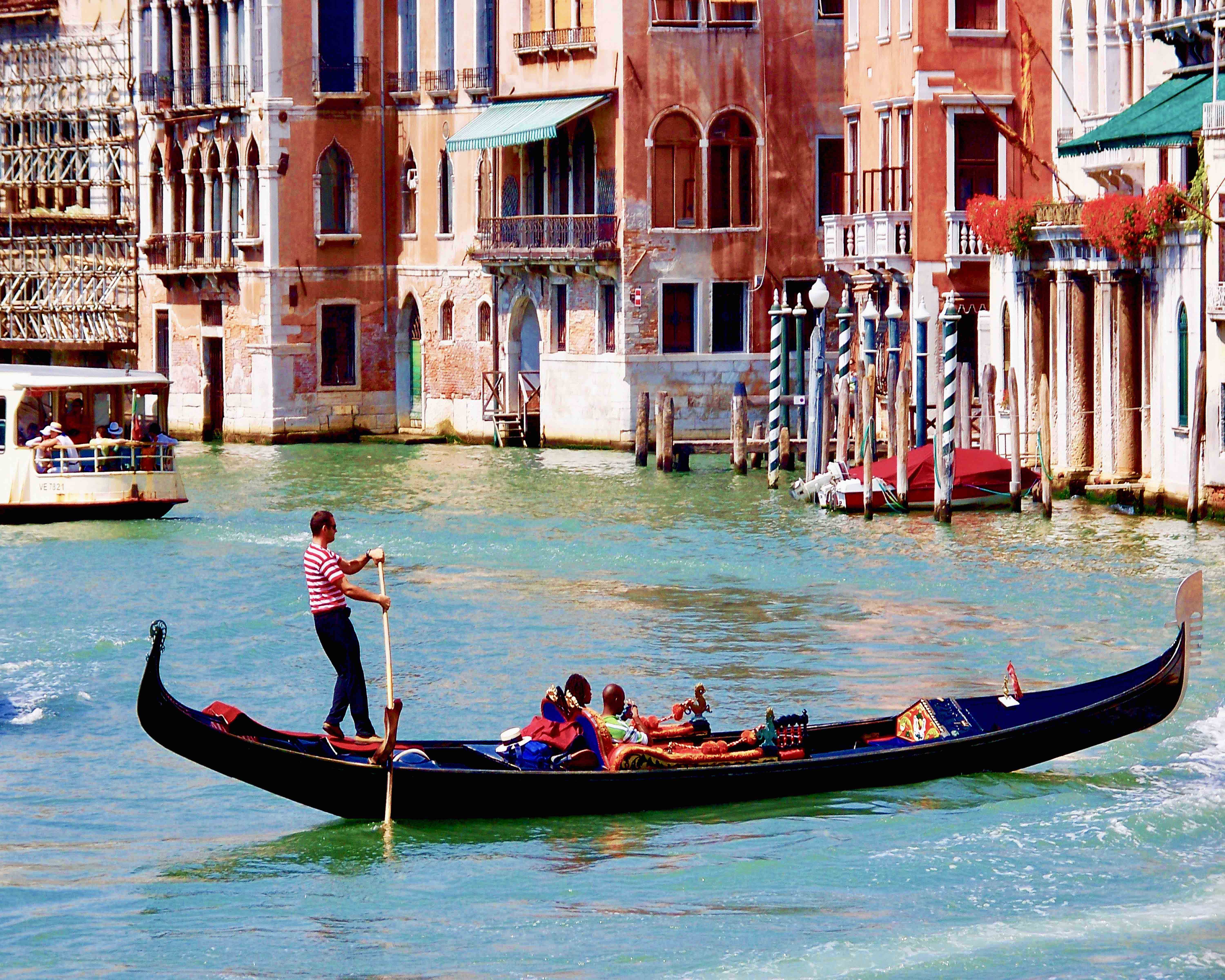
  • Venice: The expression says “see Venice and die”, suggesting there is no place in the world that can top the experience of visiting Venice. With its magnificent canals, palaces, cathedrals and public squares you’ll understand why. Don’t miss the gondolas as it is a unique experience.
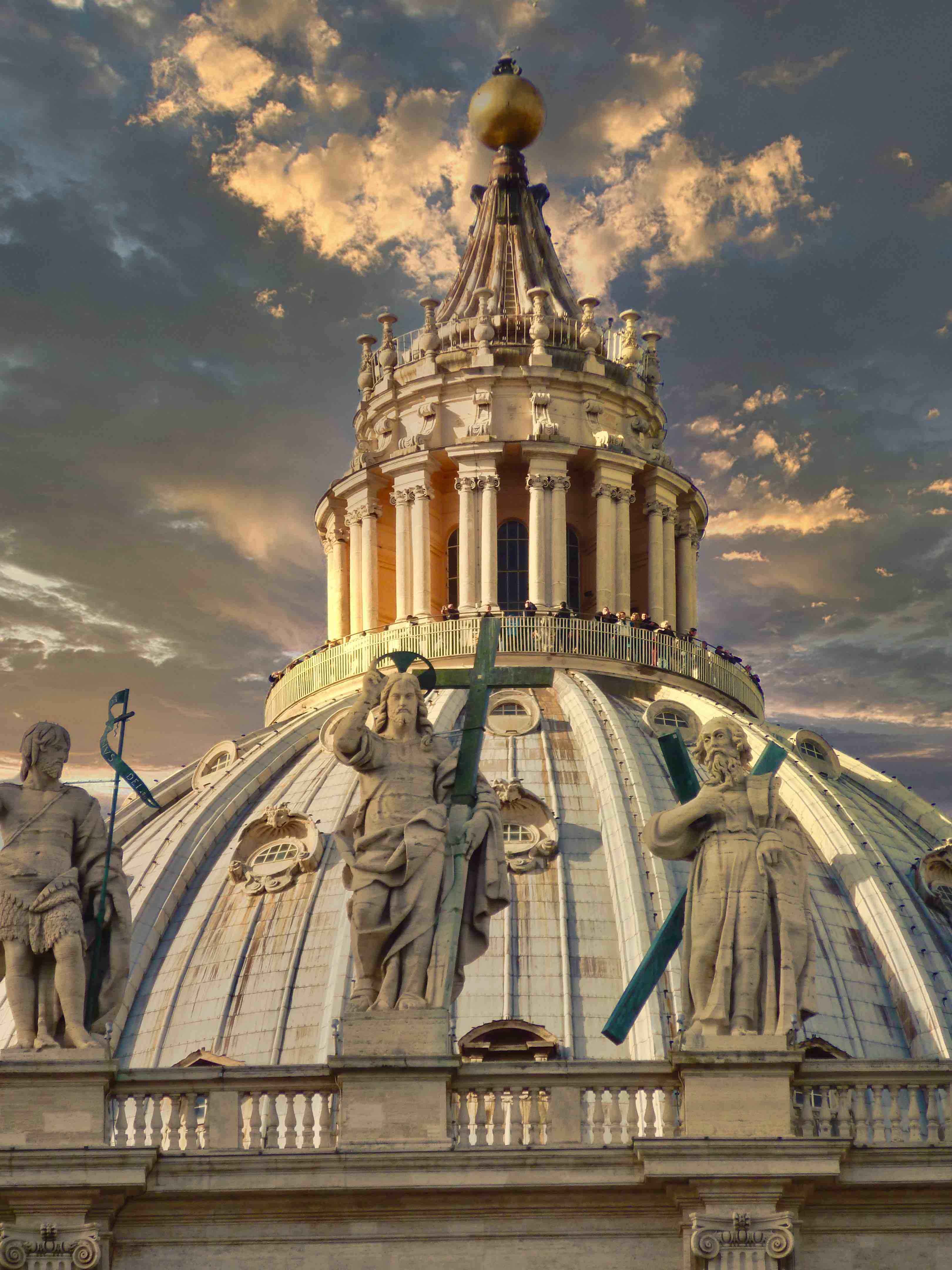
  • Rome: Not only is Rome the ancient capital of the worlds greatest empire with those amazing ancient building, it is also a city that was home to Popes, great architects and Renaissance artists. Throw in great restaurants, wine bars and fabulous shopping and this city belongs on everyone’s bucket list.
  • Resurrection Bay, Alaska: We’ve taken numerous nature tours over the years from Denali to Amazonia to Australia and none of them come close to our day out on Resurrection Bay. From whales to eagles, sea lions and puffins, wildlife was everywhere. One consideration is you’ll need good weather for the best experience.
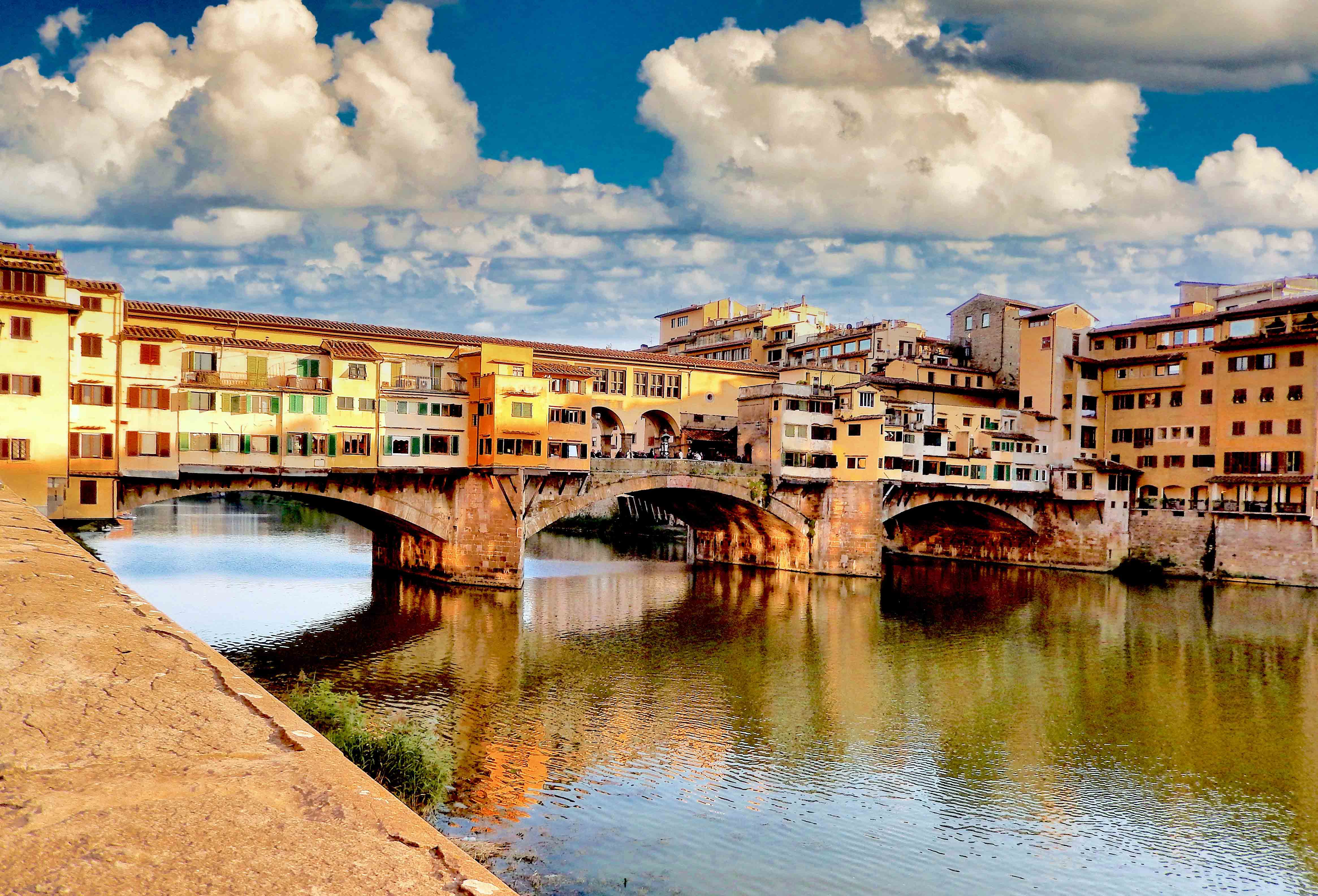
  • Florence: The home and center of the Renaissance, this amazing city is a treasure trove of art, architecture and culture. Its museums hold extensive collections of Renaissance paintings, sculptures, and drawings by artists such as Michelangelo, Di Vinci, Raphael, and Titian.
  • Singapore: If you want to get a glimpse of the future visit Singapore. This modern multi-cultural city has one of the world’s best public transportation systems and more sights and attractions than you can fit into several weeks of visiting.
  • Jerusalem: This remarkable city is sacred to three of the world’s great religions; Judism, Christianity and Islam. Walking its ancient streets can be a very emotional experience and something everyone should try and do once in their life.

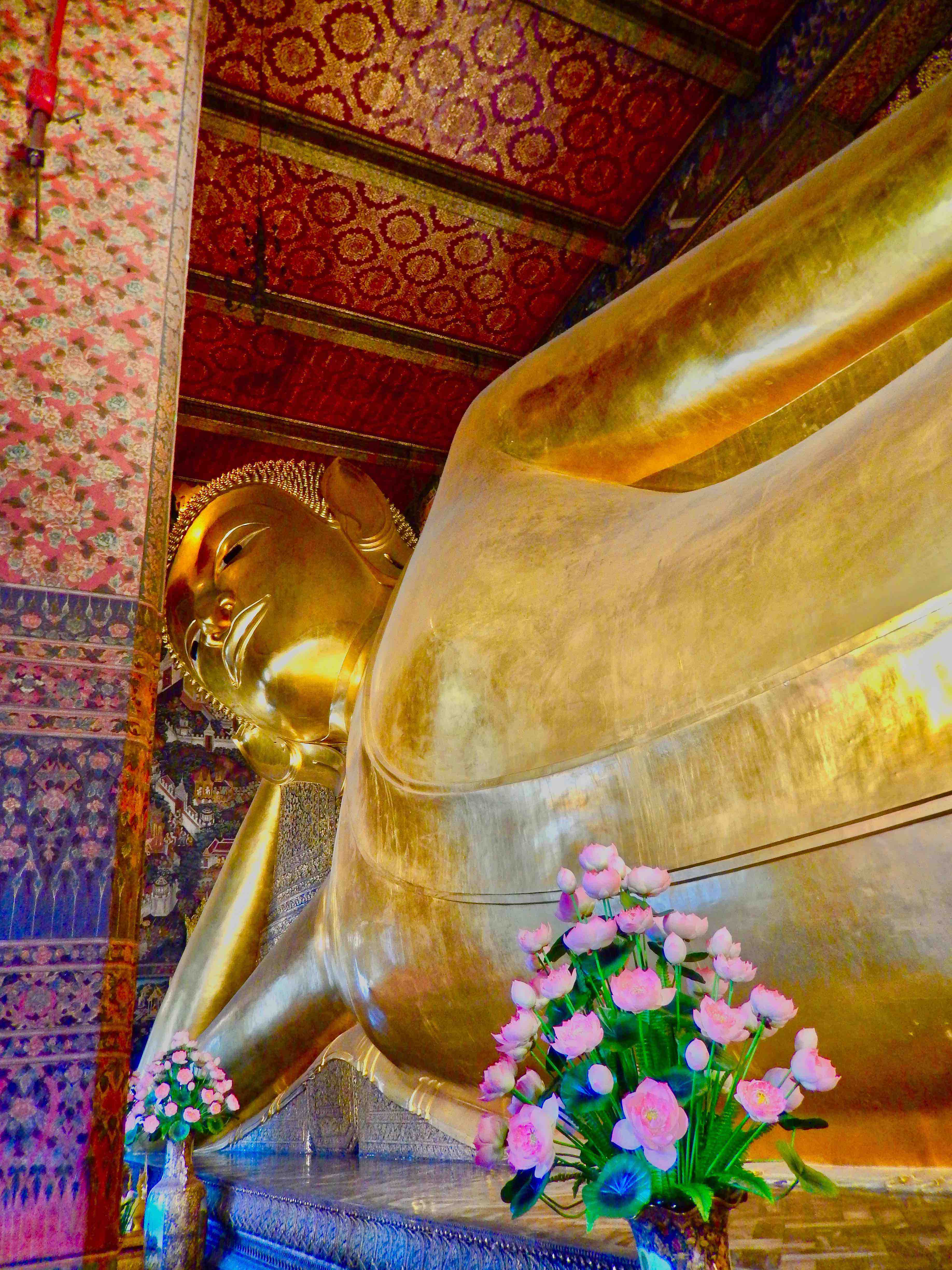
  • Bangkok: The capital of Thailand and the heart of the kingdom of Siam, this remarkable city is dotted with Buddhist temples, palaces and cultural sites. If the opportunity presents itself don’t pass up visiting Bangkok.
  • Penguins In The Falklands: It’s incredible how popular expeditions to see penguins have become and one of the easiest to get to locations for viewing large colonies is the Falkland Islands.
  • Zion National Park: America has dozens of incredible National Parks and probably the best for hiking is Zion. From paved walkways to steep cliff tops and narrow passes through sandstone canyons, Zion has something for everyone.
  • Haleakala Volcano: On the island of Maui, Haleakala National Park boasts some of the most diverse hiking trails anywhere. From leisurely strolls through lush rainforests to challenging treks to the summit of Haleakala, this park offers an experience that some have described as like exploring on the Moon.
  • The Beagle Channel: Cutting across South America at Tierra del Fuego the channel provides some of the most concentrated wildlife to be found anywhere on Earth. From whales to sea lions to tens of thousands of sea birds it is an amazing experience.
  • Hubbard Glacier: Of all the worlds glaciers one of the most spectacular is Alaska’s Hubbard Glacier. About a mile wide, this massive ice sheet is constantly calving large walls of ice into the bay. Visited by cruise ships and excursion boats it is the highlight of any Alaska trip.
  • The Acropolis Athens: The Acropolis of Athens is an ancient citadel located on a rocky outcrop above the city. It is one of the most important and iconic landmarks of civilization and is universally recognized as the birth place of the worlds first democracy. It was a city state of the ancient Athenians who included some of the worlds most famous philosophers, mathematicians, scientists and writers.
  • Yosemite National Park: This California National Park is one of the most visited in America and the scenery concentrated in Yosemite Valley is breathtaking. Its famous highlights include Half Dome, El Capitan and Bridal Veil Falls.
  • Yellowstone: America’s first national park, Yellowstone is huge covering almost 3,500 square miles of natural wonders. Its iconic sights include the Old Faithful Geyser, the Grand Canyon of Yellowstone, Monmouth Springs and much more.
  • Giants Causeway: Composed of 40,000 interlocking basalt columns, created by an ancient volcanic eruption it is not the only formation but it is the largest. Located on the coast of Northern Ireland, the columns are mostly hexagonal in shape and have been declared a World Heritage Site by UNESCO. The site is also surrounded by a landscape of cliffs and headlands, with stunning views of the North Atlantic Ocean.
  • Machu Picchu: An ancient city in Peru, located in the Andes. It was built by the Inca Empire in the 15th century and is considered one of the most iconic landmarks in all the world. The city is made up of stone structures, including temples, palaces, and houses, and is surrounded by lush vegetation and amazing mountain scenery.
  • Pompeii, Italy: This ancient Roman city located near modern Naples was one of the most important and prosperous cities of the Roman Empire, with a population of over 20,000 people. Pompeii is best known for its destruction in 79 AD, when the nearby Mount Vesuvius erupted and completely buried the city. Today it is one of the most popular and well-preserved archaeological sites in the world.
  • Panama Canal: An engineering marvel the canal was built between 1904 and 1914 by the United States, and it has been in operation ever since. The Panama Canal is one of the most important shipping routes in the world lifting ships from sea level in the Caribbean and Pacific Ocean across the mountains of Panama using a series of locks. Cruising through the canal is an experience not to be missed.
  • Normandy France: A special place commemorating a day where heroism was the norm. Spend time at the beaches where the allied armies stormed ashore to begin the liberation of Europe in World War II. Be sure to save time and pay your respects at the cemeteries where thousands of those brave men rest.
Here is a series of bucket lists, each with a particular focus compiled by visiting over two dozen highly regarded travel authorities and selecting those places that have been mentioned most often.


10 Best Archeological and Historical Landmark Locations
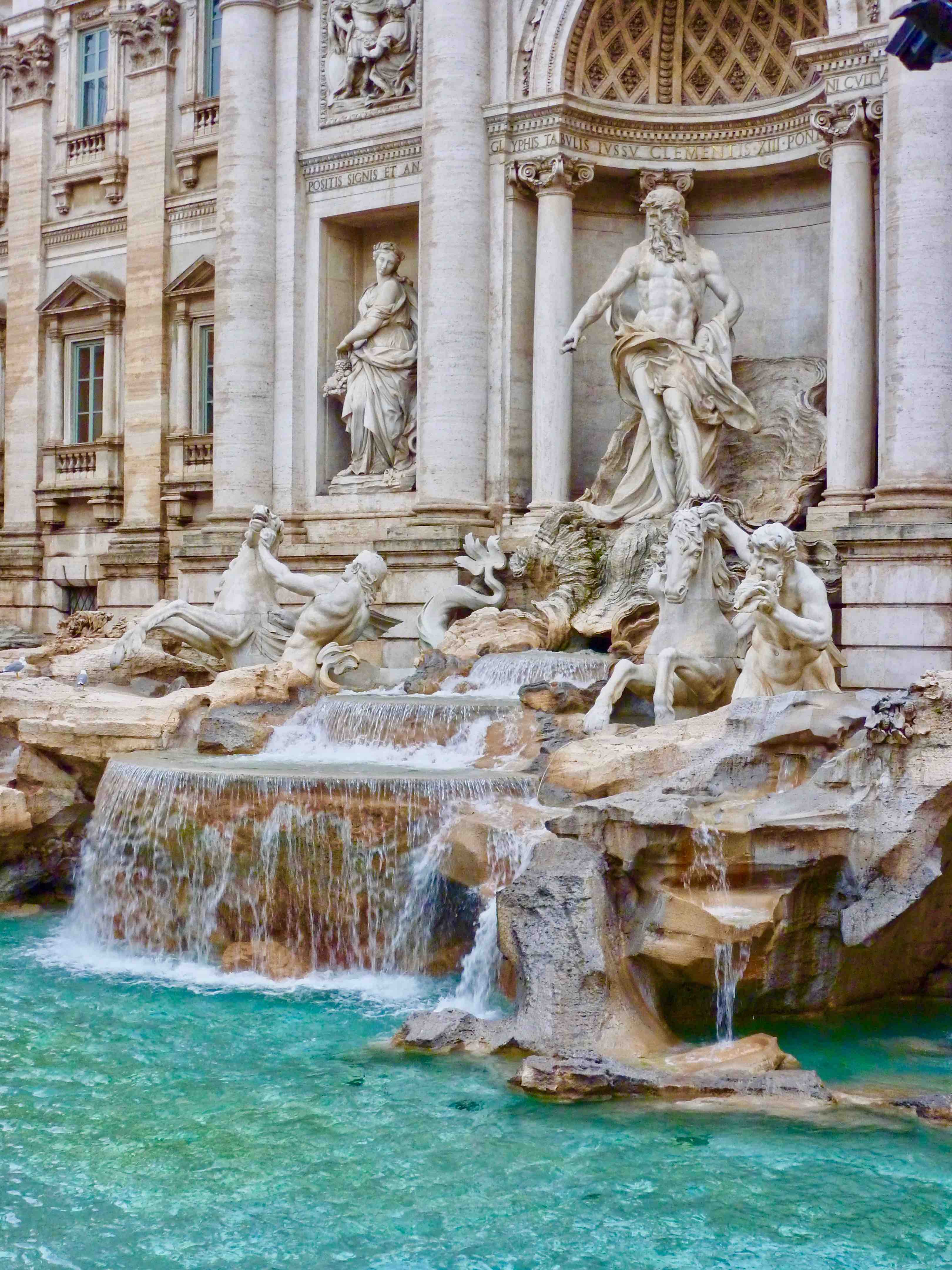
  • Rome, Italy: The Eternal City is home to some of the world’s most iconic landmarks of the Roman Empire, including the Colosseum, the Roman Forum, and the Pantheon as well as major architectural highlights from the Renaissance through today.
  • Cairo, Egypt: Gateway to the wonders of the ancient Egyptian empires. Located on the Nile River and near the great pyramids of Giza it is home to the Egyptian Museum and is the starting point for visits to Luxor and The Valley of the Kings.

  • Athens, Greece: In the center of this city rises the Acropolis, holding spectacular ancient temples and recognized as the birth place of the worlds first democracy. It was home to the ancient Athenians that included some of the worlds most famous philosophers, mathematicians, scientists and writers.
  • Paris, France: “There will always be Paris!” The City of Light is known for its beautiful architecture, including the Eiffel Tower, the Louvre Museum, and Notre Dame Cathedral.
  • Kyoto, Japan: This city is known for its well-preserved traditional architecture, including temples, shrines, and tea houses. Some of the most famous landmarks include the Kinkaku-ji (Golden Pavilion), the Fushimi Inari Shrine, and the Kiyomizu-dera Temple.
  • Jerusalem: A city sacred to three of the world’s great religions, this international city was first the capital of the kingdom of the Israelites and housed their Temples. It is where Jesus preached and was crucified and is sacred to the Christian faith and is also the location of the Dome of the Rock, sacred to Muslims. Walking its streets will carry back in time almost 3,000 years.
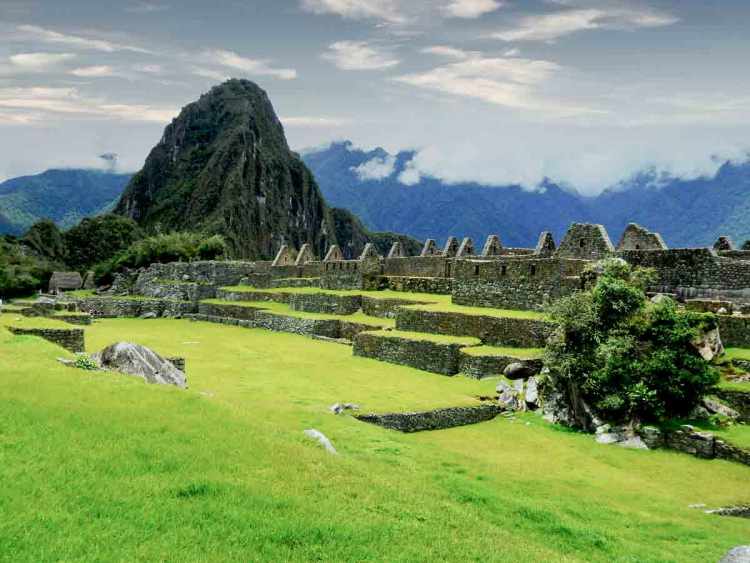
  • Machu Picchu, Peru: This ancient city, located in the Andes Mountains, is one of the most popular tourist destinations in the world and an archeological wonder. It is known for its impressive stone ruins, which were constructed by the Incas on a high mountain peak in the 15th century.
  • Florence, Italy: This Italian city represented the very heart of the European Renaissance. Its famous residents included Michelangelo, Leonardo da Vinci, the Medici family, Machiavelli, Galileo and Dante Alighieri and is the location of a number of world’s most famous art collections.
  • Petra, Jordan: This isolated ancient city was carved right out of the rose-red rock, and is on most bucket lists for archeological destinations. It is known for its well-preserved ruins, including the Treasury, the Amphitheater, and the Royal Tombs.
  • Angkor Wat, Cambodia: This amazing temple complex, located in the jungle, is the largest religious monument in the world. It was built by the Khmer Empire in the 12th century and is known for its intricate carvings and impressive architecture.
  • Luxor and The Valley of the Kings, Egypt: A place in Egypt where, for a period from the 16th to 11th century BC, the worlds greatest civilization constructed temples and tombs for the Pharaohs and powerful nobles of the New Kingdom of Ancient Egypt. The valley stands on the west bank of the Nile, opposite Thebes and Luxor, within the heart of the Theban Necropolis.

Ten Cruise Itineraries For Your Bucket List

Arranged in descending order of most often selected chosen.
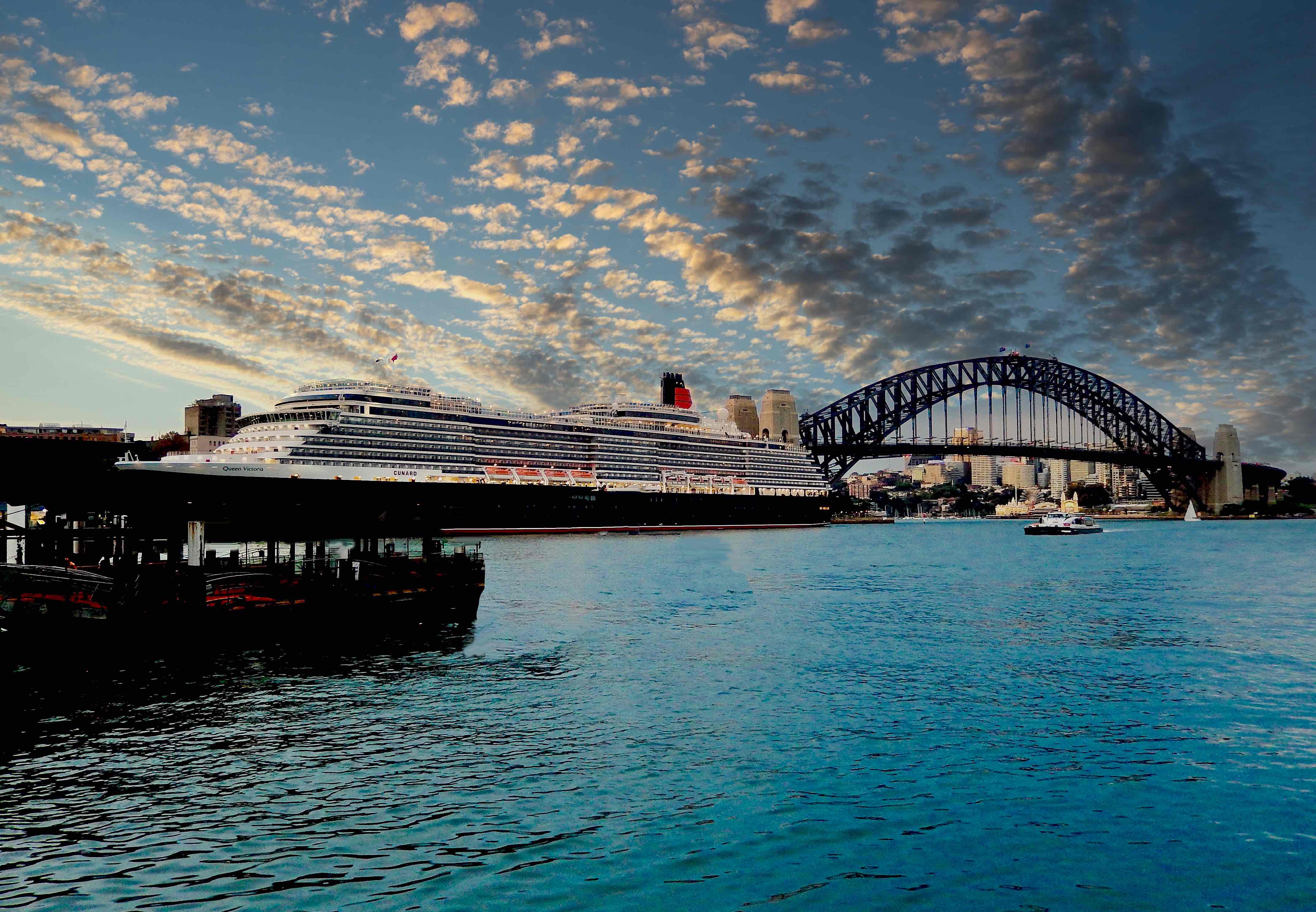
Every year more and more people discover cruising and what better way to tick off those bucket list destinations than on a luxury cruise ship. Here’s a list composed from several cruising bucket list articles showing the most popular cruise itineraries:

  • Alaska: Year after year Alaska cruises top every survey as the best cruise itinerary worldwide. Pick your favorite cruise line and go see Alaska.
  • The Caribbean: With its crystal clear waters, white sand beaches and proximity to the U.S. market these cruises are really popular in the Winter and are often really good values.
  • The Mediterranean: Most Med cruises come in two choices, Eastern and Western and deciding which is the best is difficult. Choosing between Spain, the Riviera, Italy or Athens, the Greek Islands, and the Adriatic is a matter of individual interest. If you’re flying over perhaps consider doing both?
  • Panama Canal: The canal is another of those “once in a lifetime” experiences. Most cruises sail from the U.S. west coast to the east coast or the other way round. Some Caribbean itineraries also offer a canal short trip going part way in and back out into the Caribbean.
  • New England and the Canadian Maritimes: These are popular Autumn itineraries for see the leaves changing colors and the scenery is amazing. Most include a number of ports from Bar Harbor to Old Quebec.
  • Australia and New Zealand: For long distance travel, Down Under is the number one itinerary and for good reason. For English speaking destinations you can’t get any more exotic and amazing than Australia and New Zealand.
  • The South China Sea: With Singapore being a popular departure port Vietnam, Thailand, Hong Kong and dozens of other exotic destinations in the South China Sea are waiting to be explored.
  • Antarctica: As hard as it is to believe there are dozens of options for cruising to the frozen continent. From luxury cruise ships to smaller expedition ships Antarctic cruises are now available for anyone to experience.
  • Scandinavia and the North Atlantic: Popular destinations in the Netherlands, Norway, the Shetland Islands, Iceland and even Greenland are on a number of cruise itineraries from several cruise companies.
  • The Hawaiian Islands: These Pacific islands are truly America’s paradise with each island having a unique character, cruising is probably the best way to experience them. While U.S. law makes cruising them a challenge there are a number of itinerary options available to see these amazing islands.

10 best Cities known for their unique and impressive architecture, famous buildings, bridges, and monuments.

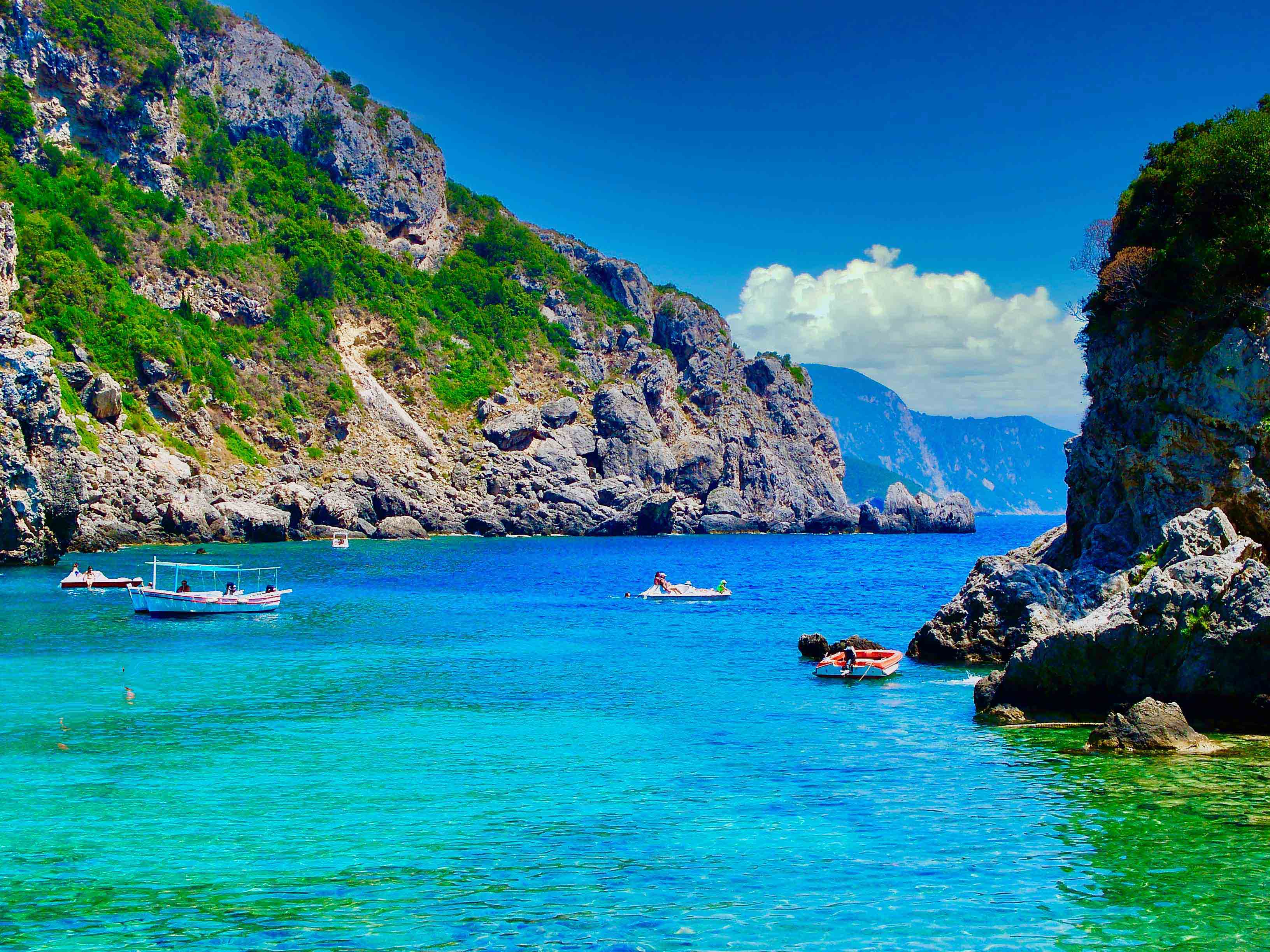
  • Cape Town, South Africa: Known for its rich history, diverse culture, and stunning natural beauty. The city is home to numerous famous buildings that includes the Victoria and Alfred Waterfront, the Castle of Good Hope is a well-preserved 17th-century fortress and St. George’s Cathedral is an Anglican cathedral known for its Gothic Revival architecture.
  • Rio de Janeiro, Brazil: The most famous structures in Rio is the Christ the Redeemer statue, an awe-inspiring symbol of Christianity and Brazilian culture. The city is also noted for the Metropolitan Cathedral of Saint Sebastian a striking example of modern architecture. Its unique cone-shaped design and stained glass windows make it a must along with the National Library of Brazil.
  • Paris, France: World-renowned for its historical, cultural, and architectural significance the highlights include the over 1,000 foot tall Eiffel Tower, the Louvre Museum, one of the largest and most visited museums in the world, Notre-Dame Cathedral, Arc de Triomphe and Sacré-Cœur Basilica.
  • Copenhagen, Denmark: Famous for its picturesque waterfront area lined with colorful 17th and 18th-century townhouses, Tivoli Gardens, one of the oldest amusement parks in the world, the Little Mermaid statue, inspired by Hans Christian Andersen’s famous fairy tale. The official residence of the Danish royal family is Amalienborg Palace a magnificent complex of four identical palaces surrounding an octagonal square and famous for the changing of the royal guards, a traditional ceremony that takes place every day at noon. Copenhagen is also noted for Christiania a self-proclaimed autonomous neighborhood known for its unique and alternative lifestyle.
  • London, England: One of the worlds great cities famous for the Tower of London, Buckingham Palace, The British Museum, home to one of the world’s largest and most comprehensive museum collections, St. Paul’s Cathedral and the London Eye.
  • Sydney, Australia: Sydney, Australia is a vibrant city with a diverse range of attractions that cater to a multitude of interests. Famous for the Sydney Opera House one of the most recognizable buildings in the world. It is known for its unique sail-like design and hosts various performances and events throughout the year. The Sydney Harbour Bridge: Another iconic symbol of Sydney, the Sydney Harbour Bridge, Bondi Beach offering a lively atmosphere with cafes, restaurants, and shops nearby. The Royal Botanic Gardens located in the heart of the city and Taronga Zoo situated on the shores of Sydney Harbour.
  • Stockholm, Sweden: Known for its beautiful architecture, rich history, and vibrant culture its major highlights include Gamla Stan (Old Town) the oldest part of Stockholm and a UNESCO World Heritage Site. The Royal Palace is the official residence of the Swedish royal family and one of the largest palaces in the world. The Vasa Museum that houses the world’s only preserved 17th-century warship, the Vasa. The Skansen Open-Air Museum that features traditional Swedish buildings, farms, and workshops along with the Stockholm Archipelago, a group of islands located just outside of Stockholm. The archipelago is known for its beautiful scenery, including rocky shores, lush forests, and sparkling waters.
  • Wellington, New Zealand: highlights include Te Papa Tongarewa (Museum of New Zealand), the Wellington Cable Car, Weta Cave, Zealandia Ecosanctuary, Mount Victoria Lookou Wellington Botanic Garden, Museum of Wellington City & Sea, the famous Wellington Waterfront, Beehive and Parliament Buildings.
  • Bergen, Norway: A vibrant and popular city that is home to Bryggen, a series of Hanseatic heritage commercial buildings lining up the eastern side of the Vågen harbor. The Fløibanen Funicular, Bergen Aqaurium and the famous Fish Market.

10 Best Cities with Stunning Natural Environments
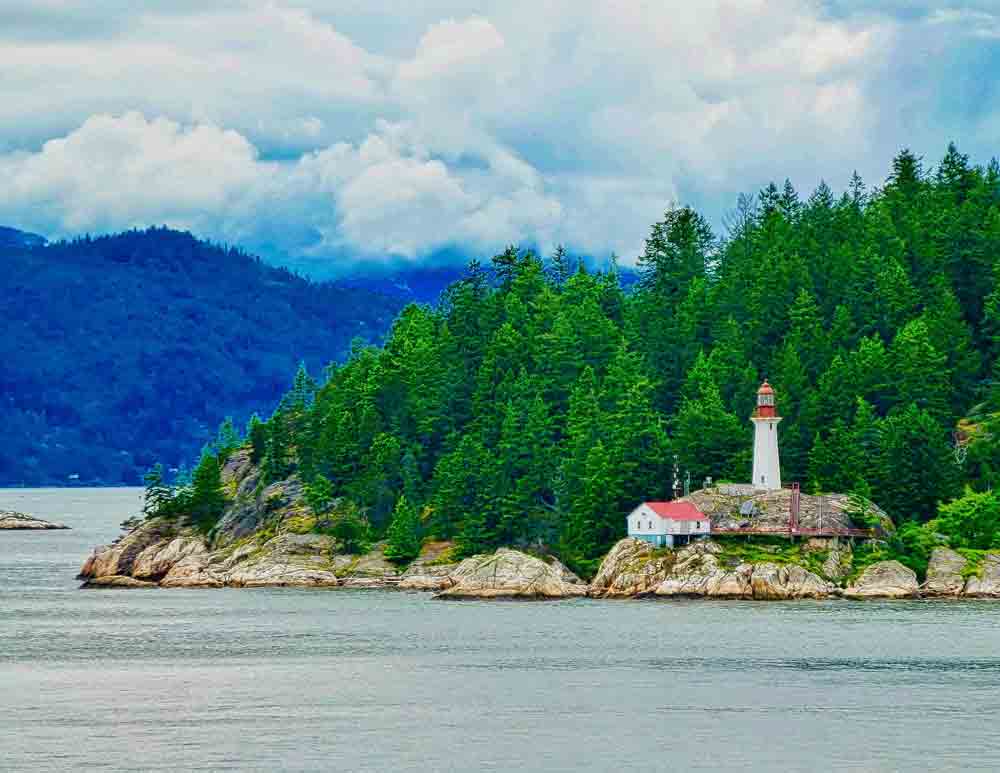
  • Cape Town, South Africa: Nestled under mountains to the north and the peninsula stretching to the southern tip of Africa to the south, Cape Town is surrounded by natural beauty. It is no exaggeration to call it a nature lovers paradise.
  • Vancouver, Canada: Surrounded by a large natural harbor with impressive mountains at its back, Vancouver is Western Canada’s natural jewel. The city is famous for its skiing and hiking trails along with its popular boating opportunities.
  • Sydney, Australia: Sydney owes its success to being located on one of the worlds largest natural harbors. Add in proximity to a number of the world’s great beaches, nearness to the Blue Mountains and its remarkable weather, and it’s hard to find a more inviting location.
  • Copenhagen, Denmark: Surrounded by water, with waterways that play a vital role in the city’s identity and natural beauty. The city is intersected by canals, harbors, and lakes, offering ample opportunities for water-based activities. In addition nature is celebrated with numerous parks like King’s Garden, Denmark’s oldest royal gardens. This Botanical Garden contains ten hectares of gardens with a butterfly house and a tropical palm house dating back to 1874.
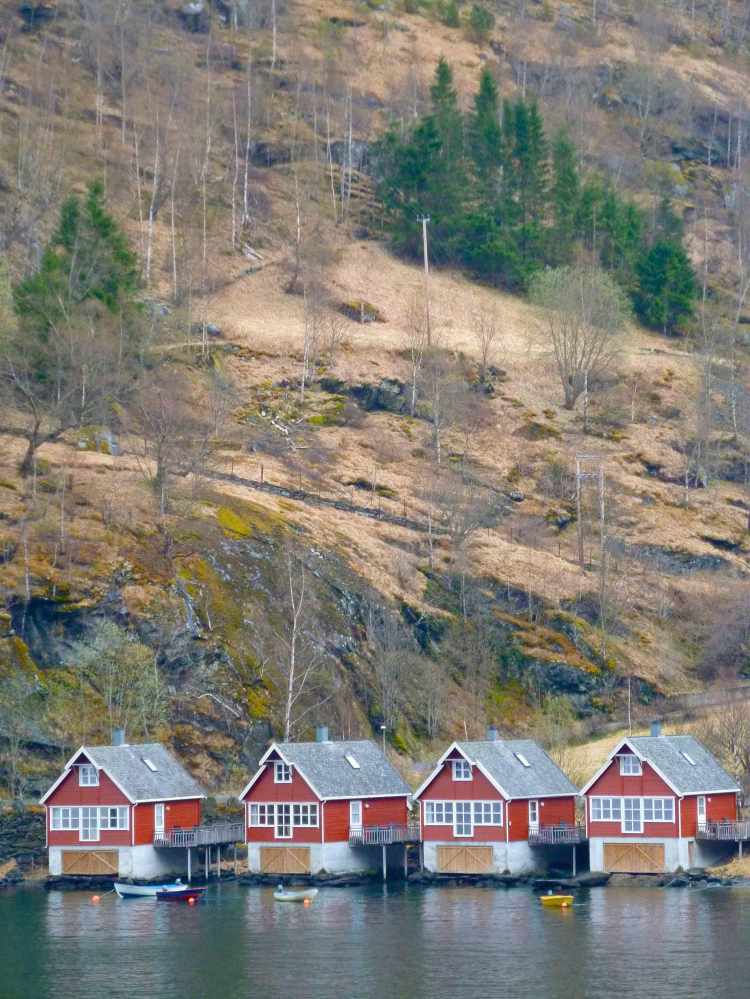
  • Stockholm, Sweden: Noted for Hellasgården located only 20 minutes from Stockholm, this outdoor activity centre offers swimming, fishing, canoeing and cycling activities.The Sörmland Trail, 1,000 kilometres long and one of the longest hiking trails in Scandinavia, with many starting points easily accessible by public transport from Stockholm. The city is built upon 14 islands, and in the archipelago just outside the city, you’ll find nearly 30,000 more, a paradise for boaters and kayakers.
  • Wellington, New Zealand: Forested hills and the sea embrace Wellington offering nature so near there are many opportunities to experience native wildlife. New Zealand is famous for rare flightless birds including the national icon, the kiwi, along with common flighted species such as the tūi and kererū. Everywhere you travel in Wellington there’s wildlife from marine mammals to birds and lizards.
  • Honolulu, Hawaii: From snorkeling right off the beaches to hiking trails that lead to waterfalls, gardens, and scenic lookouts, to kayaking through caves and snorkeling in some of the most beautiful reefs anywhere around, there are so many ways to get into nature on this amazing city.
  • Bergen, Norway: Bergen is located on the west coast of Norway in the heart of the fjords. As a UNESCO World Heritage City and a European City of Culture, the Bergen region has the ideal combination of nature, culture along with an exciting urban life all year around.

10 Best Cities For Well-Developed Transportation Systems

The one thing that really makes a city stand out is a well developed, efficient and inexpensive public transportation network. To really enjoy visiting a city you need to be able to get around without spending a lot of money or waisting too much time and it’s really important for public transportation to be easy to understand. Good maps, easy to identify stops that are well marked and a simple fare system. Below is a consensus of the best cities for public transportation.


  • Tokyo, Japan: Tokyo has one of the most efficient and extensive public transportation systems in the world, with a vast network of subways, trains, and buses that operate 24/7. The city also has a well-developed cycling infrastructure, making it easy to get around by bike.
  • Singapore: Singapore is another city with an excellent public transportation system, including a modern MRT (Mass Rapid Transit) system, buses, and taxis. The city is also known for its efficient traffic management, which helps to keep the roads congestion-free.
  • London, UK: London has a long history of public transportation, with its iconic red double-decker buses and the world’s oldest underground railway system, the London Underground. The city also has a well-developed network of trains and trams.
  • Paris, France: Paris is known for its efficient and extensive public transportation system, including the Paris Métro, buses, and trams. The city also has a well-developed cycling infrastructure, making it easy to get around by bike.
  • Hong Kong: Hong Kong has one of the most efficient public transportation systems in the world, with a vast network of subways, trains, and buses that operate 24/7. The city also has a well-developed cycling infrastructure, making it easy to get around by bike.
  • Seoul, South Korea: Seoul has a modern and efficient public transportation system, including a well-developed subway system, buses, and taxis. The city also has a well-developed cycling infrastructure, making it easy to get around by bike.
  • Budapest, Hungary: This city has a well-developed public transportation system that integrates trams, buses, a subway and a funicular. Tourist passes are inexpensive and system maps are readily available and easy to understand.
  • Berlin, Germany: Berlin has a well-developed public transportation system, including an extensive subway system, buses, and trams. The city also has a well-developed cycling infrastructure, making it easy to get around by bike.
  • Amsterdam, Netherlands: Amsterdam is known for its excellent cycling infrastructure, making it one of the most bike-friendly cities in the world. The city also has a well-developed public transportation system, including trams, buses, and ferries.
  • Copenhagen, Denmark: Copenhagen is another bike-friendly city with an excellent cycling infrastructure. The city also has a well-developed public transportation system, including a metro, buses, and trains.

The World’s 10 Best National Parks

  • Yellowstone National Park (USA)
  • Grand Canyon National Park (USA)
  • Yosemite National Park (USA)
  • Banff National Park (Canada)
  • Serengeti National Park (Tanzania)
  • Iguazu National Park (Argentina/Brazil)
  • Plitvice Lakes National Park (Croatia)
  • Fiordland National Park (New Zealand)
  • Uluru-Kata Tjuta National Park (Australia)
  • Machu Picchu Historic Sanctuary (Peru)

The Port Of San Diego, California-

A Fantastic American Port of Call

With a near perfect year-round temperature, 70 miles of coastline and beaches, a major U.S. Naval Base, an interesting historic area and world famous Balboa Park featuring 17 museums, numerous galleries, performing arts venues and the incredible San Diego Zoo, it isn’t hard to fall in love with San Diego.

Where Your Ship Docks

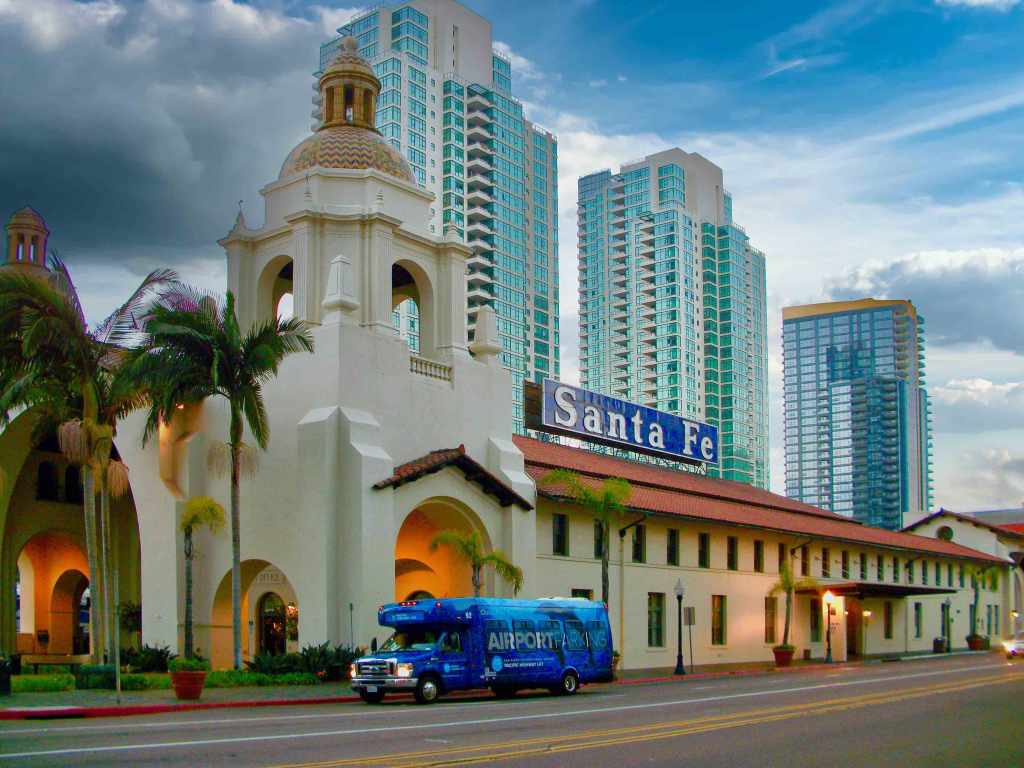
Most cruise ships will dock right downtown at the B Street Cruise Pier that features a cruise terminal with public facilities. Across the street from the pier are a number of good hotels and just another block up is a rapid rail stop. A little over a half mile south of the terminal is Seaport Village with an interesting collection of shops and restaurants right on the water. The aircraft carrier Midway Museum is also nearby along with a number of other historic ship exhibits.

Wheelchair Accessibility

This port has a well developed wheelchair friendly infrastructure. The port area is flat or has few inclines. Intersection crosswalks have few issues with curbs or other wheelchair obstacles. This port also provides a modern cruise terminal with built-in provisions for passengers using wheelchairs like ramps and elevators.

Transportation

San Diego has an economical public transportation system featuring a light rail system that includes over fifty area stops. Just two blocks from the pier is a light rail stop where you can catch a trolly down to Old Town* for a fare of $2.50. You can purchase one to 30-day passes for the transit system right from your smartphone and use them immediately on the Compass-Cloud app. Find more information HERE.

Currency

The U.S. Dollar is the accepted currency with credit and debit cards welcome almost everywhere. Changing foreign currency can be a challenge with facilities available mostly at the airport.

Things To See And Do

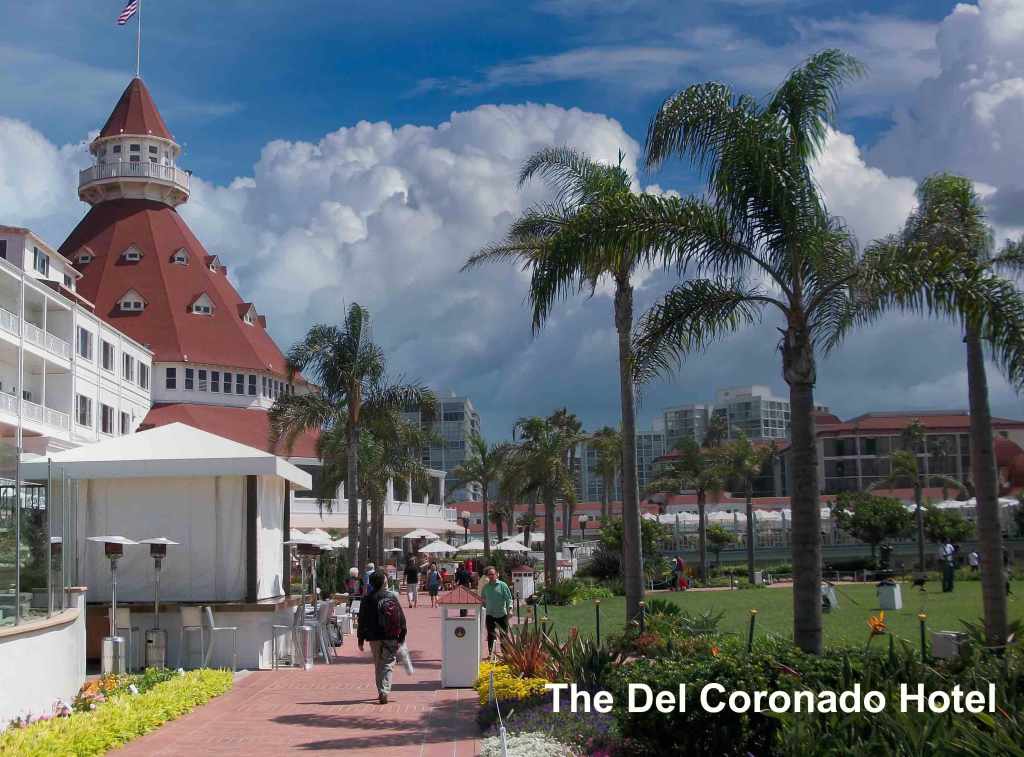
As already mentioned, San Diego has a lot to offer. There is a good hop-on hop-off bus that travels all around the city and out to Coronado. Coronado sits right in the middle of the harbor and often is referred to as an island but actually is attached at the southern end to the mainland. It is the location of a Naval Air Station, a Naval Amphibious Base and is home to the Navy SEALS and the SEAL training facility. If you want to rub shoulders with a SEAL stop in at Mc P’s Pub (Facebook Page Here), a local hangout founded by an ex-SEAL a lot more than a few years ago. It’s not far from the “The Del” (Del Coronado Hotel) a famous hotel on Coronado beach and one of the most iconic landmarks in the San Diego is known for its Victorian architecture, luxurious amenities, and rich history.

Other Not-To-Miss Destinations Include:

USS Midway Museum: This museum is located on the retired USS Midway aircraft carrier and offers visitors a chance to explore the ship and learn about its history.

San Diego Zoo: This world-renowned zoo is home to over 3,500 animals from around the world and is a must-visit attraction for families and animal lovers.

SeaWorld San Diego: This marine theme park features shows and exhibits with dolphins, sea lions, and killer whales, as well as thrill rides and other attractions.

La Jolla Cove: This picturesque cove is a popular spot for snorkeling, swimming, and sunbathing, and offers stunning views of the Pacific Ocean.

Coronado Beach: This wide, sandy beach is located on the scenic Coronado Island and is a great spot for swimming, surfing, and relaxing.

*Old Town San Diego: This historic district is home to numerous shops, restaurants, and museums that showcase San Diego’s rich history and culture.

The Naval Base San Diego: There are are a number of companies that offer guided tours of the bay, which include views of the naval base, naval vessels, and other points of interest in the area. Additionally, some tour operators offer narrated tours that provide historical and informational insights about the Naval base and its significance. It’s important to note that access to certain areas of the base may be restricted, so it’s best to check with tour operators for specific details and available tour options.

Water Activities Around San Diego: This Southern Californian city is all about the water from surfing to diving and whale watching. Book a harbor boat tour or spend time at one of the areas great beaches. More information HERE.

Catching a cruise from San Diego? You should not miss the opportunity of allocating a couple of days before your cruise to allow time to explore this amazing city. Balboa Park is worth a whole day in itself and be sure and fit in a trip to Old Town. For great food try Little Italy for Italian or head down to the waterfront for some great seafood. Find more information HERE.

International Travel, Credit Cards, ATMs & Identity Theft

Credit Cards for International Travel

These are interesting times we live in when it comes to financially protecting ourselves. Just the simple pastimes of shopping and travel can expose us to financial fraud and it does seem to be getting worse. Several years ago our friends where cruising in South America and in one port they took advantage of  telephones advertising ten minute calls to the U.S. for $5 which was cheaper than their cell service. When they got home they were notified that their credit card had gone on a shopping spree in Romania and when  the charges for the phone came thru they were for over $50 instead of the advertised $5.

Over the years we have been notified a number of times about unauthorized use of our credit cards along with one incident of identity theft. One time someone bought gold coins online shortly after we left the country (several days before that a rental car agent had everything needed, the card information, a copy of my drivers license and she knew we were leaving the country?). Another time we were notified that we had purchased several bicycles in Rome while we were traveling in Europe (I think the information was stolen from checking into a hotel in Italy). Another time someone bought a batch of train tickets in Germany shortly after we booked a hotel in Europe thru booking.com. The one case of real attempted identity theft was slowed down because we had frozen our credit with the large agencies and was quickly caught by our identity theft protection service.

Even considering the above, with the wide international acceptance of credit cards there is no reason to not make them your primary resource for paying while you travel. Often it can save you money over making currency exchanges. One important thing to understand is that the best card for your everyday needs at home may not be the best card for international travel. You need to shop wisely.

For years our preferred domestic card has been the Discover Card because of its points program. It also advertises that they don’t charge international processing fees, which made it seem a good choice for traveling. Unfortunately this card doesn’t often work internationally. We’ve had repeated conversations with customer service and while they claim that it is accepted anywhere that takes the Diners Club Card we’ve learned that this is far from true internationally. It’s been rejected at so many shops and restaurants that we don’t even carry the card when traveling any more.

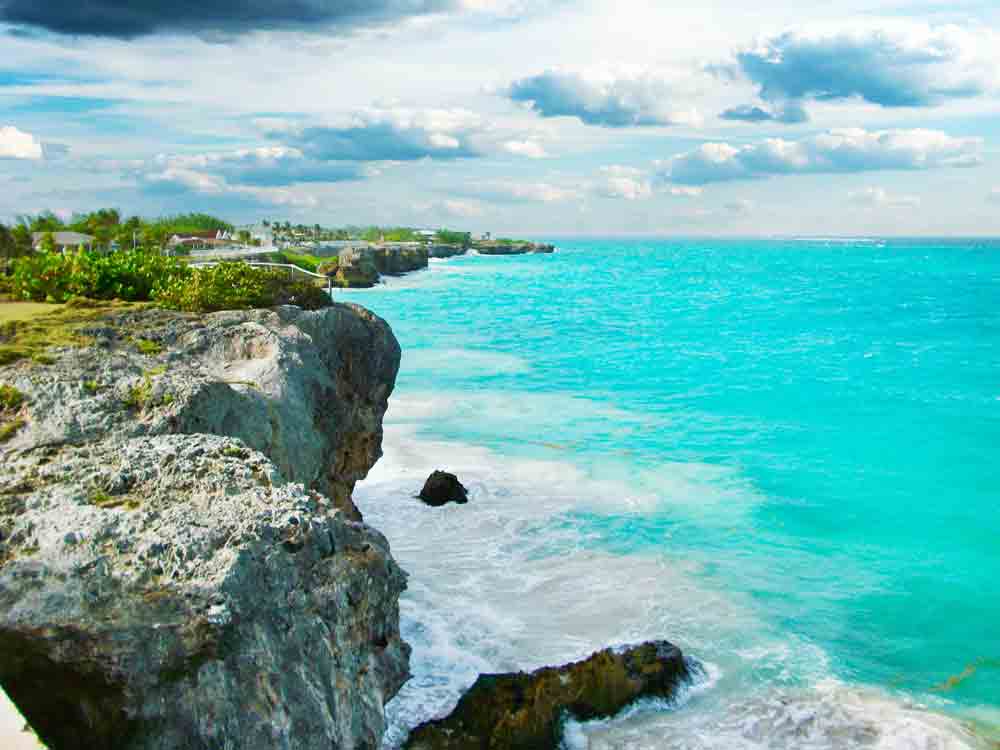
We have also experienced frequent problems trying to use the American Express Card. It seems that there are whole regions where businesses won’t accept it. On a recent trip to Barbados we couldn’t find anyone that would take American Express but took Visa and MC. We also had American Express shut down our card while overseas even though we told them we would be traveling and I still can’t understand why that happened.

The good news is that Visa and Mastercard are accepted almost everywhere, which makes either one a good choice for the American traveler. There are some additional considerations in choosing a credit card for international travel.

  • Wide Acceptance – As already mentioned some cards can be a problem internationally and our experience is that you cannot trust their claims. At this time the only two cards available in America we will use is Visa and Mastercard.
  • Transaction Fees – Early on we learned that international transaction fees could add up quickly and you should select a card that doesn’t charge these fees. Of course there are exchange rates but you will pay those regardless of what card or exchange service you use.
  • Travel, Credit Cards & Purchase Protection – The best example of this feature is insurance protection if you use a card to rent a car. All cards have a catalog of these benefits from extended merchandise warranty to travel life insurance and some cards are better than others in this regard.
  • Earned Points and Rewards – This is a common feature of most cards today and are an important benefit for us. At home we select a card for payment that provides the greatest number of points for each use but internationally there are different priorities to consider.
  • Security Policies –Fortunately the transition of most cards to imbedded chips has greatly improved security but there are still potential problems. Just to be safe we set up all our cards with notifications on all internet and phone charges. If possible we also prefer that notifications come by text message because often data isn’t available or affordable while traveling. We also notify the card companies of our travel plans but lately that doesn’t seem to be necessary –because of the chip  most aren’t interested any more.

ATMs, Debit Cards And Money Exchanges

Some time ago traveling internationally meant getting foreign currency from your bank or going to a money exchange at your destination (never use the ones at the airport). Today things have changed a lot, credit cards are accepted everywhere and ATMs are common internationally.

Money Preferences

Credit Cards – Often the first choice when traveling is to use a credit card. They’re accepted almost everywhere and most credit cards have the advantage of fraud protection. One thing to get in the habit of doing is when using a credit card overseas always leave the charge in local currency to avoid high local transaction fees.

Money Exchanges – Most advice today suggests using ATMs over money exchanges and in most situations that’s good advice. There are, however, times when exchanges are a better choice. Often if the amount is small a money exchange is less expensive than an ATM. Also money exchanges now know that they are in competition with the banks and ATMs and are adjusting accordingly. If there is a convenient exchange nearby it doesn’t hurt to check the rates and the transaction is actually clear and fast with no worries about additional charges against your card.

International ATMs – They’re everywhere and usually easy to use, but when it comes to international ATM machines, there are a number of them that are famous for high fees and poor exchange rates. Several options to look for that are considered to be reliable, fair and widely available ATM machines include:

Visa ATMs: Visa is one of the most widely accepted payment networks in the world, and their ATMs can be found in many countries. You can use your Visa debit or credit card to withdraw cash from these ATMs.

Mastercard ATMs: Similar to Visa, Mastercard is also a widely accepted payment network, and their ATMs can be found in many countries. You can use your Mastercard debit or credit card to withdraw cash from these ATMs with small or no fees.

Citibank ATMs: Citibank has a large network of ATMs around the world, and they offer fee-free withdrawals for Citibank customers.

HSBC ATMs: HSBC also has a large network of ATMs around the world, and they offer fee-free withdrawals for HSBC customers.

Barclays ATMs: Barclays has a large network of ATMs in the UK and around the world, and they offer fee-free withdrawals for Barclays customers.

It’s important to note that while these ATM machines are considered to be some of the best for international travel, you may still encounter fees for using them, especially if you are using a card from a different bank or financial institution. It’s always a good idea to check with your bank or credit card provider before traveling to see what fees might apply.

Kiplinger’s Personal Finance choice for best bank for frequent international travelers is Charles Schwab, followed by Capital One 360.

With the Schwab High Yield Investor Checking account, you won’t pay any fees on your checking account at all. That means no ATM fees when you use an ATM in another country, and no foreign currency conversion fee if you withdraw funds in another currency. However if you use an ATM outside their preferred network, the ATM operator may charge an additional fee.

Capital One 360 Checking Account for a debit card for international travel. Capital One doesn’t charge a foreign transaction fee on transactions made in other currencies, which means you can use your debit card for purchases without paying for the currency conversion. Also if you can locate a Capital One or Allpoint ATM while you’re traveling, you won’t pay an ATM fee on cash withdrawals either.

There are several international ATM machine companies and networks that charge high fees. Things to watch out for in Europe include:

Non-bank and independent networks: If you are using an ATM machine that is owned by a non-European bank or independent network, you will probably be charged higher fees for withdrawals and poor currency conversion rates. Avoid ATMs, such as Travelex, Euronet, Moneybox, Your Cash, Cardpoint, and Cashzone. They are famous for those high fees so pay attention to what service/network is operating the ATMs. Often they try to position theirs very near to bank ATMs hoping that travelers will not notice. Their machines are also famous for signs that claim “Free Cash Withdrawals” — it’s a lie but international travelers often will have no place to complain later.

Dynamic Currency Conversion (DCC): Some ATM machines offer DCC, which allows you to withdraw money in your home currency instead of the local currency. However, this service usually comes with very high fees and unfavorable exchange rates.

To avoid high fees when using ATM machines in Europe, it is recommended to use ATMs owned by major networks such as Visa, Mastercard, or Cirrus. Additionally, it is important to check with your bank about any international transaction fees or foreign exchange fees that may apply using your card overseas.

Also beware of ATMs as well as merchants that offer to convert your amount to US dollars. Often the conversion rate is much worse than your banks and may include transaction fees. Leave those transactions in local currency and let your bank make the calculation.

Using a debit card over a credit card can be beneficial, because it’s linked to your bank account. When you swipe, the funds are taken out of your checking account with no chance of getting charged interest. That means you won’t have to worry about repaying a credit card balance. On the down side most credit cards today offer protection from fraud transactions while many bank debit cards do not. These transactions are most vulnerable when you use your debit card to directly pay for a purchase while traveling or on the internet.

Identity Protection

A number of years ago we weren’t concerned about identity theft – just didn’t think it was a high-risk problem. Over the past five or six years we have been victims more than once and now believe the protection is well worth the expense. Each recent attack was caught by our ID theft service quickly but we also take some additional steps to protect us.

We have used a couple of different services and our experience is they are very similar. We were however with Equifax and overseas when their data breach occurred and trying to deal with them was not a pleasant experience*.

For a good review on these services check out this article on  Reviews.com.

I think one of the best things we do to protect ourselves is to freeze our credit reports on a regular basis. All three agencies allow for you to do this and some identity theft protection services make this an easy process. while reporting agencies claim that you have to have a suspicion of a problem to use this service nobody will challenge you about doing this. The result is someone else cannot successfully apply for a card or loan in your name if you credit report is frozen.

Your credit report contains information about your payment history that all creditors and lenders use to make credit decisions about issuing you credit. When you freeze your credit report, creditors and lenders can’t pull your credit report or credit score**. Since most banks require a credit check, an application for credit would likely be denied. You can freeze your credit report at all three major credit bureaus, but it must usually be done individually.

To freeze your report go online to Equifax, or call 1-800-349-9960.

To freeze your report go online to Experian, or call 1-888-397-3742.

To freeze your report go online to TransUnion, or call 1-888-909-8872.

Also these freezes automatically expire after 90 days so it must be repeated. One additional advantage is the warnings that you get from your ID theft company will greatly diminish.

*Equifax’s web site wasn’t functioning and if we got a call thru to their switchboard  we spent almost an hour before giving up. We did send emails but they were never answered.

** This does work as I went to apply for a credit card that offered additional travel benefits and was turned down. They did send an email telling me my credit was frozen and if I would remove the freeze they would process the application again.

Merry Christmas To All…

First and foremost we wish everyone Peace and Prosperity in the New Year along with safe and amazing travels wherever you may choose to roam! The world is really full of amazing people and places and the more we get to know each other the happier we’ll all be!

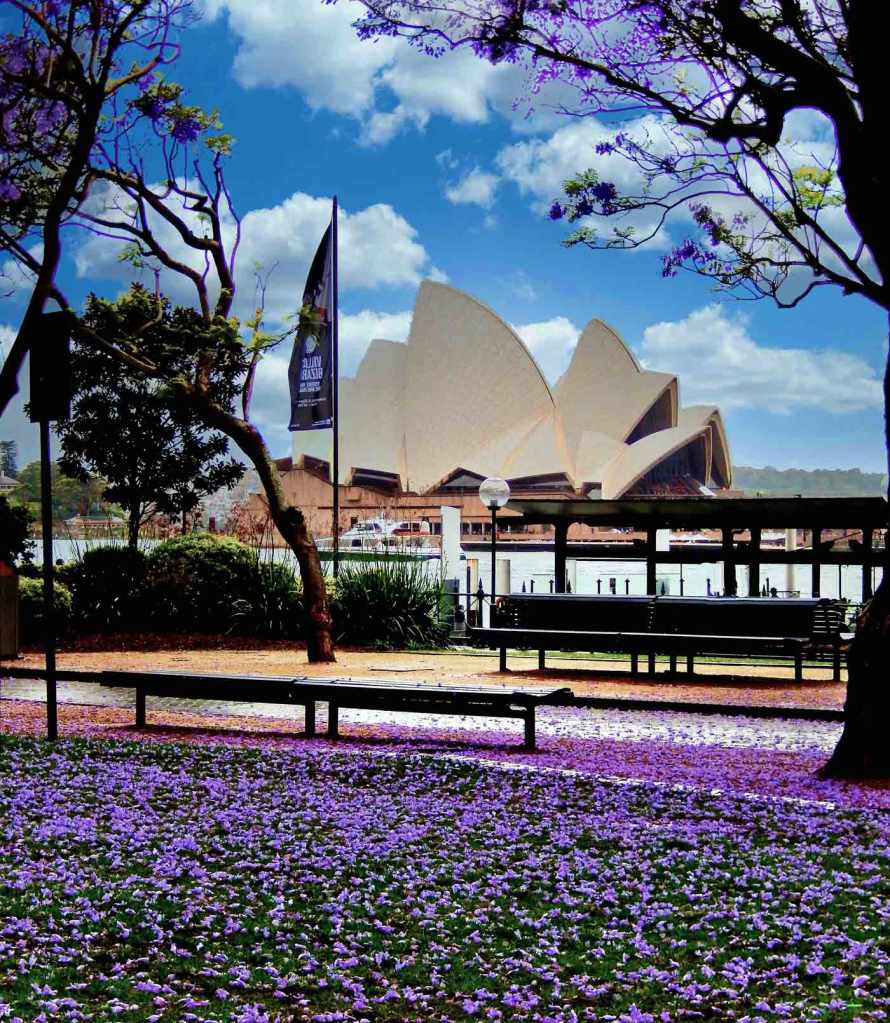
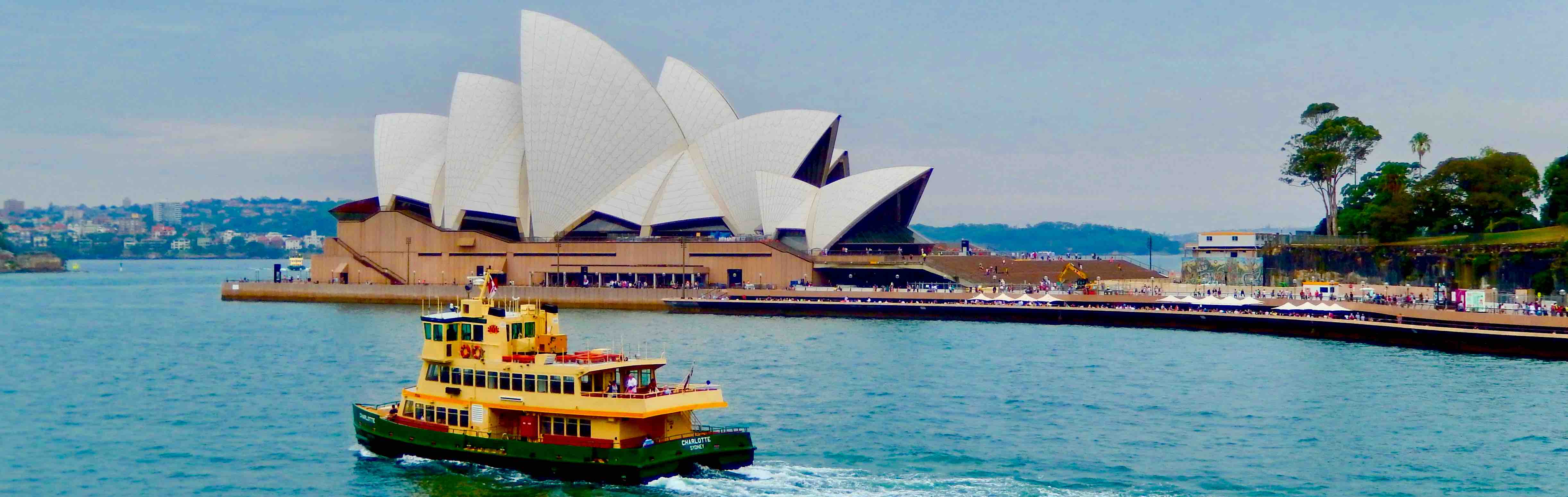
The Sydney Opera House

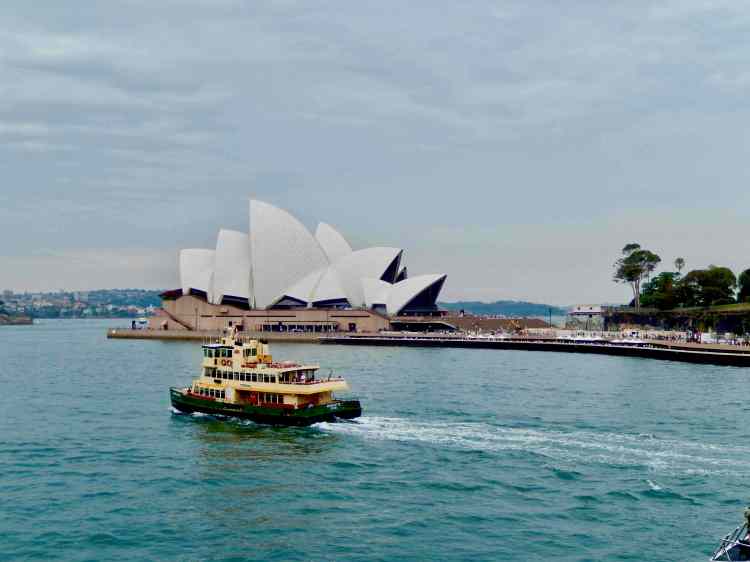
Above Sydney, Australia’s iconic Opera House seen across Circle Quay from The Rocks.

It was designed by Danish architect Jorn Utzon after an international design competition and opened in 1973 after a long and difficult construction process.

The idea for the Sydney Opera House dates back to the 1940s, when the New South Wales government decided to build a new performing arts center in Sydney. Eventually an international design competition was held in 1956 for its design, and Utzon was chosen as the winner.

Construction began in 1959 but was plagued by technical difficulties and cost overruns. Utzon resigned from the project in 1966, and the building was completed under the supervision of other architects.

Despite its troubled history, the Sydney Opera House has become one of the most recognizable buildings in the whole world and a symbol of Australia’s cultural identity. It hosts a wide range of performances, including opera, ballet, theater, and concerts, and attracts millions of visitors each year.

.

Join us as we visit historic treasures, natural wonders and vibrant cities set against backdrops that are endlessly changing and visually magnificent.


Join Us • We understand that the last thing you want is more emails cluttering up your inbox, but we promise we’ll work hard to make this worth while. Give us a try and if we don’t live up to our promise all you need do is click the unsubscribe link in our emails.

Don’t Miss Out, Subscribe Now!

You’ll receive notices of new posts, special features and updates right in your inbox…

Global Warming And Cruising-

Recently it seems that people in government along with media outlets have looked at cruising and have found it to be a modern frivolity that would be best eliminated or at the least discouraged. This isn’t a small thing and unfortunately it’s way too easy to find overwhelming evidence of a negative bias against cruising. Examples are everywhere if you take the time to look. Consider that there are regular outbreaks of the highly contagious stomach bug Norovirus occurring in schools, offices and factories, but the only time it seems to be widely reported is when an outbreak hits a cruise ship. The same exaggerated coverage was applied to Covid-19 and cruise ships along with reporting incidents of deaths at sea, cruise ship mishaps and financial issues regarding cruise corporations.

When we decided to explore the subject of cruise ship impact on the environment and by extension global warming, the first thing that became obvious was the overwhelming percentage of information was seriously negative. In almost every article the only data offered was isolated to cruise ships with very few attempts to do comparisons to other industries and experiences or to offer context. Even AI will demonstrate the same bias as AI is actually researching internet articles when it responds to an inquiry. When 17 out of 20 articles are negative why wouldn’t AI research reach the same negative conclusions?

The following is a quote from a typical article at the top of results from a search for “cruise ships and the environment”.

While cruising is a very popular way to see the world, it also has a significant impact on the environment. In addition to burning vast amounts of fossil fuels, ships also produce a significant amounts of water pollution, including sewage, wastewater, and bilge water. These pollutants still contaminate the ocean and harm marine life. In addition, cruise ships can also disturb sensitive marine habitats, such as coral reefs. Cruise ships also produce a significant amount of solid waste, including food waste, paper waste, and plastic waste. This waste can end up in the ocean, where it can harm marine life and pollute the environment.

Virtually none of the points in that article are accurate and with little research one can refute virtually every point made. Cruise ships have made remarkable progress in the past few decades reducing their environmental impact and a new generation of ships currently being planned will have near a net zero impact on the planet.

What follows is an attempt to put much of the internet available information into perspective by relating the data in a broader context.

The Cruise Industry And The Environment

Over the past few decades efforts are being made by cruise companies to make their ships more sustainable and eco-friendly. If you look at the total number of ships plying the seas and their reduction in emissions you’ll discover that 73% of the worlds cruise ships rate within the top 10% overall. While the cruise industry has historically faced criticism for its environmental impact, there are a majority of cruise companies that have made serious investments in green initiatives. These initiatives include reducing carbon emissions, exploring cleaner alternative fuels, and implementing greener infrastructure while in port. In 2023 six cruise lines have been recognized for deploying major eco-conscious initiatives. They are Regent Seven Seas Cruises, Virgin Voyages, Disney Cruise Line, Oceania Cruises and Norwegian Cruise Line with seven more being recognized as making serious improvements. Major advances include using hybrid battery electric-powered ships, incorporating zero-emissions docking, and eliminating single-use plastics onboard.

Another major consideration to use when evaluating ocean going ships with their environmental impact is to examine the gross numbers. The energy consumption of cruise ships and cargo ships varies significantly due to several factors such as size, speed, and weight carrying capacity. Today on average, a large cruise ship can consume around 150-200 tons of fuel per day, while the majority of cargo ships and tankers consume around 300-400 tons of fuel per day. Cruise ships also represent just over 10% of the total number of ocean going ships. In 2022 the internationally registered number of cargo ships was 36,299, tankers, LNG and Chemical ships 16,560 and Cruise ships including Ocean Ferries are only 5,369.

Looking at other forms of transportation you’ll discover that airplanes tend to consume more energy per person per mile traveled than cruise ships. This is because airplanes require a significant amount of energy to overcome air resistance and maintain altitude, while ocean going ships utilize water to move huge payloads more efficiently.

While the Cruise Lines International Association (CLIA), calculates the average cruise ship uses about 1,000 gallons of fuel per hour. In contrast, a family vacation in a car would typically use only a few hundred gallons of fuel. While that statement seems concerning consider a more direct comparison. A typical family driving vacation of 7 days uses an average of 35.7 gallons of fuel per person, a cruise ship holding 5,000 passengers sailing 7 days uses 33.6 gallons of fuel per person, while in the same 7 days will travel seven times further.

We Need To Be Objective

Every person has a specific set of interests and priorities and rarely are they universally accepted. It is what makes us individuals. For example huge numbers of people are sports fans and would it be reasonable to have another group of people, claiming that sports are a useless waste of resources and time, decide that for the good of the planet, sports should be eliminated? Unfortunately this is exactly what is happening today. Large numbers of people are being pushed around by vocal minorities based on only opinions.

When considering global warming and what to do about it, if anything, you need to consider that this is one of the hottest topics being discussed today. We need to understand that all arguments contain bias because everyone has a perspective that’s based on their life experiences, education and current issues of particular concern that catch their attention. Unfortunately media reporting tends to focus on the opinions of the most vocal individuals holding the strongest beliefs. Today too many arguments actually make the claim that human beings represent the biggest threat to life on Earth requiring immediate action. From their perspective every bit of energy consumed by people, every acre of land put into human use and every pound of waste we dispose of is a step towards destroying the planet.

In recent years major ports have been attacked by organized groups for allowing cruise ships to dock. They include Key West, Venice and now Barcelona and it isn’t difficult which position the main stream media is taking. Step back from the argument and go beyond the yelling and evaluate the topic with an open mind.