All About The Jones Act And Cruising

Actually it’s The Jones Act, 46 U.S.C. § 55102 and The Passenger Vessel Services Act, 46 U.S.C. § 55103.

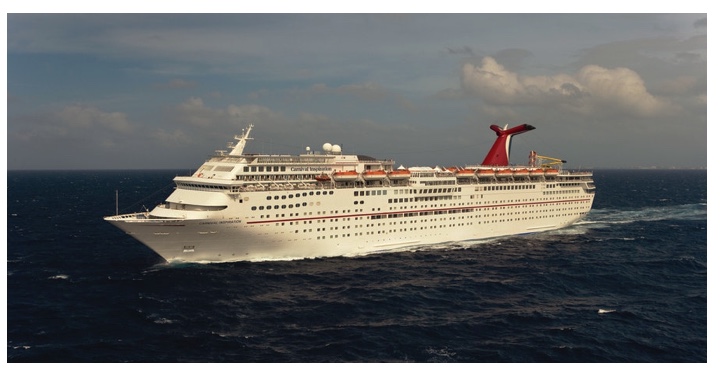
Ever tried to book back-to-back cruises and the cruise company says you can’t book it because it invokes the Jones Act? The problem is that literally all cruise ships* cannot allow you to embark on a ship in an American port and later allow you to disembark in another American port. If they do there are heavy fines involved per person.

For cruise ships it actually isn’t the Jones Act but is actually The Passenger Vessel Services Act, that applies, but The Jones Act is just easier to say. The Jones Act and The Passenger Vessel Services Act are 100-year-old regulatory relics instituted during the Wilson administration to protect America’s maritime industry. The short description says that you cannot transport cargo or passengers between two American ports unless you use ships built in American shipyards, flagged as an American ship and crewed by U.S. citizens. The problem for the cruise industry is America doesn’t build cruise ships any more, it is expensive to flag ships in the U.S. and even more difficult to staff ships with U.S. citizens.
While it is a nuisance for the cruise industry it is a disaster for American business and our economy. As of 2016 there are less than one hundred tankers in the world that meet the Jones Act requirements. Because of this it is cheaper to ship U.S. oil to Europe from Texas than to refineries in New Jersey. What that means is our oil companies import more expensive oil while at the same time we export our oil. While complicated the Jones Act is one of the things standing in the way of our energy distribution. One example is that several times more oil moves throughout the United States by train than more energy efficient tankers.

One of the more insane things that happened as a result of the Jones Act occurred during the BP oil spill in the Gulf of Mexico. Norway dispatched three specialized ocean oil clean-up ships to help with the disaster. But when they reached the Gulf of Mexico the Obama Administration wouldn’t allow them to help because they would be violating the Jones Act, so the ships returned to Norway. Later the Trump administration actually temporarily suspended the Jones Act twice. Once to help move oil out of Texas after major hurricanes and to speed up aid to Puerto Rico after the devastating hurricane.

Currently Alaska has encountered a serious problem in trying to replace an aging fleet of ferries. The Alaska Marine Highway System, which operates these ferries in Alaska, is subject to the Jones Act. This means that all ferries carrying passengers or cargo between Alaskan ports must comply with the Jones Act requirements. The problem is that no current shipyards build ferries and if they order them from foriegn yards they will not be permitted to carry passengers between Alaska cities.

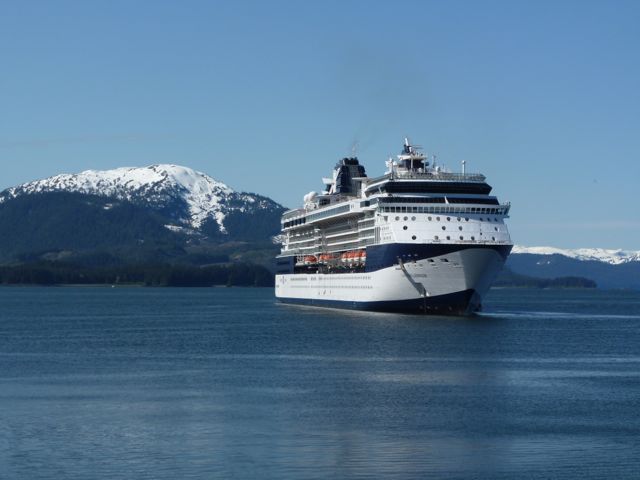
There have also been a number of locations where the cruise industry has wanted to serve the American traveler by embarking in one port and disembarking in another. Hawaii is one of those locations, with inter-island cruises as well as cruises originating on the West Coast. New England cruises and Alaska are two other cruise destinations that would benefit by not having the complications of the Jones Act. In the case of Alaska there are a number of popular week-long itineraries that go one way, but because of the Jones Act they depart out of Vancouver instead of the U.S. port of Seattle. Recently we wanted to take the last Alaska cruise of the year from Seattle and stay on for a cruise from Vancouver to Hawaii, but because we would embark in Seattle and disembark in Honolulu the Jones Act prevented it.
If you are a cruise fan maybe it’s time you suggest to your congressman that the Jones Act has outlived its usefulness. Even if cruising isn’t your thing you should still consider contacting your congressman. The Jones Act costs you money at the gas pump by adding one or two billion dollars to fuel transportation costs each year and also prevents economical use of LNG in Hawaii, Puerto Rico, the Virgin Islands and Guam. Puerto Rico is the most negatively impacted by a number of elements in the act. There are still a number lobbies that fight to keep the Jones Act from being repealed and that includes labor unions, like the long shoremen and law firms that work in maritime cases. It has been suggested a number of times that the act could be eliminated for our island territories at least and new laws could be passed designed to cover American labor impacted by the health issues involved. Unfortunately even though there are very few union jobs being protected by the act it seems that special interests still take priority in Congress over the interests of an uninformed public.

*There has only been one cruise ship built in an American shipyard in the past thirty years. It was the NCL Pride of America built in 2005 and is the only US-flagged cruise ship in the world. It was built to allow it to cruise the Hawaiian Islands.
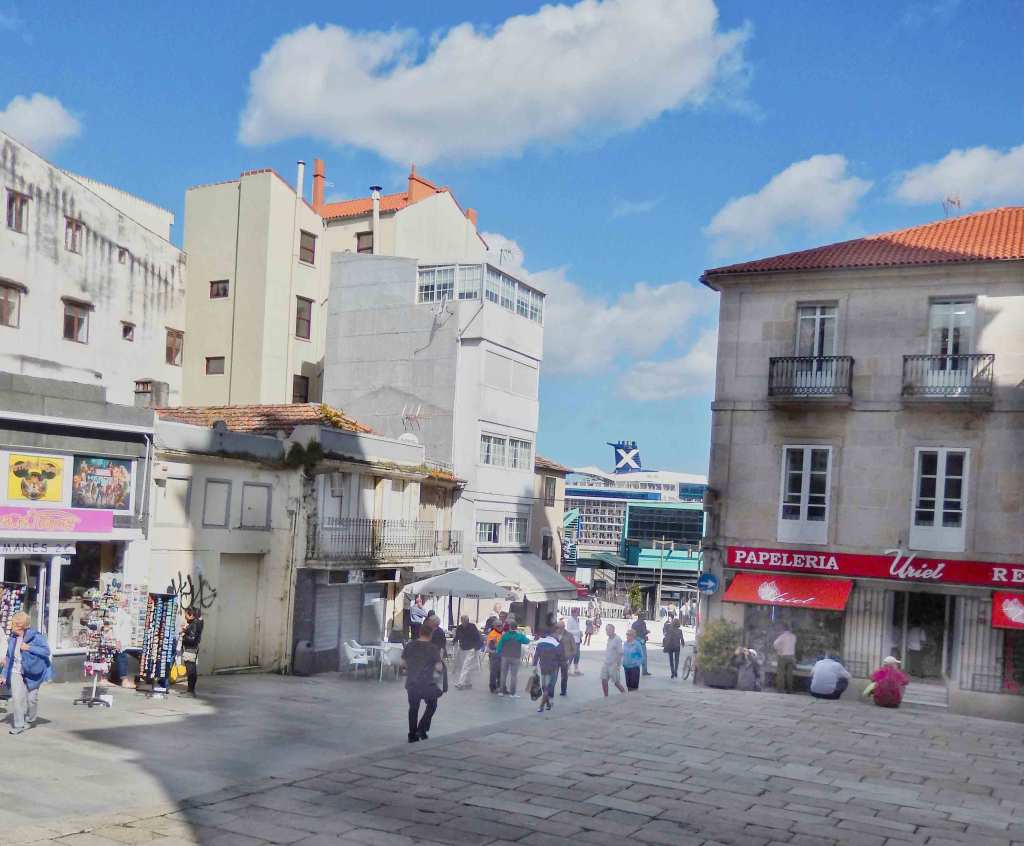
Vigo, Spain A Port Of Call

Vigo, is a port city located in the northwestern region of Spain, in Galicia. Its history dates back to ancient times, with evidence of human settlements in the area since the Paleolithic era. The first known settlers in the Vigo area were Celtic tribes, who established a settlement called “Vicus” around the 3rd century BC. The Romans later conquered the region and incorporated it into the Roman Empire. During the Middle Ages, Vigo was frequently attacked by Vikings and other imauraders. The town suffered from raids and pillaging until the 10th century when the region joined the Kingdom of Galicia.

In the 16th and 17th centuries, Vigo became an important port for maritime trade, especially with America. The city’s economy grew, and it became one of the main commercial hubs in Galicia. During that period Vigo was at times pillaged by pirates and the surrounding bay area often became a pirate refuge.

In recent times, Vigo has become a major fishing port and a center for Europe’s automotive industry. It is also known for its beautiful beaches and a vibrant cultural scene.

Where Your Ship Docks

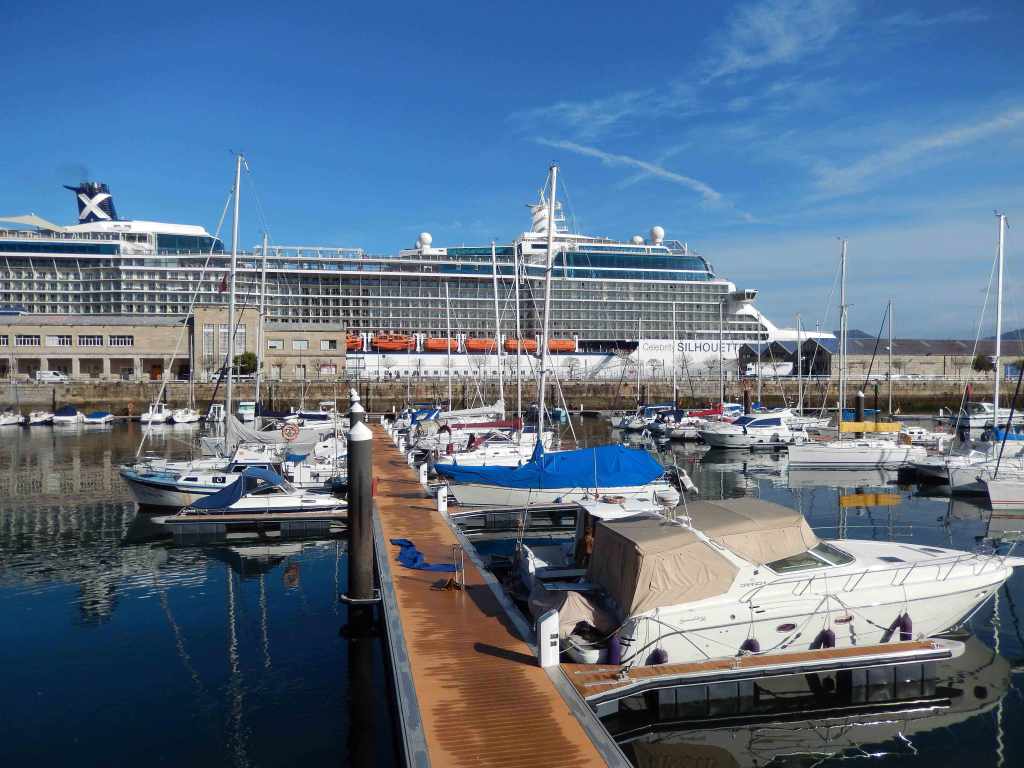
Vigo boasts a modern cruise ship dock and terminal with convenient facilities located very near the historic district.

Wheelchair Accessibility

Disembarking – This port provides a modern cruise terminal with built-in provisions for passengers using wheelchairs like ramps and elevators.

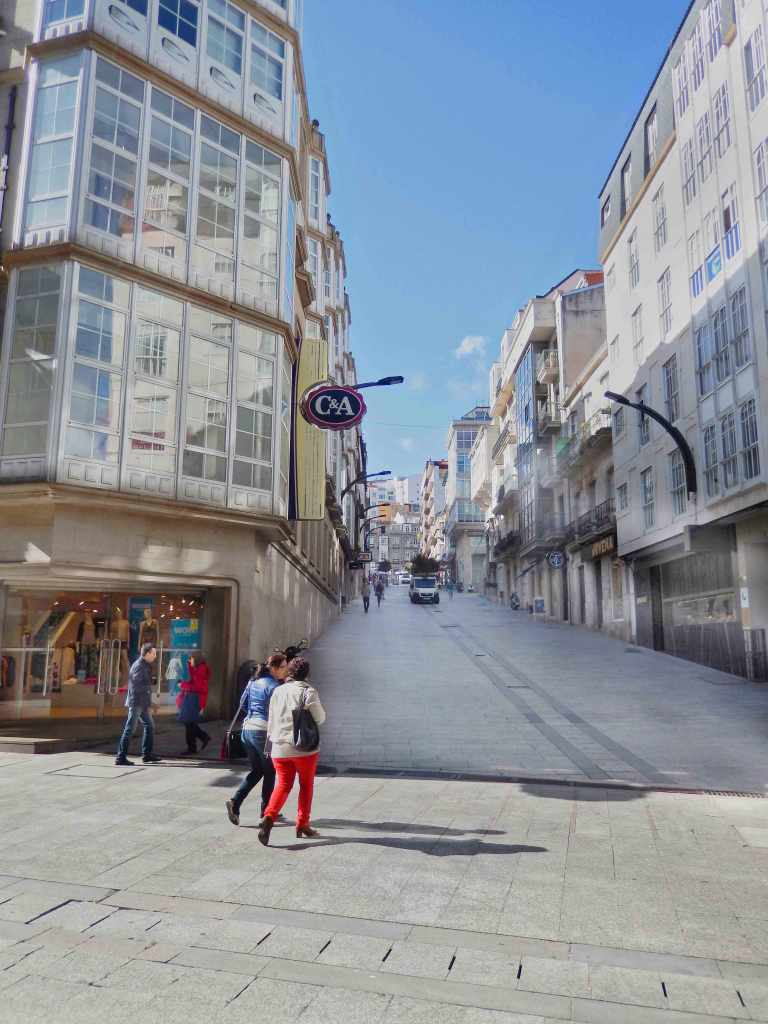
The Port City Characteristics – This port has an average wheelchair infrastructure typical of large cities. Near the port the area it is mostly level with good in sidewalks. Some areas may have pavers and intersection crosswalks may have curbs or other wheelchair obstacles.

Transportation

Vigo has a well-developed public transportation system that consists mainly of buses and taxis. The bus system is operated by Vitrasa and is modern, clean, and comfortable, and they run frequently throughout the day. There are also several taxi companies in Vigo that provide reliable and affordable transportation services.

Tourist Bus Pass

The city also offers a tourist bus pass. It is called the “Vigo Tourist Bus” and it allows you to hop on and off at various stops throughout the city. The pass is valid for 24 hours and costs around 12 euros. It is a great way to see the city’s main attractions and landmarks. You can purchase the pass at a Vigo Tourism Office or online.

Currency

Spain uses the Euro, most credit cards are welcome and ATMs are readily available.

Attractions

Things to do in Vigo, Spain:

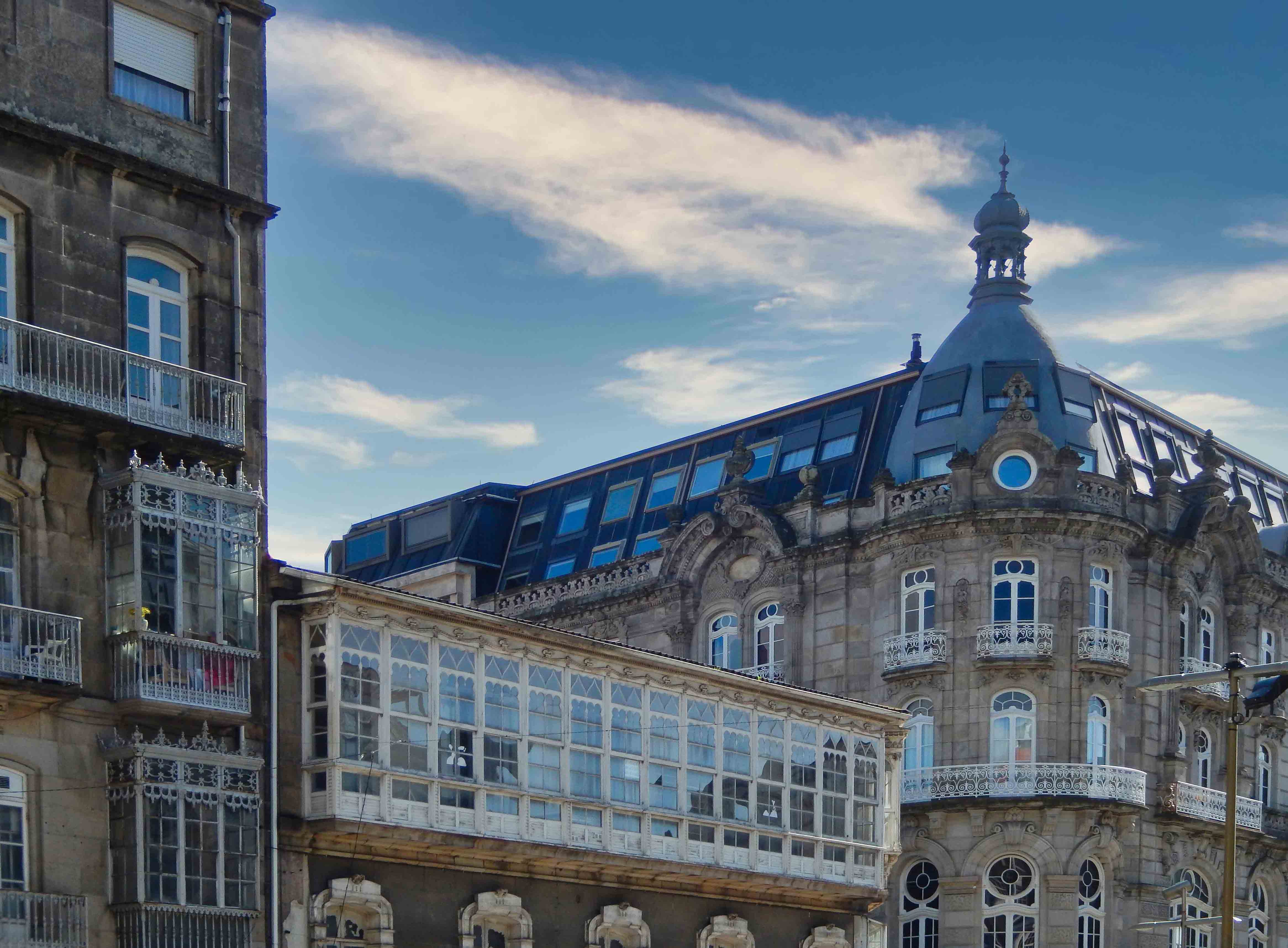
Exploring the Old Town (Casco Vello): Take the time to stroll through the narrow streets of the historic quarter, visit the Santa Maria Collegiate Church, and enjoy the city’s charming atmosphere.

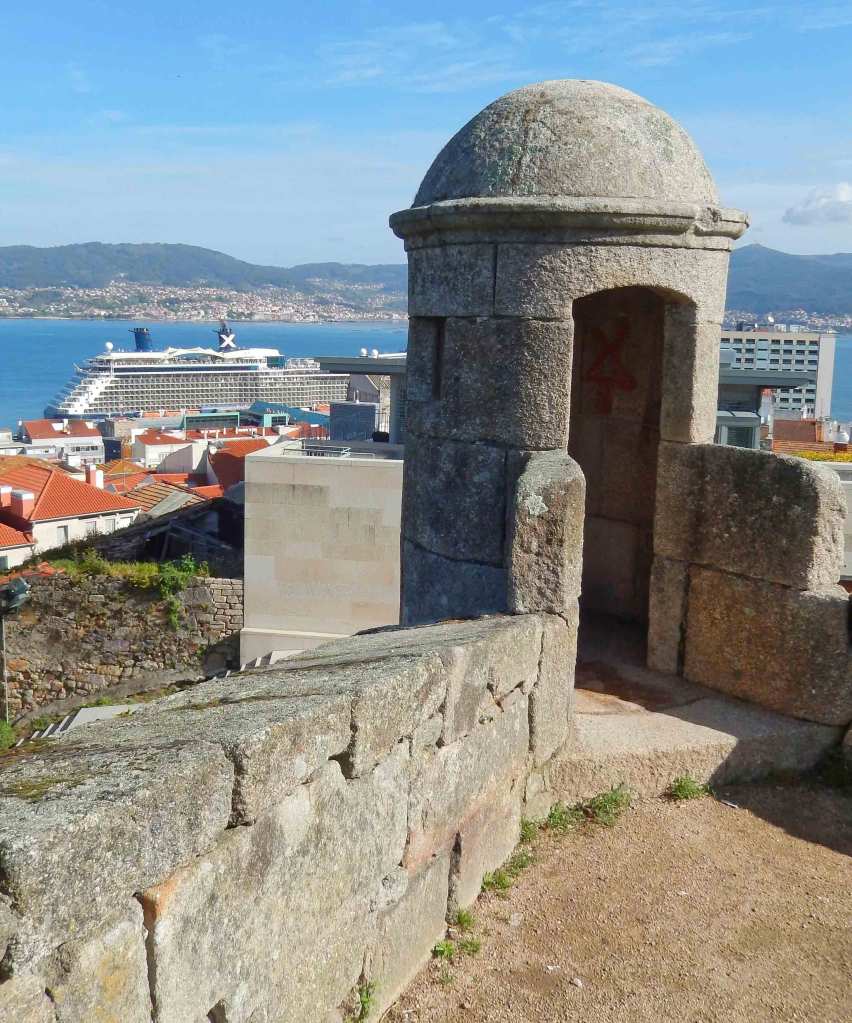
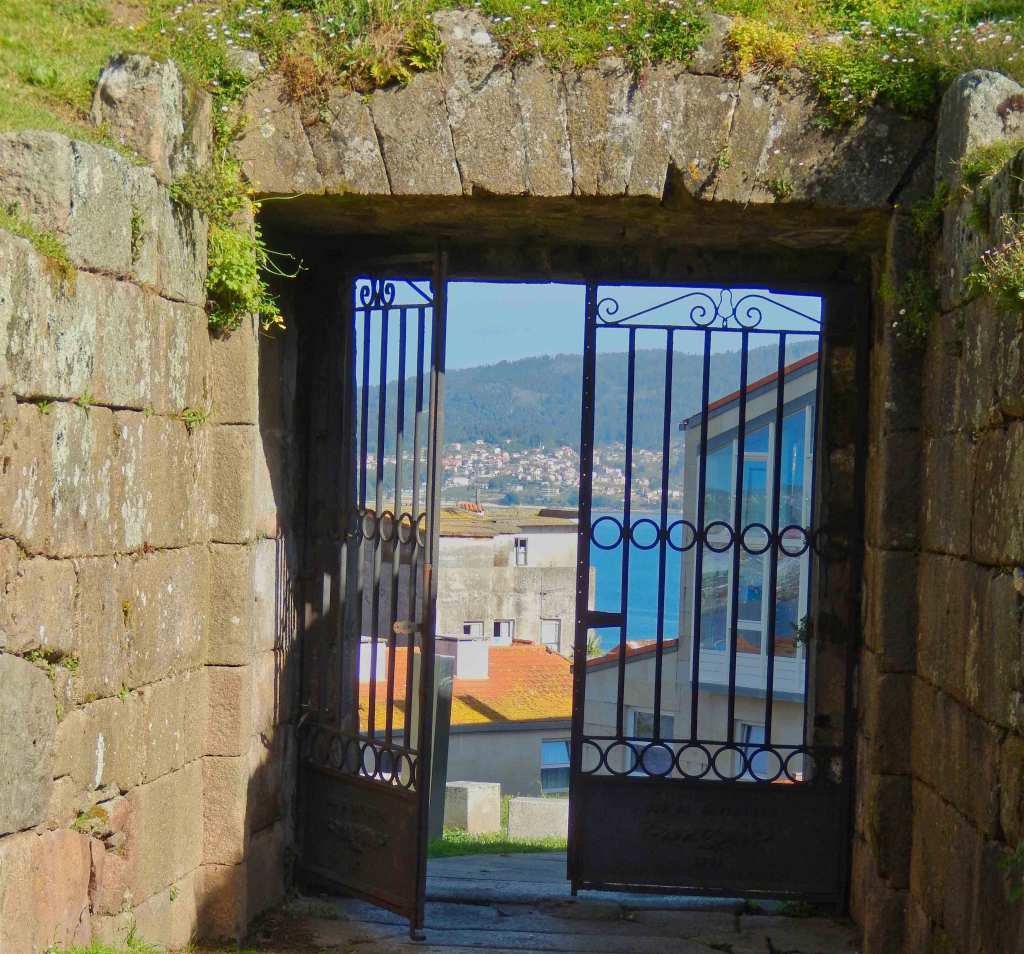
Visit Castro Fortress (Castillo de San Sebastian): This 17th-century fortress offers panoramic views of Vigo and the surrounding coastline. It’s a great spot for a leisurely walk or to watch the sunset.

Go and relax at Samil Beach: Located just a few kilometers from the city center, Samil Beach is a popular spot for locals and tourists alike. Enjoy the sandy beach, take a dip in the sea, or simply relax and soak up the sun.

Explore the Cies Islands: Take a boat trip to the Cies Islands, a stunning natural park known for its crystal-clear waters and pristine beaches. It’s a perfect spot for hiking, swimming, and enjoying nature.

Visit the Museum of Contemporary Art (MARCO): If you’re interested in art, don’t miss this museum located in the heart of Vigo. It houses a collection of contemporary art from both Spanish and international artists.

Seafood: Vigo is famous for its fresh seafood. Head to the port area or any of the local restaurants to savor delicious Galician cuisine, including octopus, mussels, and fish.

Take a boat tour of the Ria de Vigo: Explore the beautiful estuary of Vigo by taking a boat tour. You’ll have the opportunity to see marine life, visit small islands, and enjoy the scenic views.

Visit the Municipal Market (Mercado de la Piedra): This market is a great place to experience the local culture. Browse through stalls selling fresh produce, seafood, and other regional products as well as locally made crafts.

Castro Park: A beautiful park located on a hill in the center of the city, offering panoramic views of Vigo and the surrounding bay area.

Rande Bridge: A suspension bridge that connects Vigo with the neighboring town of Redondela, offering stunning views of the bay and the surrounding landscape.

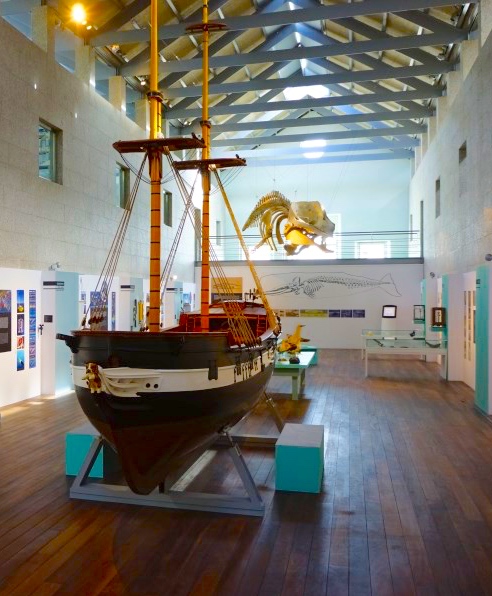
Of special interest is the Museo del Mar de Galicia, also known as the Museum of the Sea of Galicia. The museum is dedicated to the maritime history and culture of Galicia, showcasing a wide range of exhibits related to fishing, shipbuilding, navigation, and marine biology. The museum’s collection includes models of ships, fishing gear, navigational instruments, and a variety of marine specimens. The museum also features interactive displays and multimedia exhibits that provide visitors with a hands-on experience of Galicia’s rich maritime heritage.

Shave Ice In Hawaii

Snow cones go way back. We have memories of walking the boardwalk in Ocean City, MD with a snow cone in hand. Even before that we used to mix up concoctions with freshly fallen snow. More recently our children, and now our grandchildren, love this icy creation. In Hawaii it has become an institution. They call it shave ice and the original was brought to Hawaii by Japanese immigrants. Shave ice is literally that, ice shaved off a block of ice.

The undisputed king of Hawaiian shave ice has been around since 1951: Matsumoto Shave Ice located on the Oahu North Shore at 66-111 Kamehameha Highway, Haleiwa (808) 637-4827. They are so popular that on a good day the line goes out the door and around the courtyard. Matsumoto offers a couple dozen flavors and tradition dictates that you select three for your shave ice. As extras they offer mochi (Japanese rice cake), condensed milk, azuki beans (Japanese red beans cooked with sugar and water) and, of course, ice cream.

While shave ice is probably not worth the trip all the way from Honolulu (45 minutes each way), a visit to Haleiwa and the North Shore is a must. The town has great shopping with art galleries, jewelry stores and numerous eating options including a wide variety of food trucks. The main road runs along beautiful beaches including Waimea Bay, Sunset Beach and the Banzai Pipeline so it’s easy to spend an entire day in the area. In addition, Waimea Falls Park offers a nature trail through lush botanical gardens leading to the waterfall.

In Lahaina over on Maui there’s another famous shave ice called Ululani’s Hawaiian Shave Ice. Their main location is in a courtyard on the north end of Front Street in an area full of shops and galleries. In addition, they have five other shops and stands on the island featuring their Maui inspired flavors which, in our opinion, are even better than Matsumoto.

Travel, Money, Debit Cards & ATMs

International Travel And Using ATMs

Some time ago traveling internationally meant getting foreign currency from your bank or going to a money exchange at your destination (never use the ones at the airport). Today things have changed a lot, credit cards are accepted everywhere and ATMs are common internationally.

Money Preferences

Credit Cards – Often the first choice when traveling is to use a credit card. They’re accepted almost everywhere and most credit cards have the advantage of fraud protection. One thing to get in the habit of doing is when using a credit card overseas always leave the transaction in local currency to avoid high transaction fees.

Money Exchanges – Most advice today suggests using ATMs over money exchanges and in most situations that’s good advice. There are, however, times when exchanges are a better choice. Often if the amount is small a money exchange is less expensive than an ATM. Also money exchanges now know that they are in competition with the banks and ATMs and are adjusting accordingly. If there is a convenient exchange nearby it doesn’t hurt to check the rates and the transaction is actually clear and fast with no worries about additional charges against your card.

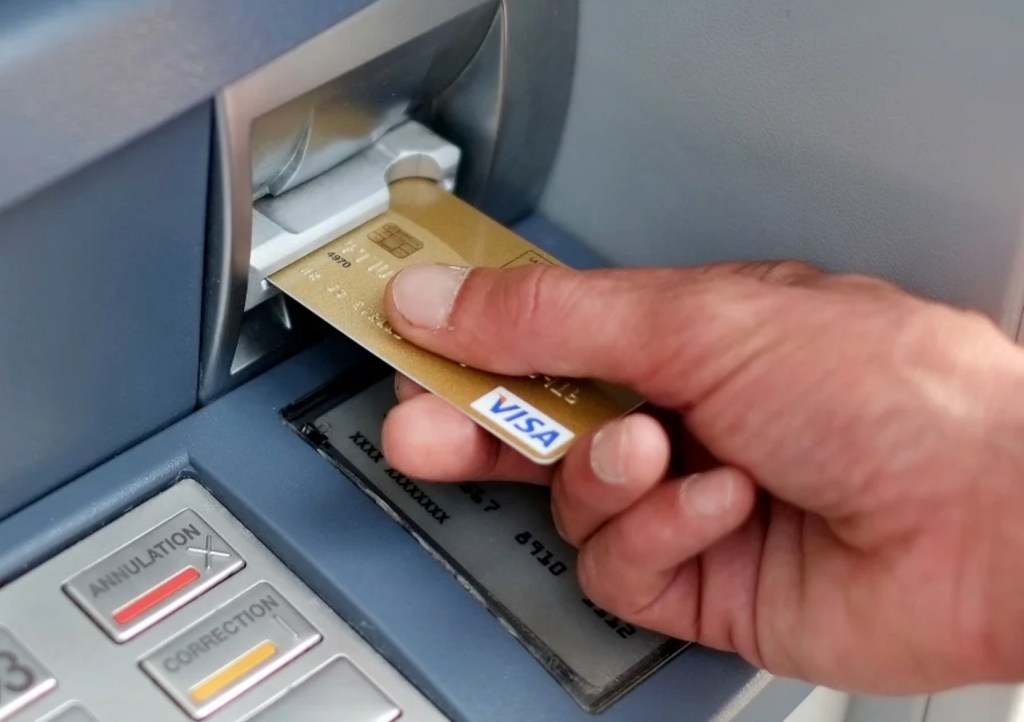
International ATMs – They’re everywhere and usually easy to use, but when it comes to international ATM machines, there are a number of them that are famous for high fees and poor exchange rates. Several options to look for that are considered to be reliable, fair and widely available ATM machines include:

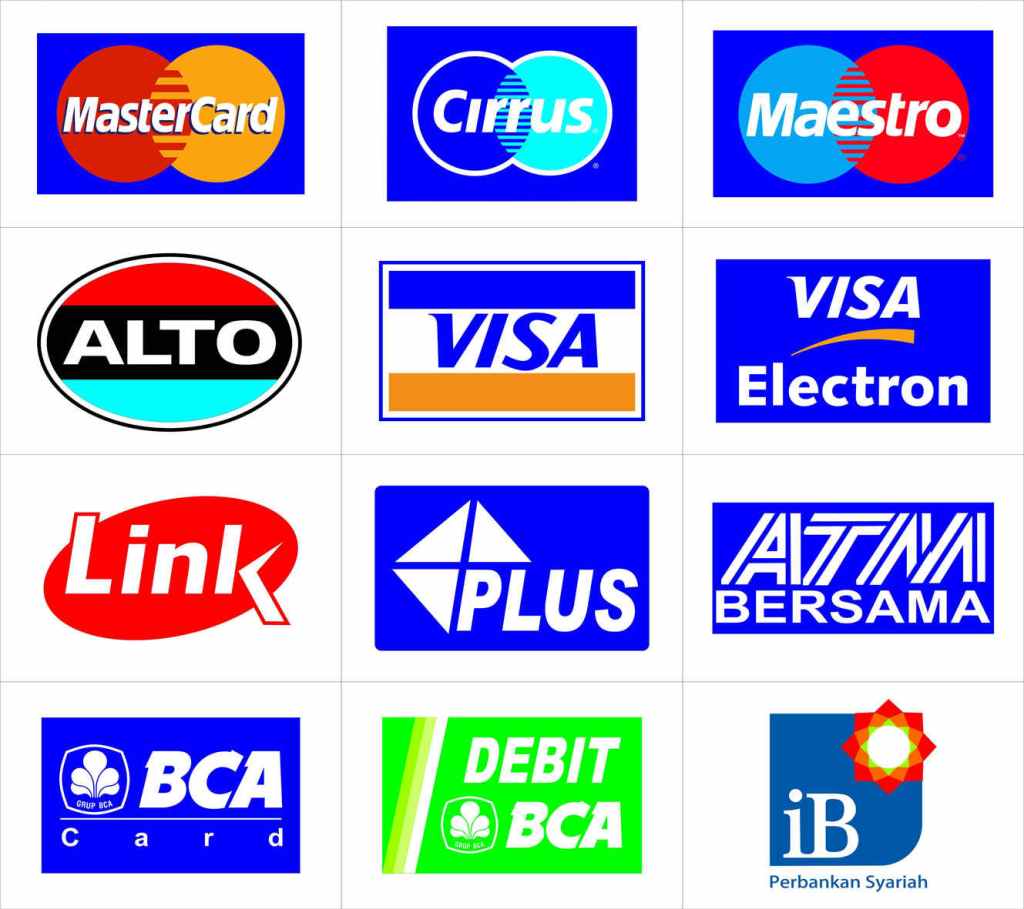
Visa ATMs: Visa is one of the most widely accepted payment networks in the world, and their ATMs can be found in many countries. You can use your Visa debit or credit card to withdraw cash from these ATMs.

Mastercard ATMs: Similar to Visa, Mastercard is also a widely accepted payment network, and their ATMs can be found in many countries. You can use your Mastercard debit or credit card to withdraw cash from these ATMs with small or no fees.

Citibank ATMs: Citibank has a large network of ATMs around the world, and they offer fee-free withdrawals for Citibank customers.

HSBC ATMs: HSBC also has a large network of ATMs around the world, and they offer fee-free withdrawals for HSBC customers.

Barclays ATMs: Barclays has a large network of ATMs in the UK and around the world, and they offer fee-free withdrawals for Barclays customers.

It’s important to note that while these ATM machines are considered to be some of the best for international travel, you may still encounter fees for using them, especially if you are using a card from a different bank or financial institution. It’s always a good idea to check with your bank or credit card provider before traveling to see what fees might apply.

Kiplinger’s Personal Finance choice for best bank for frequent international travelers is Charles Schwab, followed by Capital One 360.

With the Schwab High Yield Investor Checking account, you won’t pay any fees on your checking account at all. That means no ATM fees when you use an ATM in another country, and no foreign currency conversion fee if you withdraw funds in another currency. However if you use an ATM outside their preferred network, the ATM operator may charge an additional fee.

Capital One 360 Checking Account for a debit card for international travel. Capital One doesn’t charge a foreign transaction fee on transactions made in other currencies, which means you can use your debit card for purchases without paying for the currency conversion. Also if you can locate a Capital One or Allpoint ATM while you’re traveling, you won’t pay an ATM fee on cash withdrawals either.

There are several international ATM machine companies and networks that charge high fees. Things to watch out for in Europe include:

Non-bank and independent networks: If you are using an ATM machine that is owned by a non-European bank or independent network, you will probably be charged higher fees for withdrawals and poor currency conversion rates. Avoid ATMs, such as Travelex, Euronet, Moneybox, Your Cash, Cardpoint, and Cashzone. They are famous for those high fees so pay attention to what service/network is operating the ATMs. Often they try to position theirs very near to bank ATMs hoping that travelers will not notice. Their machines are also famous for signs that claim “Free Cash Withdrawals” — it’s a lie but international travelers often will have no place to complain later.

Dynamic Currency Conversion (DCC): Some ATM machines offer DCC, which allows you to withdraw money in your home currency instead of the local currency. However, this service usually comes with very high fees and unfavorable exchange rates.

To avoid high fees when using ATM machines in Europe, it is recommended to use ATMs owned by major networks such as Visa, Mastercard, or Cirrus. Additionally, it is important to check with your bank about any international transaction fees or foreign exchange fees that may apply using your card overseas.

Also beware of ATMs as well as merchants that offer to convert your amount to US dollars. Often the conversion rate is much worse than your banks and may include transaction fees. Leave those transactions in local currency and let your bank make the calculation.

Using a debit card over a credit card can be beneficial, because it’s linked to your bank account. When you swipe, the funds are taken out of your checking account with no chance of getting charged interest. That means you won’t have to worry about repaying a credit card balance. On the down side most credit cards today offer protection from fraud transactions while many bank debit cards do not. These transactions are most vulnerable when you use your debit card to directly pay for a purchase while traveling or on the internet.

Passau Cathedral Germany

Located in Passau, St. Stephen’s Cathedral, is a baroque church dating back to 1688 and dedicated to Saint Stephen, Christianity’s first martyr.

The first church was built in 730 AD on the site of the current cathedral. The current cathedral is an impressive baroque structure dominating the center of Passau 328 ft. in length and was constructed from 1668 to 1693 after a fire in 1662 destroyed the previous church. That fire destroyed the entire city and seemed to have left the church standing. In thanks the city held a celebration and when firing cannons in salute the vibrations collapsed all but one exterior wall.

Passau Cathedral is home to the largest organ outside of the United States and the largest cathedral organ in the world. The organ currently has 17,774 pipes and 233 stops, all of which can be played with a five section general console in the gallery. Some portions of the organ can be controlled by a mechanical and electrical action additional console, for a total of six consoles. There are very popular daily concerts conducted in the cathedral with some by notable guest musicians. While not a concert organist, Arnold Schwarzenegger was recently allowed to play the organ and upon finishing he is reported to have exclaimed “I’ll be back.”

The cathedral also has eight large bells in the bell rooms in the north and south towers with the heaviest, weighing over eight tons.

The Cruise Port Of Vancouver, Canada

Gateway to Alaska cruising and a departure port for cruises to Hawaii this port has much to offer visitors.

Cruising North To Alaska?

Vancouver is a major embarkation port and a gateway for many of Alaska’s cruises.

A popular gateway for many Alaska cruises, Vancouver is a great destination on its own. While it may owe much of its popularity in the cruise industry to some old and archaic U.S. law called the Jones Act and The Passenger Vessel Services Act, it deserves to be recognized as a great destination city as well. Vancouver is the largest western Canadian city with a large natural harbor and a thriving economy. Famous for a number of nearby wine regions, it has a great natural beauty and a vibrant city atmosphere.

The issue with the Jones Act/The Passenger Vessel Services Act prohibits cruise lines from picking up passengers in one U.S. port and allowing them to disembark in another U.S. port. Vancouver, Canada allows the cruise lines to avoid the problem of picking up passengers from a U.S. port.

Downtown Vancouve

Where Your Ship Dock

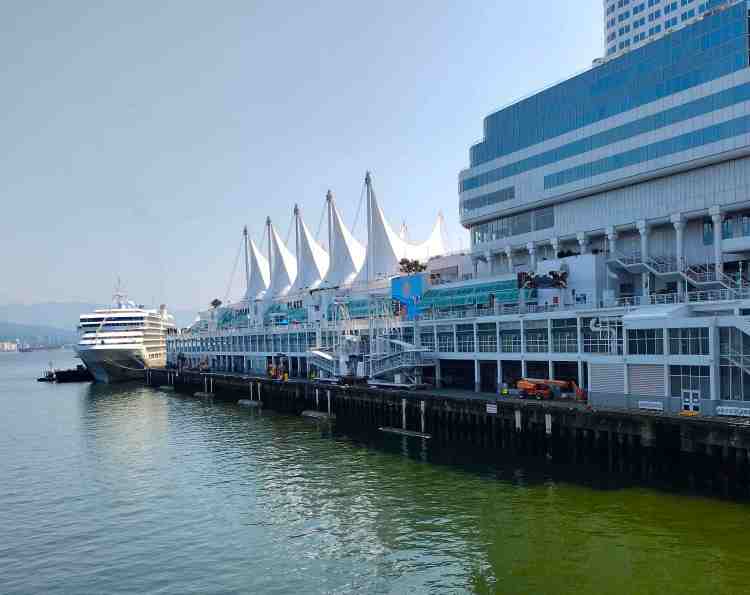
The cruise pier in Vancouver is called Canada Place and it is centrally located with a nice cruise terminal. Canada Place is also a convention center and community event venue so take the time to discover what’s going on inside. Just walking out of the terminal finds you in downtown with a tourist office within a couple of blocks of the pier. Only a few blocks walk to the southwest is Gastown, a popular historic district with lots of restaurants and clubs. A few blocks farther south is Vancouver’s Chinatown, which is home to a large Asian population replete with markets and excellent Chinese restaurants.

Wheelchair Accessibility

Disembarking – This port provides a modern cruise terminal with built-in provisions for passengers using wheelchairs like ramps and elevators.

Port City Characteristics – This port has a well developed wheelchair friendly infrastructure. The port area is flat or has few inclines. Intersection crosswalks have few issues with curbs or other wheelchair obstacles.

Transportation

Taxi – Taxis are common and fares average about $10 for trips within the central city. A taxi trip to the airport should cast about $30.

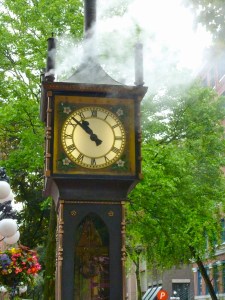
Gastown Steam Clock

Rapid Transit – The Canada Line is Vancouver’s rapid transit rail connecting Vancouver International Airport (YVR) to downtown Vancouver in about 30 minutes. Trains leave every few minutes and run from 5 am till after midnight. Fares run about $3.00 per trip.

For detailed information on getting from Vancouver airport to Canada Place click HERE.

Bicycles – Vancouver is a very walkable city and you will discover that many locals commute on bicycles. There are a number of rental locations not far from Canada Place. Spokes Rentals is only four blocks down the waterfront (1798 W Georgia Street).

Money – A Canadian dollar is currently about US$0.80 and unlike the Eastern Canadian cities Vancouver businesses will often insist on cash being in Canadian currency. Credit cards are welcome and ATM machines are plentiful. If you spending a day or two in Vancouver a good way to pick of Canadian currency is to use an ATM.

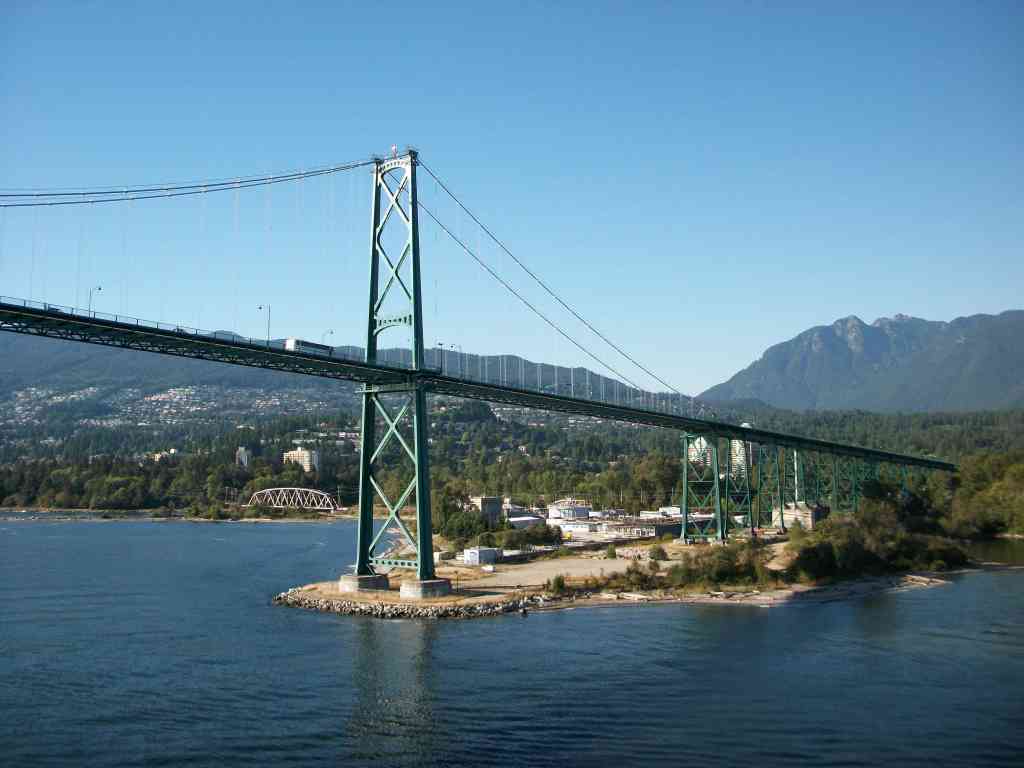
Cruises depart by sailing under Vancouver’s Lions Gate Bridge

Local Sights

Gastown and Chinatown, as mentioned above are not far from Canada Place and are a must visit. Because of the large Chinese population there are a number of restaurants featuring authentic Chinese cuisine with great dim sum. Gastown is located not far from the cruise terminal and is the old historic section of Vancouver. A great entertainment district wit lots of restaurants, bars and shops.

Entrance to Vancouver’s China Town

Vancouver Aquarium located in Stanly Park down the waterfront to the northeast about a mile from Canada Place. It is Canada’s largest and a great attraction especially if you are traveling with children.

Science World with its iconic dome was originally built for Expo ’86, and is home to a number of interactive exhibits as well as one of the world’s largest OMNIMAX theaters. It is located less than a mile and a half from Canada Place.

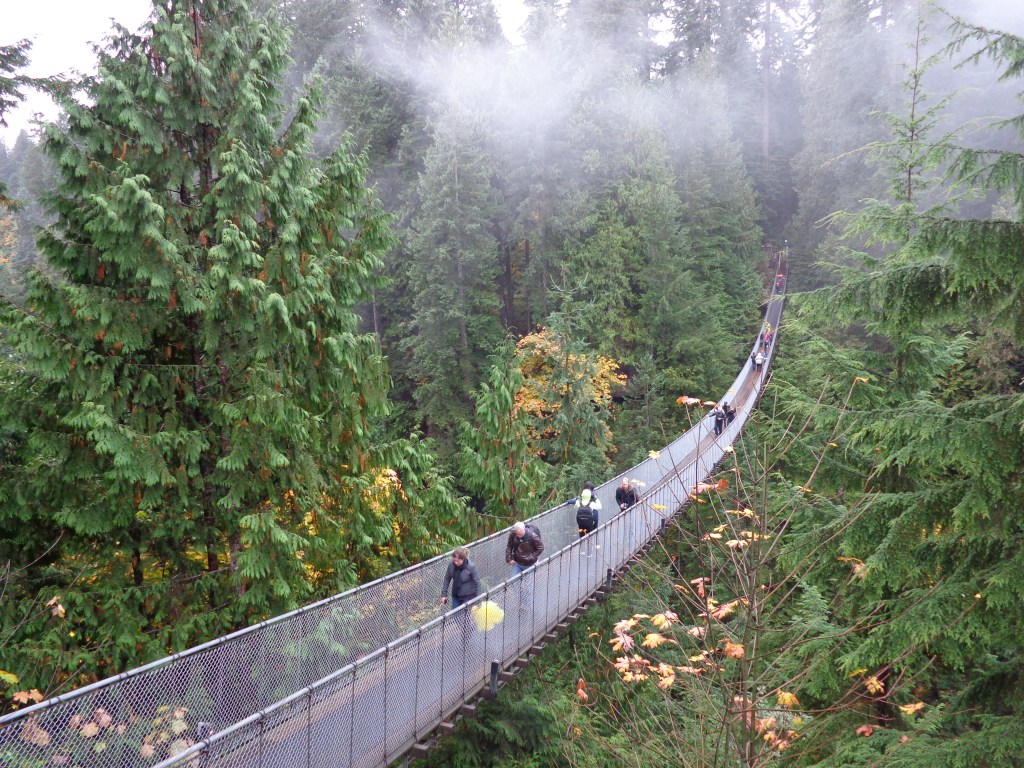
Capilano Suspension Bridge is a ways out of town but people from all over the world come here to experience this bridge and the natural beauty of the area. It is located in the Capilano area.