
San Cristobal, Galapagos

Puerto Baquerizo Moreno, San Cristobal, Galapagos

Most people planning on visiting the Galapagos will discover that a flight from Ecuador to San Cristobal with a few nights in a hotel is the most reasonably priced option. Taking a cruise around the Galapagos in many cases will start at $10,000 per person and can actually cost above $20,000.
The most easily reached island is San Cristobal Galapagos and it is not a difficult trip. There are 4 to 6 round trip flights from Guayaquil, Ecuador to San Cristobal, Galapagos each day with round trip fares ranging from $250 to $500. There are currently over forty hotels and hostels on San Cristobal that range from under $70 to over $500 a night with a majority being around $150.

One area about visiting the Galapagos that should be pointed out is government fees. Before boarding a flight to the Galapagos everyone needs to get a visitors card. After filling out a form online (HERE) pay $20 and receive an entry and exit card (do not lose the exit card). Upon arrival in the Galapagos you will need to pay another fee of $100 cash before you can enter.

San Cristóbal is the fifth largest and easternmost island of the Galapagos. It is composed of three or four fused extinct volcanoes and is named for the Patron Saint of seafarers, “St. Christopher”. It is home to the oldest permanent settlement in the islands and is the island where Darwin first went ashore in 1835.
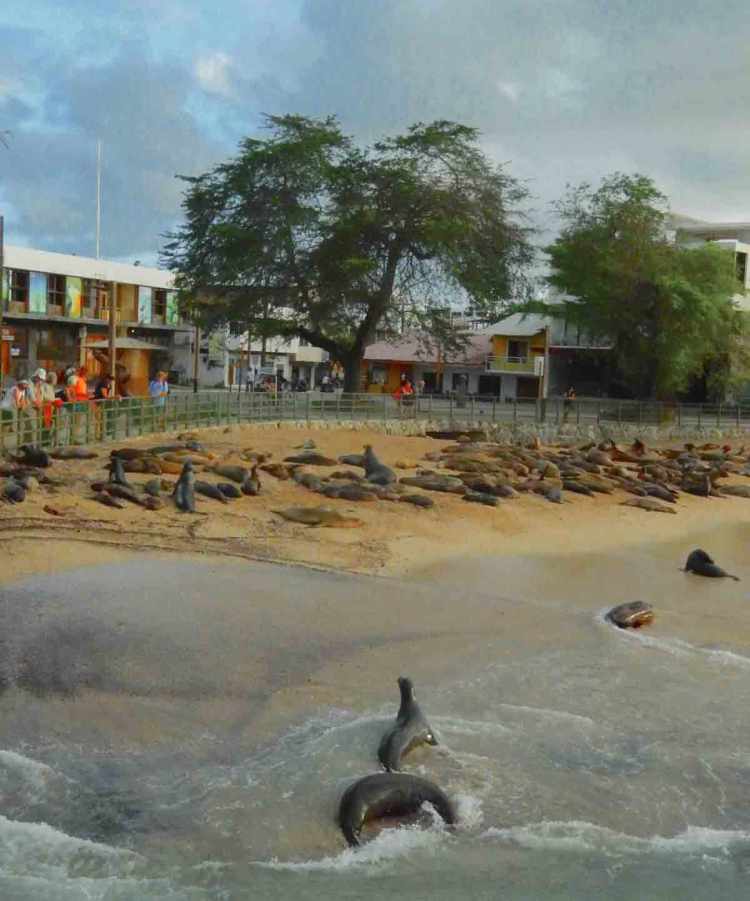
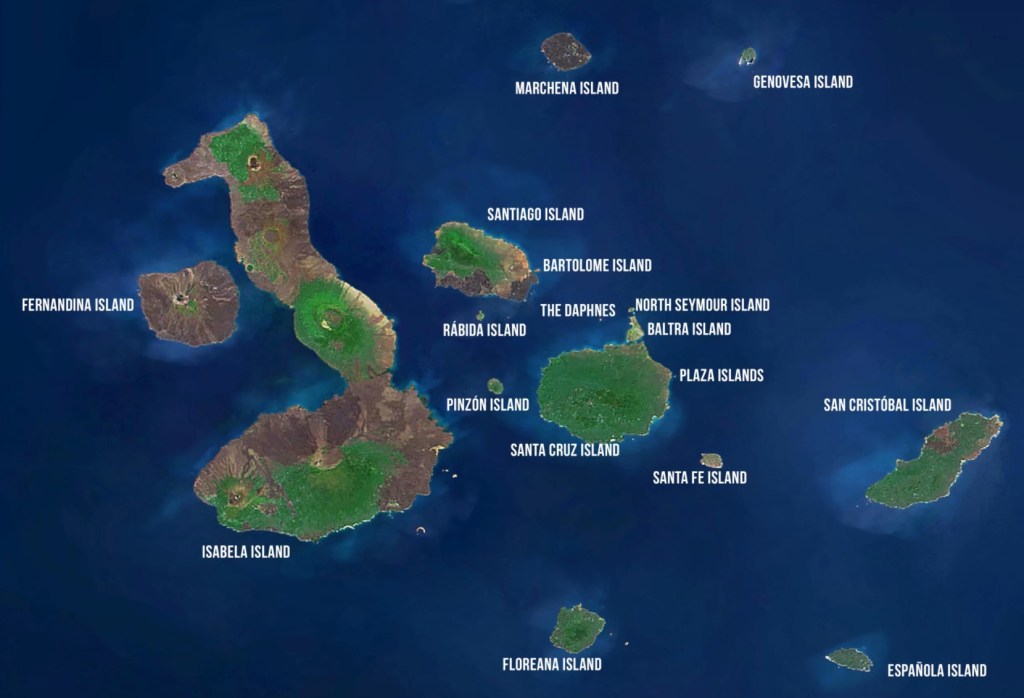
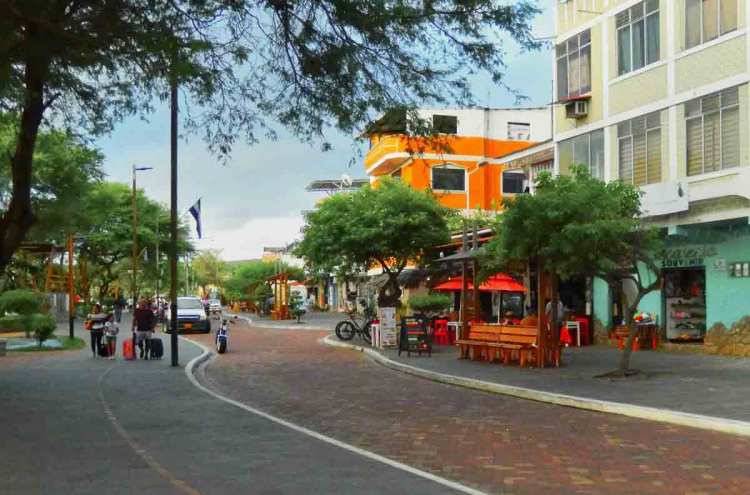
The town of Puerto Baquerizo Moreno on San Cristóbal is the capital of the Galapagos province with approximately 5,400 residents, making it home to the second largest population in Galapagos, after Santa Cruz. Tourism is the towns major business and there’s a wide range of activities that can be arranged in town. There are boat excursions to nearby small islands to see wildlife, lots of options for snorkeling and sport diving tours, fishing trips along with island tours. Puerto Baquerizo Moreno has a good offering of restaurants with seafood being the best choice and prices are exceptionally fair.

Island Sights

The Natural History Museum is worth a visit to orient yourself with what the island has in the way of birds, iguanas, sea lions and dolphins. The exhibits include whalebones, tortoise shells, corals and crabs. The museums mascot is a tortoise called Pepe, who lives behind the main building.

Interpretation Center
Opened in 1998, the Galapagos National Park Visitor Center in San Cristóbal presents a complete history of the Galapagos, its ecosystems, flora and fauna. The Center focuses primarily on the history of the archipelago, from its volcanic origins to the present. Interpretation panels and exhibits, representing the natural and cultural history of the archipelago are arranged in chronological order. The Visitor Center is a short 20-minute walk from town along the sea and is just a couple of blocks above Playa Mann beach. It’s open every day from 7 am to 12 pm and 1:30 pm to 5 pm.

Frigate Bird Hill Trail
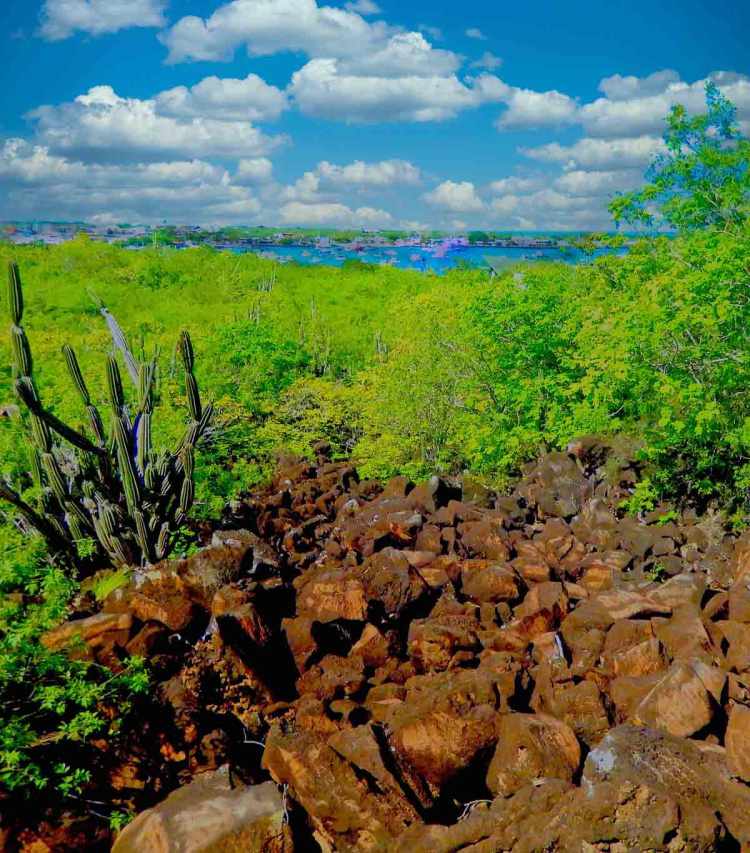
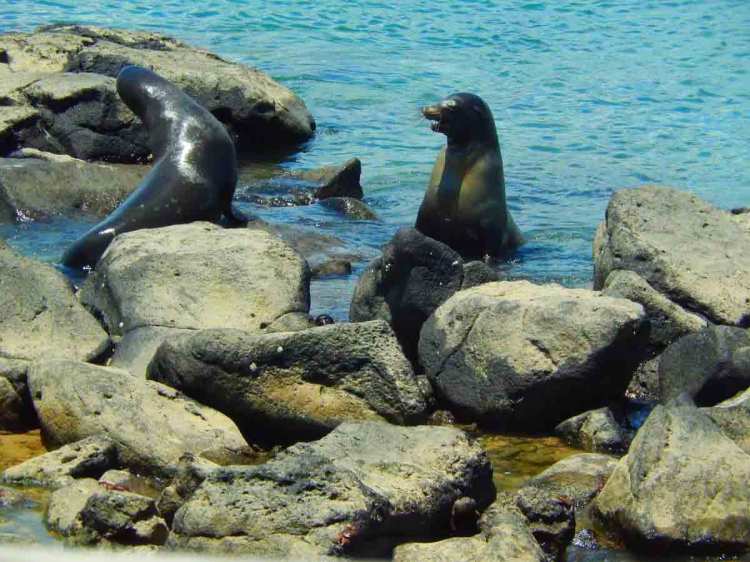
A trail from the Interpretation Center heads up Frigate bird Hill. Here you can often see Frigate Birds in a colony. The paved trail offers good views of the harbor and leads to Punta Carola Beach, a small sandy beach that’s home to sea lions, sea birds and exotic flora and fauna and is perfect for a swim or sunning.

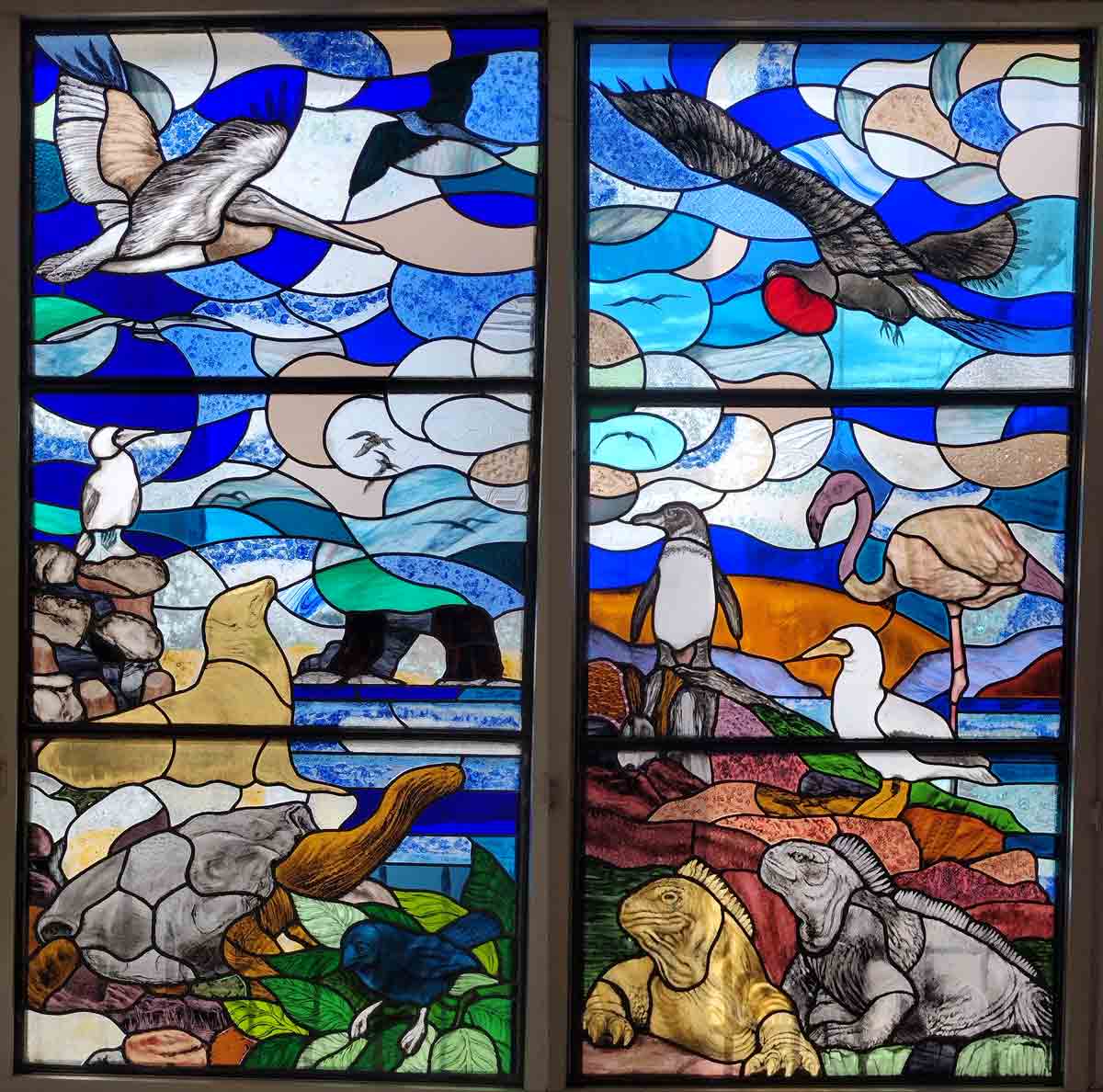
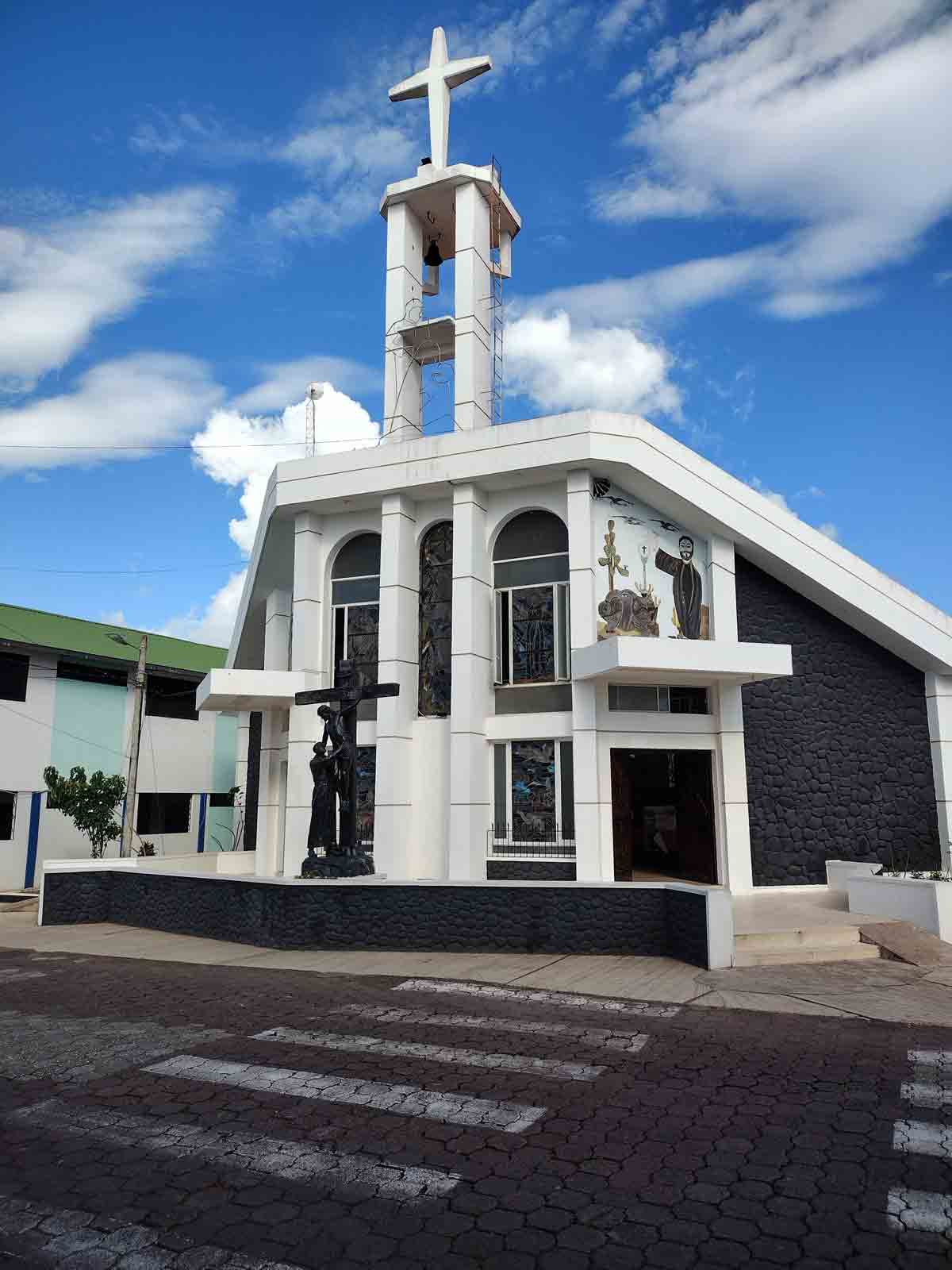
San Cristobal Catholic Church – Located in the heart of town this church has some beautiful stained glass depicting local wildlife.
The Playa Mann
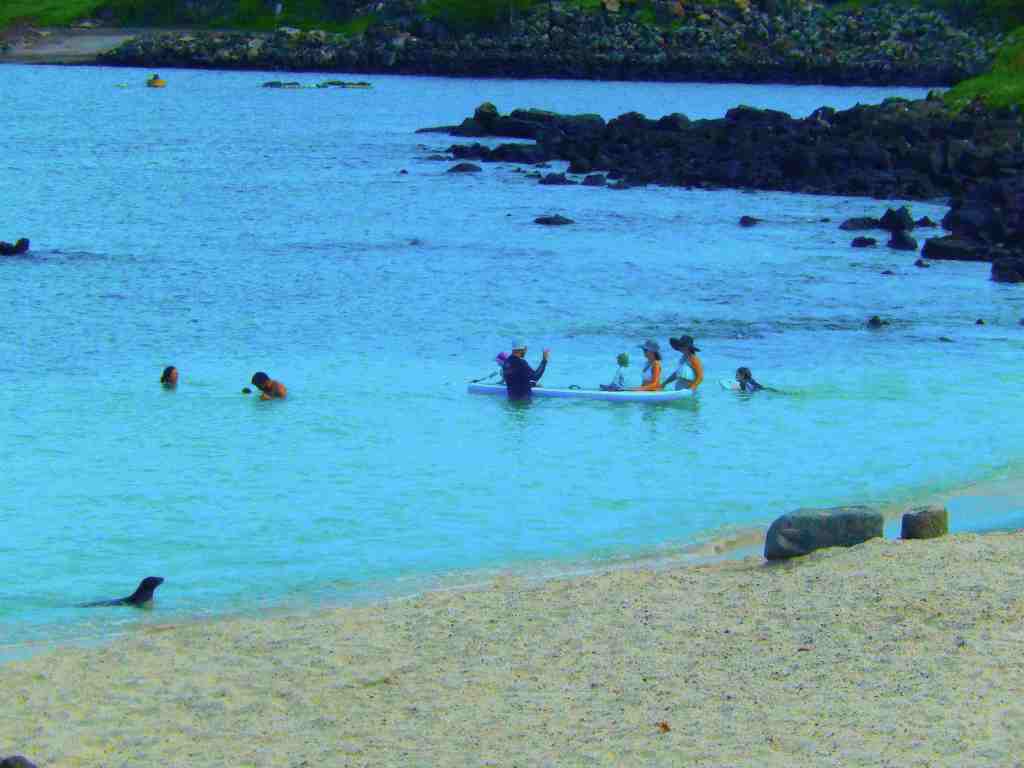
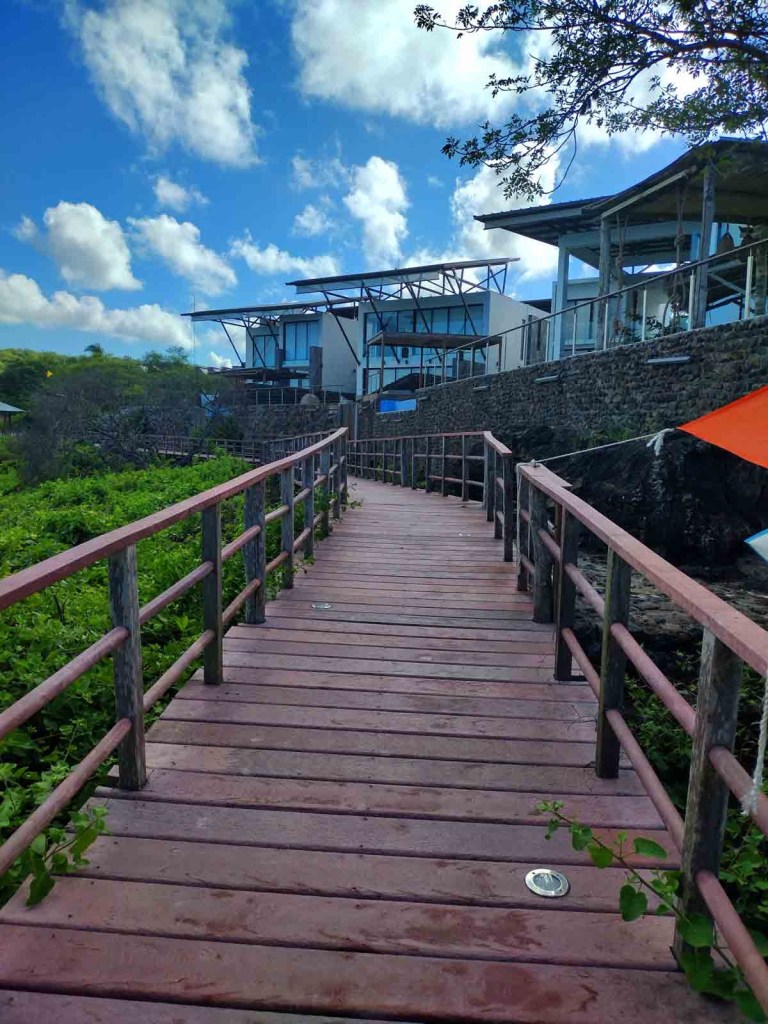
The Playa Mann beach is a locals’ beach on San Cristóbal island. A boardwalk goes over to the lighthouse. There’s a cafe to grab some light food or drinks, changing and public facilities, lots of sea lions and a bit of a family feel. It’s easily accessible by the boardwalk from Puerto Baquerizo Moreno and it’s free.

Tortoise Breeding Center
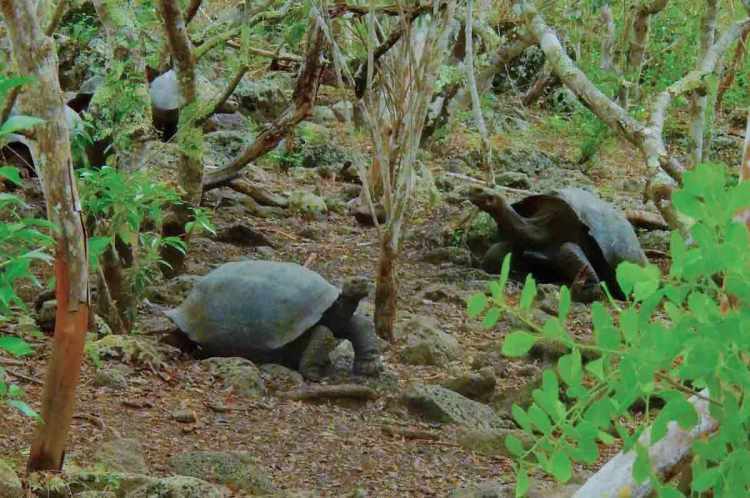
La Galapaguera/Jacinto Gordillo Tortoise Breeding Center. This is a visitor center in the northeast part of San Cristobal Island and can be reached in about one hour by road from Puerto Baquerizo Moreno. The Breeding Center raises hatchling tortoises from birth until the the grown Galapagos tortoises are released to the natural habitat.

El Junco Lagoon

The Junco lagoon, located about 700m above sea level, is one of the few permanent freshwater bodies in Galapagos. Frigate birds are often seen here washing the salt from their feathers as well as white-cheeked pintails and common gallinules. Its name comes from a type of plant that is common in this area called “junco”.
Some Hotel & Restaurant Options

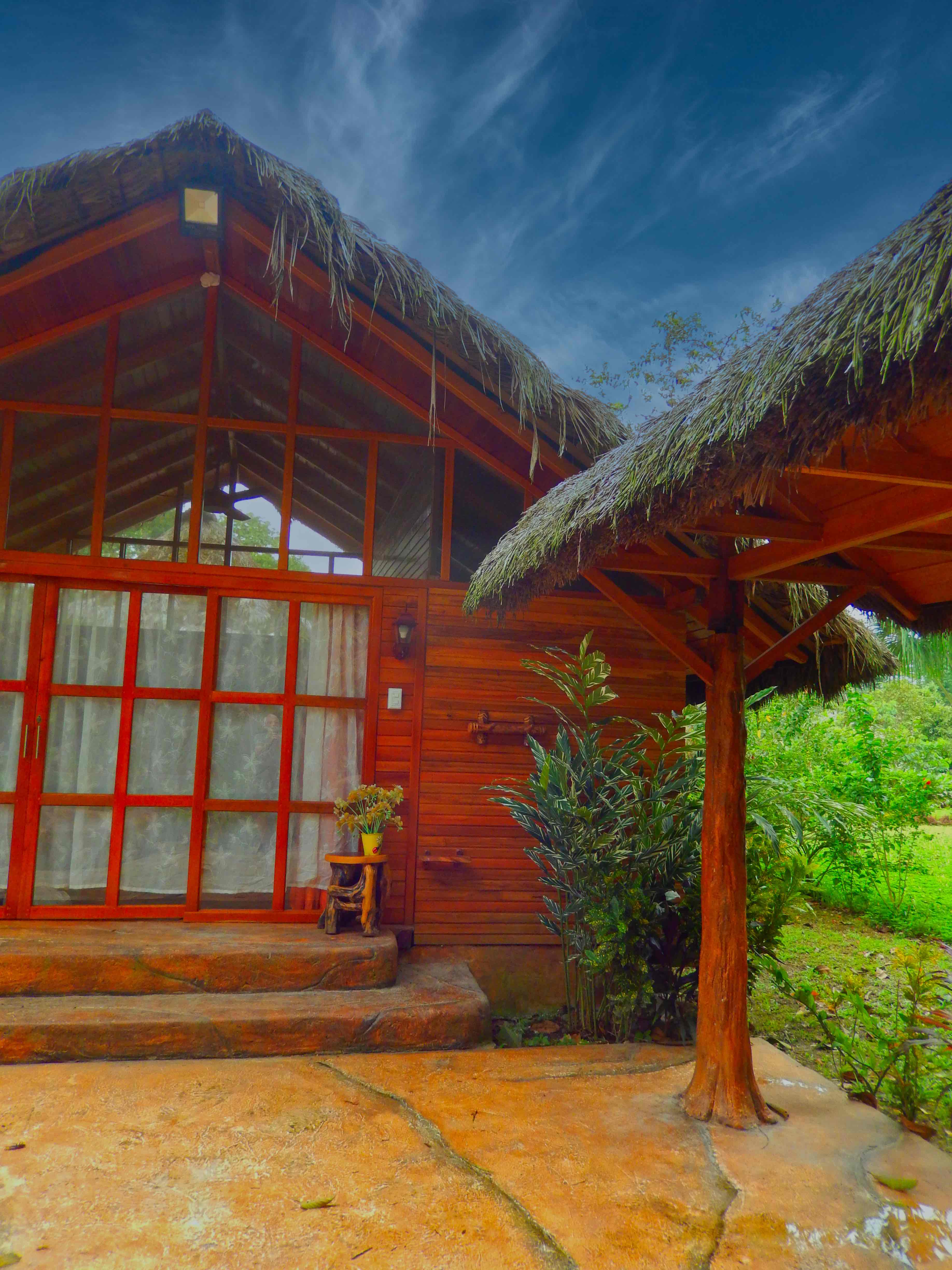
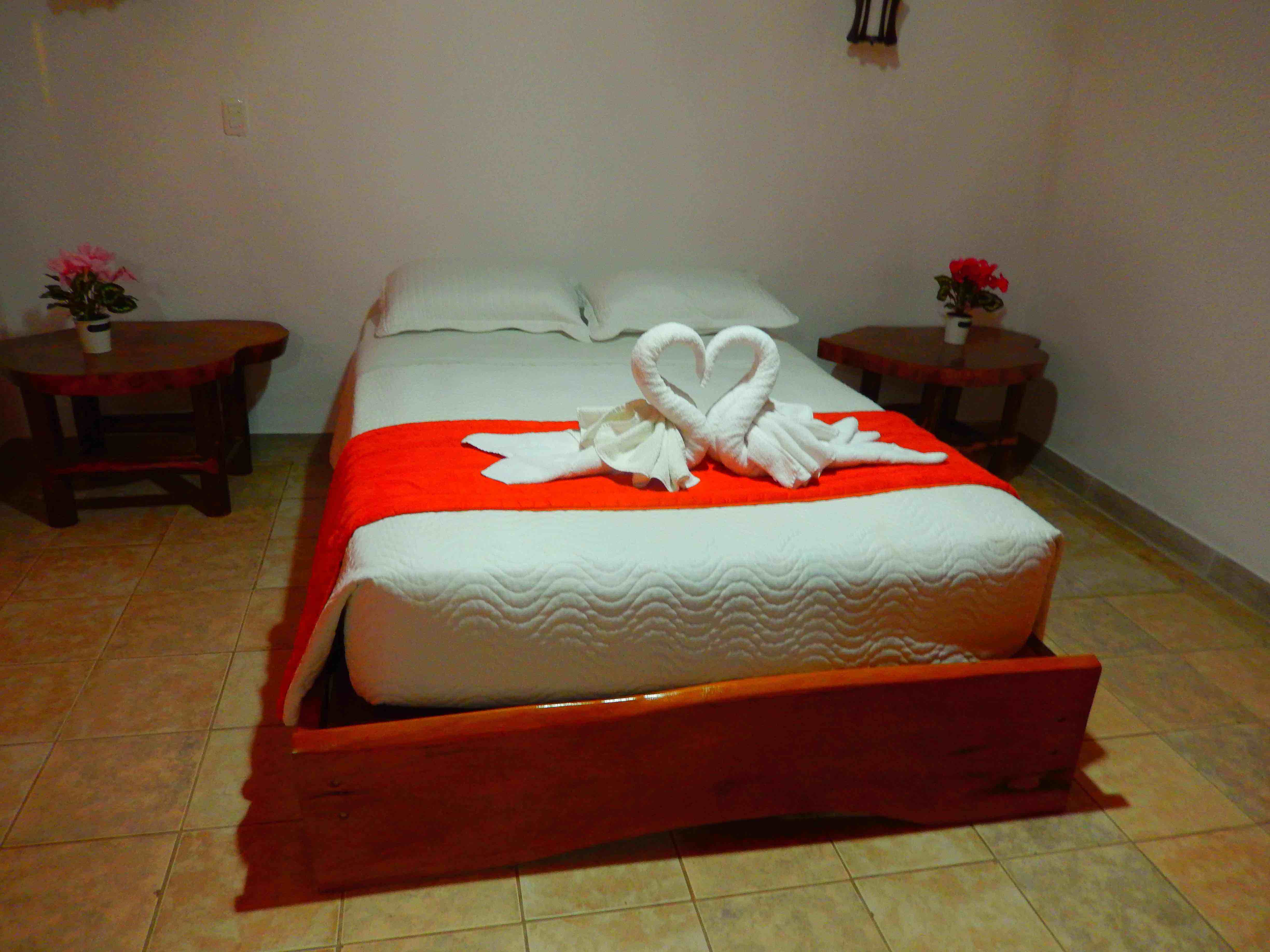
The Galapagos Planet Hotel (Pictured below) – Located less than a mile from the airport and four blocks from the towns waterfront (don’t worry there’s very few flights). It is clean, the staff friendly and helpful and it features a nice pool and patio. Plenty of hot water and cold air conditioning. Rates average $140.
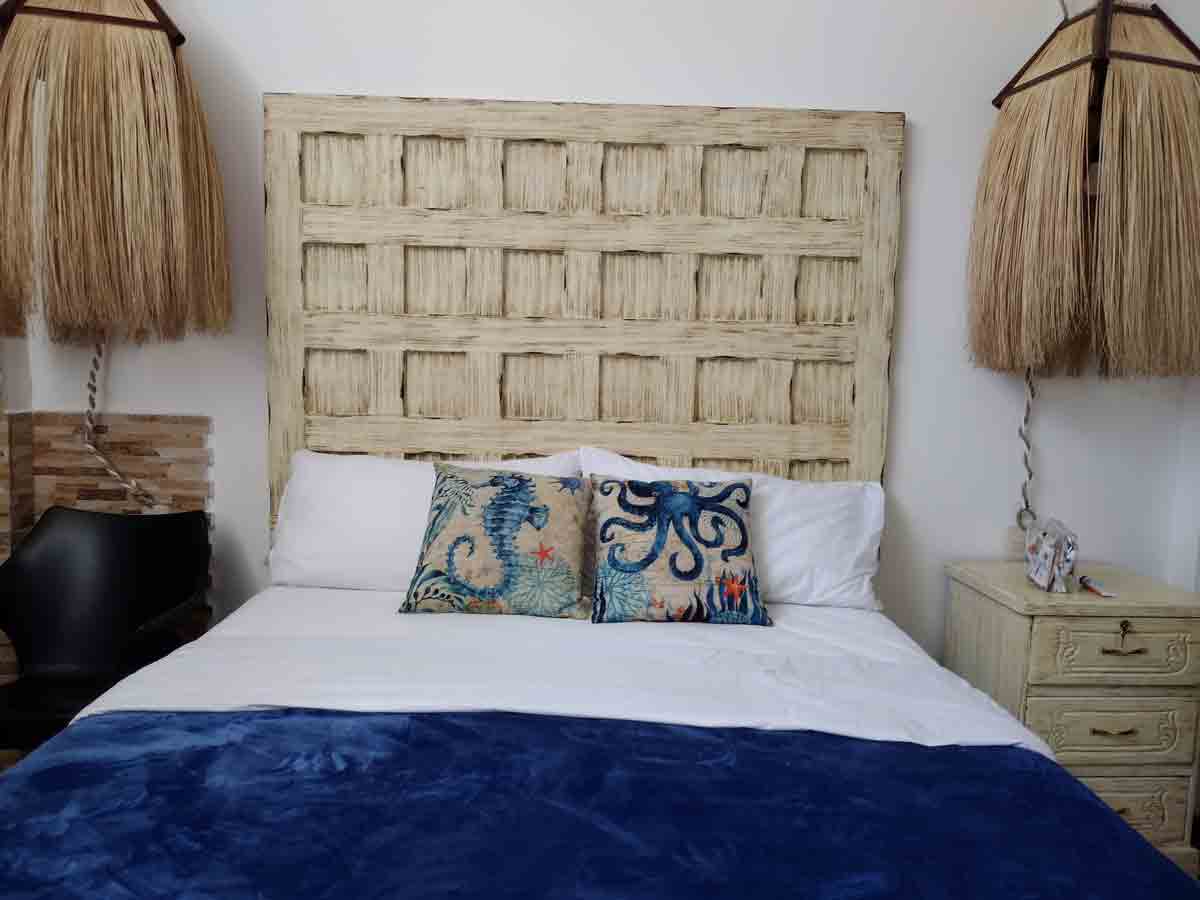
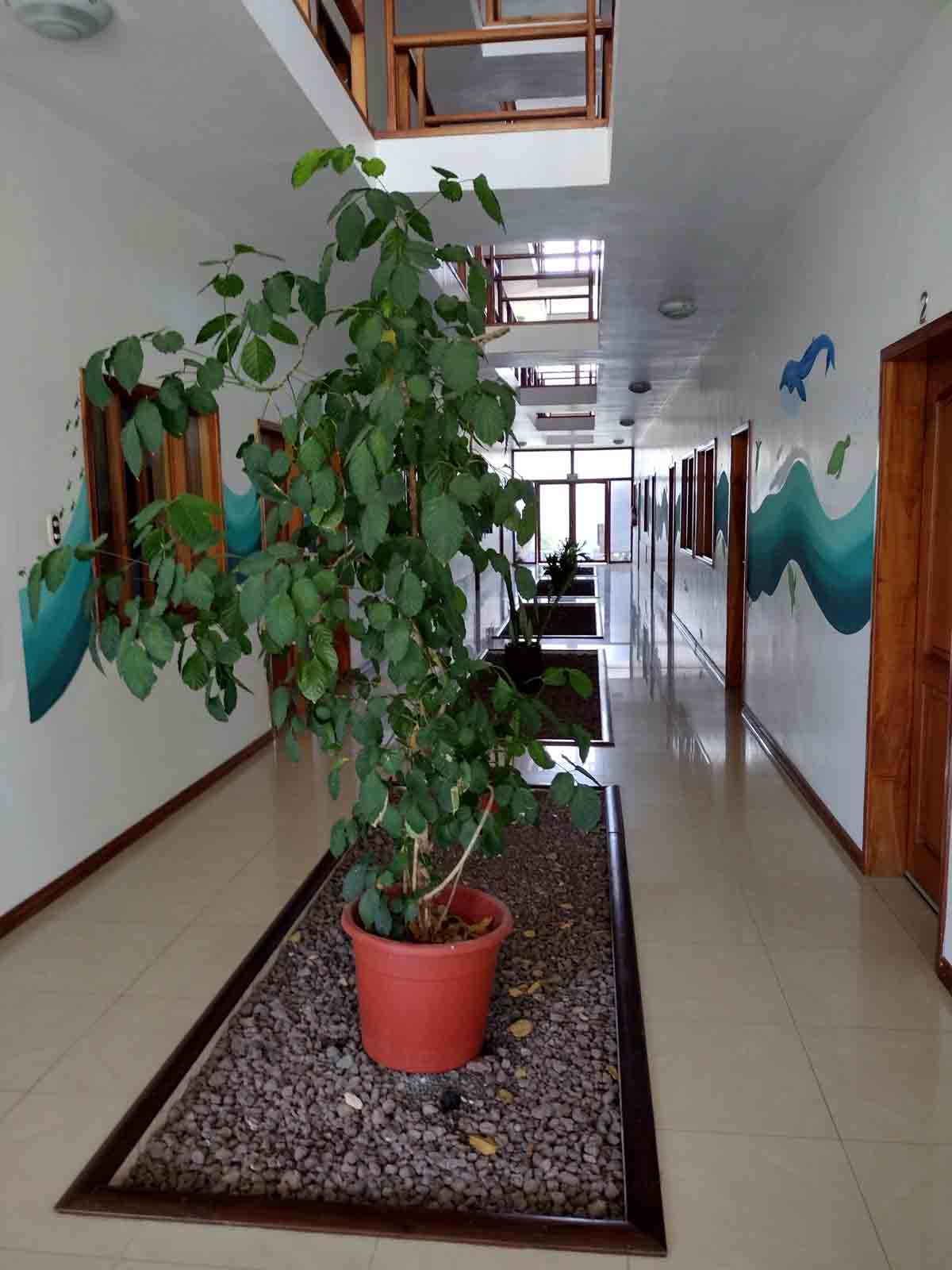
Sea Side Inn Hotel (Pictured at left) – Located on a beach near downtown it’s highly rated with a friendly staff and hot showers, cold air conditioning and beach views. Rates average $450 per night.

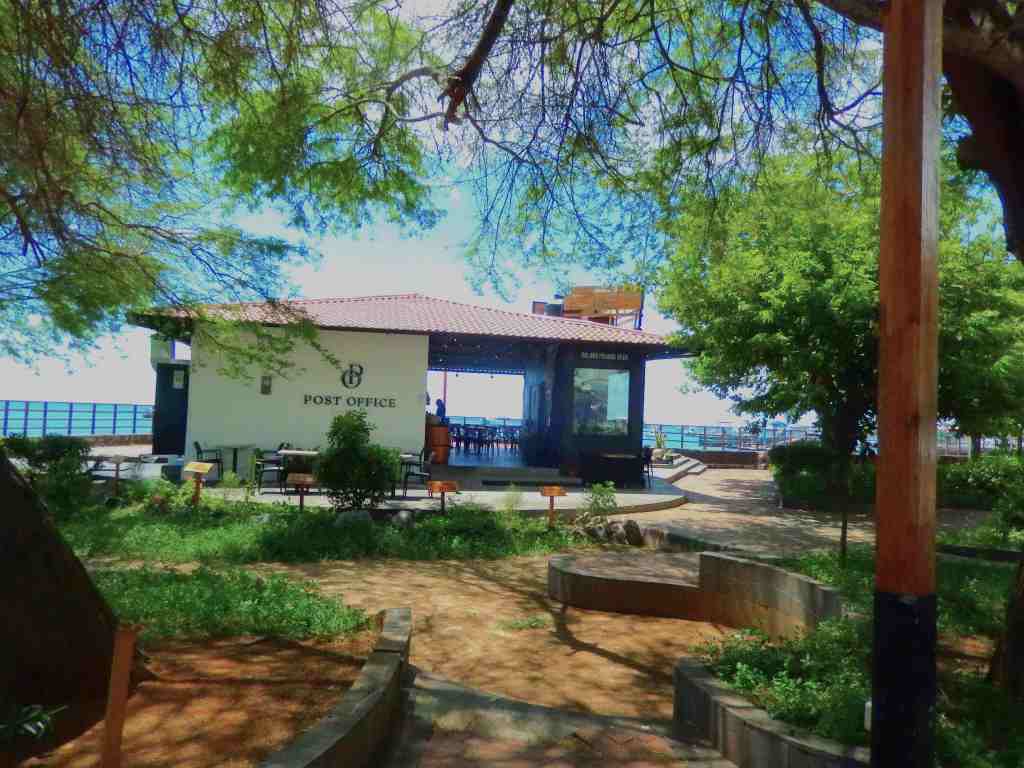
The Post Office Restaurant – Located on the water in the middle of town and features some of the best sunset viewing. Both the food and prices are great. Check out the beer flights!
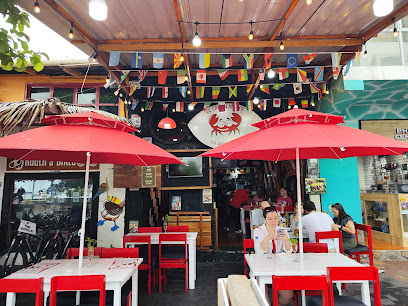
Giuseppe’s Italian Restaurant – Good food, generous portions and fairly priced. Try the seafood pizza!

El Cangrejo Loco – Located right across from the water in the middle of town. Great for casual seafood. Good menu options and prepared Ecuadorian style.


Medical Tourism?

I hadn’t given a lot of thought before about medical conditions and international travel other than buying a couple of Z-Packs in Mexico or trying to find an over the counter medication in a non-English pharmacy and being sure that I have my prescriptions with me. But recently while traveling in Ecuador I ended up in a bind that turned out being a real shock.

I have a medical condition with my eyes that require me to use drops daily. Shortly after starting on a trip of several weeks I discovered that my sealed bottle of Lumigan had only a couple of drops in it. It was new, sealed and with no liquid in my TSA clear bag – I was concerned about going so long without using these drops. In the U.S. this is a prescription medication. Currently my prescription plan doesn’t cover these drops and it costs $287 a month with coupons. There is a generic version that also isn’t covered and still costs about $100 but I seem to have developed an allergy to using these. What to do?

Just around the corner from our hotel in Quito, Ecuador was a pharmacy, so I decided to start there. With a picture on my cell phone and a few words in sort of Spanish the pharmacist looked up the drug. Turning the computer screen toward me it showed Lumigan 2.5ml 0.01% for US$37. After some more exchanges in broken Spanish it appeared that she would have it in 2 hours and I didn’t need a prescription. Problem solved.

This experience raised a whole bunch of questions and as an American I would really like some answers. Why do people in Ecuador pay only 12% of what Americans pay? I did know that I could save $100 by buying from Canada but the authorization got complicated. How many other drugs are like this? Maybe I should have bought a years supply?

Medical issues in travel maybe needs a bit more attention?

Selected Images • The Whole Hog!

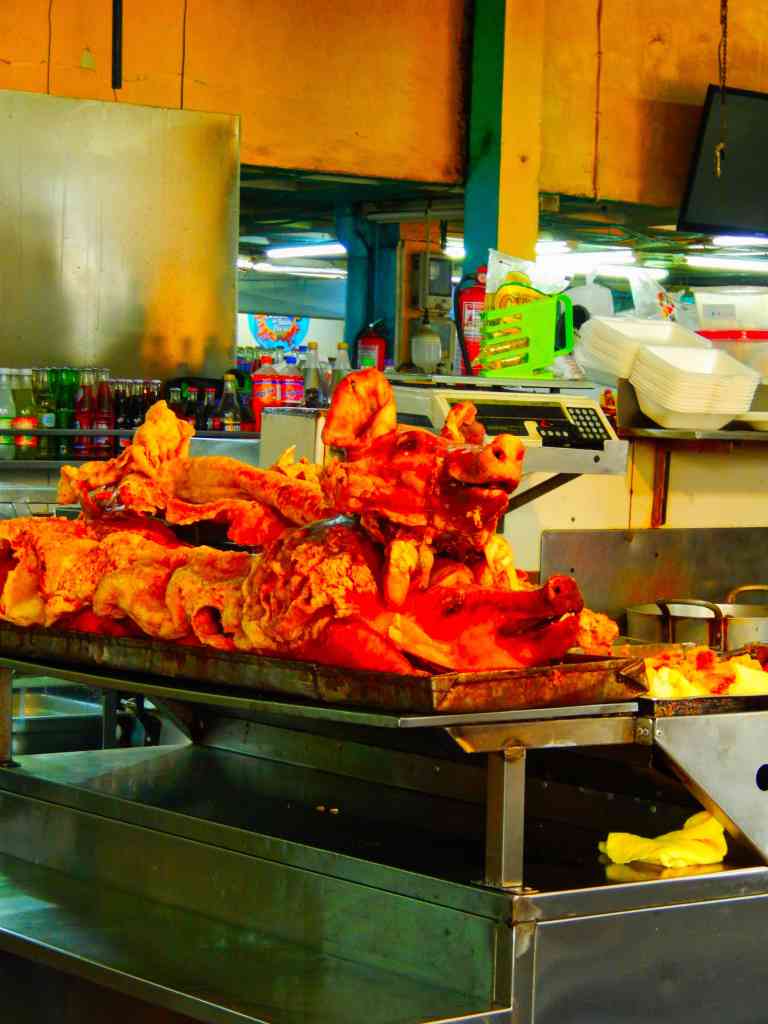
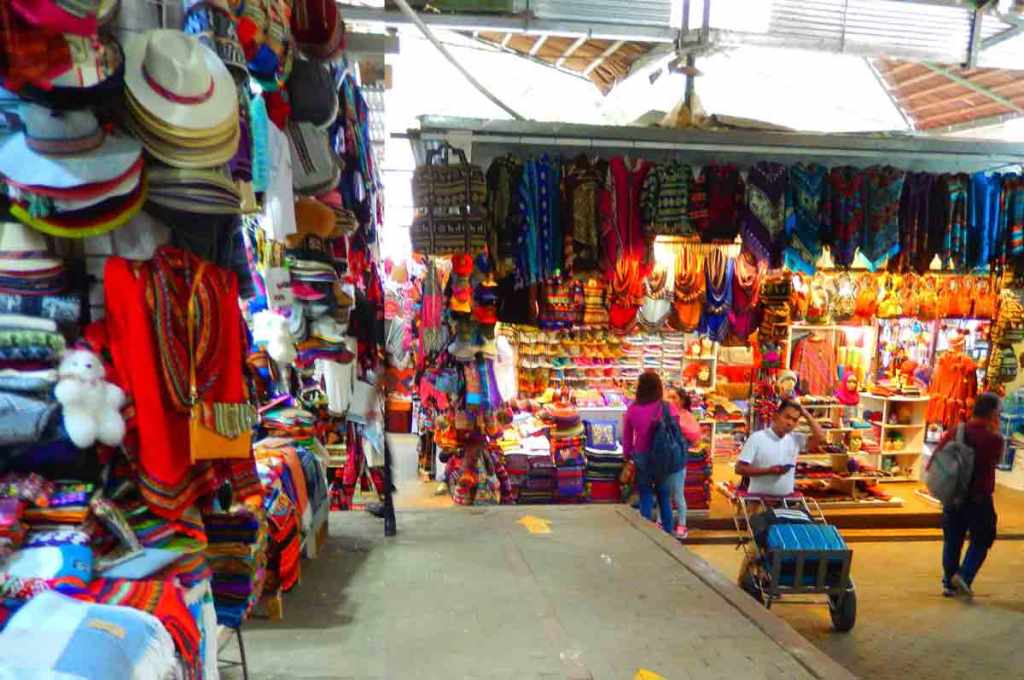
A central market in Cuzco, Ecuador offering fresh fruit, vegetables, flowers (2 dozen long stem roses for US$1.60) and assorted meats. There were numerous stalls offering fresh cooked meals and it seemed a popular place for lunch. Gave me a new perspective on the expression “the whole hog”.

Join us as we visit historic treasures, natural wonders and vibrant cities set against backdrops that are endlessly changing and visually magnificent. Celebrate a world of travel experiences with these decorating accessories that are perfect for framing.

Join Us – We understand that the last thing you may want is more emails cluttering up your inbox, but we promise we’ll work hard to make this worth your while. Give us a try and if we don’t live up to our promise all you need do is click the unsubscribe link in our emails.

Selected Images • Cote d’Azur

The waterfront on the Cote d’Azur, in Villefranche-sur-Mer. The town rises quickly out of the crystal clear, azure water of the Mediterranean as cascades of bright bougainvillea fall over retaining walls and down hill sides. The waterfront is lined with bistros and cafes and and is a favorite for strolling. The town is immediately to the east of the city of Nice and less than 7 miles south-west of Monaco. The bay at Villefranche is one of the deepest natural harbors in the Mediterranean and a favorite anchorage for cruise ships.

Join us as we visit historic treasures, natural wonders and vibrant cities set against backdrops that are endlessly changing and visually magnificent. Celebrate a world of travel experiences with these decorating accessories that are perfect for framing.

Join Us – We understand that the last thing you may want is more emails cluttering up your inbox, but we promise we’ll work hard to make this worth your while. Give us a try and if we don’t live up to our promise all you need do is click the unsubscribe link in our emails.

Going To Machu Picchu

How To Get To Machu Picchu, Peru

It’s one of the Wonders of the World and growing in interest year after year. It’s currently estimated that over 70% of tourists visiting Peru are bound for Machu Picchu. Getting to the Inca citadel isn’t like a usual excursion but actually unfolds in a number of steps that require preplanning. Understanding the process and knowing what to expect can go a long way towards getting the most from your adventure. Most visits begin in the Inca city of Cusco a number of hours by bus or train away from the famous Inca citadel site.

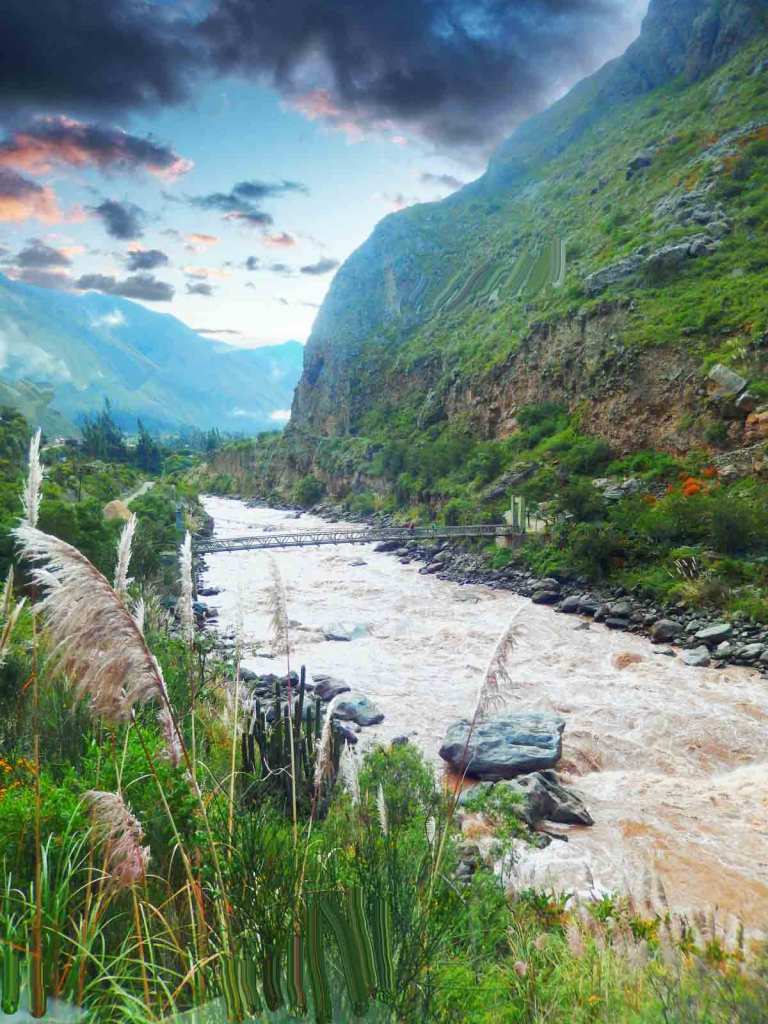
The Inca Trail – For the more adventurous (and fit) a hike into the mountains is one way to visit Machu Picchu. These treks are usually two to four day hikes over the mountains to Machu Picchu. They are booked with agencies that provide guides who handle provisions, and are experienced with the route and setting up camp on the ancient trails. For an excellent article on walking The Inca Trail click HERE. The trail is an over five hundred year old path or road paved with stones that includes stairs carved into the rock. For more information on a recommended trail company click HERE.

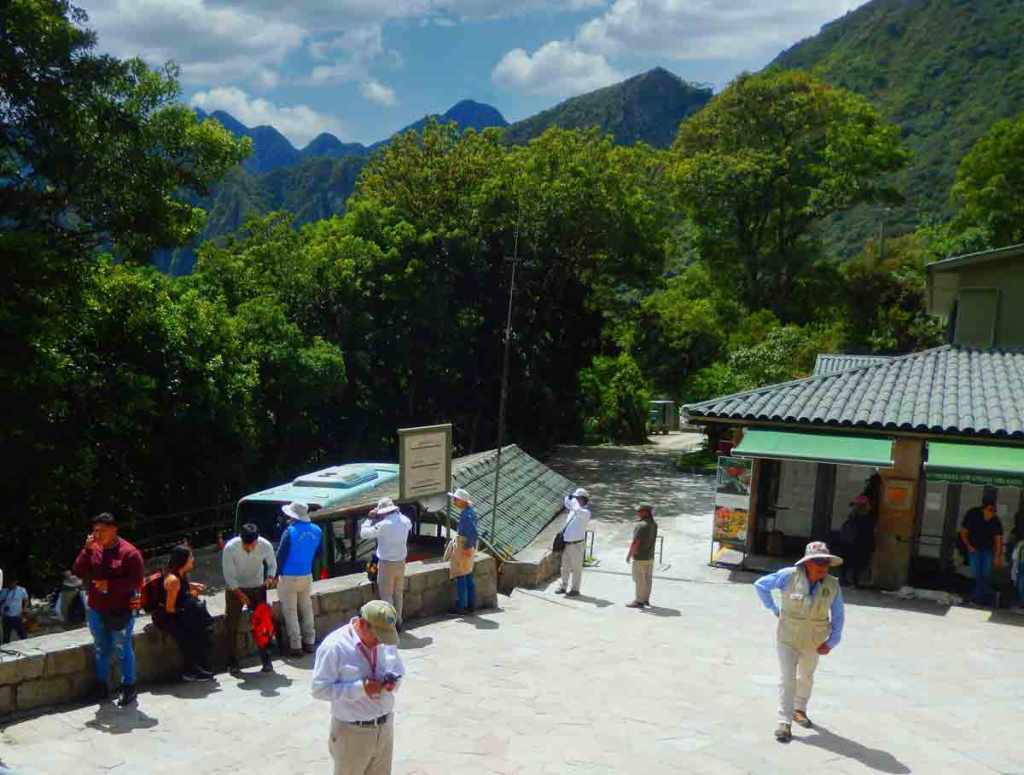
Machu Picchu – Getting into the archeological site requires admission tickets along with tickets for a round trip bus ride up the mountain 9a two hour hike up the mountain and back is also an option). The number of people admitted to Machu Picchu is limited each day to only about 5,000 and the time inside the area is usually limited to three hours. A visit requires an admission ticket for specifically designated time and area to visit with cost starting at about US$34 per person. The busiest time each year are the months of July and August with the rainy season being from January through March. For more information or to by tickets click HERE.

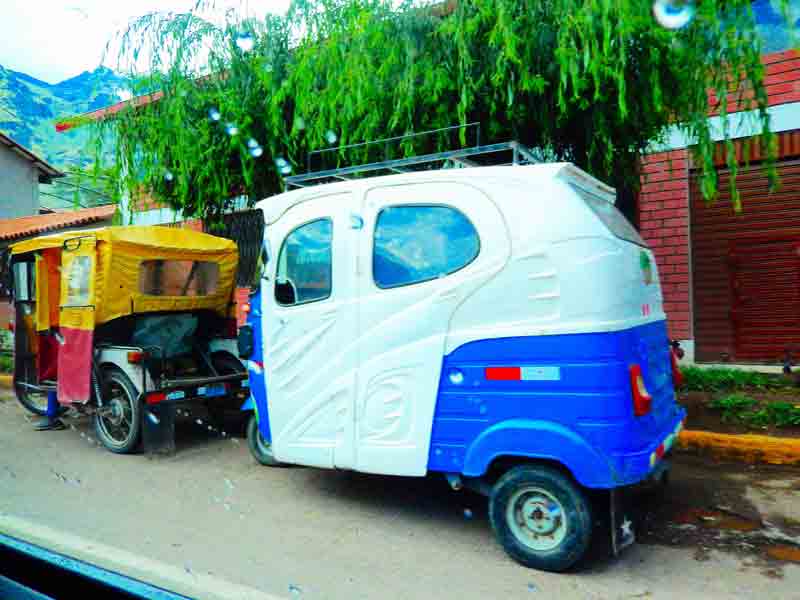
The Day Trip – the most typical journey begins with a stay of a couple of days in the Sacred Valley at a hotel, an eco-lodge or a hostel. From there take a day trip by train from the nearest station in the valley to Machu Picchu’s gateway town of Aguas Calientes at the base of the mountain. Getting to the train from your hotel can also include a ride in a local three wheeled taxi popular in the valley.

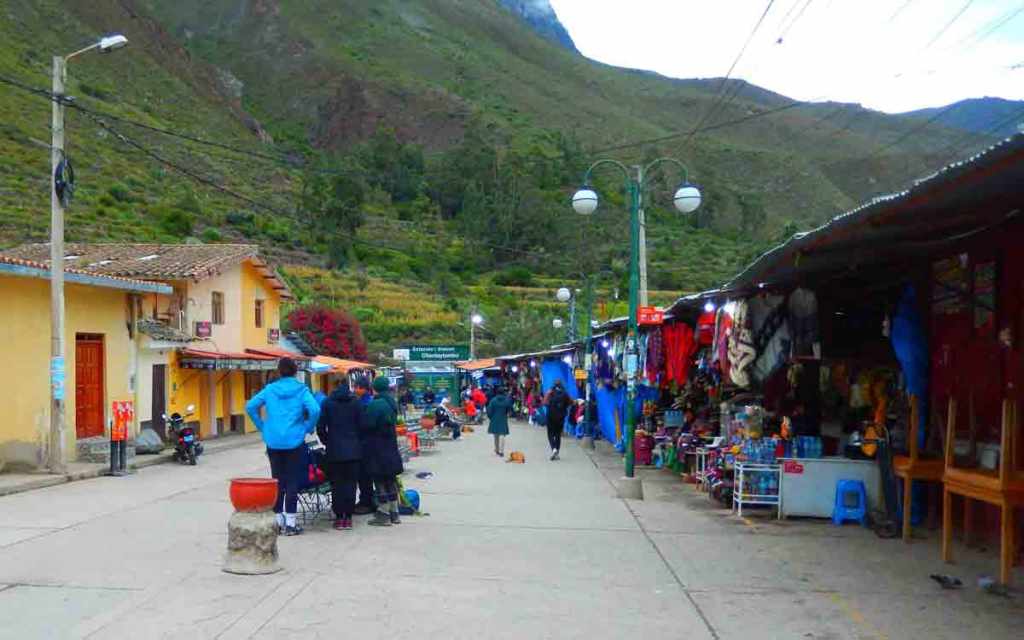
Pachar Station in the Sacred Valley

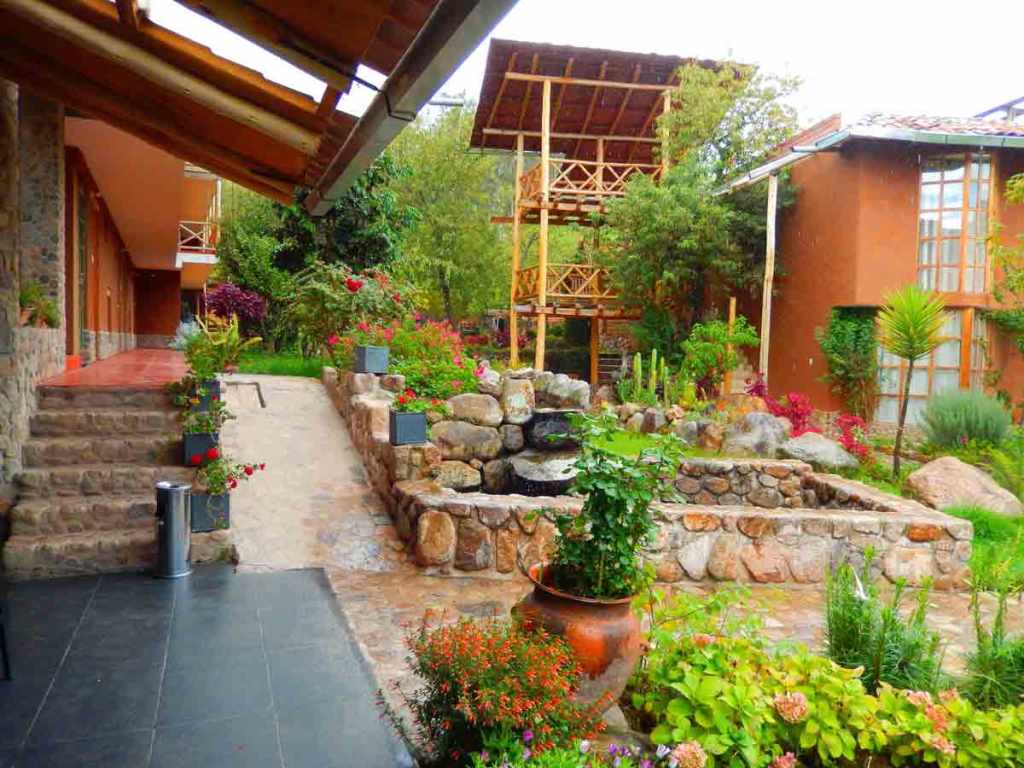
Grounds at Tierra Viva in the Sacred Valley

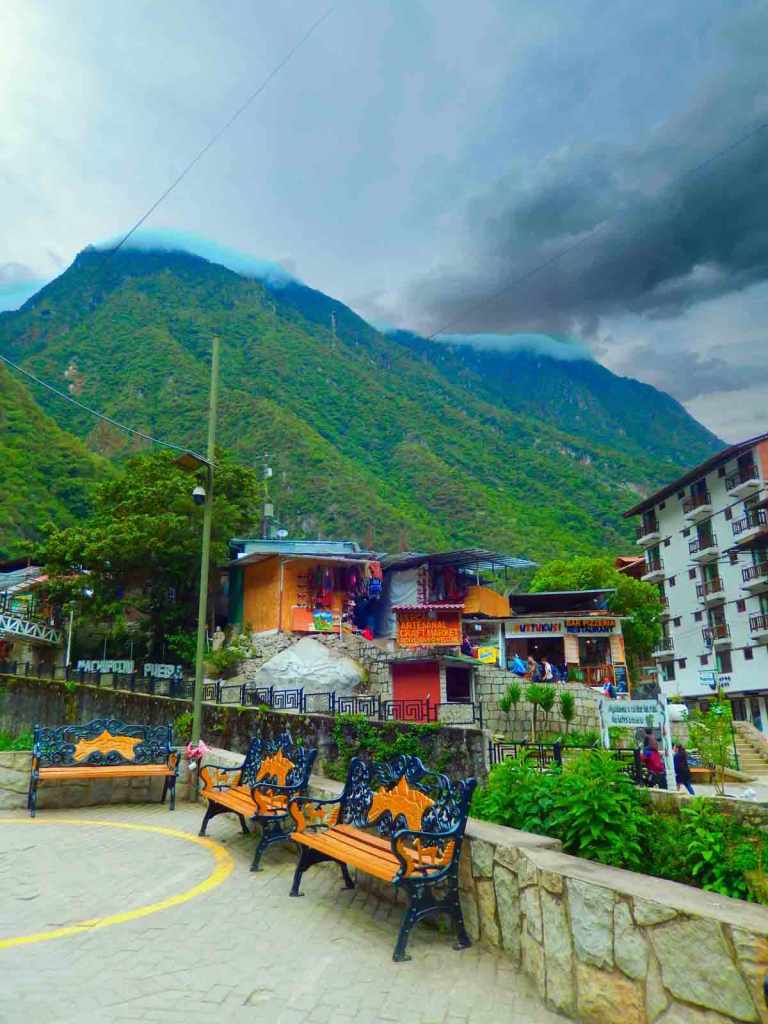
The Town Of Aguas Calientes

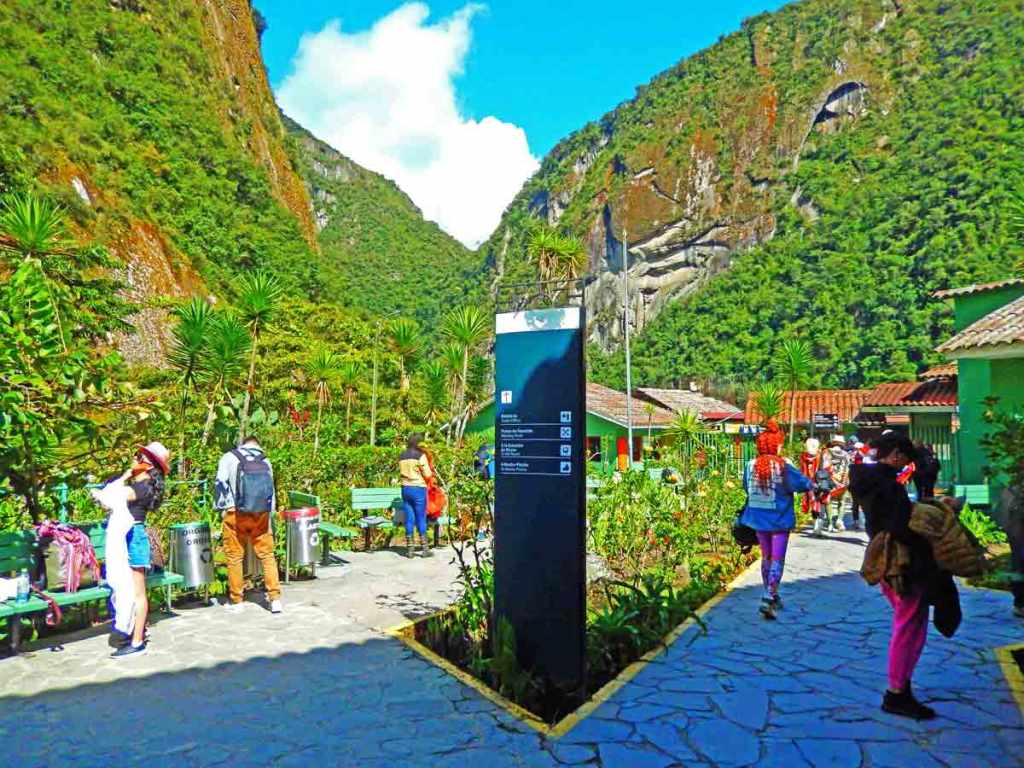
Staying In Aguas Calientes – this is the town focused on visitors to the Inca Trail, the mountains and Machu Picchu. It’s actually an attractive area and has been developed around the Machu Picchu train station. It offers a good range of nice restaurants, shops, hostels and hotels. To get to Aguas Calientes there are a number of options for train service from Cusco along with bus tours. The town is a great base for Machu Picchu adventures.

Exiting the train station at Aguas Calientes

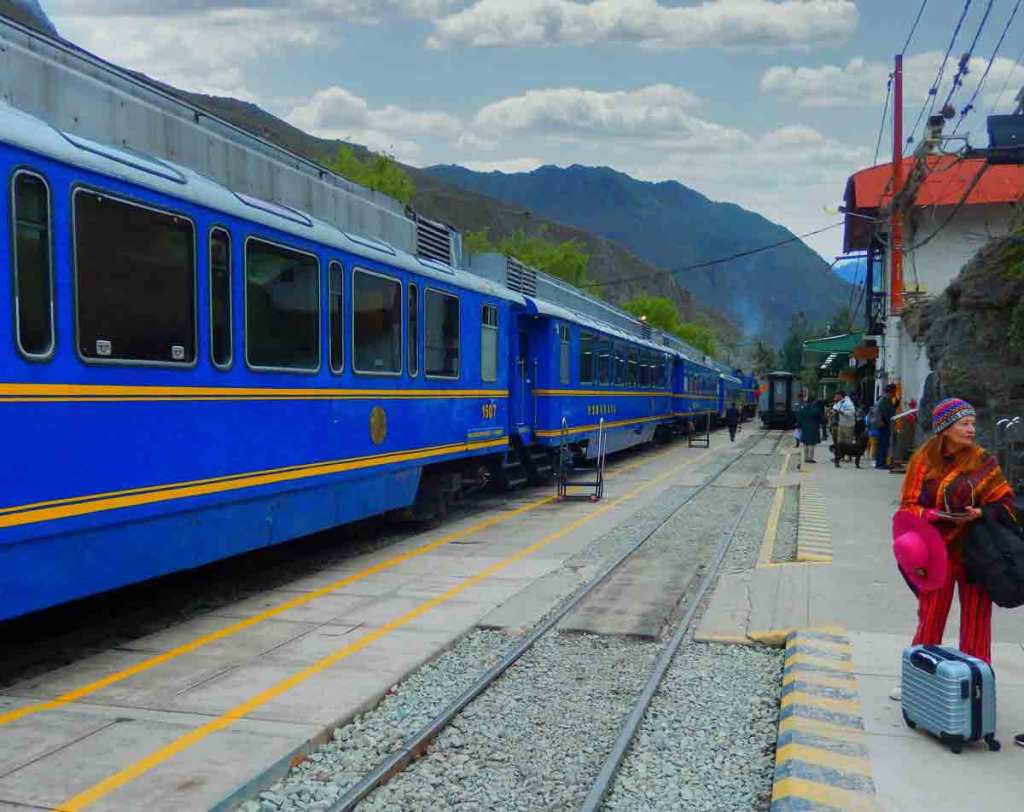
Machu Picchu By Train – Another convenient way to get there is taking a train from Cusco to Machu Picchu using IncaRail or PeruRail. Look for service to Aguas Calientes or Machu Picchu for your destination and returning to Cusco. The trip averages five hours each way and tickets can be purchased that include the bus service up to Machu Picchu. Both train services also offer package tours that include train fare, accommodations and entry into the archeological site. Both train companies provide a number of levels of service and a number of trains per day.

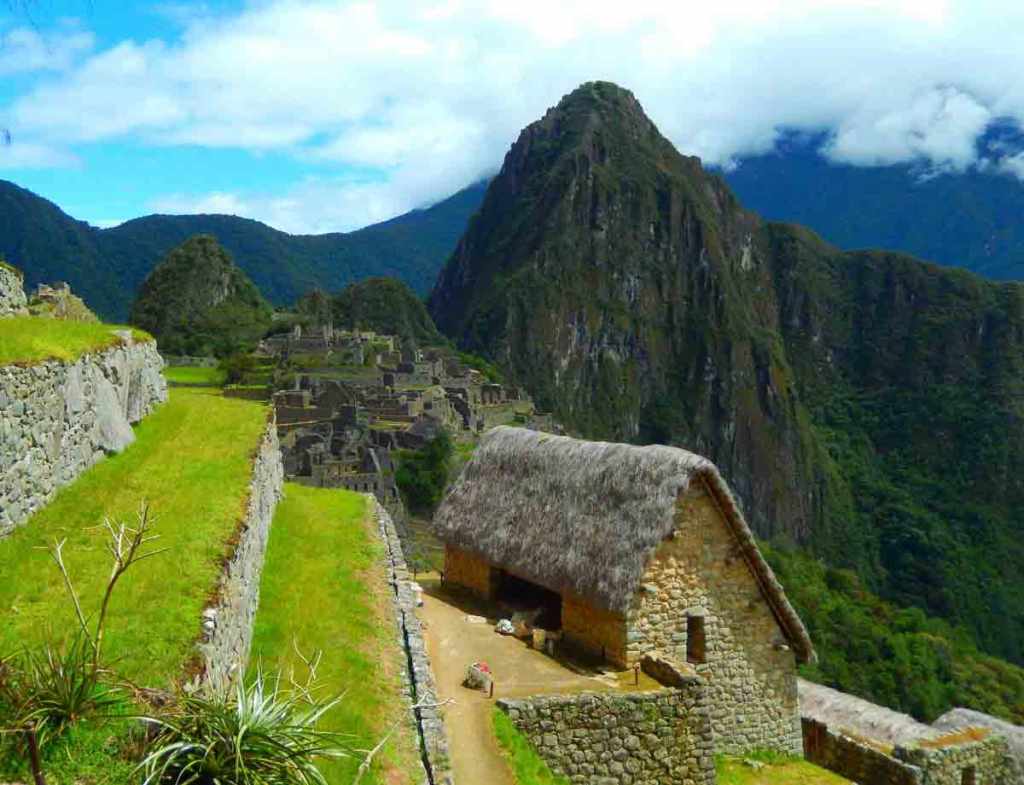
The Inca citadel itself is a marvel to see and experience. Perched high atop a mountain at 7,972 feet and protected by shear cliffs, it’s very difficult to understand how it was built. The main part of Machu Picchu is an arrangement of public squares, store houses, residents, temples and terraced gardens, all constructed from carved and stacked stones with some weighing up to18 tons. The famous temple stones are so perfectly fitted together without using mortar that a piece of paper cannot be slid between the joins. On a couple of higher peaks towering above the main citadel are more buildings and terraced gardens. These can be reached using well marked trails and carved steps.

Entrance and bus stop at Machu Picchu

Strolling Through The Jungle

We’re not big on guided tours for a number of reasons, but we were invited to join some friends on a South American packaged tour* that seemed a good value. It included a number of destinations that we were interested in and maybe one or two we would have never considered. One of those was a stay at an Amazon Jungle Eco Lodge. Visits to Machu Picchu and the Galapagos were still on our bucket list so we quickly agreed.

Visiting An Amazon Jungle Eco Lodge

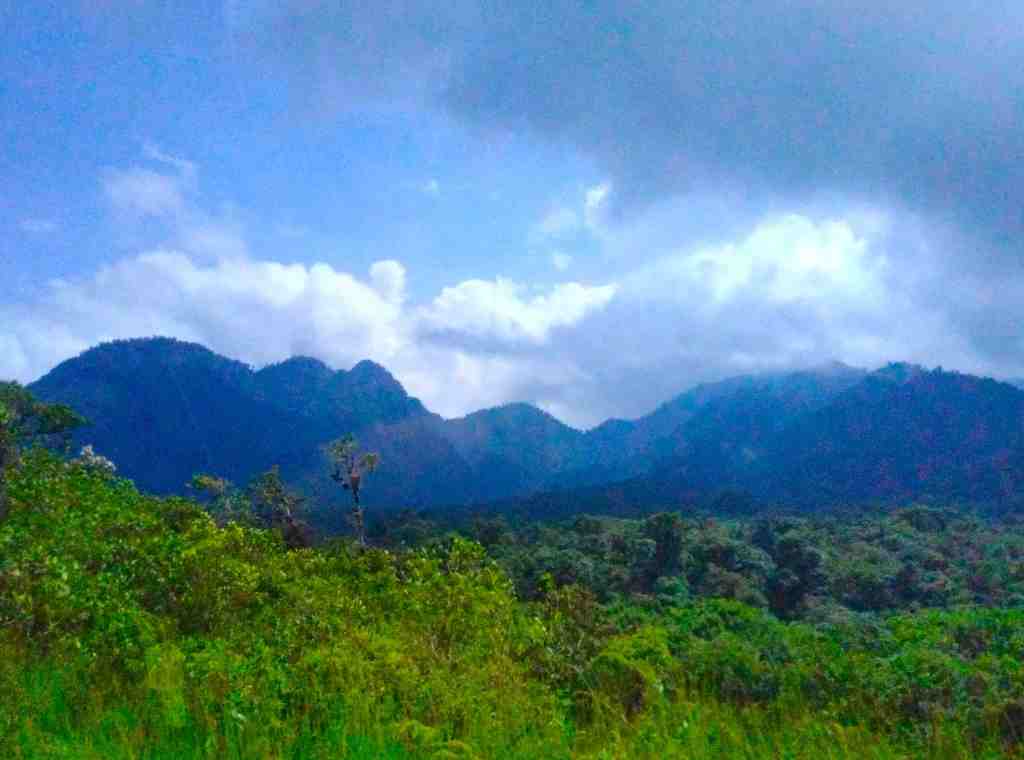
After two days spent visiting Quito, Ecuador it was time for our group to head out to Suchi Pakari (Suchipakari) Eco Lodge near the town of Tena in the Amazon rain forest. This part of the trip had us on a tour bus climbing up from the central Ecuadoran Andes city of Quito heading east. From the cities 9,300 feet we climbed up to 13,000 feet as we headed to our destination in the rain forest. With a few city traffic delays getting out of Quito we soon picked up a good highway for the first hour of the trip. As we began to descend the eastern slopes the road often dropped to two lanes with numerous switchbacks and curves. Heavy trucks often kept our speed below 40 mph and pot holes became increasingly uncomfortable. Numerous bridges seemed questionable regarding the weight of our bus and one two-lane bridge had one lane closed and was being disassembled for repair. It was made of 2.5′ x 4′ steel plates resting on steel girders. Looking through the missing plates there was way to much exposed rust on those support beams. The bus ride ended up being a seven and a half hour drive with us arriving at the lodge just at dinner time.

Suchipakari Eco Lodge

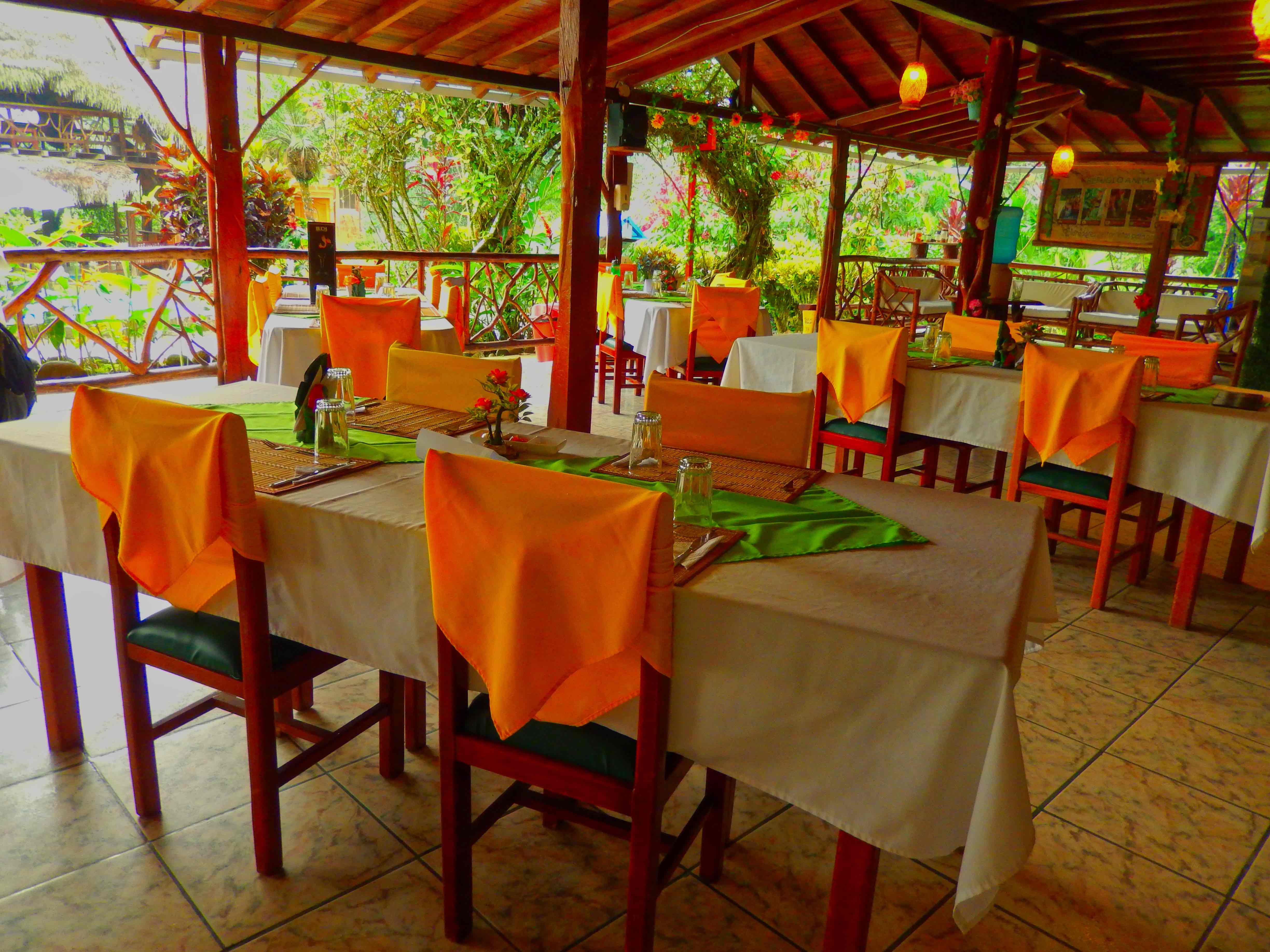
The lodge was located a few miles down a dirt road and was composed of about a dozen buildings that included guest rooms (mostly four units to a building) covered patios for the restaurant and bar, a spa and a swimming pool. The buildings are well maintained, the staff is welcoming, helpful and friendly and the grounds are beautiful with lots of flowering bushes.

The lodge offers a number of excursions around the local area including a wildlife rescue center, kayaking, chocolate making and guided nature walks in the nearby primary jungle (boots are provided). Included are three meals a day but with limited selections. The rooms have no air conditioning but with a fan the nights were actually pretty comfortable. The bar and dining areas are outdoors on thatched-roof patios.

We were told that there are a number of similar eco-lodges around the wider area similar in make up and operation and are often included as part of the various organized regional package tours. As we were leaving a National Geographic tour group was arriving.

In my opinion the three day experience wasn’t worth the fifteen hours on a bus going and coming back. My wife and our travel companions however found the experience interesting and worthwhile. Let’s call this a recommendation with a caution…

*The packaged tour we selected with our friends was through Exoticca and included Machu Picchu, a couple of days each in 2 cities in Peru, 2 cities in Ecuador, 3 nights on San Cristobal, Galapagos and the eco-lodge at a really good price. More on Exoticca, our experiences and online reviews in a later article.