Royal Caribbean’s Fleet of Ships

Royal Caribbean is famous for its family oriented programs onboard but there are plenty of other reasons why people select Royal Caribbean and come back time and time again. Some say it’s the food onboard, while others enjoy the onboard entertainment. Royal Caribbean has a large fleet that includes the largest cruise ships afloat. Itineraries are available that include short 3 or 4 day Bahamas cruises, longer Caribbean cruises, Alaska, Europe, Asia, Australia and even a few more exotic options.

Thinking about booking a Royal Caribbean cruise? Here’s a quick reference guide to the Royal Caribbean fleet and its various ship classes. There are also a collection of links to a number of individual Royal Caribbean ship deck plans.

Quantum Class

Ships include Quantum of the Seas (2014), Anthem of the Seas (2015), Ovation of the Seas (2016), Spectrum of the Seas (2019) and Odyssey of the Seas (2021).

Size: 168,666 to 169,379 tons.

Restaurants, bars and showrooms, with attractions that include bumper car pavilions and skydiving simulators. This class of ships also have glass-enclosed capsules mounted on mechanical arms that will take you soaring into the sky for an incredible view.

Oasis Class

Oasis class ships include Oasis of the Seas (2009), Allure of the Seas (2010), Harmony of the Seas (2016), Symphony of the Seas (2018), Wonder of the Seas (2022) and Utopia of the Seas (coming 2024).

Size: 226,838 to 236,857 tons. The Oasis-class ships are more than 20% bigger than any other cruise vessel afloat, and for those looking for options and excitement, there’s really nothing quite that compares.
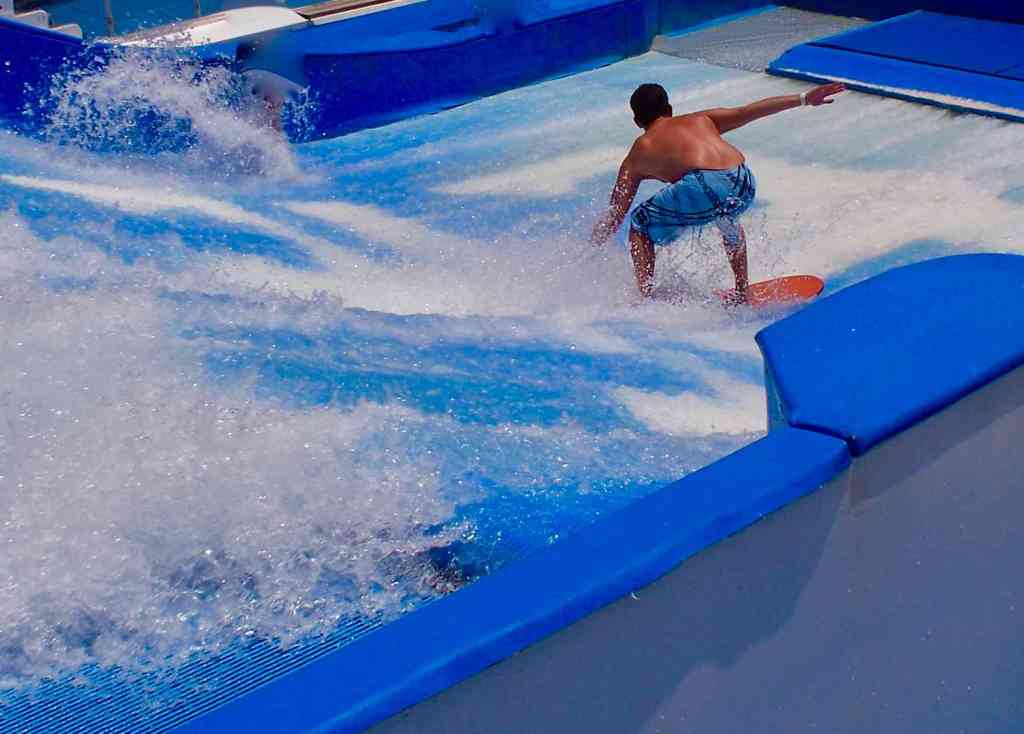
Each of the Oasis-class vessels has three separate main pool areas, a kiddie splash zone, surfing simulator, a miniature golf course, a basketball court and even a zip line and an indoor ice skating rink. Inside the vessels, you’ll find more lounges, bars, restaurants and shops a huge casino, spas and theaters with Broadway-style shows.

Oasis-class ships also don’t even feel crowded as there is actually plenty of room. Royal Caribbean’s designers have created vessels that can carry thousands and thousands of people but still feel relatively uncrowded. You can have a quiet afternoon reading a book on a bench in the sometimes nearly empty, tree-lined Central Park area while just decks above thousands of passengers are partying away at the ship’s pools.

Radiance Class

Radiance class ships include Radiance of the Seas (2001), Brilliance of the Seas (2002), Serenade of the Seas (2003) and Jewel of the Seas (2004).

Size: 90,090 tons. Each of the vessels has more than a half-dozen places to eat including a main restaurant, casual buffet, steakhouse, Italian restaurant and Asian venue. There are three pools on each of the ships, whirlpools, a rock climbing wall, a miniature golf course, a sports court and an adults-only solarium. Each of the ships also has a theater, spa, casino and multiple bars and lounges.

What you won’t find on the ships, because of their smaller size, are all the bells and whistle attractions like ice skating rinks, surfing simulators, waterslides and bumper car pavilions that Royal Caribbean has on bigger ships.

Freedom Class

Freedom class ships include Freedom of the Seas (2006), Liberty of the Seas (2007) and Independence of the Seas (2008).

Size: 154,407 to 156,271 tons.

The Freedom-class ships feature a FlowRider surfing simulator on their top decks, multiple pool areas, a water park, a miniature golf course and a rock climbing wall on their top decks, which are among the most activity-packed at sea. Inside, Freedom-class ships there’s a mall-like Royal Promenade space filled with eateries, bars and shops that have become standard on bigger Royal Caribbean ships. They also have a large casino and spas.

Voyager Class

Voyager class ships include Voyager of the Seas (1999), Explorer of the Seas (2000), Adventure of the Seas (2001), Navigator of the Seas (2002) and Mariner of the Seas (2003).

Size: 137,276 to 139,999 tons.

The Voyager class ships include rock climbing walls and ice skating rinks. Voyager-class ships feature a mall-like Royal Promenade with bars, cafes and shops in their interiors. Several specialty restaurants with Royal Caribbean’s Chops Grille steakhouse and an Italian restaurant in addition to its main dining room and the casual buffet.

Vision Class

Vision class ships include Grandeur of the Seas (1996), Rhapsody of the Seas (1997), Enchantment of the Seas (1997) and Vision of the Seas (1998).

Size: 73,817 to 82,910 tons. Entering service in the 1990s, the Vision-class ships are the smallest of Royal Caribbean fleet, and they offer fewer onboard attractions and amenities than is typical for the line’s vessels. The top decks feature pools, whirlpools and sunning areas, typical for ships built in the 1990s.

Convenient Deck Plan Links

Looking for a cabin location or the layout of the top deck? These links will take you right to the individual ships deck plan.

Todays Featured Poster • Dominica WI

Dominica is a lush island with tall mountains and dozens of waterfalls. While it offers its share of good beaches, a large number of visitors come mainly to hike its rainforest trails and visit its waterfalls. The island is also a geothermal active area with a number of hot springs and steaming vents.

These giclée prints are available in several sizes custom printed for each order on archival paper using fade resistant inks.

Join us as we visit historic treasures, natural wonders and vibrant cities set against backdrops that are endlessly changing and visually magnificent. Celebrate a world of travel experiences with these decorating accessories that are perfect for framing.

Haven’t Joined Us Yet? We Promise To Make It Worth Your While.

The Balkans – It’s Complicated

We spent a couple of weeks last fall in the Balkans and it was very informative considering what little we really knew about this region. To say the Balkans are complicated doesn’t even begin to describe what goes on there. We had a young woman (mid 30’s) who was our tour guide recently. She explained that in her life she has had four passports from four different countries all while living at the same address in Belgrade.

Even the geographic location is complicated, with most local people preferring to call it “Southeast Europe”. The name Balkans was first used in the eighteen hundreds naming the area after a mountain range in todays Bulgaria. Most people define the northern border of the region as the Danube River. The rest of the region is bordered by the Adriatic Sea, the Ionian Sea, the Aegean Sea and Black Sea, making it a misshapen peninsula.

The current states in the Balkans include Slovenia, Croatia, Serbia, Bosnia, Herzegovina, Montenegro, Kosovo, Albania, North Macedonia, Bulgaria, Romania, Greece and Turkey. Some of the countries exclude themselves from being called a Balkan State for mostly political reasons. All of this is subject to change of course.

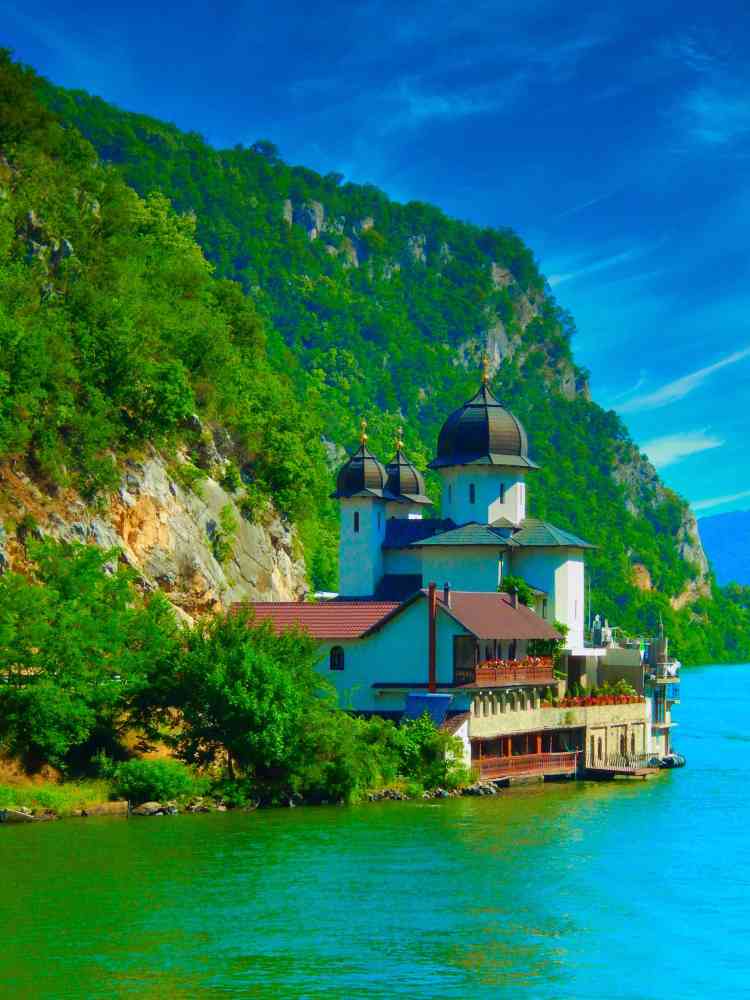
The Iron Gate

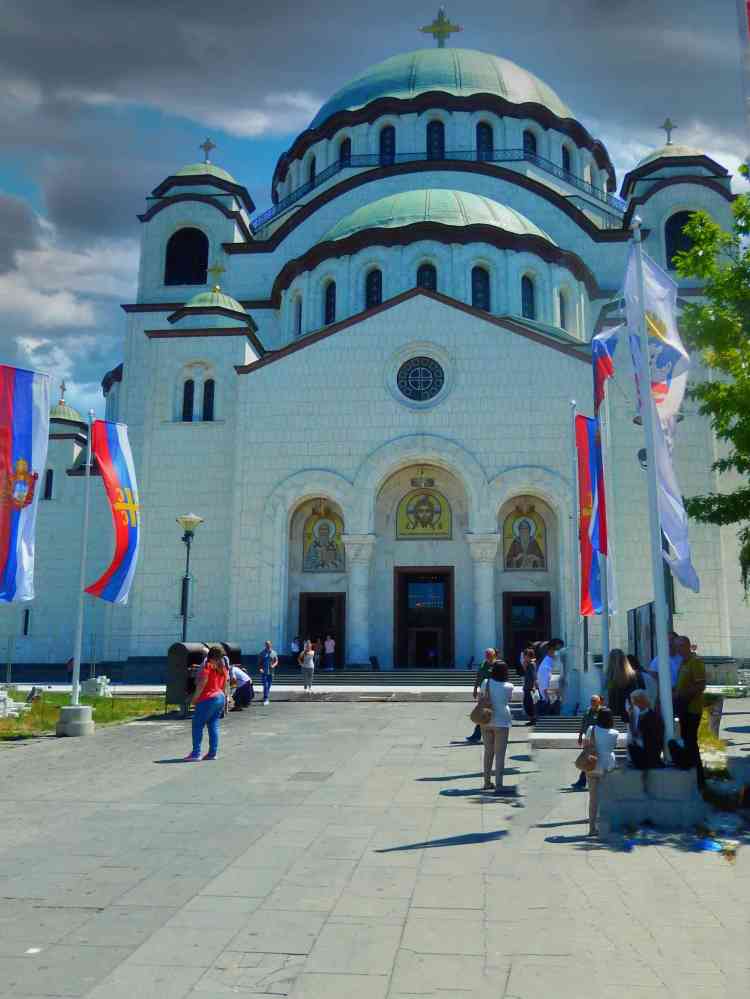
Over centuries the region has been conquered or occupied by the Romans, Greeks, Ottomans, the Austro–Hungarian Empire, and the Soviet Union and the cultural and religious divides are even more difficult to understand than the geography. Unfortunately religion has been a serious cause of conflict with Islam being the most serious aspect because of conquest by the Ottoman-Turks and the banning of Christian worship. Add to that numerous conflicts between Roman Catholics, and various sects inside the Eastern Orthodox Church and religion gets complicated too.

Modern History

The modern states of the Balkans began when Yugoslavia was created after World War I from the Austro–Hungarian Empire in Southeast Europe, in a union of the Kingdoms of the Serbs, Croats, and Slovenes. In 1929 it was renamed the Kingdom of Yugoslavia.

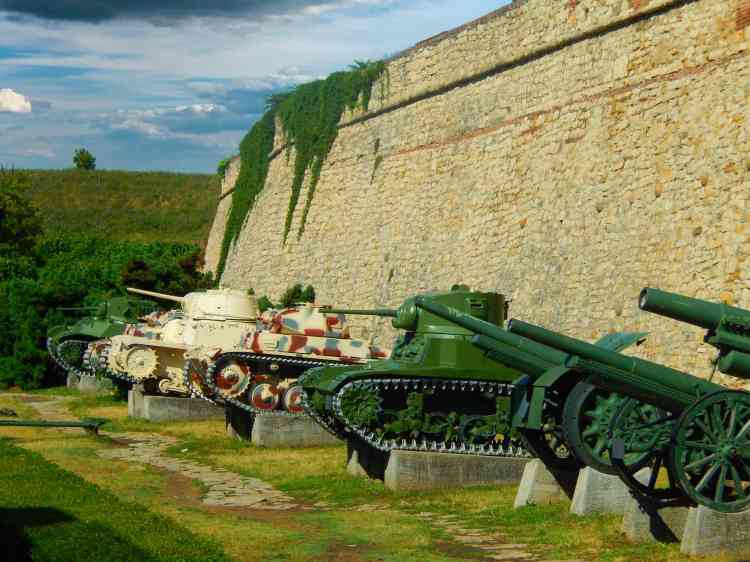
In World War II a unified Yugoslavia was invaded by the Axis Powers. What followed were several puppet governments, Soviet control, followed soon after by rise of Tito. He held Yugoslavia together from 1945 until his death in 1980 but also went through a number government changes in goals and philosophies. Tito created the new Socialist Federal Republic of Yugoslavia following the style of the Soviet Union, but soon broke with Stalin, and communism’s style in Yugoslavia became his own creation.

Within the Socialist Federal Republic of Yugoslavia were a number of semi-autonomous Socialist Republics including Slovenia, Croatia, Bosnia and Herzegovina, Montenegro, Macedonia, and Serbia. Serbia also included two semi-autonomous provinces: Vojvodina in the north and Kosovo in the south. Yugoslavia fell apart after Tito’s death in the spring of 1980. The central government of Yugoslavia was actually secondary to the individual member republics and hundreds of communist communes around the region. Initially President Tito was replaced by a rotation of regional leaders attempting to keep Yugoslavia together. It failed. Independence movements began and by 1990 the Balkan Wars began.

Croatia and Slovenia were the first to declare independence, together, on 25 June 1991, although fighting continued between Croats and Serbs within Croatia for four more years. Macedonia declared independence in September 1992. They were the only one to do so peacefully and Macedonia still maintains good relations with Serbia and its other neighbors.

Bosnia and Herzegovina independence was attempted in 1992, but they immediately fell into a civil war. Bosnias Muslims and Croatian Catholics fought against Serbian Orthodox Christians who had official and unofficial support from what remained of Yugoslavia and the Republic of Serbia. The Bosnian Serbs took on the name of Republika Srpska after it lost direct help from Yugoslavia when Bosnia and Herzegovina gained UN recognition as an independent country. Peace was eventually created after a NATO bombing and ground campaign, and Republika Srpska joined Bosnia and Herzegovina as a federation. Republika Srpska doesn’t get mentioned much, but is still the second, largest autonomous, governing body in that federation.

Serbia and Montenegro remained united under the Federal Republic of Yugoslavia, being renamed “Serbia and Montenegro” but than Montenegro got independence with a referendum in 2006. In 2008, Kosovo declared independence from Serbia. Today, Kosovo’s independence is recognized internationally, but is still disputed by Serbia.

The Yugoslavia Legacy

Conflict has become a way of life even today in the region. After rivers change course, countries still fight over where the borders should be. Ethnic minorities in one country still claim citizenship with a neighboring region and the practice of Serbia attempting to exert control over a neighboring geographic area by relocating Serb communities into the territory has left behind tensions. Religion is also a major flash point even today. Macedonia is the only country not disputing any of its borderlines. It recently resolved a conflict with Greece over its name by agreeing to the Republic of North Macedonia instead of the Republic of Macedonia.

Port of Call Oslo, Norway

What’s In The Port of Oslo

Historic, modern, remarkable Oslo. We can’t think of enough superlatives to describe this beautiful city. Within a couple of square mile area are great shops and restaurants, the Royal Palace, a truly incredible art museum, a flower market and the historic fortress.

Where Your Ship Docks

The Inner Harbor Oslo

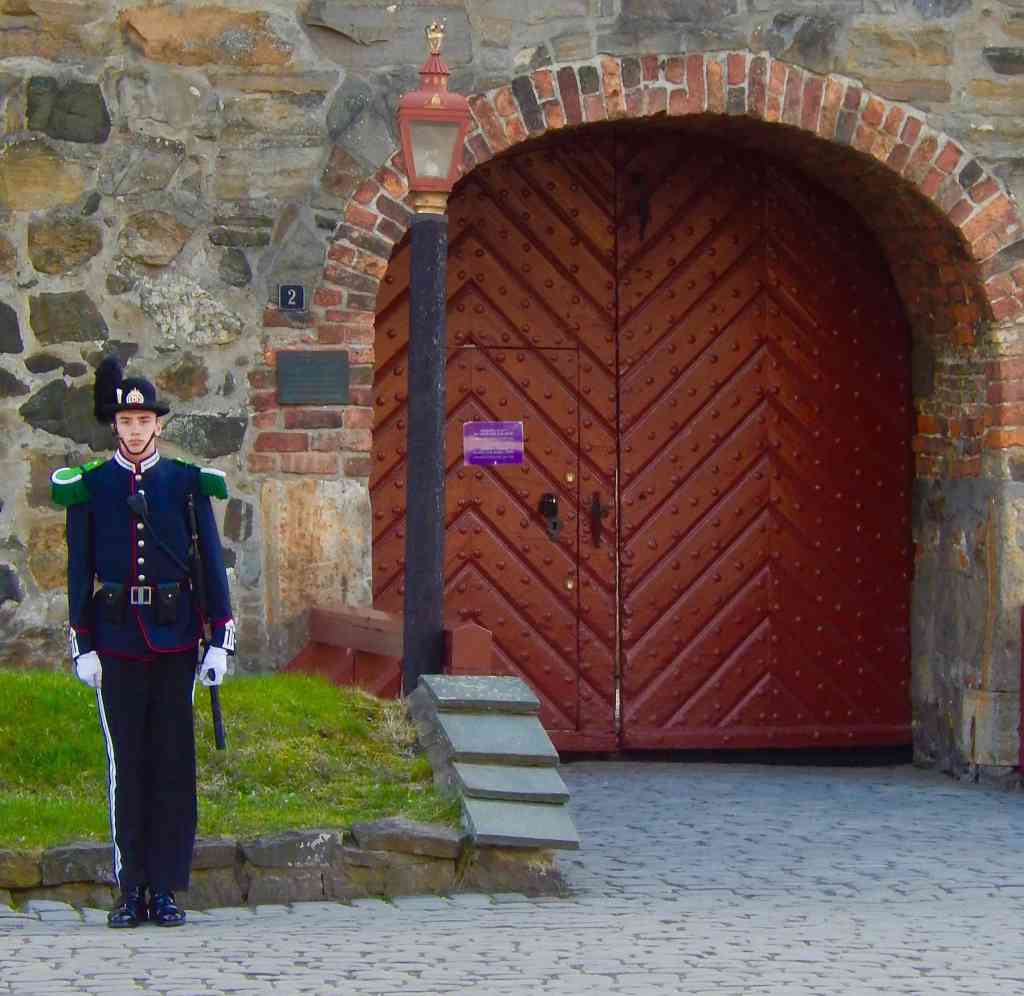
Most cruise ships will tie up at docks right under the walls of the Akershus Fortress within the inner harbor. While public facilities at the pier are not readably available it is only a short walk to the fortress or around to the central harbor area where there are facilities. It is also less than a mile walk around the entire central waterfront past outdoor cafes, shops and museums.

Transportation

Central Oslo

Metro Train is the best option if you are spending just a day or two in the central city area. While the train lines are numbered one to five and each one has a different color all five lines cover every stop from Majorstuen to Tøyen in central Oslo, so you can pick any stations or stop and always find the right train. There are at least four services an hour on every line. A transit ticket/pass works on all Oslo transportation systems and you can purchase tickets at Oslo Visitor Centre at Oslo Central Station, Ruter’s Customer Service Centre, in most Narvesen and 7-Eleven shops, from ticket machines at metro stations etc.

Cafes on the waterfront

You can also download the Ruter’s mobile ticket app and buy single, 24-hour, 7-day and 30-day tickets before hand. A 24-hour ticket (flexible start time, multi-user ticket) Adult 108 NOK Child/senior 54 NOK

Currency

Museum area

The Norwegian Krone is the currency of Norway. At this writing the exchange rate is 9 Krone to 1 U.S. Dollar. Of special note, Norway like several Scandinavian countries is well on the way to being a cashless society. Everyone expects you to use your credit and debit cards.

Attractions

Royal Palace

As mentioned above, within just a two square mile area is much to see.

Akershus Fortress is only a short walk from the pier and well worth a stroll around the grounds with a visit to The Resistance Museum on the grounds.

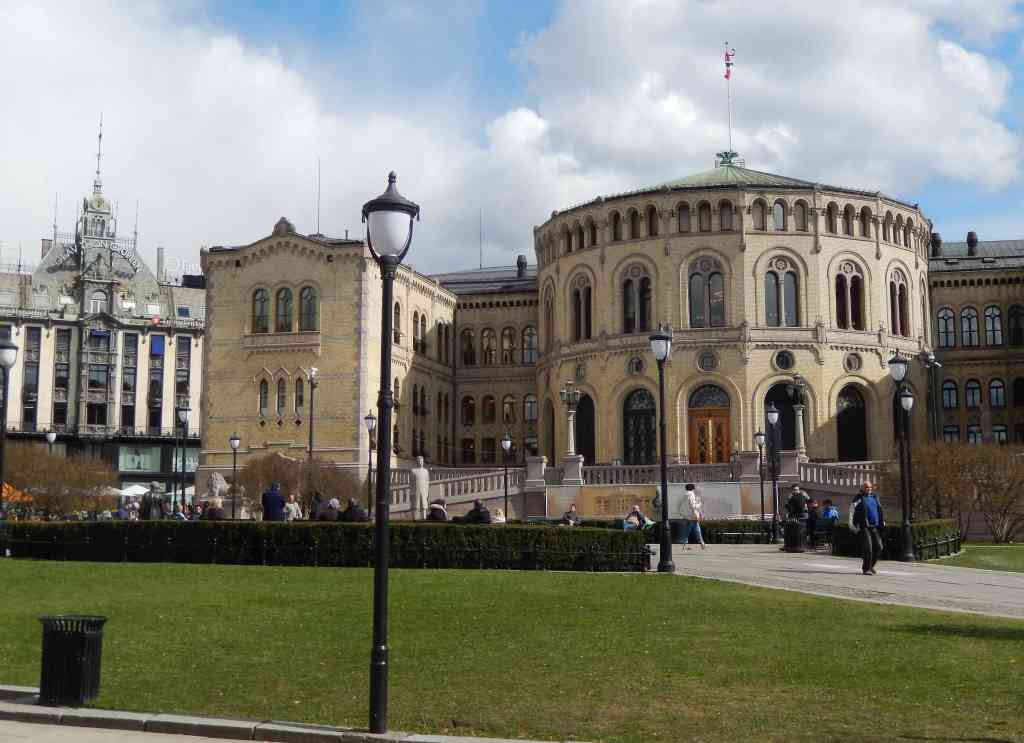
Other sights include The Royal Palace, The Nobel Prize Center, The Norwegian Museum of Cultural History, Viking Ship Museum, The Fram Museum, Oslo Cathedral and the Tjuvholmen Sculpture Park right in the central waterfront.

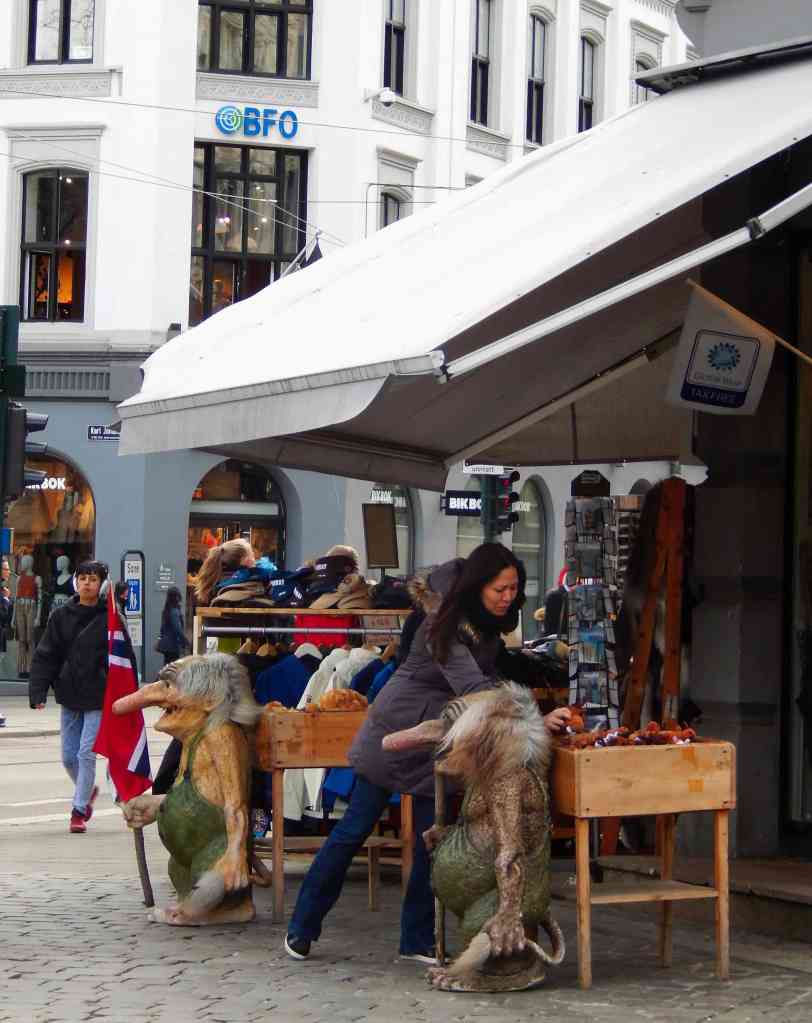
There are a number of very good cafes and restaurants on the harbor as well as interesting shops.

A Walking Tour Of Florence

There are a number of great cities well suited to urban hiking but near the top of that list is Florence, Italy.

What makes this city so special? It’s because the Enlightenment or Renaissance actually began in the early years of the fifteenth century in Florence. At the time Italy was divided into many city-states each with its own government. Florence was a city state and a Republic with a constitution which limited the power of the nobility and ensured that no one person or group could have complete political control. In fact the power resided in the hands of middle-class merchants, a few wealthy families like the Medici, important art patrons who would later rule Florence and the powerful guilds.

This unique political environment attracted intellectuals, the wealthy and artists from all over Italy and much of Europe and added to the wealth and influence of this remarkable place. Some of these notable residents included Dante Alighieri, poet, Filippo Brunelleschi, famous architect, Giotto di Bondone, painter, Michelangelo, the famous sculptor and painter of the ceiling of the Sistine Chapel, the Medici Family, Girolamo Mei, historian and humanist, Lorenzo Ghiberti, sculptor, Donatello, sculptor, Leonardo da Vinci, painter, inventor, and scientist, Niccolò Machiavelli, famous poet and philosopher, Giorgio Vasari, painter, architect, and historian and Galileo Galilei, Italian physicist, astronomer, and philosopher.

Resulting from that environment is the worlds most stunning collection of art, architecture, gardens and trade skills that survives even today.

The city is divided into two halves by the Arno River each with its own incredible attractions. The north half is home to the cathedrals, high end shopping and the train station, while the southern half is home to more museums and galleries and the incredible Piazzale Michelangelo with its amazing views of the city.

This urban hike starts at the Ponte Santa Trinita, the arched bridge over the Arno River and covers the southern city half. To walk the entire circuit will take two and a half to three hours without visiting the palaces , museums and gardens.

Begin the walk by going south from the bridge along the Via Maggio. A half block on your left is the Palazzo Frescobaldi palace and gardens. The Frescobaldi gardens, accessible through a long entrance hall, is a large grassy space with beautiful azalea bushes and an imposing fountain, an original element that has survived from the 16th century in the old courtyard. Two bronze sculptures by contemporary artist Arnaldo Pomodoro are found amongst the gardens flower beds.

In another block turn right onto Via dei Michelozzi. After a block you’ll come to Piazza Santo Spirito turn left and walk a couple of blocks along the Piazza. Piazza Santo Spirito is the main square in the Oltrarno area of Florence which is known for its artisans and street markets and has a bohemian and arty character.

Turn left at Via Mazzetta and stroll past numerous neighborhood shops and take-away food shops until you come to Piazza de Pitti and turn left.

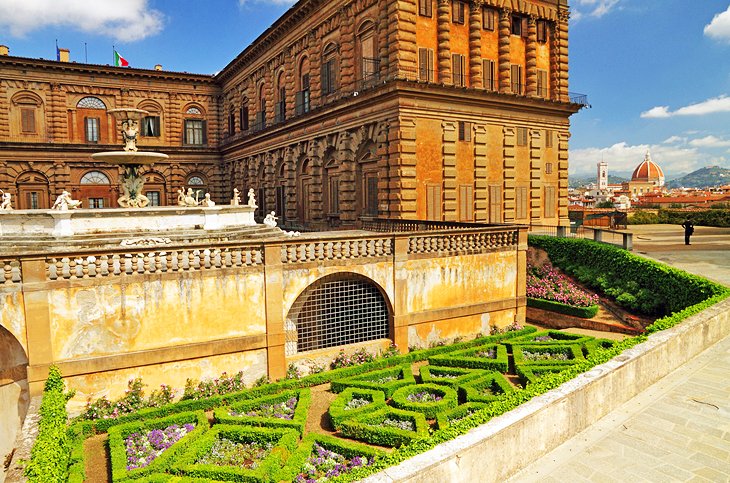
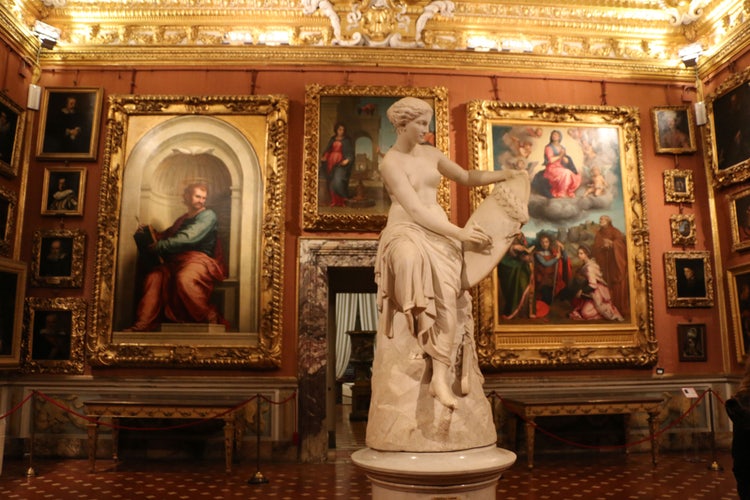
On your right for the next several blocks you will pass the Pitti Palace. In the Palazzo Pitti are a number of art galleries, a costume museum and a modern art gallery. Tickets are required for admission to many of these famous collections. Behind the palace are huge and beautiful gardens featuring the Grotta del Buontalenti del Giardino di Boboli or the Buontalenti Grotto in the Boboli Gardens. A fascinating place, where you feel like you walked into a fairy tale. The Grotta also known as Grotta Grande or the Big Grotto was built by Bernardo Buontalenti between 1583 and 1593, and was commissioned by Francesco I de’ Medici.

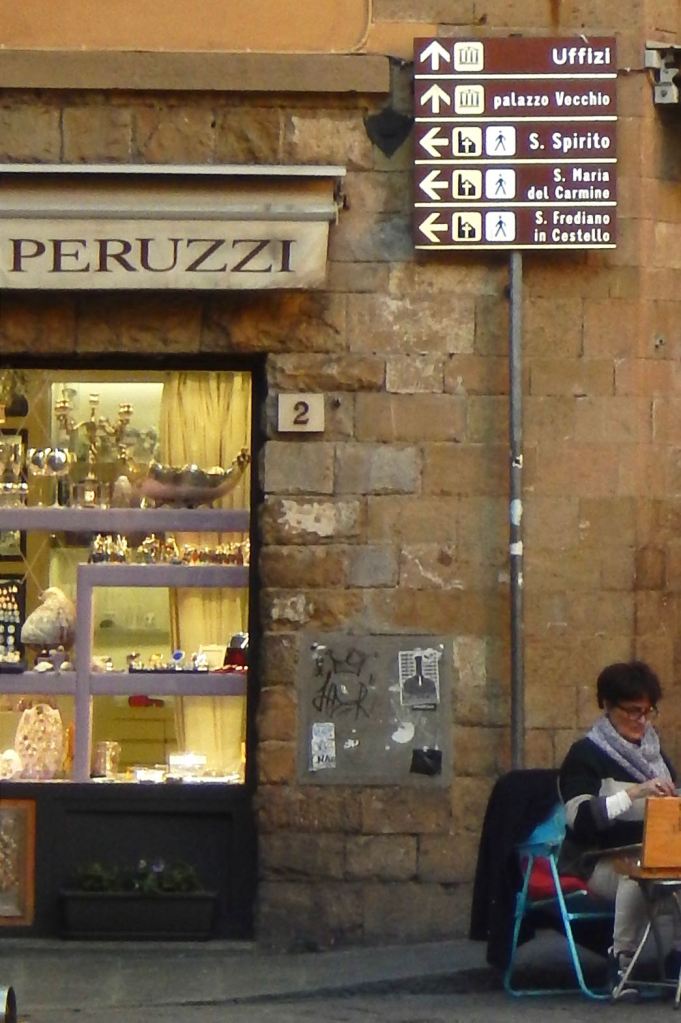
The city provides excellent signage for finding sights

As you approach the river you will find yourself at a square and the entrance to the Ponte Vecchio, a medieval bridge featuring a number of jewelry and craftsmen shops. Take some time to stroll the bridge.

From the Ponte Vecchio again go south at Oltrarno, head left down Via dei Bardi and continue about three quarters of a mile. You will pass the Bardini Museum on your right with access to the Bardini Gardens. The road changes into Via di San Niccolò and takes you to the door of San Niccolò in piazza Giuseppe Poggi, which was once one of the gates to the city during Medieval times.

To your right are staircases and paths leading up from the “old door”, which now resembles more of a tower than a door. Take the steps up, cross the road past the fountain until you reach the top, where you will find a full size copy of Michelangelo’s David and an incredible view of all of Florence.

Descend through Giardino della Rose, a terraced rose garden, to the wall at Porto San Miniato and turn left on Via di Belvedero. Follow it to Porto San Giorgio where turning right you will see the Villa Bardini and its large gardens. You can walk the gardens paths back down to Costa S. Giorgio toward the Via de Guicciardini where a right turn will take you back to the Ponte Vecchio.

A 3 hour hike around some of the major attractions in Florence Italy. Visit the Pitti Palace and gardens, Piazzale Michelangelo overlooking Florence and the iconic Ponte Vecchio.


Todays Featured Poster • Tarpon Springs Florida

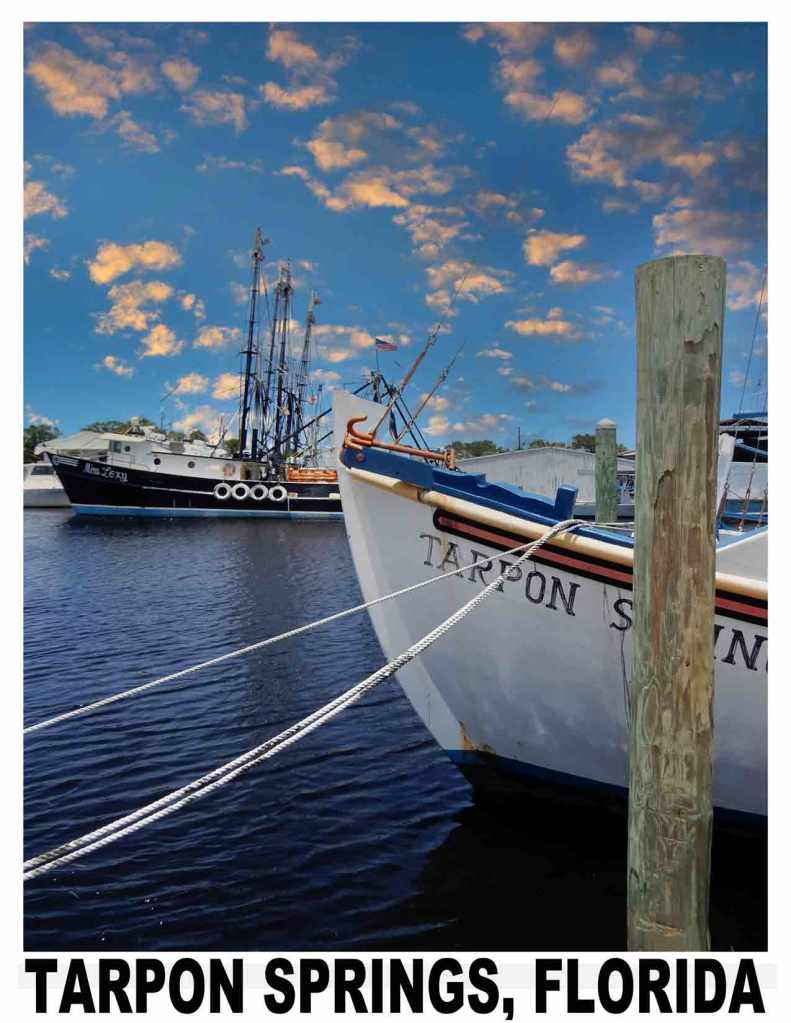
The National Park Service recently listed Tarpon Springs’ Greektown Historic District on the National Register of Historic Places as a Traditional Cultural Property. Experience Tarpon Springs strolling along the Sponge Docks as boats still haul in the daily catch and shop for authentic sea sponges and sample the authentic Greek specialties this interesting town has to offer.

These giclée prints are available in several sizes custom printed for each order on archival paper using fade resistant inks.

Join us as we visit historic treasures, natural wonders and vibrant cities set against backdrops that are endlessly changing and visually magnificent. Celebrate a world of travel experiences with these decorating accessories that are perfect for framing.

Haven’t Joined Us Yet? We Promise To Make It Worth Your While.