Croatia And Serbia And Not Talking About The War

Visiting Serbia And Croatia And Finding Serious History
We left Croatia recently after five days of traveling across Serbia and Croatia. People were often eager to talk history but that usually meant railing against the Ottoman-Turks or Communists. In Belgrade, Serbia one woman recounted remembering the incoming American Tomahawk missiles and how Serbia was treated unfairly by America and Western Europe.

Our last evening in Serbia we attended a lecture by a professor who went into great detail about the old rival factions in the Balkans. All about the Romans settling the region, conflicts between Catholicism, the Orthodox church, and the six major Slavic groups that call the region home. Throw in the Ottoman-Turkish invasion with a few hundred years of occupation and war, followed by World War II and Communism and you end up with a boiling piece of geography. Under Communism, Yugoslavia was created with a strong arm dictator named Tito and subdivided along ethnic lines into six republics under one government.
After Tito’s death Yugoslavia quickly dissolved and even though they spoke a common language, Servo-Croatian, they had different histories, wildly different religious beliefs, and very distinct identities. By 1991, Slovenia and Croatia each declared independence from Yugoslavia. Soon a bloody war broke out in Croatia where Serbs tried to create their own new state. A year later, Macedonia formed its own state with little conflict. Next to go was the republic of Bosnia and Herzegovina. But Bosnian Serbs wanted to stay with what was left of the Yugoslav Federation and that led to three years of more war.

Oddly, nobody we talked to seemed to have anything to say about the Muslim populations that remained behind after the Ottomans pulled out or a number of campaigns that devolved into ethnic cleansing.

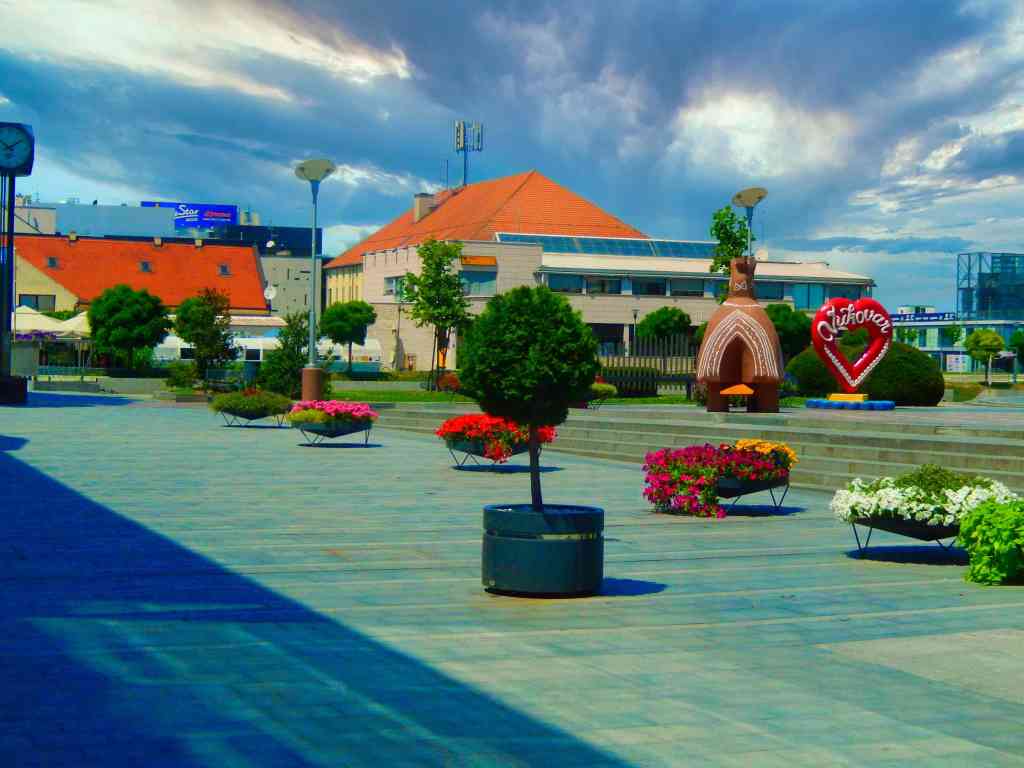
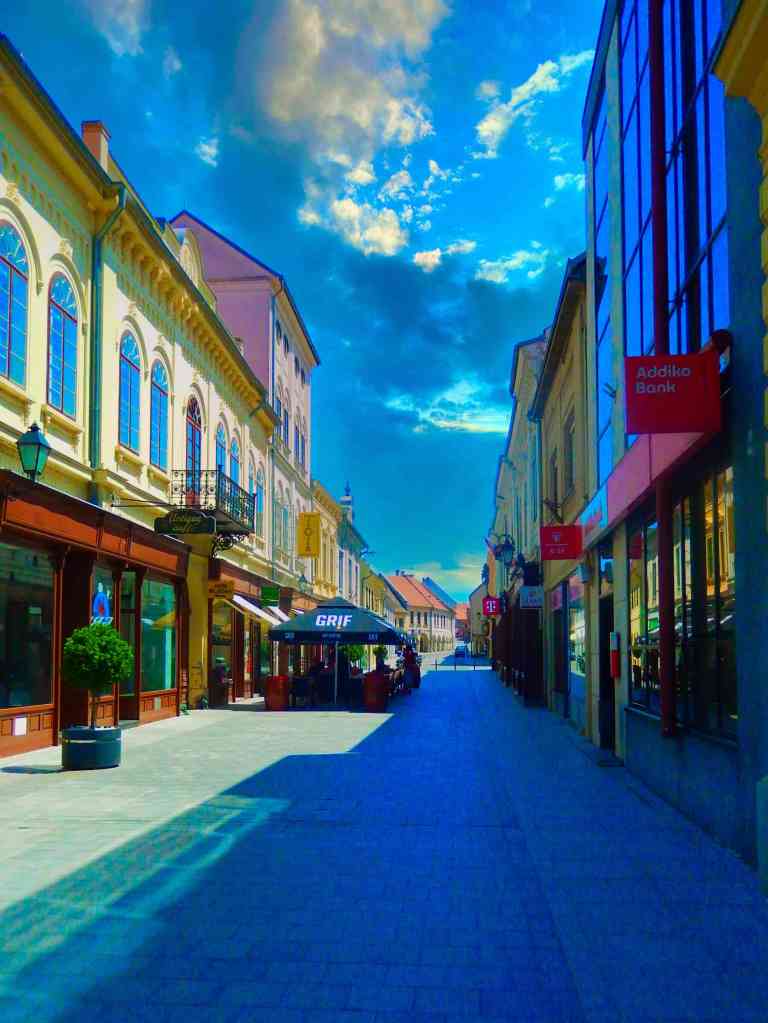
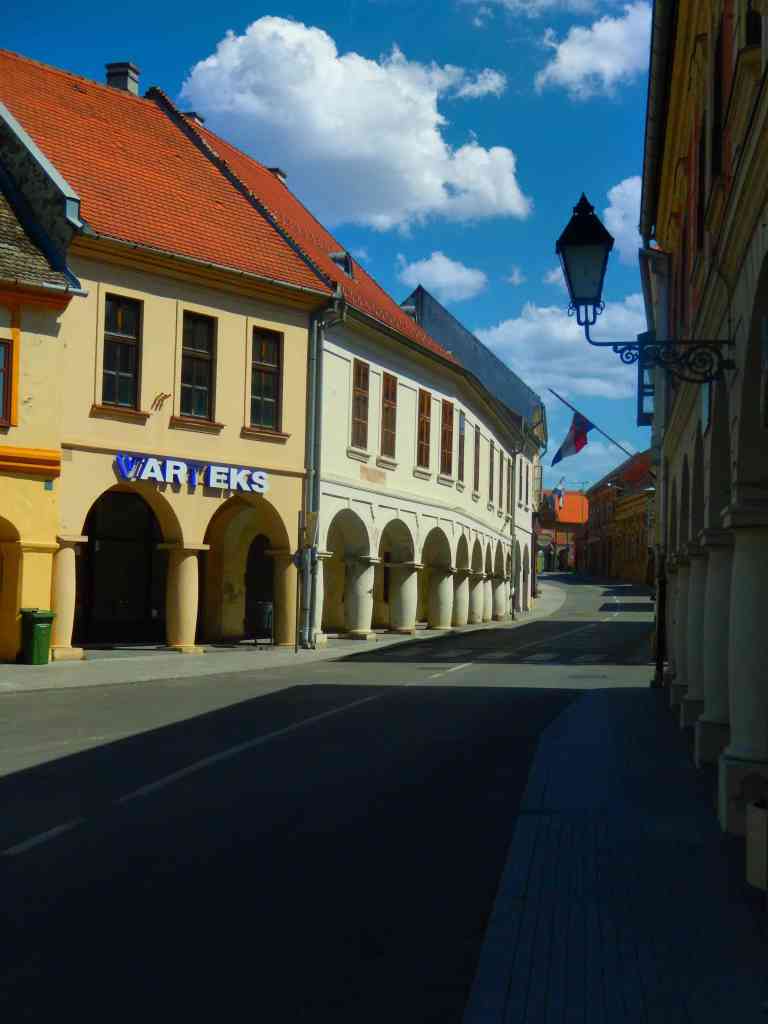
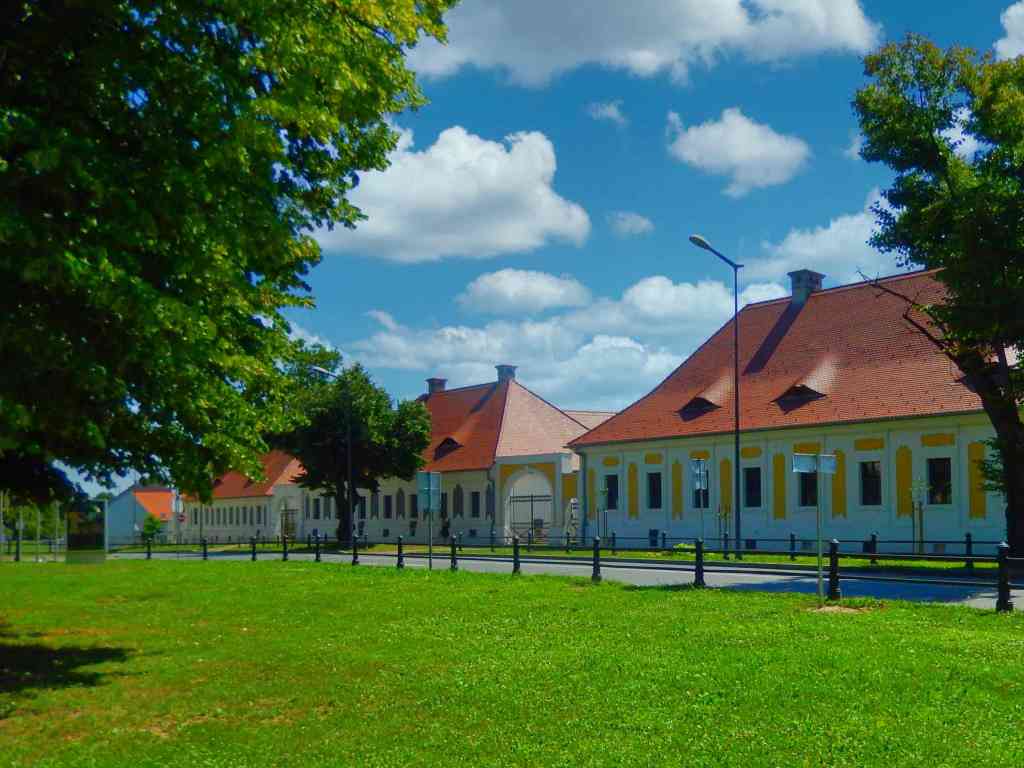
Shortly before leaving Croatia we found ourselves in the town of Vukovar on the Danube at the Serbian-Croatian border. A cute place with outdoor cafes, parks, several historic churches and a museum and it was getting ready for an annual film festival. We spent a few hours taking pictures, discussing points of interest with some locals and noted a number of half destroyed buildings around town. It was only on the next day when I was researching local geography and this town that I discovered we had missed something important.

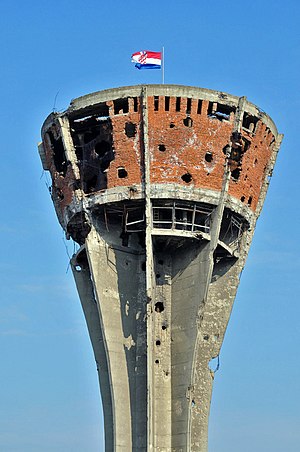
A number of buildings have been left as memorials from the siege
The remains of Vukovar’s famous water tower

In 1991 between August and November the Battle of Vukovar was an 87-day siege of the town in Croatia by the Yugoslav People’s Army, and by various paramilitary forces from Serbia. Before the Croatian War of Independence this town was one of the most mixed communities in the Balkans with Croats, Serbs, other ethnic groups and a sizable Muslim population. Serbia’s President Slobodan Milošević along with Croatia’s President Franjo Tuđman began fostering nationalist politics. In 1990, an armed insurrection was started by Serb militias in Croatia, supported by the Serbian government and paramilitary groups, who took control of Serb-populated areas of Croatia. The Yugoslav People’s Army got involved with the Serbs in Croatia and in May 1991 they launched a full-scale attack against Croatian-held territory in eastern Slavonia, focused on Vukovar.
Vukovar was defended by around 1,800 lightly armed soldiers of the Croatian National Guard and a couple of hundred civilian volunteers, against a force of 36,000 soldiers and Serbian paramilitaries equipped with heavy armor and artillery. During the battle, shells and rockets were fired into the town at a rate of up to 12,000 a day. At the time, it was the fiercest and most protracted battle in Europe since 1945, and Vukovar was entirely destroyed. When Vukovar fell on 18 November 1991, several hundred soldiers and civilians surrendered and were massacred by Serb forces and at least 20,000 inhabitants were driven out of the area. Overall, around 3,000 people died during the battle. Most of Vukovar was ethnically cleansed of its non-Serb population and became part of the self-declared proto-state Republic of Serbian Krajina. Several Serb military and political officials, including Milošević, were later indicted and in some cases jailed for war crimes committed during and after the battle of Vukovar.
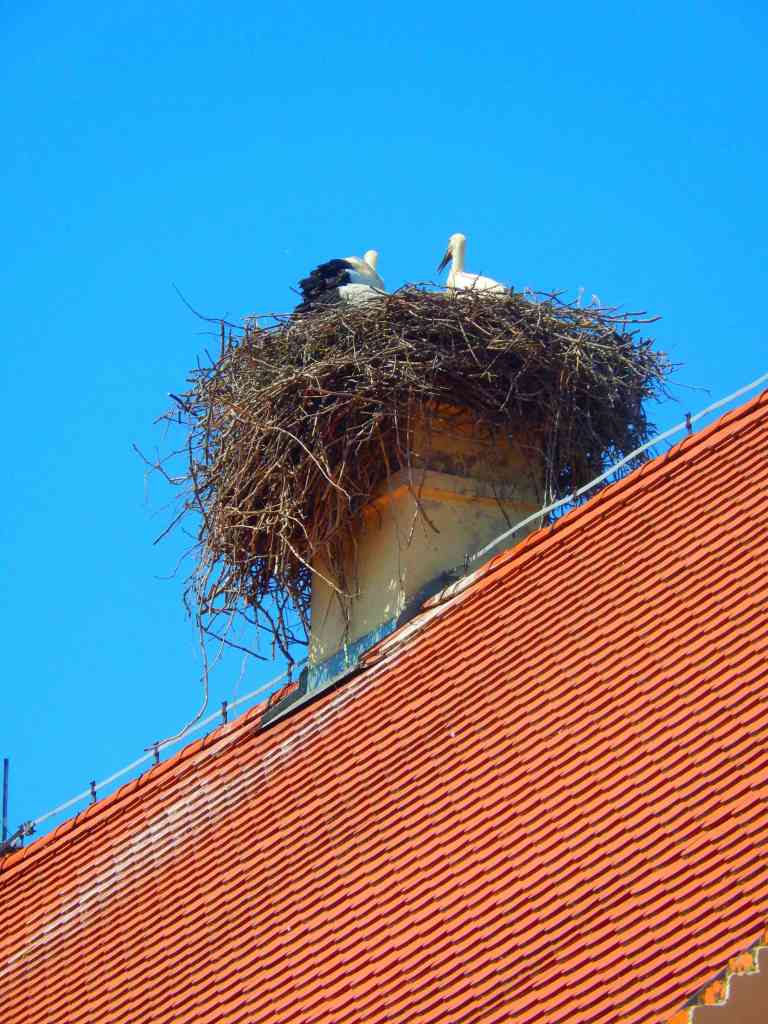
A Stork nest on a Vukovar rooftop

The Foundations Of English America

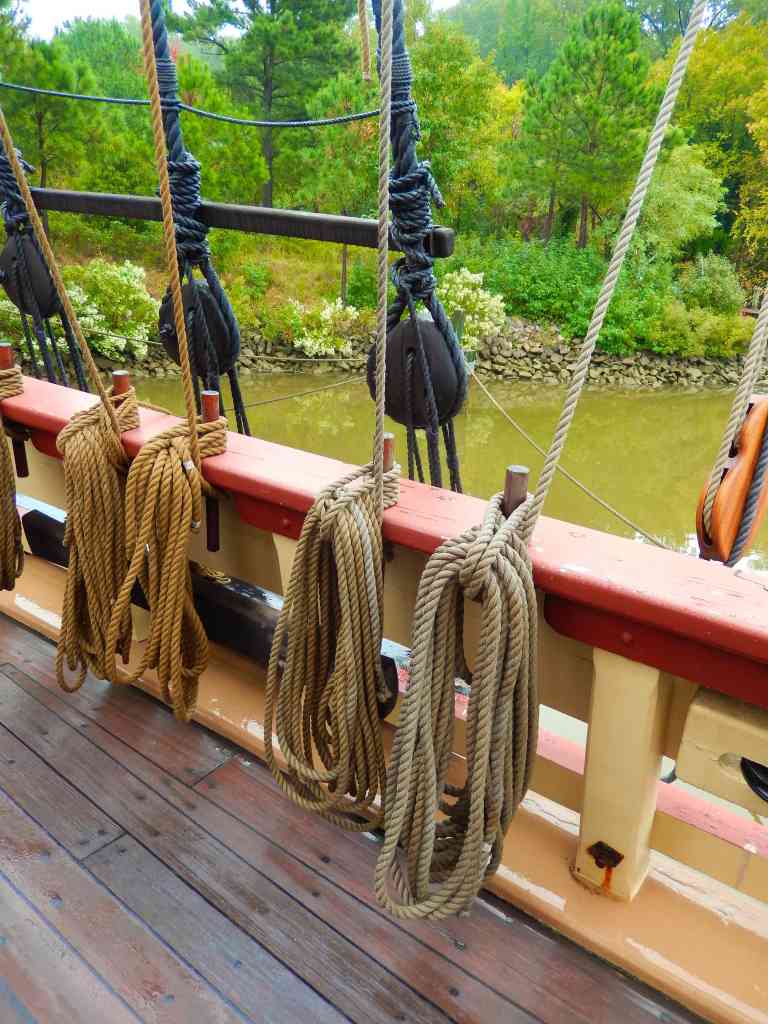
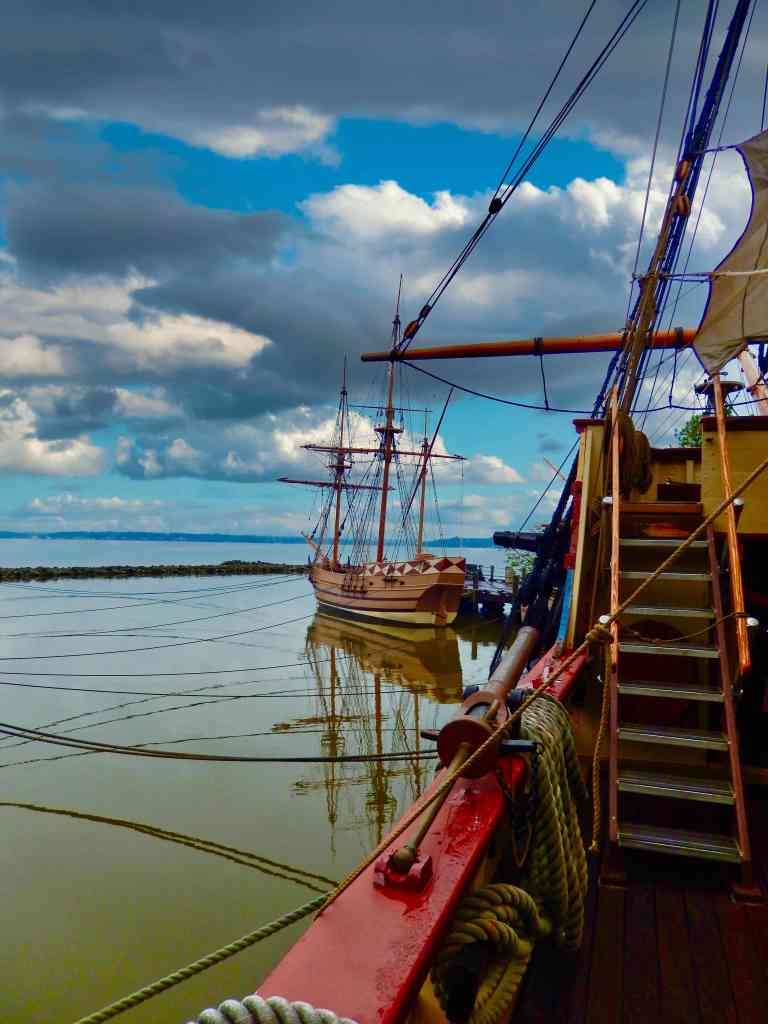
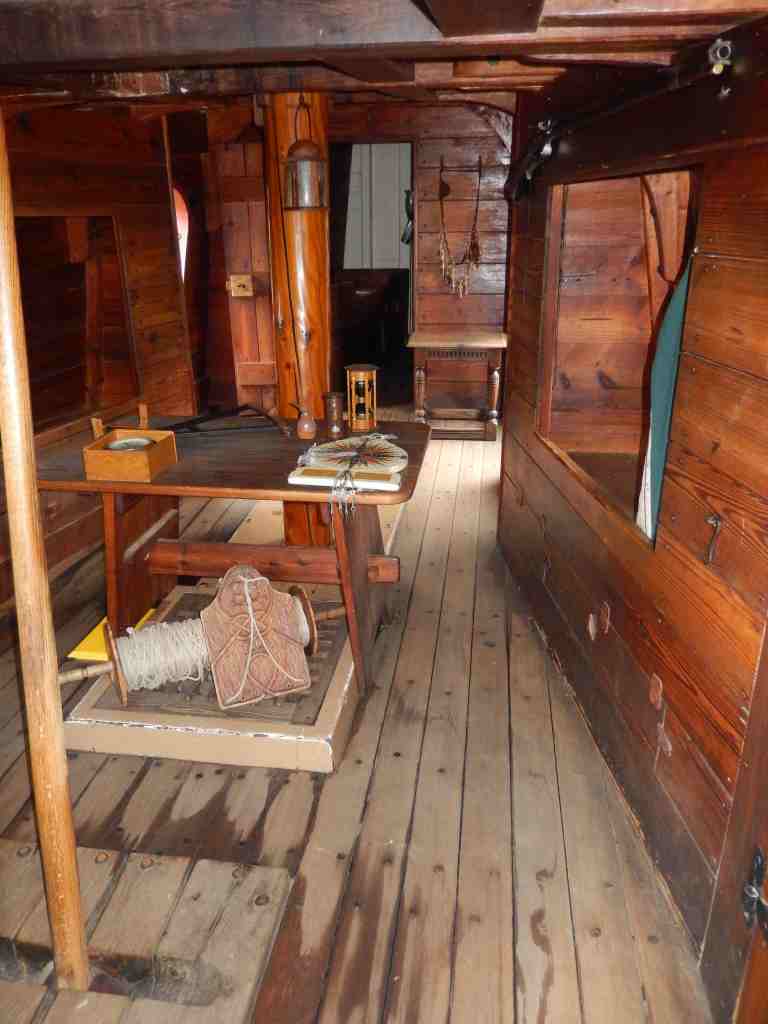
The United States has always been a country strongly influenced by English culture and heritage. While early exploration and colonization of the New World was dominated by Spain, with major outposts established in the Caribbean and Florida, England wanted a foothold in this New World. In April 1606 King James I of England chartered The Virginia Company of London, a commercial trading company, with the objective of establishing colonies on the eastern coast of North America. With that charter those English roots were planted in North America. On December 6, 1606, three ships; the Susan Constant, the Godspeed, and the Discovery set sail to America. In 1607, 104 English men and boys arrived in North America to start a settlement. On May 13 they selected a site at Jamestown, Virginia for their settlement, named after their King, James I. This settlement became the first permanent English settlement in North America.

The site for Jamestown was picked for several reasons, all of which met criteria established by the Virginia Company, who funded the settlement. The site was surrounded by water on three sides and was far inland; both meant it was easily defensible against possible attacks by local natives and the Spanish. The water was also deep enough to tie up their ships at the shoreline.

By June 15, the fort was done with a triangle shape and a bulwark at each corner, holding five pieces of artillery. The settlers were now protected against any attacks that might occur from the local Powhatan Indians and could hold off a Spanish attack from the water. Even though the settlers were concerned about the local natives, they understood that they were also dependent on them.

Over those first few years a majority of the original settlers would die from starvation and some by Indian attack, but the colony offered too much potential and by April 1645 the Jamestown colony had over 8,000 settlers.

The site is a National Park along with the battlefield at Yorktown and very near the restored colonial town of Williamsburg in Tidewater, Virginia.

Bucharest Outdoor Museum

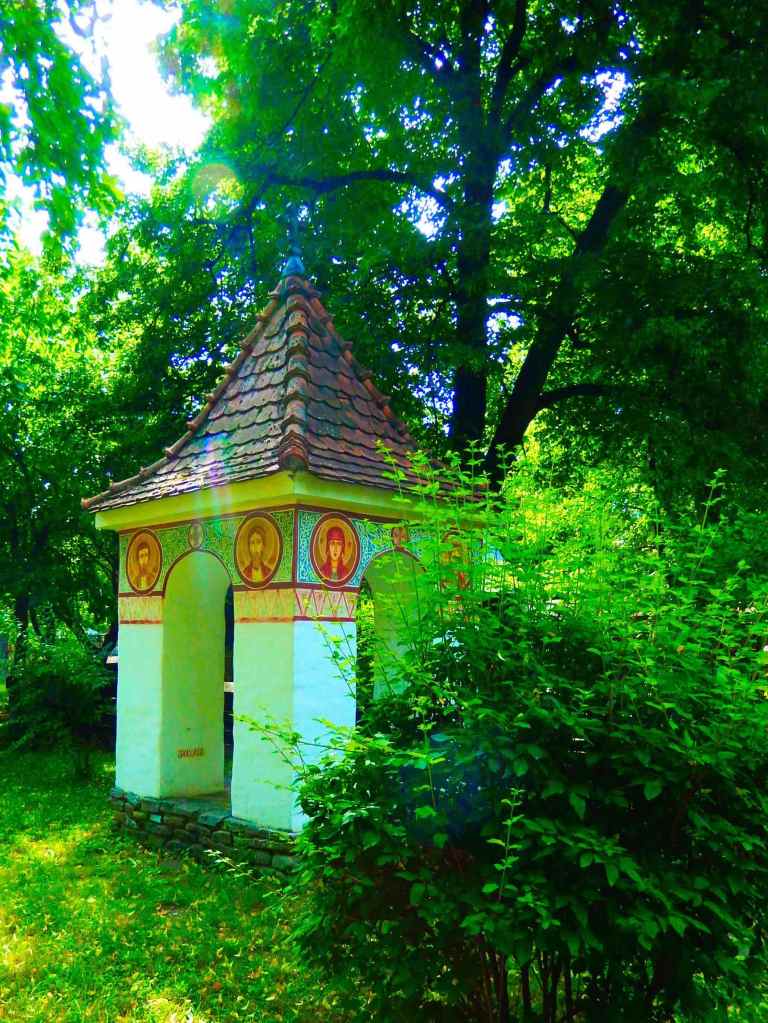
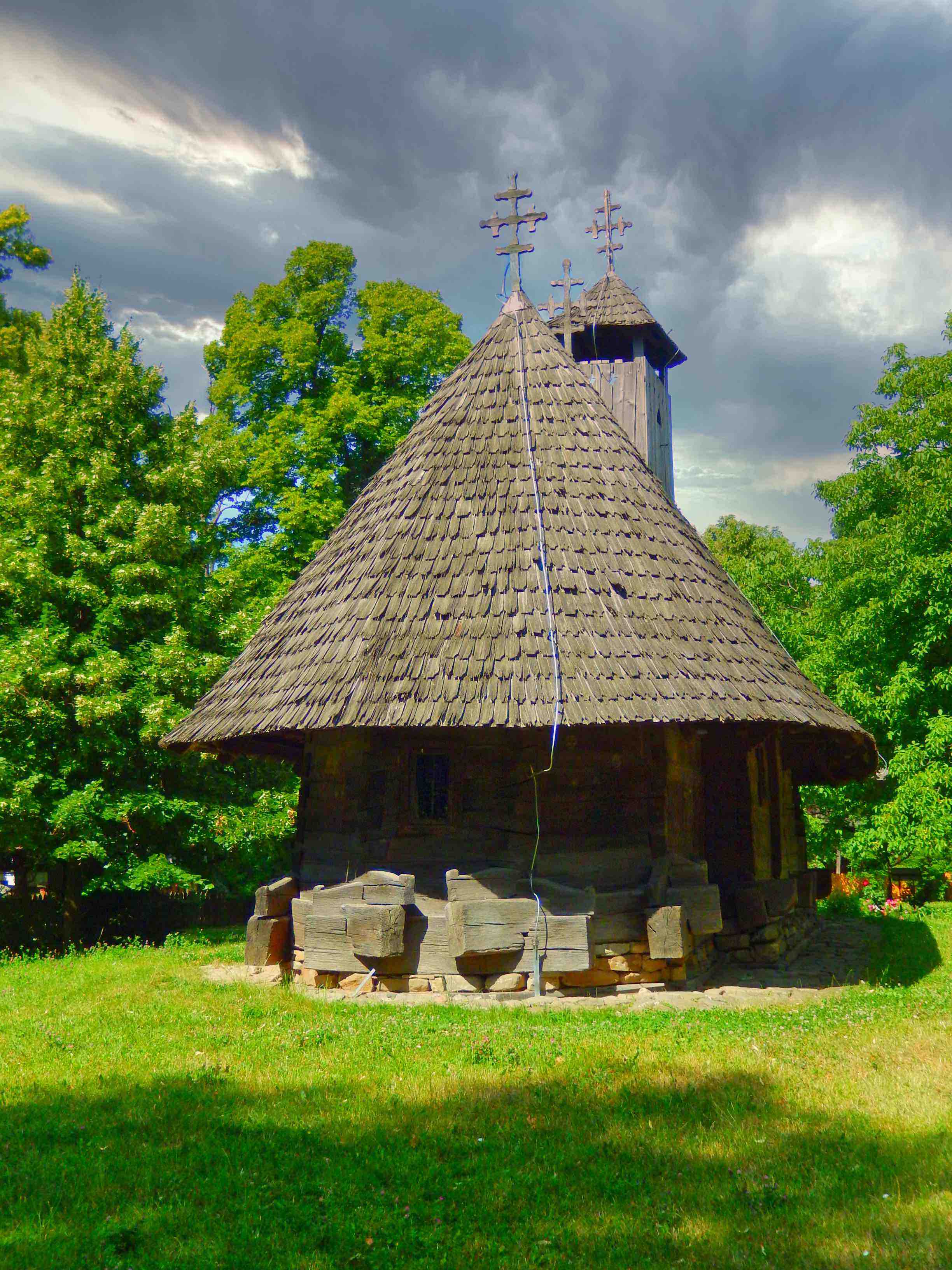
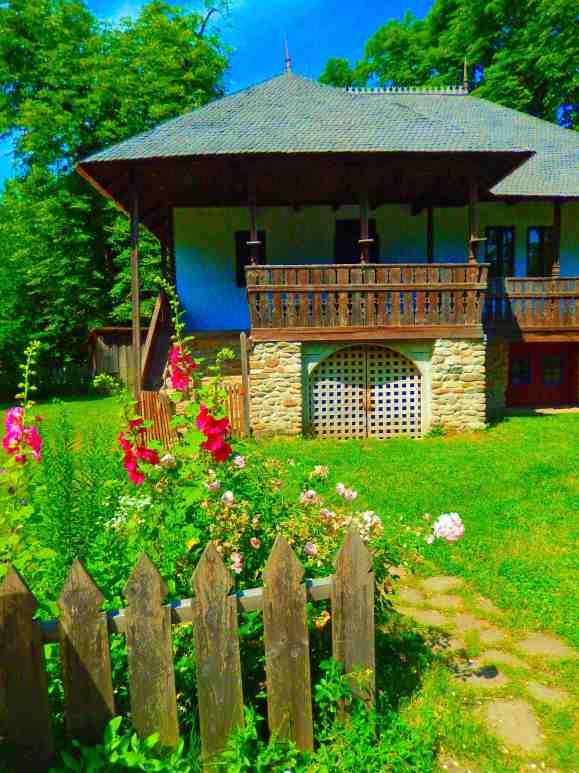
Bucharest, is home to The Village Museum in Herastrau Park that’s dedicated to the history of home life in the various regions of Romania. In 1936 it was one of the first open-air ethnographic museums in the world. In 1936, and today is one of only four such museums. They include Skansen Museum in Stockholm, Bigdo Museum in Lellehamer, Norway and Transilvanian Ethnographic Museum in Cluj, Romania. Any visit to this Romanian Capital should include some time at The Village Museum.

The Port of Dunmore East & Waterford, Ireland

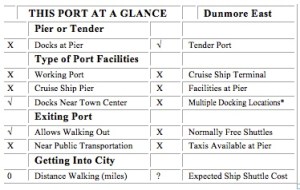
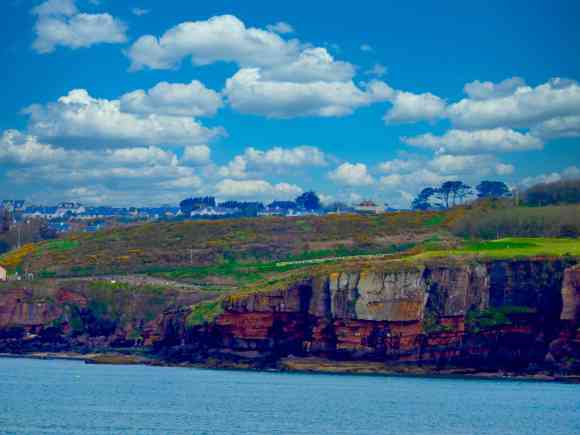
The port of Dunmore East is located very near the city of Waterford and while Dunmore East has a small harbor it is not an industrial port. The larger ships visiting are primarily cruise ships. The town itself is a quant seaside village with galleries, gift shops and restaurants and some nice walking trails along the shore. The villages charm and natural surroundings are well worth spending some time ashore. It is a bit isolated however and transportation options are few. It is also a tender port as there are no docks capable of handling large ships.

Where Your Ship Docks

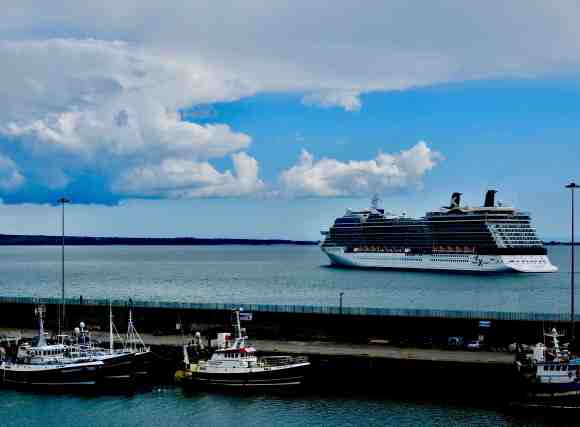
Large ships cannot dock at Dunmore East and will anchor offshore. Tenders will bring you into an enclosed harbor that serves small commercial boats. The harbor is adjacent to the village proper and there are a number of shops and trails along the shore line.

Transportation – Because of the distance and lack of available transportation this is a port where booking tours thru the cruise ship might be a better option, especially if you want to visit Waterford. The trip into Waterford is about twelve miles and often cruise ships will offer a shuttle service to Waterford. The quickest way to get from Dunmore East to Waterford is a taxi which costs about $35 and takes about twenty minutes. The only other option is a direct bus service departing from Dunmore East and arriving at Lombard Street in downtown Waterford. Buses depart every four hours, and operate Monday to Saturday. Again the journey takes about 20 min.

Money – Ireland (the Republic) uses the Euro and generally do not accept the British Pound. Northern Ireland is separate from the Irish Republic, is part of the United Kingdom and uses the Pound.

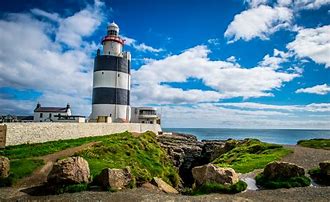
Dunmore East is located on the River Suir and as your ship sails in or departs you should get a good view of the Hook Lighthouse on the opposite shore. The area around the Suir and Waterford is home to a number of notable castles with some dating back to the twelfth century and the Viking era.

Attractions – Other than the scenery and the atmosphere of a quant seaside resort village most of the points of interest are located in the nearby city of Waterford.

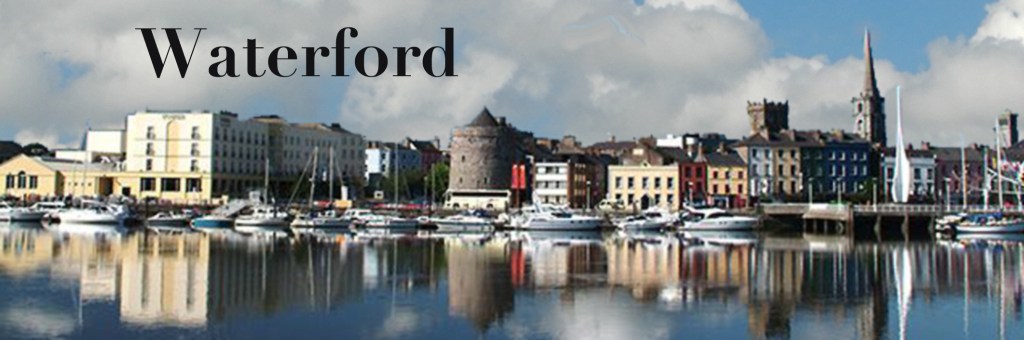
Waterford itself was once one of Ireland’s most important cities, It was historically a place of great wealth due to its role as a seaport and trading center. Much of this wealth was used to build the city’s public buildings in the 18th and 19th centuries. One of the most attractive and opulent of these is the Bishop’s Palace. A beautiful architectural treasure over 250 years old. It is now a museum with the ground and first floors furnished as a very elegant 18th century townhouse.

Waterford was originally established by Vikings and was a major Viking settlement for hundreds of years. In 914, the great Viking adventurer and pirate, Regnall, established a base here and built a Longphort or ships haven. In 918, Regnall took a fleet of ships and left Waterford sailing for York and he became the first Norse ruler with the title ‘King of Waterford and York’. The name Waterford is derived from its Viking name Vadrarjfordr meaning “haven from the windswept sea”. The City was captured by the Anglo Normans in 1170 and the Vikings were expelled. After that Waterford was raised to the status of Royal City owing allegiance to the Anglo Norman King of England, Henry II.

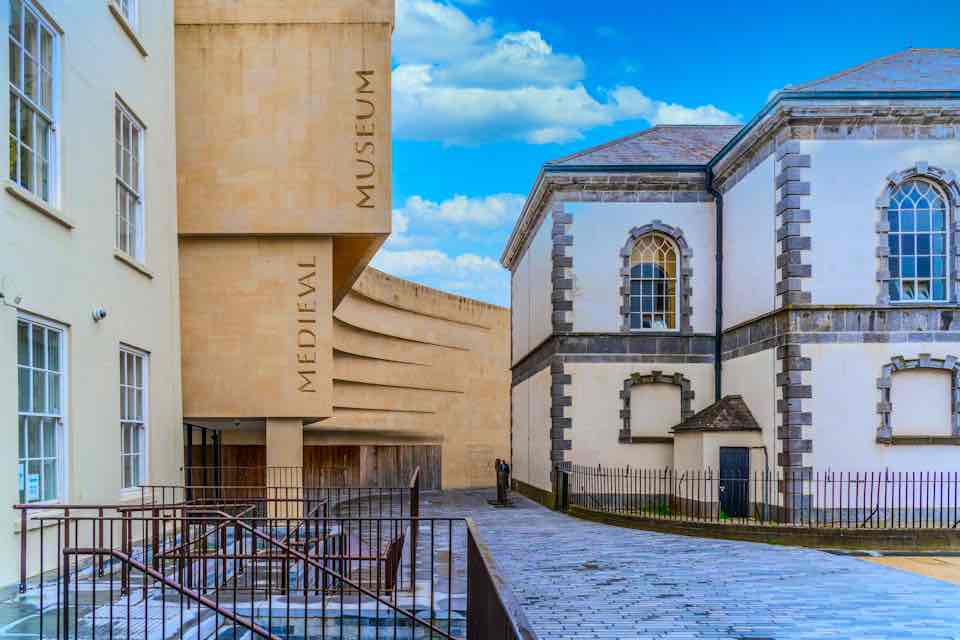
When visiting Waterford be sure and spend time visiting the Viking Triangle, a cultural and heritage area. The Viking Triangle is surrounded by 1000-year-old Viking walls. It is the ‘old town’ of Waterford and is just a short walk from the city’s shopping mall area. The Viking Triangle is an interesting place, with narrow streets and alleys to explore. Inside are a number of attractions of Ireland’s past, including the House of Waterford Crystal, the award winning Medieval Museum, Bishop’s Palace and Reginald’s Tower.‌

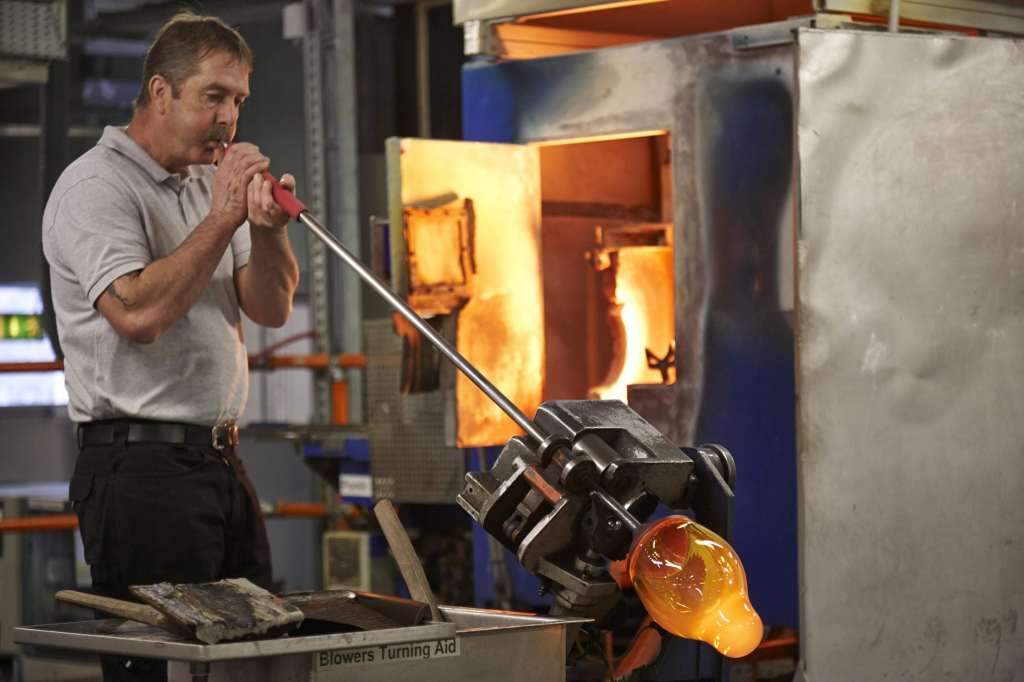
Waterford glass blower

The House of Waterford Crystal provides a fascinating glimpse into the workings behind the famed glassworks that put the city on the international map. Consisting of a manufacturing facility and visitor center, it’s now one of the top attractions in Waterford and is best viewed as part of a guided tour that provides a close-up view of the process behind the finished pieces of cut glass.

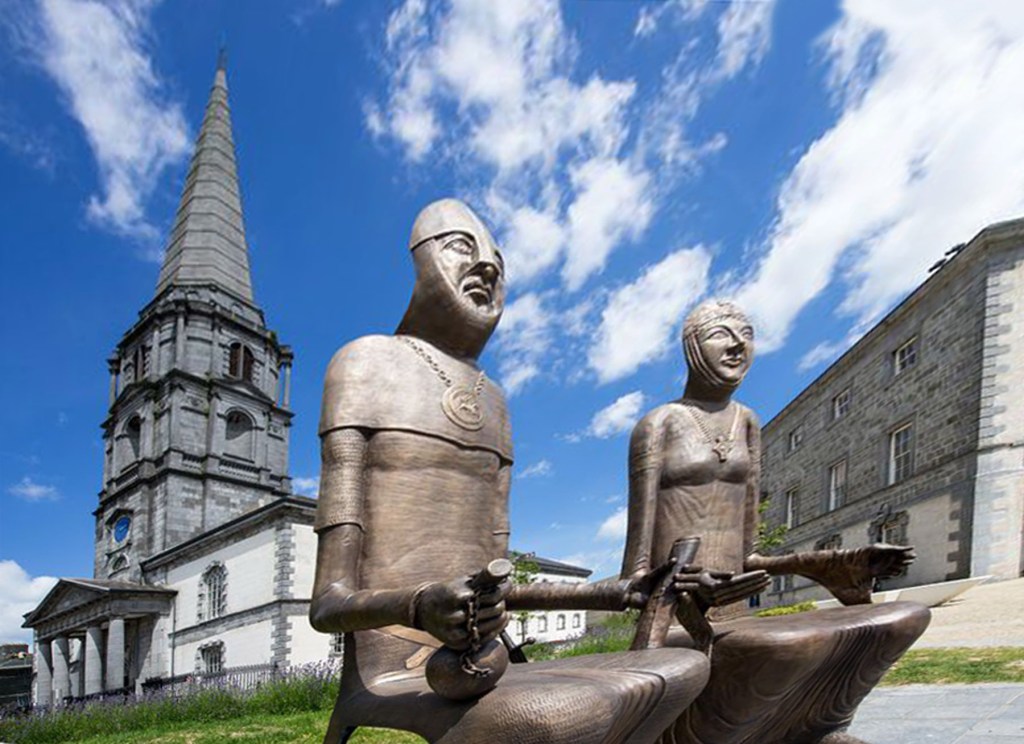
Christ Church Cathedral, also referred to as the Cathedral of The Holy Trinity. This church is Waterford’s principal Protestant place of worship. Constructed in 1779 on a site known for a cathedral dating back to 1096, the Cathedral is a centerpiece of Waterford. It was on this spot in 1170, where the legendary Norman king, Strongbow, married Aoife, daughter of Diarmait Mac Murchada, King of Leinster, thereby forming a great alliance.

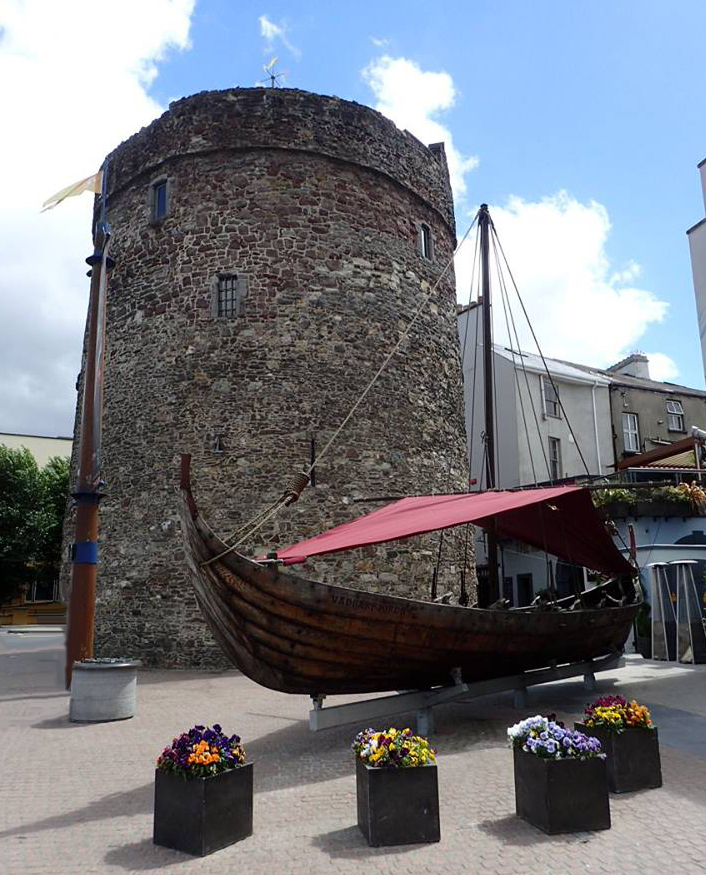
Reginald’s Tower is a historic round stronghold tower in Waterford. It is located at the eastern end of the city quay. The tower has been in use for different purposes for centuries and is an important landmark in Waterford and an important remnant of its medieval urban defense. It is the oldest civic building in Ireland and it is the only urban monument in Ireland to retain a Norse Viking name. Just outside, to the right of the tower entrance, is a 40 foot Viking Long Boat with a red sail named Vadrarfjordr – the Viking name for Waterford. This accurate Viking Longboat was built by a group of Waterford men. The keel and planks of the longboat are of Irish oak, mostly sourced from a mill in Carlow, and the sailcloth is a canvas weave. The Vadrarfjordr longboat is modeled on famous Viking ships found at Roskilde, in Denmark.

The Viking Triangle has lots craft studios, cafes and great places to eat and a real sense of history. Waterford’s motto is ‘Urbs Intacta Manet’, which means The Untaken City.

The Legend of RMS Titanic

Places Where The Legend Lives On…

In the annals of travel there have been a number of great tragedies.

  • The Hindenburg Disaster
  • The air disaster at Tenerife
  • The Vegas hotel fire
  • The Tsunami at Ao Nang, Thailand

Along with a number of ocean liner sinking disasters that include;

  • The Lusitania
  • The Andrea Doria
  • The Costa Concordia

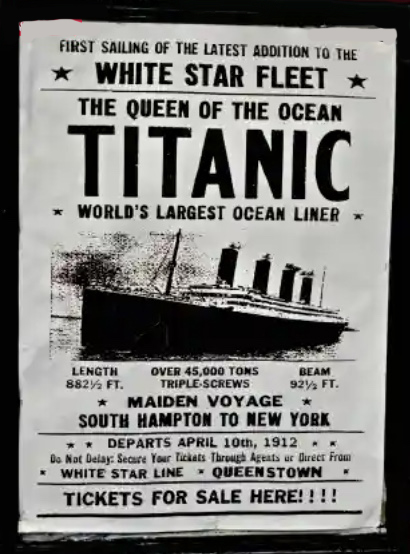
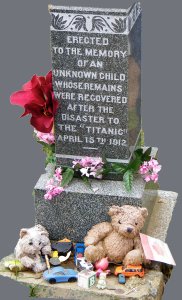
But one tragedy seems to be a true legend and stands out from all the rest. The sinking of The White Star Lines RMS Titanic. After more than one hundred years the story still holds our attention. It has been the subject of a half dozen movies and numerous books and even much speculation even over just what music the band was playing when the liner slipped below the sea.

There are at least four museums; Belfast  and Cobh, in Ireland along with two in Orlando, Florida. In addition to the museums a popular tour is to the cemetery in Halifax, Nova Scotia where many of the passengers and crew are buried.

The Titanic tragedy remains of interest for a number of reasons. Firstly, it was the maiden voyage of what was promoted as an unsinkable ship. Next it was a disaster that could have been easily avoided and with the loss of life aggravated because she didn’t have enough lifeboats. Additionally, a large number of wealthy and famous people died in the disaster but equally a larger number of of lower class passengers were prevented from using the lifeboats. The Titanic sinking caused a number of countries as well as companies to change policies regarding safety at sea.

Belfast is famous as the shipyard that built the Titanic. At that time the Harland and Wolfe Shipyard was one of the worlds largest and employed thousands. Today much of the area of the old shipyard has been turned into a memorial to this one ship featuring the drydocks, the slip way, the tender and a museum that was built to match the giant ocean liner’s height and size.

Titanic Museum, Belfast

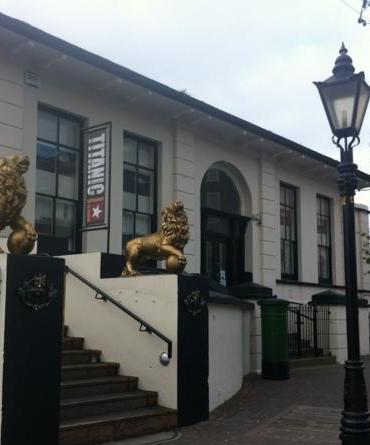
The Cobh, Ireland connection is that it was the great ships last port of call before she set sail across the Atlantic and sank. Cohb was called Queenstown at that time and was where the last passengers boarded the ship for its intended journey to New York. Of those one hundred and twenty three, only forty four survived. Today, the original buildings, streets and piers of a century ago are still standing along the waterfront including the offices of the White Star Line which today are the Titanic museum.

The Titanic Museum in Cobh, Ireland

The Danube River’s Iron Gates

Sailing Through The Iron Gates

The Danube Approaching The Iron Gates

Going up the Danube River from the Black Sea the river passes through some of its most remarkable scenery. The Iron Gates of the Danube River refers to narrow gorges with high granite walls that divide Romania and Serbia. The term “Iron Gate” was first coined by The Times of London in 1853.

The Roman Emperor Trajan had this marker erected to commemorate the construction of the road to Dacia through the gorge more than 2000 years ago. Archeological surveys of Trajan’s road indicate that large bore holes were drilled into the rock face of the cliffs and timbers were inserted to allow sections of the road to literally run across sheer walls.

This stretch of the Danube separates the southern Carpathian Mountains from the northwestern foothills of the Balkan Mountain range.

This section of the Danube was always a treacherous transit famous for sections of rapids and large whirlpools. In the 1960’s, governments built a massive lock and dam system to help control the river and make it safer transit. After the dam project, the river flowing through the Iron Gates was raised 130 feet that calmed the water and a hydro-electric power plant was built. The system includes two locks some 50 miles apart.

Iron Gates Mesolithic Art

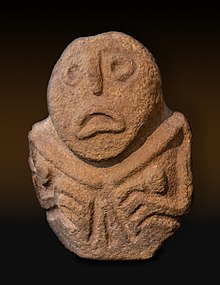
Archaeologists working on a number of sites in the gorge have named what they have found the Iron Gates mesolithic culture. It indicates actual settlements from 15,000 to 7,800 years old. One of these sites is the most important archaeological site in Serbia and maybe all of Europe. It’s Lepenski Vir, the oldest planned settlement in Europe, located on the banks of the Danube in the Iron Gates gorge. The archaeologists’s discoveries have pushed back the dating of European organized culture by a few thousand years in Europe. A number of burial sites have been uncovered bearing woven clothes decorated with shells, bits of rock and pieces of antler. The site has also produced carved stone images, stone tools and pottery shards.

An old watch and signal station for whirlpools