Thera/Santorini And the Death Of A Civilization

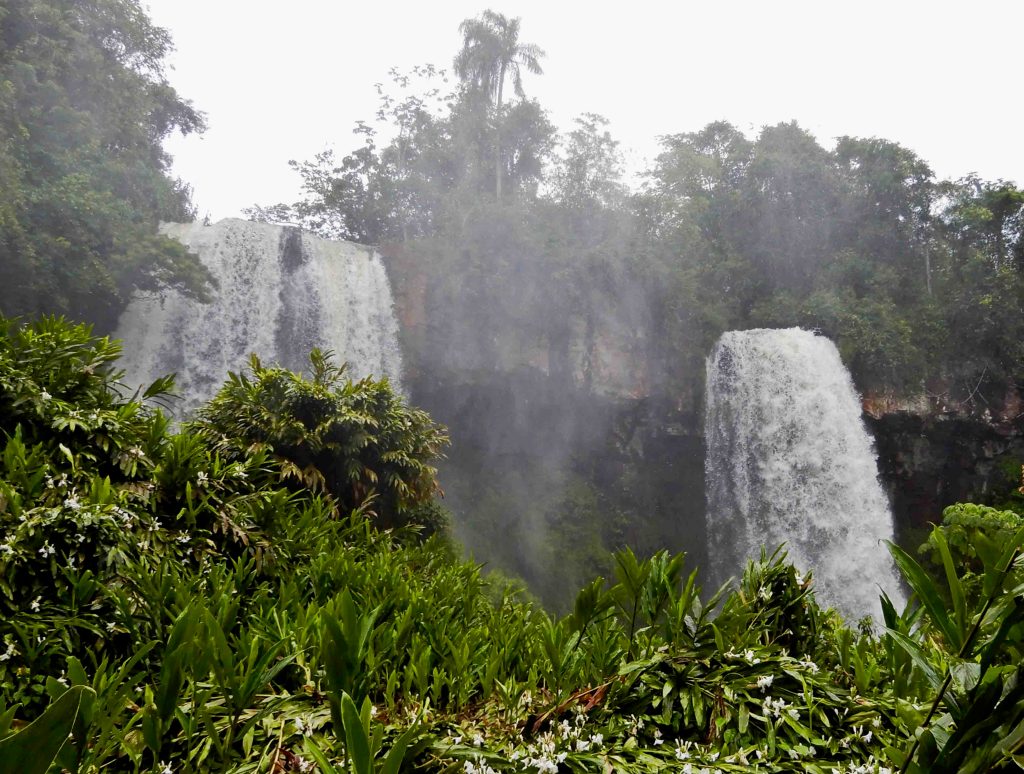
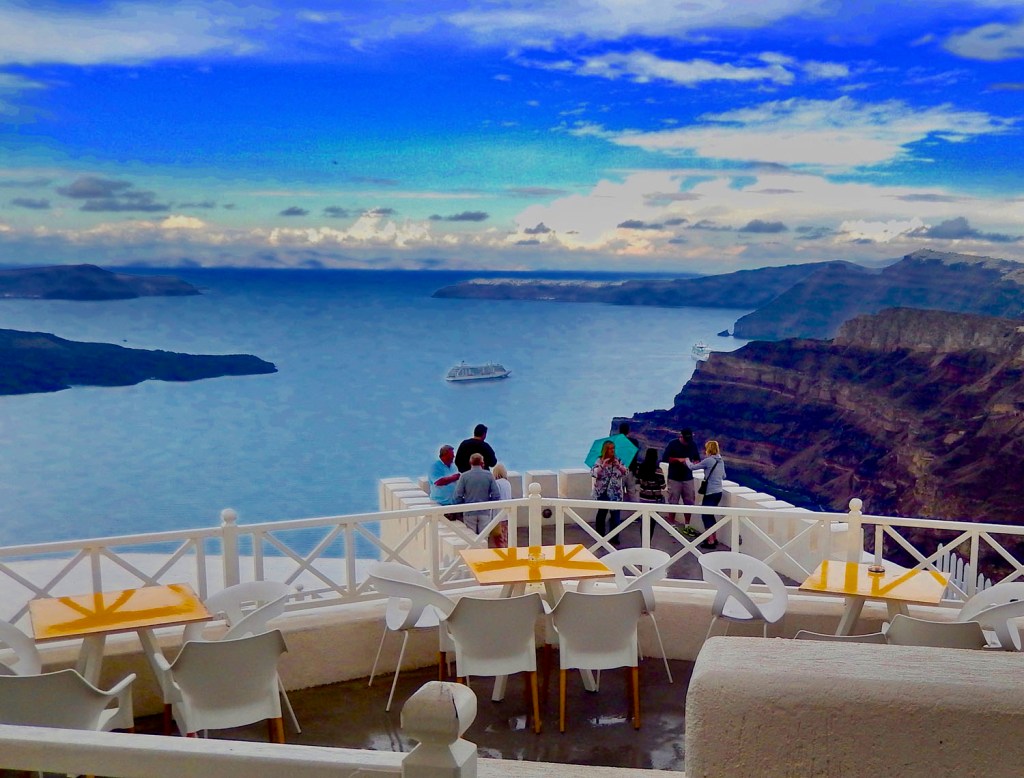
You’re standing on the deck of a cruise ship near Santorini, Greece that’s anchored in the middle of a ring of islands. The near island’s sheer cliffs rise almost a six hundred feet right out of the water. You are looking at the aftermath of the largest explosive event in all of human history.

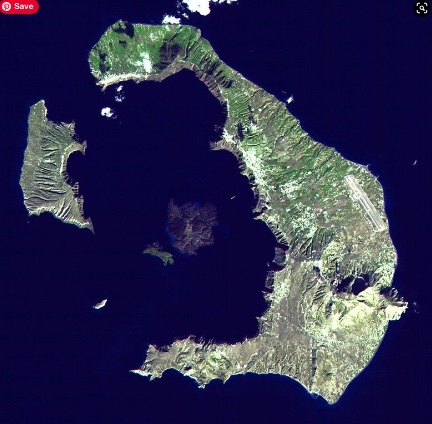
Over three thousand five hundred years ago* a volcanic eruption devastated the Aegean island of Thera. Scientists have estimated the volcanic eruption magnitude between 6 and 7, causing an ejection of approximately 14 cubic miles of dense-rock. This eruption was the largest volcanic event on Earth in all of human history.

That fiery eruption killed upwards of 40,000 people in just a few hours, while colossal tsunamis 40 feet tall swept across the Eastern Mediterranean, as it spewed volcanic ash well into Asia, and caused a drop in overall global temperatures with the blast itself being heard 3,000 miles away. Thera’s eruption was four or five times more powerful than Krakatoa and exploded with the energy of a thousand atomic bombs in a fraction of a second.

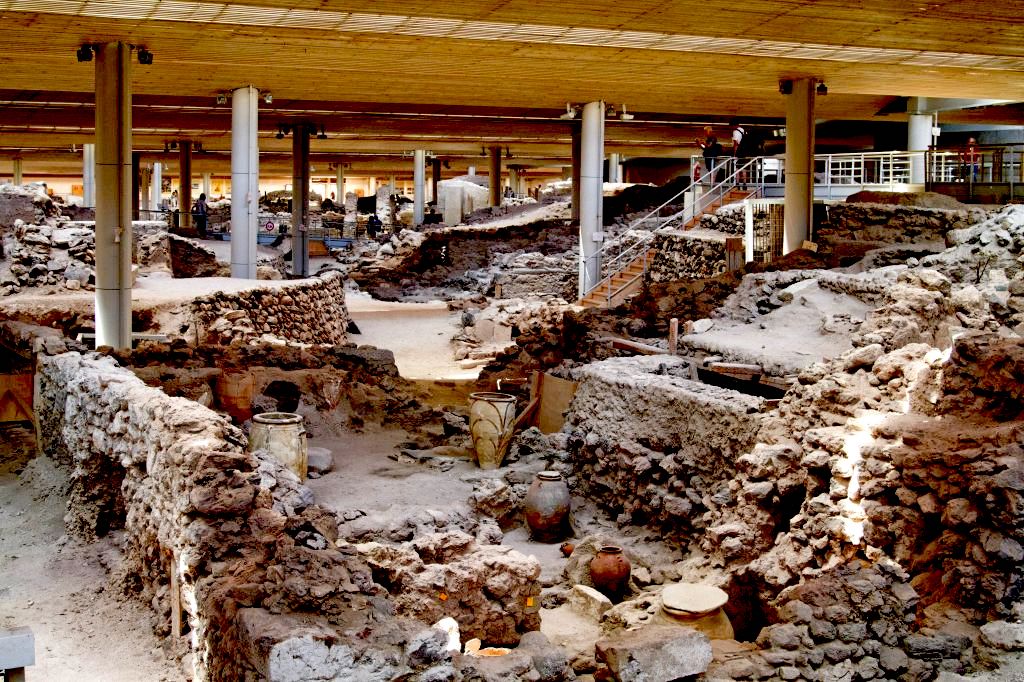
The event destroyed the Minoan city on the island at Akrotiri, with subsequent earthquakes and tsunamis destroying communities and agricultural areas on nearby islands and devastated the Minoan home island of Crete.

In Egypt 800 miles south of the Mediterranean coast on the Nile River, the ancient Egyptian city of Thebes was hit by a terrible storm and flood that devastated the city and surrounding area. A stele was discovered that records this event during the reign of Pharaoh Ahmose I*;

..the gods expressed their discontent… The gods made the sky come with a tempest of rain; it caused darkness in the Western region; the sky was unleashed, without … ?mercy?… the flooding was powerful even on the mountains more than the turbulence of the cataract which is at Elephantine. Each house, … each shelter or covered place that they reached… were floating in the water like the barks of papyrus even to the royal residence for..???… day(s)…
This eruption led to the rapid decline of the greatest Mediterranean civilization of the time, the Minoan, with their cities throughout the islands. Centered on the nearby island of Crete, the powerful Minoan civilization was swept by tsunamis spawned by the eruption, it swamped its naval fleet and destroyed its coastal villages. Next the drop in temperatures caused by the massive amounts of ash and sulphur dioxide released into the atmosphere led to several years of cold, wet summers in the region, ruining crops. The aftermath of the event overran every part of the Minoan civilization in less than 50 years. In just that short time, this advanced, peaceful, efficient empire gave way to the warring city-states of ancient Greece that began to dominate the Eastern Mediterranean.

A number of researchers believe that Thera and the city of Akrotiri is the origin of the legend about the lost city of Atlantis, written about by Plato. There is a lot that seems to fit the story including a recently excavated fresco in Akrotiri showing the ringed canals surrounding a city that was described by Plato.

If you have an opportunity to visit Santorini be sure and make time to see the remains of the Minoan city buried by the eruption. Akrotiri is a major archeological excavation site open to the public that will probably exceed the size of the famous archeological excavations at Pompeii Italy. It is also a treasure trove of some of the worlds oldest frescos, well preserved after being buried in the eruption while still showing remarkable detail and vibrant colors. Akrotiri is located on the southern end of the island. Considering how long ago this city was built it is amazing to see multiple story buildings, complex plumbing that suggests the homes had hot and cold running water and those amazing frescos covering their walls. It also suggests that the residents knew disaster was coming as it seems they fled the island taking their valuable possessions like jewelry with them.
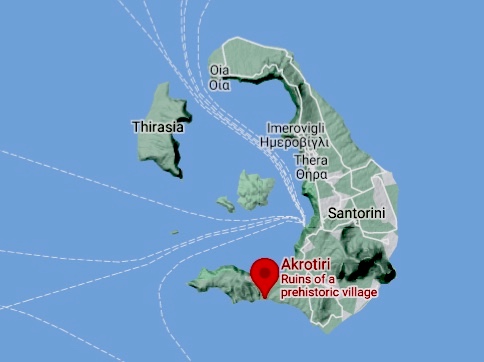
*The exact date of the eruption is still being debated as there is conflicting data but it probably occurred between 1620 and 1500 BC. The Thera eruption is thought to have occurred no sooner than 1500 BCE from archeological evidence, although, based on Greenland ice-core and from tree-ring and radiocarbon dating, some scientists think it may have that it occurred as early as 1620 BC. Even the reign in Egypt of King Ahmose I has been adjust several times as evidence of age of various rulers have been updated. Ahmose I is considered the founder of the the New Kingdom of Ancient Egypt who is currently believed to have ruled from 1551-1526 BC.

Graffiti – Art or Vandalism?

As we travel the world I am drawn to taking photographs of graffiti. I believe that graffiti can tell you a lot about a place or perhaps about attitudes of local residents and civil authority. It shows how people feel about the place where they live. At times showing pride but especially in the case of graffiti often displaying disrespect or even contempt. A lot of graffiti is nothing more than visual pollution and vandalism, downgrading a neighborhood’s environment and reflecting a community in decline. By actions or inaction local authorities can create an environment where it can become malignant and out of control. This is obvious when you travel widely and discover places where graffiti virtually does not exist and others where it has significantly degraded the environment.

As a country, Germany is suffering a particular plague with graffiti but recently we visited a community that seemed to have no graffiti at all, Bamberg, Germany. This is a beautiful and historic town popular as a tourist destination. It features winding cobblestone streets, a picturesque riverfront, a famous cathedral along with an unusual smokey beer. Initially we were impressed with the lack of graffiti but after a while we started noticing subtle blotches of paint that didn’t perfectly match the surroundings. It became soon obvious that locals were actively painting over graffiti as quickly as possible in an effort to maintain the character of their town. After asking around we learned that the city was both arresting the “artists” and fining the building owners if they don’t quickly erase the graffiti.

Another measure about a community as a place can be seen in graffiti that is often described as street art. It can actually elevate the areas environment. Often I have thought about where a line should be drawn in prohibiting graffiti while allowing street art and admit I can’t find a clear line. As the old saying goes – I may not know what it is but I know it when I see it.

A Ladder Sits At A Church Window

A Ladder At The Church of the Holy Sepulchre

Located in the northwest quarter of the Old City of Jerusalem is a church erected on the most sacred site in Christianity. It sits against a hill known as Calvary or Golgotha where Jesus was crucified. Within the church dating back to the forth century is the tomb where Jesus was buried and resurrected.

A ladder at a second story window

The church was originally built by the mother of Emperor Constantine in 330 A.D., with current research confirming the Church is the most likely location of these events.

Historical records indicate that the site had become the focus of Christian pilgrimages as early as 90 AD. In 132 AD the Roman Emperor Hadrian had the site actually leveled and a temple to Venus erected in an effort to stop the Christians from using it. After the Empress Helena of the Roman Empire, and mother of Emperor Constantine the Great discovered the site Constantine had the Roman temple removed and the Church of the Holy Sepulchre built upon the spot.

Church of the Holy Sepulchre

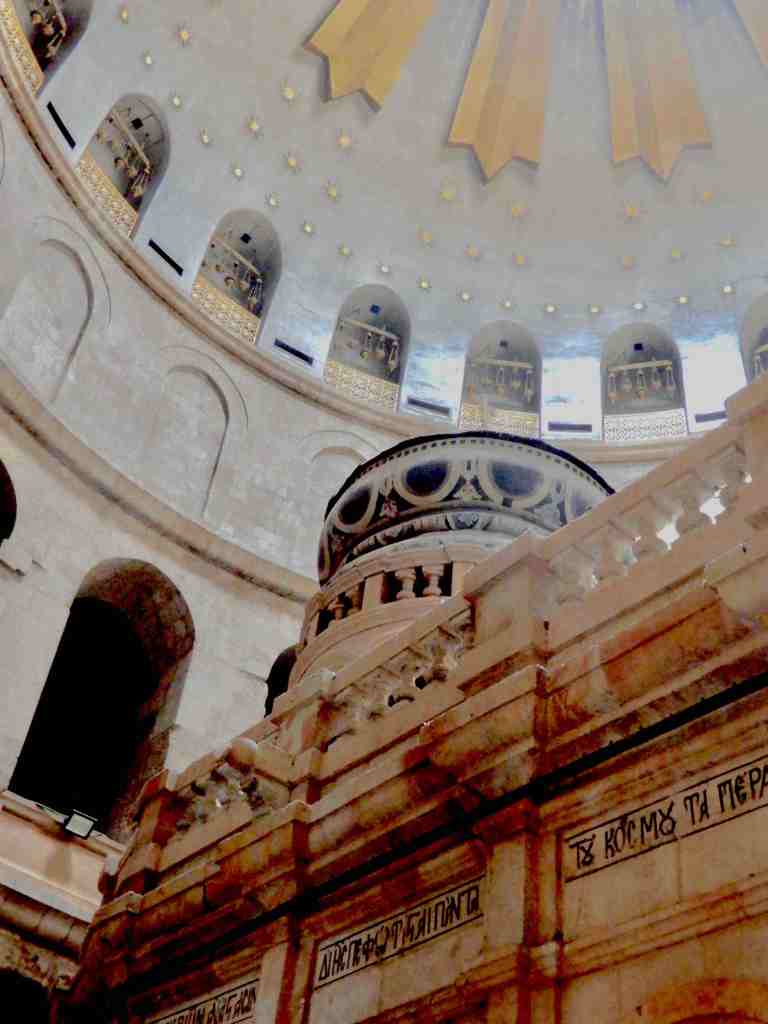
Today the tomb itself is now enclosed by a 19th-century shrine called the Aedicula. The Status Quo, an understanding between numerous religious communities watching over the church dates back to 1757, and applies to everything involving the site.

A man working on the church in 1785 left behind a ladder outside a second story window. Because the members representing The Status Quo cannot agree on what to do about that ladder it still sits on its ledge today. Imagine how difficult it would be to accomplish anything important?

Another oddity about the church is that its doors are protected by two Muslim families. In 1192 after the Muslim Salah A-Din recaptured Jerusalem, he assigned the roll of opening the Doors of the Church of the Holy Sepulchre to two Muslim families, the Nuseibeh as the Door Keeper and the Joudeh as the key keeper. Over more than 800 years now, every time the doors are opened a member of the Joudeh family brings the Key and a member of the Nuseibeh family uses the key and open the doors of the Church of the Holy Sepulchre.

Just inside the entrance to the church is the Stone of Anointing or Unction, which tradition believes to be the spot where Jesus’ body was prepared for burial by Joseph of Arimathea. One of the rituals upon visiting the church is to lean in and touch the stone. Many people report a religious experience upon laying their hand upon the Stone of Anointing.

The Shrine and Vault inside Church of the Holy Sepulchre

Improving Cell Phone Photography

Phone Photography Tips

Spend some time getting to know your cellphone’s photo app functions. Most people know that to set the point of interest in a scene simply tap the screen at its location and the phone selects to set focus and exposure. Often a good choice but what if the lighting isn’t right or the object is in motion?

Use The Photo App Options

Most phone apps when opened start out in “photo auto” mode but there are additional options. They usually include features like “portrait” or “people” mode, “backlight” and “night scene” as a minimum. Each mode has a set of program features designed specifically to improve those sort of pictures. Beyond those there are usually a number of additional features you can explore.

Switching To Manual Mode

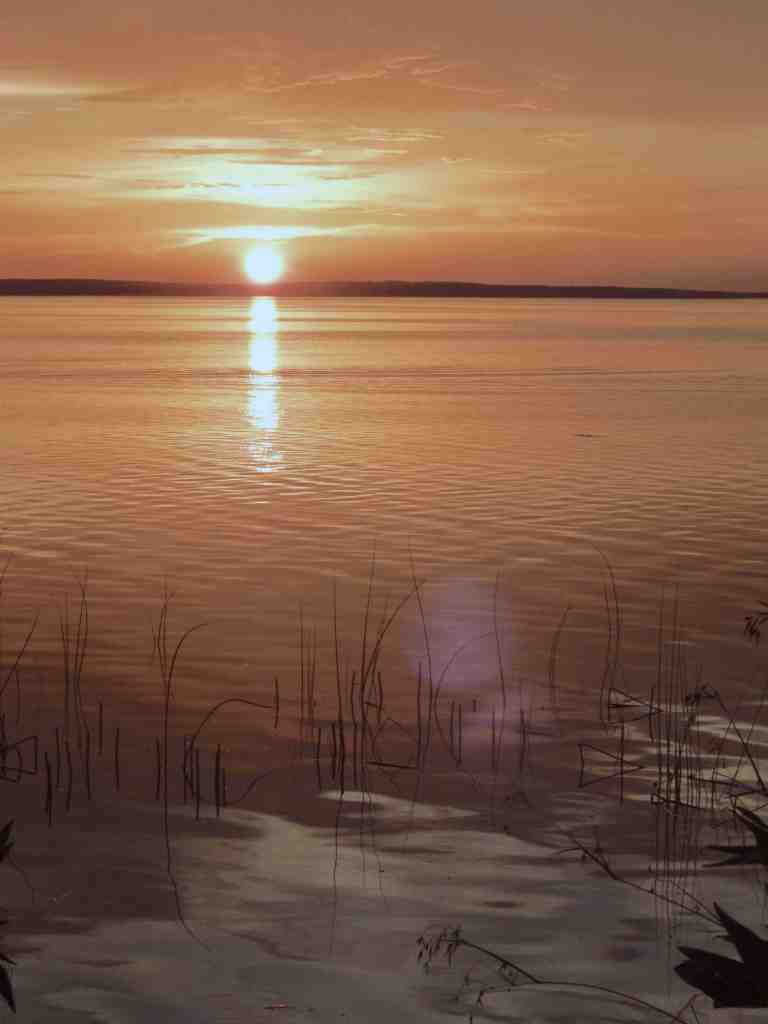
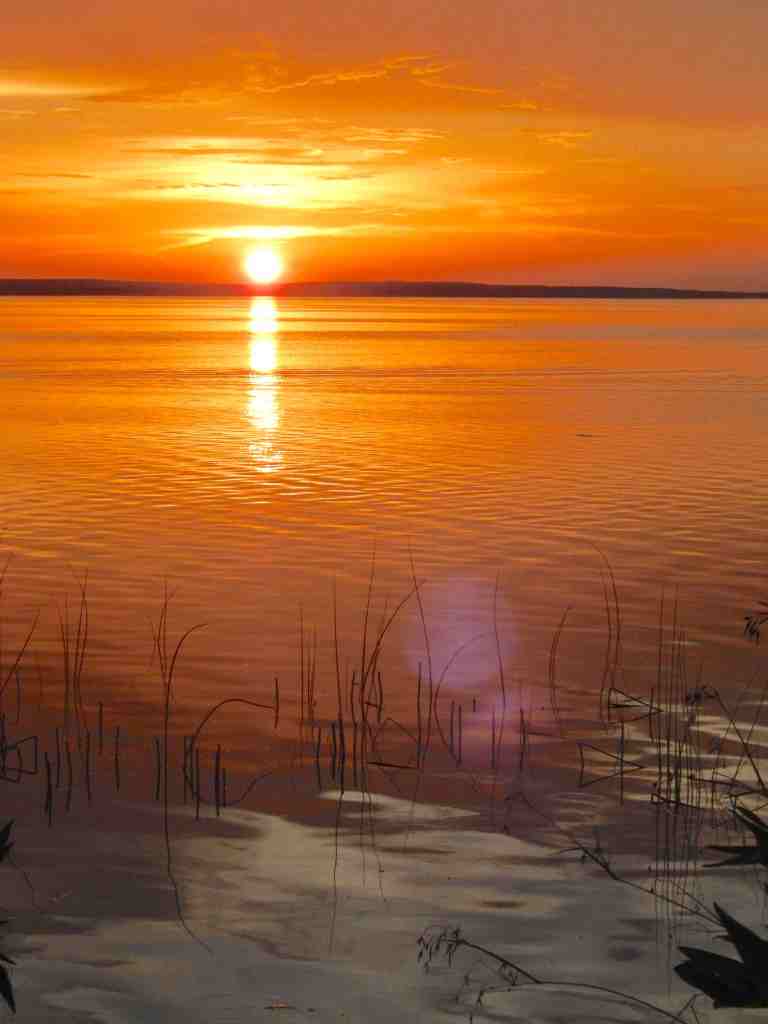
Your photo app probably has a feature called white balance which most of the time is very useful. It is designed to detect an overall color cast in each scene and correct it to a neutral cast. There are shooting moments when this will actually change the character of the scene that attracted you to take the photograph in the moment. There’s a good likelihood that white balance will ruin that sunset photo. Because your phone is trying to balance out all the colors in order for it to look natural based on its program, sometimes it works against you. Many apps allow you to to turn off white balance or change the white balance setting to cloudy. The cloudy setting generally gives you a higher contrast and brighter color. Play around with your phones white balance settings to get more comfortable overriding those settings.

Enable The Grid Lines

Activating grid lines is an easy way to give you more guidance while taking a picture. It helps remind you about the rule-of-thirds (see more HERE). It’s also an excellent guide to let you see those perspective distortions in the scene and will guide you in changing the angle of the phone and that effect.

Get in the habit of using the grid lines on your phones screen to play around with the images composition.

Adjusting Exposure Most phones usually have a tendency to overexpose photos so play around with what overall light and dark options you have. Also while you are viewing the screen of you phone you can tap locations in the scene to tell the phone where you want it to adjust where the nominal exposure should be. It also attempts to adjust focus to the selected spot.

Reducing overall exposure is usually preferred to over-exposure. After treatment of your photo will usually allow you to lighten up dark areas but over exposed areas don’t darken well. Often there isn’t enough detail in over-exposed areas to be recovered because it’s too washed out.

Avoid Digital Zooming

Beyond the information in the image provided by the phones lens there isn’t any additional information that can be captured. Often simply enlarging the image after the picture is captured will produce the same result, and at times better results, than the digital zoom. There is also the issue with holding the phone steady when zoomed to avoid excess motion blur. That is a direct issue with high magnification actually magnifying slight motion in the phone.

If your phone has an optical telephoto lens that allows you to zoom in without losing quality, your only concern is vibration and hand shake causing blur.

Macro Mode

Not all phone camera apps but many have a macro mode. Usually designated by a flower. Not only does this allow you to get really close to objects it also offers an opportunity to create some dramatic out-of-focus backgrounds. If you haven’t given this much thought give it a try and see what you can create, there’s no real cost in taking lots of digital images so spend some time playing around.

Also, if you don’t have a macro mode or a telephoto lens there are remarkably inexpensive attachment lenses you can buy that will greatly expand the photographic potential of your cellphone. CLICK HERE FOR EXAMPLES. Most kits spring clip the lenses to your phone and include macro lens, wide angle, fish eye and some have a telephoto lens.

Clean your lens

This may seem like a silly notion but often the biggest item reducing the quality of your pictures is that fingerprint or speck of dust on your cellphone lens. Take a moment to think about your past camera lenses and their size. Chances are they were over an inch in width (sometimes more than two inches). Now look at that lens on your cellphone – a quarter of an inch or less. The smaller the lens the bigger impact that dust has on the image. Keep your lens clean – big difference! Be sure and use lens cleaning wipes or alcohol and a soft, lintless cloth.

Changing Your Perspective

When we move around the world we don’t usually see it as a series of still visual frames. Our minds are always processing the environment and focusing our attention on areas it finds interesting. What we are left with are experiences and not still pictures. It is that experience that often leaves us disappointed in the photographs we take. They often do a poor job of demonstrating what we saw and why we were fascinated by the moment. Understanding this is actually a big step toward taking better photographs. We need to stop being in the moment and start forcing ourselves to see the two dimensional screen and ask if it is saying anything about what attracted us to take the picture in the first place.

Don’t expect the cellphone to understand what attracted you to take the picture and as of now composition is not part of its programming. So don’t just point and shoot. Look beyond the scene in front of you and look at the screen and what it’s saying about the scene.

To improve your options after the moment set your phone to the highest resolution and take in more of the scene than the center of interest. Later either in your phone or an additional app you can crop the image for a more interesting image.

While the Android and iPhone built-in Camera apps are fantastic, sometimes it doesn’t give you enough manual control. For example, you can’t adjust shutter speed or ISO settings.

If you want DSLR-like control over the iPhone camera, you can download a third-party iPhone camera app. The best iPhone camera apps include Halide for a full suite of manual controls, Obscura 2 for a more user-friendly experience, VSCO for both capturing and editing photos and . for more control over both photos and videos.

For Android users there’s Open Camera that includes all the manual camera controls. It is an open source app where you get all the features for free. There are no in-app purchases or ads.Also take a look at Camera Zoom FX another raw-capable third-party camera app for Android that provides a good amount of manual control over the camera, including shutter speed adjustments on compatible Android devices. Another is Camera MX and it is free and a good improvement over point-and-shoot camera settings.

Richard The Lionheart In The Holy Land

King Richard I And The Third Crusade

King Richards Banner At The Hospitallers Fortress

In the twelfth century various orders of knights controlled land and cities along the Mediterranean coast from Tyre in Lebanon to south of Acre in Israel. The major orders included the Order of the Knights of St. John or The Hospitallers, the Order of the Temple of Solomon or The Knights Templar and the Knights of St. Lazarus. In addition to the orders that were commissioned by the Pope, Christian kings answered the Papal call and raised their own armies to go to the Holy Land to regain Jerusalem and protect Christian pilgrims.

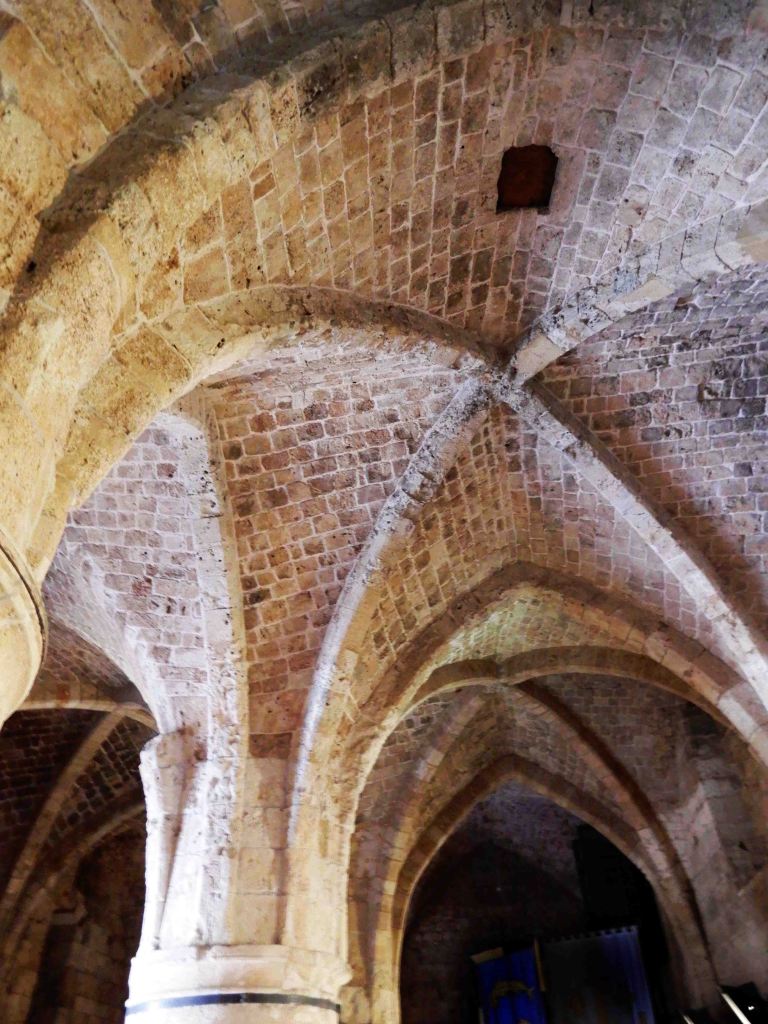
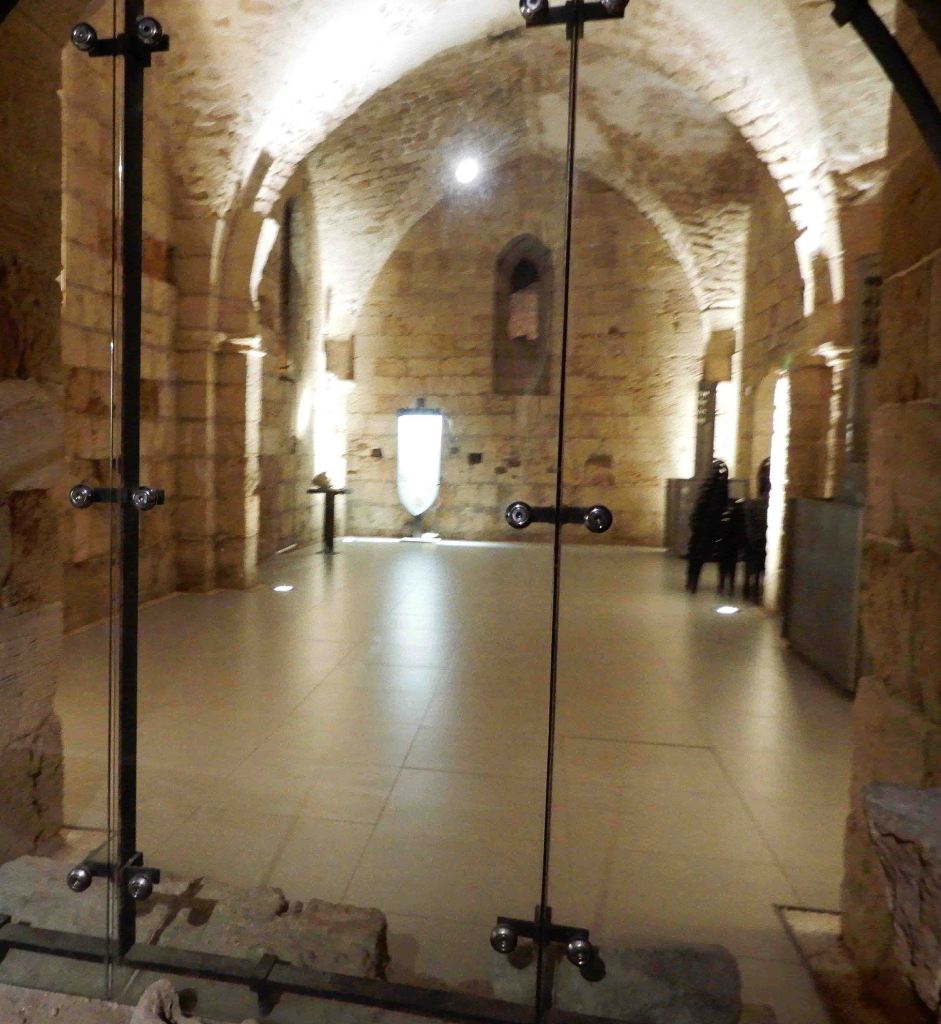
Crusader fortresses still dot the Mediterranean coast and in Acre there’s an impressive fortress that belonged to the Hospitallers, also known as the Order of the Knights of Saint John. Military orders consisted of warrior monks a was a new concept created in the time of the Crusaders. The Hospitaller order was founded before the Crusades in order to help pilgrims on their journey to the Holy Land, but because there was a need to protect the pilgrims it evolved in a military order. The Hospitallers were the largest Christian fighting force in the Crusades and their massive fortress in Acre was the orders headquarters.

The Templars Garden Acre

One of the most famous of the Crusader kings was King Richard I, The Lionheart of England. His exploits were legendary and while many were true others evolved and grew long after his passing. The stories of his exploits in battle are mostly fact based and his capture in Austria and ransom is also factual. The legend of Robin Hood, while based on the reign of Richard and his evil younger brother John didn’t appear until one or two hundred years after his death.

The Third Crusade and Richard The Lionheart

In the Second Crusade the great Muslim general Saladin on October 2, 1187, took the City of Jerusalem ending 88 years of Christian control. Crusader strongholds, including Acre, Tiberias, Caesarea, Nazareth and Jaffa also fell to Saladin. He failed to capture Tyre in modern day Lebenon with its coastal fortress to which most of the surviving Crusaders retreated after their loses.

In the wake of Saladin’s capture of Jerusalem, Pope Gregory III called for a new Crusade to recapture Jerusalem. In 1189, forces mobilized at Tyre and launched the Third Crusade, led by three powerful Christian kings: Frederick I “Barbarossa,” the German king and Holy Roman Emperor, King Philip II of France and Richard I “The Lionheart” of England.

The Crusaders laid siege to Acre, finally capturing it in 1191 along with most of Saladin’s navy. Yet despite the military prowess of the Crusader forces, Saladin withstood their onslaught and managed to retain control over most of his empire.

On September 7, 1191, after the Battle of Arsuf, the Crusader army proceeded from Arsuf to Jaffa, which the Crusaders took and fortified. Jaffa, became the base of operations in a drive to reconquer Jerusalem itself. During the winter months, King Richard’s men occupied and refortified Ascalon and in the spring of 1192 the Crusader army made another advance on Jerusalem, coming within sight of the city before being forced to retreat once again because of disagreement among the Crusader leaders.

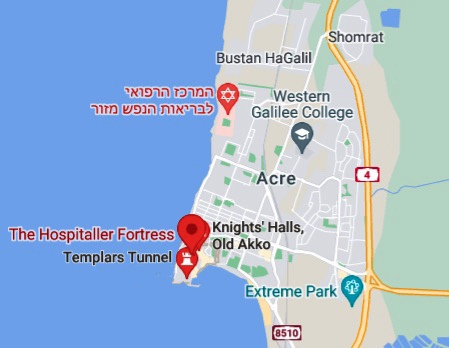
Hospitallers Fortress In Acre

By July 5, 1192, Richard began his withdrawal from the Holy Land. Having realized that Jerusalem would not be defensible if it were to be captured and learning of problems involving his younger brother back in England. As he began the withdrawal of Crusader forces from the territory, immediately Saladin, still smarting from his recent defeat at Arsuf, saw a chance for revenge. On July 27th, he laid siege to the town of Jaffa which had served as Richard’s base of operations. The defending garrison was taken by surprise but put up a defense before Saladin’s forces proved too great. Saladin’s soldiers successfully stormed the walls after several days with only Jaffa’s citadel holding out as the remaining Crusaders managed to send word of the attack.

Getting word from Jaffa, Richard gathered a small army, including a large contingent of Italian sailors, and hurried south. Upon seeing Muslim banners waving from the walls, he believed the Jaffa to be a losts, until a soldier swam out to his ship and informed him of the citadel’s situation. Richard leaped into the sea and waded to the beach leading fifty-four knights, a few hundred infantrymen, and about two thousand Italian crossbowmen into battle. The Muslim army panicked at the sudden offense by Richard’s force. The Lionheart is said to have fought at the front of his attack, and Saladin’s men were routed. Saladin was unable to regroup his forces until they had retreated more than five miles inland. Toward Jerusalem.

Hospitallers Fortress Grand Hall

After Saladin received reports that more of the Crusaders were coming from Caesarea to reinforce Jaffa, he launched a counterattack to recapture it before additional reinforcements could arrive. On the early morning of August 4, Muslim troops massed around the walled town, concealing themselves in the fields and intending to attack at dawn the next day. Just before sunrise, however, an Italian soldier out for a walk discovered the hidden army and the sentries promptly raised the alarm. Richard quickly assembled his knights, infantry and crossbowmen for battle. He ordered his infantry, including unmounted knights, to form a defensive line of spears by kneeling and driving their shields and the shafts of their spears or lances into the ground. The crossbowmen stood behind the protective wall of spearmen, working in pairs, one firing whilst the other loaded. Richard kept his handful of mounted knights as a reserve in the rear. The lightly armored Muslim cavalry repeatedly charged. However, when it was evident that the Crusaders were not going to break ranks, they veered away from the spears without coming to blows. Each attack lost heavily to the fire of the crossbows. The armor of the Christians proved better able to withstand the arrows of the Saracens while crossbow bolts decimated the Saracens. Having suffered considerably from the crossbow bolts without having been able to dent the Crusader’s defenses, Saladin’s cavalrymen were routed by a charge of the knights, only 10 to 15 of whom were mounted, led by the king himself.

While the battle outside the fortification raged, a group of Muslim soldiers outflanked the Crusader army and entered Jaffa. Before the Muslims could exploit their success, Richard himself galloped into the town and rallied all of its fighting men.

By evening, it had become clear to Saladin that his men had been soundly defeated and he gave the order to withdraw. Saladin’s forces had suffered 700 dead, and lost 1500 horses; the Crusaders lost 2 dead, with many wounded.

This defeat caused Saladin to agree to a truce with Richard the Lionheart in late 1192 that ended the Third Crusade. The truce allowed the Crusaders to control much of the coast and would allow Christian pilgrims to visit Jerusalem in peace. King Richard The Lionheart soon departed for England to re-secure his throne.

Visiting Castles In Europe

Traveling around Europe it’s hard not to be drawn to those fantastic castles found in virtually every country. They stand as a substantial reminder of a remarkable history. There’s a tour guide joke about traveling thru Europe called ABC – it has a dual meaning standing for Another Beautiful Church or Another Beautiful Castle. Following is a quick video tour of these remnants of medieval history.