Port of Call Singapore

The port city of Singapore is what the future will hopefully look like. A world-class city that is modern, clean, safe and easy to get around in. You will be amazed by this place and we cannot say too much about the people, who are friendly, courteous and seem to live life with a dedication that is becoming all to rare in today’s world.
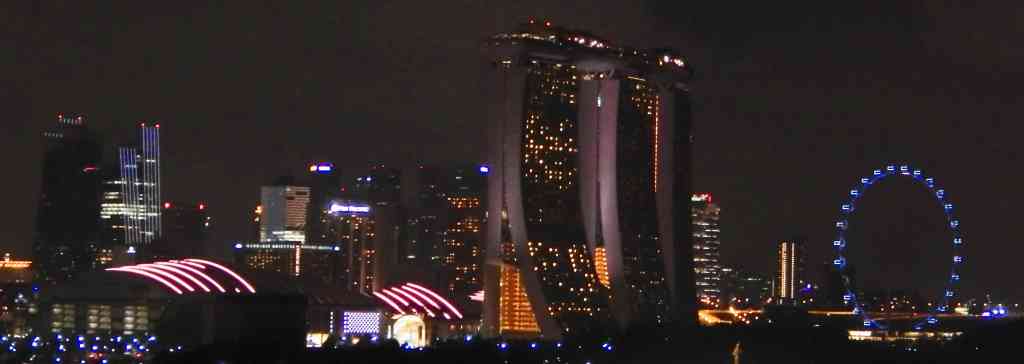
Singapore At Night

Singapore is both a port of call and a popular departure port. If you are taking a cruise out of Singapore give yourself a treat and allow at least a two or three days to explore this city.

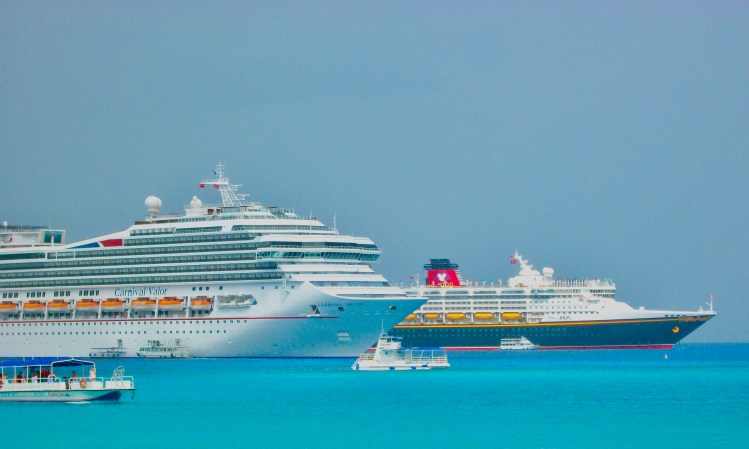
Ships anchored off Singapore waiting their entry into the straights of Malacca, one of the worlds busiest ocean transits.
Marina Towers

Where You’re Ship Docks

Ships can dock at a number of piers from behind Brani Island over to the Marina area. Marina Bay East is the most likely for the larger cruise ships. Either way, the good news is that the central city fans out from around the waterfront and the cruise ship piers. There is also easy access to the MRT (the metropolitan rapid transit system) only a short walk away from most piers. Most piers also have good, well marked sidewalks out of the port area.

While it is convenient to book a tour offered by the ship or do a Hop-On Hop-Off Bus, Singapore is a city easy to explore on your own. At Marina Bay East it is about a quarter mile walk over to the nearest MRT station. Because a number of ships do overnights in Singapore it is a recommendation to get a one or two day Singapore Tourist Pass and select a few destinations.

Wheelchair Accessibility

City Characteristics – This port has a well developed wheelchair friendly infrastructure. The port area is flat or has few inclines. Intersection crosswalks have few issues with curbs or other wheelchair obstacles.

Singapore MRT

Transportation

Taxis – Taxis are plentiful and reasonably priced. A taxi ride between the Marina Bay Pier and the airport should be under US$20.
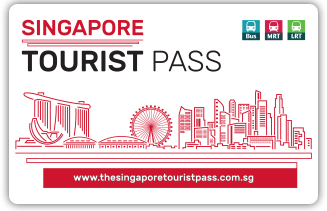
1 To 3 Day Singapore Tourist Pass (STP) Cards

Buses and the MRT – Singapore has an excellent public transportation system that includes modern buses and the MRT, one of the worlds best rapid transit systems.

Facade of a Hindu Temple

Singapore offers a one, two and three day tourist transit passes that cost $10, $16 and $20 plus a refundable $10 card deposit. The pass allows for consecutive daily use of all buses, MRT and LRT trains.

For one or two transit trips you could consider purchasing individual trip tickets for $1.40 each. Those tickets are easy to figure out and purchase at automated kiosks in transit stations. Each ticket is valid for one entry and exit within a couple of hours of entry. Singapore Tourist Pass (STP) can be purchased from selected TransitLink Ticket Offices or the Automated STP Kiosk at terminal 2 and 3 at Changi Airport. You can receive your deposit refund on the pass at ANY TransitLink Ticket Offices. To locate all TransitLink Ticket Offices. You can also get a refund at SMRT Passenger Service Centers located at Changi Airport, Kranji, Lavender, Dhoby Ghaut and the Marina South Pier, but not at the Singapore Tourist Pass Kiosk at the airport.

Buses – Singapore has a fleet of modern buses and an incredible number of bus routes. Tourist cards work on all the buses and there are a couple of routes that provide service from the Marina area into the city center as well as along the coast to Changi Airport.

Money – Currently the Singapore dollar is equivalent to US$0.75 and it is recommended that you convert some currency as Euros and US Dollars are not generally accepted. Credit cards and debit cards are accepted everywhere.

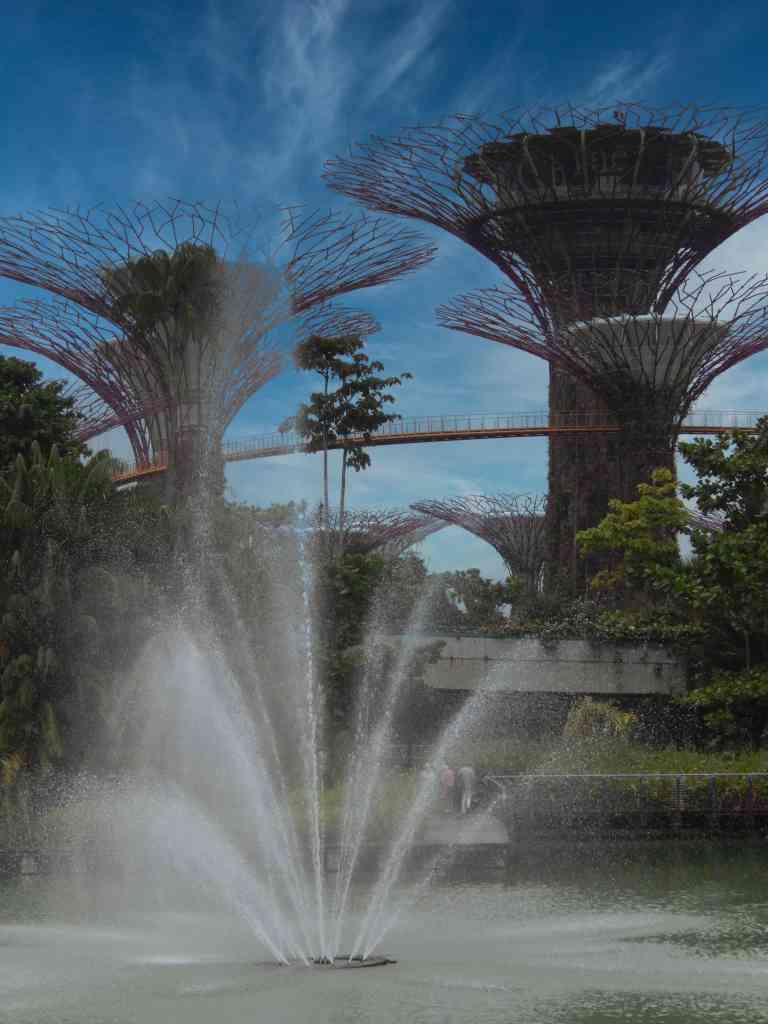
Locals exercising in a Singapore park
Gardens By The Bay

Attractions

Gardens – Singapore has a number of great gardens starting with Singapore Botanic Gardens which is a tremendous place to spend a few hours. Nearby is the National Orchid Garden and don’t miss the Gardens by the Bay which are very near the cruise docks.

Hindu And Buddhist Temples – The development of Singapore under the British used laborers from India and they built a number of Hindu Temples. Most are beautifully decorated with sculptors and bright paintings and you could easily spend a day just visiting these and a Buddhist temples.

China Town

China Town and Little India – Singapore is a very ethnically diverse city and the Chinese and Indian populations are an integral part of city life. Both have interesting enclaves where you can find unique shopping opportunities along with good restaurants worth a few hours of your time.

Modern Singapore – This is a modern, fast growing and vibrant city, which has become a shopping Mecca and probably has more world famous restaurateurs than any place else on Earth. Be sure and fit in a visit The Marina Bay Towers, which includes a shopping mall, a casino and a hotel, with a trip to the roof gardens being a must.
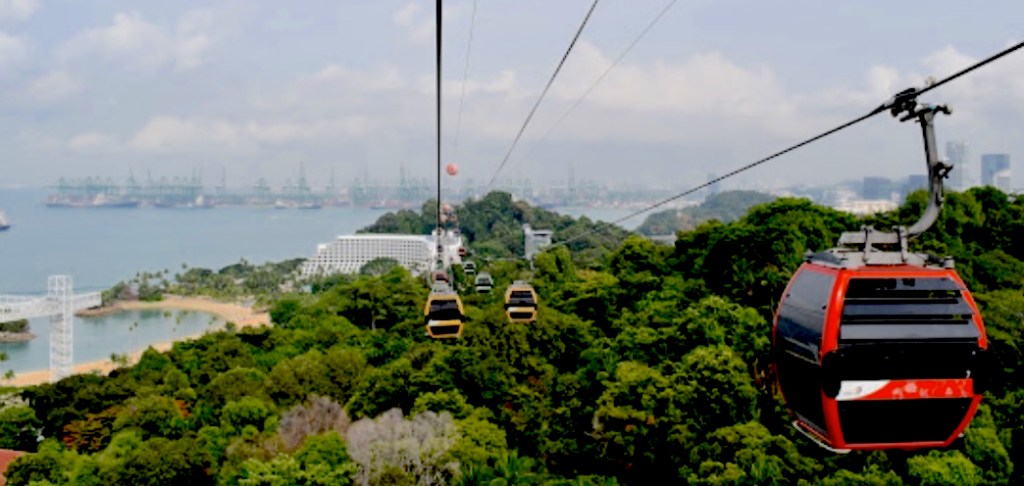
Modern, amazing, friendly – Singapore features restaurants by some of the worlds best chefs, incredible entertainment, spectacular gardens and great shopping. This city blends a number of cultures into a unique culture all its own.
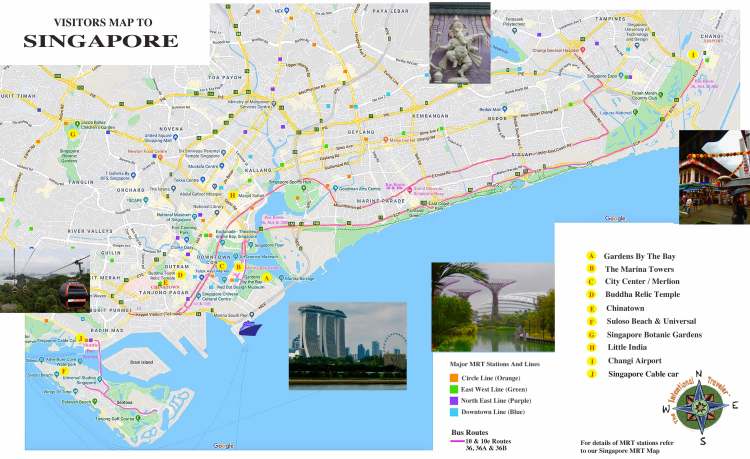
Download, save or print our Singapore maps and guide.

Which Stateroom To Book?

Selecting Your Cruise Stateroom

While it may seem obvious in deciding which room or category to book there are some points you may want to consider. For most people the decision comes down to what can you afford and should you consider an ocean view or a balcony stateroom.

A Royal Caribbean Suite

On most cruise ships cabins can be grouped into five categories; inside cabins, outside cabins, ocean view, veranda (balcony) or suite. There are usually a number of variations from ship to ship like some have balconies that look inside the ship instead of out to sea. There are also some ships that are all balcony and others that are missing one or two categories completely. There are also some additional categories like deluxe or a concierge class that can include upgraded dining, spas and more services but most ships are somewhat similar in their offerings.
SHOP NOW

If the money is not an issue why not just book a suite? Consider first what you are expecting on your cruise. Is it a long cruise where some extra room might really matter or is it a three or five day cruise where you expect to spend little time in the cabin? Why book an expensive stateroom if you don’t see yourself using it much? We’ve also even discovered an advantage staying in an inside cabin. It’s dark – with no windows that usually means we sleep longer.

Will this be a cruise noted for its scenery or is it mostly going to be days at sea? We strongly suggest at least an outside cabin and strongly recommend a veranda for cruising Alaska as well as some other cruises. Consider what makes the best sense for the cruise itinerary.

Oddly, for somer cruises, like trans-Atlantics, you may discover that usually less expensive cabins may actually cost more. This is usually dependent on when you book as the cruise ships are trying to hold onto less expensive categories for thrifty last minute bookings (See our article on saving money when booking).

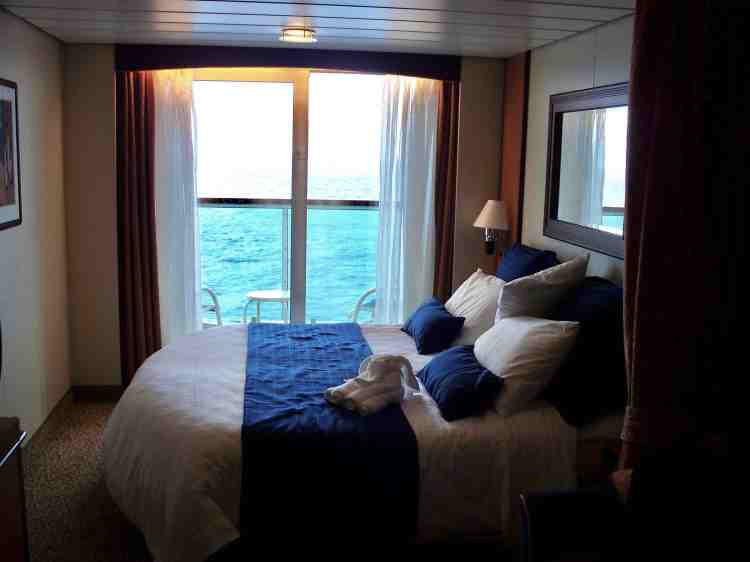
Oceanview and balcony cabins are actually very similar. They’re both usually about the same size and can be located on most decks, as well as forward and aft, though some cruise ships will not have balconies on lower decks. In addition most cabins have twin beds that will convert into a queen, a desk and a sitting area usually with a sofa or chairs. Many have convertible sofas or extra berths to fit additional passengers. Most work okay for families but can be too cramped if there are four adults cruising together. Bathrooms in both cabin types will vary, but usually feature a shower, sink and toilet and limited shelf space. Both usually have a set of standard amenities like a television, hair dryers, safes, and minifridge but vary by cruise line.

The key difference between ocean view staterooms and balcony cabins is, of course, one has a window and the other has a balcony furnished with a couple of chairs and a table. Oceanview cabins can have either a square window or a smaller round porthole, and most don’t open. Most balcony cabins have glass doors and an opportunity for sitting a watching the scenery glide by. If you’re cruising the Caribbean or other warm destination, you’ll spend some time out on your balcony but with destinations like the Baltic, Maritime Canada or Northern Europe probably not.

Again if money is not a consideration it really doesn’t matter but for most cruisers consider the itinerary and your options before booking a stateroom.

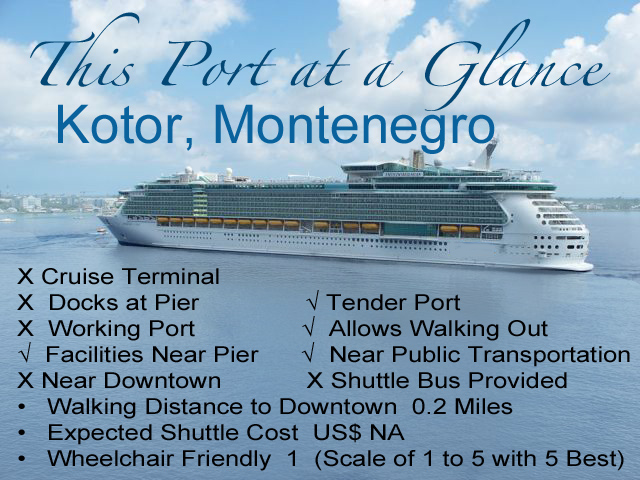
The Port of Kotor, Montenegro

A cruise port off the Adriatic Sea that’s gaining in popularity recently as much for the historic old city as for the incredible scenery.

Port of Call Kotor, Montenegro

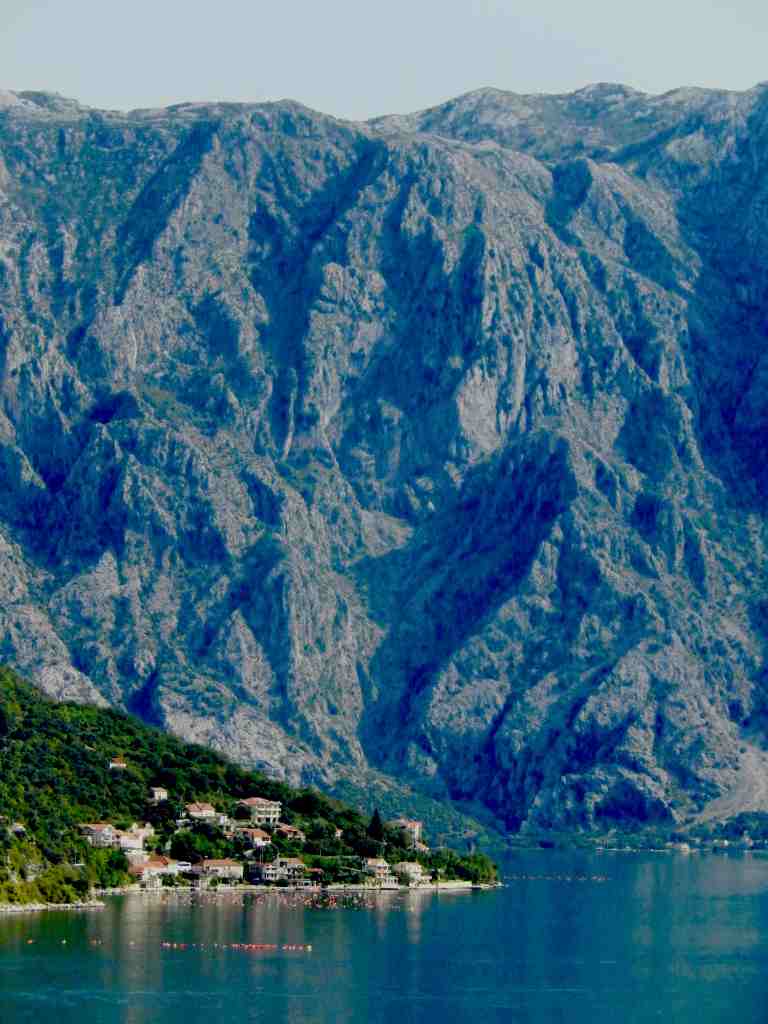
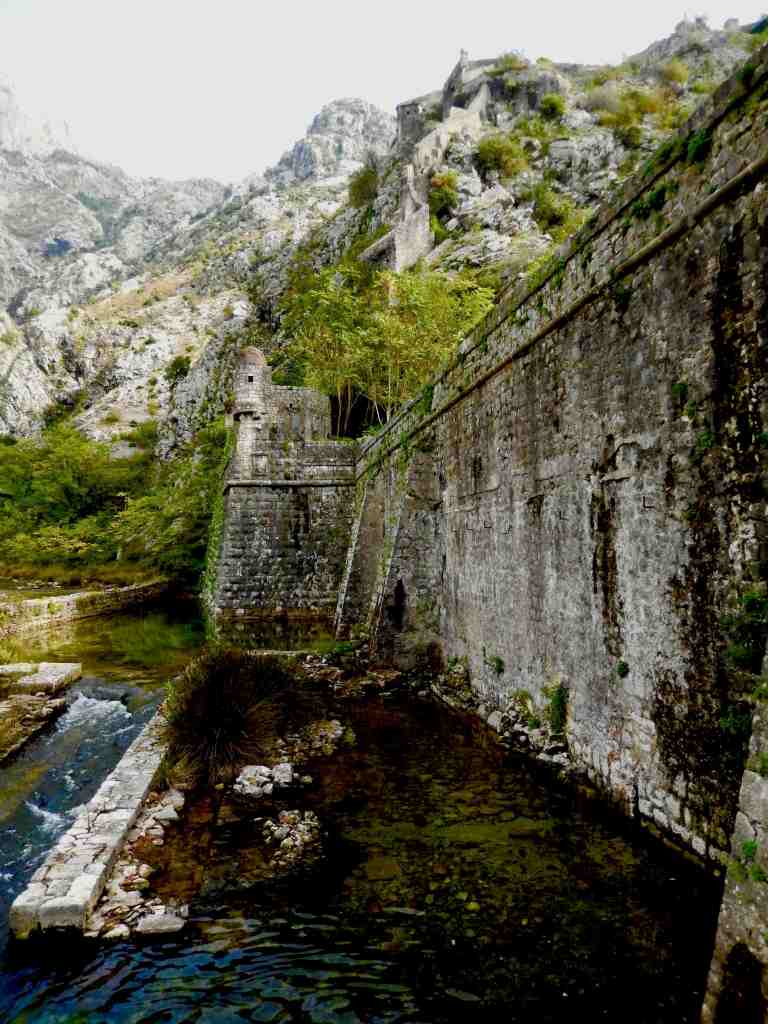
The old port of Kotor is ringed by steep limestone mountains and surrounded by fortifications built from the  Roman era to the Venetian period. It is located on the Bay of Kotor deep inland from the Adriatic Sea. The bay is actually a ria, which is a filled-in river canyon. Together with picturesque towns, the nearly shear limestone cliffs of the mountains of Orjen and Lovćen, Kotor offers an impressive landscape. The current population of Kotor is under 15,000.

Where Your Ship Docks – There aren’t docking facilities that can accommodate large cruise ships so the is mostly a tender port. The tender pier is located just outside the old city with a tourist information office and public facilities.

Transportation – Aside from the old city and the nearby town this is a reasonably isolated area hemmed in by steep mountains with its back to the bay. There are some tour buses that originate at the pier when ships are in. The old city is very walkable and if you are up for a hike there are trails up the mountain behind the city to the churches and fortifications.

Currency – The currency in Montenegro since 2002 is the Euro. One can exchange currency in banks or in numerous exchange offices and other currencies are no usually accepted in shops. Credit cards are welcome and there are some ATM’s.

In recent years Kotor has seen an explosion in tourists, with a majority coming by cruise ship. The cruising industry has greatly expanded in the Mediterranean recently requiring an expanded offering of port destinations. Kotor is the new beneficiary offering the mild environment of the Gulf of Kotor, the spectacular natural scenery and the history of the old town.

The oldest known building in Montenegro is an early Christian basilica, dating from the 6th century, based on archaeological evidence, it was uncovered under the Church of Our Lady of Remedy.

Kotor is part of the World Heritage Site named the Natural and Culturo-Historical Region of Kotor. The fortified city of Kotor was also included in UNESCO’s World Heritage Site list as part of “the Venetian Works of Defence between 15th and 17th centuries”.

Roman Era

The town was first mentioned in Roman writings around 168 BC, and was known as Acruvium, (Ancient Greek: Ἀσκρήβιον) and was part of the Roman province of Dalmatia.

The town has been fortified since the Middle Ages, when Emperor Justinian erected a fortress above Ascrivium in 535, after expelling the Ostrogoths. Ascrivium was later sacked by the Saracens in 840. It was fortified with walls and castle near the peak of Saint Ivan by Constantine VII in 10th century. It was one of the more influential Dalmatian city-states throughout the early Middle Ages.The city was part of Byzantine Dalmatia in that period, and the modern name of Kotor probably originated from its Byzantine name.

Our Lady of the Rocks

Located out in the Bay of Kotor, Our Lady of the Rocks sits on a manmade islet. According to legend, the islet was made over the centuries by local Croatian seamen who kept an ancient oath after finding the icon of Madonna and Child on the rock in the sea on July 22, 1452. Upon returning from each successful voyage, they laid a rock in the Bay. Over time, the islet gradually emerged from the sea.

Another church sitting far above the old town is the Lady of Remedy, along with the Byzantine Fort St. Ivan and the Chapel of St. John. The Lady of Remedy is a Roman Catholic church belonging to the Catholic Diocese of Kotor and dates from 1518. The church is perched on the steep slope of the St. John Mountain with a commanding view of the Old Town below.

If you are in good shape you should consider taking the hike up the mountain over the stairs and trail cut into the rock of the mountain. The road (walking path) ascends from behind the Church of St. Mary Collegiate in the back of the old town.

Wines of Montenegro

In Montenegro, grapes were grown over two thousands years ago and later the Romans brought wine making knowhow to the region. With a perfect climate for vineyards, wine making has flourished in the region with two varietals of special note– dark “Vranac” and bright “Krsta”. These wines carry the names of these grapes.


Port of Call St. Kitts W.I.

St. Kitts and Nevis

St.Kitts and Nevis are a twin island, independent Caribbean nation. Saint Kitts became home to the first Caribbean British and French colonies in the mid-1620s. Along with the Nevis, Saint Kitts was a member of the British West Indies until getting independence in September 1983.

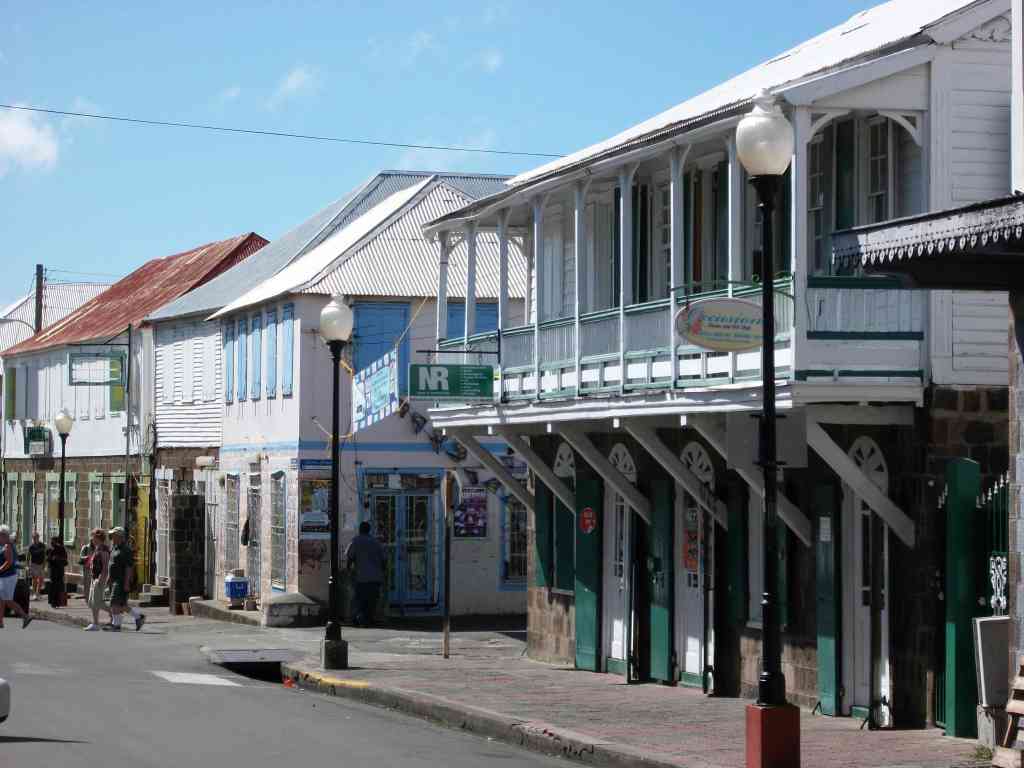
The town of Basseterre is the heart of the island with Port Zante at its waterfront. A few blocks up The Circus a traffic circle and traditionally it has been the town’s focus, with a number of businesses anchored there with the Ballahoo restaurant.

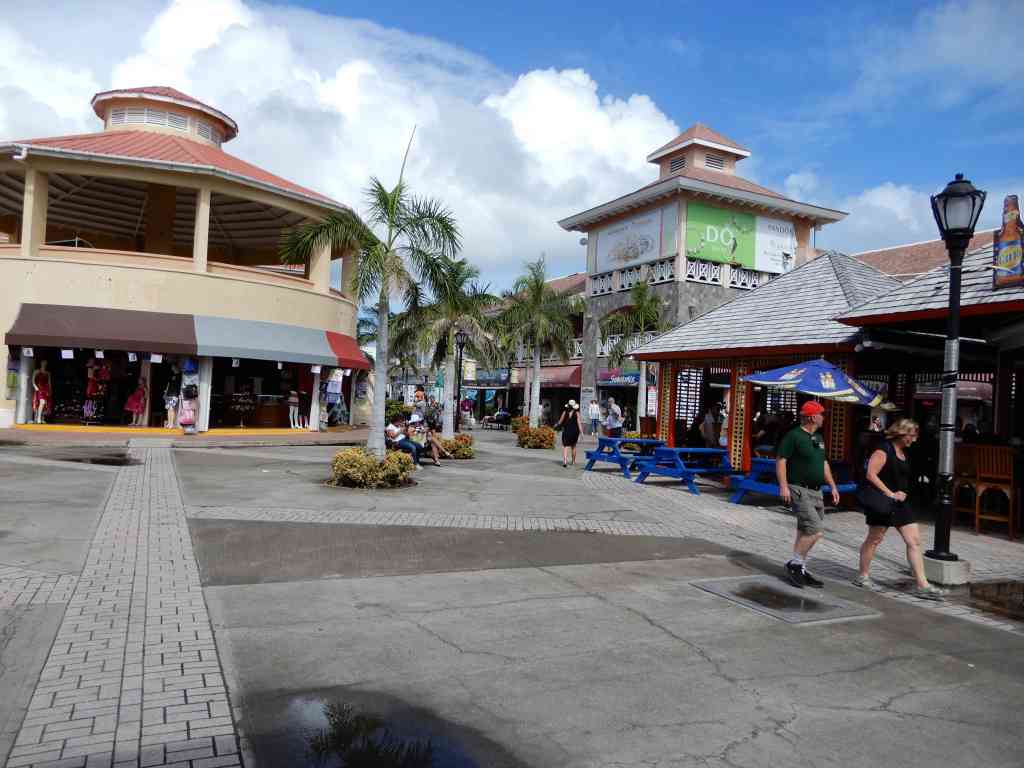
Port Zante, the cruise port

Where Your Ship Docks – The cruise docks are located at Port Zante an area that keeps expanding and most of the towns Circus shops have relocated there. The Port Zante shopping center was developed by a partnership of private developers and the government over a decade ago and, in 2013, a cruise ship pier was opened and doubled its docking space in 2018.

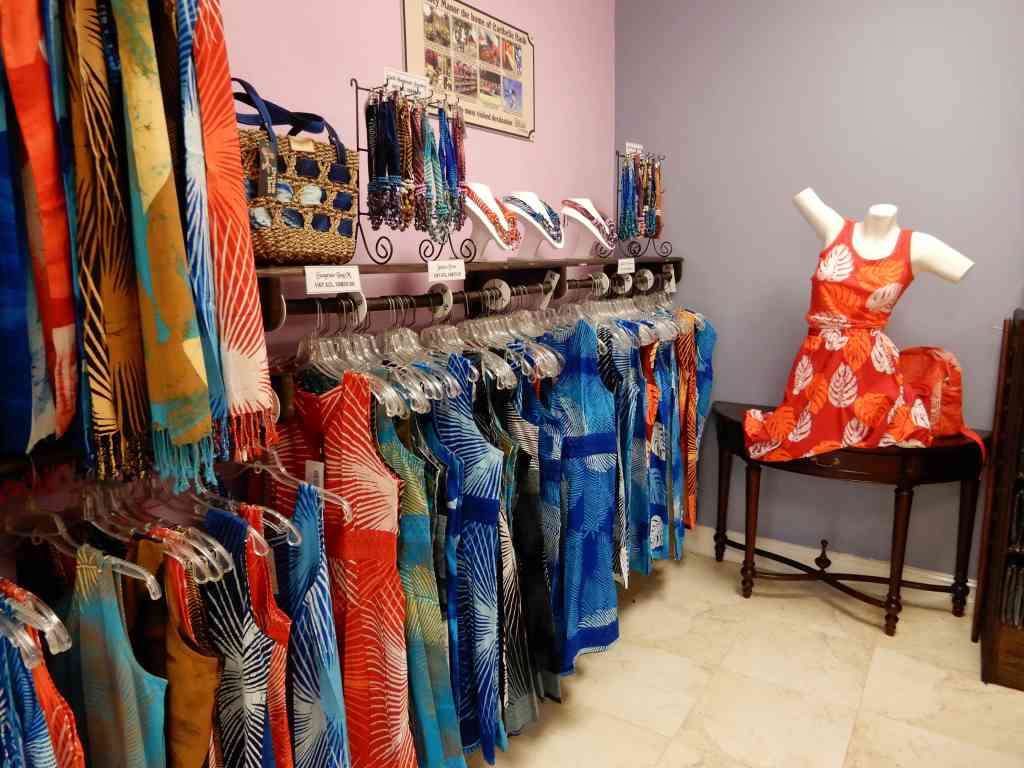
Caribelle Batik in Port Zante

While Port Zante has its’ share of duty free regulars like Diamonds International it also has some real local gems worth seeking out. One of the island’s biggest successes over the years has been Caribelle Batik. Started in 1974 they have earned a reputation for quality clothing, wall hangings and accessories. The factory and main gift shop are located at Romney Manor out of townbut a major outlet store can be found at the port.

Transportation – Ship tours and taxis are probably the best way to see the island and for getting around. There are a number of rental car agencies near the port and a typical day rate runs about US$50.

Currency – Eastern Caribbean dollar, which maintains a fixed exchange rate of 2.7-to-one with the United States dollar. The US dollar is almost as widely accepted as the Eastern Caribbean dollar and most credit cards are welcome.

Rum – While most Caribbean islands have their own rums with associated bragging rights, St. Kitt’s claim to fame has rested on a unique cane distillation. In the 1980s Baron Edmond de Rothschild established a distillery with the intent of creating a unique cane spirit more akin to vodka than rum. This clear, highly filtered spirit was named CSR for Cane Sugar Rothschild and developed a sizable following. In 1996 the distillery was sold to Demerara Rum the distillers of El Dorado in Guyana. Demerara has maintained a presence on St. Kitts and CSR is still blended and bottled here and remains associated with this island.

Points of interest in Basseterre include the National Museum near Port Zante and St. Georges Anglican Church a few blocks up the hill. Built in 1635 the church’s outer walls are of heavy stone and the roof is covered in slate.

Sited on the southwest coast of St. Kitts, about 12 miles from town, is Brimstone Hill Fortress, a UNESCO World Heritage Site. This fortification is a complex of walls, cannon placements and buildings established by the British in the sixteen hundreds to defend the island. It is also the largest fort in the Caribbean.

If you are looking for beaches, watersports and snorkeling, head out to the southeastern tip of the island to Cockleshell Bay and Turtle Beach. The area features nice beaches, windsurfing and excellent near-shore snorkeling. Cockleshell is a popular destination for locals for a day of beach, swimming and picnics. The beach is home to Reggae Beach Bar & Grill that serves good food and drinks. We prefer Turtle Beach for snorkeling but it does have less facilities nearby.

If you are going to be spending more time on St. Kitts there is regular ferry service over to Nevis, St. Kitts sister island. The trip is well worth the time as Nevis is less developed than St. kitts and has some really spectacular premium resorts including The Four Seasons.

The twin island nation of St. Kitts and Nevis are a frequent port of call on Caribbean cruises and are home to the first outposts of Britain and France in the region.

The Cruise Port of Naples, Italy

Port of Call Naples, Pompeii & Sorrento

Naples is a major metropolitan area with a number of historical sites and several nearby destinations of interest. First is Pompeii, the ancient Roman city that was buried by an eruption from Mt. Vesuvius in 79 AD. Another popular side trip is to Sorrento. It is one of several beautiful Southern Italian seaside towns well worth a visit.

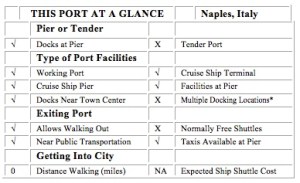
Where the Ship Docks – Cruise ships dock at a pier in Naples harbor right in the central city. There is a terminal and an easy walk out of the port area.

Transportation – Since the port is right in Naples CBD there are a number of sites and destinations within walking distance. To get out to the archeological sites or the southern coast it is best to take a regional train or a bus tour.

100_0080.JPG
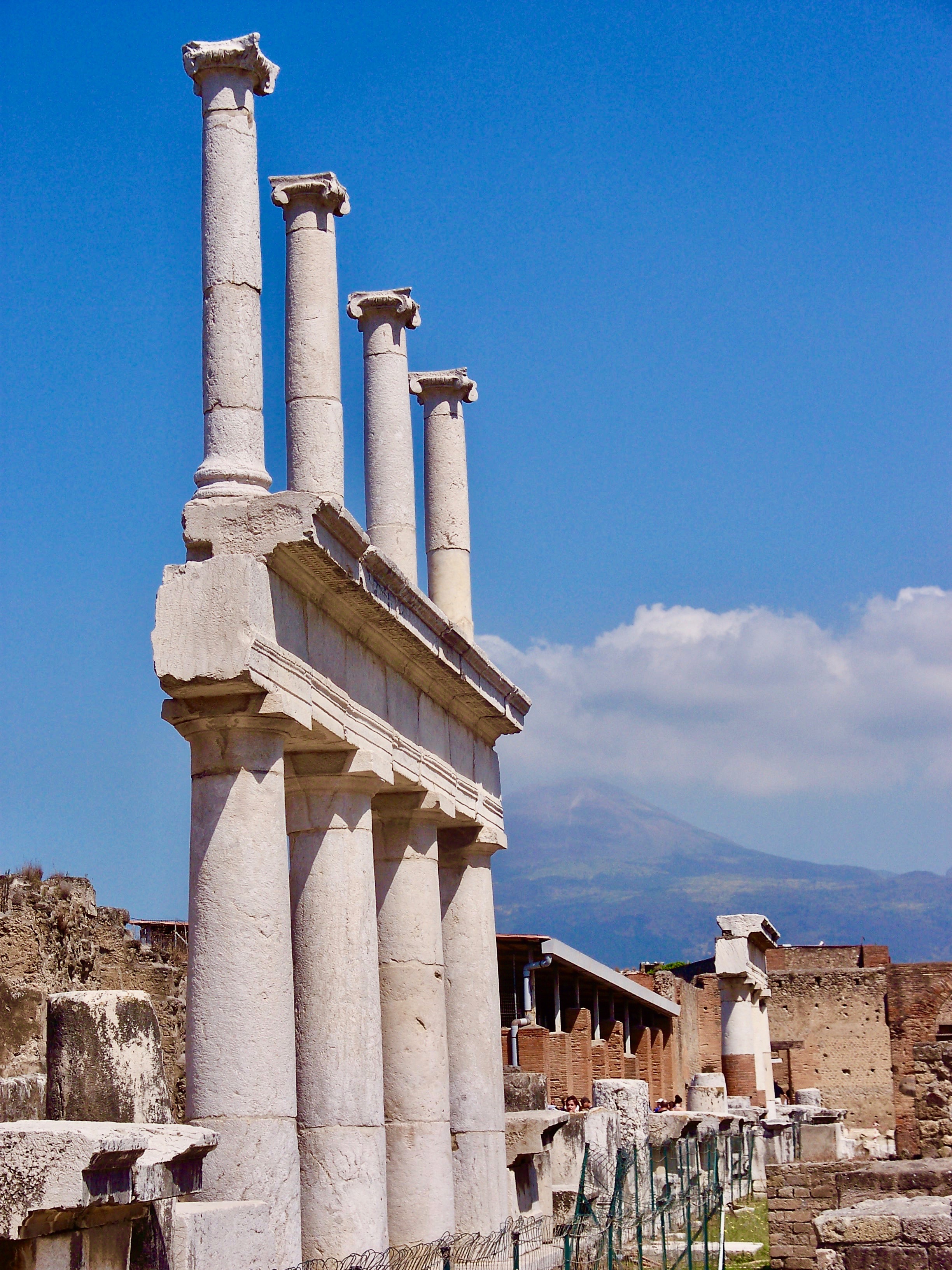
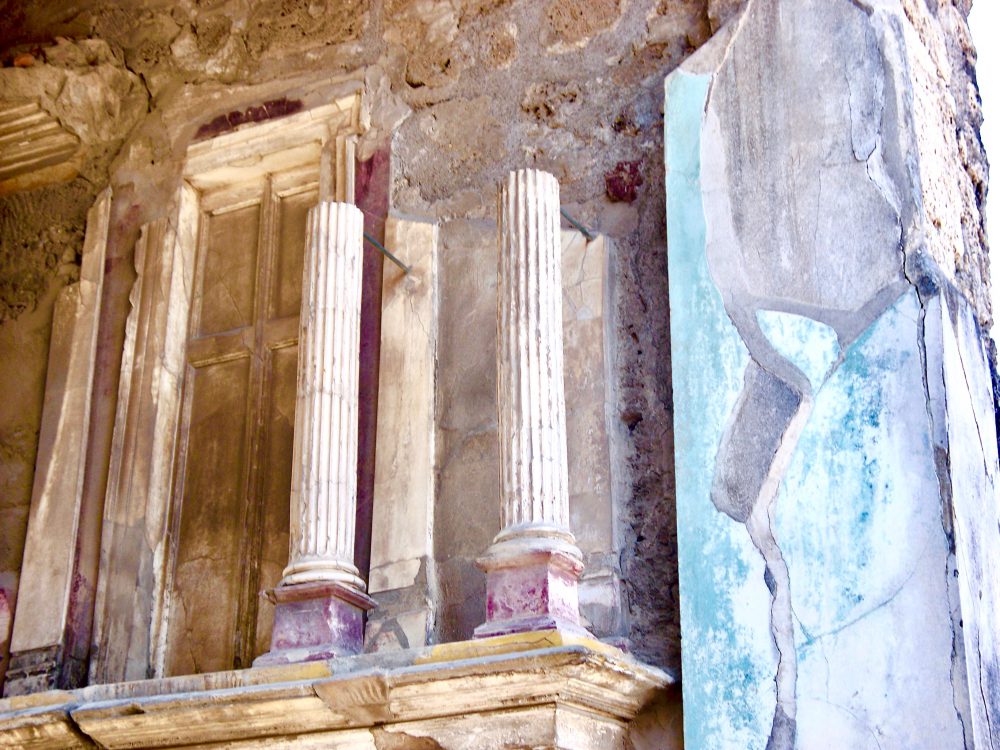
Pompei ruins with Vesuvius in the distance

Pompeii – You can take a train to Pompeii from Naples at the Porta Nolana Circumvesuviana station only a few blocks from the port entrance. Circumvesuviana is the regional Naples train system around Mount Vesuvius with stops at Herculaneum, Pompeii and Sorrento. Go to the Circumvesuviana train ticket window and get tickets for Pompeii Scavi. The cost should be about €7 round trip. Once at Pompeii Scavi, exit the train station, turn to your right, and walk about 50 meters to the entrance to the Pompeii ruins.

Sorrento – Taking a Circumvesuviana train to Sorrento is easy since it is Capolinea, meaning the train service ends and starts in Sorrento from or to Naples. The trip takes approximately 1 hour and 15 minutes. The trains to Sorrento run approximately every 30 minutes. There are 2 types of trains. Diretto which stops at every station and Diretissimo which is faster (10 to 20 minutes). The Direttissimo is marked as DD on the schedule.

Money – Like most of Europe, Italy uses the Euro (€) and credit cards are widely accepted.

Attractions –

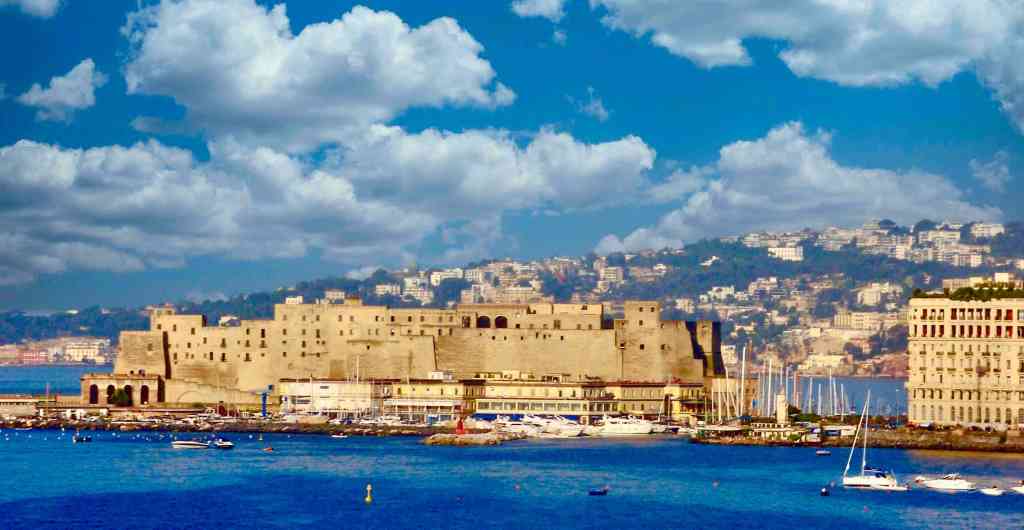
Ovo Castle

Ovo Castle – Only a short walk from the port entrance is an imposing fortress & former royal residence, with 2 towers offering views of the city.

Napoli Sotterranea – Underground system of ancient catacombs, tunnels, caverns, cisterns & hideouts accessible by tour.

Castel Nuovo – Medieval fortress near the port with 5 towers and a Renaissance triumphal arch, plus an art museum & chapel.

Anton Dohrn Zoological Station – Interesting 19th-century aquarium featuring local marine life including sea horses, squids & sea turtles.

Cameo Factory de Paola – The city of Naples is famous for its cameos and de Paola is one of the oldest being in business since 1932 and is only blocks from the port entrance.
http://www.cameodepaola.it
Via Annibale Caccavello 67/69, Incrocio Via Tito Angelini 20 – 80129 Naples

Archeological Sites – Pompeii is probably one of the most famous ancient Roman cities. Buried by an eruption of Mt. Vesuvius under 20 feet of volcanic ash and pumice in AD 79. Incredibly preserved under the ash the site offers a look into city life of 2,000 years ago. Nearer the sea from Pompeii is Herculaneum another Roman city buried in the eruption and preserved more or less intact as well. Both sites can be easily reached using the regional commuter trains.

Port of Call Grand Cayman

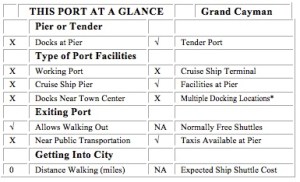
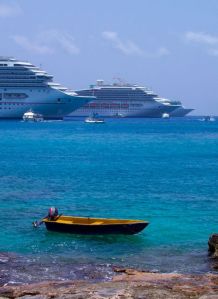
General – George Town, Grand Cayman is a major cruise destination for Western Caribbean cruises. It is a modern town with good duty free shopping along with a number of good tour itineraries. The port requires tendering but the tender pier is right in town.

Transportation – There are basically three ways to get around this island:

Bus System – Cayman actually has a pretty efficient bus system with fares starting at CI$2.50 (US$3.15). The central bus terminal is located in downtown George Town.

Taxis – Taxis are readily available but like most things in Cayman can be pricey.

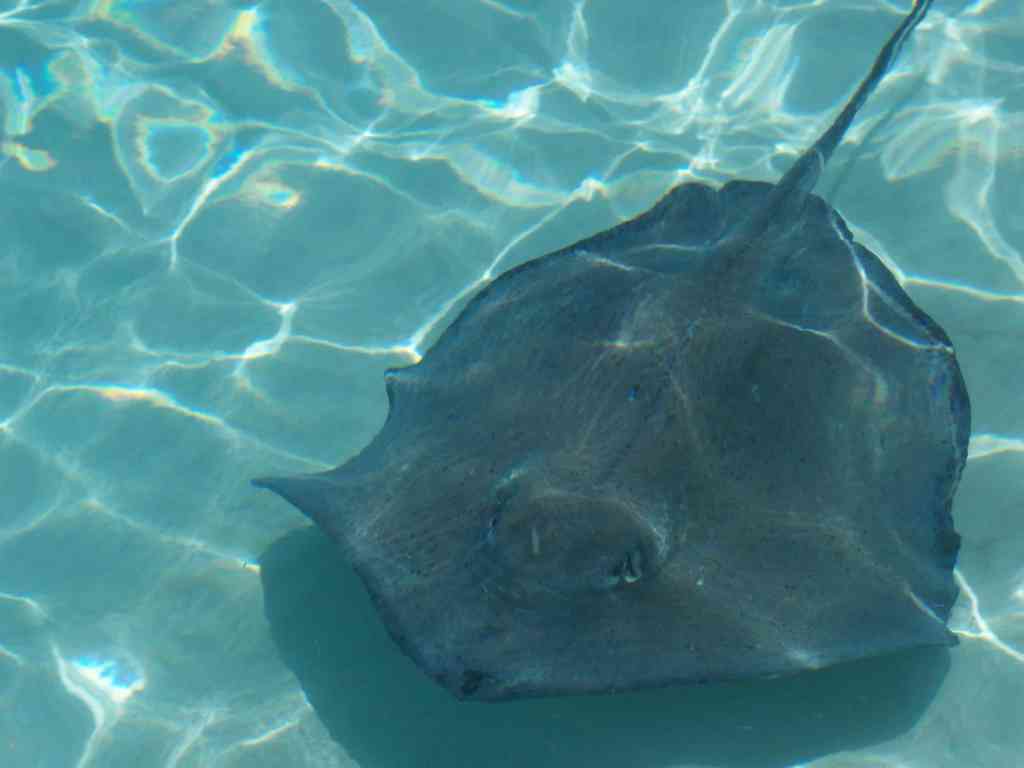
Sting Ray City

Rental Cars – Cars are pretty easy to arrange but can be a bit expensive. Finding your way around is pretty easy, traffic is moderate but remember they drive on the left.

Money – The local currency is CI$ and is fixed at an exchange of US$1.25 to CI$1.00, so remember that everything is 20% more expensive than it seems. The US Dollar is usually welcome along with most credit cards with ATMs readily available.

Local Attractions – Beaches, beaches, beaches with the centerpiece being Seven Mile Beach with its resort hotels and restaurants. The island is also a scuba and snorkeling paradise with lots of coral reefs in shallow water for great snorkeling along with a great drop-off wall for scuba diving. Grand Cayman was the originator of the stingray tour called Sting Ray City where you can actually walk on a shallow sandbar and hand feed the stingrays.

Other attractions include swim with the dolphins at  Dolphin Discovery, The Cayman Turtle Center, Crystal Caves and visiting Hell a gift shop with famous post office where you can send home cards postmarked HELL.

Grand Cayman is also famous for its duty free shopping with excellent buys from diamonds to watches to luxury housewares and fashion accessories. It is also home to one of the Caribbeans best rum cakes.