

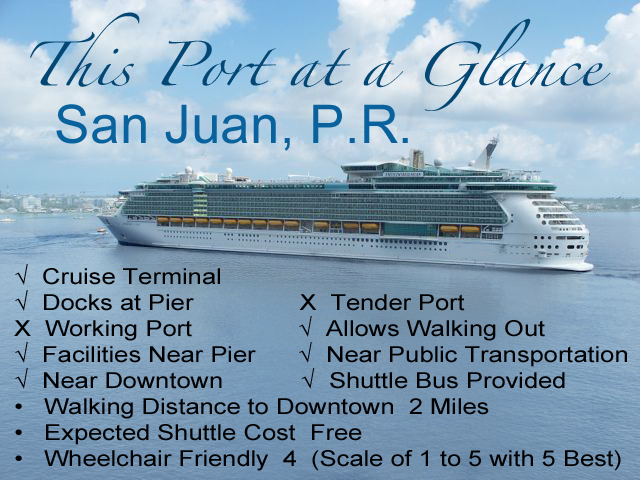
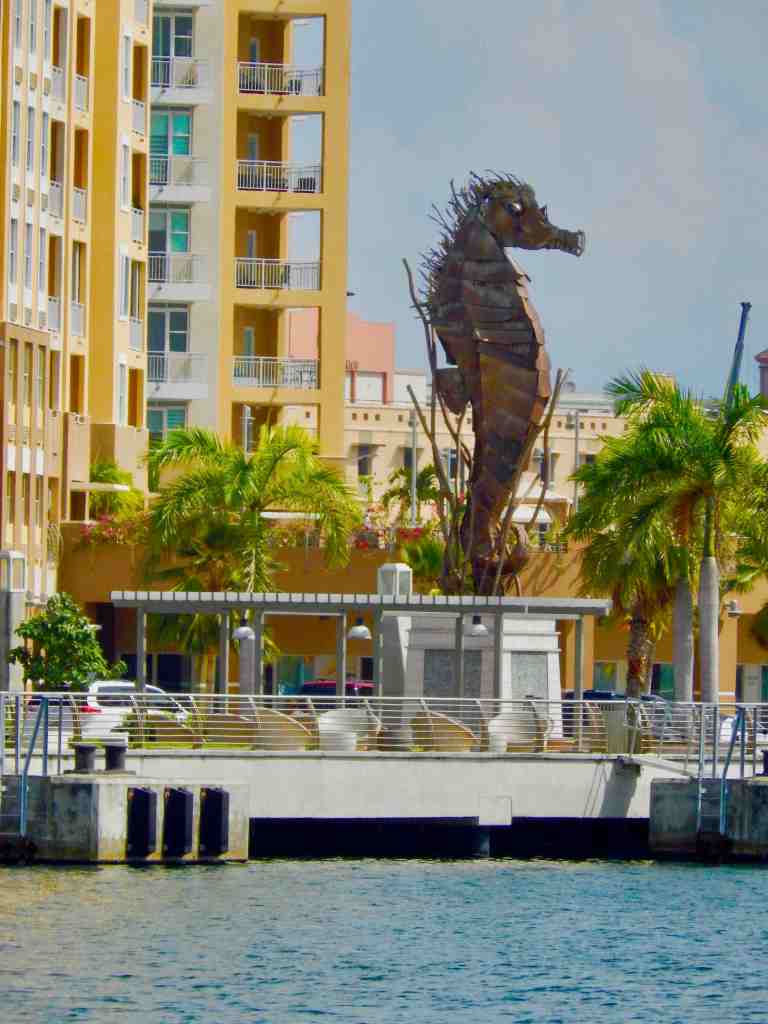
In the Caribbean there are a couple of cruise departure locations but the Caribbean’s busiest cruise port is San Juan Puerto Rico. This port provides a large natural harbor and perhaps the largest international airport in the region. San Juan is a big metropolitan area with beaches, resort hotels and casinos but the focus for most visitors is Old San Juan. Located just a short walk uphill from the cruise ship piers, it is a great destination to spend some time exploring
Puerto Rico is an American possession and while there have been a number of movements for independence the Puerto Ricans seem to be happy with the status quo. Unfortunately in the last couple of years this island has been seriously impacted by a devastating category 5 hurricane and more recently a series of earthquakes. We’ve been in and out of San Juan a couple of times since and the signs of rebuilding and repairing are everywhere.
Where Your Ship Docks – Cruise ships usually dock at one of three piers along a strip on the harbor side of historic Old San Juan. The three piers have passenger terminals with a number of shops, cafes and restaurants across the street on the waterfront. There are no issues with walking in and out of your cruises terminal and taxis are readily available.
Transportation – San Juan provides a free trolly that goes to the Old San Juan city center. If you are going to be spending a day or two in San Juan and want to see the countryside a rental car is probably your best choice. Rates range from $30 to $50 a day. Taxis are readily available and a trip to the airport from the cruise piers should run about $25 – $30.
Currency – They use the U.S. Dollar and major credit and debit cards are welcome. ATMs are also plentiful.
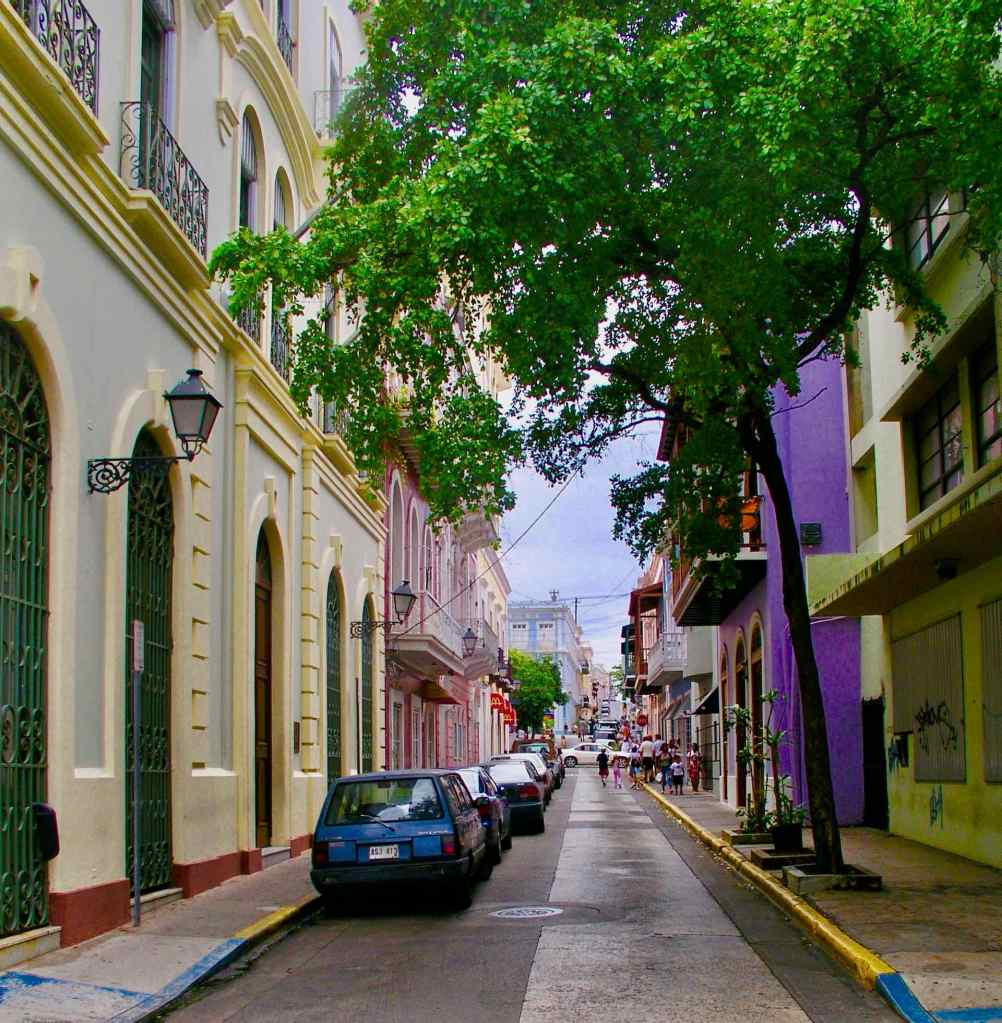
Attractions – The old city is the big attraction – use the free trolly to spend time visiting Old San Juan’s incredible fortifications and the historic town itself. There’s plenty of interesting shops to explore along with bars, cafes and restaurants. There are also a couple of Puerto Rican rum distilleries that provide visitor tours as well.


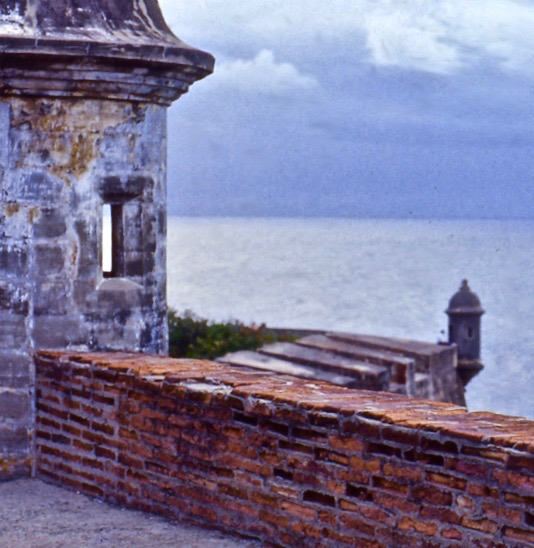
History – San Juan is one of the most fortified ports in the Caribbean dating as far back as the early sixteenth century. In 1508, Ponce de León founded the original settlement, Caparra on the island. In 1521, the settlement was abandoned and moved to a site which was called at the time “Puerto Rico” (meaning “rich port”). Constructed in 1521, Casa Blanca served as the first fortification of the new settlement and was residence of Ponce de León descendants. La Fortaleza was built in 1533, followed by the construction of a battery at “the Morro” overlooking the protected harbor. Plans for the castle portion of San Felipe del Morro were made in 1584. Extensions to the Morro, plus construction of El Cañuelo, and El Boquerón, were begun in 1599 and the complete fortification of the city began in 1630 and was concluded by 1641. The addition San Cristobal fort was completed by 1771.
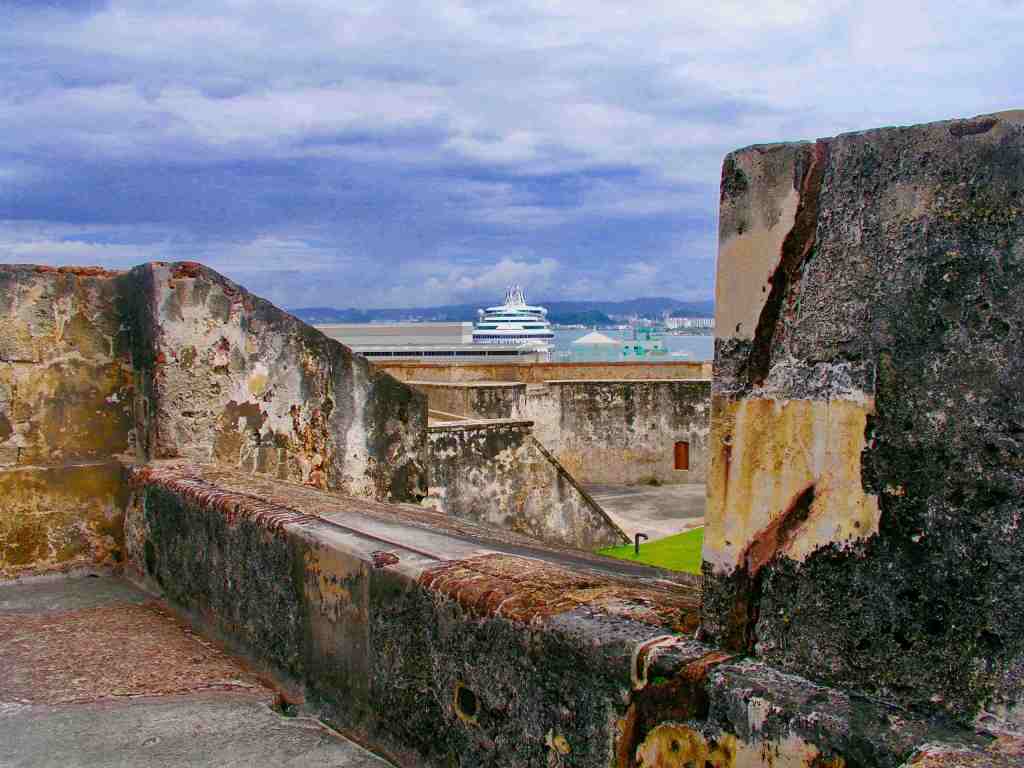
Old San Juan National Historic Site was established in 1949 to preserve historic fortifications in Old San Juan. The historic site was added to the National Register of Historic Places in 1966 and La Fortaleza along with the San Juan National Historic Site were then declared a World Heritage Site by UNESCO. Thanks to a number of groups working to preserve the Old Town, today it represents one of the largest examples of Spanish colonial towns anywhere in the New World today.
What to expect on your port days in San Juan, Puerto Rico, the heart of the Caribbean. Where your ship docks, getting around, historic forts, Spanish colonial architecture, food and culture.












 Approaching The Netherlands from the North Sea cruise ships navigate the North Sea Canal. The canal runs from the IJmuiden locks to the Coenhaven. East of the Coenhaven, the waterway is called the River IJ (both letters are capitalized) and continues up to the Oranjesluizen locks located in the eastern part of Amsterdam. Than from the Oranjesluizen up to the Passenger Terminal in Amsterdam. Unfortunately ships that are transiting into Amsterdam often come in before dawn so as to be tied up early in the day. Passengers that are sailing out of Amsterdam late in the day get a much better appreciation of the systems that protect Holland from the North Sea.

 The cruise terminal is only a 20 minute ride from Amsterdam’s Schiphol Airport and just a ten minute walk to Amsterdam Central Train station. There is also frequent train service from the station to Schiphol Airport. Amsterdam has an excellent and inexpensive bus system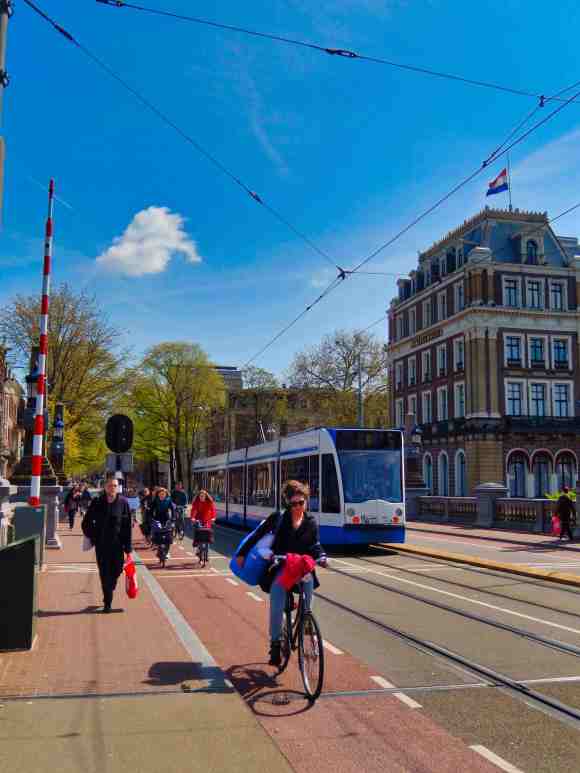
 Traveling within Amsterdam by public transportion is easy to understand and very convenient. The network is operated by GVB throughout the central city and connects its neighborhoods with trains, trams, metro, bus and ferry. The least expensive and most convenient way to see the city is with GVB day passes. Available from 1 to 7 days, with prices starting from €8.50 per person, per day and valid on trams, buses and metros operated throughout Amsterdam. You can buy your tickets in advance from the GVB website
  The Netherlands, like other members of the EU uses the euro as its official currency. You will often discover that to avoid the use of the 1 and 2 cent coins, many cash transactions are rounded to the nearest five cents in the Netherlands. Credit and debit cards a commonly accepted but U.S. Dollars need to be changed into Euros.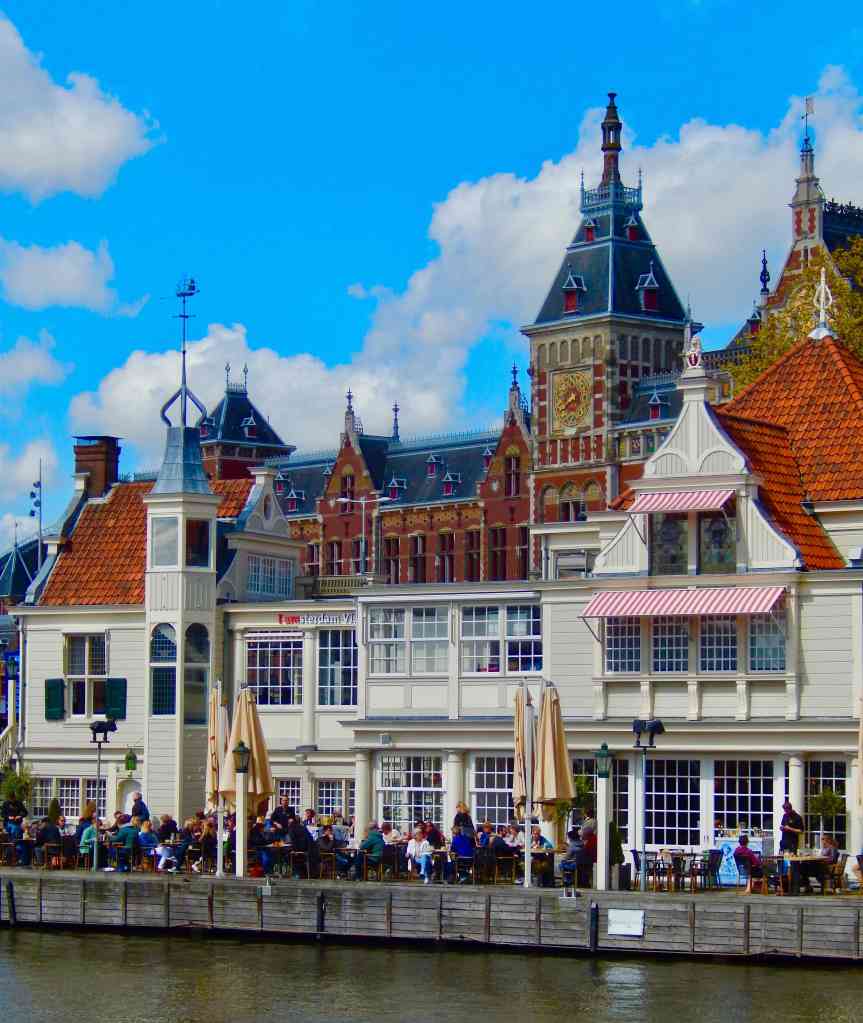
 Van Gogh Museum – A must-visit for art fans and historians, the spectacular Van Gogh Museum has been one of Amsterdam’s top attractions since it opened in 1972.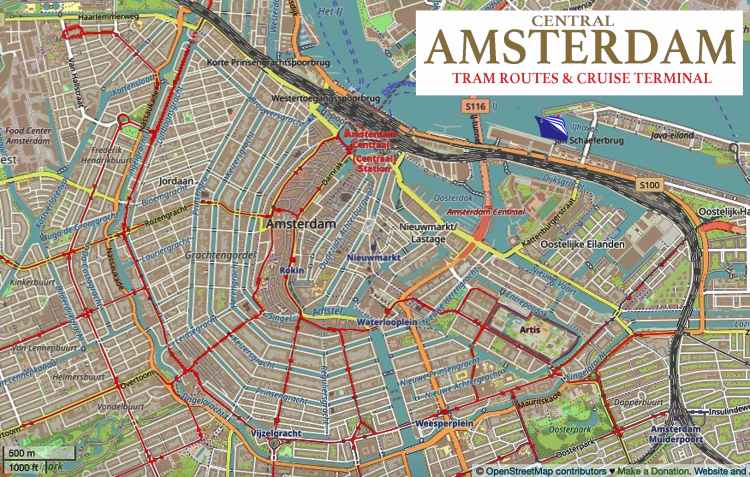




 The Intentional Travelers