Cruise Port Buenos Aries

Buenos Aries, Argentina – Gateway To Cape Horn And Antarctica

Arriving in Buenos Aries

Buenos Aires has several airports but the two you are likely to use are the major international airport, referred to as Ezeiza and the-in city Jorge Newbery Airport. Most inbound international flights will come in to Ezeiza while many regional flights use Jorge Newbery.

Ezeiza, its official name is Ministro Pistrani International Airport, is located about 15 miles southwest of Buenos Aires. It is the largest and busiest airport in the region.

Jorge Newbery Airport is actually an international airport too located just to the northeast of downtown Buenos Aires and serves as the main hub for a majority of domestic flights.
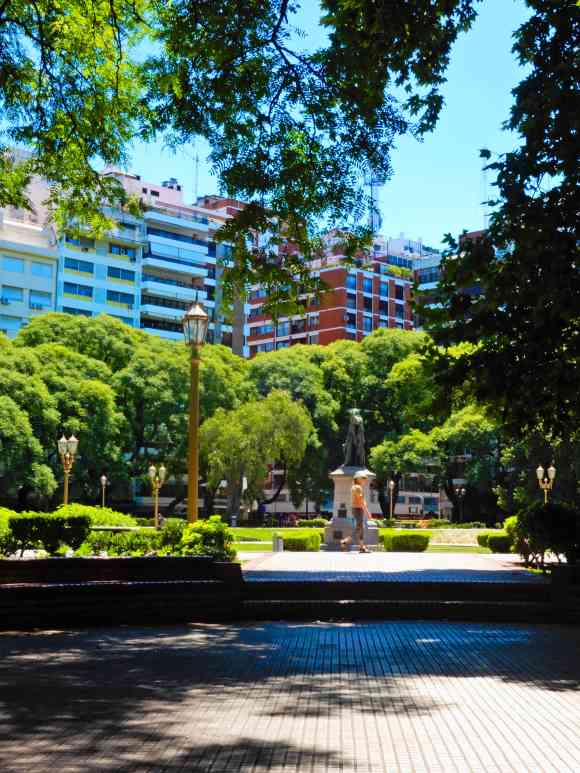
The travel time from Ezeiza to city center by taxi is at least 30 minutes or up to 40-60 minutes depending on traffic. Options include official taxis, Remis or organized private cars, or public bus. Uber may be an option but they seem to be in a constant process of being shut down by the government. There are also online car service booking sights which we prefer for a couple of reasons.

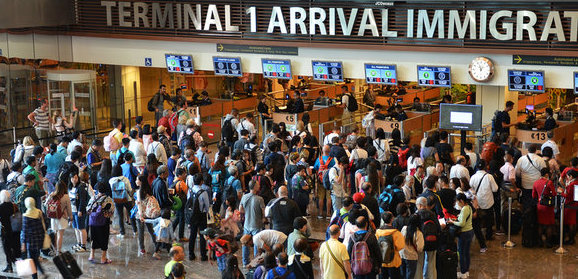
After arriving at Ezeiza you may need to get cash for a bus or a taxi. DO NOT change money at the changing booths in the airport. They’re famous for bad rates of exchange and charge additional service fees. If you really need local currency use an ATM in the arrivals area of the airport in front of the McDonalds. Because of financial problems in Argentina and erratic inflation you may discover that many drivers actually prefer Euros and Dollars so get in the habit of asking. Keep track of exchange rates – recently 1 US$ = 135 Argentine Peso (ARS).
Authorized Taxis – The taxi stands operated outside the airport are not the most trustworthy option so ask what the rate is and if they will accept Dollars and do a bit of comparison shopping before accepting.

Remis Service – In Argentina the ” remis (or remises) ” are a very popular option. A remis is a sort of taxi service, but the difference is that you just hire a driver with his/her own personal car. Actually they are considered the safest option for a ride from EZE. They can be booked online or paid in advance at an airport kiosk or booths inside of the airport. By all means avoid the rogue taxis outside the airport. By booking online you can have a driver waiting for you with a sign at the exit of baggage inspection. The drivers are mostly bilingual and Whatsap is usually the preferred method of communication.

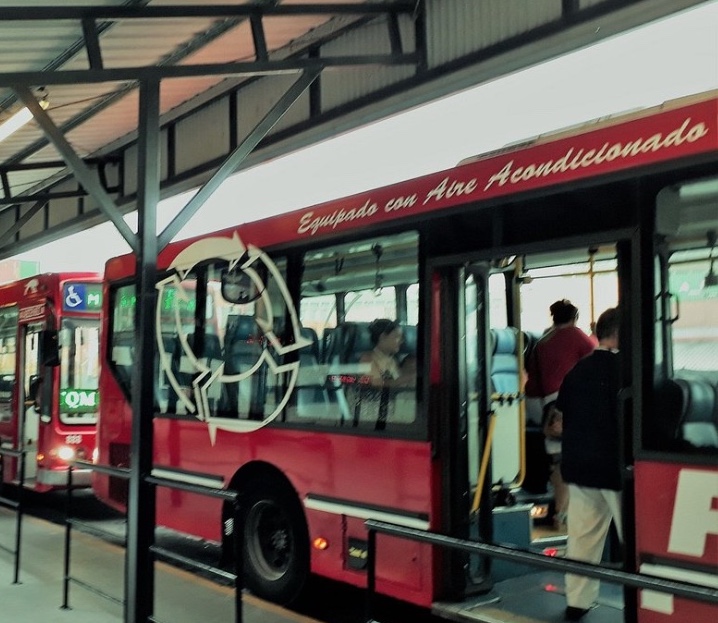
Public Bus – Line 86 of the local bus system is the only public transport that runs regularly from the airport. The bus will only cost about US$3-5 but will take about two hours. During rush hours there may not be much room for suitcases.

View of the port area

One of South America’s busiest cruise ports, Buenos Aries is one of the largest cities in South America with a lot to see and do. Famous for the Tango and great steaks it is also a treasure trove of history and packed full of interesting sights. Most cruises are using Buenos Aries as a embarkation or disembarkation port but that doesn’t mean it should be overlooked as a destination in its own right. You will discover that hotels are moderately priced and good restaurants are plentiful and inexpensive.

Where the Ship Docks

Port buses and terminal

Buenos Aries does not have a very convenient port facility and it has been that way for a number of years. It doesn’t look as if they are in any hurry to upgrade. While it does have a cruise terminal it is located so far from most piers that they use buses to get passengers to the ships after check-in. Be aware that you are boarding the ship from the pier and they us an erector set structure of steep ramps to access the ship. It is very unfriendly for peole traveling in wheel chairs. You also cannot walk in or out of the port from the ship. The terminal facility is located only a couple of miles from the downtown area but it is not easy to reach on foot and the only easily available transportation are taxis (more on taxi under transportation).

Cruise port boarding ramps

Wheelchair Accessibility

Disembarking – This is a working industrial port without a cruise ship pier. Disembarking usually uses open air structures and can vary by the individual ships gangway design. Expect a steep ramp or even stairs. Walking out of the port not an option so taking a bus to the distant terminal building further complicates going ashore or boarding the ship.

City Characteristics – This port has a poor wheelchair infrastructure. Main street sidewalks are in fairly good condition but crosswalks may have curbs or other wheelchair obstacles. Side streets and shopping area sidewalks are often paved with large squares that often aren’t level or at he same height with other blocks. Overall the city has few hills or steep inclines.

Transportation

If you are going to or coming from the cruise terminal you are pretty much going to be getting a taxi or hiring a Remis. While you can walk out from the terminal, it is almost a mile walk to the nearest metro station located near the Sheraton hotel and that’s along heavily trafficked roads. It’s an additional half mile to the nearest shopping mall.

Taxis are supposed to be metered in Buenos Aries but there are a number of exceptions and add-on fees which are difficult to understanding. Because of that, taxis can be very inexpensive so be prepared to often be surprised. For us a taxi from the Odalisque area to the in-town airport was 400 pesos while a ride the other way the next evening cost 700 pesos.
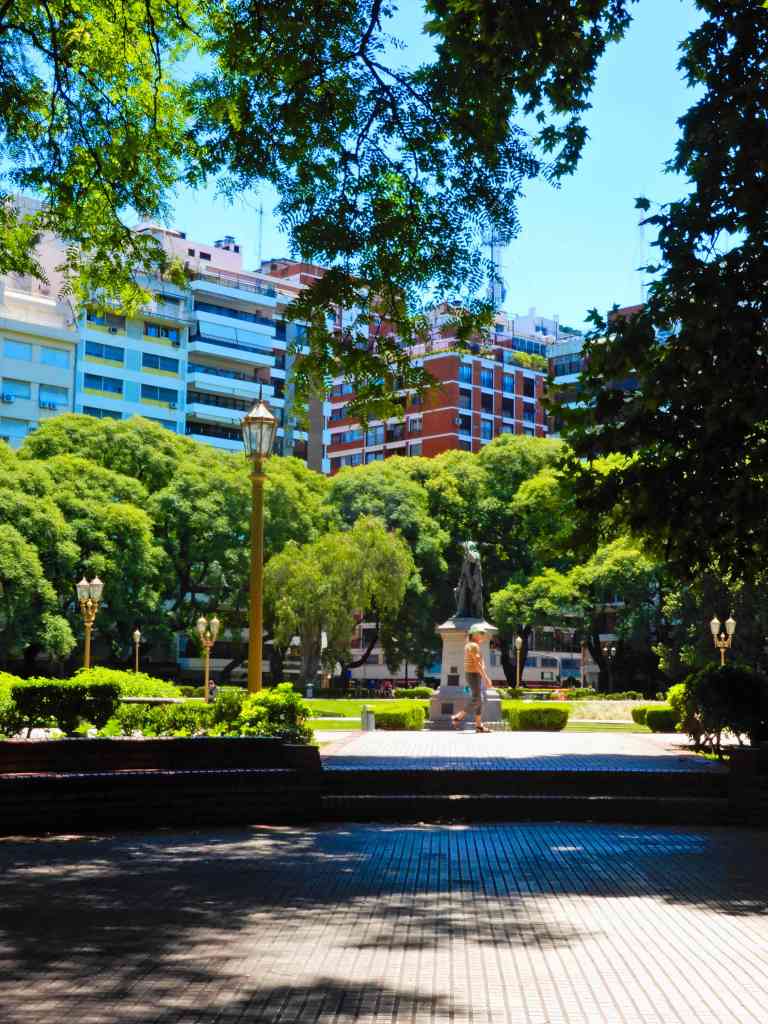
Buenos Aries has an excellent and modern subway system (Subte) with two hurdles to overcome for foreign visitors. First, like much of the city there is very little signage in anything but Spanish and few locals speak anything but Spanish. Second you need a SUBE card to ride which is available at subte stations, or at eight Tourist Assistance Centers around the city. We did not see any information regarding a one or two day visitor card either. OFFICIAL METRO SITE IN ENGLISH

Taking a taxi to the port is pretty straight forward but we would recommend flagging a cab on the street and traveling on the meter. Several times we paid much higher fares by having our hotel call a taxi for us. Traveling from the Odalisque to the port on a meter should run 300 to 350 Pesos (tipping is not customary in Argentina).
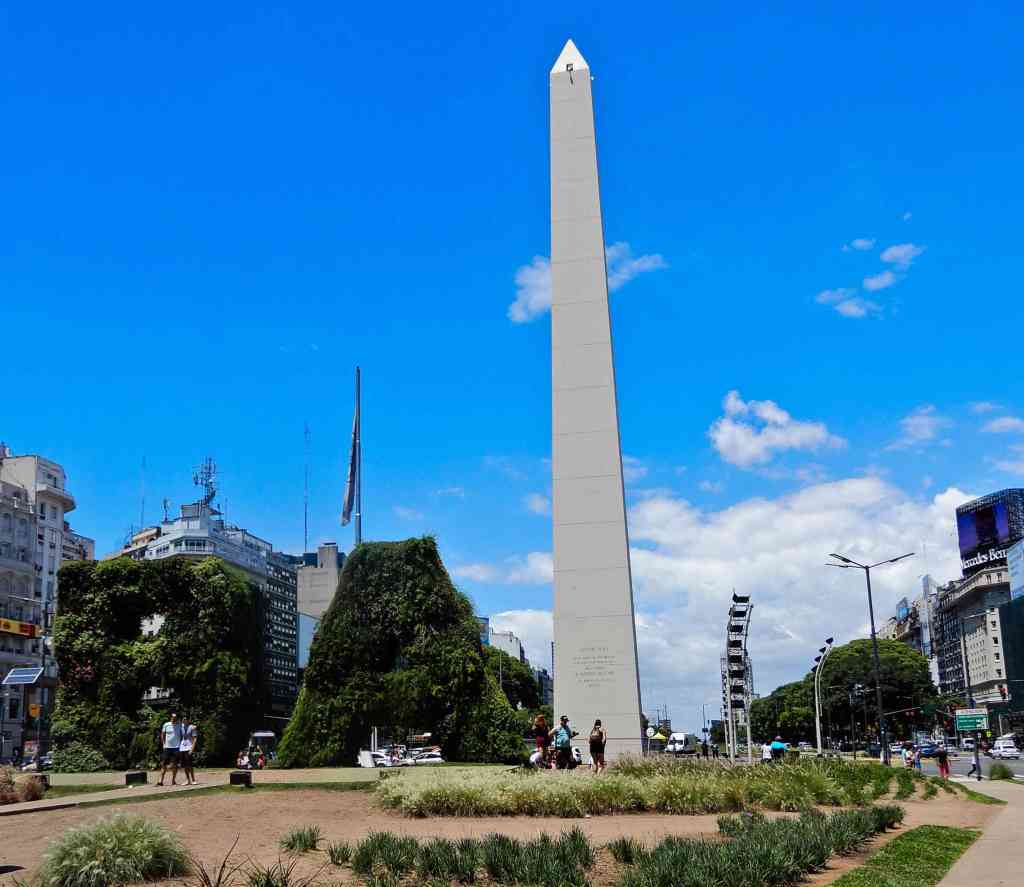
Leaving the port area is another story. There seems to be a system in place to extract significantly higher fares from passengers. Upon exiting we were told that all taxis are on a fixed fare (no meters) from the port and a ride to the Odalisque would be US$15 or 600 Pesos or almost double a recent fare from our hotel to the port (that conversion rate made the dollar quote much cheaper though?). We also had similar experiences getting taxi quotes to and from the in-town as well as the international airport.

The International Airport is a good distance out of town with a taxi ride from the port recently quoted at US$40. We took a metered taxi from our hotel near the Odalisque for less than US$25 in Pesos. Many taxis actually prefer to be paid in US$. When we originally arrived at the International airport we had booked a car online at a fixed price and by texting we located the driver right outside the terminal.

Currency

At this writing the exchange rate is about 38 Argentine Pesos to one US Dollar. Because of inflation rates over the past several years buying Pesos before leaving the United States is almost impossible. It is also very difficult to use American Dollars in Argentina except in high tourist locations. Money Exchange locations are sparse and at high traffic places, like the airport, the rates aren’t very good. In town you can get better rates buying Pesos mostly because there is speculation among changers against the Peso. We eventually used a shop advertising Western Union and got more than fair rate.
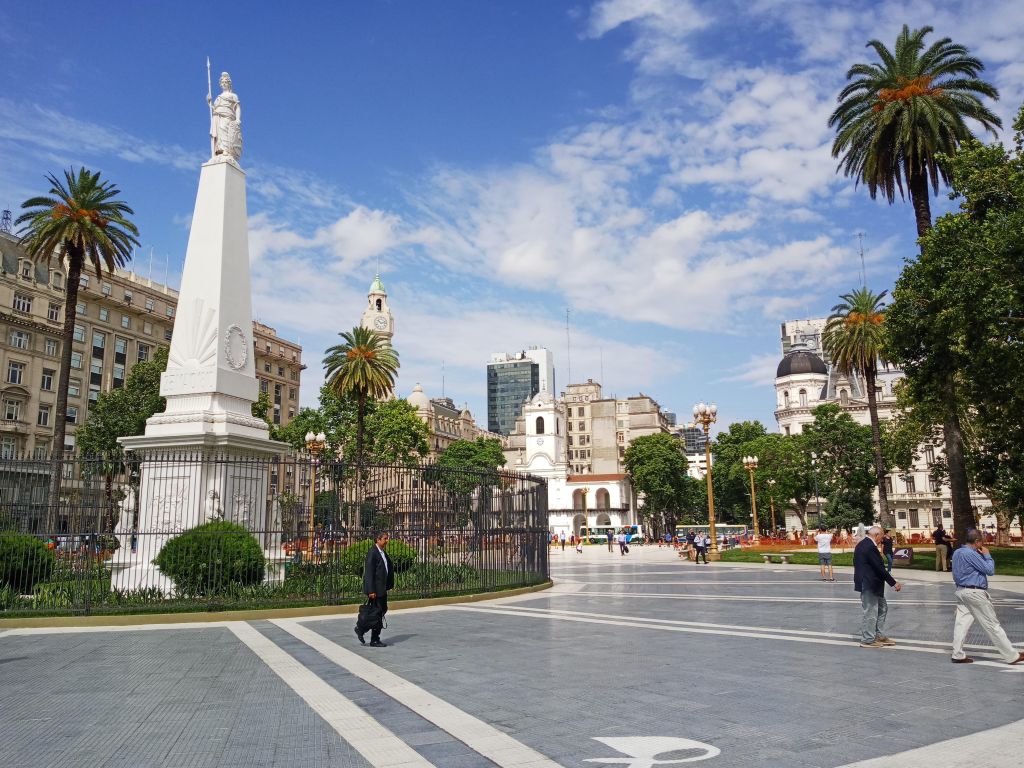
Attractions

Buenos Aries is a large metropolitan area and like most it covers a wide range of environments. You will find everything from grand residences, and upscale neighborhoods to large slums. The city is criss-crossed by wide boulevards running through upscale shopping districts attached to mazes of side streets with incredible cafes, coffee shops and restaurants It is home to the Tango that is a national obsession. You can experience the Tango in restaurants or large stage show productions, small dance clubs and on the streets of the barrios (neighborhoods) where the people come out and dance in the evenings. Because of the exchange rate there are great restaurants and cafes where prices are hard to believe. The national dish is steak and the Argentines really know their way around an open fire grill. It is also the nations capital and you will numerous museums, galleries and historic buildings. If you are cruising out of Buenos Aries do yourself a favor and spend a few days seeing this lively and interesting city.
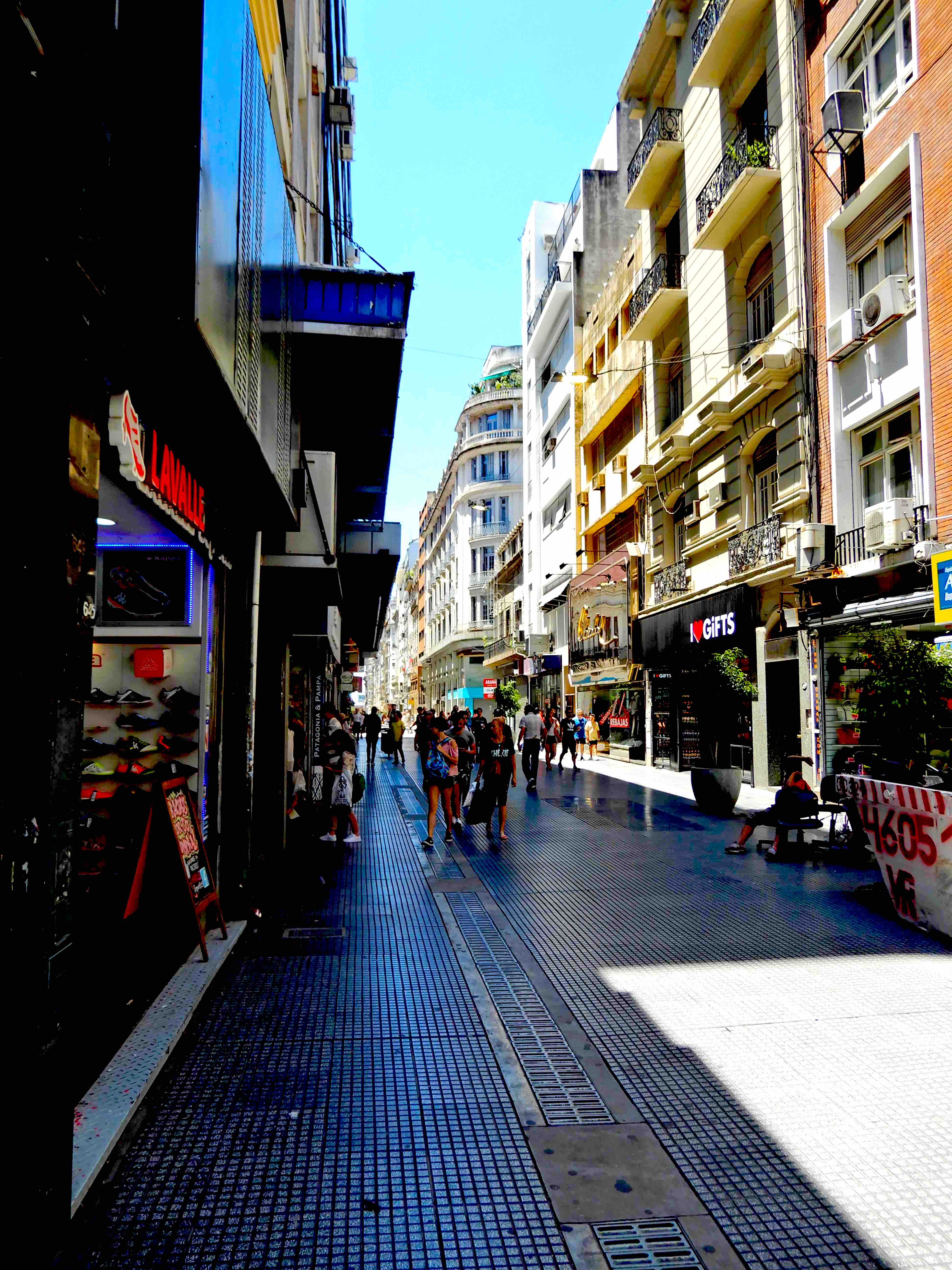
One strong suggestion we would make is try and plan a trip out to Iguassu Falls. It requires a plane ride and probably two days to see but it is one of the world’s true natural wonders and an easy add-on to a visit to Buenos Aries. MORE HERE


Port of San Juan Puerto Rico

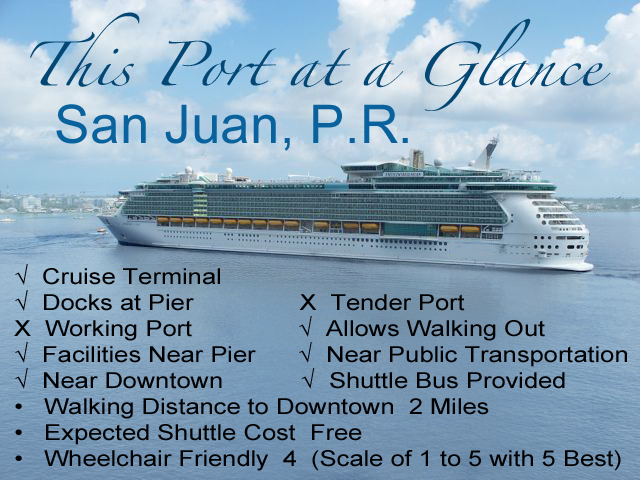
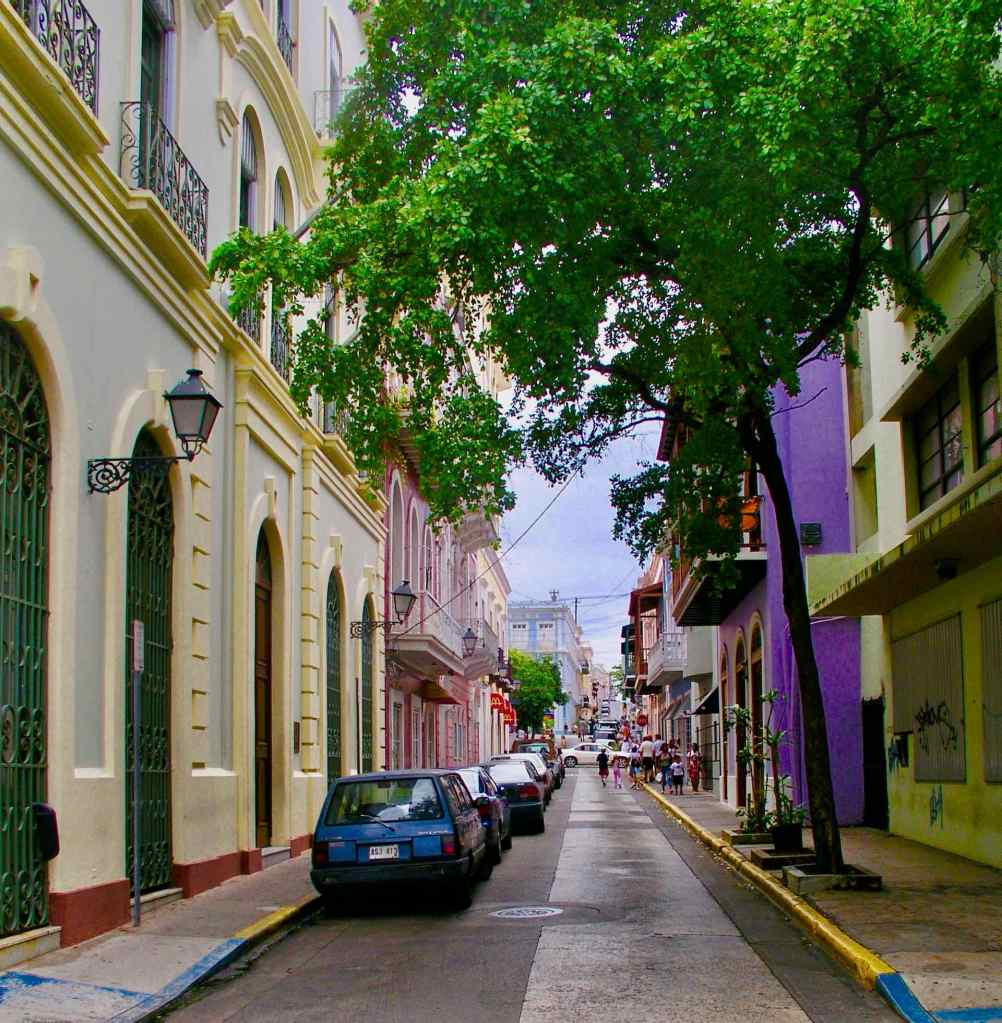
In the Caribbean there are a couple of cruise departure locations but the Caribbean’s busiest cruise port is San Juan Puerto Rico. This port provides a large natural harbor and perhaps the largest international airport in the region. San Juan is a big metropolitan area with beaches, resort hotels and casinos but the focus for most visitors is Old San Juan. Located just a short walk uphill from the cruise ship piers, it is a great destination to spend some time exploring

Puerto Rico is an American possession and while there have been a number of movements for independence the Puerto Ricans seem to be happy with the status quo. Unfortunately in the last couple of years this island has been seriously impacted by a devastating category 5 hurricane and more recently a series of earthquakes. We’ve been in and out of San Juan a couple of times since and the signs of rebuilding and repairing are everywhere.

Where Your Ship Docks – Cruise ships usually dock at one of three piers along a strip on the harbor side of historic Old San Juan. The three piers have passenger terminals with a number of shops, cafes and restaurants across the street on the waterfront. There are no issues with walking in and out of your cruises terminal and taxis are readily available.

Transportation – San Juan provides a free trolly that goes to the Old San Juan city center. If you are going to be spending a day or two in San Juan and want to see the countryside a rental car is probably your best choice. Rates range from $30 to $50 a day. Taxis are readily available and a trip to the airport from the cruise piers should run about $25 – $30.

Currency – They use the U.S. Dollar and major credit and debit cards are welcome. ATMs are also plentiful.

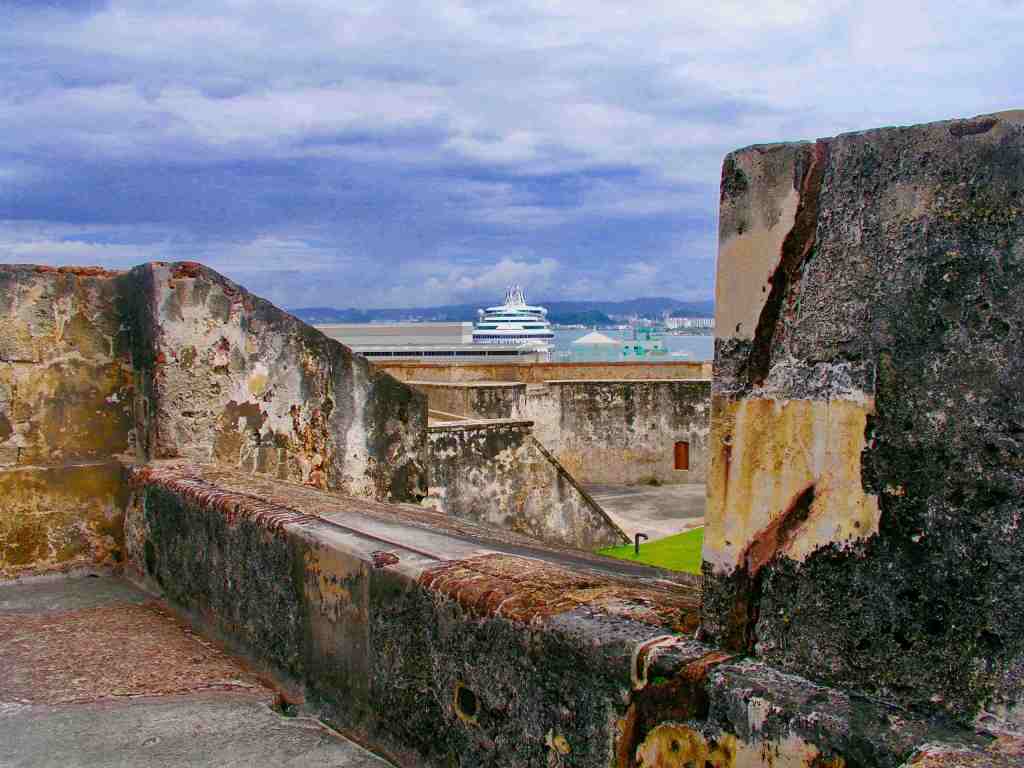
Attractions – The old city is the big attraction – use the free trolly to spend time visiting Old San Juan’s incredible fortifications and the historic town itself. There’s plenty of interesting shops to explore along with bars, cafes and restaurants. There are also a couple of Puerto Rican rum distilleries that provide visitor tours as well.

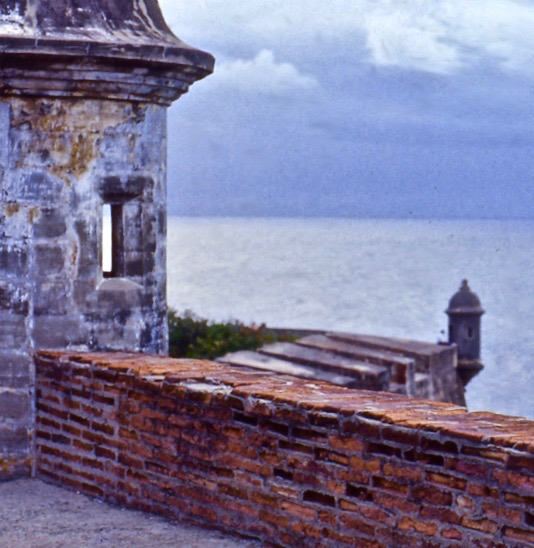
History – San Juan is one of the most fortified ports in the Caribbean dating as far back as the early sixteenth century. In 1508, Ponce de León founded the original settlement, Caparra on the island. In 1521, the settlement was abandoned and moved to a site which was called at the time “Puerto Rico” (meaning “rich port”). Constructed in 1521, Casa Blanca served as the first fortification of the new settlement and was residence of Ponce de León descendants. La Fortaleza was built in 1533, followed by the construction of a battery at “the Morro” overlooking the protected harbor. Plans for the castle portion of San Felipe del Morro were made in 1584. Extensions to the Morro, plus construction of El Cañuelo, and El Boquerón, were begun in 1599 and the complete fortification of the city began in 1630 and was concluded by 1641. The addition San Cristobal fort was completed by 1771.

Old San Juan National Historic Site was established in 1949 to preserve historic fortifications in Old San Juan. The historic site was added to the National Register of Historic Places in 1966 and La Fortaleza along with the San Juan National Historic Site were then declared a World Heritage Site by UNESCO. Thanks to a number of groups working to preserve the Old Town, today it represents one of the largest examples of Spanish colonial towns anywhere in the New World today.

What to expect on your port days in San Juan, Puerto Rico, the heart of the Caribbean. Where your ship docks, getting around, historic forts, Spanish colonial architecture, food and culture.

The Shetland’s Port of Lerwick

Port of call Lerwick in the Shetland Islands has been a crossroads for Vikings, Scottish lords and modern day fishing fleets. Many historic sites and a large puffin population.

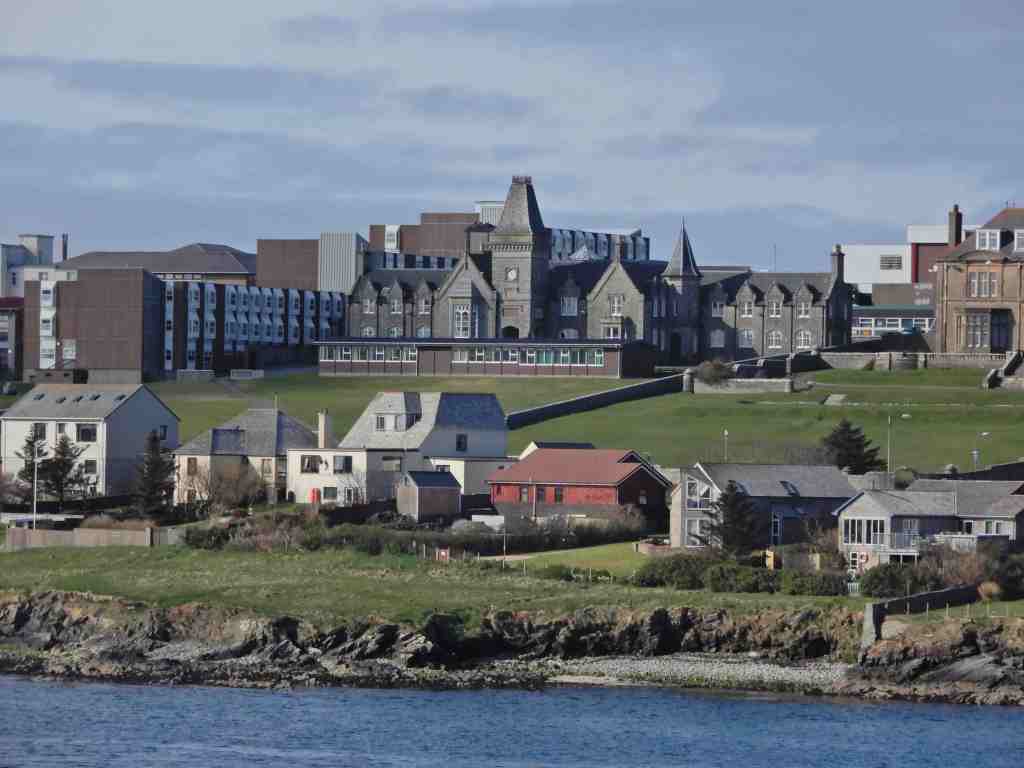
The Shetland Islands, formerly Zetland, are a subarctic island group in the Northern Isles of Scotland, situated in the Northern Atlantic, between Great Britain, the Faroe Islands and Norway. Lerwick is the government center of the Shetland archipelago and the most northerly town in Great Britain. The name comes from Old Norse Leirvík, meaning ‘muddy bay’. The town is situated on a fine natural harbor on Bressay Sound on the eastern coast of Shetland Mainland.

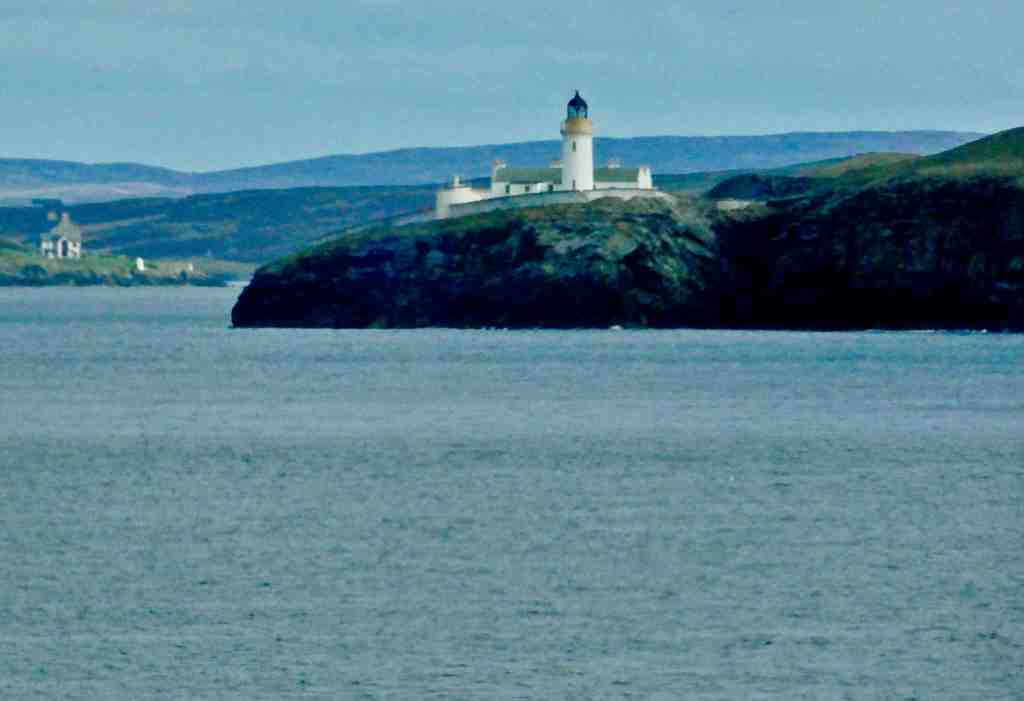
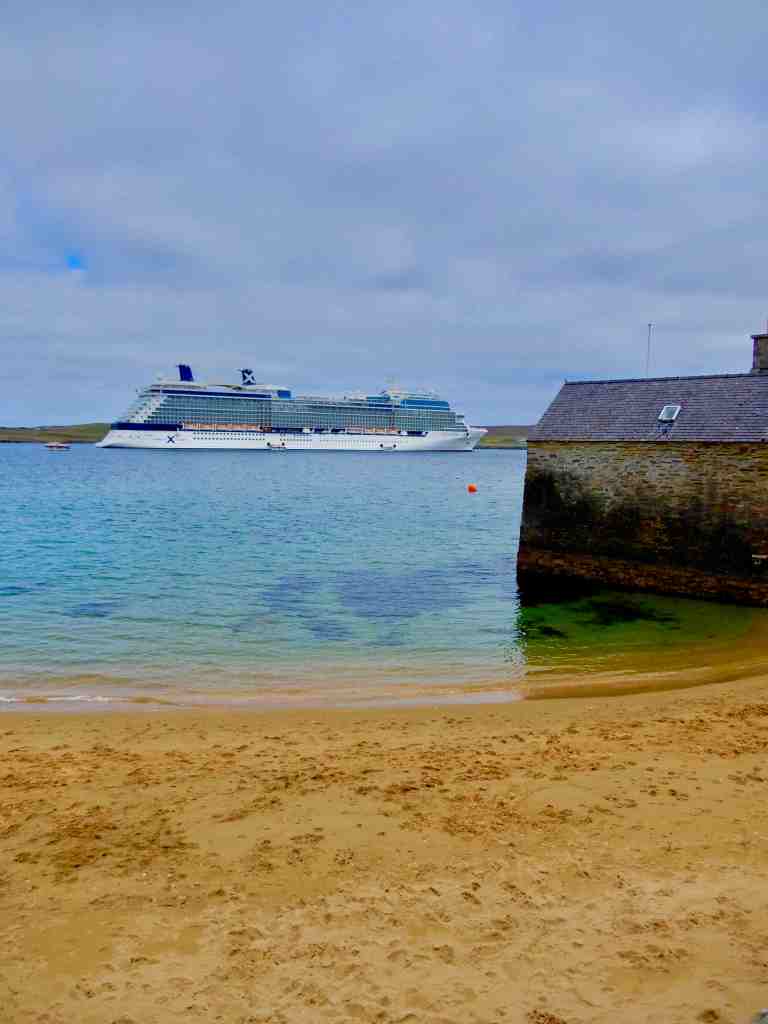
As your ship cruises into Bressay Sound you will pass the headlands and the Bressay lighthouse and anchor just off historic Lerwick.

To get a good feel for the place and the people that live here you can stream a popular television show that is a very good police show centered in Lerwick called Shetland.

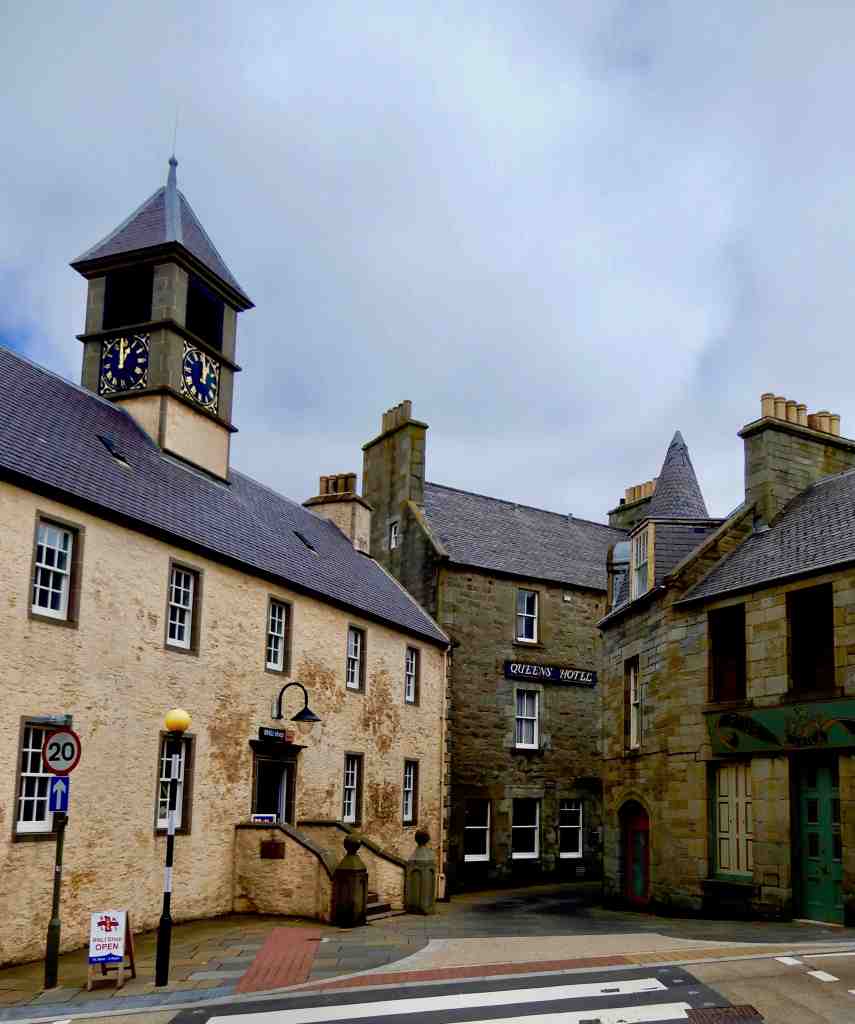
Getting Ashore -Cruise ships will normally anchor out and use tenders to reach shore. The tenders will dock right in the center of this picturesque town with its narrow streets and historic buildings.

Transportation – While there is a good public bus network (www.zettrans.org.uk) with its hub at Lerwick that reaches most points on the main island, and connect with ferries to other islands it will occupy a fair amount of time to get around. The Lerwick bus depot is conveniently located near the center of town. Buses on a route going south from Lerwick leave about every hour and a trip to Sumburgh takes about 45 to 50 minutes. Along that route you will find the Broch of Clickimin, Jarlshof Prehistoric and Norse Settlement, the airport and the puffin nesting area at the park at Sumburgh Head.

Because of the time constraints involved in a day in port the best approach is to take an organized tour or better still rent a car. Shetland has really good roads and renting a car is pretty easy. Rates average about £40 a day. Companies include Bolts Car Hire and Star Rent-a-Car located near the bus station.

Money – The Shetlands is part of Scotland and has now reverted to the English Pound. US Dollars and Euros are not generally accepted but most credit cards are welcome.

Local Attractions:

Clickimin Broch

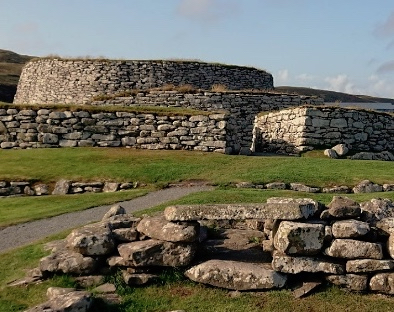
The Broch of Clickimin is a large, well-preserved partially restored broch (a broch is an Iron Age stone hollow-walled structure unique to Scotland) dating to the late Bronze Age and is located just a mile north of town.

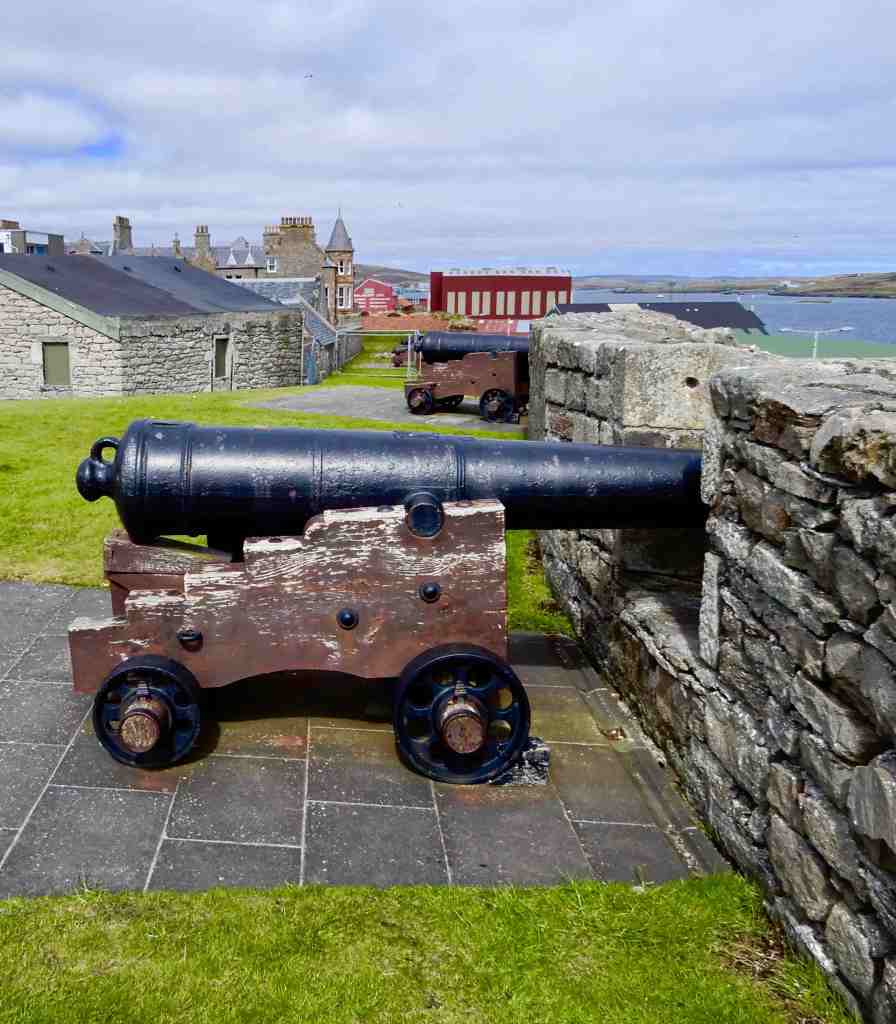
Fort Charlotte in the centre of Lerwick, Shetland, is a five-sided artillery fort, with bastions on each corner. The grounds and exterior battlements are open to the public and it offers good views of the towns harbor area. Today Fort Charlotte is managed by Historic Scotland, and is the base for Shetland’s Territorial Army. Visitors must call to get the keys to visit buildings.

Lerwick is home to a number of nice art galleries and gift shops. Art and crafts with puffins being the most popular subject.

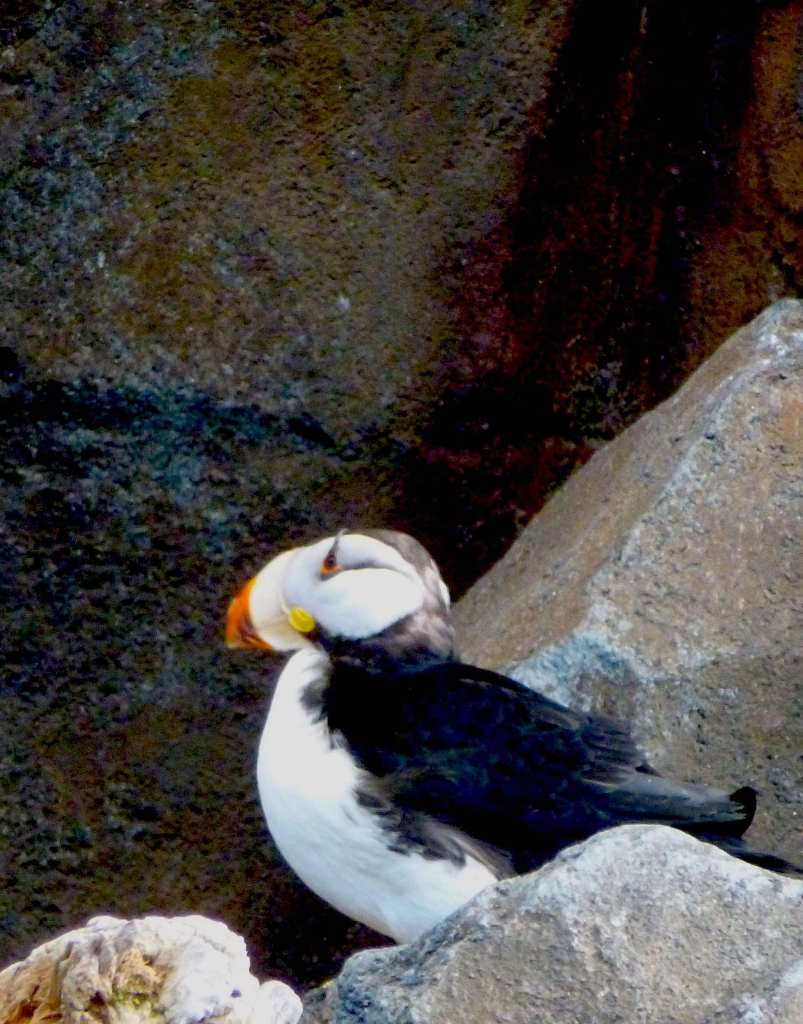
The Shetland Island’s Puffins. These islands are home to a large population of puffins in the UK, making them a good place for puffin-watching as well as other bird watching but puffins only if you’re visiting from May through July. Puffins remain at sea the rest of the year. Within the Shetland Islands there are a number of places to see puffins, but of all puffin colonies on Shetland, Sumburgh Head is the most easily accessed. The site is about twenty miles south of Lerwick and a short drive from Sumburgh airport. The puffin grounds are just a few yards from the Sumburgh Head car park. The nesting grounds have around 5,000 puffins that nest, fish and fly on both sides of the headland so the chances are you will see puffins flying around the moment you step out of your car. The site is run by the Royal Society for the Protection of Birds.

Scalloway Castle
Jarlshof Castle


Port of Reykjavik, Iceland

Stark, Wild, Fascinating Reykjavik

Famous Icelandic hot dogs

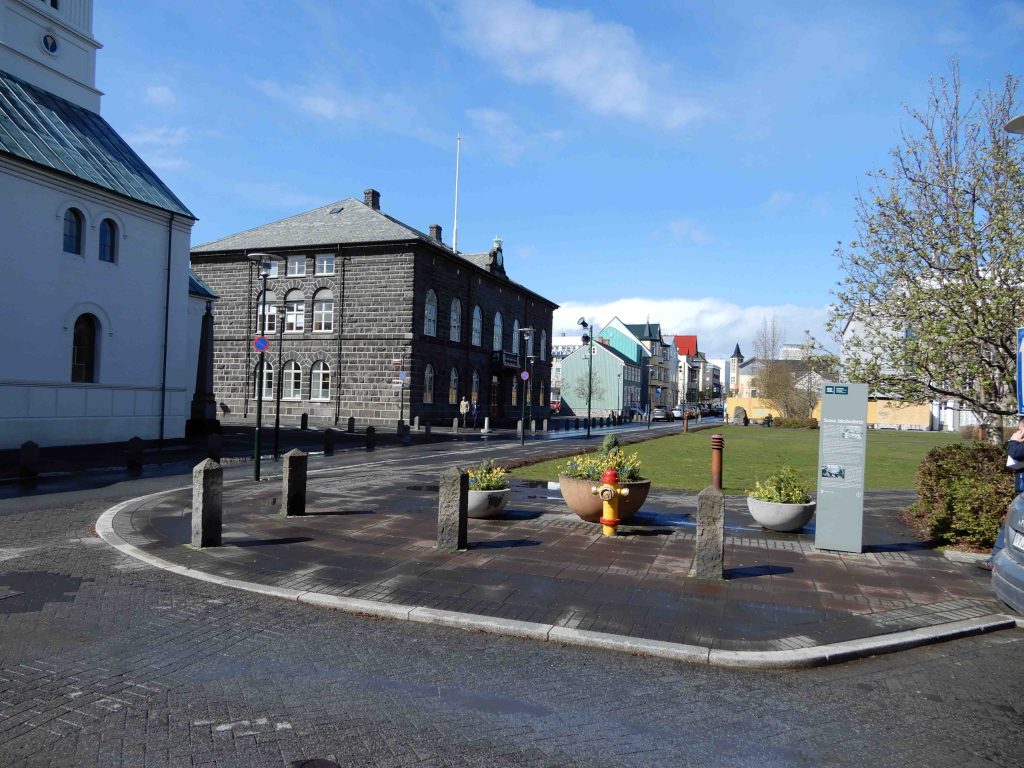
Reykjavik is a beautiful city with the focus being its waterfront. On the water at the center of town is the Opera House and the square in front is the usual stop for the shuttles from the dock. That makes it a convenient meeting point where you will catch the returning shuttle. The waterfront between town and the ships dock also features a beautiful walking path, perfect for a stroll to take in the stark beauty of this remarkable location. The city’s waterfront is a popular area, with a view of Reykjavik’s landmark mountain, Mt. Esja across the bay. There is also the striking sculpture Sun Voyager by Jon Gunnar Arnason ,  a massive steel sculpture in the shape of a Viking ship.

Harbor view
Opera House

Where Your Ship Docks– Cruise ships will normally dock at port facilities outside of town. Reykjavik is usually the supplier of shuttle service into town with a round-trip fare that seems somewhat over priced (this is probably related to the high cost of living in Reykjavik). If you don’t mind walking (weather permitting) there is a nice paved walk along the shore into town of only about two miles. There is no cruise ship terminal so ships have to make use of boarding ramps. For people with walking issues and wheelchairs it can be difficult.

Transportation – Taxis are readily available and are surprising inexpensive. A taxi tour of the city can usually be booked with TaxiReykjavik  for durations of 1-3 hours for under $8 per hour. Rental cars are also inexpensive for trips out into the Icelandic countryside to visit the Rift Valley and waterfalls. Click HERE  for more about taxi tours.

One of the nearest attractions to Reykjavik is the Blue Lagoon. There are hourly bus transfers 7 am to 8 pm to and from Blue Lagoon from Reykjavík via Destination Blue Lagoon with a package that includes round-trip fare and admission for under US$60. To get out and see the real wonders of Iceland you will need to rent a car (rental cars are not very expensive) or book a day tour. The most popular trip is the Golden Circle.

Currency – Local currency is the Icelandic króna with about 7,000 being equal to US$1. Credit cards are readily accepted and there are ATM’s available. 

Presbyterian Cathedral

Attractions – Reykjavik’s many museums  offer insight into this country’s fascinating Nordic History. Start with the  Saga Museum  for a look into how the Vikings fought and lived with displays of wax figures depicting scenes of the earliest settlers (circa 874 AD).  The National Museum displays more than 2,000 artifacts from the ninth century to the present.  For a different experience, live actors at the open-air Reykjavik City Museum -Arbaejarsafn offer scenes of how settlers lived in the old days in an open-air museum, and it traces the development of Reykjavik and Iceland from their beginnings to today.

While the Blue Lagoon is located outside Reykjavik, this  is a must if you have enough time in Reykjavik. The mineral-rich thermal waters are a perfect 104 degrees Fahrenheit, and the minerals and algae in the water are supposed to improve skin and even cure psoriasis. The Blue Lagoon is about an hour’s drive from the city. 

The sea around Reykjavik is popular with many types of whales, dolphins and seals. Many whale watching tours also pass by Puffin Island. The whale watching season runs from late March to late October.

Another of Reykjavik’s landmarks is the Perlan, a unique piece of architecture built in 1988. It is a thermal energy operation in which natural hot water is stored for heating the city, it includes a glass dome under which a rotating restaurant is famous for its cuisine. The dome has a viewing platform with  panoramic 360-degree views of the city and its surroundings. Access to the viewing platform is free of charge.

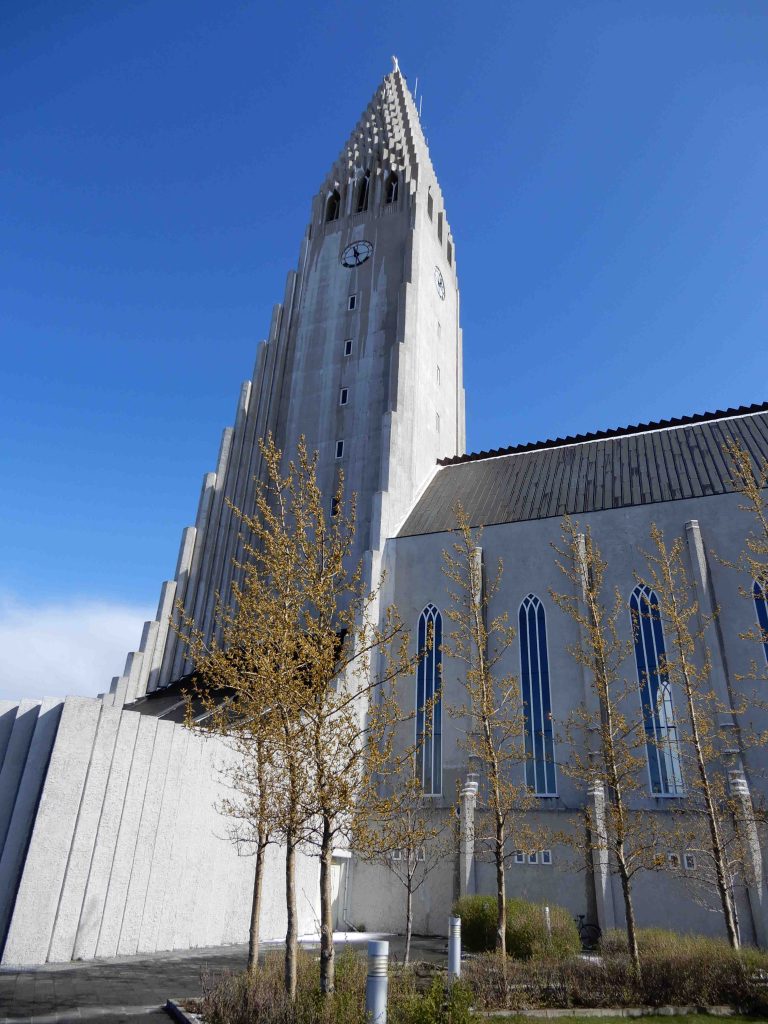
Reykjavik features a beautiful Presbyterian Cathedral as the cities centerpiece with nice shops and restaurants radiating down streets toward the sea. Be sure and have a famous Icelandic hot dog as you explore.

Hallgrimskirkja Church can be seen from almost anywhere in the city. Its steeple rises above all other buildings in Reykjavik and the church can seat over 1000 worshipers. The grounds also feature a statue of the first Viking said to have discovered America, Leifur Eiríksson. The church  nave is open to the public daily and you can purchase tickets to visit the top of the tower for spectacular views of the city. 

Check out walking tours of Reykjavik HERE.

Amsterdam • A Port of Call

Amsterdam, Heart of The Netherlands

Approaching The Netherlands from the North Sea cruise ships navigate the North Sea Canal. The canal runs from the IJmuiden locks to the Coenhaven. East of the Coenhaven, the waterway is called the River IJ (both letters are capitalized) and continues up to the Oranjesluizen locks located in the eastern part of Amsterdam. Than from the Oranjesluizen up to the Passenger Terminal in Amsterdam. Unfortunately ships that are transiting into Amsterdam often come in before dawn so as to be tied up early in the day. Passengers that are sailing out of Amsterdam late in the day get a much better appreciation of the systems that protect Holland from the North Sea.

Amsterdam is the largest city in the Netherlands famous for tulips, cheese, marijuana, red light districts and canals,. Many people call the country Holland but the true name is the Netherlands with Holland being the name of two of its states. The people are Dutch as is the name of their language.

The most important thing to know about Amsterdam is when walking in the city, pay attention and stay out of the bike lanes and watch out for bikes! Everyone rides bikes to get around in this city and in most areas there is a designated bike lane between the sidewalks and the street. The biggest mistake visitors make is seeing the traffic stop and step off the sidewalk without looking for bicycles. Keep you eyes open for bikes – a bicyclist moving at ten miles an hour can do a lot of damage to a pedestrian.

Where Your Ship Docks

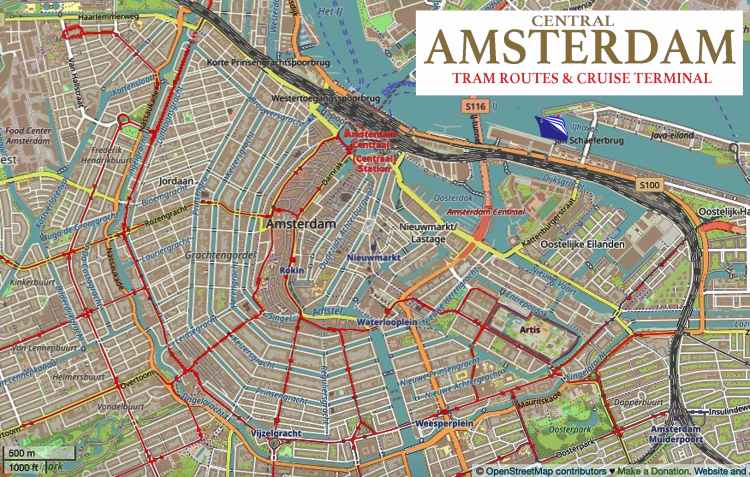
Your ship will dock at the Cruise Terminal on the river IJ. The cruise facilities are modern with good access to public facilities. From the terminal it is just a 10-minute walk to the central train station. With the cruise ship at your back walk off to your right along the waterfront to reach the station and central Amsterdam.

The cruise terminal is only a 20 minute ride from Amsterdam’s Schiphol Airport and just a ten minute walk to Amsterdam Central Train station. There is also frequent train service from the station to Schiphol Airport. Amsterdam has an excellent and inexpensive bus system
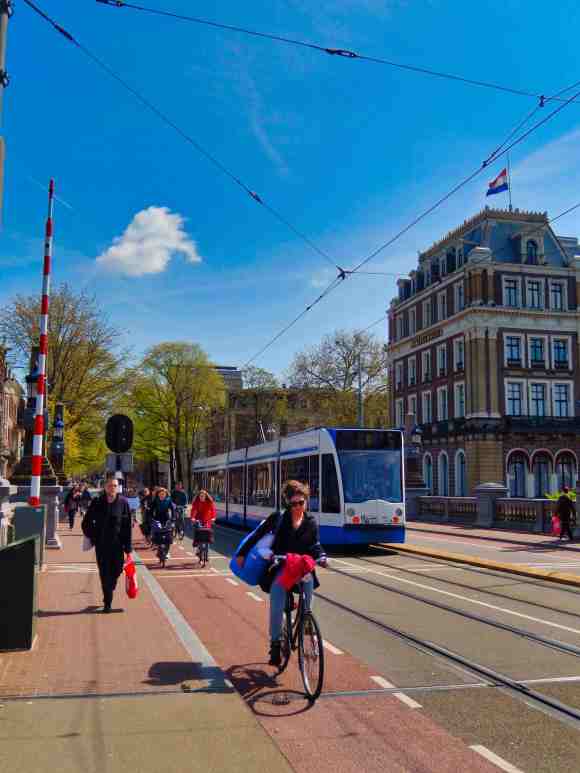
The city is laid out like a fan with major streets radiating out from the Amsterdam Central Train station. The major canals arc across the fan along with a number of city streets. Most major streets are serviced by trams which run every few minutes.

Traveling within Amsterdam by public transportion is easy to understand and very convenient. The network is operated by GVB throughout the central city and connects its neighborhoods with trains, trams, metro, bus and ferry. The least expensive and most convenient way to see the city is with GVB day passes. Available from 1 to 7 days, with prices starting from €8.50 per person, per day and valid on trams, buses and metros operated throughout Amsterdam. You can buy your tickets in advance from the GVB website HERE.

The Netherlands, like other members of the EU uses the euro as its official currency. You will often discover that to avoid the use of the 1 and 2 cent coins, many cash transactions are rounded to the nearest five cents in the Netherlands. Credit and debit cards a commonly accepted but U.S. Dollars need to be changed into Euros.
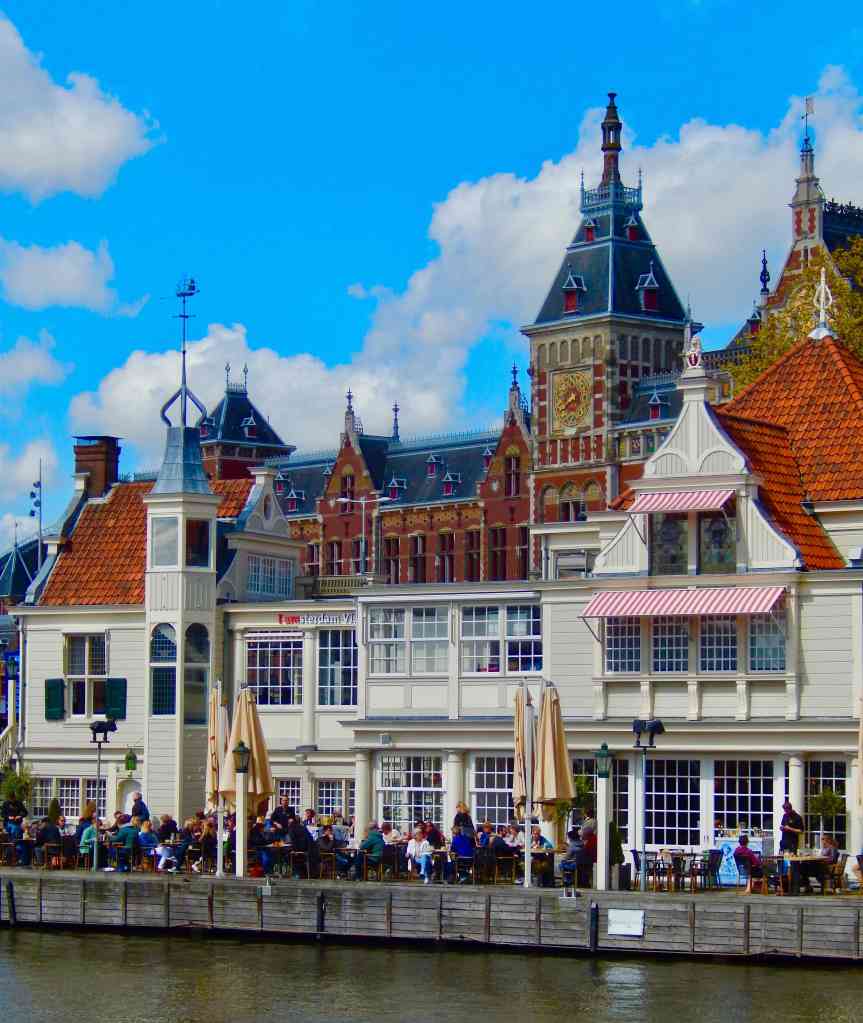
This is a beautiful city and great for walking (watch out for the bicycles!). Canals lined with boats are at every turn and like most major cities there are books dedicated to seeing this city. Museums, galleries, gardens and historic places are everywhere but often it’s just the cities neighborhoods that make a visit memorable.

Rijksmuseum – One of Amsterdam’s most popular attractions – and certainly its most important art repository – the Rijksmuseum was founded in 1809 to house the country’s huge collection of rare art and antiquities.

Van Gogh Museum – A must-visit for art fans and historians, the spectacular Van Gogh Museum has been one of Amsterdam’s top attractions since it opened in 1972.
Vondelpark – The largest and most visited park in Amsterdam, Vondelpark occupies 116 acres.

The Anne Frank House – On the Prinsengracht, the Anne Frank Museum is dedicated to the all-too-short life of one of the world’s best-known Holocaust victims.

If you are visiting in the Spring (usually from late March through early May) a must see is the Keukenhof Gardens, one of the worlds largest flower festivals featuring acres of tulips. Visit our article on the Keukenhof  HERE.

CLICK MAP TO DOWNLOAD A COPY

Port of Call Antigua, W.I.

General – The sovereign state of Antigua & Barbuda is located in the middle of the Leeward Islands chain, between the Caribbean Sea and the Atlantic Ocean. In 2017, most of Barbuda’s infrastructure was destroyed by Hurricane Irma and the population was evacuated to Antigua. Rebuilding has been a slow and painful process as resources are extremely limited.

Where You’re Docked – The cruise ships normally dock at Heritage Quay or Redcliff Quay in the downtown area of St. John’s, the capital and largest city on the island. If there are a lot of ships in port, some may dock at the Deep Water Harbour Terminal approximately 1.5 miles from the city. It is best to take a taxi from this area as there are no sidewalks going into St. John’s from the Harbour Terminal. There are plenty of shops and restaurants in the Quay area although many are closed on Sundays and public holidays. There are also several spots that offer WI-FI for either a small fee or free with a purchase. The beautiful St. John’s Cathederal which dates back to 1845 is a historic site to visit in town.

Transportation – There are lots of taxi cabs available from the cruise dock area. Many taxis have a fixed fare set by the government but you can try to negotiate your fare before agreeing on the trip. There is limited public bus service and it can be complicated to use and time consuming. Rental cars can be expensive because, in addition to the rental rate, a $20.00 temporary driving permit is required by the Antiguan government.

In addition to taking a ship’s shore excursion you can usually negotiate an island tour with local taxi drivers. It’s common aso to work out a round trip fare to places like English Harbour or Shirley Heights where the driver will return at a specified time.

Money – The official currency is the East Caribbean dollar (EC) but US dollars are widely accepted. The current exchange rate is US $1.00 = EC$2.70.

Nearby trips:

Attractions – Antigua is said to have 365 beaches, one for every day of the year. For tourists, one of the more popular beaches is Dickenson Bay, approximately 15 minutes by taxi from St. Johns. It offers a lively atmosphere with restaurants, bars and beach resorts.

Best view of the island is from Shirley Heights which also provides a nice restaurant for a meal with a spectacular view. A visit can be easily incorporated with a trip to Nelson’s Dockyard, the only working Georgian Dockyard in the Caribbean.

The nation is actually Antigua & Barbuda but 95% 0f the population lives on Antigua. Barbuda is actually one of the few unspoiled islands left in the Caribbean with a large park and bird sanctuary famous for its Flamingo colony. A visit to Barbuda is possible via the Barbuda Express, a 90 minute ferry service operating from the ferry dock in St. John’s. The ferry runs every day with one departure and one arrival daily. Adult r/t tickets run EC$85.00 (there is also a EC$15 landing fee from the government) and children’s fares are less. Advance reservations are recommended. A roundtrip and tour of Barbuda is scheduled every Tuesday and Thursday.

VISIT THE CRUISE LIFE SHOP

English Harbor is the main historic sight on Antigua and is a large natural harbour on the south coast. English Harbour is best known for Nelson’s Dockyard, a former British Navy base; it displays restored 18th and 19th-century buildings, a museum and other historical artefacts from the colonial period of the dockyard, especially from the time it was commanded by Horatio Nelson. The Royal Navy had begun using English Harbour as a safe anchorage in the 17th century and in 1704 Fort Berkeley was built on a spit across the harbour entrance to defend it. Later additional fortifications where built on the high ground above the coast at Shirley Heights.

English Harbor is the heart of the yachting community. Antigua Sailing Week is considered the Caribbean’s most prestigious regatta. Held annually at the end of April it features the Round Antigua Race on a Saturday followed by five days of competitive racing off the rugged south coast of the island. Yachts come from all over the world to attend the races.