Lessor Known Attractions in Florida

A Few Small Museums and Attractions Well Worth Some Time

The CCC Museum

There was a time when small roadside attractions where the highlight of family road-trips. While they have been overshadowed by the mega-parks and major resorts, there are still a number of roadside gems that you should explore – amazing little pieces of history encased in small museums. If you take the time, you will discover these surprises everywhere.

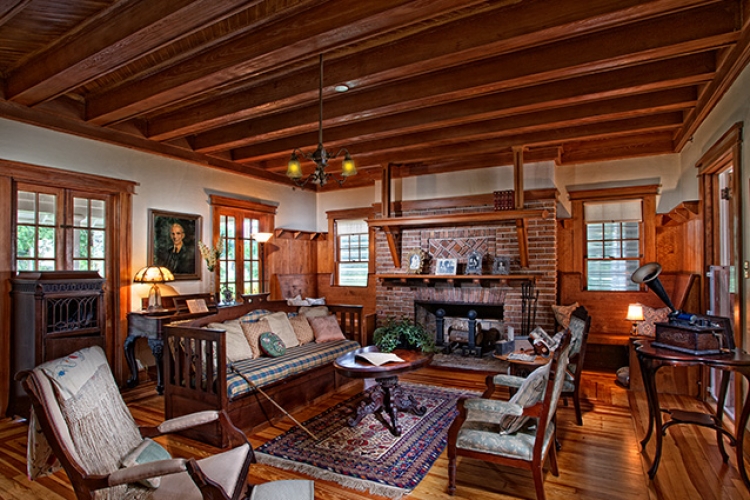
Thomas Edison’s study

The famous American inventor, Thomas Edison first visited Fort Myers in 1885. On his first trip to Southwest Florida he purchased more than 13 acres along the Caloosahatchee River and returned to Fort Myers in 1886 with his bride, Mina Miller Edison. For sixty years the Edison family wintered at their Florida estate. In 1947, Mina gave the Estate to the City of Fort Myers. The city opened the estate to the public in 1947, and the Edison Ford estate property is a National Register Historic Site and is one of the most visited historic home sites in America.

Railway Museum Winter Garden

The Central Florida Railway Historical Society Museum is a beautiful collection of railroad memorabilia displayed in a train depot in downtown Winter Garden, Florida.

The Florida Air Museum

Located in Lakeland, Florida off I-4, The Florida Air Museum displays a wide variety of vintage aircraft, ultralights, experimental homebuilts, air racers, military, aerobatic and factory-built aircraft from all eras.

The Bonnet House was built in 1920 on Fort Lauderdale oceanfront land given to Frederic Clay Bartlett and his second wife, Helen Louise Birch, by her father, Hugh Taylor Birch, a prominent Chicago attorney, real estate investor, and naturalist. In 1925 Helen died from breast cancer and in 1931 Frederic married Evelyn Fortune Lilly, who spent winters at Bonnet House until 1995. Today, the estate is a museum dedicated to remembering the history of Fort Lauderdale.

The St. Augustine Pirate & Treasure Museum offers an interesting and educational museum experience that transports you and your family back in time over 300 years to Port Royal, Jamaica, to the height of the Golden Age of Piracy.

spacing needed here
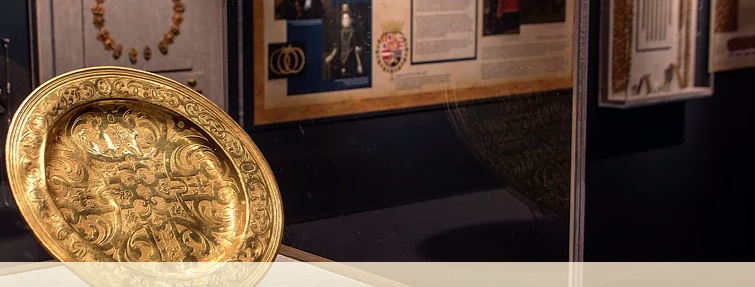
Another great museum of Spanish treasure is Mel Fisher’s Museum in Key West, Florida. Working out of Key West, Florida, treasure hunter and diver Mel Fisher spent decades searching for the resting site of a Spanish treasure fleet destroyed in a hurricane. They located the Nuestra Señora de Atocha in 1975, with an inscribed cannon to verify the wreck of Atocha. Subsequently, a substantial part of its remaining cargo of silver, gold and emeralds was discovered making it one of the worlds greatest sunken treasures. Much of the treasure is on display at the Key West museum.

In Sebring, home of the the famous race course where the first 12 Hours of Sebring was held on March 15, 1952, is an interesting gem for those who served in the military at sea.

The Military Sea Services Museum – an admittance free museum that has collected seagoing artifacts, stories, books and photographs relating to the time spent at sea by our military. In the collection are a large number of custom ship models, uniforms, weapons and some real finds like a commemorative brass plate cast for the WWII Japanese surrender on the battleship Missouri. The building sits in the middle of a WWII military training airfield.

Military Sea Service Museum collection
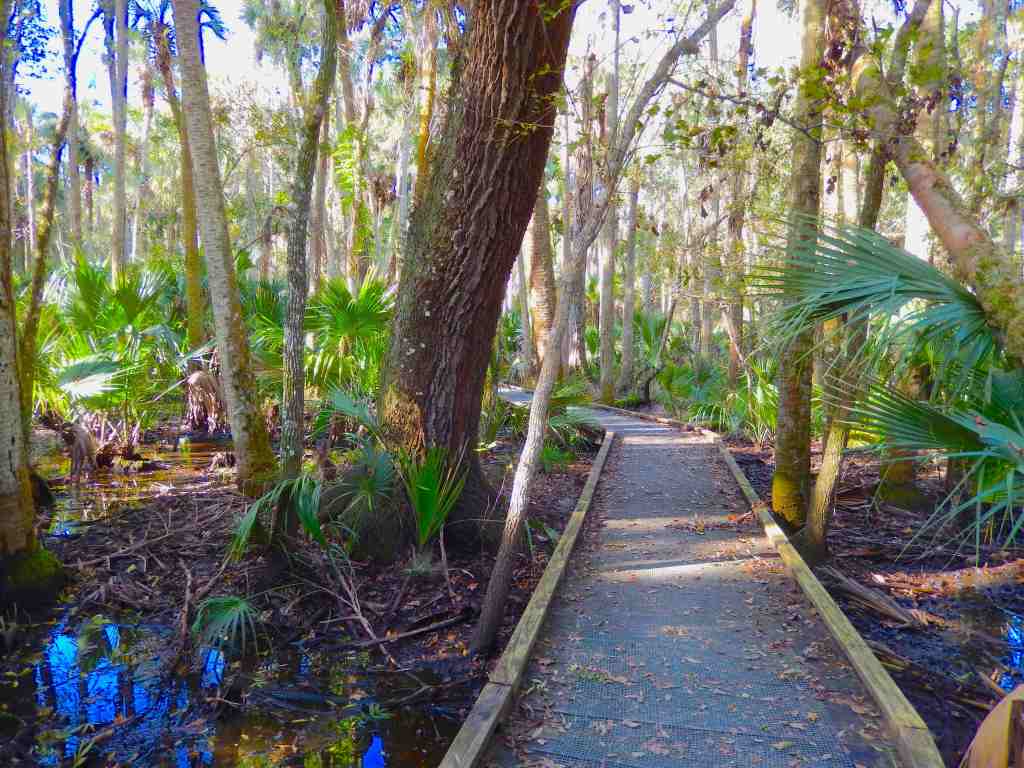
Cyprus swamp trail at Highlands Hammock State Park
CCC Museum near Sebring

The Florida CCC Museum – Another stop in Sebring is a visit to Highlands Hammock State Park. Established in 1931 and developed later by Florida’s Civilian Conservation Corps, the park features a lush and incredibly diverse 9,000 acre refuge for endangered animals and ancient flora. While the park is a great place for hiking, it is also home to the Florida CCC Museum. Chock full of memorabilia and AV displays, it is a remarkable place to learn about the Civilian Conservation Core, the New Deal program that gave hundreds of thousands of young American men an opportunity for paid work and training during the Great Depression.

UDT – Seals Museum

The UDT SEAL Museum – While on the subject of Florida small museums, there is one located on the southern end of North Hutchinson Island at Ft. Pierce. The National UDT And Seal Museum. It’s located at Ft. Pierce because that was the site of the original WWII training facility for Underwater Demolition Teams. It was originally named the UDT Museum but was later updated as the Navy’s UDT teams evolved into the Seal Teams.

The Seal teams have overshadowed UDT in recent years but Seals are a progression from the UDT units that were active in WWII up to the early 1970’s and they share the same training program (Buds for Basic Underwater Demolition School). Stop by and learn something about Seals, their training, missions and their predecessor’s, the Underwater Demolition Teams..

Weeki Wachee Springs Mermaids, Weeki Wachee
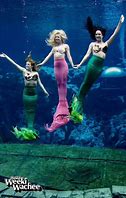
If you’ve ever wanted to get up close to a real mermaid, here’s your chance. Weeki Wachee has been offering mermaid shows in an underwater glass sided theater since 1947. Watch as trained professionals captivate audiences with graceful underwater ballet performances.
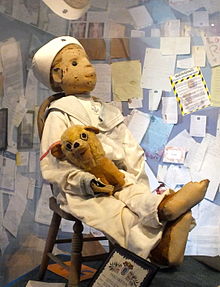
Robert the Doll is an allegedly haunted doll exhibited at the East Martello Museum in Key West and is purported to be the inspiration for the Chucky movies. Robert was once owned by Key West, Florida painter and author, Robert Eugene Otto. Be careful with this visit, Robert is famous for cursing visiting people with misfortune. Fort East Martello Museum houses artifacts and displays about early Key West. It’s an old civil war fort that has been restored by the Key West Art & Historical Society in 1950.

Air Force Armament Museum
Eglin Air Force Base is located in northwest Florida, comprising over 640 square miles.
This is one of the countries best air museums and it’s free. The Air Force Armament Museum houses Air Force aviation warfare armament from the early days of World War I right through to today’s high-tech planes and bombs – and it won’t cost you a dime. Bonus cool quotient: a vintage military aircraft including the fastest plane ever built, the SR-71 Blackbird.

Much of the base was part of a National Forest until the outbreak of war in Europe when a proving ground for aircraft armament was established at Eglin. The U.S. Forest Service ceded over 340,000 acres of the Choctawhatchee National Forest to the War Department on 18 October 1940.

Florida Caverns State Park
Florida Caverns State Park in Marianna is one of the few state parks in the U.S. with dry (air-filled) caves and is the only Florida state park to offer cave tours to the public. The cave has dazzling formations of limestone stalactites, stalagmites, soda straws, flowstones and draperies. Native Americans used the caverns for shelter for thousands of years.

The Citrus Tower
Driving route 27 through Claremont you’ll find one of Florida’s first “attractions,” the Citrus Tower was built in 1956 on one of the highest hills in Florida’s ridge section. The Citrus Tower rises to a lofty height of 226 feet (equivalent to 22 stories). The tip of the highest antenna reaches to 500 feet above sea level.

The glass-enclosed observation deck allows visitors to enjoy the panoramic view of the rolling hills of Florida’s ridge section and hundreds of spring-fed lakes in the surrounding 8-county area.
Visiting Florida Springs For A Great Day

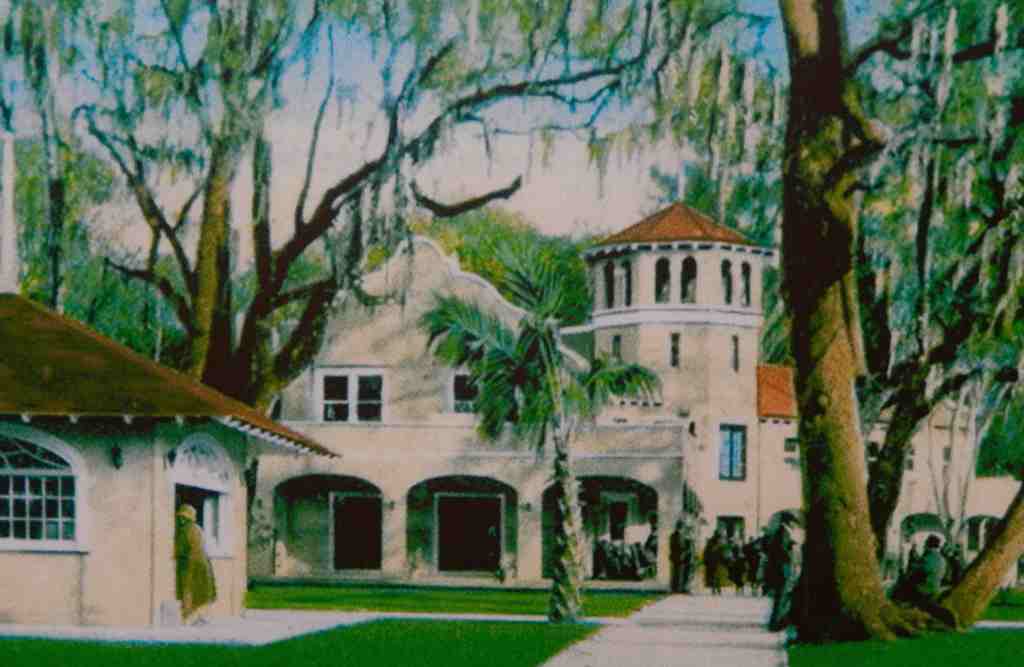
Postcard of DeLeon Hotel 1920’s

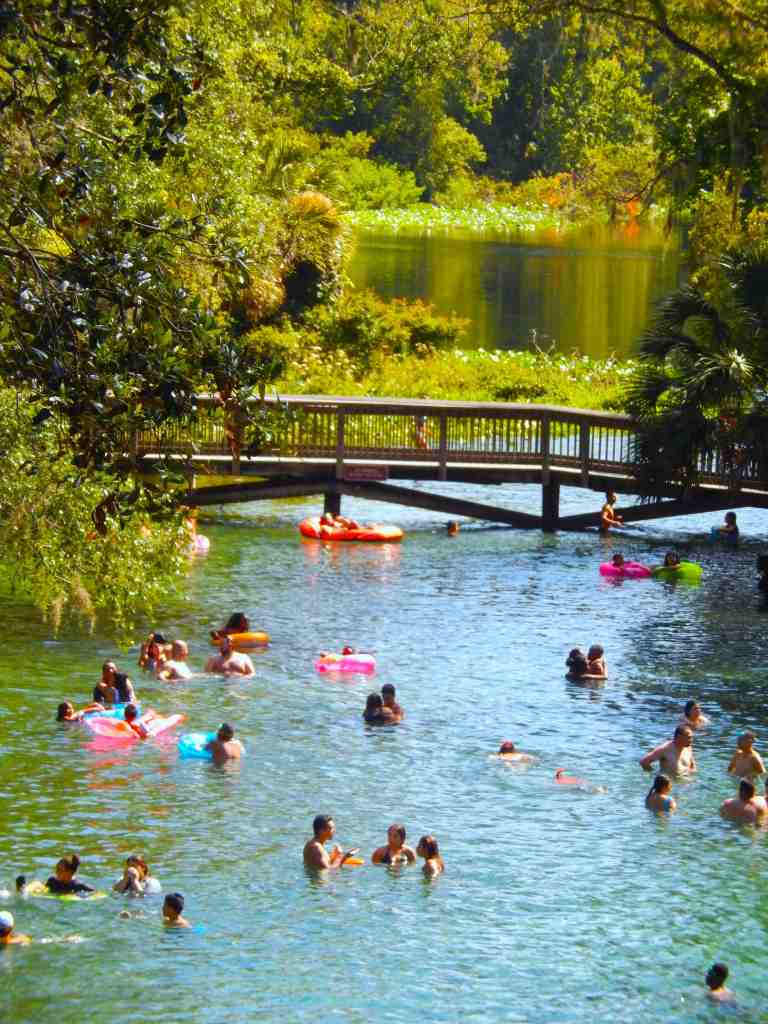
People have been vacationing in Florida for a very long time and it’s the beaches and weather that first attracts them, but once here many people discover that the state has a lot more to offer. Long before the theme parks took center stage many visitors and Floridians alike flocked to the states unique natural fresh water springs. Even today locals who know still take advantage of these remarkable places.

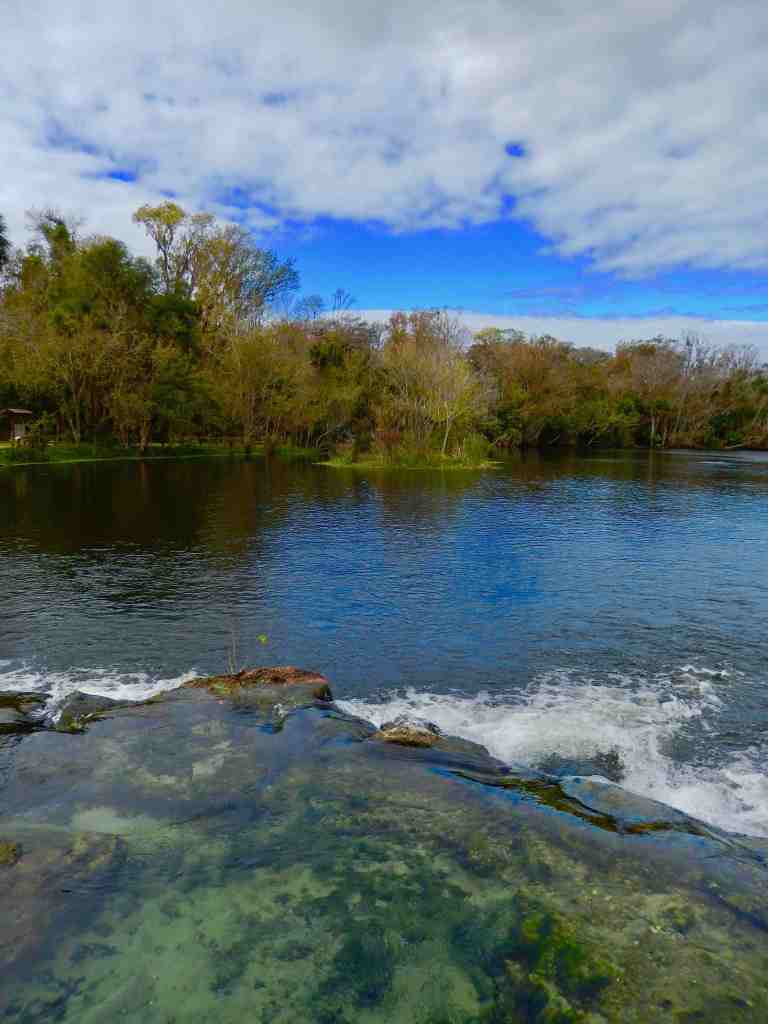
Characteristically these springs see tens of thousands of gallons per minute of crystal clear water gushing out of the Earth, usually at a constant 72°. Most locations have a large pool of water sitting above the spring outflow, called a spring head. Beneath the pool is usually a cave opening at depths that range from a few feet to over fifty feet. Water from the spring head flows down a course that then empties into a river or stream. Wildlife, just like people, are attracted to these springs and often you will see impressive numbers of birds as well as manatees that usually spend winters in these springs, along with alligators, otters and much more.

Spring Head Outflow At DeLeon Springs

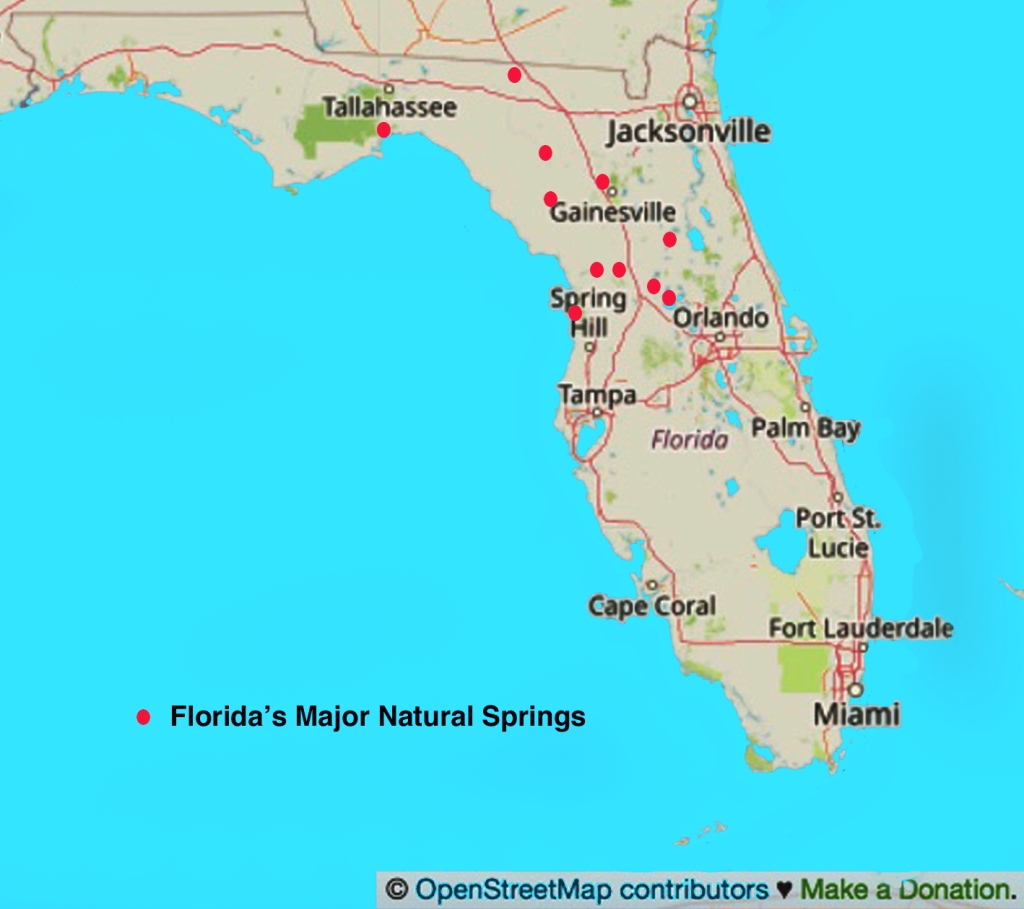
To understand why Florida has so many of these incredible fresh water springs we need to look at the states geology. The Floridian peninsula is a plateau of porous (karst) limestone that sits atop bedrock known as the Florida Platform. Because the state is relatively flat, much of the rainwater doesn’t flow out through river valleys like in most states but sits on the surface in swamps and lakes and soaks down into the ground. This water flows into the karst limestone and into extended systems of underwater caves found throughout the state and this becomes the aquifer supplying the water used by residents. In low-lying areas the pressure from the underground water gushes out of caves producing Florida’s remarkable springs. These springs are more common in North-Central Florida because the aquifer is closest to the surface there.

Years ago many of the state’s major springs were on private property and were commonly developed into popular tourist venues. The glass bottomed boats of Silver Springs and the mermaids of Weeki Wachee Springs were famous Florida attractions a hundred years ago. As the interstate highways pulled traffic from state roads, family driving vacation gave way to air travel and the theme parks of Orlando and Tampa became destinations in their own right, old Florida attractions couldn’t compete and began to close.

Silver Springs

The state of Florida stepped up and came to the rescue, partly to expand recreational offerings through the state park system but also to protect the incredible natural environments associated with these beautiful natural springs. If you are going to visit Florida don’t miss the opportunity to explore a Florida spring. If you live in Florida and haven’t taken advantage of these wondrous places – what are you waiting for?

Here’s A Bakers Dozen Of The Best Florida Springs

1. Wakulla Springs State Park

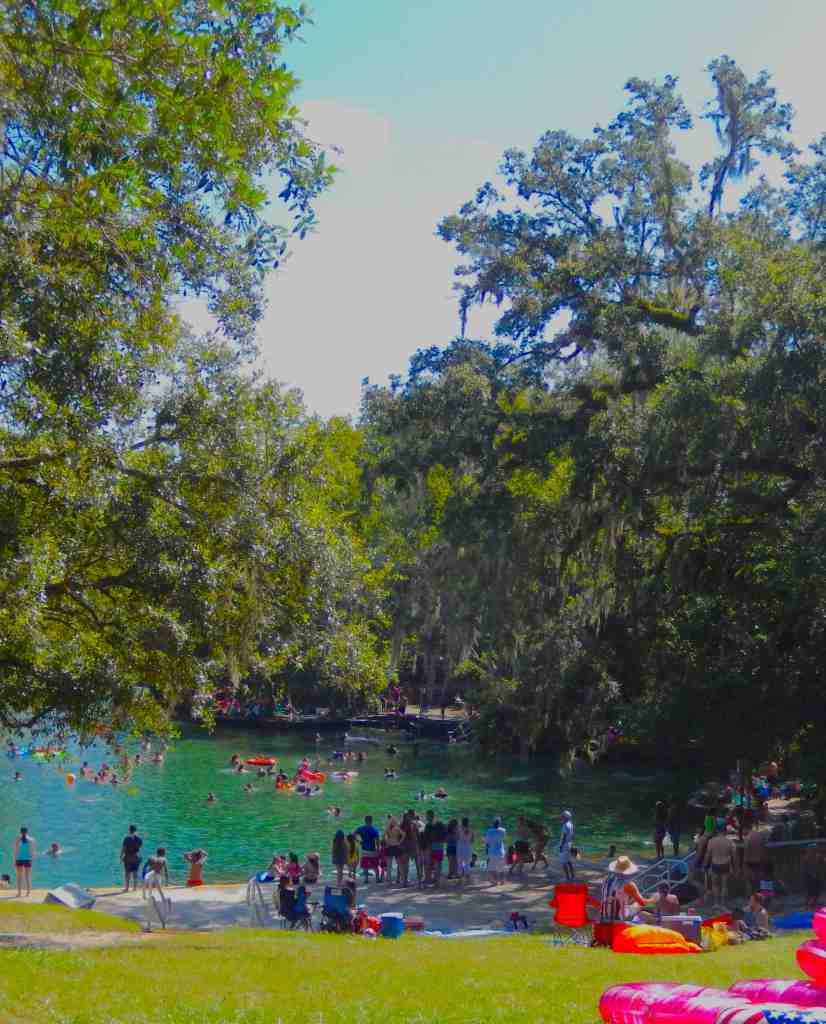
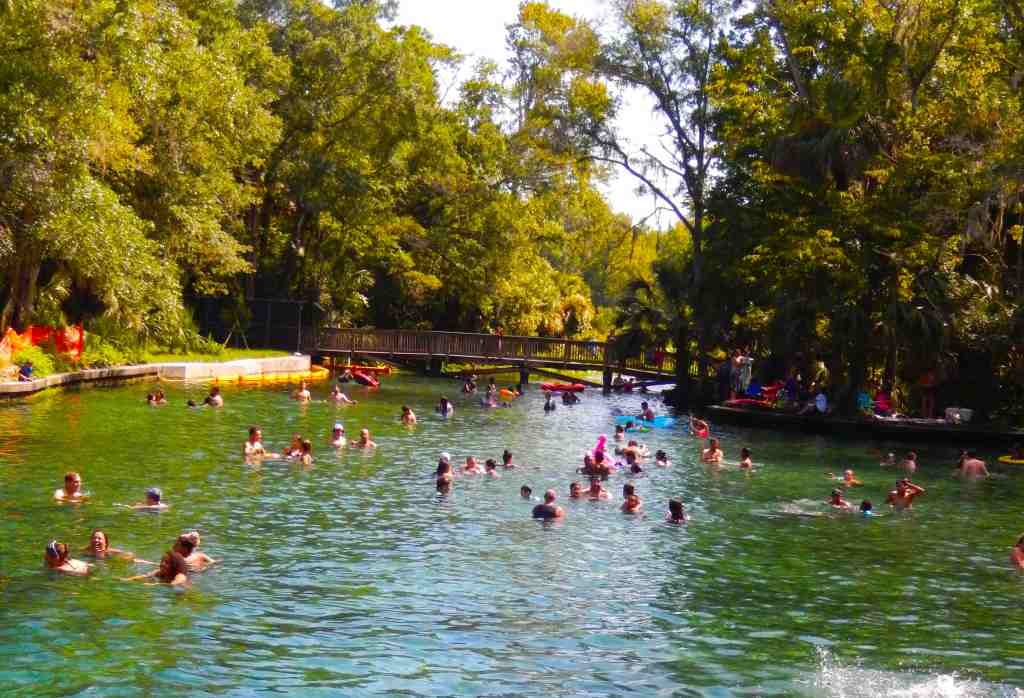
Located just 15 minutes south of Tallahassee, Wakulla Springs State Park is the deepest freshwater spring in the world. Wakulla Springs has been the location of a number of Hollywood movies like “Creature from the Black Lagoon” and “Tarzan”. Swim, dive off the high platform, stay in the famous original hotel on site and take river cruise while you’re there. GPS location 465 Wakulla Park Drive, Wakulla Springs FL 32327

2. Ichetucknee Springs State Park

One of the best places in Florida to take a tube float trip. Float or kayak down the spring-fed river or hang out at head springs pond. While there take a hike to Blue Hole Spring, another great spring located inside the park. GPS address: 12087 S.W. U.S. Highway 27, Fort White FL 32038

3. Fanning Springs State Park

Located on the Suwannee River, Fanning Springs is an inviting source of cool, clear crisp water that has attracted people for thousands of years. Reached from U.S. 19 along Florida’s Nature Coast. A favorite location for launching a kayak or canoe, Fanning Springs flows into the legendary Suwannee River offering great paddling opportunities. It is only a short distance from Manatee Springs State Park located just a few miles north of Fanning Springs in Chiefland. GPS location: 18020 N.W. Highway 19, Fanning Springs FL 32693

4. Homosassa Springs Wildlife State Park and Three Sisters Springs

Homosassa Springs is one of the best places in the state to see manatees. Visitors can get close to the animals on the springs floating observatory. Black bears, bobcats, white-tailed deer, American alligators, and river otters can also be observed in the park. Visit Lu the Hippo while there, one of Homosassa’s most famous residents. So famous, in fact, that he was granted special Florida citizenship in 1991 by Gov. Lawton Chiles. Only seven miles away is Crystal River’s Three Sisters Springs, one of the most magnificent springs in the state. Usually the largest gathering of manatees in the state. Take a tour boat, kayak or paddleboard or walk the Three Sisters Springs boardwalk. Homosassa Springs GPS address: 4150 S. Suncoast Blvd., Homosassa FL 34446

5. Weeki Wachee Springs State Park

Blue Springs

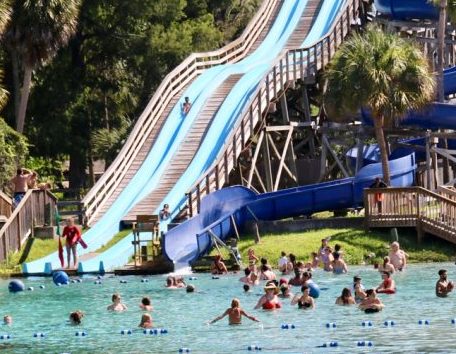
The mermaids have been entertaining guests here since 1947 and the tradition continues during several regular performances a day year round. Also, in the summer the park’s Buccaneer Bay attraction, with water slides and a beach add to the appeal. The park also rents kayaks for paddling on the Weeki Wachee River, one of the most beautiful paddling trips in the state. Rent from Paddling Adventures, the park’s concession. GPS Address: 6131 Commercial Way, Weeki Wachee FL 34606

6. Wekiwa Springs State Park

Wekiwa Spring’s crystal clear spring waters was Central Florida’s first tourist attraction that included a bathhouse and hotel opened in 1870. The spring head pond is only about four feet deep and is great fun for the whole family. The park includes over 25 miles of hiking trails, there are canoe or kayak rentals, where you can paddle down the Wekiva River for about a mile to Weikva Island, Florida’s best outdoor bar where you can tie up and enjoy lunch or a drink. Weekends and holidays can be very crowded so you need to get there very early. GPS address: 1800 Wekiwa Cir., Apopka $6 per vehicle.

7. Blue Spring State Park

This spring near Orange City is the largest on the St. Johns River. A popular location for manatees it is not open for swimming but there is a visitors center, settlers home exhibit and a nature tour boat. GPS location: 2100 W French Avenue, Orange City FL 32763

8. Rainbow Springs State Park

About two hours north of Tampa in Dunnellon is what is claimed to be Florida’s most beautiful state park. Hike the parks nature trails with man-made waterfalls and swim in the head springs or tube down the lazy Rainbow River. GPS location: 19158 S.W. 81st Place Road, Dunnellon FL 34432

Wekiwa Springs

9. De Leon Springs State Park

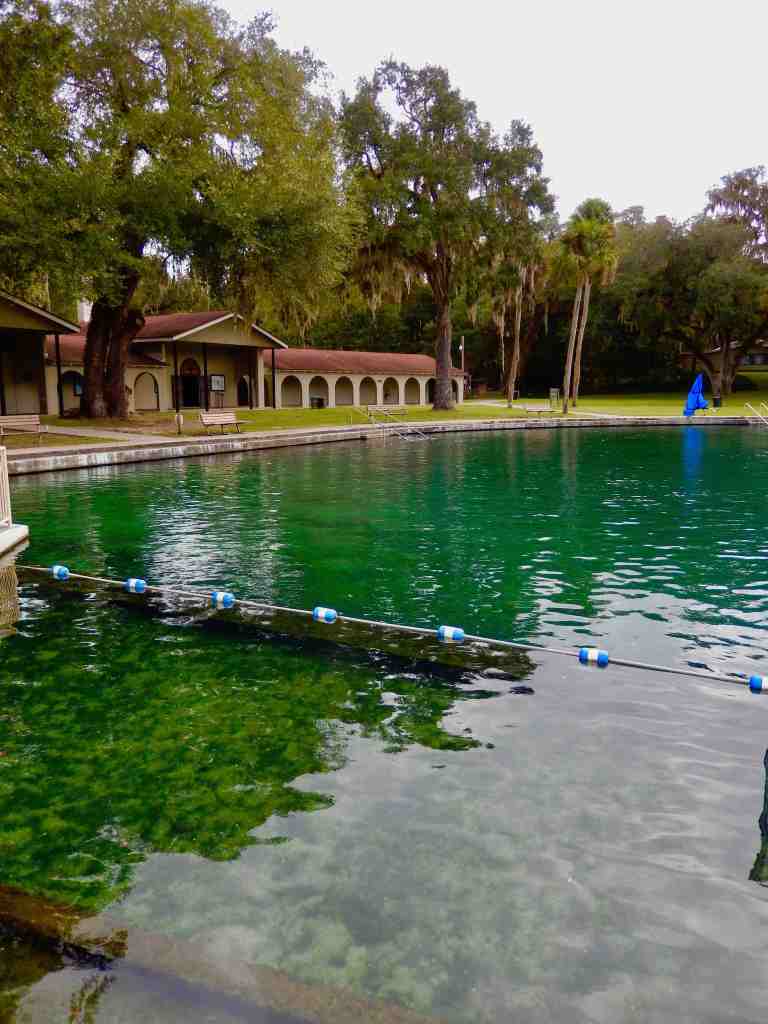
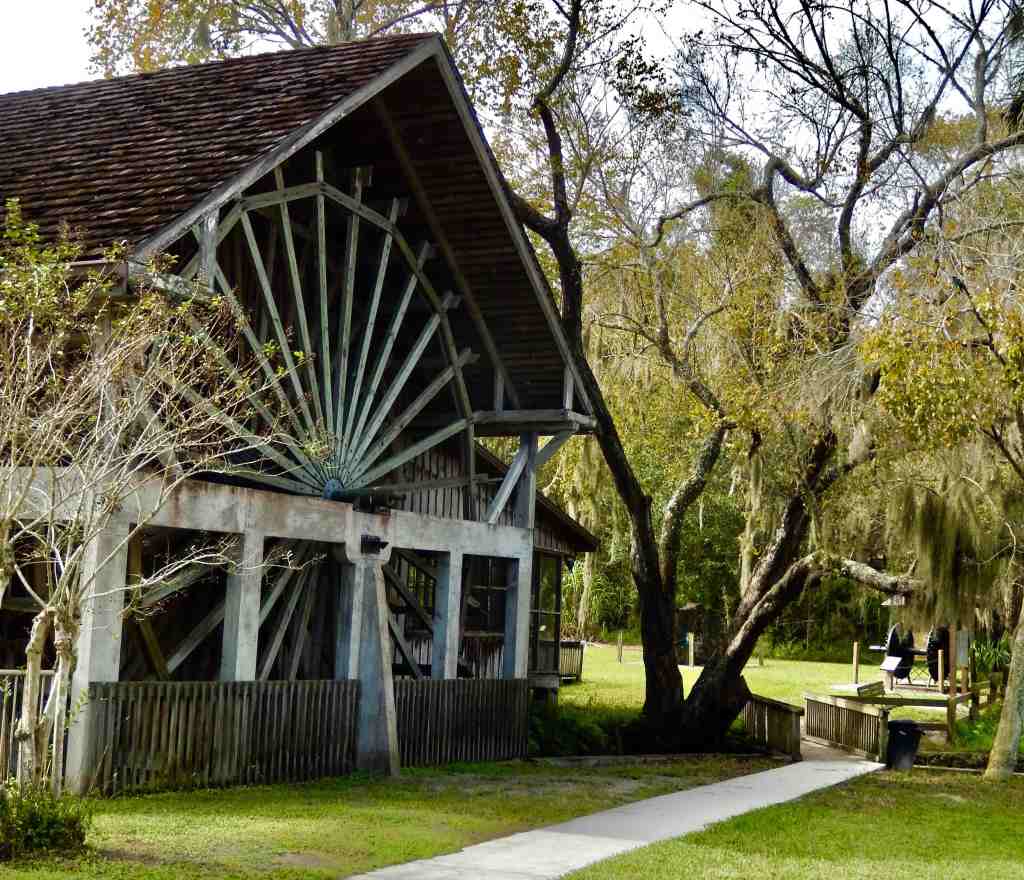
Another grand old resort location this spring park features The Old Spanish Sugar Mill restaurant where you cook your own pancakes right at the table. Located just north of DeLand, home of Stetson University, and 30 minutes from Daytona. The old resort hotel is gone but there is a nice museum, nature trails, a boat tour and swimming in the head spring with a depth of 30 feet. GPS location: 601 Ponce de Leon Blvd., De Leon Springs FL 32130.

Old Spanish Sugar Mill Restaurant

10. Madison Blue Spring State Park

Just south of the Georgia state line this is a great place to swim with crystal clear 72° water in a limestone formation on the bank of the Withlacoochee River. About 82 feet wide, 25 feet deep, with a 150-foot spring-run merging with the river. Voted the #1 swimming hole in the country by USA Today. Nice woodlands surround the spring with nature trails and facilities. Perfect picnic spot and a great way to escape the summer heat. There is also an extensive underwater cave system for those certified in cave diving. GPS address: 8300 NE State Road 6, Lee FL 32059

11. Silver Springs State Park

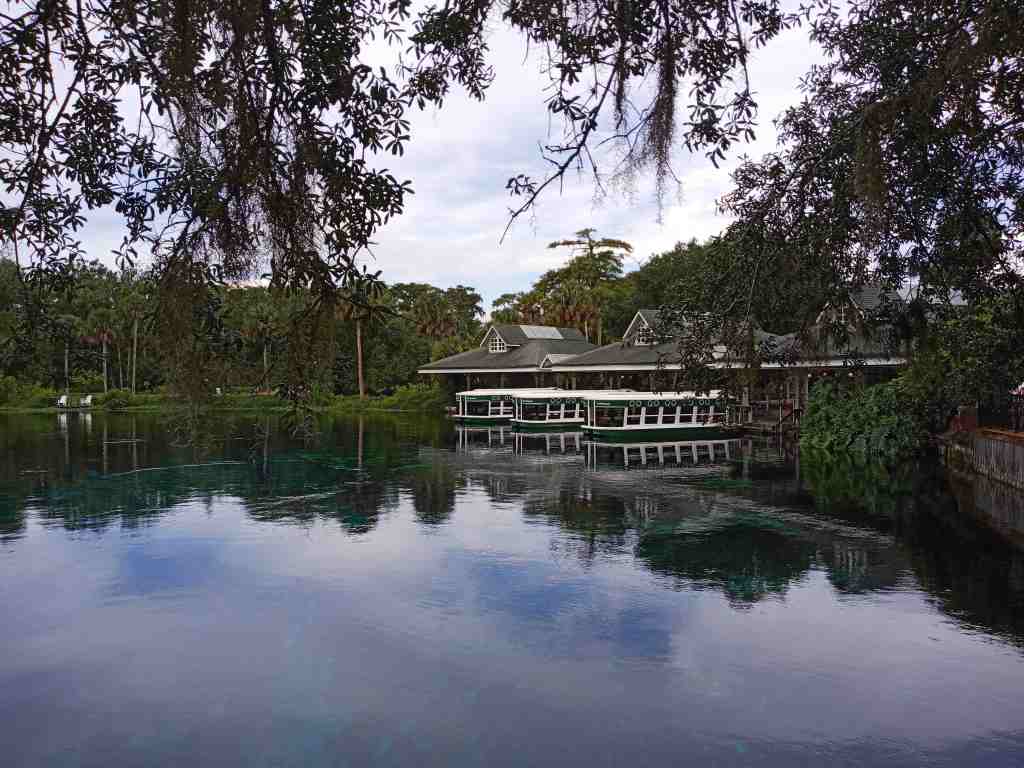
Silver Springs near Ocala is one of the oldest attractions in Florida and Florida Parks and Recreation operates it much as it was 100 years ago. There’s no swimming at the park, but gliding along over the springs in a glass bottom boat is actually a great experience. The park features a number of nature trails along with a restaurant and museum. GPS address: 1425 N.E. 58th Ave., Ocala FL 34470

12. Juniper Springs

Clear 72° water at the spring head surrounded by palms and oaks in Ocala National Forest, this is one of the Florida’s oldest and most inviting recreation areas. Operated by the National Park Service it’s off SR 40 West of Ocala inside the Ocala National Forest Recreation Area. The use fee is $6.42 per person on week days, $10.70 per person weekends. Overnight parking $12 per vehicle. Camping $22 per site at the Juniper Springs Campground.

13. Ginnie Springs

Ginnie Springs is rated as one of the clearest and most beautiful springs in the state. It’s perfect for swimming, tubing, snorkeling and diving. Unlike all the other Florida springs Ginnie Springs is still a privately operated attraction. Adults (Sunday – Wednesday)$14.02. Adult Summer Rate (Thursday – Saturday)$19.40. Children ages 6-12 $3.73. Children 5 & under Free. GPS address: 7300 NE Ginnie Springs Rd, High Springs, FL 32643

Taking A Hike On Florida’s Wild Side

Old Florida On The Saint John River

Ferry approaches park dock

The first thing most people think about when you mention the Sunshine State is fantastic beaches, but there’s a lot more in Florida to explore. Between Atlantic and Gulf of Mexico beaches is almost five thousand square miles of wilderness in Florida from the Everglades in the south to the Okefenokee Swamp in the north. The center of the state is laced by a number of rivers fed by some of the countries largest natural springs. The largest river in Florida is the St. John that flows from Lake Apopka north of Orlando into the Atlantic near Jacksonville. As it meanders north through the state it passes near the city of DeLand and around an island operated as a state park named Hontoon Island.

Hontoon State Park is managed mostly as a natural habitat and is kept much the same as it probably was thousands of years ago when Paleo-Indians, referred to as the Mayaca, had a village on the north end of the island. What remains is a large mound of shells or midden with research indicating that they lived along the river for well over 12,000 years before Spanish explorers encountered them in the late 16th century. They were a tribe of hunter-fisher-gatherers, living on the river which allowed them to have plentiful access to fish, freshwater snails and other marine creatures as a source of food. Artifacts and remnants of the Mayaca can still be found on the island including fragments of pottery and wood carvings.

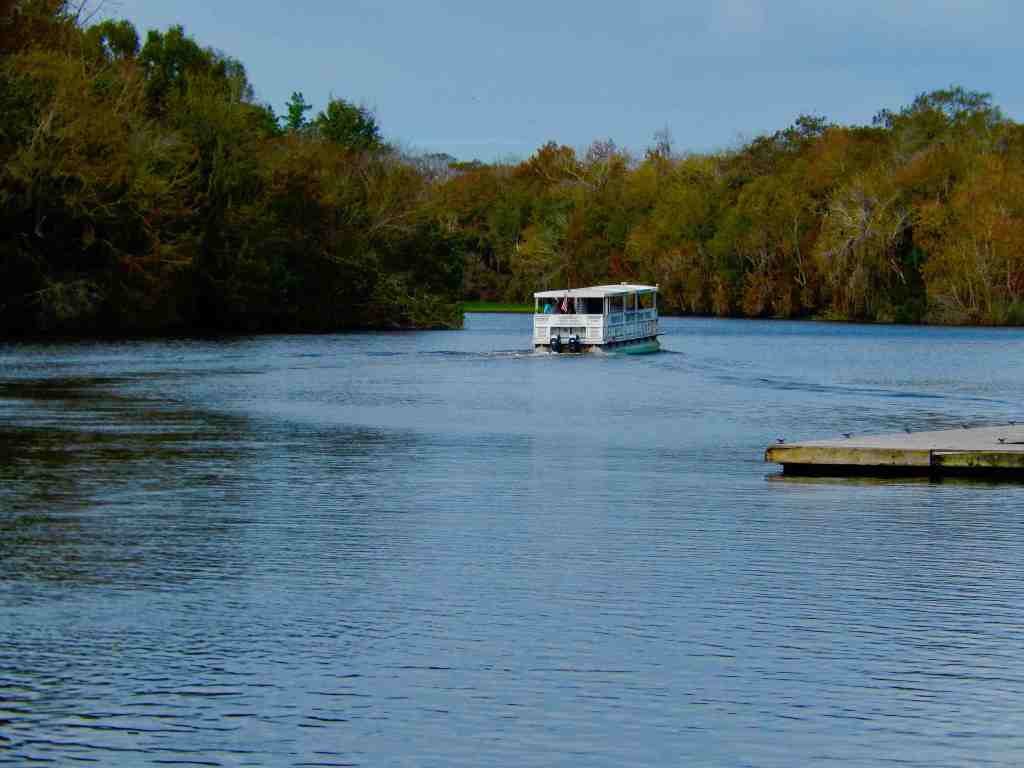
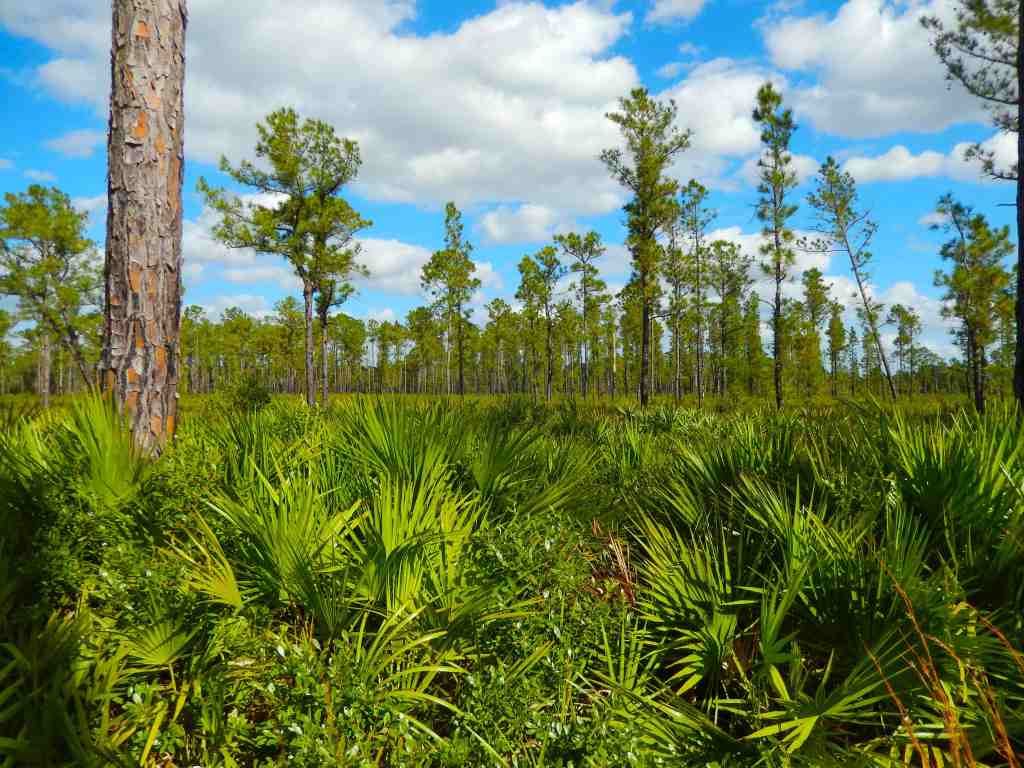
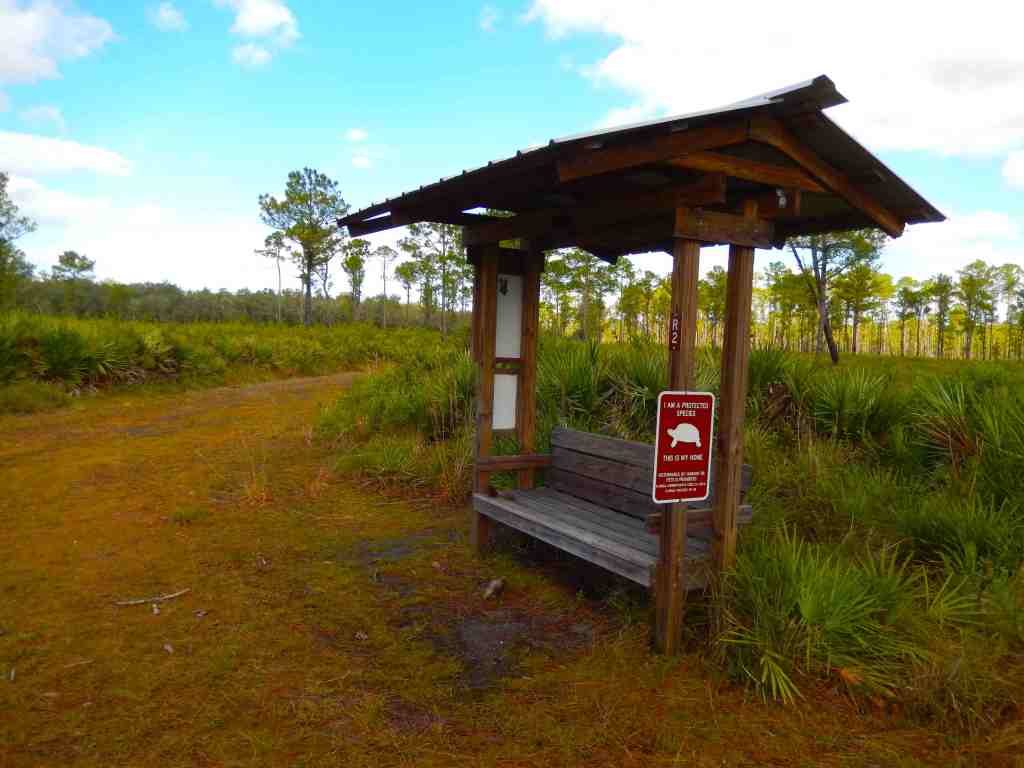
To get to the island leave your car in the parks lot on the mainland and take the free ferry over to the park Visitors Center (operating from near Sunup to Sundown). There you can hike over eight miles of hiking and biking trails through a mostly wild pine and palmetto scrub land ringed by the rivers and bald cypress swamps. There is no charge to spend the day on the island and there are cabins and campsites that can be rented for longer stays.

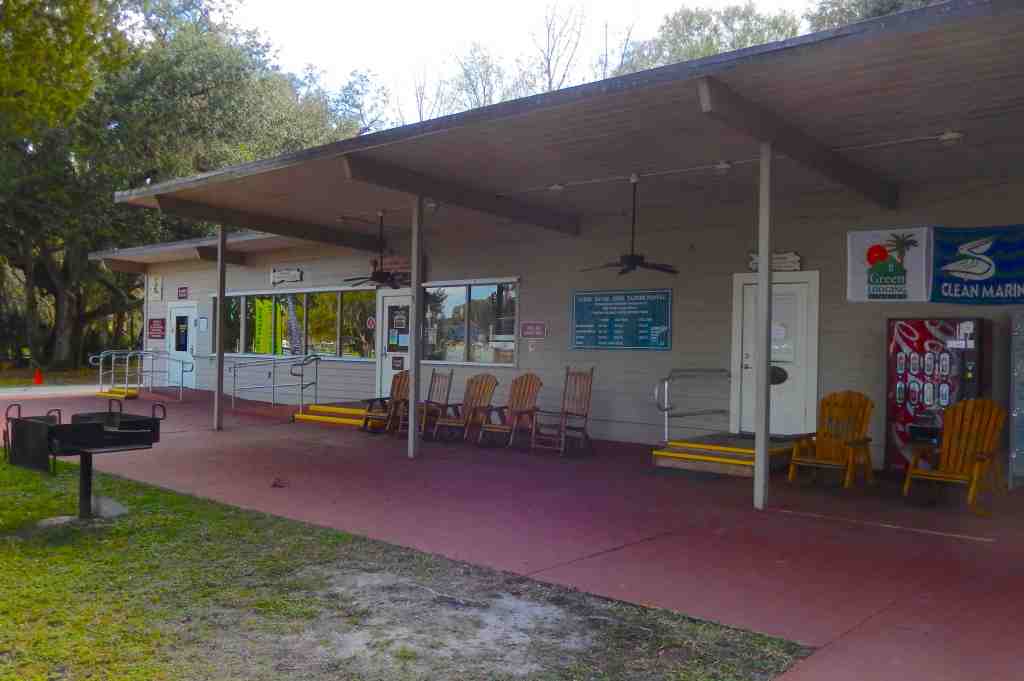
Near the Visitors Center is a nice picnic area and playground as well as canoe and kayak rentals, a few boat slips and a small store.

Cabins and Camp Sites

The island park also has a camping area with four-person ($30) and six person ($35) cabins with electricity, ceiling fans and an outside fresh water faucet and fire pit. There are also camping sites and a shower and restroom building.

4 person cabin
Bath house

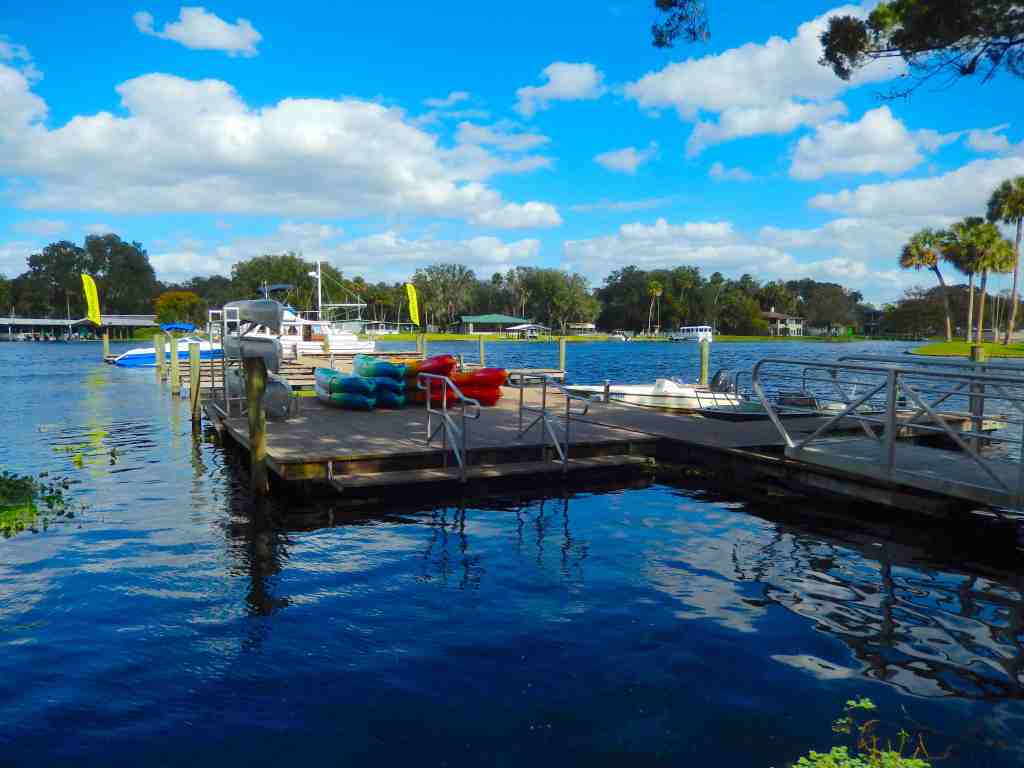
If you are interested in exploring the island or paddling around the river and roughing it isn’t your style there is a river resort right next to the parks parking lot named Hontoon Landing Resort & Marina. Rates are reasonable, it has a pool, deli, and boat slips to rent as well as rental pontoon boats for a day on the river.
Hontoon Landing Resort & Marina

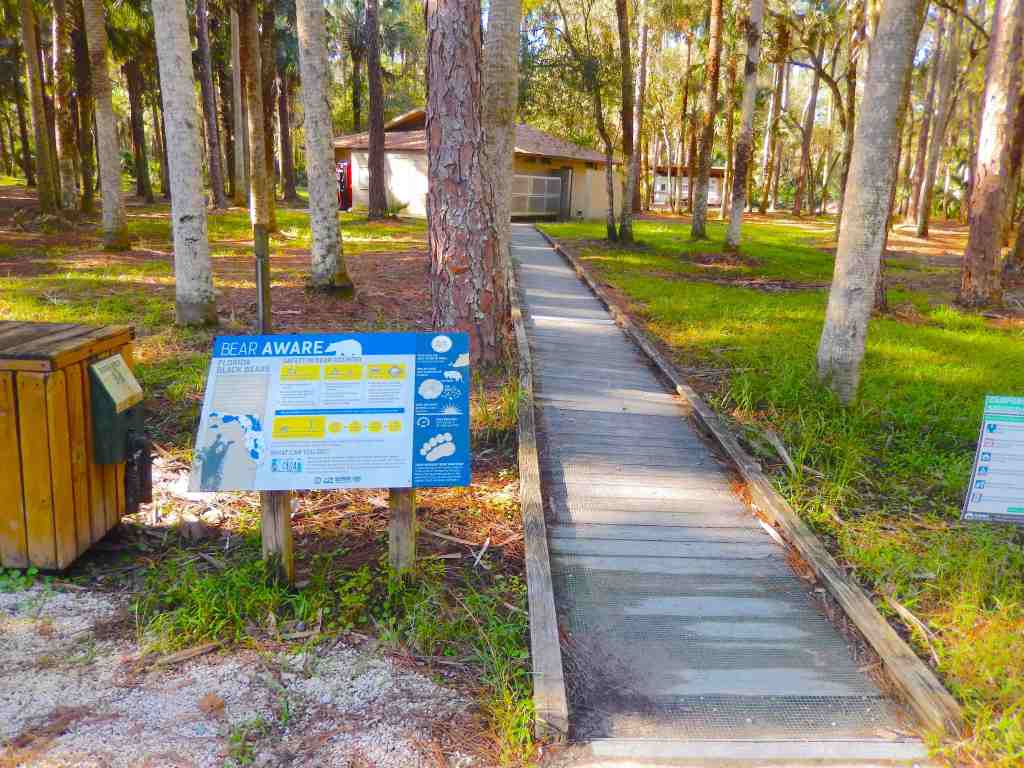
If you are going to hike the island it is recommended that you carry drinking water, especially in summer, and a cell phone for emergencies. Until the Winter temperatures kill off the mosquitoes it’s a good idea to carry bug spray. There are also three types of poisonous snakes as well as brown bear on the island. Not a serious concern but be aware.

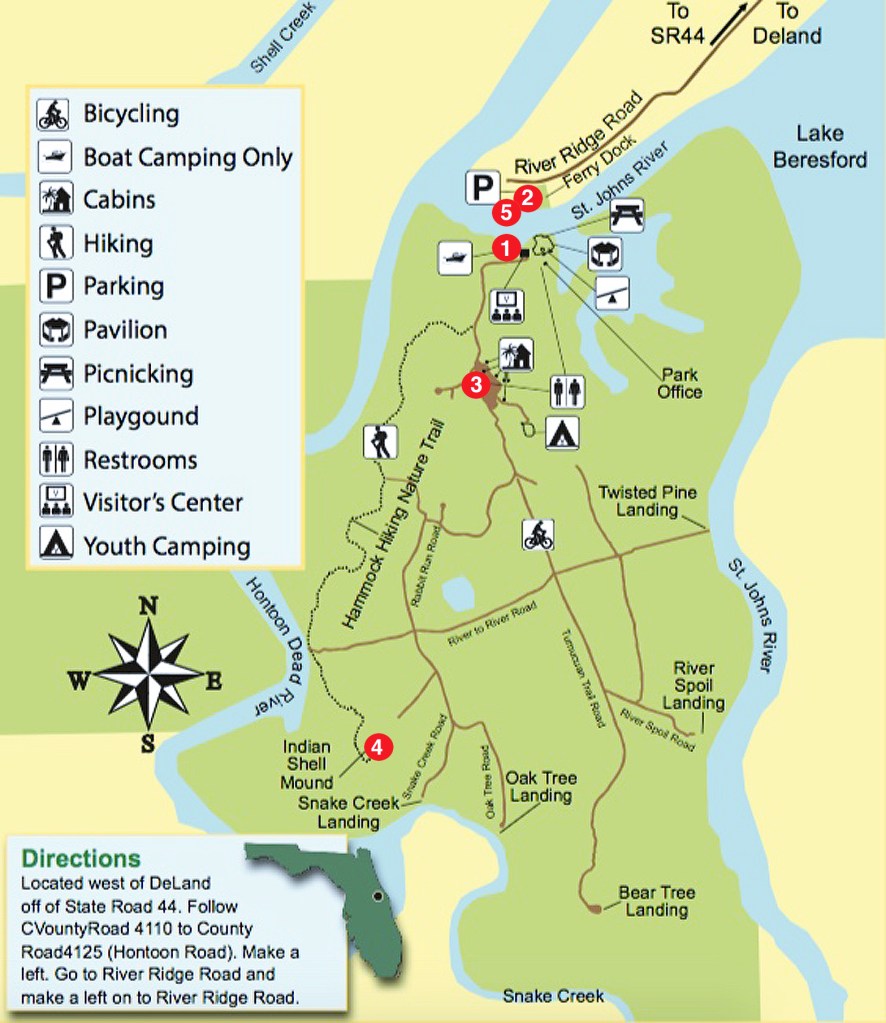
  1. Visitors Center, Store, Docks and Picnic Area
  2. Park Parking Lot
  3. Cabins & Camp Sites
  4. Shell Mound
  5. Hontoon Landing Resort And Marina

A Mansion In DeLand, Florida

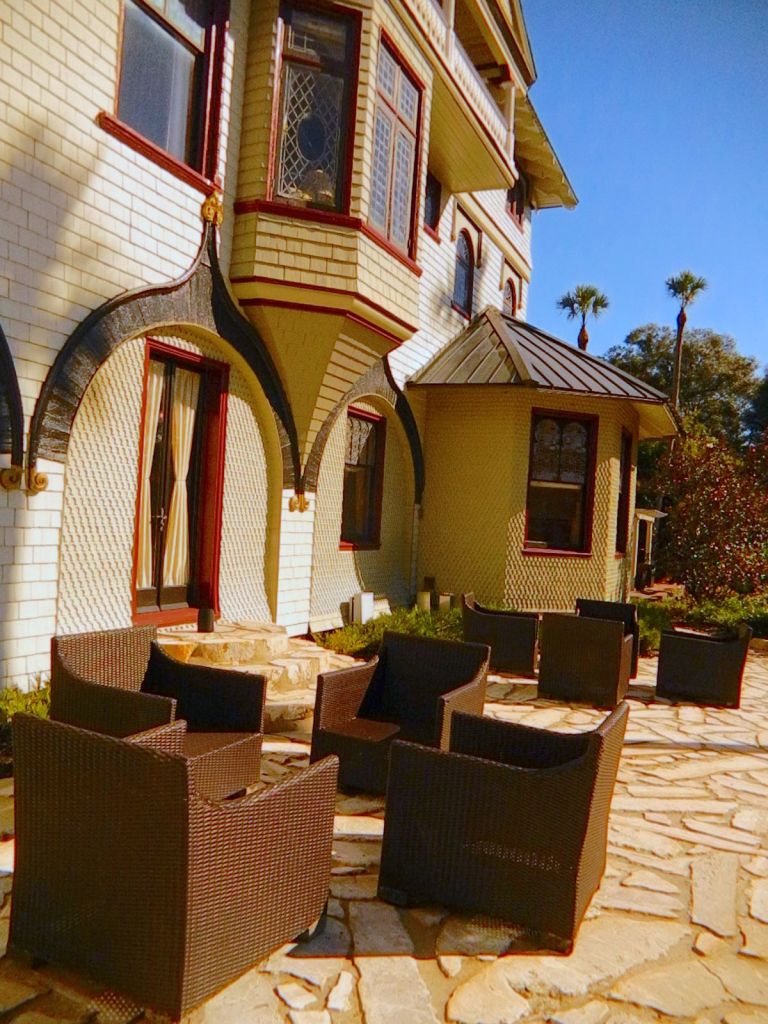
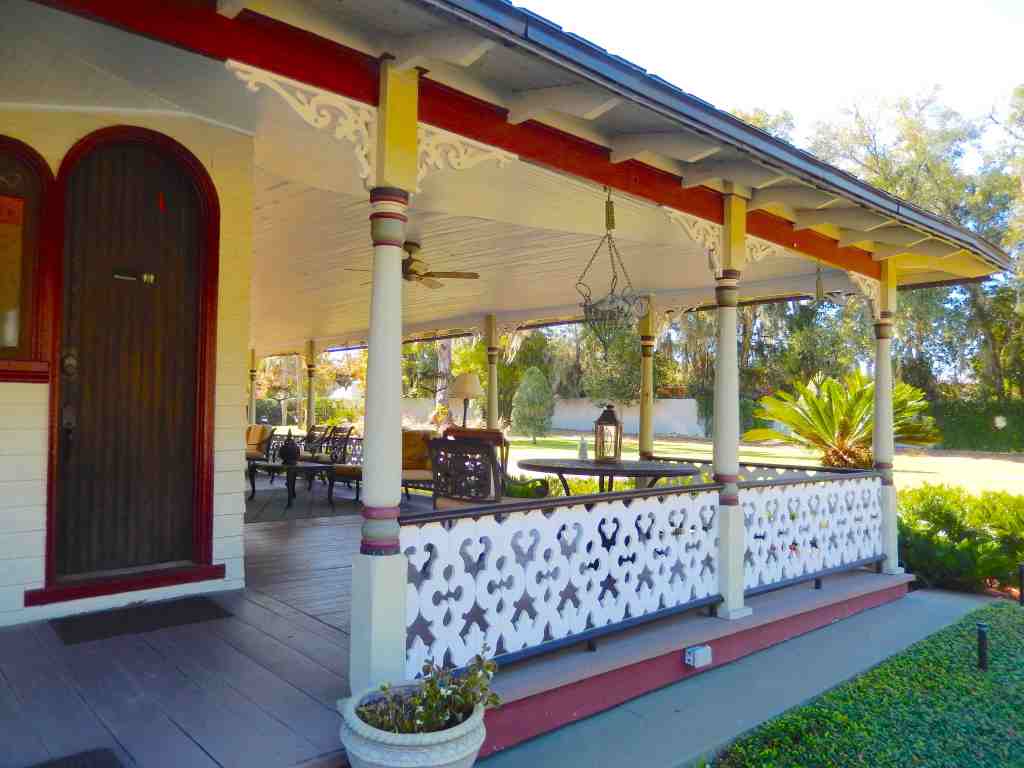
Sixty miles north of Orlando is DeLand, another small Florida city enjoying a resurgence in popularity. Famous as the original home campus of beautiful Stetson University and the Winter estate of hat magnate John Stetson for who the university was named. Locally referred to as the Stetson Mansion the house was extensively renovated in 2008 and, although a private residence, it is open for scheduled tours. Of special note is the house tour each year at Christmas.The Stetson Mansion decorated for Christmas usually finds it on most top ten lists of Christmas house tours along with the North Carolina Biltmore Estate Christmas tour. MORE INFORMATION HERE

The John B. Stetson Mansion, built for the hat manufacturer who made his fortune by inventing the cowboy hat, is a historic home located at 1031 Camphor Lane, DeLand, Florida. Built for Stetson and his wife (Sara) Elizabeth, the house was designed by Philadelphia architect George T. Pearson in 1886.

The mansion has attracted a number of famous guests to spend time in DeLand, Florida including the King and Queen of England, President James Garfield and Thomas Edison. In the construction of the house Edison installed the electrical system and Louis Comfort Tiffany designed and created the houses windows of leaded glass.

John Batterson Stetson (May 5, 1830 – February 18, 1906) was an American hatter, hat manufacturer, and, in the 1860s, the inventor of the iconic cowboy hat. He founded the John B. Stetson Company as a manufacturer of headwear with the company’s hats now commonly referred to just as Stetsons.

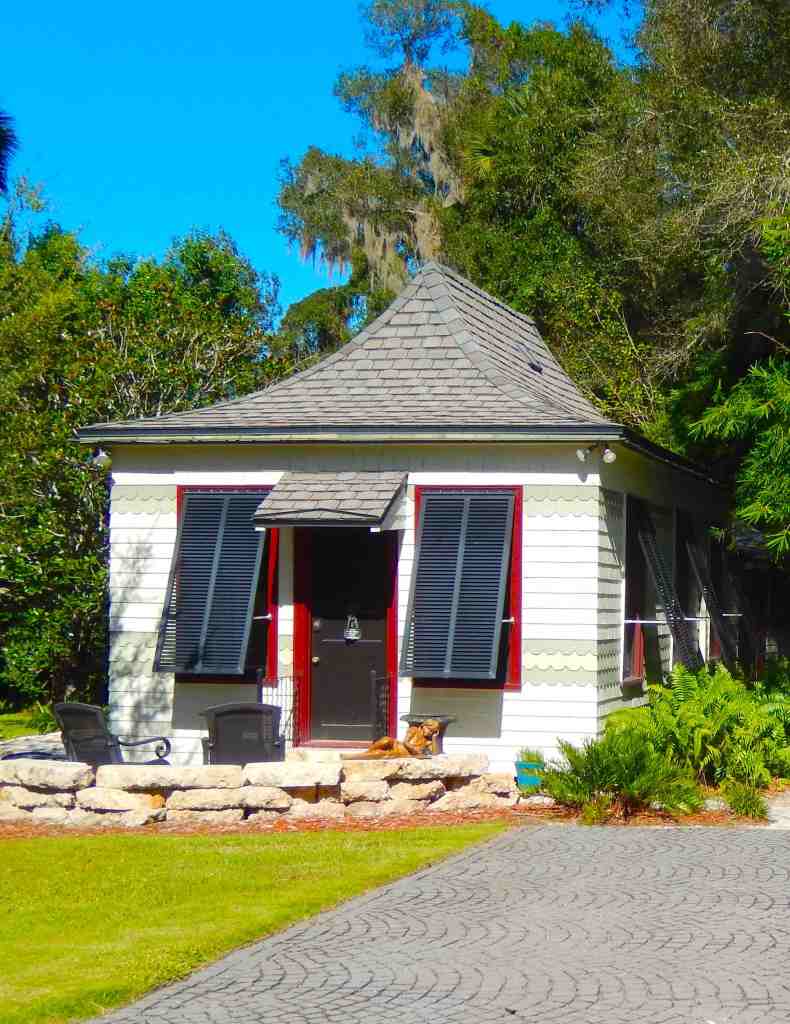
The Schoolhouse

Stetson was born in New Jersey. His father, Stephen Stetson, was a hat maker and as a youth, John Stetson worked for his father until he was diagnosed with tuberculosis and left the hat-making business to explore the American West before TB took his life. Inhere he met drovers, bullwhackers and cowboys.[2] The former hat-maker turned a critical eye to the flea-infested coonskin caps favored by many of the gold seekers, and wondered whether fur-felt would work for a lightweight, all-weather hat suitable for the West.

On November 21, 1978, the mansion was added to the U.S. National Register of Historic Places.

Note: While the house is 10,000 square feet and has incredible architectural details along with period furnishings, the taking of interior photographs is not permitted. For a look at the interior of the house visit the official website HERE.

International Travel, Language And The Modern World – Part 1

What Binds Us Together Is Also That Which Separates Us The Most

There are a number of things about international travel that fascinate me and the one that intrigues me the most is how people have changed and adapted their language abilities to make it easier to understand each other. Without specific plans we are getting better at talking amongst each other all over the world.

There are a number of things that define who we are and our place in this world, like family, race, gender, geography and the groups and culture we associate with. There is however one characteristic that clearly identifies the largest group we belong to and it exists from soon after birth – that’s the language we speak. It not only identifies our group it isolates us from all other groups.

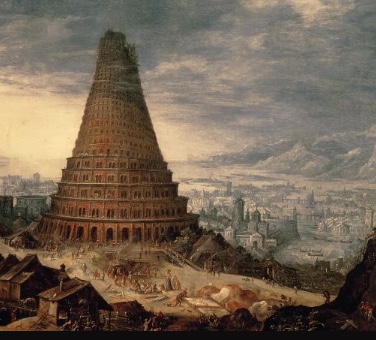
The Biblical story of the Tower of Babel in Genesis 11:1–9 is a prototypical origin tale to explain why the world’s peoples speak different languages.

In this story, the human race, after the Great Flood speak one language and move into the land of Shinar (Babylonia). There they decide to build a tower tall enough to reach heaven. God gets angry at the people’s arrogance and divides them with hundreds of different languages, making it impossible to work together and continue to build the tower. Their different languages make it so they can longer understand each other, and they scatter around the world into groups of using a common language.

The Tower of Babel story says a lot about how much language divides us and in the twentieth century that divide remains. There have been a number of movements to bring the world back together by returning us to a common language. One movement was Esperanto, a made-up language intended to become the worlds new common language. In 1954, the United Nations even granted official support to Esperanto as an international auxiliary language in the Montevideo Resolution and for a couple of years many American school districts introduced it as another foreign language. While some continue to hope for its acceptance into the 21st century it has lost more ground than it has gained.

When I was in high school we had to learn a foreign language and the recommendation was based on what we expected your future needs to be. If you were thinking about traveling widely or getting into international business or diplomacy you should study French. That was because there was a lot of thinking mid-century that French was likely to become THE international language. If you were studying science or mathematics you should learn German and, because it represented the language of the largest population segment in the western world, study Spanish.

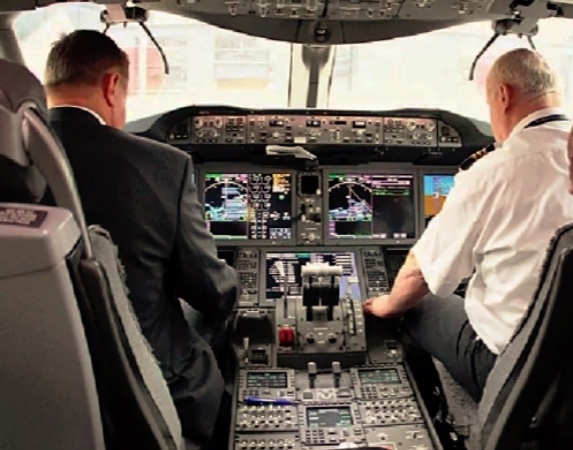
Oddly, like most attempts to plan human society and organize people’s behavior all of those efforts have mostly failed. Sometimes something that seems of little significance has big importance. The International Air Transport Association (IATA) was established to support aviation with global standards for airline safety, security, efficiency and sustainability. One of their first policies was to select a common language for flight operations. That would allow pilots and air traffic controllers worldwide to easily understand each other – and they settled on English.

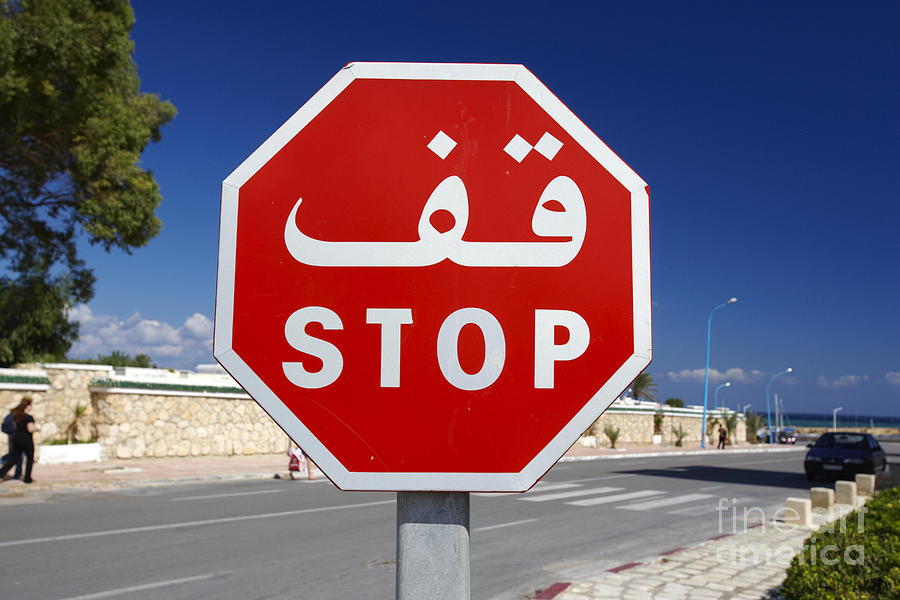
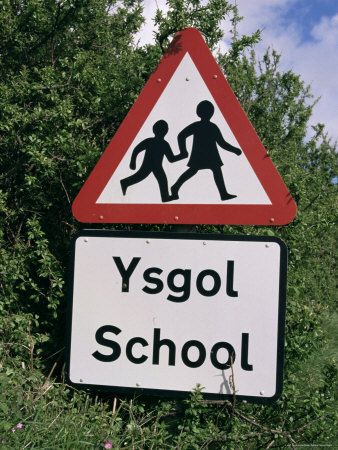
In addition to the seemingly misunderstood importance of decisions like the IATA there were also attempts to standardize road signage worldwide and a symbol collection was developed. Outside of these few successes most organized attempts at changing a populations language have failed. But the pure power of culture trumps centralized policy virtually every time. Worldwide culture began to homogenize by mid twentieth century without much recognition or understanding. By the sixties as you traveled you began to encounter people singing English rock and roll songs from Italy to Japan. By the seventies and eighties denim was becoming a fashion statement from Europe to Asia. Movie theaters everywhere showed mostly American films (often with subtitles or dubbed). By the end of the twentieth century the world wide web was connecting people everywhere together and without a plan English started becoming the cultural international language. As younger generations began to use English as the language to facilitate cultural sharing the notion of French or Esperanto being international languages became laughable.

In the last quarter of the twentieth century the worlds most watch television shows were “Baywatch” that was broadcast in 142 countries with 1 billion people watching and “The Cosby Show”. Both shows carried the number 1 rating in Canada, Australia and New Zealand and after international television syndication its distributor, Viacom, became a billion dollar media powerhouse. In the twenty first century the world’s three most popular TV shows were “Game of Thrones,” “Stranger Things” and “SpongeBob Squarepants”. A recent survey in Europe found that over half of internet video watching is in English.

As a young American in Europe in the sixties I can remember gatherings of young people where conversations were translated into three, four and five languages as they circled the group and people added to the discussion. Recently I witnessed something similar in France but the only thing that seemed to change as the conversation widened was the English accent. It didn’t happen by planning. It wasn’t what the world authorities wanted. The rise of English as a universal language just happened.

Next – Part 2 -The Darker Side of Language

1965 And The 4 Minute Louvre – An Update

This was originally posted in August 2019 based on my recollection of that week. Afterwards a number of people corrected me that it was the 6 minute Louvre and supplied links to a 1990 Buchwald column similar to my account. Just recently someone forwarded me a copy of a 1965 colume (see below). Perhaps Art Buchwald was inspired by the interest in American Jim Ryun that Summer. He also dropped one of the four pieces of art. Perhaps time fogs all recollections, even those in print.

Shortly after graduating high school the summer of 1965 found me in Paris visiting a Parisian exchange student, Jean Paul that had spent some time with my family the year before. At the same time a classmate of mine was also in Paris with her parents. For a few days Jean Paul, Beth and I hung out together racing around Paris in Jean Paul’s Citron 3.

Evenings usually found us in the park that cascades down the hill in front of Sacre Coeur. It was a gathering place for young people that included British rockers all decked out in their Union Jack clothing and spiked hair, American hippies, Algerian revolutionaries and Parisian rebels. It was full of guitar music, discussions about the Algerian freedom fight, the Vietnam war, art and our future. Often conversations travelled through three or four languages to include everyone and American and British rock songs were sung with a multitude of accents. The evenings broke up when the Gendarmes swept down the hillside with batons swinging to clear the park.

After that was bar hopping through Montmartre and Pigalle often stopping at street vendors selling french fries and mustard.

We slept late every day but did fit in some sightseeing here and there. Around that time Art Buchwald, an American humorist was in Paris and wrote a column in the American Times of Paris titled Breaking The Four Minute Louvre. It was shortly after American Jim Ryun was the first high school student to break the four minute mile and in the Spring of 1965 running the mile was in the news.

What red-blooded American youth visiting Paris could walk away from that challenge? The three of us accepted and while we were slightly hindered by being chased by museum guards we finished in a little over seven minutes. Getting lost could easily double your time and it was easy to do. I understand that the Louvre had to put up with crazy, running young people for most of that summer.

I actually met Art Buchwald in 1972 at a meeting of college newspapers in D.C. and asked him about that column. He laughed and said the French really have no sense of humor at all and he may still be persona non grata in Paris. Their loss.

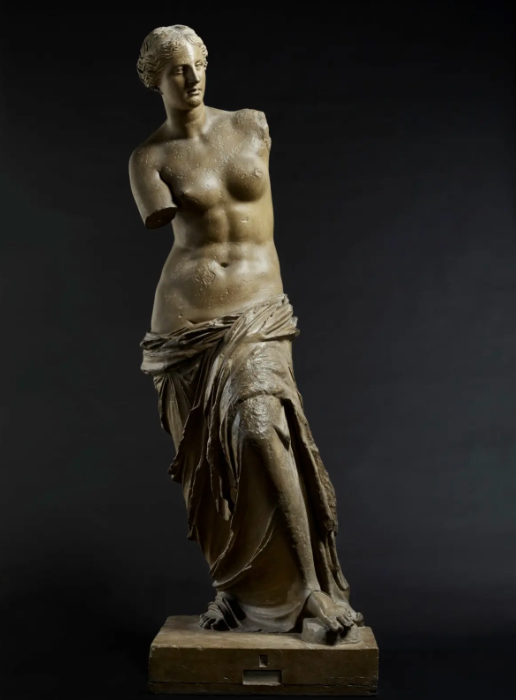
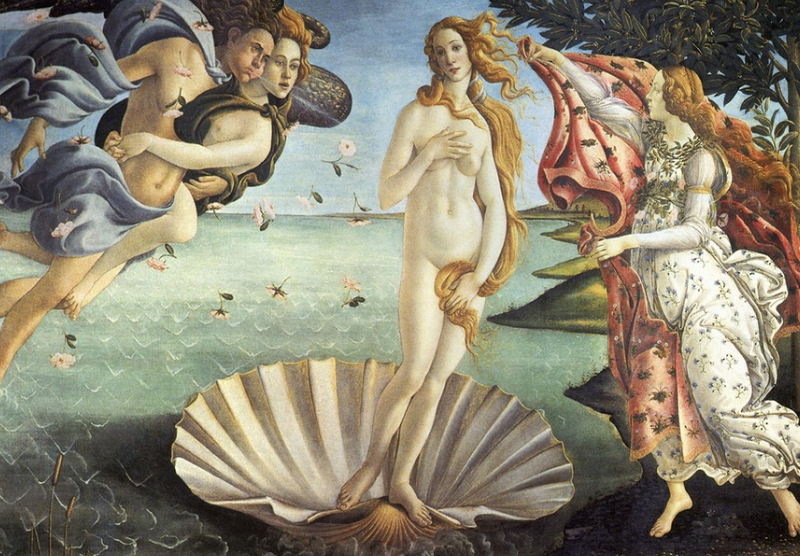
Tongue in cheek, Buchwald claimed that the worlds largest art collection actually contained only four pieces really worth seeing. Of course they included Leonardo da Vinci’s Mona Lisa, but also Botticelli’s Birth of Venus (often called Venus on the Half Shell), the Winged Victory (a masterpiece of Greek sculpture, called the Winged Victory of Samothrace) and the Venus di Milo (an ancient Greek statue and one of the most famous works of ancient Greek sculpture). They were each in different galleries in the Louvre and Buchwald’s column claimed that nobody had yet entered the Louvre, looked at each piece and exited the museum in under four minutes, but the new record was near. It was a funny image offered up to American tourists visiting Paris but it had unintended consequences.


A Copy of the 1965 article

4-MINUTE LOUVRE IS A RECORD NEVER TO FALL

The American Times of Paris 17 July 1965

Art Buchwald

I went back to Paris a few weeks ago to celebrate the anniversary of the running of the four-Minute Louvre, fifteen years ago, a young American student named Peter Stone broke the four-Minute Louvre and brought glory and honor to American tourists everywhere.

It is common knowledge that there are only four things worth seeing in the Louvre. They are the Venus de Milo, Botticelli’s Birth of Venus, the Winged Victory and the Mona Lisa. The rest of the stuff is all junk. Tourists go to see those four works and then rush out to continue their shopping in Paris. Before World War II, the record for going through the Louvre was five minutes and 30 seconds, held by a man known as the Swedish Cannonball. After the war an Englishman, paced by his Welsh wife, did it in five minutes flat. Soon everyone started talking about a Four-Minute Louvre.

Thus it was in 1950 that the young Peter Stone went in while thousands cheered, ran around the Venus de Milo, up past the Winged Victory, down to the Mona Lisa. You always have to say something when you look at the Mona Lisa. Peter’s famous remark was, “I know the guy who has the original,” and then he drove away in a waiting taxi. Peter did it in three minutes and 56 seconds, a record that still stands.

As I stood in the courtyard of the palace looking around me at the seasoned veterans who had come back, I recalled the ’50s and thought, “When it came to sightseeing, we were the best and the brightest.”

“Give me a pair of PF Flyers and I could do it,” my son said.

“It doesn’t help what kind of shoes you wear when there are now escalators all over the museum. The French always had a fear that an American would beat the four-Minute Louvre, and they did everything to confuse us. That’s why they would point you in the direction of the Mona Lisa, and you’d wind up in the salle displaying 22 armless and headless Roman statues. Peter broke the record because he refused to take any directions from museum guards.”

A man came up to me and stuck out his hand, “My name’s Gerry Tornplast. I was on Thomas Cook Tour Number 230 when it happened. The French didn’t think we could do it, but we proved that when you have a strong dollar and a weak franc, an American can achieve anything.”

My son asked, “Wasn’t there something else you wanted to see in the Louvre?”

“There was nothing. You have to remember, son, in those days the American tourist was strapped for time.”

I continued, “The halls still echo with Stone’s voice, as he broke into the sunlight, saying, `There isn’t a museum in the world that can keep me inside for very long.’ “