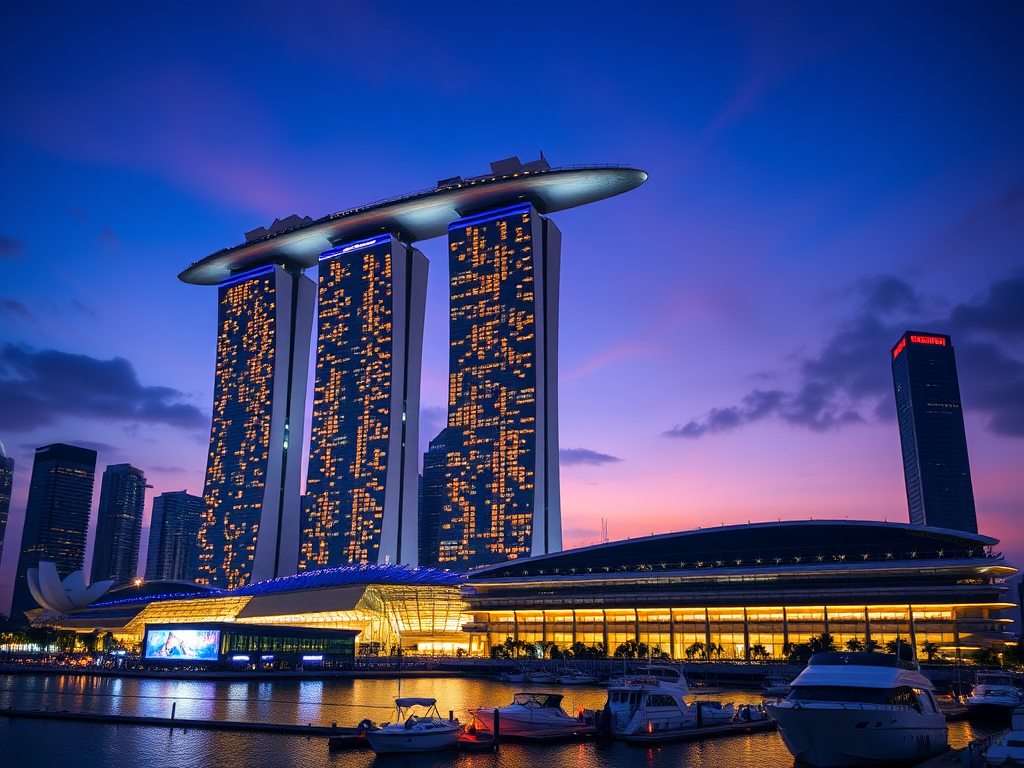
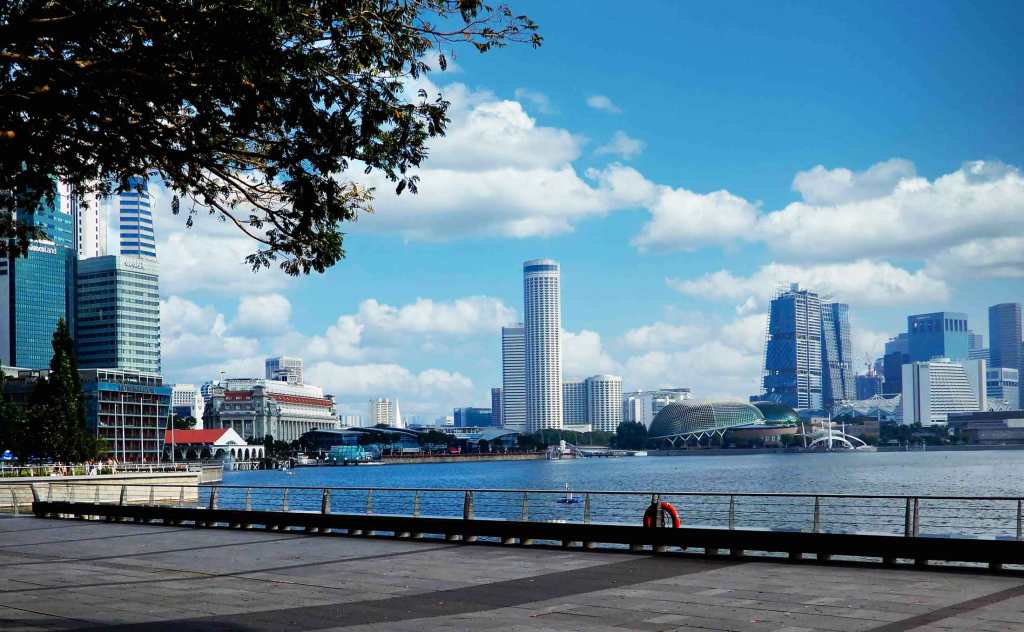
The Singapore skyline is dominated by the triple towers of the Marina Bay Sands. It acts as a magnet that draws new visitors to it. Fortunately this complex is really amazing and features a hotel, a casino and 170 plus premium brand stores in its mall and it is capped by a connecting roof garden floating above it. Home to a number of restaurants operated by the likes of Wolfgang Puck, David Myers and Gordon Ramsay it really is a must visit place.
Only have a day or two in Singapore? You need to make a plan before you go. To help here are destinations that will showcase the city’s unique blend of culture, nature, and architectural character. Start with a Singapore Metro Day Pass – find more information HERE.
1. Visit Marina Bay Sands
Explore the iconic hotel, its mall and SkyPark featuring stunning views of the city below.
2. Gardens by the Bay
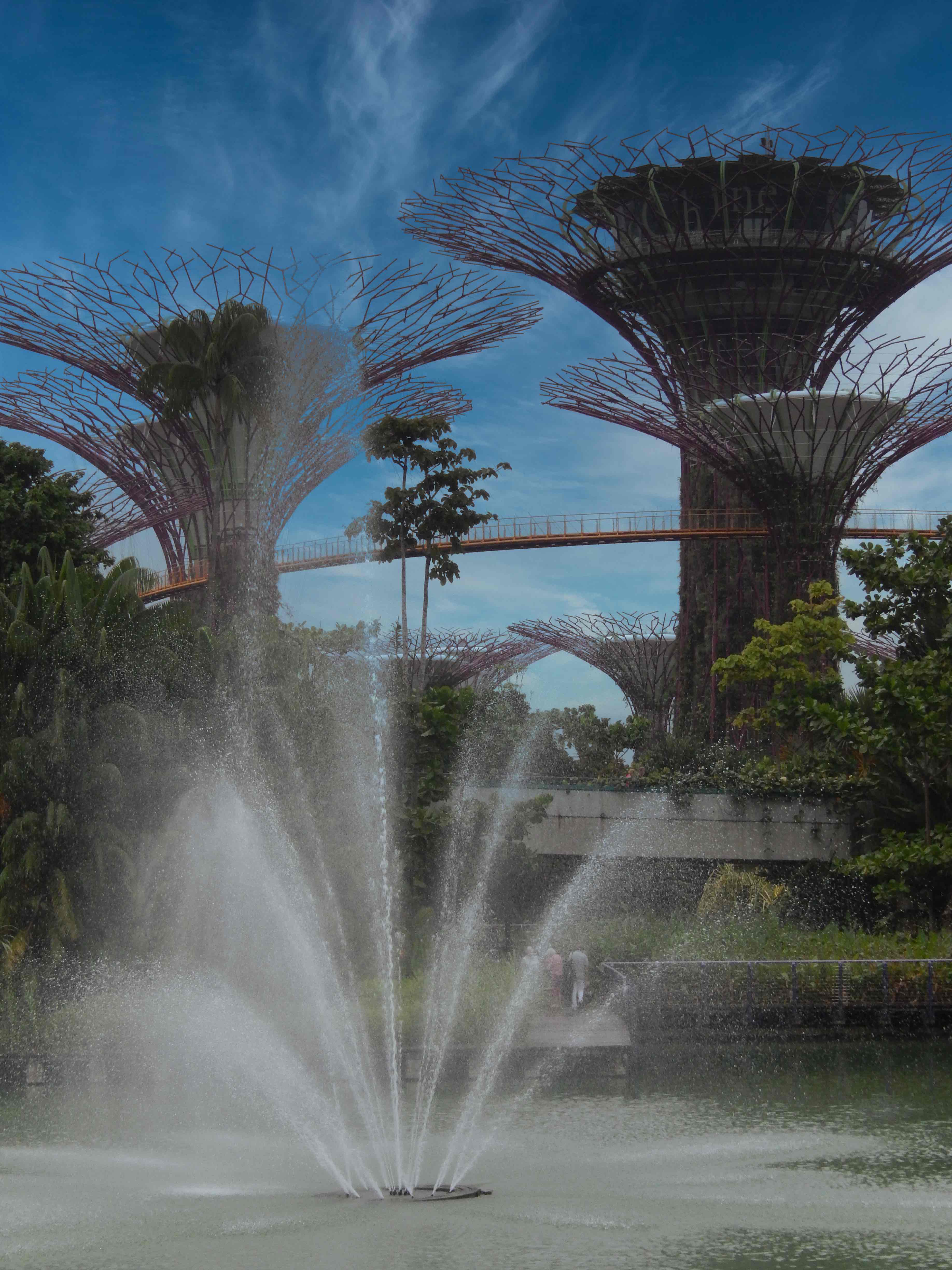
Discover the futuristic Supertree Grove and the beautiful Flower Dome and Cloud Forest.
3. Sentosa Island
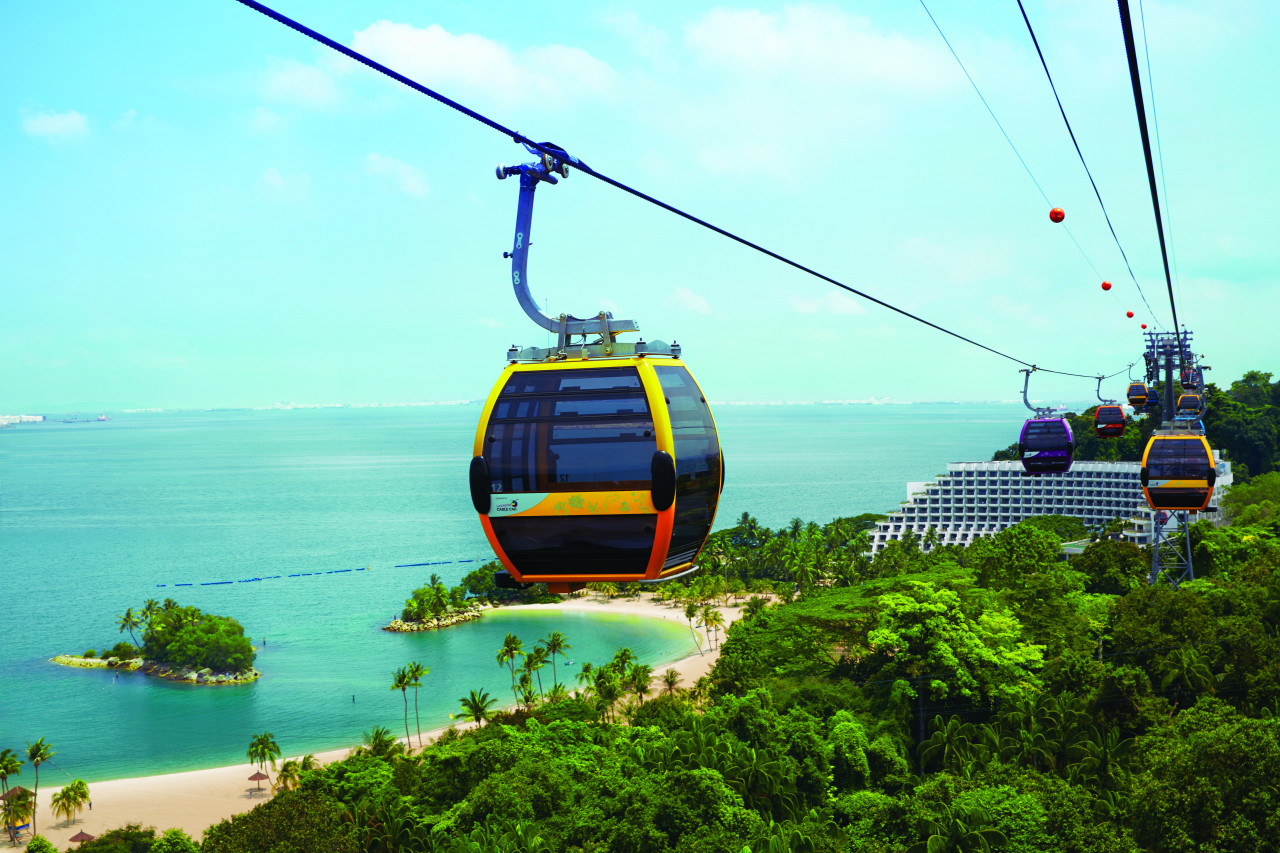
Where Singaporeans go to enjoy attractions like Universal Studios, S.E.A. Aquarium, and its beautiful beaches.
4. Chinatown
Experience the vibrant culture, visit the Buddha Tooth Relic Temple, shop for some gift shopping and enjoy local Chinese cuisine.
5. Little India
Immerse yourself in Indian culture, visit the Sri Veeramakaliamman Temple, shop for spices and textiles and dine on traditional Indian food.
6. Marine Parade
Check out the beach at Marine Parade and watch the ships lined up and waiting to enter the Straights of Malacca.
7. Singapore Botanic Gardens
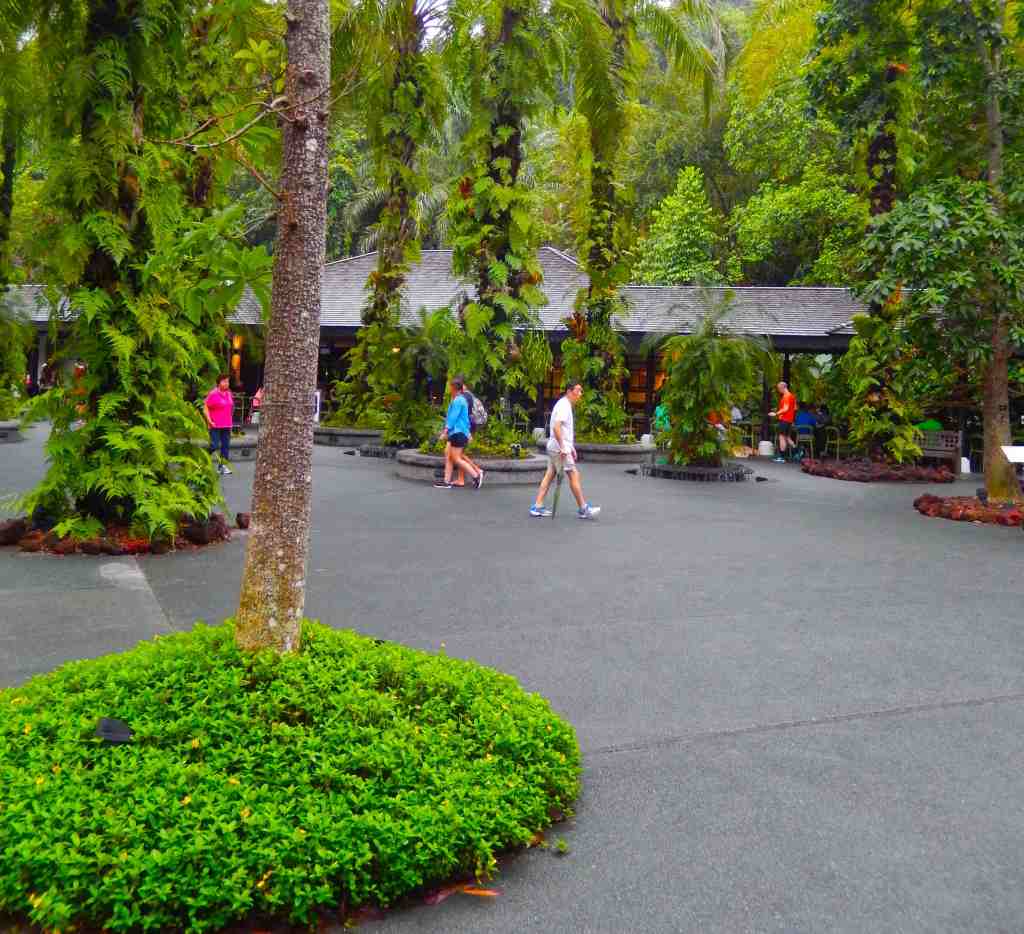
A UNESCO World Heritage site, perfect for a leisurely walk among lush greenery and the National Orchid Garden.
8. Clarke Quay
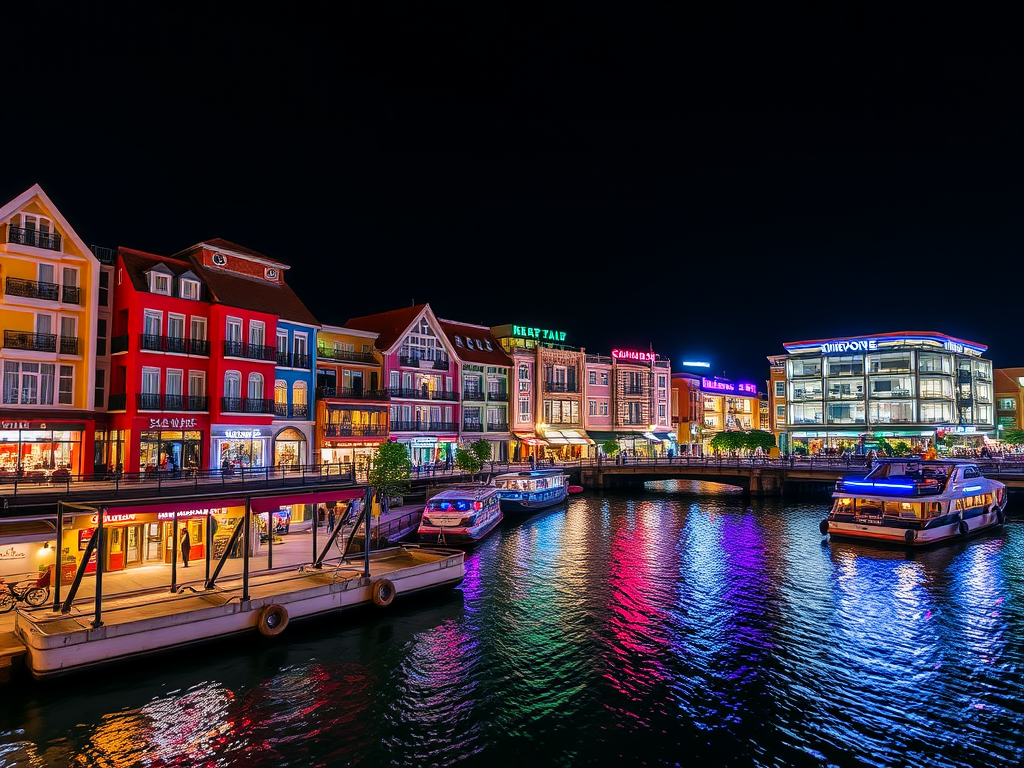
Enjoy the nightlife along the riverside with restaurants, bars, and live music.
9. Raffles Hotel
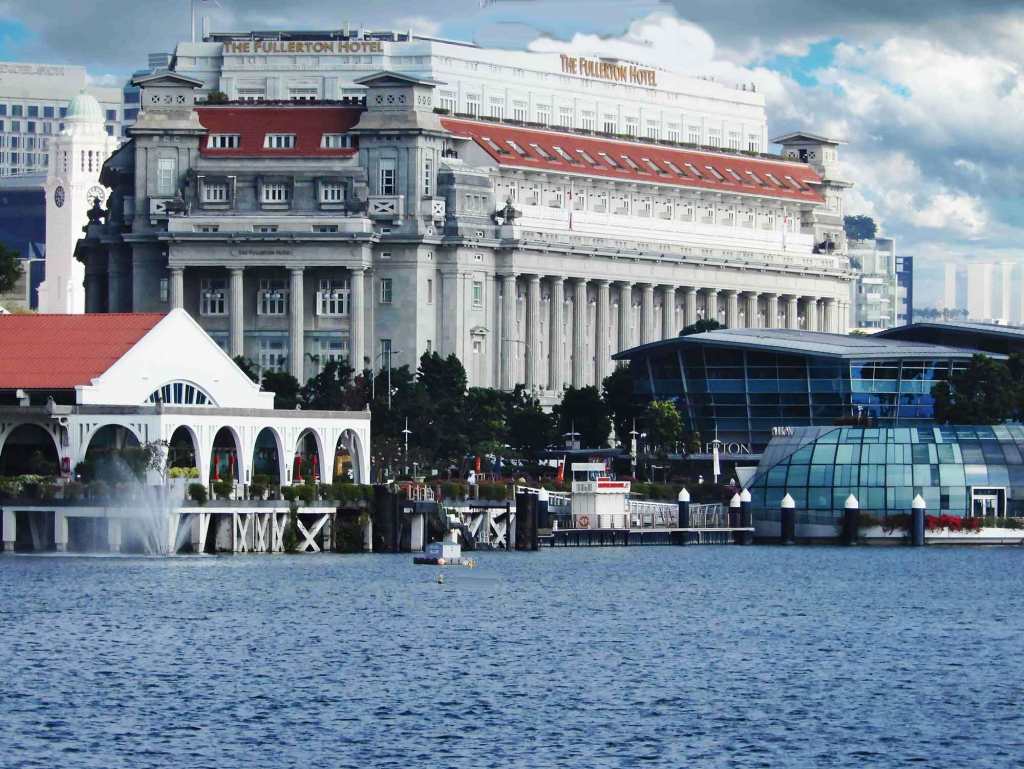
Visit this historic hotel, known for its colonial architecture and the famous Singapore Sling* cocktail.
10. Merlion Park
Take a photo with the iconic Merlion statue and enjoy views of Marina Bay.
Popular Neighborhoods to Explore
Civic District
Skyscrapers and colonial buildings sit side by side in the Civic District, home to some of the island’s finest museums and art galleries.
Orchard Road
Shop at the famous shopping district filled with malls, boutiques, and dining options.
Katong-Joo Chiat
Home to Peranakan culture in Singapore, Katong-Joo Chiat is filled with local flavors, boutique cafes, and charming shops.
*Raffles is the creator of the Singapore Sling and the bar is still there, but be warned, you can expect to pay around US$40 for one in the bar!
Planning A Cruise? Start With The Intentional Travelers Port Guides
Recent Posts From The Intentional Travelers You Might Find Interesting:
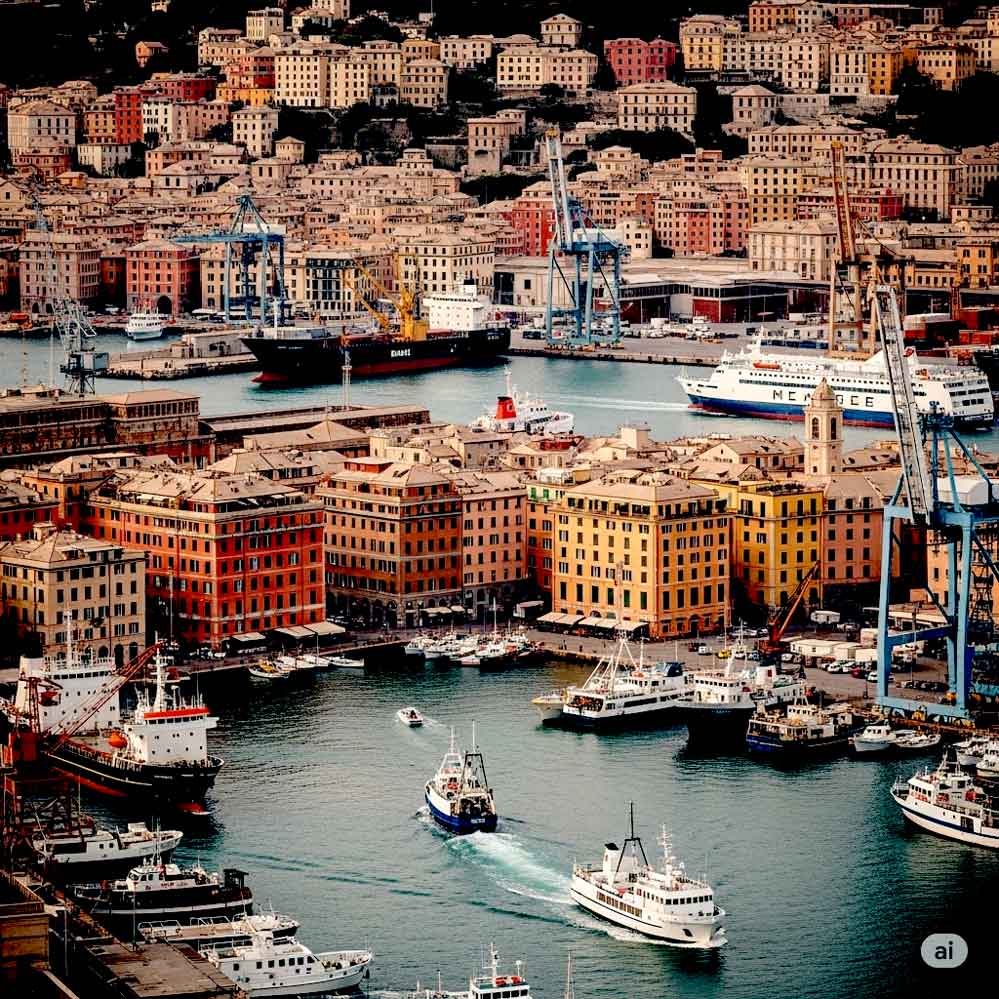
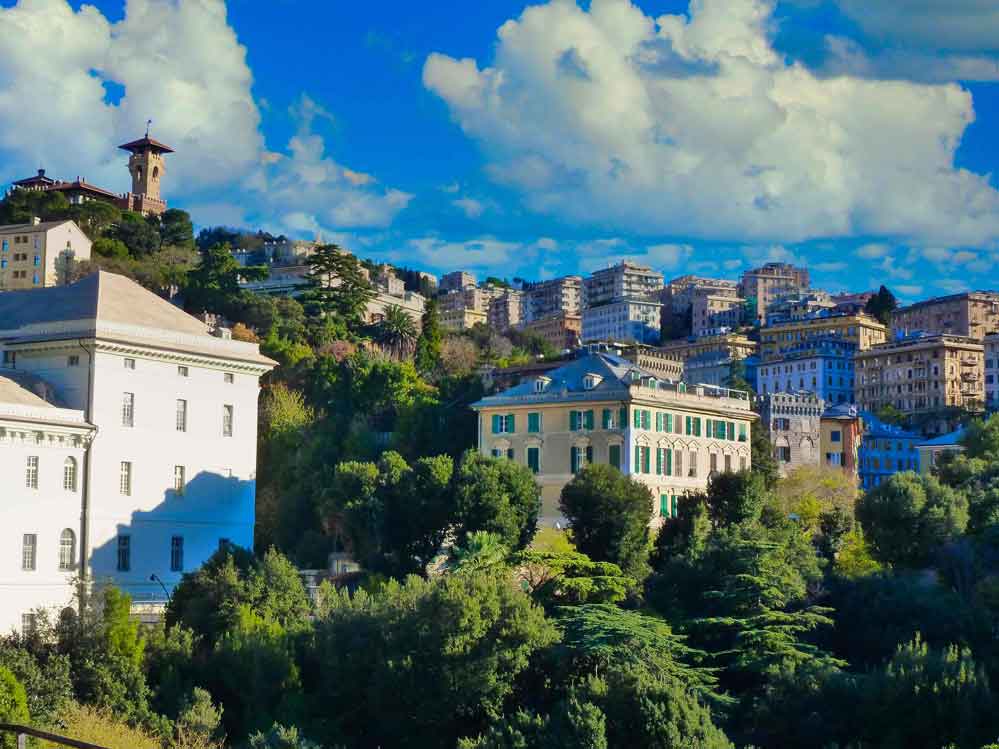
Once a city state that rivaled the wealth and power of Venice, Genoa is all too often overlooked by cruises as a port of call.
Genoa, Italy, is a vibrant port of call on the northwester coast of Italy known for its rich history, stunning architecture, and delicious cuisine.
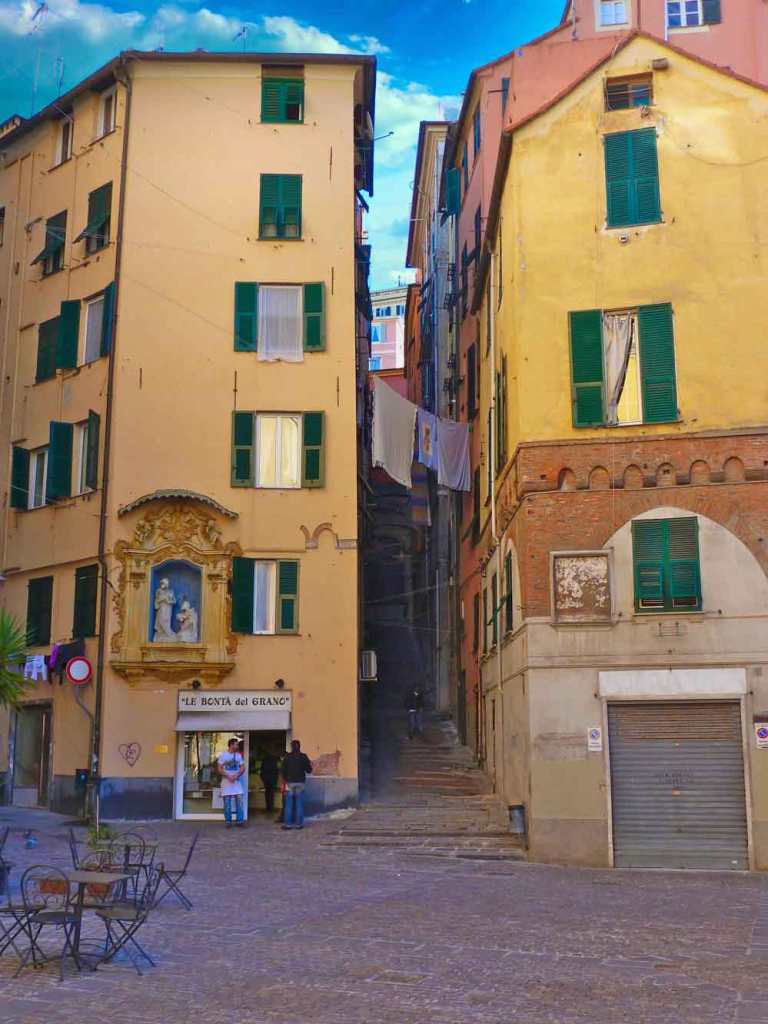
In the center of Genoa is a UNESCO World Heritage Site, referred to as the Old Town and it is one of the largest medieval city centers in Europe. It features narrow alleyways, historic buildings, and charming squares. Genoa historically was a powerful maritime republic and cultural hub. From its medieval architecture to its royal palaces, each site tells a story of this city’s rich heritage. Exploring the historic attractions will provide a deeper understanding of Genoa’s significance in Italian and Mediterranean history.
Where Your Ship Docks
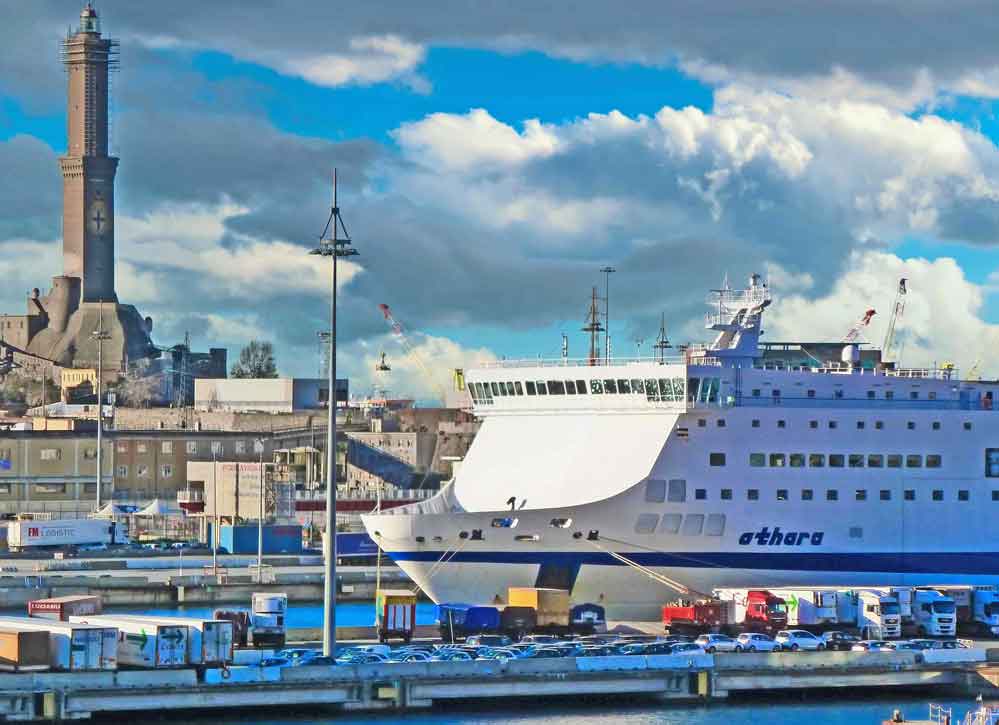
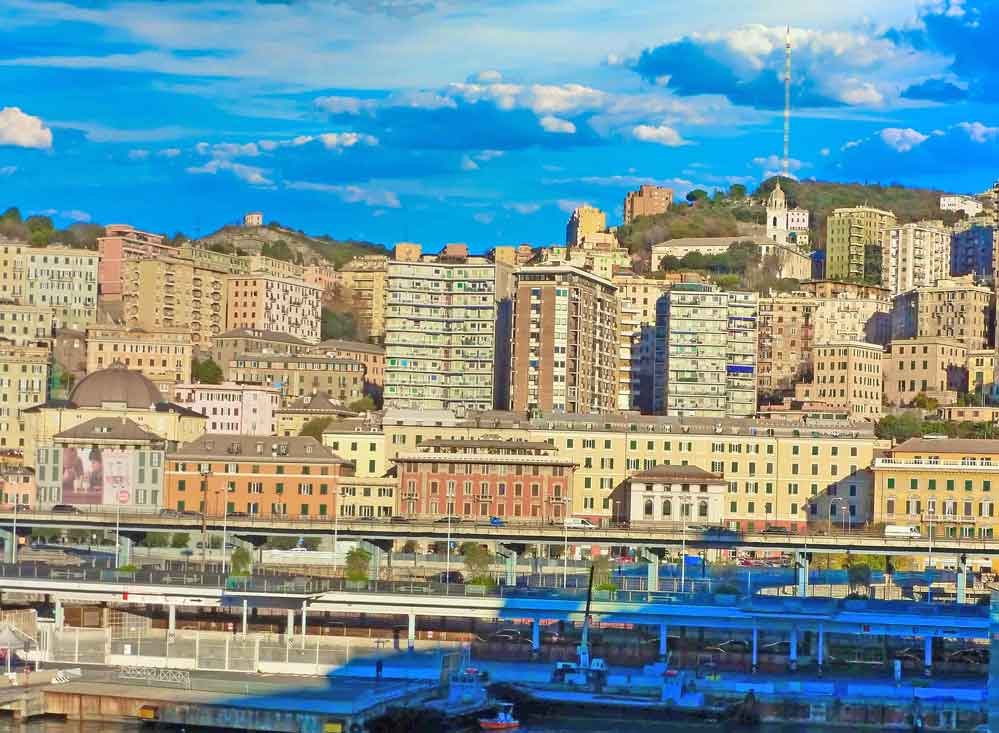
Genoa is a major working seaport and most cruise ships will tie up ta piers near the port entrance. The port entrance is near the city downtown waterfront district. Walking out is usually allowed. Near the waterfront is the historic old harbor area transformed into a lively waterfront with shops, restaurants, and attractions. Inside the district is Bigo panoramic lift, museums, offers beautiful views of the harbor.
This port has a cruise ship pier but the ease of disembarking varies by the individual ships gangway designs. The port is right near downtown. For passengers using wheelchairs there can be a moderate ramp incline to deal with.
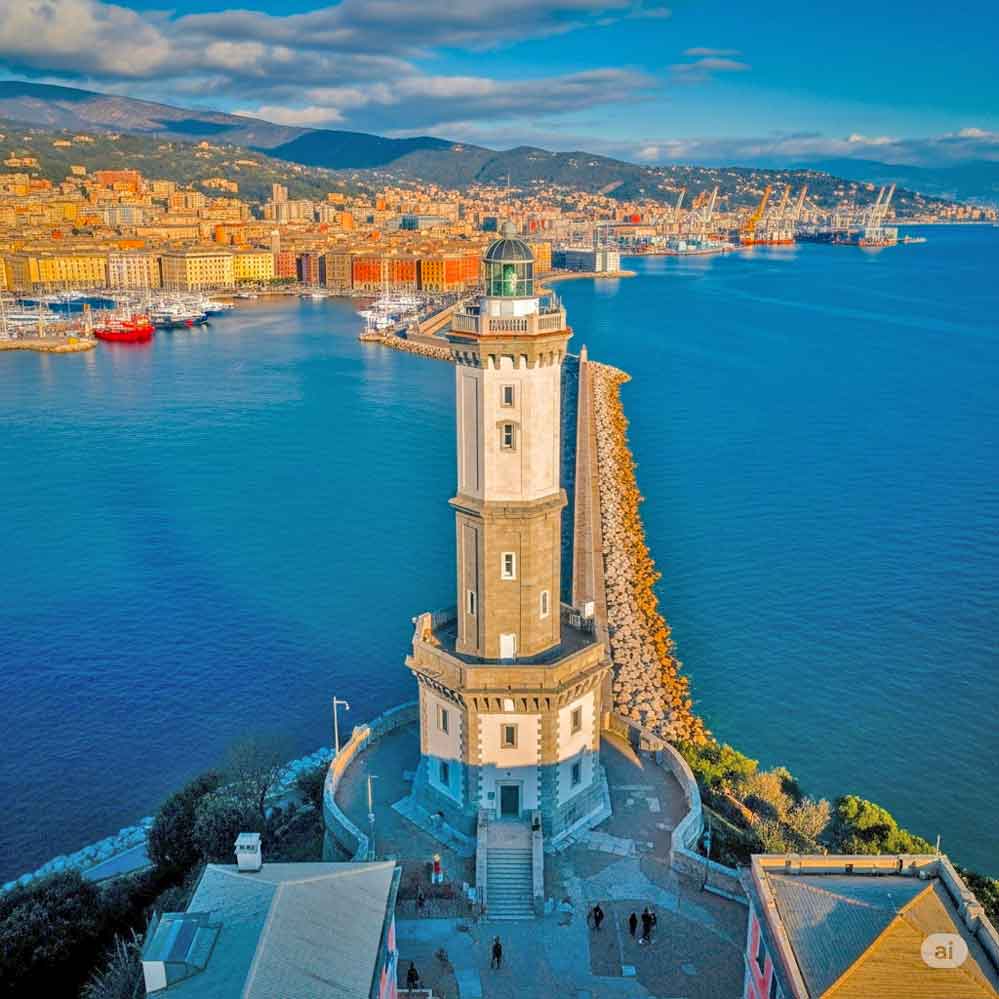
Inside the harbor is the Lighthouse of Genoa (La Lanterna) the symbol of the city, this historic lighthouse dates back to the 12th century. Standing at 230 feet tall, it has guided sailors into the harbor for centuries and offers panoramic views of the city. There are guided tours available.
Transportation
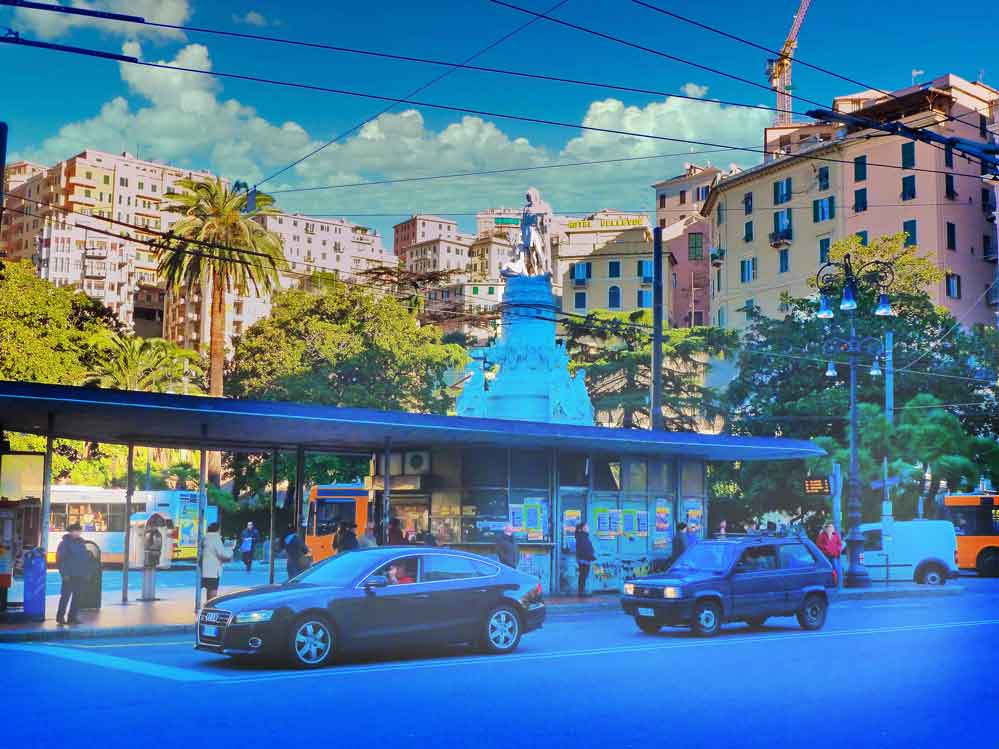
Getting Around Genoa: The city is walkable, but public transport (buses and metro) is available for longer distances.
Genoa’s public transportation system is efficient and well-connected, making it easy to explore the city’s attractions and surrounding areas. Whether you choose to travel by bus, metro, tram, or ferry, you’ll find convenient options to suit your needs.
Buses – AMT (Azienda Mobilità e Trasporti di Genova). Operates an extensive network covering the entire city and surrounding suburbs. Tickets can be purchased at kiosks, vending machines, or on buses (with a surcharge). A single ticket is valid for 100 minutes and allows transfers between buses.
Trams – Genoa has a limited tram network primarily serving the city center. The most notable line is Line 1, which runs from the city center to the waterfront.
Metro – Genoa has one metro line (Line 1) that runs from Brin to De Ferrari. Key stations include De Ferrari (central area), San Giorgio (near the Aquarium), and Principe (train station). Trains run every 6-10 minutes, making it a convenient option for quick travel.
Funiculars – Funiculars provide access to hilly areas of the city and offer stunning views.
Lines include:
Funicolare Zecca-Righi: Connects the city center to the Righi hill.
Funicolare Sant’Anna: Links the city to the Sant’Anna area.
Tickets: Same ticketing system as buses and metro.
Boats and Ferries – Public boats and ferries operate in the Gulf of Genoa, providing a scenic way to travel. Services connect the city with nearby coastal towns and islands, such as Portofino and Camogli.
Tickets: Available at ticket offices or vending machines at the docks.
The main train station is Genova Piazza Principe, with services to various destinations in Italy and beyond.
Genoa offers several tourist passes that include public transport (managed by AMT – Azienda Mobilità e Trasporti SpA) as well as access to several attractions.
Genova City Pass:This is the official tourist pass of Genoa and is probably the most comprehensive option for visitors.
What it includes:Free travel on AMT urban public transport (buses, metro, lifts, and funiculars). It also grants free or discounted entry to a selection of Genoa’s top attractions (museums, monuments, tours, etc.) depending on the duration and specific pass type.
Versions:It comes in 24-hour, 48-hour, and 72-hour versions. Different versions offer access to a varying number of attractions. For instance, the 24-hour pass typically includes public transport and access to two attractions, while the 72-hour pass offers more attractions and sometimes additional activities like walking tours or bike rentals.
Attractions:Included attractions can vary but often feature places like the Galata Sea Museum + Nazario Sauro Submarine, Lanterna Museum, Strada Nuova Museums (Palazzo Rosso, Palazzo Bianco, Palazzo Tursi), Doge’s Palace, and more.
Purchase:You can purchase the Genova City Pass online through the official Visit Genoa website or other travel platforms like GetYourGuide and Pelago. You can also pick up the physical pass at the Tourist Information and Reception Office on Via Garibaldi 12r.
Activation:The pass activates with your first use at an attraction or on public transport and is valid for the chosen duration (24, 48, or 72 hours) from that moment.
Benefits:Besides saving money on individual tickets, andit often allows you to skip lines at attractions.
Look for Information Centers – Tourist information centers provide maps and assistance with public transportation.
Currency
Italy uses the Euro with an exchange rate the fluctuates. At this writing one Euro equals US$1.16. ATMs are plentiful and most credit cards are welcome.
Tipping
Tipping in Italy is not as customary or expected as in some other countries in Europe.. It’s generally not required, but if you receive good service or want to show appreciation, a small tip is appreciated. Round up for taxis and small purchases like coffee. One thing to consider is that in areas with heavy tourism people are becoming likely to expect larger tips.
While visiting the city enjoy Genoa’s rich blend of history, culture, and historic architecture as you explore the top things to look for are:
Genoa Aquarium: The largest aquarium in Italy and one of the most extensive in Europe, it’s a must-see for all ages, featuring a vast array of marine life.
Porto Antico: The old harbor area transformed into a lively waterfront with shops, restaurants, and attractions.
Palazzi dei Rolli (Via Garibaldi): This UNESCO World Heritage site consists of a series of magnificent palaces built by wealthy Genoese families in the 16th and 17th centuries. Walk along Via Garibaldi to admire their grandeur, and consider visiting Palazzo Rosso, Palazzo Bianco, and Palazzo Tursi, which now house museums.
Museo di Storia Naturale: A natural history museum showcasing the biodiversity of the region.Exhibits on local flora and fauna, geology, and paleontology.
Piazza De Ferrari: The bustling heart of Genoa, this grand square is surrounded by impressive historical and modern buildings and features a large, iconic circular fountain. It’s a great starting point for exploring the city.
Cattedrale di San Lorenzo: Genoa’s most important church, this cathedral showcases a beautiful blend of Romanesque and Gothic architecture with a distinctive black and white striped facade. Don’t miss the treasury inside.
San Matteo Church: A Romanesque church known for its striking façade and historical significance.The collection includes tombs of several important Genoese families and beautiful interior artwork.
Galata Museo del Mare: As the largest maritime museum in Italy, this is a fascinating place to delve into Genoa’s seafaring history. You can even explore a full-sized replica of a 17th-century Genoese submarine, the Nazario Sauro.
Porto Antico (Old Port): This revitalized area is a vibrant hub with various attractions, including the Aquarium, the Galata Museo del Mare, and the Bigo panoramic lift, offering excellent views of the city.
Spianata Castelletto: For breathtaking panoramic views of Genoa, head up to Spianata Castelletto. You can take a free historic elevator from Piazza Portello to reach this scenic lookout.
Boccadasse: This charming old fishing village, with its colorful houses and small beach, offers a picturesque escape from the city bustle. Perfect for a relaxing stroll or a meal by the sea.
Doge’s Palace (Palazzo Ducale): Once the residence of the Doges (rulers of the Genoese Republic), this grand palace is now a cultural center hosting various exhibitions and events. Its blend of Medieval, Renaissance, and Baroque architecture is impressive.
The Caruggi (Historic Center’s Narrow Alleys): Get lost in the labyrinthine “caruggi” of Genoa’s historic center. These narrow, winding streets are full of character, with ancient buildings, charming shops, and hidden squares, offering a truly authentic Genoese experience.Genoa is a city rich in history and culture, offering a variety of attractions for every traveler. Whether you’re exploring its historic streets, enjoying the local cuisine, or taking in the stunning views, Genoa promises a memorable experience!
Focaccia and Local Cuisine: Don’t miss trying the local focaccia, a delicious flatbread, and other Ligurian specialties. Be sure to visit local bakeries and trattorias for authentic dishes….
Planning A Cruise? Start With The Intentional Travelers Port Guides
Recent Posts From The Intentional Travelers You Might Find Interesting:
Top Row Left To Right: 1. The southwest coast south of Cape Town. 2. The peaks of the 12 Apostles. Middle Row: 1. Clouds role around one of the Apostles. 2.Looking north up the coast toward Cape Town. Bottom Row 1. Hout Bay Beach . 2 The Harbor at Hout Bay. 3. The coast northwest of the Cape of Good Hope.
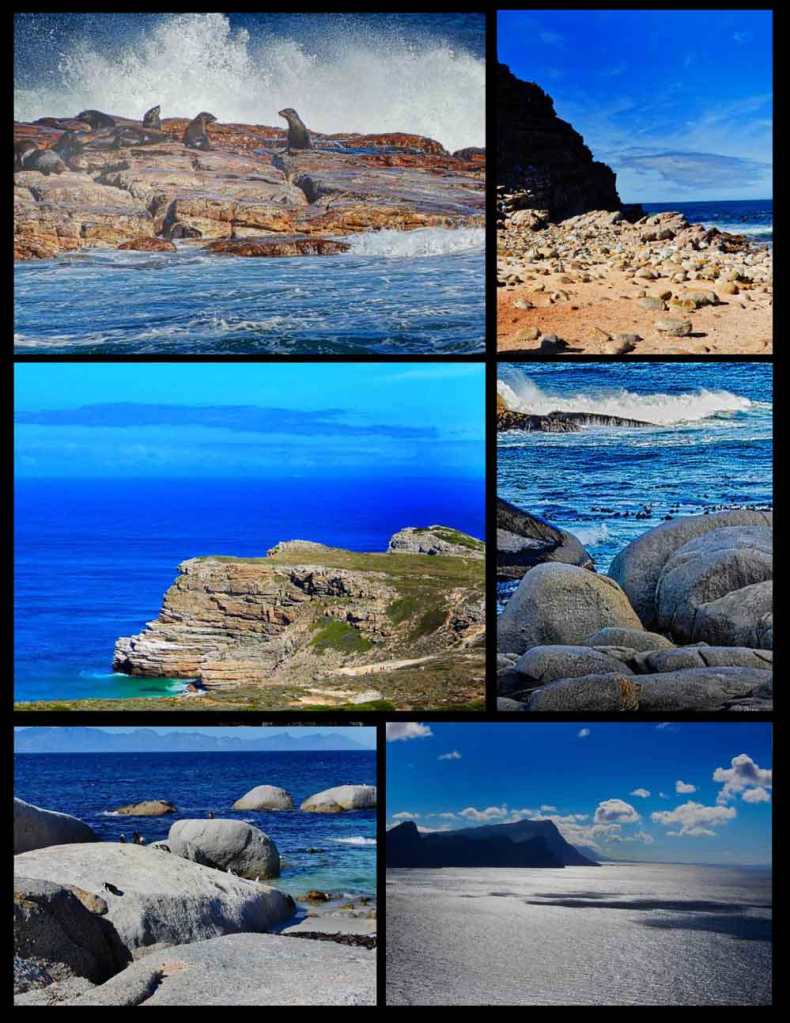
Top Row Left To Right: 1. Seals offshore at the C ape of Good Hope 2. looking south from the Cape of Good Hope. Middle Row: 1. Looking west at the Cape of Good Hope. 2. Kelp beds between boulders. Bottom Row 1. Penguins on the rocks northwest of the Cape of Good Hope.2. Looking up the coast northwest from the Cape.
Planning A Cruise? Start With The Intentional Travelers Port Guides
Recent Posts From The Intentional Travelers You Might Find Interesting:
It is frequently said that Wellington is a town of rose gardeners and walking around this beautiful town it’s easy to see why. If you have a day to explore don’t miss The Lady Norwood Rose Gardens.
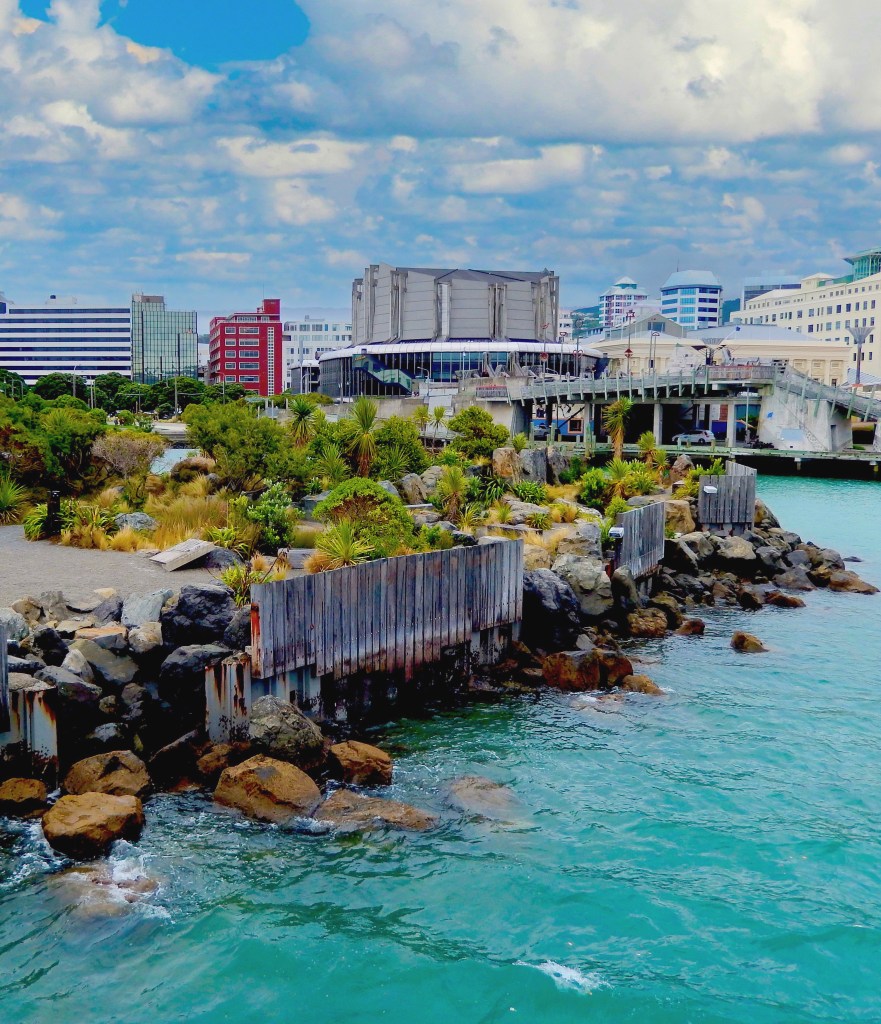
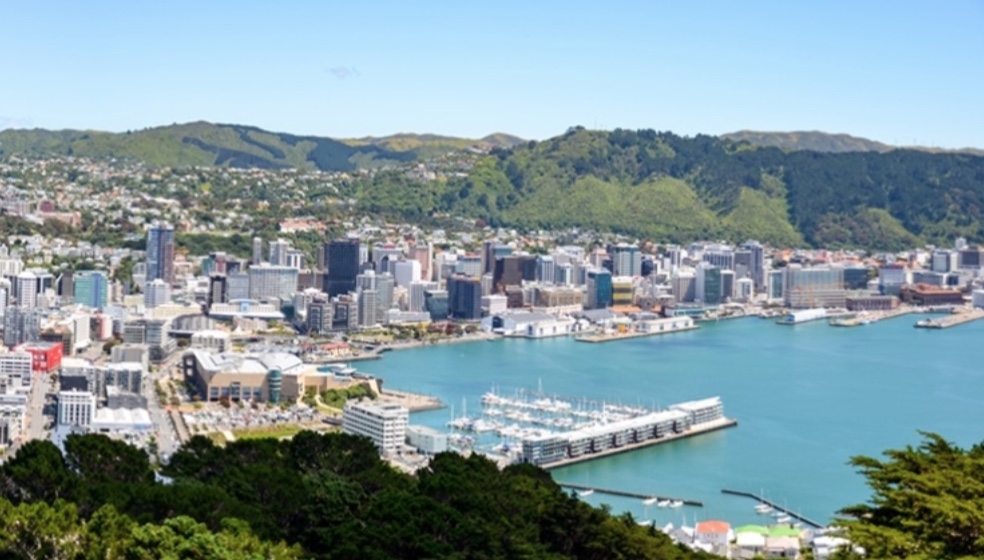
Wellington is the capital of New Zealand that sits near the North Island’s southernmost point on the Cook Strait. It is a smaller city defined by its geology that features a beautiful waterfront promenade, nice beaches, a natural harbor that flows up its surrounding hills. Strong winds through the Cook Strait provide it the nickname “Windy Wellington.” It is also a place of superlatives from the local scenery, its famous gardens, and great, welcoming people.
Where Your Ship Docks
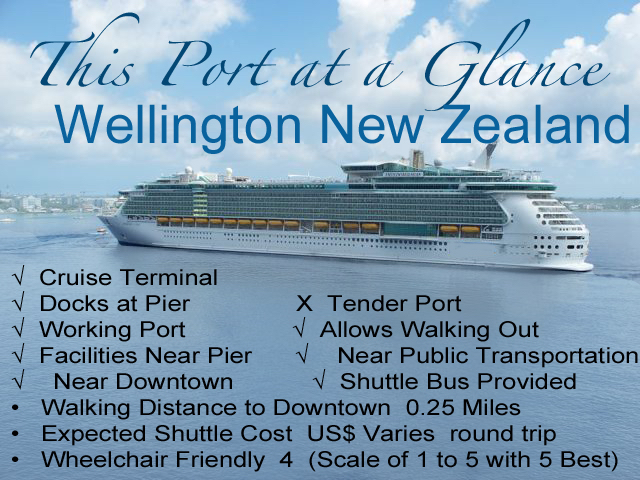
Cruise ships will dock at one of the terminal piers inside CentrePort Wellington. Within the Wellington cruise terminal, is visitor information, free internet and public facilities. Cruise ships will often provide shuttle services from the pier into the city centre with the usual drop off at David Jones department store on the corner of Lambton Quay and Brandon Street.
Transportation
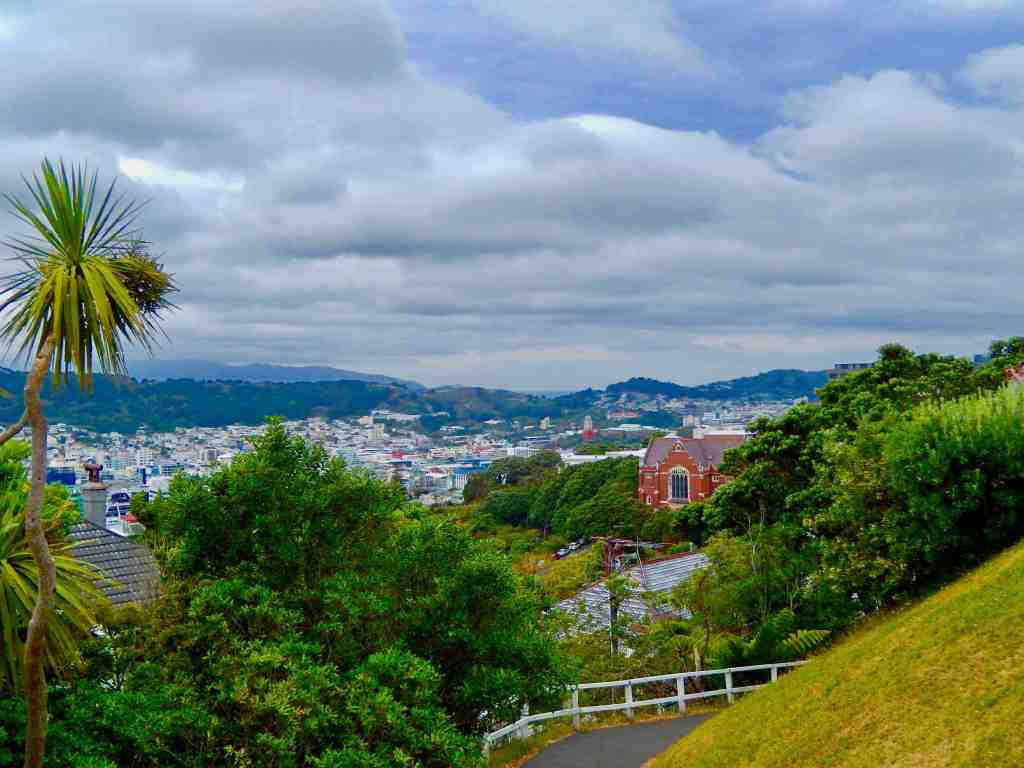
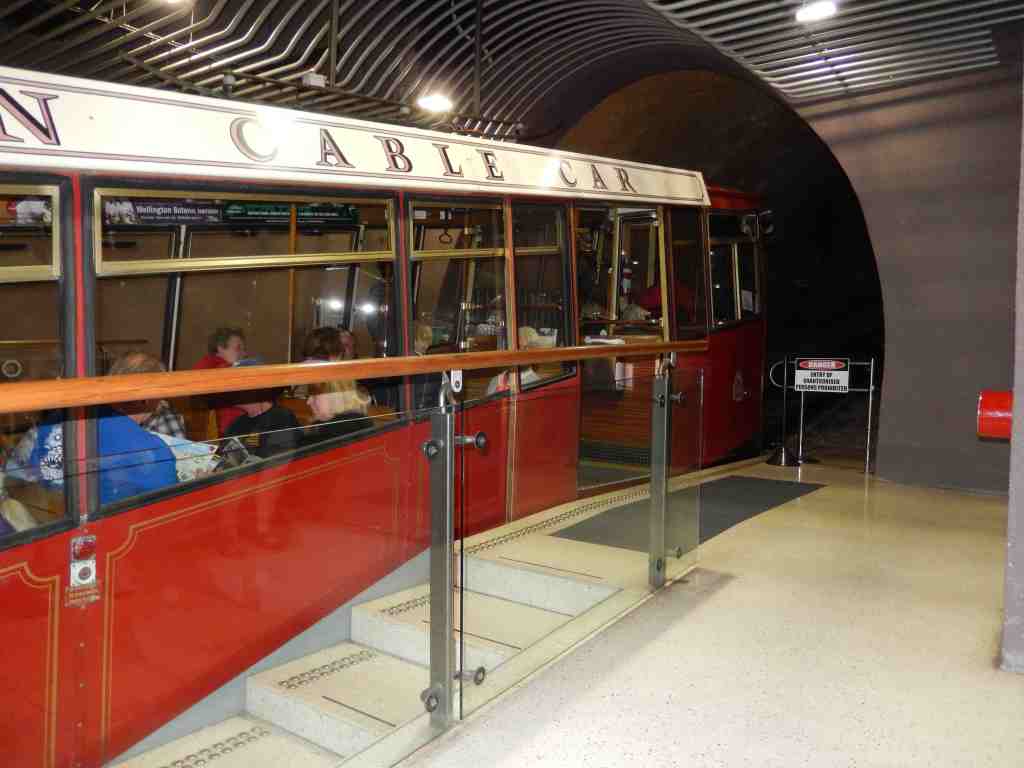
Wellington is actually a small city and the waterfront and downtown areas are very walkable, but it’s also built up along the slopes of the surrounding steep hills. The good news is that only a short walk from the port is Wellington’s historic bright red cable car. A one-way ticket is NZ$5 to get you up to Kelburn Lookout for spectacular views of the city. Right next door to the lookout is the Wellington Botanic Gardens. For a beautiful walk take the cable car up and stroll downhill to city center through some remarkable gardens.
Currency
Local currency is the New Zealand Dollar with 1 US$ equal 1.45 NZ$. You will need to convert some currency or use credit cards which are welcome. ATM’s are also plentiful.
Attractions
A short walk along the waterfront is Lambton Quay and the world class Museum of New Zealand (Te Papa) (55 Cable Street, Te Aro) and the Wellington Cable Car. Don’t miss a visit to this museum and be sure and take the cable car up to the Kelburn Lookout for fantastic views of the city and bay. The museum is an interactive experience presenting the geology, history of the first settlers and the culture of the native Maori. Some of the popular exhibits include the Earthquake House that simulates the experience of being in an earthquake along with galleries of artwork from New Zealand and Pacific Island artists.
Another popular attraction is impressive Wellington Museum featuring state-of-the-art multimedia displays that bring the city’s history to life. Its home is in a preserved historic building that was once an early department stores, the focus is on Wellington’s maritime history and the city’s growth.
A short walk from the Wellington Museum is Pukeahu National War Memorial Park and the country’s national monument to those who served in war. There is also War Memorial Carillon, with its 74 bells played in concerts.
For Lord of the Rings and The Hobbit movie fans don’t miss Weta Workshop. Wellington was home to Peter Jackson’s motion picture production centered on the director’s Weta Workshop, where props and special effects for these movies were produced. Take a professionally-led tour behind-the-scene looks at how the movies were made, including Avatar and The Amazing Spider-Man 2.
Wellington’s most famous building is The Beehive, home of New Zealand’s parliament. Designed by British architect Sir Basil Spence and built in the 60′ and 70’s, the building has a distinctive shape that remains controversial even today.
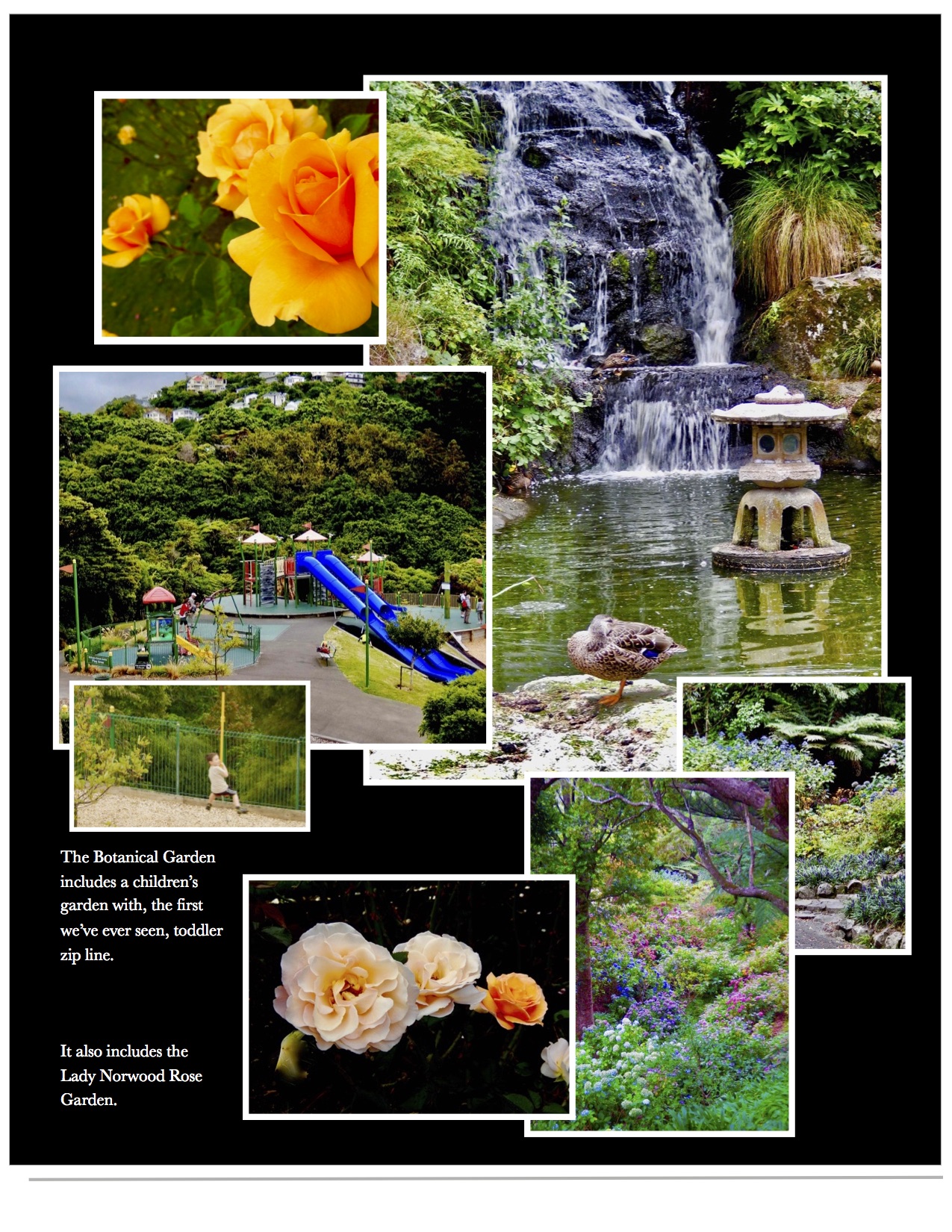
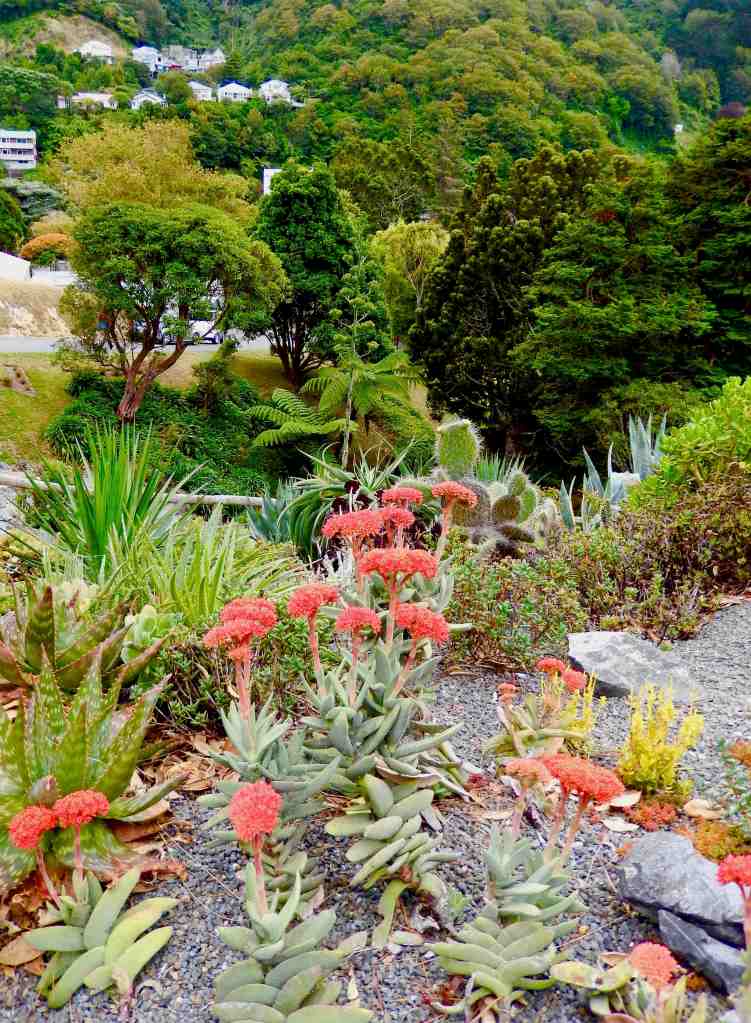
The Wellington Botanic Garden is a beautiful 60 acre collection that flows down hillsides, filled with flower gardens and native plants. Sidewalks meander through the gardens, from a conifer forest seasonal flower beds culminating in The Lady Norwood Rose Gardens with 110 rose beds full of numerous rose varieties.
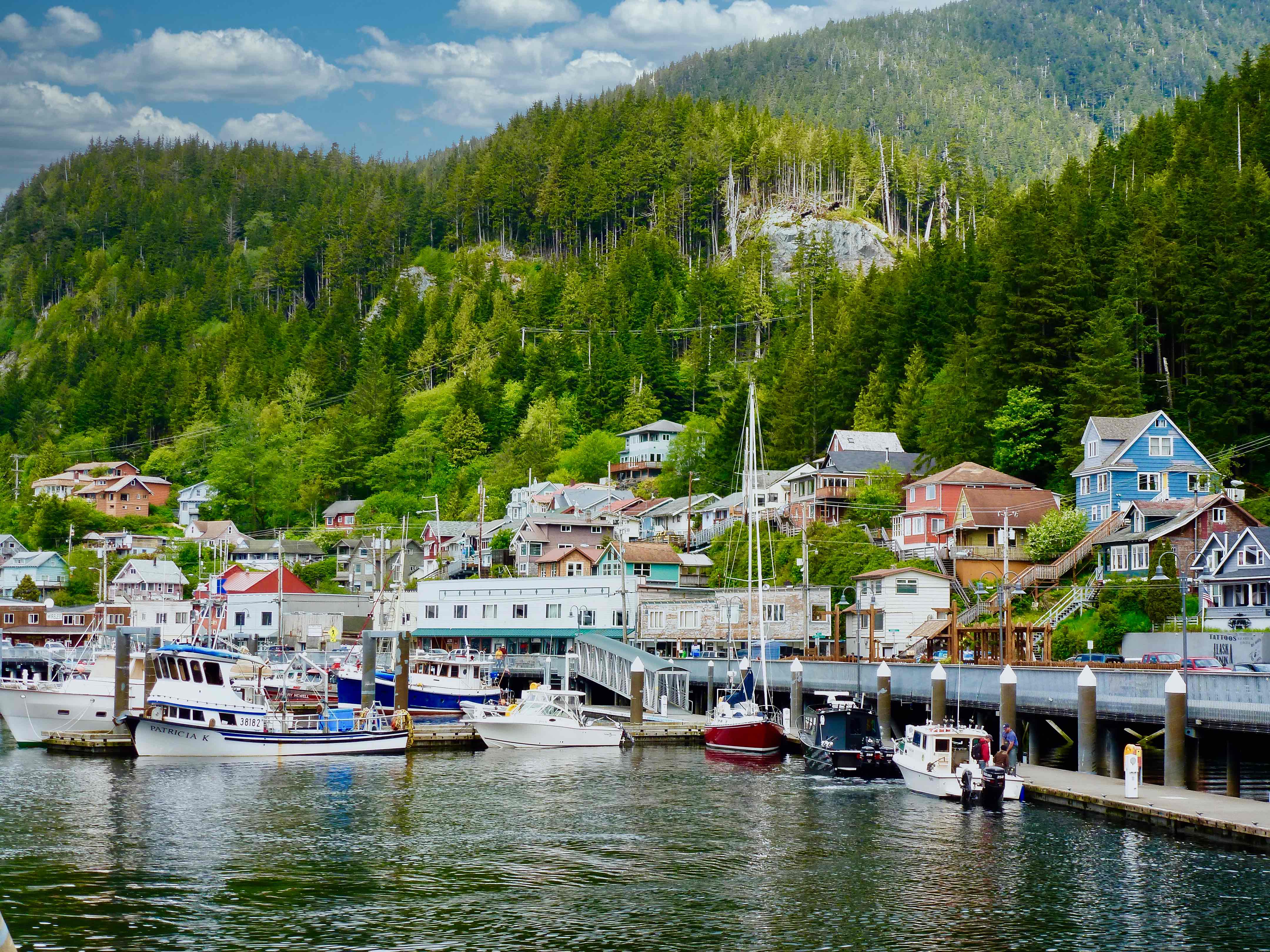
Dolly’s House was constructed in 1919 by a local entrepreneur named Dolly Arthur. It was originally built as a residence but soon became known for its role serving the men in the fishing and logging industries. While historically it operated as a brothel during the early to mid-20th century, during Prohibition it evolved and became a social club featuring music, companionship and served alcohol.
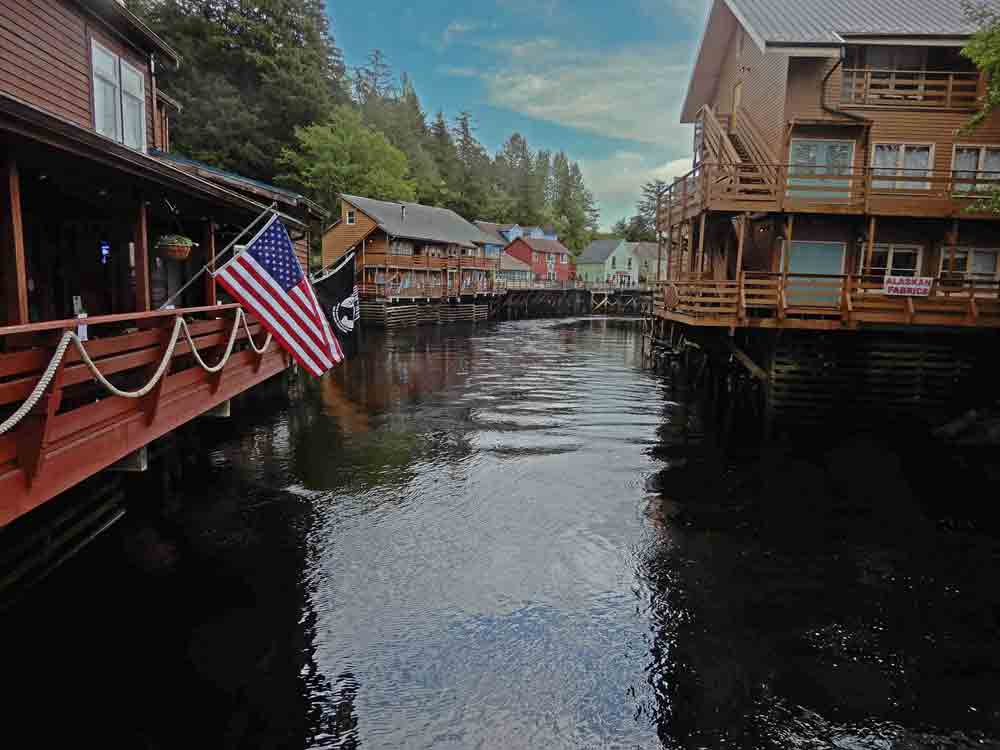
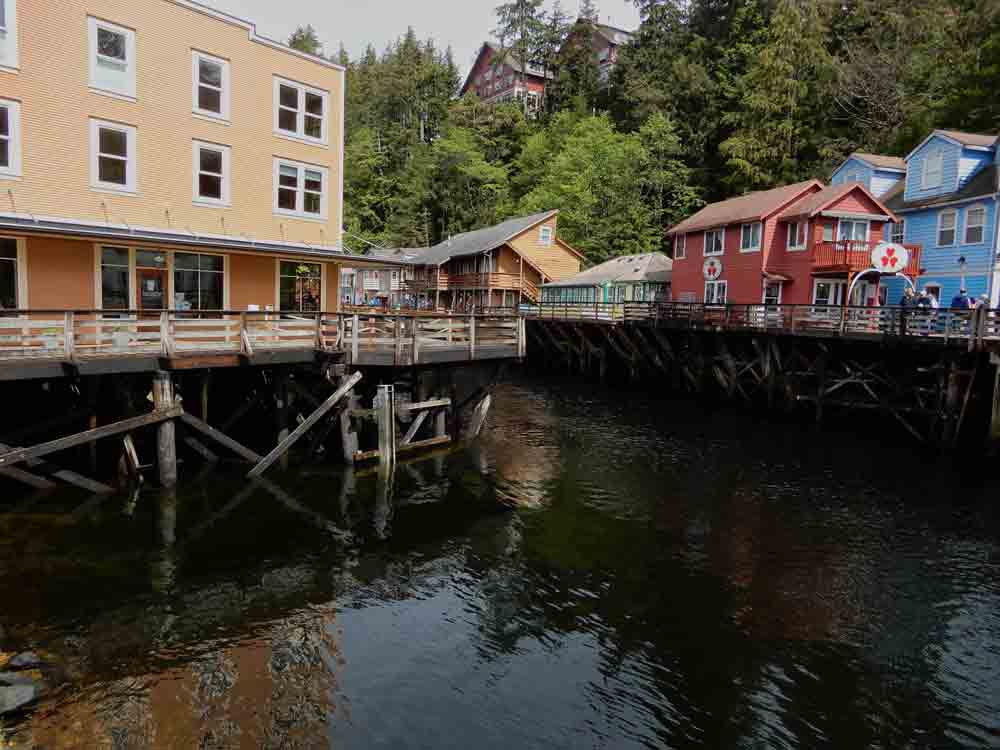
Dolly Arthur, the house’s namesake, was a prominent figure in Ketchikan. She became known for her hospitality and her ability to create a welcoming environment for her gentlemen guests. While a pioneer in Ketchikan’s social scene additional houses joined hers on Creek Street turning the neighborhood into the town’s red light district.
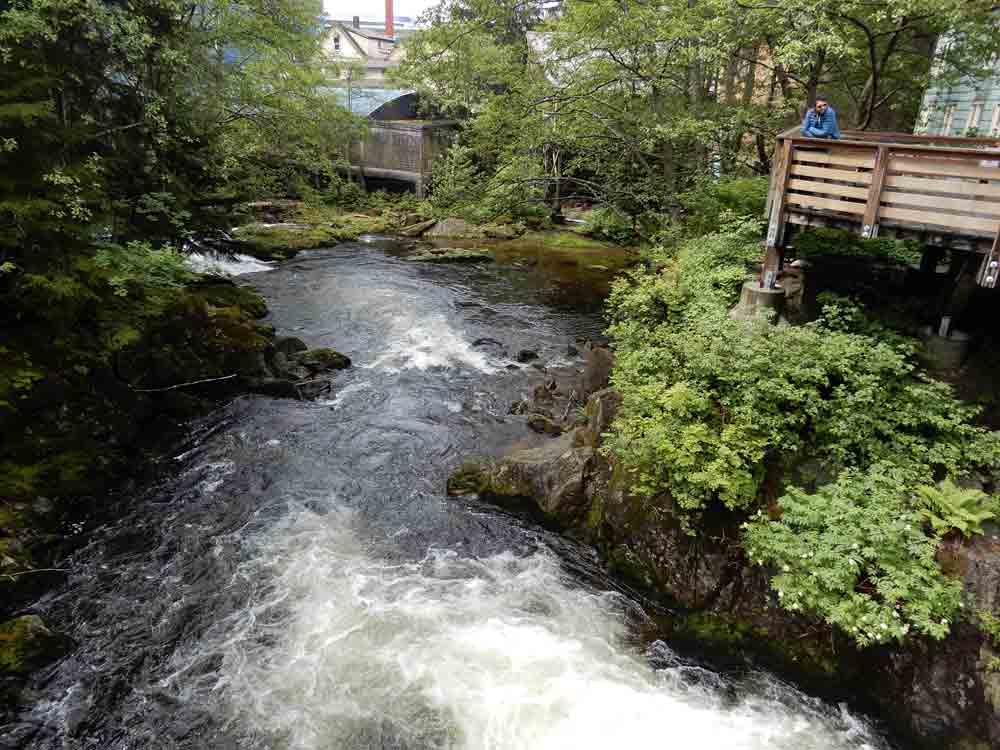
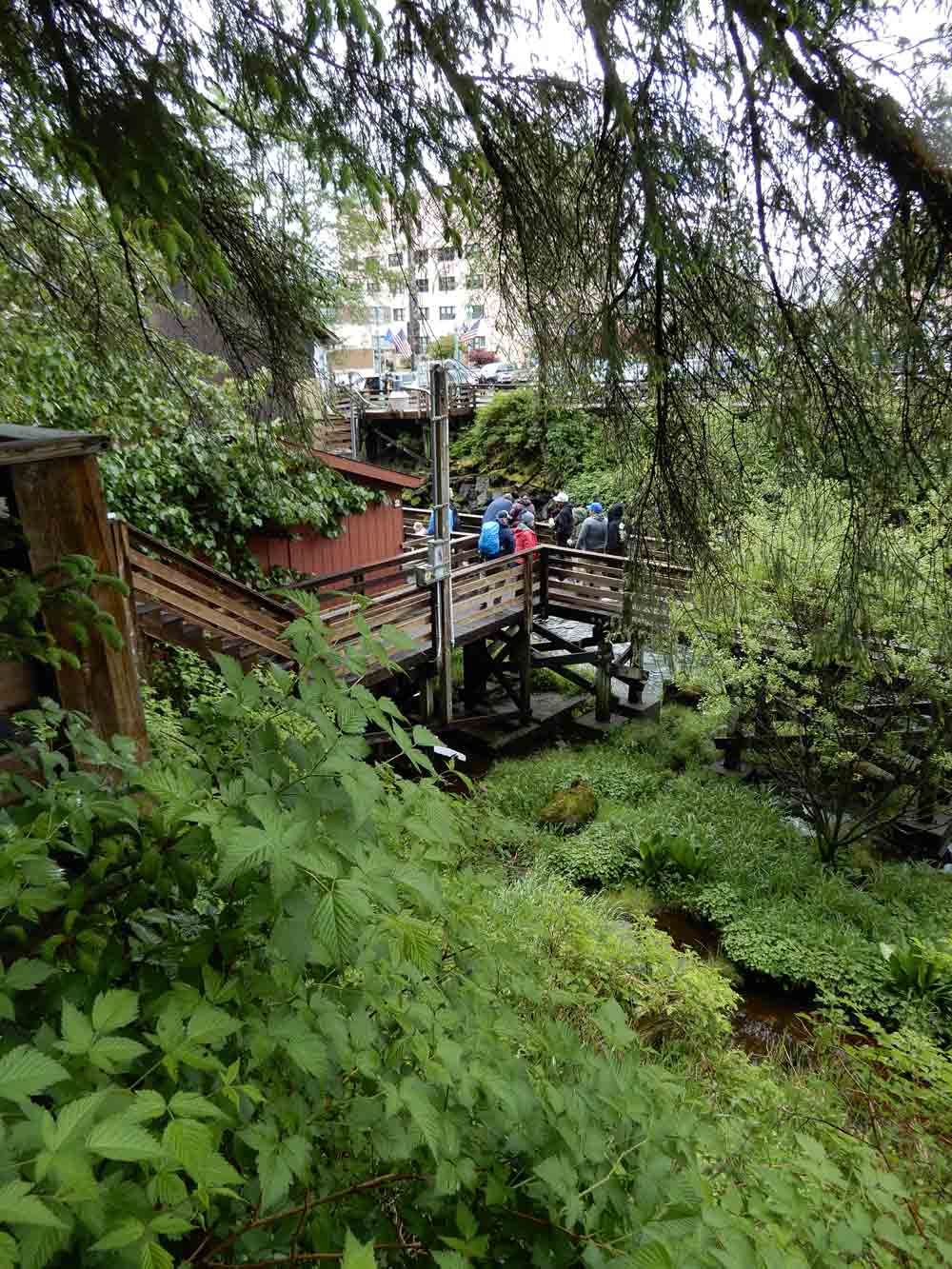
Directly behind Creek Street was Ketchikan Creek tumbling down a hillside and along the creek was a path called “Married Man Trail” as it served as a discreet route for men visiting the red-light district instead of openly walking into the front doors of the “sporting houses”.
Today, Married Man’s Trail is a scenic and popular walking path for tourists, offering views of Ketchikan Creek, and various attractions like Creek Street itself, Dolly’s Museum, the Salmon Ladder, and connections to downtown Ketchikan. While its historical “sordid past” is a prominent part of its story, it’s now appreciated for its natural beauty and as a unique glimpse into Ketchikan’s colorful past.
Planning A Cruise? Start With The Intentional Travelers Port Guides
Recent Posts From The Intentional Travelers You Might Find Interesting:
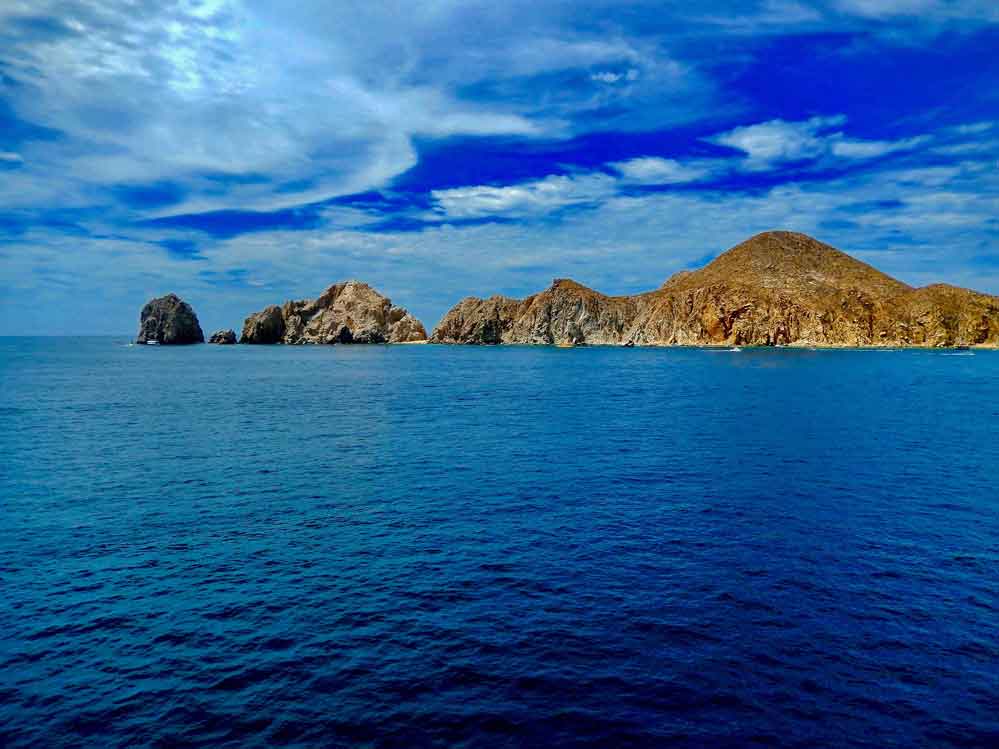
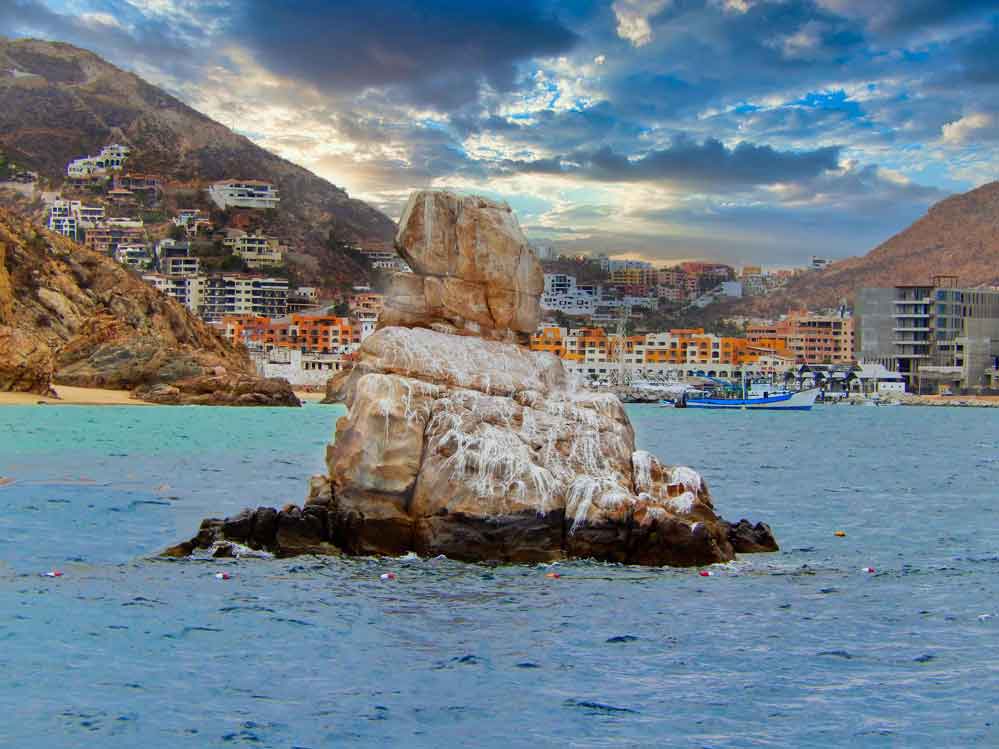
Cabo San Lucas, is one of the Mexico’s most popular tourist destinations and for good reason.Cabo is located at the southern tip of the Baja California Peninsula in Mexico, and it is a popular destination for sailing enthusiasts. The region offers stunning landscapes, clear waters, and a variety of sailing options.
Fishing Charters – Cabo San Lucas is renowned for sport fishing, particularly for marlin. Charter a boat for deep-sea fishing with options for half-day or full-day trips.
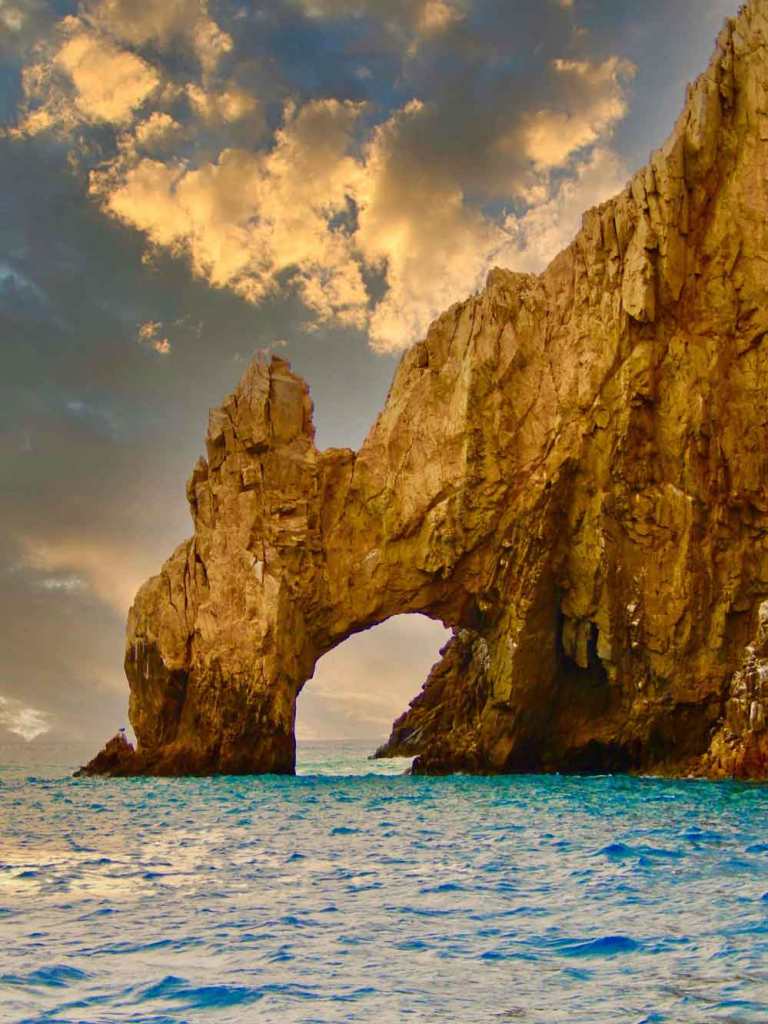
Sunset Cruises – Enjoy a relaxing evening on the water with a sunset cruise as you sail into the sunset. Most sunset cruises provide refreshments, music, and stunning views of the coastline and the famous Arch of Cabo.
San Lucas Sailing Tours – Combine sailing with snorkeling at popular spots like Santa Maria Bay and Chileno Bay. Tours often include snorkeling gear, lunch, and beverages.
Whale Watching Tours – Experience the thrill of whale watching during the migration season (December to April). Sail off shore to spot humpback and gray whales,
Catamaran Tours – Take a leisurely sail on a catamaran, known for their stability and spacious decks, most ttours offer food, drinks, and opportunities for swimming and snorkeling.
Planning A Cruise? Start With The Intentional Travelers Port Guides
Recent Posts From The Intentional Travelers You Might Find Interesting:





























 The Intentional Travelers