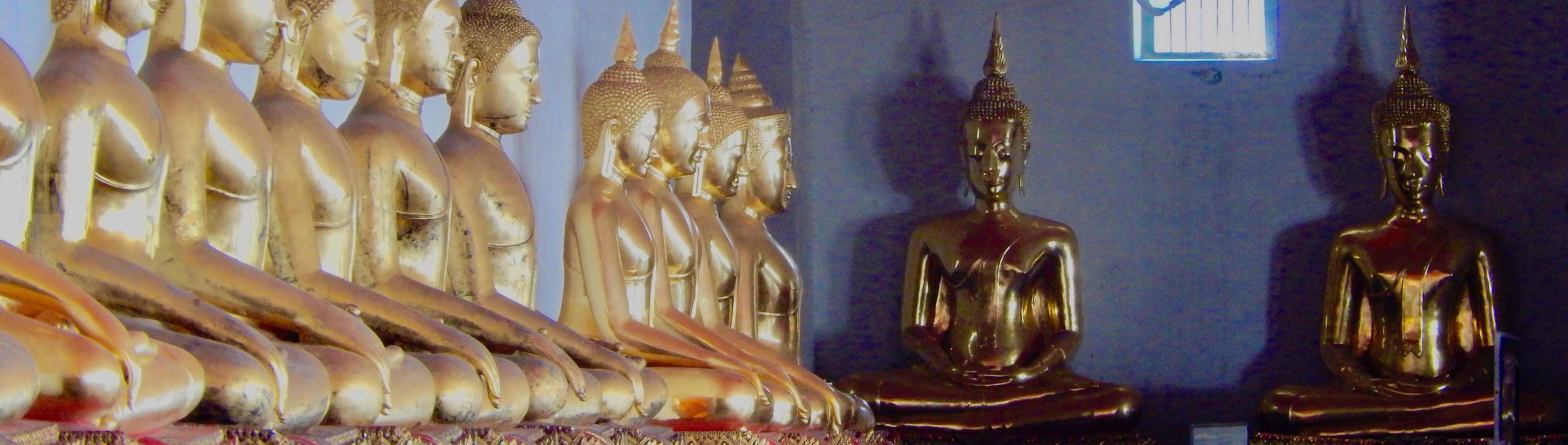
Adventures In Paradise


Visiting The Islands Of The Pacific

Often ignored and even discounted, the Polynesian Empire was one of the largest geopolitical regions on Earth. Established by seafaring navigators thousands of years ago having a broad range of Polynesian peoples moving freely between thousands of Pacific islands. Their migration into the Pacific Ocean began as early as 50,000 years ago, thousands of years before humans populated the American continents. Originating with peoples from Southeast Asia and Korea, they moved out to sea settling lands east of a line that runs between Borneo and Sulawesi, that included Australia. 30,000 years ago, they had reached New Zealand, New Guinea, the Bismarck Archipelago, and the northern Solomon Islands. By 3,000 years ago, these seafaring people began expanding into the furthest regions of the Pacific, settling islands like Vanuatu, Fiji, Samoa, and Tonga, north to Tahiti and Hawaii and the far eastern extent of the Polynesian Pacific Ocean perhaps even included the southwest coast of South America.

The Polynesian islanders didn’t experience any major population and cultural changes until just 500 years ago when the European explorers, traders and colonialists appeared in the Pacific. Over just a couple of hundred years colonial outposts, plantations and mining operations introduced forced labor and slavery to the region. Many islanders were relocated to places like Australian sugar plantations, while hundreds of thousands of Indian laborers were relocated onto a number of South Pacific islands to supplement local populations.
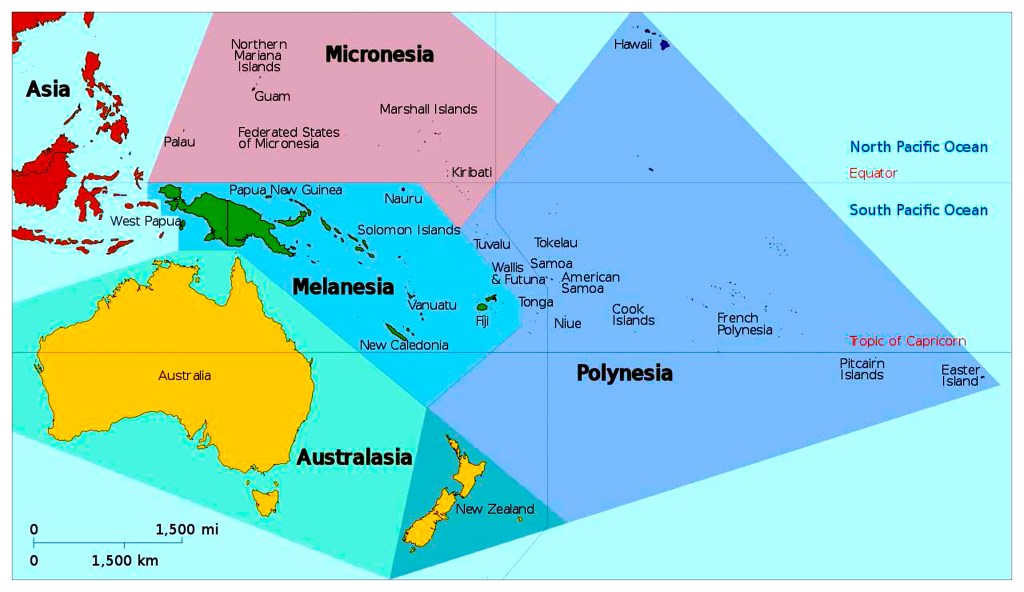
In addition to the designation of Polynesia, the Pacific region is divided into two additional cultural, geological and political regions named Micronesia and Melanesia.

Micronesia is a region in the western Pacific Ocean that comprises thousands of small islands, divided into several countries and territories, including the Federated States of Micronesia, Palau, the Marshall Islands, and Guam. These islands are known for their rich cultural heritage, diverse ecosystems, and strategic geopolitical importance.
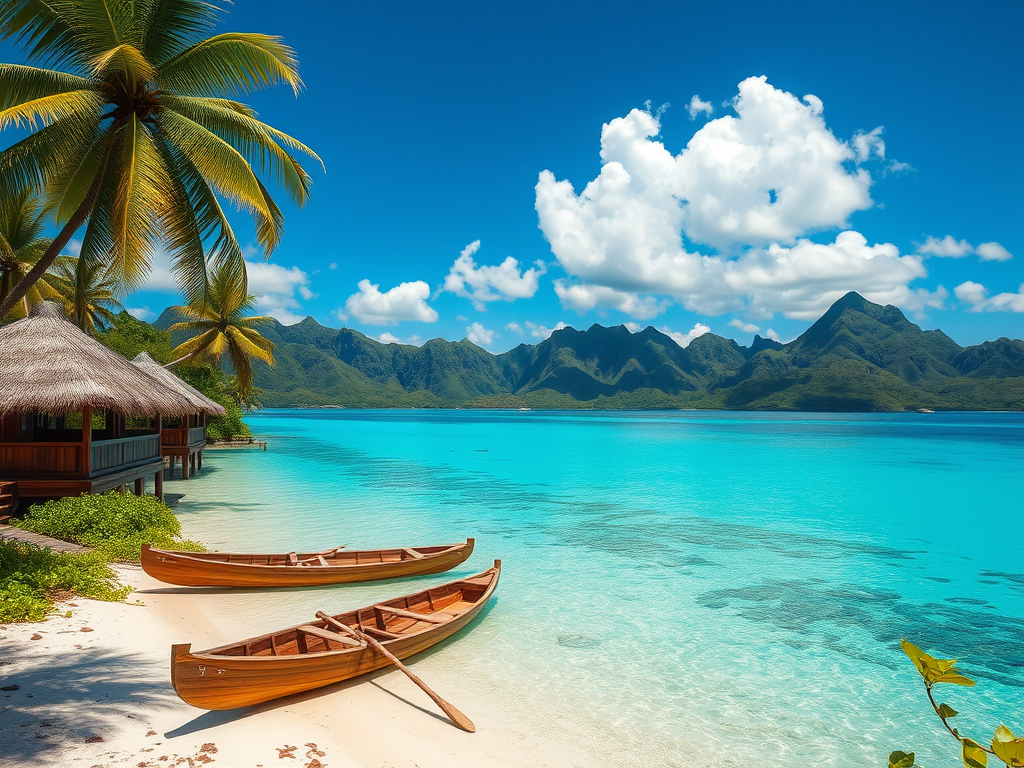
Melanesia is a subregion , consisting of several islands located in the southwestern Pacific Ocean. It includes countries such as Papua New Guinea, Solomon Islands, Vanuatu, and Fiji. The region is known for its rich cultural diversity, with over 1,000 distinct languages spoken across the islands, making it one of the most linguistically diverse areas in the world. Geographically, Melanesia is characterized by its mountainous terrain and tropical rainforests.

Modern day Polynesia’s mixed racial populations are a result of those colonial processes, along with the upheavals in the region that resulted from World War Two. Still the islands of the Pacific are popularly viewed as paradise thanks to books like Michener’s Tales of the Pacific, Hollywood movies and television shows like Adventures in Paradise.

Cruising The South Pacific

A number of cruise ships regularly offer itineraries that cross the Pacific, often visiting Hawaii, Tahiti and the South Pacific islands. Many are repositioning cruises going or returning from Australia to Hawaii and repositioning from Alaska to Hawaii.
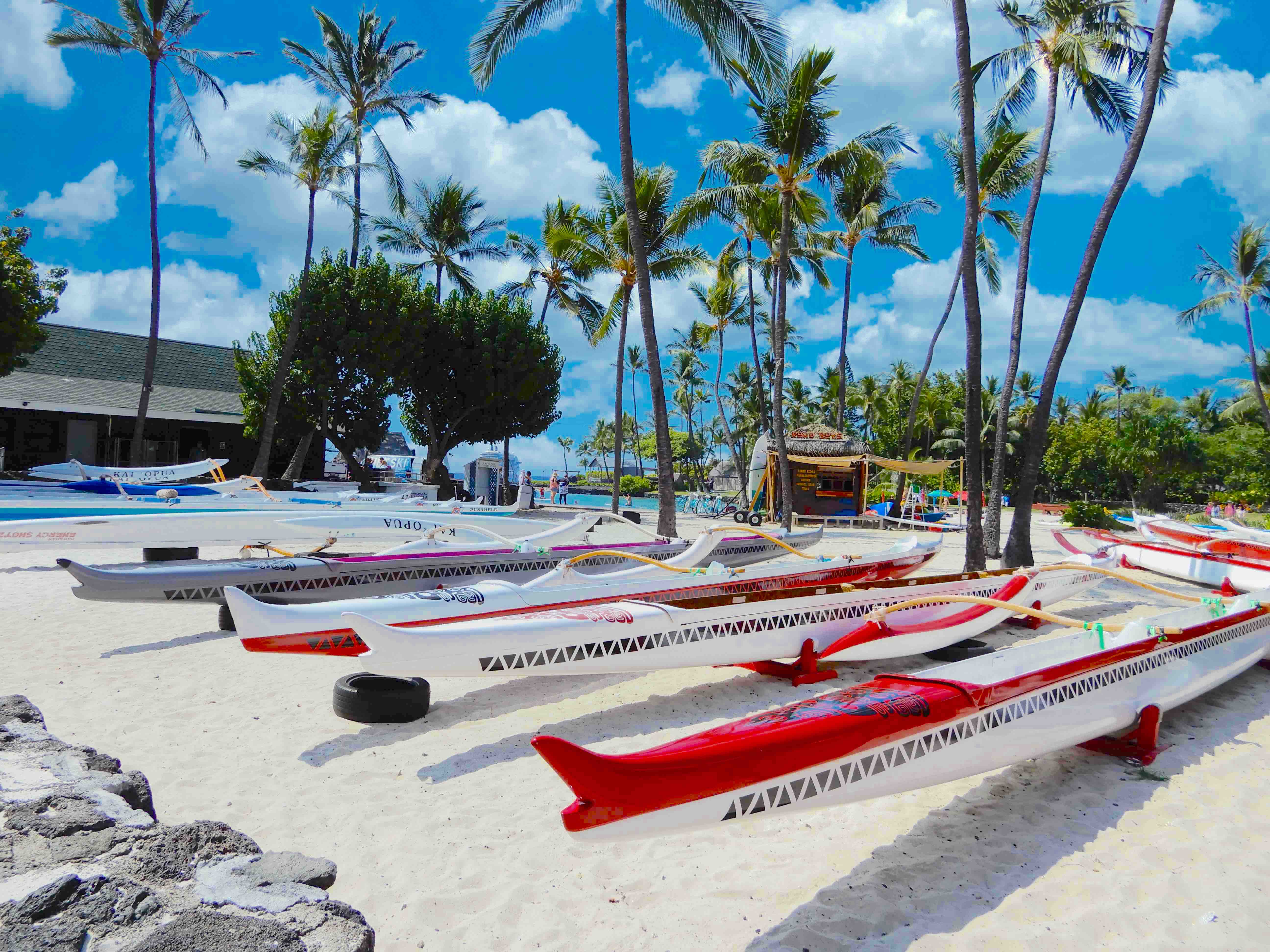
Hawaiian Islands – the only Polynesian islands north of the Equator theycomprise an archipelago of eight major volcanic islands, including Kauaʻi, Oʻahu, Molokaʻi, Lānaʻi, Maui, and the island of Hawaiʻi itself, which is geologically the youngest as well as the largest among them.Each island showcases a unique character with their own unique attractions; Oʻahu is famous for its legendary surf spots, while Kauaʻi is celebrated for its breathtaking mountainous landscapes with the island of Hawaiʻi featuring massive and frequently erupting volcanos. After Japan the Hawaiian archipelago is the most populated and developed in the entire Pacific Ocean.

The Galapagos Islands – an archipelago located in the Eastern Pacific, are renowned for their unique biodiversity and volcanic origins. This group consists of 13 major islands, along with several smaller islands and numerous islets, covering a vast area with sizes ranging from 5.4 to 1,771 square miles. The islands are situated about 740 miles from the mainland of Ecuador and near the equator, making them a unique ecological wonder.
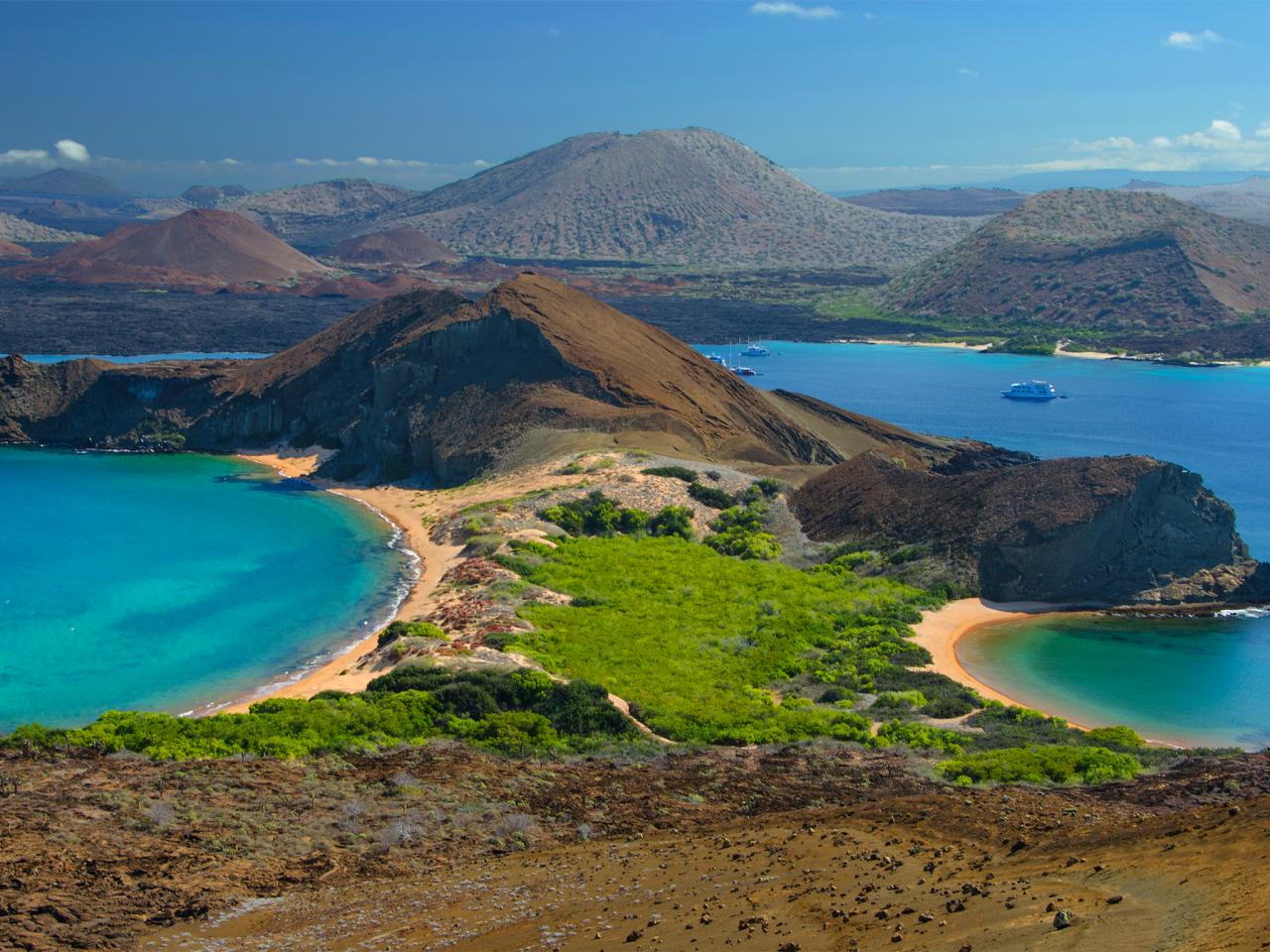
New Caledonia – a French overseas territory located in the southwest Pacific Ocean, known for its unique blend of Melanesian and French cultures. The territory comprises several islands, with the largest being Grande Terre, where the capital city, Nouméa, is situated. New Caledonia is recognized for its stunning biodiversity and extensive coral reefs, which are part of the UNESCO World Heritage-listed lagoon system.
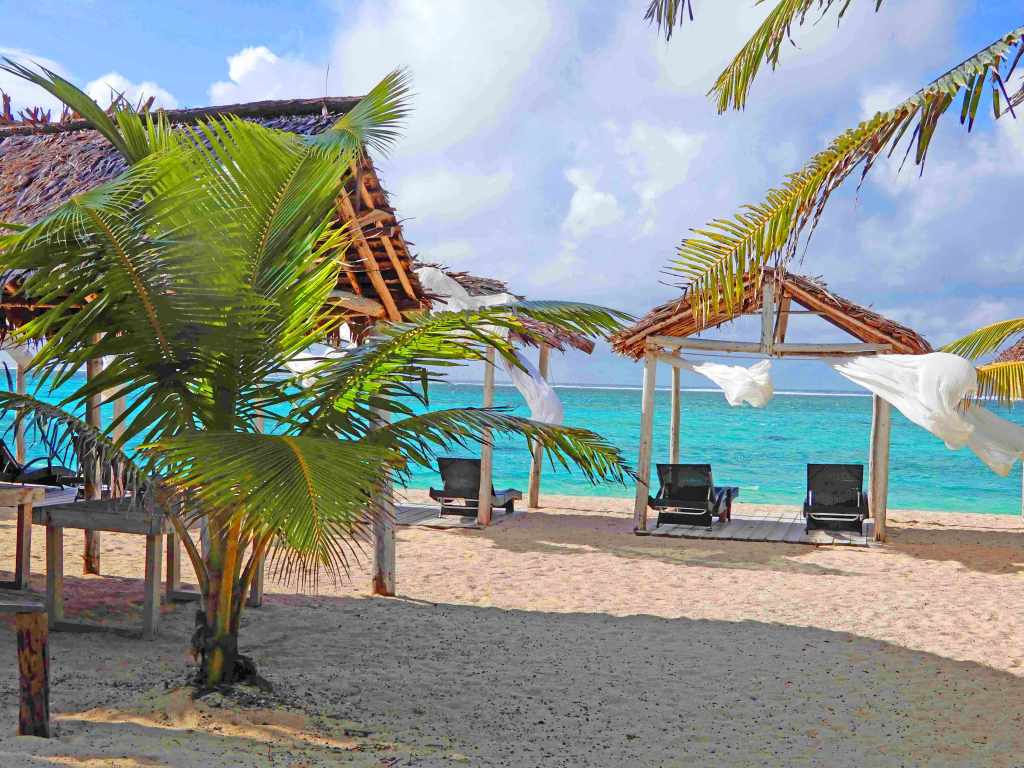
The Samoan Islands – a beautiful archipelago located in the central South Pacific, covering an area of approximately 1,170 sq miles. This group of islands is part of Polynesia and consists of two main territories: Samoa and American Samoa. The islands are situated about 1,600 miles northeast of New Zealand, making them a significant geographical feature in the region.
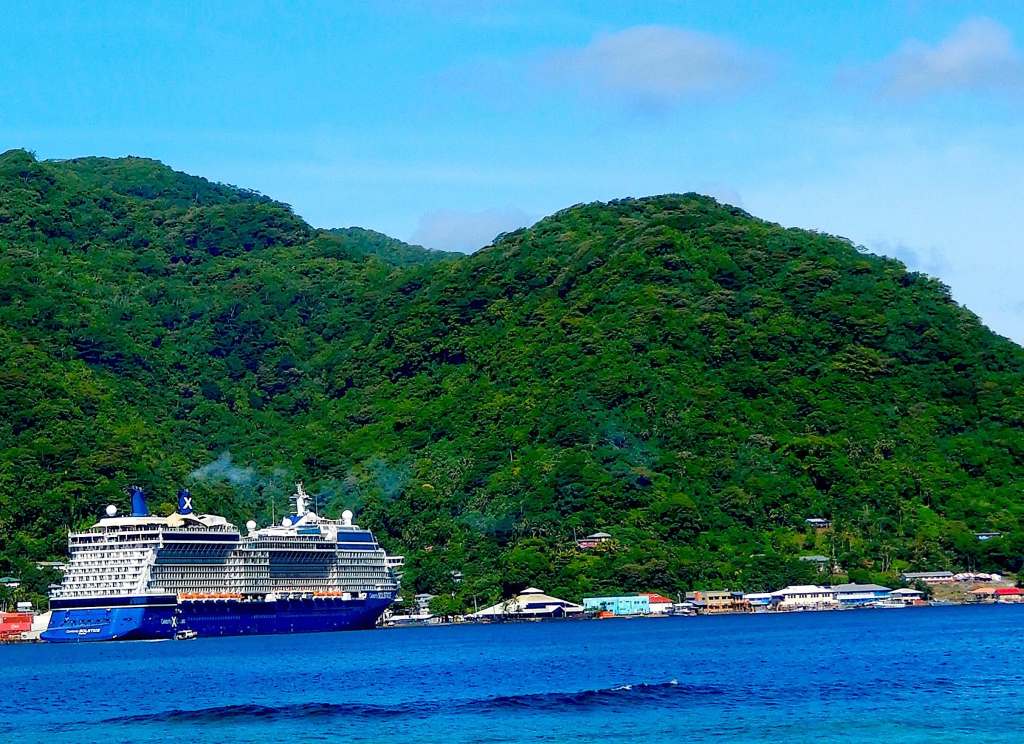
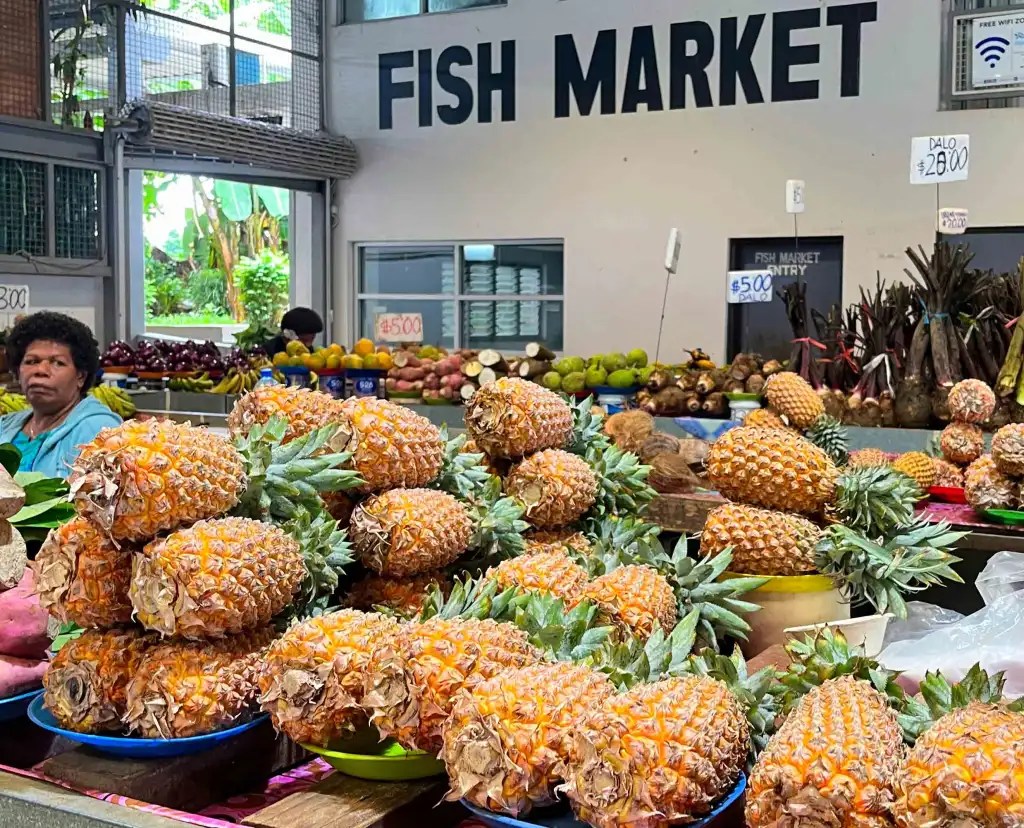
Fiji – an archipelago located in the South Pacific Ocean, known for its stunning natural beauty and unique culture. Comprising over 300 islands, the country features diverse landscapes, including mountains, lush rainforests, coral reefs, and beaches, making it a popular destination for tourists. The capital city, Suva, is situated on the largest island, Viti Levu, and serves as the political and economic center of the archipelago nation.
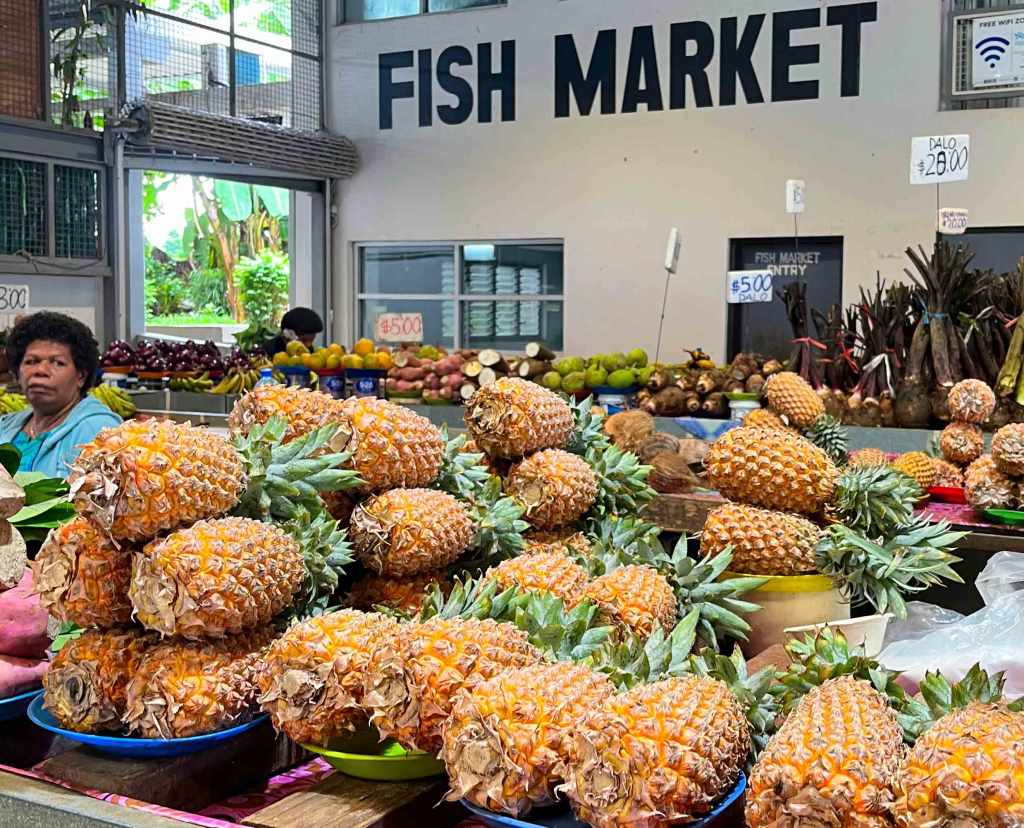
The Society Islands – a stunning archipelago located in the South Pacific Ocean, are a part of French Polynesia. Comprising 14 islands, the most notable among them being Tahiti, Moorea, and Bora Bora, each renowned for their breathtaking landscapes, coral reefs and vibrant cultures.
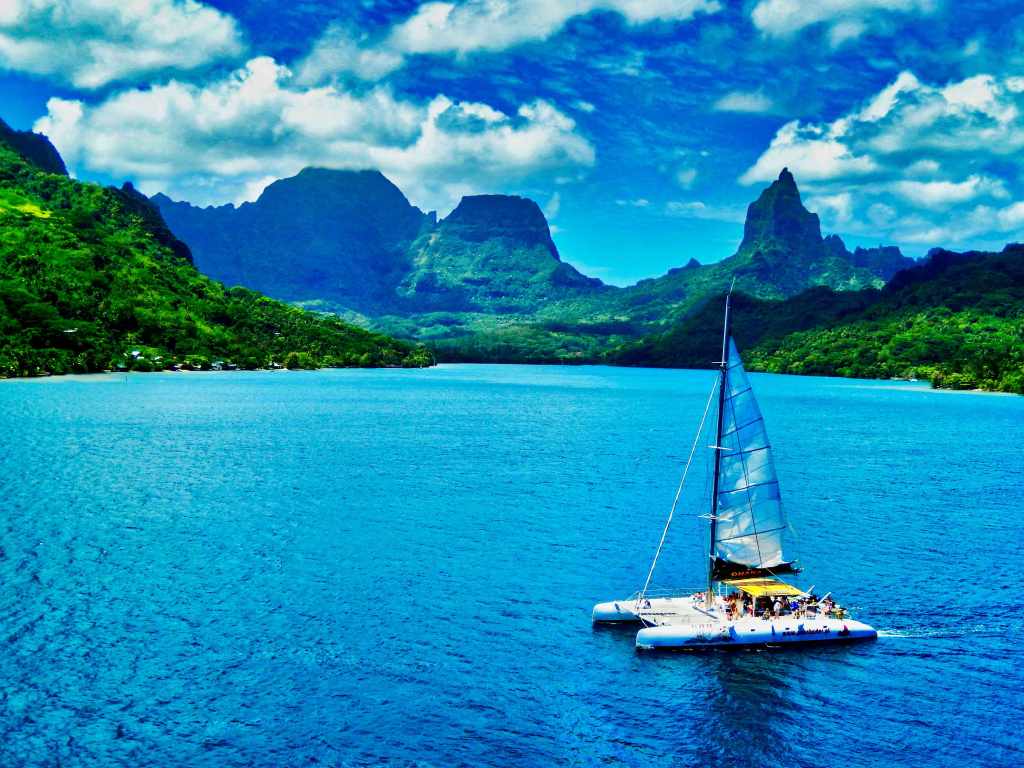
Vanuatu – a South Pacific Ocean nation made up of roughly 80 islands that stretch for 900 miles. The islands are famous for scuba diving coral reefs, its underwater caverns and wrecks of WWII-era ships. Harborside Port Vila, the nation’s capital and economic center, is on the island of Efate. The city is home to the Vanuatu National Museum, which explores the nation’s Melanesian history and culture.

Tonga – an archipelago known for its stunning natural beauty and rich cultural heritage. Comprising over 170 islands, the country is divided into three main groups: Tongatapu, Haʻapai, and Vavaʻu. The capital city, Nukuʻalofa, is situated on Tongatapu. Tonga’s unique culture is heavily influenced by its Polynesian roots, which are reflected in traditional music, dance, and art. The Tongan language is widely spoken, and the country maintains a strong sense of community and family values.
Todays Images • Yellowstone Eruptions

“Old Faithful” is a famous geyser located in Yellowstone National Park. It is known for its remarkably consistent and predictable eruptions, making it one of the most popular and iconic images in the park.

Old Faithful

Old Faithful is a cone-shaped geyser that erupts at regular intervals, typically every 55 to 70 minutes, with an average eruption interval of approximately 61 minutes. The eruptions can last for several minutes, shooting hot water and steam hundreds of feet into the air, creating a spectacular show.

The geyser’s consistent eruptions are attributed to the unique geological features beneath Yellowstone National Park. The park is situated on top of a volcanic hotspot, where magma from deep within the Earth’s crust rises close to the surface. This heat source powers the geysers and other geothermal activity in the area.

Lower Geyser Basin

Old Faithful’s eruptions are triggered by the buildup of pressure and temperature within its underground plumbing system. As water seeps into the geyser’s underground chambers and comes into contact with the hot rocks, it heats up and turns into steam. This steam builds up pressure until it eventually forces the water and steam out of the geyser’s vent, resulting in an eruption.

The regularity of Old Faithful’s eruptions has also made it a popular subject of scientific study and observation. Scientists have closely monitored the geyser’s behavior, including its eruption intervals and the height of its water column, to gain insights into the underlying magma processes and location.

Upper Geyser Basin


Copy

Looking for travel information? Search The Intentional Traveler website here:

More Recent Posts In The Intentional Travelers:

Are Bloggers Victims of Social Media Algorithms?

Blogging & Are We Being Played? There’s a lot in the news lately about the social media companies manipulating our children online to keep them engaged and how much harm it may be doing. It is obvious that these entities know a great deal about human psychology and how to take advantage of people online.…

Standing Watch Above The Rhine

People, places and captured moments selected from The Intentional Travelers photo collection. Marksburg Castle on the Rhine River Marksburg Castle, a majestic fortress located above the town of Braubach in Rhineland, Germany. This castle holds the unique distinction of being the only hilltop fortress on the Rhine that has never been captured or destroyed. Originally…

The Church of the Holy Sepulcher

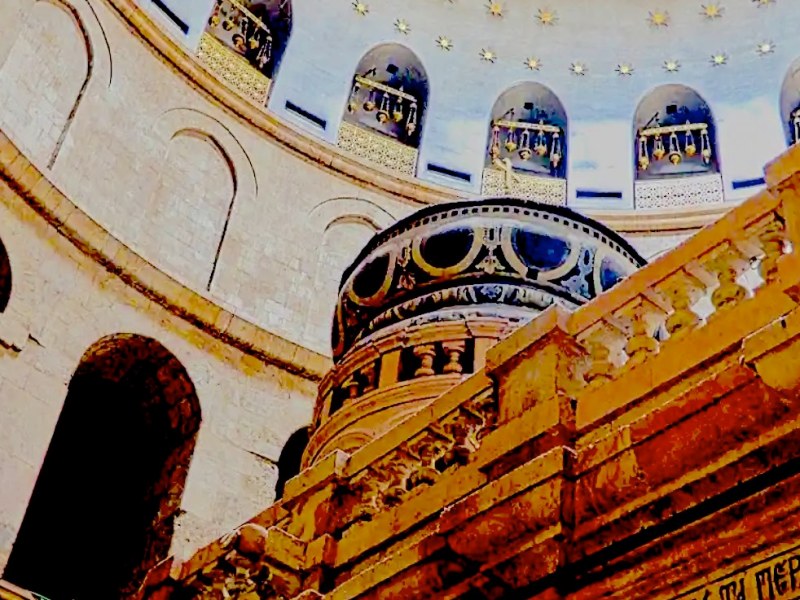
The History Behind The Celebration Of Easter Without question the holiest site in all of Christendom is located in the Christian Quarter of Jerusalem. It represents the location where Jesus was crucified and where his body was laid to rest. Today there is a high level of certainty that the location has been actually identified.…

Exploring South America

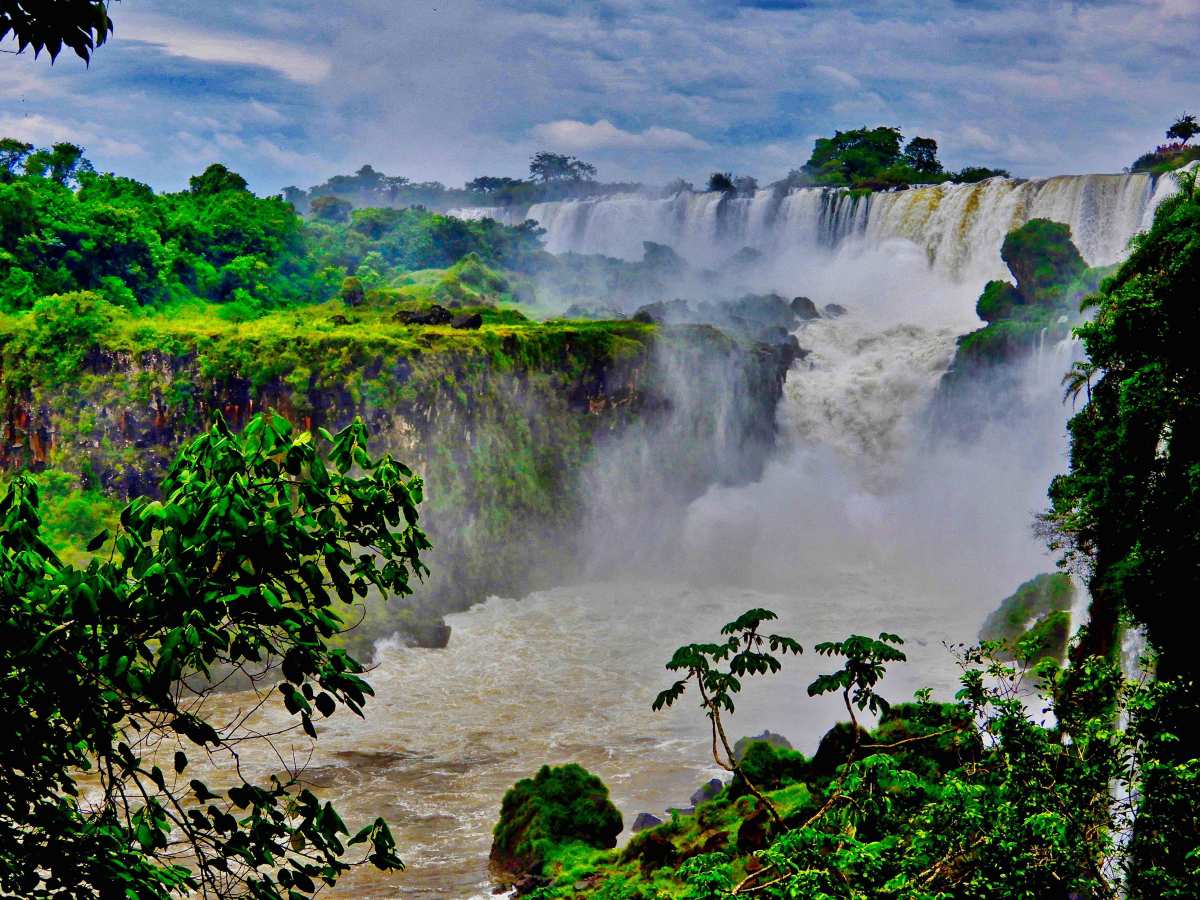
with From Cartagena, Columbia to Ushuaia, Argentina the South American continent is an amazing land of natural wonders and human accomplishments. Explore the islands of the Galapagos or hike around Iguazu Falls, climb up to Machu Picchu or cruise through the Panama Canal. You can even cast off for a trip to Antarctica or walk…

Something went wrong. Please refresh the page and/or try again.

Featured Images • A Smoky Mountains Morning

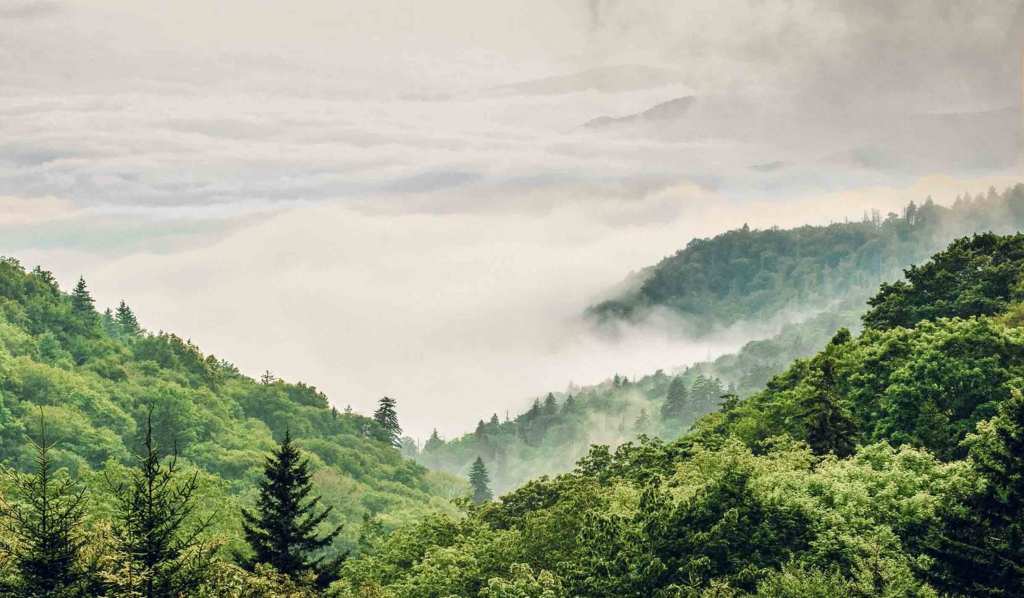
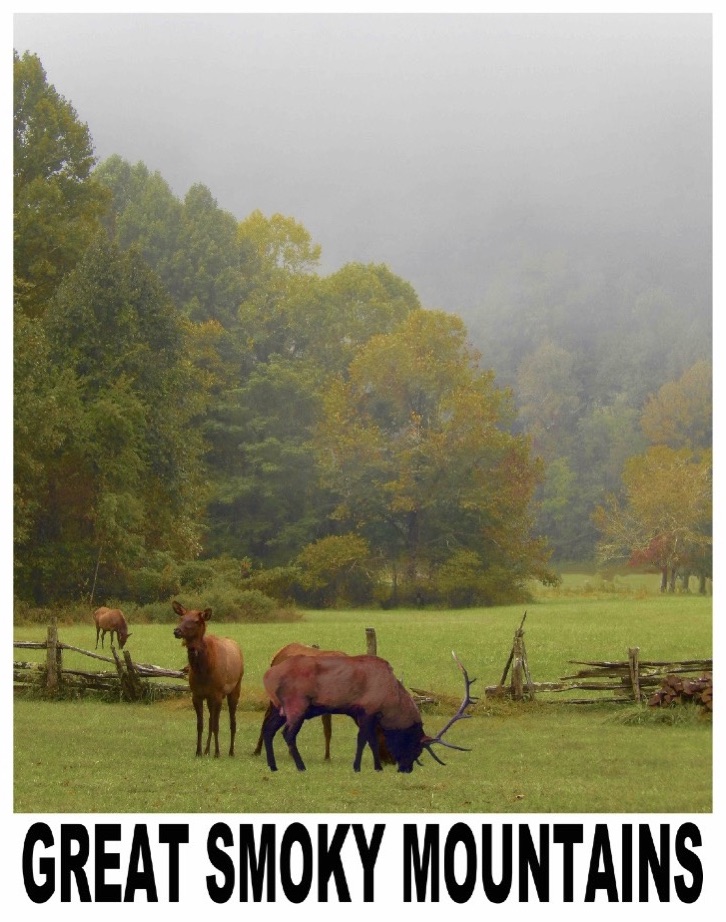
Thi area is part of the Great Smoky Mountains National Park, which is the most visited national park in the United States, attracting millions of visitors each year.

The park features over 800 miles of hiking trails, that includes portions of the Appalachian Trail, offering opportunities for outdoor activities such as hiking, camping, and seeing wildlife. The area is also famous for its scenic vistas, particularly from locations like Clingman’s Dome, the highest point in the park. Additionally, the Smoky Mountains are known for their unique foggy appearance, which is caused by the high humidity and temperature variations in the region.

Fog in the Smoky Mountains as newly reintroduced elk graze just after dawn in a meadow in Smoky Mountains National Park.

Fiji’s Cruise Ports of Call


The South Pacific Archipelago Of Fiji

Fiji is the name of an archipelago in the South Pacific, with a geography characterized by volcanic islands and coral atolls. The two largest islands, Viti Levu and Vanua Levu, are volcanic and mountainous, while smaller islands are coral atolls. Fiji’s climate is tropical, with a wet season from November to April and cooler, drier conditions from May to October. The largest island in Fiji is Viti Levu where most cruise ships visit. It’s also the most populated island, with the country’s capital, Suva, and most major towns of the archipelago are located there. It is the largest island in the Republic of Fiji – home to 70% of the population or about 600,000 people. Viti Levu is the hub of the entire Fijian archipelago and measures 91 miles long and 66 miles wide.

Where Your Ship Docks

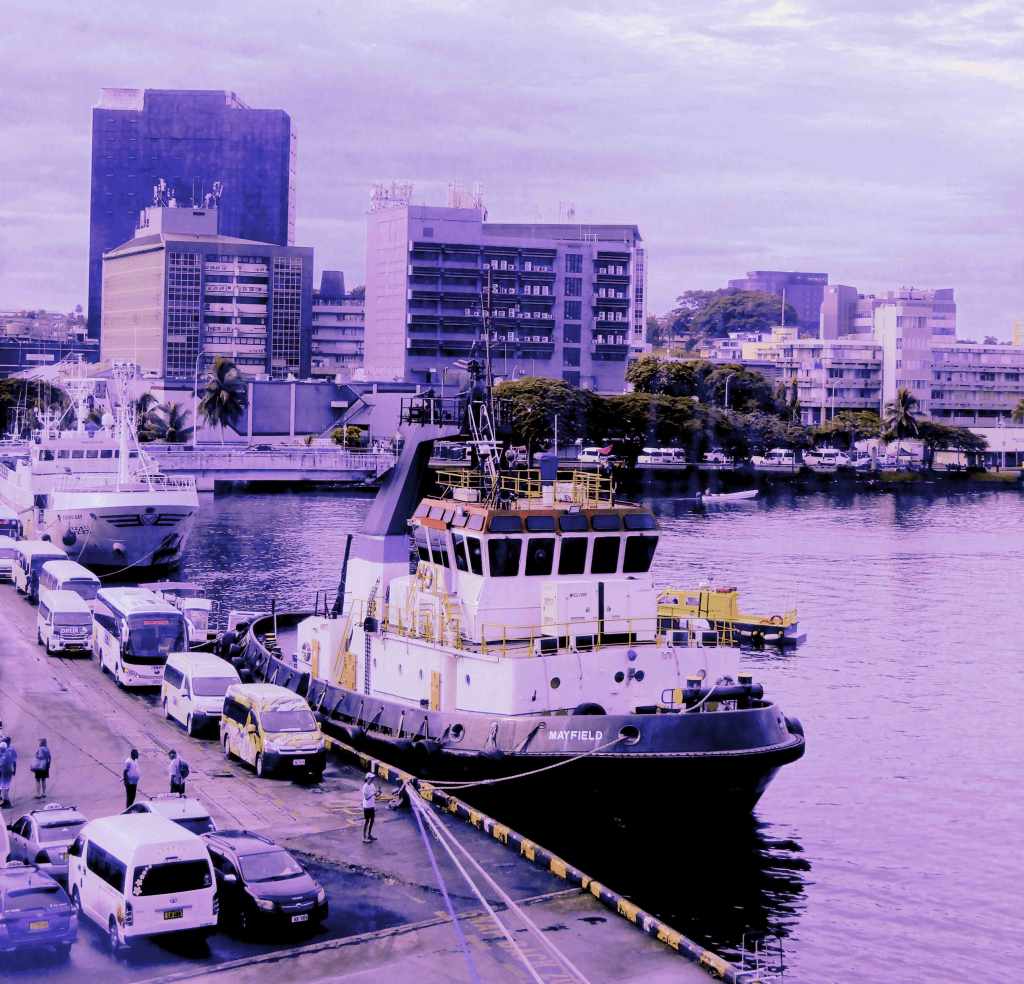
Cruise Port of Suva

This is a working port and walking out is not difficult but the area has limited public facilities available. The port is located in central Suva but there is little in the nearby area to see. Because this is a working industrial port without a cruise ship pier, disembarking varies by the individual ships gangway design and a steep ramp or even stairs can be encountered. For passengers using wheelchairs there can be a difficult time disembarking and exiting the port.

Lautoka

The Cruise Port of Lautoka

Lautoka is a larger city than Suva with shopping opportunities only a short distance from the port entrance. Since this is a working port without a dedicated cruise ship pier disembarking varies by the individual ships gangway design and a steep ramp or even stairs can be encountered. For passengers using wheelchairs there can be a difficult time disembarking and exiting the port.

Wheelchairs and Port City Characteristics – This port has an average wheelchair infrastructure typical of large cities. In the port area you’ll find moderate inclines in sidewalks. Intersection crosswalks may have curbs and other wheelchair obstacles.

Transportation

Fiji, offers several transportation options for getting around. City buses are available as well as van routes that are popular and affordable ways to travel in the city and to nearby towns. Taxis provide a faster, though potentially more expensive, alternative, especially for destinations not easily accessible by bus.

In addition renting a car in Fiji is a convient way to explore the island. Major international car rental companies like Avis, Budget, Hertz, and Europcar have locations in Fiji but locations are mostly at the airport and resort areas.. In 2025 rates were around $49 per day for a compact car and $80 for larger vehicles like SUVs.

The island of Viti Levu has a major highway that completely circles the 4,000 square mile island taking you from one end to the othere in under 2 hours.

Currency

The local currency is the Fijian Dollar that equals US$0.44. Foriegn currency is not usually accepted. Major credit cards are welcome and the are ATMs but be cautious of your surroundings when using.

Tipping

Tipping follows a general tipping culture in Great Britian. While tipping is appreciated it is not mandatory. If service charges are included in your bill, rounding up or leaving small change is customary. In restaurants, leaving between 5-10% of the bill is a common practice if you are satisfied with the service. Tipping tour guides is usually based on the tour cost with a few dollars being a minimum. For taxi drivers or hotel service staff, rounding up the fare or leaving a small tip is often sufficient.

Exploring Fiji’s Main Island of Viti Levu

Viti Levu is an interesting destination known for its stunning natural beauty, vibrant culture, and diverse activities that cater to many interests. The island boast breathtaking landscapes, including turquoise waters and lush greenery, making it a paradise for nature lovers and adventurers. Visitors can enjoy activities such as scuba diving and snorkeling, particularly in western areas renowned for their coral reefs, where visibility can reach up to 100 feet.

Key attractions include the Sabeto Hot Springs and Mud Pool, which offer a unique relaxation experience, and the Garden of the Sleeping Giant, famous for its extensive orchid collection. Cultural experiences are abundant, with highlights such as the Fiji Museum in Suva and the Temple of Swami-Shiva-Shri-Subramania in Nadi, showcase the rich heritage of the island. Additionally, various tours and boat excursions allow visitors to explore the islands’ beauty while exploring local traditions and cuisines.

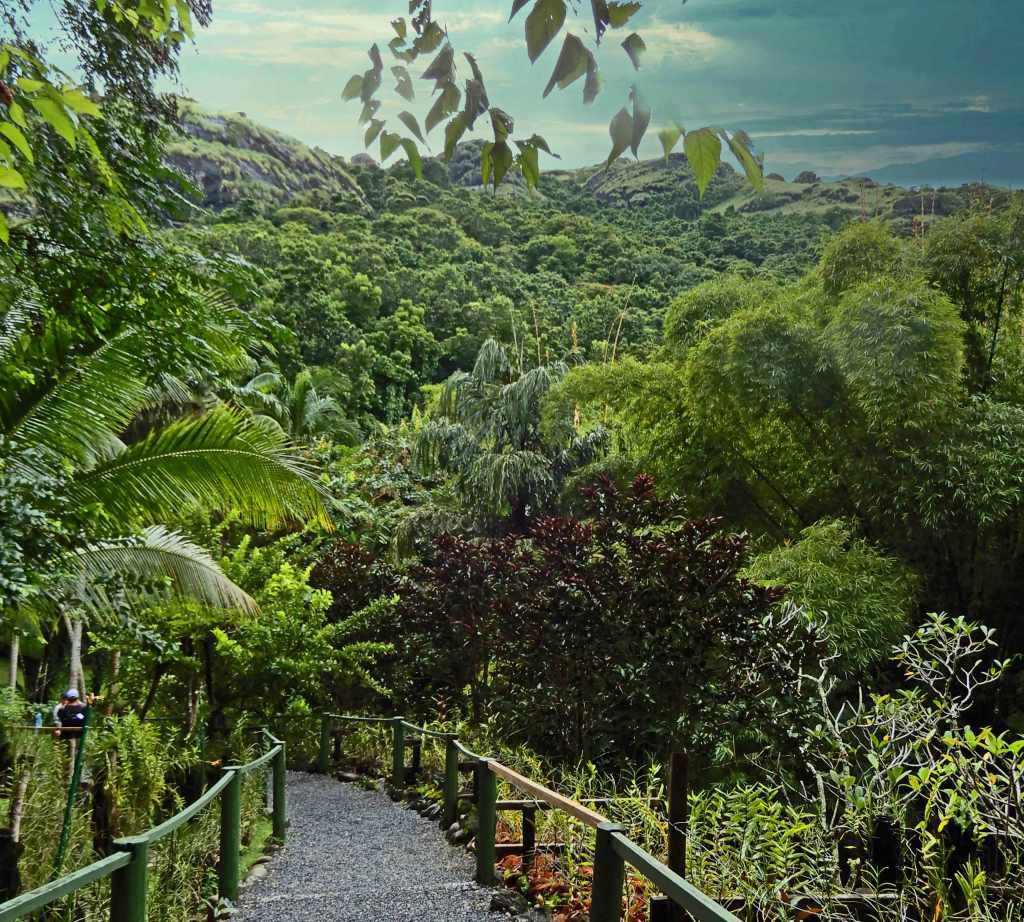
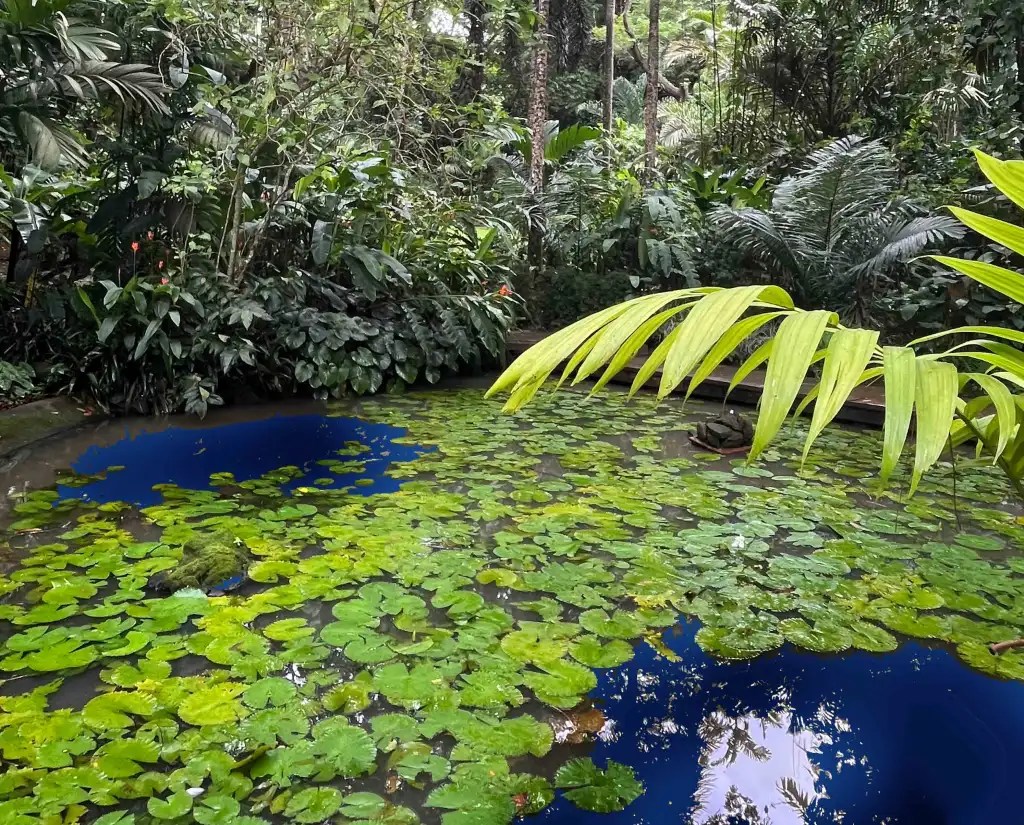
The Garden of the Sleeping Giant should be high on your list of sights. The gardens were developed by the actor Raymond Burr after he retired to Fiji and includes several miles of hiking paths, a large orchid collection and some magnificent views of the island for up on the mountain.

The Hindu Temple of Swami-Shiva-Shri-Subramania in Nadi is another popular attraction and is the religious center of the Indian community on Fiji, featuring a brightly decorated temple in a beautiful setting.

The Sabeto Hot Springs and Mud Pools are another popular destination reported to be very good as a skin treatment. Visitors cover themselves with the rich mud , high in mineral content and after drying rinse off in the hot spring ponds.

Overall, Fiji presents a blend of adventure, leasure, and cultural experiences, making it an ideal stop for travelers seeking to explore the South Pacific islands.

The Archipelago’s History

Fiji’s history is marked by a transition from indigenous settlement and tribal structures to British colonization and eventual independence. The islands were first inhabited by Melanesians, followed by European exploration and colonization in the 19th century. Fiji became a British Crown colony in 1874, and gained independence in 1970.

The first inhabitants of Fiji were Melanesians, who arrived around 3,500 years ago. ]The Melanesian settlers established a hierarchal society based on clans with cultural and traditional activities being similar to Polynesian culture.

The Dutch explorer Abel Tasman is credited with first sighting Fiji in 1643. British Captain James Cook also visited the islands in 1774. And Western Christian missionaries began arriving in the 1800s. Fiji became a British Crown colony in 1874.

Between 1879 and 1916, hundreds of thousands of indentured laborers from India were brought to Fiji to work the sugar plantations. This resulted in a large percentage of modern Fiji’s population being of Indian heritage.

Fiji gained independence as the Dominion of Fiji in 1970 and in 1987, Fiji declared itself a republic with its first democratic election in 2014. Despite independence, Fiji still maintains close ties with the British monarchy, and Queen Elizabeth II remained the official head of state until 1987.

Todays Image • An Antarctic Summer

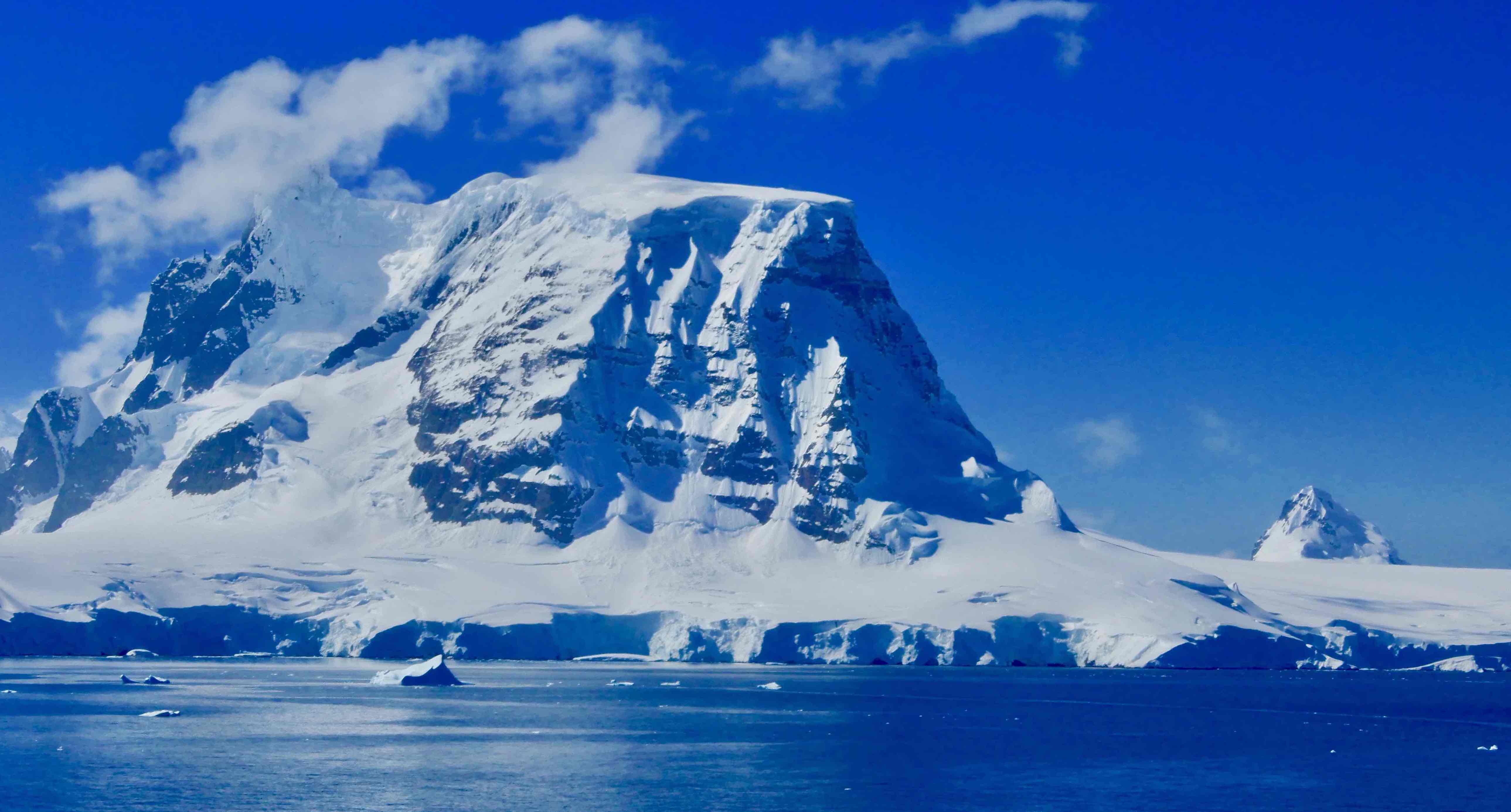
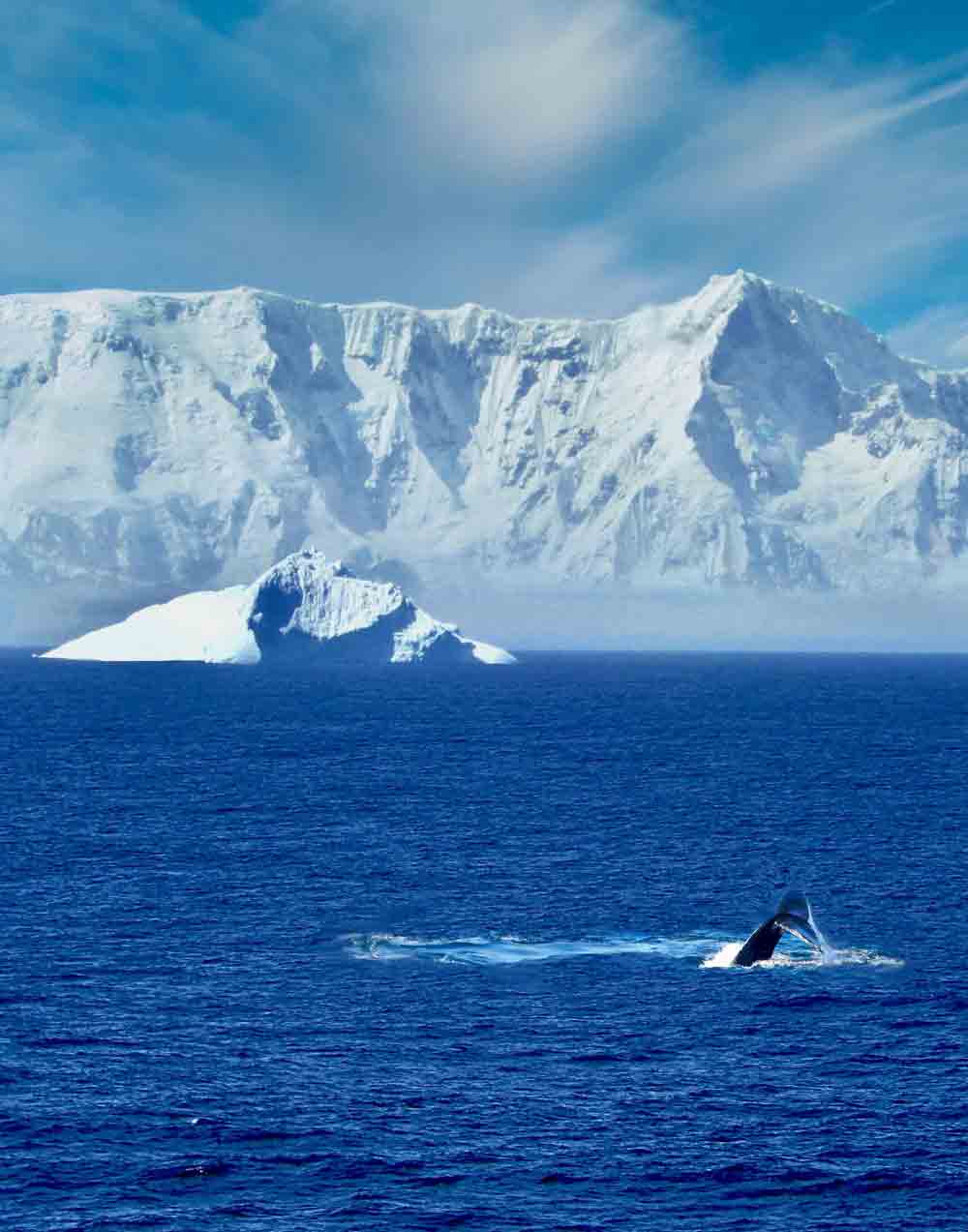
It’s difficult to believe that we can now travel to Antarctica on holiday! Todays images were taken in a location known as Paradise Bay in the Antarctic summer (February). The entire bay was alive with animals – seabirds filled the sky as penguins shot through the water all around us and whales breached.

For more information about cruising to Antarctica click HERE.

For articles on Antarctic cruise itineraries click HERE.


Todays Image • Gathering Storm

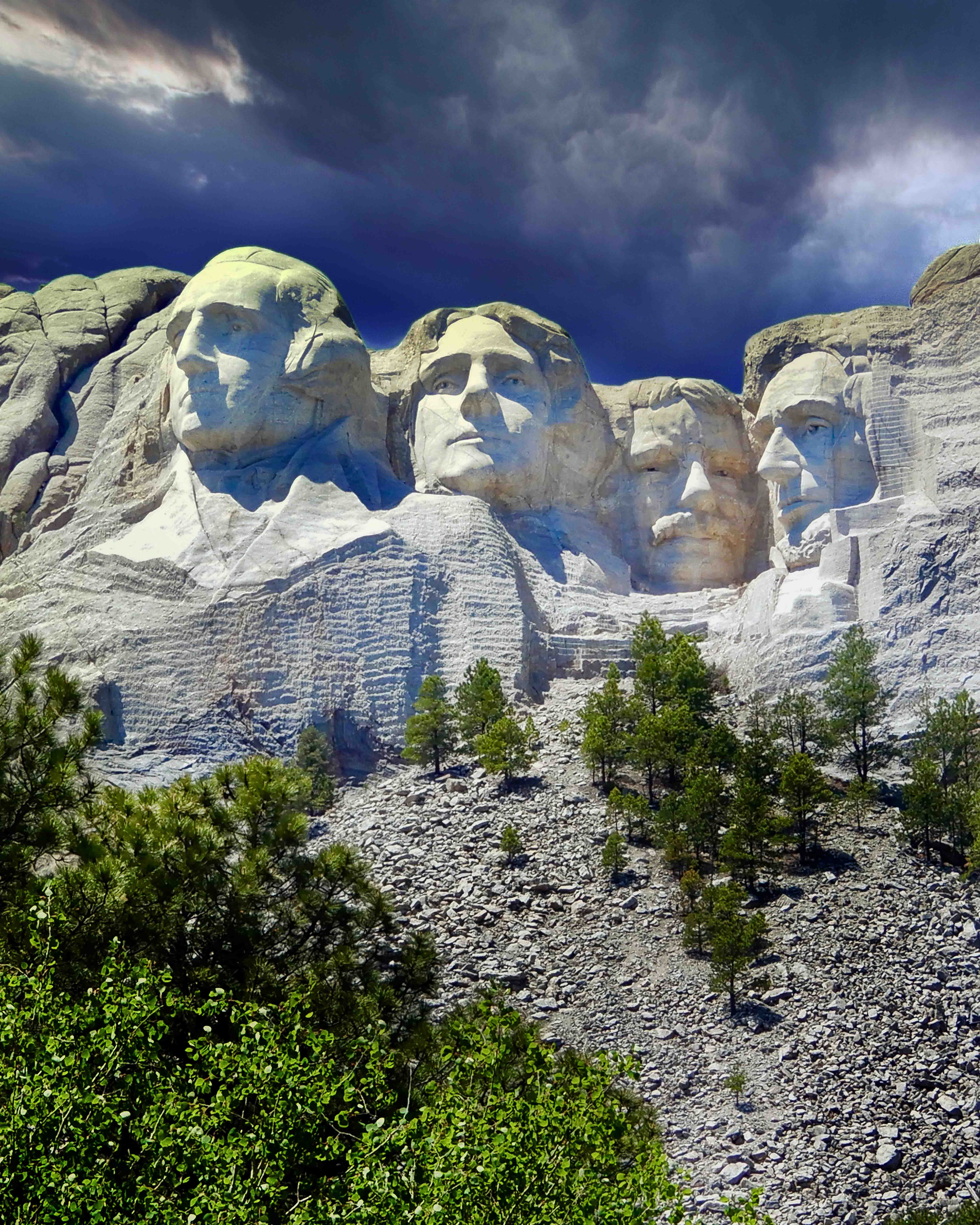
Storm Over Mount Rushmore may offer a commentary that goes beyond being just a travel photograph and says something about the present day divisions in this country.

Society has always needed history and heroes. It’s fundamental to who people are and where they’ve come from and it is the glue that holds most societies together. To attack the common understanding of history and tear down the story’s of national heroes is actually an attack attempting to destroy a society. Unfortunately success becomes anarchy which is sadly the goal of many revolutions.

Carved between October 4, 1927 and October 31, 1941
Mount Rushmore represents a project of historic proportions, ambition and is a historic achievement. Actually conceived as tourist attraction it took on a meaning way beyond its original goal as it employed over 400 men and women. When workers at Mount Rushmore were asked, “What is it you’re do here?” One answered “I am helping to create a memorial.” The third worker had an idea of what they were trying to accomplish.


Leave a comment

This site uses Akismet to reduce spam. Learn how your comment data is processed.