
Legends And Importance of the Strait of Gibraltar

The Strait of Gibraltar and the Rock
Screenshot

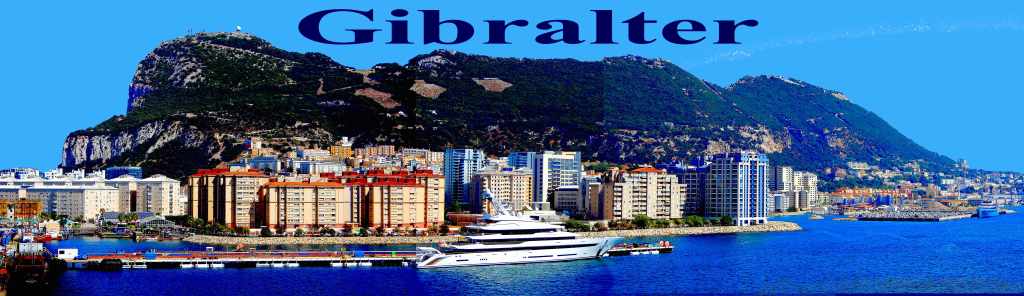
Originally referred to as the “Pillars of Hercules” referring to the promontories flanking the Strait of Gibraltar, considered in Greek mythology to mark the western limit of the known world, with the northern pillar being the Rock of Gibraltar and the southern pillar, being Mount Hacho in Ceuta or Jebel Musa in Morocco; the myth describes Hercules as having created the passage by separating the land, signifying the boundary between the Atlantic and Mediterranean.

In ancient times there are a number of references to the Strait of Gibraltar that accent its importance and significance to the early societies of the Mediterranean.

Screenshot

Heracles in Greek mythology, was also known as Hercules to Romans, Marduk to Phoenicians, and Indra to other middle eastern cultures, is one of the most renowned heroes of ancient legends, historically regarded as the son of Zeus and Alcmene.

The Straights of Gibraltar were first found being described in Phoenician legends around 1,150 BC, that describe the rocks, at each end of the Gibraltar Strait, and named the Pillars of Melqart, a representation of the Canaanite god Baal (god of rain, thunder and fertility), which soon after became linked to the legend of Heracles (Hercules) and were soon named the Pillars of Hercules.

In his poem Olympian 3, the ancient Greek writer Pindar in 5494 BC used the phrase “Pillars of Hercules” to describe the furthest limit that someone could reach in the known world. He used it to express that beyond this limit, neither the wise nor the unskilled should go.

The first Roman historical reference to the Strait of Gibraltar is associated with the term “Fretum Herculeum”, derived from the ancient name ‘Pillars of Hercules’. This indicates its significance in Roman geography and mythology. Roman writers like Pliny the Elder mentioned the Strait in their accounts, highlighting its role as a passage to the Atlantic Ocean.

The Strait of Gibraltar is a narrow strait that connects the Atlantic Ocean to the Mediterranean Sea, separating Europe from Africa. It is recognized as one of the busiest waterways in the world due to its crucial role in maritime navigation. At its narrowest point, the strait measures only 8 miles between Europe (Spain) and Africa (Morocco).

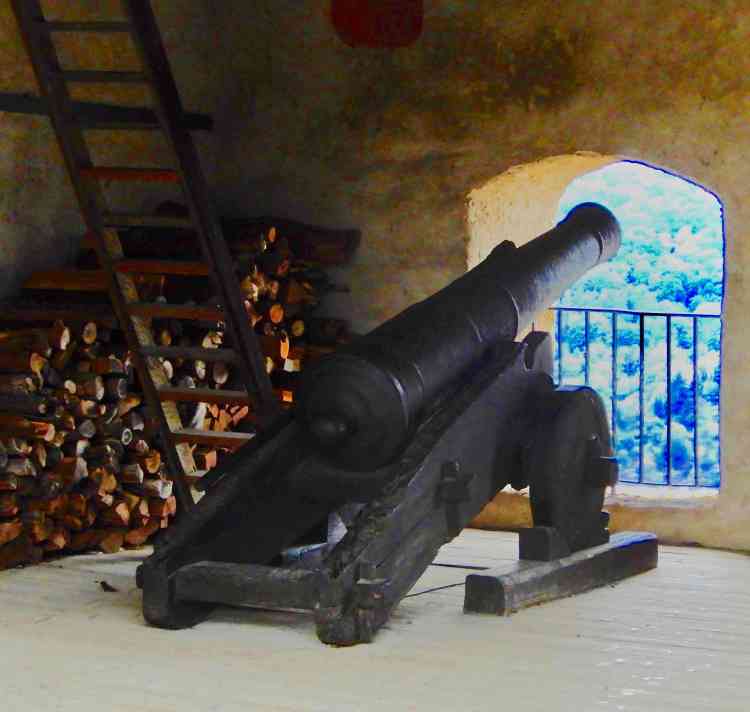
Throughout World Wars I and II and up to today, Britain maintains control over the Straits of Gibraltar, which was crucial for naval operations in and out of the Mediterranean. Controlled by the British since 1703, the Rock of Gibralter provided fortified heavy gun emplacements during the wars, allowing the targeting of any war ships transiting the straight.


You’ll discover lots of worthwhile and interesting travel ideas with The Intentional Travelers, and the best way to find what you’re looking for is to SEARCH here…

Dawes Glacier: A Tidewater Marvel in Alaska

A favorite destination on Alaska cruise itineraries this glacier is tucked up inside one of Alaska’s larges fjords.


Dawes Glacier is a major tidewater glacier located on Endicott Arm off the Misty Fjords in Alaska, characterized by its towering ice wall, which is as much as four hundred feet tall. This glacier provides a constant spectacle of calving ice falling off its face.


You’ll discover lots of worthwhile and interesting travel ideas with The Intentional Travelers, and the best way to find what you’re looking for is to SEARCH here…
Guerrabs of Morocco: Tradition, Culture, but Mostly Tourism

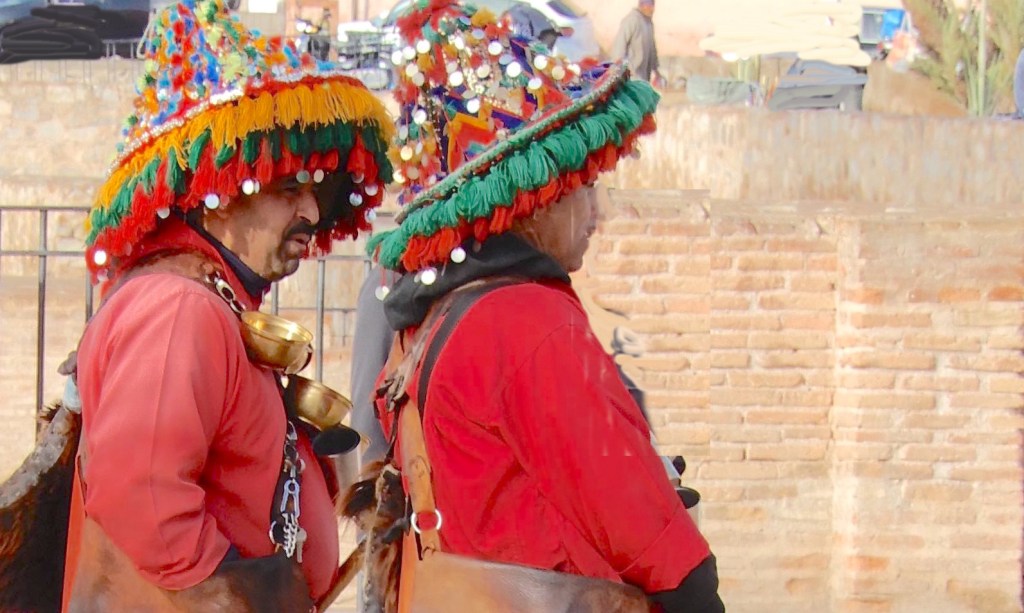
You’ll find these costumed water sellers throughout Morocco at public squares, outdoor markets and almost always at tourist attractions. Try and ignore the modern tennis shoes because traditional footwear was probably very uncomfortable…


In Morocco, traditional water sellers, known as “Garrabs” or “Guerrabs,” are a cultural icon, historically selling water from goatskin bags and now often posing for tourists. These Garrabs, or water carriers, were a common sight in Moroccan cities and market squares like Djemaa el-Fna in Marrakech. They were easily recognizable by their brightly colored attire, including a red djellaba (a traditional Moroccan robe) and a matching large, ornate hat. They carry a goatskin bag (Arabic: qirba or girba) filled with water, brass cups for serving, and often a bell to announce their presence. Historically, Garrabs sold water to travelers and traders, and the profession was seen as semi-charitable, with water given freely to those in need. While some still sell water, many now rely on income from tourists who pay to photograph them.


You’ll discover lots of worthwhile and interesting travel ideas with The Intentional Travelers, and the best way to find what you’re looking for is to SEARCH here…

Explore Machu Picchu: South America’s Inca Marvel

The Archeological Wonder of South America

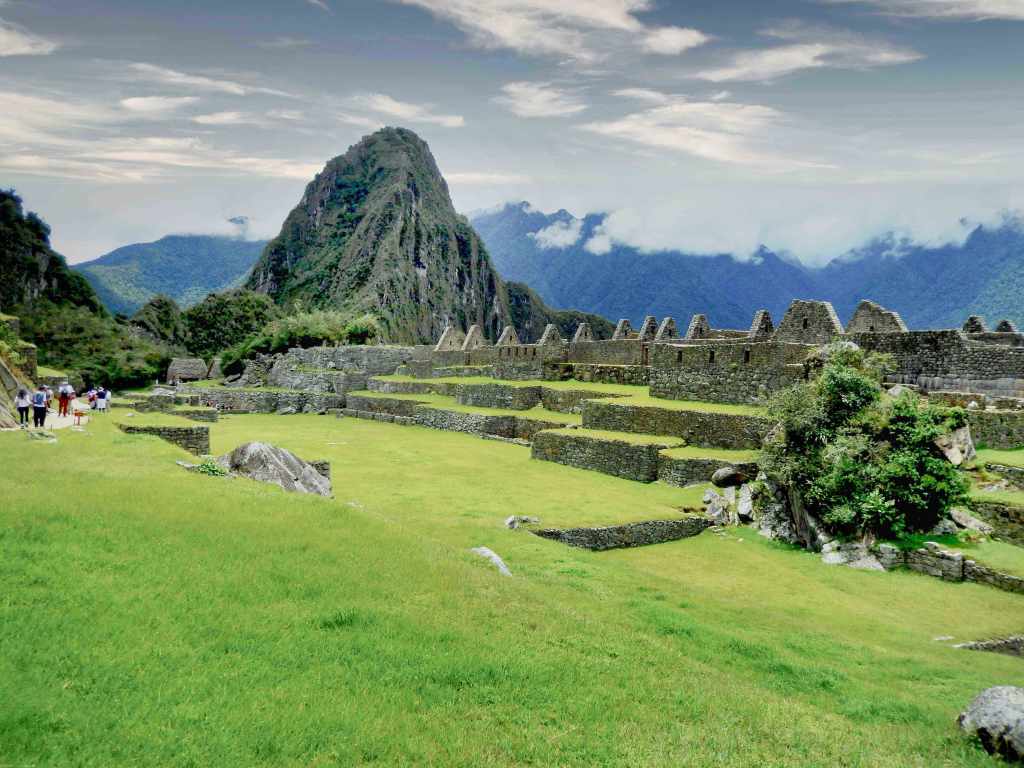
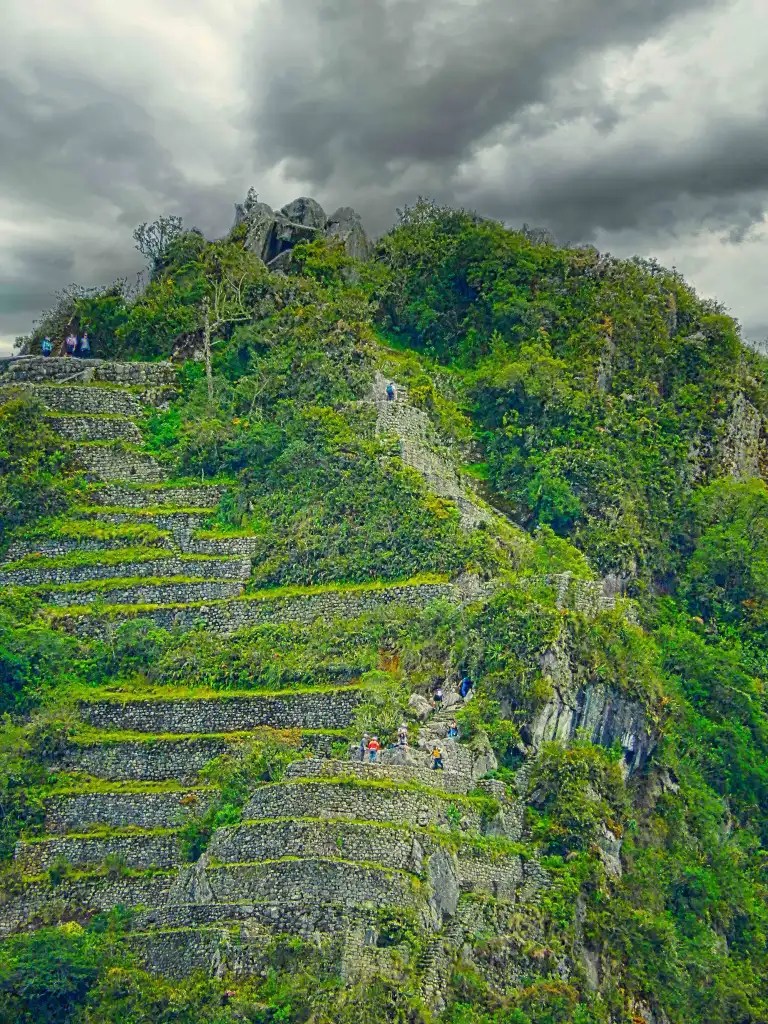
Machu Picchu is a 15th-century Inca citadel located in the Eastern Cordillera of southern Peru, on a 7,970 feet mountain ridge. It is one of the most popular tourist destinations in South America and was declared a UNESCO World Heritage Site in 1983.

The purpose of Machu Picchu remains a mystery, though it is believed to have been built as an estate for the Inca emperor Pachacuti. It was abandoned during the Spanish conquest and remained largely unknown to the outside world until 1911, when it was rediscovered by American historian Hiram Bingham.


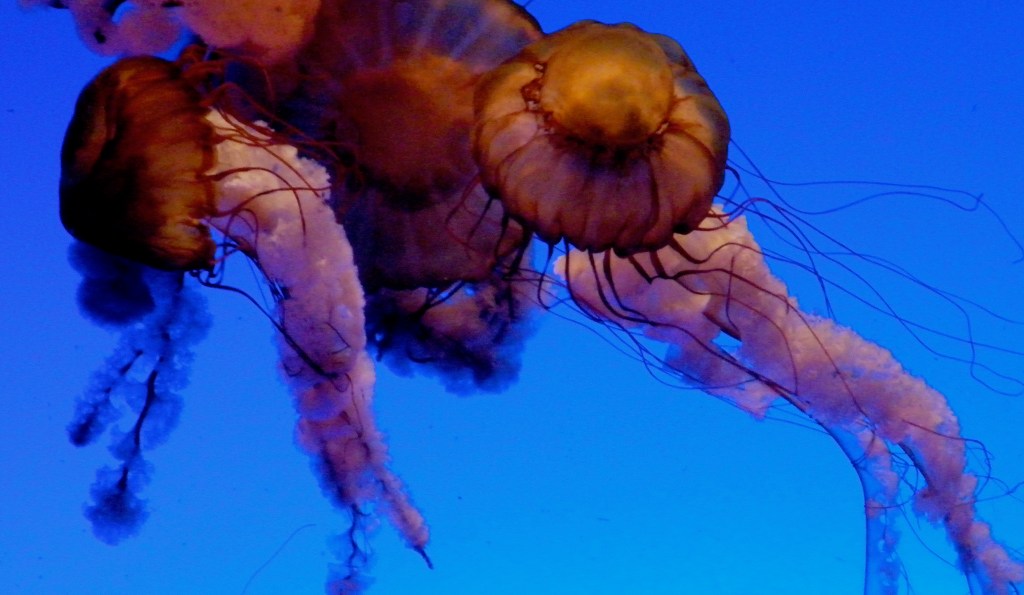
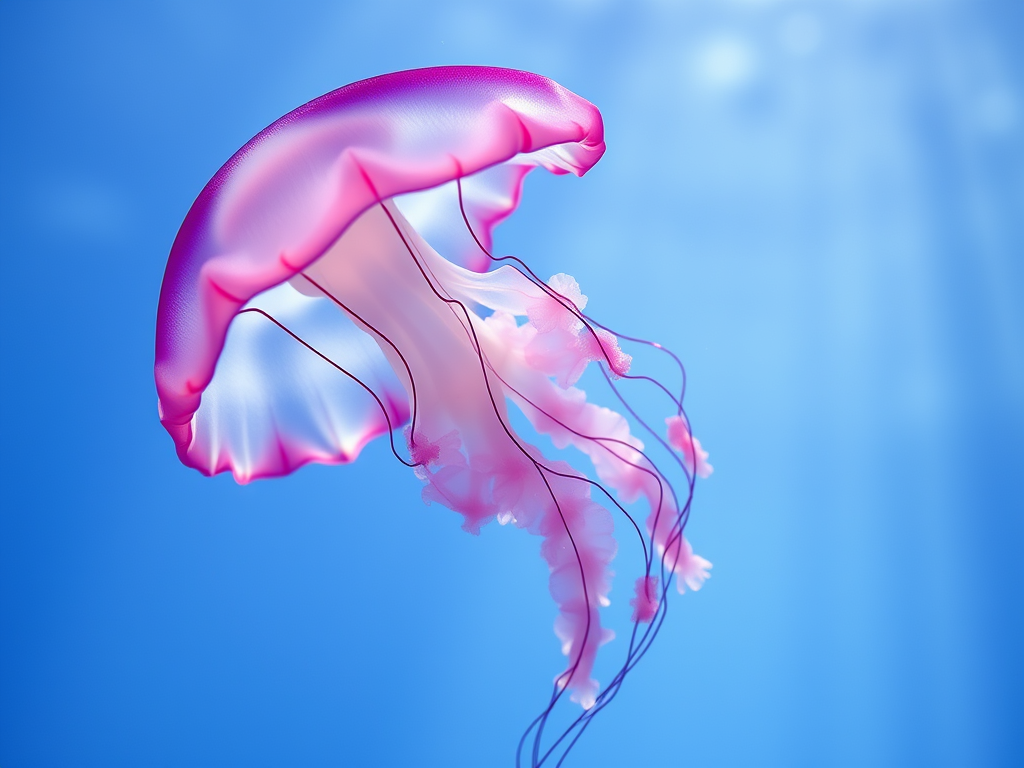
Todays Image • Mesmerizing Jellyfish

They are mesmerizing, dangerous yes, but still mesmerizing and they come in all sizes, shapes and colors. Moving slowly these almost transparent animals undulate in mostly open waters of every ocean and many can pack a very potent sting. Even stranded and drying out on a beach they can still sting.

Estimates of the number of jellyfish species varying widely. Currently, scientists have identified around 2,000 species worldwide, with some estimates suggesting that there could be as many as 300,000 undiscovered varieties. This indicates that our understanding of jellyfish biodiversity is still evolving, as researchers continue to explore and document new discoveries.


The Intentional Travelers Guide to over 150 cruise ports of cal

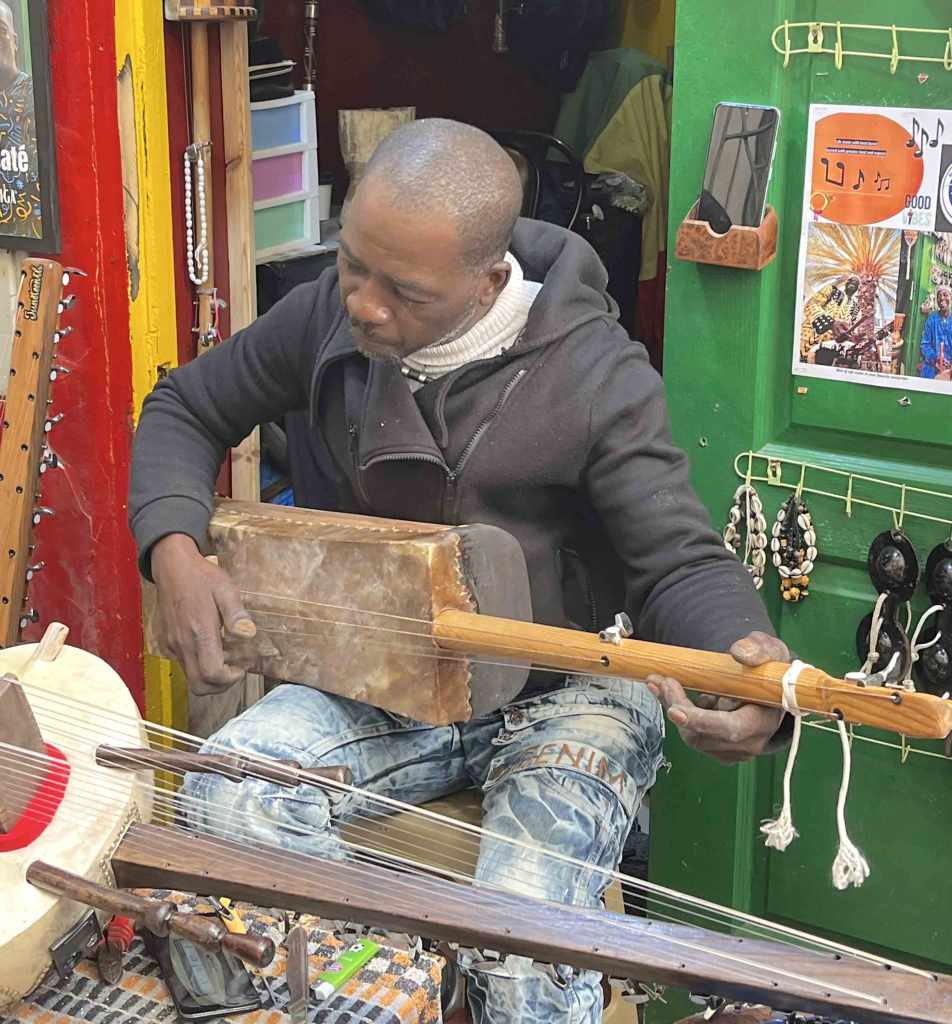
Todays Image • Moroccan Music Men


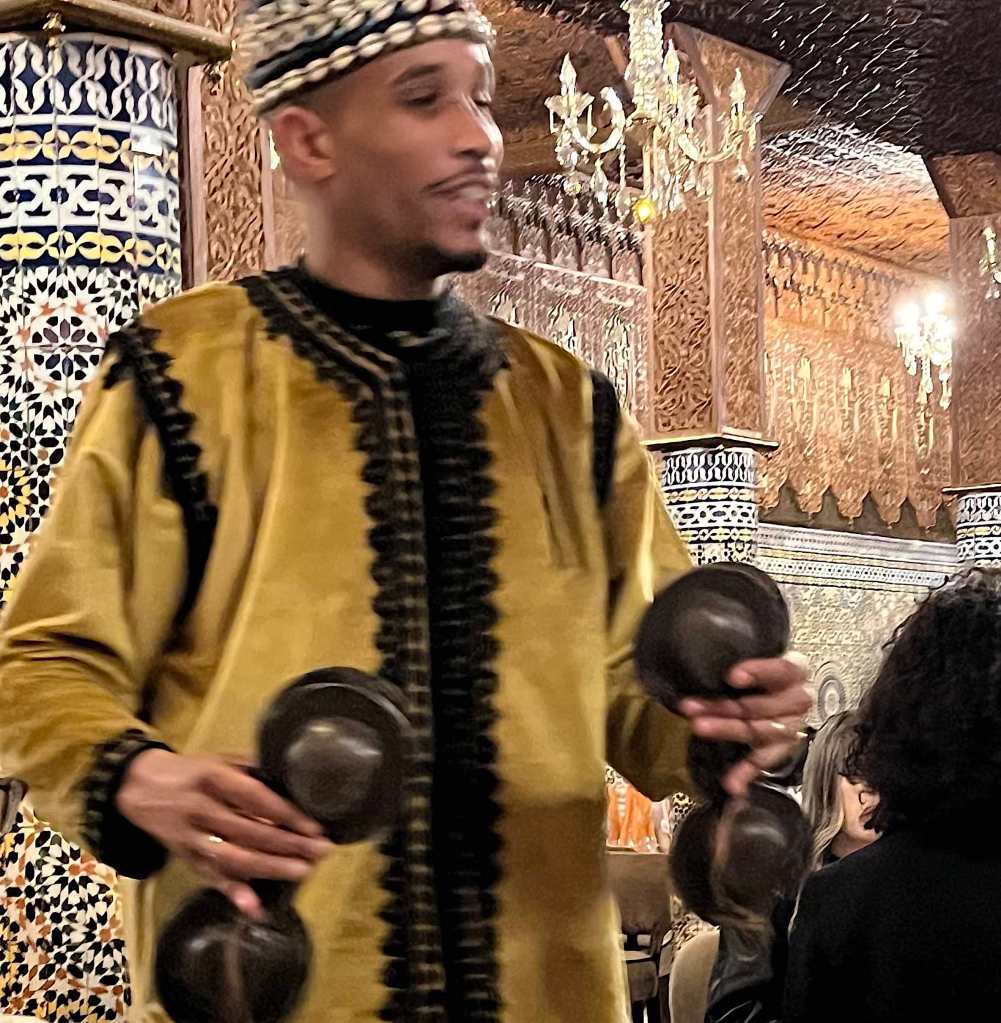
The most common folk music of Morocco has a history going back to the early 17th century when the black African Gnawa people were brought to Morocco as slaves. The music is often referred to as Afro-Moroccan Trance music with instruments being crude string instruments made from boxes, sticks and sinew. The string music is often accompanied by chakchakas, a Moroccan traditional steel twin castanet. Afro-Moroccan Trance music is a familiar sound today in the madenas and sucks of Morocco.

Chakchakas