Explore Ravenna: A Hidden Gem on the Adriatic

Ravenna, An Adriatic Port of Call

Ravenna in the northern Italian province of Emilia Romagna is a bit off usual cruise itineraries but is gaining in interest. Located only two and a half hours from Venice by train and with frequent service starting at €12 it is a popular day trip for people visiting Venice. Ravenna, often unfortunatly overlooked is an incredible treasure trove of art and history with its basilica containing the worlds most extensive collection of Byzantine mosaics. The city was the capital of the Western Roman Empire from 402 AD until the Western Empires collapse in 476. Today, Ravenna is home to eight world heritage sites, is known for its great food and is located on good beaches on the Adriatic coast that include some world class beach resorts.

Where Your Ship Docks
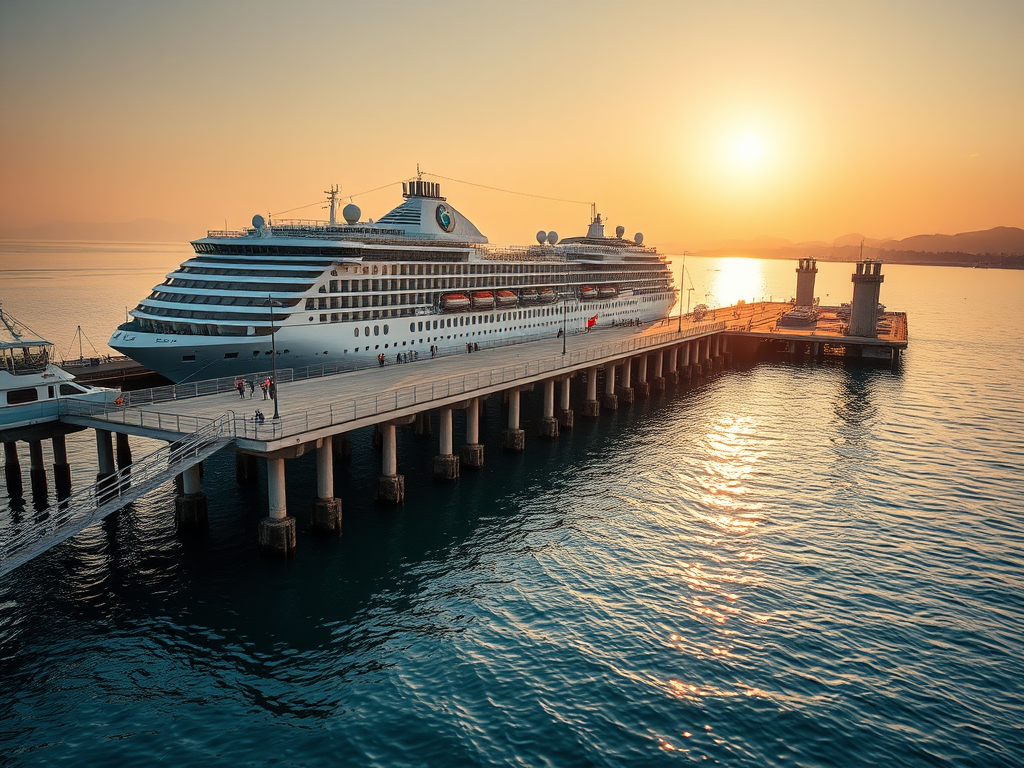
– The Ravenna pier capable of accommodating large cruise ships is about 5 miles outside the city and shuttles are usually provided. To catch a train to Venice you also need to get into the central station located in the center of town. There is no cruise terminal or facilities near the pier.

Wheelchair Accessibility

Disembarking – This port has a developed cruise ship pier but the ease of disembarking varies by the individual ships gangway designs. The Ravenna pier disembarks a considerable distance from downtown requiring a bus to transfer into historic Ravenna. For passengers using wheelchairs there can be a moderate ramp incline to deal with.

Ravenna itself is a reasonably flat area but wheelchairs will have to deal with some cobblestones, pavers and some curbs..

Old city gate

Transportation – Getting into Ravenna usually is by a provided shuttle bus and there will probably be very little in the way of taxis available at the pier. With the likelyhood of Venice no longer providing access for cruise ships Ravenna could be a gateway port for visiting Venice. Expect tours to Venice to be added and train service takes about 2 to 3 hours.

Currency – Italy uses the Euro and Ravenna requires you to change some money as Pounds, US and Canadian Dollars are not usually accepted. The are ATM’s readily available and credit cards are welcome.


Tipping follows a general tipping culture similar to many European countries. Tipping is appreciated but not mandatory. If service charges are included in your bill, rounding up or leaving small change is customary. In restaurants, leaving between 5-10% of the bill is a common practice if you are satisfied with the service. Tipping tour guides is usually based on the tour cost with a few dollars being a minimum. For taxi drivers or service staff, rounding up the fare or leaving a small tip is often sufficient.

Ravenna Beach Near Cruise Pier

Eight Unesco World Heritage Sites

  1. The Mausoleum of Galla Placidia meant to be the resting place of Galla Placidia, the sister of the Roman Emperor Honorius who had transferred the capital of the Western Roman Empire from Milan to Ravenna in 402 AD.
  2. The Neonian Baptistery along with the
  3. Arian Baptistery with both including plain octagonal shaped brick exteriors with lavish interiors.
  4. The Basilica of Sant’ Apollinare Nuovo with its 26 mosaic scenes from the New Testament, the oldest
  5. mosaics in the world.
  6. The the only chapel of the early Christian era that is still fully preserved.
  7. The Mausoleum of Theodoric built in 520 AD by Theodoric the Great, King and unifier of the Ostrogoths.
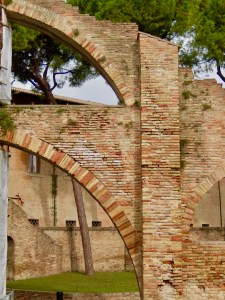
Flying buttress on the Basilica of San Vitale
Dante’s Tomb

The city is also the site of the Tomb of Dante Alighieri the author of The Divine Comedy. He was exiled from his native Florence to Ravenna in 1318, where he completed Paradise, the final section of his famous three part work. Dante is buried in the graveyard beside the San Francesco Basilica.

The “Basilica of San Vitale” in Ravenna, is one of the most important examples of early Christian Byzantine art and architecture in Europe. Built in the 6th century it is especially noted for the colorful mosaics of Christian icons that decorate the interior walls and ceilings.
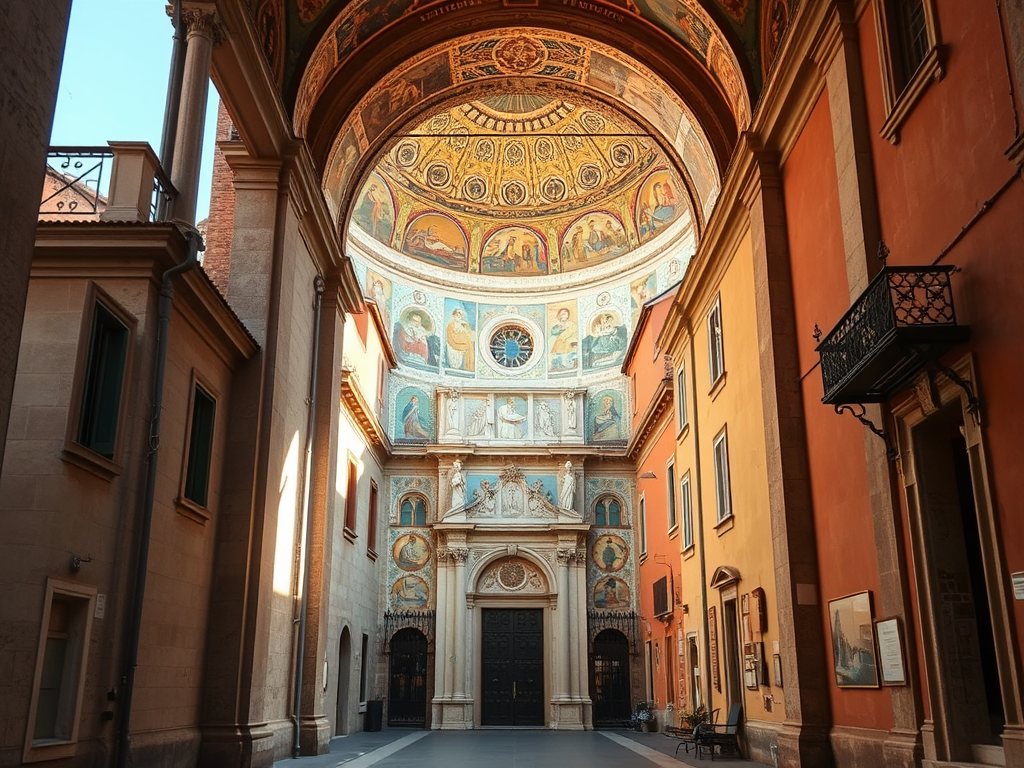
The Roman Catholic Church has designated the building a “basilica”, the title bestowed on church buildings of exceptional historic and ecclesiastical importance, although it is not an architectural basilica form.
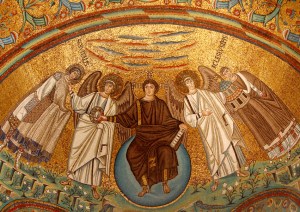
The church was begun by Bishop Ecclesius in 526, when Ravenna was under the rule of the Ostrogoths and completed by the 27th Bishop of Ravenna, Maximian, in 547.
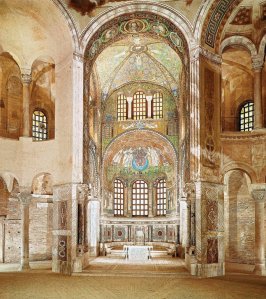
The church has an octagonal plan with the building combining Roman elements: the dome, shape of doorways, and stepped towers; with Byzantine elements: polygonal apse, capitals, narrow bricks, and one of the earliest examples of the flying buttress. The church is most famous for its collection of Byzantine mosaics, the largest and best preserved outside of Constantinople. The church is of extreme importance in Byzantine art, as it is the only major church from the period of the Emperor Justinian I to survive virtually intact to the present day. Furthermore, it is thought to reflect the design of the Byzantine Imperial Palace Audience Chamber, of which nothing at all survives. The Church also inspired the design of the church of the Saints Sergius and Bacchus in Constantinople, and also was the model used by the Emperor Charlemagne for his Palatine Chapel in Aachen in 805. Centuries later the San Vitale dome was the inspiration for Filippo Brunelleschi in the design for the dome of the Duomo of Florence, Italy.

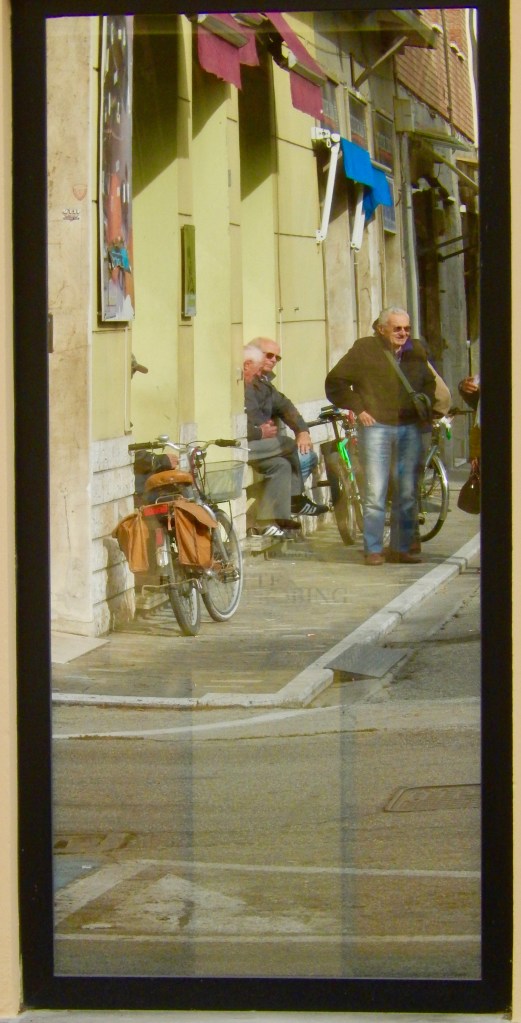
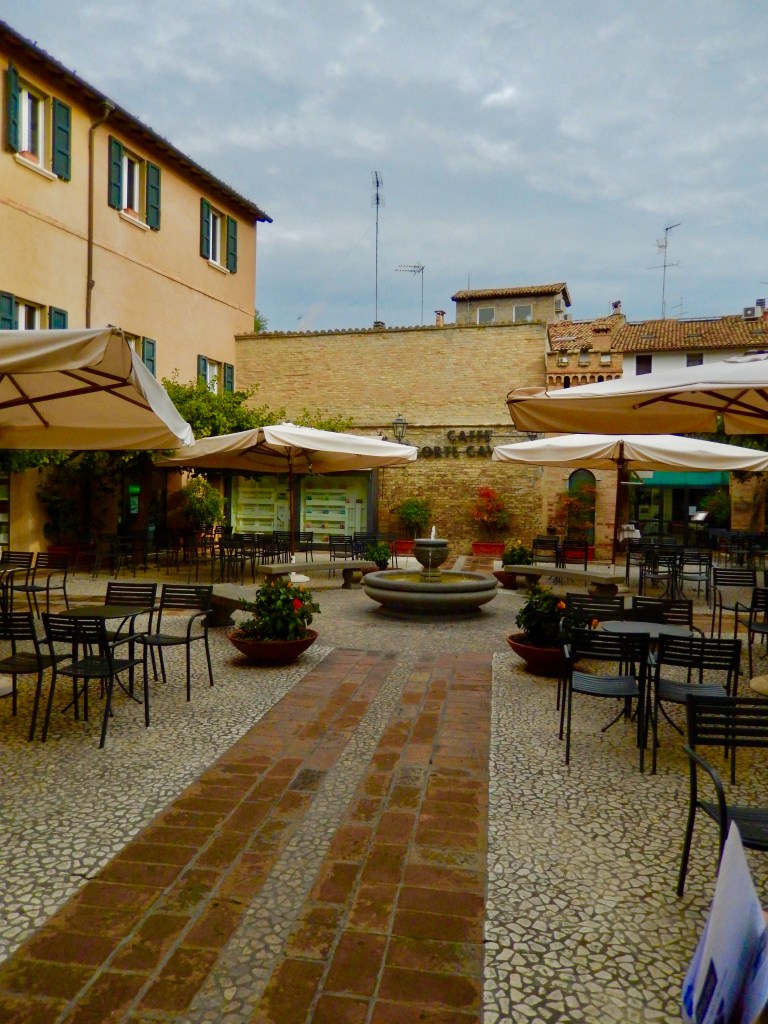
Besides the history and good food the city is also a very easy place for walking. It features a number of wide pedestrian malls lined with good shops, cafes and restaurants.
Outside the city towards the Adriatic beaches you will pass a number of canals dotted with interesting fishing huts with huge and elaborate fishing net contraptions that don’t seem a very sporting way of fishing. Even at the beach there is a long pier also with a number of these fishing huts and nets.

Of additional historic interest is the lagoon just north of the Ravenna pier. At the time that Ravenna was the capital of the Western Roman Empire the lagoon was the home port of the Roman fleet, the largest navy in the Mediterranean at the time. Excavations are exposing piers, shipyards and associated ruins from the period.

Fishing cabis near tRavenna pier

You’ll discover lots of worthwhile and interesting travel ideas with The Intentional Travelers, and the best way to find what you’re looking for is to SEARCH here…

Some More Recent Posts From The Intentional Travelers You Might Find Interesting:

A Buddhist Temple In Tampa, Florida

Often we plan on taking trips to discover new cuultures and environments but often overlook what is right in our own backyard. We’ve visited a number of Buddhist temples in Thailand, Hong Kong and Taiwan without realizing there are some only a short drive from home

Dis covering A Traditional Buddhist Thai Temple In Tampa

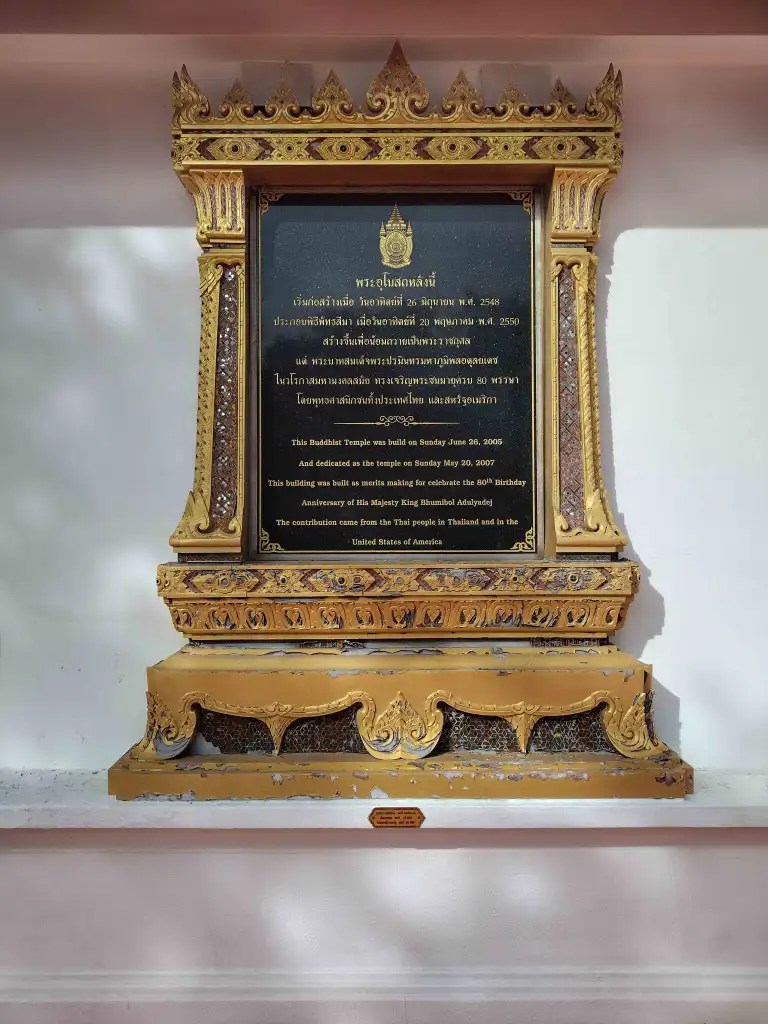
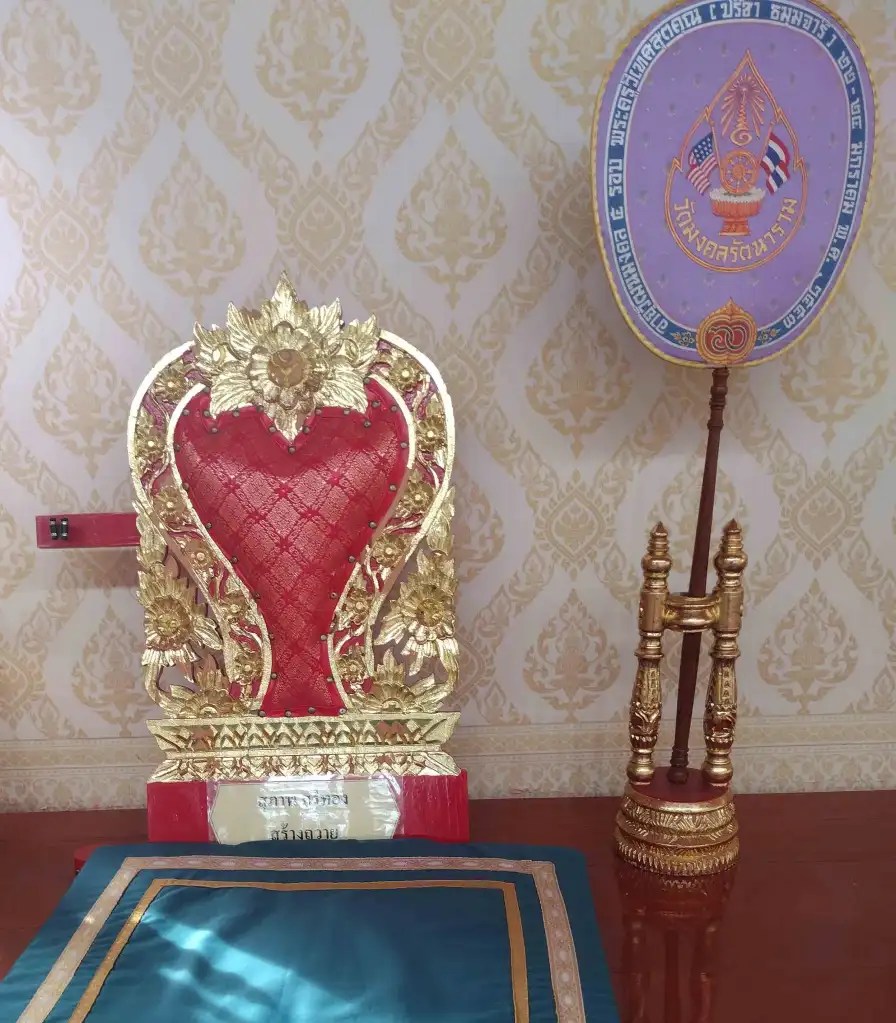
Wat Mongkolratanaram is a Buddhist Thai temple on the banks of the Palm River in Tampa, Florida. It was founded in 1981 as well as dedicated and registered as a temple on 19 May 1981. Besides a temple, it acts as an education and support centre. The temple’s grounds host a Sunday food market featuring homemade Thai and Southeast Asian cuisine, providing a vibrant community atmosphere.

The temples regular activities include chanting, meditation, and cultural events such as the Kathina festival, making it a hub for area Thai Buddhists as well as a popular focus for community engagement.

Address: 5306 Palm River Rd, Tampa, FL 33619

Hours: Open Varies. Closes Daily 5 PM

Actually the U.S. has about 350 Thai Buddhist temples with supporting Buddhist communities, including over 60 Shin Buddhist communities, that exist under organizations like the Buddhist Churches of America. A quick search found three Buddhist temples in the Orlando area that include the remarkable Guang Ming Temple.

You’ll discover lots of worthwhile and interesting travel information on The Intentional Travelers, and the best way to find what you’re looking for is to SEARCH here…

Some More Recent Posts From The Intentional Travelers You Might Find Interesting:

Glamping in the Sahara: A Unique Moroccan Adventure

SITE SUBSCRIBERS PLEASE NOTE: If you’re viewing this post in an email, please take a moment to click the Read On Blog text located in the upper right of this page.That is the only way to record your visit in our sites traffic data.

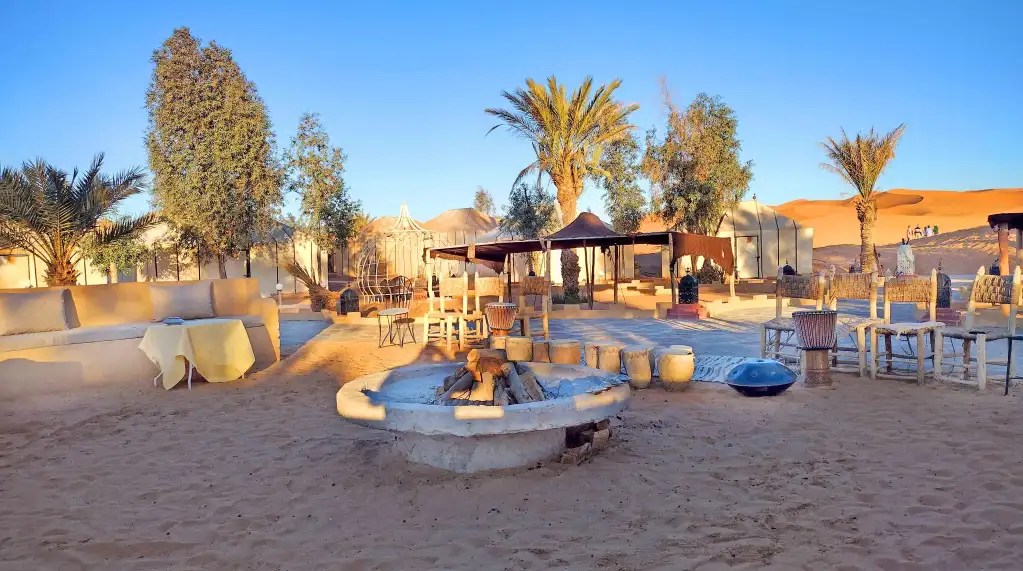
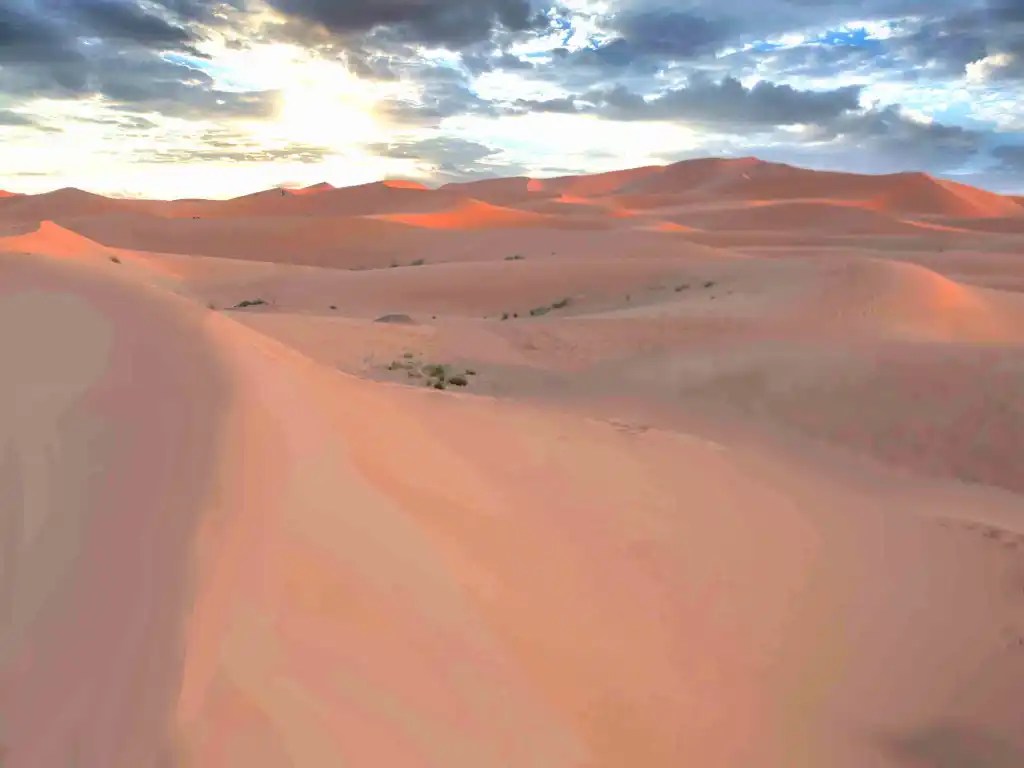
Included in our recent land tour exploring Morocco was a glamping experience in the Sahara Desert near Merzouga, a small Moroccan town known as a gateway to Erg Chebbi, a huge expanse of Saharan sand dunes.

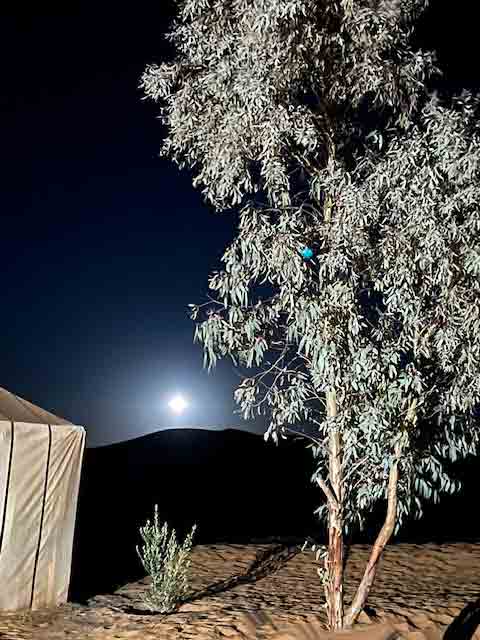
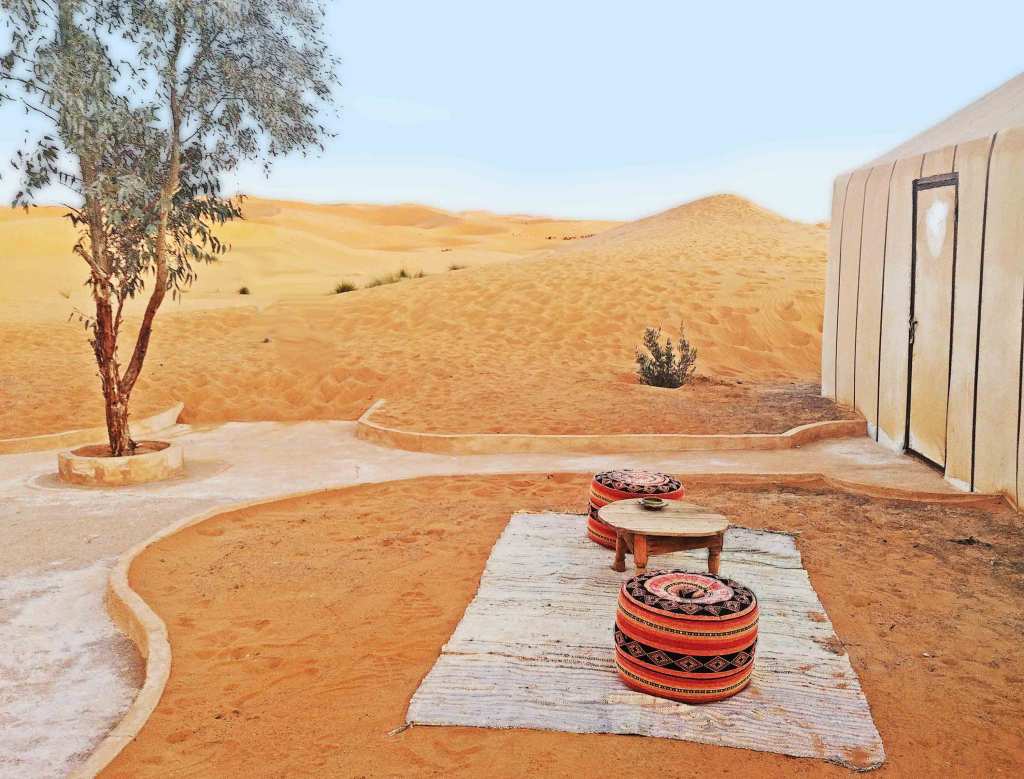
Arriving in Merzouga, our group was met by a small fleet of 4X4s. They carried us across an expanse of flat country, mostly rock, scrub and sand, arriving at the camp after about a half hour. The camp was well laid out with almost two dozen tents, connecting walkways, a dining tent and a central fire pit area all against a backdrop of sand dunes going off into the horizon. One of the much talked about highlights of camping in the Moroccan desert are the spectacular sunrises and sunsets that shouldn’t be missed*.

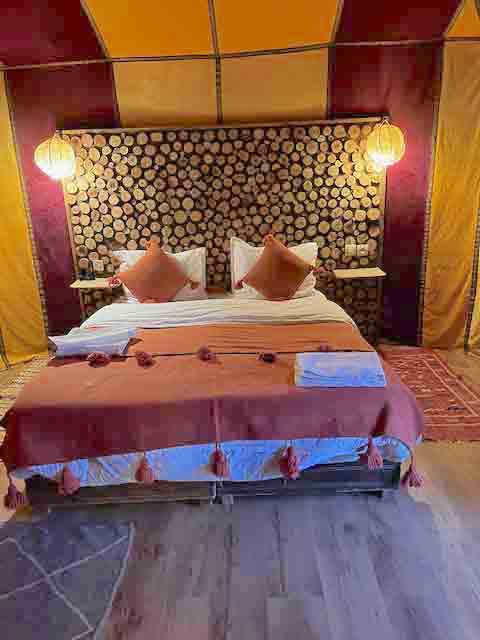
Our tent interior

The tents were large with king beds, heat and air conditioning and separate shower and toilet rooms**. A dinner buffet was served in the evening and a breakfast buffet was available in the morning. The camp did not serve alcohol but allowed guests to bring their own***.

One available optional experience was a camel ride out into the dunes and a majority of the group took advantage of it while the rest explored the camp and nearby dunes. Dinner was typical Moroccan fare and after sunset there was entertainment around the fire pit. The next morning there was a guided trek out into the desert before sunrise to catch the rising “Sun over the Sahara”.

* Most of our group either took the organized hike before sunrise or hiked on their own to see the sun come up. I have to admit I wasn’t all that impressed. The sky lightened off to the east but, with no clouds in the sky as the sun started clearing the dunes, the brightness simply overwhelmed any promise of good pictures.

**The desert gets cold at night this time of year (February). The temperatures drop into the 40sF and, while most people seemed to have heat in their tent, ours wouldn’t get above the low 50sF and we had no hot water.

*** Alcohol is not readily available in Morocco, it being a Muslim country, but the government does allow the direct sale of alcohol in some stores and restaurants. Often in the restaurants when we asked if we could order wine we got a pretty gruff no! It’s advised that you get in the habit of buying what you will consume in stores and carry it with you.

You’ll discover lots of worthwhile and interesting travel information on The Intentional Travelers, and the best way to find what you’re looking for is to SEARCH here…

Some More Recent Posts From The Intentional Travelers You Might Find Interesting:

Escape To Bora Bora

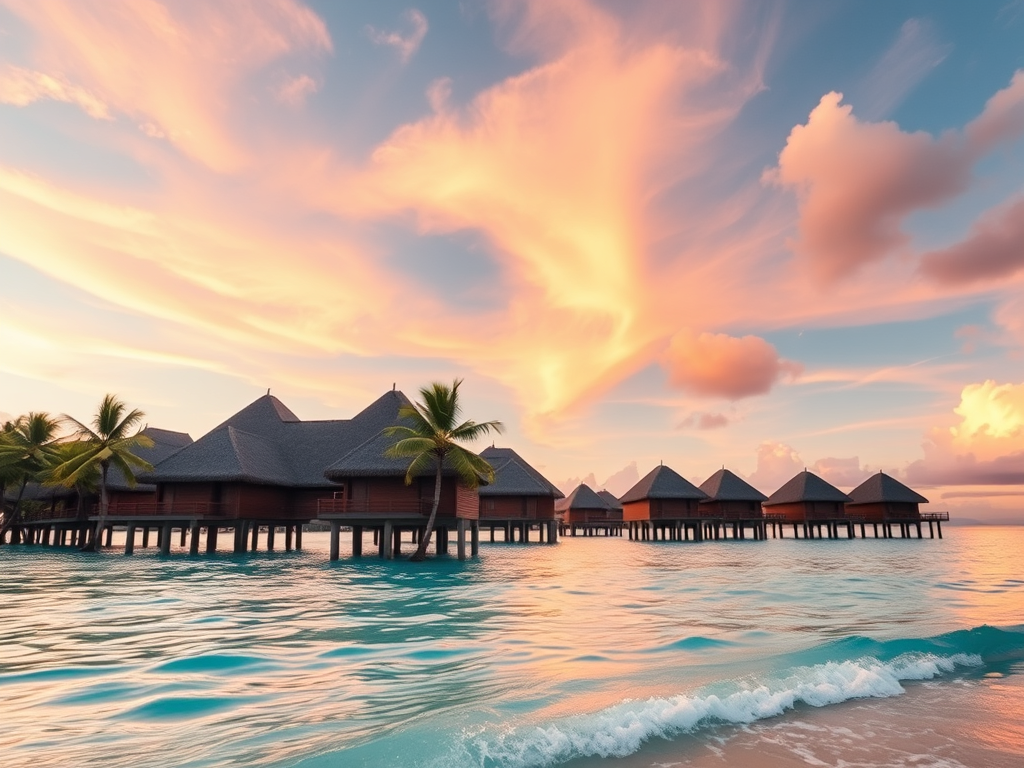
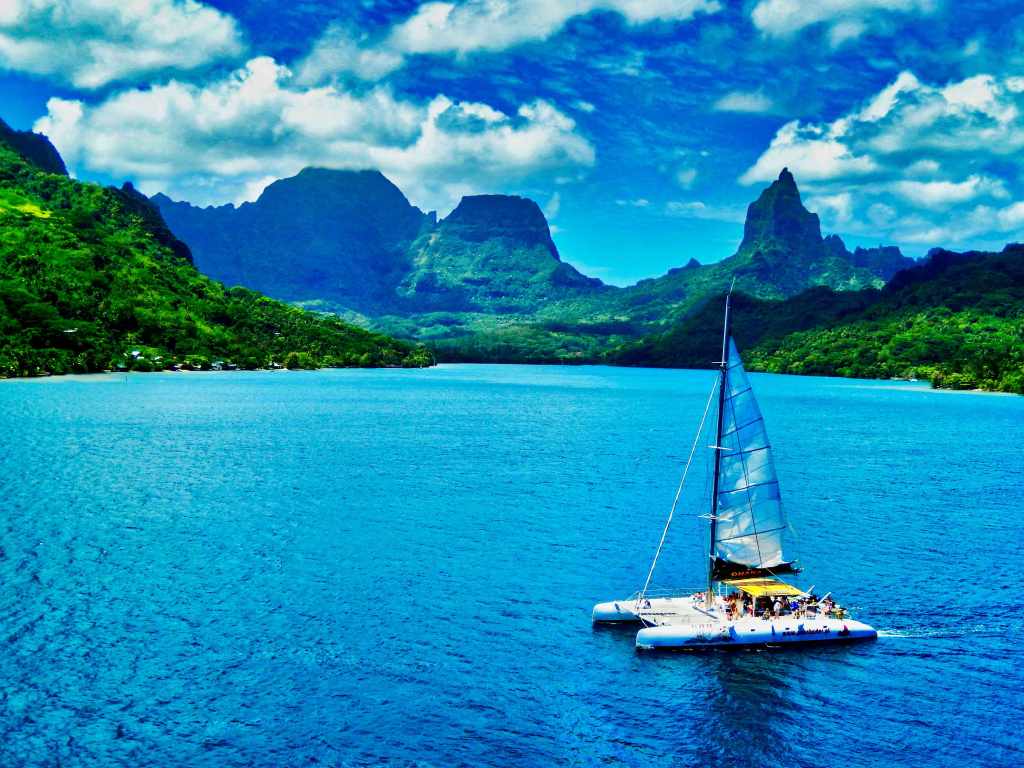
Bora Bora is a stunning island in French Polynesia, renowned for its turquoise lagoon, luxurious resorts, and breathtaking scenery. It is often characterized as a dream come true destination. It is part of the Pacific French Polynesian group that also includes the islands of Tahiti and Morrea.

It’s said that a picture is worth a thousand words. Can you hear their call?


You’ll discover lots of worthwhile and interesting travel ideas with The Intentional Travelers, and the best way to find what you’re looking for is to SEARCH here…

Some More Recent Posts From The Intentional Travelers You Might Find Interesting:

Springtime In Bucharest

The Dimitrie Gusti National Village Museum

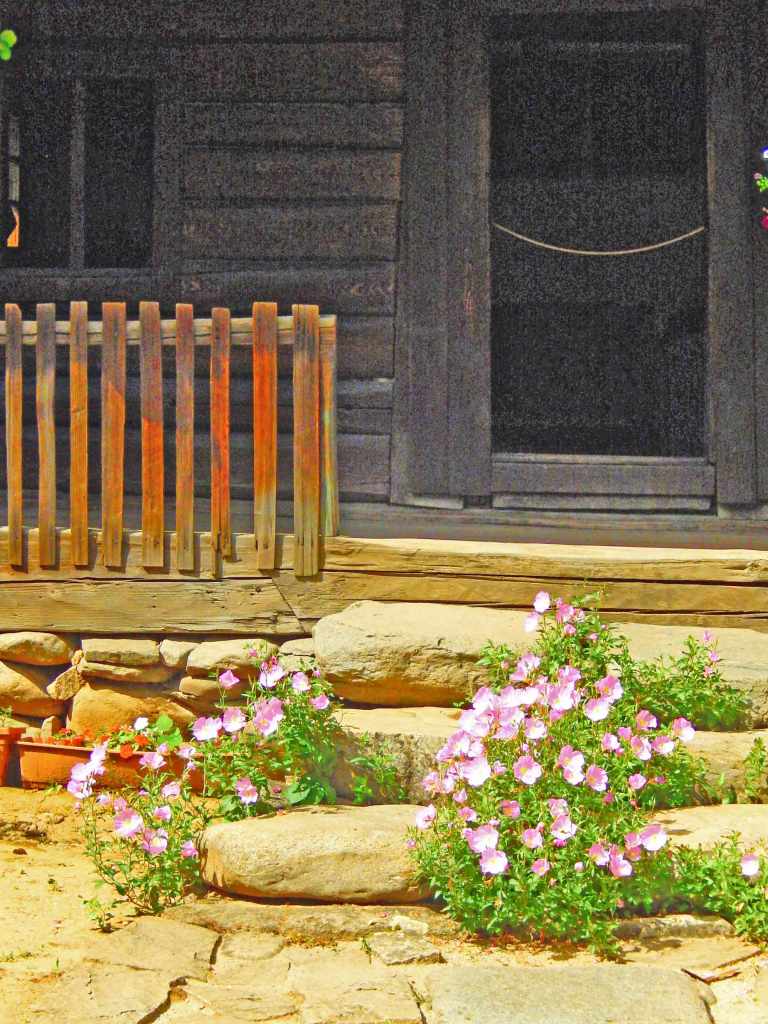
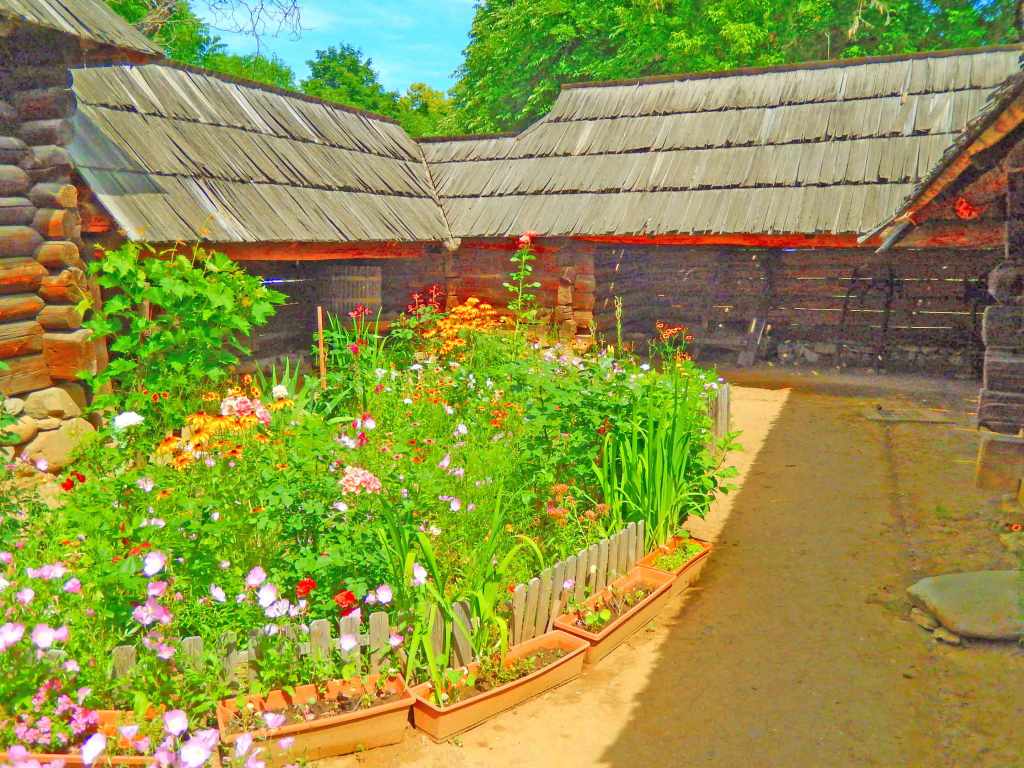
If you’re visiting Bucharest the one place to be sure and visit is the National Villag Museum. The Dimitrie Gusti National Village Museum in Bucharest, showcases traditional Romanian village life with over 123 authentic peasant settlements.

here you can explore a vast area reflecting the culture and history of different regions in Romania. It’s located on the shores of Lake Herastrau, the museum recreates the essence of a Romanian village, providing visitors a picturesque and immersive experience.


You’ll discover lots of worthwhile and interesting travel ideas with The Intentional Travelers, and the best way to find what you’re looking for is to SEARCH here…

Some More Recent Posts From The Intentional Travelers You Might Find Interesting:

Cruise Port Casablanca, Morocco

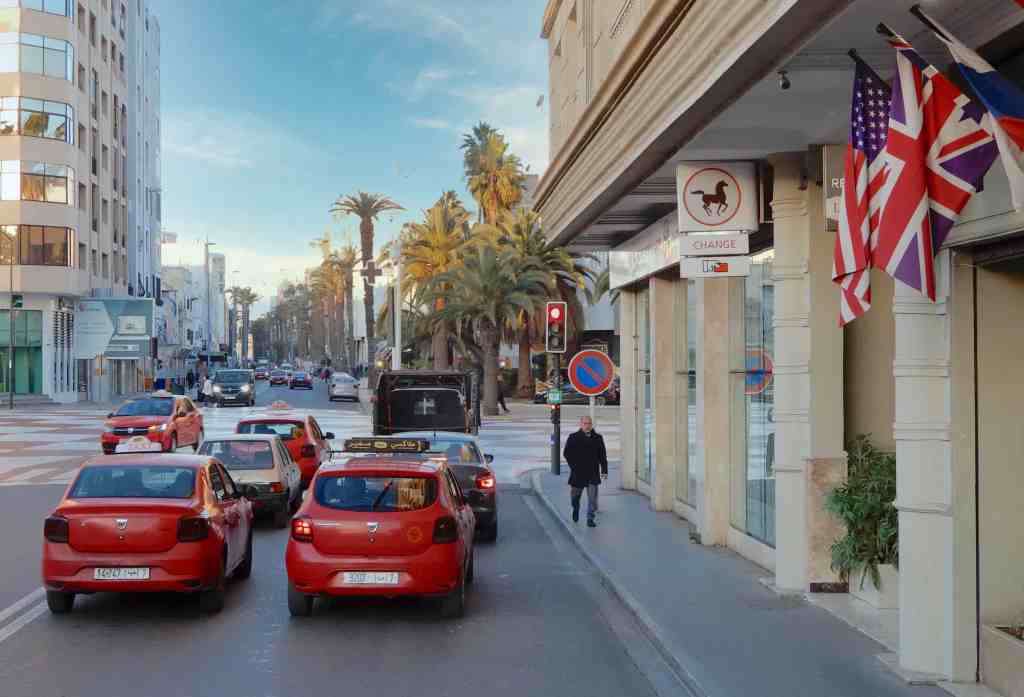
Casablanca is Morocco’s larges city and a major port along with being the commercial center of the country. Located on the central Atlantic coast it is a modern metropolis with a vibrant social scene. It is also a melting pot of Moroccan cultures but leans toward Western dress and lifestyle.

Where Your Ship Docks

Cruise ships dock at a dedicated pier and terminal in the center of Casablanca’s harbor. Leaving the port usually requires a shuttle bus and there are public facilities on the pier.

Wheelchair Accessibility

Disembarking – This port has a developed cruise ship pier but the ease of disembarking varies by the individual ships gangway designs. The xxx pier disembarks right into downtown. For passengers using wheelchairs there can be a moderate ramp incline to deal with in both locations.

Port Area Characteristics – This port has an average wheelchair infrastructure typical of large cities. The port area has moderate inclines in sidewalks. Intersection crosswalks may have curbs or other wheelchair obstacles.

Transportation

Getting around Casablanca is remarkably convenient with various transportation options.

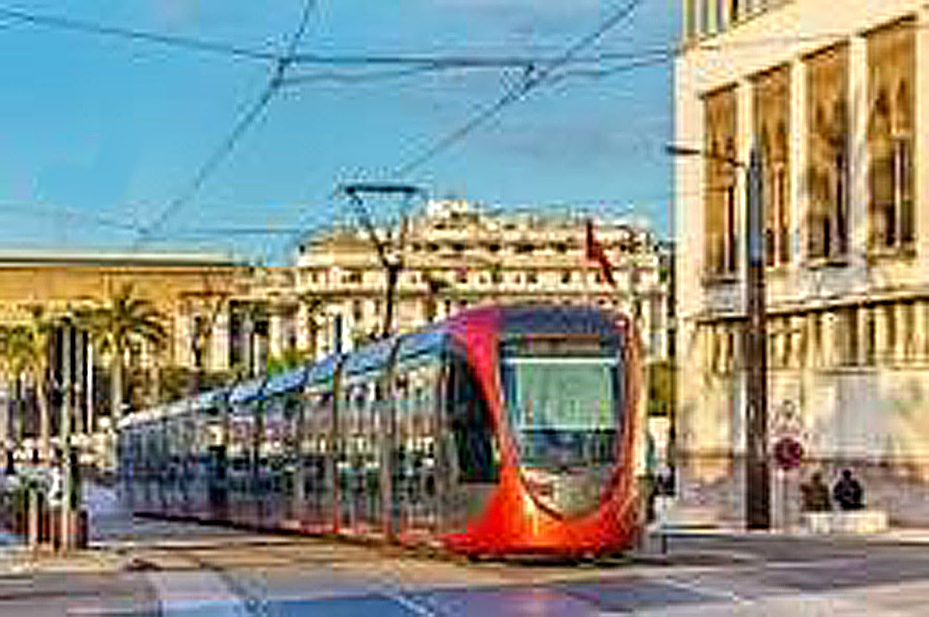
Tramway – The tram system is modern and efficient, connecting key areas of the city. Cost: Affordable fares, with tickets available at stations.

TaxisPetit Taxis: Small, metered taxis for short distances within the city. Always ensure the meter is running for petit taxis. Grand Taxis: Larger taxis that can be shared with other passengers for longer routes.

Buses – Several bus lines cover different parts of the city. They’re inexpensive of each other, but are often crowded and comfortable.

Walking – While Casablanca is the largest city in Morocco many attractions are within walking distance of each other, especially in the Old Medina and coastal promenade.

Car Rentals – Available from various agencies for those who prefer driving. Be cautious of traffic and understand that while Morocco has specific traffic laws, city traffic is best described as a form of controlled chaos. For example, vehicles in a traffic circle have the right of way but normally traffic starts and stops through a circle for no apparent reason.

Ride-Sharing – Uber is available in Casablanca, providing a convenient way to get around the city.

Currency

1 Moroccan Dirham equals 0.10 United States Dollars. Generally Dollars and Euros are not accepted but credit cards are generally welcome. The are ATMs in many locations.

Tipping

In Morocco, tipping is customary, particularly in tourist areas, with the standard practice being to leave around 10% of the bill for good service at restaurants and cafes; for smaller establishments or street vendors, rounding up the bill is often sufficient, and always check if a service charge is already included to avoid double tipping.

Attractions

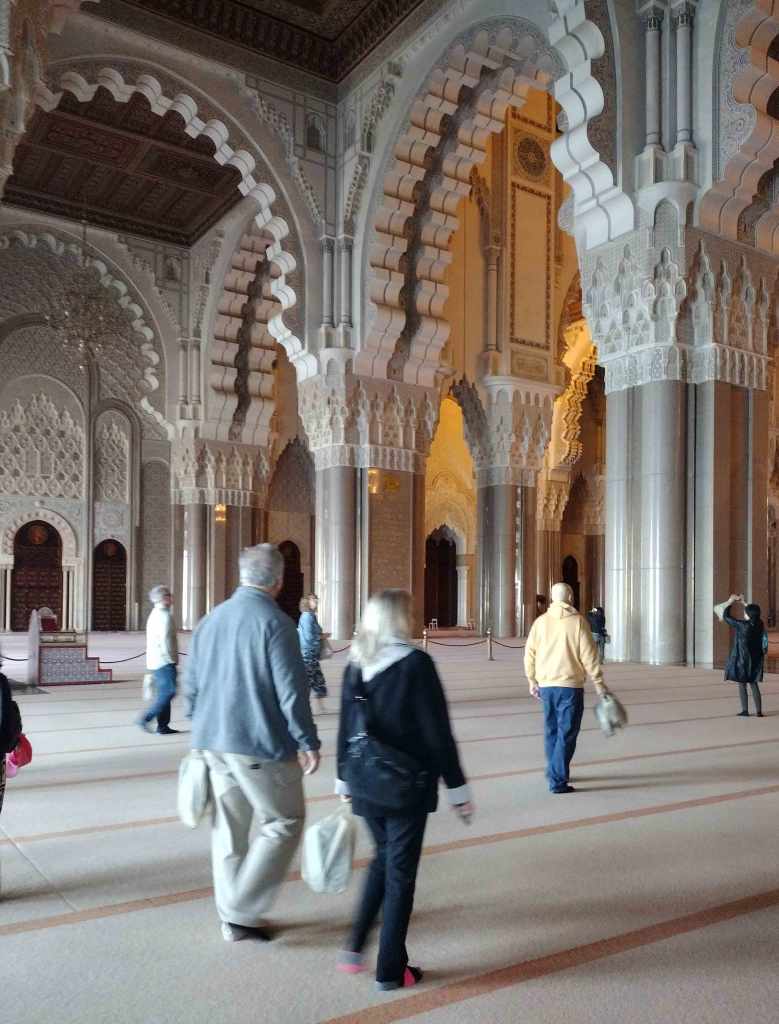
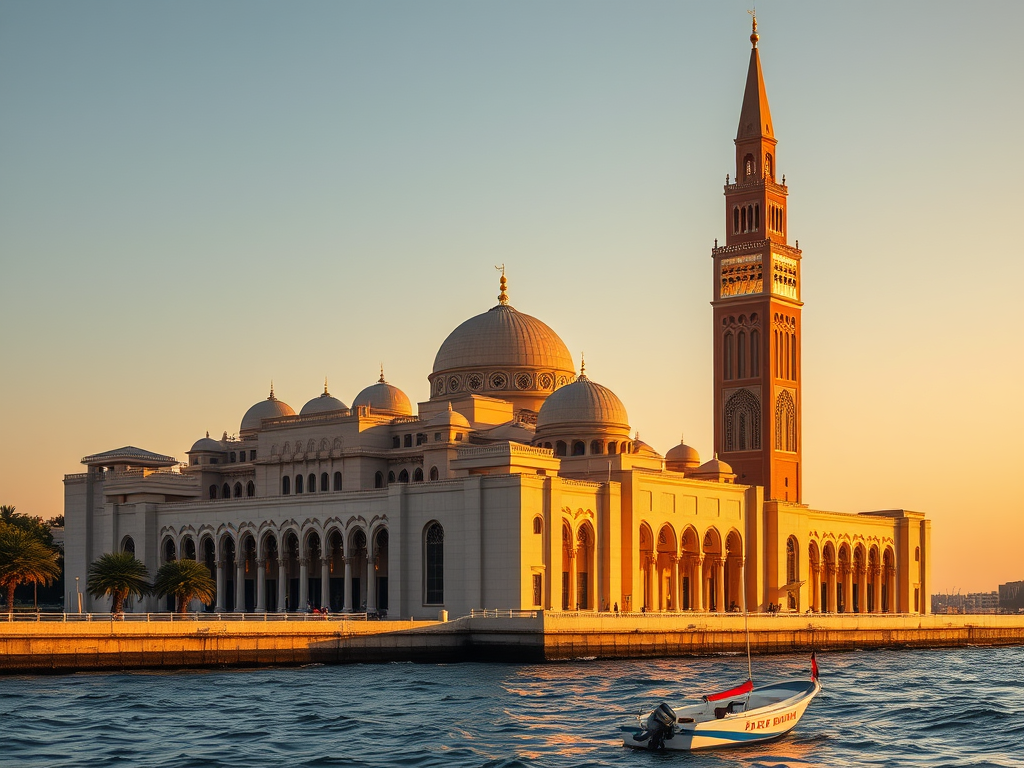
Visit the Hassan II Mosque This stunning mosque is one of the largest in the world, located on the coast and features beautiful architecture.

Explore the Old Medina Take some time to wander through the historic streets of Casablanca’s Old Medina, filled with shops and local vendors.

Relax at La Corniche Enjoy the beachfront area of La Corniche, known for its vibrant atmosphere, restaurants, and stunning ocean views.

Casablancas Best Restaurants

Dar El Kaid A highly-rated restaurant known for its traditional Moroccan cuisine, perfect for experiencing local flavors.

A ma Bretagne Located on the corniche, this is one of Casablanca’s oldest French restaurants, offering stunning sea views and classic dishes.

loli A modern Japanese restaurant hailed for its sushi and contemporary atmosphere, making it a must-try for food enthusiasts.

Casablanca The Movie

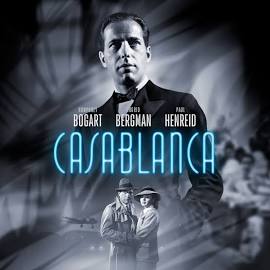
Morocco, Casablanca and the movie by the same name have been linked in many peoples minds for ages. Casablanca is considered one of the best movies every made. Set during WWII in Casablanca Rick Blaine (Humphrey Bogart), who owns a nightclub in Casablanca named Rick’s Cafe, discovers his old flame Ilsa (Ingrid Bergman) is in town with her husband, Victor Laszlo (Paul Henreid). The cynical expatriate American cafe owner Rick struggles to decide whether or not to help his former lover and her fugitive husband escape the Nazis in French controlled Morocco.

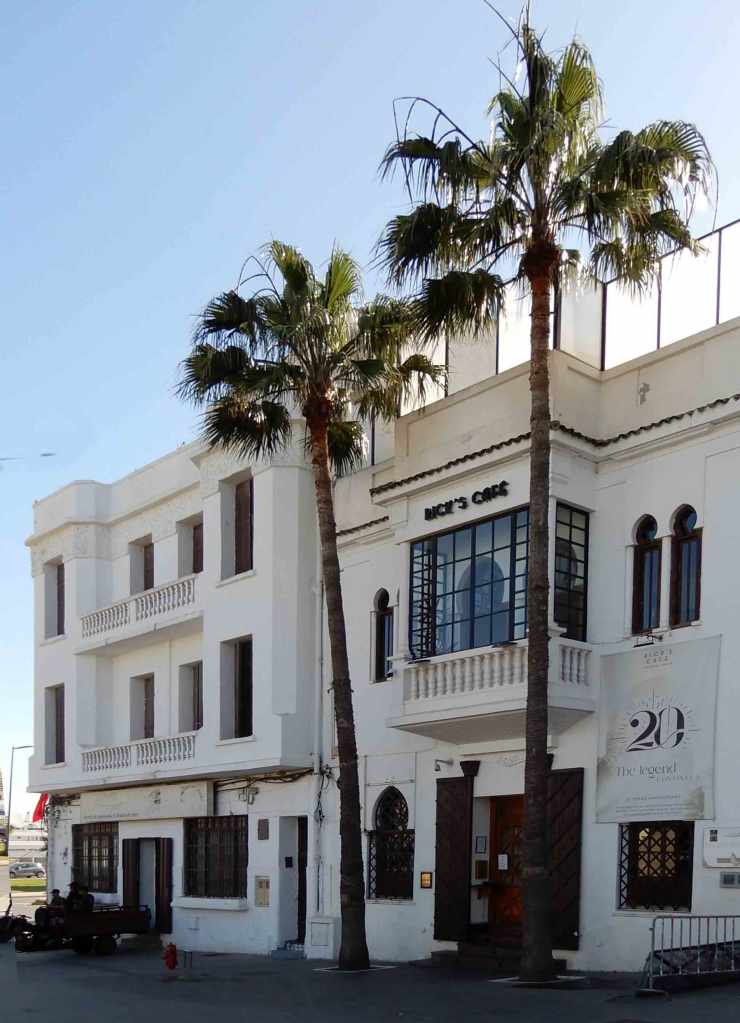
In truth there never was a Ricks Cafe in Casablanca and the movie was filmed in Hollywood but today Ricks Cafe has been recreated as a tourist destination in Casablanca.

The New Rick’s Cafe

You’ll discover lots of worthwhile and interesting travel information on The Intentional Travelers, and the best way to find what you’re looking for is to SEARCH here…
Some More Recent Posts From The Intentional Travelers You Might Find Interesting: