San Lucas is a popular stop traveling between San Pedro de Atacama and the Atacama desert and its various landscapes like the Miscanti and Miñiques lagoons.
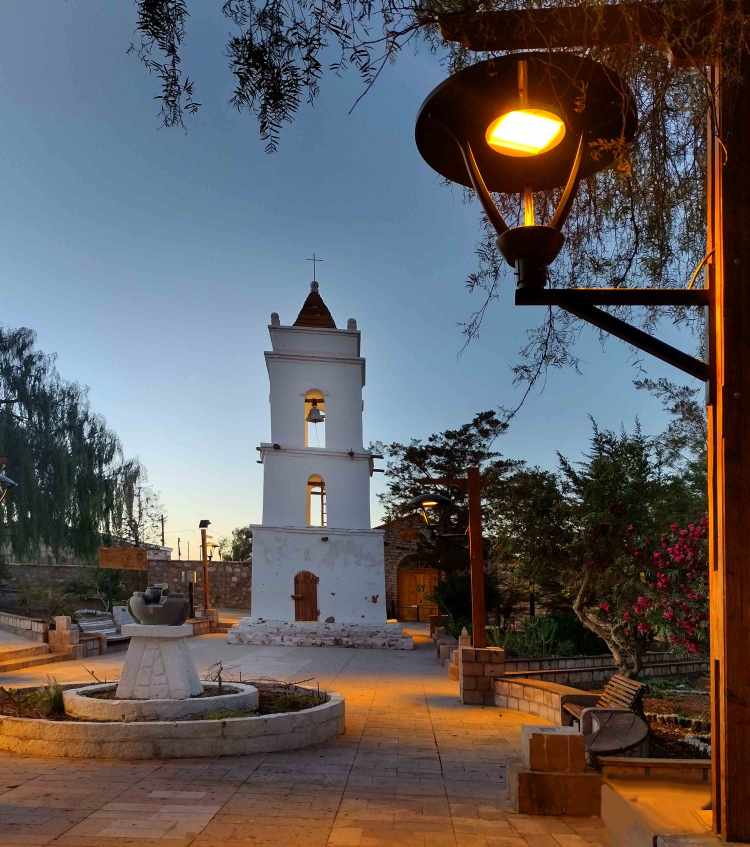
The Campanario de San Lucas, a historic bell tower in the small village of Toconao, Chile, at daybreak.The bell tower dates back to the 1700s and is constructed of volcanic stone faced with white stucco. It is a central landmark in the oasis village of Toconao, located within the Atacama Desert. The tower is part of the Iglesia de San Lucas complex, known for its traditional adobe architecture.
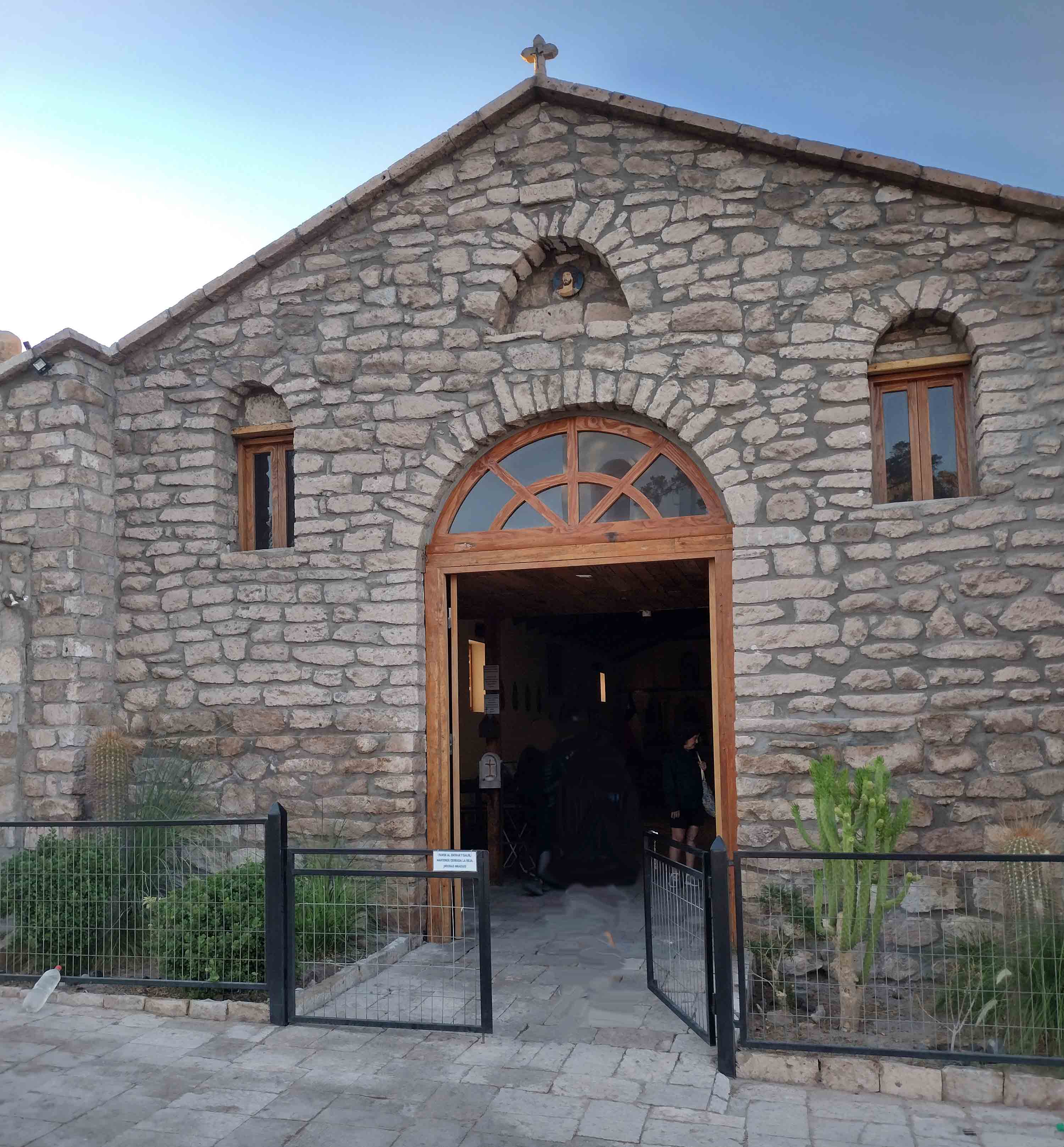
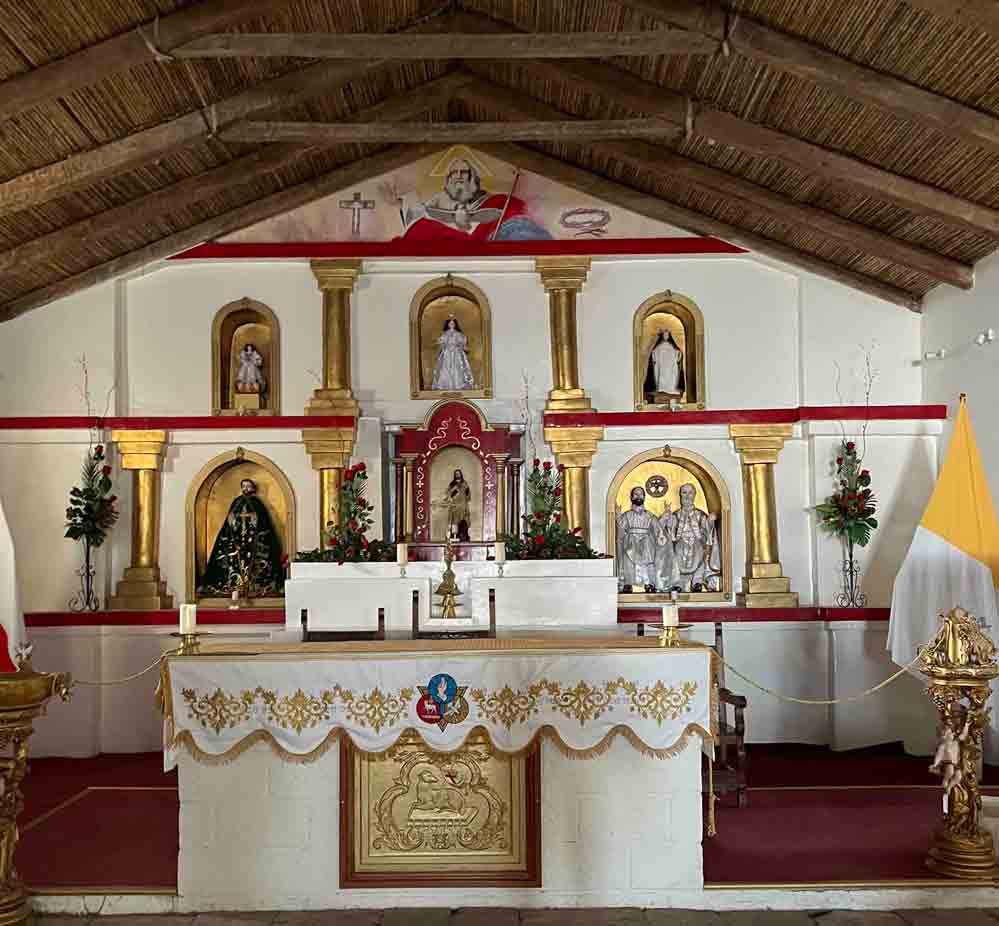
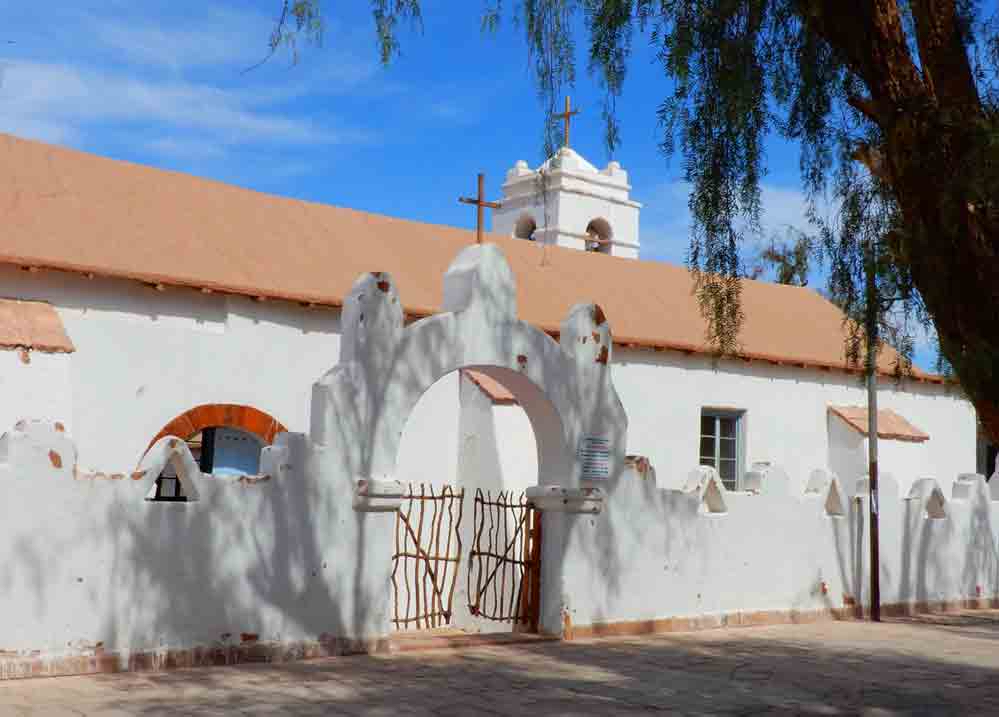
The small Church of San Lucas (Iglesia de San Lucas) in Toconao features a two dimensional black metal negative space silhouette sculpture of Jesus Christ at its entrance and traditional interior alter.
Planning A Cruise? Start By Checking Out The Intentional Travelers Port Guides
Looking for specific information?
THANKS FOR VISITING AND BEFORE YOU LEAVE WE’D LOVE TO HAVE YOU JOIN US. IT WOULD REALLY MEAN THE WORLD TO US…
CLICK SUBSCRIBE ABOVE TO JOIN US
THIS ALSO PERMITS YOU TO PROVIDE US WITH ADDITIONAL INFORMATION CONCERNING YOUR SPECIFIC TRAVEL INTERESTS SO WE CAN BETTER FOCUS ON OUR SUBSCRIBERS NEEDS.
IN A RUSH YOU CAN QUICKLY JOIN OUR MAILING LIST BY SIMPLY ENTERING YOUR EMAIL ADDRESS BELOW
Recent Posts From The Intentional Travelers You Might Find Interesting:
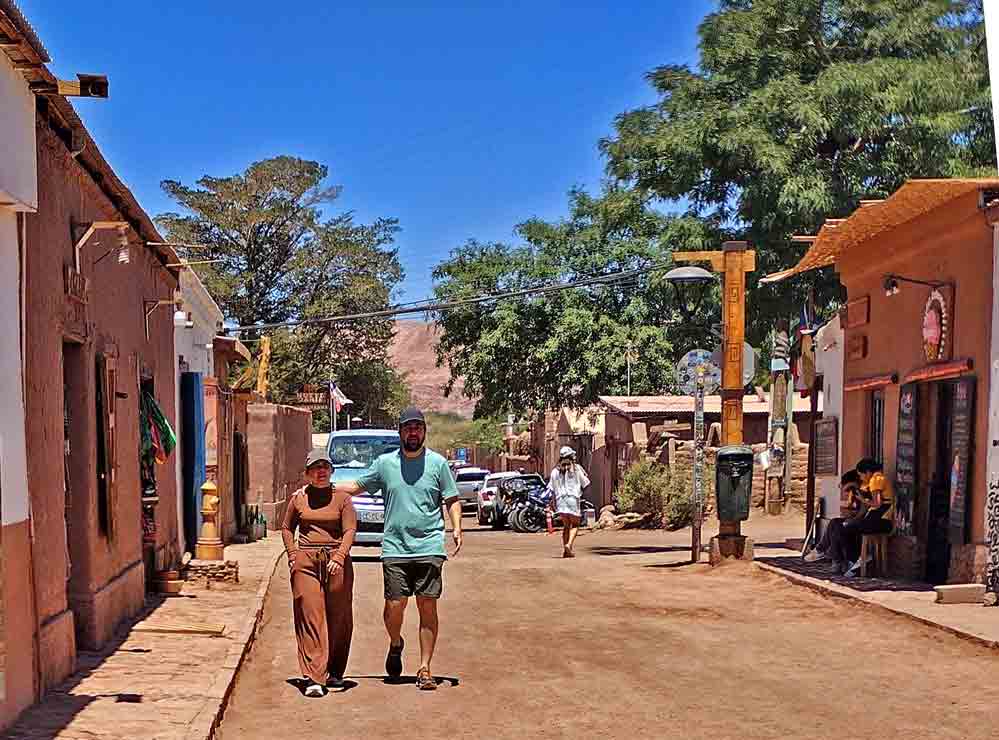
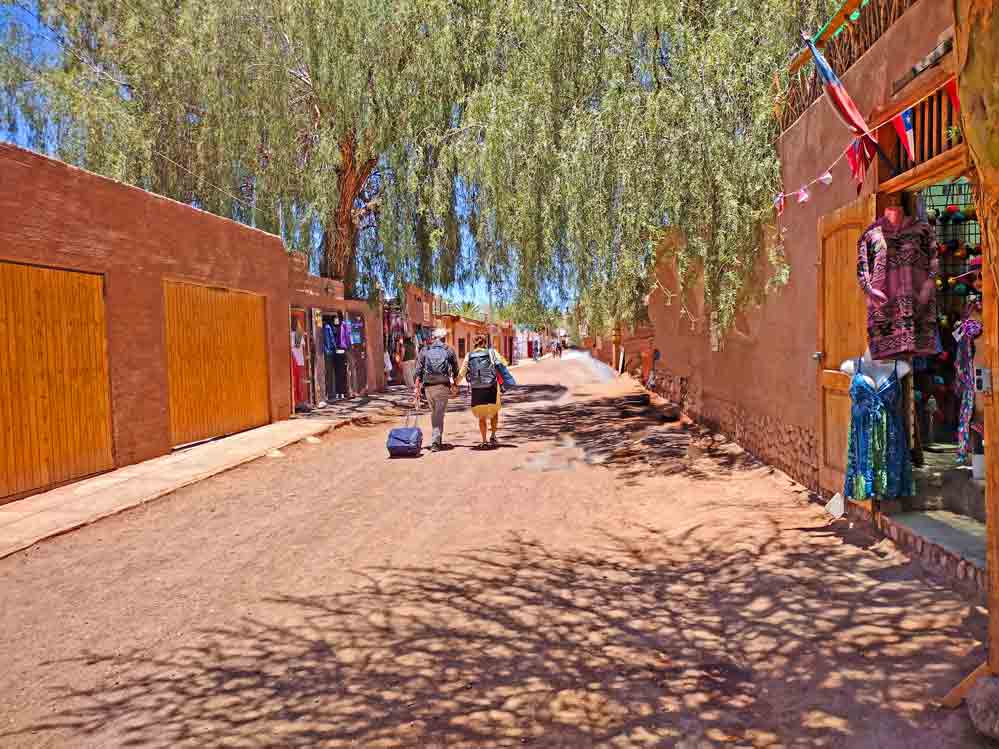
Most of the streets are just dirt, it gets hot in the daytime and unusually cold at night and there’s often a wind that’s blowing the dust around…
Exploring theAtacama Dessert from San Pedro, Chile
Welcome to San Pedro de Atacama, Chile’s gateway to the Atacama Dessert. This desert in northern Chile is the world’s driest non-polar desert, a starkly otherworldly plateau situated between the Andes Mountains and the Pacific Ocean, known for stark landscapes like salt flats, geysers, volcanic peaks, and hosting unique ecosystems and Moon-like terrain. Significant features include the Valley of the Moon, El Tatio Geysers, flamingo-filled lagoons, and high-altitude plains.
Even though the town’s character is mostly adobe one story buildings and dirt streets, San Pedro has become an international travel destination that now receives more than one and a half million tourists annually. The small town, with a local population of less than 2,500, serves as the gateway and main hub for exploring the Atacama Desert.
Because of this growing popularity San Pedro de Atacama offers an incredible range of high-quality hotels and restaurants, blending rustic desert charm with luxury and excellent local cuisine. Top accommodations include luxury lodges like Awasi Atacama, Nayara Alto Atacama, and Explora en Atacama, along with boutique options like Terrantai Lodge along with an assortment of economy hostels.
From a base in San Pedro you can explore incredible desert landscapes, from the lunar formations of Valle de la Luna & Valle de la Muerte (don’t miss seeing a sunset), colorful mountains in Valle del Arcoiris, high-altitude lagoons like Lagunas Miscanti & Miñiques, and surreal salt flats and floating in the salt ponds at Laguna Cejar. Don’t miss the sunrise geysers at El Tatio, ancient petroglyphs at Yerbas Buenas, and unbelievable stargazing into the dark clear heavens, plus hiking, biking, and exploring charming villages like Machuca.
Getting There
The nearest airport to San Pedro de Atacama is El Loa Airport (CJC) in Calama, Chile, located approximately 70 miles northwest of the town.It is the main gateway for visitors to the Atacama Dessert, offering regular, 2-hour flights from Santiago via LATAM, Sky Airline, and JetSMART several times a day. From Calama there are numerous transfer options to San Pedro starting at about US$25 per person. Check out transfers and tours at Get Your GuideHERE.
Dining Options
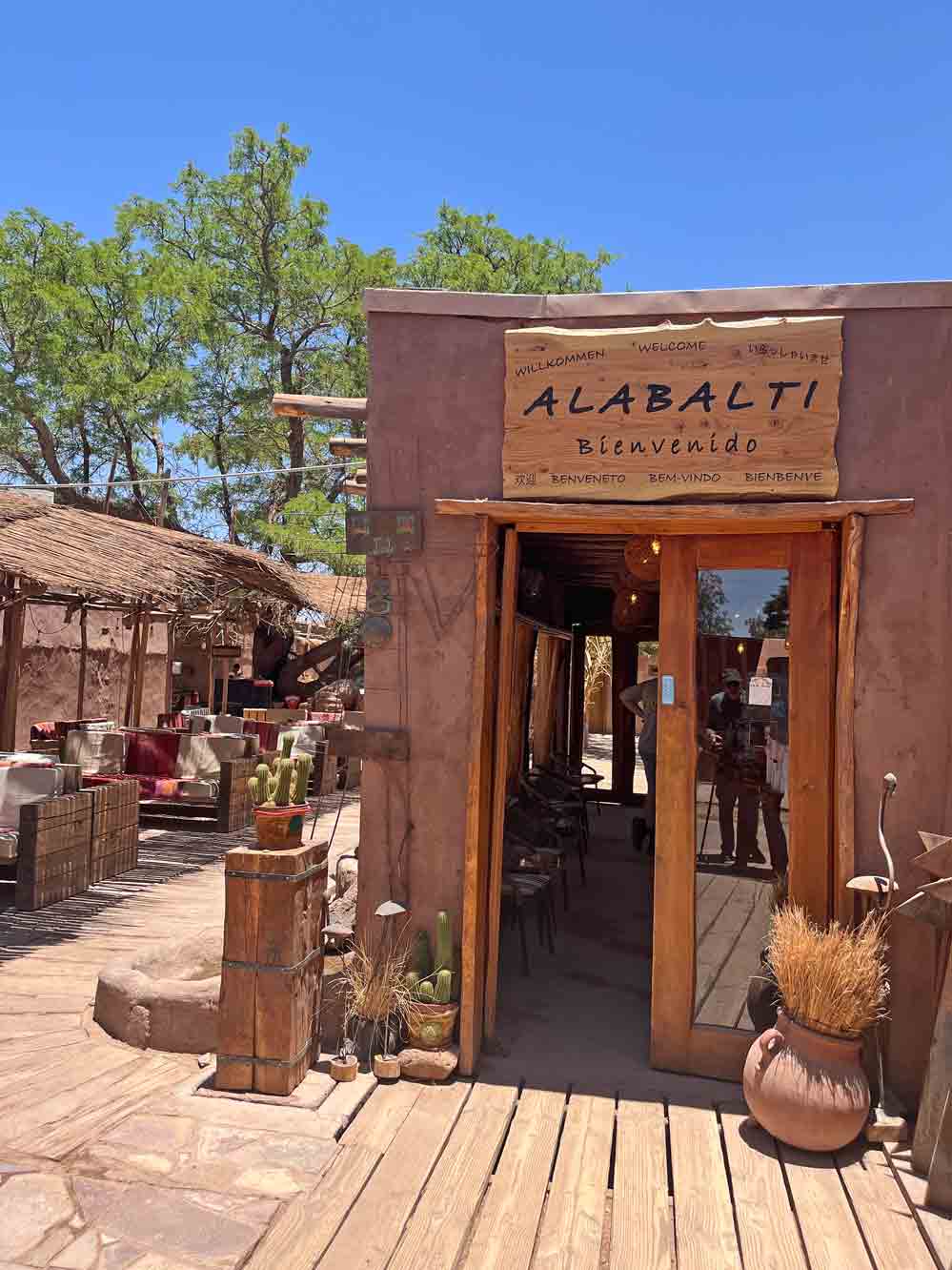
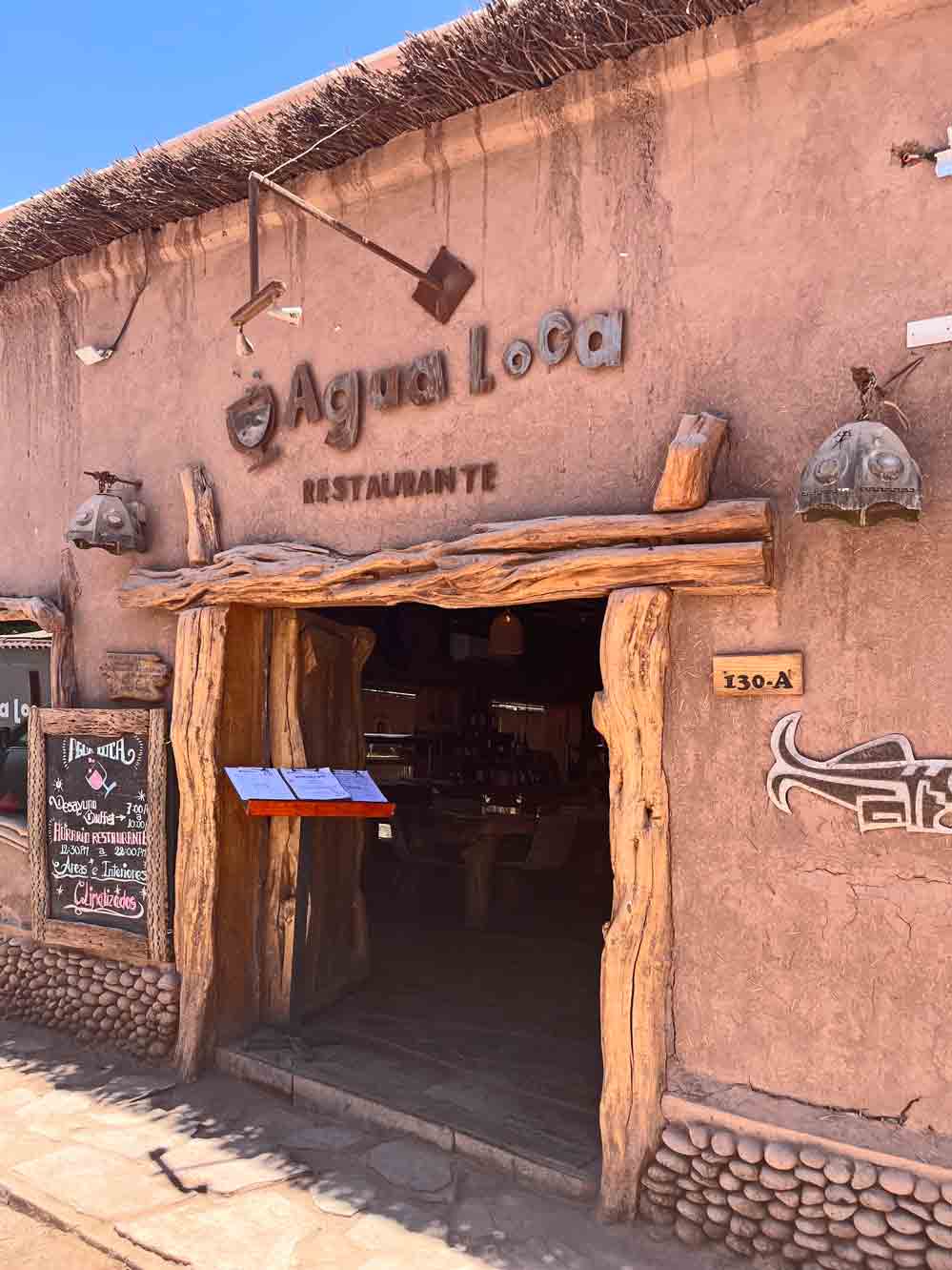
The town is known for the number of four and five star food in cozy, Adobe-style restaurants, particularly along the main street (Calle Caracoles). Noted for featuring Lickan-antay (Atacameño) cuisine, that includes ingredients like quinoa, chañar, and llama. Also a surprising number of places offer live music, charming, and sometimes romantic settings, often with outdoor seating under the stars.
Key Tips
The Environment: If you’re planning a visit you need to understand that you will be above 10,000 feet most of the time, that the humidity is near zero and the winds can be strong. Sun screen, chap stick and sun glasses are a must and carry water!
Payments: While most places accept credit/debit cards, it is essential to carry Chilean pesos for smaller establishments, tips, and excursions.
Our Recommendations
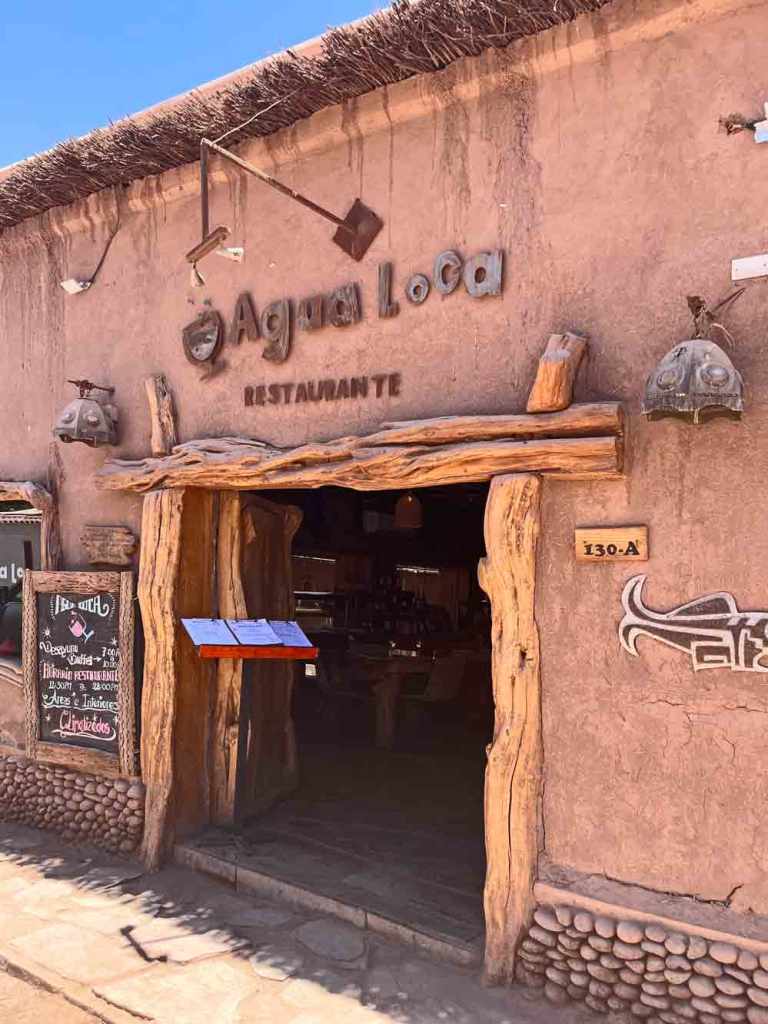
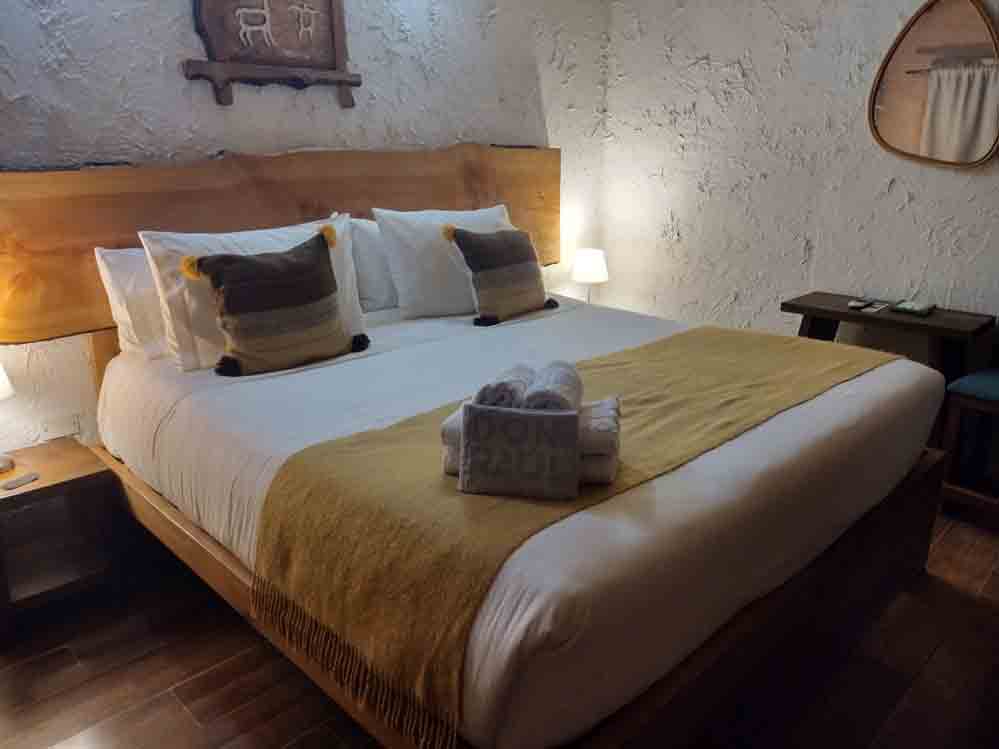
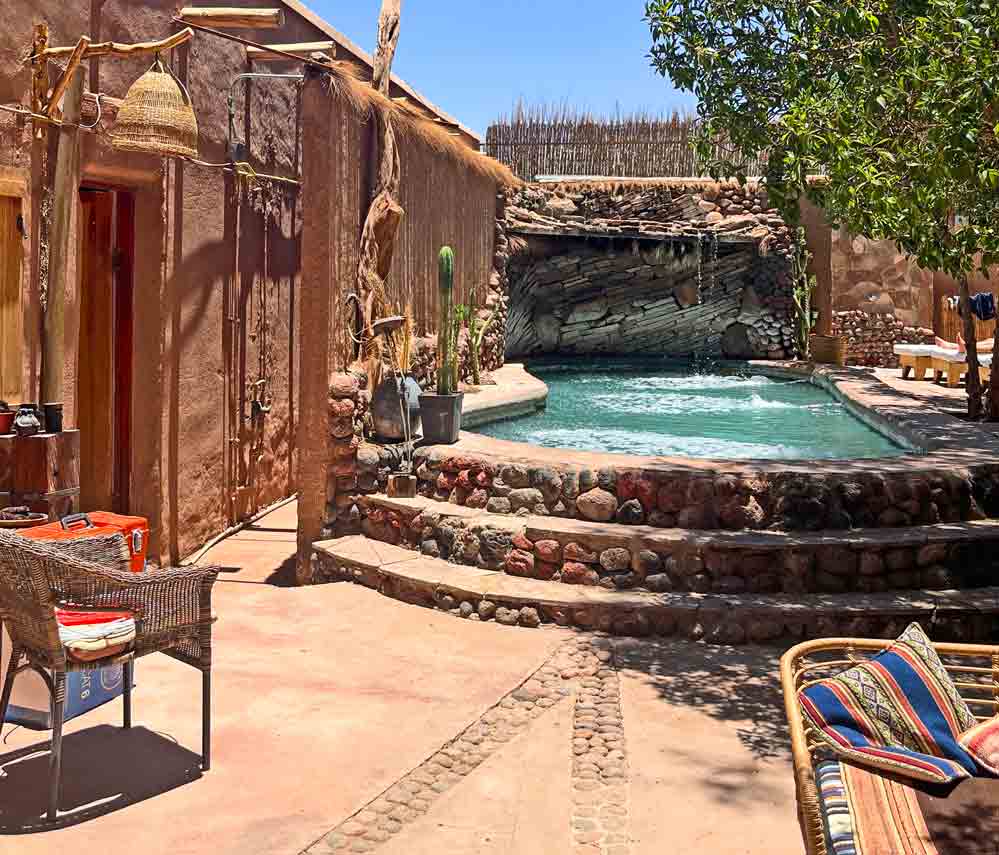
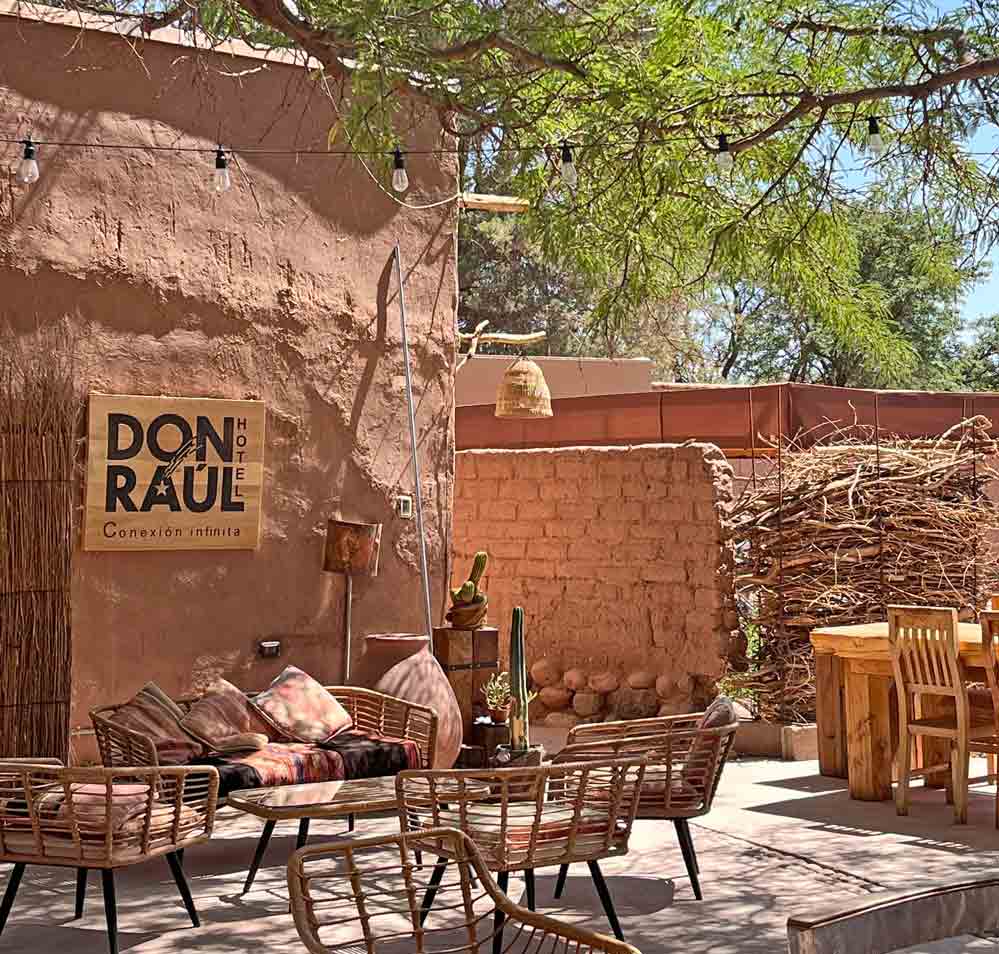
For our visit we stayed at the Don Raúl Hotel located in the heart of town a half block off Calle Caracoles. The rooms were comfortable, the shower hot and it included a great breakfast in the attached Restaurante Agua Loca (also a good option for dinner). If you are exploring on your own we’d recommend looking into tours available from Get Your Guide (see the link above).
The Don Raul Hotel San Pedro de Atacama
Planning A Cruise? Start By Checking Out The Intentional Travelers Port Guides
Looking for specific information?
THANKS FOR VISITING AND BEFORE YOU LEAVE WE’D LOVE TO HAVE YOU JOIN US. IT WOULD REALLY MEAN THE WORLD TO US…
CLICK SUBSCRIBE ABOVE TO JOIN US
THIS ALSO PERMITS YOU TO PROVIDE US WITH ADDITIONAL INFORMATION CONCERNING YOUR SPECIFIC TRAVEL INTERESTS SO WE CAN BETTER FOCUS ON OUR SUBSCRIBERS NEEDS.
IN A RUSH YOU CAN QUICKLY JOIN OUR MAILING LIST BY SIMPLY ENTERING YOUR EMAIL ADDRESS BELOW
Recent Posts From The Intentional Travelers You Might Find Interesting:
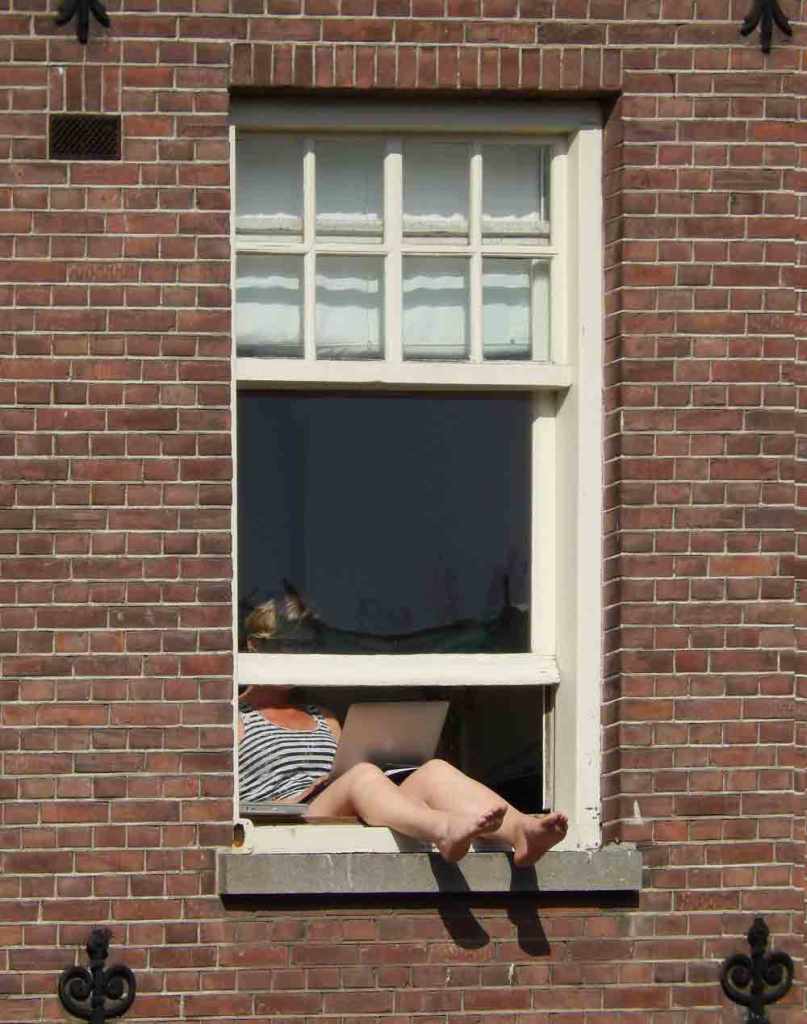
Air conditioning is not common in Northern Europe. It’s probably a combination of normally cooler weather and a cultural attitude, but when it gets really warm you’ll hear a lot of complaining.
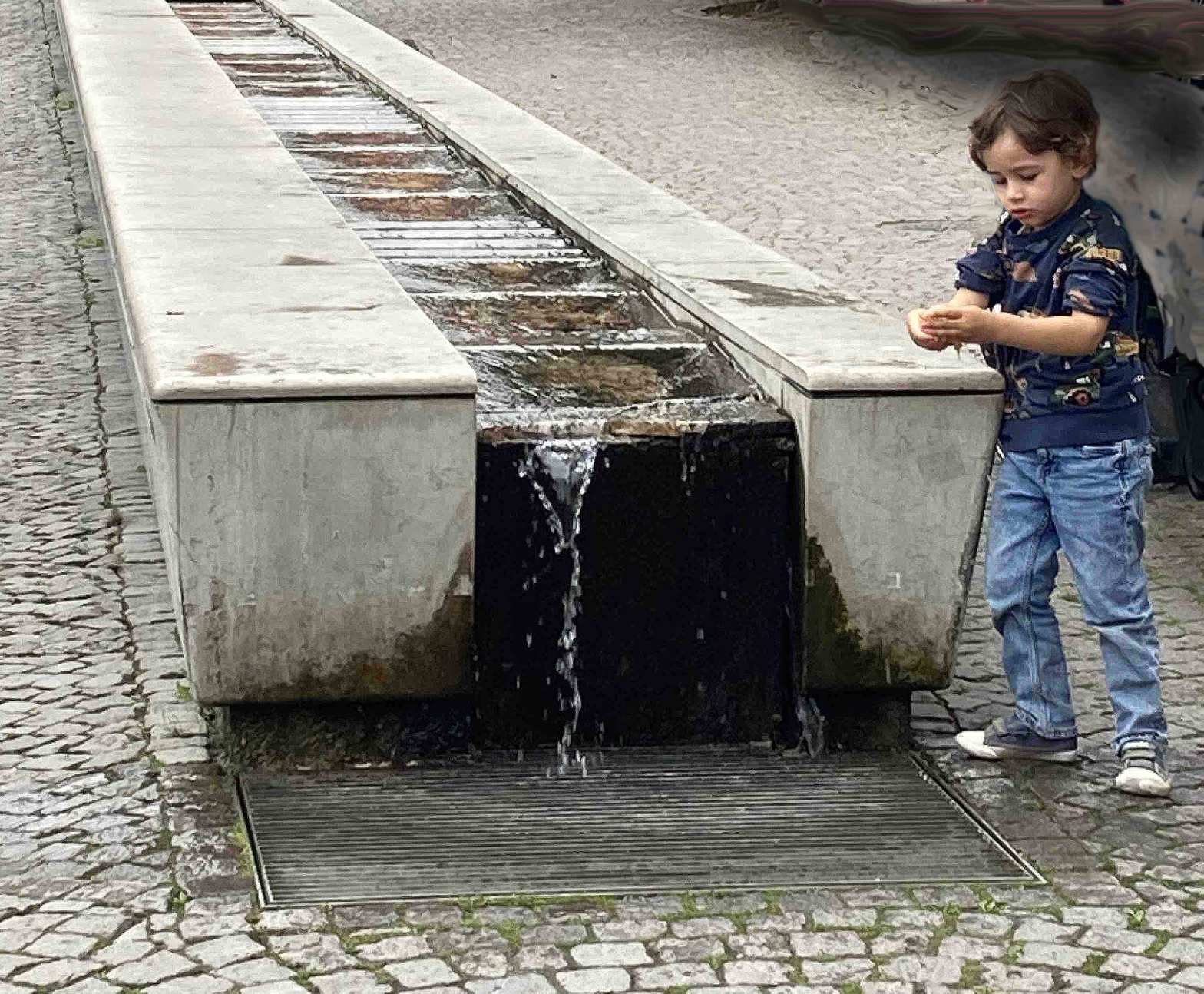
A couple of years ago there was an unusual hot spell in Amsterdam with a lot of people trying to deal with the heat. Above is a grab shot of a second floor window. Relief where you find it…
Thinking About Cruising? Start Your Planning With The Intentional Travelers Port Guides.
If you are a lover of wild places and stunning landscapes, do not pass up a chance at visiting Chile!
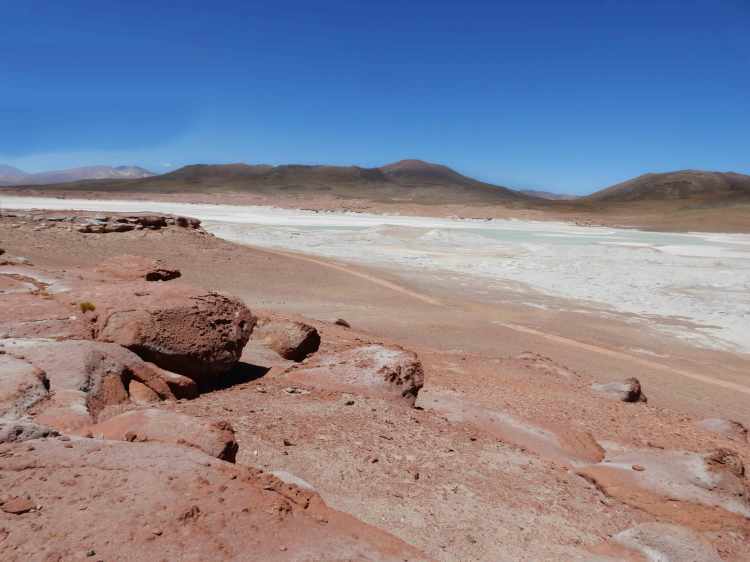
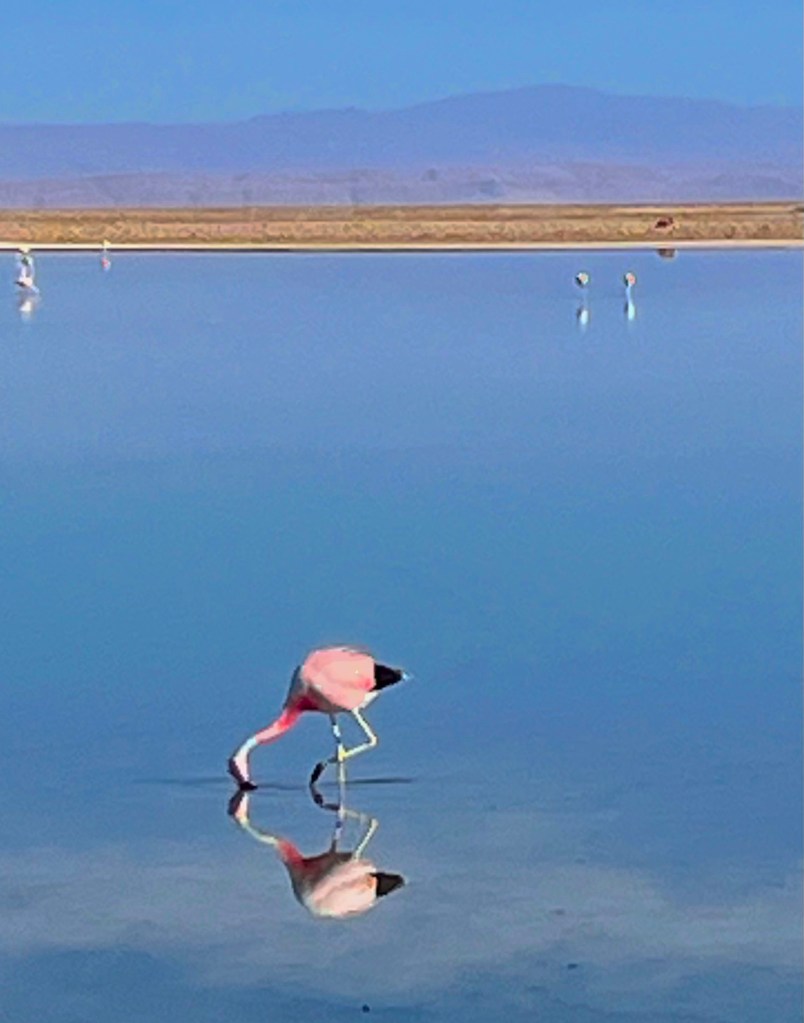
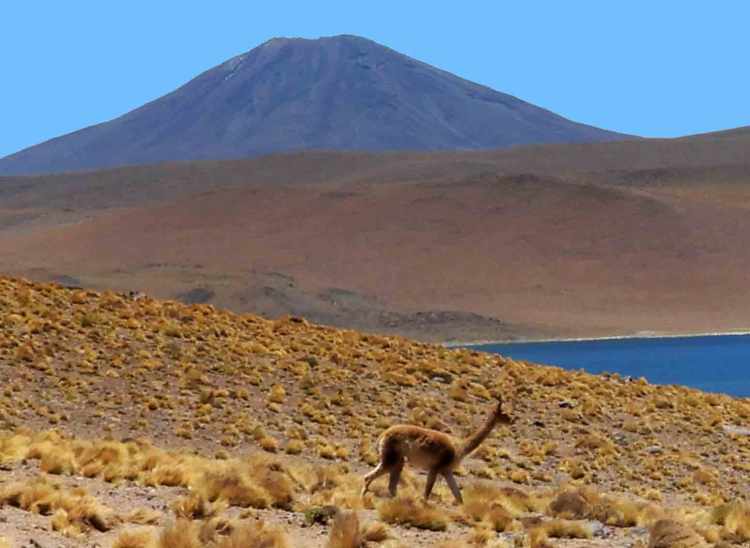
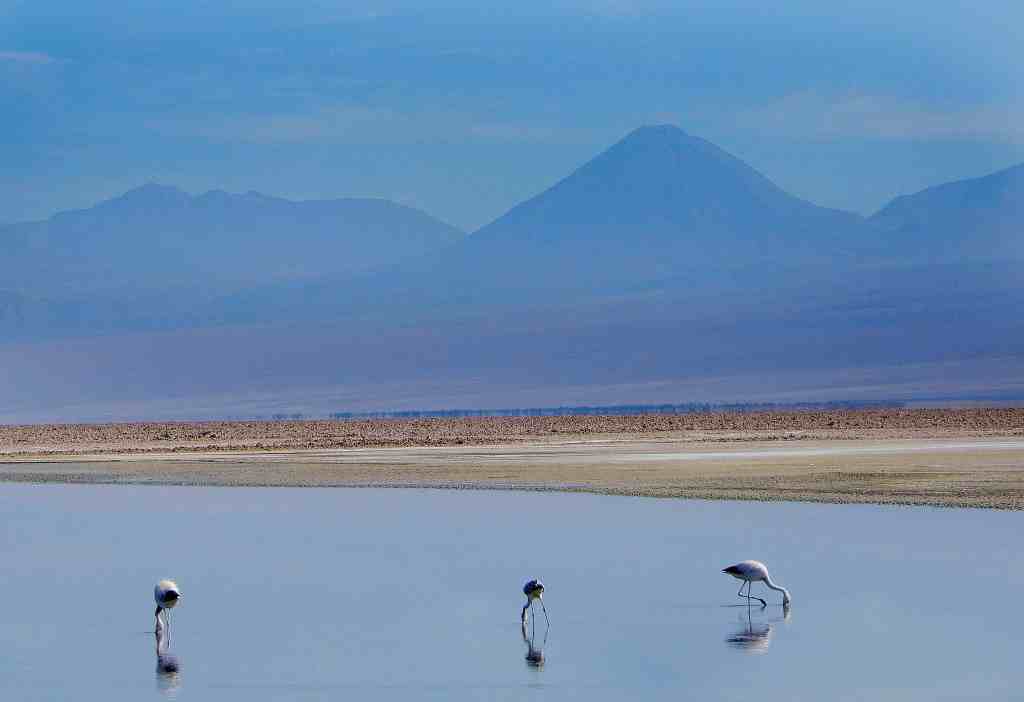
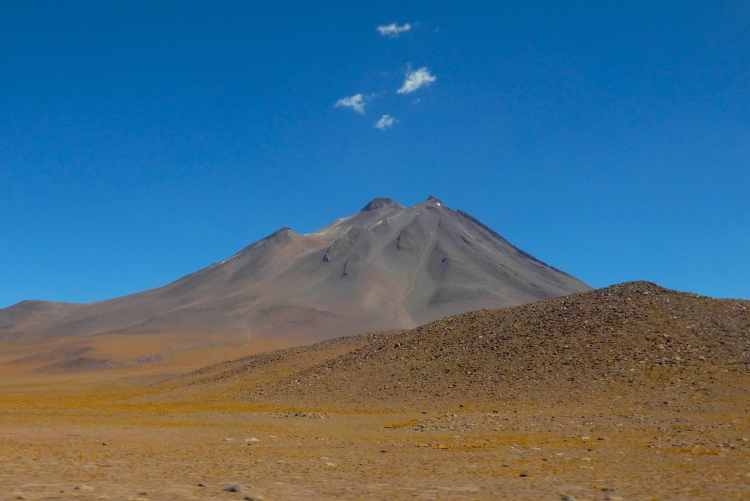
Starting in the north the Atacama Desert is a region that is one of the driest places on Earth, famous for mining, salt lakes, cinder cone volcanoes, lamas and flamingoes. Spend some time in Santiago the capital and the very heart and soul of this remarkable country. Finish your visit at the bottom and Torres del Paine National Park with the incredible vistas of the Patagonian mountains.
Looking at a map of South America the country of Chile seems to be squeezed into this unusually thin strip with still over 4,000 miles of Pacific coastline. In fact Chile is so thin that there are sections where the country is less than 50 miles wide. The shape was not defined by geo-politics like many countries, but actually by extreme geography. The nation is squeezed between the high Andes Mountains to the east and the Pacific Ocean to the west. This narrow strip of land is also constrained by several extreme natural barriers with the Atacama Desert in the north, ice fields in the south, and mountains and ocean on either side resulting in an average width of just 61 miles.
For centuries Chile has been one of the most isolated areas in the Americas mostly because of its geography…
Geographic and Climatic Reasons for Chile’s Shape:
The Andes Barrier: The towering Andes Mountains have prevented access to the east for centuries and along with the Pacific Ocean, create a naturally thin corridor. Arid North: To the north, the Atacama Desert is blocked from receiving moisture by the Andes along with the Chilean Coastal Range. The Cold South To the south, cold conditions influenced by its proximity to Antarctica and mountain glaciers limit habitable space, with the mountains of Patagonia reinforcing that thin, longitudinal shape. Isolation: The combination of mountains, sea, desert and ice has physically isolated Chile from its neighbors by defining the eastern border.
Chile’s History Chile’s history spans agers of thinly populated indigenous peoples, Spanish colonization (1540-1818) that saw fierce Mapuche* resistance, along with a long struggle for stable democracy after independence, punctuated by the 1973 socialist Allende government, the brutal military dictatorship of Augusto Pinochet (1973-1990), with a recent a peaceful return to democratic rule, focusing on resource export (nitrates, copper) that shaped its economy through periods of boom and crisis.
Pre-Columbian Era Early Inhabitants: Humans arrived around 12,000 BCE, developing diverse cultures, with the northern people influenced by Incas and southern Araucanians (Mapuche) fiercely resisting conquest. Colonial Period (1540-1818)
21st Century Chile today continues as a stable democracy, while still facing challenges like rewriting its Pinochet-era constitution, and ongoing important social and economic development.
*The Mapuche comprise the principal indigenous population of Chile as well as Argentina with about 84 per cent of the total indigenous population of southern South America and about 1.3 million in Chile.
Currently we’re planning to add a number of articles over the next weeks to help in planning a Chile trip, so be sure and check back…
Planning A Cruise? Start With The Intentional Travelers Port Guides
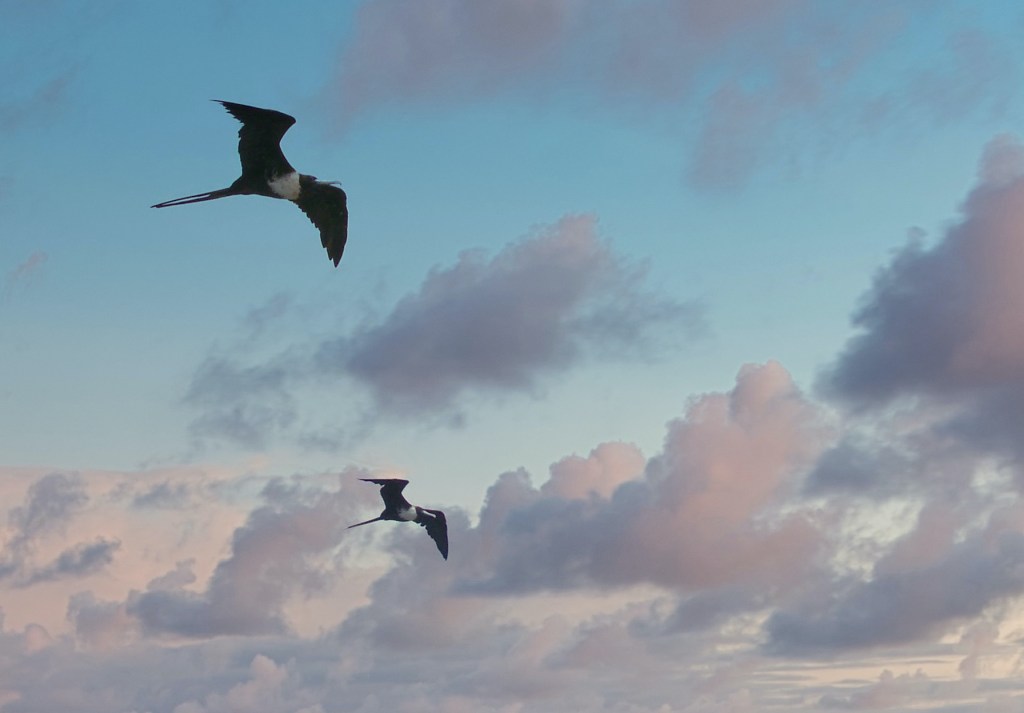
These incredible birds were photographed above the harbor in Charlotte Amalie, USVI while they repeatedly attacked other birds and stole their catches.
The Magnificent Frigatebird (Fregata magnificens), are remarkable seabirds known for their unique adaptations and behaviors. These birds are often referred to as “kleptoparasites” because they steal food from other seabirds, including snatching chicks from nests. The Magnificent Frigatebird is also colloquially known as the “pirate bird” due to its aggressive feeding tactics and is a prominent sight across tropical and subtropical regions of the Americas;
Planning A Cruise? Start With The Intentional Travelers Port Guides
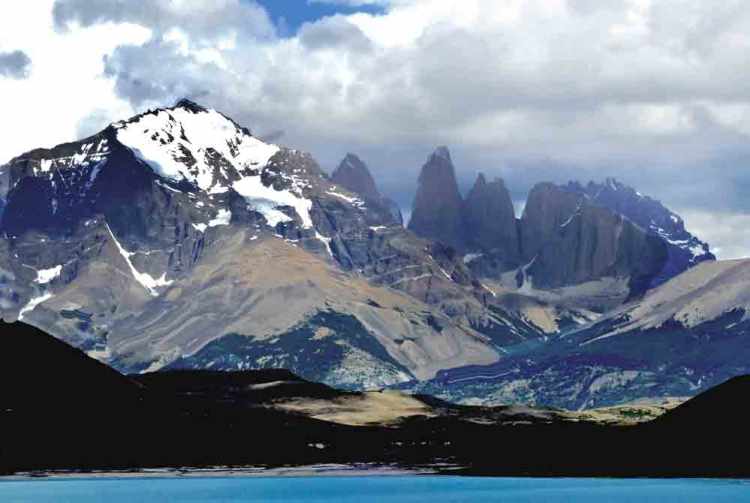
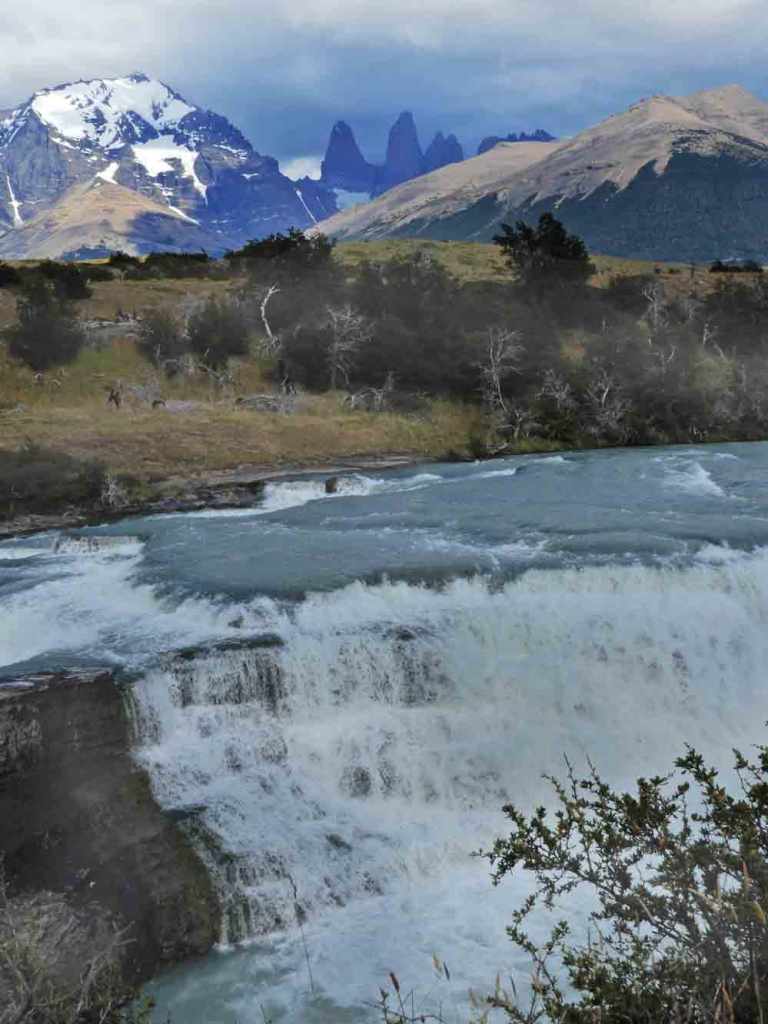
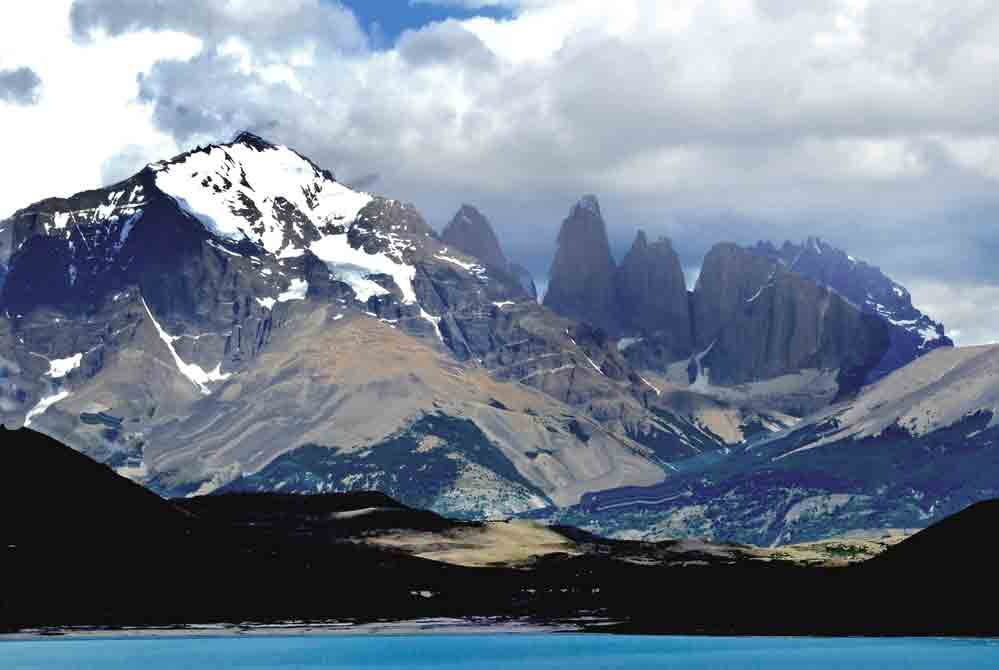
Visiting Chile’s Patagonia Mountains with dramatic, glaciated peaks of the Southern Andes that feature iconic summits like Mount Fitz Roy, Cerro Torre, and the Torres del Paine. These rugged mountains offer world-class trekking, amazing ice fields, and dramatic granite towers, with peaks reaching over 12,000 feet that includes Cerro San Valentín.
More in future posts from exploring Chile.
Planning A Cruise? Start With The Intentional Travelers Port Guides






















 The Intentional Travelers