Port of Call Messina, Sicily

Probably one of the most important stretches of water in the Mediterranean is the Straits of Messina that separates the boot of Italy from the island of Sicily. In ancient legend the straight is said to be only an arrows shot wide. With a majority of cruise itineraries going south and east out of Rome’s port of Civitavecchia traveling through the straights is a common experience.

The Straights of Messina were often written about in ancient texts regarding Scylla and Charybdis, two monsters who attacked ships traveling through the straight. Scylla was a multi-headed monster that plucked sailors from the deck while Charybdis was a sea monster that crushed and sank ships. The most famous tale of all being about the Greek hero Odysseus who encounters Scylla and Charybdis on his return journey from the Trojan War. Odysseus was urged to follow the advice of the goddess Circe. Circe told Odysseus to sail closer to Scylla, rather than Charybdis, for it was wiser to lose a few men than to sink the whole ship.

Additionally the straight also saw the establishment of the important Greek cities of Messana and was the location of numerous naval battles, most notably the Battle of the Strait of Messina between Pyrrhus of Epirus and the Carthaginians in 276 BC.

Where Your Ship Docks

The Messina harbor is situated right in the center of the city and equipped with a cruise terminal along with another cruise pier. Public facilities are available as well as some shops and a bus stop.

Wheelchair Accessibility – Disembarking is dependent on ships gangway designs. The cruise pier disembarks right into downtown. For passengers using wheelchairs there can be a moderate ramp incline to deal with. Locations.

Port City Characteristics – This port has a well developed wheelchair friendly infrastructure. The port area is flat or has few inclines. Intersection crosswalks have few issues with curbs or other wheelchair obstacles. Outside the port area the city does have an increase in elevation to deal with.

Public Transportation

The Central Station of Messina is the second most important one of Sicily. Nearer the port is a station called Messina Marittima and is there for connections with mainland Italy with ferries to both Reggio Calabria and Villa San Giovanni.

Most public transportation in the city is by bus with an 8 kilometer long, tram line. For the bus and tram a single use ticket costs 1.50 Euro and is valid for 100 minutes from the time of use stamping. At the bus the price is 2 Euros. A ticket for 200 minutes costs 2.50 Euro but must be stamped twice. A day ticket costs 4 Euro, a 72-hour ticket 10 Euro.

Currency

Italy uses the Euro which recently has ranged from US$1.05 to US$1.12 to 1€ Euro. ATMs* are plentiful and credit cards are usually welcome. https://intend2travel.info/2023/12/29/international-travel-credit-cards-atms-identity-theft/

Tipping

Tipping follows a general tipping culture similar to many European countries. Tipping is appreciated but not mandatory. If service charges are included in your bill, rounding up or leaving small change is customary. In restaurants, leaving between 5-10% of the bill is a common practice if you are satisfied with the service. Tipping tour guides is usually based on the tour cost with a few dollars being a minimum. For taxi drivers or service staff, rounding up the fare or leaving a small tip is often sufficient.

Local Attraction

Messina Cathedral – A stunning example of Norman architecture, the cathedral is known for its beautiful facade and the astronomical clock that offers a daily show.

La Spiaggetta – A beautiful beach perfect for sunning and swimming that offers stunning views of the Straits of Messina.

The Astronomical Clock Of Messina – Located in the main square, it’s one of the largest in the world, with intricate mechanisms and a show at noon that always attracts a crowd.

Taormina

A great day trip to consider while visiting Messina is Taormina about an hour south along the coast. The town has a beach vibe about it but the main town is located above the sea and is also recognized as one of Europe’s best shopping destinations. A number of famous fashion houses operate salons in Taormina. There are 3 ways to get from Messina to Taormina

the harbor at Taormina, Sicily
Train, Rideshare or Taxi.

Train from Messina Centrale to Taormina-Giardini takes about an hour and costs 4 to 9 Euros. Service is frequent. Rideshare (uber) also about an hour but varies by traffic conditions and will cost between 6 and 12 Euros. Taxi service should run about 100 Euros but fare can be negotiated and again the trip should take about an hour.
Thriving as a Digital Nomad with Disabilities

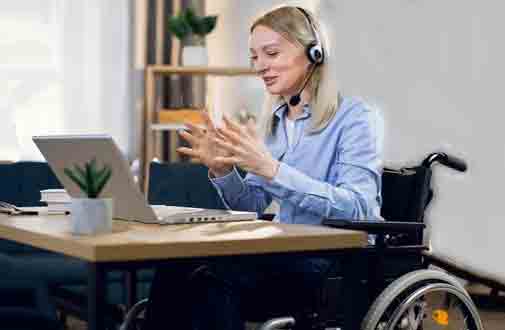
A Guest Post by Vivek Mukherjee. I’m envious of Digital Nomads and if I could start over again that would be my goal. We have friends that we travel with and they’re both digital nomads and their only requirement is a reliable internet connection. Images via Freepik

Breaking Barriers: Thriving as a Digital Nomad with Disabilities

The digital nomad lifestyle offers possibilities, particularly for individuals with disabilities seeking flexibility and autonomy in their professional lives. With the right tools and strategies, the challenges of remote work can be transformed into opportunities for personal and career growth. Technology plays a pivotal role in this transformation, providing the means to create accessible workspaces and connect with global communities. By understanding the nuances of cybersecurity and leveraging assistive technologies, digital nomads with disabilities can secure their digital environments and enhance their productivity.

Empowering Digital Nomads with Disabilities via Assistive Technologies

As a digital nomad with a disability, embracing assistive technologies can transform your remote work experience by breaking physical barriers and enhancing productivity. Tools like screen readers and voice recognition software are essential for creating an accessible and efficient workspace, allowing you to focus on professional growth. Investing in the right technology can establish a solid online presence, which is crucial for attracting potential clients and employers. Further, crafting a professional website and being active on social media platforms can showcase your skills and unique perspectives, opening doors to new opportunities.

Navigating Tax Benefits as a Digital Nomad with Disabilities

Understanding the tax landscape can significantly enhance your financial well-being as a disabled digital nomad. Many countries offer digital nomad visas that may include tax exemptions, which can be particularly beneficial
if you frequently change locations. Additionally, you might qualify for deductions and credits related to disability expenses, further reducing your taxable income. Given the complexity of international tax laws, consulting with a tax professional specializing in the unique challenges digital nomads face is wise.

Pursuing Higher Education as a Digital Nomad

Earning an online degree is a great way to boost your career prospects while embracing the flexibility of the digital nomad lifestyle. For instance, cybersecurity programs and industry standards provide valuable training in protecting businesses’ computer systems and networks, equipping you with skills that are in high demand. Online degree programs are designed to fit seamlessly into your schedule, allowing you to maintain full-time work or travel while keeping up with coursework. This balance enables you to enhance your expertise and open doors to new opportunities, all from wherever you call home.

Embracing Telemedicine for Digital Nomads with Disabilities

Navigating life as a digital nomad with disabilities presents unique challenges, particularly in maintaining consistent healthcare. Telemedicine is a powerful tool to bridge this gap, allowing you to receive care from your established healthcare providers regardless of location. Such continuity is crucial, especially if you have an ongoing relationship with your practitioner, as it enables remote consultations and follow-ups without being physically present. If your primary provider is unavailable, another specialist with access to your medical history can step in, ensuring your care remains uninterrupted.

Flourishing in the World as a Digital Nomad with Disabilities

Embarking on a journey as a digital nomad can be an exciting yet challenging experience, especially for individuals with disabilities. By utilizing adaptive equipment—such as lightweight, foldable wheelchairs and portable ramps—you can transform potential travel obstacles into opportunities for exploration. These innovations have significantly enhanced accessibility, allowing you to seamlessly navigate diverse environments and engage with different cultures. As the digital nomad lifestyle continues to evolve, embracing these advancements can empower you to craft a fulfilling and independent journey.

Building a Supportive Network as a Digital Nomad with Disabilities

Engaging with online communities designed for digital nomads with disabilities can significantly enhance your experience by offering a platform to share insights and resources. These communities, such as the Digital Nomad Girls, provide a nurturing environment where you can connect with others who face similar challenges, fostering a sense of belonging and mutual understanding. By joining these networks, you can access practical advice and strategies to help you overcome the unique obstacles of a nomadic lifestyle. The journey of a digital nomad with disabilities is one of resilience and innovation. Integrating technology and community support can redefine your professional path and personal life. Each step taken towards embracing these tools and strategies not only enhances your independence but also enriches your experiences, allowing you to thrive in an increasingly interconnected and inclusive world. Embark on your next adventure with

The Intentional Travelers — where Judi & Dennis share their expert tips on cruising, frugal travel, and exploring the world one destination at a time! Take a moment to explore:

Iceland’s Amazing Godafoss

Iceland’s Waterfall Of The Gods

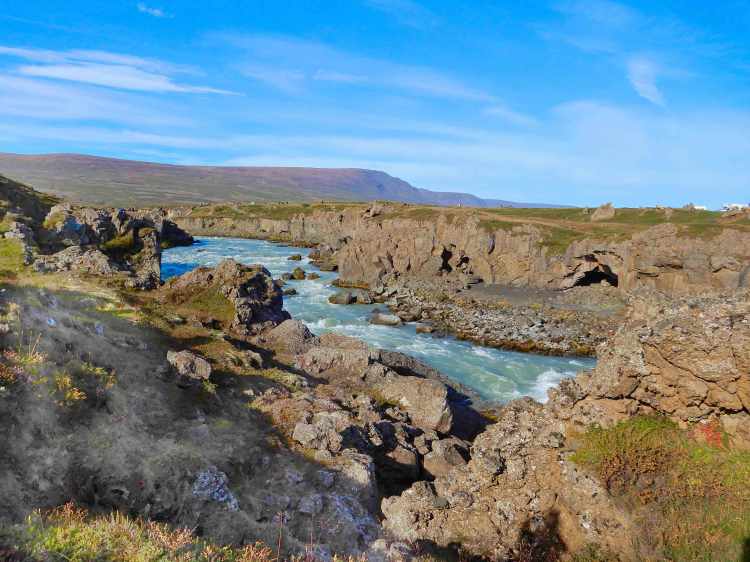
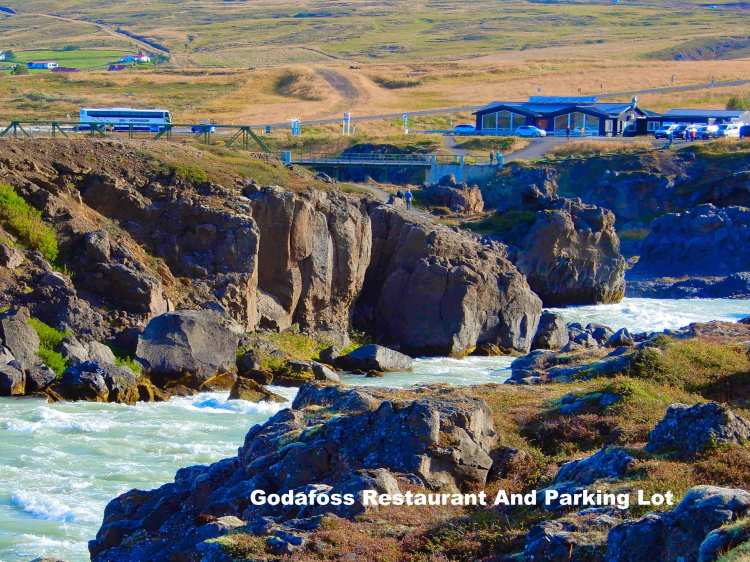
Driving about sixty miles outside Akureyri through a hilly landscape you arrive at a fractured stretch of countryside marked by rugged volcanic rock with a river flowing through a narrow canyon. Walking a short distance up the canyon rim is an overlook above Godafoss Waterfall. It is one of Iceland’s seven major waterfalls and a popular destination.

Godafoss is the “Waterfall of the Gods”. Named in Icelandic sagas, because in the year 1000 AD, a local chieftain named Thorgeir Thorkelsson converted to Christianity and had his people throw the pagan idols into the waterfall, symbolizing the end of pagan conflict with Christianity in Iceland.

Planning A Cruise? Start By Checking Out The Intentional Travelers Port Guides

Looking for specific information?

Todays Image • Iceland’s Godafoss

Godafoss, Iceland’s Waterfall Of The Gods

Driving about sixty miles outside Akureyri through a hilly landscape you arrive at a fractured stretch of countryside marked by rugged volcanic rock with a river flowing through a narrow canyon. Walking a short distance up the canyon rim is an overlook above Godafoss Waterfall. It is one of Iceland’s seven major waterfalls and a popular destination.

Godafoss is the “Waterfall of the Gods”. Named in Icelandic sagas, because in the year 1000 AD, a local chieftain named Thorgeir Thorkelsson converted to Christianity and had his people throw the pagan idols into the waterfall, symbolizing the end of pagan conflict with Christianity in Iceland.

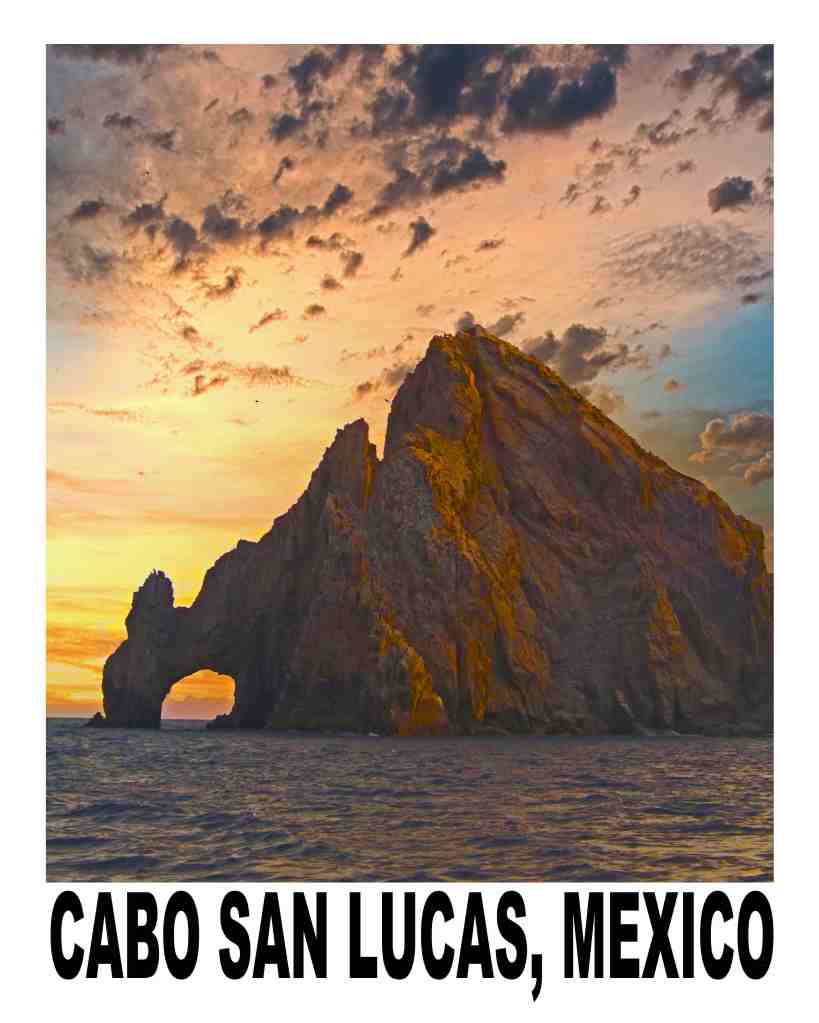
Todays Featured Images • Cabo

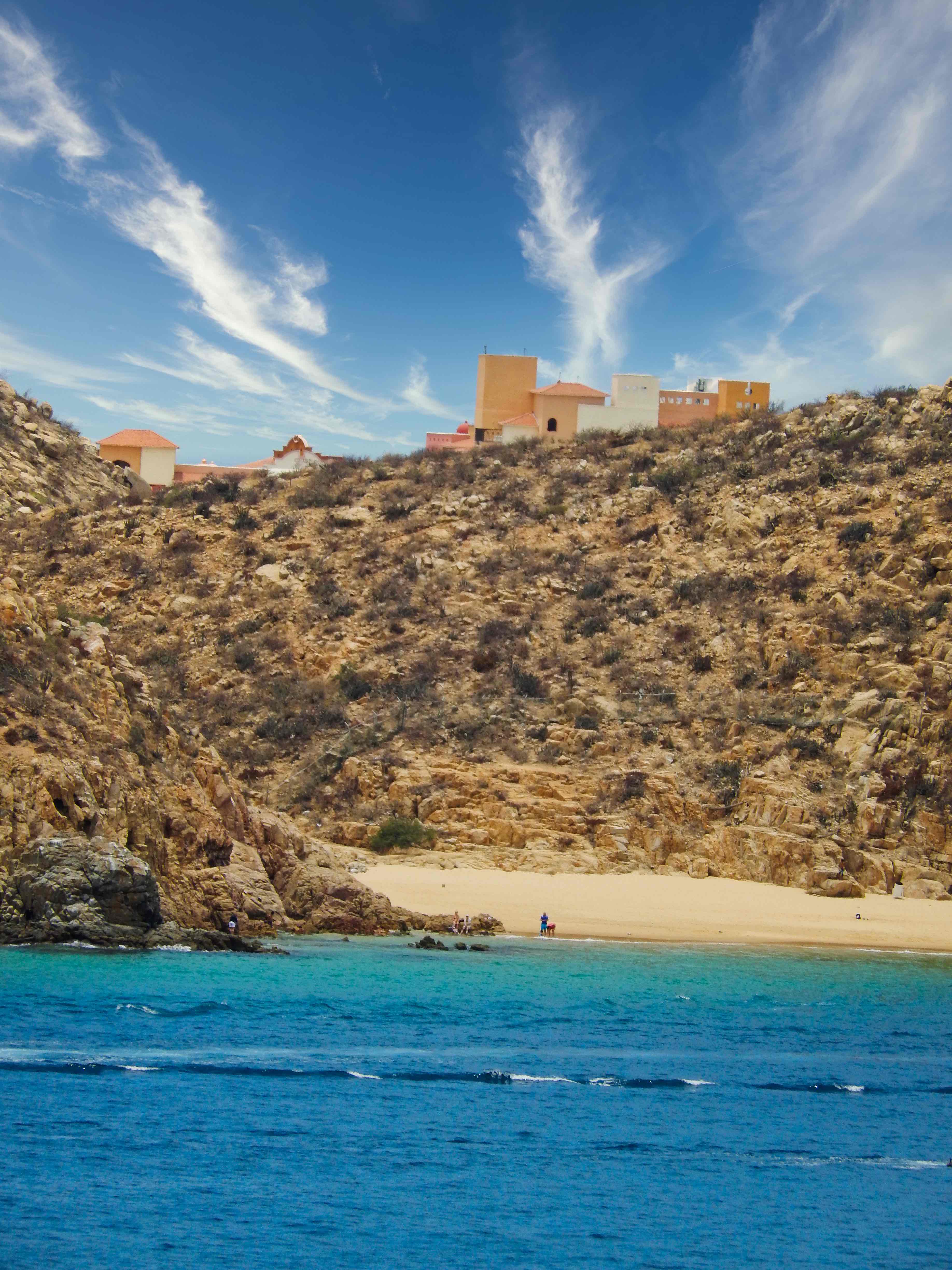
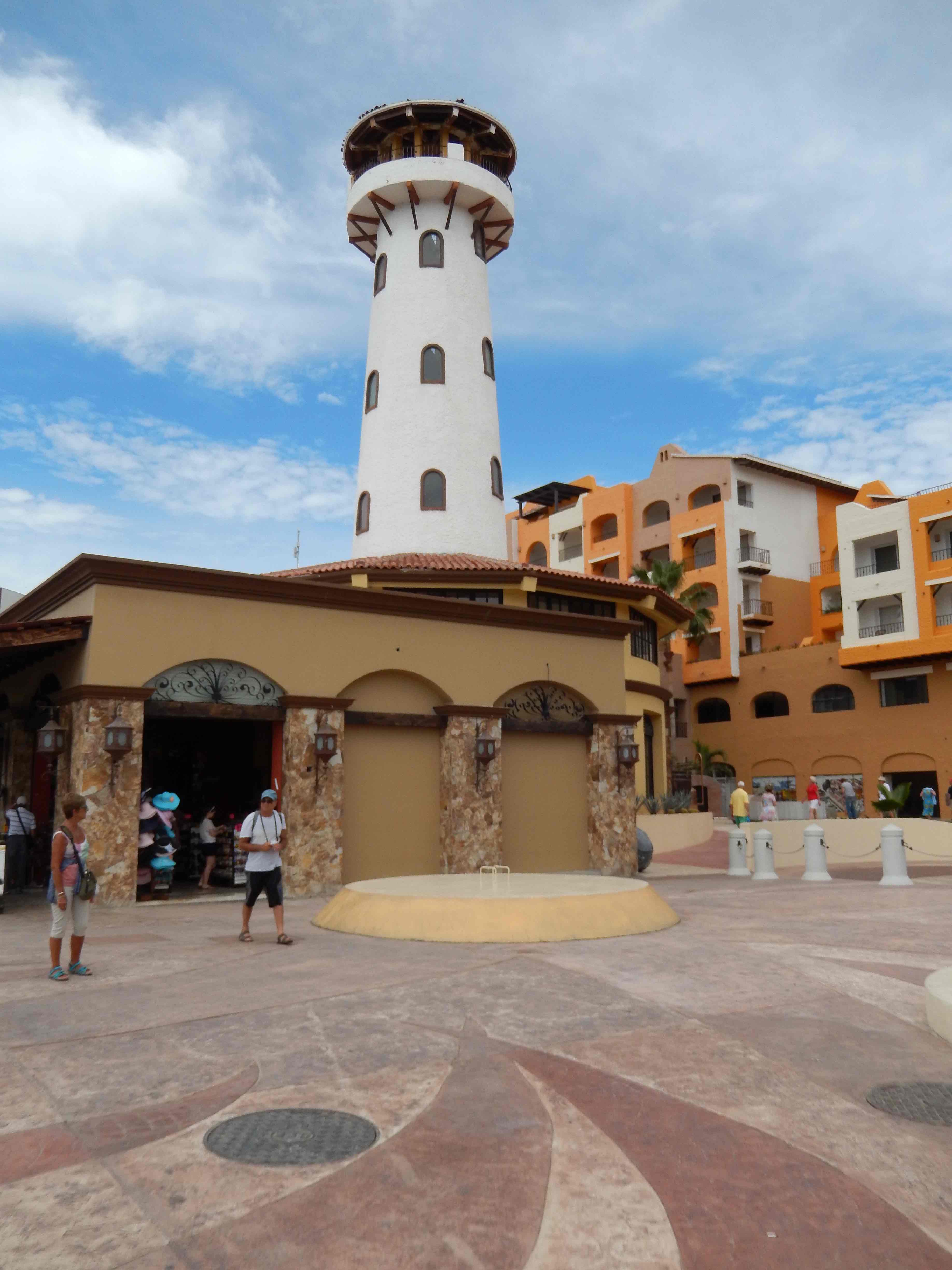
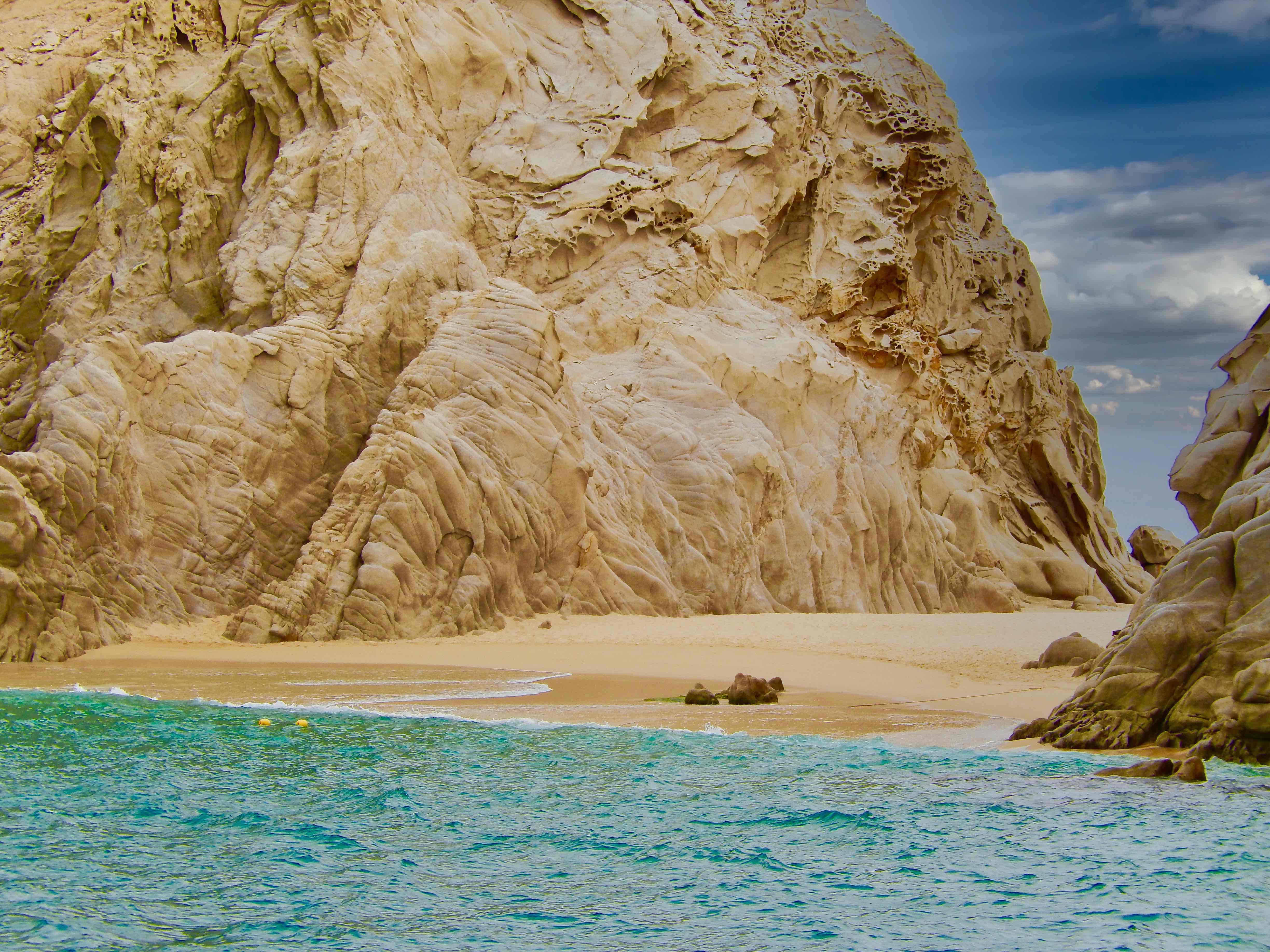
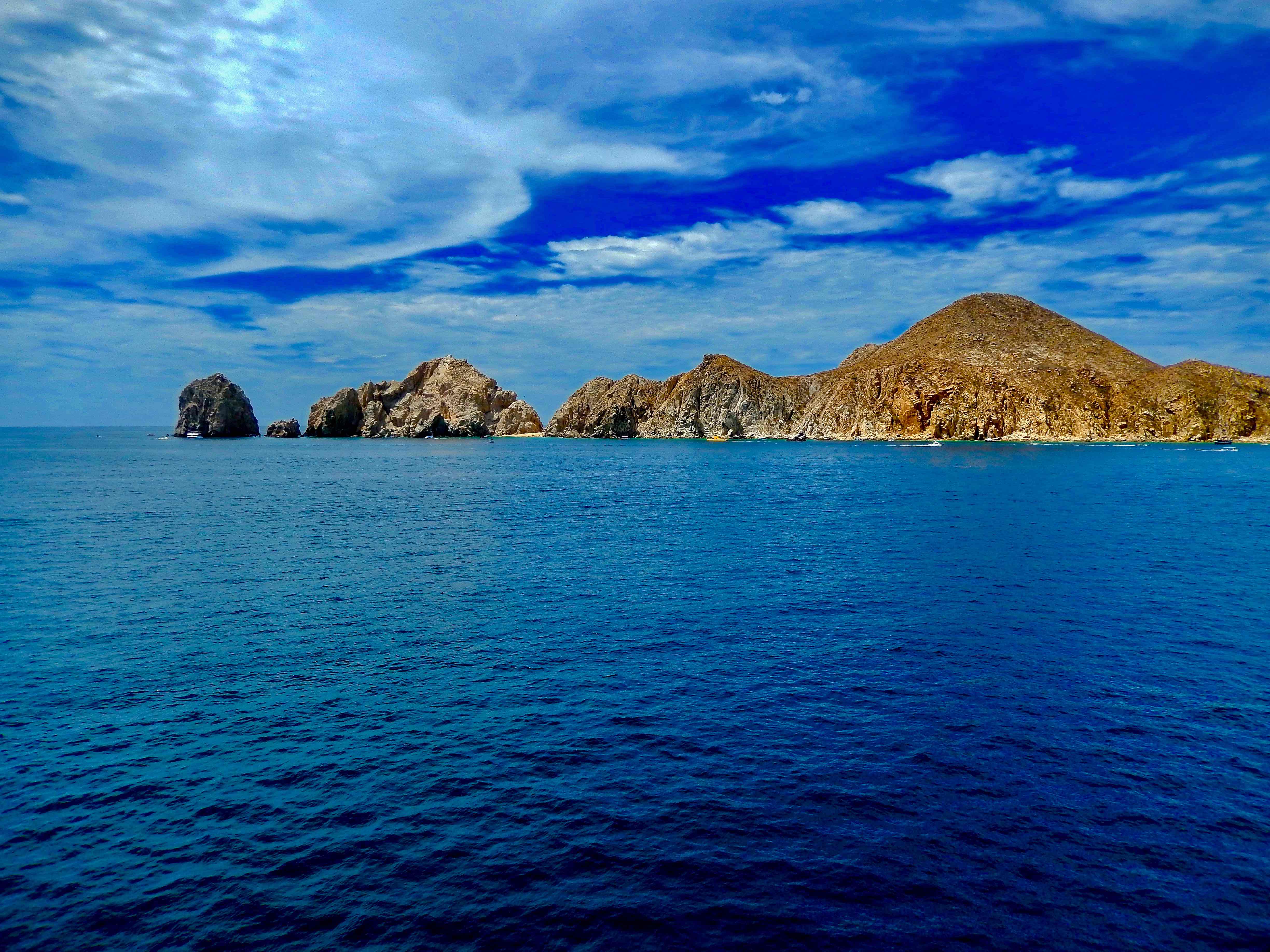
Cabo San Lucas. Near the tip of Mexico’s Baja Peninsula is one of the country’s most popular resort locations. The above image is of the iconic “Lands End” arch formation at sunset.

Probably one of our favorite Mexican resorts, Cabo and the area around it has a lot to offer from fantastic beaches, magnificent fishing and diving with a reputation for great food and nightlife…

Some of our recent postings

The Cruise Port Of Rotterdam

In recent years there’s been a major shift in Northern European cruise departures and port calls away from Amsterdam in the Netherlands. For a city that depends substantially on attracting tourists, it is difficult to understand the decision to reduce cruise passengers in the city. The city is now developing a cruise port much further away from central Amsterdam and also plans to reduce the total number of cruise ships allowed to visit Amsterdam.

Not too far south the port city of Rotterdam is ready and eager to take advantage those Amsterdam changes. While Amsterdam has a reputation that’s focused on its quirky character and history, Rotterdam is a more modern and cosmopolitan city with much to offer a visiter.
Where Your Ship Docks

While Rotterdam is a significant distance inland it is still a major port and the cruise terminal is located in the center of the city on the New Meuse River. This river is a northern tributary of the Rhine River, dividing this city in two. The New Meuse River not only offers stunning views on its trip in from the sea but also serves as a major industrial trans-shipping center.
Most visitors from the cruise terminal will head to the magnificent Erasmus Bridge toward city center only a half hour walk away featuring incredible views of the city from the bridge. There are also numerous water taxis in the area.

Cruising From Rotterdam

The international airport that serves both cities is Schiphol International Airport and it is about half way between these cities. Inside Schiphol is also a train terminal and while there is no direct train from Schiphol to the Cruise Terminal, it is still inexpensive and fast to take a train to Rotterdam Central Station, with trains that literally run every few minutes. Once at Rotterdam Central, you can easily transfer to the cruise terminal by metro (to Wilhelminaplein) or take tram lines 20 and 25 to reach the cruise terminal. For a taxi it is only $6 to $10 for a short ride to the cruise terminal. Unfortunately a taxi from Schiphol International, takes about 50 minutes, with costs ranging from US$180 to $240.


Wheelchair Accessibility

Disembarking – This port provides a modern cruise terminal with built-in provisions for passengers using wheelchairs like ramps and elevators.

City Characteristics – This port has a well developed wheelchair friendly infrastructure. The port area is flat or has few inclines*. Intersection crosswalks have few issues with curbs or other wheelchair obstacles.

*While the Erasmus Bridge has good pedestrian walkways there are steep inclines on the bridge that can be a wheelchair issue.

Transportation

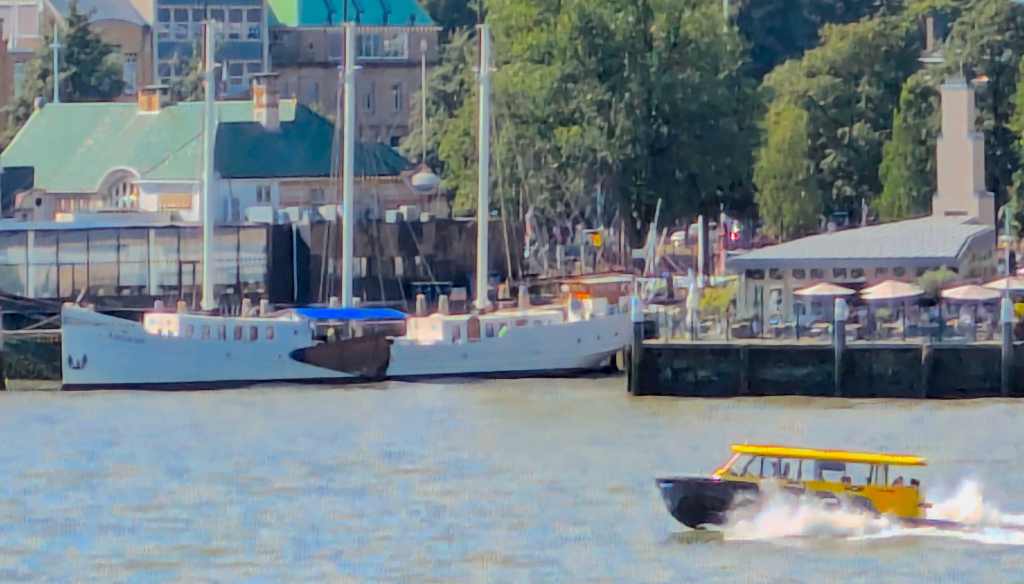
Water Taxi

Rotterdam is a compact city, and walking is a great way to explore its sights and attractions. Many destinations are within a short walking distance of each other and the river.

For longer distances, Rotterdam has an excellent public transport system including metro, trams, and buses. The metro is particularly effective as there are stations conveniently located throughout the city. Another great way to enjoy the city is from the water with water taxis and guided sightseeing cruises, which offer a unique way of taking in Rotterdam’s skyline and harbor. There is a day pass available to use Rotterdam public transportation for under US$20 with information HERE.

Currency

The Euro became the official currency of the Netherlands in 2002 with exchange rates near even with the US Dollar. ATMs are common and major credit cards are accepted.

Tipping

Tipping in Rotterdam follows a general tipping culture similar to many European countries. Tipping is appreciated but not mandatory. If service charges are included in your bill, rounding up or leaving small change is customary. In restaurants, leaving between 5-10% of the bill is a common practice if you are satisfied with the service. Tipping tour guides is usually based on the tour cost with a few dollars being a minimum. For taxi drivers or service staff, rounding up the fare or leaving a small tip is often sufficient.

Attractions

Rotterdam is known for its amazing modern architecture, with landmarks such as the Cube Houses and the Erasmus Bridge highlighting the city’s innovative design. It is the largest port in Europe with a Spido Tour, which takes you around impressive container ports and notable landmarks like Hotel New York. Cultural attractions are numerous with museums including the Kunsthal and Boijmans Van Beuningen, showcasing both contemporary and classic art.

The Maritime Museum-Harbor

The Maritime Museum-Harbor is only a short walk from the Erasmus Bridge providing a great perspective on the city’s history. Find more HERE.

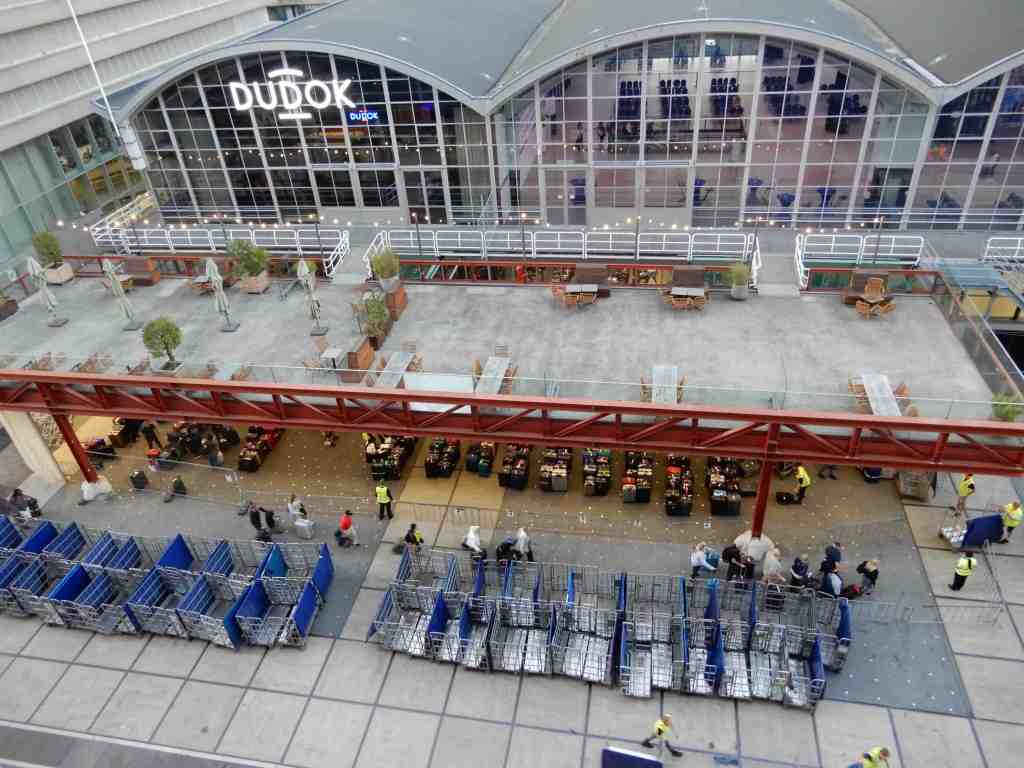
Markthal (Food Market Hall) in Rotterdam has become a must-visit for locals and visitors. Unlike most city markets in Europe, Markthal is more a collection of diverse eateries than a market

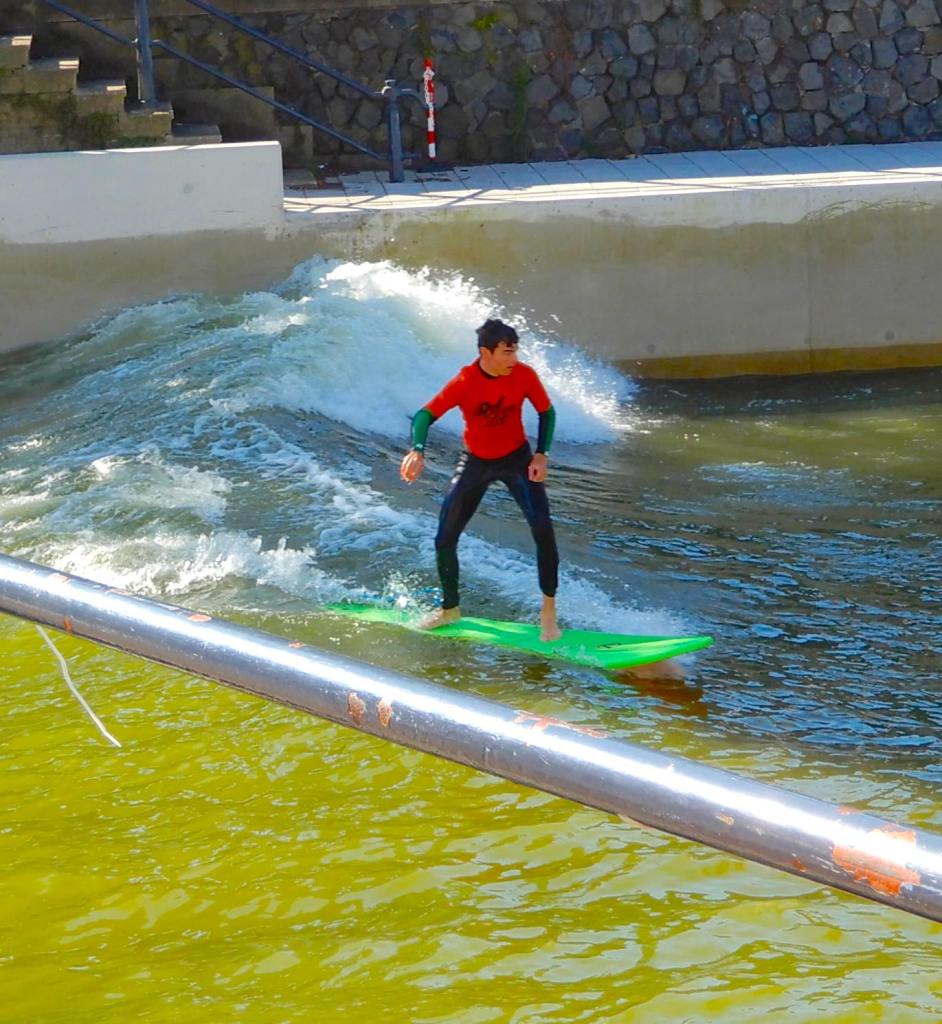
Surf Rotterdam – Officially RiF010 – located a block from Markthal it is a waterway where the water is engineered to release waves on a regular basis allowing surfers to catch a wave in downtown Rotterdam. Fun to watch even if you don’t surf.


Explore More Ports Of Call…

Your Guide To Over 100 Popular Ports Of Call