Cruise Port Cape Town, South Africa

Whether Cape Town is a port of call or a departure port for your cruise, you’re in for an amazing experience. Cape Town, South Africa is a fantastic port of call featuring a rich culture, a modern look and feel, incredible landscapes (and seascapes), great restaurants and shopping. The city’s attractions include the Victoria and Alfred Waterfront, fantastic beaches with Table Mountain as a backdrop and a world class botanical garden.
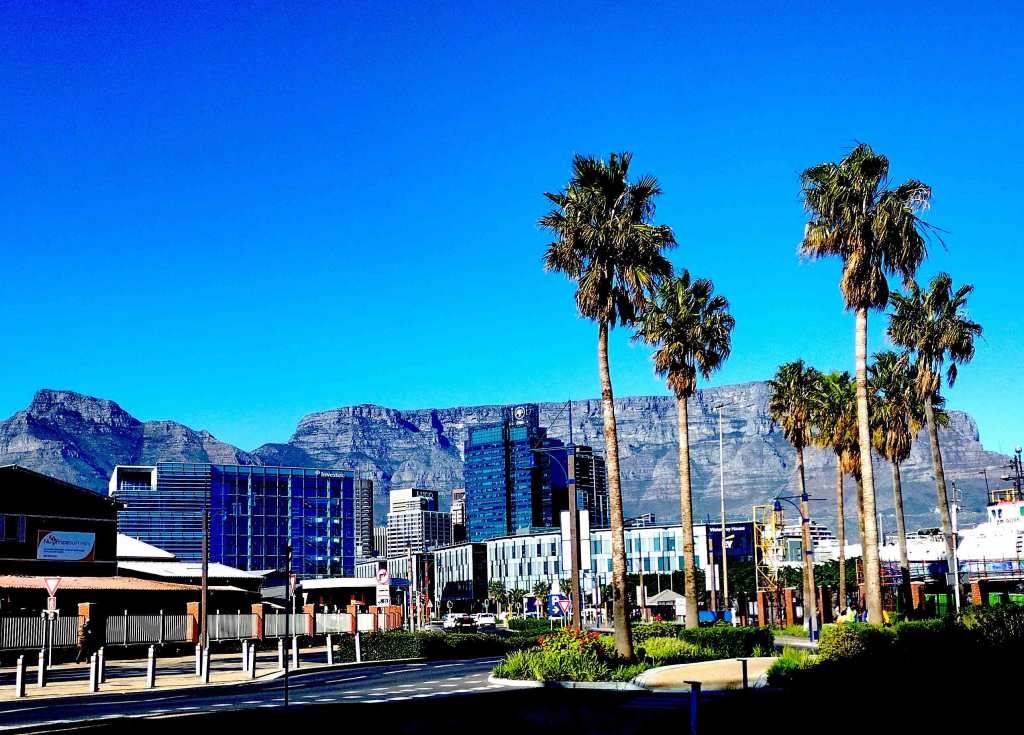
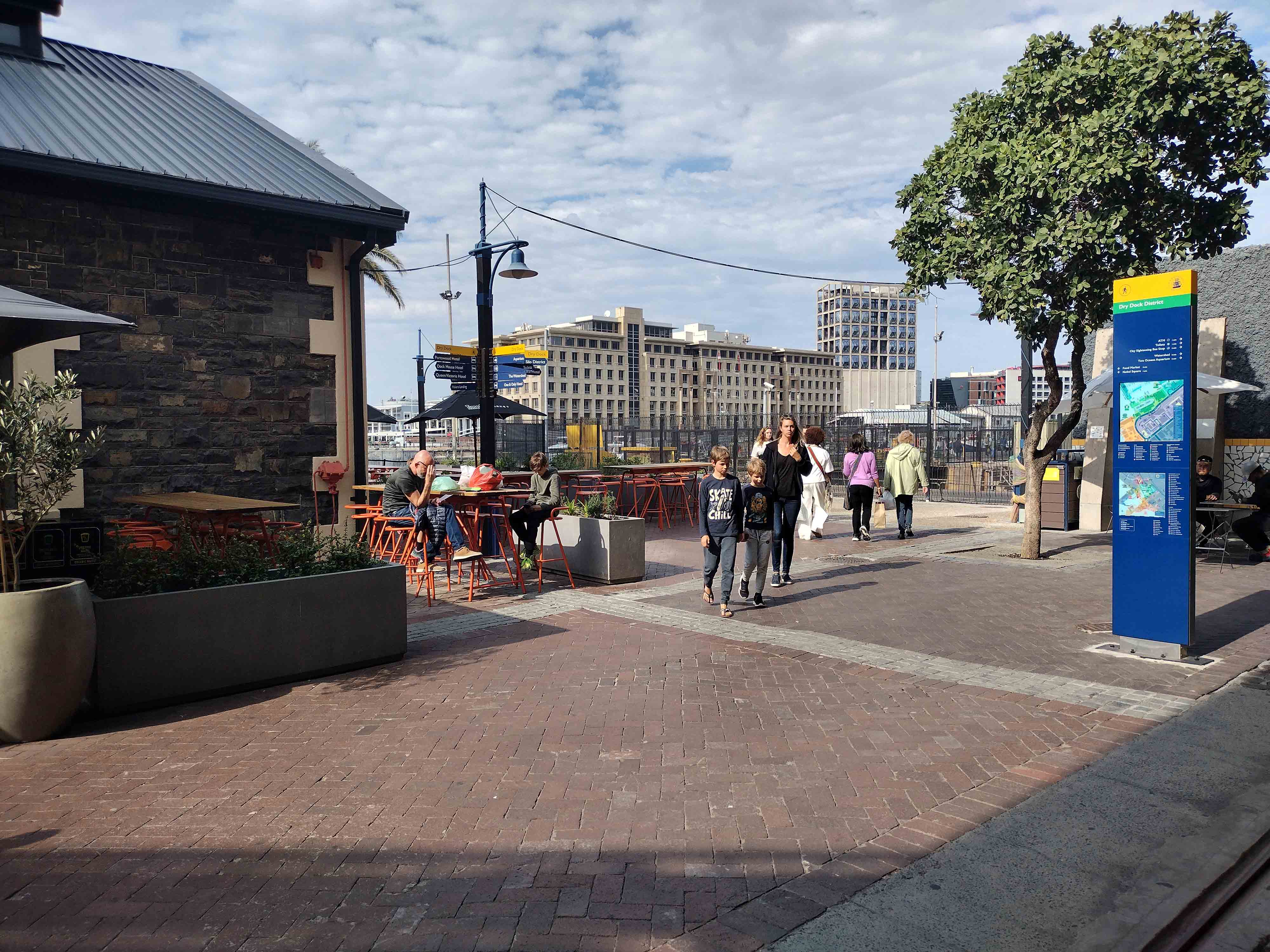
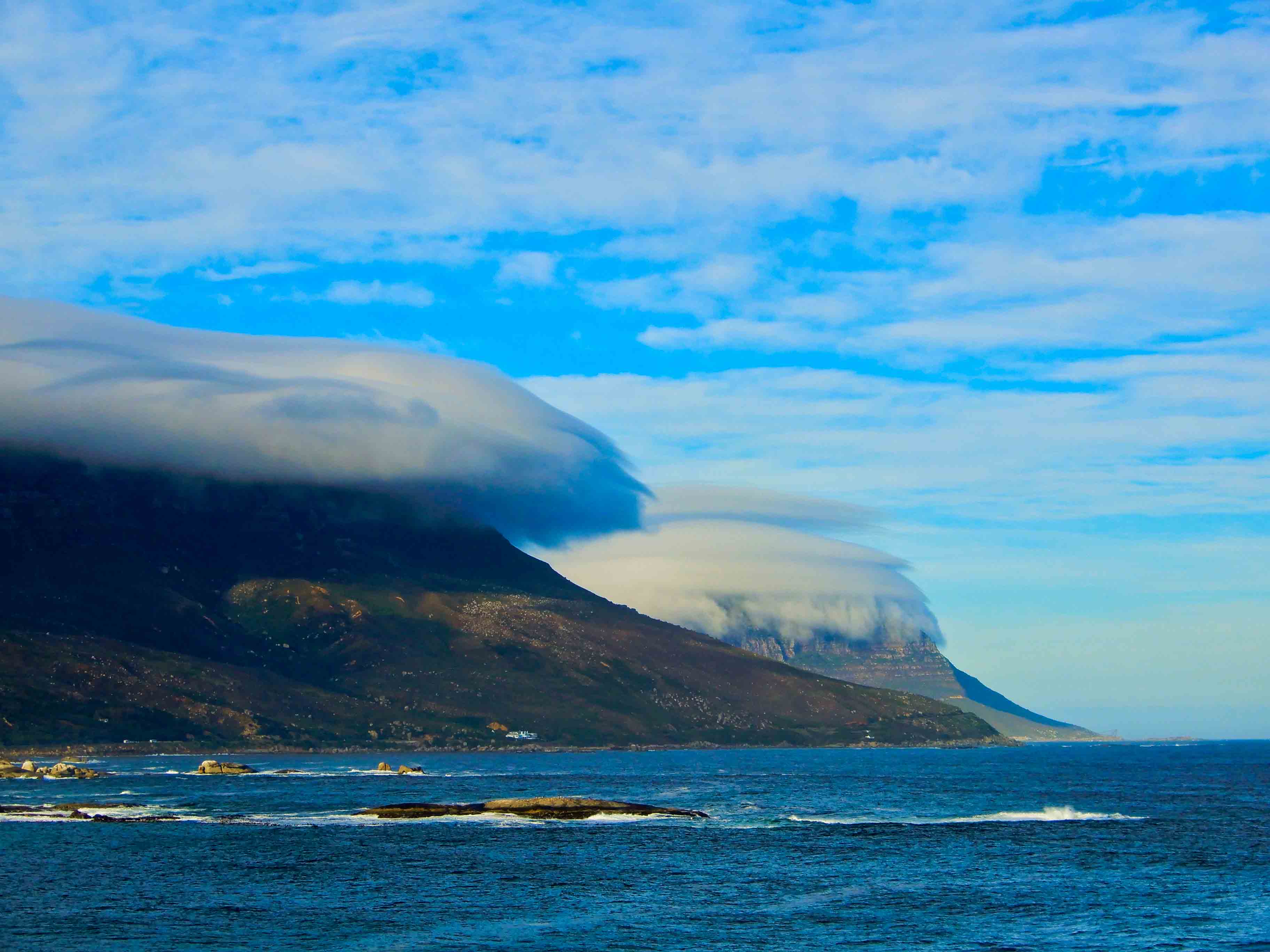
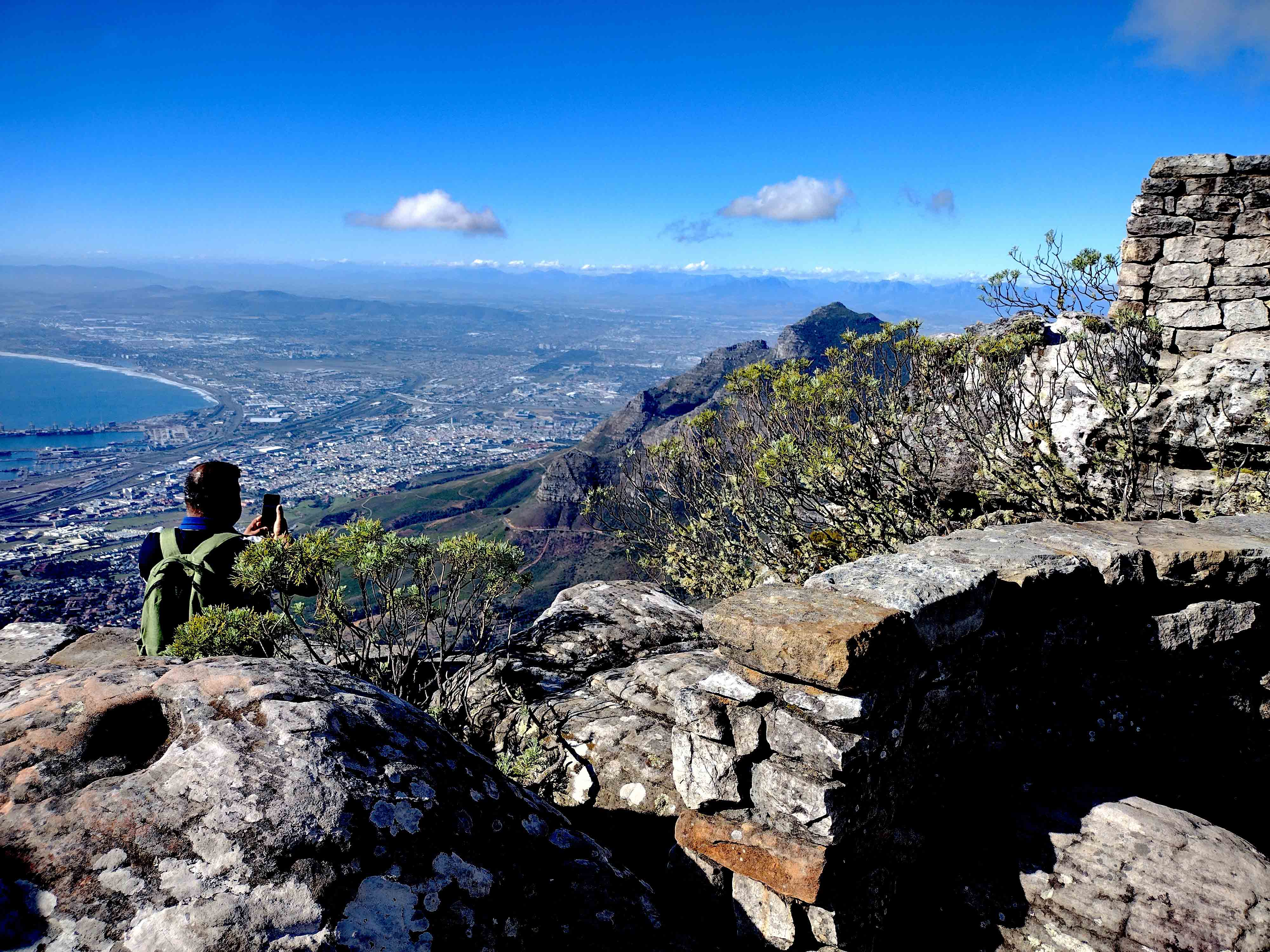
Table Mountain Provides An Impressive Backdrop For Downtown Cape Town

Where Your Ship Docks

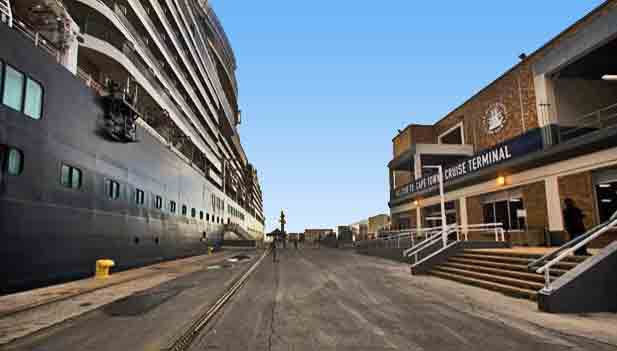
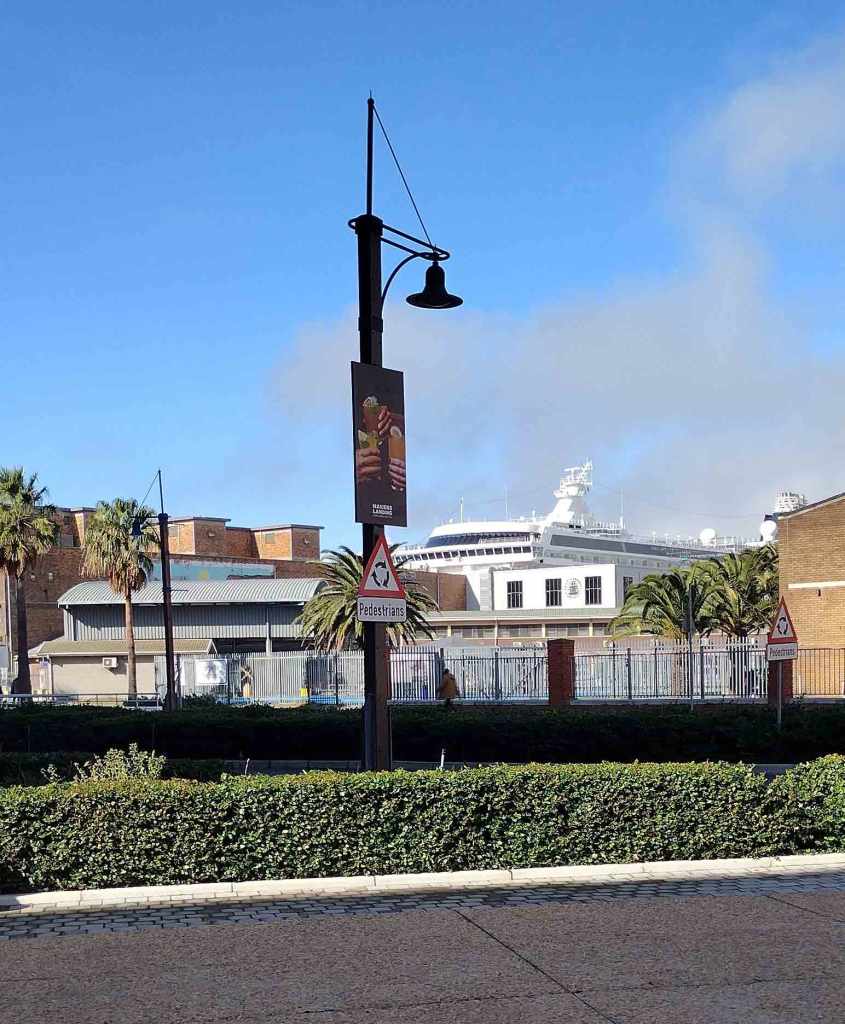
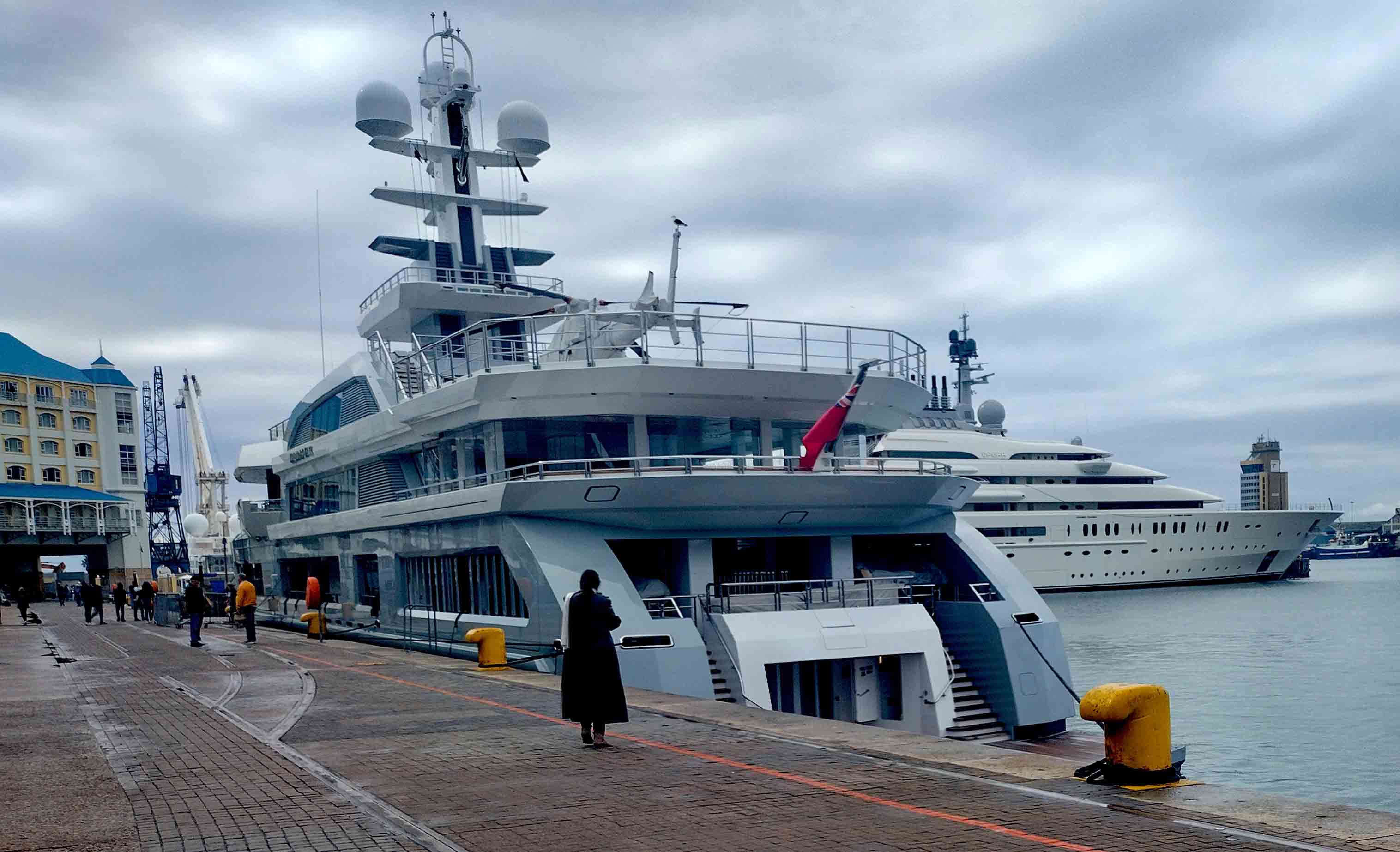
Cape Town has a modern cruise terminal offering public facilities. However disembarking varies by the individual ships gangway design and a ramp or even stairs can be encountered. For passengers using wheelchairs there can be difficulty disembarking. It is in a great location, just three or four blocks from the Victoria and Alfred Waterfront. Taxis and Ubers are readily available and walking in the area at most times is fairly safe*.

This port area has a well developed wheelchair friendly infrastructure which is flat or has few inclines. Intersection crosswalks have hardly any issues with curbs or other obstacles.
Transportation

Using Taxis in Cape Town, South Africa

Metered Taxis are readily available in the city and offer a convenient way to get around. Fares are calculated based on distance and time, and you can expect to pay around US$3 to $4 per mile.
Prepaid Taxis are a good option for short trips or if you’re unsure of the distance. You can purchase a voucher from a taxi rank or kiosk, which will specify the fare in advance.

Uber is also a popular option in Cape Town and is usually a bit less expensive than taxis. It also has the advantage of paying in dollars right through the app.

Rental Cars are available but are recommended for drives outside the city like down the Cape Peninsula or into wine country.
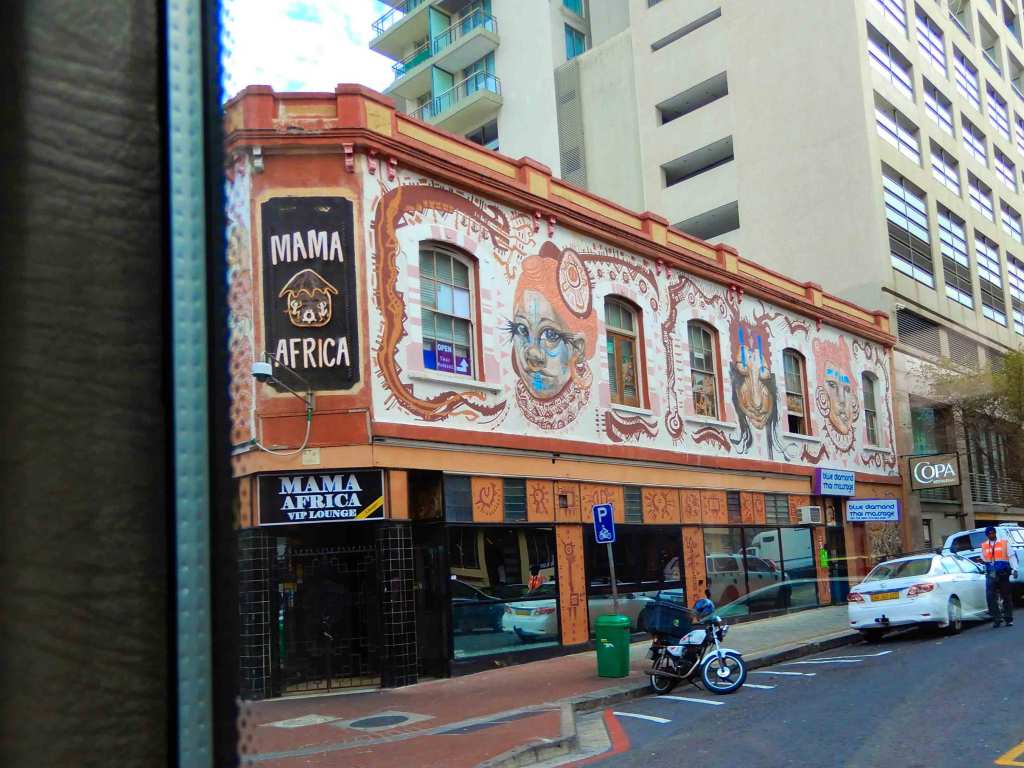
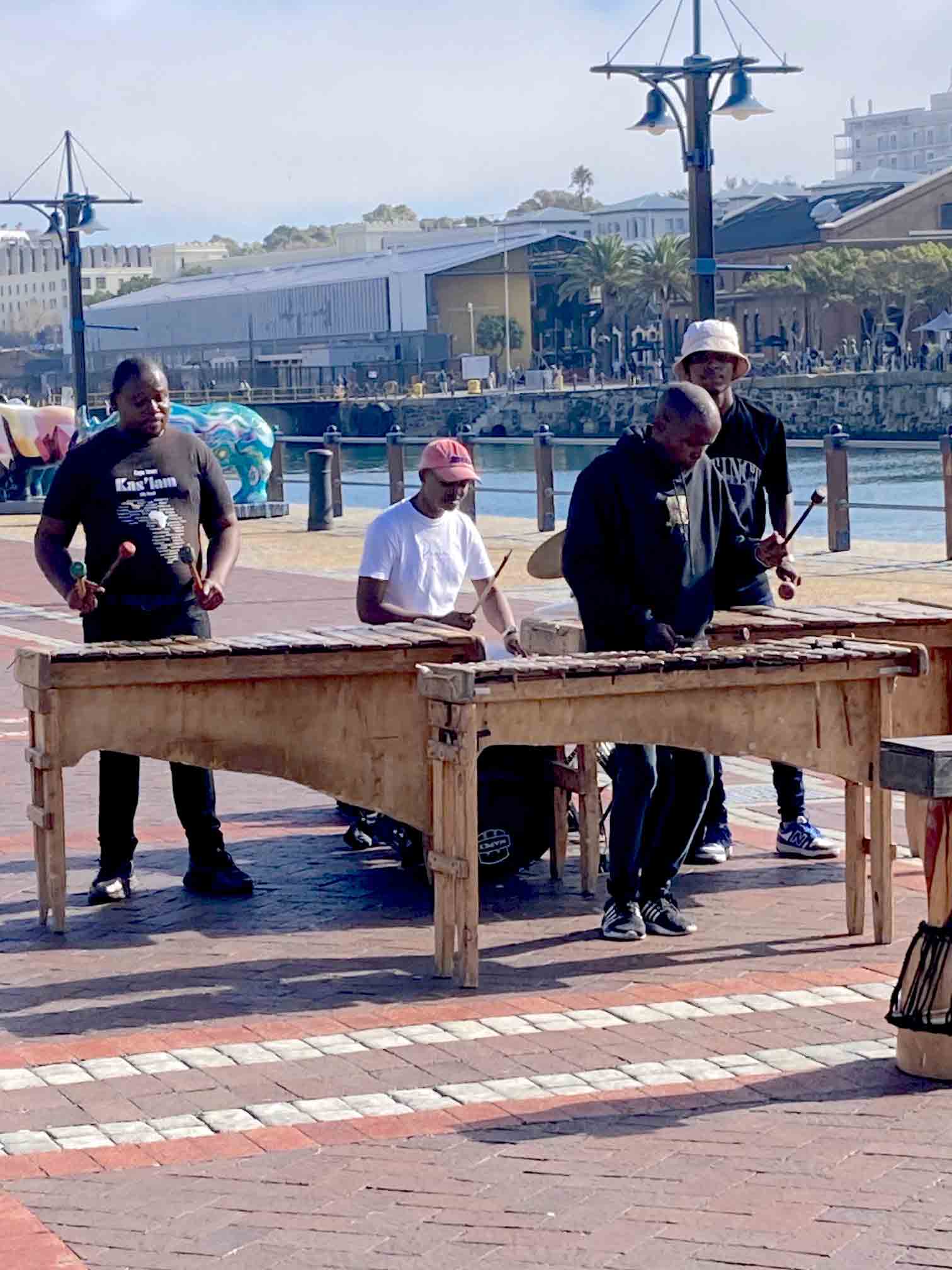
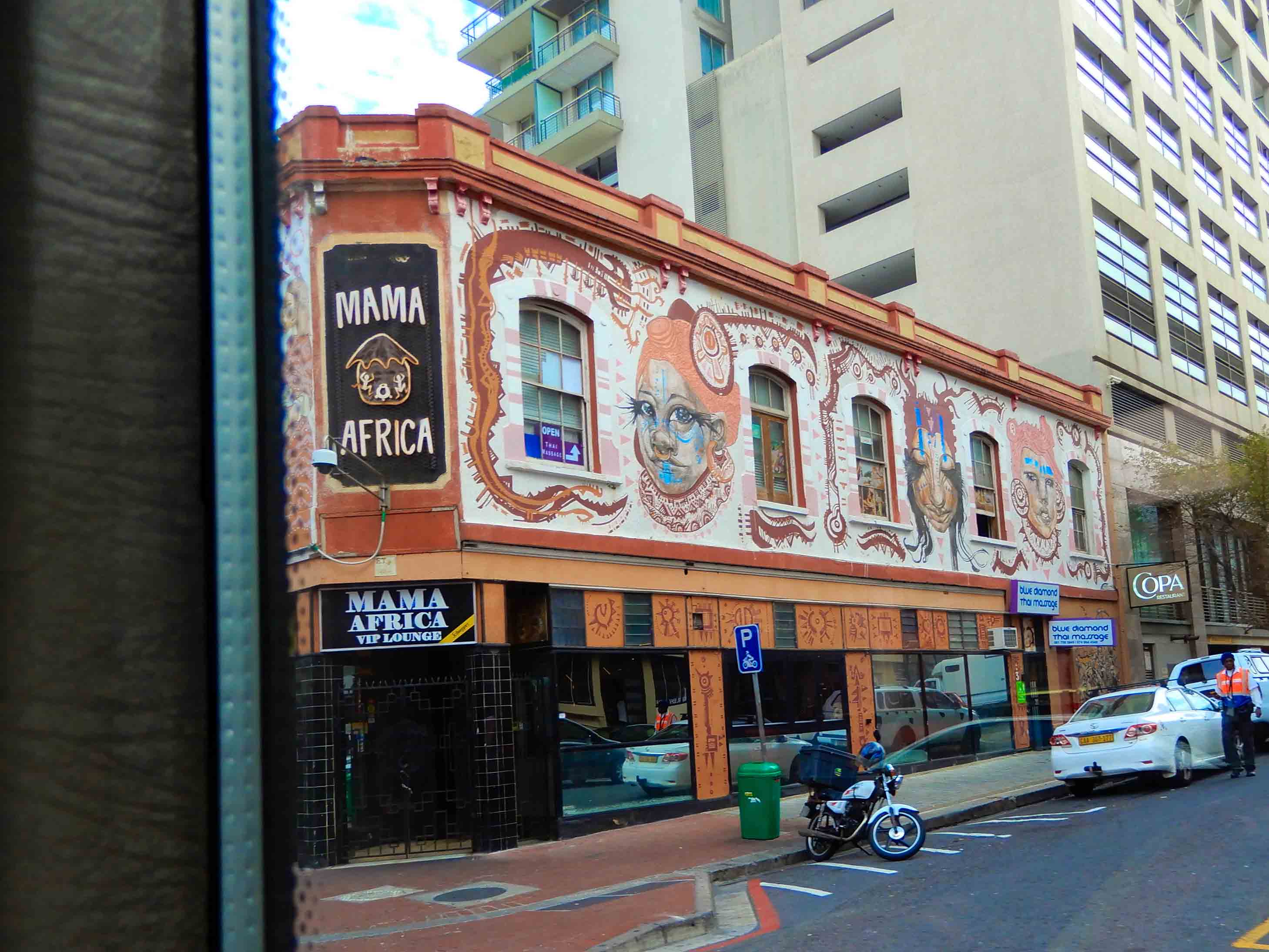
Cape Town’s Entertainment Area

Currency

South Africa’s currency is the Rand (ZAR) and 1 USD = 18.2746 ZAR. Credit cards are also welcome and ATMs are readily available but should only be used in very public areas. You can also convert currency at banks but be sure and have your passport with you.

Attractions
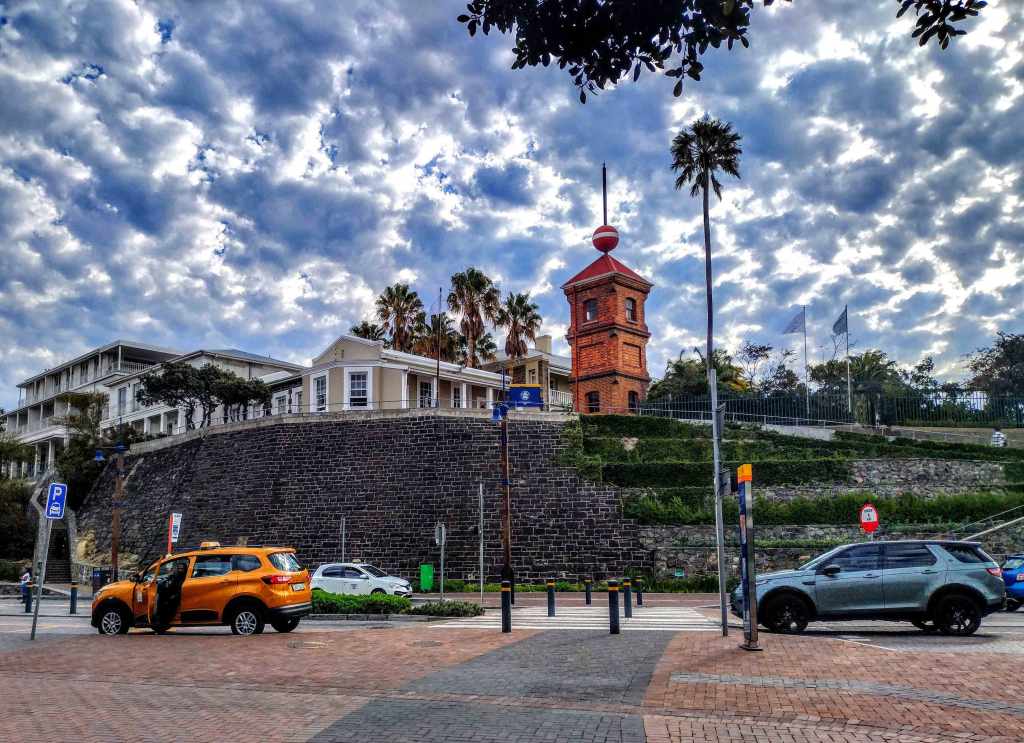
Victoria and Alfred Waterfront

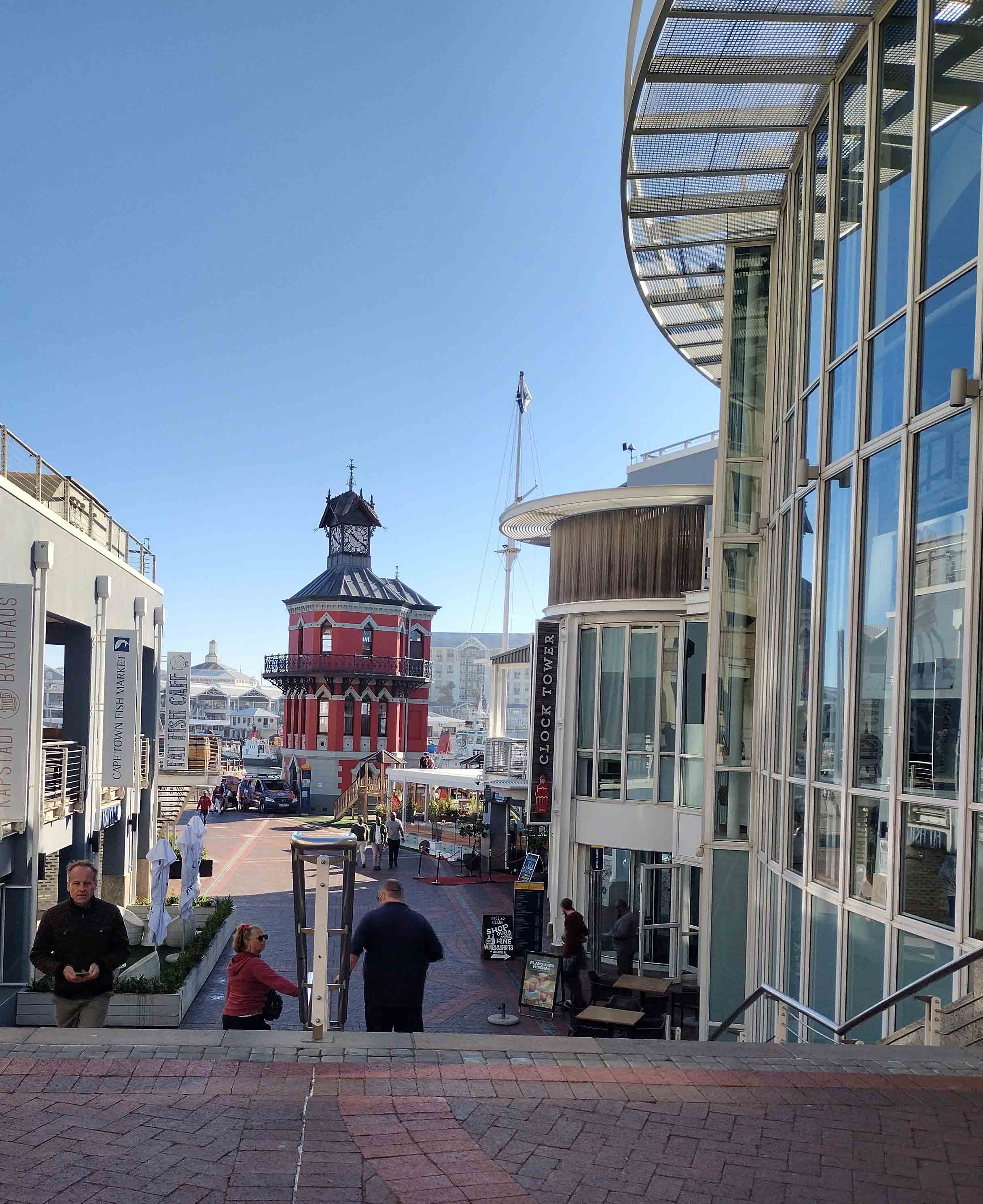
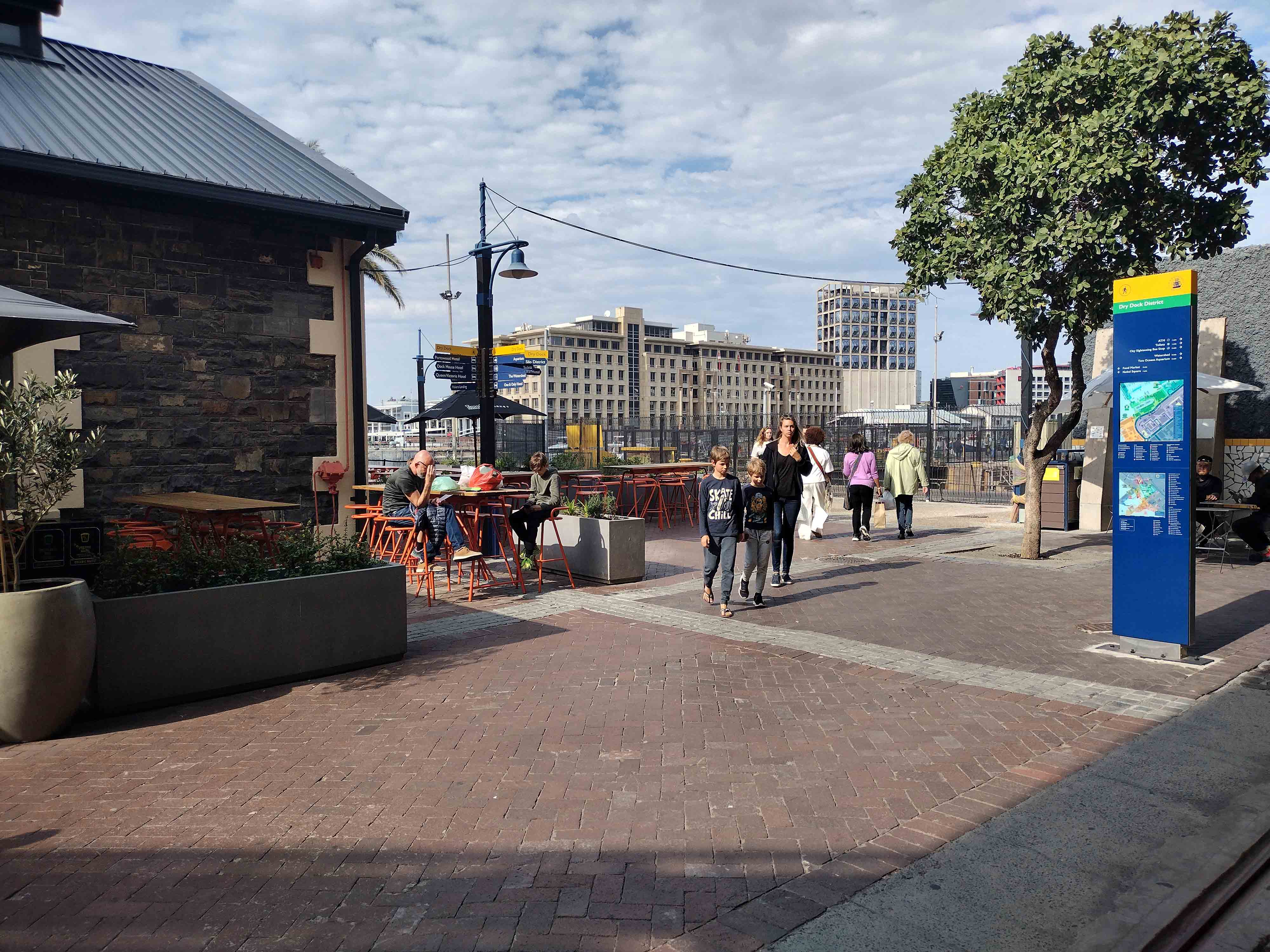
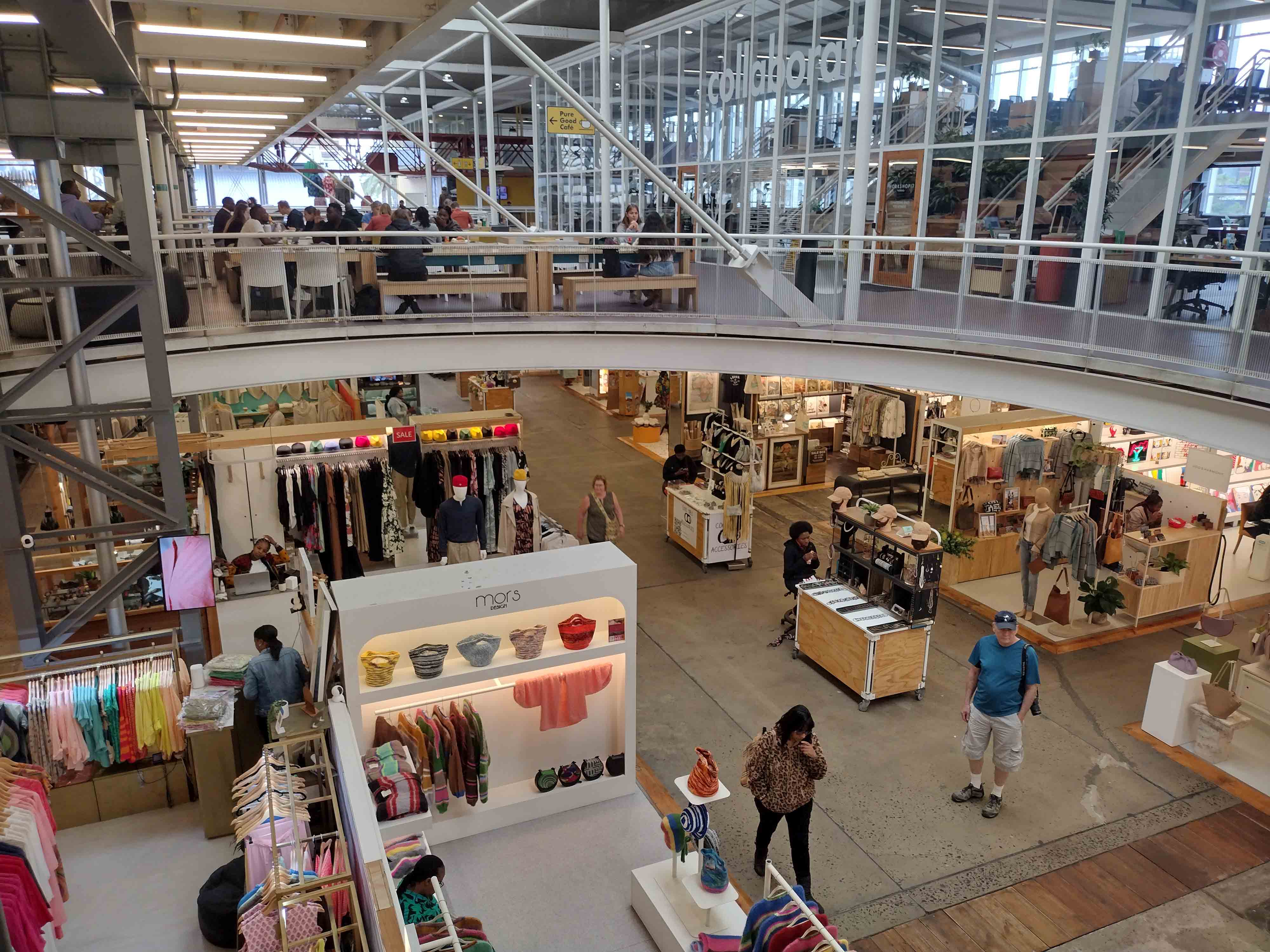
Victoria and Alfred Waterfront or just V&A is located a few blocks from the cruise terminal. V&A is the heart of the city and a major draw for visitors and locals alike. It features restaurants, numerous shops, a shopping mall, the Two Oceans Aquarium, a couple of interesting museums and the ticket office for the hop-on-hop-off buses (more soon on the bus).

Note: There are many locations around the world named after the English Queen Victoria & Albert her Prince Consort, but this is actually named after her son Alfred who actually visited Cape Town.
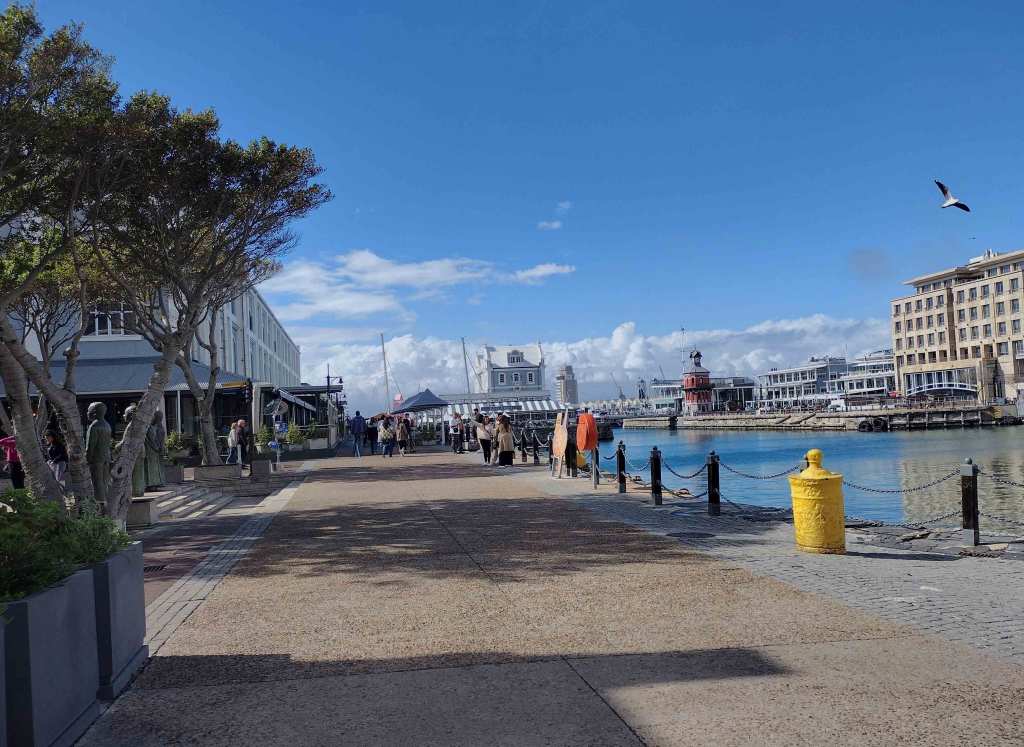
Victoria and Alfred Waterfront

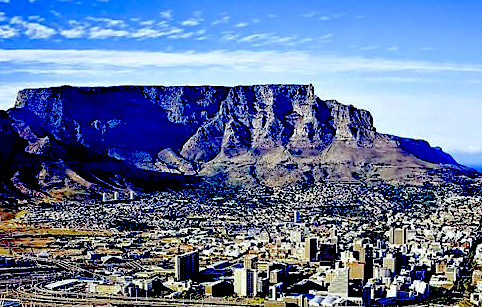
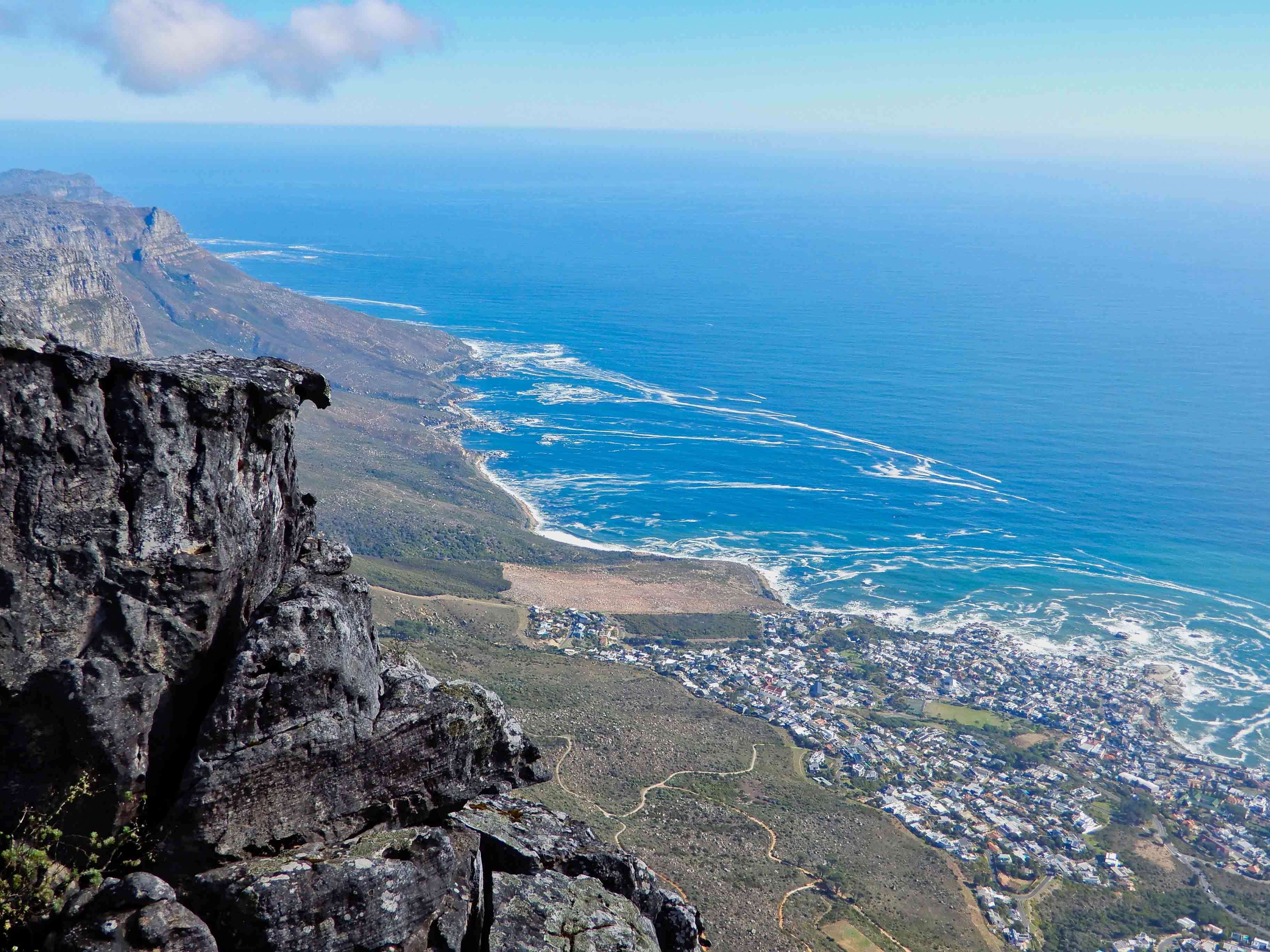
Table Mountain – The flat topped mountain dominates the skyline of the city built upon its lower slopes. In addition to the cable car there are a number of popular hiking trails up to the top. The mountain is composed of sandstone formed about 520 million years ago. It is part of the Table Mountain Group, which extends along the Western Cape and Eastern Cape provinces of South Africa.
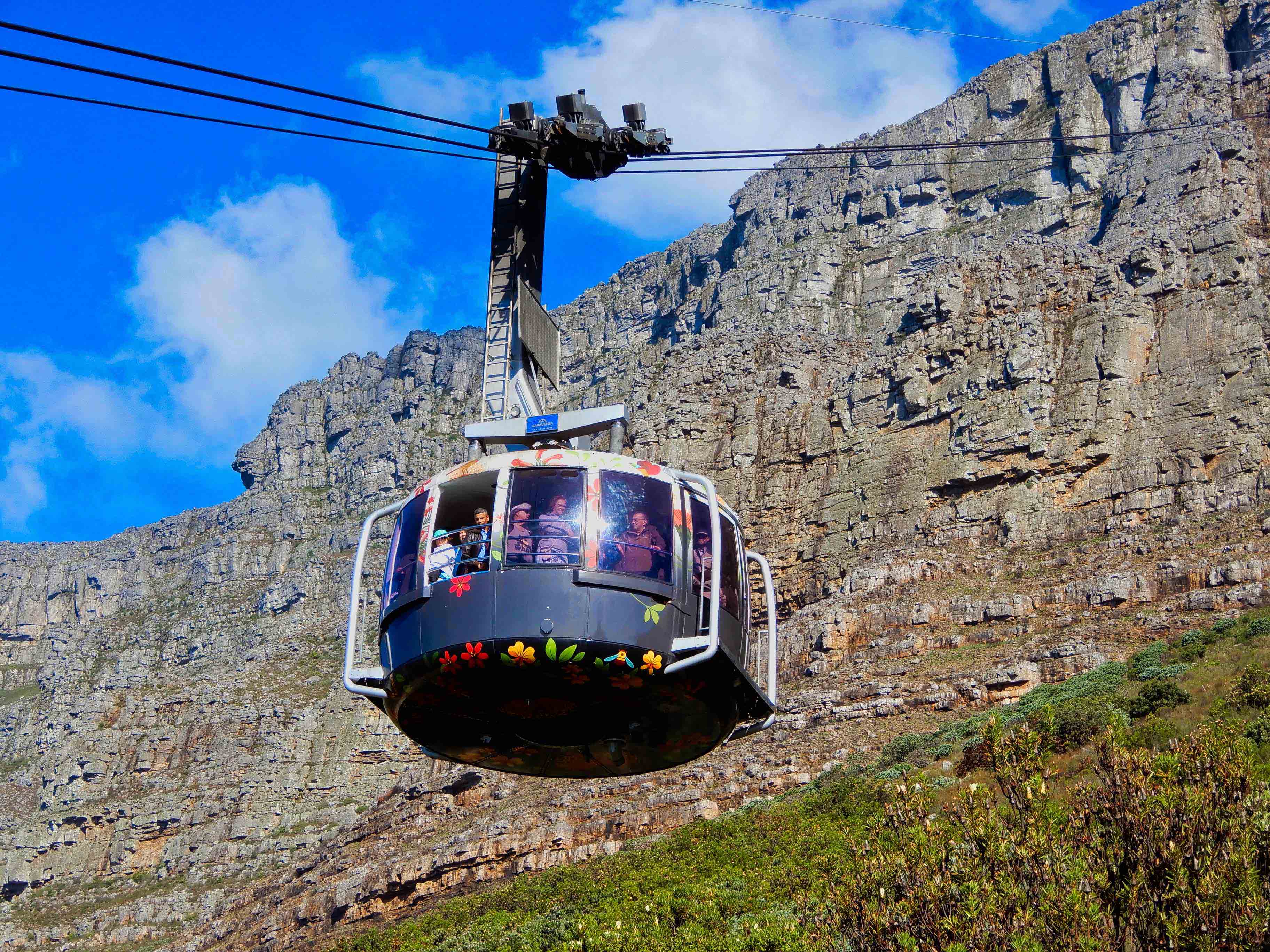
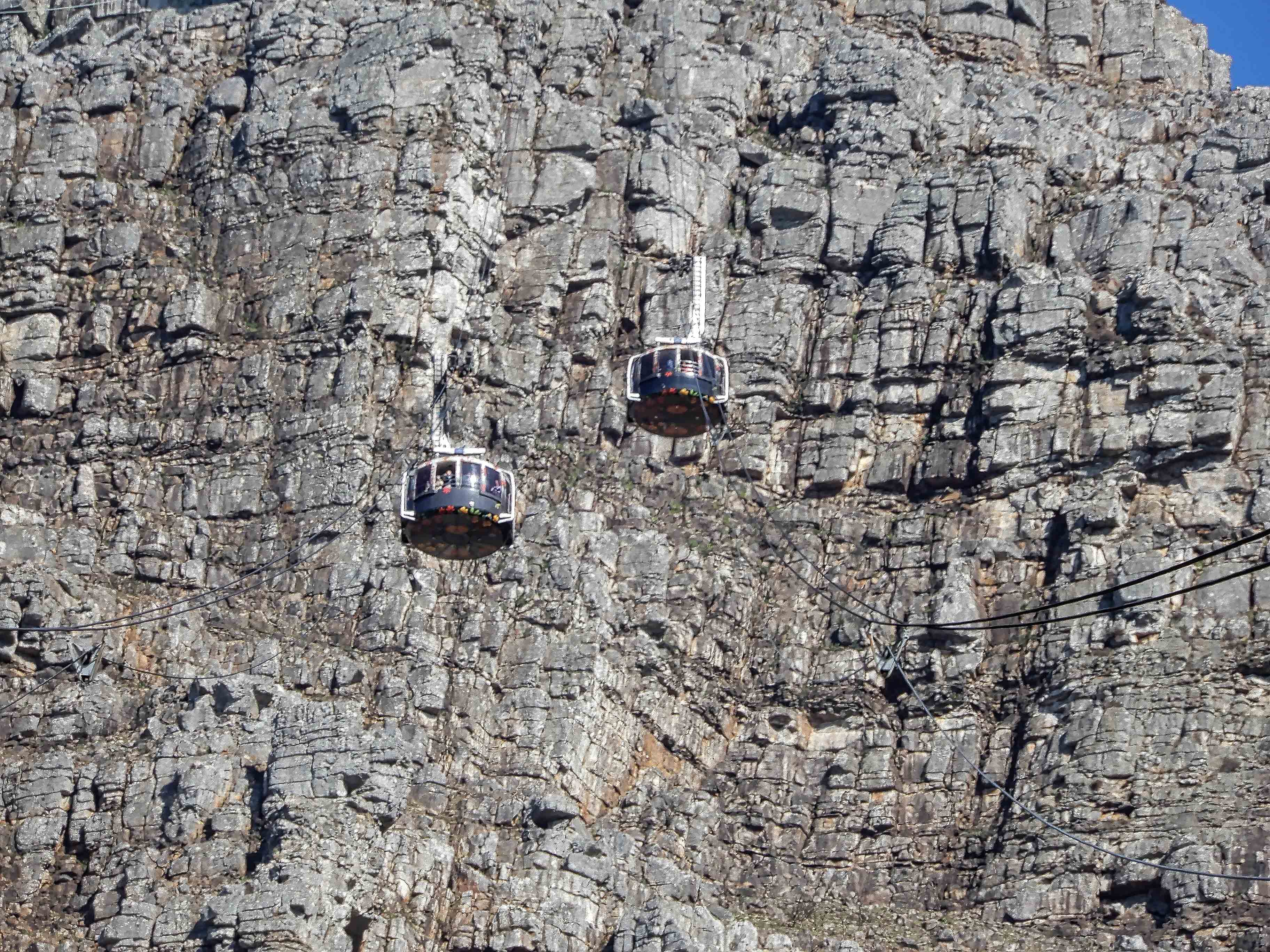
The Table Mountain Cable Car – A rotating cable car that takes visitors to the top of Table Mountain in Cape Town. It is South Africa’s most popular tourist attraction, offering stunning views of the city and surrounding area on sunny days. The cable car was first opened in 1929 and has undergone several upgrades over the years, including the installation of new cable cars in 2017. The ride takes about 5 minutes and offers 360-degree views of the city and surrounding area. Visitors can enjoy these views from the rotating cabin or from the viewing platform at the top of the mountain.
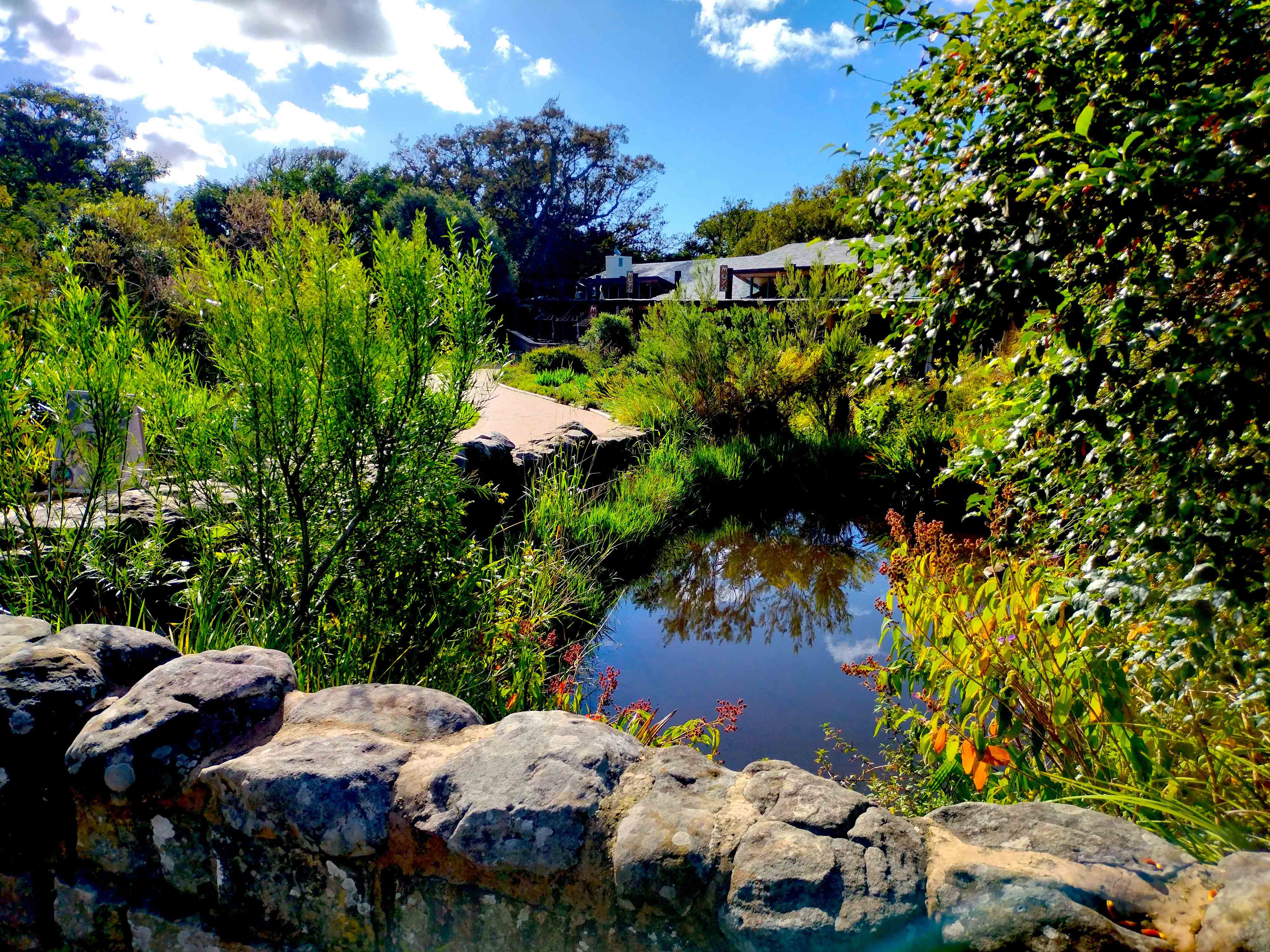
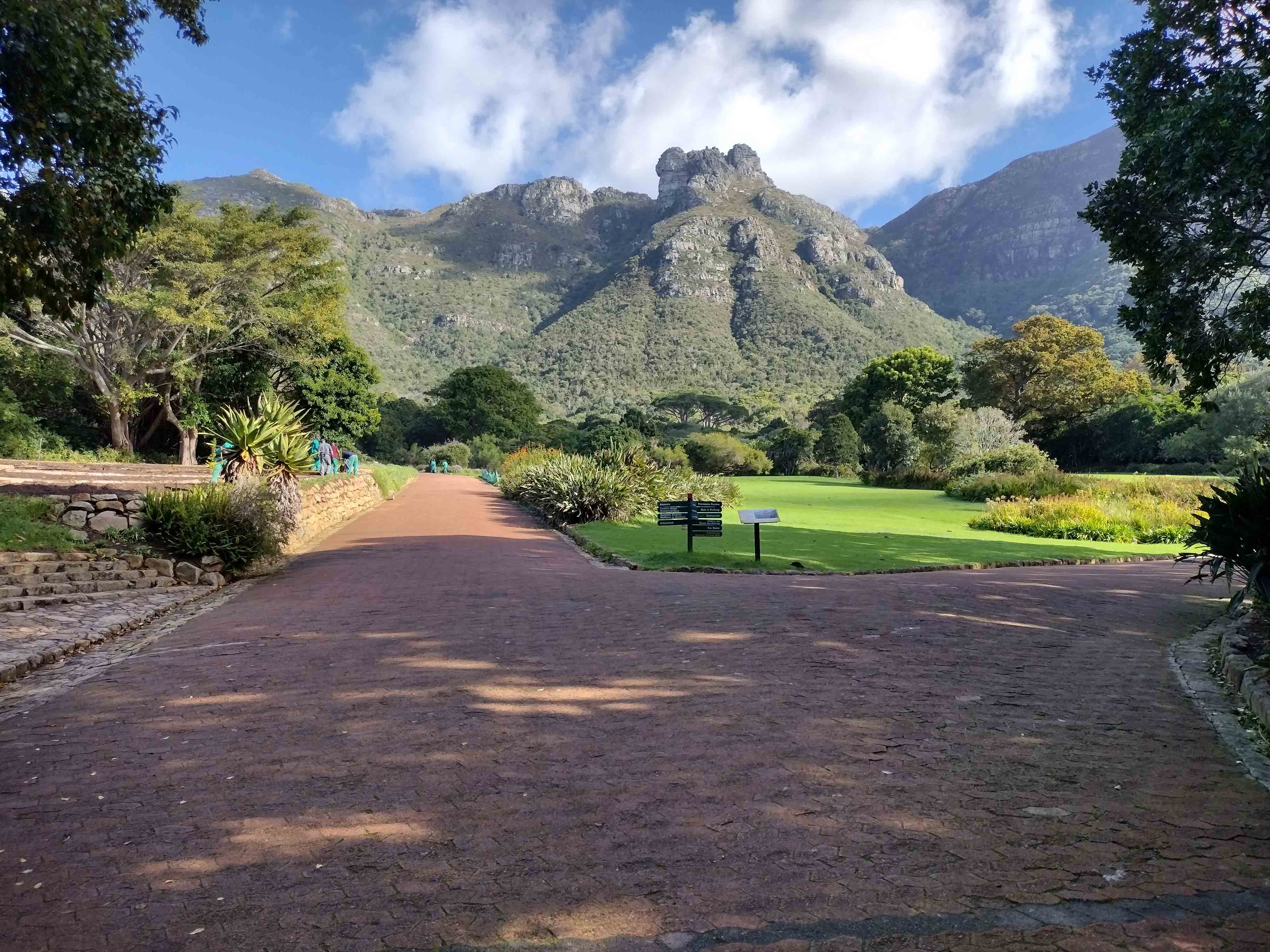
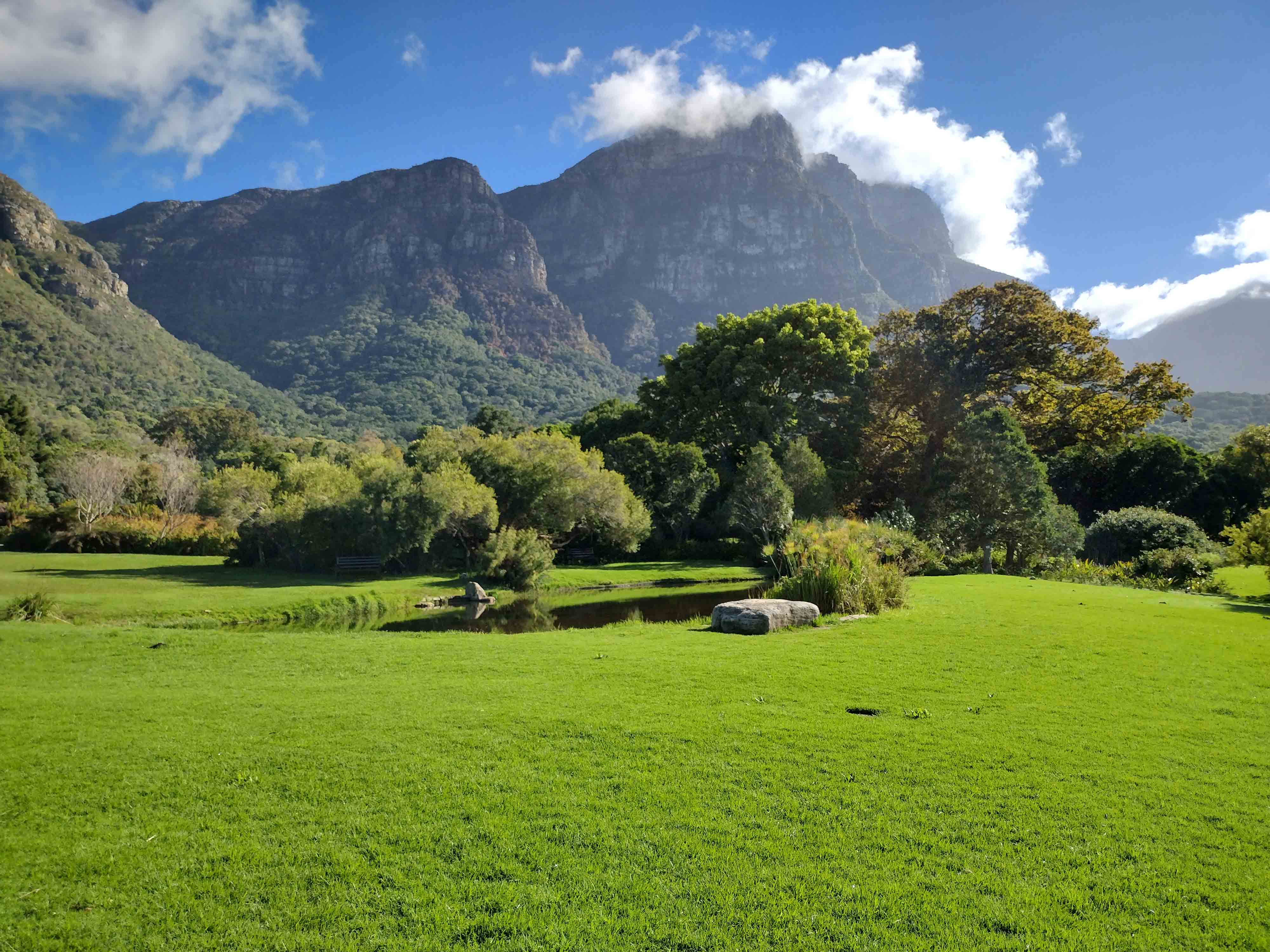
Kirstenbosch Gardens – Situated on the slopes of Table Mountain, just 10 miles from the city centre, the botanical garden offers something for everyone. There is a fragrance garden, a medicinal garden, 2,500 species of plants found on the Cape Peninsula, a Protea garden (best seen in spring!), a braille trail, and a cycad amphitheater. Admission for international visitors runs about US$12 for adults.
The Convention Center District – Called CPICC, the city has become a major convention destination as well as the focus of numerous concerts and festivals. The area is just about a mile from Victoria and Alfred Waterfront.

Hout Bay Harbour – On the southern edge of the city is the independent town of Hout Bay. A popular destination for boat excursions, great seafood, enjoying a long stretch of beautiful beach and seal watching.
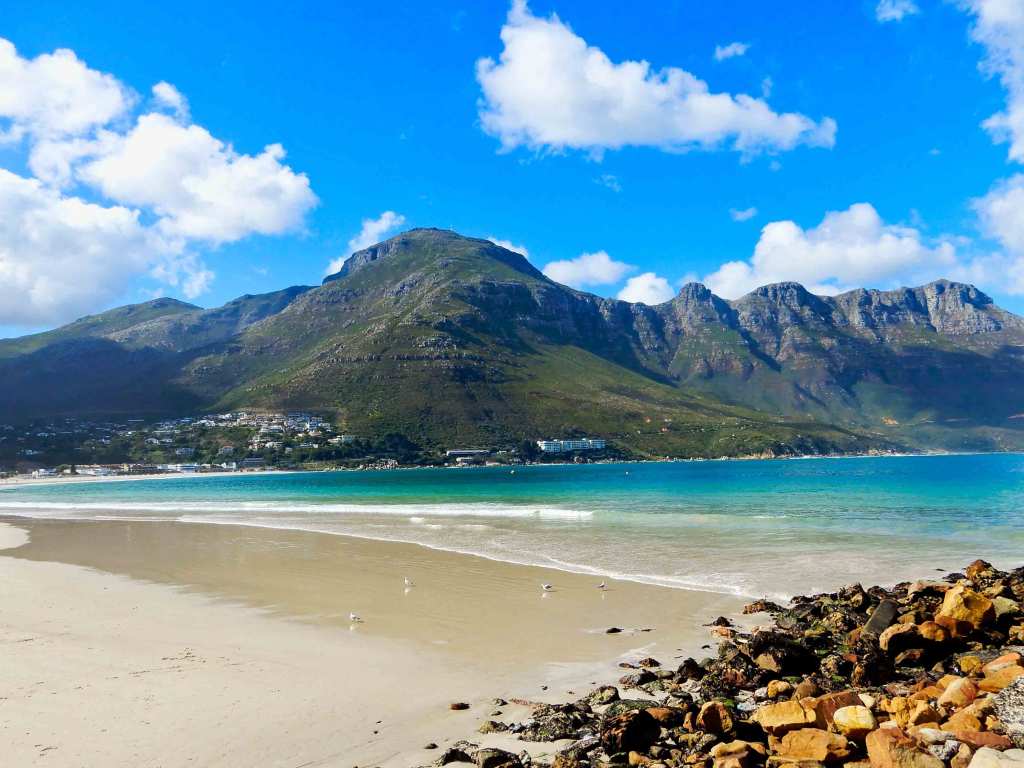
The Beach At Hout Bay

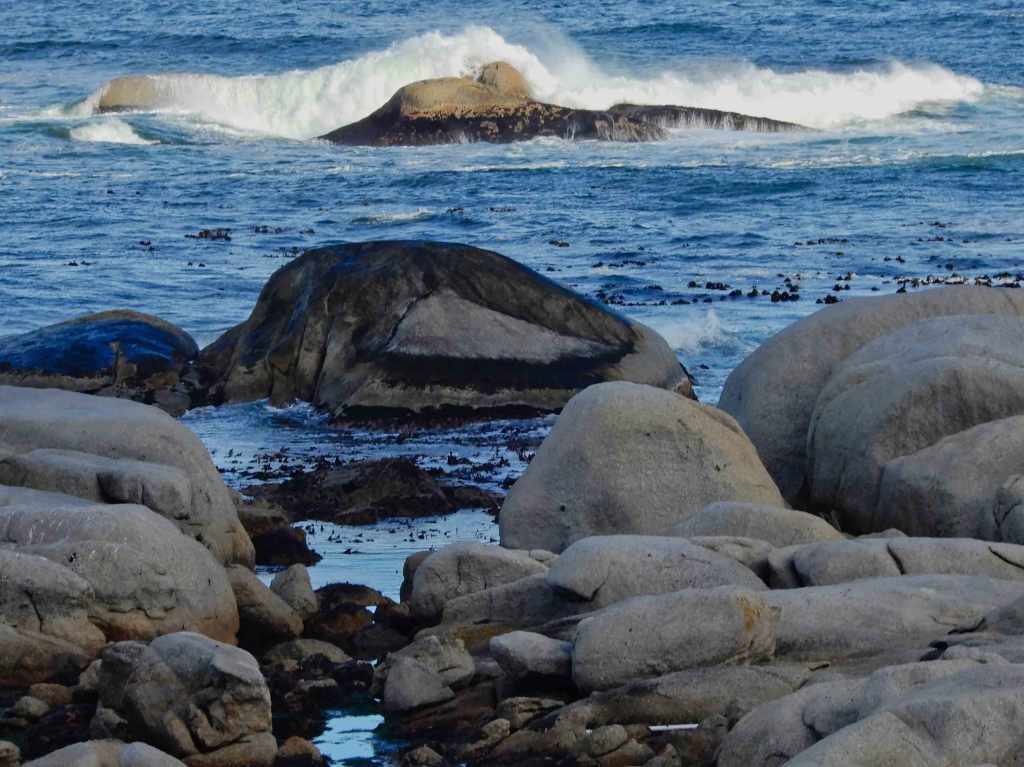
Beaches And More Beaches – In Cape Town and up and down the coast you’ll find dozens of great beaches. Some offer a beach resort vibe while others are famous for their boat harbors and great seafood.
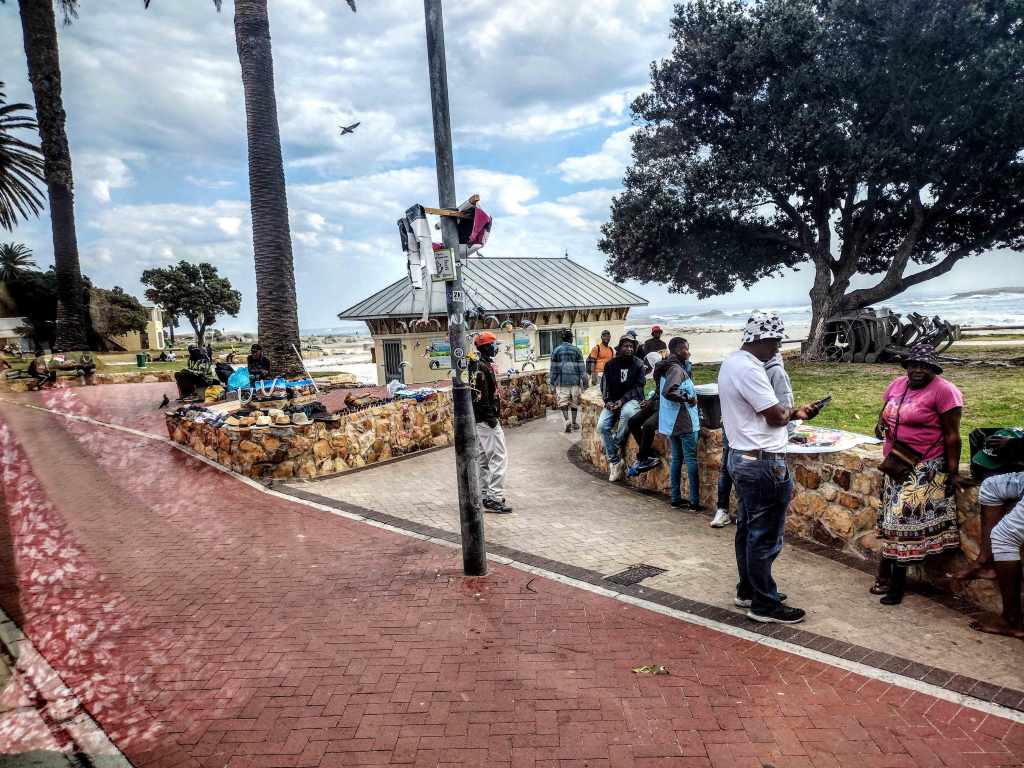
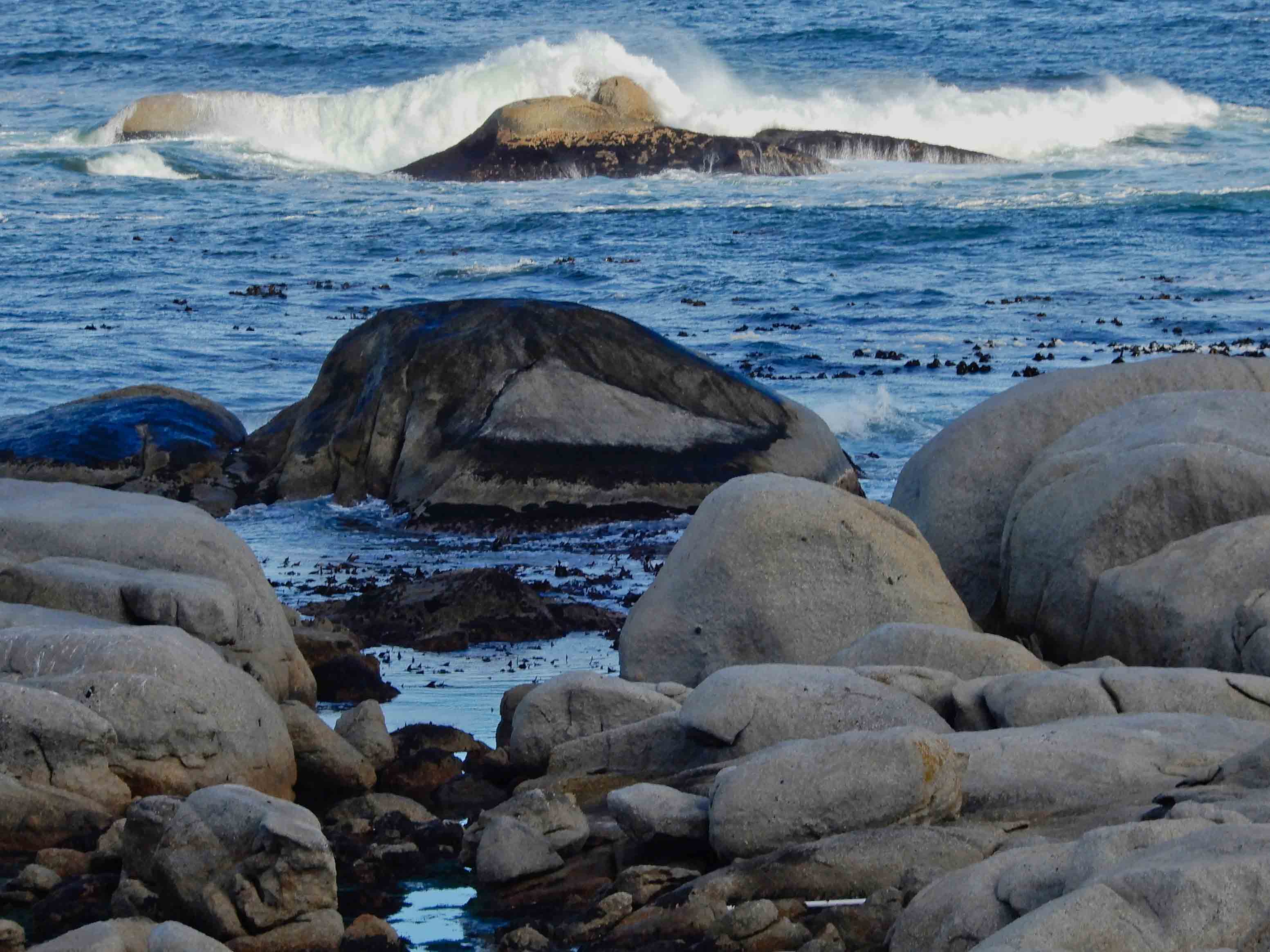
Along a stretch of Cape Town beach

Cape of Good Hope – A great excursion along the west coast of the Cape Peninsula goes past some of South Africa’s most spectacular scenery and ends at the southern most tip of Africa. The Cape of Good Hope is actually in a wildlife sanctuary where you will often see ostrich, antelopes and seals.

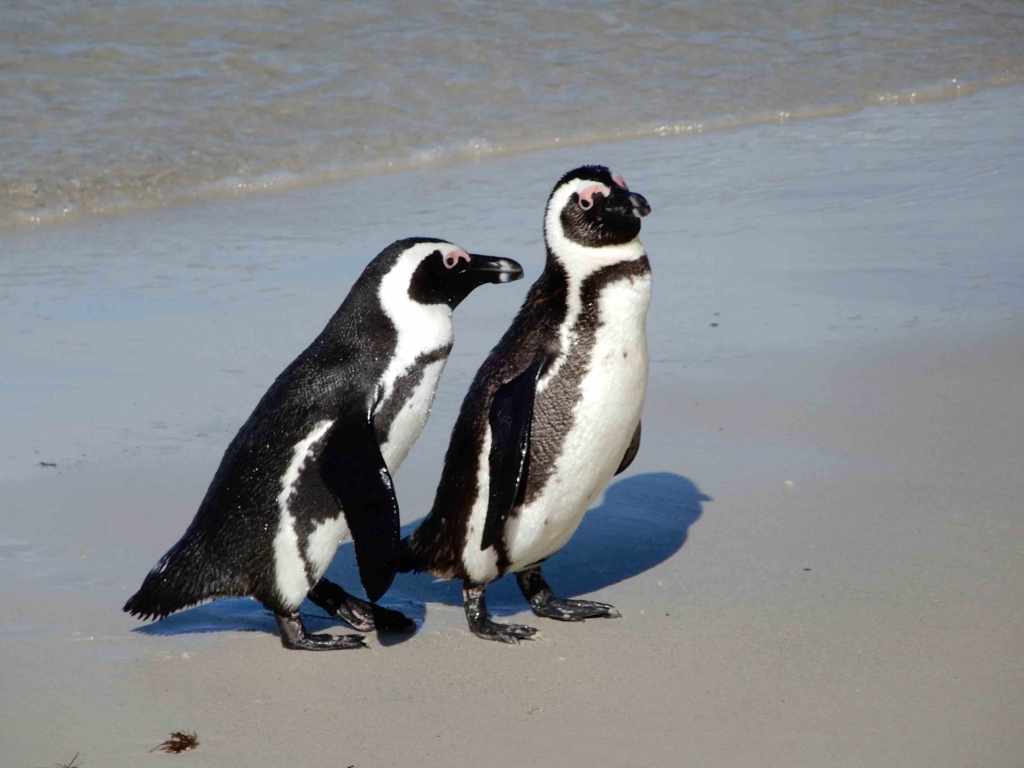
The African Penguin – A popular trip out of Cape Town is to visit Boulders Beach and its current penguin colony. Boulders Beach is a sheltered area made up of inlets between granite boulders, from which the name originated. It is located on the Cape Peninsula in Simon’s Town in the Western Cape province. It is also known as Boulders Bay. It is a popular excursion because of a colony of African penguins that settled there in 1982.
South Africa’s Wine Country – The country’s wines are developing a good reputation locally and internationally. Only an hour or so drive out of Cape Town will take you to some excellent wineries. Discover Pinotage, a red wine grape that is South Africa’s signature variety. It was cultivated there in 1925 as a cross between Pinot Noir and Cinsaut. It typically produces deep red varietal wines with smoky, bramble and earthy flavors. There are a number of winery tours available from Cape Town.
Hop On Hop Off Bus – A great option for an overview of the city and the main office is right at Victoria and Alfred Waterfront next to the aquarium or you can also buy tickets from the bus drivers. City Sightseeing is the official Hop-On Hop-Off Cape Town tour. It operates 3 hop-on-hop-off loops along with tours to the Cape and the wine country. A one day ticket on the bus includes all 3 loops and the Table Mountain Aerial Cableway. Adult basic ickets are about US$16 with a discount for an additional day.
*Please Note- Before our visit in early 2024 our research caused us to be concerned about street crime in the city. It’s always advisable that you be cautious and avoid areas of concern , however, once there, we felt perfectly safe walking ALMOST everywhere. Cape Town, like most major cities around the world, is dealing with rising homelessness, but they have adopted a pro-active plan to make their streets safe. City police, National police, neighborhood groups and business organizations have all gotten involved in patrolling the streets. Everywhere you go there is either a strong police presence or private security people out and about on patrol. It is difficult to go a block or two without finding a patrol or a security watch booth. If anything, Cape Town is doing a better job than most cities, and that includes those in the United States, with making their streets safe.
Todays Image • The Penguins Of Boulders Beach

The African penguin (Spheniscus demersus) is a species of penguin native to South Africa. It is also known by three other common names: Jackass penguin, cape penguin, and black-footed penguin. It is the only penguin species that breeds on the African mainland.

These African penguins form monogamous pairs, and mate for life and return each breeding season to the nest they used previously. Boulders Beach is one of the only two known sites where African penguins breed on land with all other breeding colonies being found on small offshore islands.

The harbor at Hout Bay

Boulders Beach is a popular destination from Cape Town with the main attraction being the penguins. The land around the beach is set aside as a refuge by the the South African National Parks (SANParks) who are responsible for managing the penguin nesting site at Boulders Bay. They are a government agency tasked with protecting and conserving South Africa’s national parks, including the Boulders Penguin Colony. The area is gated with an admission fee and includes a boardwalk for observing the colony.


Come along as we visit historic treasures, natural wonders and vibrant cities set against backdrops that are endlessly changing and visually magnificent.


Join Us • We understand that the last thing you want is more emails cluttering up your inbox, but we promise we’ll work hard to make this worth while. Give us a try and if we don’t live up to our promise all you need do is click the unsubscribe link in our emails.

Don’t Miss Out, Subscribe Now!

You’ll receive notices of new posts, special features and updates right in your inbox…

Let’s Go Glamping In Africa

Glamour Camping In Kruger National Park

Glamping is combining “glamorous” with “camping” into a style of camping with amenities and resort-style services not usually associated with “traditional” camping. Glamping has become particularly popular because it combines adventure recreation, camping with a touch of modern luxury.

As one of the two major travel destinations in southern Africa, Kruger National Park has seen a huge addition of glamping resorts from ultra-luxury to spartan.

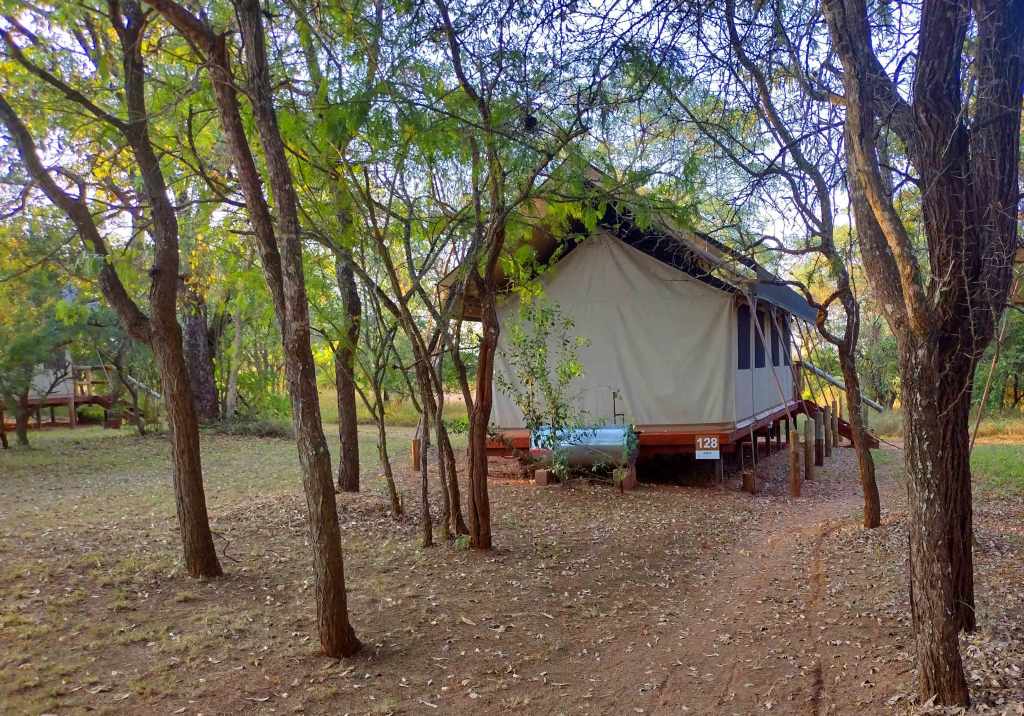
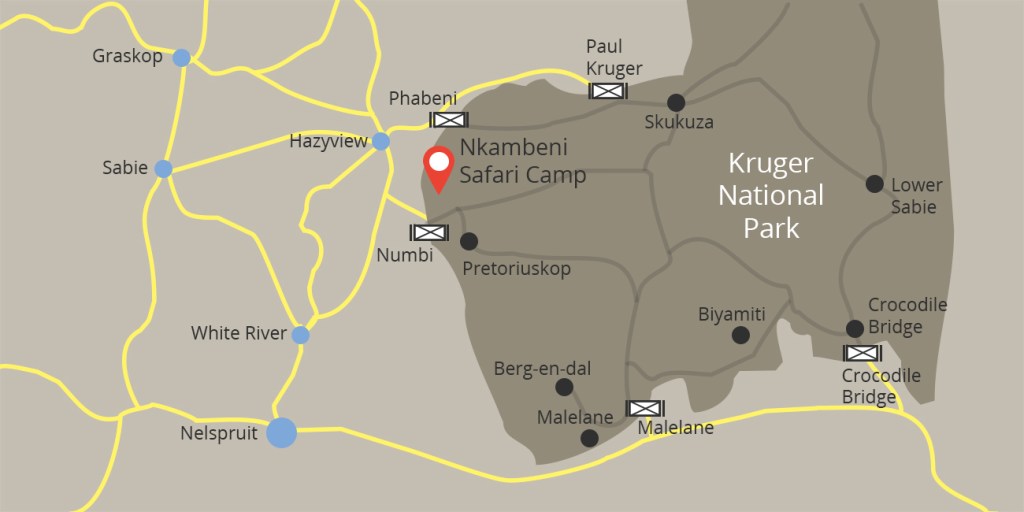
On our recent visit we stayed several nights at Nkambeni Safari Camp inside the park and thoroughly enjoyed our stay.

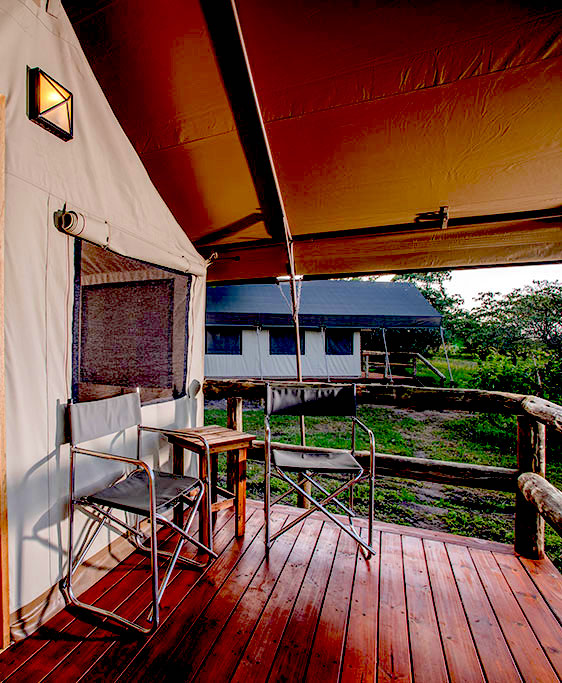
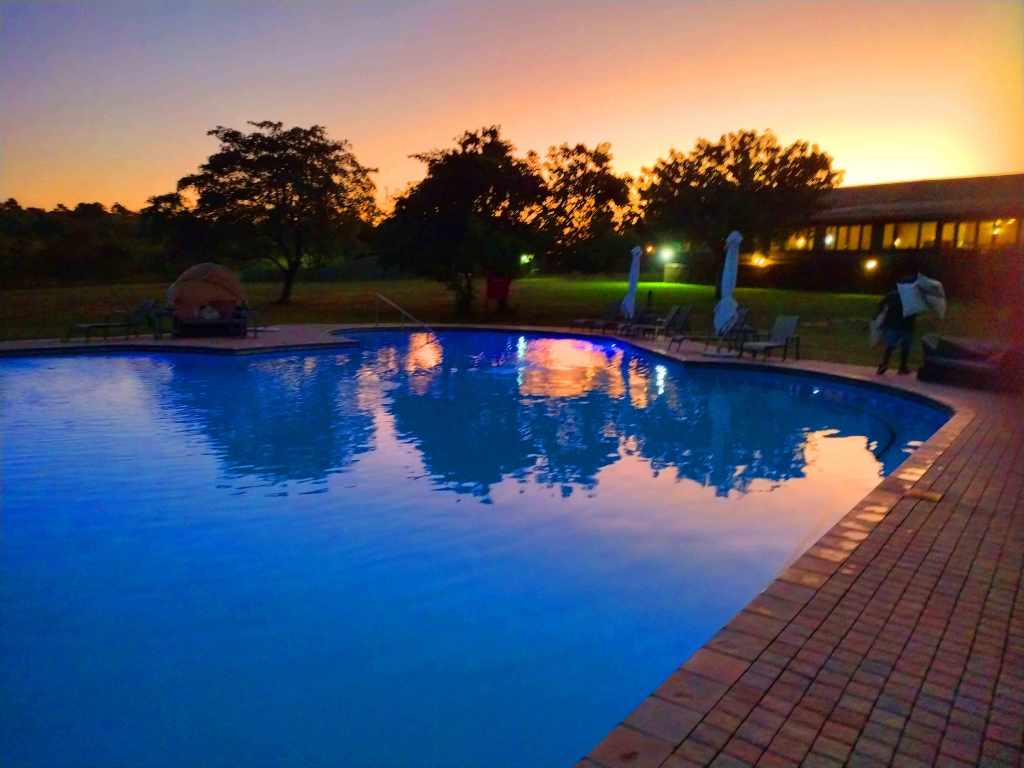
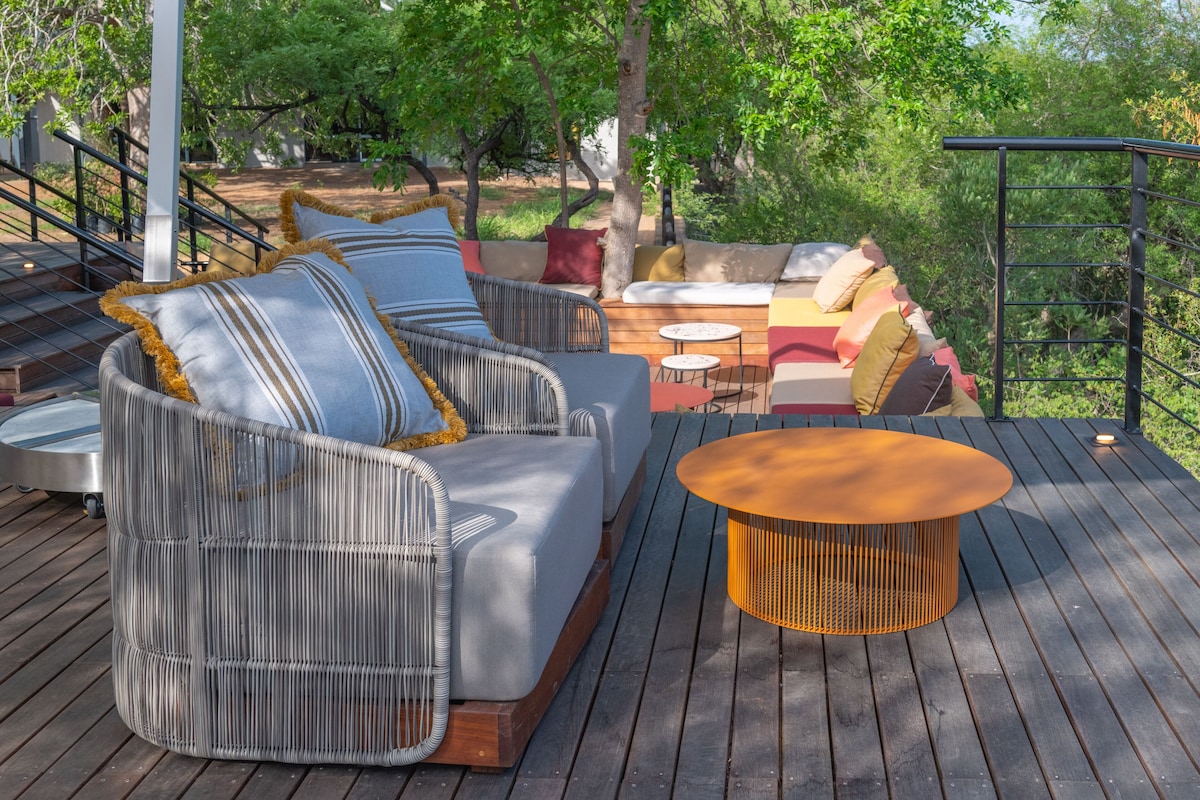
The accommodations were in individual “tents” but it was far from traditional camping. Each tent was spacious, had large beds, air conditioning, electric outlets, and a full bath (with hot water). The camps lodge had a restaurant, an outside dining area with a fire in the evening, a nice lounge and bar. The property also featured a nice swimming pool. Also to reduce the likelihood of unwanted guests surprising you the property is surrounded by electrified fences with a gate that is closed and locked early each evening.

One of Nkambeni’s biggest advantages is that it was actually inside Kruger with only a five minute drive to on of the parks entrances*. In addition the resort offers walking excursions into the park accompanied by armed safari guides**.

Accommodations generally are under $100 per night and you can book directly or through Expedia. There website is located HERE (https://nkambeni.com/)

One Cautionary Note: While the property is extremely quiet at night we would recommend that you bring along ear plugs. There is a train track that runs not too far from the camp and you can expect two long and loud trains to pass by in the night. One about 1:30 am and the other at about 4:00 am.

*We met a number of people inside the park who said it took them 45 minutes or more to get from their hotel into the park.

**Kruger National Park is a major tourist draw but that doesn’t mean it isn’t dangerous. There are any number of residents, that given the opportunity, could harm or kill you. It is highly recommended that you visit the park on a guided safari and if you drive in keep your car at a distance from the locals and stay in your car.

On one of our visits a bull elephant thought we were too close to his herd, came up behind us trumpeted and made it known that we should drive on.

Looking For Real Luxury?

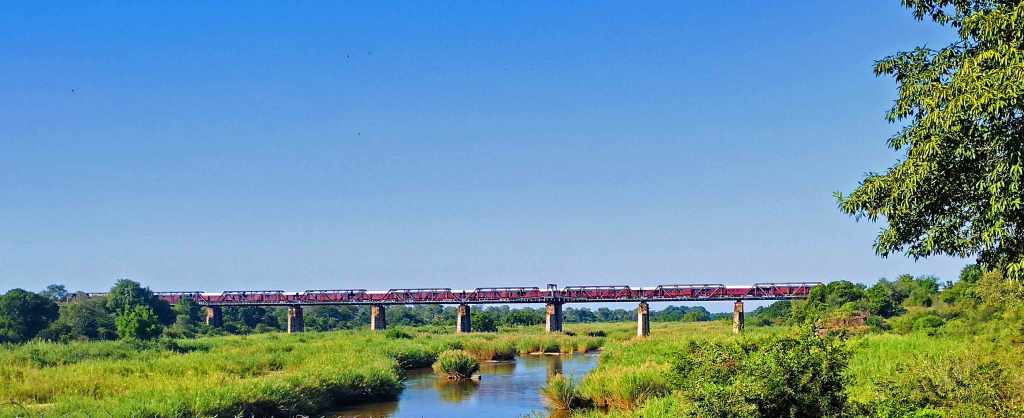
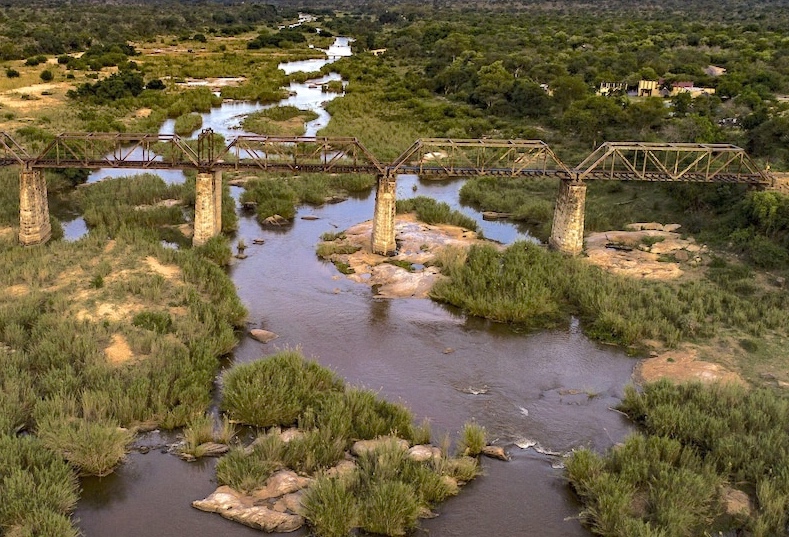
Shalati – Train on the Bridge Hotel

For around $1,000 a night you can stay inside the park at the Kruger Shalati – Train on the Bridge and Garden Suites.

This hotel is located in historic train cars parked on a railroad bridge above the park. It was featured on Apple TV in the The Reluctant Traveler With Eugene Levy along with a number of YouTube features if you want to take a look.

Below are some more accommodations in Kruger from traditional camping to glamping to look into…

  • Nkambeni Safari Camp
  • Sabie River Bush Lodge
  • Honeyguide Tented Safari Camps – Mantobeni
  • Shindzela Tented Safari Camp
  • Ndhula Luxury Tented Lodge

Come along as we visit historic treasures, natural wonders and vibrant cities set against backdrops that are endlessly changing and visually magnificent.


Join Us • We understand that the last thing you want is more emails cluttering up your inbox, but we promise we’ll work hard to make this worth while. Give us a try and if we don’t live up to our promise all you need do is click the unsubscribe link in our emails.

Don’t Miss Out, Subscribe Now!

You’ll receive notices of new posts, special features and updates right in your inbox…

Todays Image • Early Morning Giraffe

Sunrise in Kruger National Park is magical. It is the largest game reserve in Africa, covering an area of over 7,500 square miles. Park guides push the search for the “big five” (the lion, African elephant, Cape buffalo, rhinoceros, and leopard) but there are plenty of antelope, wart hogs, zebras, wildebeests, water buffalo and more to keep you constantly searching. To my thinking the giraffe belongs on that list. They are majestic creatures that stand taller than any other wildlife.

I still can’t believe that I’m awake at this time of the morning

We’ve just returned from a couple of weeks in South Africa and are still finding it hard to believe all that we saw in this remarkable country! The landscapes were amazing and the animal life was everywhere!


Come along as we visit historic treasures, natural wonders and vibrant cities set against backdrops that are endlessly changing and visually magnificent.


Join Us • We understand that the last thing you want is more emails cluttering up your inbox, but we promise we’ll work hard to make this worth while. Give us a try and if we don’t live up to our promise all you need do is click the unsubscribe link in our emails.

Don’t Miss Out, Subscribe Now!

You’ll receive notices of new posts, special features and updates right in your inbox…

Todays Image • The Lilac-Breasted Roller

The lilac-breasted roller is found mostly in Africa south of the Sahara. It is a medium-sized bird with a long tail with a lilac-colored breast and belly, a blue head and back, and a black eye stripe.

Often referred to by common names in South Africa like “rainbow bird” its name in Afrikaans is bloukuifrolletjie and Zulu, inyoni ephuzi which oddly translates to yellow bird in English?.

The lilac-breasted roller is also famous for it aerial acrobatics. During courtship displays and territorial disputes, they perform spectacular dives and rolls, showcasing their vibrant plumage. The acrobatics include somersaults, and rolls, often accompanied by loud calls. These displays serve to attract mates, defend territories, and intimidate rivals.

I still can’t believe that I’m awake at this time of the morning

Photographed on a safari in Kruger Park, South Africa and we are still finding it hard to believe all that we saw on this remarkable trip. The landscapes were amazing and the animal life was everywhere!


Come along as we visit historic treasures, natural wonders and vibrant cities set against backdrops that are endlessly changing and visually magnificent.


Join Us • We understand that the last thing you want is more emails cluttering up your inbox, but we promise we’ll work hard to make this worth while. Give us a try and if we don’t live up to our promise all you need do is click the unsubscribe link in our emails.

Don’t Miss Out, Subscribe Now!

You’ll receive notices of new posts, special features and updates right in your inbox…

A Brief History Of South Africa

Afrikaans, The Zulu Kingdom, The Europeans And Nelson Mandela

The history of South Africa is markably different than most of Africa. From the early European settlers to the colonial wars to its transition to a real democracy this country took a different path.

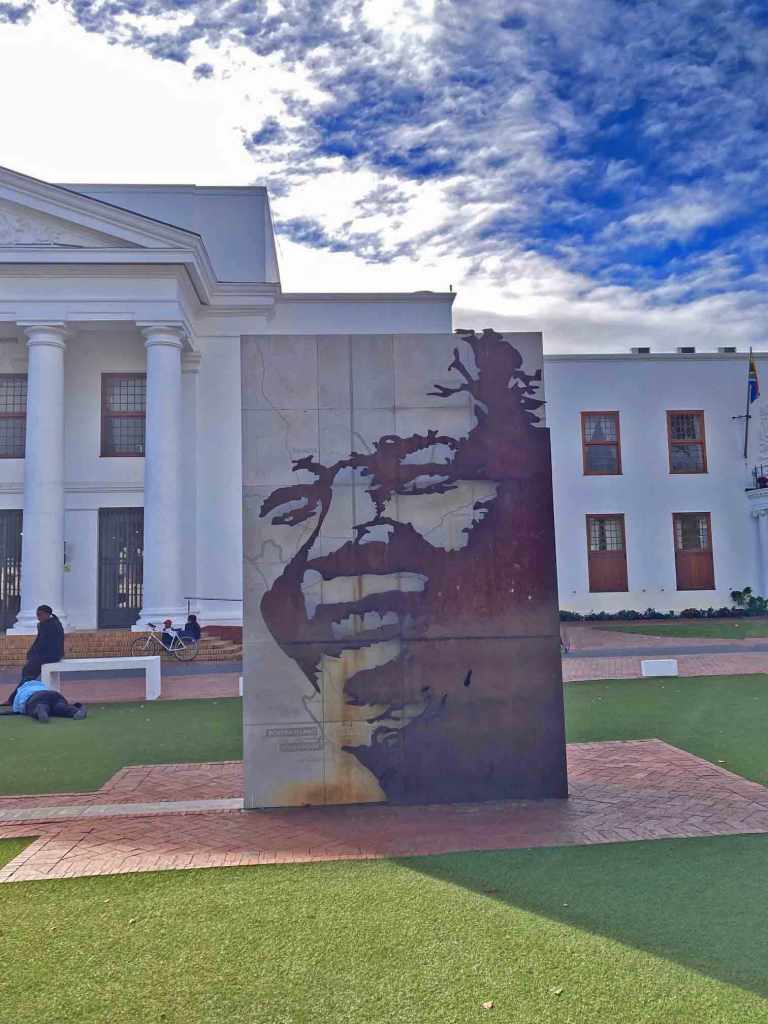
Nelson Mandela was exactly the right man at the right time to save this remarkable country and set it on a path toward reconciliation and prosperity. Nelson Mandela’s unwavering commitment to fighting racial segregation and apartheid in South Africa made a profound difference. He led the African National Congress (ANC) in its struggle against the oppressive white minority government, enduring imprisonment for 27 years. His unwavering belief in equality and justice inspired millions around the world and paved the way for the dismantling of apartheid in 1991. But equally important he preached peace and forgiveness.

Early History

When Europeans first arrived in South Africa, the land was inhabited by indigenous groups, collectively known as the Khoisan. They fell into two groups with the largest being the San, who were mostly hunter-gatherers, and the Khoi, who were herders. These Khoisan peoples lived in tribes, spoke a variety of languages, had distinct cultures and were skilled in hunting, gathering, and herding.

The first Europeans to set foot in South Africa were the Portuguese in 1488 but they did not have any intention to settle the region. The Portuguese were looking for new trading routes to India and the Far East. European settlements didn’t begin until 6 April.1652 with a Dutch expedition of 90 Calvinist settlers who founded the first permanent settlement in the bay of today’s Cape Town – later named Table Bay.

By 1654 the Dutch expansion into areas around Table Bay and beyond resulted in conflicts with the Khoisan and inand 1659 resulted in open conflict known as the first Khoi-Dutch war.

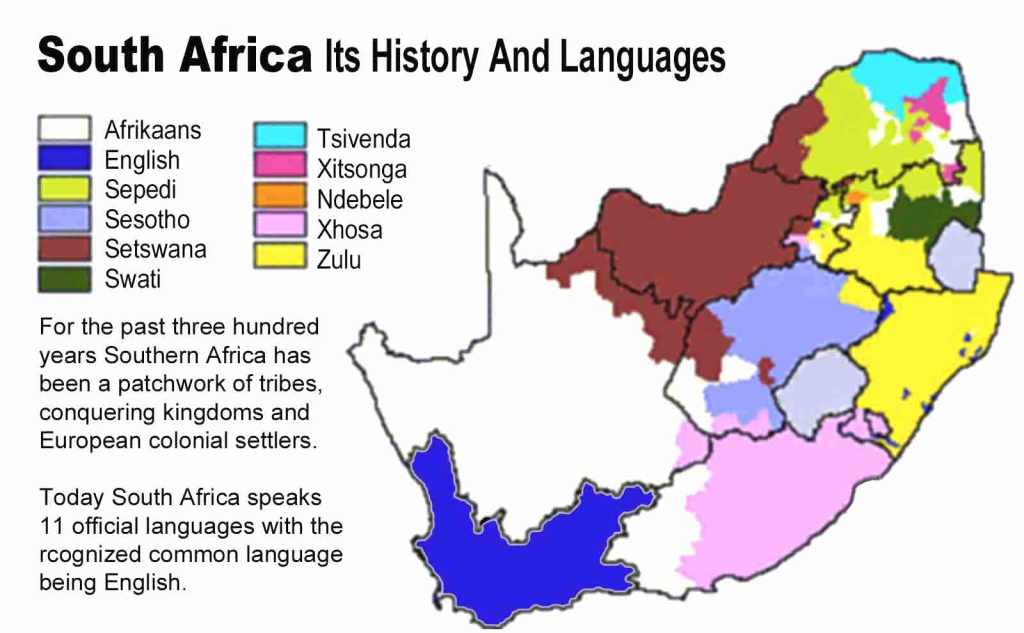
Main Languages Spoken In South Africa By Region

From early in the eighteenth century a new culture with its own language emerged in South Africa called Afrikaans. It became the first common language of South Africa, developed from 17th-century Dutch, sometimes called Netherlandic, by the descendants of European Dutch, German, and French colonists along with contributions from indigenous Khoisan peoples, African and Asian slaves.

This new group known as Afrikaans expanded out of the Cape area and started farms and ranches, established towns and organized into governments with militias.

The first British settlers arrived in the Cape Town area on 17 March 1820. From the Cape colony, additional settlers moved on to Algoa Bay, known today as Port Elizabeth.

While the British established their control of the area around Cape Town the Dutch settlers moved north and eventually established the Boer republics. They were independent, self-governing republics formed by Afrikaan and Dutch-speaking inhabitants from the Cape Colony and their descendants. The founders – variously named Trekboers, Boers, and Voortrekkers – settled mainly in the middle, northern, north-eastern and eastern parts of present-day South Africa.

In the early nineteenth century a tribal kingdom emerged known as the Zulu Kingdom. It was a Zulu monarchy in Southern Africa that conquered local tribes from 1816 to 1897. Dominating a large area of eastern South Africa the Zulu were feared by most local tribes and people. It was founded by King Shaka, who transformed the Zulu people into a powerful military nation.

Shaka established a highly centralized monarchy and administrative system, with the king holding absolute power. This allowed for efficient coordination and mobilization of the Zulu’s military and economic resources.

Under King Shaka’s leadership, the Zulu army was reorganized and expanded, using innovative military tactics and weapons. This allowed the Zulu Kingdom to become the dominant power in the region during the 19th century. Because of its rapid conquests a large number of area tribes feared the Zulu and some turned to the British for protection.

The Zulu Kingdom eventually came into conflict with the British Empire in Africa, leading to the Anglo-Zulu War in 1879. The Zulu army initially defeated the British at the Battle of Isandlwana, but the British ultimately prevailed and annexed the Zulu Kingdom into their territory..

Conflicts also broke out between the British and the Afrikaans over territorial rights that resulted in the First Boer War (Afrikaans: Eerste Vryheidsoorlog, literally “First Freedom War”). It was fought from 16 December 1880 until 23 March 1881 between the United Kingdom and Boers of the Transvaal as the South African Republic was known while under British control. The war resulted in a Boer victory and eventual independence of the South African Republic.

The Second Boer War, also known as the South African War, was fought between the British Empire and the two Boer republics, the South African Republic (Transvaal) and the Orange Free State, from 1899 to 1902. The Witwatersrand Gold Rush caused a large influx of “foreigners” to the South African Republic, mostly British from the Cape Colony and was considered illegal incursions by the Afrikaans. The war ended with a British victory, resulting in the annexation of the Boer republics into the British Empire. This led to the creation of the Union of South Africa founded in 1910.

The doctrine of apartheid (“separateness” in Afrikaans) was codified into law in South Africa in 1948, but the status of the majority Black population in the region was established during European colonization of the area. In the mid-17th century, White settlers from the Netherlands drove the Khoi and San people out of their historic lands and denied their rights as persons.

Mandela

The apartheid system in South Africa was ended through a series of bilateral and multi-party negotiations between 1990 and 1993. The negotiations culminated in the passage of a new interim Constitution in 1993, a precursor to the Constitution of 1996; and in South Africa’s first non-racial elections in 1994, won by the African National Congress (ANC) liberation movement.

Even though there had been gestures towards negotiations in the 1970s and 1980s, the process accelerated in 1990, when the government of F. W. de Klerk took a number of unilateral steps towards reform, including releasing Nelson Mandela from prison and unbanning the ANC and other political organizations. In 1994, Mandela was of key importance in negotiating the freedom and equality of all South Africans. In 1990–91, bilateral “talks about talks” between the ANC and the government established the pre-conditions for substantive negotiations, codified in the Groote Schuur Minute and Pretoria Minute.

Today South Africa has a racially diverse population, with Black Africans comprising approximately 80% of the total population, Whites (8%), Coloureds* (9%), and Indians/Asians (2.5%).

*The coloured population of South Africa is an accepted racial group in the country being people with the highest levels of mixed ancestry on the globe. They are a blended race of African, European, East Asian and South Indian.