


Explore a few of our favorite UNESCO World Heritage Sites
Perhaps one of the United Nations greatest accomplishments is it’s organized program to protect our world’s wonders. UNESCO World Heritage Sites are major historical landmarks or locations receiving legal protections under international conventions by the United Nations Educational, Scientific and Cultural Organization (UNESCO). They’ve been stablished to safeguard some of the world’s most extraordinary and unique places for all humanity as well as future generations.

Acropolis of Athens designated a UNESCO World Heritage site in 1987.
The Acropolis of Athens is an ancient citadel located on a rocky outcrop above the city of Athens, Greece, and contains the remains of several ancient buildings of great architectural and historical significance, the most famous being the Parthenon.

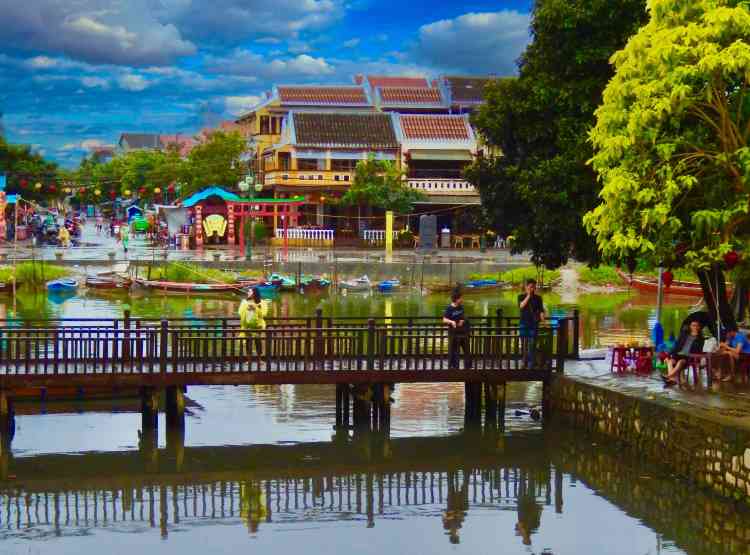
Hội An was designated a UNESCO World Heritage Site in 1999.
Hội An is a city on Vietnam’s central coast known for its well-preserved Ancient Town, cut through with canals. The former port city’s melting-pot history is reflected in its architecture, a mix of eras and styles from wooden Chinese shophouses and temples to colorful French colonial buildings, ornate Vietnamese tube houses and the iconic Japanese Covered Bridge with its pagoda.

Iguazú Falls was designated a UNESCO World Heritage site in 1984
Iguazú National Park covers an area of subtropical rainforest in Argentina’s Misiones province, on the border with Brazil. Within the park on the Iguazú River, the renowned Iguazú Falls encompasses many separate cascades, including the iconic Garganta del Diablo or “Devil’s Throat.” The surrounding park features diverse wildlife including coatis, jaguars and toucans, plus trails and viewing platforms.
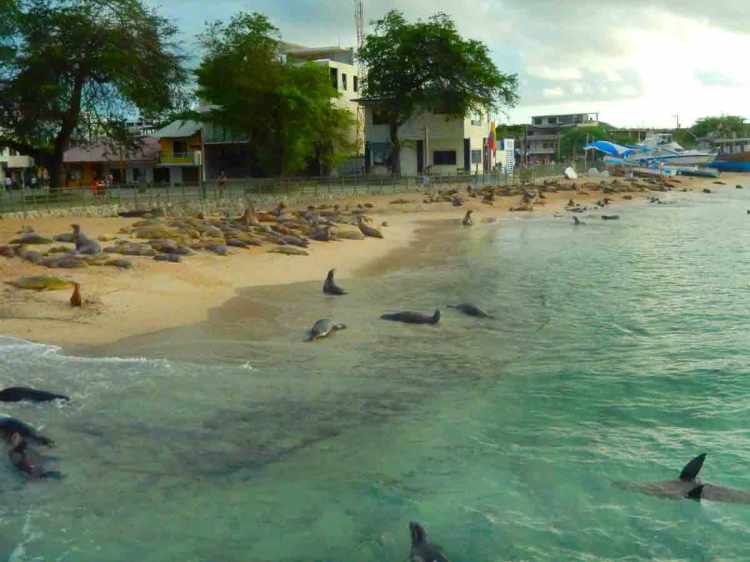
Galapagos Islands, were designated a UNESCO World Heritage Site in 1978.
The Galápagos Islands, located in the Pacific Ocean about 1,000 km (600 mi) off the coast of Ecuador, remained a hidden natural wonder for millions of years. Today, this archipelago and its vast marine reserve are celebrated as a unique “living museum and showcase of evolution.” Positioned at the meeting point of three ocean currents, the islands boast one of the richest marine ecosystems on Earth. Ongoing seismic and volcanic activity continues to shape the landscape, mirroring the same processes that originally formed the islands. Combined with their extreme isolation, these conditions gave rise to extraordinary plant and animal life—including marine iguanas, flightless cormorants, giant tortoises, towering cacti, endemic trees, and the many subspecies of mockingbirds and finches. It was this remarkable biodiversity that inspired Charles Darwin’s theory of evolution by natural selection after his visit in 1835.
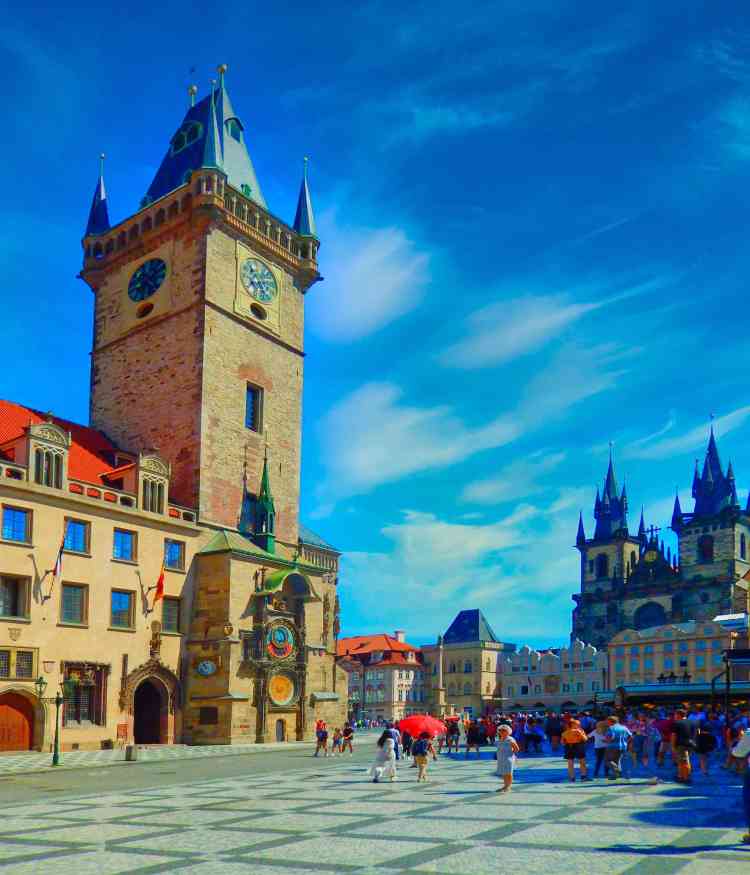
The historic center of Prague designated a UNESCO World Heritage Site in 1992.
Prague, the Czech capital, is often called “the city of a thousand spires” thanks to its wealth of beautifully preserved historical monuments spanning nearly every era of history. From the 11th to the 18th centuries, the Old Town, Lesser Town, and New Town were built, reflecting the city’s immense architectural and cultural influence since the Middle Ages. Among Prague’s most iconic landmarks are the bridges crossing the Vltava River, with the elegant Charles Bridge standing as the most famous. Yet the breathtaking Old Town Square and the majestic Prague Castle are equally unforgettable. Add to this the cobblestone streets and atmospheric alleyways that wind through the city, and it becomes clear why Prague is considered one of Europe’s most enchanting destinations. Even the most seasoned traveler would find it hard to resist the charm of this vibrant, bustling, and picturesque city.
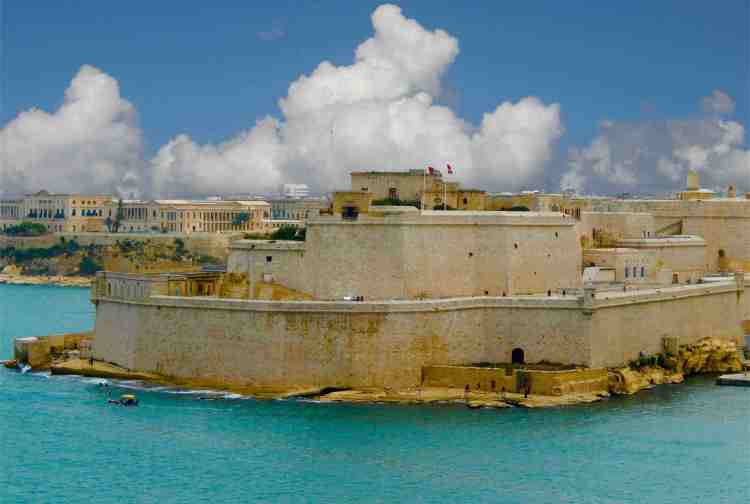
Valletta, Malta designated a UNESCO World Heritage site in 1980.
Valletta is the tiny capital of the Mediterranean island nation of Malta. The walled city was established in the 1500s on a peninsula by the Knights of St. John, a Roman Catholic order. It’s known for museums, palaces and grand churches. Baroque landmarks include St. John’s Co-Cathedral, whose opulent interior is home to the Caravaggio masterpiece “The Beheading of Saint John.”
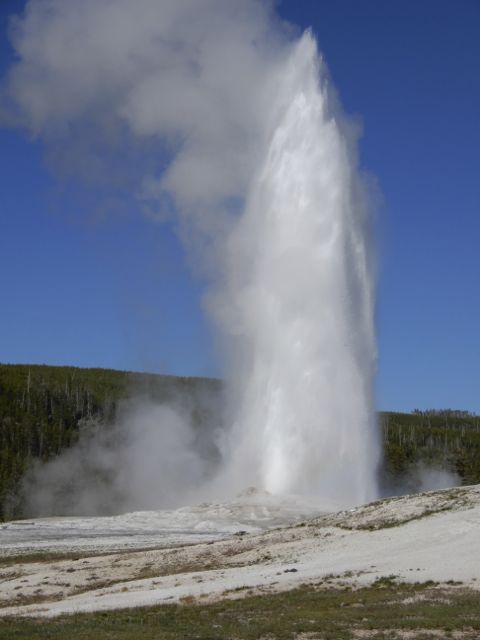
Yellowstone National Park designated a UNESCO World Heritage Site in 1978.
Established in 1872, Yellowstone was designated as one of the first national parks — an idea that spread across the globe. Its creation aimed to protect the majority of the planet’s geysers along with countless other thermal wonders, forming an otherworldly landscape of steam, bubbling pools, and boiling mud. Over a century later, in 1978, Yellowstone was inscribed on the UNESCO World Heritage List, becoming the United States’ first UNESCO World Heritage Site.
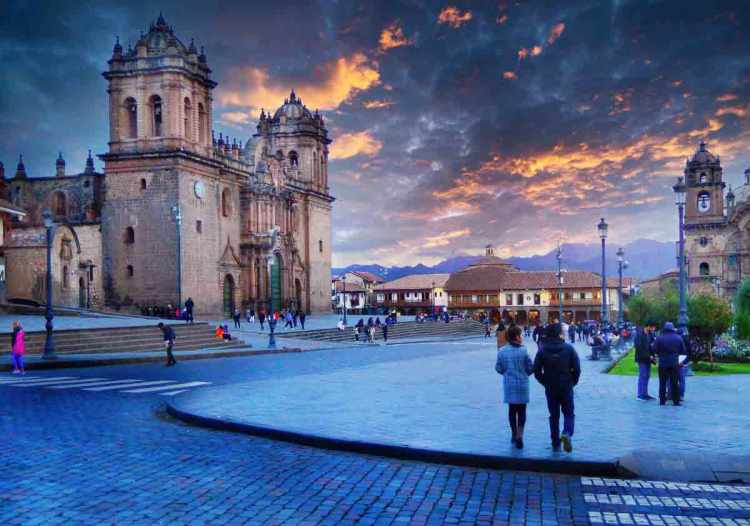
Cusco designated a UNESCO World Heritage site in 1983 is a city in the Peruvian Andes, and was once capital of the Inca Empire, and is now known for its archaeological remains and Spanish colonial architecture. Plaza de Armas is the central square in the old city, with arcades, carved wooden balconies and Incan wall ruins. The baroque Santo Domingo Convent was built on top of the Incan Temple of the Sun (Qoricancha), and has archaeological remains of Inca stonework.
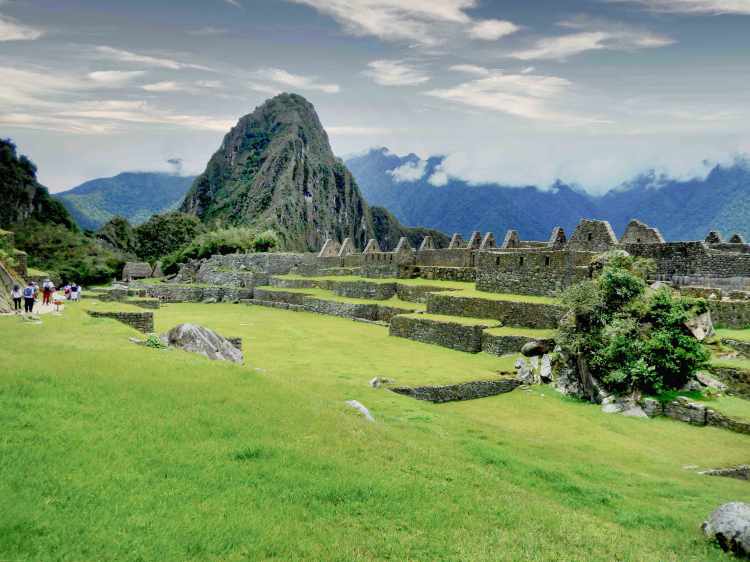
Machu Picchu, Peru designated a UNESCO World Heritage Site in 1983.
Perched atop a mountain, Machu Picchu in Peru is an imposing citadel built from enormous stone blocks joined without mortar, forming one of the most significant religious, political, and cultural centers of the Inca Empire. Rediscovered for the modern world in 1911 by Hiram Bingham, the city is divided into two main sectors: the agricultural area, featuring an extensive network of terraces, and the urban sector, which includes remarkable structures such as the Sun Temple.
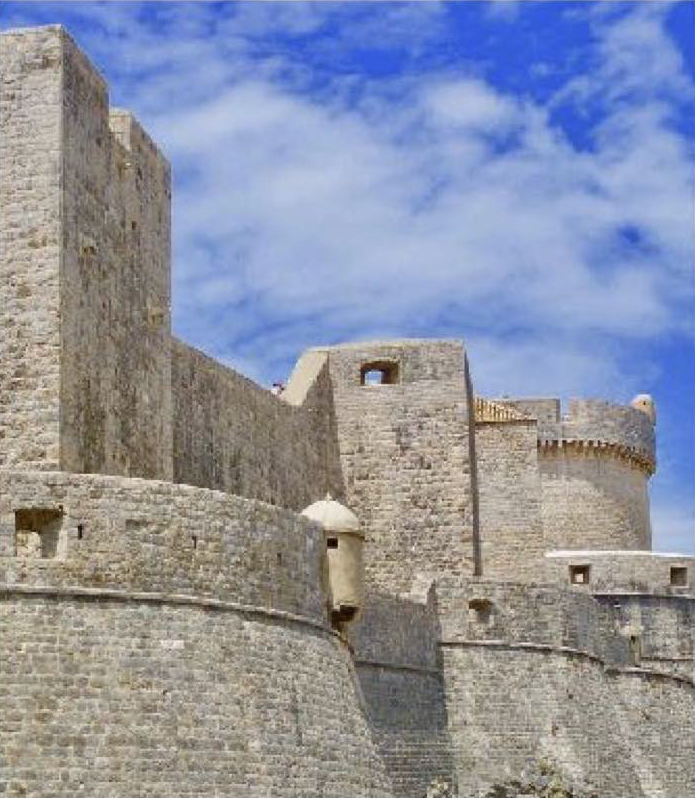
Dubrovnik Old City was designated a UNESCO World Heritage Site in 1979. Dubrovnik is a city in southern Croatia on the Adriatic Sea. It’s known for its distinctive Old Town, encircled with massive stone walls completed in the 16th century. Its well-preserved buildings range from baroque St. Blaise Church to Renaissance Sponza Palace and Gothic Rector’s Palace, now a history museum. Paved with limestone, the pedestrianized Stradun (or Placa) is lined with shops and restaurants.
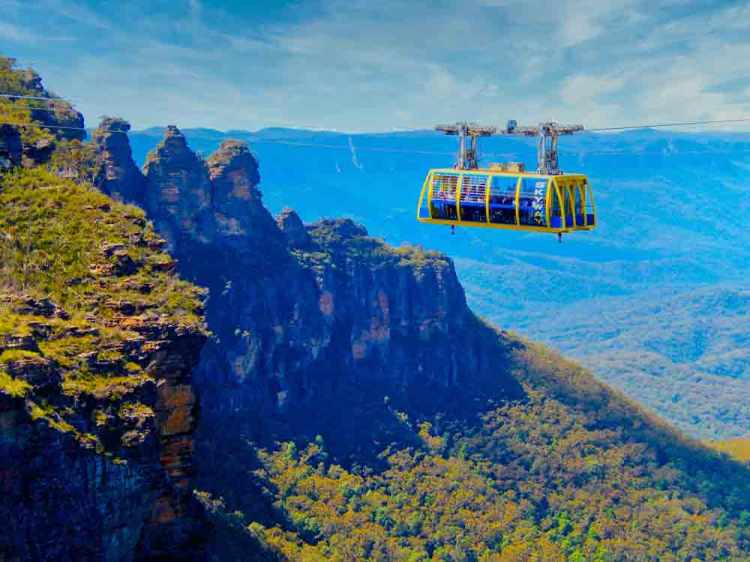
Greater Blue Mountains Area declared a UNESCO World Heritage Site on 2000.
The Greater Blue Mountains Area is a World Heritage Site located in the Blue Mountains of New South Wales, Australia. The 1,032,649-hectare area was placed on the World Heritage List at the 24th Session of the World Heritage Committee, held in Cairns in 2000.
Do you have a favorite UNESCO World Heritage Site? Please share with us in the comment section below.
THANKS FOR VISITING AND BEFORE YOU LEAVE WE’D LOVE TO HAVE YOU JOIN US. IT WOULD REALLY MEAN THE WORLD TO US…

CLICK ABOVE FOR MORE INFORMATION AND TO JOIN US
TO QUICKLY JOIN OUR MAILING LIST SIMPLY ENTER AN EMAIL ADDRESS BELOW
Planning A Cruise? Start By Checking Out The Intentional Travelers Port Guides

Looking for specific information?


Recent Posts From The Intentional Travelers You Might Find Interesting:




Thanks For Visiting
It’s not too late to join us. It will only take a few seconds and it will mean the world to us…

 The Intentional Travelers