TSA – Good to Know Information

After The Sequined Top report we got inquiries about more info on TSA rules. Be sure and check out Immigration FastPass too.


The TSA is the United States Transportation Safety Administration and it is currently responsible for inspecting all passengers and items they intend to carry onto all commercial airliners taking off from U.S. Airports.

The official TSA guidelines state, You cannot  take any objects in your hand baggage or on your person that could cause injury to yourself and other passengers.

Transportation Safety Officers (TSO’s) are trained, certified and authorized, in accordance with applicable TSA standards and directives, to inspect individuals, accessible property and/or checked baggage for the presence of explosives, incendiaries, weapons or other prohibited items. At a checkpoint they are the authority as to “what cannot be taken past the inspection area”

TSA Website Offers the Following Travel Checklist information:

Before Packing

  • Liquids, gels and aerosols packed in carry-on must follow the 3-1-1 liquids rule:

You’re allowed to take as many 3.4 ounce or smaller sized containers that will fit in one sealed, clear, quart-sized zip-top bag – and one bag per person. Make life simple by packing liquids in your checked baggage. That way, you don’t have to worry about the liquids rule.
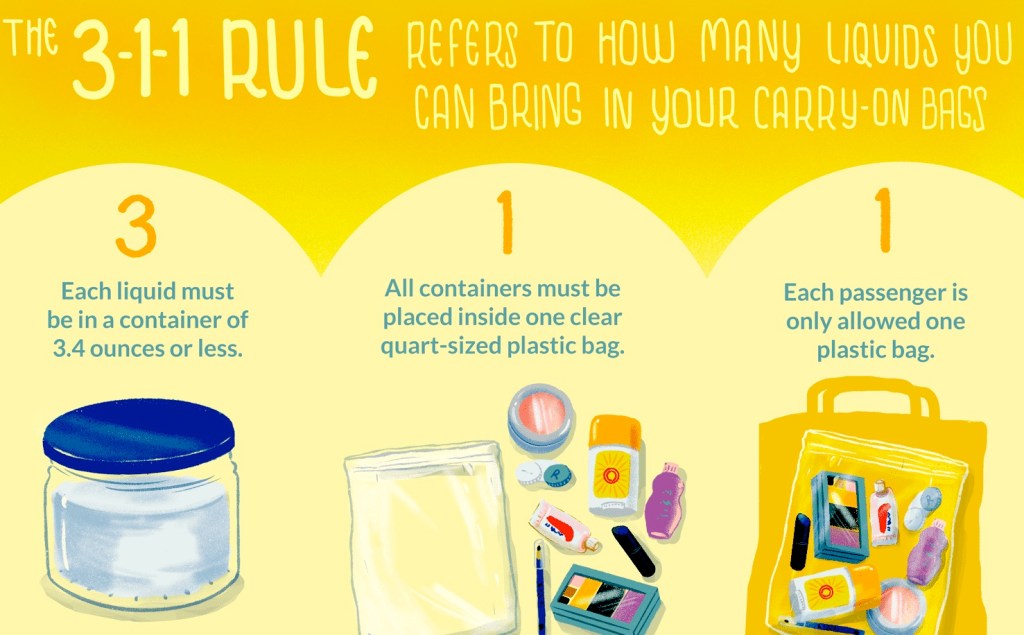


  • 3.4 ounces or less per container
  • 1 quart size, clear, plastic, zip top bag (all liquids must fit in bag)
  • 1 bag per passenger

Deodorant: Flying with deodorant isn’t a sticky situation. Stick deodorant is not limited to 3.4 oz or less, but gel or spray deodorant is.

Makeup: Any liquid makeup cosmetics such as eyeliner, nail polish, liquid foundation, etc., should be placed in the baggie. That goes for perfume as well. Powder makeup is fine.


  • Review the prohibited items list for both carry-on and checked baggage.
  • If purchasing a baggage lock, be sure to look for those that are TSA recognized. If not it could be cut off your checked bag.
  • Tape a card with your name and contact information on your electronics.

When Packing

  • Pack items in layers (shoes one layer, clothes one layer, electronics one layer, etc.)


Not Allowed Items

Shaving Razors: In brief, all razors are allowed in checked bags. Disposable razors are allowed in carry-on bags, and safety razors with removable blades are not. Check out the blog post for pictures of razor examples and more information.


Major Rules And Policies

  • Firearms are only allowed in checked baggage and must be unloaded, placed in a locked, hard-sided container and declared to your airline.
  • All fireworks contain explosive materials and are not permitted in checked or carry-on baggage
  • Cigarette lighters. you can take a lighter on the plane. But no more than one. Confusingly, “you must keep the lighter on your person throughout the flight”.
  • Pack large electronics on top layer of carry-on for screening accessibility.
  • Place your 3-1-1 bag with liquids, gels and aerosols in the front pocket of your carry-on for accessibility.
  • If traveling with a pet, be sure to bring a leash so carriers can be properly screened.

Advice Before Leaving For The Airport

  • Before Leaving for the Airport. Give yourself enough time to arrive at the airport early (one hour minimum before flight).
  • Wear easily removable shoes.
  • Passengers with a disability or medical condition may call ahead to the TSA Cares toll free helpline at (855) 787-2227.

Before Entering the TSA Checkpoint

  • Eligible passengers look for the TSA Pre® lane for expedited screening at participating airports.
  • Have your ID and boarding pass out for inspection.

In Standard Screening Lane

  • Remove the 3-1-1 liquids bag and place it in the bin.
  • Ensure pockets are empty (keys, tissues, currency, wallets, cell phones, etc.) and remove bulky jewelry (valuable items can be placed in carry-on).
  • Remove your shoes and place them directly on the X-ray belt.
  • Remove personal electronic devices larger than a cell phone from your carry-on bag and place them into a bin with nothing placed on or under them for X-ray screening. (E.g. laptops, tablets, e-readers and handheld game consoles.)
  • Remember to check the bins and collect all belongings after going through screening.

Screening Equipment

Metal Detectors – Before going thru remove all metal objects from your person. That should include car keys, cell phones, belt buckles and coins.

Scanners – Unlike the metal detectors you must remove everything from your pockets before going thru even non-metallic objects. They can detected small plastic pill cases and glass eye dropper bottles. They have even found a two pack of breath mints and when that happens you are going to get delayed.

How to get into the TSA fast lane.

Getting Expedited Screening

TSA Pre✓® allows eligible travelers to receive expedited screening. In layman’s terms, it means you get through security quickly. The average wait time in TSA Pre✓®lanes is under 5 minutes! Even if a

TSA Pre✓® TSA Pre✓® line looks longer, they move much faster than a standard lane with more convenience. For TSA Pre✓® travelers, there is no need to remove shoes, laptops, liquids, belts and light jackets. 

TSA Pre✓® travelers (including those enrolled in Global Entry, NEXUS and SENTRI), have access to faster TSA Pre✓® lanes at more than 200 airports when flying with participating airlines. To find the program that best suits your travel needs, 

What if TSA Pre✓® Not Reflected on Boarding Pass: If you’re looking at your boarding pass and you don’t see the TSA Pre✓® indicator even though you’re an approved trusted traveler, we’re here to help! Get live assistance by tweeting @AskTSA or via Facebook Messenger. Our AskTSA team can help resolve any issues.

TSA Pre✓® and Traveling companions:

On times while traveling either my wife or I don’t get a TSA Pre✓® on our boarding pass. We have asked agents and they have, on more than one occasion, told us that if one of us is pre-cleared the other can go with them thru TSA Pre✓®. As close as we have come to confirmation on this is following notice on the Ask TSA web site:

Traveling with children: Screening is simpler for children 12 and under, so they can keep their shoes on. Read about how to best pack for your child HERE and read how “Kids rule the airport” HERE. Children 12 and under may also travel through the TSA Pre✓® lane if one or both of their parents have it!

Port Call Qaqortoq, Greenland

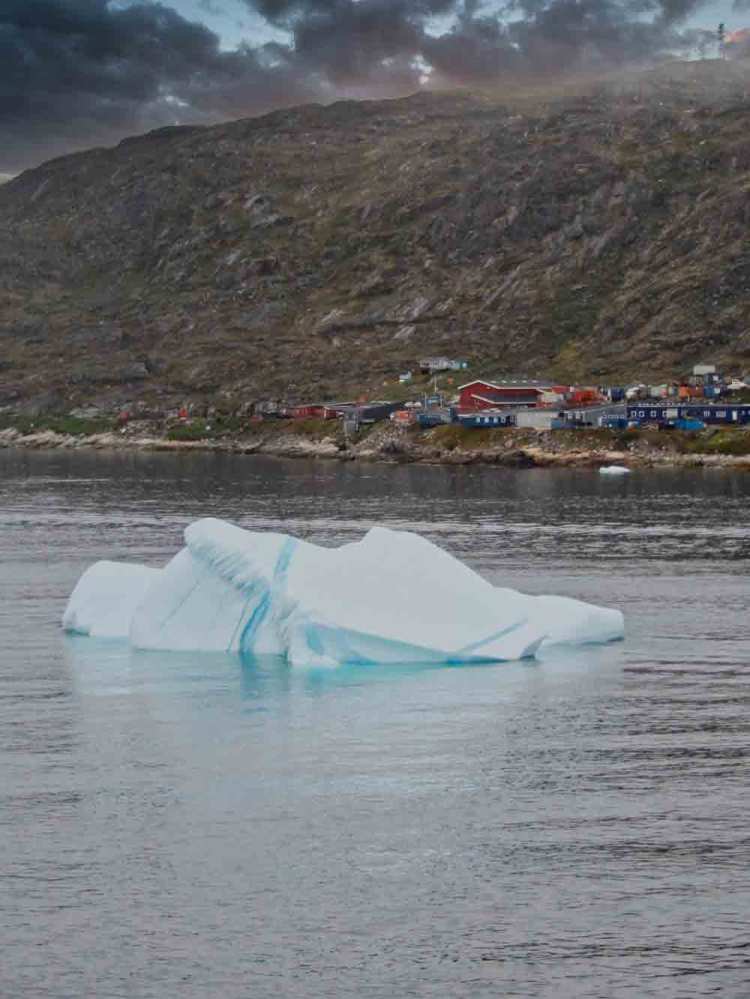
Explore a world that seems to be lost in time. With a population of only 3,050, it is still the most populous town and the municipal capital of southern Greenland and the fourth-largest town on the island.

The island of Greenland is an autonomous territory within the Kingdom of Denmark, and its political history is closely linked to that of Denmark. In 1979, Greenland gained home rule and in 2009, it was granted self-rule, which gives it control over most of its domestic affairs. However, Denmark still controls Greenland’s foreign policy, defense, and monetary policy. In recent years, internationally there has been growing interest in Greenland due to its strategic location and unexplored natural resources and there may be changes coming.

Where Your Ship Docks

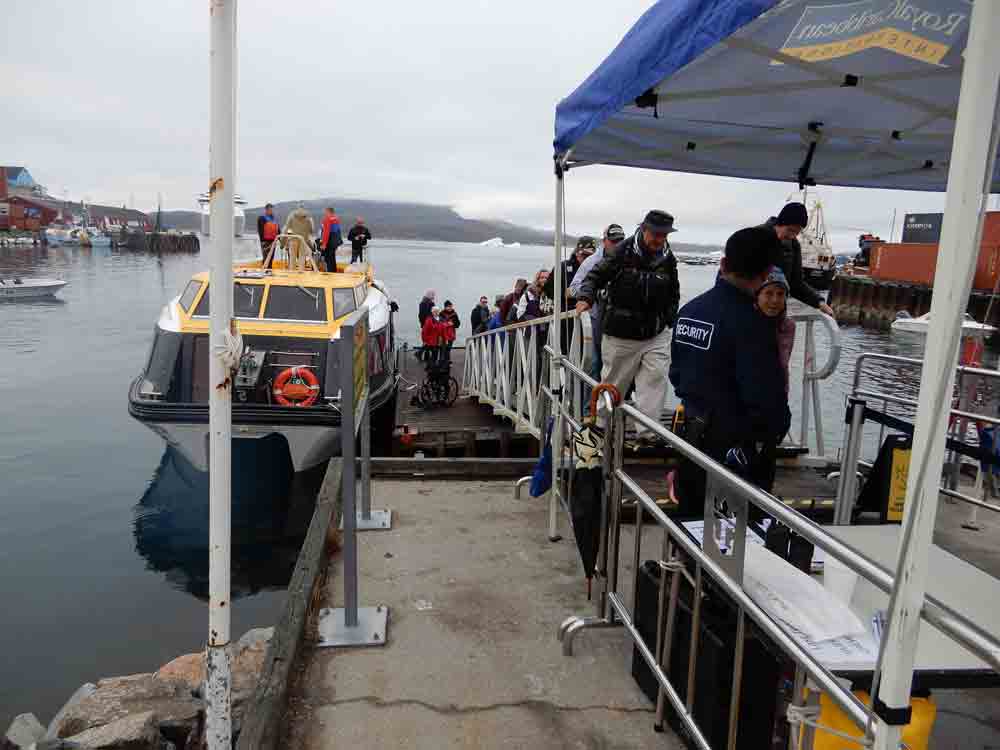
There are no docks that can accommodate even smaller cruise ships so expect to tender ashore. Your tender will land at a dock right in the center of the towns waterfront.

Wheelchair Accessibility

Wheelchair bound passengers will encounter challenges both in getting on tenders as well as disembarking at the pier. This port has a moderate to steep geography where there are typically elevations and inclines to deal with. The waterfront and near port area has moderate inclines in sidewalks but there are also rough spots on streets and sidewalks. Other parts of the town itself can be more difficult. Intersection crosswalks may have curbs or other wheelchair obstacles.

Transportation

There are literally no roads connecting Greenland towns and probably nothing a mile or two outside of Qaqortoq. There is a taxi service available in Qaqortoq but no rental cars. Due to the small size of the town, the number of taxis is limited. It is recommended to book a taxi in advance or ask the Qaqortoq hotel in town to arrange one for you. Additionally, there is also bus transportation available within the town. The local bus company is called Qaqortoq Auto and runs several routes throughout the town and its surrounding areas. The bus service is an affordable and convenient way to get around Qaqortoq and explore its beautiful landscapes. A single ride on a local bus range from 15 to 25 Danish Krone (DKK) approximately 2 to 4 US dollars but you’ll need Danish Krone.

Currency

Greenland uses the Danish Krone (DKK) which is approximately 0.16 USD for 1 DKK. Finding ATMs is difficult but most credit cards can be used and are welcome.

History

The area around Qaqortoq has been inhabited since prehistoric times. Beginning with the Saqqaq culture roughly 4,300 years ago. Since that time the area has had a continuous human presence. Greenland was first colonized by the Norse in the 10th century when they built farms and settlements. After a dramatic change in the northern climate with temperatures dropping their settlements disappeared and by the 15th century most settlers were relocating to Iceland. From that time till today the majority are of the population are Iniuts. In the 18th century, Denmark reestablished a colonial presence in Greenland and maintained control over the island until 1953, when it became incorporated within the Danish Kingdom.

Sights and Attractions

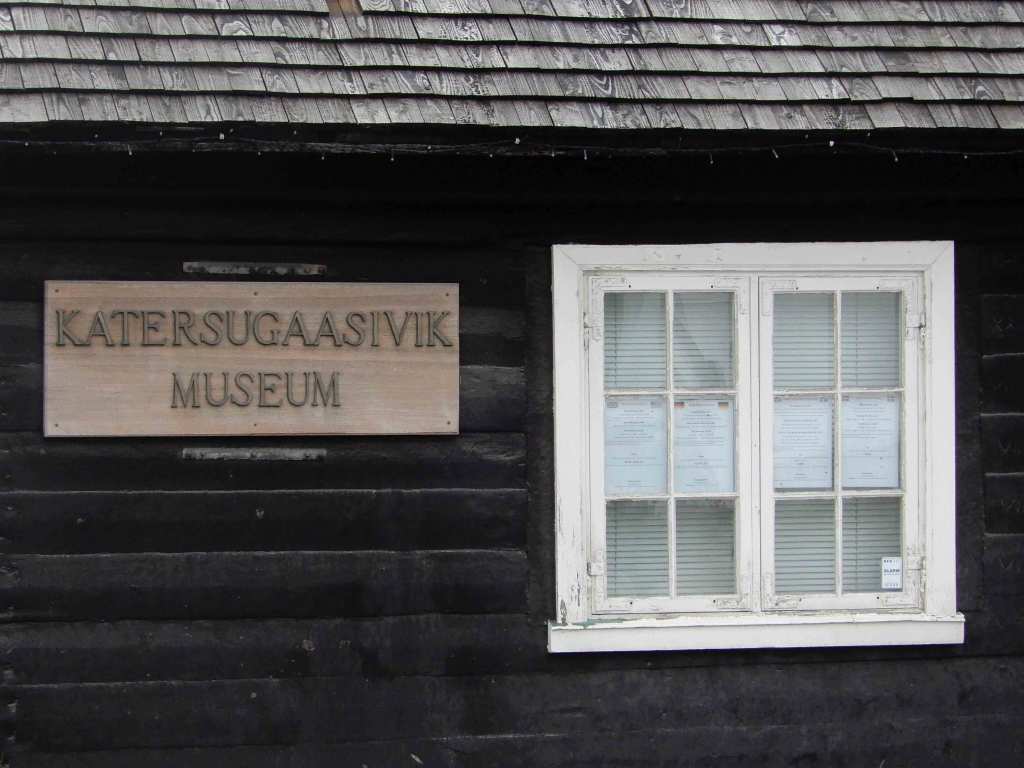
The town of Qaqortoq has a rich tradition of art dating back to the 18th century. The town has been a hub for Inuit art and culture almost 200 years, with many artists and artisans creating unique and beautiful pieces that reflect the local traditions and the Inuit way of life. In recent years, Qaqortoq has become known for its outdoor art scene, with many sculptures and installations scattered throughout the town. The Qaqortoq Museum is also a must-visit for anyone interested in the history as well as the contemporary art scene in the area.

Qaqortoq hosts a few cultural events throughout the year. The most notable is the Qaqortoq Snow Festival, which takes place in February and features snow sculpting competitions, traditional Inuit games, and cultural performances. In a warmer season there’s the Qaqortoq Arts Festival that occurs in July and showcases local artists and musicians.

Some of the top attractions to visit in Qaqortoq include the Qaqortoq Museum, the Stone and Man Project, the hot springs at Uunartoq Island, and the Hvalsey Church ruins.

The Qaqortoq Museum showcases the history and culture of the region, including exhibits on the Norse settlements, Inuit culture, and the town’s colonial past. Some of the highlights of the museum’s collection include traditional clothing, hunting tools, and archaeological artifacts from the area. Additionally, the museum features a collection of contemporary art from local artists.

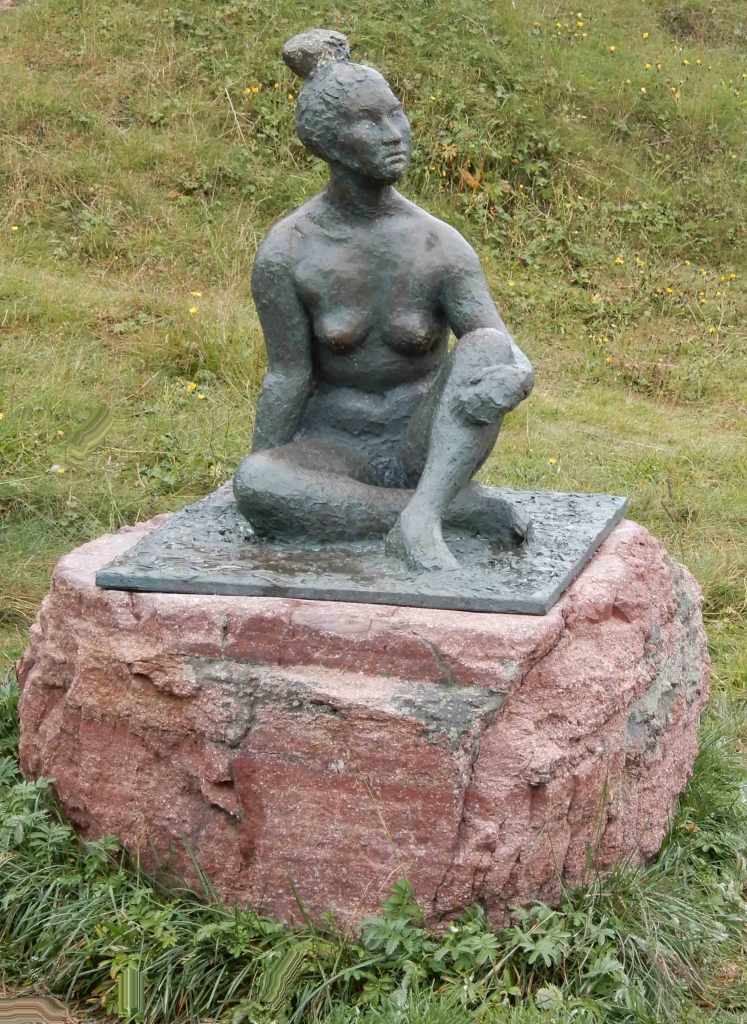
The Qaqortoq Stone Man Project is a public art installation that consists of a series of stone sculptures created by local artists and placed throughout the town, with the intention of promoting tourism and celebrating the town’s cultural heritage. The project began in 1993 and has since grown to include over 40 sculptures. The sculptures are made from granite and depict various aspects of Greenlandic culture, including traditional clothing, hunting practices, and mythology. The project has become a popular tourist attraction and has helped to promote Qaqortoq as a cultural destination.

The Hvalsey Church ruins are the remains of a church that was built in the 14th century by Norse settlers. It is considered to be one of the best-preserved examples of Norse architecture in Greenland. The church was abandoned in the 15th century and has since fallen into disrepair. Despite its current state, the ruins are still a popular attraction, and visitors can explore the site and learn about the history of the area.

The Qaqortoq hot springs are located on Uunartoq Island. It is a small uninhabited island that is only accessible by boat or helicopter. The hot springs are a popular destination for tourists and locals alike, as the water temperature can reach up to 100°F even in the midst of winter. The hot springs are surrounded by stunning natural scenery, including glaciers and icebergs, making it a unique and memorable place.

Bone and antler art in Qaqortoq is a traditional Inuit art form that involves carving intricate designs and sculptures out of animal bones and antlers. There are several types of animals that are commonly used for bone and antler art in Qaqortoq, including caribou, muskox, and walrus. These animals are native to the Arctic region and their bones and antlers have been used by indigenous peoples for centuries to create intricate and beautiful works of art. They are stunning original works of art and there are a number of galleries and shops offering these original carvings in town but prices are high.

NOTE: The United States has strict regulations on the import of animal items, including products made from endangered species. Items such as ivory, bone, turtle shells, and many furs are illegal to import with the only Greenland carved items generally permitted are caribou antler.

Our Favorite Short Stories

Traveling often exposes us to new situations or unexpected events. Here are a few memories, odd moments and interesting discoveries. Click the images below to access some of our favorite tales from the road.

Chasing Penguins With A Camera
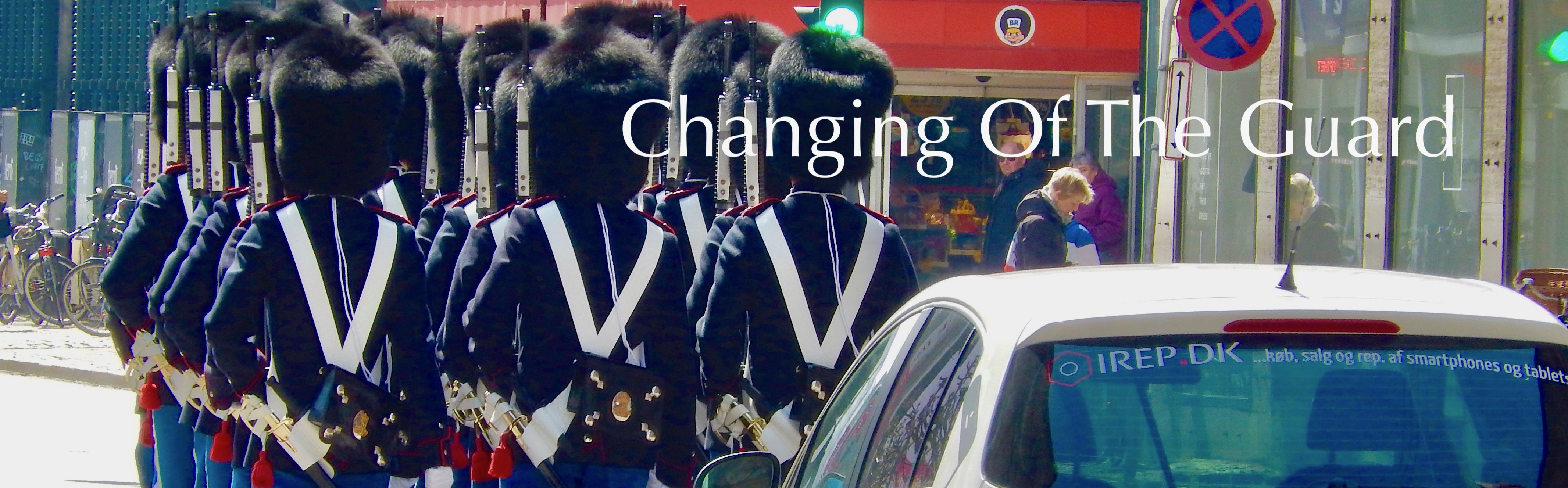
changing the guard in copenhagen
Rush hour traffic in Copenhagen and The Changing Of The Guard
Talking with a young lady in Greenland about a street sign
Discussing the recent war in the Balkans
In A Cemetery In Halifax
A not-so-dangerous demonstration in Valencia, Spain
Once Upon A Time In Rome
A Day at Icy Straight Point
Spending Bastille Day in Paris
And so it begins
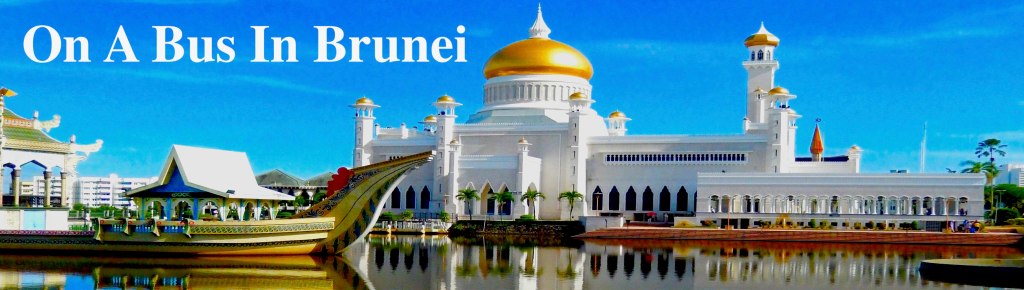
Overheard on a Bus in Brunei
worlds smallest drawbridge
An afternoon looking for the worlds smallest drawbridge
racing through the louvre
Three teens loose in Paris in 1965 and a famous columnist
A lost opportunity in Key West
lovelocks
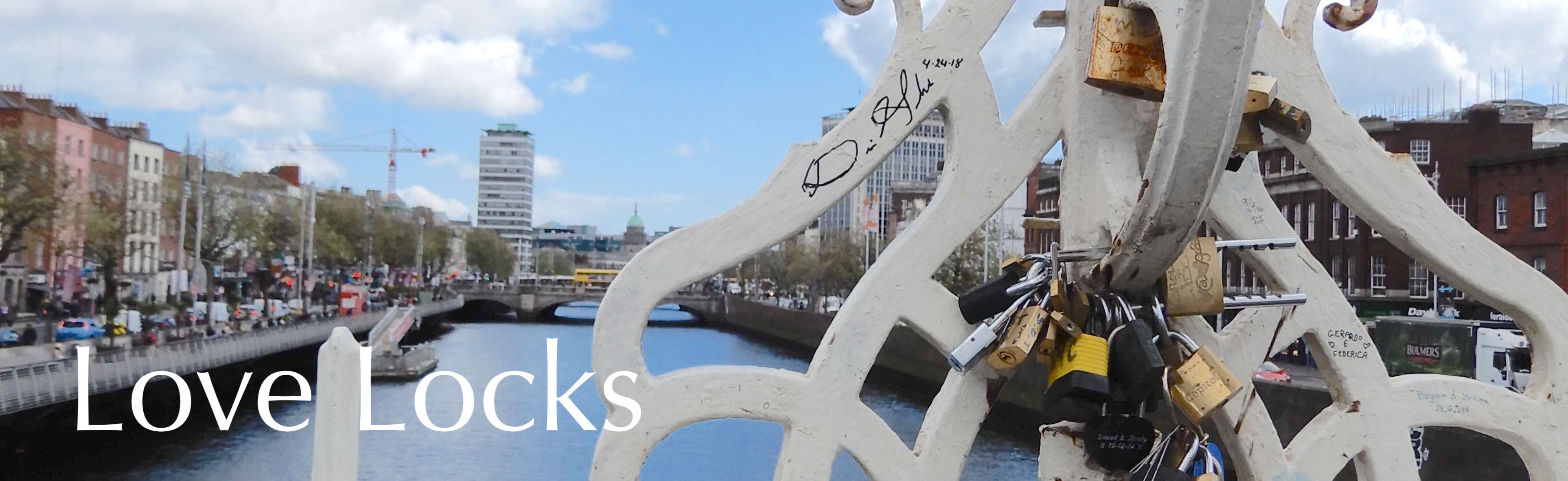
There everywhere and I would guess the padlock makers love it…
The famous Gibraltar apes have gotten lazy
jerusale, a church and a ladder
For decades a left behind ladder sits at a window in Jerusalem
hogsback route 12 utah
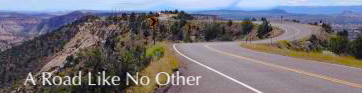
Probably the scariest road I’ve ever driven Rt. 12 Utah
October 23rd 1956 and a Hungarian holiday

Zippo Lighters In Vietnam…

Back To Vietnam As A Tourist

While I was in the Navy in the 60s I spent some time in Vietnam and I wasn’t any happier being there than the Vietnamese were happy having me there. The politics of the Vietnam war were very divisive in America at the time and brought out a lot of anti-war sentiment.

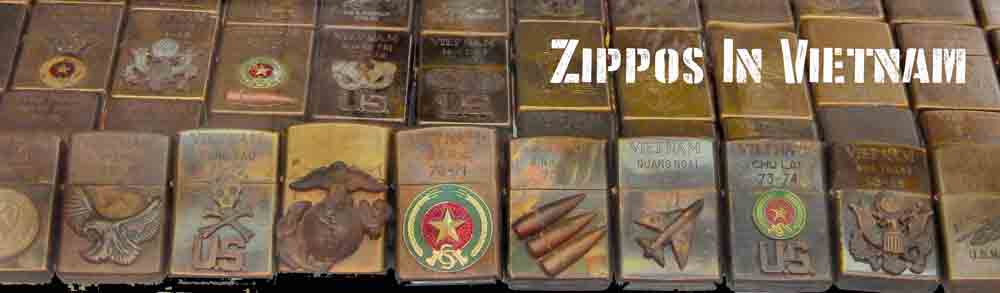
The Zippo lighter was ubiquitous in the U.S. military going back to before WWII. Almost everyone smoked and the Zippo was THE lighter. Military units bought and provided Zippo lighters with their unit emblem attached or engraved to their men.

military Zippo lighters from war in Vietnam
U.S. Military unit Zippo lighters in a shop window Dong Khoi Street, Saigon Vietnam
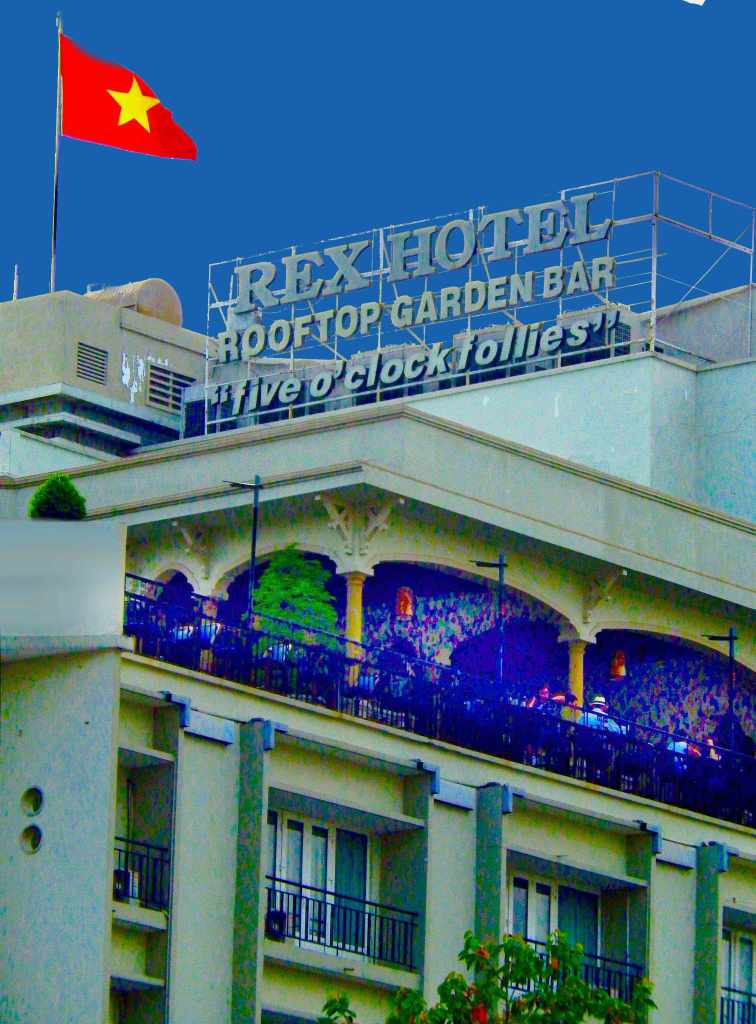
The Rex Hotel where journalists and senior military met for happy hour during the war

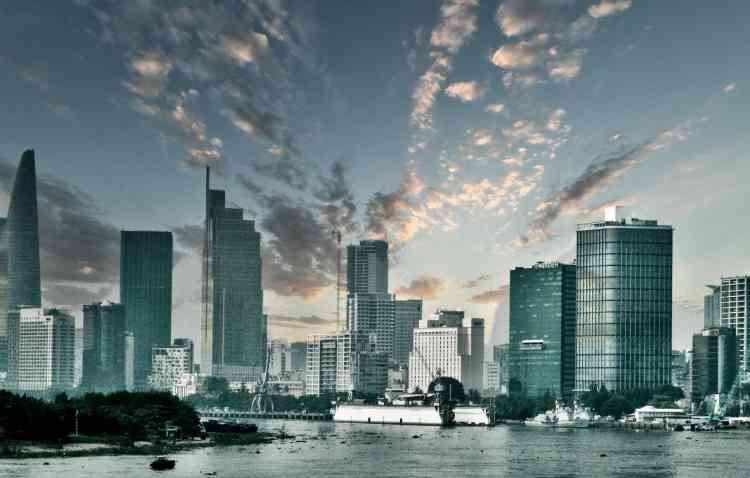
As part of a trip to Southeast Asia my wife and I spent some time visiting Vietnam. That trip included A couple of days in Saigon (even today nobody calls it Ho Chi Minh City) and one afternoon we were shopping on Dong Khoi Street, an upscale shopping area. The area is centered on the Opera House, the Rex Hotel and the Hilton featuring a number of upscale shops.

Standing on Dong Khoi Street looking in a window of a collectables shop, we realized we were seeing dozens and dozens of American Zippo lighters being displayed. The first thought was how did they come by hundreds of U.S. military lighters from dozens and dozens of military units? The first thoughts weren’t particularly good and my wife reacted with serious concern. Initially my reaction was similar but then I thought back to those days in country. While some of that initial fear may be valid the Zippo lighters were solid, well made, reliable and pretty inexpensive, and everyone wanted them. Working with the South Vietnamese military it was an inexpensive gift that was very appreciated and we often carried a couple on us for gifts or for barter. In the months that I served, I probably gave away almost a dozen of our unit’s Zippo lighters to Vietnamese we worked with. Hopefully that was a majority what we were looking at??

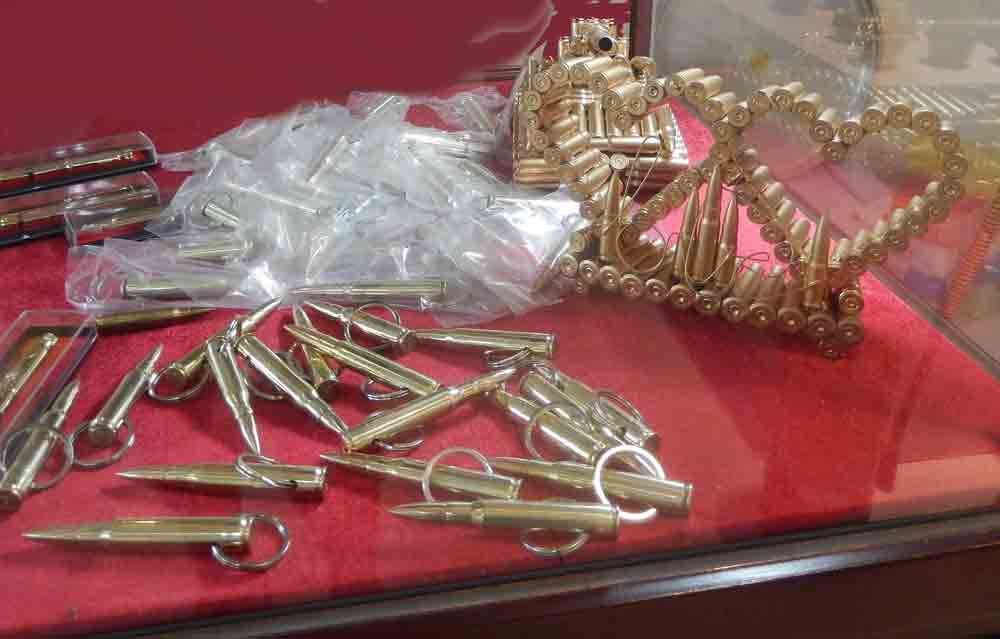
Creations made from spent ammunition

Another craft in several shops was art created from 50 cal shell casings. You could find boat models, tanks and keychains and pens made from war brass.

A Bus In Brunei And A Conversation

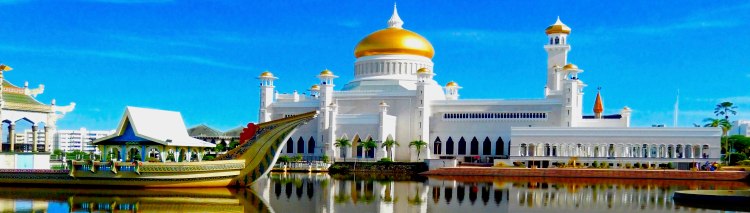
Brunei is beautiful, friendly, safe and modern. This is a small country (Sultanate) located on the north coast of Borneo and fueled by energy – oil (black gold) and natural gas. Bandar Seri Begawan, is the capital of the Sultanate of Brunei. It is also the location of the Omar Ali Saifuddien Mosque, considered one of the most beautiful in the Asia-Pacific region. It is a place of worship, a major historical site and the most famous tourist attraction of the country.

It’s odd how we Westerners seem to get philosophical when looking at people in other regions of the world. At times we overlook the really important issues like quality of life and security but often focus on abstracts like type of government and a thing called freedom. The real truth is that a concept democracy has little meaning if you don’t have enough to eat or a job. A bus ride in Brunei and a conversation sort of drove this point home.

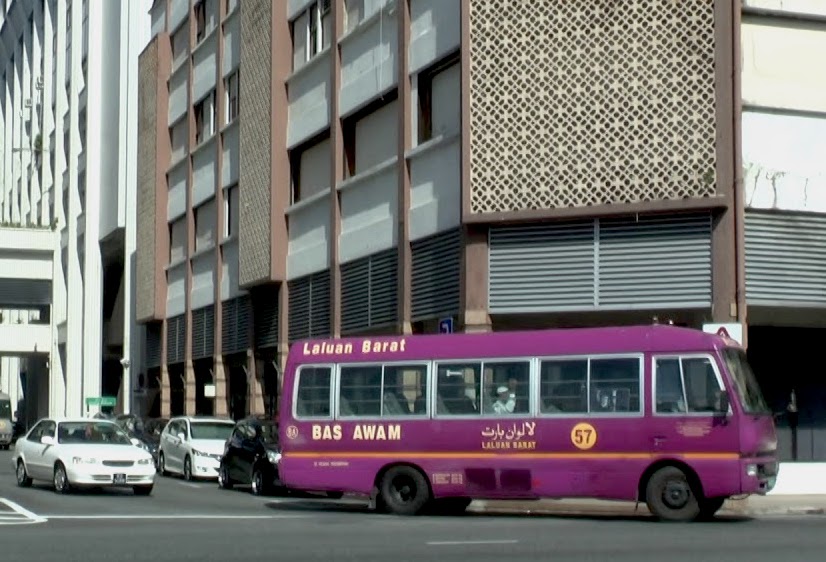
While riding on a bus in Brunei we sat up front and a Canadian couple sat across from us directly behind the driver. The Canadians were very eager to talk about the country and peppered the driver with questions. This is a part of that overheard exchange:

Canadian – What form of government do you have here in Brunei?

Bus driver – We have the Sultan and the Legislative Council.

Canadian – So the Sultan is the head of government?

Bus driver – Yes, he takes the role of Prime Minister

Canadian – How often do you have elections and are there a number of political parties?

Bus driver – Oh, we don’t have parties or elections. The Sultan appoints each member of the council.

Canadian– Doesn’t that much power concern you? Don’t people fear corruption?

Bus driver – No. The Sultan would remove anyone that was corrupt.

Canadian – But don’t the people want a say in what the country does?

Bus driver – Why? We have the Sultan. He takes very good care of us…

You can learn a lot about people overhearing conversations 😉

What makes the driver’s thinking possible is an average per capita income of over US$50,000 in Brunie. The Sultan makes sizable amounts of money from oil, which he solely controls, along with a number of the countries businesses and industry along with additional investments with that oil money worldwide. Remember the outrage when it was learned he owned The Beverly Hills Hotel?

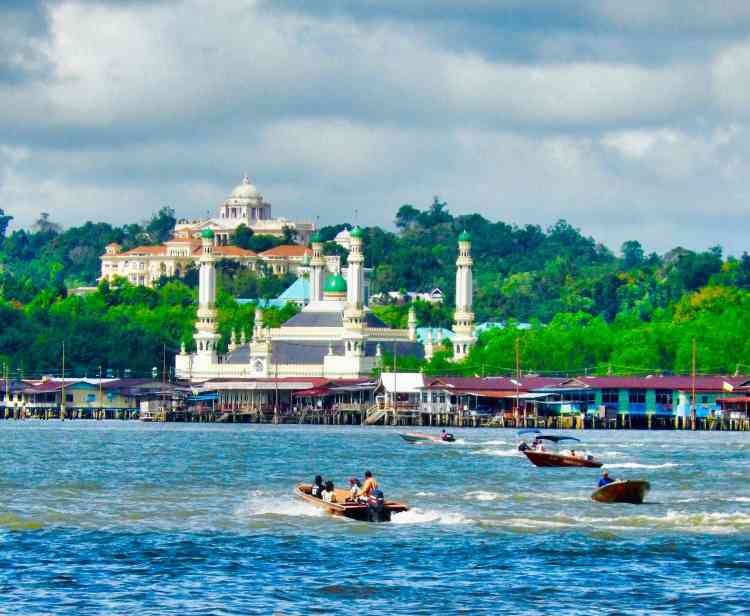
The Sultan does take care of his people. At one time some of the housing in Bandar Seri Begawan was in ramshackle water villages. But those picturesque houses on stilts standing out over the water were mostly slums. Sanitation was a serious issue, so the Sultan has been replacing them with new water villages with modern sewage treatment and solid structural supports. He also provides virtually everyone in Brunei with a free education, complete health care and a guaranteed job. Also modern, attractive, free public housing is popping up all around the sultanate.

Georgia’s Grand Lady, Historic Savannah

Above: Jack Leigh’s 1993 image titled “Midnight.”

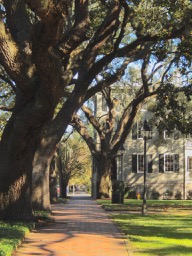
If Charleston is a Southern Belle than Savannah is the South’s Grande Dame. The city is built close upon the deltas of the Wilmington and Savannah Rivers at the confluence of the Savannah River and Little Back River. Traditionally, the culture of Savannah is rooted in the coastal “low country” just like its’ sister city of Charleston a hundred miles to the north.

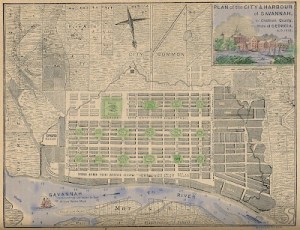
Savannah Map from 1818

The city of Savannah, Georgia was laid out by James Oglethorpe in 1733 around four open squares. Each square was surrounded by four residential (“tything”) blocks and four civic (“trust”) blocks. Once the four wards were developed in the mid-1730s, two additional wards were laid out and the city grew out from this plan. Almost three hundred years later it is those squares that make Savannah so unique and attractive. Read more HERE about the squares.

East River Street

James Oglethorpe was a British soldier, Member of Parliament, and philanthropist, as well as the founder of the colony of Georgia. As a social reformer, he hoped to resettle Britain’s poor in the New World. Savannah was the beginning of his Georgia colony. The charter allocated each family a city plot to build a house on along with a larger garden plot outside the settlement proper and an additional large farm plot farther out into the countryside. The inner city design was originally intended to allow for defense from the Spanish to the south and the native tribes around the area.

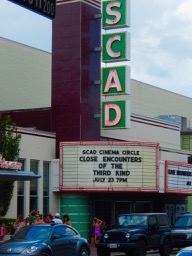
The SCAD Theatre

Today it doesn’t matter if the plan was a result of genius or luck or centuries of dedication, Savannah is one of the world’s most beautiful, walkable and livable cities. It is home to SCAD (Savannah College of Art and Design) which is a dominant force in the culture of the city. Be sure to make time to visit their gallery and museum and ShopSCAD .

Savannah is also one of America’s most historic cities having played major roles in the colonization of America, the Revolutionary War and the Civil War. It is also known for food, ghosts (there are dozens of haunting legends as well as tours) and a vibrant lifestyle. When people think of this city they usually think of Midnight in the Garden of Good and Evil, the birdgirl statue, cemeteries and grand steepled churches.

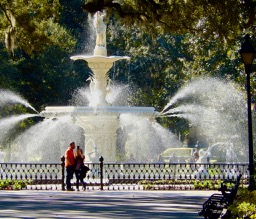
The Fountain in Forsythe Park

The last time we visited Savannah was a year ago in August, during the heat of summer. We came back in November and the weather and temperatures were glorious. We spent most of our time touring on foot, taking time for frequent stops to shop and snack. While walking along the river late one afternoon we decided, for old times sake, to stop into The Charte House for happy hour. In addition to good happy hour drink prices and snacks we were pleasantly surprised with an order of fried green tomatoes, some of the best we have ever had.

Crystal Beer Parlor

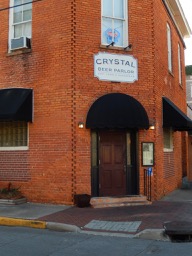
While strolling around the outskirts of the historic district we stopped for lunch at Crystal Beer Parlor, a local treasure on West Jones Street. Located in a former grocery store the “Crystal” is Savannah’s oldest restaurant, dating back to 1933. Its’ menu features solid American fare and an extensive beer list including a nice selection of local brews.

On a previous visit to Savannah we took a walking “Famous & Secret East Side Food Tour” which was the most fun we’d had for lunch in a long time. We started at Smith Brothers Butcher Shop  and visited a half dozen spots for everything from tea and sweets to gyros. One of the stops was at Angel’s Barbeque, which had garnered a reputation for some of the best barbecue and homemade sauces in Savannah. We enjoyed delicious pulled pork sandwiches. I’m glad we stopped at that time as the owners, Andrew and Alieen Trice, have now sold the building and retired. To some this amounts to a tragedy.

Market Square

If you are spending a day doing a walking tour of the city, a popular lunch idea is to stop by Smith Brothers Butcher Shop and order a sandwich to-go or pick up some items for a picnic in one of Savannah’s many squares.

For an introduction to the flavors of the city one should consider a number of dishes that the city is known for like low country boil, Shrimp and grits, Crab Savannah, oyster roast, crab cakes, beans n rice or red beans, fried green tomatoes and for dessert look for Georgia Peach Pie or cobbler, pecan pie and pralines or gophers.

Some must have treats in this historic city are legendary Leopold’s Ice Cream , Savannah’s Candy Kitchen for pralines or gophers, Southbound Brewing Company  for a tour and samples and one of Savannah’s popular and eclectic coffee shops.