Port of Call Mykonos

Mykonos (Also Mikonos), Greece

The name Mykonos actually refers to the island as well as the major town.

The Greek islands attract people from all over the world and the most popular of them is Mykonos. It features an exciting nightlife and a cosmopolitan atmosphere that attracts visitors of all ages. The island has a famous party scene, boasts picturesque villages and magnificent beaches featuring golden sands washed by the crystal clear waters of the Aegean Sea. The weather is usually great, the sky and sea compete to see which is the more spectacular turquoise and everywhere you look are sun bleached white stucco buildings. Spending time strolling thru narrow streets and alleys as you shop for art, local crafts and souvenirs is enchanting. Cafes and restaurants are everywhere with seating that spreads out onto patios and porches offering incredible views of the harbors and sea.

When visiting keep an eye out for the mascot Pelican of Mykonos. Named Petros (Peter) he’s part of the traditions and culture of the island. This pelican of Mykonos strolls leisurely through the city’s many streets and alleyways. Currently Petros the Pelican is a second generation mascot. He and his predecessor have made Mykonos town their home since 1954. The original Petros passed away in 1985 and the current Petros quickly took his place. Both of these Pelicans have made their way into the hearts of the people of Mykonos as well as the many visitors to this enchanted place.

Where Your Ship Docks
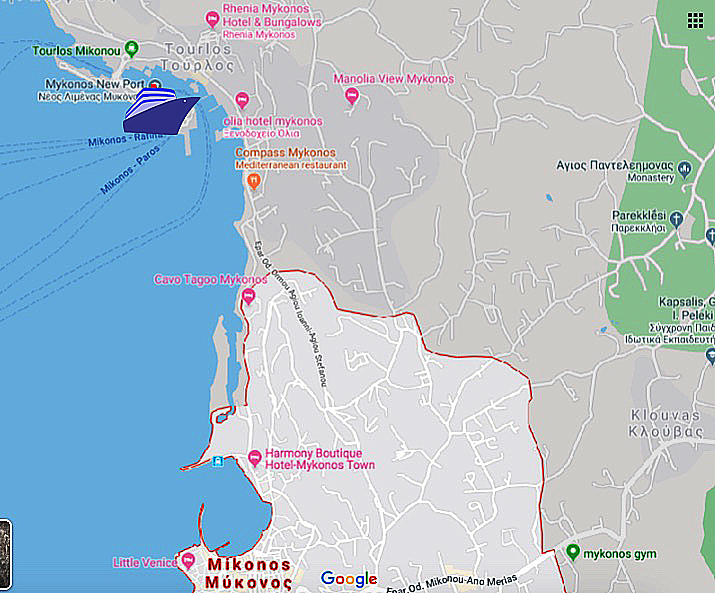
Mykonos has a new cruise pier about a mile and a half from Mykonos City. Shuttle bus service is usually provided and there are good sidewalks around the waterfront but they can be steep in places.

Wheelchair Accessibility
Disembarking – Mykonos has a developed cruise ship pier but the ease of disembarking varies by the individual ships gangway designs. The pier is some distance from town so getting on and off buses is necessary. For passengers using wheelchairs the pier and sidewalks ashore are well maintained and reasonably flat. Walking into town are a number of hills to navigate.

Mykonos town has a moderate to steep geography where there are typically elevations and inclines to deal with. Otherwise wheelchair infrastructure is typical of small towns. The waterfront area has moderate inclines in sidewalks but the town itself can be more difficult. Intersection crosswalks may have curbs or other wheelchair obstacles.

Transportation

The island has a good bus system with routes that connect most towns with the many popular beaches. The Mykonos bus fleet includes 26 buses, some of which are provided especially for the island”s tourist visitors. The fare is between €1 and €3, depending on the distance traveled, and you can buy tickets directly from the driver or at the booths at the terminals. Taxis are also readily available and are not overly expensive.

Money

The local currency is the Euro (€), ATM’s are conveniently located and most credit cards are welcome.

Attractions

The island is a magnet for Sun worshipers with dozens of beaches to pick from. A couple of the most popular include:

Paradise Beach and Super Paradise Beach are 4 miles from Mykonos Town, they are sand beaches very popular with young people that come to play all day and late into the night. It also features diving and watersports and plenty of bars and clubs which flow out onto the beach. Paradise Beach has a party vibe with good swimming in beautiful water. It’s also nudist friendly. You can reach the beach by taxi, boat or bus.

Ornos Beach is well equipped with loungers and umbrellas along with many cafes and restaurants. There is good windsurfing, diving and water skiing. It’s less than 2 miles from Mykonos Town, so it’s easy to get to by bus or boat. It’s located in a lovely bay with great views. Although it can get crowded, it is more relaxed than other beaches, so it’s an enjoyable place to spend the day.

Ornos Beach

If you’re spending time on the island don’t pass up the nightlife: Mykonos is famous for its nightlife, with many bars and clubs being crowded until dawn.

The Mykonos windmills are the iconic feature of the island. The windmills can be seen from many points around the village of Mykonos, the island’s central village and are the first thing you see when coming into the harbor as they stand on a hill above the village.

The Aegean Maritime Museum – a non-profit institution founded in 1985. It’s dedicated to collect, study and promote Greek maritime history and tradition. It features a particular focus on the evolution and activities of the merchant ship, mainly in this historic region of the Aegean Sea. The Aegean Maritime Museum is housed in a traditional 19th century Myconian building, which is located at the centre of the Town of Mykonos.
The Archaeological Museum of Mykonos – a museum with collections that include exhibits dating from the Prehistoric to the Hellenistic period. The museum has six rooms that include models and tomb artifacts of Rinia. Also featured are earthenware, Cycladic stoneware and ceramics dated from ninth and eighth century BC. The most popular display is the internment reliefs of the fall of Troy.

Go shopping: Mykonos has many boutiques and shops selling everything from

Consider a day trip to Delos Island nearby to explore ancient ruins famous from Greek mythology.

Shopping

Specialties include olive products like soaps and oils, spices along with local arts and crafts. Keep a look out for good buys in famous label designer clothes and shoes, art galleries and fine jewelry in the Greek design tradition as well as souvenirs.

Mykonos Greece – where your ship docks, getting around, attractions to see, beaches to visit, currency and shopping. Part of the Cruise Ports of Call guides from Intend2Travel.
Our Favorite Travel Stories

A few of our memorable days, odd moments and interesting discoveries. Click banner images below to read.

changing the guard in copenhagen
Rush hour traffic in Copenhagen and The Changing Of The Guard

Looking for the Blue Footed Boobie in the Galapagos

A Rainy Day Adventure In Blarney

In A Cemetery In Halifax
Once Upon A Time In Rome
A Day at Icy Straight Point
Bastille Day in Paris
While on a Bus in Brunei
worlds smallest drawbridge
An afternoon looking for the worlds smallest drawbridge
racing through the louvre
Three teens loose in Paris in 1965 and a famous columnist
A lost opportunity in Key West

A day of protests in Valencia Spain

lovelocks
There everywhere and I would guess the padlock makers love it…
The famous Gibraltar apes have gotten lazy
jerusale, a church and a ladder
For decades a left behind ladder sits at a window in Jerusalem
hogsback route 12 utah
Probably the scariest road I’ve ever driven Rt. 12 Utah
October 23rd 1956 and a Hungarian holiday

Below are links to a few of our more recent articles you might find of interest.

Thanks for visiting and please come back soon

Budapest, Hungary

An Introduction To Budapest

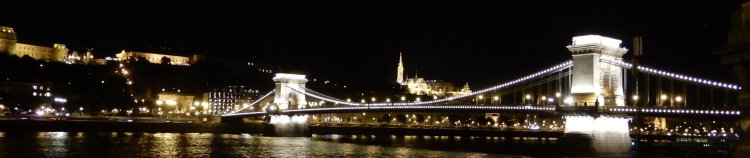
The Danube At Night
St. Stevens

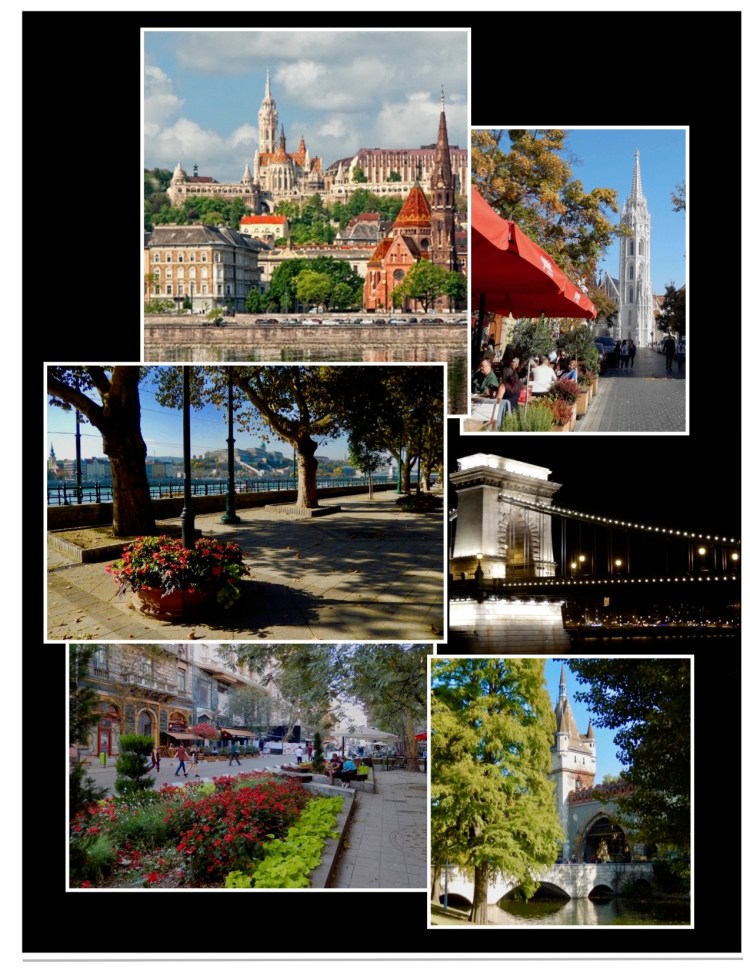
We can’t say enough about Budapest. It’s a beautiful place and it’s easy to get around in with an efficient and extensive public transportation system. The heart of the city is the Danube River with its banks adorned with magnificent buildings from the Parliament building to Buda Castle, Cathedrals and churches. We can’t imagine a more enchanted sight than strolling along the river after Sunset in Budapest.

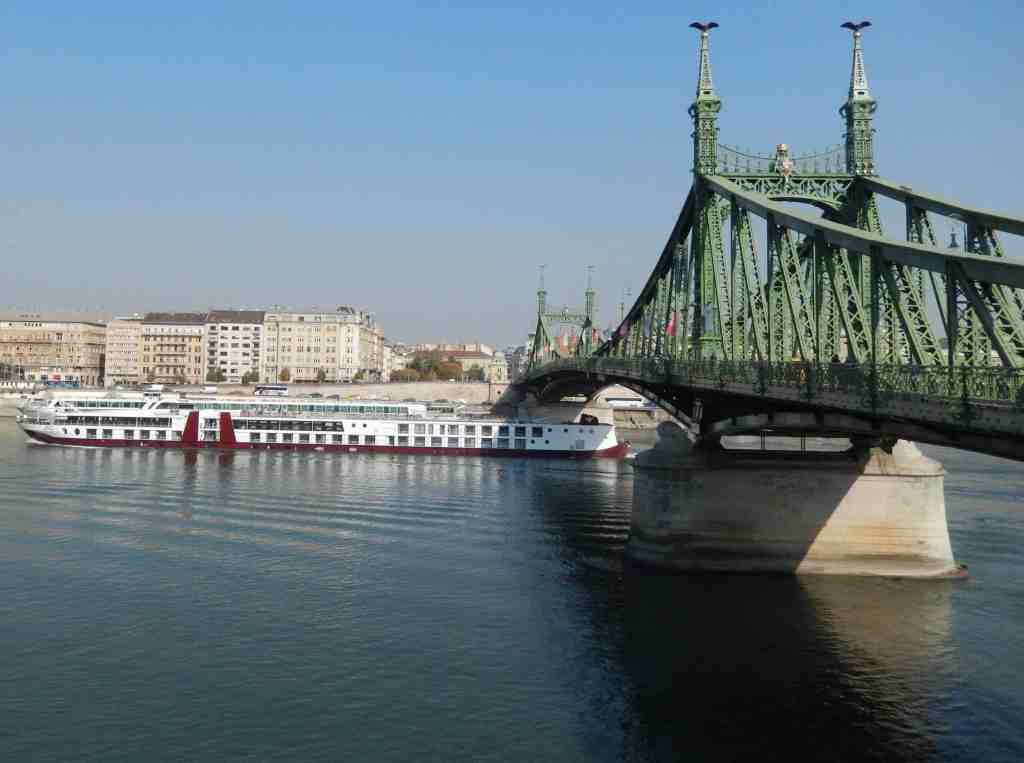
River Cruising And Budapest – This amazing city is a popular departure (and termination) point for east and west Danube river cruises. On any given day you will find dozens of river cruise boats tied up along the river. If your plans include a river cruise into or out of Budapest, be sure and spend several days before or after your cruise, you will not regret it!.

Hungarian – The majority of Hungarians are dacendents of the Magyar people and while finding locals who can speak English isn’t difficult, the problem is finding signage in anything but Hungarian. Hungarian is one of the worlds more complex written languages and difficult to decipher if you weren’t raised to it. Fortunately Hungarians are very friendly people and seem eager to help visitors.


While Hungarian belongs to the Finno-Ugric language family, which also includes Finnish, Estonian, and several other languages spoken in northern Europe and western Siberia but has become a unique variation. Hungarian is thought to have originated in the Ural Mountains, which are located between Europe and Asia. The Magyar people are thought to have migrated from the Ural Mountains to the Carpathian Basin (the area that is now Hungary) around the 9th century AD.

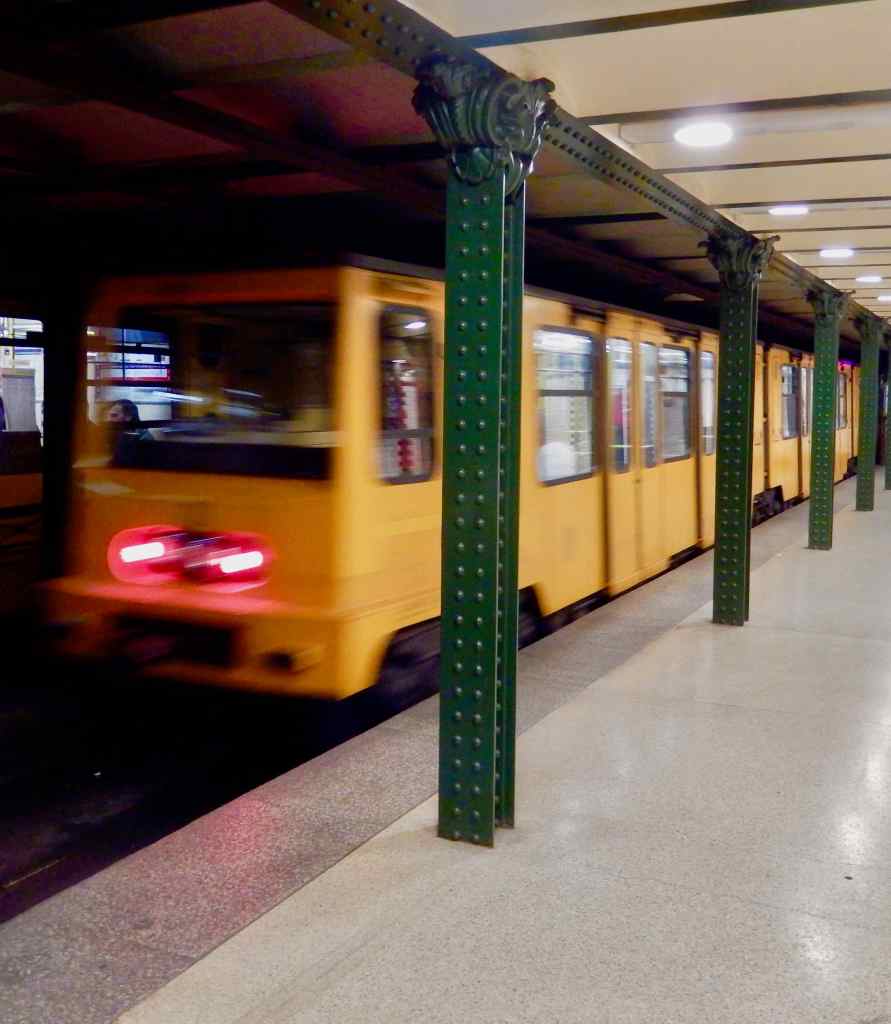
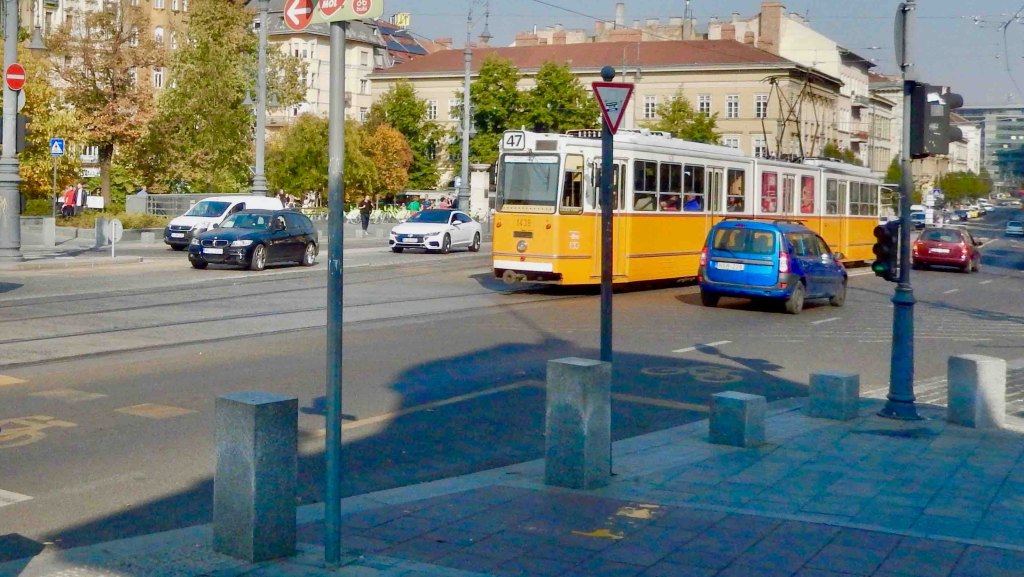
Getting Around Budapest – The city has an extensive public transportation system that includes a subway, trams and buses and are an exceptional value. You’ll find more information on navigating Budapest HERE.

The city is famous for its cuisine and its many fine restaurants. To us there are a couple of must visit locations while there. Oddly one is the McDonalds at the central train station which is accurately described as the most beautiful McDonalds in the world. Another favorite is The New York Kávézó (that’s Hungarian for café), particularly for coffee and pastries – gorgeous surroundings with a small group playing chamber music. Also don’t leave town without trying Hungarian goulash soup and the Kürtőskalács (a local pastry). Read more HERE.

Another unique part of the Budapest scene are the Ruin Bars. Started in abandoned buildings after the fall of the communist government, these nightclubs thrived in the city and became a focus of the younger generation. While many have somewhat a ramshackle appearance and surroundings that’s part of the culture and they have become a staple of Budapest nightlife. Two of the more famous are the Red Ruin Bar which has grown into almost a block of bars and restaurants and Hyp-R.ZONE – Sim & VR Bar which is famous for its video games.

The Must-See Sights In Budapest Include:

  • Buda Castle – a historic castle complex located high above the city. The castle was originally built in the 13th century as a fortress for the Hungarian kings. Over the centuries, it was expanded and renovated several times, and it became the residence of the kings and queens of Hungary. The castle complex includes several buildings, including the Royal Palace, the National Gallery, and the Budapest History Museum.
  • Fisherman’s Bastion – is a beautiful terraced location on the Buda bank of the Danube River, near the Matthias Church in the Castle District. The terrace was built in the late 19th century and it offers stunning panoramic views of the city, including the Danube River, the Pest side of the city, and several of Budapest’s famous landmarks. Fisherman’s Bastion is named after the medieval guild of fishermen who were responsible for defending this stretch of the city walls during the Middle Ages. It is a must-visit attraction if you’re in Budapest!
  • Hungarian Parliament Building – a majestic building dominating the banks of the Danube.

  • St. Stephen’s Basilica – A beautiful and historic church located in the heart of Budapest, Hungary. The church was named after St. Stephen, Hungary’s first king, who founded the Hungarian state and played an important role in spreading Christianity throughout the country. It is actually built on old Roman ruins.
  • Széchenyi Thermal Bath -Budapest is famous for its thermal springs and these baths were opened in 1913 and they are fed by two thermal springs with water temperatures ranging from 27 to 38 degrees Celsius. The baths have several indoor and outdoor pools, saunas, steam rooms, and massage services. The outdoor pools are particularly popular, especially during the winter months when visitors can enjoy the warm water in the cold weather.
  • Hero’s Square features an expansive square ringed with statues of famous Hungarian figures and includes museums, a major park and gardens with the Budapest Zoo, Vajdahunyad Castle and a paddle boat lagoon.
  • Danube Promenade – An amazing and extended park along the Danube that featuring shops, restaurants, cafes and is very popular for walking and just sitting and watching the boats on the river.
  • Matthias Church is a beautiful and historic church located in Budapest’s Castle District. It is one of the most famous churches in Hungary. The church was originally built in the 13th century in the Gothic style, but it has undergone several renovations and additions over the centuries, including a major restoration in the late 19th century. Matthias Church features stunning architecture, intricate carvings, and colorful stained-glass windows. It also houses several important religious relics, including the Holy Right, which is believed to be the right hand of St. Stephen, Hungary’s first king. The church is named after King Matthias Corvinus, who ordered the restoration of the church in the 15th century. It is a must-visit attraction if you’re interested in history and architecture.
Market Hall
  • Market Hall is a major attraction for shopping where you can get everything from food (stalls and restaurants) to t-shirts, souvenirs, chess sets, egg ornaments and much more. There’s even an Aldi in the basement.
  • Ruin Bars – Budapest is also famous for its ruin bars, which began to pop up shortly after the fall of the old communist government’s rule. Ruin bars are unique bars that are typically set up in abandoned buildings, factories, or warehouses that have been converted into bars. These bars are known for their quirky and eclectic decor, with mismatched furniture, art installations, and vintage items. They often have several rooms and outdoor spaces, and offer a variety of drinks and food options. Ruin bars are a popular spot for locals and tourists alike, and they are a must-visit if you’re in Budapest.Some of the most popular ruin bars in Budapest include: Szimpla Kert, Instant-Fogasház, Mazel Tov, Kőleves Kert, Ellátó Kert.

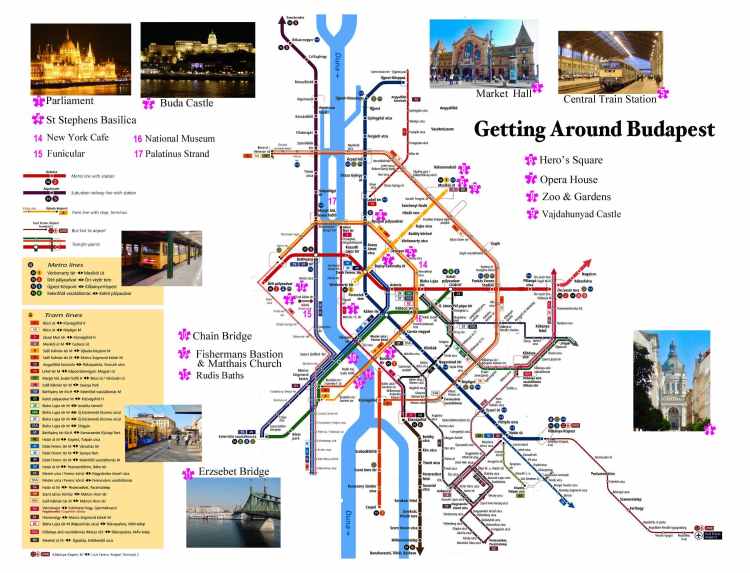
If you’re considering a visit be sure and download our customized visitors map that includes the major attractions with tram and subway lines and stations.

Budapest Map with attractions and mass transit lines and stations
Click map to download a pdf copy to save and print

Highlights of Hungarian History

The famous New York Cafe

In the 5th century the Hungarian tribes settled in the Carpathian Basin a European region with Hungary sited near its center. In 997-1038 AD King Stephen of the Árpád dynasty rules the country. In 1000 AD Stephen converted to Christianity, and after his death, was made a Saint.

In 1241 AD the Mongolian Tatars invade the country. They devastated the country in a war that lasted a year and while it would take many decades for the nation to recover the Hungarians halted the Tatars continued westward advance.

1458-1490 AD under the rule of King Matthias from castles inBuda and Visegrád the region became the cultural center of Europe.

Buda Castle

After 1526 the Turks defeat the Hungarian army and the Turks occupied Buda with Hungary split into three parts. The Habsburgs governed the western part of the country, the central area was ruled by the Turks, and only the southeast Transylvanian principality remained Hungarian. In 1686 Buda was recaptured from the Turks.

1873 Pest, Buda and Obuda were unified, Budapest became a European metropolis. Monuments like the Opera House, the National Gallery, the Parliament were built. In 1918 Germany and the Austro-Hungarian monarchy, lost the First World War and the monarchy disintegrated. After the Second World War in 1945 the Soviet Army occupied Hungary and in 1947 the last free elections were held followed by Communist control with a Stalinist dictatorship imposed. In 1956 a revolution against Stalinism started, but the uprising was defeated by invading Soviet troops.

1990 the Communist party voluntarily gave up its autocracy and a multi-party parliamentary democracy came into being in the country as the Soviet army left Hungary.

Visiting this major European capital. Getting around and major attractions with things to do. Baths, ruin bars, historic sights…

Skagway And A Hike Gone Wrong

Easy Hiking In Skagway?

Recently we did some hiking in Alaska and in Skagway things went somewhat sideways. Just outside of town and past the airport is a pedestrian bridge that takes you to several trailheads. On our first day we added a short hike to Smugglers Cove to our afternoon and started out.

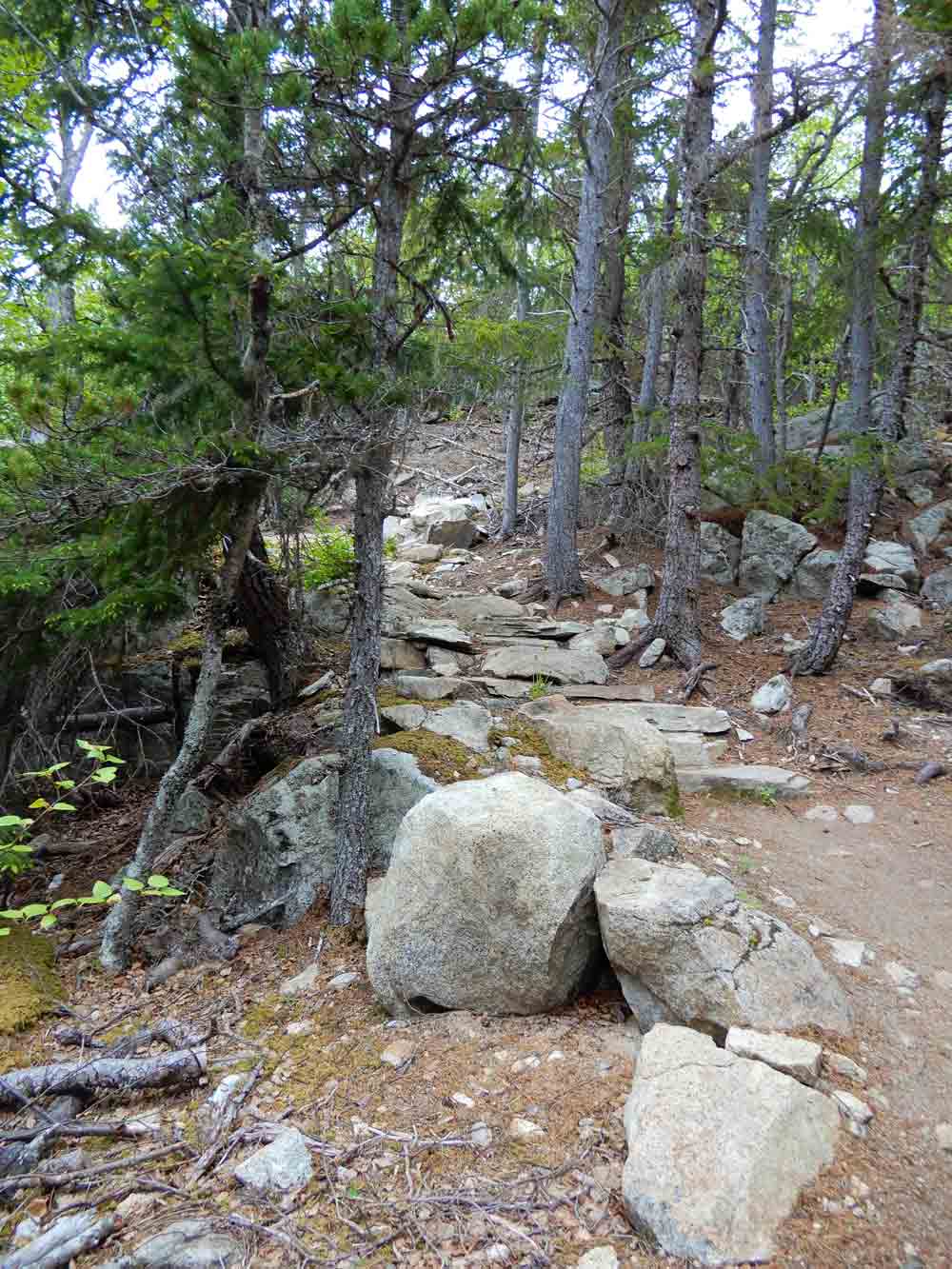
Smugglers Cove is rated easy and the trail is around a mile round trip. After crossing the pedestrian bridge we started up a wide trail. A few hundred feet in we came to a marker post with arrows pointing off to the right for Smugglers Cove and an obvious path into the woods. Ten to fifteen minutes into the hike this trail began to climb at least 30° into a rocky area. Thinking that we had to cross a ridge we kept walking and every few minutes the trail got harder. After a half mile it was becoming obvious that we weren’t heading toward a cove as our trail kept on climbing.

The A.B. Mountain Trail

The climbing got more difficult and being worried about time we gave up. It was also odd that we hadn’t passed anyone else on the hike. Back in town we stopped in at the National Park Service to get some trail maps and suggestions. Explaining that the trails over at Smuggler’s Cove were managed by the town of Skagway and there was a lot of controversy regarding trail markers, they explained that we probably had taken the A.B. Mountain trail by mistake and it was 4 miles long and rated as strenuous.

Several days later we returned to that trail with some friends and when we reached the marker where we took a wrong turn it was apparent what had happened. The markers were attached to a 4×4” post that was just sitting in a hole. It was easy to just rotate the post. Looking around we found the markers for Smuggler’s Cove and Yukatania Point up a small incline through some rocks behind the post.

Smuggler’s Cove

Alaska has some incredible hiking trails with many managed by the National Park Service with one of their more challenging hikes being the Chilkoot Trail. It traverses Alaska and British Columbia for about 33 miles, half in Alaska, and half in British Columbia. The Alaskan portion of the trail, which is a unit of Klondike Gold Rush National Historical Park, was recently designated as Chilkoot National Historic Trail. Unfortunately major flooding caused extensive trail damage on the U.S. side in October of 2022. NPS employees are working to repair the damage and some sections are hoped to be open later in summer 2023. Through hiking of the entire 33 miles of trail will not be possible until Spring of 2024.

Caribbean Travel And Duty Free Shopping

U.S. Returning Resident Duty Free Policy

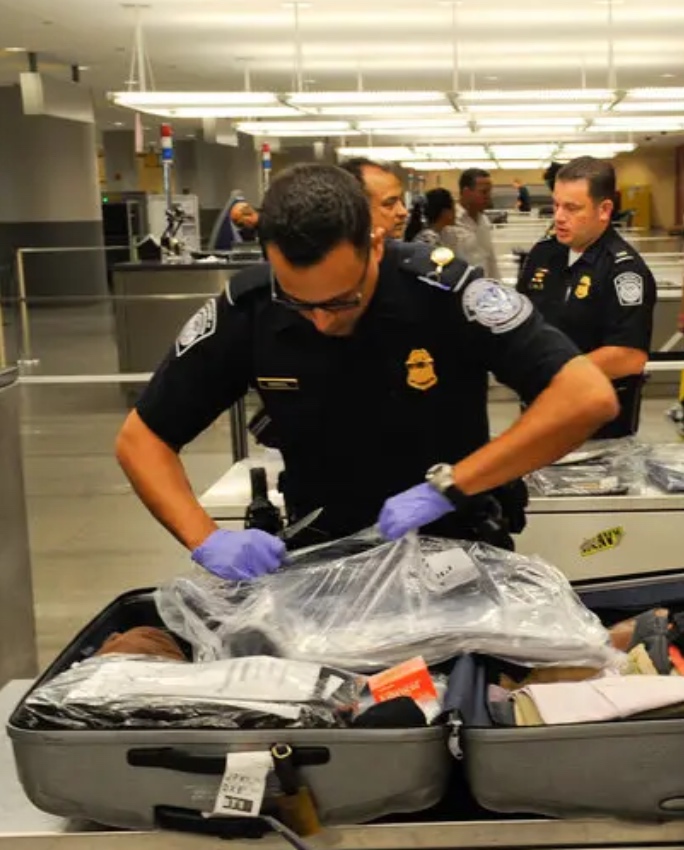
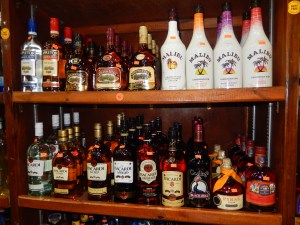
Now that Caribbean cruising is back at full capacity a lot of passengers are planning on taking advantage of Caribbean duty free liquor policies. Unfortunately there is a lot of misinformation regarding what is allowed. Not only could making a mistake cost some extra duty charges it can also cost you more than a little time while agents try and calculate your duty charges while filling out forms. Following are the current policies on bringing back purchases from foreign countries duty free, especially liquor and tobacco in what quantities and from where.

Duty-Free Exemption

The duty-free exemption, also called the individual personal exemption, is the total value of merchandise you may bring back to the United States without having to pay duty. You may bring back more than your exemption, but you will have to pay duty on it. In most cases, the personal exemption is limited to $800 duty free ($1,600 on purchases from the U.S. Virgin Islands, American Samoa, or Guam) with additional limits on alcohol and tobacco products. The limits on the amount of alcoholic beverages, cigarettes, cigars, and other tobacco products you may include in your duty-free personal exemption are explained in the section below regarding alcohol.

The duty-free exemption (Generally $800) on your purchases:

  • The items need to be for your personal or household use or intended to be given as gifts.
  • They are in your possession, that is, they accompany you when you return to the United States. Items to be sent later may not be included in your $800 duty-free exemption. (Exceptions apply for goods sent from Guam or the U.S. Virgin Islands.)
  • They are declared to Customs and Boarder Patrol CBP. If you do not declare something that should have been declared, you risk forfeiture. If in doubt always declare it.
  • You are returning from an overseas stay of at least 48 hours. For example, if you leave the United States at 1:30 p.m. on June 1, you would complete the 48-hour period at 1:30 p.m. on June 3. You will be exempt from the time limit if you are returning from either from Mexico or from the U.S. Virgin Islands.
  • You have not used all of your exemption allowance, or used any part of it, in the past 30 days. For example, if you go to England and bring back $150 worth of items, you must wait another 30 days before you can apply another $800 exemption.

Regarding Alcohol

How much alcohol or tobacco can you bring back?

Generally returning from most countries the alcohol exemption is limited to one liter of distilled spirits.

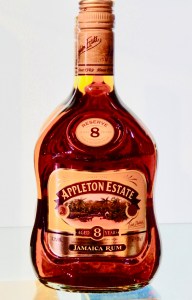
The amount of alcohol you can bring back from a U.S. insular possession (U.S. Virgin Islands, American Samoa, or Guam) duty-free is greater. As long as the amount does not exceed what individual states consider a personal quantity*, U.S. Customs and Border Protection (CBP) will allow you to enter the U.S. with up to five liters of alcohol duty-free as part of your exemption – as long as at least four liters were purchased in the insular possessions (U.S. Virgin Islands, American Samoa or Guam – [be sure and have receipts]), and at least one of them is a product of that insular possession like Virgin Island rum from USVI. Additional bottles will be subject to a flat duty rate of 1.5% of the purchase price but can also be subject to Internal Revenue Service taxes which needs to be calculated based on the actual alcohol content and volume.

Please Note, only one liter of alcohol purchased in a cruise ship’s duty-free shop is eligible for a duty-free exemption unless at least one bottle purchased on board is the product of an eligible Caribbean Basin country**, then you will be allowed two liters duty free. If you buy five liters of alcohol in – say – the U.S. Virgin Islands (USVI), and one of them is the product of the USVI, then you would have reached your duty-free limit. Any additional purchases made on board in a duty-free shop would be subject to CBP duty and an IRS tax.

If you buy four bottles in the USVI, one of which is a product of the USVI, then you could purchase one additional bottle from the onboard duty-free shop, and it would be eligible for duty-free entry status.

If you have not exceeded your duty free exemption, you are no longer required to complete a customs declaration. As you pass through immigration you will be questioned about your purchases. If they include alcohol, be sure to have your purchase receipts readily available. The Officer may want to see them as proof of where the purchases were made. Place of purchase as well as quantity will determine whether duty and taxes need be charged** ‡.

* Most individual states also have restrictions on the amount of alcohol that can be brought into that State by residents of that State without additional taxes being due‡. Most people just transiting a state are not subject to those restrictions. For example, if you live in New York and return from a Caribbean cruise in Miami, Florida will consider you in transit. Sometimes regulations change, and if this is a matter of utmost importance to you, you can check with the individual state Alcohol Beverage Control Board where you will be arriving to find out what their policies are.

** Most Caribbean Basin countries are considered beneficiary countries for purposes of this exemption. (Anguilla, Cayman Islands, Guadeloupe, Martininque and Turks and Caicos are not eligible)

‡ Duty free exception laws are complicated and often Federal CBP agents aren’t completely aware of all the rules regarding what is allowed. Often you can get away with misrepresenting what you are bringing back and won’t be challenged, but if you are caught “smuggling” the fines can be serious.

‡ State laws regarding crossing state lines with too much tobacco or alcohol are also rarely checked or enforced but in this there is always some element of risk.

Tobacco products allowance

In accordance with 26 U.S.C. § 5702(c), “tobacco products” means cigars, cigarettes, smokeless tobacco (snuff or chewing tobacco), pipe tobacco, and roll-your-own tobacco.

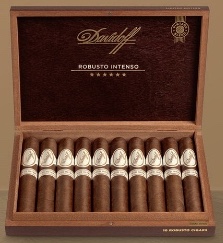
Returning resident travelers may import tobacco products only in quantities not exceeding the amounts specified in the personal exemptions for which the traveler qualifies (not more than 200 cigarettes and 100 cigars if arriving from other than a beneficiary country and insular possession).

Once every 31 days, a resident returning from travel from American Samoa, Guam, the Commonwealth of the Northern Mariana Islands (CNMI), or the Virgin Islands of the United States may import 1,000 cigarettes (5 cartons), not more than 200 of which acquired elsewhere than in such locations, within the returning resident’s $1,600 exemption from duty and taxes.

Legends Of Skagway & The Klondike Gold Rush

Three Real Legends Of The Yukon Gold Rush,

Jack London

One of the most enduring and widely known legends of the Klondike Gold Rush concerns Jack London, a young man who came to Alaska looking for gold. While he didn’t strike it rich, he turned his Klondike adventures into fame and fortune with legendary short stories and books like Call of the Wild.

The story begins when Jack turned 21 and dropped out of college to make a living as a writer. Soon after news of gold in the Klondike inspired him to head north in search of treasure. Booking passage on the steam ship Umatilla, he sailed for Alaska along with his 62-year-old brother-in-law. Disembarking in Juneau on August 2, 1897 and having hooked up with three other men, the group picked up about five tons of supplies and canoes and set off for Skagway.

Initially starting inland from Skagway, they reached the White Pass where Jack wrote of the incredible scene they found. “Horses died like mosquitoes in the first frost, and from Skaguay to Bennett they rotted in heaps,”

Because of the disaster in the White Pass and already being warned about Soapy Smith’s men*, the group went eight more miles to Dyea and struck out for the Chilkoot Trail. Reaching the Yukon a month later they set up camp. Jack’s original log cabin was built on the North Fork of Henderson Creek, 100 miles south of Dawson City.

Mollie Walsh 1872 – 1902

The Belle of Skagway

As the story is recounted Mollie was a resourceful and independent young woman with wanderlust and a love of wild places. In 1890, she left home at 18 for Butte, Montana where she lived for seven years. She traveled to Skagway in 1897 and became a popular waitress and a member of the humanitarian activities of the Skagway Union Church. When her civic activities crossed Jefferson “Soapy” Smith* she feared retaliation and quickly left Skagway moving up to the White Pass near the Canadian Mountie station where she established a cook tent.

Bust of Mollie in her park in Skagway, Alaska

Over the spring of 1898 thousands of gold rushers told stories of her charm and grace. Jack Newman and Mike Bartlett, both respected “packers” were serious suiters, but Mike finally won her heart. In 1900 they were married in Dawson and had a child and were blessed with prosperity until Mike took to drinking and got into trouble in Nome.

Molly fled to Seattle with their child but Mike came after her. He found her in 1902 and in an argument Mollie fled down an alley where he caught her and shot her dead.

In 1930 Jack Newman, who never stopped loving Mollie commissioned a statue of her that was unveiled in a Skagway park named for her. At its unveiling he was recorded as saying that “on her headstone should be inscribed: Here Lies Drama!” The bust still stands in that Skagway park.

* Jefferson “Soapy” Smith

“Soapy” Smith was a notorious American con man and gangster in frontier America. Smith operated confidence schemes across the Western United States, and had a large hand in organized criminal operations in both Colorado and later Alaska.

Born November 2, 1860, Coweta, GA. He died on July 8, 1898 in Skagway, Alaska. He’s buried in Gold Rush Cemetery, Skagway.

In Colorado “Soapy” Smith was tied up with a network of thieves and conmen, along with crooked cops and through them gets information on a big opportunity up in Alaska. He comes to Skagway in 1898 and builds a saloon (pictured above is Soapy in his saloon). Soapy had no intention of going to the Klondike to pan for gold but saw Skagway as the place to get rich by conning the people pouring through on the way to the Yukon gold fields.

He sets up the rackets he ran in Colorado in Skagway. He gets a crew together and sets up several schemes to fleece the people coming through town. One con was where he earned his nickname. It was to sell bars of soap wrapped up in paper with a claim that some of bars contained money inside. His gang would buy “special” bars and show off to the crowed how much money they made. Another operation involved a phony telegraph office. There wasn’t an actual working telegraph line in Skagway, but people would pay him to telegraph loved ones they had arrived, and the reply would come back saying ‘please send money’ which Soapy would collect and pretend to telegraph out.

Soon the more proper businessmen learned that the word was out that Skagway was full of crooks trying to swindle people out of their grub stakes or gold and people began to avoid Skagway. The good people of Skagway decided enough was enough, and in the summer of 1889 decided Soapy had to go. Hearing about it Soapy got drunk and tried to go to a town meeting to confront the town’s people. The story says he brought his shotgun along and one Frank Reed, an unofficial guard, confronted him. The story ends with them shooting each other simultaneously. Soapy was 38 and his body is laid to rest in the Skagway gold rush cemetery.

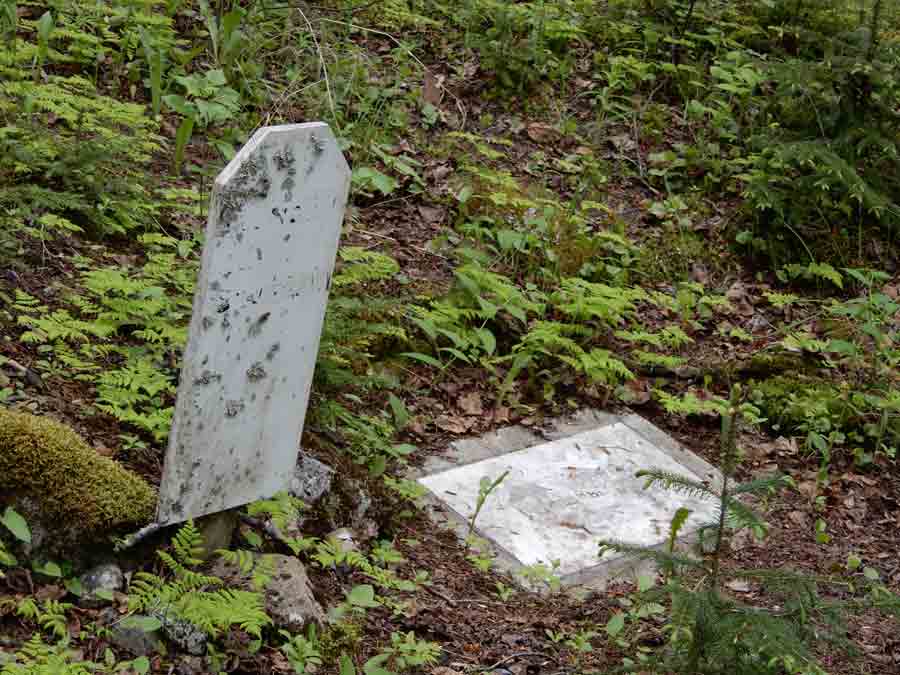
Gold Rush Cemetery, Skagway