Civitavecchia, Rome’s Port

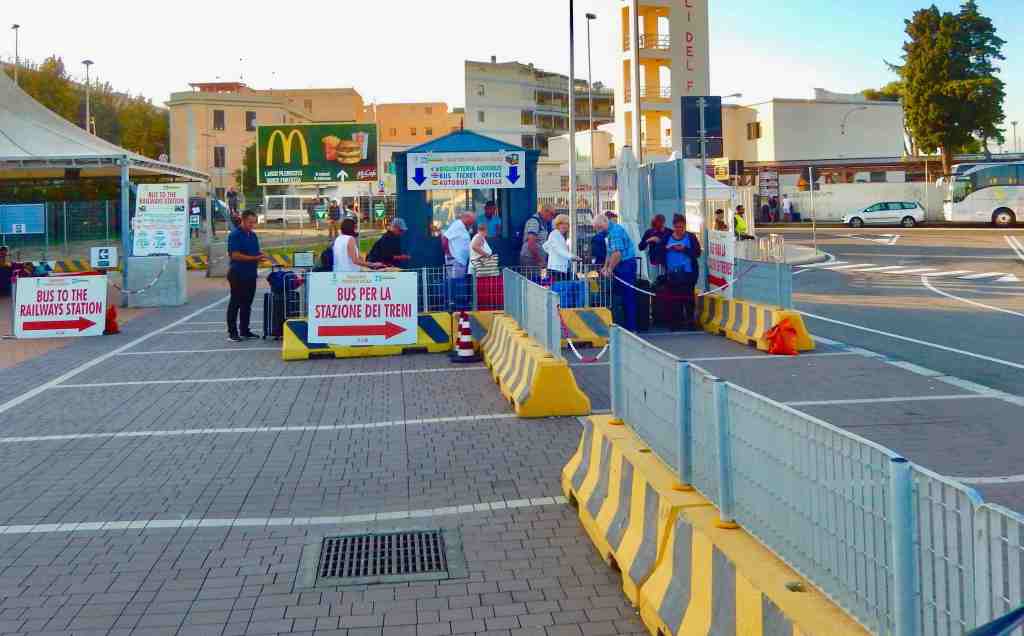
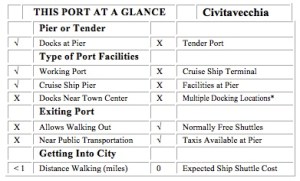
Civitavecchia is a seaside city and the port serving the city of Rome. The city is serviced by frequent train service from Rome along with service to other Italian cities. The Cruise port is only a short eight block walk along the waterfront on Via Aurelia from the train station (Note: Currently the cruise buses are not running from the main port entrance but from a port entrance six blocks farther west – see note in red and the map below). Once inside the port gate there are free shuttles to the cruise ships. There is an open air bus area with current ships marked on the buses. Often the port runs free shuttles to and from the Civitavecchia train station.

The main port entrances are marked on the above map with the main port entrance located behind the McDonalds. The shuttle terminal to catch buses to the cruise ships marked to the west.

Where the Ships Dock – Civitavecchia is both a cruise ship embarkation port as well as a popular port of call and for that reason it can have a large number of ships in port at times. On one day we counted seven cruise ships tied up. Because of the size of the port it requires a free shuttle to get out of the port or to your ship, walking out is not permitted.

Wheelchair Accessibility
Embarking-Disembarking – This is a working port without a cruise ship terminal. Disembarking varies by the individual ships gangway design and can present a steep ramp or even stairs. Walking out of the port is usually not an option so shuttle buses (free) are required for embarking as well as going ashore.

Port City Characteristics – This port has an average wheelchair infrastructure typical of large cities. The city above the water front has moderate hills. There are inclines on many sidewalks and intersection crosswalks may have curbs or other wheelchair obstacles. Many side streets have pavers and often sidewalks are typically too narrow for wheelchairs.
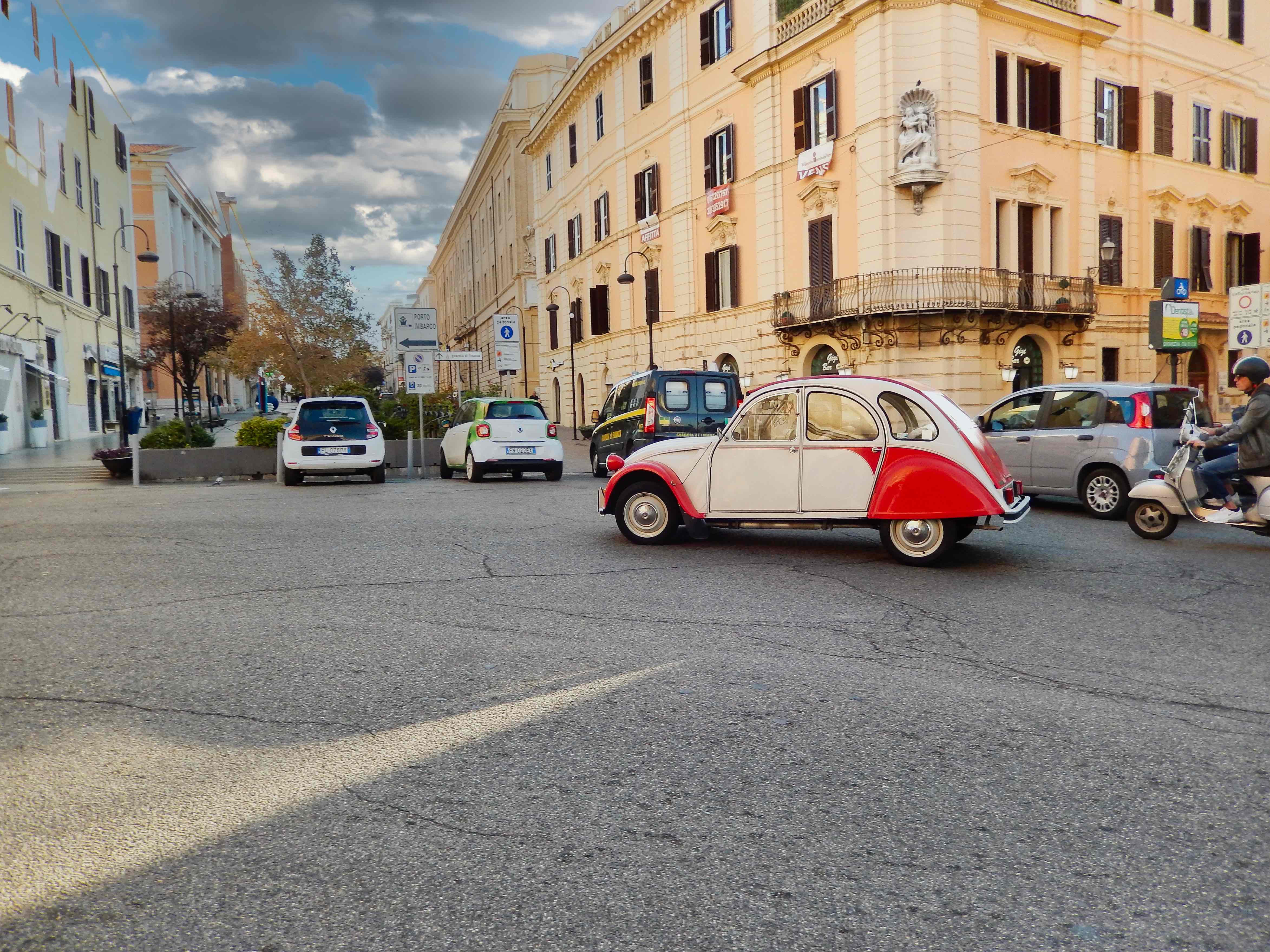
Taxis are available but are famous for overcharging. A short ride from the port to the train station can be quoted as high as €10 or €15.

Taking a taxi into Rome or to the airport can be an expensive trip with fares running from €150 to €300.

The Port Bus Stop

If you are catching a cruise from Rome and are flying in, most cruise ships sponsor shuttle buses from the airport that average $65 per person. If you are on a budget there is frequent train service that can get you to Civitavecchia for as little as $7. Catching the Leonardo Express, an express service into Rome, requires you to go into the central Rome Station and transfer to a local train to go to Civitavecchia. You can also catch a commuter local train at the airport station (FM1) and switch trains at Trastvere station for service to Civitavecchia. If it is rush hour and you have large suitcases, commuter trains can be awkward as the Italians don’t take kindly to bags taking up rush hour seats.

Civitavecchia Pedestrian Mall

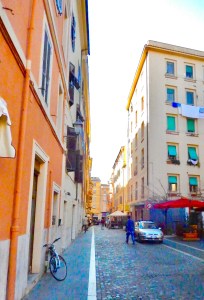
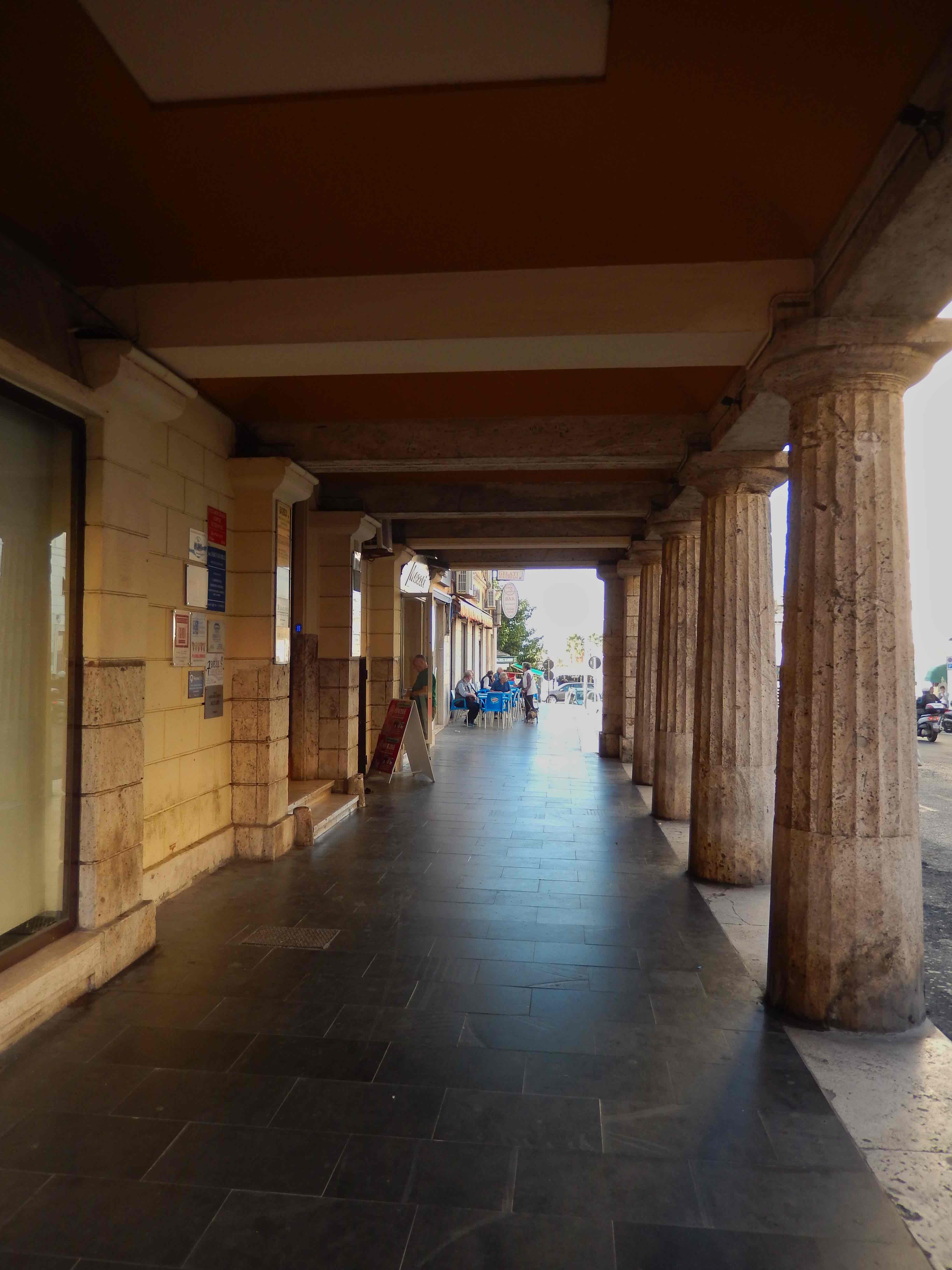
Visiting Civitavecchia – Civitavecchia is a nice city with a number of good hotels and restaurants within walking distance of the port. The main business district is right next to the port and there are a number of shops in the area as well as a pedestrian walking mall. There’s the Civitavecchia Market – also known as San Lorenzo Market only about six blocks above the port entrance in the heart of the historic city center, near Piazza Regina Margherita. Locals come to shop for fresh food products and fish in the well-known Fish market. Spending time at the market is a pleasant and fun experience, with a lively and busy atmosphere with not just market stalls, but also bars, pizzerias and shops.

San Lorenzo Market

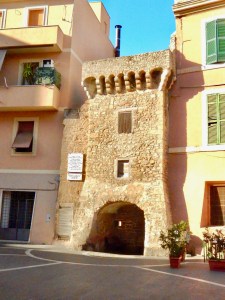
Fort Michelangelo shown below is inside the port and it’s one of the symbols of Civitavecchia. It is also one of the most important historic structures of the Italian coastline.
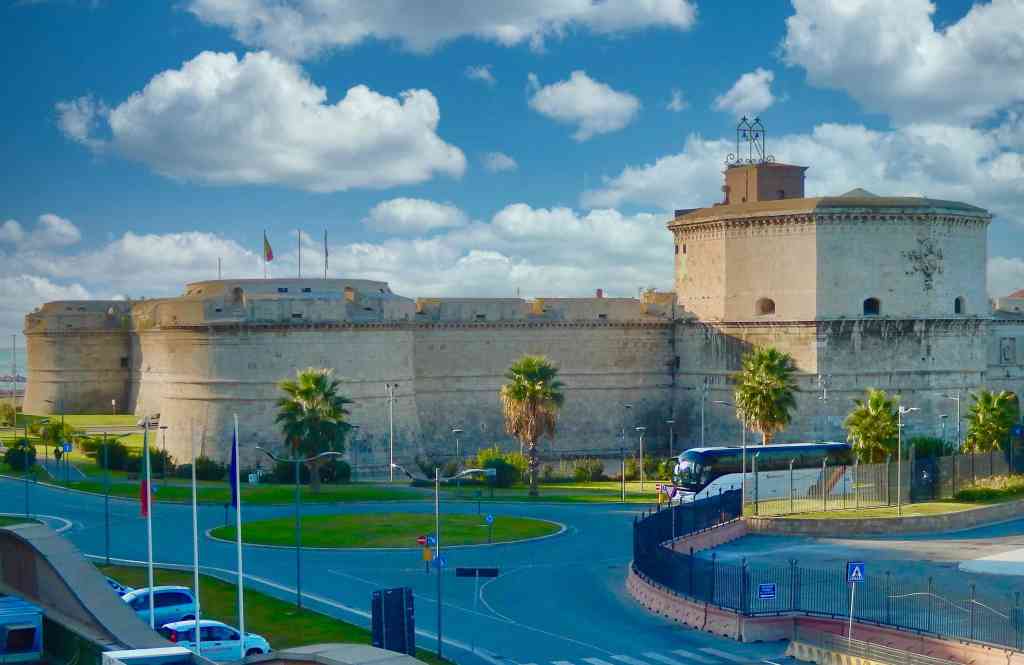
The National Archaeological Museum of Civitavecchia is located a few steps away from Fort Michelangelo, inside the eighteenth-century building commisioned by Pope Clement XIII in the eighteenth century.

The Taurine Baths of Civitavecchia, also known as Baths of Trajan, are an archeological site in the north section of the city. Among the ruins there are tanks, massage rooms and baths all decorated with friezes and mosaics.
Port of Call Adelaide Australia

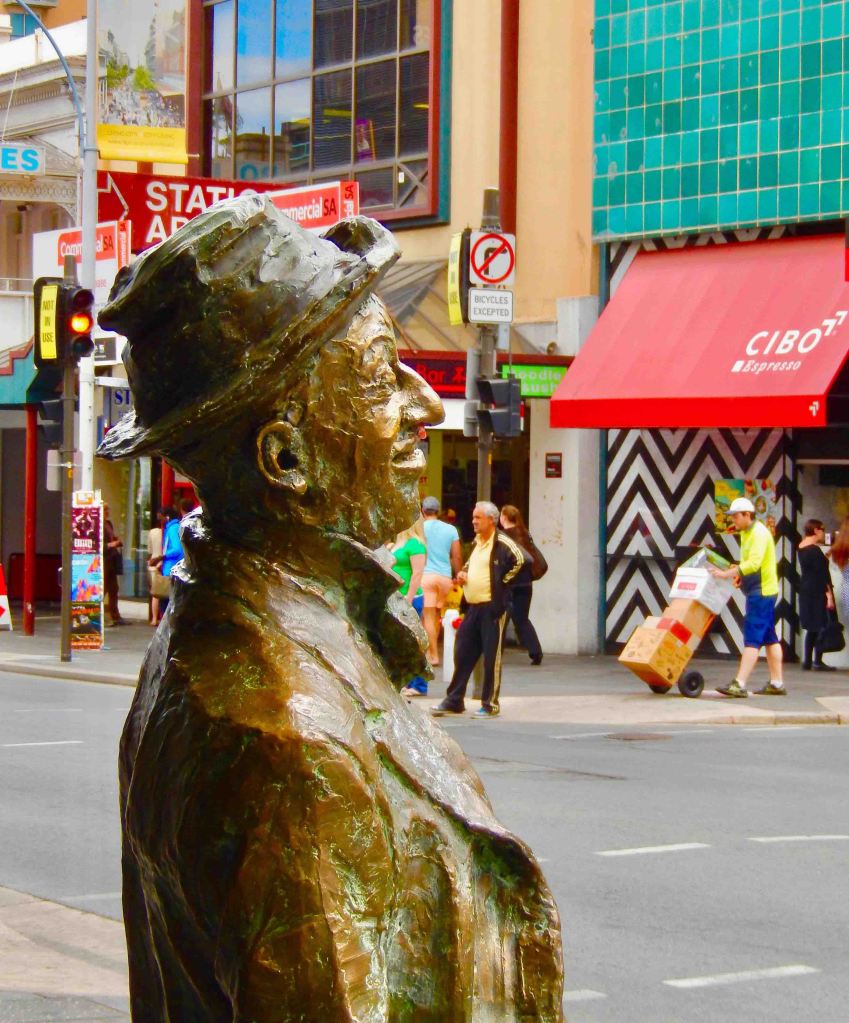
Adelaide is a modern Australian city with much to see and do. Featuring the historic Old Port,, along with a vibrant the Cleland Wildlife Refuge and a number of beach communities, along with a vibrant central city.

The City of Adelaide in South Australia was founded in 1836, and was named after King William’s wife. After the trouble England had with Australia’s first penal colony settlement, a group, including Edward Wakefield, a British politician, advocated for establishing a town populated by English settlers, rather than criminals. Designed as a colony for religious and civil liberty, in 1834, Wakefield convinced the British parliament to pass the South Australian Colonization Act, which established Adelaide along with plans for additional future settlements in Australia.
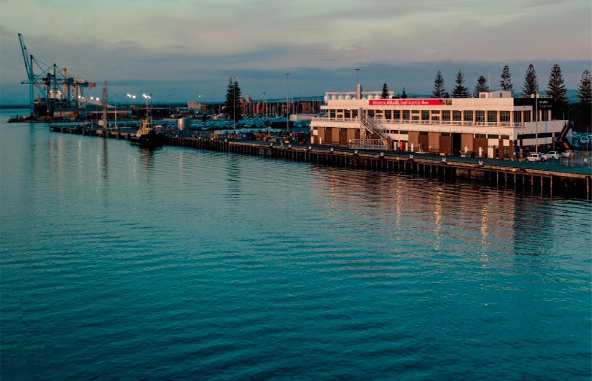
Where You Ship Docks

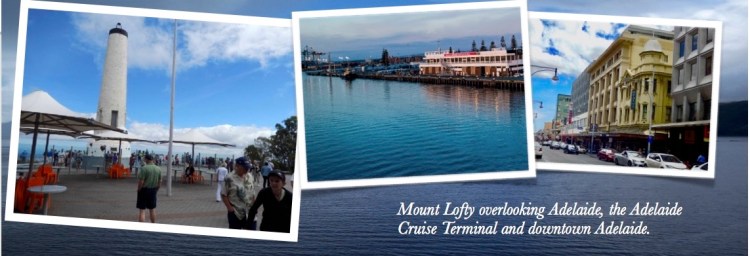
Cruise ships now dock at the Outer Harbor Wharf. From the cruise terminal it is a short walk to the Outer Harbor Train Station where you can catch a train to the town of Port Adelaide and its historic district (10 minutes) or metropolitan Adelaide city center (20 minutes).

Wheelchair Accessibility

Disembarking – This port provides a modern cruise terminal with built-in provisions for passengers using wheelchairs like ramps and elevators. For passengers using wheelchairs there can be a moderate ramp incline to deal with.

Port City Characteristics – This port and city have a well developed wheelchair friendly infrastructure. The port area is flat or has only moderate inclines. Intersection crosswalks have few issues with curbs or other wheelchair obstacles.

Transportation

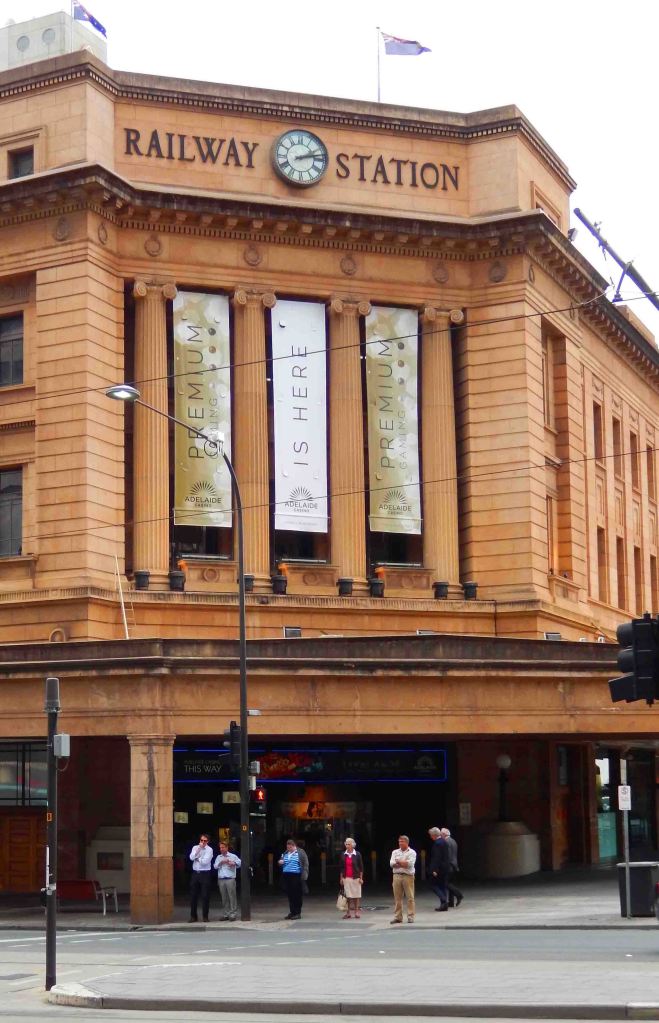
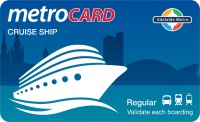
The focus of Adelaide’s public transport system is a fleet of diesel and natural gas buses. The majority of bus routes terminate at the city-centre with Route 150P going from the port to downtown Adelaide and back. You can purchase a special Cruise Ship metroCARD at the Outer Harbor railway station and get around Adelaide all day for just $10.

The metroCARD entitles holders to unlimited travel on Adelaide Metro bus, train and tram services all day, and you can keep your card at the end of your travels as a souvenir of Adelaide.

Taxis from the port into central Adelaide will normally cost about A$35.

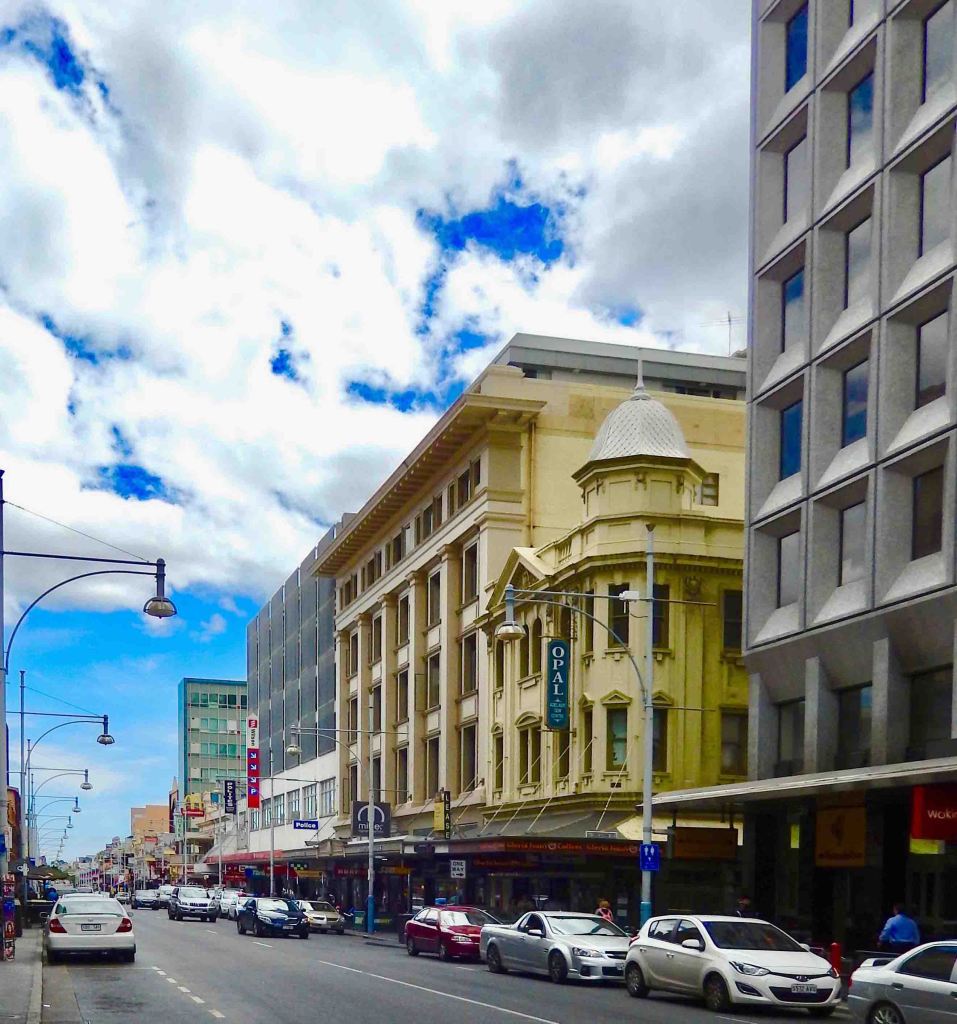
Often ships will provide shuttle service from the Outer Harbor Wharf to downtown Rundle Mall Adelaide. The mall is a large pedestrian walking avenue through the central shopping district.

Currency

The Australian Dollar. You will need to change some money as U.S., Canadian and Euros are not often accepted. The Australian Dollar equals US$0.67.Credit cards are usually welcome and the are easy to find ATM machines.

Attractions

For a true Adelaide experience, stop off for lunch at the Adelaide Central Market. A favorite with the locals featuring countless authentic Australian and Asian eateries.

Rundle Mall is a good place to start as it is the social center of Adelaide as well as the main shopping thoroughfare.

Located in the heart of Adelaide is the Adelaid Zoo, a home to exotic animals from all over the globe along with Australia’s most iconic natives. Find over 250 different species including the only pair of Giant Pandas in the Southern Hemisphere.

Into art? Head to Adelaide’s cultural center of North Terrace. It’s home to an impressive collection of art galleries and museums. Start at the Art Gallery of South Australia, home to one of Australia’s best art collections. Next door is the South Australian Museum, with world-class natural history and cultural collections. For even more art, stop by the University of South Australia’s Samstag Museum of Art displaying works from South Australian artists from the 1970s to today.

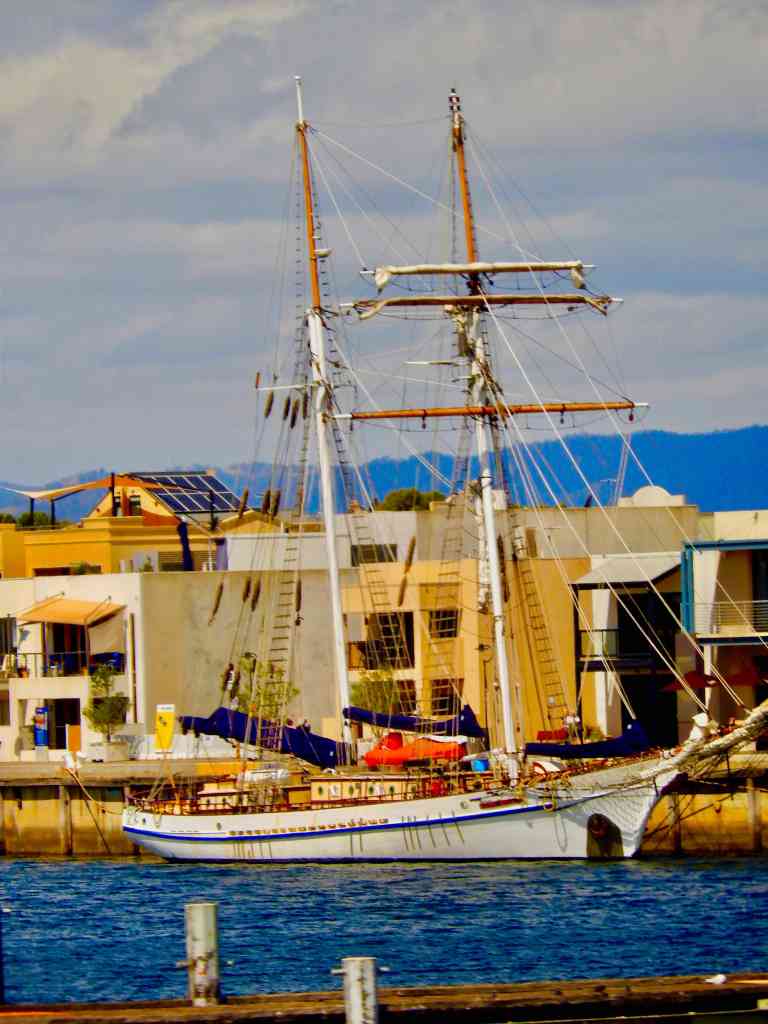
Halfway from the port to downtown Adelaide is the historic Port Adelaide. Spend some time strolling around the historic areas of Port Adelaide and feel the history of South Australia’s early years. Grand, buildings line the streets, with most of them erected during Port Adelaide’s early years in the mid and late 1800s. Visit the Maritime Museum and stop off at the Visitor Information Centre and grab a Heritage Self-Guided Walking Tour brochure.

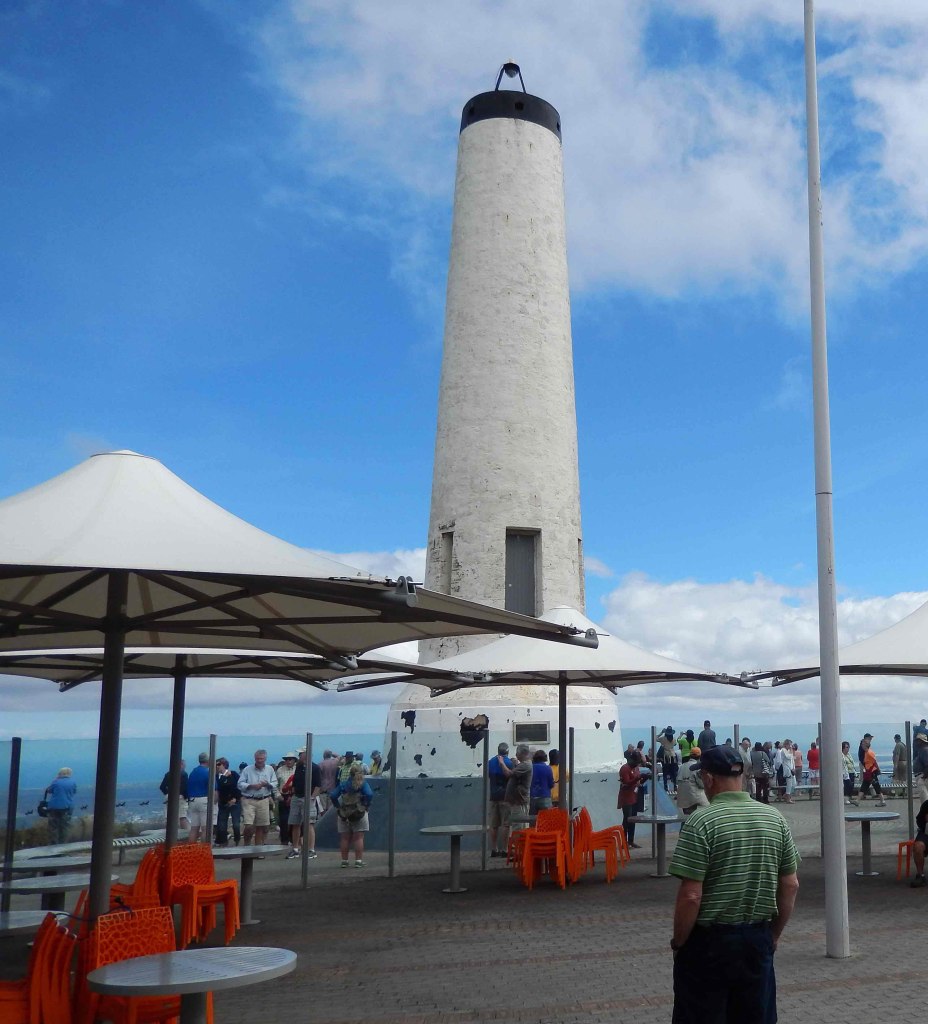
Mount Lofty Summit – For spectacular panoramic views of Adelaide and surrounds visit Mount Lofty Summit. Take bus 821 from downtown – fare is A$3 and it takes about 35 minutes.

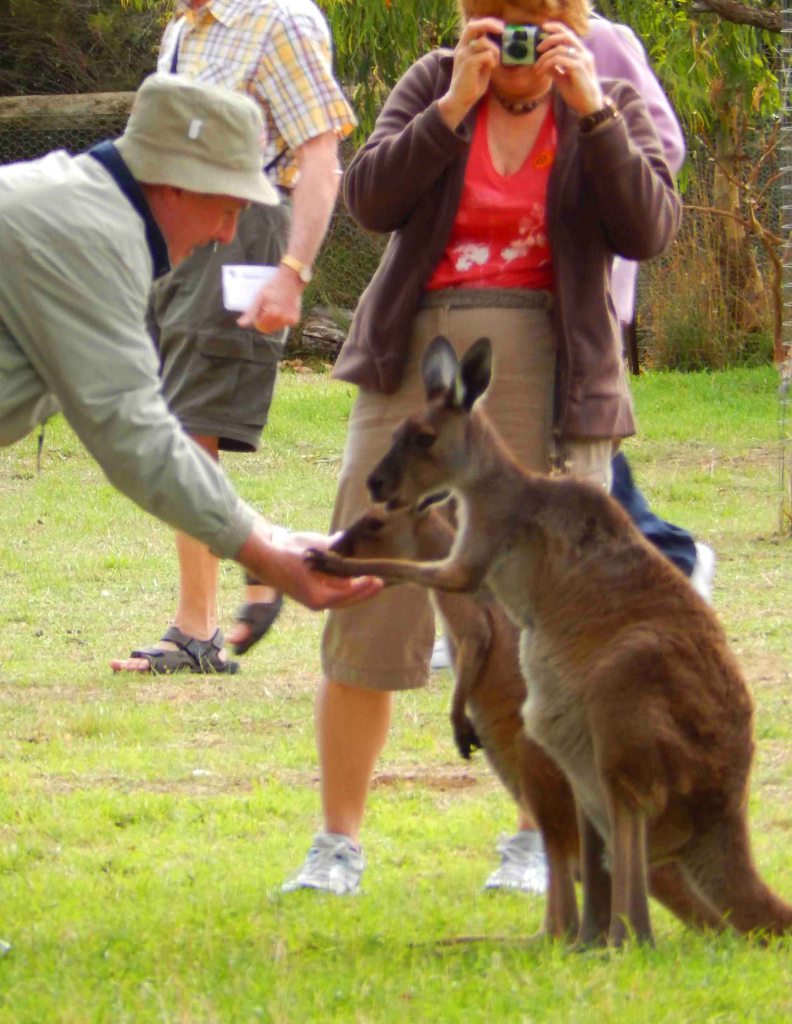
If experiencing Australian wildlife up close is one of your goals the Cleland Wildlife Park outside Adelaide is highly recommended. Spend some time getting to know some kangaroos, emus, and koala bears.

One of Australia’s early colonies, Adelaide is two cities, the central city and the old Port of Adelaide. It features great public transportation and a number of sights to visit on your port of call visit.

Todays Featured Poster • The Azores São Miguel Island

The Azores are an archipelago composed of nine volcanic islands in the Macaronesia region of the North Atlantic, about 850 miles west of Lisbon. São Miguel Island nicknamed “The Green Island”, is the largest and most populous island in the Portuguese Azores. São Miguel Island is world famous for its iconic Twin Lake, one green and one blue sitting down in the crater of an extinct volcano.

These giclée prints are available in several sizes, custom printed for each individual order on archival, museum grade paper using fade resistant inks.

Join us as we visit historic treasures, natural wonders and vibrant cities set against backdrops that are endlessly changing and visually magnificent. Celebrate a world of travel experiences with these decorating accessories that are perfect for framing.

Port of Call The Azores

São Miguel Island, The Azores

The Azores are an archipelago composed of nine volcanic islands in the Macaronesia region of the North Atlantic, about 850 miles west of Lisbon. São Miguel Island nicknamed “The Green Island”, is the largest and most populous island in the Portuguese Azores. São Miguel Island is world famous for its iconic Twin Lakes, one green and one blue sitting side by side down in the crater of an extinct volcano.

They’re a favorite stop on many trans-Atlantic itineraries because of their location. This volcanic archipelago consisting of nine major populated islands. The islands are a possession of Portugal but are characterized officially as the Autonomous Region of the Azores (in Portuguese they are the Acores). Considering its political autonomy we found it odd that there appears to be an independence movement declaring itself with stencils painted on a number of walls. One local described the movement as people with nothing better to do and locals don’t take it seriously.

Where Your Ship Docks

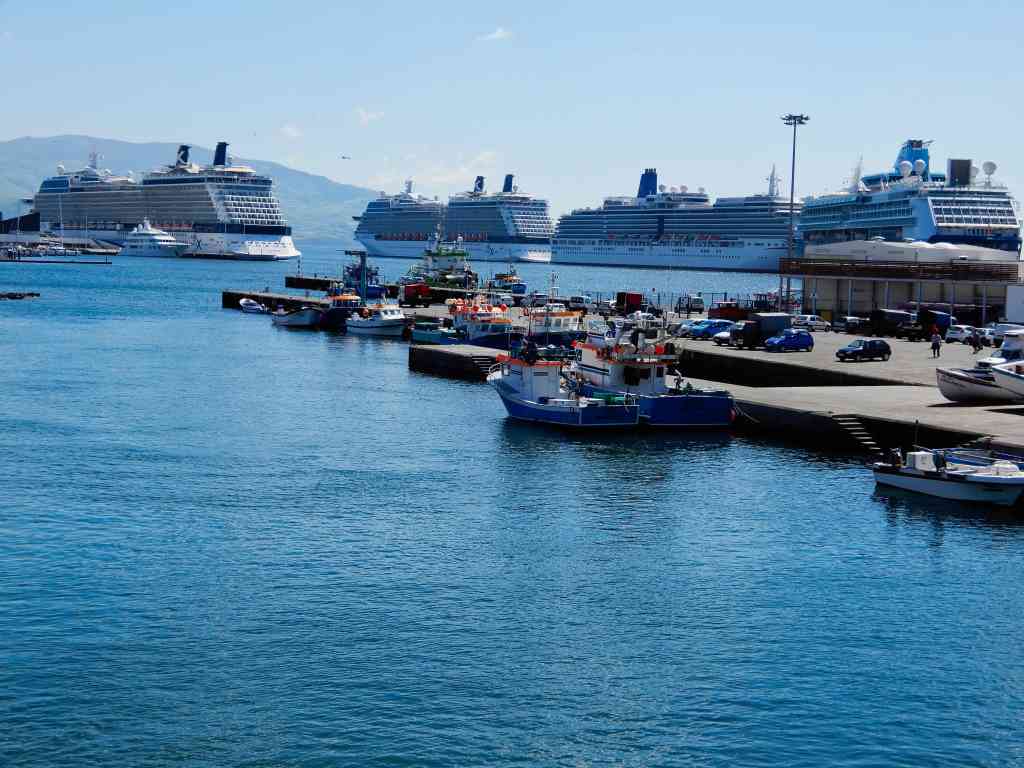
The protected harbor of Ponta Delgada is large and can accommodate a number of cruise ships. On our last visit we were one of six cruise ships tied up. There is no cruise terminal and ships use piers all around the harbor. There are good sidewalks but getting into town requires walking out.

Wheelchair Accessibility


Disembarking – This port has a developed cruise ship pier but the ease of disembarking varies by the individual ships gangway designs. For passengers using wheelchairs there can be a moderate ramp incline to deal with.

Port City Characteristics – This port has an average wheelchair infrastructure typical of European cities. The port area has moderate inclines in sidewalks with a gradual rise into town. Pavers are common on sidewalks and streets and intersection crosswalks may have curbs or other wheelchair obstacles.

Transportation

The best way to see the island is by taking a tour or renting a car. Rental cars in Ponta Delgada rent for $28 or less per day at last check. Avis has a location in town at Campo Sao Francisco 19, Phone: (351) 296-304890.

Local Currency

The Azores are part of Portugal using the Euro. Credit cards are widely accepted and ATMs are common.

Vendor stalls along the waterfront

Geologically the archipelago sits over an ancient hotspot on the Gibraltar Ridge near the eastern side of the Mid-Atlantic Rift. There is still geo-thermal activity on the islands in the form of warm springs and mud baths. A short drive outside the city of Ponta Delgada are the blue and green twin lakes in a dormant caldera which are a major tour destination.

Because of their proximity to the Gulf Stream the archipelago has an amazing climate. Year round the average high temperature ranges from 65° to 78° and it rarely makes it to the low eighties. There has also never been a recorded temperature near freezing. Because of this the foundations of the economy are agriculture, fishing and dairy farming with tourism recently developing into a major new sector. One of the major cash crops is pineapple with grape vineyards also being important.

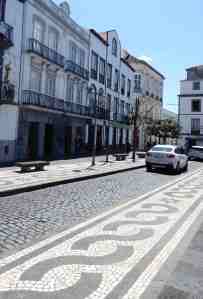
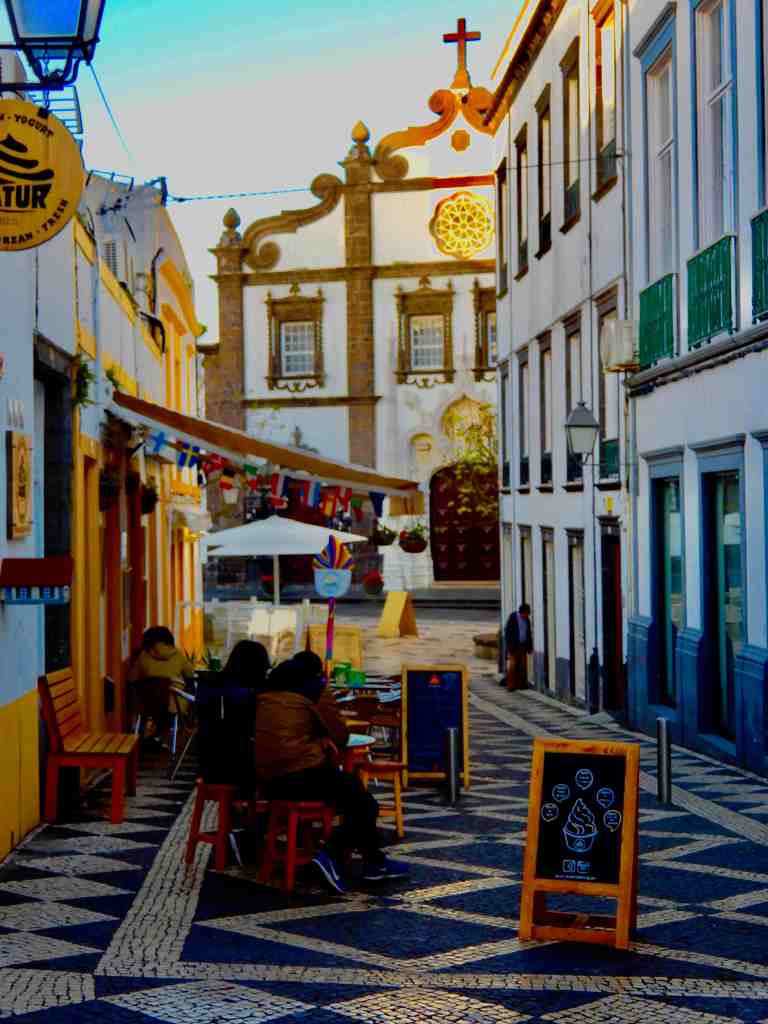
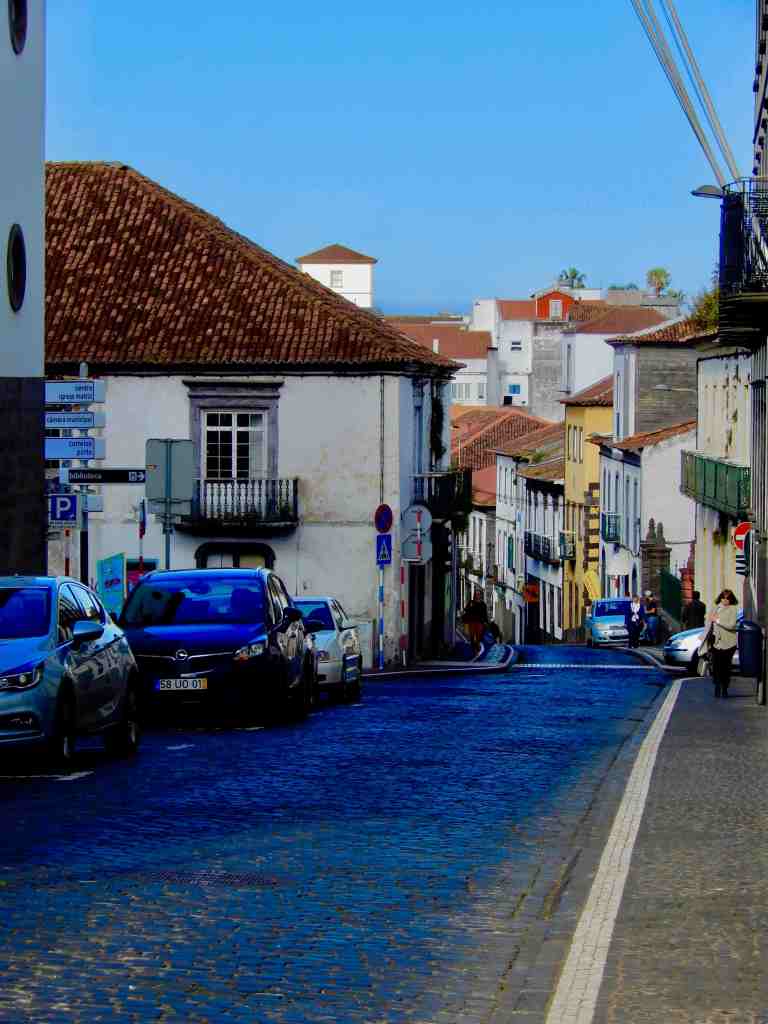
Ponta Delgada is the largest city in the archipelago and you have to admire a city where all the streets and sidewalks consist of mosaics of black and white rock pavers. Maybe this has a practical explanation but the artistry involved left us stunned. I’m not sure we have seen anything like these before. The pace of life here seems relaxed with numerous outdoor cafes and restaurants. As is expected, seafood is the cornerstone of the diet with a decidedly Mediterranean flavor.

History

The Azores archipelago began to appear on portolan charts during the 14th century, well before its official discovery date. The first map to depict the Azores was the Medici Atlas (1351). The Azores archipelago has a colorful history dating back to its official discovery in the 15th century. Throughout its history, it has experienced prosperity, piracy, and revolution.

The islands occupy a strategic position in the North Atlantic with a fifteenth century fortification protecting Ponta Delgada harbor. During the Second World War the Allies used the islands as a base to protect the sea lanes and were a base for airplanes hunting German submarines. Even today the United States Navy uses them as a refueling station for ships and aircraft heading back and forth across the Atlantic.

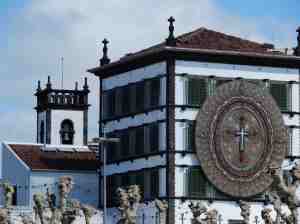
Convent and Shrine of the Lord Holy Christ of the Miracles.

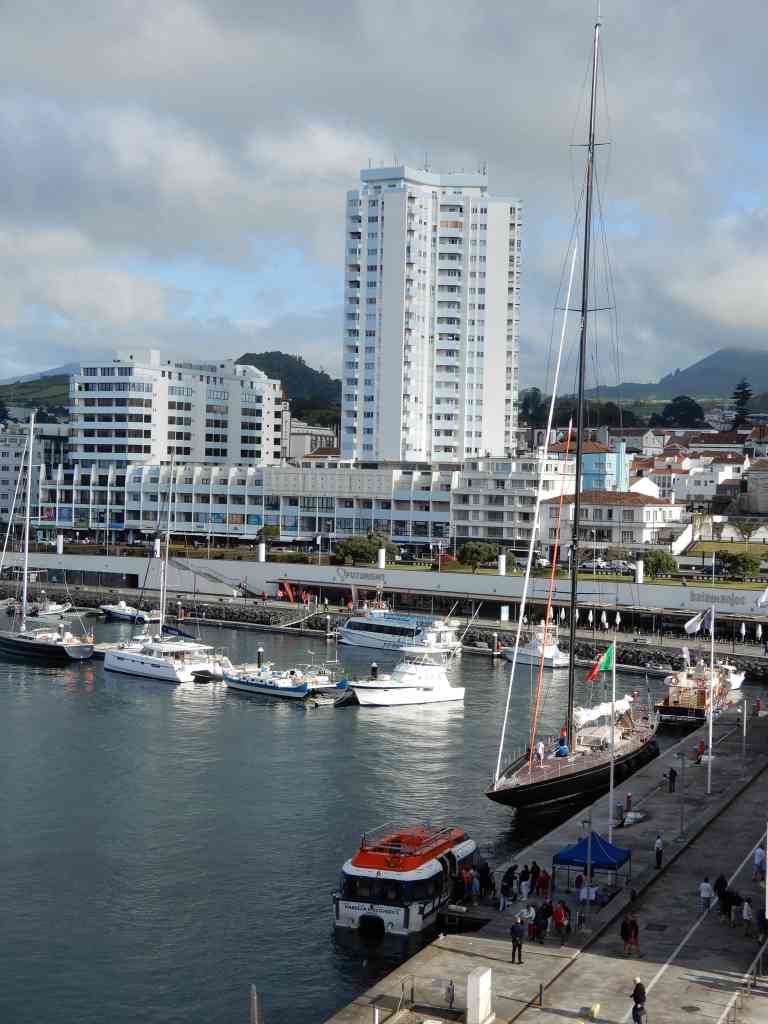
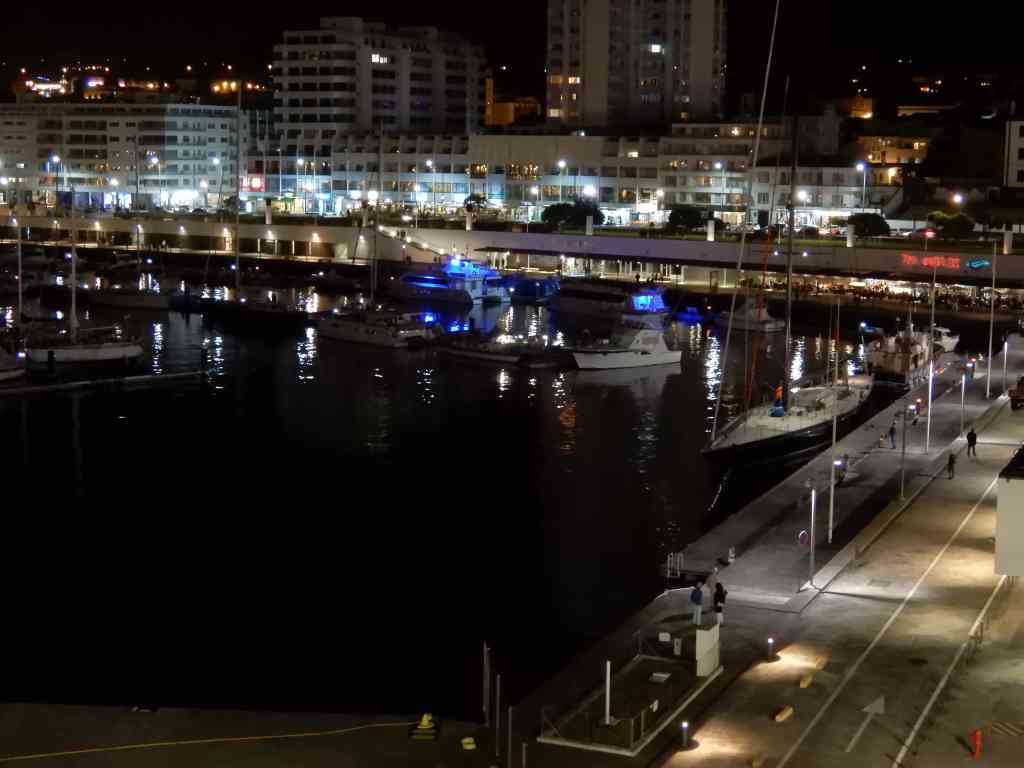
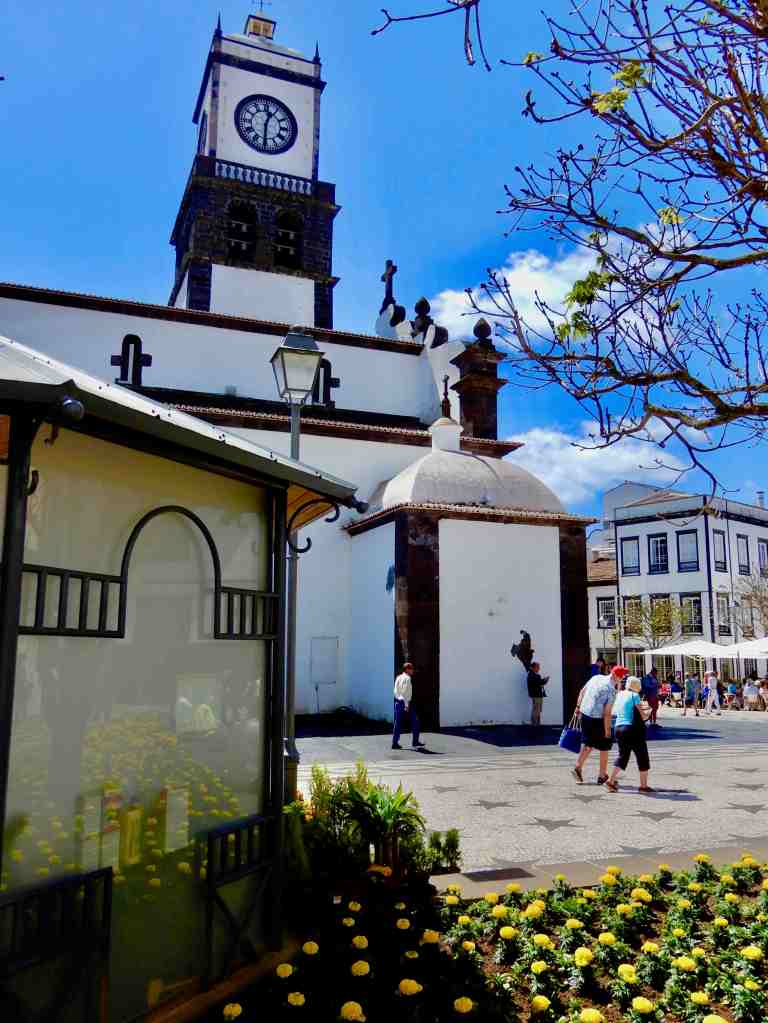
Because of the location of the archipelago it is on the migration route for a number of whales and other sea mammals as well as a favorite whale wintering location. Blue whales, Sperm whales and Humpbacks are frequently sighted and whale watching is a growing attraction for tourists. The city has a number of impressive Catholic churches and a beautiful theatre which seems to favor ballet, symphonies and opera singers. Ponta Delgada is also a favorite stop for yachts and ocean racing sailboats and the waterfront and Yacht Club area is a good place in the evening to sit and enjoy a coffee or glass of local wine or port.

 Shopping offers a number of local products and items made from natural cork are a favorite. Also look for black lava jewelry and local Azores liquors (“licores”).

The Azores, are well-known for its large selection of flavored “licores” include ginger, raspberry, cinnamon, blackberry, pineapple, passionfruit, and milk liquor. The fruity flavors are particularly good for making refreshing summer drinks.

Visiting the Mercado da Graça (a market) is worth the time. Locals shop the stalls for cheese, fruits, vegetables, locally grown pineapples, plants and it’s a good place to look for local souvenirs.

Nan Lian Gardens In Hong Kong

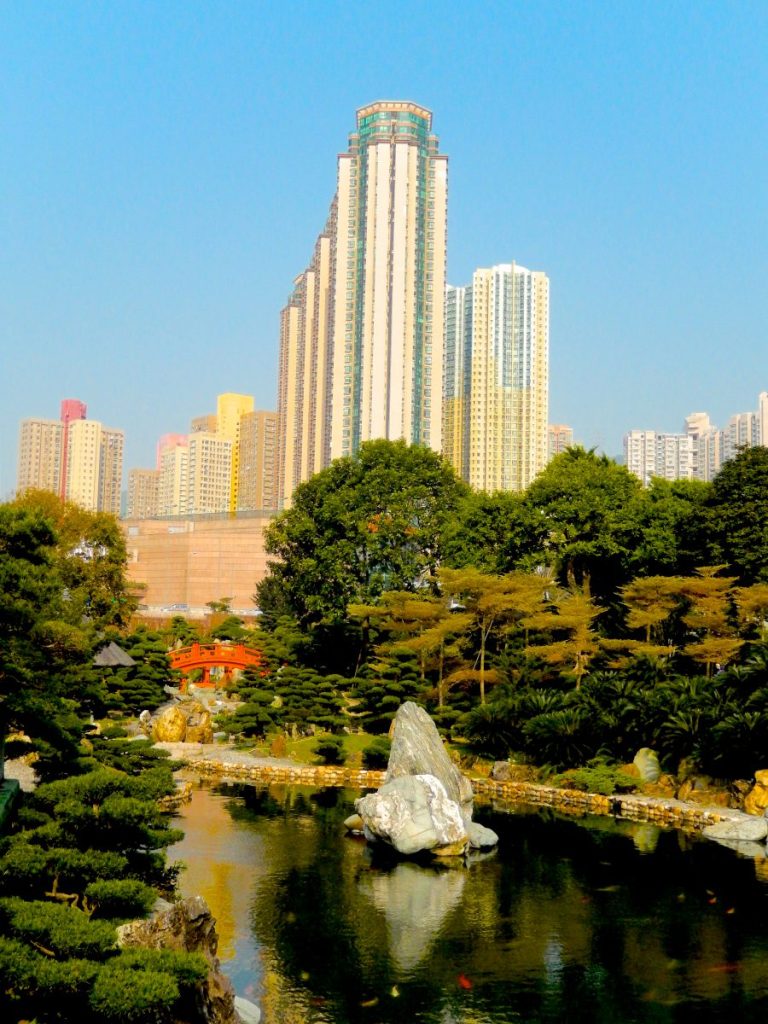
Don’t visit Hong Kong without taking an hour or two visiting Nan Lian Gardens. These beautiful gardens cover over eight and a half acres in busy central Hong Kong.

The best way to reach Nan Lian Gardens is to take the rapid transit (MTR MAP) to Diamond Hill station, leave through Exit C2 and follow the signs to the garden. The station is part of Plaza Hollywood complex, a large mall with exhibit space, a movie theatre and a couple hundred stores.

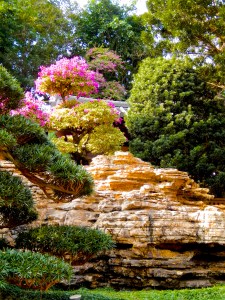
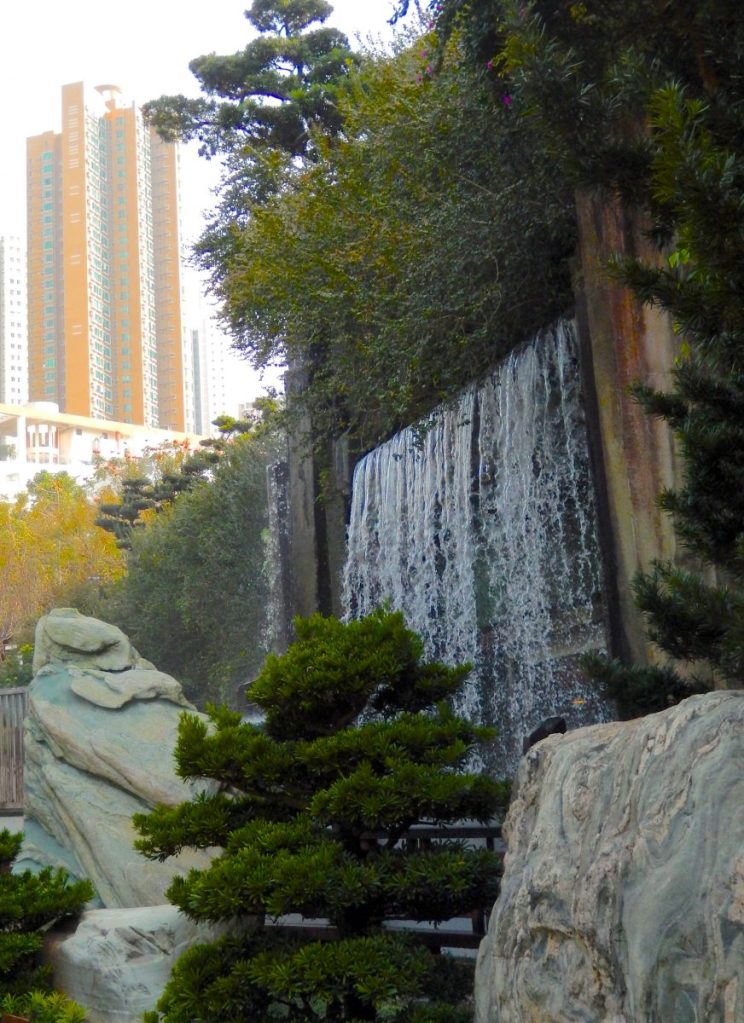
This park is an incredible classic style Chinese garden with formal planting designs, flowers, waterfalls, Koi ponds and pagodas and completely walled in by high rise buildings. Inside the gardens there is a souvenir shop, a vegetarian food restaurant and a Chinese tea house and admission is free.

Nan Lian Garden is also adjacent to the Chi Lin Nunnery connected by a bridge. The Nunnery is a large Buddhist temple complex founded in 1934 for Buddhist nuns and was rebuilt in the 1990s in traditional Tang Dynasty architecture. The temple halls have statues of the Sakyamuni Buddha, the goddess of mercy Guanyin and other bodhisattvas.

Opening Hours: 7:00am – 9:00pm

Address: 60 Fung Tak Road, Diamond Hill, Kowloon

Phone: +852 2329 8811

Todays Featured Poster • Kotor, Montenegro

Our Lady of the Rocks sits on an islet in Kotor Bay, Montenegro. It is an artificial island created by depositing rocks and sinking old fishing boats loaded with rocks on the spot. There is a legend dating back to the 1400’s of a crippled fisherman finding an icon of the Virgin Mary in the bay that healed him. That prompted the depositing of rocks in the water where the miracle took place to build an island for a shrine to the Virgin Mary.

These giclée prints are available in several sizes, custom printed for each individual order on archival, museum grade paper using fade resistant inks.

Join us as we visit historic treasures, natural wonders and vibrant cities set against backdrops that are endlessly changing and visually magnificent. Celebrate a world of travel experiences with these decorating accessories that are perfect for framing.