Port Of Call Costa Maya

Costa Maya, Mexico • The Making Of A Cruise Port

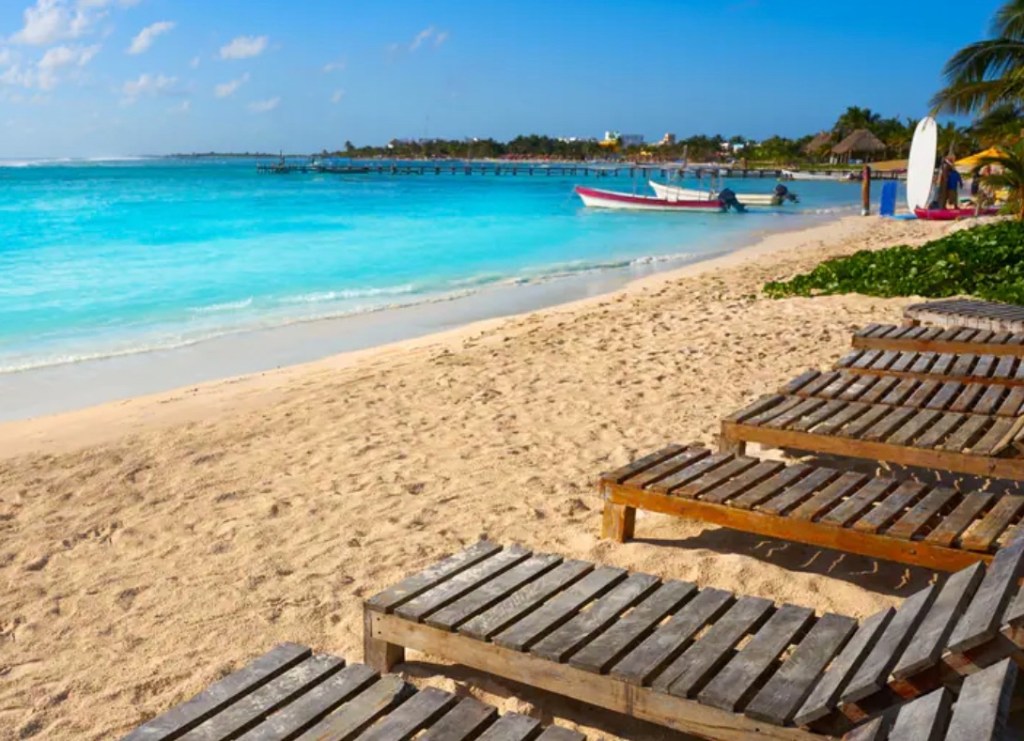
The cruise industry, over the past three or four decades, has changed the world. Growing exponentially from a handful of ships to literally hundreds and thousands and along with that growth has come an ever expanding demand for ports of call. Large seaports, capable of accommodating numerous cruise ships have prospered from that growth. Smaller ports created dedicated cruise recreation and shopping areas to attract ships and a number of cruise companies developed cruise destinations of their own with the Caribbean offering six of these cruise company destination islands. In a couple of cases businesses and regional authorities have partnered to develop cruise destinations and probably the most ambitious being a patch of wilderness on the coast of Mexico named Costa Maya.

Where Your Ship Docks
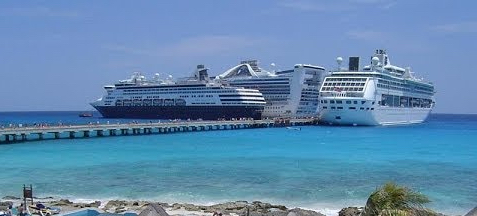
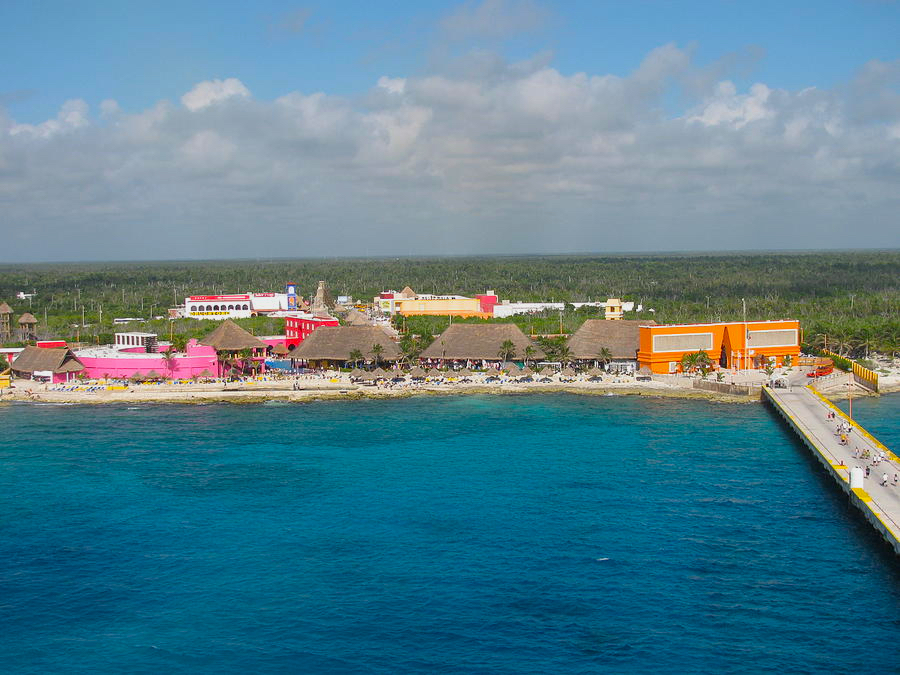
Puerto Costa Maya is a developed destination port. The pier complex can accommodate up to six cruise ships and there are public facilities in the attached port village. Good beaches and a resort village complex are right at the foot of the piers.

Wheelchair Accessibility


Disembarking – This port has a developed cruise ship pier and a terminal that leads into the shopping village but the ease of disembarking varies by the individual ships gangway designs. For passengers using wheelchairs there can be a moderate ramp incline to deal with.

Port Area Characteristics – This port has a well developed wheelchair friendly infrastructure. The port area is flat or has few inclines.

Transportation

Puerto Costa Maya is in an isolated area of Quintana Roo without any options for travel beyond the port area unless you take an organized tour.

Currency

The local currency is the Mexican Peso with 1 Mexican Peso (MXN) = 0.05 US Dollar (US$). Credit cards are welcome but avoid using credit cards in stand-alone automated systems as harvesting card information is a common practice.
Attractions

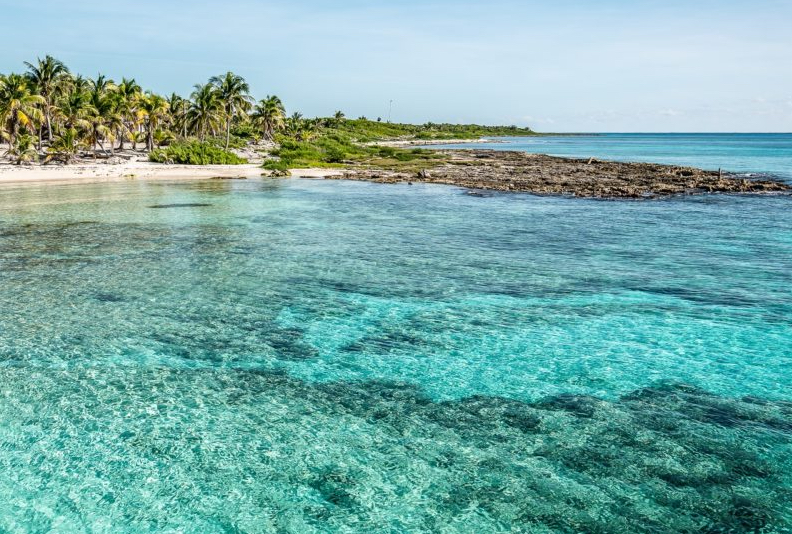
Costa Maya is primarily a tropical recreation cruise port that’s famous for its great beaches, crystal clear water, coral reefs and bargain shopping and includes opportunities to visit a number of Mayan ruins within 65 miles of the port.

Dolphin Discovery-Costa Maya – Located just north of the cruise piers in the town of Mahahual. Swim with dolphins at this dolphinarium complex sitting on a beautiful beach and conservation area.

Mahahual is a picturesque town on the coast about a mile and a half north that is also popular for its beaches, fishing and is the residential area that supports the cruise port.

The Story Of The Development Of Puerto Costa Maya

Costa Maya is a municipality in the state of Quintana Roo, Mexico. The location is north of the border with Belize and 120 miles south of Cozumel. It was originally developed as Mahahual and was founded in 1959 when the Mexican government gave land to fisherman from other areas in an effort to jump start some limited development. At the time, this vast wilderness area was part of the Yucatan Territory that didn’t even have statehood status in Mexico. Within a few years the fishing town began to take shape and the economy grew slowly until 1971 when everything was literally swept away by a devastating hurricane. Any survivors fled the area.

By the 1980s Mahahual was growing again as a fishing village with some expansion in nearby coconut plantations, but progress was still slow.

Things changed quickly in 2001, as the result of a joint effort between Mexico’s government and local Mexican developers and Puerto Costa Maya was created near to Mahahual. The first project was the construction of a large privately owned pier to attract and accommodate large cruise ships and the cruise ships quickly began to add Costa Maya to their Caribbean itineraries. The town of Mahahual quickly grew to support the port facility. By 2006, the new Puerto Costa Maya was the 2nd busiest port in Mexico behind Cozumel. Over 600 ships visited the port that year and the town was suddenly growing at much faster pace. The local economy was booming and shops and restaurants were opening, tour operators rushed to take advantage of the opportunities created by the cruise ships and ground was broken for a couple of new beach resorts. Foreign investors began to open more businesses and many built their own homes in the area, creating a vibrant local ambiance. The location had become a boomtown in 2004-2007.

Then on the night of August 20th, 2007, a category 5 Hurricane named Dean hit Costa Maya and Mahahual. It destroyed the pier at Puerto Costa Maya and closed down the area’s cruise ship industry completely. The destruction of the port forced ships to move to other locations signing new contracts that lasted two years or more. With the town and the cruise ship infrastructure shut down, the local economy collapsed.

Within a few years the beaches, turquoise Caribbean waters, coral reefs and cheap land were again too inviting to keep the area from being developed and the Mexican government jumped in along with private investors to resurrect Costa Maya.

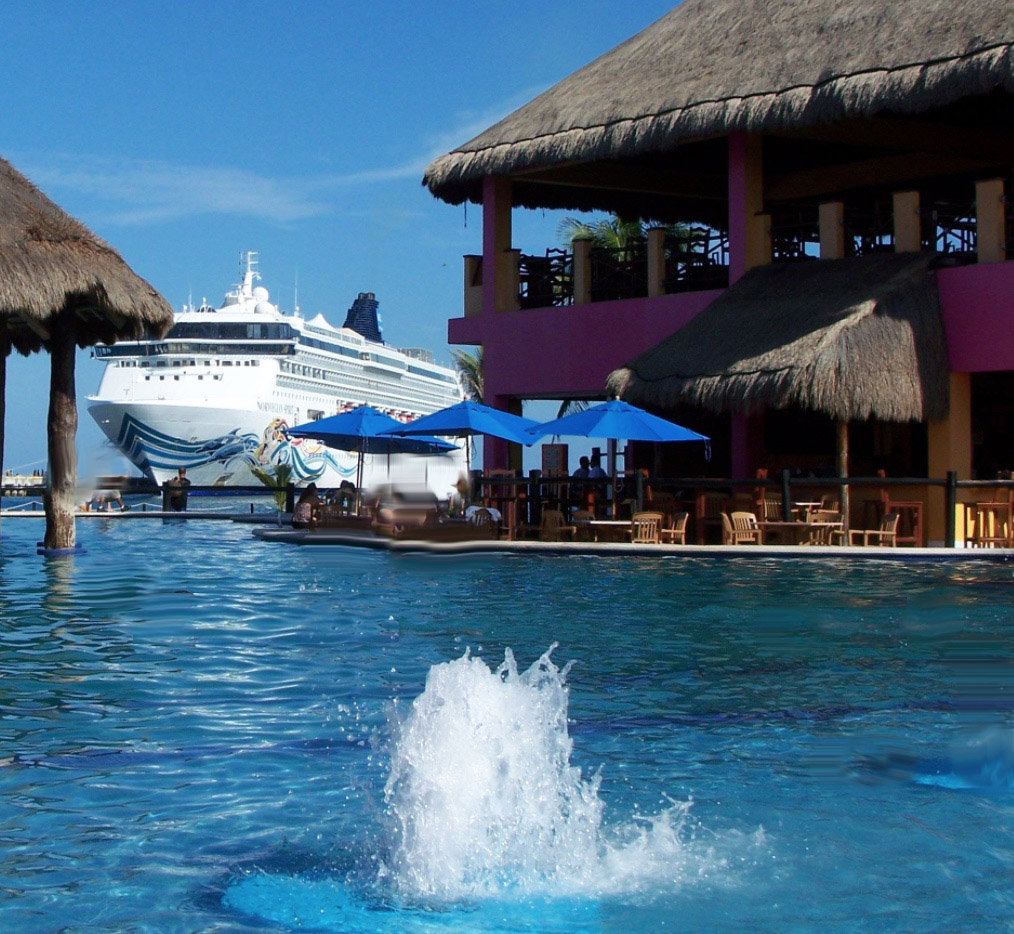
Today the cruise piers are bigger than ever and the Costa Maya port has a new and modern tourist shopping mall. The center of Costa Maya, generally open only to cruise ship passengers, has a central plaza with saltwater pools and ‘swim-up’ bars. There are all the major duty free stores along with many small shops selling inexpensive souvenir items and as always there are the beautiful beaches.

A thriving excursion industry again serves the cruise passengers with boating trips, snorkeling excursions and continues to develop Costa Maya’s potential for tours with it being the nearest cruise port to a number of Mayan ruin sites in the southern Yucatan that include Chacchoben and Kohunlich.
A Life In Photography

A very long time ago, before the dawn of the digital age, taking photographs was a costly exercise. Every click of the shutter had a cost involved including the roll of film, the lab processing and the production of prints. The other problem was you never knew if the picture would come out for a number of days. In 1948 the first Polaroid camera was sold and was popular with the public primarily for its instant gratification. It had only a few professional applications because of the limited size of the prints.

Through most of the twentieth century amateur picture taking was limited to family celebrations and special occasions using cameras like Brownies and Instamatics. The costs involved were a major limiting factor. Really special occasions called for a professional. Taking good photographs did require some training but mostly it came with experience and that needed taking lots of pictures, and that again was expensive. There was also the additional expense of studios or traveling the world to find those great images.

The first digital cameras for the consumer transferred photographs to a home computer using a cable and included the Apple QuickTake 100 in 1994, the Kodak DC40 and the Casio QV-11 in 1995. Soon they were available with memory cards and in 2000 the first cell phone with a built-in camera was released by Samsung. With the introduction of the iPhone the whole world changed and with the iPhone 4 a front facing camera was also included for taking something called a selfie.

Today we find the camera everywhere, if you carry a phone you’re carrying a camera. with the cost of taking and storing photographs being virtually free and always having a camera with you, the world is a very different place. Now anyone interested in taking good photographs can practice all they want and as a result the internet is now flooded with really good photos of literally everything. I have to admit that there is a lot about our digital new world I don’t understand but I do know what makes good photographs.

There’s an old joke about a famous musician that was stopped on the street in New York and asked how to get to Carnagie Hall. His answer was “practice”.

I’ve spent a lot of my life behind a camera. Maybe it started in 1961 when my Father couldn’t seem to get good pictures out of his brand new 35mm camera and in frustration he gave it to me. Years later in the military I spent some time with a couple of photojournalists and decided that would be a great career. I came back and went to college to study photography and over the years I picked up several degrees in the field. While I was still interested in traveling the world as a photographer for news agencies or maybe National Geographic, I realized that wasn’t compatible with settling down and focused on the technical aspects of photography.

Taking great photos is part skill, part opportunity, but mostly seeing with the eye of an artist. Not everyone has the talent of a true artist and that includes me, but there are a number of basic artistic skills that can be acquired that will help you produce good and interesting images. Start by paying more attention to photographs and trying to understand why each one is appealing. If you haven’t been introduced to the greats of photography get to know a few. My favorites include Ansel Adams, Minor White, Alfred Steiglitz and they are all true artists. Take some time to explore on your own history and masters of this amazing art form.

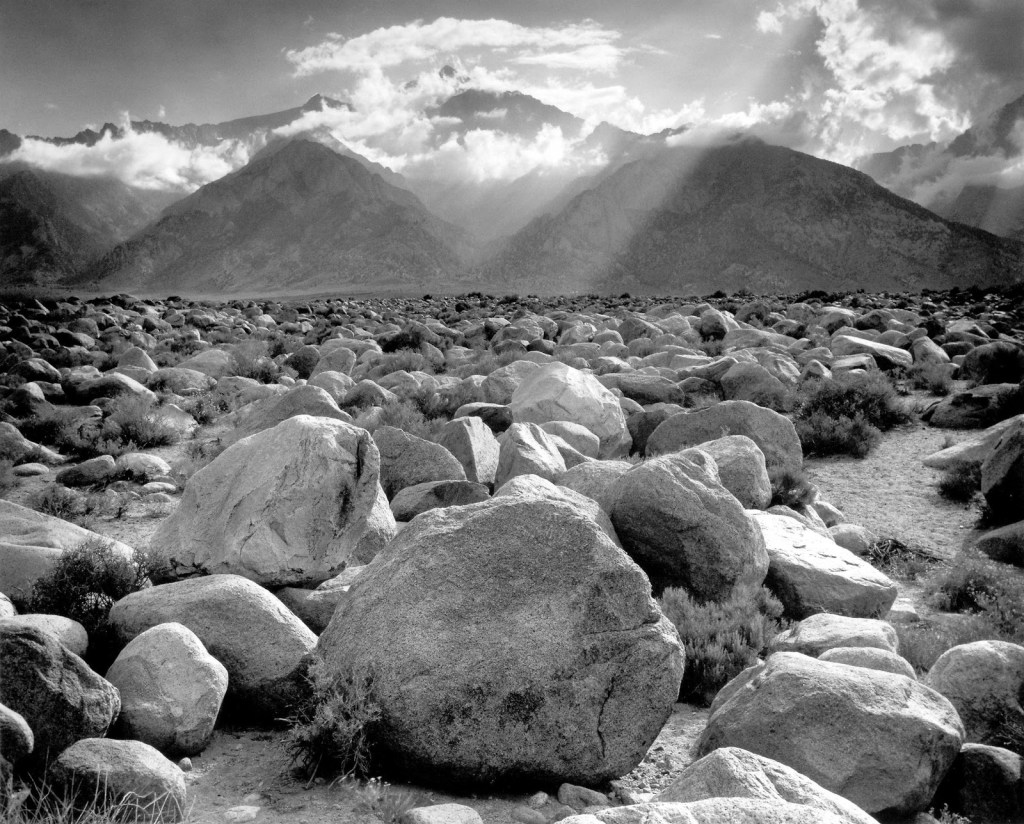
Ansel Adam’s Mount Williamson from Manzanar

My skill set was best described as being a photographic engineer and in the following years I worked at medical universities helping researchers with photographic problems and took a job where I worked on projects with NASA and other government agencies, mostly involving satellite imaging. Much of that work came to an end with the advent of graphic computers and digital images, but I still loved travel and photography and continue to do both today.

Beagle Channel Light

Along the way I taught some college classes in photography and my favorite became evening classes where most of the students where young parents. They were taking the class to learn how to take better pictures of their children. It was those evening classes, where I learned what was most important to those young amateur students and that is where I became more involved in the art and the principles of composition.

CLICK TO GET YOURS

Young people today think about images and taking pictures much the same way they think about just sharing a thought or making a comment to a friend. It has always been a visual world but today taking photographs and sharing images is now part of our everyday communications, just like talking or laughing or even texting. After all – a picture is really worth a thousand words.

Using Camera Controls

Exercising More Technical Control To Improve Your Photographs

controlled depth of field using shutter speed
Carnival at St. Peters [depth of field]

When we approach a scene of interest to take a picture we look for what composition can be included in the frame and maybe what the lighting is doing to the scene. In most instances the camera is automatic and handles all the technical details for you. Those actions can best be described as recognizing an interesting scene and photographing it, but there is more to photography than just that. While the camera (be it film based, DSLR or a cellphone) is designed to quickly do that job, often automatically, it usually has a lot of additional capabilities. It has a number of tools that the photographer can employ to further interpret the scene.

While there are a number of cameras that are automated to just point and shoot, most better cameras (cellphones too) have additional controls; the shutter speed which specifically determines how sharp the image is when there is motion involved (either in the scene itself or with the hand holding the camera) and the aperture which is the lenses area that controls how much light gets in through the lens during the shutters opening.

slow shutter speed and tracking a moving object
Tracking a moving object

Shutter Speed is the measurement of how long a shutter is open in taking a photograph. To minimize problems involving motion that can create blur in the image you can set faster shutter speeds that can reach 1/1000th of a second or even faster. In very low light, shutters can stay open 1 second or even longer to get enough light to resolve the image. In cameras there are a series of shutter speeds with each step a doubling of the speed from the previous step. Typically they are 1 second, ½ second ¼, 1/8, 1/16, 1/30, 1/60, 1/125, 1/250, 1/500th of a second.

f/Stops with half stops
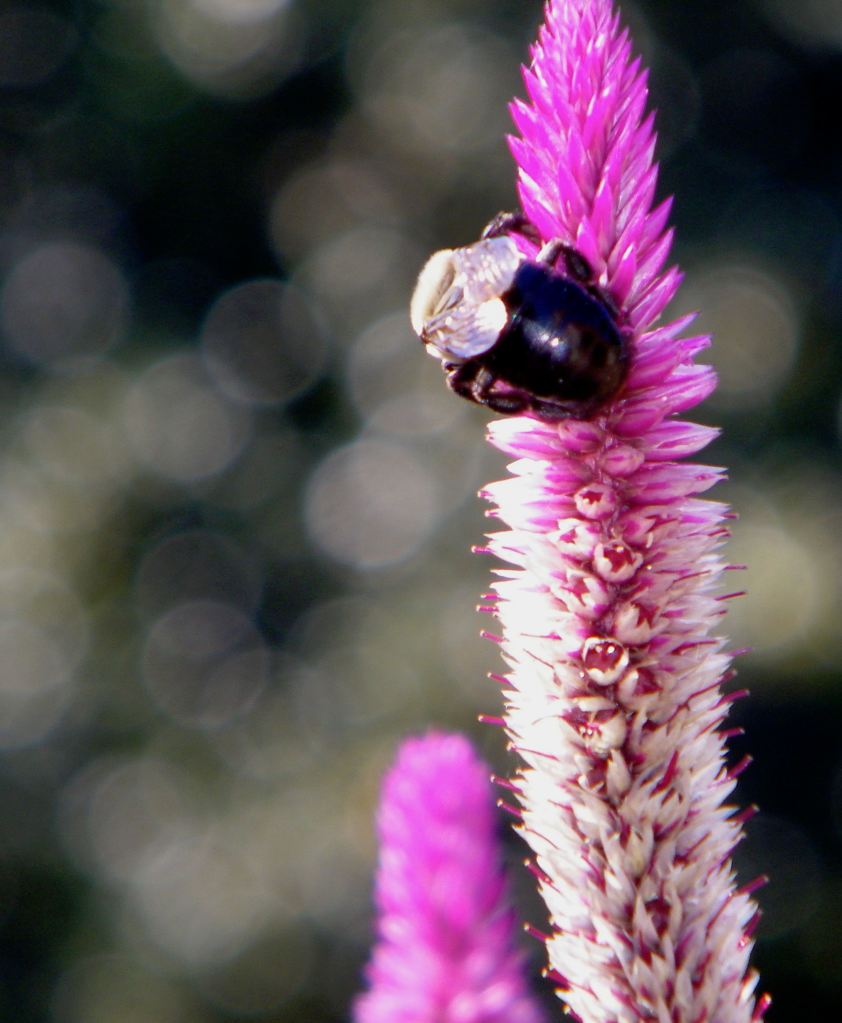
macro and depth of field
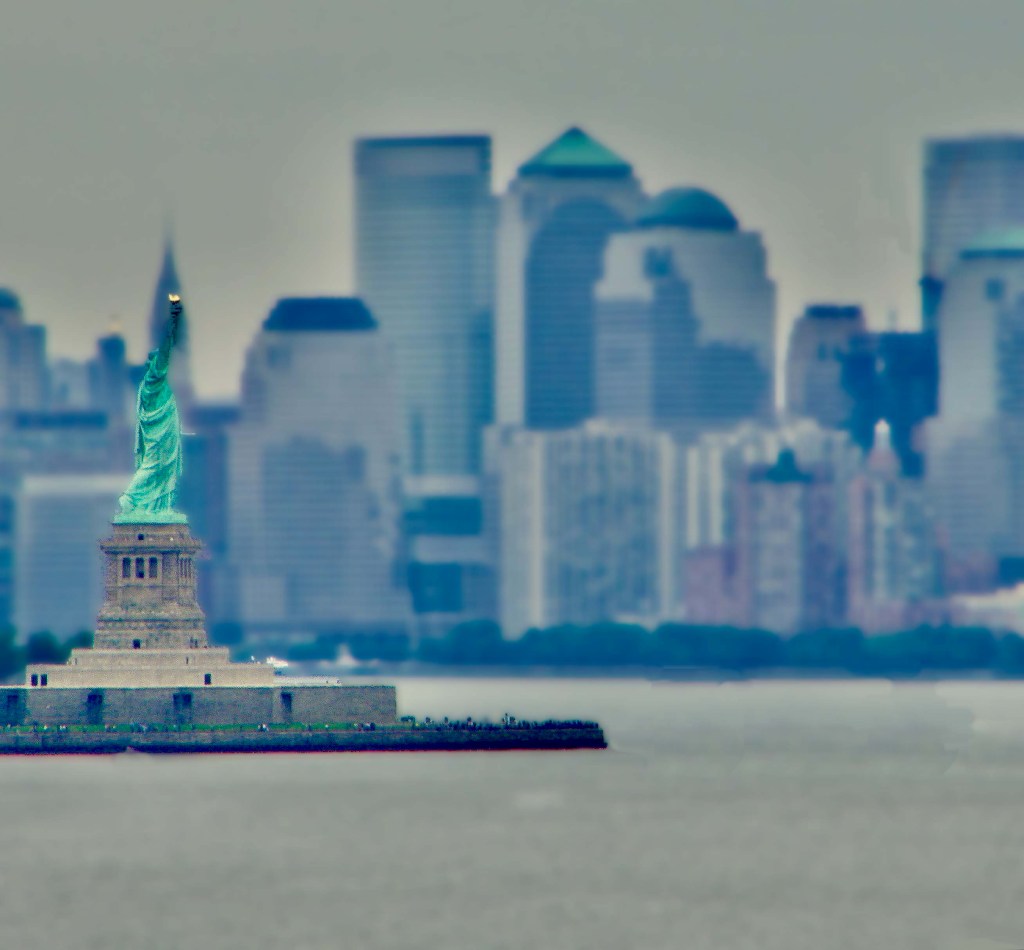
Narrow depth of field

Aperture size or f-stop technically is a ratio of the focal length of the lens to the iris diameter that is controlling the amount of light and is expressed as a fraction. Think of the letter f as the numerator over the denominator’s number where the higher the denominator number the smaller the fraction. It looks like this f/ 1.4 where f/1.4 lets in twice as much light as f/2.8. The most common whole progression being f /1.4 , f /2.8, f /5.6, f /11, f/ 22 with some cameras also having half stops like f/16. Besides controlling the amount of light getting through the lens the f-stop also controls depth of field or how much of the depth through a scene is in good focus.

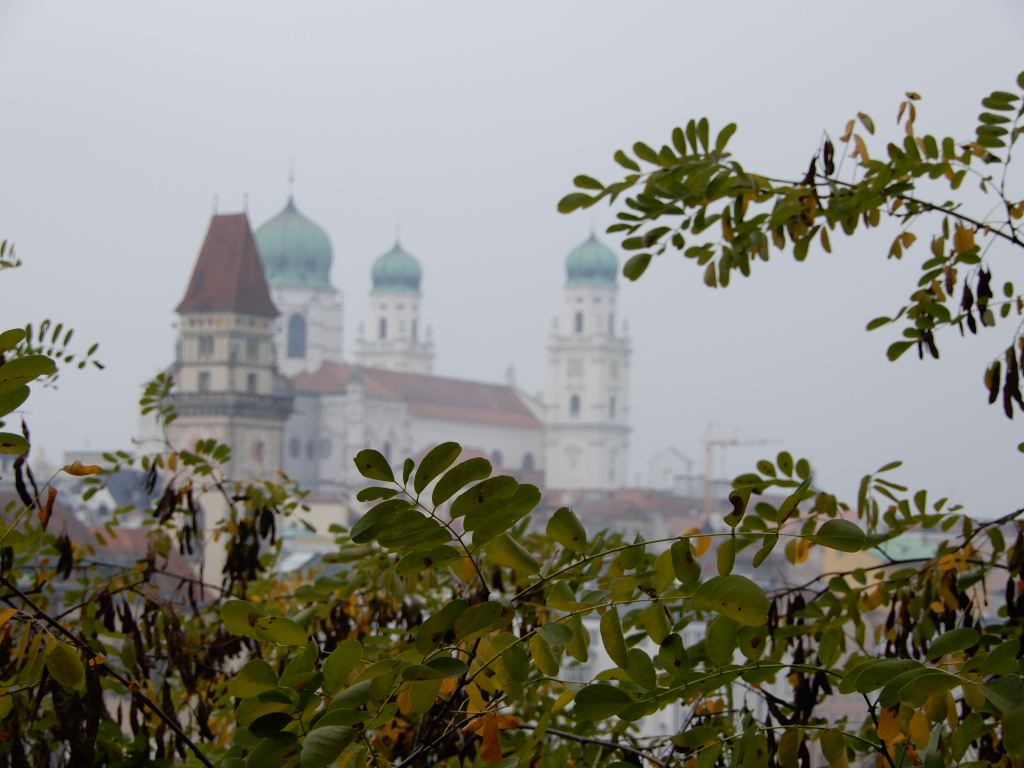
depth of field to add interest
Passau Germany and selective focus
depth of field to add interest

Exposure or equivalents are called reciprocity. It’s the concept that combinations of shutter speed and f stops allow exactly the same amount of light into the camera when taking a picture. f/5.6 at 1/125th of a second is the same amount of light as f/11 at 1/60th of a second. The slower shutter speeds allow the photographer to set smaller apertures that create a greater depth of field. The selection is always a compromise between motion blur and reduced depth in focus.

Playing around with shutter speeds and different f stops is the best way to appreciating what you can accomplish. Sometimes an image has more impact with deliberate motion blur. Like tracking a fast moving object with the camera while clicking the shutter at the same time will often provide great pictures where the moving object is sharper while the background shows motion blur. Setting faster shutter speeds also provides for smaller depth of field and that is a great way of focusing attention on a specific area in the scene.

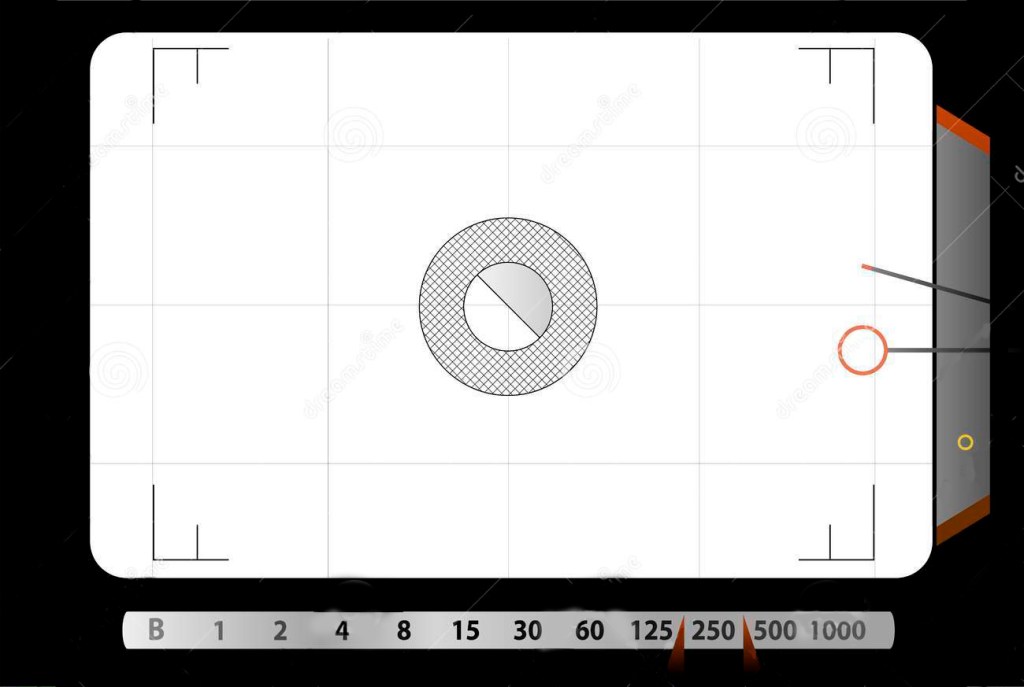
Viewfinder of metered SLR camera

To make use of these features in a digital camera or your cellphone requires that you understand how controlling shutter speed and aperture works in your device. Check the manual or do a device specific internet search and start playing with those controls.

Upping your iPhone game

Controlling focus and exposure separately. The problem with accomplishing that trick is that the iPhone sets both exposure and focus with a single tap. If you tap on your foreground subject and it’s dark, you can end up over-exposing the photo. The easiest way to solve that problem, is to install a better camera app and there are a number available – these include Camera+ ($2) and Top Camera ($3). By using either of these apps, you can tap separately to focus and specify where to set the exposure. The end result: You no longer have to live with under- or over-exposed photos just because you chose to set a specific focus point.

There are also other apps that allow you to change an image after it’s taken. There’s FocusTwist that shoots a short video and then shows you a still photo derived from the length of video. There’s also AfterFocus ($1). Open a photo or take one, and then outline the areas that you want to be in sharp focus. The app then blurs everything else for you, giving you a convincing shot with simulated depth of field.

Lock the focus without using an app on you iPhone. Instead of a tap to set only exposure you can lock the focus on the iPhone with a tap and hold on any spot on the screen for a few seconds and when you see a yellow box flash around your finger tip, remove your finger and you’ll see the message “AE/AF Lock” on the screen. Until you take the photo, the focus and exposure will remain fixed at when you released your finger until you tap the shutter release to take the photo.

Apps for Android users.

Open Camera is a compact camera app for Android cellphones and tablets. It is free with no in-app ads. This Android app has different focus modes, scene modes, auto-stabilizer, HD video recording, handy remote controls, configurable volume keys, geotagging of photos and videos, support for an external microphone, HDR, dynamic range optimization mode, small file size, etc. and it’s open-source.

Google Camera comes installed on all Pixel devices but the Android community, has managed to make Google Camera app available on other Android devices. Making things like Pixel portrait mode, HDR+, and more plus the Pixel 4 camera’s Astrophotography feature, which enables users to capture great shots in the dark. GCAM apps are ported by third-party developers, so you may find lags and bugs in the download.

Adobe Photoshop Camera is good for taking a lot of selfies as the app comes with a ton of camera filters and effects. The filters can be applied before or after you shoot the picture, and some are remarkable and the app has intelligent AI that recognizes the subject in the picture and applies filters with real precision. It also has post-editing tools that change brightness, contrast, saturation and a magic wand tool that can remove sharp shadows and deep black areas. Unfortunately it does not allow for manual selection of shutter speed, exposure, focus, and is supported only on a few Android devices.

In closing, I had a number of people that challenged me with projects designed to train my eye to see and take better photographs. In the next section I will offer some of those examples to help improve your picture taking.

Available now, our guide to Taking Better Pictures, featuring three sections published on this website in convenient pdf format. Download your free copy by clicking here.

Cruise Port of Alicante, Spain

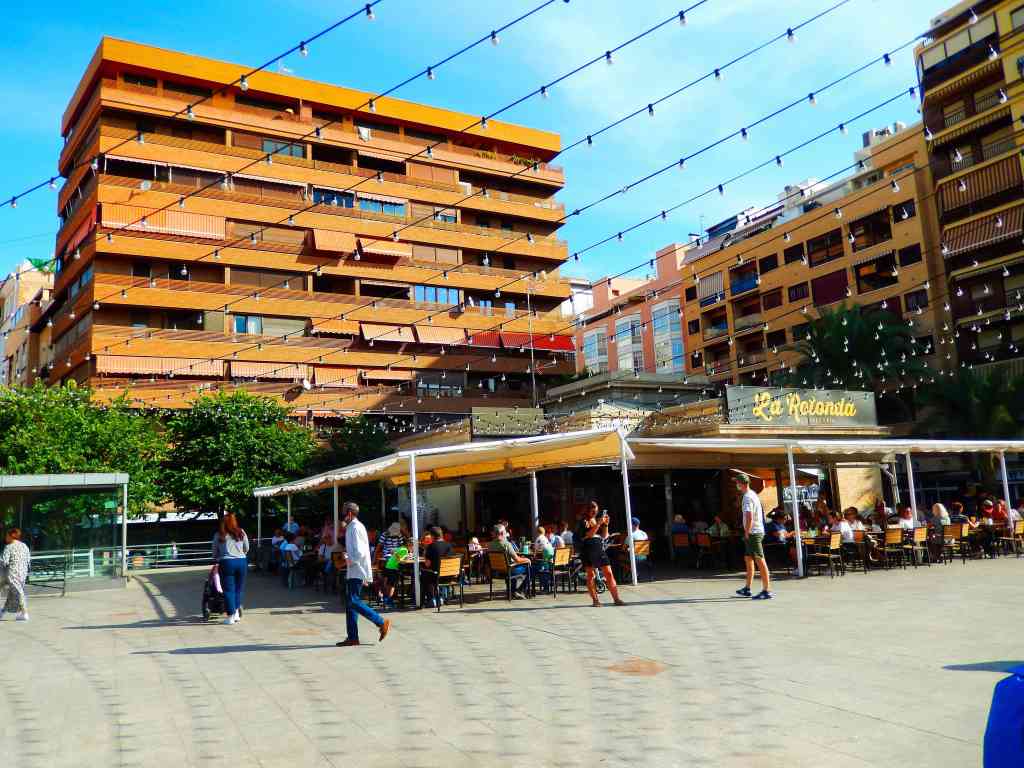
Explanada de España

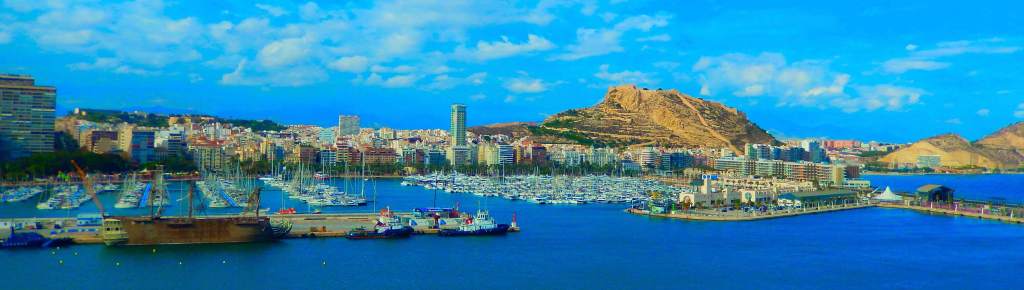
Recently Alicante has become a much more popular Mediterranean port of call as the city has embarked on a major program to increase the number of cruises visiting. Alicante is situated on the Costa Blanca on the Mediterranean Sea. It’s a major resort destination for people from all over Europe and is famous for its beautiful harbor, incredible beaches and all watched over by the historic Castle of Santa Barbara sitting high on the hill overlooking the coast. The city’s historic quarter wraps around the base of fortress hill with Explanada de España (Spain boulevard) with its shops, cafes and restaurants providing a backdrop to its beaches and marinas along the sea.

The Alicante coast has been settled throughout history by Phoenicians, Greeks, Romans and Arabs using this coast as a base to establish trade routes. The current culture is rooted in traditions blended together from the Moors and Christians that settled along its coast in recent centuries. Alicante’s distinctive cuisine takes advantage of this heritage blending Mediterranean seafood with regional rice dishes cooked in a hundred different ways.

Where Your Ship Docks

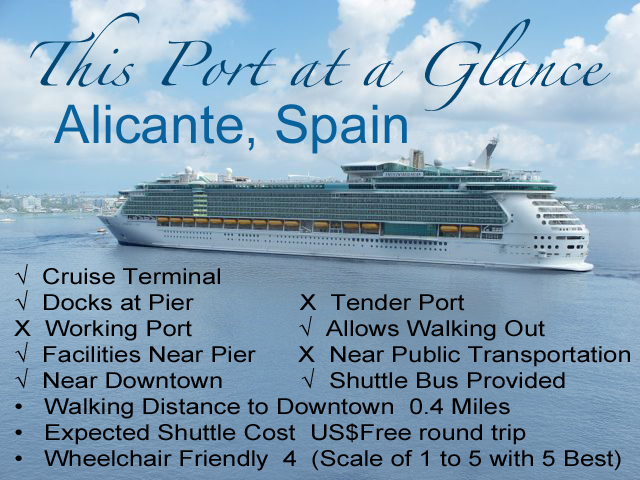
Cruise ships dock at the Alicante Cruise Terminal, an excellent facility behind the cities large marina and very near the center of the city waterfront. Normally the city also provides free shuttle buses to get passengers from the terminal to within a couple of blocks of the Explanada de España.

Transportation

The pier, marina, historic quarter and Explanada de España are all within easy walking distance but taxis are readably available and very inexpensive. A taxi trip of one mile should will cost about 2 Euros.

Alicante also has a tram with three stations in the city. MARQ (located near the Archeology Museum of Alicante), Mercado (near the central market), and Luceros (located below Plaza de Los Luceros). Tram tickets are available at vending machines and ticket counters around the stations. A ticket for Zone 1 is about 1.5 Euros. There is also the Bono Móbilis Multiviaje card or you can purchase vouchers for 10 or 30 trips .

Currency

Spain uses the Euro and most major credit cards are welcome. ATMs are also plentiful.

Attractions

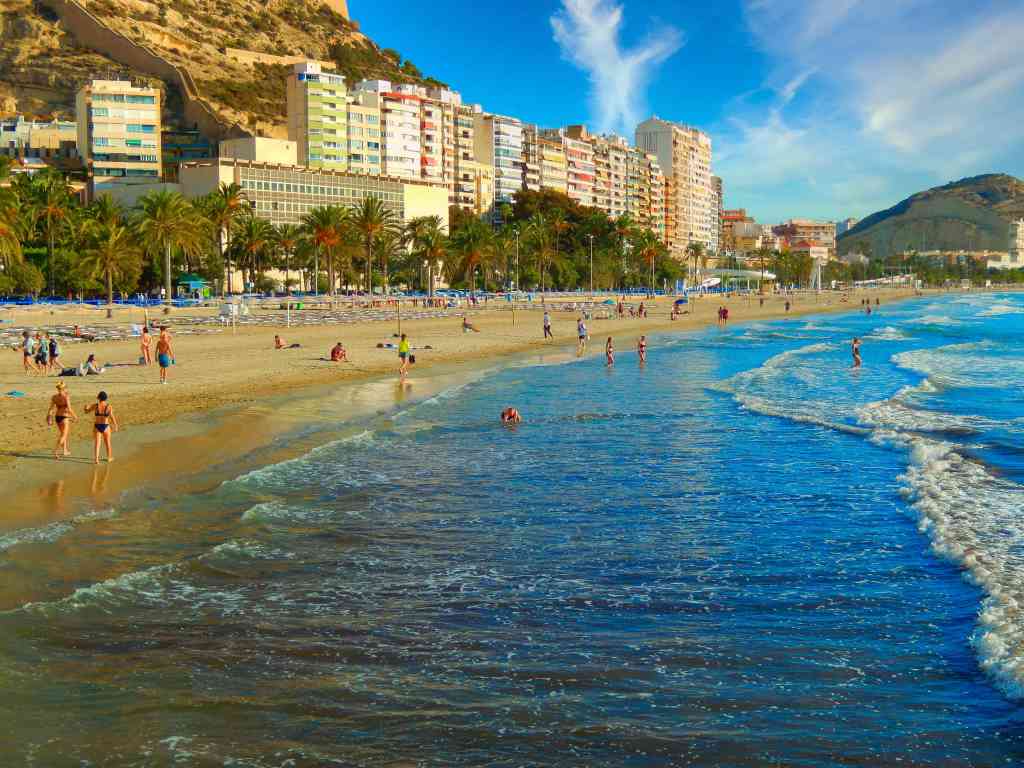
Alicante Beach – If you’re looking for beach time, this is the perfect port for you. Alicante features over two miles of beautiful Mediterranean beach that begins right next to the marina entrance. The beach also has the advantage of being located right on the cities waterfront with easy access to outdoor cafes and restaurants.

Casino Mediterraneo Alicante. Opened in 2009 the casino offers over 37,000 square feet of gaming with 89 gaming machines and 32 tables along with two excellent restaurants.

San Nicolás de Bari Procathedral – This 17th century church is one of the most important buildings in Alicante old quarter. Inside it features a 130 foot high blue dome and cloister, with Baroque doors from an earlier 15th century temple and a unique set of marble steps leading to the high altar.

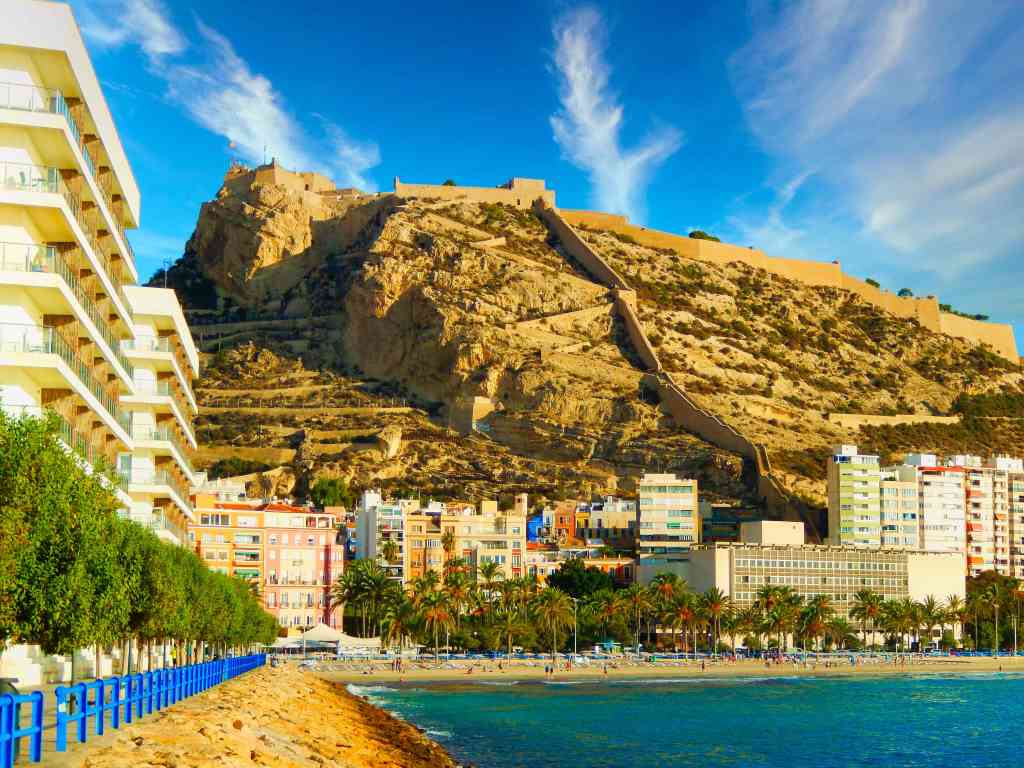
Castle of Santa Bárbara (Santa Barbara) is an Arab fortress but the present structures only date back to the 16th century. There are walking trails to the top and it is a serious climb but there is also an elevator across from the beach that will take you to the top of the old walls. Up there you’ll have a commanding view of the whole city, the coastline and miles of surrounding countryside.

Alicante Provincial Archaeological Museum (MARQ) The museum offers an historic exhibits with rooms dedicated to Prehistory, Iberian Culture, Roman Culture and the Middle Ages. It houses artifacts from 100,000 years ago, a collection of Iberian ceramics, the recreation of Roman daily life and hundreds of objects from the Middle Ages.

Alicante Museum of Contemporary Art (MACA) displays a collection of 20th-century and modern era art.

https://intend2travel.etsy.comCLICK TO GET YOURS – FREE SHIPPING

Santa María Basilica – Is the oldest church in the city, dating back to the 14th century. It was built on the ruins of the city’s biggest mosque and features a nave with side chapels between the buttresses. The basilica was rebuilt in the 15th century after a fire..

What’s In Your Wallet? Emergency ID?

A Small Price To Pay For Peace Of Mind

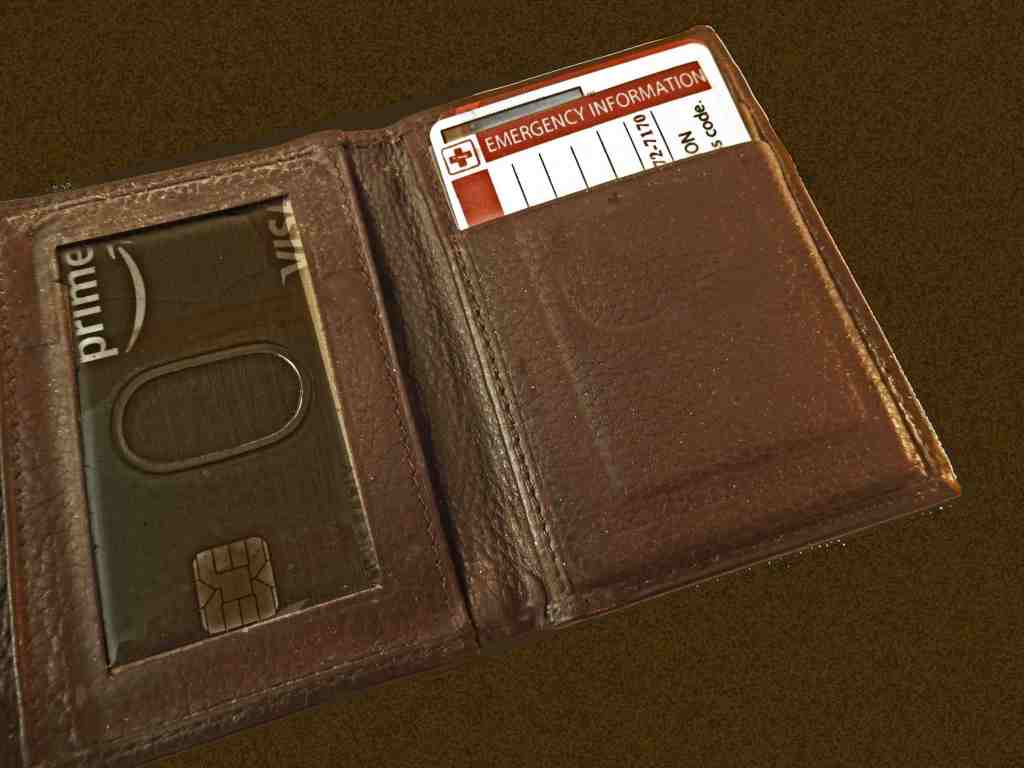
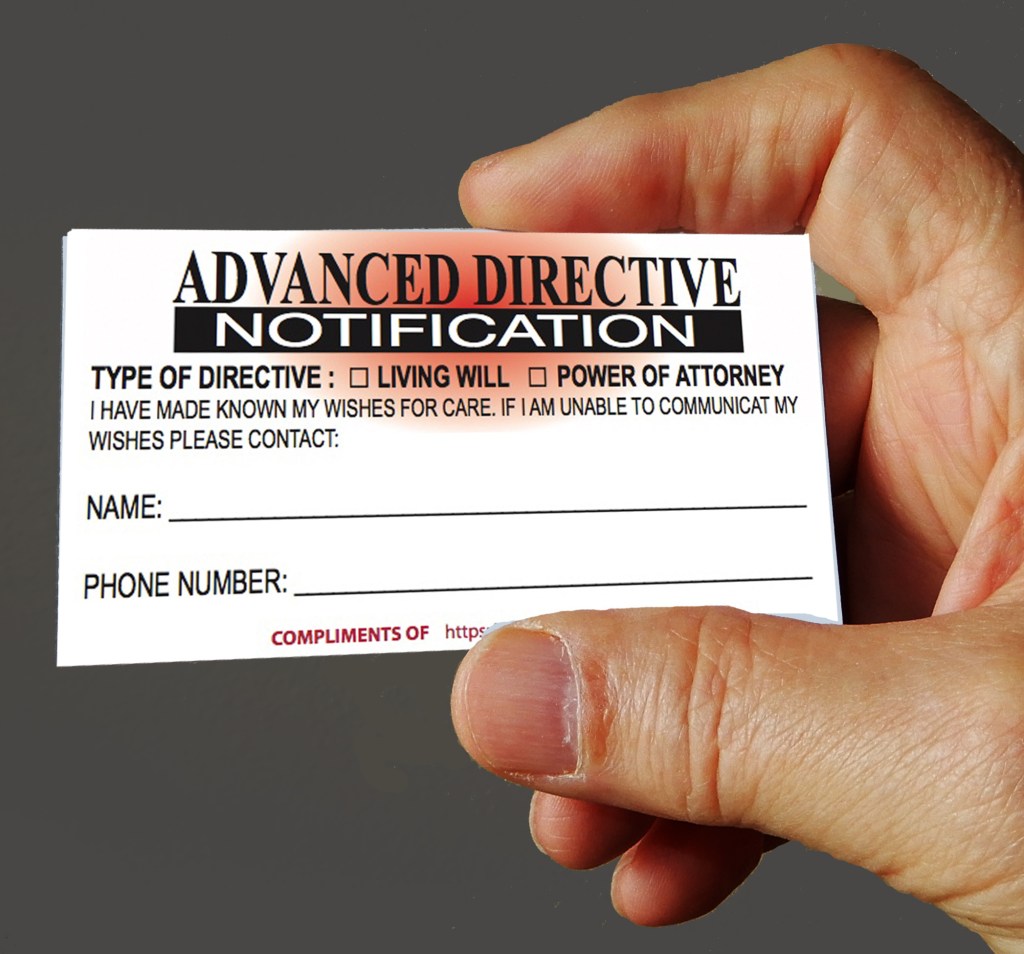
If you travel, especially internationally, you really need to carry an Emergency Information ID Card. This handy series of ID cards provides space for emergency contact information, details on medications, allergies, medical conditions and doctors contact number. Oddly, none of that information is found on your drivers license, government ID or passport. In an emergency what’s in your wallet?

An unfortunate series of events (based on a real life incident). John and his wife were traveling in Europe and after checking into their hotel one afternoon John went out for a walk. Only a few blocks from the hotel he suffered a serious medical incident. He received quick emergency help and was taken to a nearby hospital. At the ER they found his passport and the police were notified. The local authorities contacted the American Embassy and they contacted the police in their home town. Since they were traveling, nobody was home. It wasn’t until the next morning that John’s wife was able to locate him.

Free USPS shipping in the United States

/**/

My Favorite Photographers

And The Photographs They Took

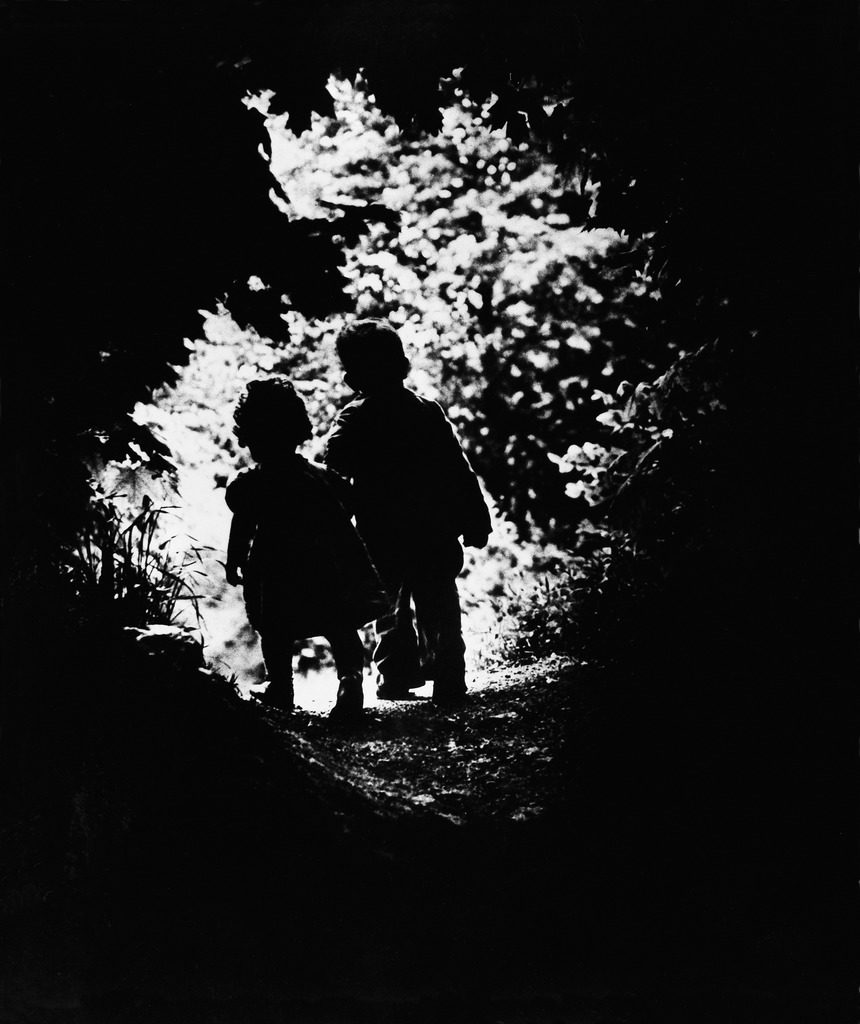
The walk to Paradise Garden, 1946 W. Eugene Smith

W. Eugene Smith – I met Eugene in 1971 when he was invited to a roundtable on photography at my school. After the session we spent a couple of hours over drinks. One of his most famous photographs was “The walk to Paradise Garden” which was included in the Museum of Modern Art’s exhibit “The Family of Man”. He described taking the picture as a grab shot with his Leica. He was out back of his house with some friends and neighbors when he saw his children walking towards the woods. It was over a week before he developed the film and made a quick print.

In a reflective mood that evening he commented that when he was a child he fell off a chair and broke his arm and wouldn’t it be a sad finale at this point in his life if he fell off his barstool and broke his arm again.

I still keep that softcover copy of “The Family of Man” from the 1960’s in my photography book collection.

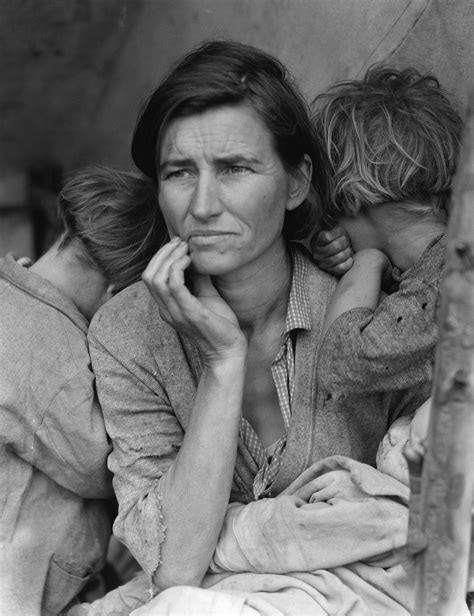
Dorothea Lang – This is one of photography’s most famous photographs. From 1935 to 1940, Dorothea traveled the country documenting the hardships of the great depression for the Farm Security Administration, of the U.S. Agriculture Department. Lange photographed the people she met and that included Lange’s most well-known portrait, “Migrant Mother,” the iconic image from the period that captured the hardship and pain of what so many Americans were experiencing. Her work is in the collection of the Library of Congress and oddly enough you could order prints made from her original negatives for just a printing fee.

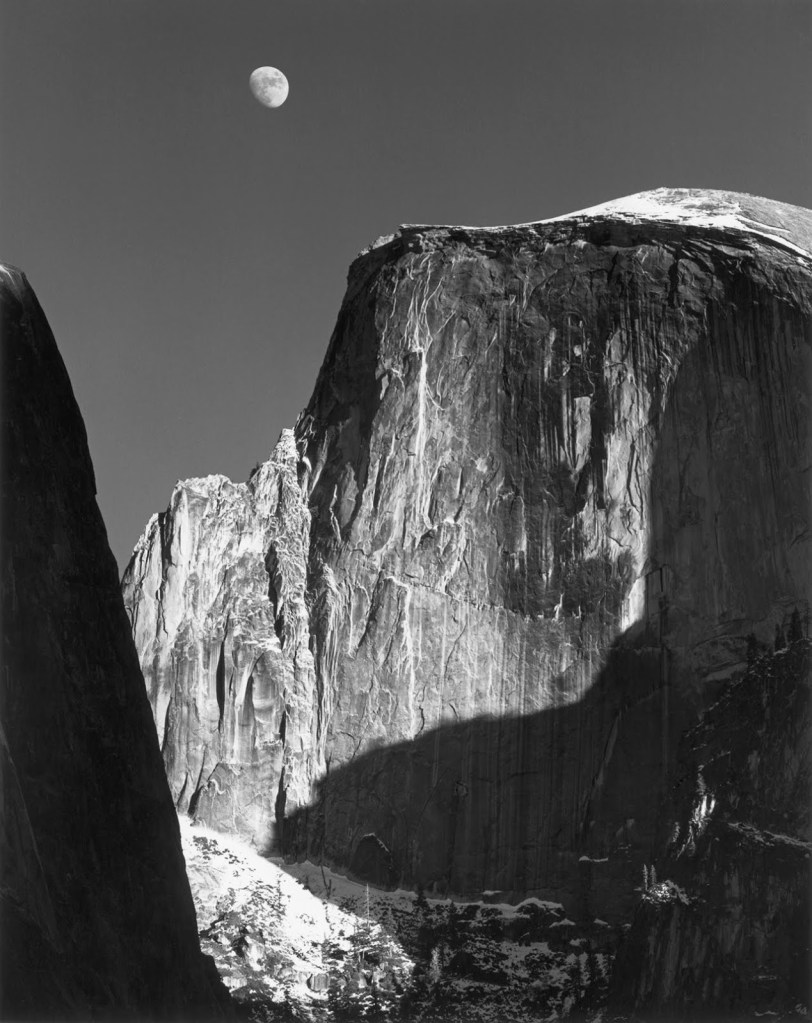
Moon and Half-Dome
Winter Yosemite Valley

Ansel Adams – The dean of American landscape photographers, was famous for lugging his large view cameras up mountain sides. “Moon and Half Dome” above is my favorite photograph. A friend of mine and another photography student, introduced his mother to Adam’s work. She was an executive with Continental Can Company and contacted him at his studio in Yosemite valley about buying photographs to display at the company headquarters. His reply when he learned the name of the company was that there was no amount of money that could buy his prints.

The Two Photographers That Influenced Me The Most

I had an opportunity to encounter both of these photographers during the Vietnam war and they were responsible for me believing I could make a career in photography.


‘Reaching Out’ taken 5 October 1966 after the Marines were ambushed on Mutter’s Ridge.

Larry Burrows – Any one that spent time with Larry understood that he was one of the greatest photojournalists of that era. Burrows died when the helicopter he was in was shot down over the Ho Chi Minh Trail in Laos while covering Operation Lam Son 719.

About Reaching Out, “Larry Burrows made a photograph that, for generations, has served as the most indelible, searing illustration of the horrors inherent in that long, divisive war — and, by implication, in all wars.” — Ben Cosgrove, Life Magazine

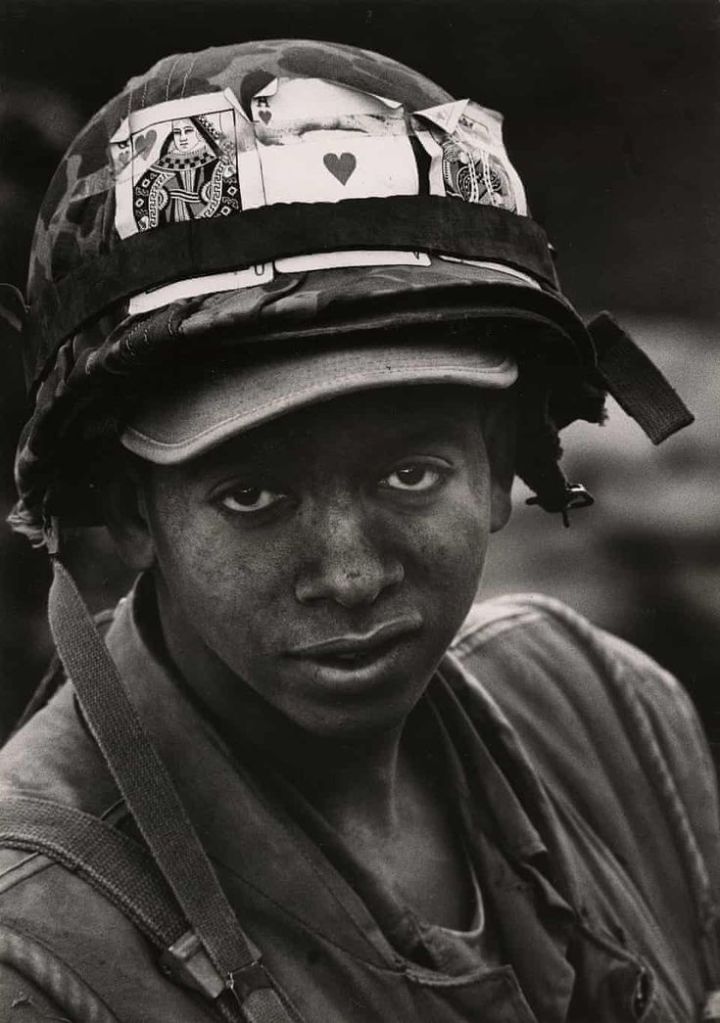
From The Battle of Khe Sanh

David Douglas Duncan – I met him briefly “in country”. He was a photojournalist who documented the Vietnam war over several years. He spent several weeks with the Marines at The Battle of Khe Sanh and after that experience he published a book called “I Protest” about the American policy during the war. He is most remembered though for his images of Picasso taken over a few years he spent with the artist. One of my prized possessions is a copy of his “I Protest”.


While the two proceeding photographers inspired me to go to college and study photography their lives also ended up convincing me that a life on the road following wars and disasters didn’t leave much room for a normal life.


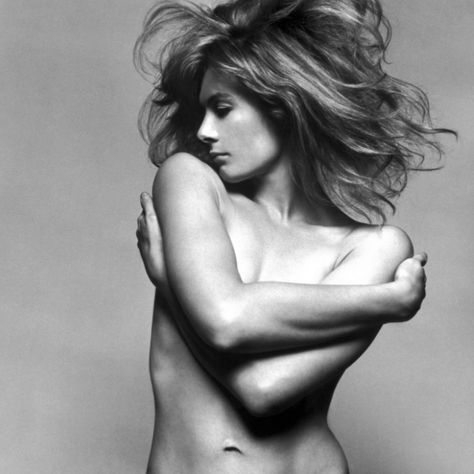
Vanessa Redgrave

Victor Skrebneski – A fashion photographer based out of Chicago. I met Victor when he came to school to give a series of lectures. One evening he told me that he was going to have to leave early to do a shoot he couldn’t pass up. His agent had contacted him about Gulf Oil’s agency wanting him to do a series of outdoor period spreads for some magazine ads. He didn’t want to do it and to get out of it he quoted five times his normal rate. The agent had just called back and told him he had the job with a bonus if he could get it done ahead of schedule. My collection includes several of Victor’s prints.


Marilyn Monroe

Bert Stern – I never met Bert but his work inspired me. He was self taught and became famous for his celebrity portraits and his advertising images. I met a photographer who worked in Sterns studio who had an interesting accounting. I believe it was Smirnoff’s agency that wanted a photograph of a martini glass with the pyramids in the background. Most ad studios would have kept the work in shop by doing a back-screen projection of the pyramids. Bert instead took the crew to Egypt and shot the photographs with the actual pyramids in the background.


Iceland Volcano by Pete Turner

Pete Turner – I met Pete several times when he had a commercial studio in New York and shortly after that he was picked up to do work for several magazines. Pete was more an artist than a photographer, having this incredible feel for the use of color. His images seemed to always be at the edge of becoming abstract art. He’s one of the few photographers where I see an image and immediately know it’s his.