Create Travel Memory Books

The Perfect Record of Those Memorable Trips

Want to keep those travel photos where they will be safe and easy to access years from now? Have concerns about recollecting details of that great trip? Want to remember names and addresses of favorite restaurants. B&B’s, wineries, that you can recommend? We have the answer that fits those concerns perfectly.

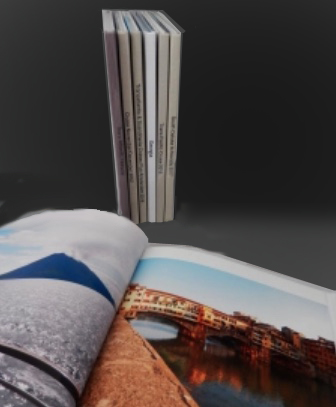
After each trip we take time to compose a book about the trip. We’ve discovered these are great alternatives to boring our friends and relatives with a slide show. If guests seem interested, it is easy to pass around our trip books. We also look forward to sharing them with our grandchildren and refreshing our own memories as time goes by.

While we keep a couple of shelves in a bookcase full of cases of travel brochures, maps and notebooks the collection we like to share with family and friends is our printed travel books. 

There are a number of services that allow you to create a custom designed book from your own photographs and have it professionally printed and mailed back to you. People use these services to create wedding albums, family photo albums, special occasion records and unique gift items. While we have created books for a number of reasons, our favorite is to keep a record of our travels.

The process is simple and easy. You create an online account, upload photographs to the online site and use the website to pick your format, design each page and add copy. These services also offer numerous styles to pick from and decorative accents you can add to the pages. When you finish, simply order, pay and expect a finished book to come in the mail in a few days.

Probably the largest of these services is Shutterfly but you should also check out PrinterPix, Snapfish along with Google that provides a similar service. Some popular photo software like Apple’s Photo also have direct links inside their apps to create a photo book.


Cedar Key, Where Old Florida Lives On

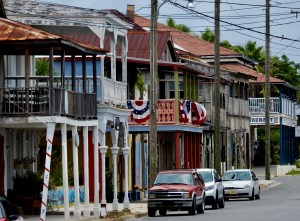
If you travel west on Florida State Road 24 from Gainesville to where the road ends, you find yourself in a bit of old Florida. Out in the middle of nowhere on Florida’s northwest coast is the little village of Cedar Key with its’ population of around 700.

A post office named “Cedar Key” was established here in 1845 and by 1860 Cedar Key became the western terminal for the Florida Railroad, connecting it to the east coast of Florida. The town grew as a result of the railroad but in the late nineteenth century when shipping terminals and a railroad line where built in Tampa, the town got passed by.

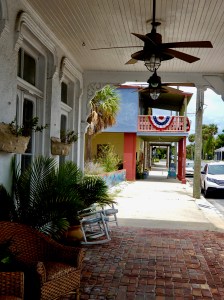
At the start of the twentieth century, fishing, sponging and oystering had become the major industries but, when the oyster beds played out, the town became primarily a draw for sport fishing. It probably looks much now the way it did sixty years ago but, behind the façade, there have been some changes. The town now has a thriving art community and attracts tourists to the galleries and shops while fishermen are drawn the Gulf.

We made our first ever visit to Cedar Key in July of this year and, while the town has its’ appeal, summer is not the time to go since a good deal of the town is actually closed. When we went looking for a cup of coffee in the morning we simply could not find anything open. The town has a few coffee shops and a donut shop and they were all closed for vacation when we were there. There are only a few hotel/motels in town and none of them received much in the way of inviting reviews. The one we chose, The Beach Front Motel, was basic and nowhere near a swimming beach.

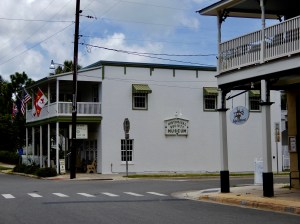
You arrive in the town as Florida 27 turns into D Street. It crosses 2nd Street which is the main thoroughfare with a number of nice shops. If you turn left on 2nd Street and in a block make a right on C Street you will find yourself heading toward the Gulf and Dock Street.

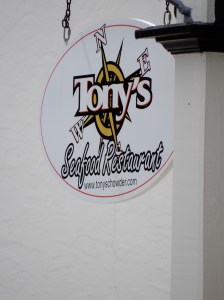
Back in town at the corner of D and 2nd is Tony’s Seafood Restaurant which is famous for award winning clam chowder. That was where we went for our first meal and we were not disappointed as the chowder was remarkable. You can also take some cans home with you or mail order later. If you are looking for white tablecloths and atmosphere in Cedar Key you’re probably going to be disappointed.

Along the waterfront on Dock Street there are a number of gift shops and five or six restaurants worthy of consideration. One popular with locals is Steamers Clam Bar and Grill offering a fairly extensive menu including lots of fresh seafood in both small plates and entrees. They also featured a nice selection of local craft beers and a full bar.

Cedar Key is not the sort of town you just discover since it is so far off the beaten track. There is very little in the way of a beach to draw people and nothing like a resort area vibe. Unless you are into fishing, it’s hard to think of a reason why you would spend more than a day here. There is one recommendation we would make, however. If you are spending time in north central Florida say near Gainesville, Cedar Key is an excellent choice for a day trip. It is less than an hour and a half drive. It has a character that reminded us of the Florida Keys thirty years ago – a laid back place with good seafood, fishing and salt air.  The town has a vibrant art colony and the galleries and craft/gift shops are worth perusing. Also, in winter when more things are open, we were assured that we would find more to make this trip off the beaten path worth the time.

The Keukenhof For Spring 2022

HOLLAND HOSTS THE WORLDS LARGEST TULIP FESTIVAL

2022 UPDATE: The Keukenhof is currently scheduled for 2022 starting March 24th through May 17, 2022 and tickets will go on sale in November 2021. This year the Keukenhof is requiring online ticket purchases to be for a specific date so you may want to pay attention to scheduling and dates.

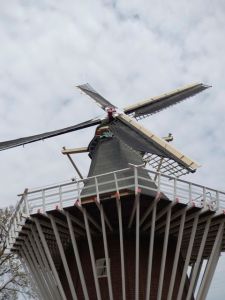
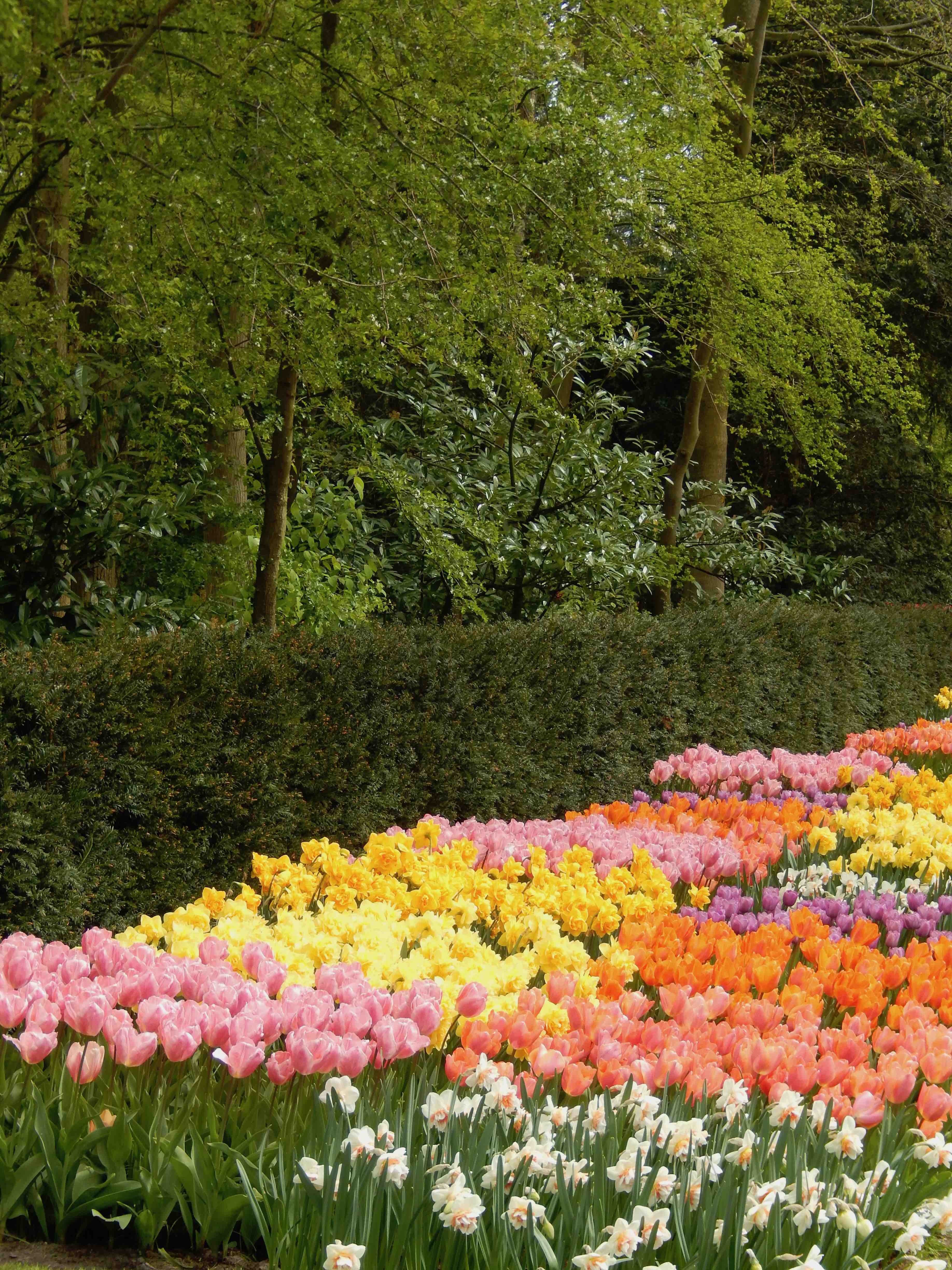
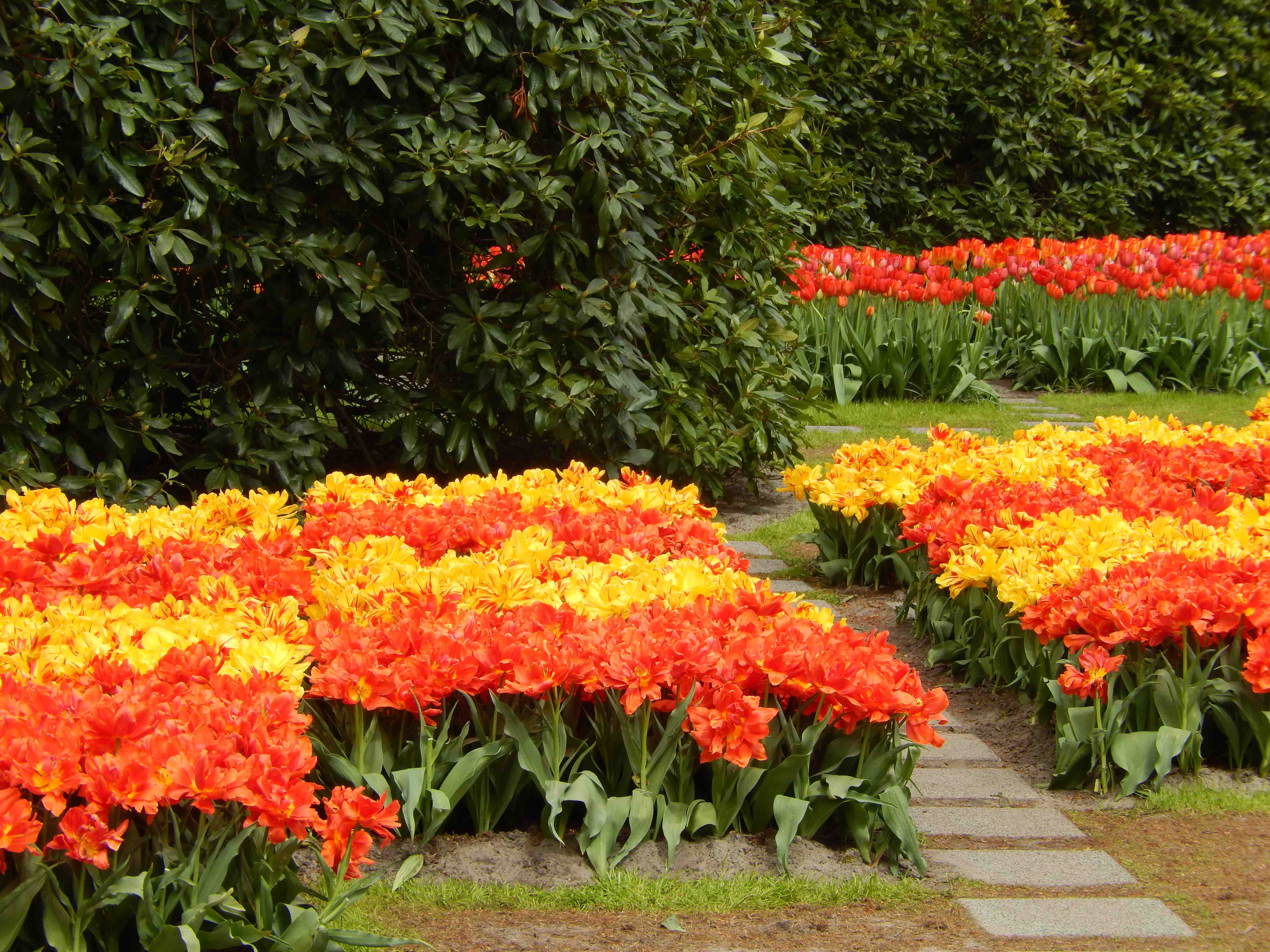
Spring in Holland means flowers and the world’s largest garden and showplace is the Keukenhof Gardens  with over 7 million spring flowering bulbs on display. There are also acres of commercial tulip fields around the gardens for as far as you can see.

The gardens are located in Lisse only a short distance southwest of Amsterdam. The festival runs from mid March thru mid May and is serviced by special buses from Amsterdam airport with a combined ticket that includes entry and return fare. If you are staying in Amsterdam it’s easy to get there. Take a bus or tram to the Amsterdam Central Station and catch an express train directly to the airport. Once there it isn’t hard to figure out – just look for the crowds and the Keukenhof buses. Usually there are combination tickets at the airport that include round trip bus and admission. You can check with tour agencies or your hotel but that will probably cost you an extra $5 to $10 and you will end up traveling the same route regardless (bus, train, bus admission and return).

The Keukenhof is actually a trade fair where over one hundred growers display their flowers. The name actually means “kitchen garden” and the place is fondly referred to as the Garden of Europe. The annual event features restaurants and coffee shops along with gift shops. If you enjoy visiting gardens, do not miss this as it is like a theme park dedicated to flowers. The best thing is to anticipate a lot of people, go early in the day and be patient.

At the Keukenhof and the flower markets in Amsterdam, many people question if they can buy tulip bulbs and bring them back through U.S. Customs. The answer is yes and no. Some vendors sell bulbs specifically with U.S. and Canada certificates that allow them through customs. These are a small selection and many of the same items are readily available back in North America and often at a better price. Unfortunately a majority of the Dutch bulbs will not have the certificate and are not allowed to be brought back to North America legally.

If you are cruising across the Atlantic on a spring repositioning cruise headed for northern Europe, there is a good chance you will end up in Amsterdam around tulip festival time. Besides the Keukenhof, Amsterdam also has a city wide tulip festival around the same time that features dozens of gardens and grounds to visit, so be sure and add these to your plans.


Cruising and the Alaska Glaciers

Cruising Alaska has been gaining in popularity for a number of years and it doesn’t seem like interest will taper off any time soon. All the major cruise lines offer itineraries as do a number of the smaller cruise lines.

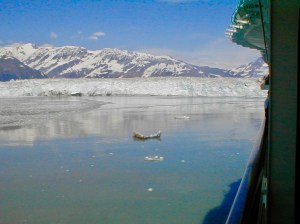
A cruise ship approaches Hubbard Glacier
Cruising up The Misty Fjord towards Dawes Glacier

If you’re looking for a cruise recommendation Alaska’s glaciers is high on most lists. Alaska has a lot to see and almost any cruise will be a memorable experience but there are differences to understand.

First, some information on the general environment. Coastal Alaska has a limited number of ports and locations so there is a lot of cruise similarities. The major cruise ports are Skagway, Juno, and Ketchikan and each has a lot to offer and all are very popular with passengers. There are also a couple of less visited stops with the most common being Hanes. Another common stop on Alaska itineraries is Icy Straight Point. Both of these are more opportunities to take tours than an actual  destination port. There are also a couple of “cruise only” destinations. The first is the Misty Fiord which is usually a half day of cruising up thru the narrow fiords. The other is Hubbard Glacier where the ships cruise up near the face of the glacier. There is also the port of Seward and it is the farthest north of the itineraries with most one-way cruises going it up to Seward with it being a jumping off point for trips to Denali with it being a start of the Alaska Rail Tours.

Hubbard Glacier calving
Mendenhall Glacier

Cruising Alaska has a lot to offer from coastal mountains, to whales and wildlife but the most spectacular sights are the glaciers. You should make that a prime consideration when selecting a cruise line and its itinerary. Because the number of ships allowed to go up near Hubbard Glacier are limited, it’s recommend that your first priority is to select a cruise that includes either Hubbard or Dawes glaciers. Hubbard is a huge glacier that terminates into a bay and is famous for “calving” huge chunks into the water constantly. In addition the bay is filled with icebergs and flowing chunks of ice with seals being a common sight.

Mendenhall Glacier

Mendenhall Glacier is another popular destination and usually all you need is a bus ticket from Juneau. The glacier is a National Park with a good visitor center and great hiking trails and it really is only a half hour bus ride from town. Almost all Alaska cruise passengers have an opportunity to visit Juneau and this glacier.

Dawes Glacier
 Up on the Juneau Ice Field

A third glacier of particular note is Dawes Glacier located at the end of Tracy Arm Fjord. It also terminates into water with calving being a frequent event. Unfortunately it is not on many ship itineraries because there is also a limit on ships allowed all the way up this fjord. Tracy Arm Fjord is a branch off the Misty Fjord and while cruises often include Misty Fjord, few make it up to Dawes Glacier.

A fourth frequent glacier opportunity is a helicopter tour up on the Juneau Ice Field. These tours are available from Juneau as well as Skagway. One tip that can save you some money is to book the tour on your own rather than thru the ship. You can call using U.S. cell service at most points near the popular towns and often book at the last minute. The tours only take a couple of hours so it is easy to fit into a port day as well.

Landing on a glacier

Again regardless of which cruise line you prefer you need to pay attention to the available itineraries and try to get a cruise that includes either Dawes or Hubbard. Most cruise offers will list Hubbard on the cruise itinerary but you will probably have to make some inquiries regarding if Dawes glacier is on an itinerary.

Helicopter tours up to a glacier in the Juneau ice field are usually available in Juneau or Skagway.

Helicopter glacier tours in Skagway

The Port of San Diego

Port of Call San Diego in Southern California

What’s not to like with a near perfect year-round temperature, 70 miles of coastline and beaches, a major U.S. Naval Base, an interesting historic area and world famous Balboa Park that features 17 museums, numerous galleries and performing arts venues including the incredible San Diego Zoo. It isn’t hard to fall in love with San Diego.

Popular with cruise lines for trips up the coast, over to Hawaii and south through the Panama Canal this is a world class port of call.

Where Your Ship Docks

Most cruise ships will dock right downtown at the B Street Cruise Pier. The pier features a cruise terminal with public facilities. Across the street from the pier are a number of good hotels and just another block up is a rapid rail stop. A little over a half mile south of the terminal is Seaport Village with an interesting collection of shops and restaurants also on the water. The aircraft carrier Midway Museum is also nearby along with a number of other historic ship exhibits.

Transportation

San Diego has an economical public transportation system featuring a light rail system that includes over fifty area stops. Just two blocks from the pier is a light rail stop where you can catch a trolly down to Old Town for a fare of $2.50. You can purchase one to 30-day passes for the transit system right from your smartphone and use them immediately using the Compass-Cloud app.

Currency

The U.S. Dollar is the accepted currency with credit and debit cards welcome almost everywhere. Changing foreign currency can be a challenge with facilities available mostly at the airport.

The Del Coronado Hotel

Attractions

OLD TOWN was the original historic heart of San Diego. Created in 1769, Old Town San Diego was California’s first settlement with only a mission and a fort. Stroll the lush gardens or browse at one of the many specialty shops for treasures from around the world. To get to Old Town by Trolley take the Green Line that runs right along the waterfront.

First and foremost is The San Diego Zoo, one of the best zoos in the United States. It is a non-profit zoo and wildlife sanctuary featuring over 3,500 rare and endangered animals representing more than 650 species and subspecies, and a prominent botanical garden with more than 700,000 exotic plants.

San Diego is also home to one of the SeaWorld parks along with the Birch Aquarium at Scripps. Birch Aquarium is a public exploration center of the world-renowned Scripps Institution of Oceanography at UC San Diego. Sitting on a bluff overlooking the Pacific Ocean, the aquarium features more than 60 habitats of fishes and invertebrates from the cold waters of the Pacific Northwest to the tropical waters of Mexico and beyond.

In addition to the zoo and aquariums San Diego has a lot more to offer. There is a good hop-on hop-off bus that travels all around the city and out to Coronado. Coronado sits right in the middle of the harbor and often is referred to as an island but actually is attached at the southern end to the mainland. It is also features a Naval Air Station, a Naval Amphibious Base and is home to the Navy SEALS. If you want to rub shoulders with a SEAL stop in at Mc P’s Pub, a local hangout founded by an ex-SEAL more than a few years ago. It’s not far from the “The Del” (Del Coronado Hotel) a famous hotel on Coronado beach.

The San Diego waterfront
The USS Midway Museum

If you are catching a cruise from San Diego we recommend allowing a couple of days extra to see this beautiful city. Balboa Park is worth a whole day itself and try and fit in a visit toSeaport Village, with its waterfront shops and restaurants, located just south of the cruise pier. For good food try the Little Italy neighborhood or all along the waterfront for great seafood.

The Acropolis Museum in Athens

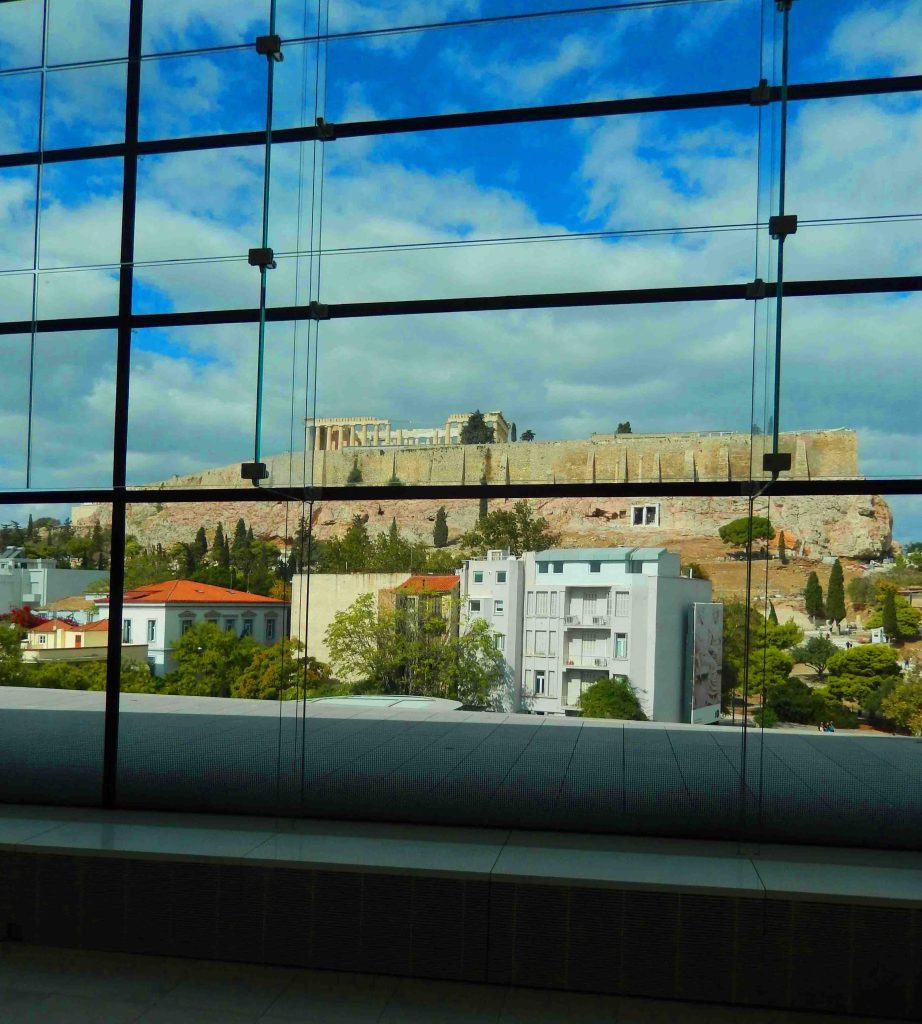
View from 4th floor gallery Acropolis Museum

Sitting at the base of the Acropolis in Athens and just two blocks from the Acropolis Metro station is the Acropolis Museum. The Acropolis Museum, one of the ten most important museums in the world, was built to house every artifact found on the rock and on the surrounding slopes. Discoveries date from the Greek Bronze Age to Roman and Byzantine Greece. It was also built over the ruins of Roman and early Byzantine Athens with its foundation carefully designed and built in a way that protects and provides access to the archaeological sight.

The museums main entrance over the archaeology site

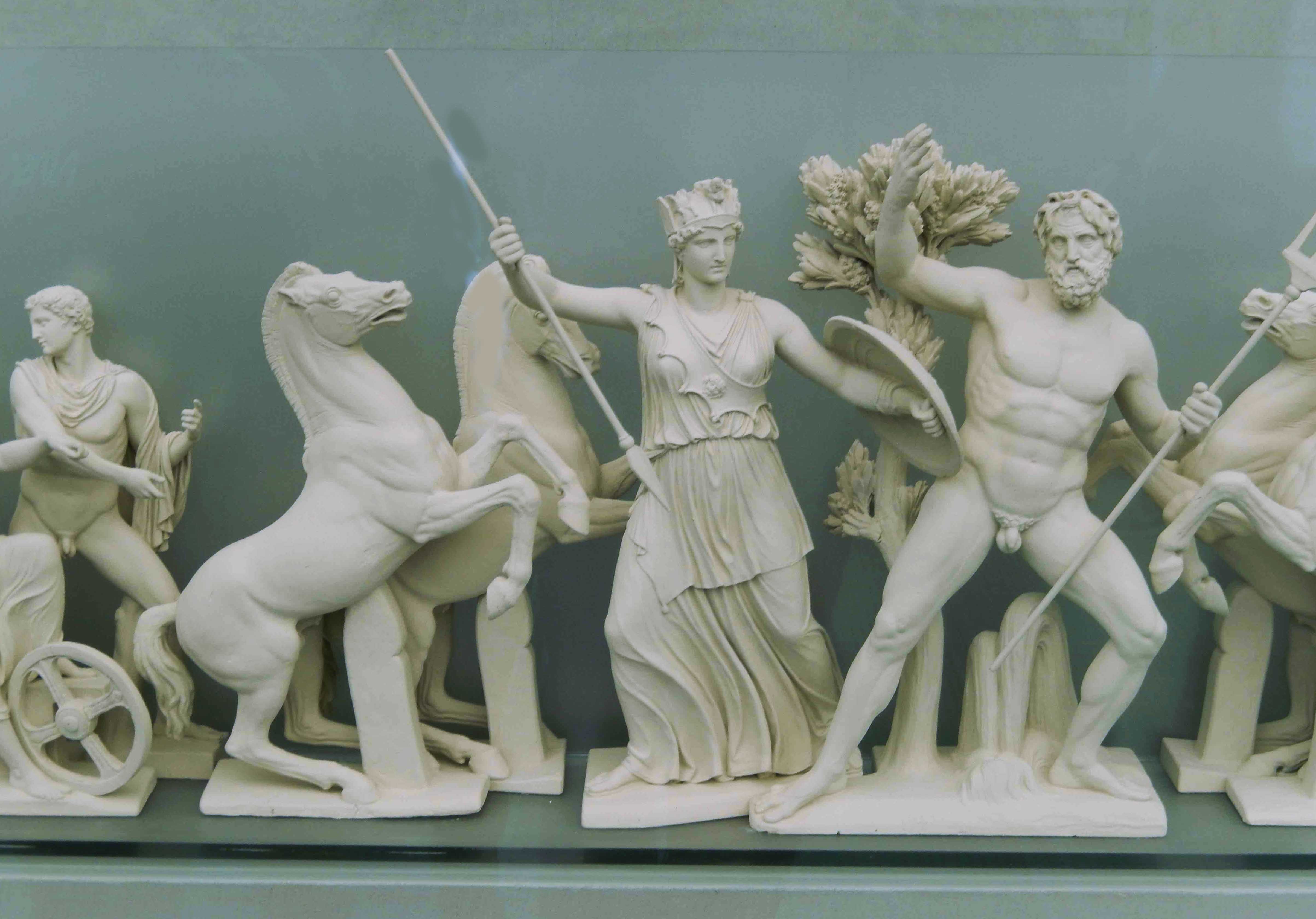
This ultra modern museum is dedicated to restoring and protecting the amazing buildings associated with ancient Athen’s Acropolis. Seriously damaged over centuries by looters, war and vandalism the recovery, preservation and restoration of the sites major buildings is a massive undertaking. Working from drawings, historic photographs and actual artifacts from the British Museum, the restoration is intended to specifically restore the Parthenon to its original condition. That will include the statue of Athena, the East and West building pediments, the metopes of the peristyle, and the continuous frieze of the cella and the temples exterior with its abundance of sculptures.

The collections of the museum are exhibited on three levels with a fourth middle level that houses the museum shop, the café and offices. On the first level of the museum there are artifacts from the slopes of the Acropolis with its long and rectangular hall whose floor is sloping to resemble the ascension to the Acropolis. At the top the visitor finds a large hall which houses additional findings that include artifacts and sculptures from the other Acropolis buildings such as the Erechtheum, the Temple of Athena Nike and the Propylaea and artifacts from Roman and early Christian Athens. The top floor features a movie on the Parthenon along with exhibits on the statuary restorations and an amazing gallery with its glass wall looking directly at the Acropolis.

The museum is normally open from 8 to 4 on weekdays and 8 to 8 Saturday and Sunday. General admission varies by season: 10€ from April through October and 5€ from November to April.