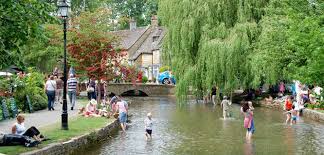
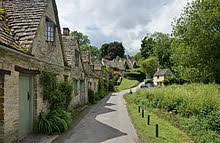
Some time ago we were visiting England and had rented a car for a few days driving around the Cotswalds. The countryside and the villages were spectacular and we had a great time. Our two favorite locations were Broadway and Stow-On-The-Wald. Who wouldn’t want to stay in Stow-On-The-Wald just to be able to say the name. While The Lygon Arms in Broadway was recommended to us it was not to our budgets liking but we’ve been told it is extraordinary.
We spent our time in the Cotswalds staying in B&Bs and the people we met and the meals we shared were delightful. But after a number of days of stumbling around in the middle of the night looking for the bathrooms we were looking forward to getting back to London
Lygon Arms Hotel, Broadway
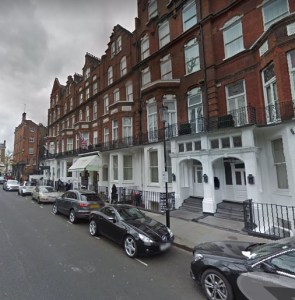
We had been staying in Kensington and when we returned we went searching for a hotel in the same area. At that point my wife was really looking to have a room with a private bath. I parked in one of those cul-de-sacs that was completely circled by small hotels and headed off in search of a room. The forth hotel said “yes” they did have a room with a bath. We dropped our bags off in the lobby and went off to return the rental car and get something to eat.
Hotel Row, Kensington
When we returned the hotel said the room was ready and we went upstairs. Opening the door we were confronted with a small room with a bed, a dresser and in one corner a clawfoot tub. That night my wife got her room with a bath but I wouldn’t refer to it as “private”.
If you are not up the the challenge of climbing six stories of steep stairs – don’t start the tour…
I think that one of those requirements for first-time visitors to Ireland is visit Blarney Castle. It was way up on our list of must see.
When you tour Blarney Castle the first thing you are confronted with is a six story, narrow spiral staircase. Everything is rough stone and there isn’t enough room on the stairs for more than a single file line. Someone getting past another in line would be a serious challenge. In touring the castle and getting up to the rock of eloquence (better known as the Blarney Stone) you must ascend on one staircase and descend on another equally narrow staircase. While on the ascent there are a couple of side rooms attached to the stairwell there is no way out until you climb the full six stories. At the top you walk over to the Blarney Stone and afterwords cross over to the other corner and start down the second staircase.
Before you enter the actual castle itself there is an attendant that clearly explains the issues with the spiral staircase and that if you don’t think you are up to the climb you shouldn’t continue.
On our visit last year as we entered the grounds we became aware of a couple in the group that stood out. He was, it turned out, in his 90’s and walked with a Hurrycane. It’s that foldable walking cane with the hand grip at the top and the four footed base as seen on TV. As we entered the castle the elderly gentleman was ahead of us with about six people between us and him in line. Just ten feet inside we were at the foot of that spiral staircase. At that point we commented to ourselves that we were impressed with his courage if not his judgement.
To his credit he made it up almost three stories before he couldn’t take another step. At that point the people below on the stairs couldn’t do anything to help because we were stuck in a single file. There was a lot of discussion up and down the line and eventually the line above him managed to get into an alcove and one gentlemen came back to him. With his wife behind him and help from the man above they managed to help him crawl up a number of steps to that alcove. After that the line started moving up again – there was no other choice. There was no way we were going to get a line three stories up into the castle to back up. When we got to the top of the castle several people explained to the attendants helping people kiss the stone* about the gentleman’s problem.
Maybe Blarney Castle has experienced this problem before but the logistics of stopping the line, getting help to him and than getting him down three flights of steep, narrow, spiral stairs does seem like a daunting task. That doesn’t even take into consideration the tour buses that are on a schedule and have significant distances to travel.
I’m sure there are a number of morals in this adventure but I’ll leave them to the readers imagination.
*You lay on your back while the attendants hold you as you stick your head through an opening at the top of the castle, six stories above the ground while you kiss the stone protruding from the wall above you – try that on a wet and rainy day. Also there doesn’t seem to be any Purell in use and you start speculating about all those people ahead of you that day?
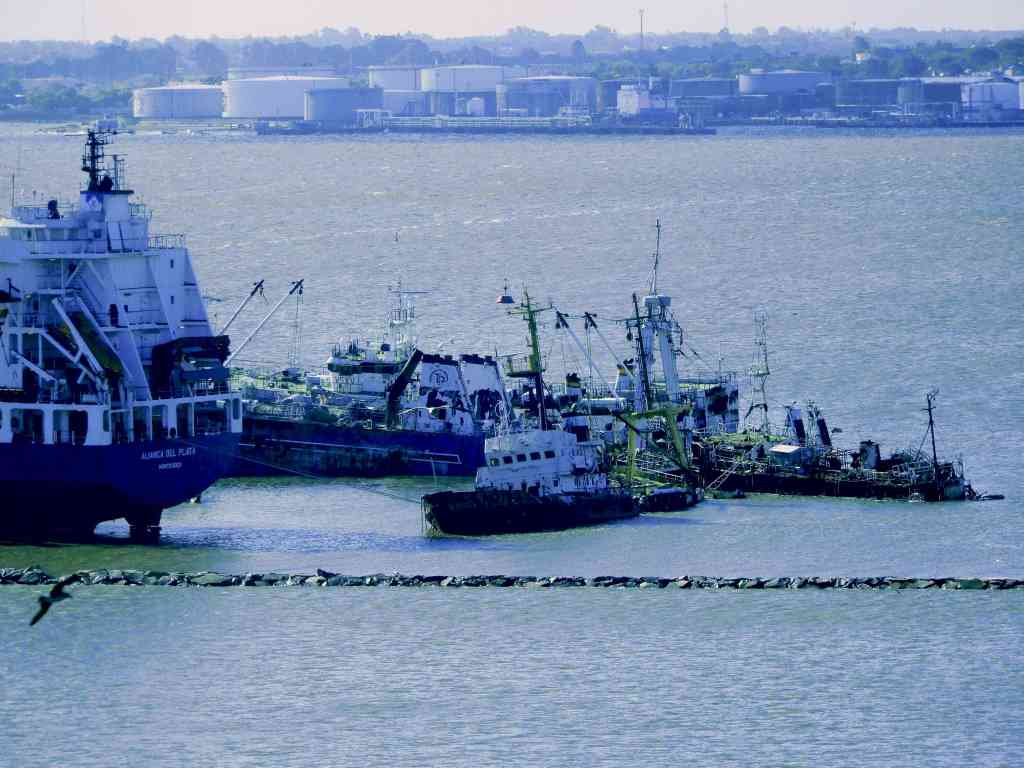
What do you do with hundreds of tons of useless ships that are too costly to have moved and have nothing of value onboard to salvage?
Derelicts Montevideo Harbor
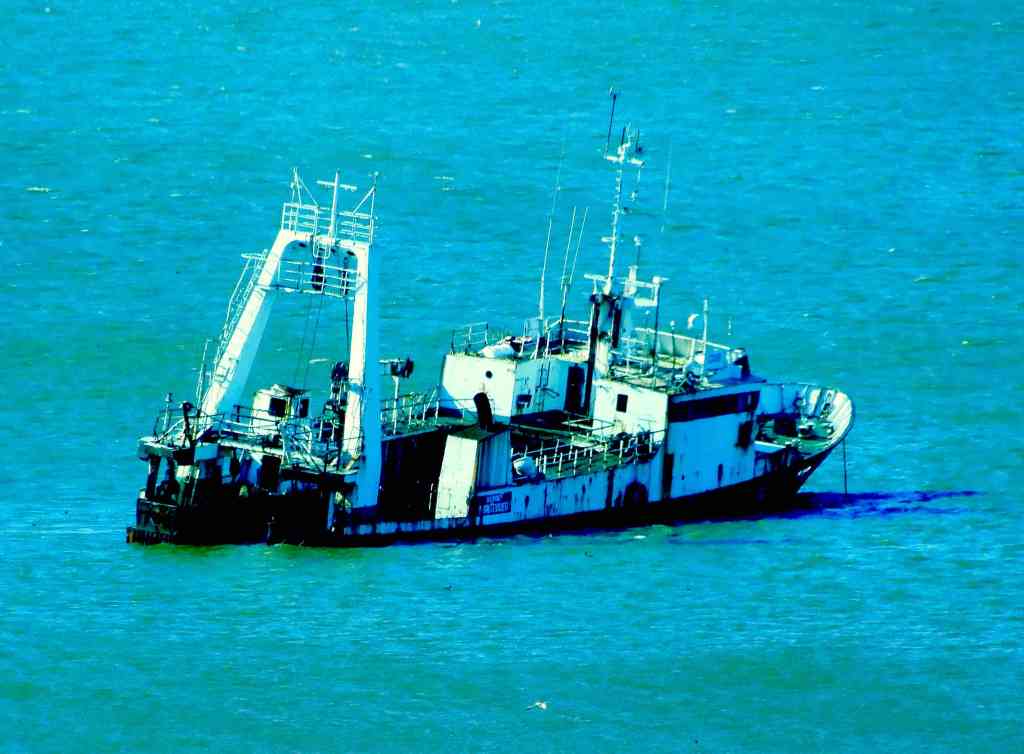
Derelict Montevideo
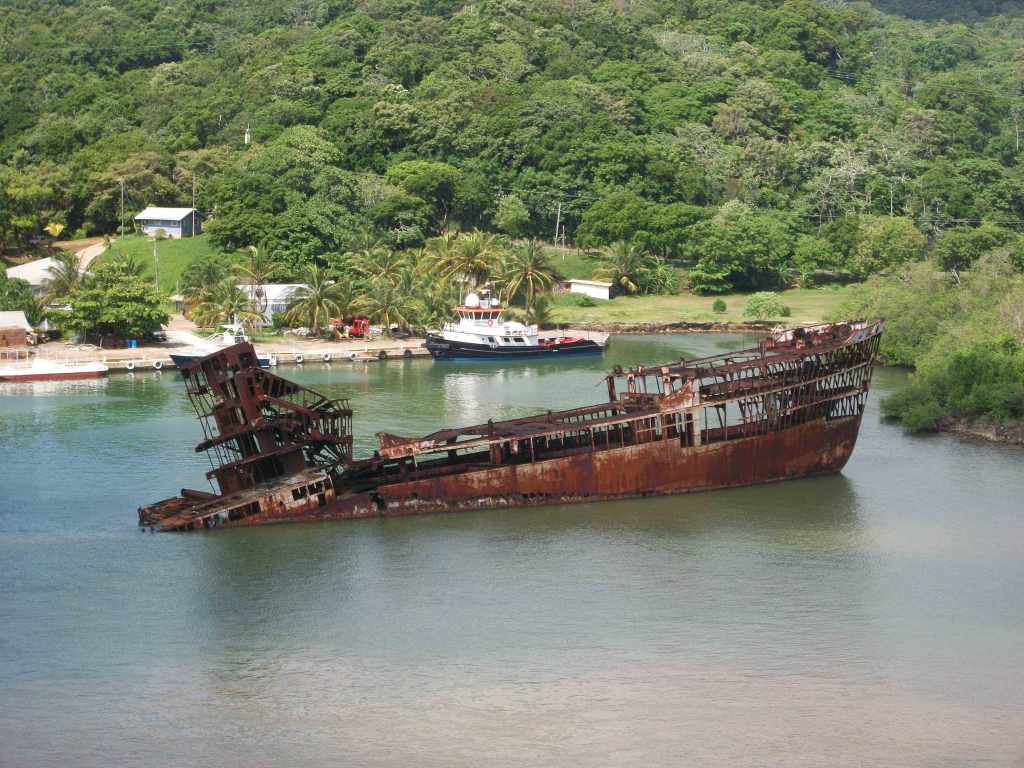
If you travel a lot, especially if you are a cruise enthusiast, you will on occasion come across ship and boat wrecks either grounded or in shallow water. They seem to garner more attention than wrecked and abandoned cars on land. Maybe there is something more intriguing or romantic about ship wrecks because they seem to recall huge tragedies or great seafaring legends. It’s unlikely you’ll find a story titled The Wreck Of The 66 Oldsmobile, but there are accounts that live on about the Andrea Doria, Rubin James, Titanic, Edmond Fitzgerald and more.
Derelicts Montevideo
On a recent stop in Montevideo, Uruguay we came across what looked like a ship graveyard, right in the middle of the harbor. Derelict fishing boats, tugs and even larger freighters and tankers were left in the harbor, making for a very strange sight. Seeing this surprising, large collection of half sunk, rusting, and abandoned boats and ships in the center of this city’s working harbor raised a number of questions. Who abandoned them and why? How long have they been here? What is anybody doing about them?
Abandoned boats are not a problem unique to Uruguay and we often encounter ships wrecked along coasts, unable to be moved or salvaged. Even in theU.S. you’ll find abandoned boats, usually left on remote and rarely used channels or in out of the way bays. The largest location in the U.S. is the Staten Island, New York graveyard, a well-known graveyard for dumping tugboats and barges since the 1930s.
Roatan
St. Johns, Antigua
On the west coast of France is Landévennec, an isolated bay where the French Navy has been quietly sending their ships removed from service. One news report called it “out of sight, out of mind”.
Landévennec
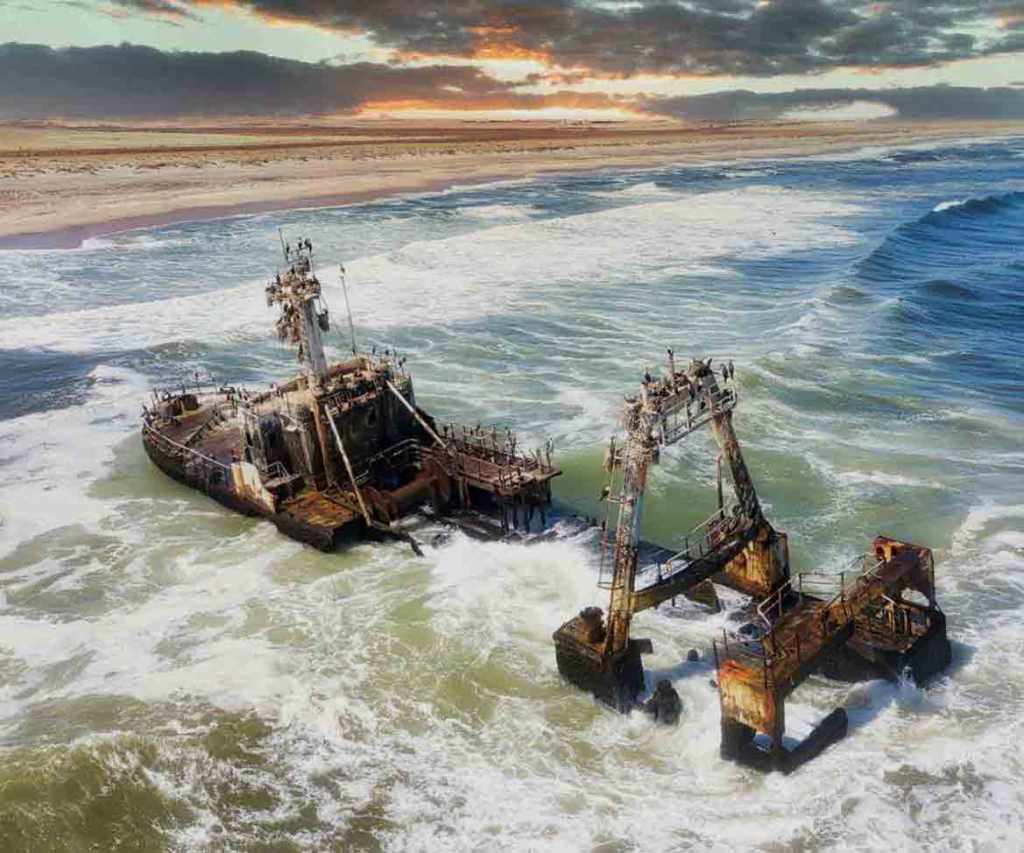
The Skeleton Coast, located in Namibia, Africa is a ship graveyard that features the remains of mostly larger ship wrecks resting there for years. The Skeleton Coast originates at the mouth of the River Ugab and extends up to the River Kunene located near the border of Angola. This stretch of coast has been famous for dense fogs and large storms forcing ships to ground for over a hundred years. Today the area is designated the Skeleton Coast National Park (actually named for the whale skeletons left there by whalers). This ship graveyard is regarded by many as the world’s largest graveyard of ships.
Bay of Nouadhibou located in Mauritania, holds more than 300 ships washed ashore, partially sunk or left at anchor. For decades the Bay of Nouadhibou has been used as a ship dumping ground because of rampant corruption of the Mauritian authorities taking bribes to look the other way.
Bay of Nouadhibou
After getting home a little research on Uruguay turned up an article dated 17 June 2015 estimating the number of derelicts in Uruguay at fifty being abandoned by their owners because of debts or liens. It indicated that a plan has been developed that will re-float the boats and have them taken away. The Uruguayan National Port Administration will be in charge of the program.
When we were there in 2019 I counted thirty boats so maybe they have made some progress in the last few years, but Montevideo still has a long way to go.
Baja California is a slender peninsula sticking south from the continent in western Mexico for almost a thousand miles. To the west is the Pacific Ocean and to the east is the Sea of Cortes blessing it with almost two thousand miles of spectacular beaches. At the very southern tip is a world class destination known for fantastic beaches, boating, deep sea fishing and five star amenities known as Cabo San Lucas but often referred to as just Cabo.
Approaching Cabo
Baja California, is the Sovereign State of Baja California and a state in Mexico. It is the northernmost and westernmost of the 32 Federal Entities of Mexico. Before becoming a state in 1952, the area was known as the Northern Territory of Baja California.
The harbor of Cabo San Lucas
Cabo is a popular port of call for cruises out of California as well as Panama Canal cruises and cruise ships traveling in and out of Hawaii.
Where Your Ship Docks
Cabo has no facilities to support cruise ships so this is a tender port. Ships anchor outside the small harbor just off Lands End. The tender dock is right in the middle of the popular harbor with easy access to shops, cafes, restaurants, excursion and charter boats. The downtown area is only a short walk away. There are also a number of good public facilities in the harbor.
A cruise to Lands End
Transportation
The best way to get outside of the city is to rent a car. All of the major agencies are represented from Avis and Alamo (not a popular name in Mexico) to Dollar. Because of where Cabo is situated it is somewhat isolated but there are a few attractions worth an extended trip. If you are interested in a distant location you can negotiate a fare with a local taxi.
One destination of particular interest is the Cabo Pulmo National Park about thirty miles up the east coast from Cabo. It features incredible beaches and spectacular coral reefs near shore. Take a look at the official web site HERE.
Headwear Senior Frogs
Currency
The local currency is the Mexican Peso but the U.S. Dollar is readily accepted. All major credit cards are welcome. One area of caution is be careful of pay phones and ATM’s. They can have very high fees if you aren’t cautious.
Attractions
The Cabo Wabo Cantina. This nightclub founded by Sammy Hagar of Van Halen is still an attraction. Watch a live rock band performing. In addition to the bar the cantina serves breakfast and lunch with dinner at the nearby Tequila Factory restaurant. Sammy Hagar is known to sometimes make an appearance.
El Arco at sunset
El Arco. This beautiful rock formation off the coast of Cabo San Lucas is visible from Medano Beach. There are glass-bottomed boat tours, whale watching charters, diving or snorkeling tour getting you up close. The waters around El Arco are clear and teeming with life, and it’s a popular site to snorkel, dive, and watch for whales. It’s the signature attraction of Cabo San Lucas.
Lover’s Beach. This secluded cove is hidden at the tip of Land’s End, surrounded by cliffs and accessible only by boat. It’s a perfect attraction for those looking to get away from the crowds and vendors at Medana Beach. It features beaches facing both oceans. Swim only on the Sea of Cortes side – the Pacific side can be dangerous.
The Sand Falls. Ninety feet beneath the waves, a stunning waterfall of sand cascades to depths of 120 feet and more, past hundreds of species of tropical fish and sea life. If you’re a diving enthusiast, you won’t want to miss it. This breathtaking sand chute was originally discovered by Jacques Cousteau, and it remains one of the chief diving attractions of Cabo San Lucas to this day.
Lighthouse of the False Cape. This lighthouse was built in 1890 to guide ships into port at Cabo San Lucas. It’s a ruin now, perched above gently rising sand dunes. The lighthouse is a common attraction with ATV tours and horseback riding excursions. In addition to the lighthouse ruins is beautiful ocean vistas.
Hotel California
The Hotel California. Made famous by the Eagle’s song of the same name it is a popular destination for scenic tours up the Pacific coast. Located about forty-five miles north of Cabo the drive itself is well worth the trip. The Hotel California Web Site.
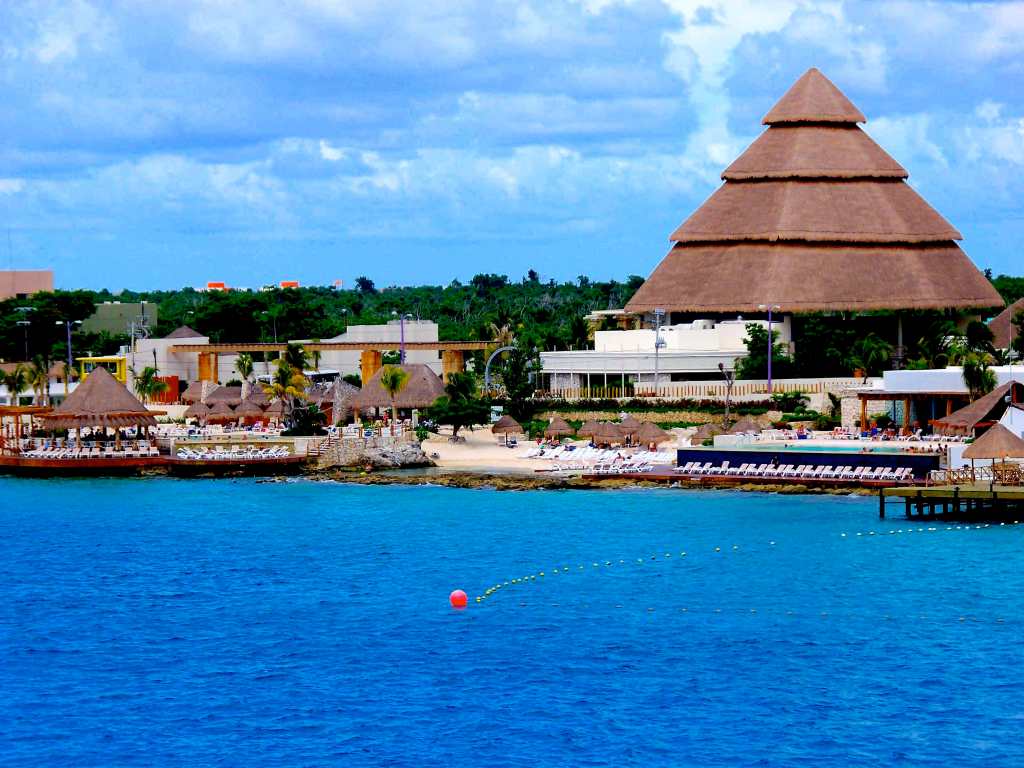
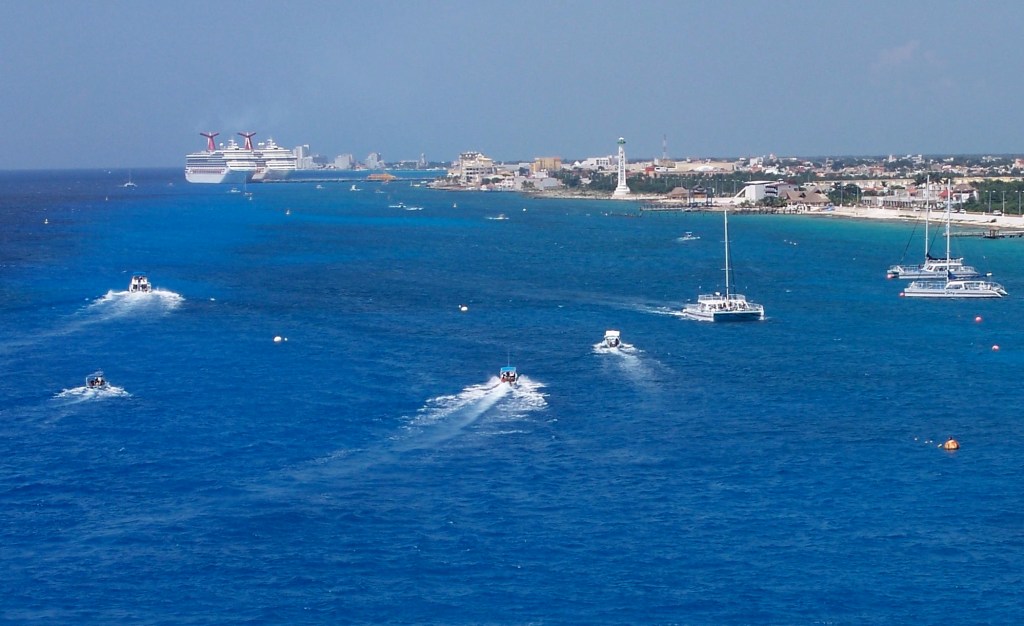
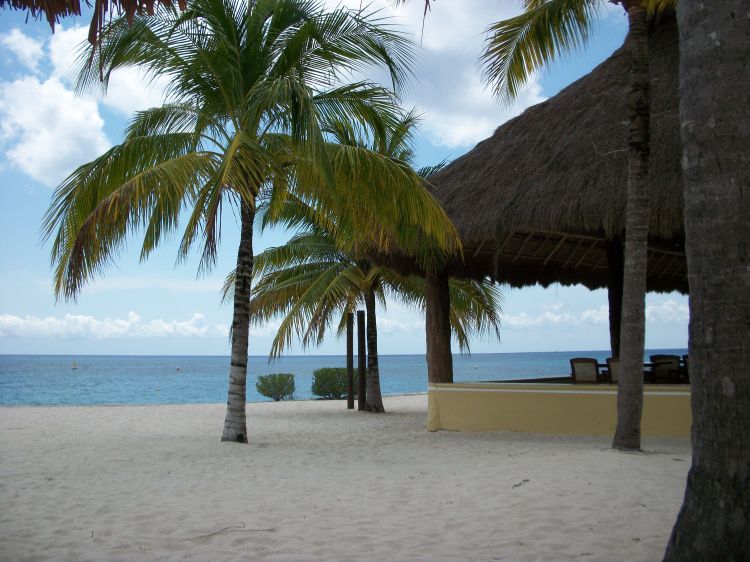
This port of call is often referred to as Cozumel, but it is actually island on the southeast coast of Mexico and the actual port city is San Miguel de Cozumel. Located off the Yucatan peninsula it is part of the Mexican state of Quintana Roo and a very popular cruise stop on most western Caribbean itineraries. Its real claim to fame are the beaches and the diving sites but it is also a good place for bargain shopping.
Where Your Ship Docks
Terminal de Cruceros or Cruise Ship Terminal is the major location for cruise ships but there is another major terminal located in downtown proper. With this destination being so popular there is a possibility that your ship could dock at either location.
The Terminal de Cruceros is a well developed area with excellent facilities, two shopping villages, a number of bars (the infamous Mini Senor Frog’s and Three Amigos) and a number of good restaurants. It is about two and a half miles into downtown San Miguel. It is right next to a remarkably good snorkeling area right at the terminal “beach”.
The other cruise docking pier is central to San Miguel and an easy walk to the main shops, restaurants and the actual original Senor Frog’s.
Wheelchair Accessibility
Disembarking – This port has a several developed cruise ship piers but the ease of disembarking varies by the individual ships gangway designs. For passengers using wheelchairs there can be a moderate ramp incline to deal with.
Port Characteristics – This port has a good wheelchair infrastructure. Outside the port area you may experience moderate to narrow sidewalks. Intersection crosswalks may have curbs or other wheelchair obstacles.
Transportation
If you are looking to get to locations within a few miles of the pier the best choice is a taxi. They are plentiful and moderately priced. Just make sure you settle on a fare before heading out. If your goal is to do some diving or serious snorkeling the recommendation is to book with a tour operator of which there are a number right at the pier and they usually include transportation. Taxi drivers also will offer a fixed price tour of the island and most people we have spoken with have been happy having taken this option. There are also numerous tours you can book with your ship.
Money
The local currency is the Mexican peso ($1 about 2 pesos) but U.S. Dollars are commonly accepted. One word of caution – this is a port where liberating tourists from their money is a popular past time. Be cautious of ATM’s, money changers and especially pay phones that accept credit cards cannot be trusted. ATM fees can also be unuaually high.
Attractions
Shopping – Both at the terminal and in town there are a number of bargains to be found. Mexico is famous for silver, onyx and pottery and often the prices are too good to pass up. Two items that are always a good deal are vanilla and tequila. In shopping for vanilla don’t be tempted by those large, cheap bottles of vanilla available in many gift shops. They may not contain real vanilla extract, and sometimes may contain something that could hurt you. That “something” is coumarin, an extract of the tonka bean that imparts an intense vanilla aroma and thus makes it smell like the real thing. Coumarin was banned as food additive in the U.S. in 1940 because of toxicity. Pay attention and make sure you know what you are getting.
Beaches – One good recommendation is a visit to a beach and one popular choice is Chankanaab. The cruise ships will offer tours including beach trips and snorkeling but if you are looking for a day at the beach our recommendation is to take a taxi to Chankanaab Beach Park and pay the park admission. You’ll save a lot of money over the tour cost and can go and return when you want. It’s not far and there are usually taxis waiting at the park to take you back to the ship. There is a beach bar, a couple of food options, snorkeling and beach chair rentals and the water is great. To get out to the better reefs it’s a bit of a swim though.
Looking for some history? Cozumel has San Gervasio, Mayan ruins centered on the sanctuary of the goddess Ixchel, the island´s ancient deity.
For the more adventurous there are usually tours available that will take you two hours south along the coast to Tulum, the pre-Columbian Mayan walled city. The ruins are situated atop 12-meter tall cliffs above the Caribbean Sea. Tulum was one of the last cities built and inhabited by the Maya between the 13th and 15th centuries.
For a price many cruise ships also offer tours to Chichen Itza some two hundred miles inland (by plane of course). This Mayan city is on everyone’s list of the seven ancient wonders of the Americas with the central city covering almost two square miles of temples, stadiums, courtyards and palaces.
A Cautionary Note: Cozumel has a reputation as a party town and there are no age restrictions on drinking alcohol. It almost seems to be a sport for bars to work at getting teen visitors drunk. So pay real close attention to you children if you go ashore. The problem has been bad enough that many cruise ships no longer stay in the port in the evening because of issues with drunk teens.
Deep in the South Atlantic there is an archipelago known as the Falkland Islands. Generally, these are isolated, windswept islands where raising sheep and cattle are the main businesses. Covering about 4,700 square miles, the Falklands has a population of a little over 3,000 pe
The tourist business here is thriving and the main attraction is tours to the isolated coasts to see penguins, seals and sea lions. Stanley, the capital is located on the far eastern tip of East Falkland. It is nestled behind a double natural harbor where most cruise ships anchor, and is the starting point for most excursions.
A Gentoo Rookery
The day we spent in the Falklands, we booked a tour in advance with a local company (Falklands Style Off-road Tours), and went out to Dolphin Cove, about eighty miles from Stanley. The trip was in a 4X4, mostly over dirt roads after leaving Stanley. We traveled almost two hours past ranches and peat bogs and ended with a few miles of open country to the coast. Dolphin Cove is on a private ranch and we were introduced to the woman who manages the property. Just to offer some insight into the people who live here, when asked how often she gets into Stanley, she said about four or five times a year.
A King penguin
A Gentoo rookery
Driving in wheel tracks over open country towards the sea, we started spotting rookeries of mostly Gentoo penguins. Our guide (Wayne McCormick) said that they walk inland, sometimes as far as a mile, to dig their nests. One group of three was in our track and, in trying to run away, they kept right in front of us running at full speed for some distance. (You had to have been there – funny.)
Seals and pups
Our first official stop was at a bluff overlooking a rocky beach and a harem of seals had been giving birth that day. The harem was overseen by a good sized bull and the dark newborn pups were scattered across the rocks with the new moms watching over them. There were also large numbers of buzzards hanging around attracted by the byproducts of the births.
Magellanic Penguins coming ashore
Shortly after that, we made a couple of stops near large gentoo rookeries. These birds have no real fear of man and you can actually walk right up to them. The largest group we found seemed to have adopted a King Penguin who stood almost a foot taller than the Gentoos. The Kings look very much like the famous Emperor but they are not as large. We also stopped and watched some Magellanic Penguins come ashore at a rocky area. A Falkland penguin population guide can be found HERE.
Whale bones bleaching in the Sun
We returned to Stanley with a couple of hours to spare before our ship sailed. While it was a long day, it was well worth the effort. We have actually taken tours to see penguins in other parts of the world, but none of them came close to our day in the Falklands.

 and the meals we shared were delightful. But after a number of days of stumbling around in the middle of the night looking for the bathrooms we were looking forward to getting back to London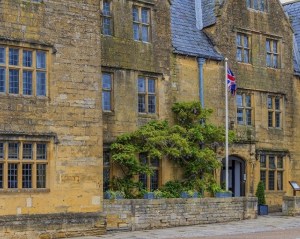
 I think that one of those requirements for first-time visitors to Ireland is visit Blarney Castle. It was way up on our list of must see.
 story, narrow spiral staircase. Everything is rough stone and there isn’t enough room on the stairs for more than a single file line. Someone getting past another in line would be a serious challenge. In touring the castle and getting up to the rock of eloquence (better known as the Blarney Stone) you must ascend on one staircase and descend on another equally narrow staircase. While on the ascent there are a couple of side rooms attached to the stairwell there is no way out until you climb the full six stories. At the top you walk over to the Blarney Stone and afterwords cross over to the other corner and start down the second staircase.
 On our visit last year as we entered the grounds we became aware of a couple in the group that stood out. He was, it turned out, in his 90’s and walked with a Hurrycane. It’s that foldable walking cane with the hand grip at the top and the four footed base as seen on TV. As we entered the castle the elderly gentleman was ahead of us with about six people between us and him in line. Just ten feet inside we were at the foot of that spiral staircase. At that point we commented to ourselves that we were impressed with his courage if not his judgement.
 To his credit he made it up almost three stories before he couldn’t take another step. At that point the people below on the stairs couldn’t do anything to help because we were stuck in a single file. There was a lot of discussion up and down the line and eventually the line above him managed to get into an alcove and one gentlemen came back to him. With his wife behind him and help from the man above they managed to help him crawl up a number of steps to that alcove. After that the line started moving up again – there was no other choice. There was no way we were going to get a line three stories up into the castle to back up. When we got to the top of the
  *You lay on your back while the attendants hold you as you stick your head through an opening at the top of the castle, six stories above the ground while you kiss the stone protruding from the wall above you – try that on a wet and rainy day. Also there doesn’t seem to be any Purell in use and you start speculating about all those people ahead of you that day?





 Baja California is a slender peninsula sticking south from the continent in western Mexico for almost a thousand miles. To the west is the Pacific Ocean and to the east is the Sea of Cortes blessing it with almost two thousand miles of spectacular beaches. At the very southern tip is a world class destination known for fantastic beaches, boating, deep sea fishing and five star amenities known as Cabo San Lucas but often referred to as just Cabo.

 Cabo has no facilities to support cruise ships so this is a tender port. Ships anchor outside the small harbor just off Lands End. The tender dock is right in the middle of the popular harbor with easy access to shops, cafes, restaurants, excursion and charter boats. The downtown area is only a short walk away. There are also a number of good public facilities in the harbor.


 Lover’s Beach. This secluded cove is hidden at the tip of Land’s End, surrounded by cliffs and accessible only by boat. It’s a perfect attraction for those looking to get away from the crowds and vendors at Medana Beach. It features beaches facing both oceans. Swim only on the Sea of Cortes side – the Pacific side can be dangerous.
 originally discovered by Jacques Cousteau, and it remains one of the chief diving attractions of Cabo San Lucas to this day.





 The Intentional Travelers