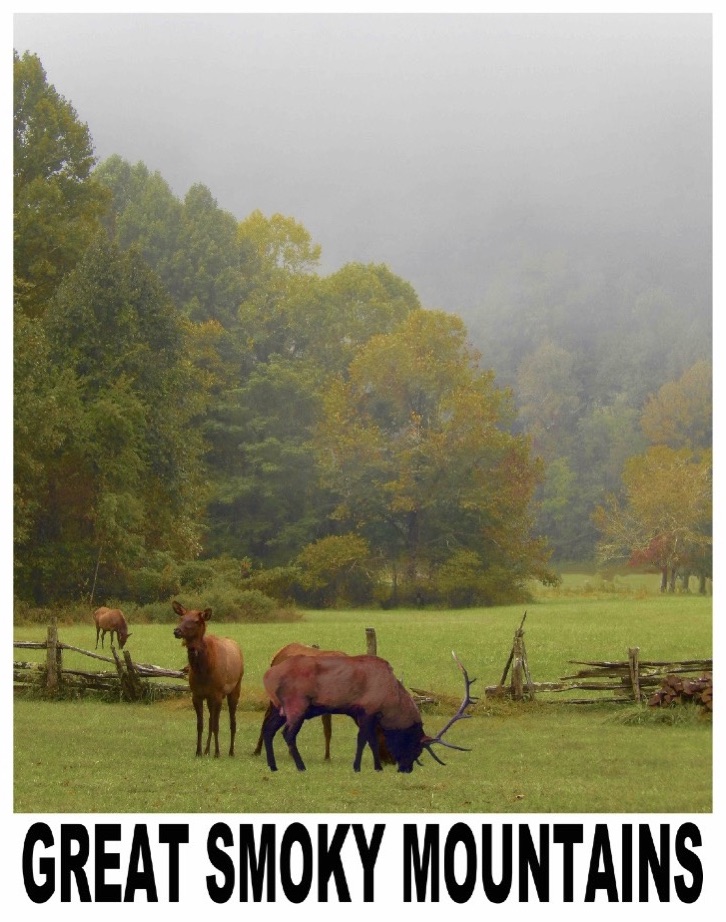
Thi area is part of the Great Smoky Mountains National Park, which is the most visited national park in the United States, attracting millions of visitors each year.
The park features over 800 miles of hiking trails, that includes portions of the Appalachian Trail, offering opportunities for outdoor activities such as hiking, camping, and seeing wildlife. The area is also famous for its scenic vistas, particularly from locations like Clingman’s Dome, the highest point in the park. Additionally, the Smoky Mountains are known for their unique foggy appearance, which is caused by the high humidity and temperature variations in the region.
Fog in the Smoky Mountains as newly reintroduced elk graze just after dawn in a meadow in Smoky Mountains National Park.
Fiji is the name of an archipelago in the South Pacific, with a geography characterized by volcanic islands and coral atolls. The two largest islands, Viti Levu and Vanua Levu, are volcanic and mountainous, while smaller islands are coral atolls. Fiji’s climate is tropical, with a wet season from November to April and cooler, drier conditions from May to October. The largest island in Fiji is Viti Levu where most cruise ships visit. It’s also the most populated island, with the country’s capital, Suva, and most major towns of the archipelago are located there. It is the largest island in the Republic of Fiji – home to 70% of the population or about 600,000 people. Viti Levu is the hub of the entire Fijian archipelago and measures 91 miles long and 66 miles wide.
Where Your Ship Docks
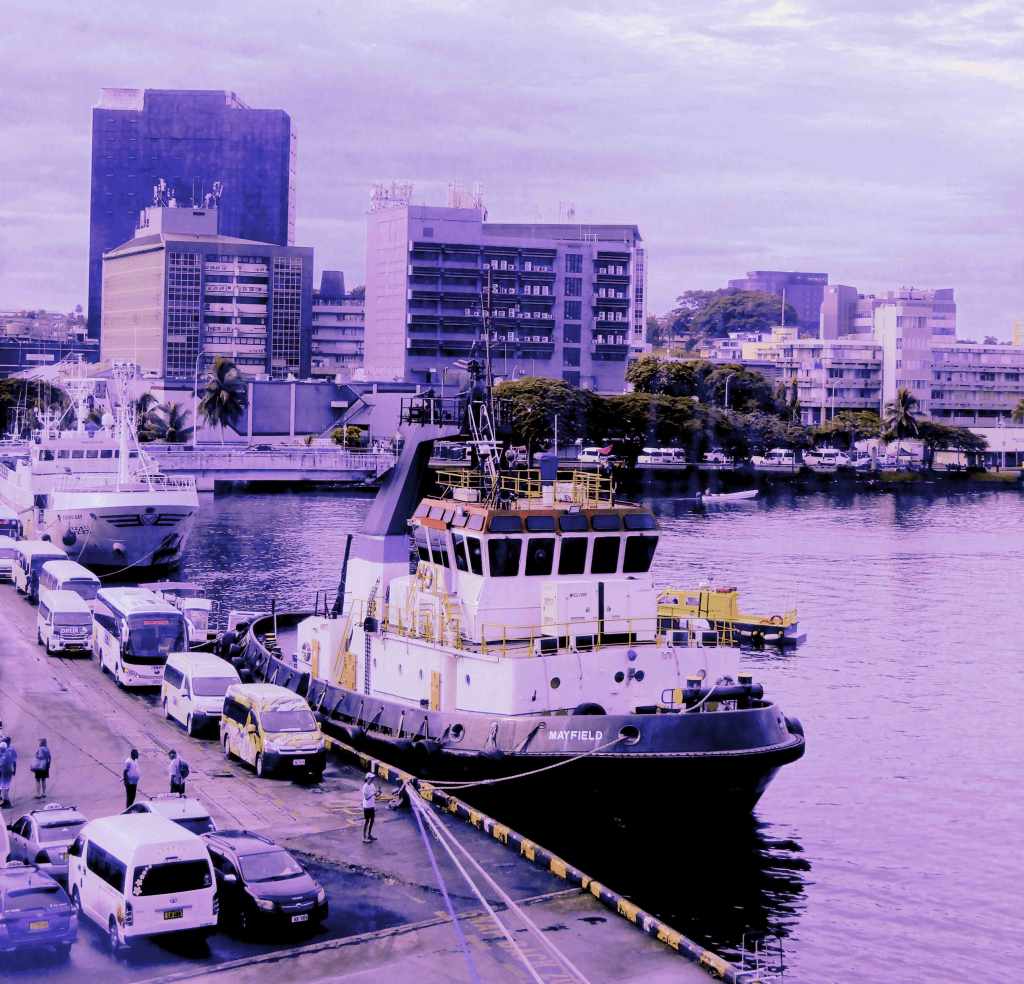
Cruise Port of Suva
This is a working port and walking out is not difficult but the area has limited public facilities available. The port is located in central Suva but there is little in the nearby area to see. Because this is a working industrial port without a cruise ship pier, disembarking varies by the individual ships gangway design and a steep ramp or even stairs can be encountered. For passengers using wheelchairs there can be a difficult time disembarking and exiting the port.
Lautoka
The Cruise Port of Lautoka
Lautoka is a larger city than Suva with shopping opportunities only a short distance from the port entrance. Since this is a working port without a dedicated cruise ship pier disembarking varies by the individual ships gangway design and a steep ramp or even stairs can be encountered. For passengers using wheelchairs there can be a difficult time disembarking and exiting the port.
Wheelchairs and Port City Characteristics – This port has an average wheelchair infrastructure typical of large cities. In the port area you’ll find moderate inclines in sidewalks. Intersection crosswalks may have curbs and other wheelchair obstacles.
Transportation
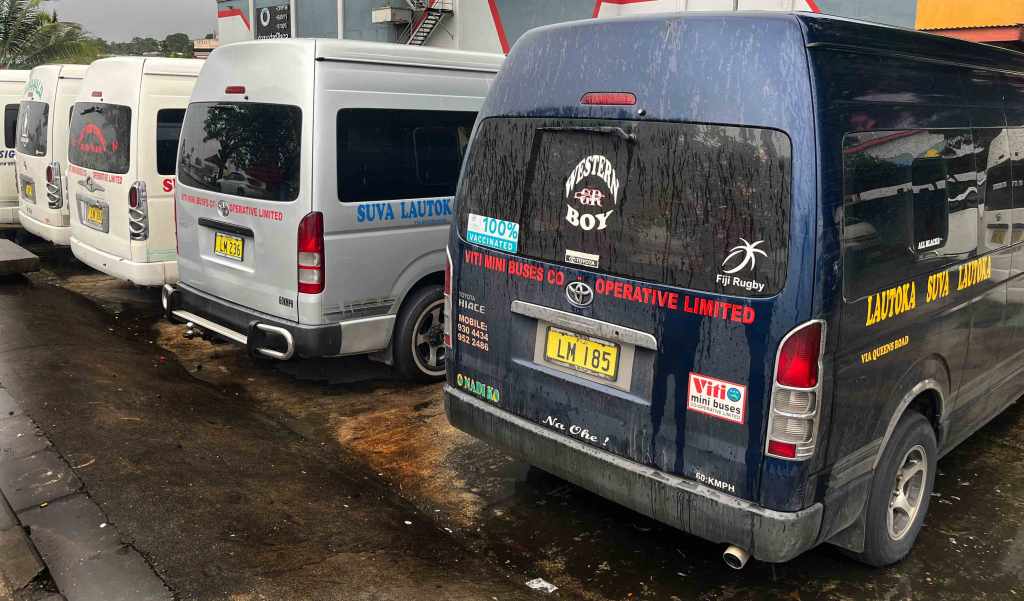
Fiji, offers several transportation options for getting around. City buses are available as well as van routes that are popular and affordable ways to travel in the city and to nearby towns. Taxis provide a faster, though potentially more expensive, alternative, especially for destinations not easily accessible by bus.
In addition renting a car in Fiji is a convient way to explore the island. Major international car rental companies like Avis, Budget, Hertz, and Europcar have locations in Fiji but locations are mostly at the airport and resort areas.. In 2025 rates were around $49 per day for a compact car and $80 for larger vehicles like SUVs.
The island of Viti Levu has a major highway that completely circles the 4,000 square mile island taking you from one end to the othere in under 2 hours.
Currency
The local currency is the Fijian Dollar that equals US$0.44. Foriegn currency is not usually accepted. Major credit cards are welcome and the are ATMs but be cautious of your surroundings when using.
Tipping
Tipping follows a general tipping culture in Great Britian. While tipping is appreciated it is not mandatory. If service charges are included in your bill, rounding up or leaving small change is customary. In restaurants, leaving between 5-10% of the bill is a common practice if you are satisfied with the service. Tipping tour guides is usually based on the tour cost with a few dollars being a minimum. For taxi drivers or hotel service staff, rounding up the fare or leaving a small tip is often sufficient.
Exploring Fiji’s Main Island of Viti Levu
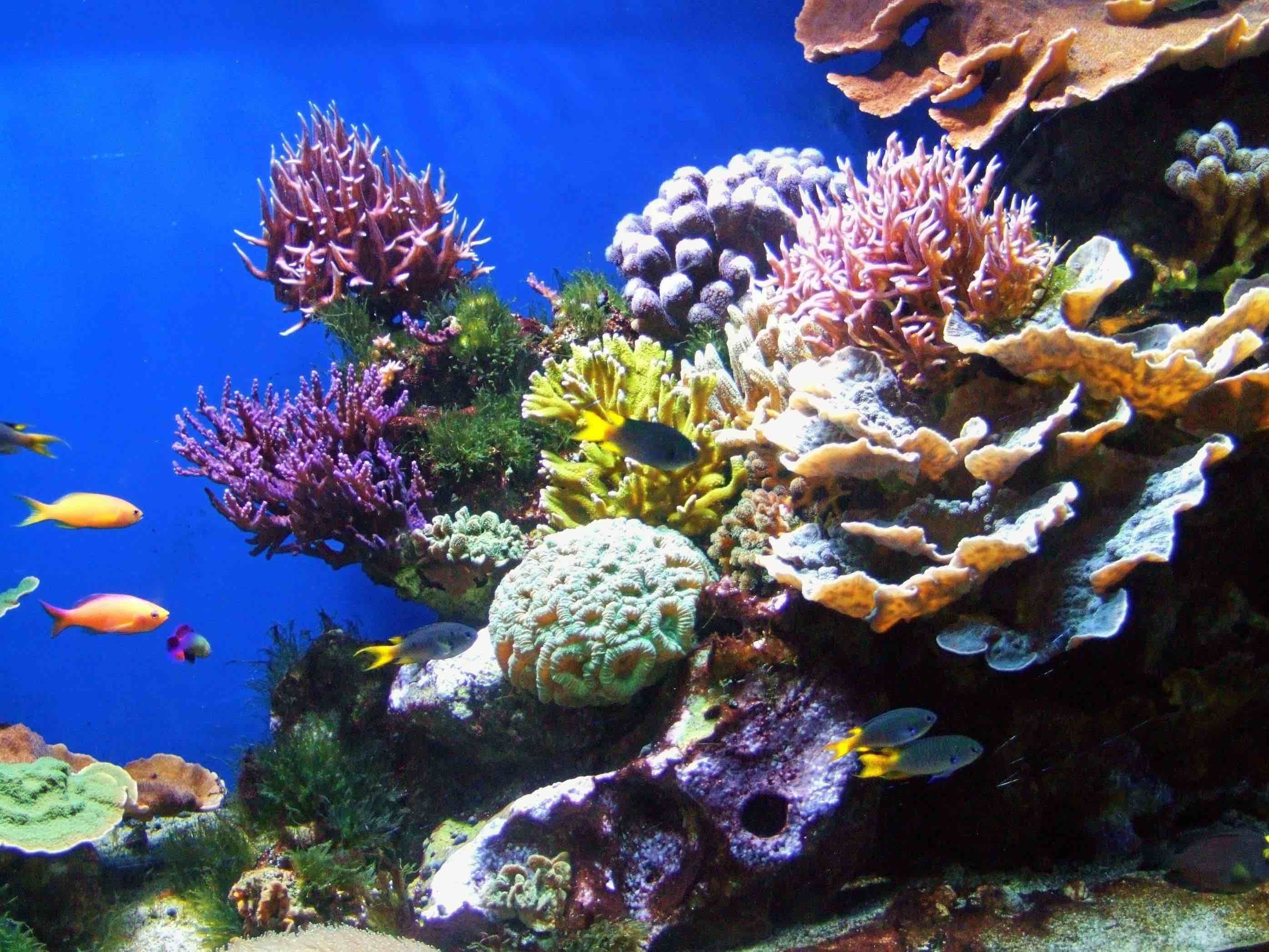
Viti Levu is an interesting destination known for its stunning natural beauty, vibrant culture, and diverse activities that cater to many interests. The island boast breathtaking landscapes, including turquoise waters and lush greenery, making it a paradise for nature lovers and adventurers. Visitors can enjoy activities such as scuba diving and snorkeling, particularly in western areas renowned for their coral reefs, where visibility can reach up to 100 feet.
Key attractions include the Sabeto Hot Springs and Mud Pool, which offer a unique relaxation experience, and the Garden of the Sleeping Giant, famous for its extensive orchid collection. Cultural experiences are abundant, with highlights such as the Fiji Museum in Suva and the Temple of Swami-Shiva-Shri-Subramania in Nadi, showcase the rich heritage of the island. Additionally, various tours and boat excursions allow visitors to explore the islands’ beauty while exploring local traditions and cuisines.
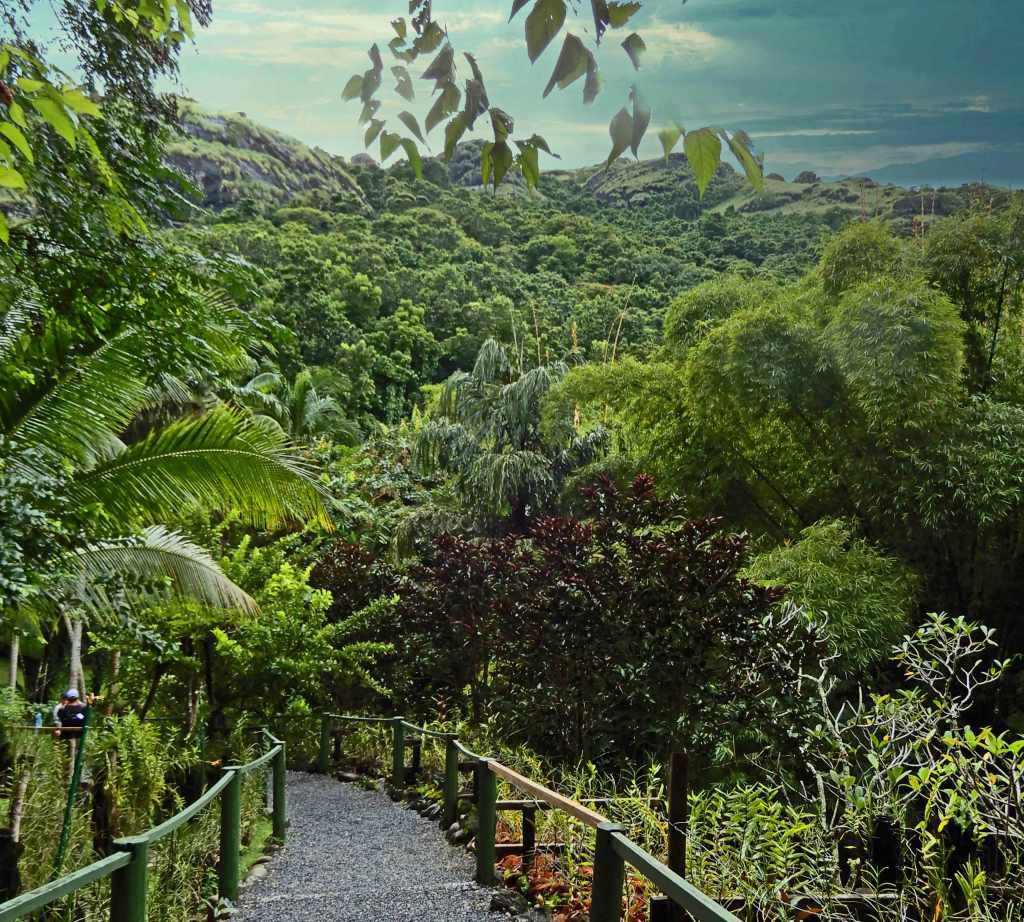
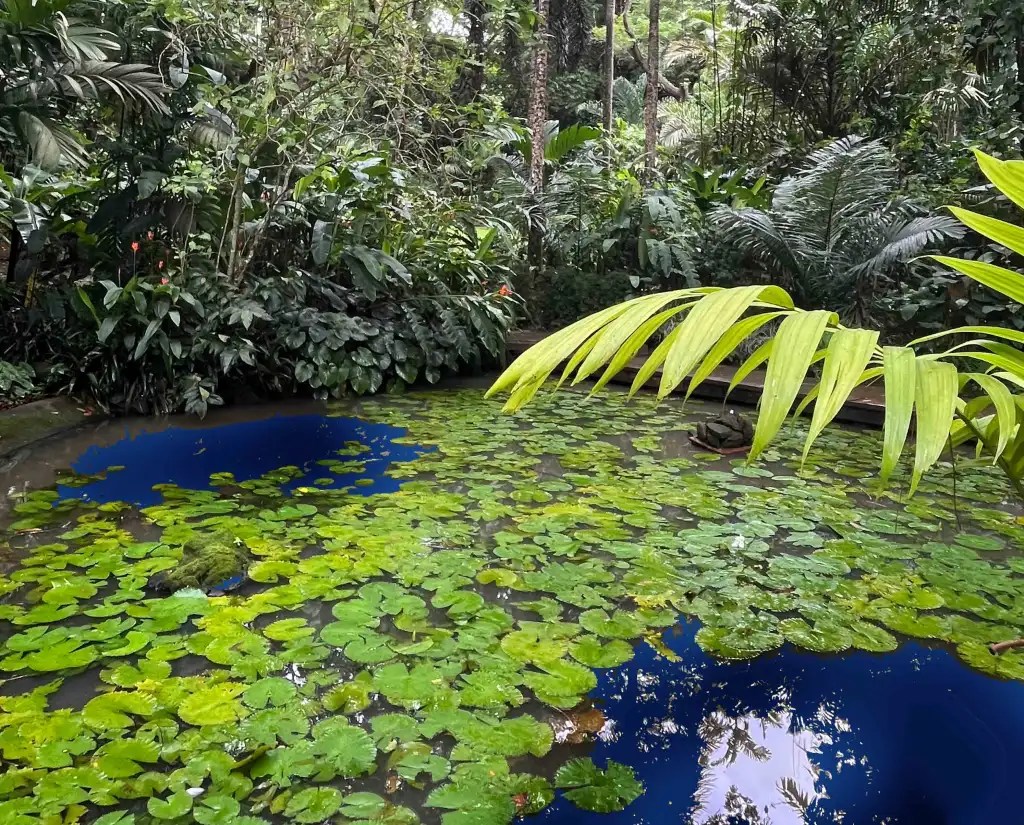
The Garden of the Sleeping Giant should be high on your list of sights. The gardens were developed by the actor Raymond Burr after he retired to Fiji and includes several miles of hiking paths, a large orchid collection and some magnificent views of the island for up on the mountain.
The Hindu Temple of Swami-Shiva-Shri-Subramania in Nadi is another popular attraction and is the religious center of the Indian community on Fiji, featuring a brightly decorated temple in a beautiful setting.
The Sabeto Hot Springs and Mud Pools are another popular destination reported to be very good as a skin treatment. Visitors cover themselves with the rich mud , high in mineral content and after drying rinse off in the hot spring ponds.
Overall, Fiji presents a blend of adventure, leasure, and cultural experiences, making it an ideal stop for travelers seeking to explore the South Pacific islands.
The Archipelago’s History
Fiji’s history is marked by a transition from indigenous settlement and tribal structures to British colonization and eventual independence. The islands were first inhabited by Melanesians, followed by European exploration and colonization in the 19th century. Fiji became a British Crown colony in 1874, and gained independence in 1970.
The first inhabitants of Fiji were Melanesians, who arrived around 3,500 years ago. ]The Melanesian settlers established a hierarchal society based on clans with cultural and traditional activities being similar to Polynesian culture.
The Dutch explorer Abel Tasman is credited with first sighting Fiji in 1643. British Captain James Cook also visited the islands in 1774. And Western Christian missionaries began arriving in the 1800s. Fiji became a British Crown colony in 1874.
Between 1879 and 1916, hundreds of thousands of indentured laborers from India were brought to Fiji to work the sugar plantations. This resulted in a large percentage of modern Fiji’s population being of Indian heritage.
Fiji gained independence as the Dominion of Fiji in 1970 and in 1987, Fiji declared itself a republic with its first democratic election in 2014. Despite independence, Fiji still maintains close ties with the British monarchy, and Queen Elizabeth II remained the official head of state until 1987.
Some More Recent Posts From The Intentional Travelers You Might Find Interesting:
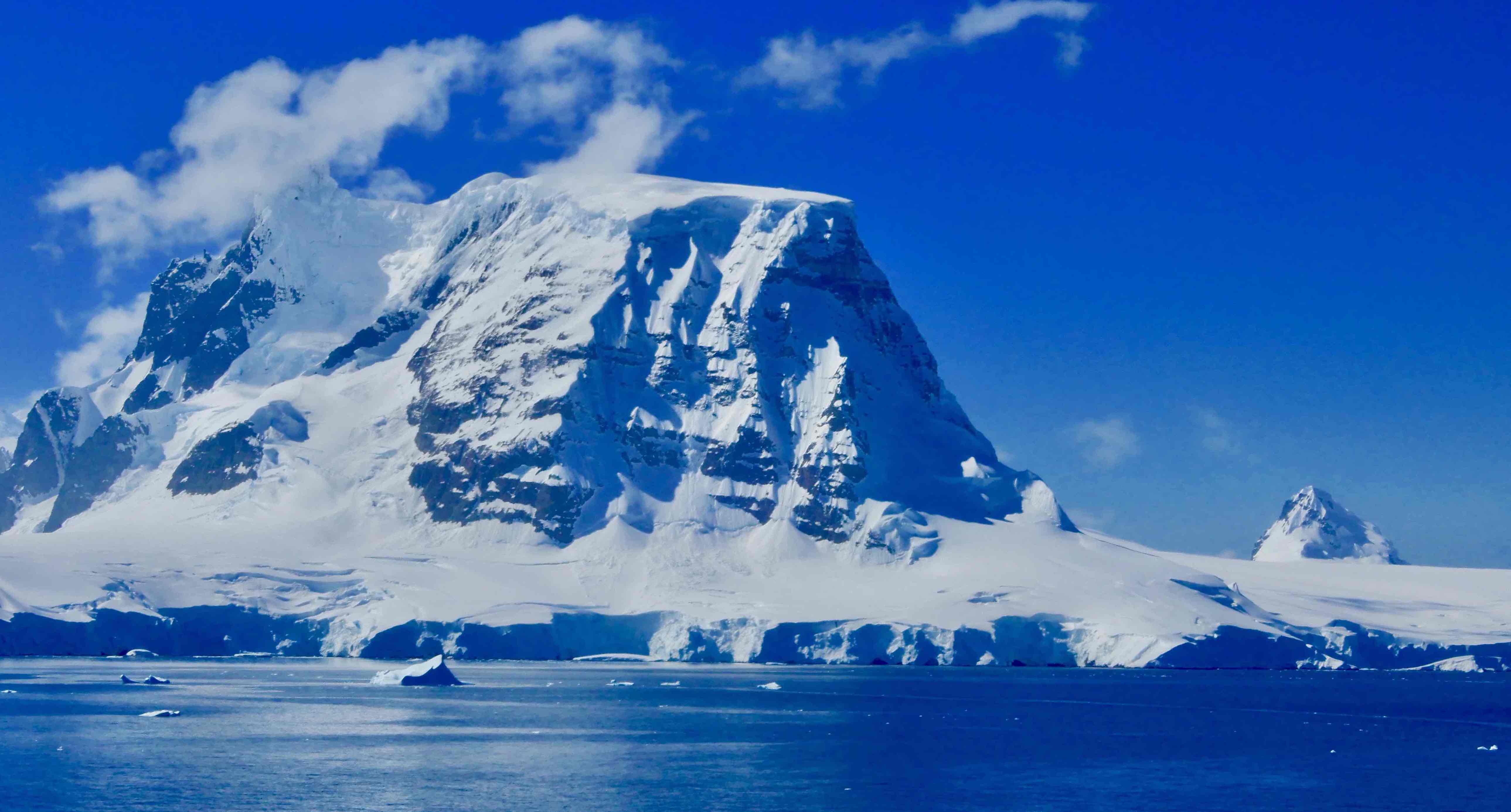
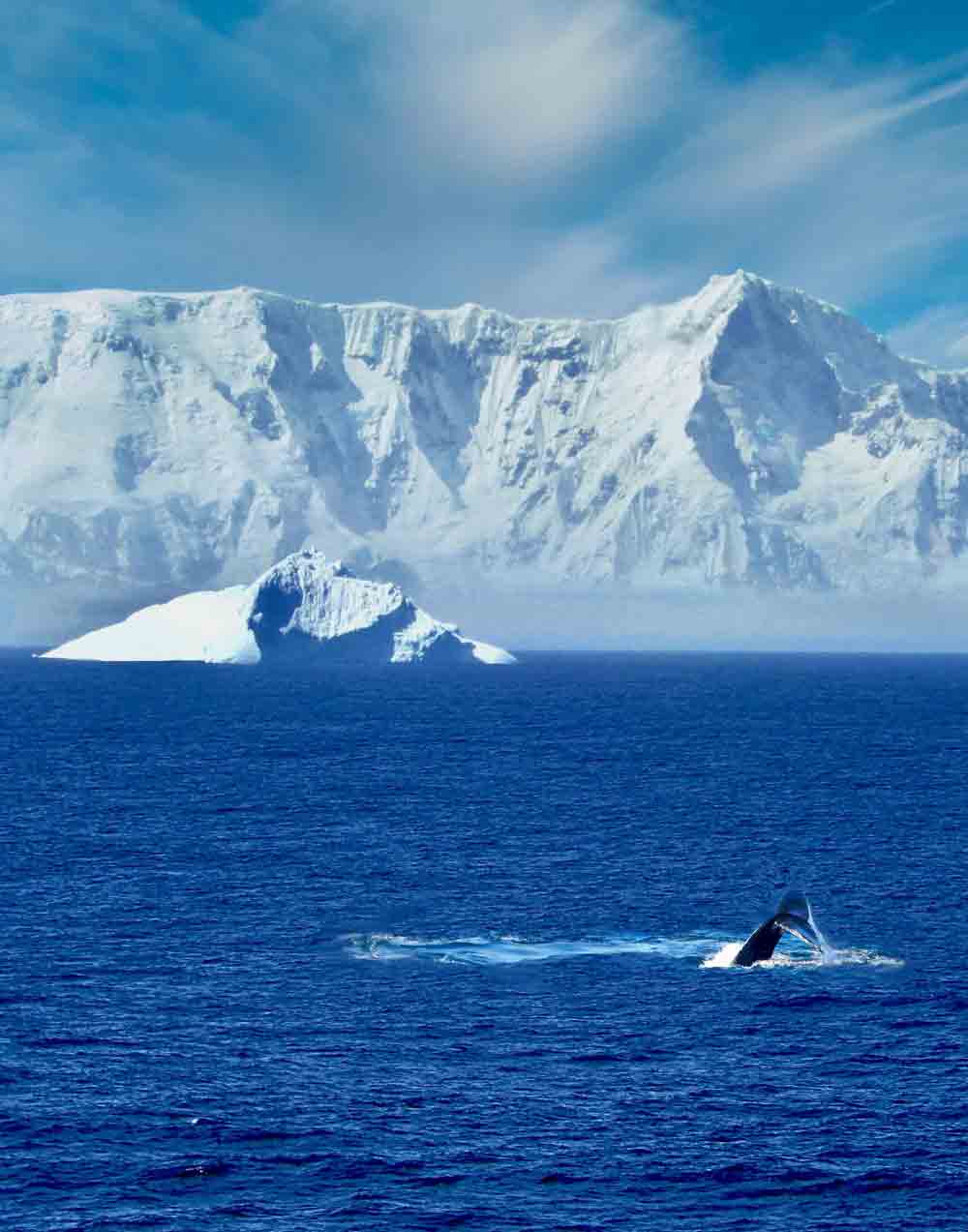
It’s difficult to believe that we can now travel to Antarctica on holiday! Todays images were taken in a location known as Paradise Bay in the Antarctic summer (February). The entire bay was alive with animals – seabirds filled the sky as penguins shot through the water all around us and whales breached.
For more information about cruising to Antarctica click HERE.
For articles on Antarctic cruise itineraries click HERE.
Some More Recent Posts From The Intentional Travelers You Might Find Interesting:
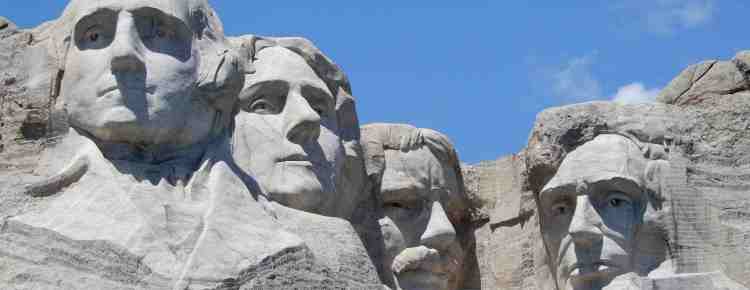
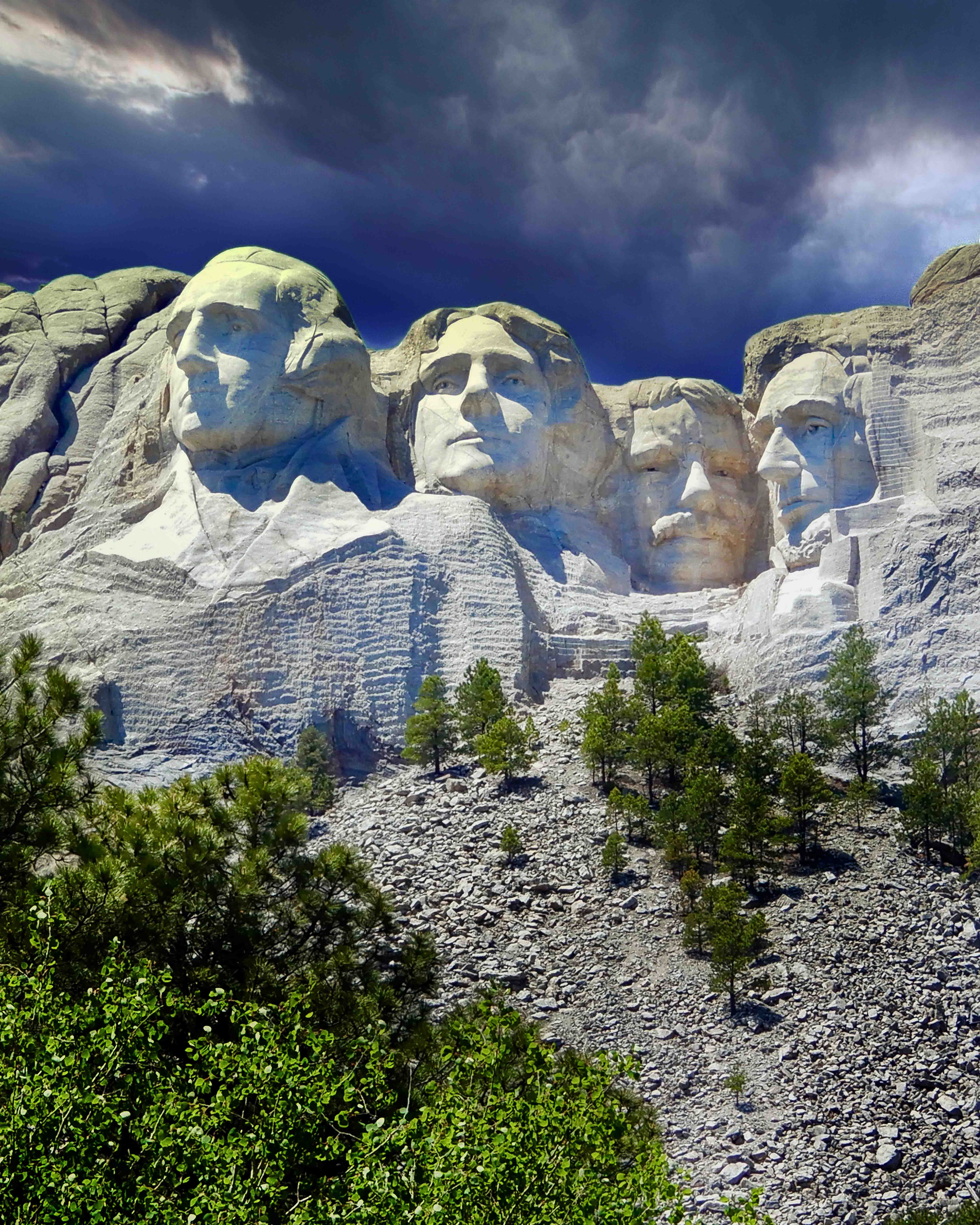
Storm Over Mount Rushmore may offer a commentary that goes beyond being just a travel photograph and says something about the present day divisions in this country.
Society has always needed history and heroes. It’s fundamental to who people are and where they’ve come from and it is the glue that holds most societies together. To attack the common understanding of history and tear down the story’s of national heroes is actually an attack attempting to destroy a society. Unfortunately success becomes anarchy which is sadly the goal of many revolutions.
Carved between October 4, 1927 and October 31, 1941 Mount Rushmore represents a project of historic proportions, ambition and is a historic achievement. Actually conceived as tourist attraction it took on a meaning way beyond its original goal as it employed over 400 men and women. When workers at Mount Rushmore were asked, “What is it you’re do here?” One answered “I am helping to create a memorial.” The third worker had an idea of what they were trying to accomplish.
Navigating Digital Nomad Life With a Pet by Your Side
Being a digital nomad is already a juggle of time zones, Wi-Fi passwords, and Airbnb ratings. Toss a four-legged companion into the mix, and the challenge suddenly feels like a traveling circus act. But if you’ve got the right mindset and a flexible approach, having a pet on the road can be more joy than stress. It’s not about perfection — it’s about making your lifestyle work for both of you, one country (and cuddle session) at a time.
Finding Accommodations That Welcome Fur and Freedom
Hotels and short-term rentals might seem like the obvious choice, but not all listings are created equal when it comes to pets. You’ll want to dig deeper than just ticking the “pet-friendly” filter — read the fine print, message hosts directly, and double-check local pet laws in the area. Apps like TrustedHousesitters or Nomador can be lifesavers, especially when you’re staying put for a while and want to save on rent while giving your pet a real home experience. Once you’ve been burned by a “pet-friendly” place that charges an extra $200 cleaning fee, you learn to do your homework fast.
Vet Care Isn’t Just for Emergencies
You can’t afford to roll the dice on your pet’s health when you’re hundreds (or thousands) of miles from home. Before hitting the road, make sure your pet’s vaccinations, documents, and any ongoing medications are fully up-to-date. Keep digital copies of vet records on your phone and cloud storage — they’ll come in handy for border crossings, doggy daycare, or in case of sudden illness. It also helps to map out nearby veterinarians as soon as you land somewhere new, even if it’s just for peace of mind.
Upskilling With an Online Degree
Life on the road doesn’t mean you have to hit pause on your personal growth — in fact, it’s the perfect time to lean into new skills that match your evolving lifestyle. Consider this to open doors that make remote work more sustainable, especially if you’re looking to climb higher or switch lanes. Online programs are a natural fit for digital nomads, giving you the flexibility to study from wherever your pet-friendly flat happens to be this month. And if tech’s your thing, earning an IT degree can sharpen your edge in fields like cybersecurity, data management, and cloud computing.
Knowing Your Pet’s Personality
Some dogs love airports. Others? Not so much. And cats? Well, let’s just say they’re not known for their wanderlust. A big part of making this lifestyle work is being realistic about your pet’s temperament — not every animal thrives with constant change. If your buddy starts showing signs of anxiety or stress, it might be time to slow your travel pace or rethink how often you’re bouncing from one city to the next. You’re building a life together, not dragging them along for the ride.
Structuring Your Workdays Around Their Needs
Remote work gives you freedom, but that freedom often comes with the temptation to overschedule. Your pet won’t understand a last-minute Slack meeting, but they will understand when you forget their walk — and they’ll let you know. Build your daily routine with set windows for exercise, feeding, and quality time, just like you would if you were working from home. It’s good for them, and honestly, it’s good for you too — those breaks can help reset your brain more than doomscrolling ever could.
Air Travel Is a Whole Other Beast
Flying with a pet is rarely fun, and international flights add a whole new layer of stress. If your pet’s small enough to travel in the cabin, great — but carriers still need to meet airline specs, and not all routes allow animals. For larger pets who have to go in cargo, you’ll want to do serious research on airline safety records, seasonal restrictions, and temperature conditions. Some nomads opt to skip flying altogether, sticking to trains or cars where possible to minimize stress on their furry copilots.
Community Makes It Less Lonely (For Both of You)
Being constantly on the move can make it hard to form friendships — but if you’ve got a pet, you’re already part of an unofficial club. Local dog parks, pet-friendly cafes, or even pet-sitting platforms can lead to casual conversations that turn into real connections. Pets are natural icebreakers, and you’ll often find fellow travelers or locals who share your love of animals and remote work. When you’re far from home, even one familiar face — human or not — can be grounding.
Slow Travel Isn’t Lazy — It’s Smart
Trying to hit five countries in a month might be doable solo, but with a pet? You’re setting yourself up for burnout, both physically and emotionally. Slower travel allows you to build routines, ease your pet into new environments, and spend less time stressing about logistics. It also gives you more breathing room for work, making deadlines easier to hit without sacrificing walks or vet visits. Think of it as quality over quantity — both in travel and in how you show up for your pet.
Plenty of people assume it’s impossible to balance remote work, travel, and the needs of a pet, but that’s mostly coming from a traditional mindset. What matters most is your willingness to adapt — not to some idealized Instagram version of digital nomad life, but to one that’s functional, flexible, and grounded in care. The life you’re building isn’t about either/or — it’s about creating a version of freedom that makes room for both work and loyalty, both adventure and home.
Embark on your next adventure with The Intentional Travelers, where Judi & Dennis share their expert tips on cruising, travel savings, and exploring the world one destination at a time!
Perhaps no photograph is better known than Joe Rosenthal’s picture of six U.S. Marines raising the American flag on Mount Suribachi on Iwo Jima. It was taken on Friday, Feb. 23, 1945 that won Rosenthal a Pulitzer Prize.
America has a long history of asking its citizens to sacrifice in order bto keep us free. Today we honor those who died but there are many of us that left a piece of ourselves on those battle fields.
Wishing all a happy Memorial Day.
Some More Recent Posts From The Intentional Travelers You Might Find Interesting:






























 The Intentional Travelers
Leave a comment