Denali Alaska – What’s In A Name?

Who decides what a mountain should be called or officially named. Internationally there is no recognized system of naming that is universal. Most countries have adopted an official form for naming landmarks, like mountains and rivers with a majority of names being simply passed down from historic names.

In America as with most things, it’s bureaucratic. Most decisions on approving or denying geographic names falls to a board of government officials from several federal departments that include the Government Publishing Office, the Library of Congress, and the U.S. Postal Service. It’s called The Board of Geographic Names and it only responds to proposals from federal agencies, state and local governments (many of which have their own boards), and the public to either approve or deny requests in an effort to create a national standard.

Through the late 19th century there was no official system and names assigned to things could include a number of different titles. In 1890, President Harrison, at the request of the superintendent of the U.S. Coast and Geodetic Survey, created the Board of Geographic Names for the purpose of standardizing “unsettled questions concerning geographic names,” adding that “the decisions of the Board are to be accepted as the standard authority for such matters by the U.S. government.”

For years in Alaska the accepted name for the tallest mountain on Earth* was Mount McKinley. The mountain was named by William Dickey, a gold prospector, working the Susitna River in June 1896. His account appeared in The New York Sun on January 24, 1897 titled “Discoveries in Alaska”. In the story he wrote, “We named our great peak Mount McKinley, after William McKinley of Ohio, who had been nominated for the Presidency, and that fact was the first news we received on our way out of that wonderful wilderness”. Several accounts implied the name was political; Dickey had been in conflict with several silver miners who promoted Democratic presidential candidate William Jennings Bryan who supported a U.S. silver standard. He named the mountain McKinley because he was a proponent of a gold standard.

The name of the highest mountain in North America* became a dispute in 1975, when the Alaska Legislature formally asked the U.S. federal government to officially change its name from “Mount McKinley” to “Denali” as it was the common name used in the state. The name Denali is based on the Koyukon name of the mountain, Deenaalee (‘the high one’). The Koyukon were Alaskan Athabaskans who settled in the area north of the mountain.
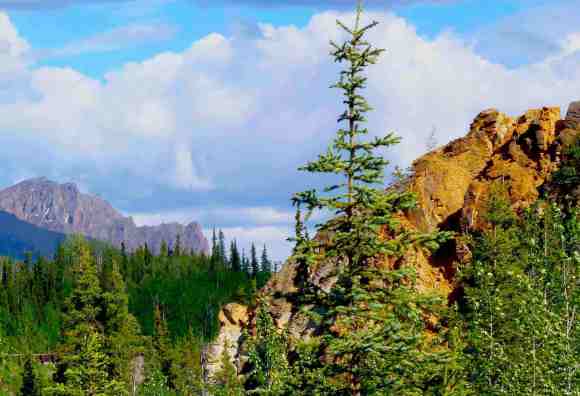
The mountain had officially been named by the federal government in 1917 to commemorate William McKinley, who was President of the United States from 1897 until 1901. The name change by the federal government was originally attempted by legislation but was blocked by members of the congressional delegation from Ohio, the home state of McKinley. In August 2015, after petitioning the Board of Geographic Names, Secretary of the Interior Sally Jewell announced that the name would officially be changed in all federal documents.

*While Mt. Everest is the highest peak in the world, Denali is actually the tallest mountain if measured from its base to the peak. Because of this, like Everest, Denali is one of the most challenging and dangerous mountains to climb.

P.S. Denali is not the only major geological feature with a recent change of name. There are groups trying to rename Mt. Everest to either Chomolungma or Sagarmatha. Originally named after Colonel Sir George Everest the Tibetan name, Chomolungma, means “Goddess Mother of the World” with the Sanskrit name Sagarmatha meaning “Peak of Heaven.”

In Australia the famous Ayers Rock that was named by explorer William Gosse in 1873 after the Premier of South Australia, Sir Henry Ayers. The rock was officially renamed Ayers Rock / Uluru in 1993. Uluru was the Aboriginal name and in 2002 the official names were reversed at the request of the Regional Tourism Association in Alice Springs not any specific request by the Aborigines.
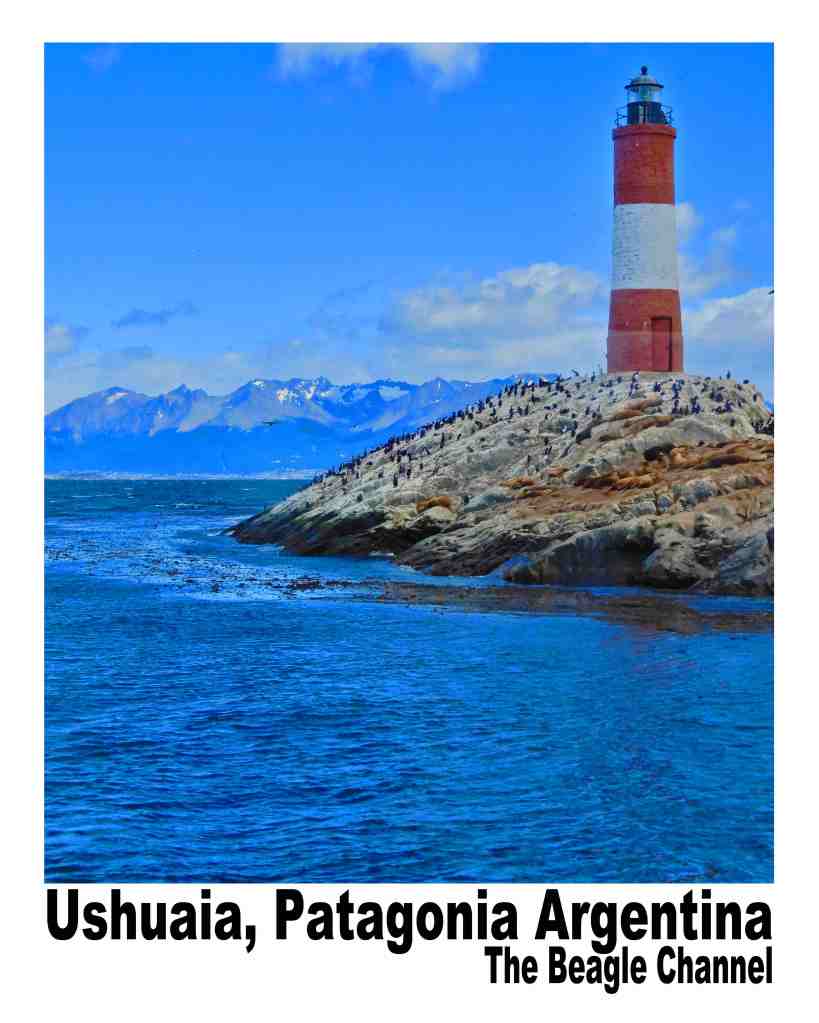
Todays Featured Poster • Ushuaia

Ushuaia, Argentina. The view from the Beagle Channel with the mountains of Terra del Fuego in the distance. Literally the ends of the Earth. The city is a major port for cruises sailing to Antarctica.

These giclée prints are available in several sizes and styles, custom printed for each individual order on archival, museum grade paper using fade resistant inks.

Join us as we visit historic treasures, natural wonders and vibrant cities set against backdrops that are endlessly changing and visually magnificent. Celebrate a world of travel experiences with these decorating accessories that are perfect for framing.

Let’s Stay In Touch – We know that subscribing to yet another email list is the last thing you want to do, but we promise to make this worth your while. Give us a try and see what we have to offer.

Tropical Cruise Options

This Weeks Cruise Deals And Featured Itineraries

Winters Coming – Plan Your Escape

A mild Winter, a snowy Winter – it doesn’t matter – Winter is usually cold and grey and there are times when it would just be great to get away!

Cruise companies are well aware of the gloom of Winter and there is a whole armada of cruise ships ready to carry you to those turquoise seas, white powder beaches and tropical sunshine.

Plan Your Escape Now…

Pride of America is the only cruise ship exclusively cruising the Hawaiian Islands. Built and flagged in America with an all American crew,

Hawaii too far away? The Caribbean is the perfect choice for Easterners Looking for a Winter break.

For North Easterners, Bermuda is a tropical island nearer to home. There are a number of cruise options out of Boston and New York.

There are a lot of cruise booking sites but some are easier to navigate than others and we’re particularly fond of Cruise Specialists.

Please Note • Todays cruise industry is incredibly dynamic with new itineraries and special deals changing daily. With endless possibilities and ever changing offers it is nearly impossible to stay up-to-date. This series will regularly highlight new offerings we think you might find interesting. Most links here will take you to individual cruise line websites where you can search for specific cruise offers. We do not receive any discounts or commission from travel or cruise companies.


Explore Exotic And Amazing Ports of Call

From lost civilizations to some of the greatest natural wonders, cruises can help you explore the world in luxury. Explore your cruise options using these convenient links:

Historic Mount Rushmore

American History is Alive in the Stone of South Dakota

Lately national patriotism seems to be only worthy of contempt by some people. I’m not sure what a community becomes if it stops celebrating the people and events that contributed to making it what it is? In many instances the monuments themselves can leave us overwhelmed and you can at least admire the craftsmen who created them.

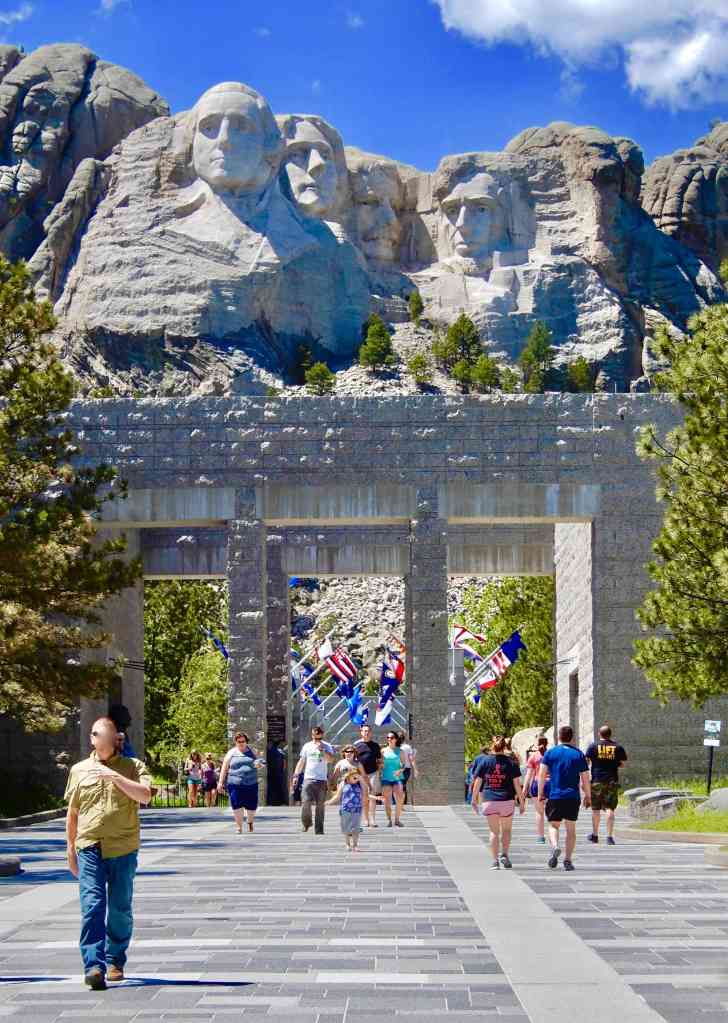
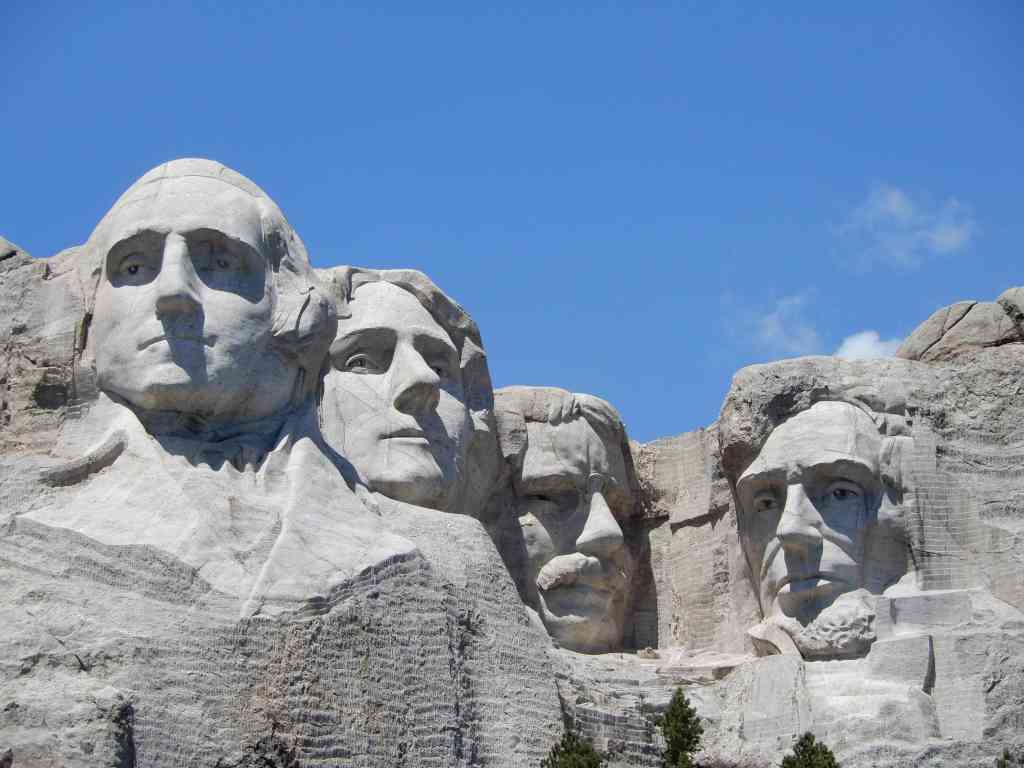
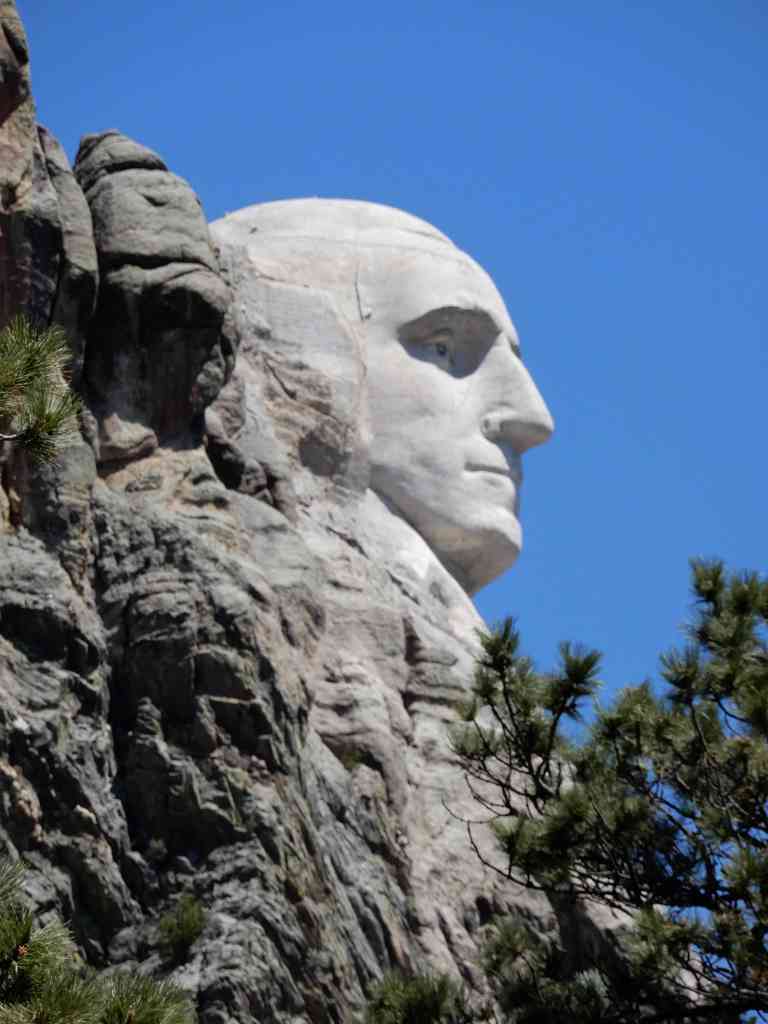
Majestic figures of George Washington, Thomas Jefferson, Theodore Roosevelt and Abraham Lincoln, carved into the beauty of the Black Hill’s rock in South Dakota, pays homage to American greatness.

Carved into the southeastern face of Mount Rushmore in Black Hills National Forest are four gigantic sculptures depicting the faces of these U.S. Presidents. These 60-foot high faces were chiseled from the granite rock face between 1927 and 1941, and represent one of the world’s largest pieces of sculpture, becoming one of America’s most popular tourist attractions.

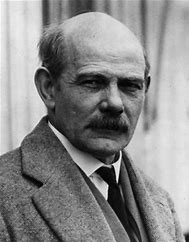
It was conceived and planned as a tourist attraction for the Black Hills in the early 1920s and South Dakota’s state historian Doane Robinson came up with the idea. He wanted to sculpt “the Needles” (giant natural granite pillars) into the shape of historic heroes of the West. One he proposed was Red Cloud, the Sioux chief. In August 1924, after the original sculptor he contacted was unavailable, Robinson contacted Gutzon Borglum, an American sculptor of Danish descent who was then working on carving an image of the Confederate General Robert E. Lee into the face of Georgia’s Stone Mountain.

Borglum accepted the project and convinced Robinson that the sculpture in South Dakota should depict George Washington and Abraham Lincoln, as that would give it national, and not just local, significance. He would later add Thomas Jefferson and Theodore Roosevelt to the list, in recognition of their contributions to the birth of democracy and the growth of the United States.

In 1929 President, Calvin Coolidge signed legislation appropriating $250,000 in federal funds to the Rushmore project and created the Mount Rushmore National Memorial Commission to manage the project.

To carve the heads into Mount Rushmore, Borglum adopted new methods involving blasting and pneumatic hammers to cut through the rock, in addition to traditional tools like drills and chisels. 400 workers removed about 500,000 tons of rock from the mountain, which still sit in a heap at the base of the mountain.

On July 4, 1930, the first dedication ceremony was held for the bust of Washington. Workers discovered the stone in the original location to the right of Washington too weak, so they moved Jefferson’s head to the left of Washington. Jefferson was dedicated in August 1936, in a ceremony attended by President Franklin D. Roosevelt. In September 1937, Lincoln’s head was dedicated, while the fourth and final head of Theodore Roosevelt, was dedicated in July 1939. Gutzon Borglum died in March 1941, and it was left to his son Lincoln to complete the final details of Mount Rushmore in time for its final dedication ceremony on October 31 of that year.

Mount Rushmore’s Secret Chamber

After the sculpting was finally completed one little-known feature of Danish-American sculptor Gutzon Borglum’s plan for the “Shrine of Democracy Sculpture” was left unfinished and remains concealed from view behind Lincoln’s eye brow. Carved into the solid granite wall of a small canyon running right behind Lincoln is an 18-foot-tall doorway that resembles the entrance to a tomb of an ancient Egyptian pharaoh. What’s inside is an empty room 75 feet deep and 35-feet-tall. It has holes drilled into the walls that would hold dynamite for blasting and red numbers, painted by Borglum himself, provided instructions for the removal of blasted rocks.

Borglum had intended for this incomplete chamber to be, in essence, his artist’s statement, explaining the meaning of his sculpture for civilizations in the distant future. His plan was for a grand, 800-foot-long staircase ascending Mount Rushmore that would lead to a glorious chamber called the “Hall of Records.” Borglum wrote,“Into this room the records of what our people aspired to and what they accomplished should be collected, and on the walls of this room should be cut the literal record of conception of our republic; its successful creation; the record of its westward movement to the Pacific; its presidents; how the Memorial was built, and frankly, why.”

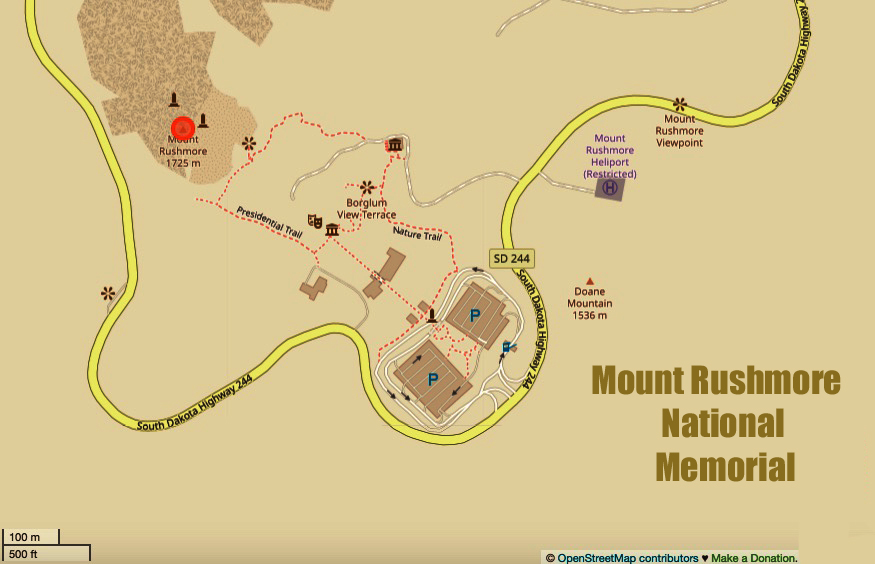
CLICK THIS MAP TO DOWNLOAD A COPY

Visit this remarkable mountain, if not to celebrate America, at least to stand in wonder at what we, as humans can accomplish. Hopefully you’ll come for both reasons And enjoy a beautiful day in the South Dakota Mountains.

Todays Featured Image Queen Annes Lace

Anthriscus sylvestris, Queen Annes Lace. Its common name comes from a legend of Queen Anne of England (1665-1714) pricking her finger and a drop of blood landed on white lace she was sewing. Belonging to the carrot family, Queen Anne’s lace is a biennial that is also known as wild carrot. Here it grows at the edge of the woods in the North Carolina Arboretum on The Blue Ridge Parkway near Asheville.

These giclée prints will soon be available in several sizes and styles, custom printed for each individual order on archival, museum grade paper using fade resistant inks.

Join us as we visit historic treasures, natural wonders and vibrant cities set against backdrops that are endlessly changing and visually magnificent. Celebrate a world of travel experiences with these posters that are perfect for framing.

An Advertisement

Visiting Gardens

Atlanta Botanical Garden , Gainesville GA

Gardens are a human obsession. We’re not talking about tomatoes and corn but flowers and trees and ornamental bushes. In traveling there are always gardens to be explored and incredible gems to be discovered. It is difficult to spend time in a garden and not have your soul refreshed. Perhaps Francis Bacon said it best;

“God Almighty first planted a garden. And indeed, it is the purest of human pleasures”.

As we have traveled there have been times when the garden was actually the destination but on occasion they are unexpected surprises stumbled upon as we stroll a city. Spend a minute and let us introduce you to some of our favorite gardens.

KEUKENHOF

Perhaps one of the worlds most extravagant flower shows is Amsterdam’s Keukenhof, held each Spring. The show was actually created as a commercial exhibition representing Holland’s tulip growers but is now a major evEnt attracting visitors from all over Europe and the world.

My garden is my most beautiful masterpiece.” Claude Monet
To plant a garden is to believe in tomorrow” – Audrey Hepburn

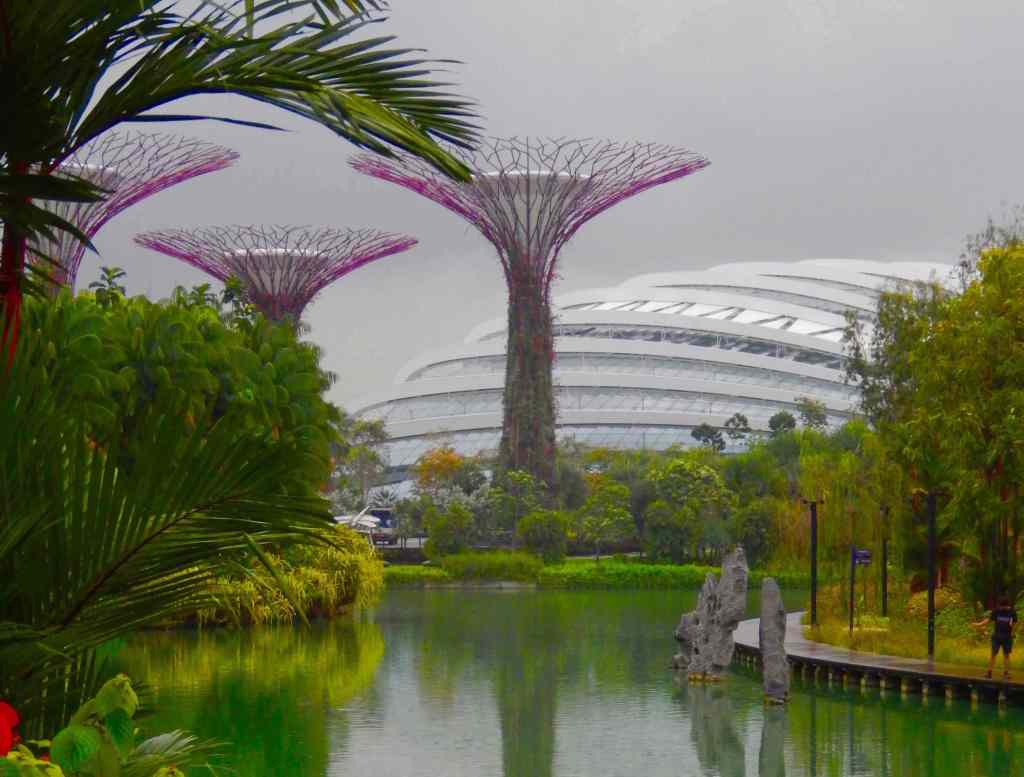
Some gardens are just pure extravaganzas and one of the biggest is The Gardens By The Sea in Singapore. Just being near the gardens, especially at night, is an experience. If you find yourself in Singapore don’t miss the Singapore Botanical Gardens.

SINGAPORE


The North Carolina Arboretum

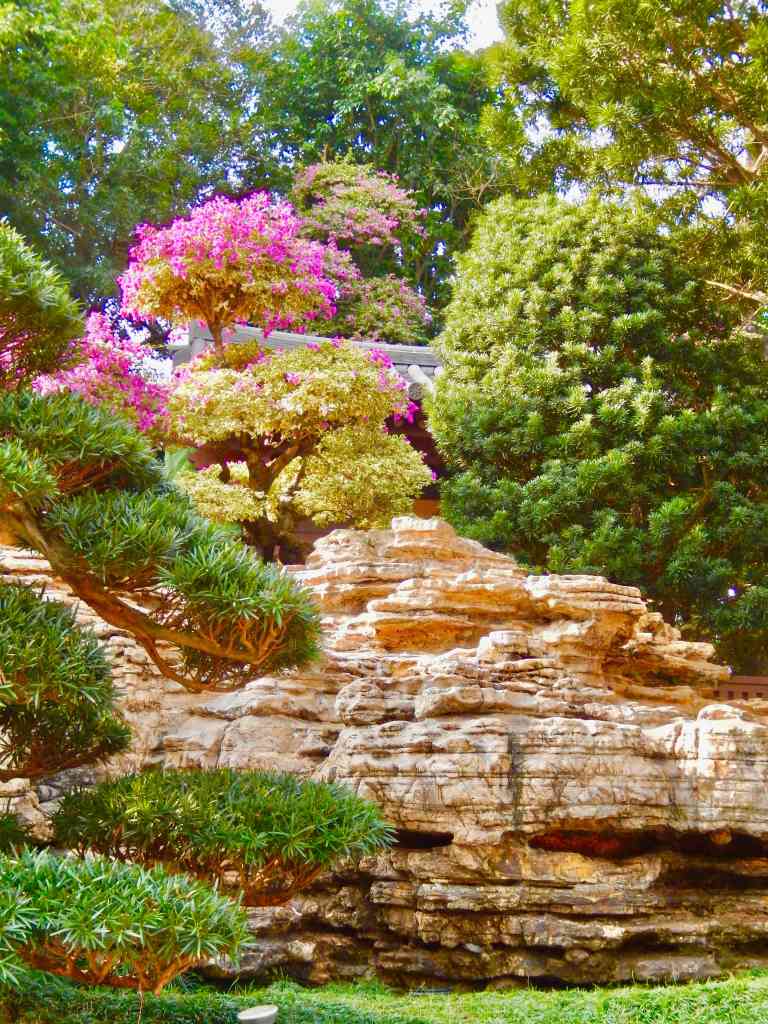
Nestled in the Blue Ridge Mountains outside of Asheville North Carolina is a public Arboretum. The North Carolina Arboretum is located on The Blue Ridge Parkway near the Asheville entrance at mile marker 393. The site offers acres of cultivated gardens and groomed trails featuring some of the most beautiful, native plants in the region. Admission is free but there is a charge to park.

“Life begins the day you start a garden.” – Chinese proverb

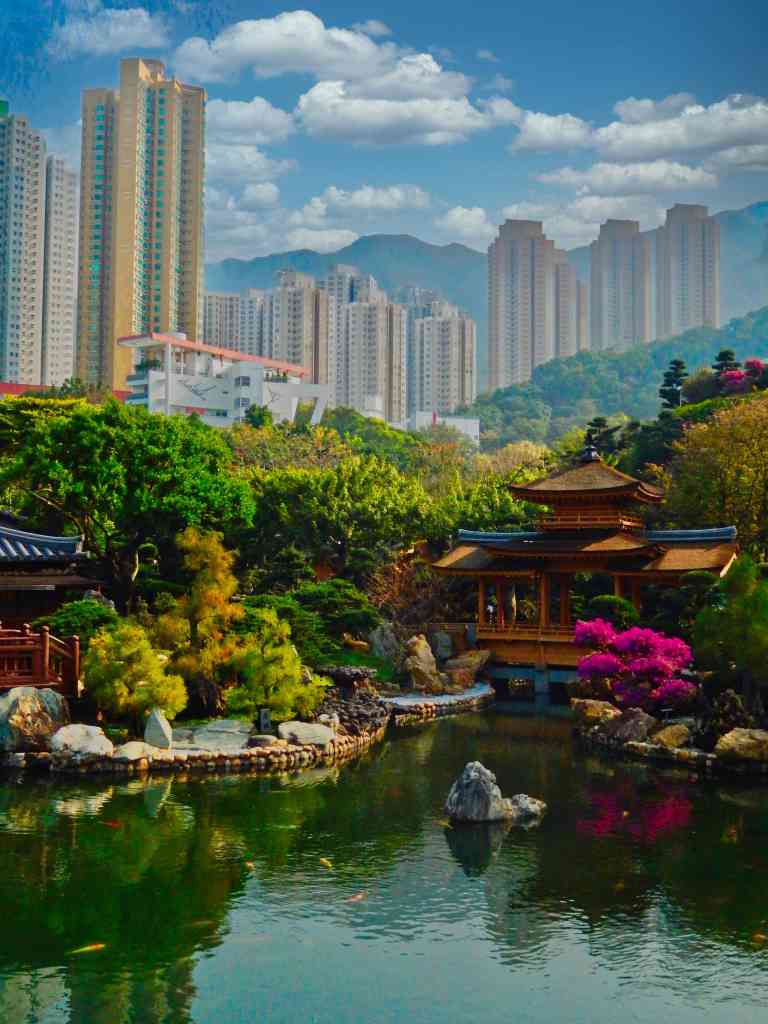
NAN LIAN GARDENS HONG KONG

Set in a pocket of land surrounded by the city’s high rise buildings is a beautiful, traditional Chinese garden.

Nan Lian Gardens

Wellington New Zealand Botanical Garden

We can complain because rose bushes have thorns, or rejoice because thorn bushes have roses.” – Abraham Lincoln

New Zealand has been described as a nation of gardners and that honor is probably well deserved and the Kiwi’s do love their roses!.

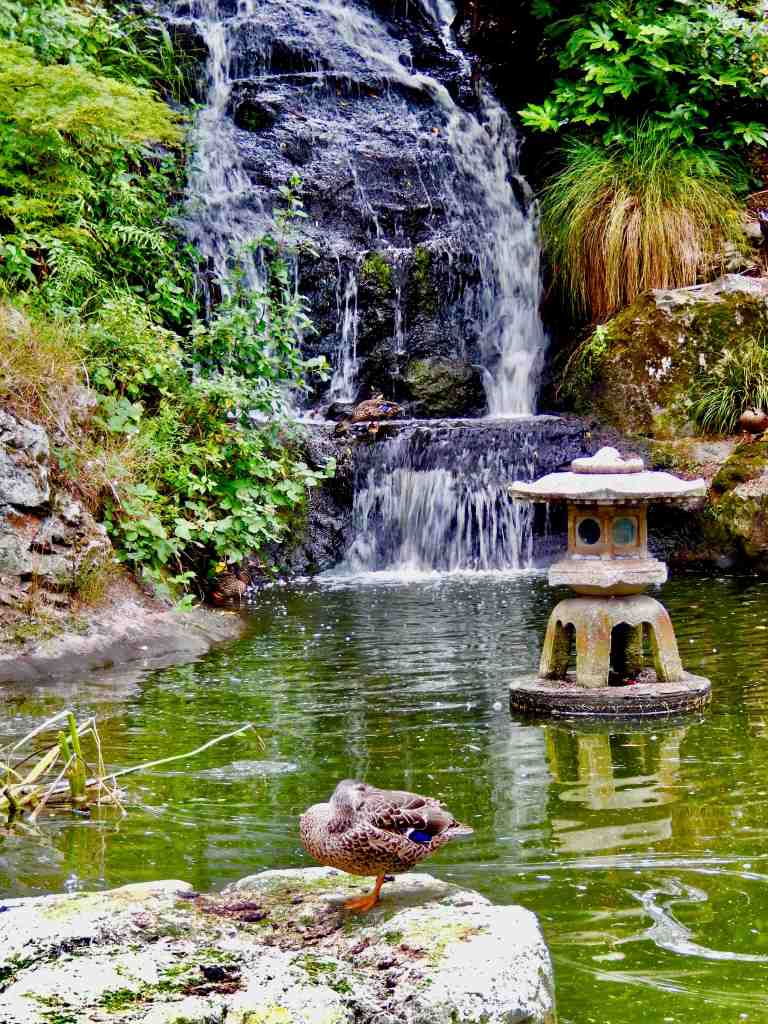
The Wellington Botanical Garden in New Zealand is a large garden running down the side of a hill that sits above the city. The easiest way to visit the garden is to take the Salamanca – Cable Car up to the top and stroll back down into the city. Don’t miss the rose garden.


“No occupation is so delightful to me as the culture of the earth, and no culture comparable to that of the garden. ” Thomas Jefferson

To be continued but enjoy the following connections for more information and some additional great garden websites;

American Orchid Society Garden, Florida

New Zealand Gardens TrustWellington

Singapore Botanic Gardens

Fairchild Tropical Botanic Garden, Miami

Wahiawa Botanical Garden, Hawaii

Citadel Jose do Canto Botanical Garden, Azores