Cruising From Florida Ports

Taking a Caribbean Cruise? Need to know the best options for getting to your cruise ship? Interested in visiting some more of Florida on your cruise vacation? Read on…

Getting To Your Florida Cruises

Florida has become one of the largest destinations in the U.S. for people taking cruises. While passengers come from all over the U.S. and even the world, a large number come from the Southeast and especially Florida. The close proximity to the Florida ports offers a number of advantages to cruisers from the region but it also presents some interesting challenges. The following is a complete rundown on how to get to your cruise ship regardless if you come by planes, buses, trains or automobile

Miami from the Port

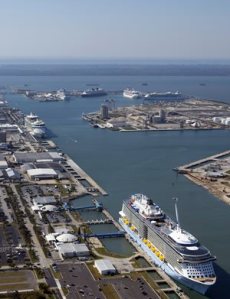
Florida has four major cruise ports; The Port of Miami, Port Everglades in Ft. Lauderdale, Port Canaveral at Merritt Island (sometimes called the Orlando port) and Tampa. Each one has its own environment that makes getting to your cruise ship different for each port.

Flying In

Tampa

The port is some distance from the airport but there is generally a fixed taxi fare for the trip of about $35 (plus luggage fees and tip). There are also a number of shuttles as well but expect to pay between $15 and $20 per person for them. A transfer with the cruise ship at last check was about $20 per person*.
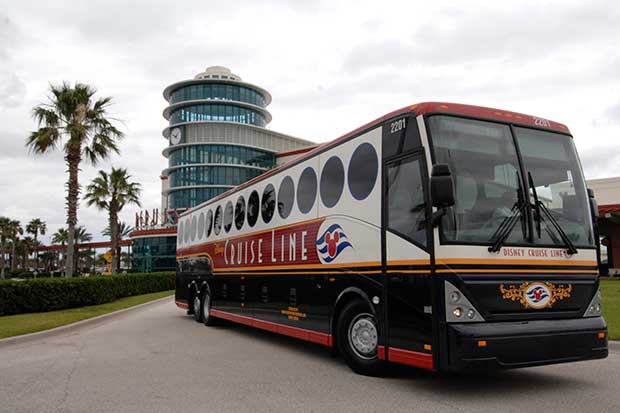
Disney Cruise Shuttle

Orlando

The Orlando airport (MCO) is the nearest major airport to Port Canaveral. Expect to pay over $100 for a taxi to the port which is a 47 mile trip. There are a number of shuttles that charge as little as $20 per person. Booking a transfer thru your cruise line can cost around $35 per person*. At last check Disney offers a bus service from Orlando airport and the hotels at Disney World to their cruises at $35 per guest (reservations required).

Ft. Lauderdale

Port Everglades is only about 2 miles from the airport and while the airport taxi stand will usually quote a flat fare of $20 to the cruise ship, if you go with the meter on, it should cost less and if you are going from the ship to the airport it will cost about $15 plus tip (no delay exiting the port because of security). The cruise ships also offer transfers but they average $15 per person*, which for two people makes a taxi the better choice.

Miami

If you are going from the Miami airport to the cruise terminal, current taxi charges are about a $30 flat-rate fee. That’s not per person. So if you are traveling with a family of four, that’s just over $7 per person (or $14 round-trip) — not a bad deal. Buying a transfer from your cruise line will cost around $17 per person or $68 for four*.

Rental Cars (In City)

Often people will fly into the port city a day or two early and if that is your plan, it is a good idea to rent a car. All four cities cover a lot of real estate and are not noted for having easy to use public transportation. Depending on the city, rentals can be very inexpensive and give more flexibility on how you get around. Be sure and check with the agency and make sure you can drop the car off near the port to save even more.

Miami and Ft. Lauderdale actually have rental car offices near the port that provide free shuttles to your ship after drop off.

Miami

It is common in Miami for rental car agencies to allow a rental to be picked up at the airport and dropped off somewhere else in Miami. At between $25 to $40 a day this is a very economical way to get to the cruise port with the advantage of seeing some of Miami in the process. In the case of Avis and Budget** they both have drop-offs near the port with free shuttle service to your ship, which saves the cost of a short taxi ride.

Tampa

While it is possible to also pick up a rental car at the airport in Tampa and drop it in the city, there are no drop offs conveniently near the port. Coming into Tampa on a cruise it usually costs between $15 and $25 to get a taxi to the nearest rental car location.

Ft. Lauderdale
Port Everglades

Because the port and airport are so near each other, unless you plan on spending some time in the area before your cruise, there is little reason to rent a car. It is also worth noting that Avis and Alamo have free shuttles from their airport locations to Port Everglades and back (you probably will need a copy of the rental car reservation to board the shuttle though).

Orlando

It has become popular to rent a car for the one-way trips between Orlando or Orlando International airport (MCO)and Port Canaveral and the rental agencies have been very accommodating in recent years. A recent check showed three agencies (Avis, Budget and Alamo) offering cars between $50 and $75 per day that allow for the one-way trip including free shuttles to the ships in Port Canaveral.

One Way Florida Car Rentals
Port Canaveral

Even if you live within convenient driving distance to a port, sometimes port parking can become an expensive proposition. This is especially true if the cruise is longer than seven days. Except for the Orlando – Port Canaveral connection, one-way drop-off fees can make renting a car very expensive. The one notable exception to that is if you live near Orlando. Because Orlando is the number one destination in Florida the rental car companies are always trying to balance their inventories and are usually not charging drop-off fees between Orlando and major Florida cities. Renting a one-way car is is a good option for getting to and from Miami, Ft. Lauderdale, Tampa to Orlando. We have rented cars for as little as $29 from Orlando to Ft. Lauderdale. One trick is to make reservations way in advance and check the rate a few more times before the cruise.

Buses Etcetera

Back in the day buses were good, inexpensive transportation between cities and there still is a number of options for economical fares. MegaBus offers a one-way ticket from Orlando to Ft. Lauderdale for $26. The problem with them as with most bus service is that you have to get to their terminal and to your destination at the other end. This can be a major additional expense impacting the economy of bus transportation. We should also note that some people live in communities with active travel groups that normally arrange charter buses as part of a cruise package.

Rail Service From Miami, Orlando, Tampa

Taking the train is now an option but you’ll need to still get to the train station and to the cruise ship.

Orlando To Ft. Lauderdale and Miami (Not Port Canaveral)

High-Speed Passenger Train service from Brightline provides comfortable, eco-friendly rail service between Orlando and Miami, with stops in West Palm Beach, Boca Raton, Fort Lauderdale, and Miami with fares starting at $29.

Orlando To Tampa

There is train service also available between Orlando and Tampa that includes Amtrak and Brightline with travel times of approximately 1.5 to 2 hours. with a station not far from the cruise piers but you’ll need to still get to the train station.

Additional information HERE.

Parking Near the Ports

Most parking structures inside the various ports are owned and operated by the ports and, on average, are fifty percent higher than private services near the port. Over the years there have been some interesting fights between these venues. Mostly it has been the ports trying to make it difficult for the private lots to compete and survive. Generally private enterprise finds a way and if you’re looking to save money on parking check with the local parking lots.

Official Port Parking

Port Canaveral

Parking at the port garage inside the port is currently $17 per day and they charge a full day for each portion of a day (that means full fare for the day you arrive and the day you leave). There are at least four dedicated private lots with shuttles near the port that average under $10 a day based on 24 hour days. There are also companies that contract with some local hotels for parking spaces and provide van service to and from the port.

Miami

Parking at the Port of Miami currently is $20 per 24 hour day with a daytime rate of $7. Because the port is located right in the heart of downtown Miami it is difficult to find reasonable rates nearby. There are a number of companies offering reduced rates but it would be recommended that you investigate where these lots are and how much security they provide.

Ft. Lauderdale

Parking inside Port Everglades currently is $15 per day but offers a location right next to the ships. Because the port is located near the airport there is a great deal of parking available in the area. There are official remote lots associated with the airport with shuttle service to the terminals as well as more than a few private lots not far away. Again it would be recommended that you investigate where these lots are and how much security they provide before reserving.

Additional Notes & Links:

* Virtually all the cruise ships offer shuttle service from the airport to the ship. One popular advantage to this service is that you check you luggage for the cruise at the bus.

** Avis at Port of Miami with Shuttle to Cruise Ships. Address: 99 Southeast 2nd Street, (Cruise Ship Passengers Only), Miami, FL,33131. Phone: (1) 305-379-1317. Hours of Operation: Sun 8:00 AM – 2:00 PM; Mon – Fri 8:00 AM – 6:00 PM; Sat 8:00 AM – 4:00 PM

** Miami Budget location with a free shuttle to the port. 89 SE 2nd St, Miami, Florida.

Of Site Parking

A Parking option at Port Canaveral

Shuttle from MCO to Canaveral 

Alamo Port Canaveral 

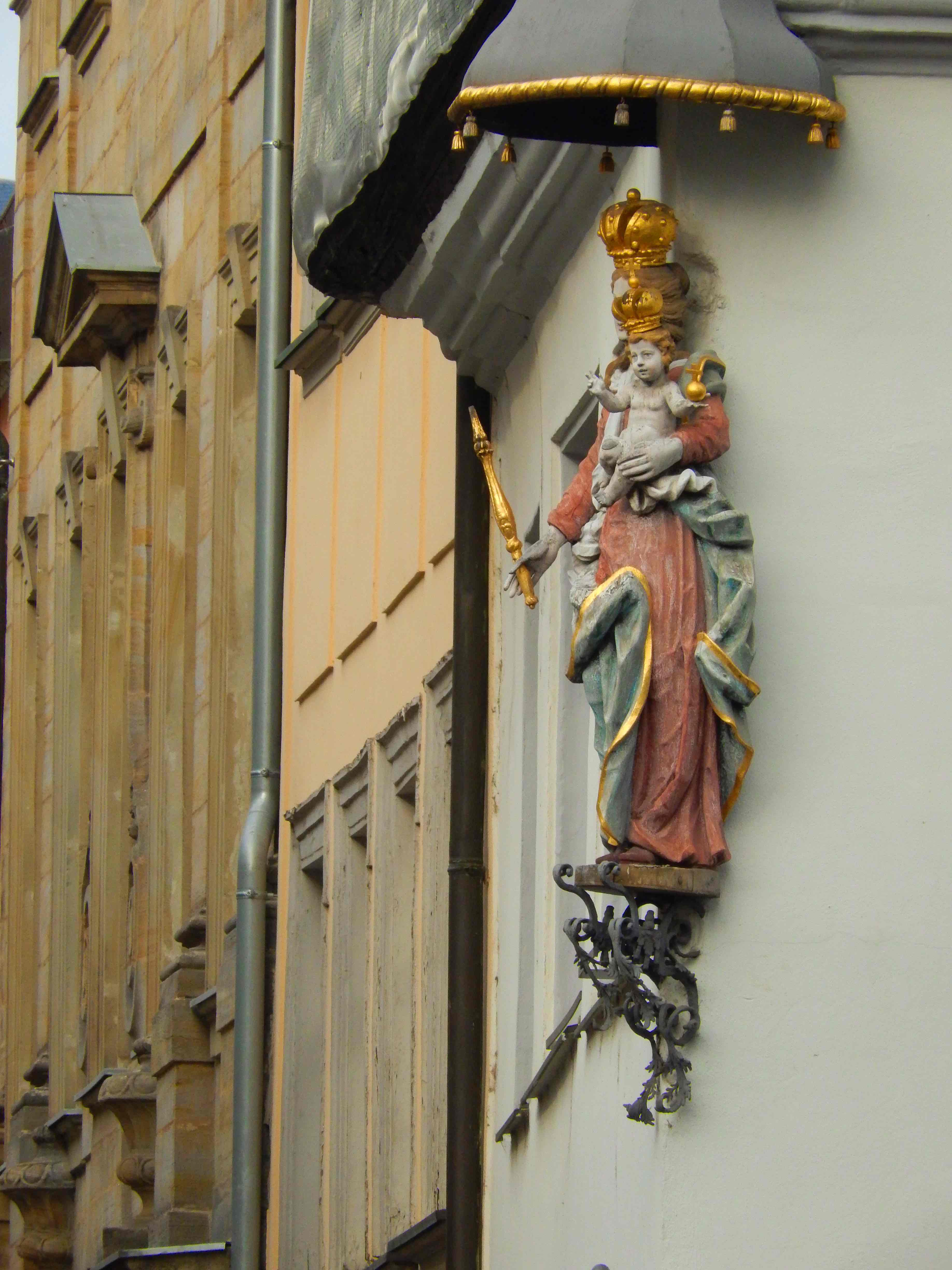
Bamberg, Germany

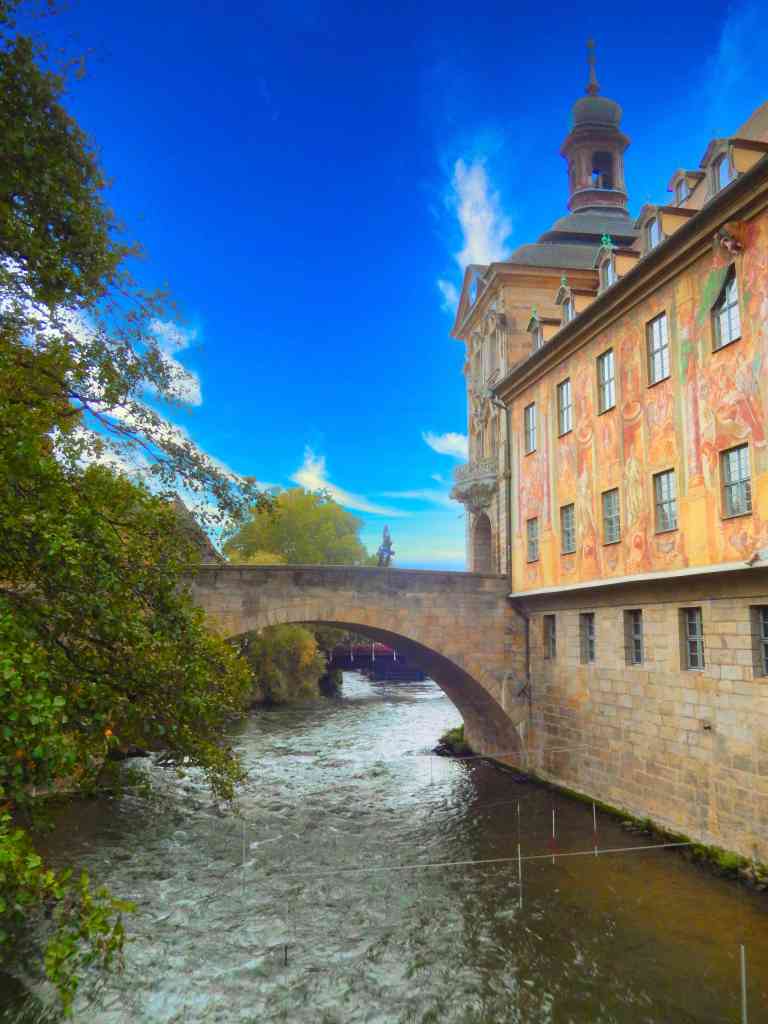
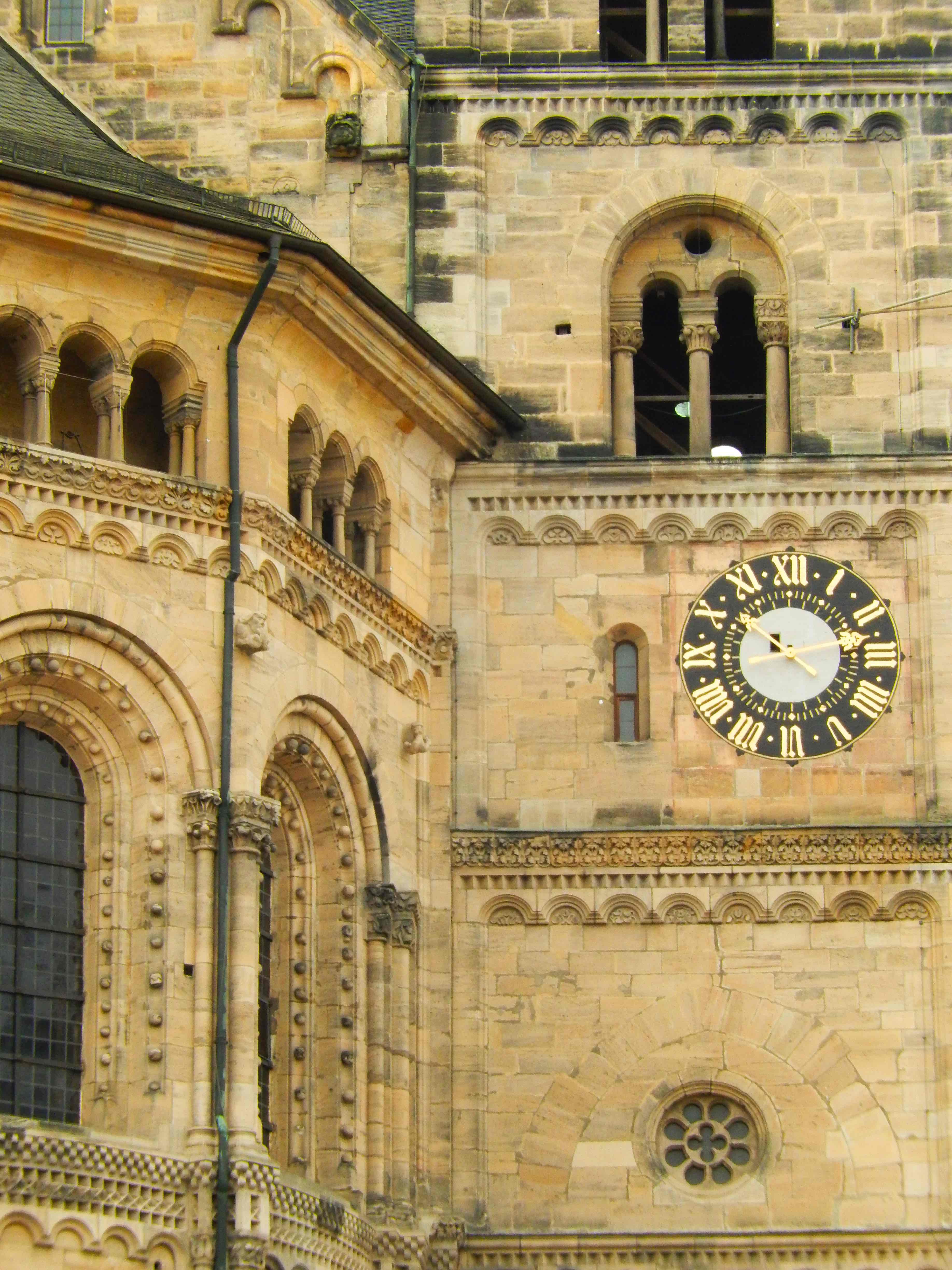
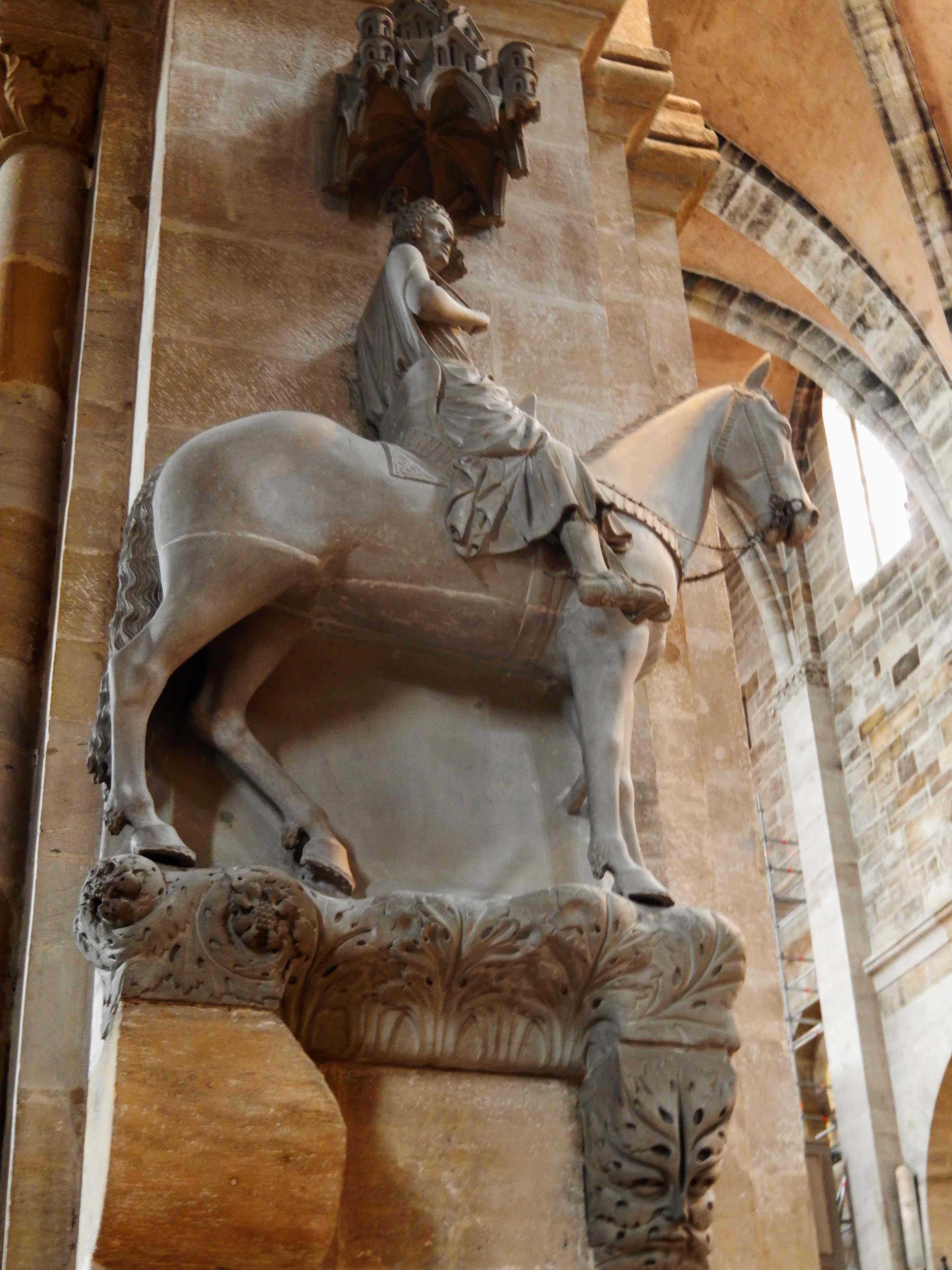
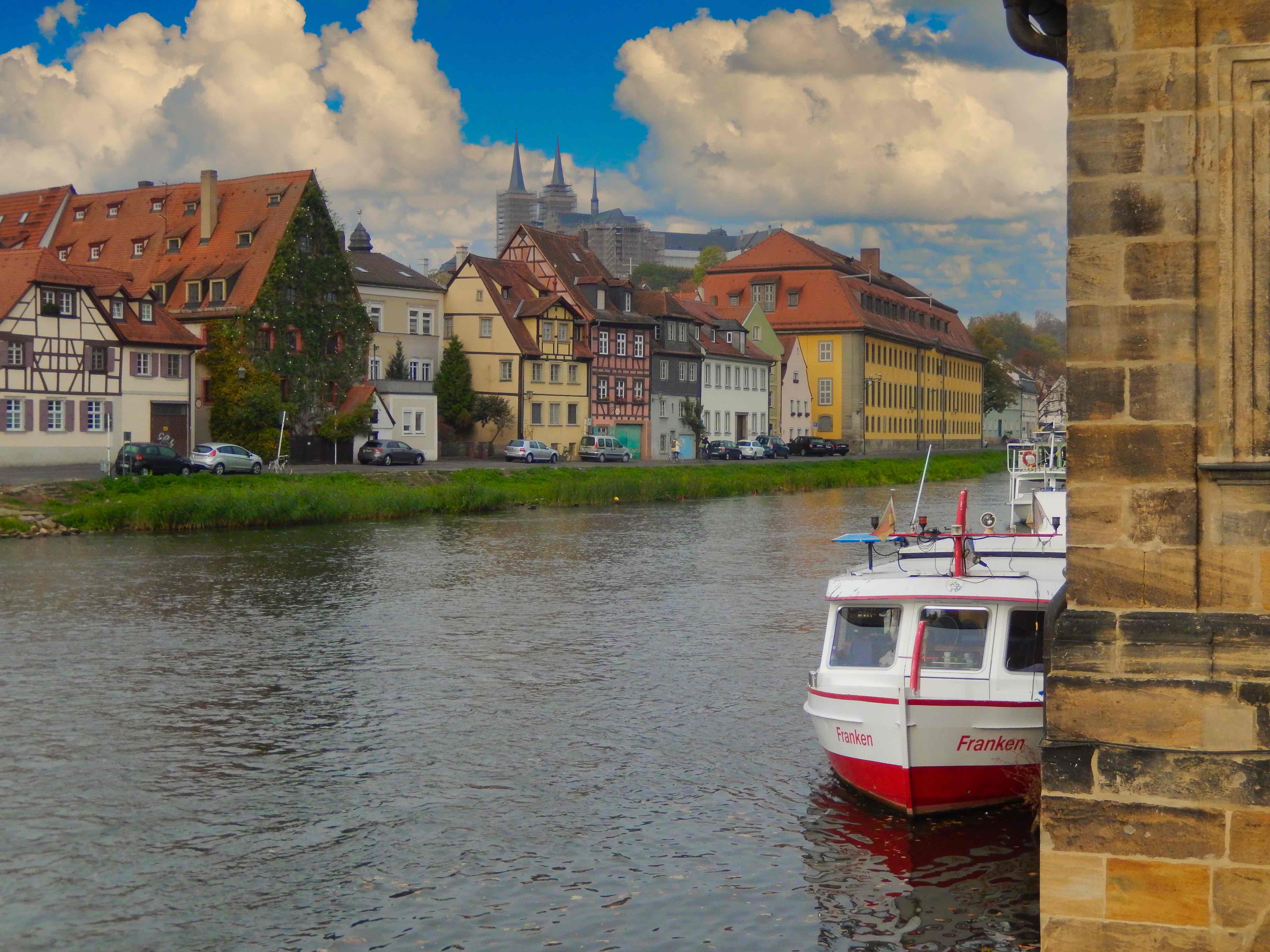
Bamberg German: A town in Upper Franconia, Germany, on the river Regnitz at the confluence with the river Main. The town dates back to the 9th century, with its name derived from the nearby Babenberch castle. Heralded as one of Germany’s most beautiful towns, specifically its historic old town which has been a UNESCO World Heritage Site since 1993. Bamberg is home to Europe’s largest intact old city wall and Bamberg Cathedral founded in 1002 by the emperor Henry II, and consecrated on May 6, 1012. Historically the town experienced a period of great prosperity beginning early in the 12th century, during which time it was briefly the centre of the Holy Roman Empire.

Port of Call Porta Madryn, Argentina

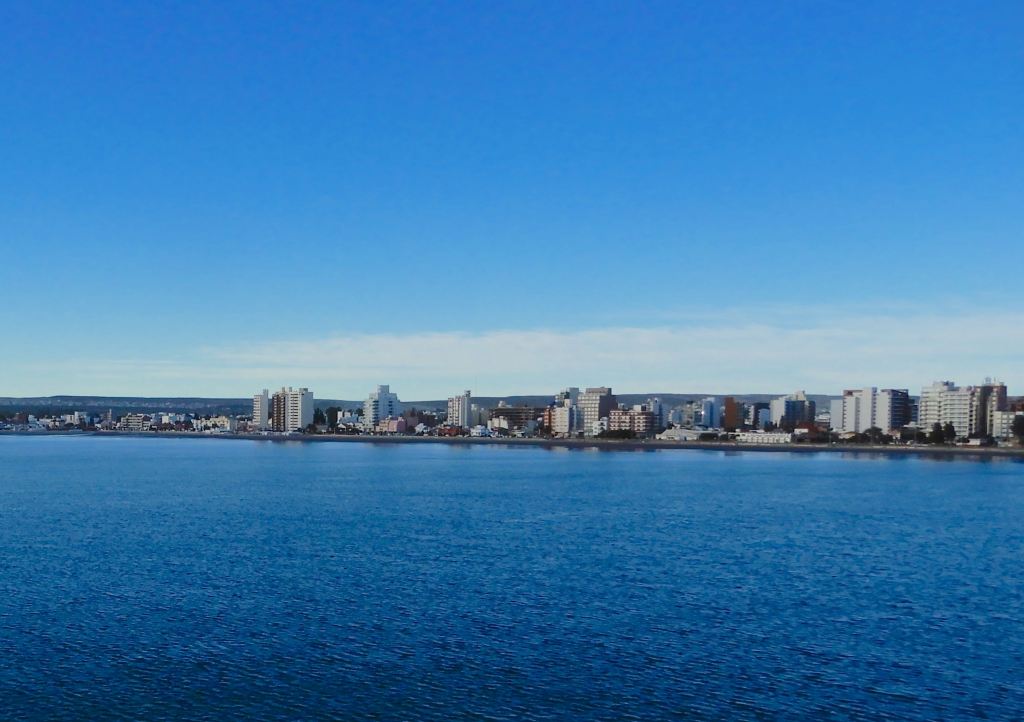
Cruise Port Madryn, Argentina – In The Heart of Patagonia

Introduction

Puerto Madryn is an amazing city that is very popular with cruise itineraries in South America. While Mydryn itself is a modern and thriving city with much to offer, the big attraction in the area is the national parks. The park of Mirador Elefantes Marinos has become famous for colonies of penguins, sea lions and seals along with pods of orcas. The orcas have gained a lot of notoriety in recent years for coming up onto the beach to grab seals in the surf.

Where Your Ship Docks

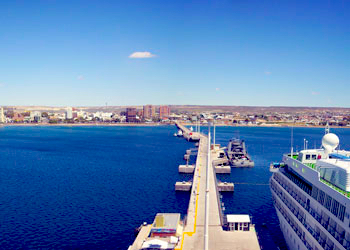
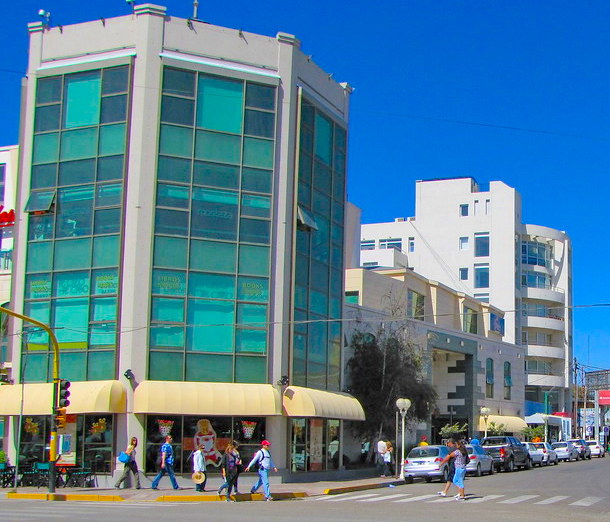
Puerto Madryn has a large marine pier right in the center of the city capable of handling large cruise ships. A walk down the pier puts you right in the middle of the CBD with good restaurants, cafes and shops along with a large selection of tour operators. All along the waterfront is a wide beach with a walking promenade.

Transportation

Madryn is a port city boasting a large deep-water port and is also a major industrial city, mainly focused on aluminum production and fishing. Puerto Madryn is also in an isolated area of Patagonia with the biggest attractions in the area being the national parks. Trips out to the parks can take between one and a half to two hours each way and the best way to visit is to book a tour. Other than walking, the best way to get around the city itself is by taxi which are reasonably priced.

Currency

At this writing the exchange rate is about 38 Argentine Pesos to one US Dollar. Because of inflation rates over the past several years buying Pesos before leaving the United States is almost impossible. Because of the high number of visiting tourists, in the CBD many shops are eager to accept Euros and American Dollars. It is still advisable to exchange some currency for convenience.

Attractions

Seals at the Peninsula Valdes park

It is one of the most vibrant cities in Patagonia, with a beautiful coastal avenue overlooking Nuevo Gulf. As noted the focus of the tourist business is visiting the parks to see the penguins, seals and orcas. In town there are a number of shops and cafes  with over a dozen good restaurants within a block of the waterfront. One of the local favorite pastimes is drinking coffee with chocolates and there are many chocolate shops along the waterfront.

Urban Hiking In Savannah, Georgia

River Street

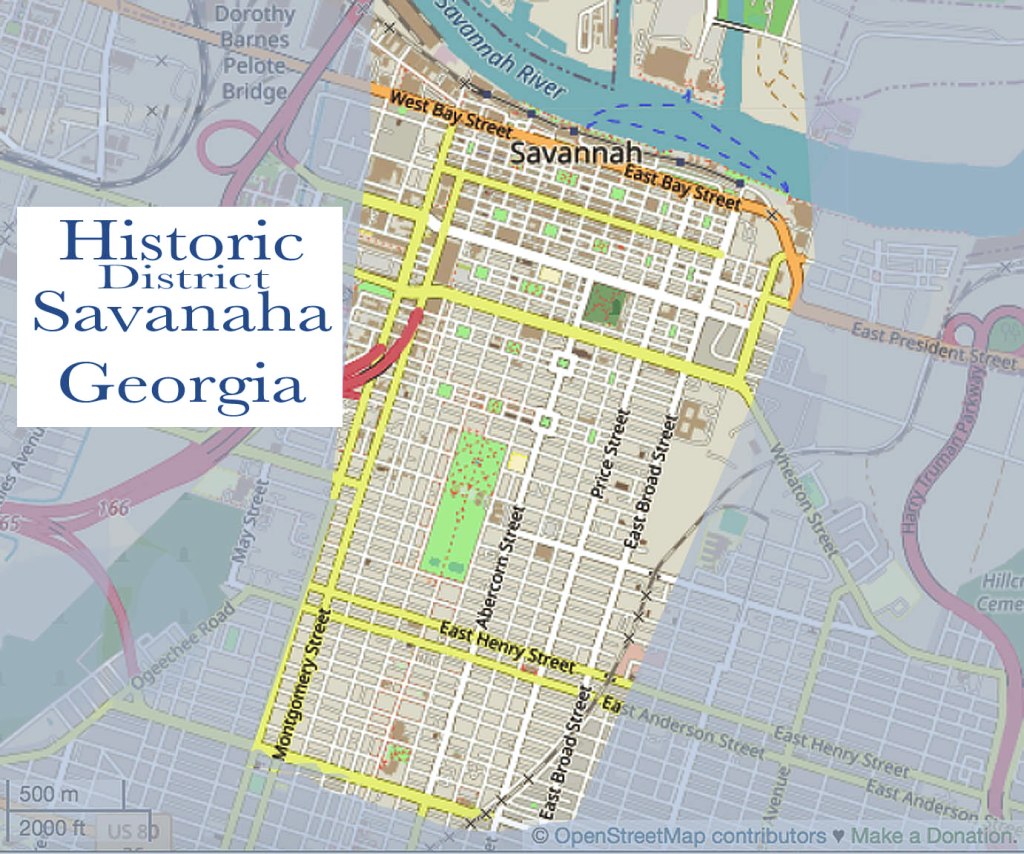
Savannah is an incredible city worthy of a couple of days of urban hiking. There’s something to see on virtually every block and the whole city is a treasure trove of colonial architecture and historic sites. Add in great food and libations at every turn and they’re guaranteed to more than replace any calories you may have burned walking.

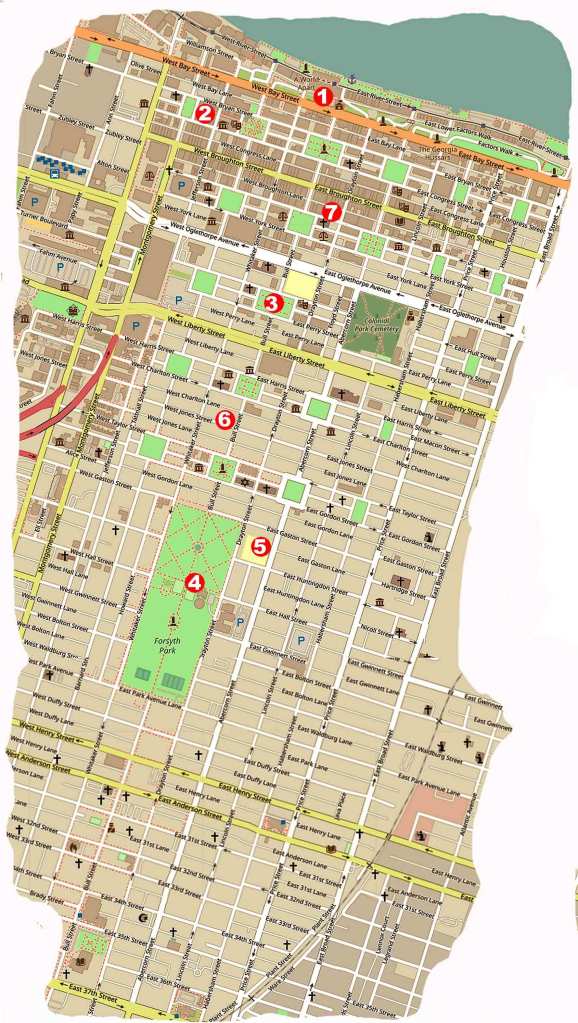
CLICK THIS MAP TO DOWNLOAD

In 1733 General Oglethorpe and 120 passengers landed on the Savannah River. Oglethorpe named this the 13th colony “Georgia” after England’s King George II and Savannah became Georgia’s first city. The land charter offered a new start for England’s working poor along with a plan to strengthen the colonies by increasing trade. Under the original charter, individuals were free to worship as they pleased with rum, lawyers and slavery were forbidden.

Savannah was America’s first planned city and the design still serves its residents well today. Oglethorpe laid the city out in a series of grids allowing for wide open streets and shady public parks that served as town meeting places and centers of business. The design had 24 original squares with public parks at each intersection. 22 of todays city squares remain sited around that original plan.

Bay Street

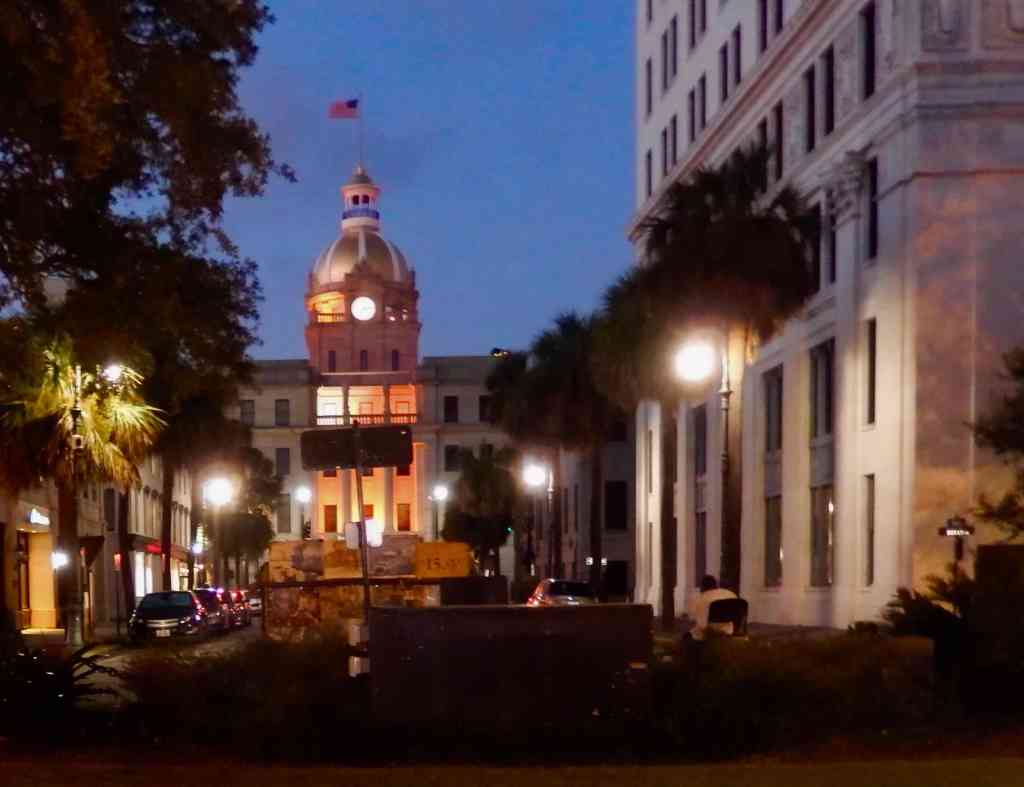
Highlights of an urban hike in this city include dozens of historic homes with many open for tours, churches, museums, art galleries and more than a few opportunities to enjoy good food with a focus on Southern cooking.

Savannah City Market

1. River St & Bay St – The Cotton Exchange Seafood Grill & Tavern, Barracuda Bob’s Bar and Grill, Bernie’s Oyster House

2. Savannah City Market – The Olde Pink House Restaurant, Vic’s On the River, Jazz’d Tapas Bar, Paula Dean’s The Lady and Sons

3. Chippewa Square – one of the most known squares in all of Savannah, right in the center of everything. There’s a lot to see and do around the square, from plays to beautiful architecture and the Forrest Gump Bench.

Forsyth Park

4. Forsyth Park – The centerpiece of this great city.

5. SCAD Savanah College of Art & Design – SCAD has a number of venues around historic Savannah from the college itself to their gallery and a theater.

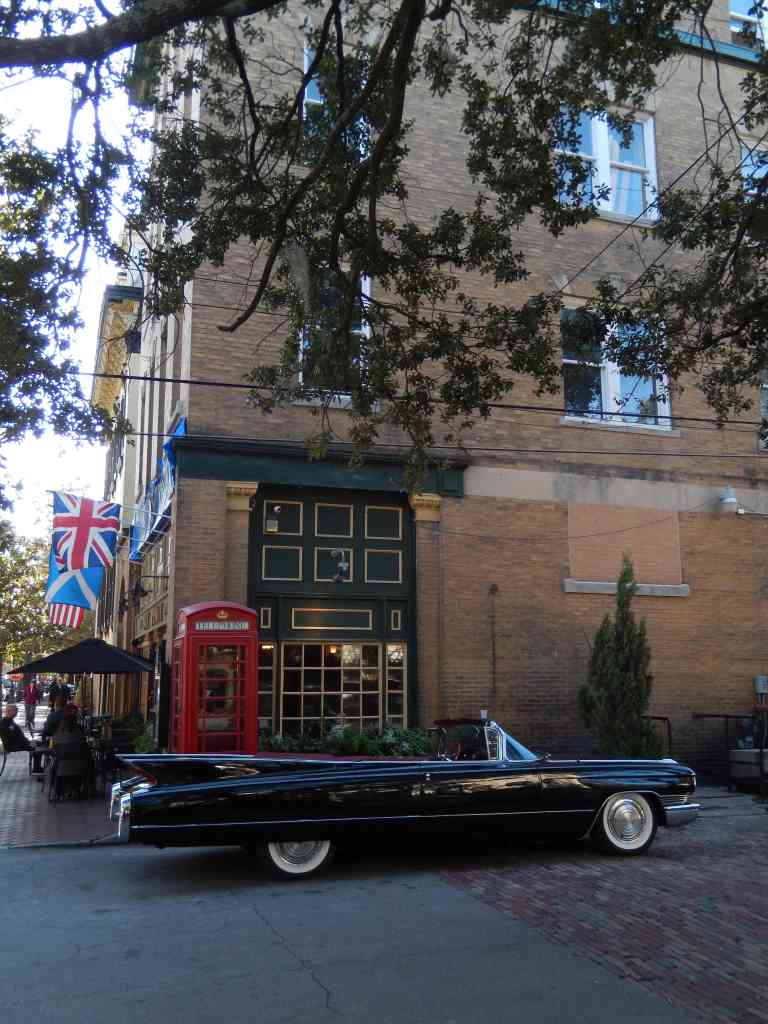
6. Six Pence Pub – Savannah has more than its share of bars, pubs and cafes with reputation for its night life.

The Six Pence

7. Andrew Low House – A 1850’s historic house owned by Andrew Low is just one of a dozen historic homes open to the public for tours in Savannah. The Low house is beautifully preserved with rooms filled with a fantastic collection of furniture and artwork. It was home to Julliette Gordon Low, founder of the Girl Scouts of America.

All maps on this page are copyright OpenStreetMap contributors.

Melk Abby, Austria

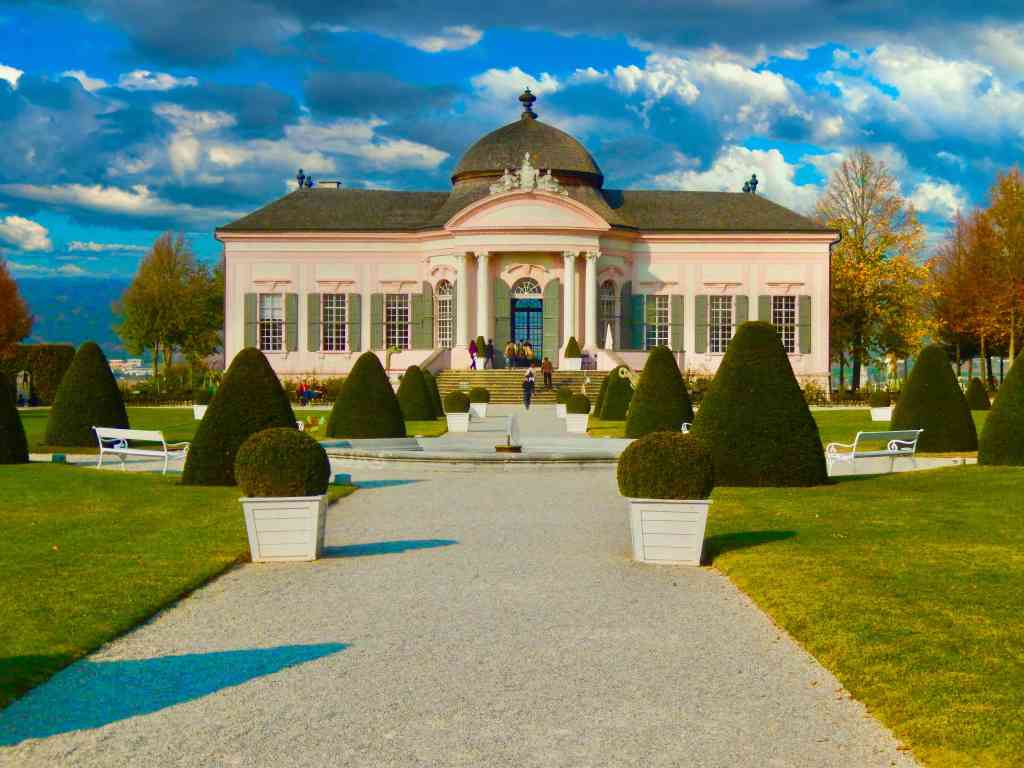
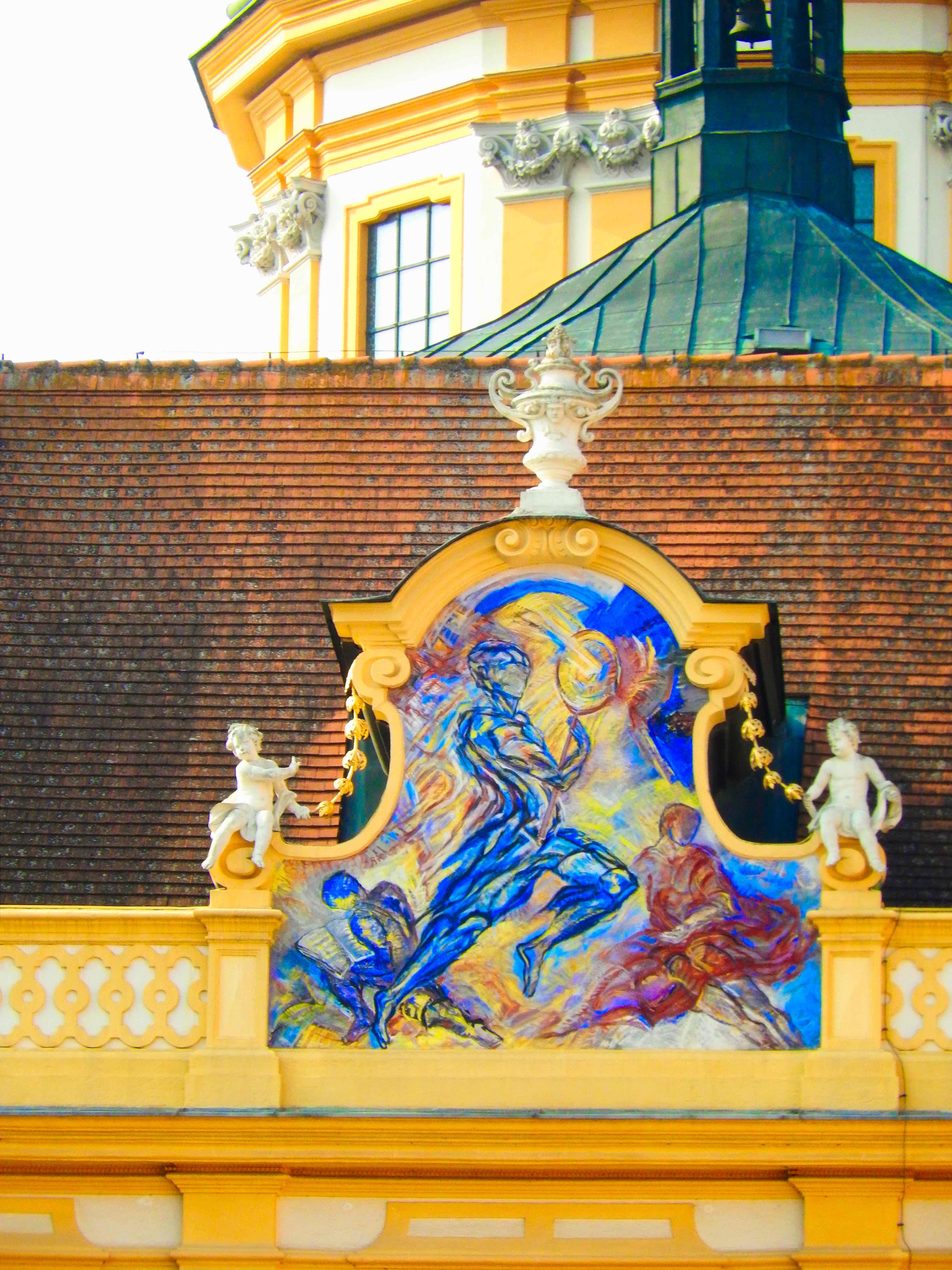
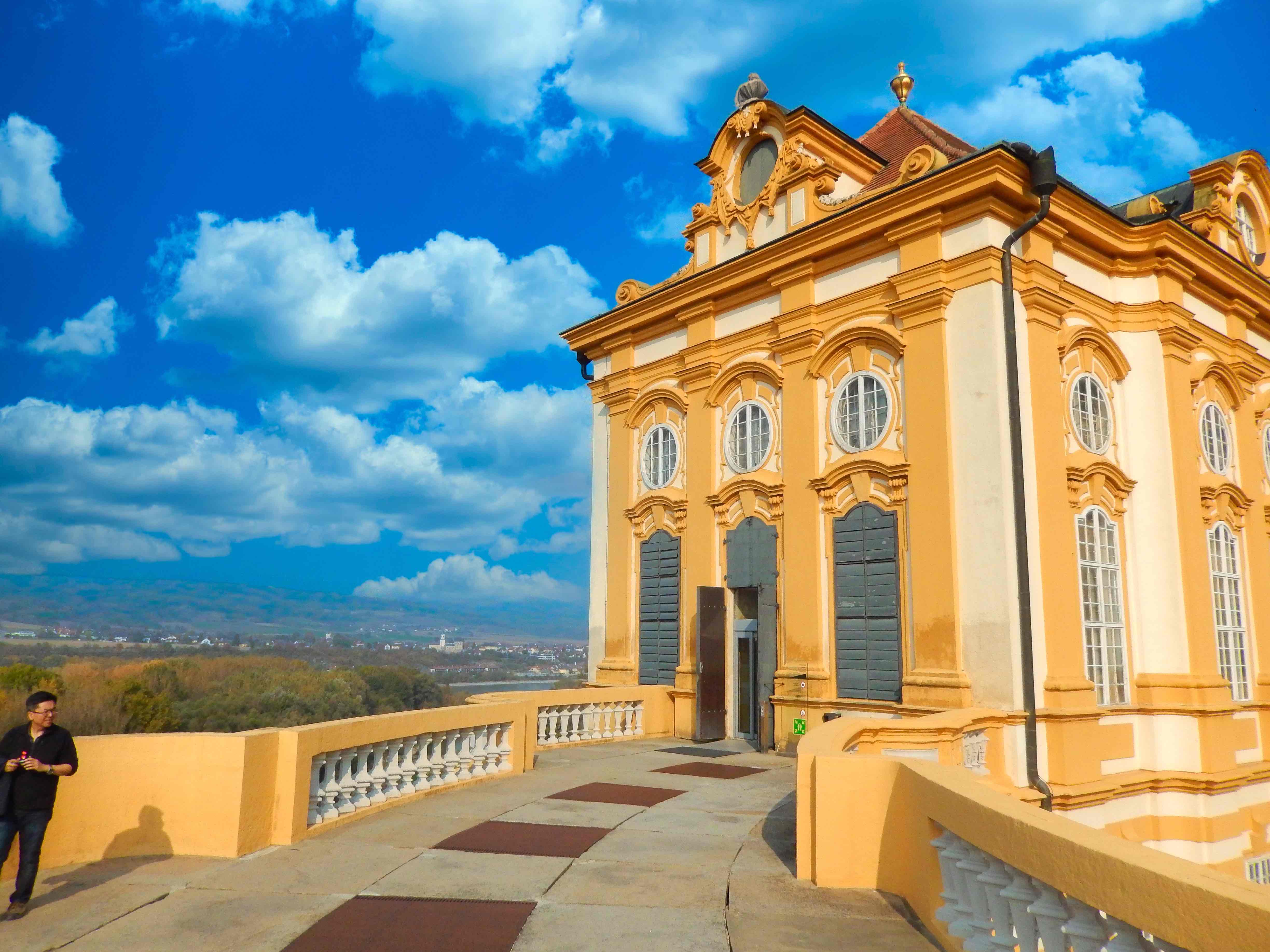
Perhaps the grandest monastery in Austria, or central Europe is the magnificent Melk Abbey. The head Abbot, Berthold Dietmayr and the architects Jakob Prandtauer and Joseph Munggenast created this masterpiece from 1701 to 1736 upon the foundations of a much older medieval monastery.

The centerpiece of the Abby is the library, with the main hall holding 16,000 volumes alone. The library ceiling is covered by a magnificent fresco by Paul Troger. From the main library room a spiral staircase leads to 12 more library rooms not open to the public, which contain more than 100,000 volumes, some of which are extremely valuable. Italian writer Umberto Eco drew inspiration from the Abby for his novel “The Name of the Rose” in which a monastic library plays a central role.

The Abby’s beautiful gardens provide breathtaking views from the semi-circular exterior terrace out over the Wachau Valley.
Budapest And The 1956 Holiday

A Time When Hungary Remembers The Revolt

From 2018 – but even more relevant today.

It’s October 23rd and we are in Budapest sitting in a restaurant*. A young couple come in and sit at the table next to us. The young lady is in her twenties, attractive and is speaking Hungarian to the waitress when she approaches. What strikes me as really odd is the young lady is wearing a white T-shirt with a picture of Vladimir Putin on the front.
What is particularly odd is this the Hungarian holiday remembering the Russian invasion of Hungary after the people revolted against the communist government in 1956. Maybe the tee celebrating Putin is fashionable with young people, but wear it on this day?

A number of questions come to mind. Have the younger generation of Hungarians forgiven the Russians for Communism and the conquest of their country following World War Two? Are they over the violent crack down when revolutionaries tried to win their freedom back ten years later? Do young people have no sense of history anymore?

I was pretty young and in elementary school at that time, but to this day it is my oldest remembrance of a real historical event. I remember vividly sitting in front of our small family black & white television watching tanks roll down city streets, machine gun fire raking buildings and Molotov cocktails bursting against the tanks. Commentators railed about recognizing a new government and claims by the Eisenhower administration that we were not in a position to engage the U.S.S.R. In that place at that time.

Years later I had a woman work for me and she and her husband fled across the boarder into Austria in early November. Her husband was a professor and was told that the government was searching for supporters of the revolt and he was in danger of going to prison. They eventually made their way to the United States. She had a number of stories about their neighborhood in Budapest and the street fighting and how terrified they were about the coming Soviet reprisals.

After dinner that night I was reading a magazine article about the anniversary of the Revolution, which is now a National holiday and how the heaviest street fighting had occurred in the Corvin area in a section called the “passage”. Less than three hours before, that is exactly where we sat as I thought about the young woman sitting next to us and that Putin T-shirt.

I am not so sure how the Hungarians feel about the Russians today but if I had to describe “micro-aggressions” and “trigger-warnings” to someone, that might be an example. I am not sure why she wore that shirt there yesterday, maybe she is a radical socialist making a statement or perhaps she was being a young cultural revolutionary and maybe it is just fashionable to wear these new icons. Looking at Budapest T-shirt shops, in 2018 Putin was a reasonably common offering. I wonder if in 2022 he’s still popular? Whatever the reason there is no way I will understand her wearing that shirt and it makes me very sad.

Since I started this website I am very conscious as to what I say. It has never been my intent to be political. I once made a mistake and posted something I thought was simply ironic but a large number of people thought it was overly neo-conservative and they told me so in no uncertain terms (probably the biggest response I ever got to a post). At this point I am becoming concerned that there are a number of people on the web searching for any unintended slight or social misstep that gives them a reason to attack, while at the same time being very ignorant of the broader culturally careless opinions they hold.

Thank you for humoring me…

An old building on a street in the Corvin neighborhood shows a number of scars from bullets along with the effects of old age.

* The restaurant was the Amici Miei, a very good Italian restaurant at Corvin sétány 1, 1082 Budapest Hungary that we would highly recommend.

A Brief History of the Revolt

The Hungarian Revolution of 1956 (also known as the Hungarian Uprising, 23 October – 10 November 1956), was a nationwide revolt against the government of the Hungarian People’s Republic (Established 1949) and the Hungarian domestic policies imposed by the USSR. In the Hungarian Uprising the Hungarian people protested against domestic policies imposed by the USSR, and the people formed together in protest against the Soviet Union.

The Hungarian Revolution began on 23 October 1956 in Budapest when university students appealed to the population to join them at the Hungarian Parliament Building to protest against the USSR’s geopolitical domination of Hungary using the Stalinist government of Mátyás Rákosi. A delegation of students entered the building of Hungarian Radio to broadcast their sixteen demands for political and economic reforms to the civil society of Hungary, but they were instead detained by security guards. When the student protestors outside the radio building demanded the release of their delegation of students, policemen from the ÁVH (Államvédelmi Hatóság) state protection authority shot and killed a number of the protestors.

After that, Hungarians organized into revolutionary militias to fight against the ÁVH; local Hungarian Communist leaders and ÁVH policemen and a number were captured and summarily killed or lynched with many anti-communist political prisoners being released and armed. To realize their political, economic, and social demands, the local councils of workers assumed control of municipal government from the Hungarian Working People’s Party (Magyar Dolgozók Pártja). The new government of Imre Nagy disbanded the ÁVH, declared the Hungarian withdrawal from the Soviet Warsaw Pact, and pledged to re-establish free elections. By the end of October the intense fighting had subsided.

After that, while initially seemingly willing to negotiate the withdrawal of the Soviet Army from Hungary, the USSR put down the Hungarian Revolution using infantry and battalions of tanks starting on 4 November 1956, and fought the Hungarian revolutionaries until 10 November; repression of the Hungarian Uprising killed about 2,500 Hungarians and 700 Soviet Army soldiers, and compelled 200,000 Hungarians to flee their country and seek political refuge abroad.