Budapest And The 1956 Holiday

A Time When Hungary Remembers The Revolt

From 2018 – but even more relevant today.

It’s October 23rd and we are in Budapest sitting in a restaurant*. A young couple come in and sit at the table next to us. The young lady is in her twenties, attractive and is speaking Hungarian to the waitress when she approaches. What strikes me as really odd is the young lady is wearing a white T-shirt with a picture of Vladimir Putin on the front.

What is particularly odd is this the Hungarian holiday remembering the Russian invasion of Hungary after the people revolted against the communist government in 1956. Maybe the tee celebrating Putin is fashionable with young people, but wear it on this day?

A number of questions come to mind. Have the younger generation of Hungarians forgiven the Russians for Communism and the conquest of their country following World War Two? Are they over the violent crack down when revolutionaries tried to win their freedom back ten years later? Do young people have no sense of history anymore?

I was pretty young and in elementary school at that time, but to this day it is my oldest remembrance of a real historical event. I remember vividly sitting in front of our small family black & white television watching tanks roll down city streets, machine gun fire raking buildings and Molotov cocktails bursting against the tanks. Commentators railed about recognizing a new government and claims by the Eisenhower administration that we were not in a position to engage the U.S.S.R. In that place at that time.

Years later I had a woman work for me and she and her husband fled across the boarder into Austria in early November. Her husband was a professor and was told that the government was searching for supporters of the revolt and he was in danger of going to prison. They eventually made their way to the United States. She had a number of stories about their neighborhood in Budapest and the street fighting and how terrified they were about the coming Soviet reprisals.

After dinner that night I was reading a magazine article about the anniversary of the Revolution, which is now a National holiday and how the heaviest street fighting had occurred in the Corvin area in a section called the “passage”. Less than three hours before, that is exactly where we sat as I thought about the young woman sitting next to us and that Putin T-shirt.

I am not so sure how the Hungarians feel about the Russians today but if I had to describe “micro-aggressions” and “trigger-warnings” to someone, that might be an example. I am not sure why she wore that shirt there yesterday, maybe she is a radical socialist making a statement or perhaps she was being a young cultural revolutionary and maybe it is just fashionable to wear these new icons. Looking at Budapest T-shirt shops, in 2018 Putin was a reasonably common offering. I wonder if in 2022 he’s still popular? Whatever the reason there is no way I will understand her wearing that shirt and it makes me very sad.

Since I started this website I am very conscious as to what I say. It has never been my intent to be political. I once made a mistake and posted something I thought was simply ironic but a large number of people thought it was overly neo-conservative and they told me so in no uncertain terms (probably the biggest response I ever got to a post). At this point I am becoming concerned that there are a number of people on the web searching for any unintended slight or social misstep that gives them a reason to attack, while at the same time being very ignorant of the broader culturally careless opinions they hold.

Thank you for humoring me…

An old building on a street in the Corvin neighborhood shows a number of scars from bullets along with the effects of old age.

* The restaurant was the Amici Miei, a very good Italian restaurant at Corvin sétány 1, 1082 Budapest Hungary that we would highly recommend.

A Brief History of the Revolt

The Hungarian Revolution of 1956 (also known as the Hungarian Uprising, 23 October – 10 November 1956), was a nationwide revolt against the government of the Hungarian People’s Republic (Established 1949) and the Hungarian domestic policies imposed by the USSR. In the Hungarian Uprising the Hungarian people protested against domestic policies imposed by the USSR, and the people formed together in protest against the Soviet Union.

The Hungarian Revolution began on 23 October 1956 in Budapest when university students appealed to the population to join them at the Hungarian Parliament Building to protest against the USSR’s geopolitical domination of Hungary using the Stalinist government of Mátyás Rákosi. A delegation of students entered the building of Hungarian Radio to broadcast their sixteen demands for political and economic reforms to the civil society of Hungary, but they were instead detained by security guards. When the student protestors outside the radio building demanded the release of their delegation of students, policemen from the ÁVH (Államvédelmi Hatóság) state protection authority shot and killed a number of the protestors.

After that, Hungarians organized into revolutionary militias to fight against the ÁVH; local Hungarian Communist leaders and ÁVH policemen and a number were captured and summarily killed or lynched with many anti-communist political prisoners being released and armed. To realize their political, economic, and social demands, the local councils of workers assumed control of municipal government from the Hungarian Working People’s Party (Magyar Dolgozók Pártja). The new government of Imre Nagy disbanded the ÁVH, declared the Hungarian withdrawal from the Soviet Warsaw Pact, and pledged to re-establish free elections. By the end of October the intense fighting had subsided.

After that, while initially seemingly willing to negotiate the withdrawal of the Soviet Army from Hungary, the USSR put down the Hungarian Revolution using infantry and battalions of tanks starting on 4 November 1956, and fought the Hungarian revolutionaries until 10 November; repression of the Hungarian Uprising killed about 2,500 Hungarians and 700 Soviet Army soldiers, and compelled 200,000 Hungarians to flee their country and seek political refuge abroad.
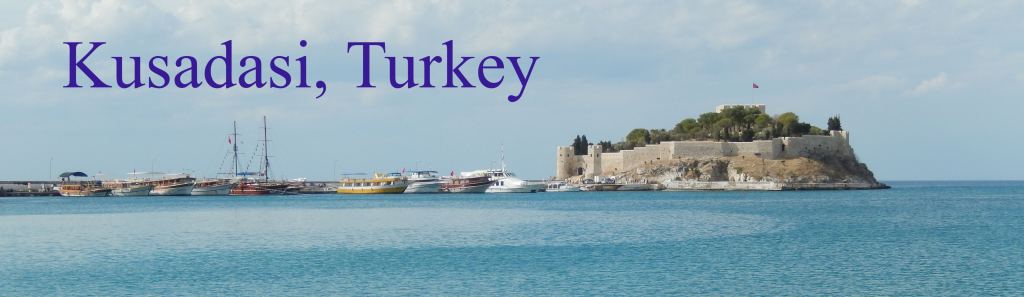
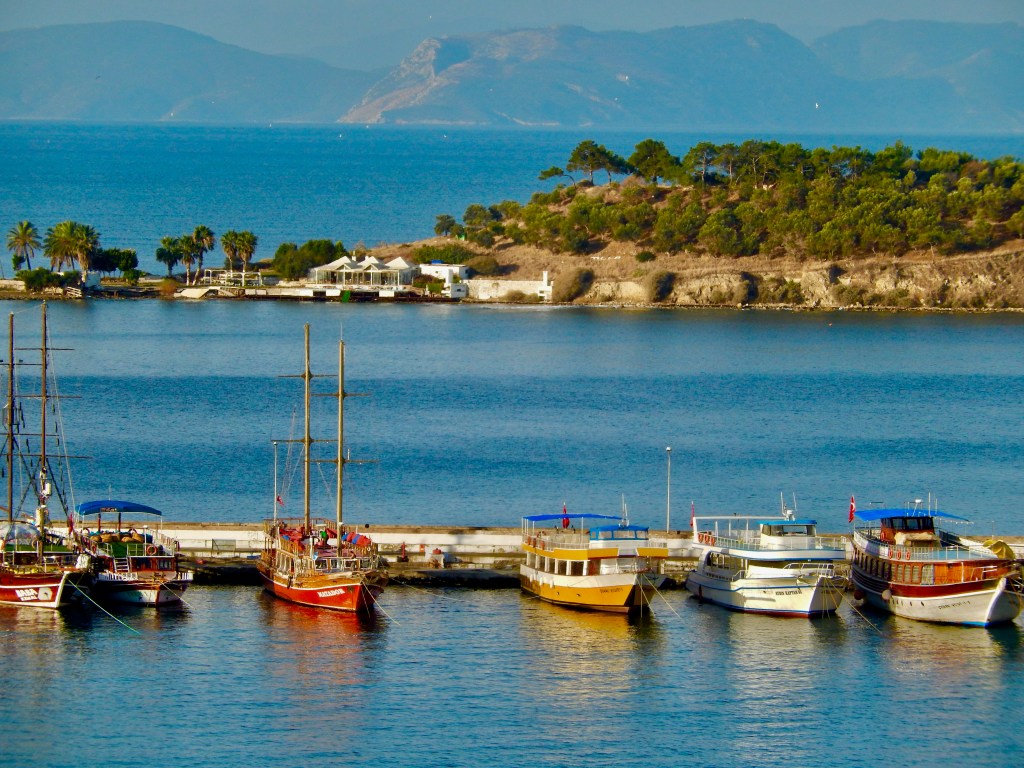
Kusadasi, Turkey • A Port Of Call

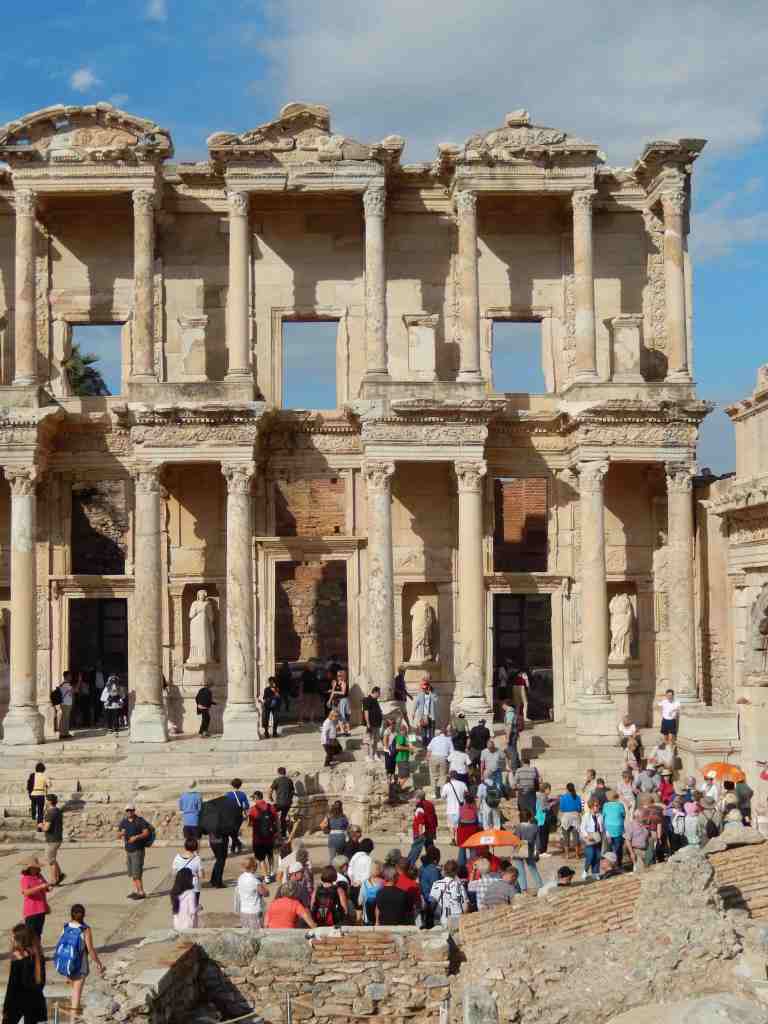
Kusadasi is a beach resort town and a favorite cruise ship destination. It is only 12 miles from the port to the ancient city of Ephesus, one of the areas major attractions. Kusadasi is considered one of the most important destination cities in the Aegean because of its important historical sites that include Ephesus and its House of the Virgin Mary, the Temple of Artemis, Seven Sleepers, Didyma, Priene, Miletos, Hierapolis – and the spa town of Pamukkale.

Kusadasi has a typical Mediterranean climate with hot summers and mild winters. Summer temperatures during the day are usually in the mid to high 90’s. The city is sunny for 300 days a year, making it a popular winter vacation destination.

Where Your Ship Docks

Cruise ships tie up at a pier near the waterfront of the city and Pigeon Island. Kusadasi is a small resort town that offers extensive shopping, nice beaches and easy access to some of the most impressive ruins in the world.

Transportation

An easy walk from the pier is Scala Nuoava Village and its bazaar for shopping that will take only a couple of minutes, it’s only 5 minutes to the nearest grocier and pharmacy, 10 minutes to Hand of Peace Statue and 15 minutes to Pigeon Island with its Güvercinada Fortress and picturesque harbor. For the most popular destinations near the port a tour is highly recommended. If you want to go off on your own there are a number of the major rental car companies near the port. Rates are usually under $25 a day.

Money

The currency is the Turkish Lira with an exchange rate of around 1 Lira to US$0.15. Credit cards are welcome at most businesses and there are ATM machines and exchange offices near the port.

Attractions

Kusadasi offers some excellent shopping bargains like Persian rugs but it is most famous for its location near some of the most significant archaeological sites in the world. It is also popular for its beautiful beaches, lively nightlife and the hospitality of its people.

The area was once the gateway to Asia from Europe and boasted one of the most prosperous cities in the region. The Greek/Roman city of Ephesus. It was visited by St. Paul and St. John and during those visits the apostles christianized the city. It is also where the Virgin Mary is believed to have spent the last years of her life.

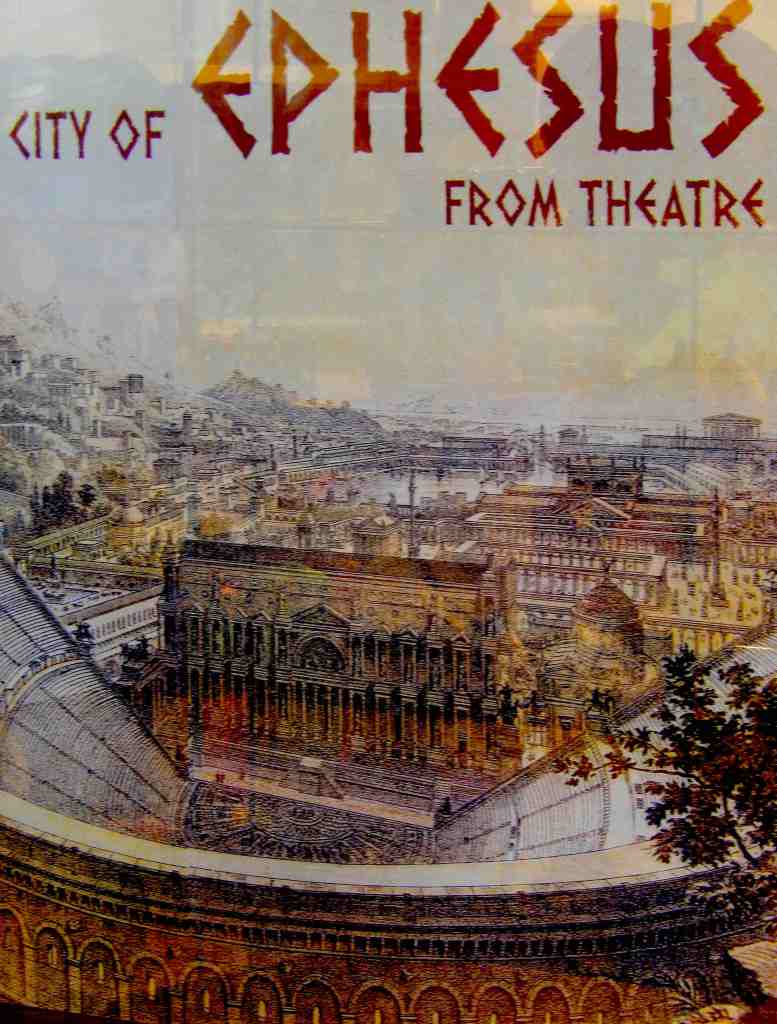
Ephesus – was an ancient Greek city on the coast. It was built in the 10th century BC by Ionian Greek colonists. The legend says that Androclos when he searched for a new Greek settlement site, he turned to the Delphi oracles for guidance. During the Classical Greek era it was one of the twelve cities of the Ionian League. The city came under the control of the Roman Republic in 129 BC.

Visit The Cruise Life Shop


House of the Virgin Mary – The house was discovered in the 19th century from the descriptions in the visions of Blessed Anne Catherine Emmerich, a Roman Catholic nun and visionary. The Catholic Church has never taken a position on the authenticity of the house, yet it still attracts a steady flow of pilgrims. Anne Catherine Emmerich was sainted by Pope John Paul II.
The Temple of Artemis was also called Artemesium, temple at Ephesus and was one of the Seven Wonders of the Ancint World. The massive temple was built by Croesus, king of Lydia, about 550 BC.
The Cave of the Seven Sleepers – In Christian and Islamic tradition, the Seven Sleepers is a story of a group of youths who hid inside the cave near the city of Ephesus around 250 AD to escape religious persecution and emerged some 300 years later looking just as they had when they entered.


Didyma Priene and Miletos – The major ruins of Didyma are located a short distance to the northwest. It sits on what in antiquity formed the Milesian Peninsula. Didyma is the most significant site in the territory of the great ancient city of Miletus. Historically the connection between Miletus and Didyma was by ship, but sediments from the Meander River silted up and closed the harbor of Miletus.
Hierapolis – Pamukkale – “Holy City” is about 50 miles west of Kusadasi and was an ancient Greek city sited on hot springs in classical Phrygia. Its ruins are adjacent to modern Pamukkale in Turkey and currently comprise an archaeological museum designated as a UNESCO World Heritage Site.

Ketchikan, Port of Call Alaska

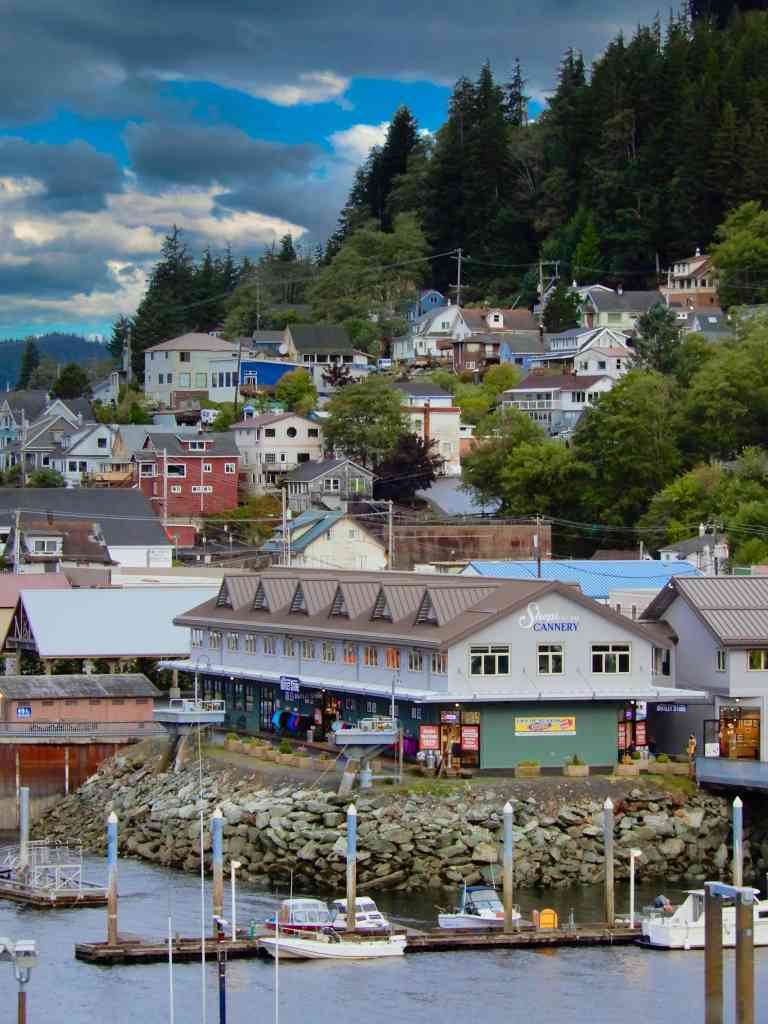
By 1936 there were seven canneries working, producing almost two million cases of salmon a season. The need for lumber fostered the Ketchikan Spruce Mills built in 1903, which operated for over 70 years. The lumber industry collapsed when the Clinton administration moved to reduce timber cutting in Alaska by having the U.S. Forest service cancel contracts for timber in March 1997 on Federal land.

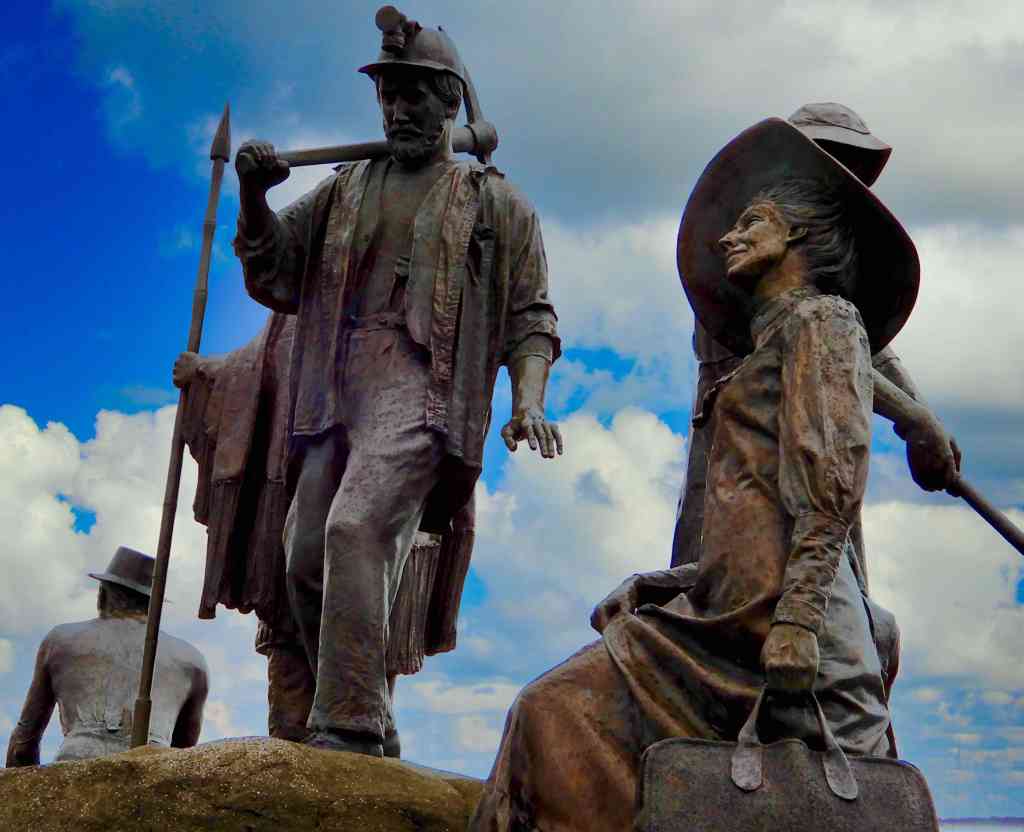
The town gets its name from the Tongass and Tlingit Indians who named their fish camp kitschk-hin, meaning stream with “thundering wings of eagles.” While Skagway attracted gold prospectors, Ketchikan was a treasure trove of abundant fish and timber that attracted American settlers to the area. In 1885, Mike Martin bought 160 acres from Chief Kyan to found the township. The first cannery was built in 1886 near the mouth of Ketchikan Creek and by 1912 four more were in operation.

Where Your Ship Docks

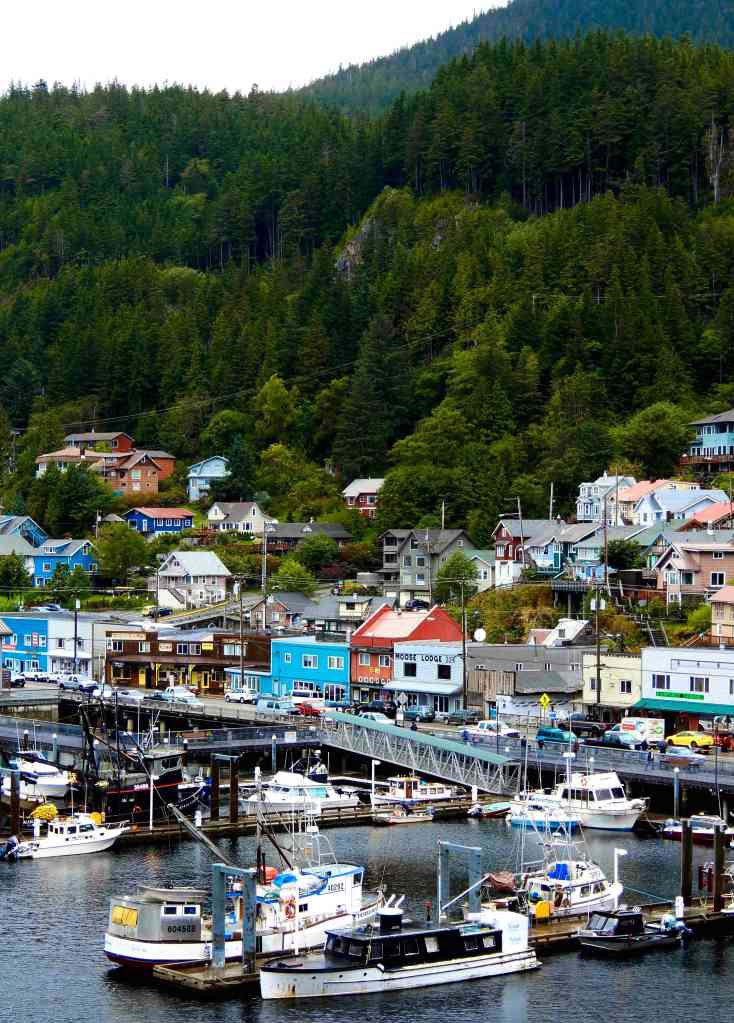
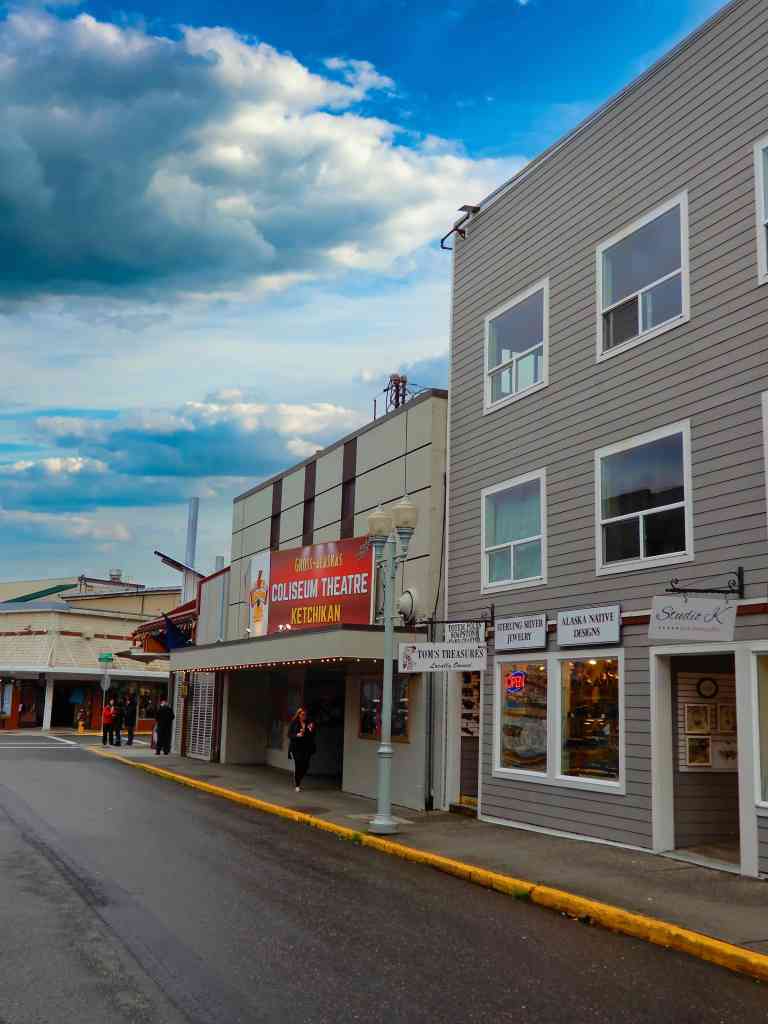
Cruise ships will normally dock at the piers right along the historic areas waterfront. A number of shops and malls nearby have public facilities. There is no terminal and disembarking requires the use of the ships boarding ramp.

Transportation

Ketchikan is a small town with the central district encompassing only a few dozen blocks. Most trips out of town involve specific nature tours by bus, car, boat or plane. The town is located on one of Alaska’s large coastal islands with most of it covered in large tracts of undeveloped forest.

Currency

Ketchikan is an American town and uses the U.S. Dollar. Credit cards are widely accepted and ATM machines are available.

Shopping offers a number of opportunities with local native crafts being the traditional gifts and souvenirs. Locally smoked and canned salmon should be on everyone’s shopping list featuring reasonable prices and being a great take-home prize.

Mountain Landscapes • A Photographic Gallery

Wilderness, amazing National Parks, incredible mountain vistas, recreational destinations for hiking, camping and climbing, and diverse mountain terranes are all part of our experiences. Here are a few of our favorite mountain destinations.

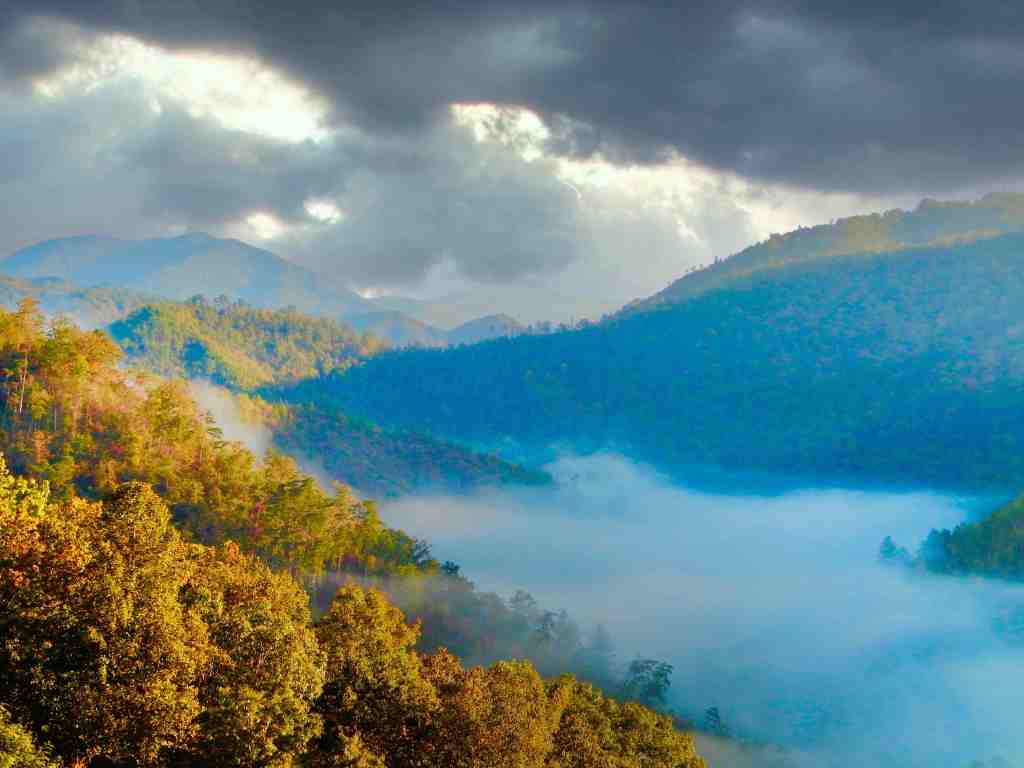
They have always been called the smokey mountains and for good reason. The mix of the climate and the old rounded mountain landscape seems to be perfect for the development of morning fog. As the mornings wear on it takes a long time for the Sun to reach into the valleys and burn off the fog. The Smokey Mountains of North Carolina.

The native Americans named these rugged peaks teewinot which was later shortened to Tetons by the Europeans. They are part of the ancestral homeland of the Shoshone people, who used the Native word teewinot meaning “many pinnacles” to describe the range. The Teton National Park is right next door to Yellowstone Park in Teton County, Wyoming.

Called The Alaska Range these mountains include Denali Mountain (formally Mount McKinely), the tallest peak in America and actually the tallest mountain in the world when measured from its base to peak top. One of the most challenging mountains to climb it attracts climbers from around the world.

It’s obvious where Australia’s Blue Mountains get their name and they are only a short train ride out of Sydney. With their incredible views, great hiking trails and nearness to a major metropolitan area they’re a favorite day trip for local residents.

Named Tierra del fuego or the “land of fire” by explorers, this end of civilization with the worlds most southern city. It is also the southern end of The Pan American Highway. Across the Beagle Channel from the Tierra del Fuego National Park is a rugged range of mountains with the tallest peak named Monte King Scott. Rarely visited with only a handful of climbers attempting the challenge.

In Antarctica due south of Tierra del fuego in South America is Paradise Bay. It sits on a peninsula its backbone being a range of rugged mountains. Because Antarctica has been so unexplored there are very few named peaks on the continent. Paradise Bay is becoming a popular destination for adventure travel expeditions and cruise ships.

Utah brags about having the most National Parks in America and Zion boasts some of the most rugged peaks as well as some of the most diverse terrain. Any planned visit to the parks of Utah should set aside several days to explore Zion National Park. One tip is to look into trail reservations with the National Park Service as some trails require them.

Utah features some of the most beautiful landscapes in America from parks like Arches, Capital Reef, Canyonlands and Bryce. Whatever time you allocate to visiting Utah parks it won’t be enough.

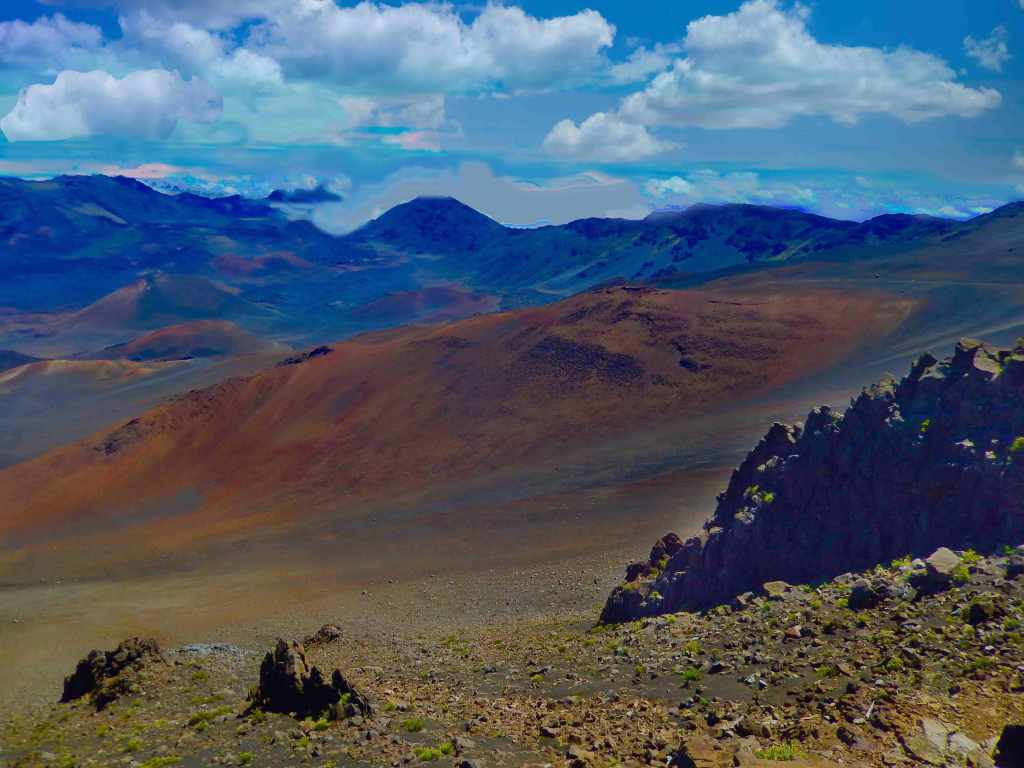
Traveling from sea level to 10,000 feet at the summit of Haleakalā is only a few miles as the crow flies but probably an hours drive switching back and fourth as you climb. The Hawaiian island of Maui is actually two volcanic cones joined by a small piece of flat land. The larger volcano to the southeast is Haleakalā featuring miles of fantastic hiking trails through a truly otherworldly landscape.

Visiting Israel’s Ports Of Call

Visiting The Cruise Ports Of Call In Israel

There are 116 miles of Mediterranean coast in western Israel stretching from Lebanon in the north to the Gaza Strip in the south. The two major ports of call for cruise ships are Ashdod just north of Gaza and Haifa another 70 miles north. Ashdod is within a short drive of Tel Aviv and usually the port for tours to Jerusalem, Bethlehem and surrounding areas while the port of Haifa is near to Acre the stronghold of the Christian Crusaders.

Tel Aviv

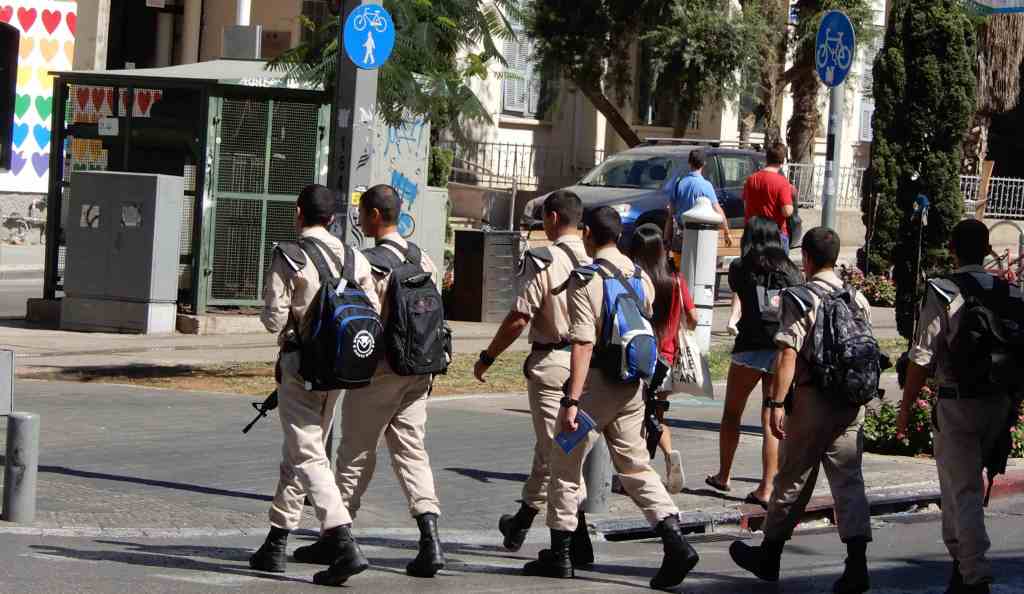
Due to the conflict and the geo-politics involving Israel and the region, security has to be a concern. Israel works very hard at keeping their cities safe providing protection to its visitors and most travel experts strongly recommend traveling in organized tours while visiting.

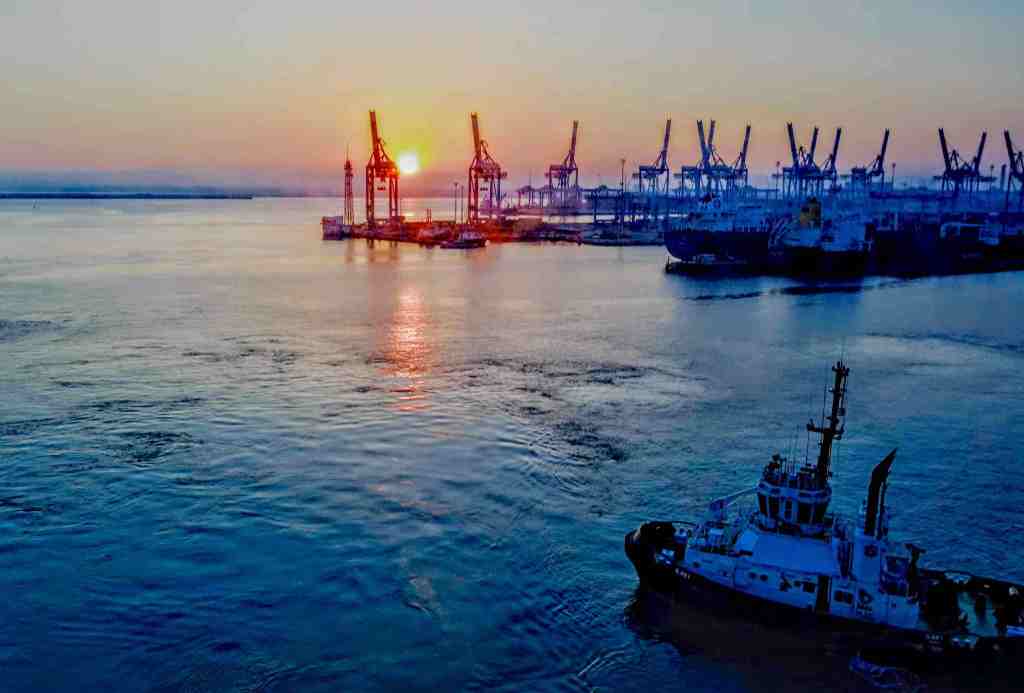
Where Your Ship Docks – Both of these ports are very similar as far as docking locations and facilities. They are both working industrial ports situated some distance from city centers which makes walking out and access to public transportation difficult or just not an option. There are no easy-access public facilities.

Transportation – Because of security and the distances involved in traveling from a port it is probably best to stay with the cruise ships tours. There are often drop-off pick-up tours to places like Tel Aviv where you can explore on your own.

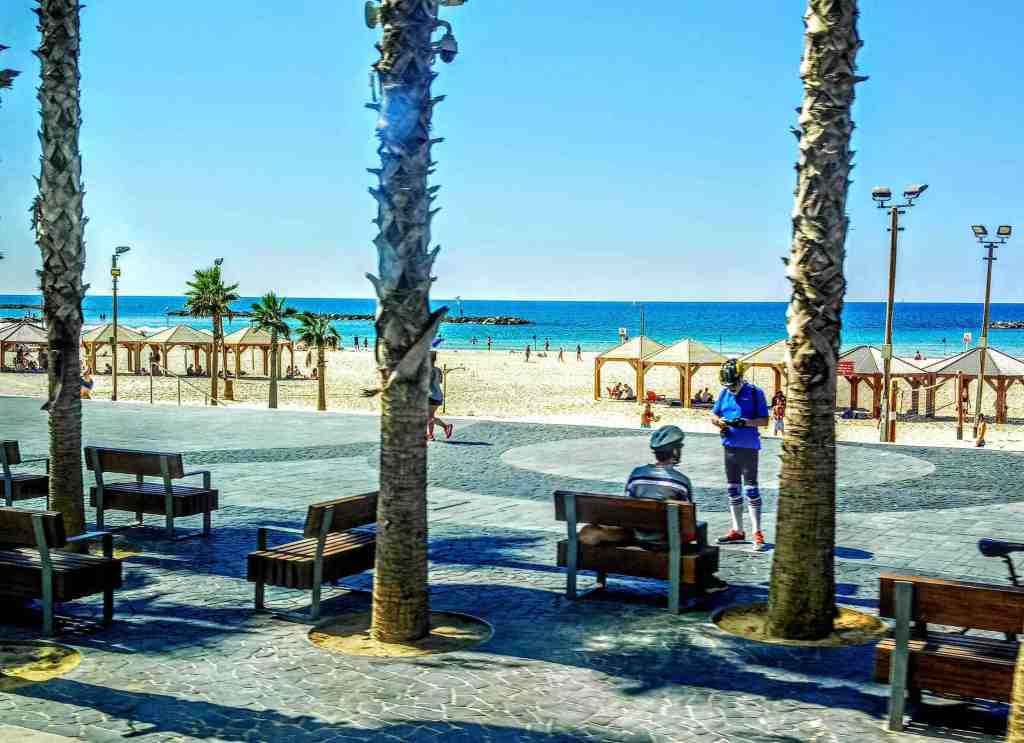
Beach at Tel Aviv

Taxis in Israel are common and a good choice in getting around. Israeli taxis by Western standards are inexpensive and are usually readily available, safe with modern cars, and friendly drivers. Within cities, drivers must use the meter unless you agree to a fixed fare and inter-city taxis have fixed fares for specific destinations. Be aware there are surcharges for calling a taxi (5 NIS approx), for luggage (4.6 NIS each). Night rates usually have a 25% surcharge, and there is a starting fare of NIS 11 in cities. There is usually an additional surcharge for Sabbath hours.

Money – 1 US Dollar = 3.42 New Israeli Sheqels. You will need to exchange some currency but major bank credit and debit cards are widely welcome.

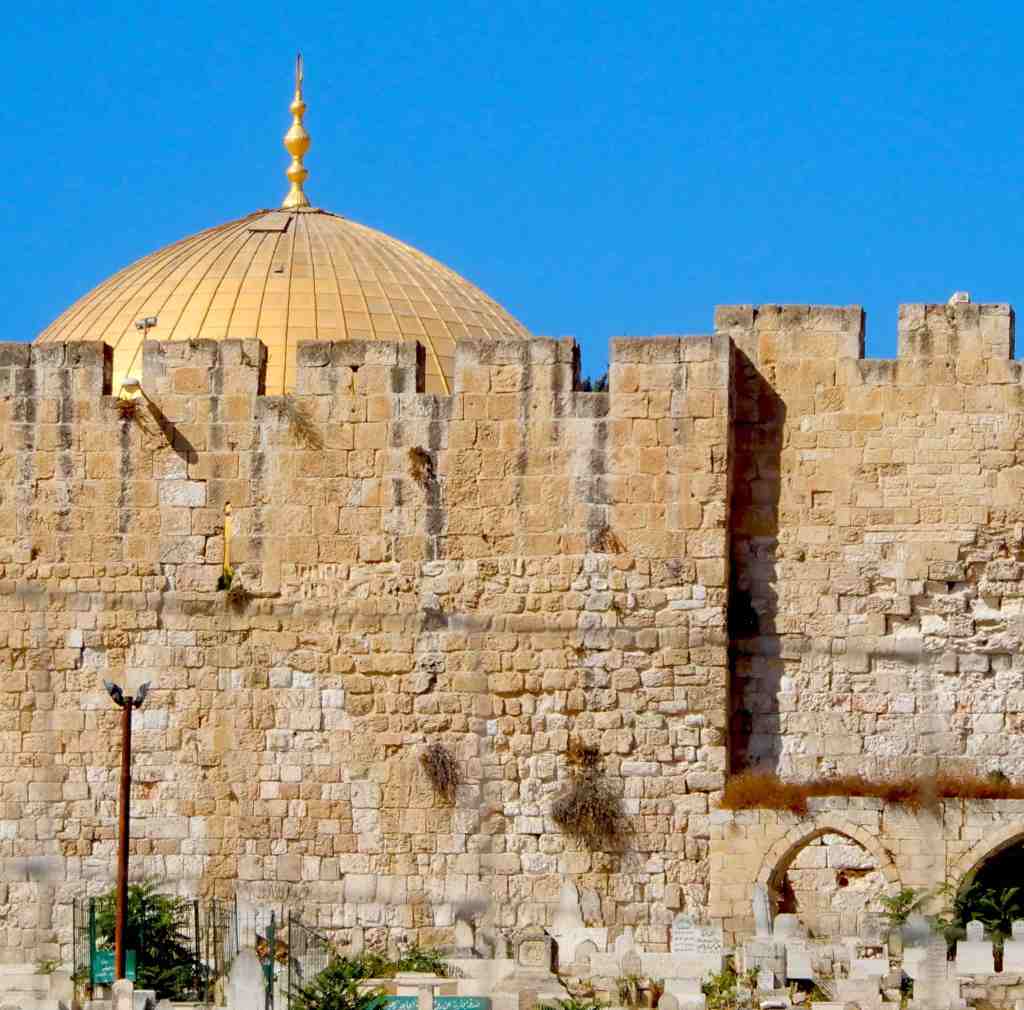
Jerusalem

What To See and Do:

The Port of Ashdod – This port of call is the most convenient for visiting historic Jerusalem and is usually the primary focus of most passengers. There will usually be dozens of tours available to the historic city along with more to surrounding sites like, Bethlehem, the Dead Sea, Masada and the Jordon Valley.

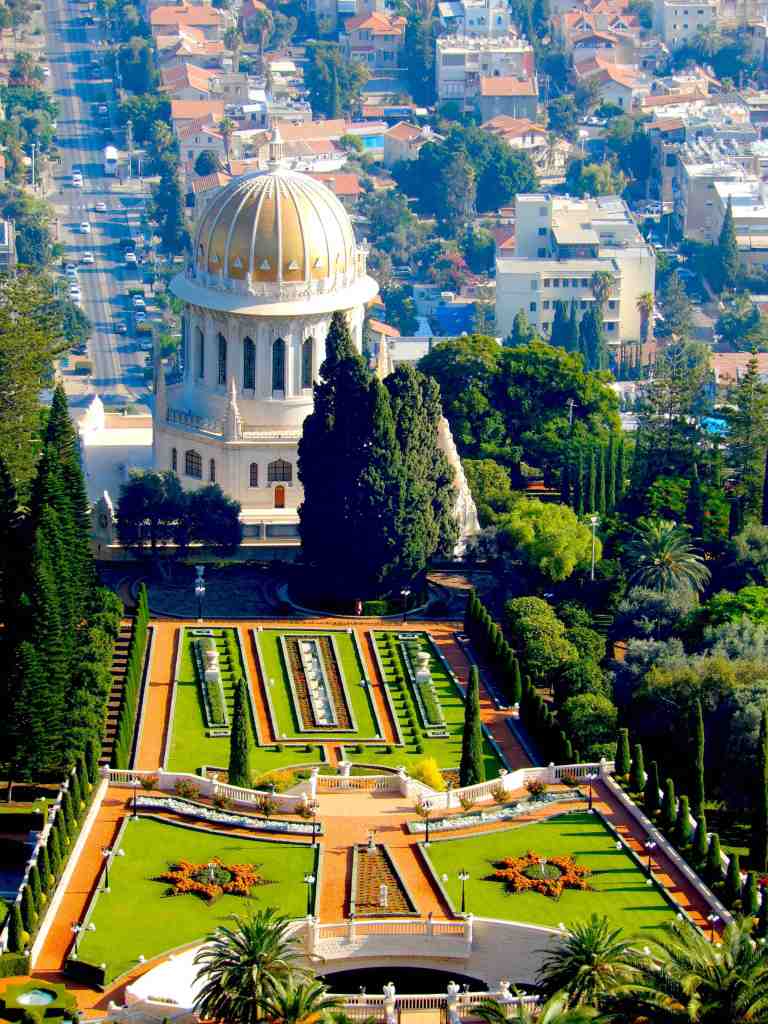
The Baha’i Gardens

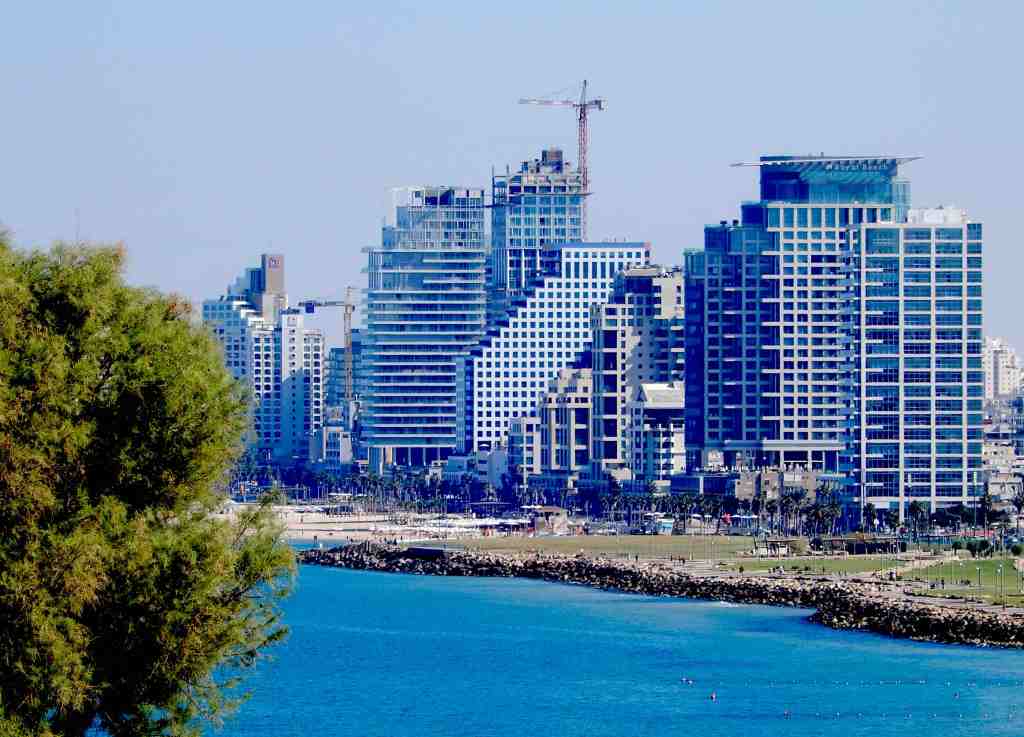
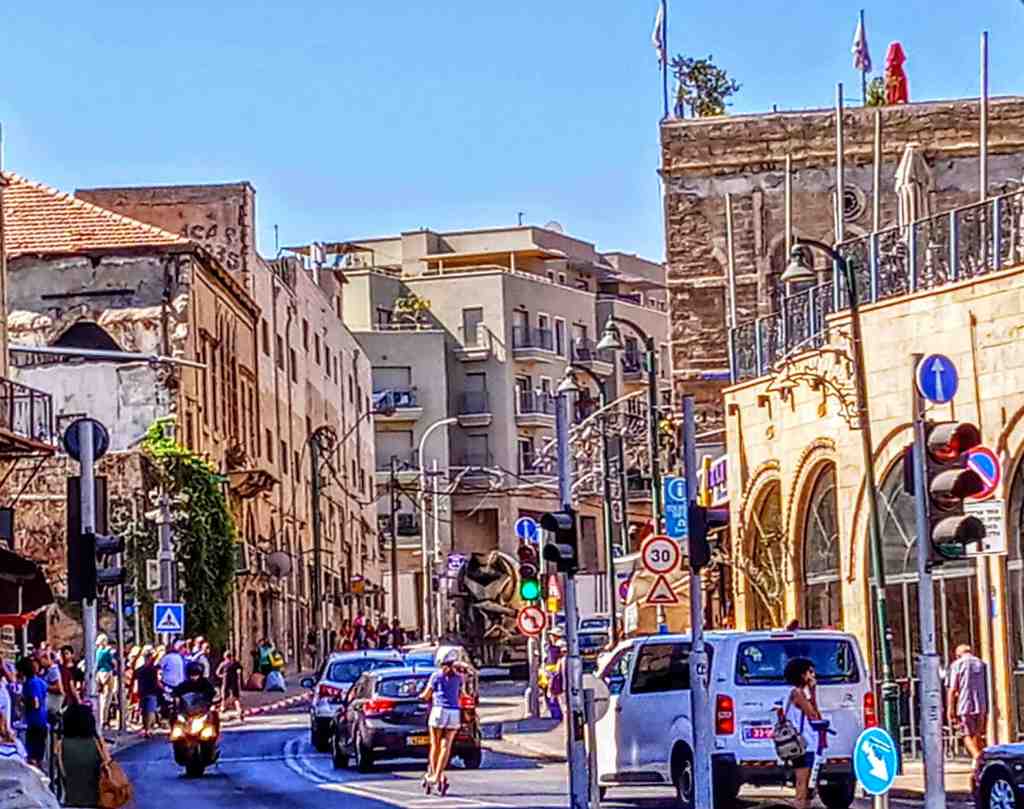
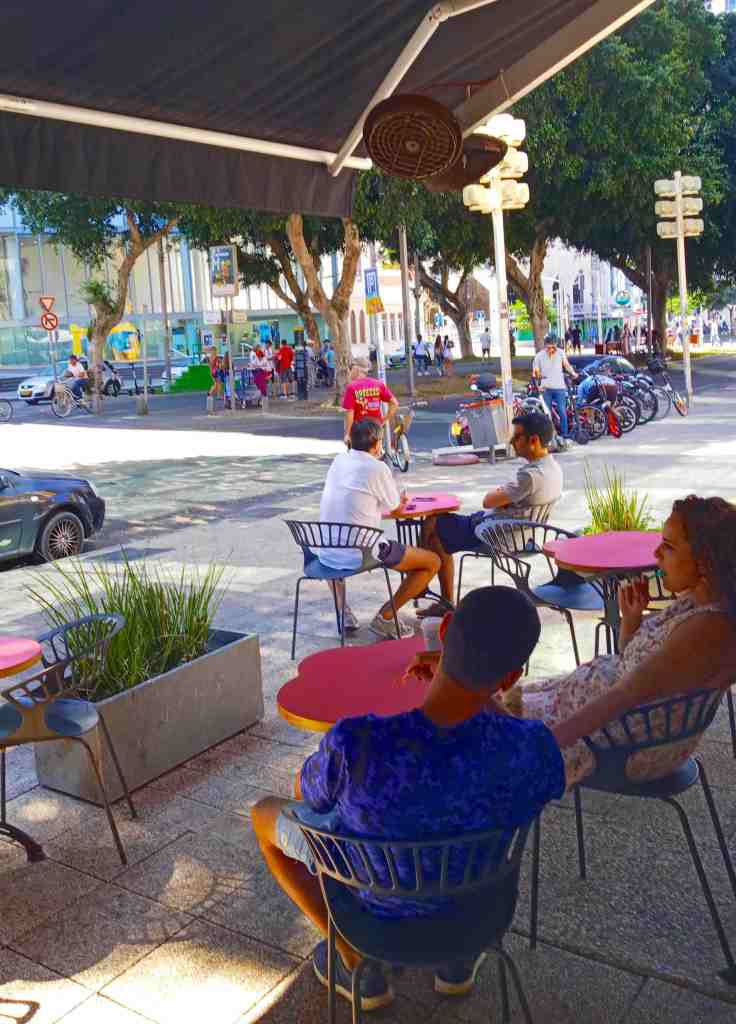
Less than twenty miles north of the port of Ashdod is Tel Aviv and Jaffa. If you can fit in the time, a day trip up the coast is well worth the effort to see the real Israel. Tel Aviv is a remarkable, modern city with beautiful beaches and incredible skyscrapers. Its wide avenues are lined with shops and parks and outdoor cafes invite sitting and people watching. Jaffa to the south has the character of a beach resort with a number of nice restaurants, a seaside walk and protected harbor. Above Jaffa is a historic neighborhood with art galleries, a beautiful park and views up the coast of Tel Aviv beaches and skyline.

Port of Haifa

HaifaThe Baha’i Gardens extending from the summit of Mount Carmel along the northwestern slope of the mountain. In total the 19 terraces and more than 1,500 steps drop down towards Haifa port. The Baháʼí Faith is a religion teaching the essential worth of all religions and was established by Baháʼu’lláh in 1863 in Persia.

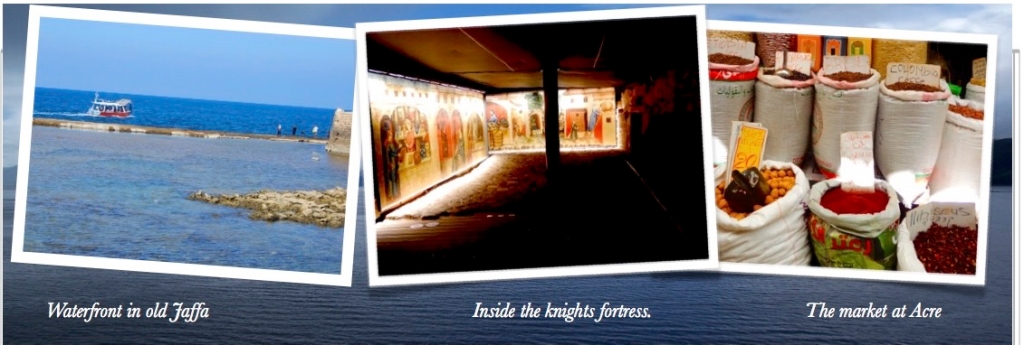
Twelve miles north of the port is Acre, the fortified town and home to Crusaders fighting to open Jerusalem to Christian pilgrims from the eleventh to sixteenth centuries. Famous for the Siege of Acre, 1189-91 which was the first major battle of the Third Crusade. The siege involved a mixed force of European armies led by Richard the Lionheart of England against the Muslim army of Saladin. A remarkable experience with its passageways and halls. Outside the fort is an interesting marketplace and a protected harbor area.

116 miles of Mediterranean coast in western Israel stretchs from Lebanon in the north to Gaza in the south. The two major ports of call for cruise ships are Ashdod just north of Gaza and Haifa another 70 miles north.

Tel Aviv ice cream parlor
download a copy of this page

Todays Featured Street Art • Tahiti

Street Art in Tahiti. Often it’s difficult to see the message or even put a name to the creation but there are a number of street artists at work in Papeete. Soon available in giclée prints in several sizes, custom printed for each individual order on archival, museum grade paper using fade resistant inks.

Drop by regularly as we offer up street art treasures and interesting graffiti from cities around the globe. Celebrate a world of travel captured in images selected for their creativity.

Please Help – We would really appreciate your input. While we’re still working out the details of offering our Travel Prints from The Intentional Traveler’s home website the overall response has been very encouraging from our online store. Printing street art has always been of interest as a decorative art form and we would love to hear your thoughts?

Let’s Stay In Touch – We know that subscribing to yet another email list is the last thing you want to do, but we promise to make this worth your while. Give us a try and see what we have to offer.