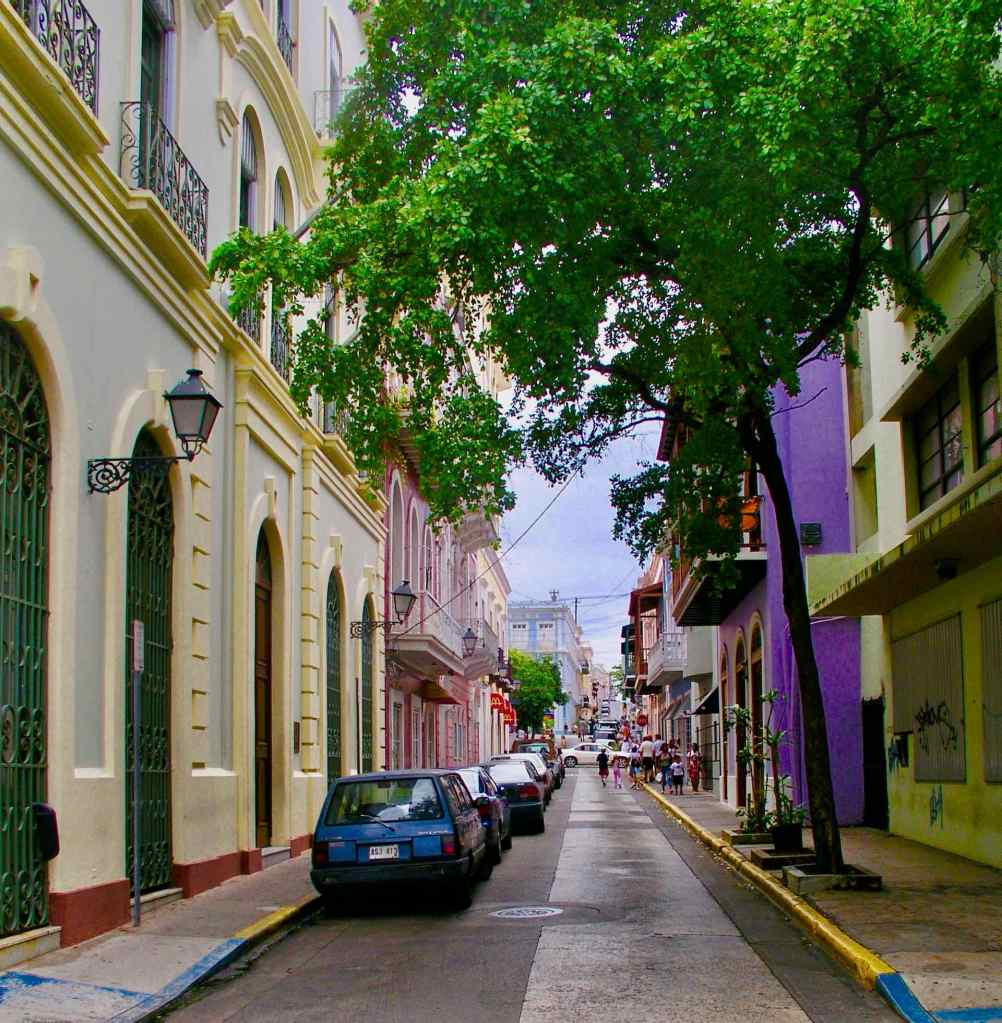
In the Caribbean there are a couple of cruise departure locations but the Caribbean’s busiest cruise port is San Juan Puerto Rico. This port provides a large natural harbor and perhaps the largest international airport in the region. San Juan is a big metropolitan area with beaches, resort hotels and casinos but the focus for most visitors is Old San Juan. Located just a short walk uphill from the cruise ship piers, it is a great destination to spend some time exploring
Puerto Rico is an American possession and while there have been a number of movements for independence the Puerto Ricans seem to be happy with the status quo. Unfortunately in the last couple of years this island has been seriously impacted by a devastating category 5 hurricane and more recently a series of earthquakes. We’ve been in and out of San Juan a couple of times since and the signs of rebuilding and repairing are everywhere.
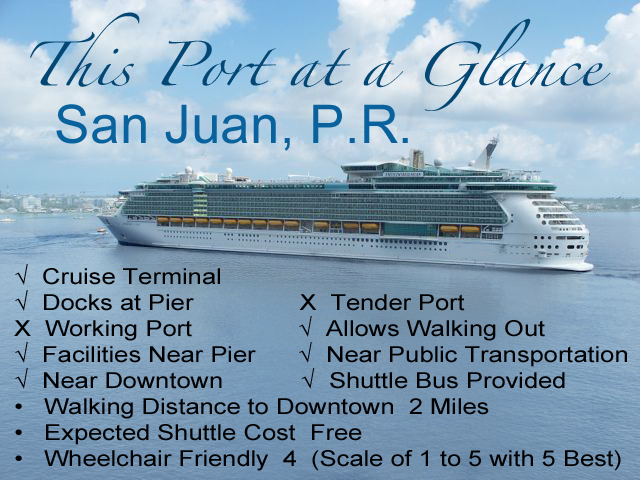
Where Your Ship Docks – Cruise ships usually dock at one of three piers along a strip on the harbor side of historic Old San Juan. The three piers have passenger terminals with a number of shops, cafes and restaurants across the street on the waterfront. There are no issues with walking in and out of your cruises terminal and taxis are readily available.
Wheelchair Accessibility
Disembarking – This port has a cruise terminal with built-in provisions for passengers using wheelchairs like ramps and elevators.
Port Area Characteristics – This port has an average wheelchair infrastructure typical of large cities. The port area has moderate inclines in sidewalks. Intersection crosswalks may have curbs or other wheelchair obstacles. Old San Juan does have some hillsand narrow sidewalks but generally no curbs at intersections.
Transportation – San Juan provides a free trolly that goes to the Old San Juan city center. If you are going to be spending a day or two in San Juan and want to see the countryside a rental car is probably your best choice. Rates range from $30 to $50 a day. Taxis are readily available and a trip to the airport from the cruise piers should run about $25 – $30.
Currency – They use the U.S. Dollar and major credit and debit cards are welcome. ATMs are also plentiful.
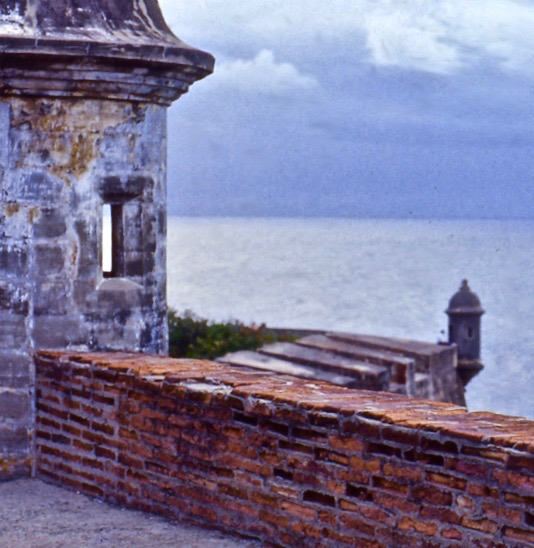
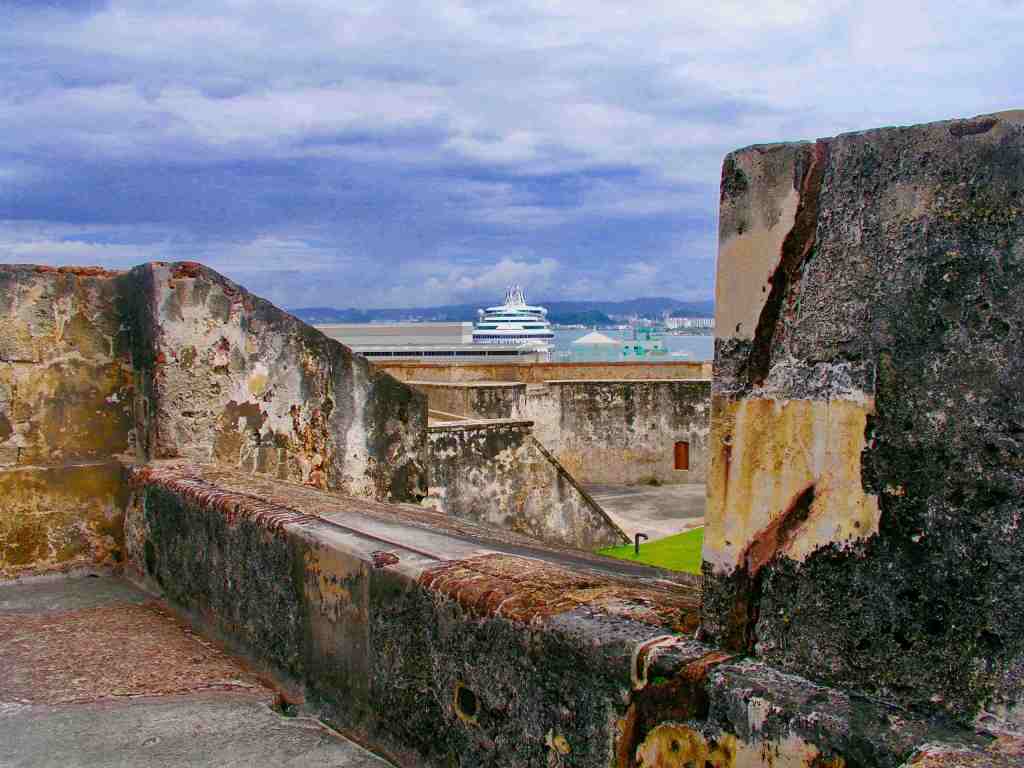
Attractions – The old city is the big attraction – use the free trolly to spend time visiting Old San Juan’s incredible fortifications and the historic town itself. There’s plenty of interesting shops to explore along with bars, cafes and restaurants. There are also a couple of Puerto Rican rum distilleries that provide visitor tours as well.
History – San Juan is one of the most fortified ports in the Caribbean dating as far back as the early sixteenth century. In 1508, Ponce de León founded the original settlement, Caparra on the island. In 1521, the settlement was abandoned and moved to a site which was called at the time “Puerto Rico” (meaning “rich port”). Constructed in 1521, Casa Blanca served as the first fortification of the new settlement and was residence of Ponce de León descendants. La Fortaleza was built in 1533, followed by the construction of a battery at “the Morro” overlooking the protected harbor. Plans for the castle portion of San Felipe del Morro were made in 1584. Extensions to the Morro, plus construction of El Cañuelo, and El Boquerón, were begun in 1599 and the complete fortification of the city began in 1630 and was concluded by 1641. The addition San Cristobal fort was completed by 1771.
Old San Juan National Historic Site was established in 1949 to preserve historic fortifications in Old San Juan. The historic site was added to the National Register of Historic Places in 1966 and La Fortaleza along with the San Juan National Historic Site were then declared a World Heritage Site by UNESCO. Thanks to a number of groups working to preserve the Old Town, today it represents one of the largest examples of Spanish colonial towns anywhere in the New World today.
What to expect on your port days in San Juan, Puerto Rico, the heart of the Caribbean. Where your ship docks, getting around, historic forts, Spanish colonial architecture, food and culture.
Summer is the major cruising season in the Mediterranean and the major cruise lines are well established in the market and offer a wide variety of itineraries. There are a number of similarities in most itineraries with the two main embarkation ports being Barcelona and the port for Rome, Civitavecchia. Venice, Italy is another popular embarkation port with some cruises to the eastern Mediterranean sail out of Piraeus, the seaport of Athens, Greece. Itineraries vary in length with cruises of around seven days usually including four or five ports of call, those of nine to eleven days make six to eight stops and fourteen day itineraries calling up to ten ports of call.
Locations of 25 of the Mediterranean’s most popular ports of call
Dobrovnik
Cruises from Barcelona often stop at a series of ports east along the coast that usually include Villefranche-sur-Mer on the French Riviera, located near to Nice and Monte Carlo. Favorite Italian ports visited include Rome/Civitavecchia, Naples and Venice (see below), with Venice often being an overnight visit . Additional popular ports include Livorno, for its proximity to Pisa and Florence, along with Genoa on the west coast and Ravenna on the east coast.
Kotor
Most cruises out of Rome/Civitavecchia go south and cruise around the Italian boot passing through the Straights of Messina. Popular destinations on shorter cruises (6 to 8 days) include Naples, Venice, Dobrovnik, Kotor in Montinegro, the Greek island of Corfu and Malta. Longer cruises can add Messina, the Greek islands of Mykonos and Santorini, Ephesus, Turkey and Athens.
There are also Rome itineraries that sail west and often include Livorno, Villefranche, Provence in France, with stops in the Spanish ports of Barcelona, Cartagena, Malaga or Palma de Mallorca and at times Gibraltar.
With the popularity of cruising growing there are more and more returning passengers. The cruise companies are always looking to add new ports as an enticement to get them to cruise again. For that reason there are always differences and surprises in searching itineraries so look for one that hits your “must see” destinations.
Santorini
There are some important things you need to consider when planning how you are going to get the most out of your cruise port visits. For most ports of call visits have a serious time limit and if you go off on your own you cannot be late returning to your ship. The ship just won’t normally wait for you. If you take a cruise sponsored tour the ship is obligated to get you and your fellow passengers back on board before sailing. That doesn’t mean that you are locked into taking only sponsored tours but you need to plan and allocate extra time getting back to the ship.
Corfu
When making your plans there are a few ports that many people put high up on their list to visit when they decide to cruise the Mediterranean. Here we offer a few highlights along with ideas on getting the most from those all-to-brief stops.
Florence
Livorno with trips to Pisa and Florence – You can easily take a train from Livorno Centrale to Florence Santa Maria Novella for €6 and €14 per person one way. You do have to get from the pier to the train station but most cruises offer a shuttle service at a reasonable price into town center. In Livorno you can also buy a combination round-trip ticket that includes the train tickets and a bus to the train station that can be purchased at many convenience shops. The trip takes about one and a half hours and trains run about every half hour. In Florence from Santa Maria Novella you can walk into the historic district in only a few blocks. You can get to Pisa in much the same way but the train trip is only twenty minutes with a moderate walk to the Cathedral and old city walls.
Civitavecchia’s port
Rome
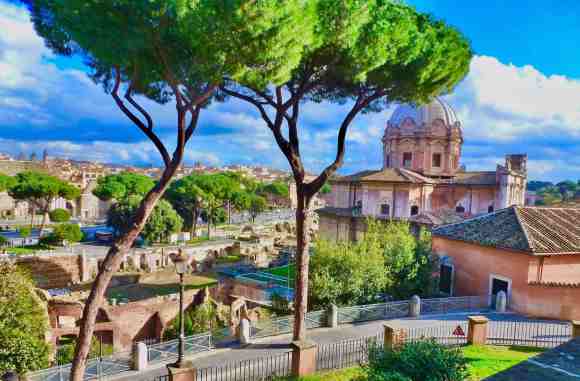
Civitavecchia / Rome – This is a city that everyone should make an effort to visit. From the buildings of the ancient Roman Empire to the Vatican there are days worth of sightseeing to be experienced. There is good information on seeing Rome in one day HERE.
You can find a good article on getting into Rome HERE. In Civitavecchia the train station is a moderate walk along the waterfront from the port and a train to S. Pietro station (Vatican City) takes about 40 minutes. Fares start at €5 per person one way on the commuter trains and up to €20 round trip using regional trains. There is a manned ticket booth at the Civitavecchia station along with automated vending machines. A round-trip bus booked through the ship will cost over €80 and take about two hours depending on traffic.
Barcelona
Barcelona -Barcelona is one of the two largest cruise ports in the Mediterranean and is used as an embarkation port as well as a popular port of call. The city is a modern and historic place with a number of iconic neighborhoods and attractions. If you are cruising out of Barcelona do not miss the opportunity to spend a couple of extra days visiting this vibrant city.
There are 3 cruise terminals at the World Trade Centre pier called North, South and East terminals and are much closer to the Columbus Monument on the waterfront at La Rambla.
The third terminal is Sant Bertrand, and it to is near the World Trade Center (refer to our cruise terminal map). Sant Bertrand is usually used for ferries to the Balearic Islands.
Palma
Transportation – The T3 PORTBUS (the “Blue Bus”) runs a circuit from all cruise port terminals to the monument of Christopher Columbus. The tickets for the T3 need to be purchased with cash on the bus itself. Single ticket: €3.00, with Return ticket: €4.00. Many of the cruise ships also provide a shuttle bus to their passengers for free or a small charge (usually about $5 to $8). Getting to the Gothic Quarter by
taxi from the port is normally less than 10 minutes with a fare of about €20.00. A Taxi to Barcelona airport from the cruise port should take about 25 minutes with a fare: of €30.00 – €35.00.
,Barcelona is a city steeped in culture and history and many think it is the city itself that is the main attraction. From great food to an exciting night life, from the old Gothic quarter to the modern shopping districts this is truly a remarkable city. The Gothic Cathedral in the heart of the Gothic quarter is a must-see as is a walk up Las Ramblas, a wide boulevard starting at the waterfront featuring outdoor cafes, restaurants and shops. Make sure to save time to explore the winding side streets with more shops and restaurants. There are also a number of great museums in the city. The MACBA (museum of modern art) and the CCCB next door are worth an hour or two. The Picasso and the permanent Dalí exhibition in the Gothic Quarter are always worth a visit. The Caixa Forum is a museum which has different art exhibitions every month. It is just off Plaça Espanya, on Avenida Marques.
Venice – Cruise ships dock at the cities cruise port and most ships offer water shuttles into the area near Piazza San Marco. That’s a good option but you can also walk out of the port. With a good map or phone app you can navigate through the city and reach the Piazza in only about a mile and a half through a number of interesting neighborhoods.
Naples – This city is near to the ruins of the Roman city Pompeii and well worth the time , but Naples is also not far from the Amalfi coast. There are frequent Trains from Naples to the Amalfi Coast. To get from Naples to Salerno, you can take one of Trenitalia’s Alta Velocità (AV) trains from Napoli Centrale station. The trip is about 30 miles and there are also InterCity and Regionale trains serving this route, with over three dozen trains a day costing €5 each way. From the Positino station it is a good idea to know where you want to visit and take a taxi but this is still an easy day trip.
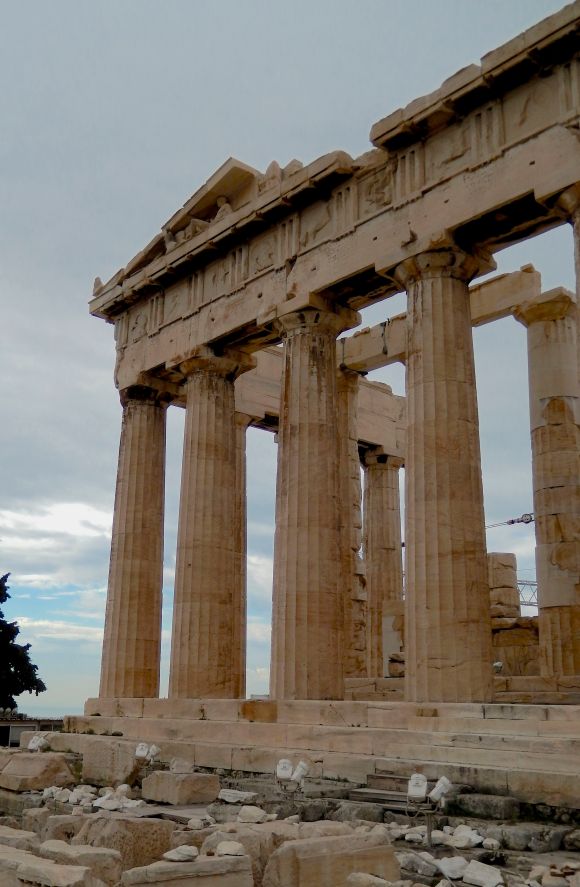
Piraeus and Athens – You can find a good piece on Piraeus HERE. The main attraction is the Acropolis in Athens and it’s well worth a day if this is your first visit. If you wold like to save a good amount over the cruise tours you can use the metro to travel from Piraeus to central Athens. A trip to Athens using the metro costs less than €1. Also a free shuttle bus usually operates in the port taking passengers from the ships to the metro station. Visiting the Acropolis has a general admission €10 and hours vary by season and day of the week. You should also expect a good uphill climb to reach the top but the is an elevator fro people with disabilities.
Villefranche-sur-Mer – You can find a good piece on Villefranche HERE. Less than a half mile around the waterfront is the train station where you can catch frequent trains to Monte Carlo, Nice or Cannes. They run about every twenty minutes and a trip to Monte Carlo takes only fifteen minutes and costs usually under €7.00. So before you sign up for that expensive tour consider some exploring on your own.
** Recently Venice has halted the larger cruise ships from entering port. Some itinerary changes are substituting Ravenna offering day trips to Venice.
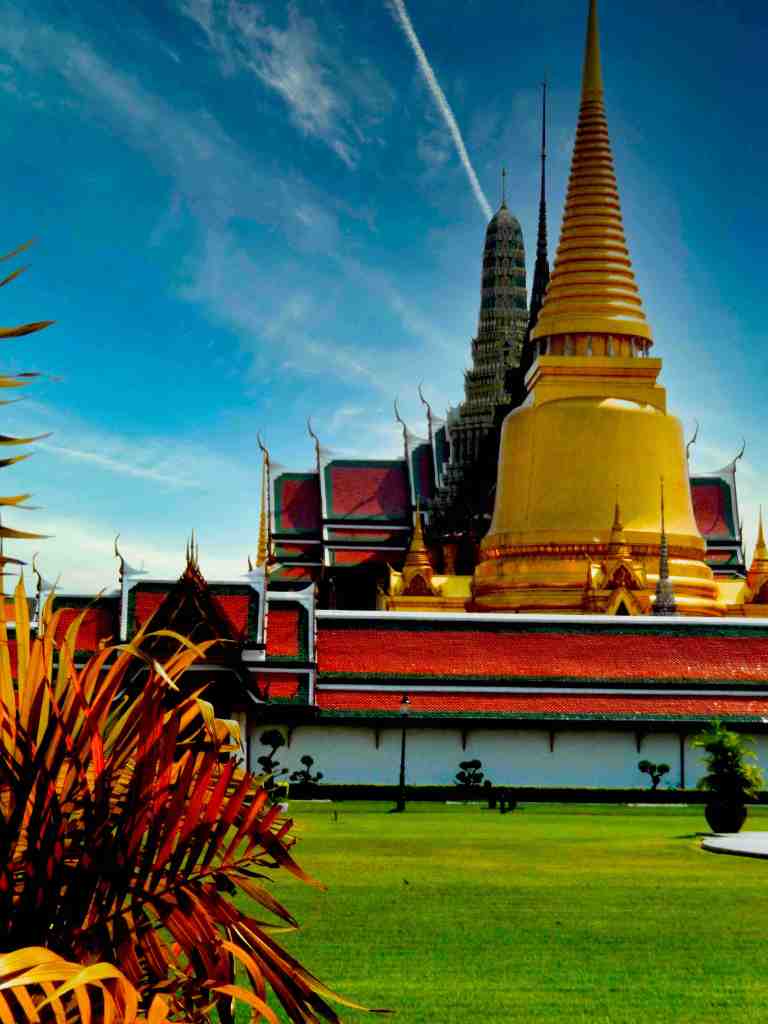
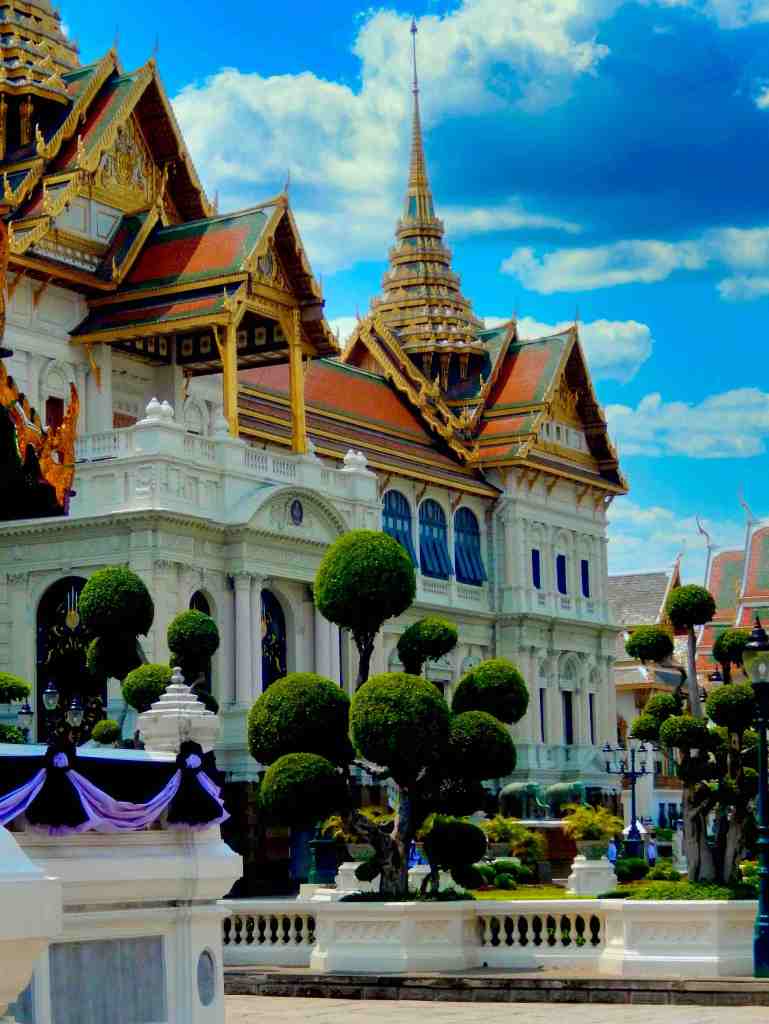
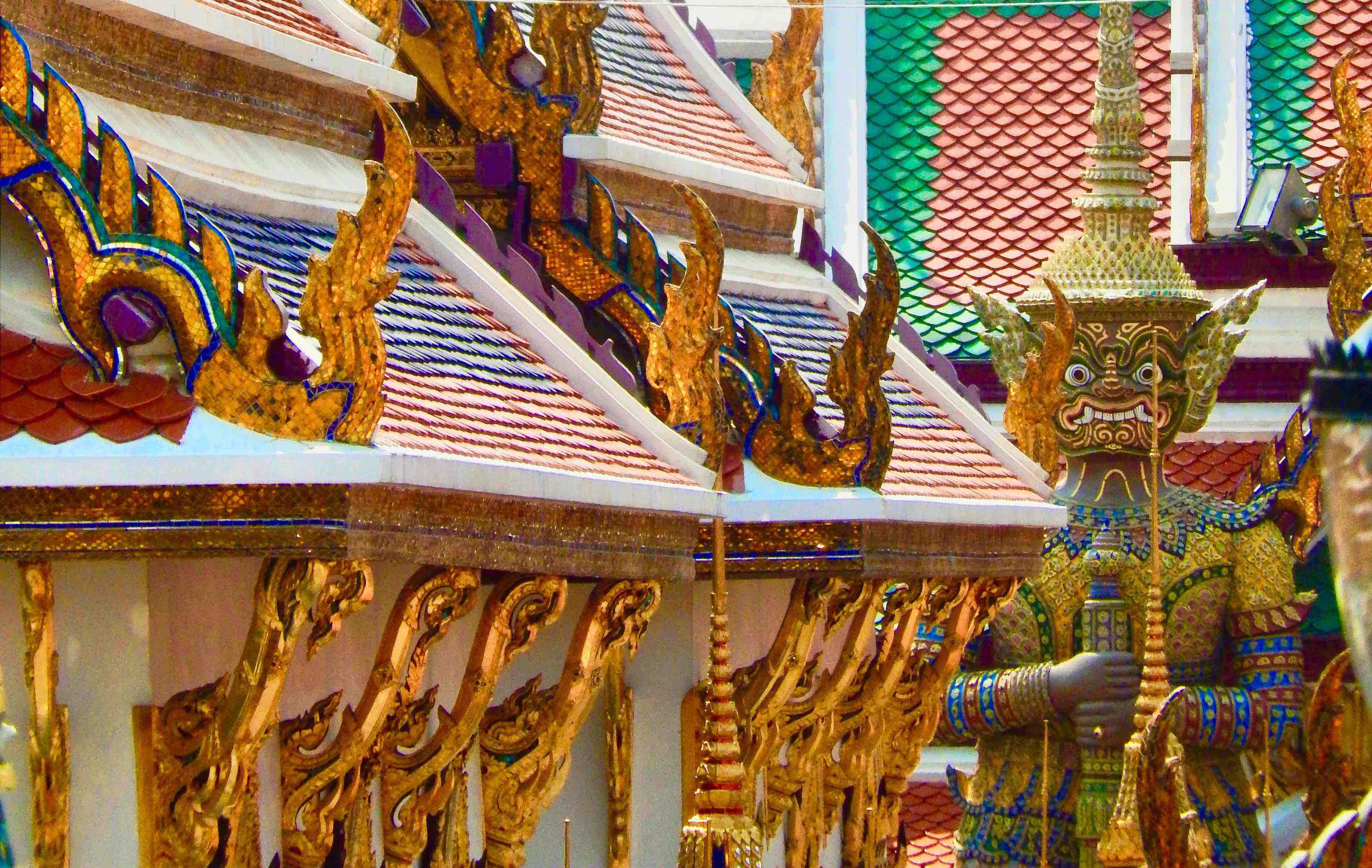
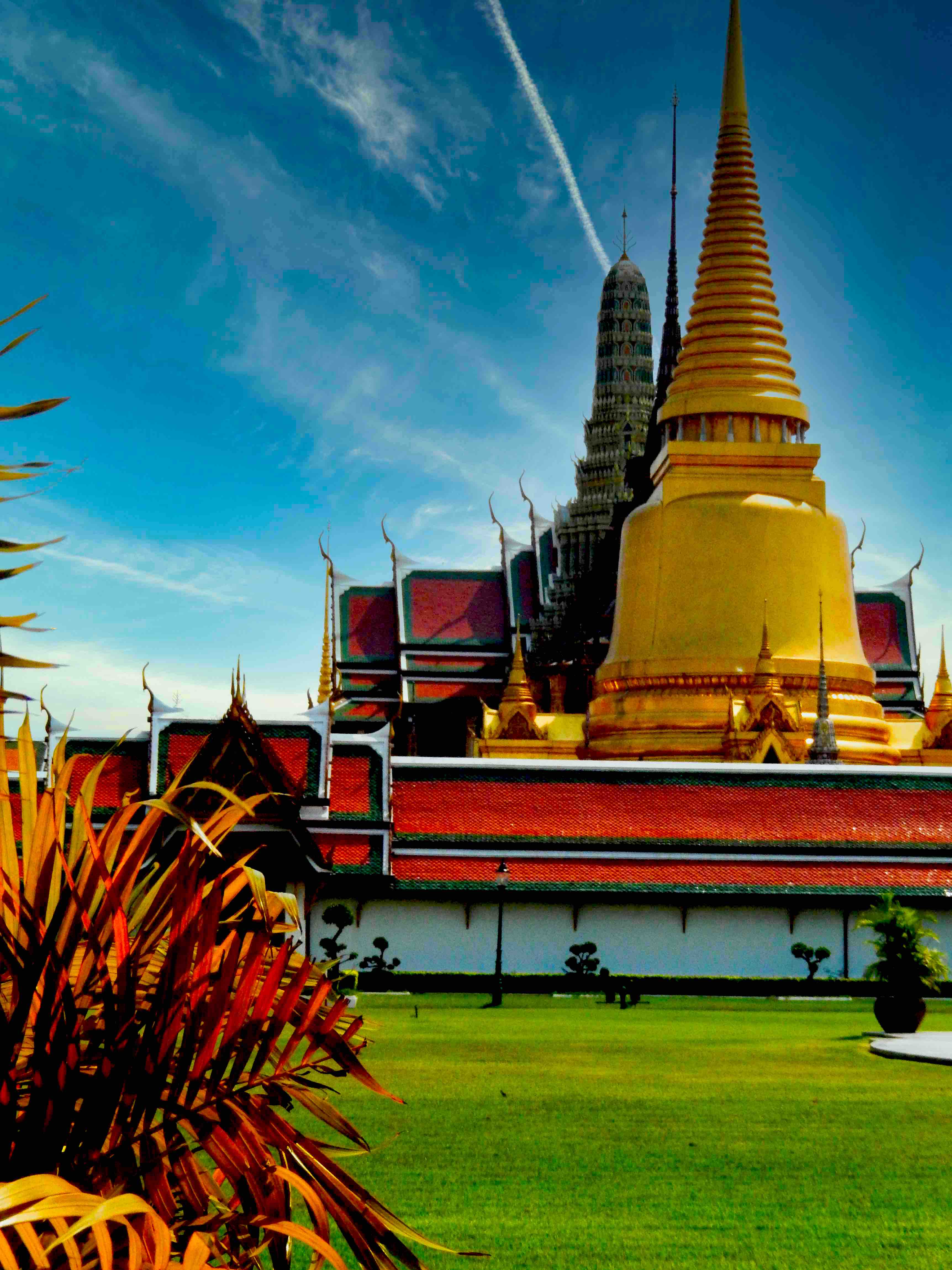
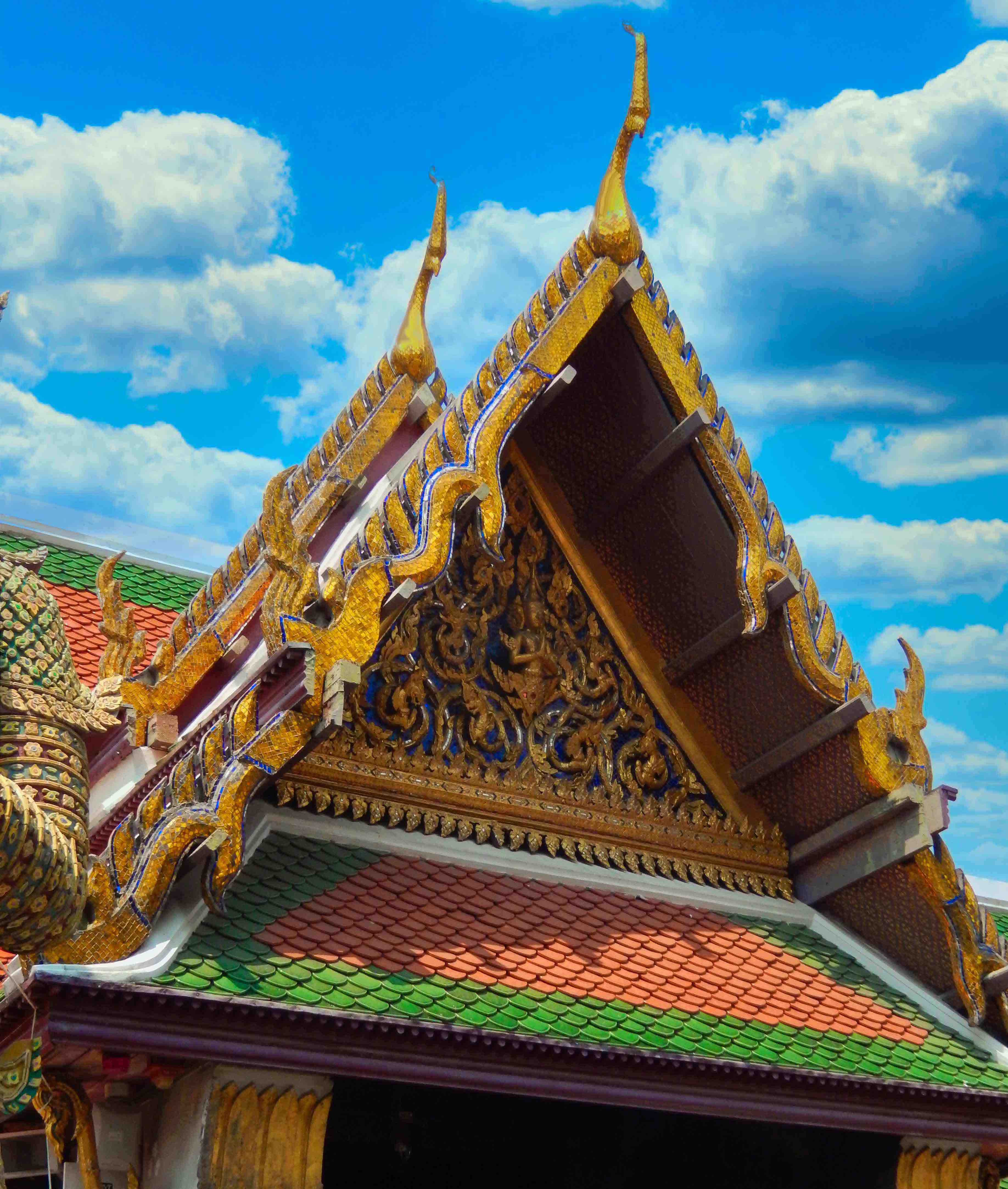
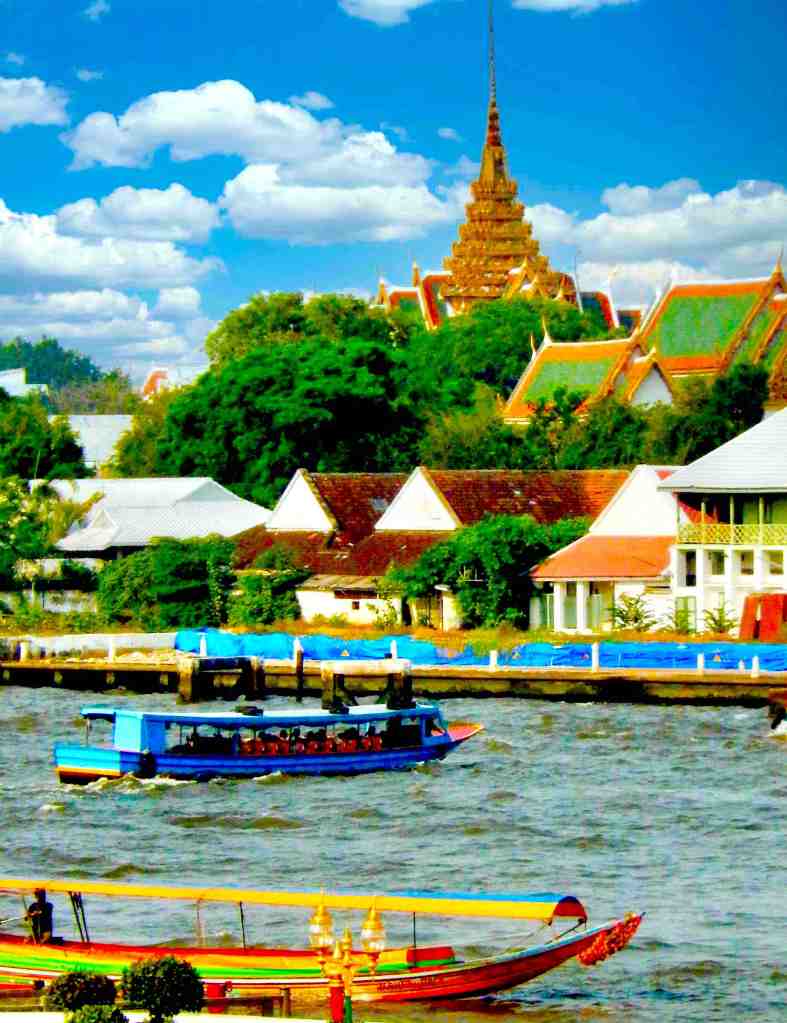
One of the visited locations in Southeast Asia is the Grand Palace area in Bangkok.
Clicking sights on the above map will provide names and information on many sights of interest
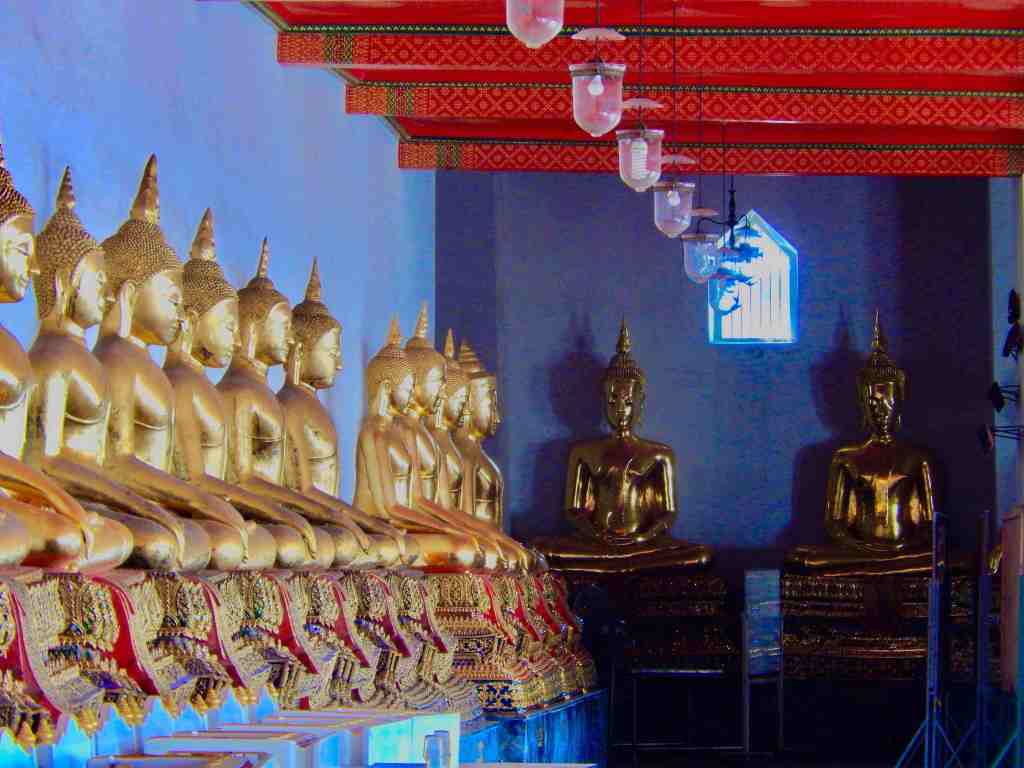
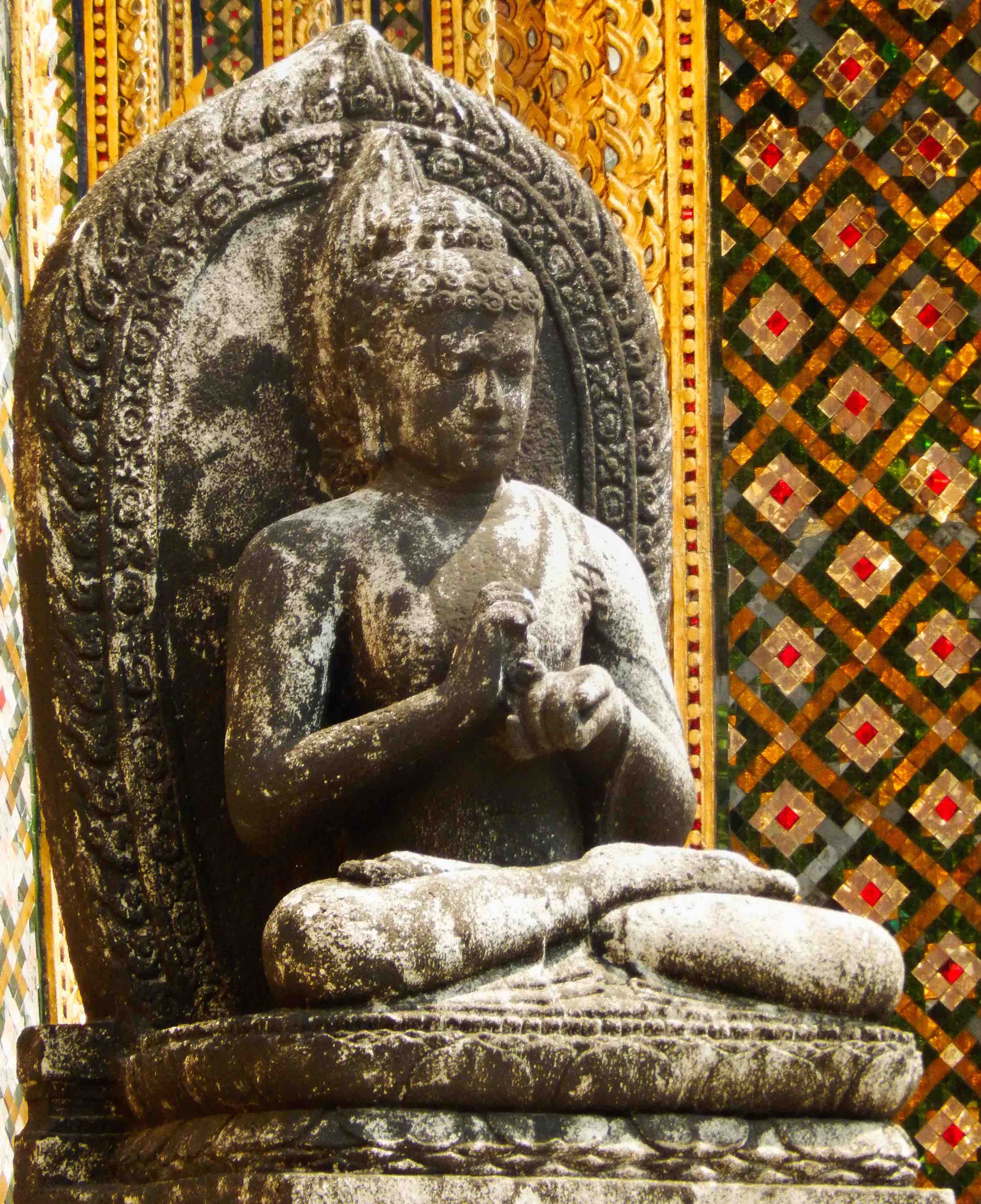
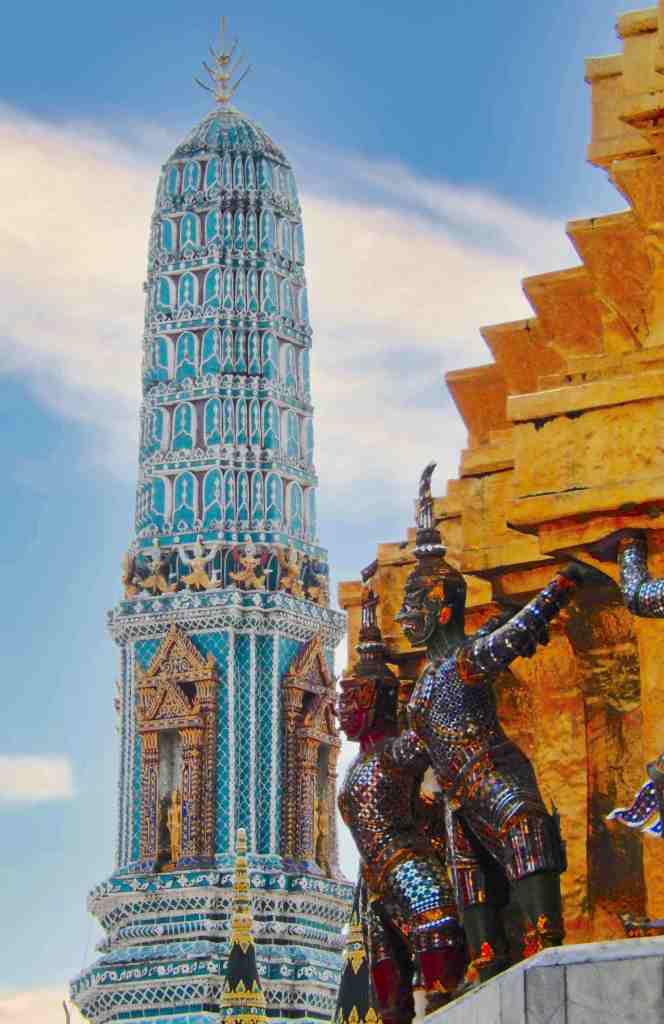
The Grand Palace (Thai: พระบรมมหาราชวัง ) is a complex of buildings at the very heart of Bangkok, Thailand. The palace has been the official residence of the Kings of Siam (later Thailand) since 1782. The Grand Palace grounds take up 2.35 million square feet in the middle of the city and include the palace and a number of temples that include the Emerald Buddha, considered to be the most important image of Buddha in Thailand.
Any visit to Bangkok should first focus on the Grand Palace area. The Grand Palace is open seven days a week from 8:30 a.m. until 3:30 p.m. and requires an admission fee (about $15). Occasionally, the Grand Palace will close for special ceremonies, diplomatic official visits and state functions, but this is rare. Check with your hotel or a Bangkok official visitor center if you’re told that it’s closed.
Visiting Buddhist Temples – When you visit Thai temples, you should dress appropriately. Women should wear skirts longer than knee length or long pants. Long pants should be worn by men. Both, men and women should cover their shoulders. Wear casual shoes that are easy to slip on and off as entering a temple usually requires you to take off your shoes and leave them outside.
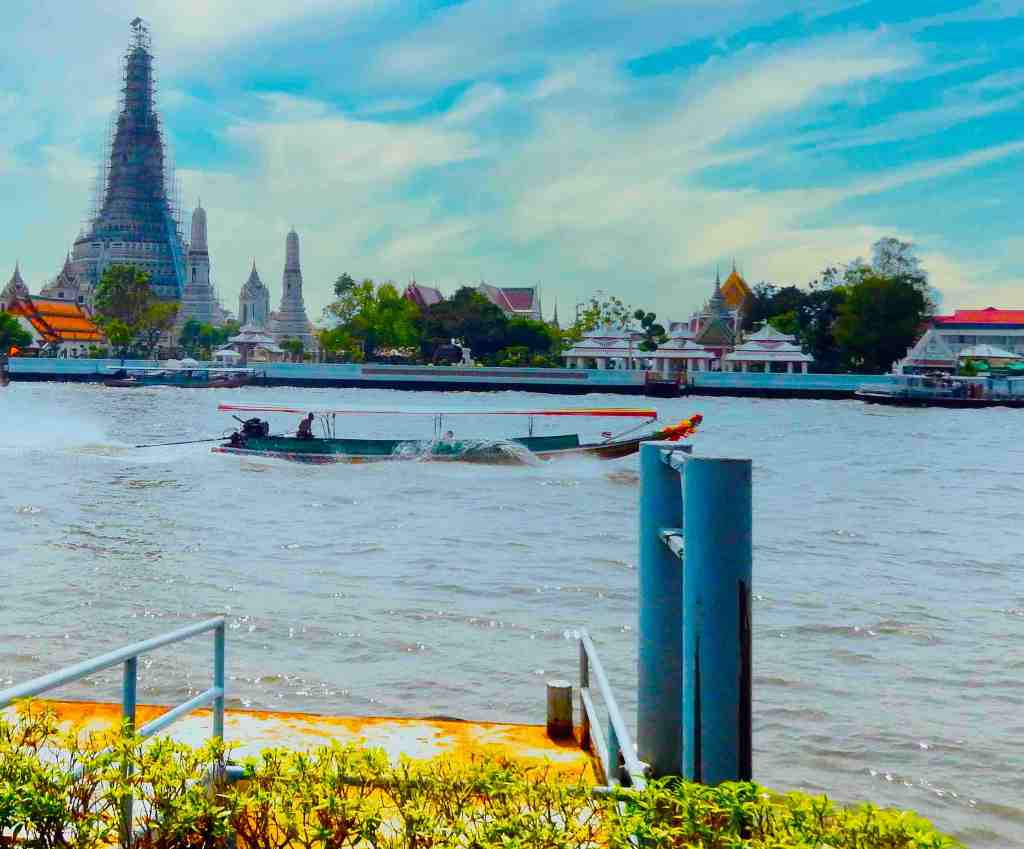
The area covers several square miles in central Bangkok and there are additional temples of interest just across the river. Ratchaworadit Pier (Tha Rat) Best place to hire a water taxi, and catch passenger ferries crossing Chao Phraya River to Tha Din Daeng.
Spending Time Around Our Backyard It feels a bit like being put on restriction and sent to my room for a while as punishment. 2026 was planned with a number of travel itineraries, but things fell apart early on. The first being our fourth try to exploring Egypt. It seems there are several places that…
Blogging & Are We Being Played? There’s a lot in the news lately about the social media companies manipulating our children online to keep them engaged and how much harm it may be doing. It is obvious that these entities know a great deal about human psychology and how to take advantage of people online.…
General – This island is divided into two parts, Sint Maarten is the Dutch side while Saint Martin is the French side. It is a favorite cruise destination because the cruise port can handle numerous large cruise ships at one time.
The cruise ships dock at the Dutch Sint Maarten while the French Saint Martin is smaller with a decidedly different character.
Cruise dock shopping village
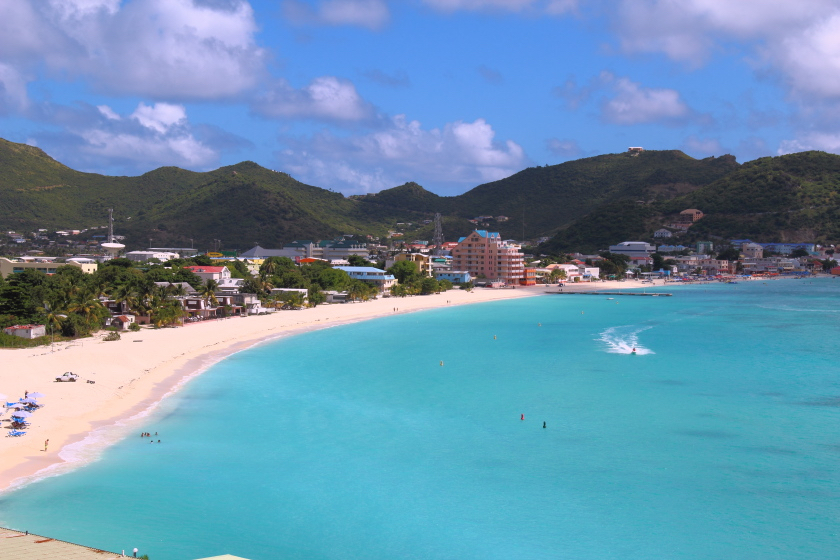
Where You’re Docked – The cruise ships dock on the Dutch side close to the town of Philipsburg. The cruise ship docking area includes a large shopping village with several food and drink outlets. The Dutch town of Philipsburg is less than half a mile away walking along the water. The town on the French side is Marigot and is decidedly French in character with a number of good bistros and restaurants.
Transportation – From the cruise dock there is a boat shuttle service that goes directly to the Philipsburg dock for about US$5 one way or US$8 for a day pass. It will require a taxi or a minibus to reach Marigot and you should be cautioned that with several large ships in port traffic can back up badly late in the day returning to the cruise ships, so allow plenty of time for the trip back. Taxi service is reasonably priced with a trip to the other side of Philipsburg costing less than US$5. A minibus to Marigot should be about US$15.
Philipsburg and its beach
Money – While the two half’s of the island have their own currency the U.S. dollar is welcome on the Dutch side but Euros are usually required on the French side. Giving a 15% gratuity is common practice also.
Port St Maarten has a web site with a schedule of ship arrivals here.
Attractions
Loterie Farm where you can hike, relax in a pool cabana or take a zip line through the treetops on the 135 acres of forest and farmland located near the foot of Pic du Paradis.
Marigot – A sleepy town on the French side noted for good traditional French food, shopping and beaches.
Shopping is great throughout the island thanks to its duty-free status, but the best bargains on jewelry, china, electronics and more are found on Front Street in Philipsburg.
Pic du Paradis Mountain take a taxi up to the top at 1,492 feet it offers an incredible view of all of St. Martin/St. Maarten, as well as the nearby islands of Anguilla, Saba and St. Eustatius. Also known as Paradise Peak, you can visit Loterie Farm (found at the base of the mountain) and hike up to the top, or you can take a taxi to the end of the road and walk about 10 to 15 minutes to the summit overlook.
National Nature Reserve of St. Martin. Established in 1998 it was created to preserve the island’s five main ecosystems: coral reefs, mangroves, seed plant herbariums, swamps, and dry coastal forests. Located on the east coast of the island, the waterfront marks the western border of a triangular area that starts from Anse Marcel beach in the north, then reaches out to the east of Tintamarre Island, and back down to Oyster Pond Lagoon. Free but requires some extended hiking.
The main attractions on this island are the beaches with over a dozen great choices.
Top Beaches:
Philipsburg – The main town on the Dutch side features a large beach right in the town.
Maho Bay Beach – Located at the end of the main airport runway. People seem to like to stand in the jet blast as planes land and takeoff. There is also a nice bar on the beach.
Orient Beach – A beautiful beach near Marigot on the French side. Topless and nude bathing is common.
Graffiti can be ugly and just vandalism but sometimes we discover real art on the streets. Browse some of our collection of street art soon to be the basis of a series of prints.
























 The Intentional Travelers