Subscribe and get regular doses of travel inspiration, money saving ideas, interesting itineraries and lots of tips and reviews delivered right to your inbox.
It’s free and includes many articles, guides and maps that can be downloaded, printed or saved. Subscribe today. You won’t regret it.
TO SUBSCRIBE JUST GIVE US YOUR EMAIL ADDRESS, nothing else • Rest assured we will never abuse your trust. It’s free, informative and with no obligations, ever and you can unsubscribe at any time. Promise…
By clicking subscribe, you agree to share your email address with The Intentional Traveler and to receive notices of new postings, eNewsletters, and occasional offers from us. Use the unsubscribe link in those emails to opt out at any time and ours actually works (we also use a trusted third party email service to manage our mailing list) .
COME ALONG AND JOIN US…
Get Notices of New Posts
Download Special Features
Newsletters
Cruise Port Guides
Airline Fee Charts
Informational Maps
No Spam Ever (We haven’t got the time)
No Sharing Your Address (Promise)
Unsubscribe At Any Time (Ours really works)
Get the next posting from The Intentional Traveler delivered right to your inbox.
When we approach a scene of interest to take a picture we look for what composition can be included in the frame and maybe what the lighting is doing to the scene. In most instances the camera is automatic and handles all the technical details. Those actions can best be described as recognizing an interesting scene and photographing it, but there is more to photography than that. While the camera (be it film based, DSLR or cellphone) is designed to quickly do that job, often automatically, but it usually has a lot of additional capabilities. It has a number of tools that the photographer can employ to further interpret the scene.
While there are a number of cameras that are automated to just point and shoot, most better cameras (cellphones too) have additional controls; the shutter speed which specifically determines how sharp the image is when there is motion involved (either in the scene itself or with the hand holding the camera) and the aperture which is the lenses area that controls how much light gets in through the lens during the shutters opening.
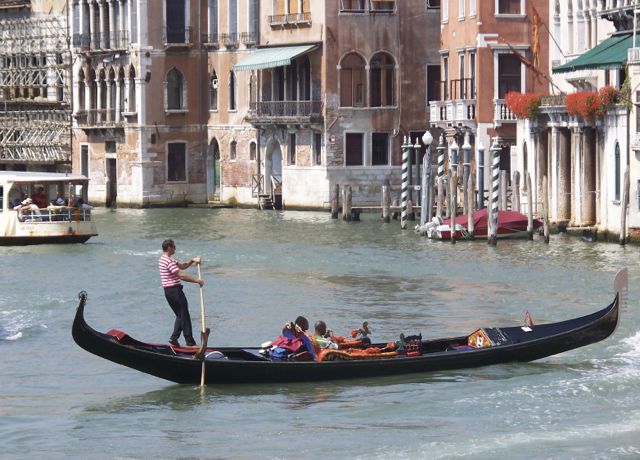
Tracking a moving object
Shutter Speed is the measurement of how long a shutter is open in taking a photograph. To minimize problems involving motion that create blur in the image you can set faster shutter speeds that can reach 1/1000th of a second or even faster. In very low light, shutters can stay open 1 second or even longer to get enough light to resolve the image. In cameras there are a series of shutter speeds with each step a doubling of the speed from the previous step. Typically they are 1 second, ½ second ¼, 1/8, 1/16, 1/30, 1/60, 1/125, 1/250, 1/500th of a second.
f/Stops with half stops
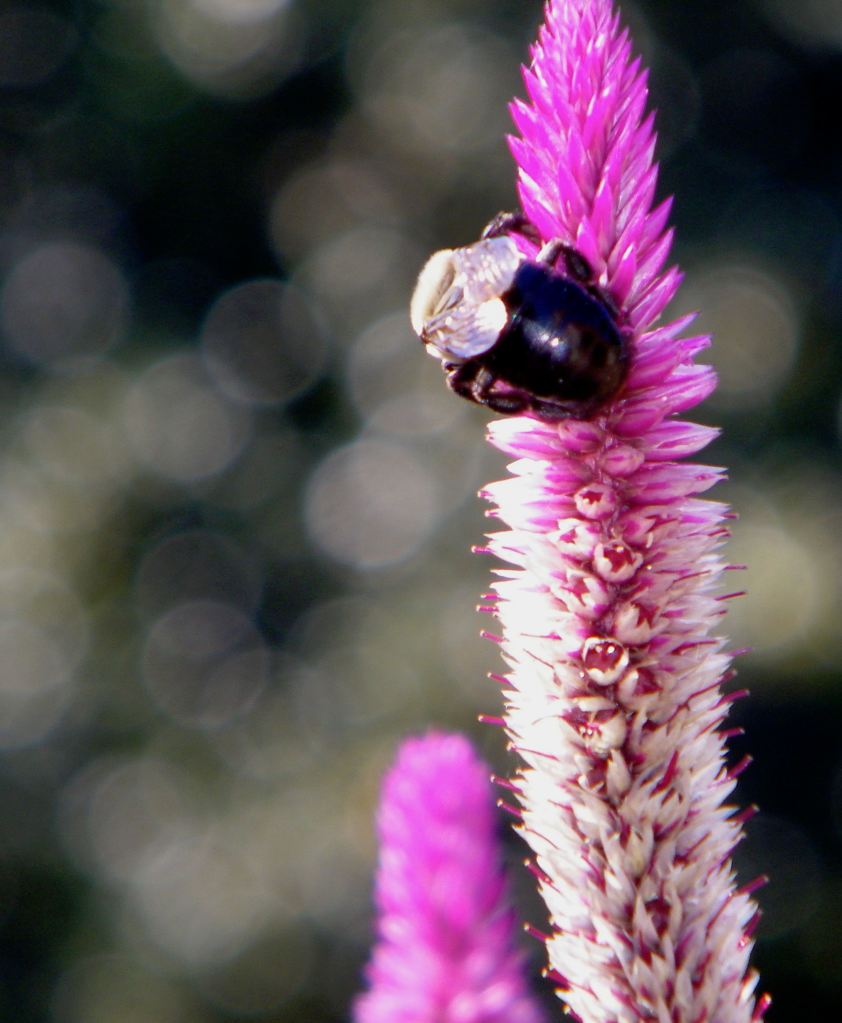
Narrow depth of field
Aperture size or f-stop technically is a ratio of the focal length of the lens to the iris diameter that is controlling the amount of light and is expressed as a fraction. Think of the letter f as the numerator over the denominator number where the higher the denominator number the smaller the fraction and it looks like this f/ 1.4 where f/1.4 lets in twice as much light as f/2.8. The most common whole progression being f /1.4 , f /2.8, f /5.6, f /11, f/ 22 with some cameras also having half stops like f/16. Besides controlling the amount of light getting through the lens the f-stop also controls depth of field or how much of the depth through a scene is in good focus.
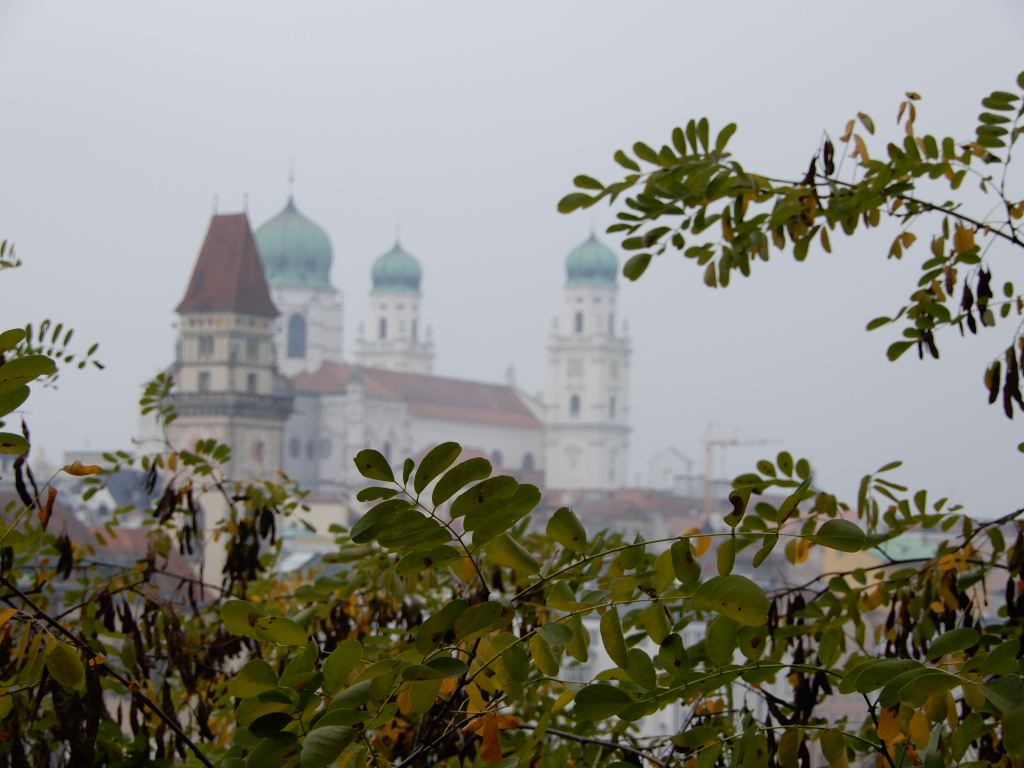
Passau Germany and selective focus
Exposure or equivalents are called reciprocity. It’s the concept that combinations of shutter speed and f stops allow exactly the same amount of light into the camera when taking a picture. f/5.6 at 1/125th of a second is the same amount of light as f/11 at 1/60th of a second. The slower shutter speeds allow the photographer to set smaller apertures that create a greater depth of field. The selection is always a compromise between motion blur and reduced depth in focus.
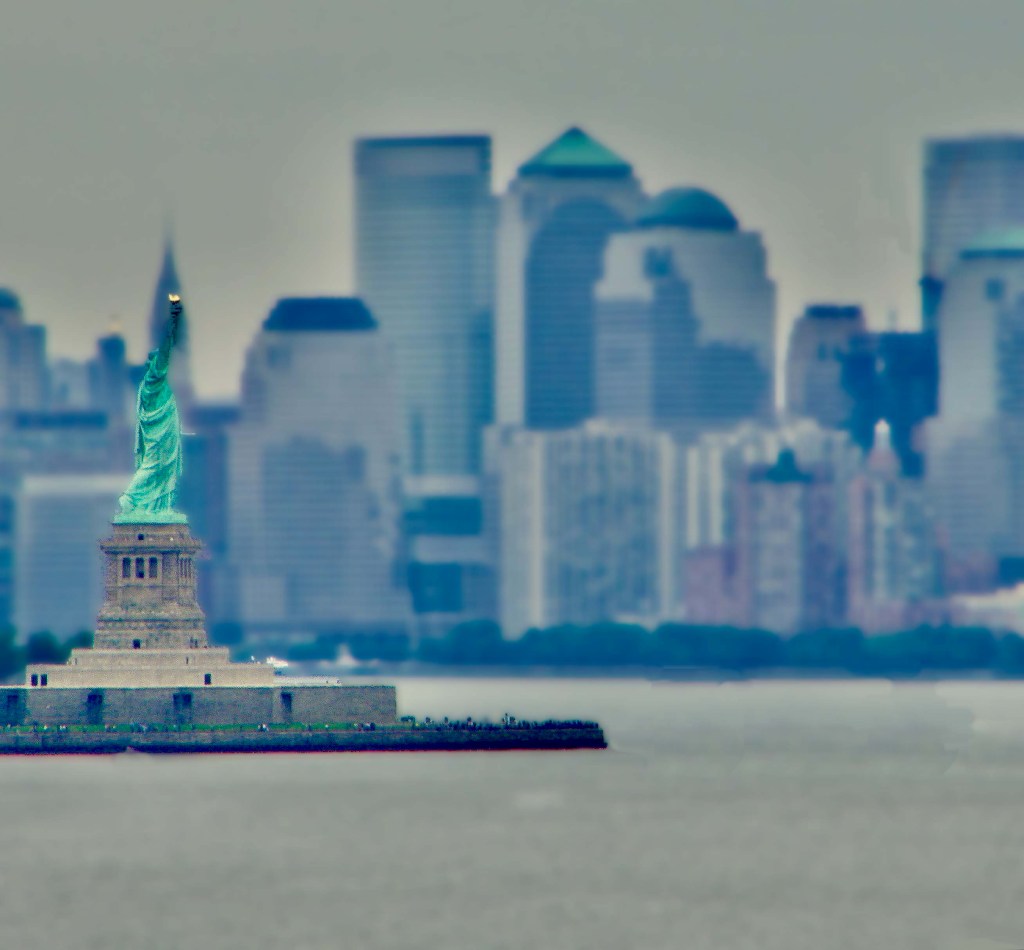
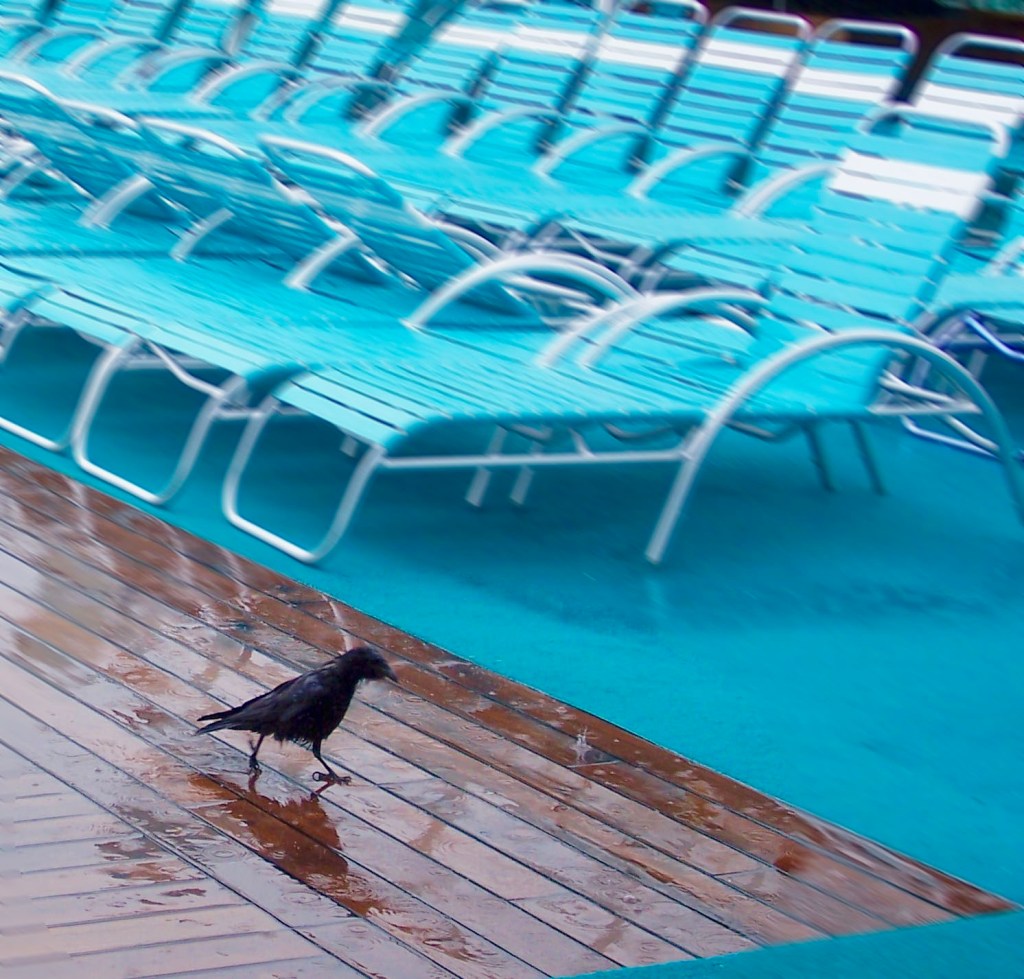
Playing around with shutter speeds and different f stops is the best way to appreciating what you can accomplish. Sometimes an image has more impact with deliberate motion blur. Like tracking a fast moving object with the camera while clicking the shutter at the same time will often provide great pictures where to moving object is in focus while the background shows motion blur. Setting faster shutter speeds also provides for smaller depth of field and that is a great way of focusing attention on a specific area in the scene.
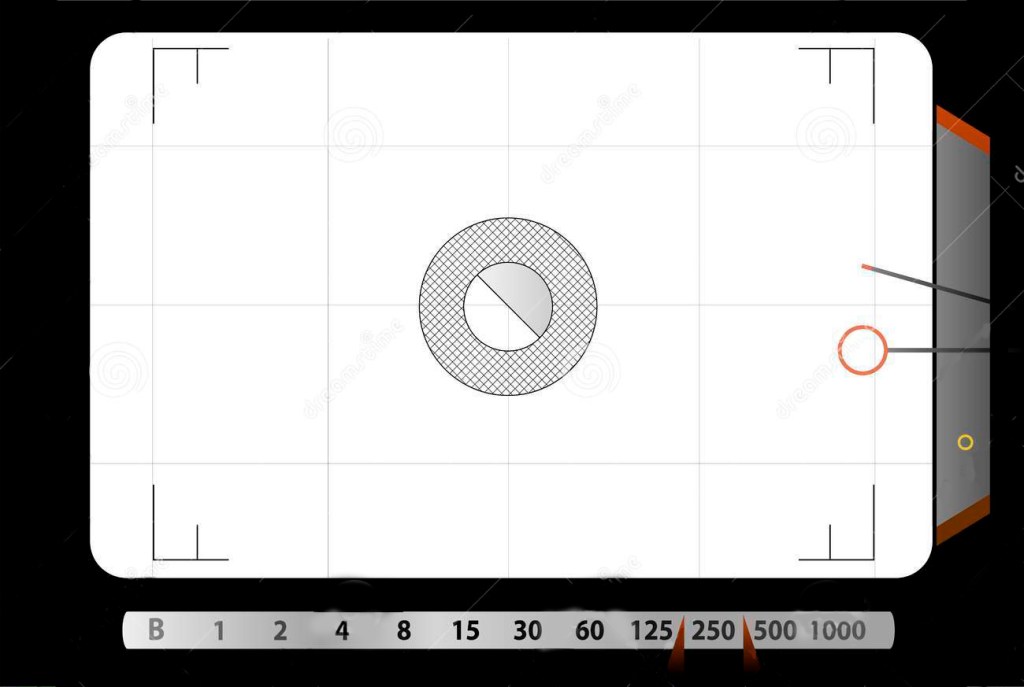
Viewfinder of metered SLR camera
To make use of these features in a digital camera or your cellphone requires that you understand how controlling shutter speed and aperture works in your device. Check the manual or do a device specific internet search and start playing with those controls.
Upping your iPhone game
Controlling focus and exposure separately. The problem with accomplishing that trick is that the iPhone sets both exposure and focus with a single tap. If you tap on your foreground subject and it’s dark, you can end up over-exposing the photo. The easiest way to solve that problem, is to install a better camera app and there are a number available – these include Camera+ ($2) and Top Camera ($3). Using either of these apps, you can tap separately to focus and specify where to set the exposure. The end result: You no longer have to live with under- or over-exposed photos just because you chose to set a specific focus point.
There are also other apps that allow you to change an image after it’s taken. There’s FocusTwist that shoots a short video and then shows you a still photo derived from the length of video. There’s also AfterFocus ($1). Open a photo or take one, and then outline the areas that you want to be in sharp focus. The app then blurs everything else for you, giving you a convincing shot with simulated depth of field.
Lock the focus without using an app on you iPhone. Instead of a tap to set only exposure you can lock the focus on the iPhone with a tap and hold on any spot on the screen for a few seconds when you see a yellow box flash around your finger. Remove your finger and you’ll see the message “AE/AF Lock” on the screen. Until you take the photo, the focus and exposure will remain fixed till you tap the shutter release.
Apps for Android users.
Open Camera is a compact camera app for Android cellphones and tablets. It is free with no in-app ads. This Android app has different focus modes, scene modes, auto-stabilizer, HD video recording, handy remote controls, configurable volume keys, geotagging of photos and videos, support for an external microphone, HDR, dynamic range optimization mode, small file size, etc. and it’s open-source.
Google Camera comes installed on all Pixel devices but the Android community, has managed to make Google Camera app available on other Android devices. Making things like Pixel portrait mode, HDR+, and more plus the Pixel 4 camera’s Astrophotography feature, which enables users to capture great shots in the dark. GCAM apps are ported by third-party developers, so you may find lags and bugs in the download.
Adobe Photoshop Camera is good for taking a lot of selfies as the app comes with a ton of camera filters and effects. The filters can be applied before or after you shoot the picture, and some are remarkable and the app has intelligent AI that recognizes the subject in the picture and applies filters with real precision. It also has post-editing tools that change brightness, contrast, saturation and a magic wand tool that can remove sharp shadows and deep black areas. Unfortunately it does not allow for manual selection of shutter speed, exposure, focus, and is supported only on a few Android devices.
In closing, I had a number of people that challenged me with projects designed to train my eye to see and take better photographs. In the next section I will offer some of those examples to help improve your picture taking.
Available now, our guide to Taking Better Pictures, featuring three sections published on this website in convenient pdf format. Download your free copy by clicking here.
Celebrity introduced the first of a new class of ships in January 2018 when the Edge entered service. This 129,500 ton vessel was designed to carry over 3,300 passengers with a crew of over 1,000. The Edge class ships were designed to upgrade Celebrity’s already established premium reputation with more restaurants, larger staterooms and a number of upscale features. Visit the Celebrity Edge web page HERE.
The Edge was followed by the Apex that entered into service in the summer of 2021 and soon to be joined by the Beyond cruising in the summer of 2022.
Onboard Celebrity’s Apex
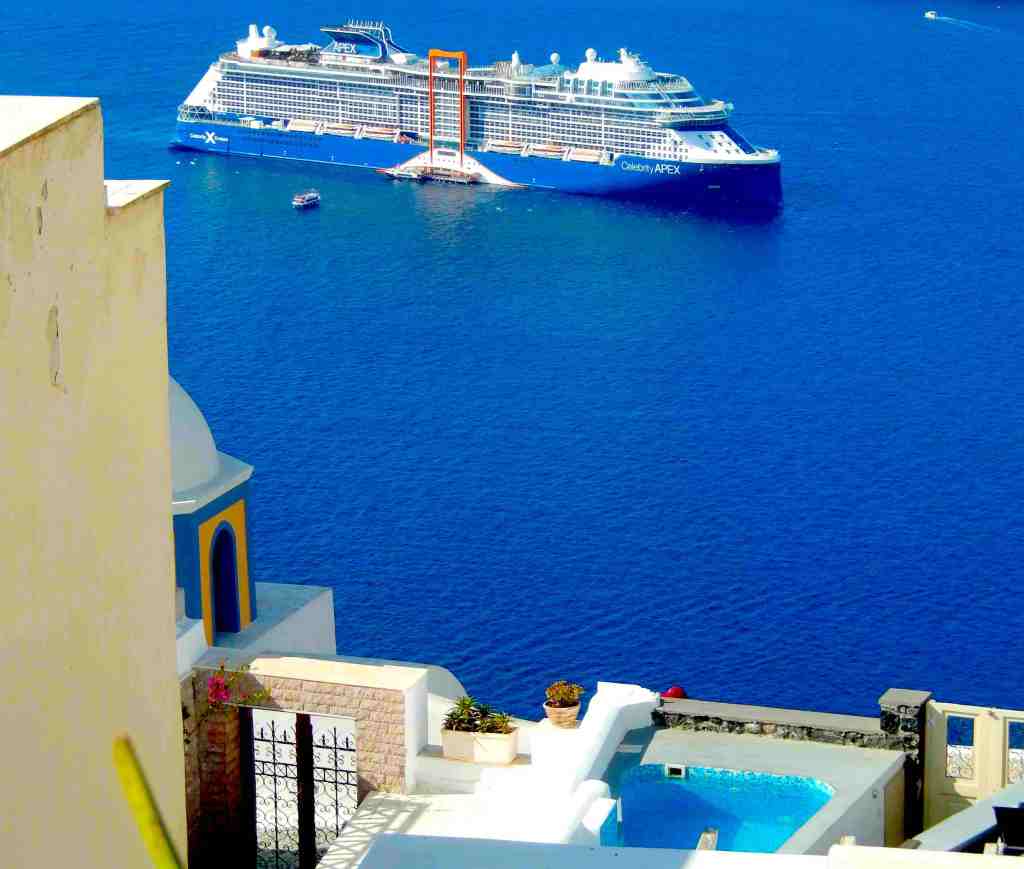
This Apex entered service in the Mediterranean in 2021 and is now heading for a season in the Caribbean. It is the second in the Edge class and will be followed soon by their newest ship the Beyond. While decorating themes are different for each ship the basic layout and features are virtually identical.
The Apex at anchor off Santorini
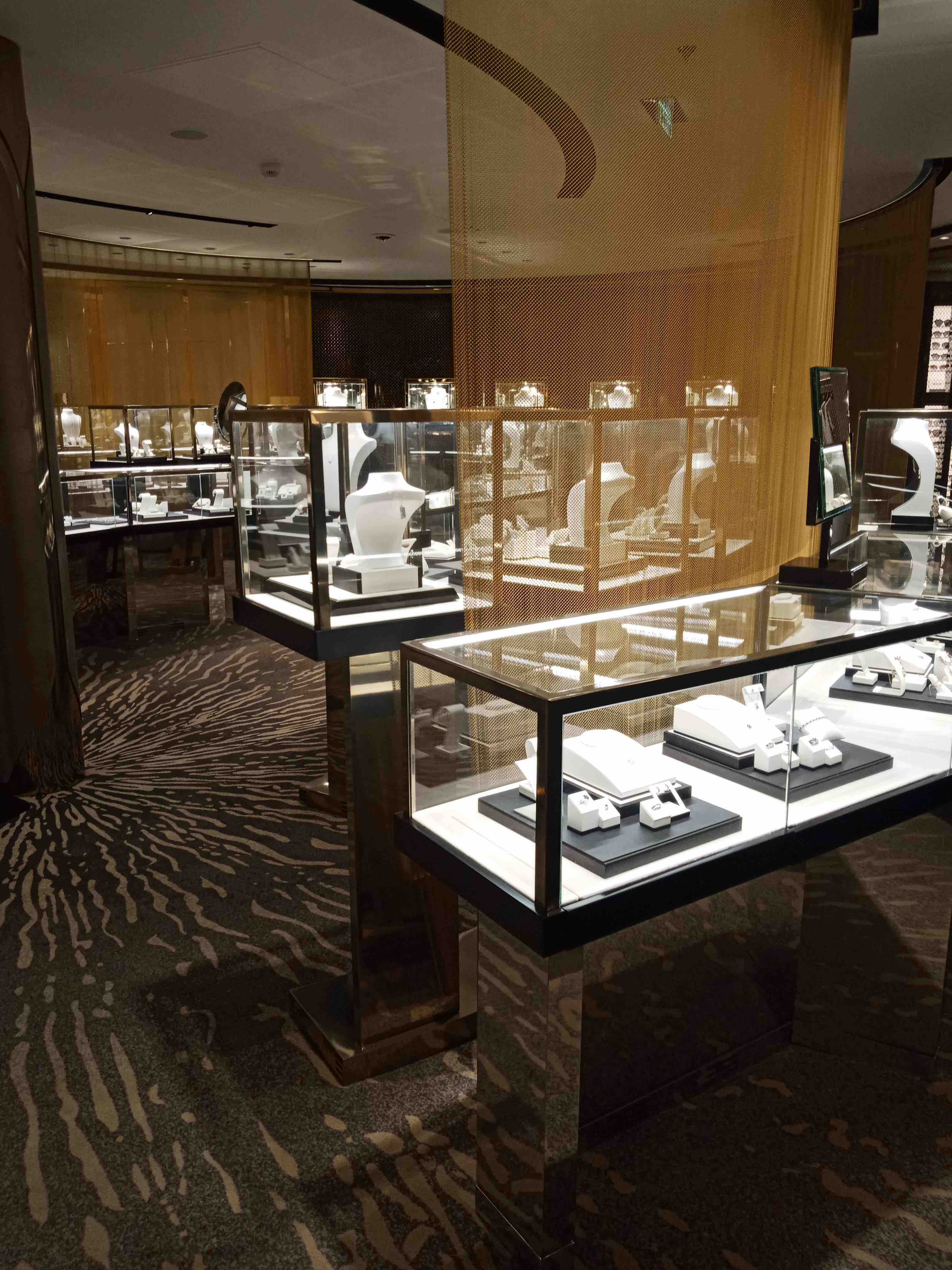
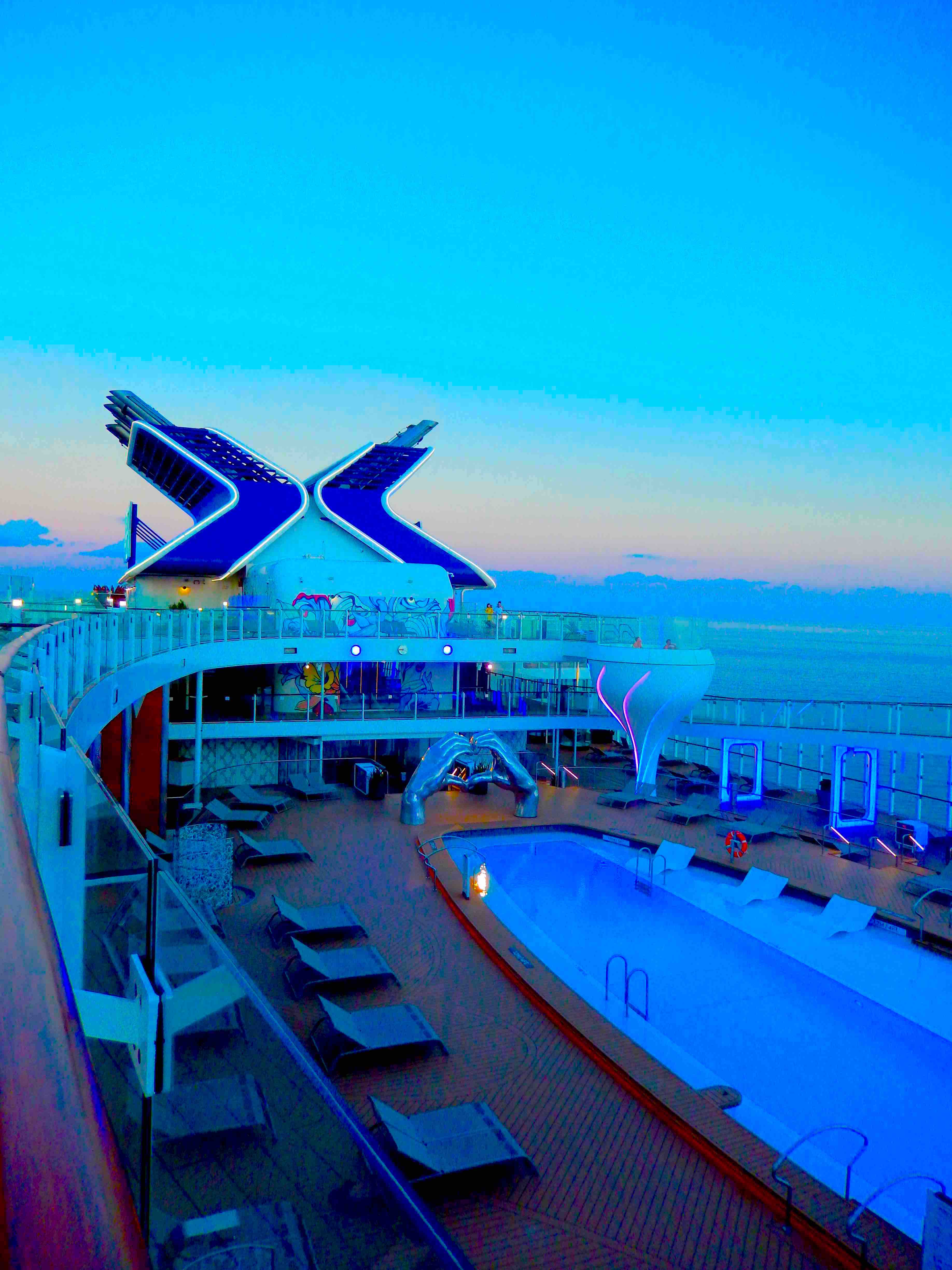
The appearance, atmosphere and design of these newest Celebrity ships is another step up for this line in cruise ship luxury and innovation. Unlike many cruise companies, Celebrity has always pursued style and a sophisticated experience over thrill rides and unusual offerings like go-cart races and water flume rides. For this reason Celebrity seems to attract more refined passengers that eschew the wild party atmosphere found on many other lines.
Welcome aboard the Celebrity Apex
The Newest Stateroom Addition – The Virtual Infinite Balcony
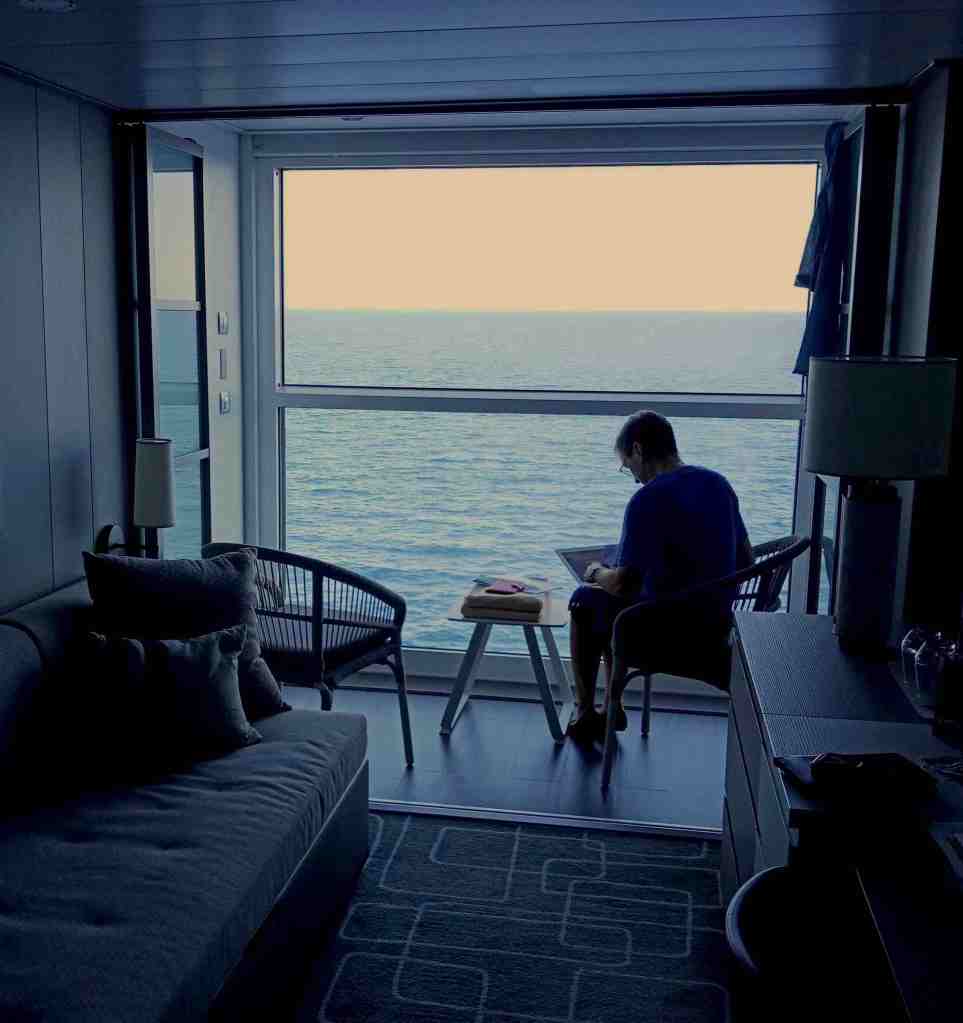
The new feature we like the most on these ships is the virtual balcony stateroom. This stateroom provides a wall of glass with the top half capable of sliding all the way down to open the stateroom to the outdoors. The advantage this has over a typical veranda room is that it adds considerable room to the stateroom interior while still providing unrestricted viewing and a great place to sit and enjoy ocean breezes and port sights. It also incorporates a completely opaque shade that comes down to cover the entire wall along with a set of folding, frosted glass doors for privacy in the cabin. This cabin is amazing.
A standard infinite balcony stateroom is also large at 285 square feet and features much larger beds up to a full king size being one option. The room also comes with a control panel where you can configure the lighting and wall shade with the push of one button from movie watching to open veranda to sleep.
On top of the new stateroom addition the bathrooms are a major upgrade. The showers are the largest we’ve experienced on a cruise ship outside of upscale suites and the bent glass shower doors provide two serious advantages. First the hinged door is almost half the shower so access is amazing. Second the bath is vented by a fan in the shower stall with only about an inch of opening above the glass. For the first time ever you can now take a steaming shower without any hint of fogging on the mirrors. One of my reasons for often preferring an inside cabin is the total darkness they provide and this infinite balcony stateroom can now be as dark as an inside cabin if you wish.
The Celebrity App
While late to the game with ship intranet apps for cell phones and tablets, Celebrity and the Apex have caught up in grand style. Using the onboard app you can make dinner reservations, check the menus in each dining room option and stay up to date with entertainment and activities around the ship for your entire cruise. You can look at events and meals for each day of the cruise and add reminders quickly to your own individual calendar inside the app. Hour by hour reminders keep you from missing any selected events and notify you of any schedule changes.
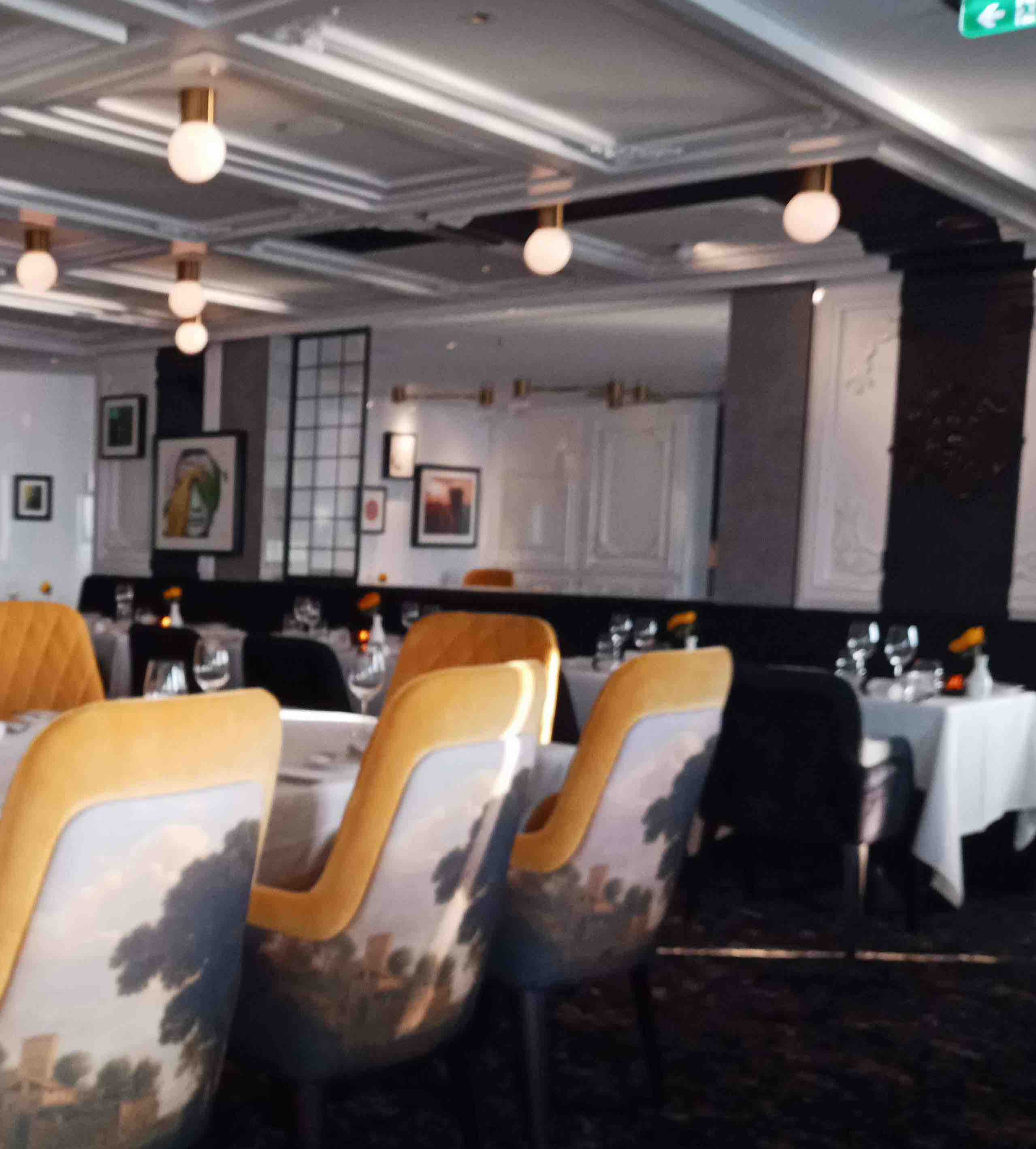
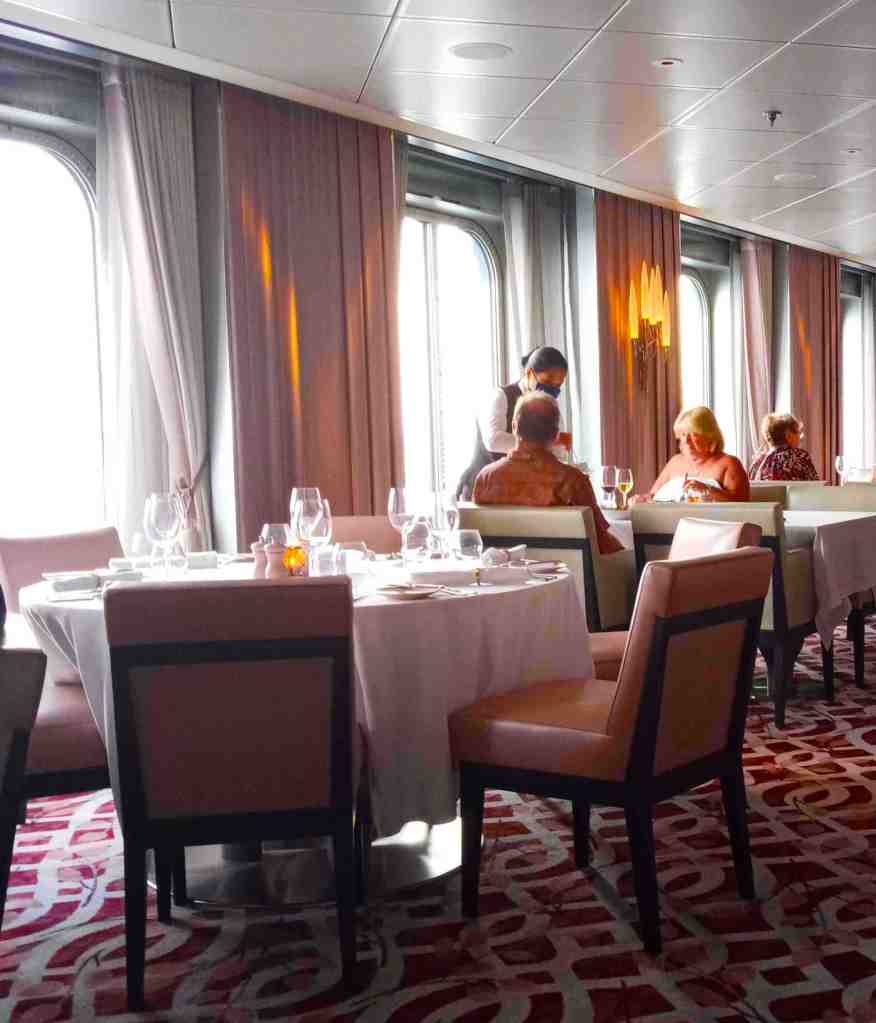
One of four main dining rooms
Dining Options
The Apex features a number of speciality restaurants along with four themed main dining rooms. Each themed dining room has meals dedicated to their speciality which include Normandie, Tuscan, Cosmopolitan, and Cyprus. Each dining room also offers a common menu with selections shared by them all. The Ocean View buffet serves three meals a day offering something for any taste. The only real change is you cannot serve yourself and that may change in time as the pandemic subsides. Ocean View offers sections for Asian, Mexican and Indian cuisine along with traditional favorites.
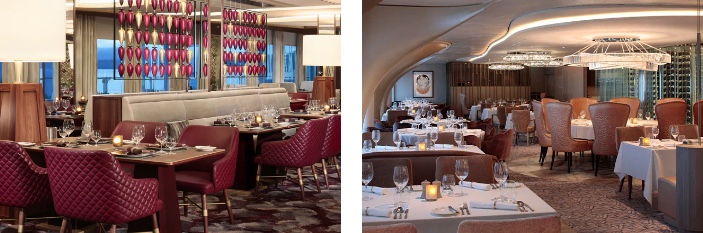
In the premium restaurant options there’s a steak house, a sushi based venue, a rooftop garden barbecue restaurant, an experimental venue where a digital chef prepares your meal at the table before it comes out of the kitchen. There is also a French bistro and the popular El Bochio cafe. Apex also features Eden, a concept eatery, bar, lounge and entertainment venue with an open kitchen surrounded by its dining room with an immersive entertainment environment and a huge wall of glass with ocean vistas.
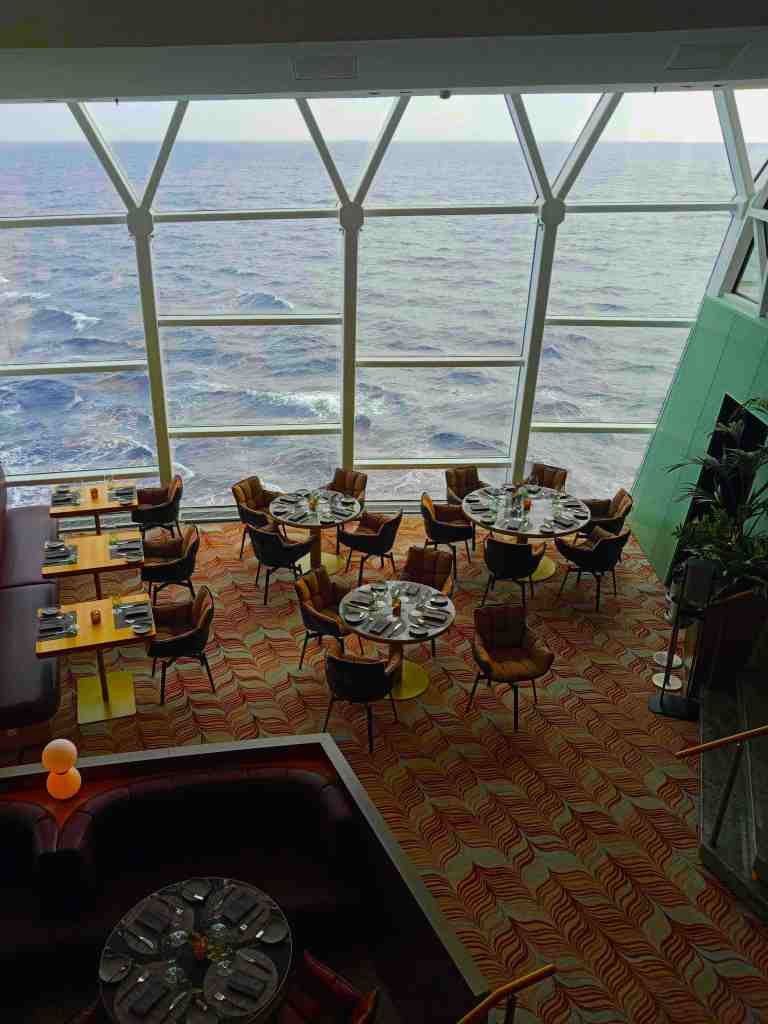
The Eden Restaurant
Entertainment Options
Eden is a fabulous venue featuring a four story glass wall looking aft at the sea, an upscale restaurant, a bar and a multi-use entertainment area.
The Apex theater and its theater-in-the-round feel includes a huge and unique digital display wall that provides spectacular backdrops for the featured guest talent and the ships production numbers. The ship also includes two additional offerings providing a small-room nightclub feel for music and other acts.
A large rooftop garden on Apex is equipped with a bright video screen where daytime and evening movies are shown.
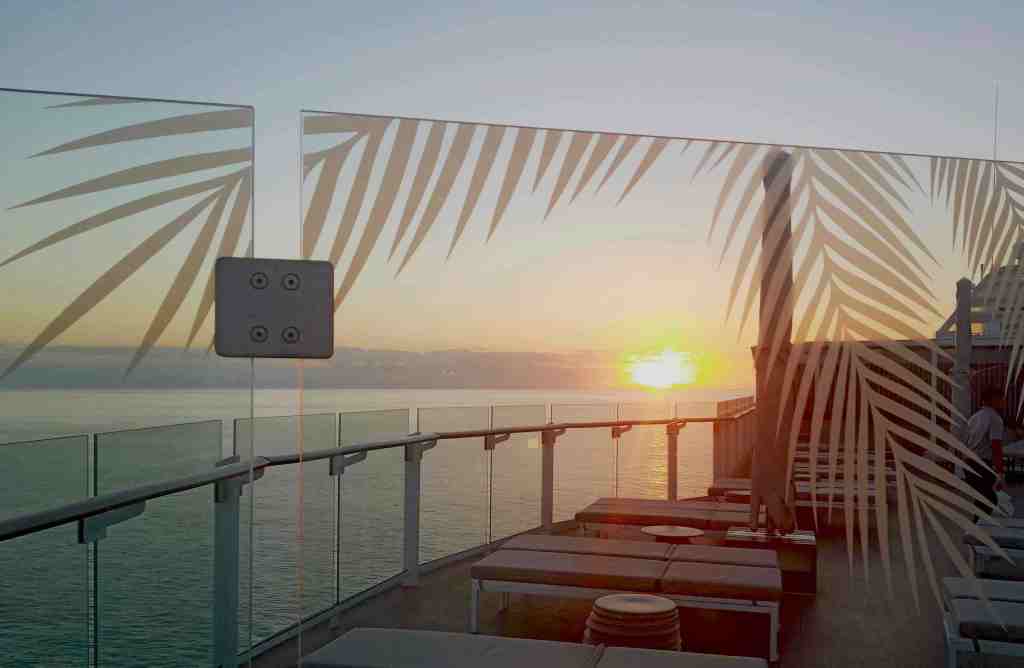
These Edge class ships also have a feature called the Magic Carpet, a cantilevered, floating platform that reaches heights of 13 stories above sea level. Centrally situated on the starboard side of the ship, it makes the Celebrity Edge class ships unique profile recognizable from miles away. Designed to include comfortable seating, a full bar, and space for live music performances, it truly is a destination in itself offering unostructed ocean views.
A very long time ago, before the dawn of the digital age, taking photographs was a costly exercise. Every click of the shutter had a cost involved including the roll of film, the lab processing and the production of prints. The other problem was you never knew if the picture would come out for a number of days. In 1948 the first Polaroid camera was sold and was popular with the public primarily for its instant gratification. It had only a few professional applications because of the limited size of the prints.
Through most of the twentieth century amateur picture taking was limited to family celebrations and special occasions with cameras like Brownies and Instamatics. Most every other occasion called for a professional. Taking good photographs did require some training but mostly it came with experience and that needed taking lots of pictures, and that again was expensive. There was also the additional expense of studio creations or traveling the world to find those great images.
The first digital cameras for the consumer transferred photographs to a home computer using a cable and included the Apple QuickTake 100 in 1994, the Kodak DC40 and the Casio QV-11 in 1995. Soon they were available with memory cards and in 2000 the first cell phone with a built-in camera was released by Samsung. With the introduction of the iPhone the whole world changed and with the iPhone 4 a front facing camera was also included for taking something called a selfie.
Today we find the camera everywhere, if you carry a phone you’re carrying a camera. with the cost of taking and storing photographs being virtually free and always having a camera with you the world is a very different place. Now anyone interested in taking good photographs can practice all they want and as a result the internet is now flooded with really good photos of literally everything. I have to admit that there is a lot about our digital new world I don’t understand but I do know what makes good photographs.
I’ve spent a lot of my life behind a camera. Maybe it started in 1961 when my Father couldn’t seem to get good pictures out of his brand new 35mm camera and in frustration he gave it to me. It didn’t take long before I was developing my own film and making prints in an improvised darkroom. Years later in the military I spent some time with a couple of photojournalists. After that I decided that would be a great career. I came back and went to college to study photography and over the years I picked up several degrees in the field. While I was still interested in traveling the world as a photographer for news agencies or maybe National Geographic, I realized that wasn’t compatible with settling down. Choices and compromises at every fork in the road of life but I no regrets.
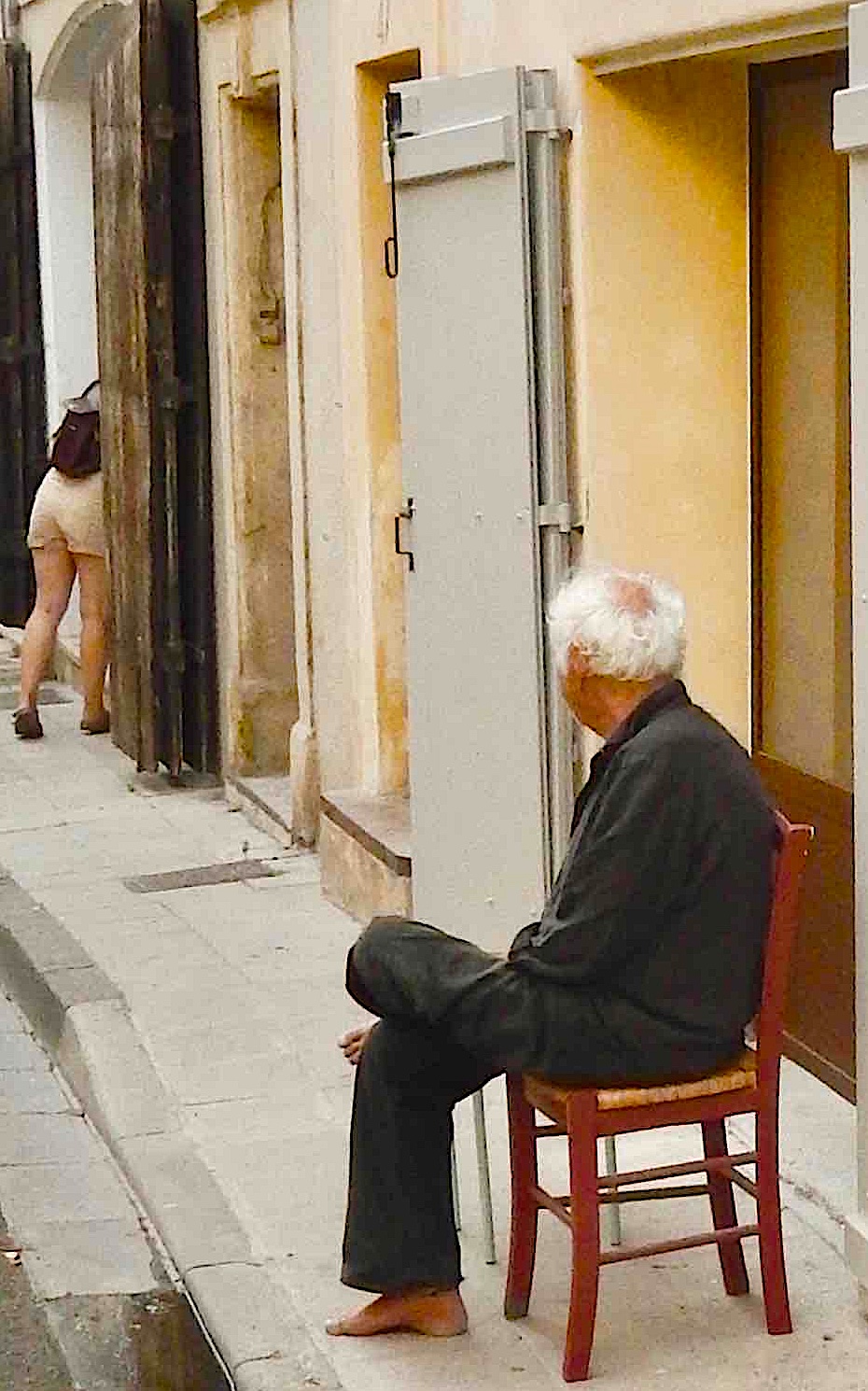
Foreground and the S curve
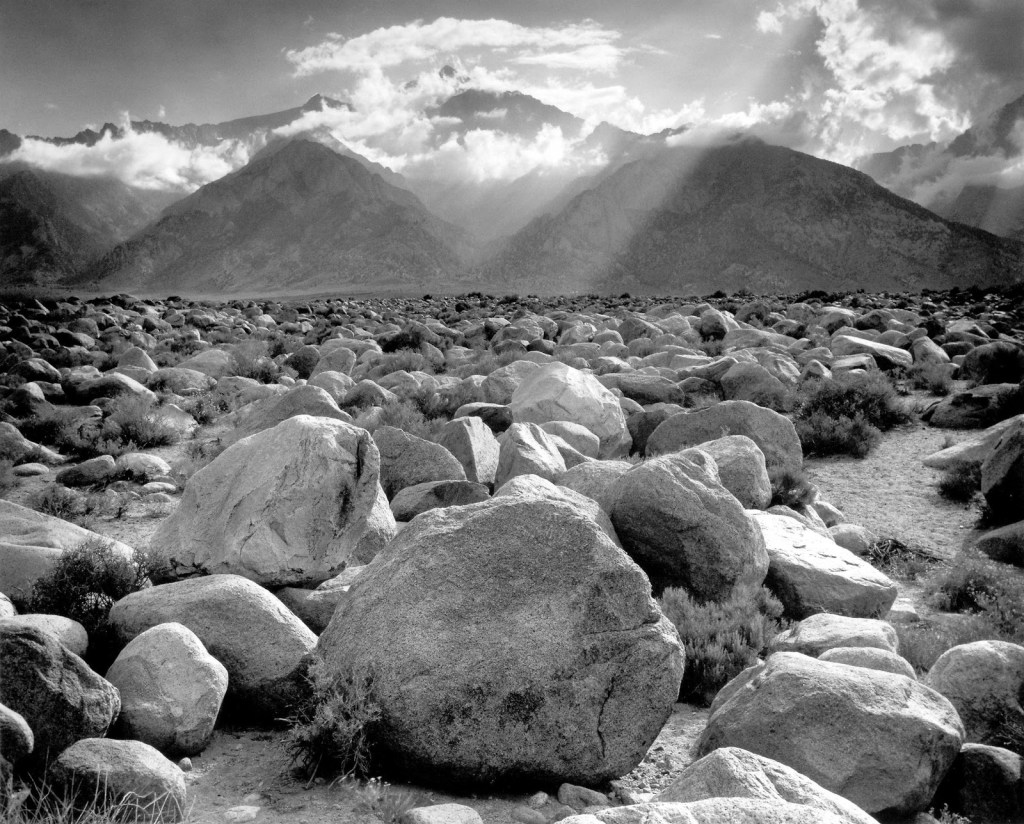
Taking great photos is part skill, part opportunity, but mostly seeing with the eye of an artist. Not everyone has the talent of a true artist and that includes me, but there are a number of basic artistic skills that can be acquired. Start by paying more attention to photographs and trying to understand why each one is appealing. If you haven’t been introduced to the greats of photography get to know a few. My favorites include Ansel Adams, Minor White, Alfred Steiglitz and they are all true artists. Take some time to explore on your own this amazing art form.
Ansel Adam’s Mount Williamson from Manzanar – Shooting from a low perspective
My skill set was best described as being a photographic engineer and in the following years I worked at medical universities helping researchers with photographic problems and took a job where I worked on projects with NASA and other government agencies, mostly involving satellite imaging. Much of that work came to an end with the advent of graphic computers and digital images, but I still loved travel and photography and continue to do both today.
Along the way I taught some college classes in photography and my favorite became evening classes where most of the students where young parents. They were taking the class to learn how to take better pictures of their children. It was those evening classes, where I learned what was most important to those young amateur students and that is where I became more involved in the art and the principles of composition.
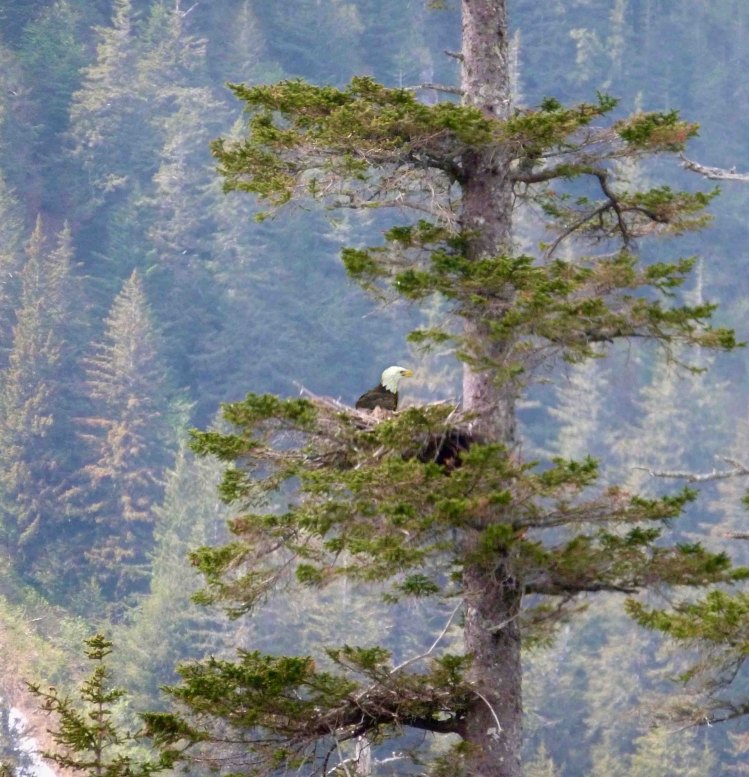
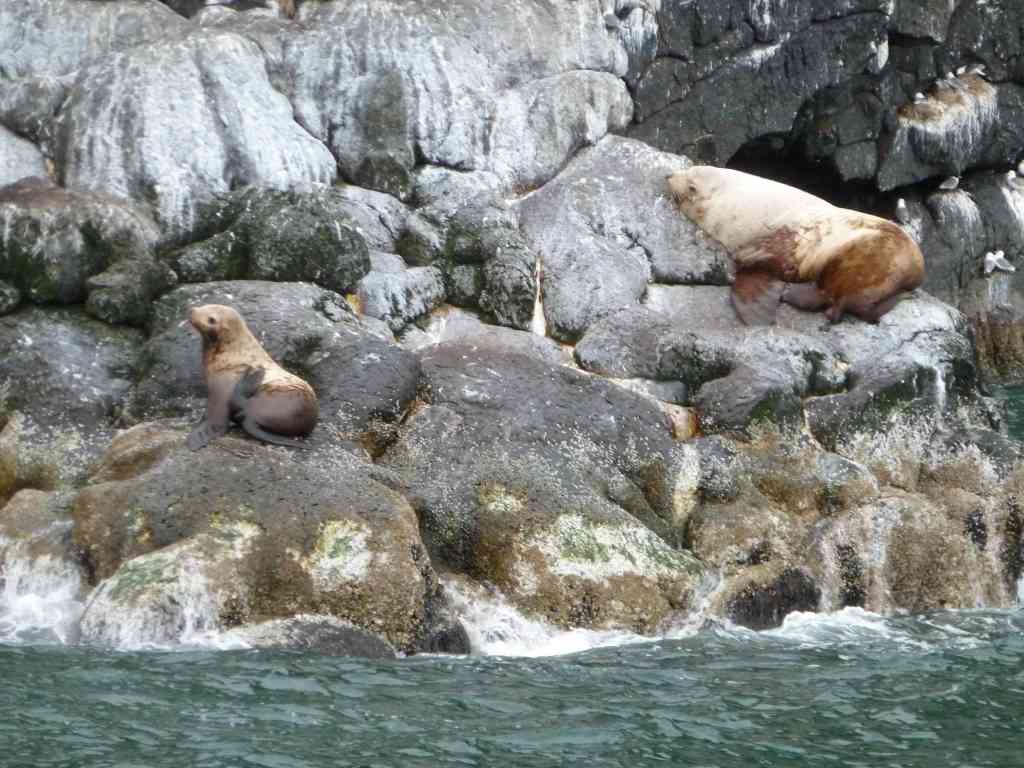
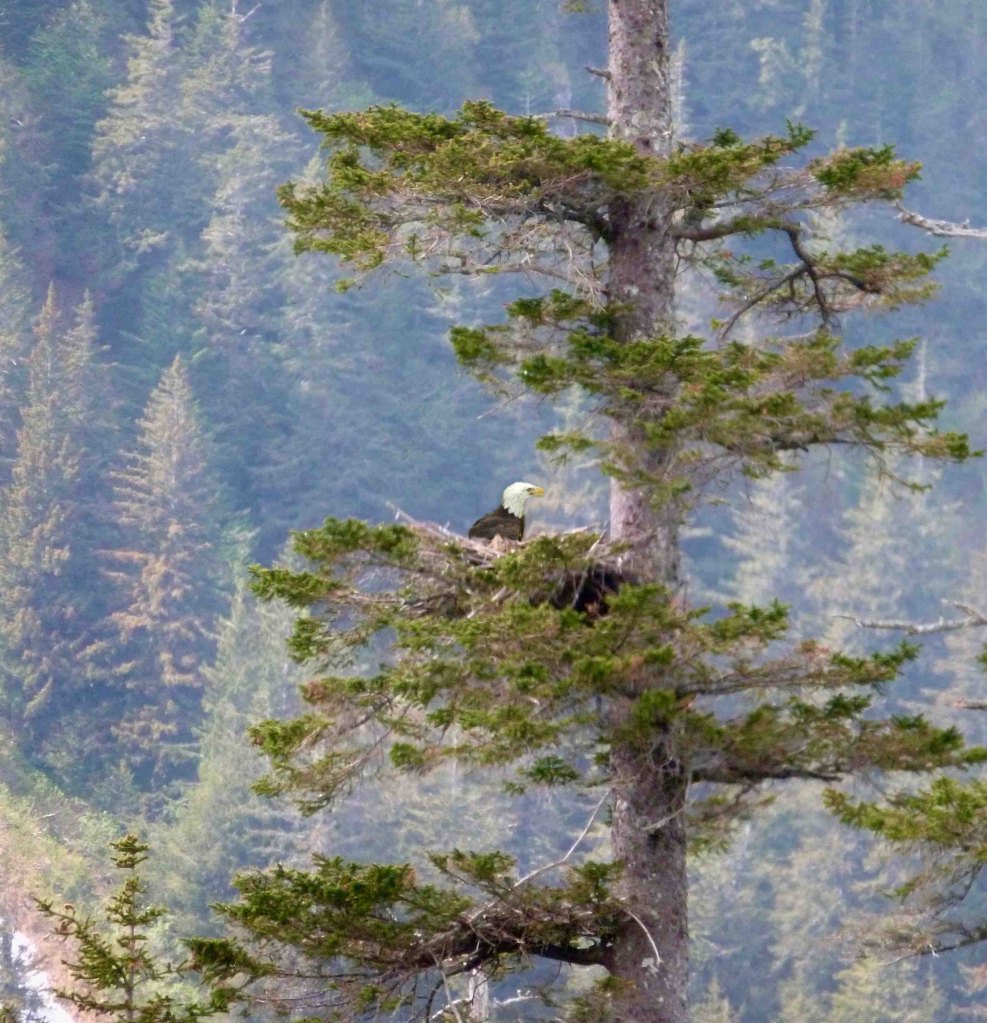
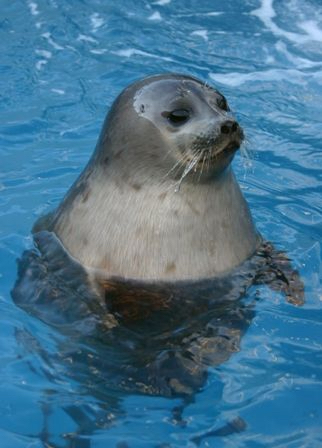
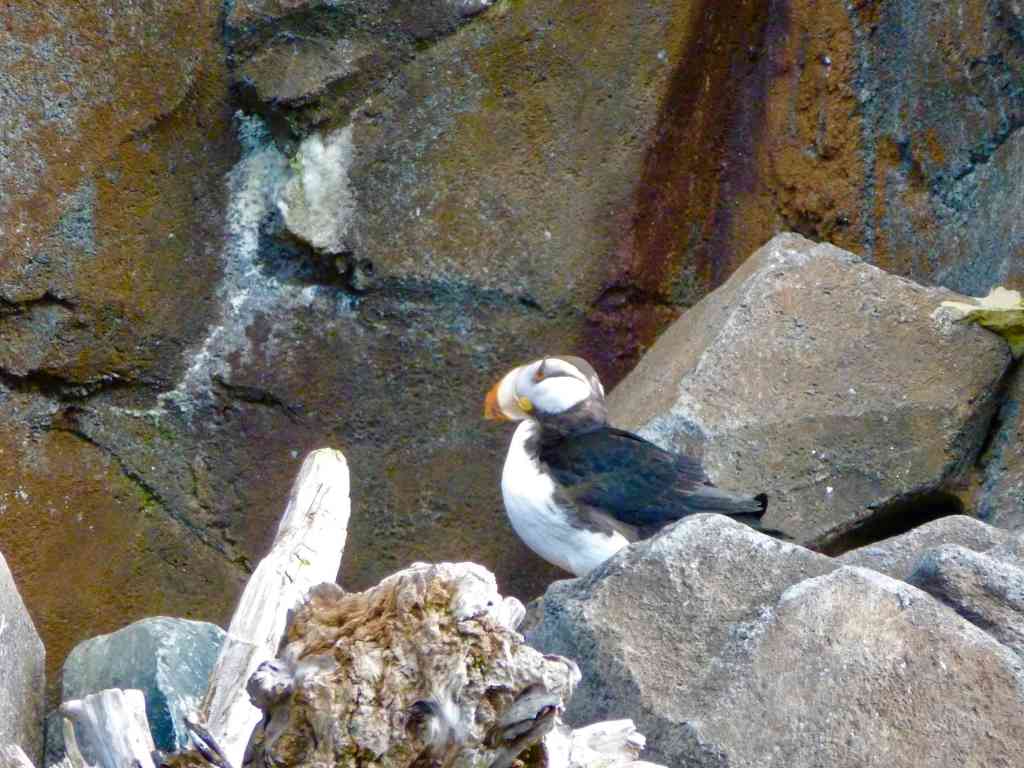
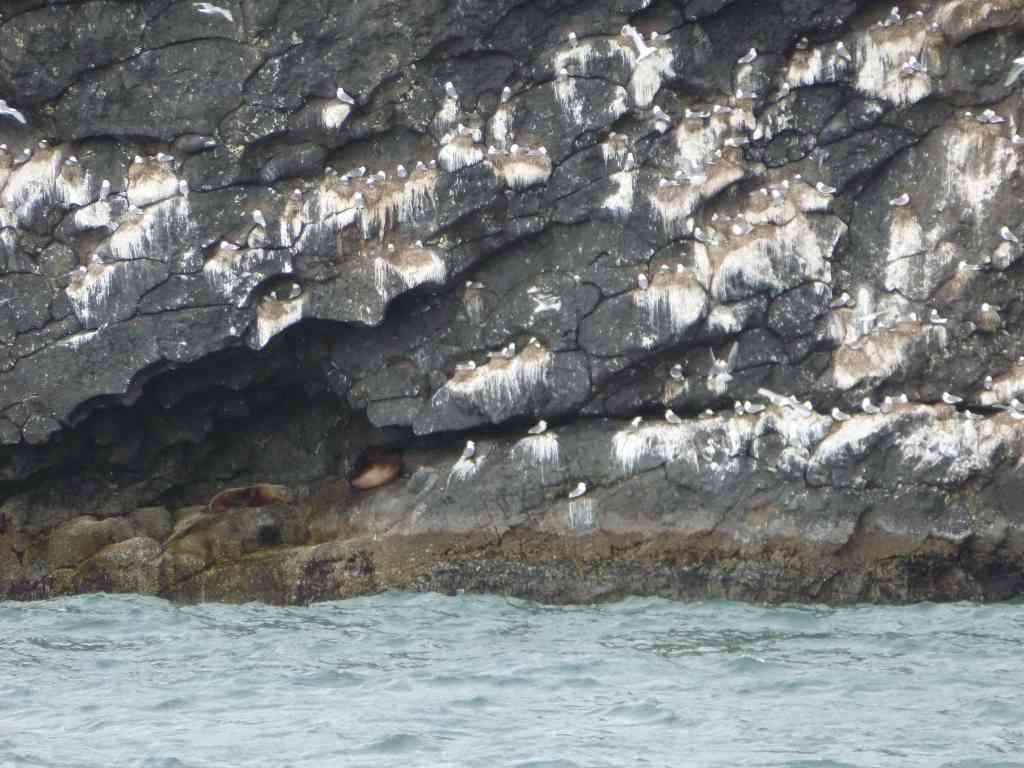
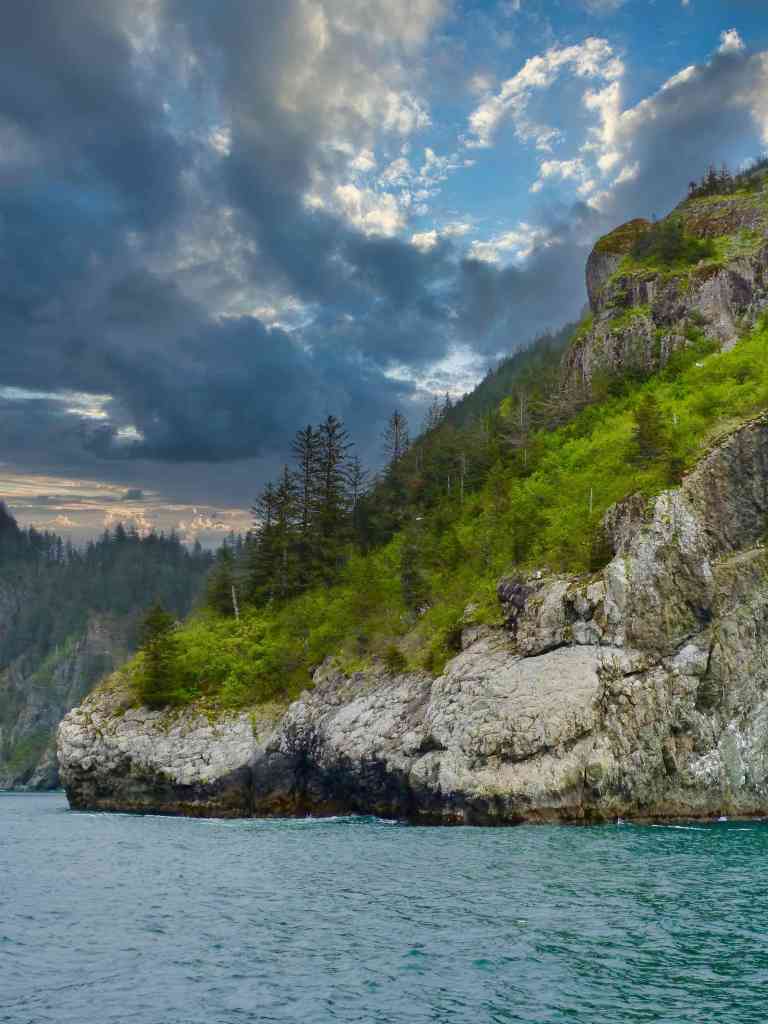
Dolphins dart in and out of the waves as they keep pace with the boat, sea lions bask on the rocks along the shoreline while seabirds circle in the sky and nest in the crevices of the nearby cliffs by the thousands. Sightings include Otters, Bald Eagles, Osprey, Puffins, Dahl Sheep, an occasional Bear or Moose and even a whale or two as the excursion boats cruise on into the waters of Resurrection Bay, Alaska.
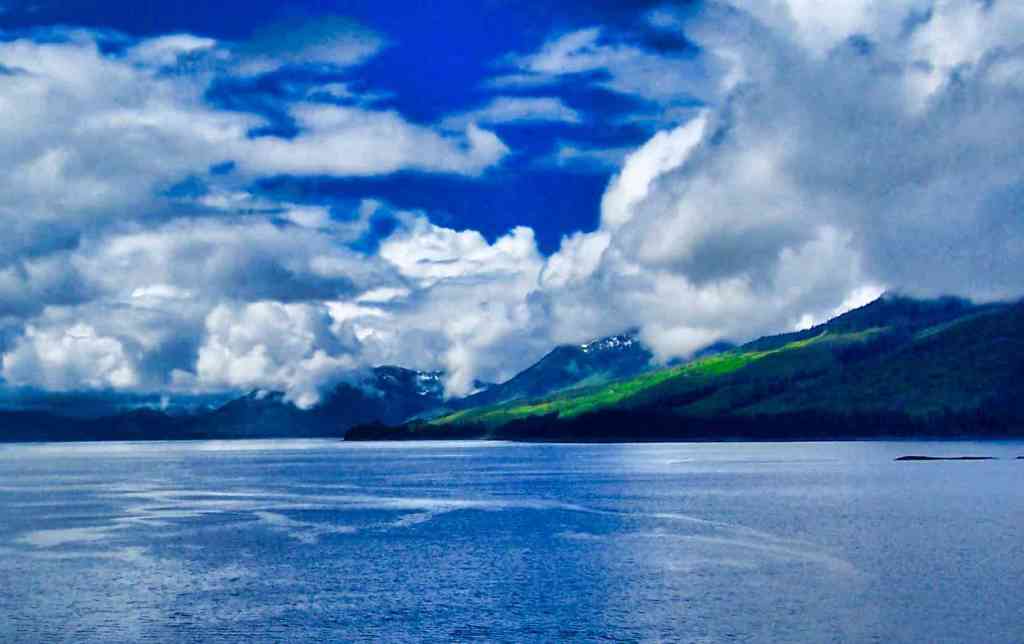
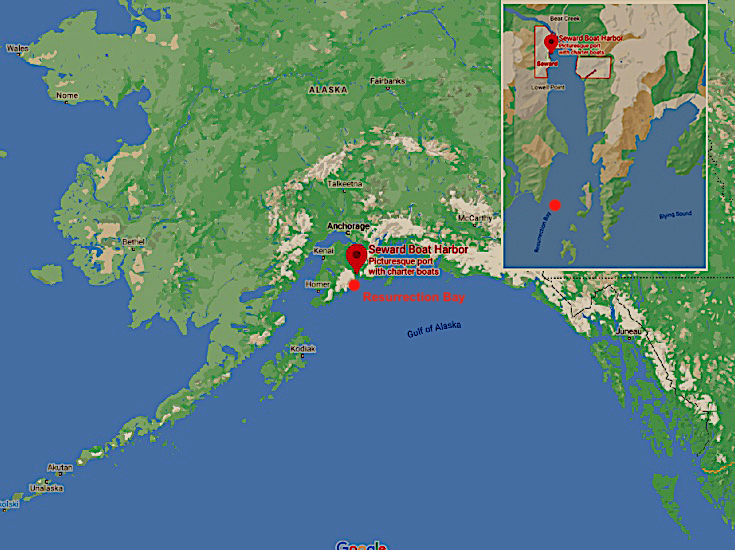
As the excursion boats leave and cruise out into Resurrection Bay the first thing you’ll realize is just how wild and remote this corner of the world is. The area covered by the bay is some twenty-five miles long and six miles wide and with the exception of the town of Seward itself, there are no signs that man has touched this region at all and the wildlife is everywhere. On shore, in the water and filling the sky the whole bay is simply alive.
Seward is also home to several of Alaska’s favorite destinations that include:
The Alaska SeaLife Center which is the state’s only public aquarium combining the aquarium with marine research and education as well as wildlife rescue and rehabilitation. Visitors experience the ‘windows to the sea’ with close encounters with puffins, octopus, sea lions, and other marine life.
Kenai Fjords National Park, described by National Geographic as “the essence of coastal Alaska” a place where Mountains, Ice, and Ocean Meet. Only a short trip out of Seward at the edge of the Kenai Peninsula is a land where the ice age lingers with almost forty glaciers flowing down from the Harding Icefield, the Kenai Fjords’ crowning feature. Wildlife thrives in icy waters and lush forests around this vast expanse of ice
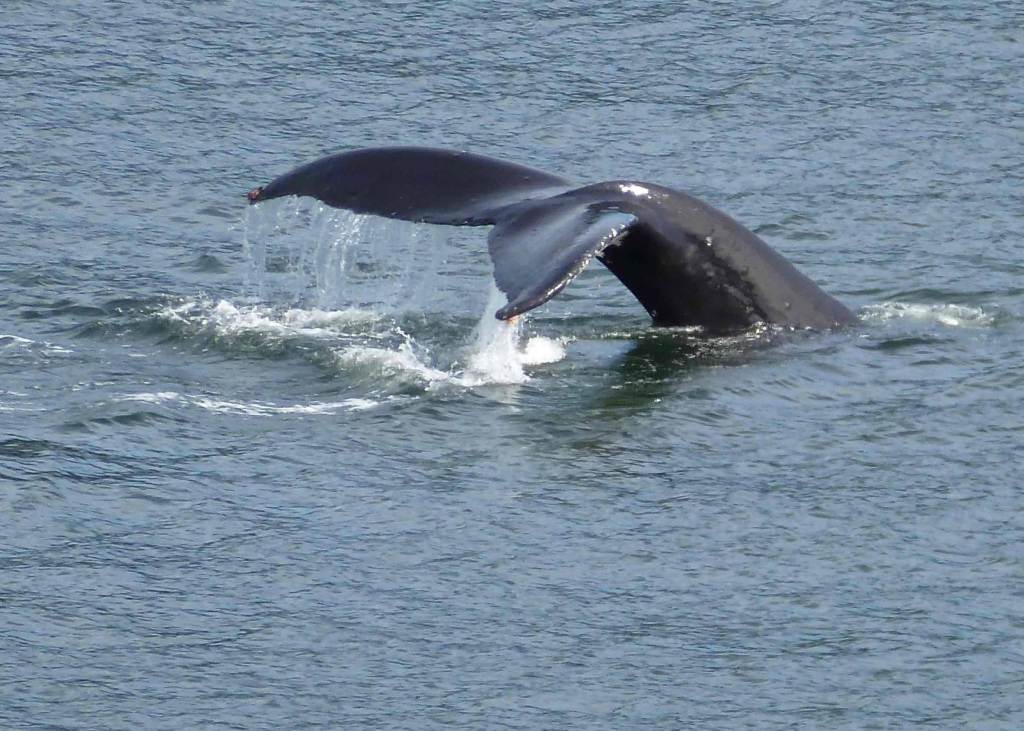
Whale Watching cruises through Kenai Fjords National Park and up the areas coastal waters is one of the best locations to see whales in Alaska. Local captains are experts at spotting and safely navigating near these incredible mammals, offering a unique experience to observe them up close. The best times to see specific whales varies by season:
Orca Whale May to June
Gray Whale – March-May
Humpback Whale May-August
Fin, or Finback Whale, are the second-largest mammals May -September
Visiting Seward and Resurrection Bay
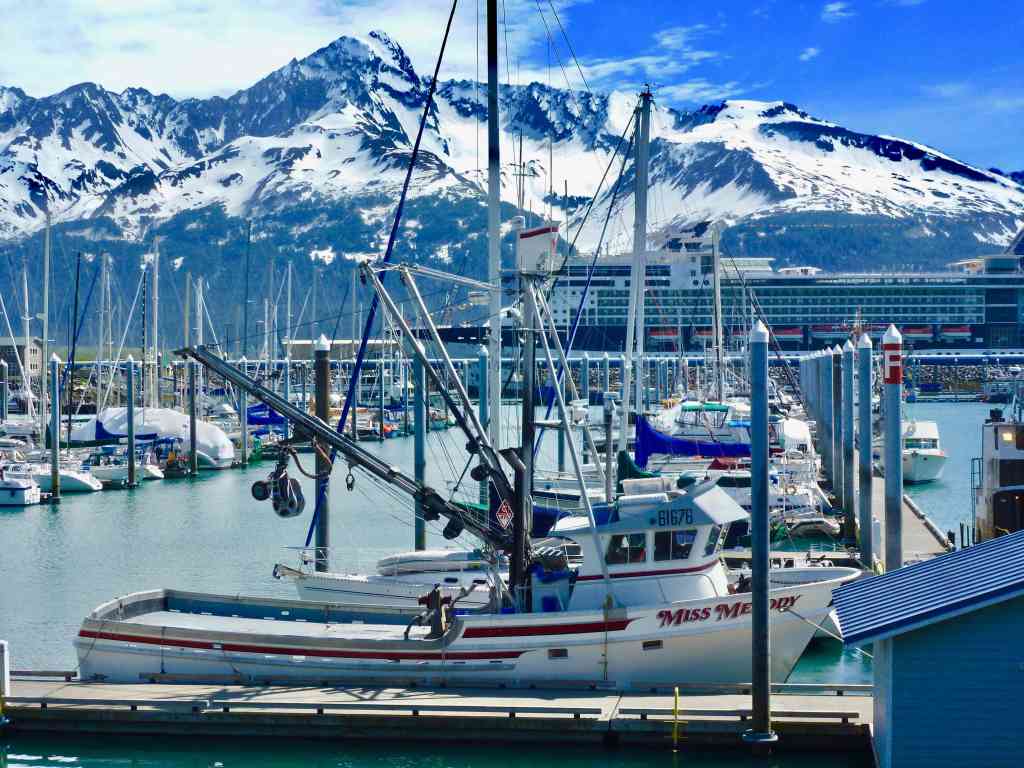
Seward is the Alaska port where cruise ships embark and disembark passengers catching the Alaska Railroad stopping in Anchorage and Denali National Park and Fairbanks. While Denali is the premier Alaska destination, Resurrection Bay offers probably the best opportunity to experience Alaska wildlife up close. So regardless of what your Alaska travel plans may include, do not miss an opportunity to spend time on Resurrection Bay.
A majority of the visitors that come to Seward are there for the train trip to Denali and arrive (or leave) on cruise ships. Many cruise lines offer combination fares that include an Alaska cruise and an Alaska Railroad trip to Denali. Holland America, Princess, Royal Caribbean and Celebrity operate observation dome railcars in Alaska with several different individual cruise line dome cars added to the Alaska Railroad trains.
Before booking that combination consider the options of making the Denali trip a separate booking*. That would allow you to spend more time in Seward with a number of good hotels available in town. It also provides the option to spend some time in a number of other Alaska towns on your trip. There are also a number of tour operators that provide booking on the Alaska railroad including the railroad itself.
*Before you make your plans it is important to make sure that your land tour includes admission to Denali National Park. Entrance to the park is very controlled and on your own you will have to make reservations with the Park Service months in advance. Admission is usually included with most land tours.
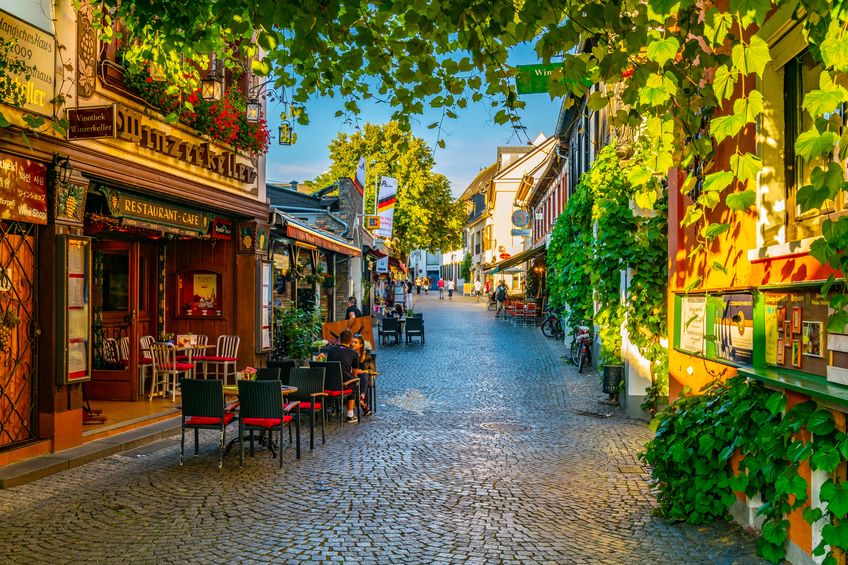
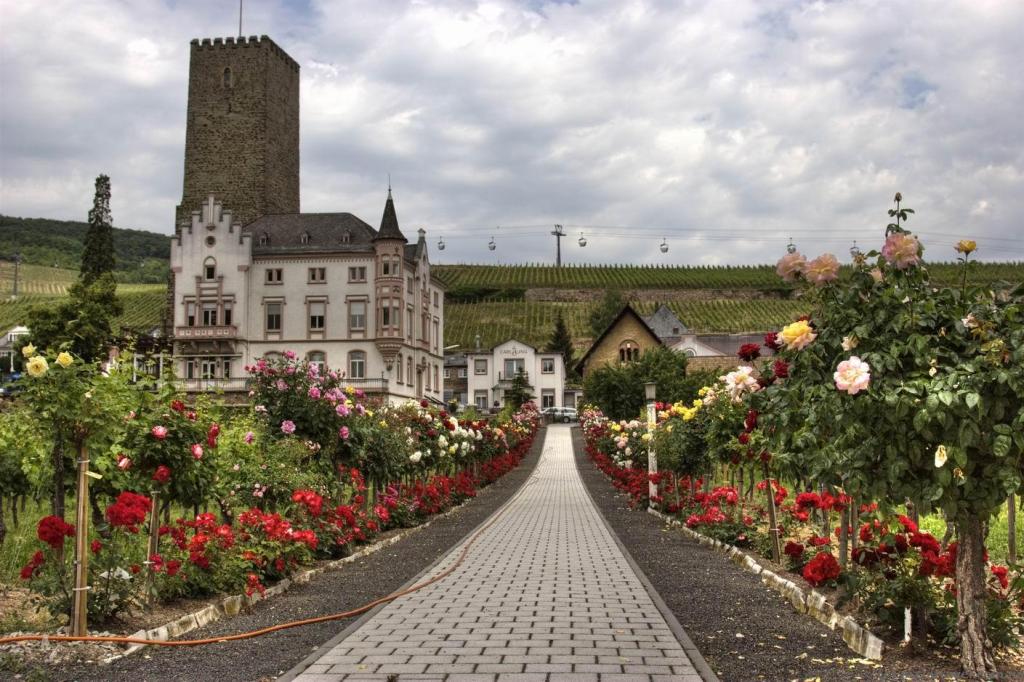
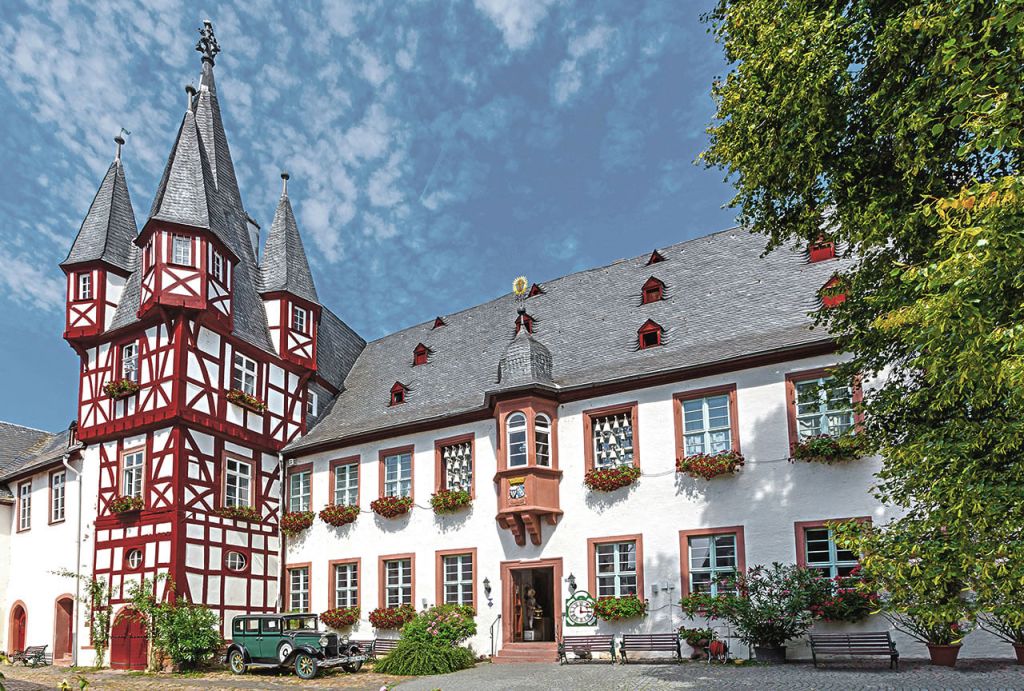
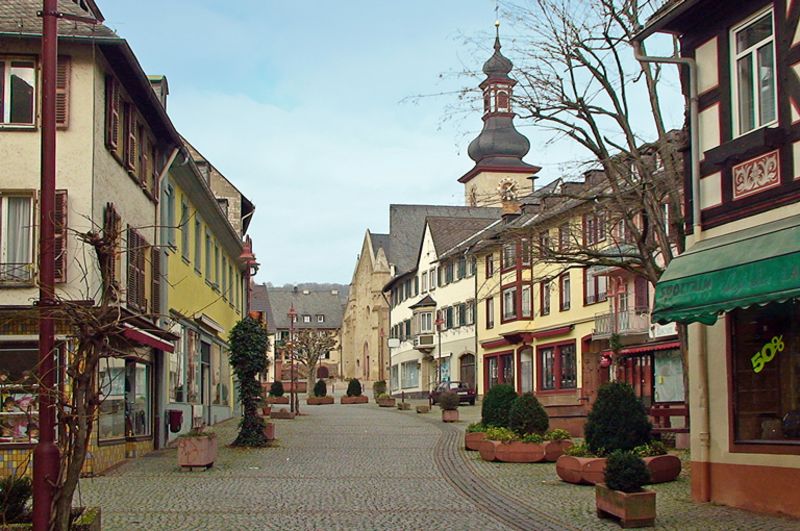
East of Frankfurt on the Rhein River is the very picturesque town of Rüdesheim Germany with a local hot coffee drink that has helped make the town famous.
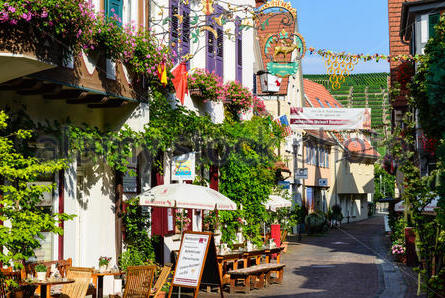
Rüdesheim am Rhein in the heart of Rhine wine country is a town that has become maybe too cute for words. A favorite day trip destination for area Germans, its streets are packed with cafes, restaurants and gift shops. The town is also famous for its local brandy and Rudesheimer Coffee. The center of the cafe district is Drosselgasse, a walking passage that takes you past wine gardens, shops, restaurants and cafes.
The fortunes of the town are indebted to a local distiller. In 1892 Hugo Asbach opened the company Asbach & Co. in Rüdesheim. He created a brandy giving it his name and it remains as popular in Germany today as it was in the late nineteenth century. In 1937 the company coined a marketing slogan that added to the fortunes of the brand, “The spirit of wine is in Asbach”.
in 1957 Rudesheimer Coffee was created, a popular coffee drink with Asbach and cream that has become the signature drink in the town and is served in every good Café. Similar to Irish Coffee it is the perfect hot drink for the winter months and special occasions. There is even a signature shaped cup that’s supposed to be used with this concoction.
Recipe for Rudesheimer Coffee
Ingredients
1.5 ounces Asbach Uralt Brandy
3 cubes of sugar
Hot coffee (regular or decaf)
Whipped cream sweetened with vanilla sugar
Grated milk chocolate
Instructions
– Warm the brandy by using a double boiler or very low flame in a pan. Do not bring to a boil!.
– Place 2-3 cubes of sugar in an original Rudesheimer Coffee cup, and pour over the heated Asbach and light it by using a long match.
– Stir with a long-handled spoon to dissolve the sugar completely.
– Let it burn for about 1 minute, then pour in hot coffee to about 1 inch below the rim.
– Top off with freshly whipped cream and sprinkle with grated chocolate or dust with cocoa.
Don’t have any Asbach Brandy (it’s not available in the U.S.) or the proper cup? We wouldn’t let that get in the way because this recipe is a good challenger to Irish Coffee. Substitute any good brandy and a tall mug, but follow the recipe.

























 The Intentional Travelers