Bangkok’s Cruise Port At Laem Chabang

Laem Chabang Cruise Gateway to Bangkok, Thailand

Cruising in the South China Sea is becoming increasingly popular which normally includes one or two ports of call in Thailand.

Thailand is one of the most advanced and open nations in Southeast Asia, and was once known as Siam. It is bordered by Myanmar (Burma) to the north, Laos to the northeast, Cambodia to the southeast and Malaysia on the south along Thailand’s isthmus. Thailand is a constitutional monarchy, and tourists are welcomed with open arms by these friendly people.

Where The Ship Docks

Most cruise ships dock at the port of Laem Chabang on the Gulf of Thailand, a full two hours south of Bangkok, the nation’s capital.

Often smaller ships dock at Klong Toey on the Chao Phraya River, right on the outskirts of Bangkok.

Inside the Grand Palace Complex

Terminal facilities at Laem Chabang

This port is located along the southeast coast and serves primarily as a working industrial port. While there are supposed to be facilities being developed to include a terminal, currently there is not much there for cruise passengers.

Transportation

Getting into Bangkok by taxi is estimated to cost about $40 each way with bus service costing about $7.50. We’ve known people that tried the buses and eventually gave up trying to catch the right bus and hired a taxi.

The roads and highways in Thailand are very well maintained and if you want to go it alone and see some of the countryside there are good car rental services. We’ve always been amazed with Thailands highway rest stops usually lined with a half dozen or more American franchises. One rental company near Laem Chabang that comes highly recommended is:

Take it Easy Bike & Car Rental

Address: 329/48, Soi Pattaya New Plaza, 50m off 2nd Road, Opposite Soi 7 – Soi 8, Central Pattaya, Pattaya 20150 .                      Phone: 089 007 7804    Rental cars can be arranged ahead of arrival for pick up at the port through their web site.

Currency

Thailand uses the Baht at an exchange rate to the U.S. Dollar of one Baht equals about 3¢. While most credit cards are welcome if you are going to spend a day or two in Bangkok it is recommended that you exchange for local Baht.

Attractions

The capital city of Bangkok is the big attraction, with the best place to start being the Grand Palace. This is the central sightseeing attraction in the city, and it’s overwhelming in its historical significance and stunning architecture. The grounds are packed full with royal palaces, temples, and history, the highlight is Wat Phra Kaeo, Temple of the Emerald Buddha. A relic within this temple is said to be a piece of bone from the Buddha himself. While there also visit the Temple of the Reclining Buddha, its official name is Wat Phra Chetuphon Vimolmangklararm Rajwaramahaviharn and it measures 135 feet long. Allow a number of hours to do the Grand Palace grounds but also try and visit the famous Wat Po and Wat Arun, the Temple of the Dawn rising above the Chao Phraya River. We would also recommend taking a water trip through canals and along the river.

Thailand is also famous for floating markets where goods are sold from boats. Originally developed when rivers and canals played an important role in daily life, most floating markets operating today serve primarily as tourist attractions.

Maeklong Railway Market

One unique market is the Famous Maeklong Railway Market. It is located in a congested town and sits right on an active train track. As trains approach vendors pull back their awnings and displays with only minutes to spare and are right back in business as soon as the trains pass. A unique experience as you stand there with train only only inches away.

Temple of the Dawn
Grand Palace Complex

While there are tons of cultural and historic attractions to see in Bangkok and the people are remarkably polite and friendly be aware of con artists; they frequently prey on tourists. Though the cruise port is a good distance from the city, venturing into the the city to see the sights is something that shouldn’t be missed.

Grand Palace Complex
Temple of the Dawn

Flying Health Advice

Keeping Safe While Flying

Note: In the times of the Covid pandemic there is actually a bit of good news for air travelers. With all the emphasis on mask wearing you will no longer stick out in a crowd if you use masking as a precaution. While some airlines are requiring N95 masks to fly it’s a good idea to embrace the idea. You can find the N95 masks HERE. Likewise because of increased airline sanitation it is becoming less likely that you will pick up a bug from flying. It’s still recommended that you don’t let your guard down

Often cruising requires a flight to get to the ship and often these can be really long distance flights. This exposes that love-hate side to travel. Getting there is great but traveling there not so much. Long distance flights are usually no fun at all, especially if you fly coach and with a price difference on international flights as high as ten times, many feel the pain is worth the price savings.

It’s often suggested to get up and walk around to help circulation but that is just not practical on night flights where you are stuck between two or three people on a wide body jet. The cabin crew isn’t pleased either with isle walkers getting in their way.

Compression Socks

You can find some relief if you plan ahead on those long flights, especially if your cramped in coach. One area of particular concern is the toll it can take on your circulation. It isn’t unusual to discover that your ankles swell and maybe even hurt on and after a long flight. While the risk of developing blood clots on a flight is pretty low, it does go up with age and as travel length increases.

A lot of athletes and seniors already know the solution. Ask you doctor and he’ll tell you to wear compression socks. These stockings help increase circulation and reduce the risk of swelling or worse, deep vein thrombosis (DVT) and clotting on long flights.

An excerpt from the Mayo Clinic explains, “Compression stockings steadily squeeze your legs, helping your veins and leg muscles move blood more efficiently. They offer a safe, simple and inexpensive way to keep blood from stagnating.” Find them HERE.

Twisted Pillow

Another useful item is a travel pillow to help reduce strain on the neck. I’ve been traveling with my inflatable half-donut for a number of years and the only thing I have to recommend it is it deflates flat and does help. One concern is it doesn’t help at keeping your head up straight and that seems to be where the strain is.

Recently I found a straight line, bendable pillow that has a rigid center. It allows you to bend it so there is a higher point on one end that is supposed to support your head when wrapped behind the neck. Available HERE.

Masks and Nose Filters

Another concern with flying is getting trapped in that enclosed environment along with a number of people sneezing and coughing. It’s not uncommon to come down with a flu or cold within a few days of a long flight. One approach is to do what a lot of Asian flyers do and wear a face mask (with Covid that is getting much more acceptable). While it may seem odd to see an entire group exiting a plane wearing surgical masks, it does have a practical side. Another option is to use nose filters. They’re discreet little adhesive pads with HEPA filters that you stick to each nostril. There are several kinds with one called First Defense. You can find them on Amazon and Ebay. There are a number of competitors out there including 3M and WoodyKnows (also available from Amazon ) that claim to offer the same protection.

Sanitize

Another practice that has become common after the recent pandemic is using hand sanitizer. While airlines claim to sanitize the area around seats there’s no harm in doing a little sanitizing of your own. Spritz the trays, control panel and seat arms as a minimum.

Another lesson that has come into practice is keep your hands off your face as much as possible. The most common way to catch and spread a virus is to give it access at your mucus membranes. Mouth, nose and especially your eyes. and it’s remarkably easy for your hands to pick up a bug off surfaces. In the case of most bugs they can’t gain access to your body without contacting a mucus membrane. Washing your hands frequently is a must too.

Civitavecchia, Rome’s Port

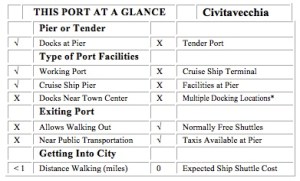
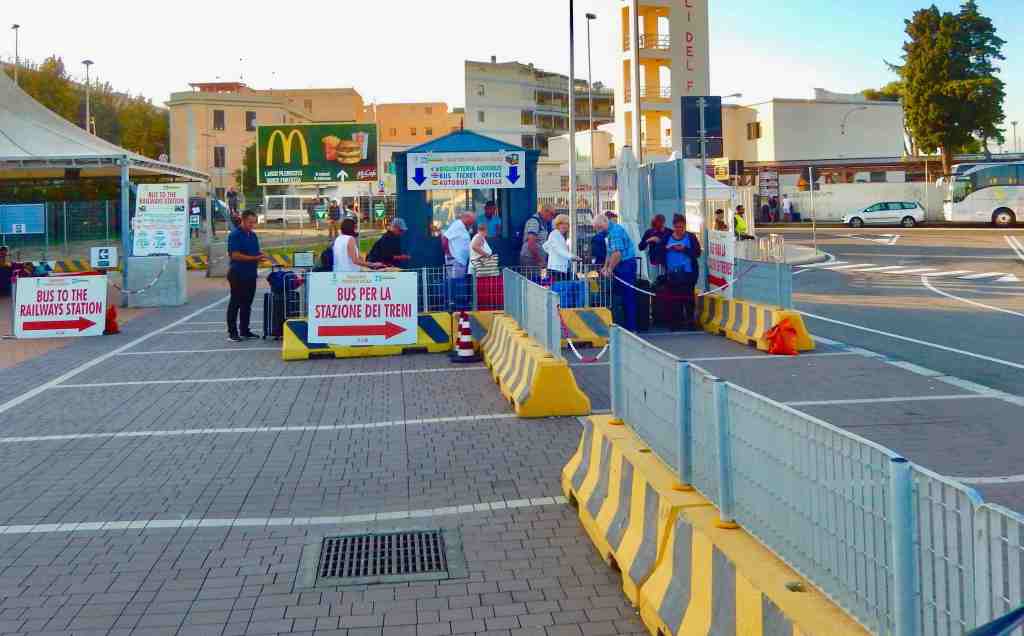
Civitavecchia is a seaside city and the port serving the city of Rome. The city is serviced by frequent train service from Rome along with service to other Italian destinations. The Cruise port is only a short five or six block walk along the waterfront on Via Aurelia from the train station. Once inside the port gate there are free shuttles to the cruise ships. How the shuttles run seems to change often. At times the port runs shuttles to and from the train station.

The main entry to the port is marked on the map with a red 1 but the more likely location to catch the shuttle is marked with a red 2.

Where the Ships Dock – Civitavecchia is both a cruise ship embarkation port as well as a popular port of call and for that reason it can have a large number of ships in port from time to time. On one day we counted seven cruise ships tied up. Because of the size of the port it usually requires a shuttle to get out of the port.

Taxis are available but are famous for overcharging with the short ride from the port to the train station quoted as high as €10 or €15.

Taking a taxi into Rome or to the airport can be an expensive trip with fares running from €150 to €300.

If you are catching a cruise from Rome and are flying in, the cruise ships sponsor shuttle buses from the airport that average $65 per person. If you are on a budget there is frequent train service that can get you to Civitavecchia for as little as $7. Catching the Leonardo Express requires you to go into the central Rome Station and transfer to a local train. You can also catch a commuter local train (FM1) and switch trains at Trastvere station for Civitavecchia. If it is rush hour and you have large suitcases commuter trains can be awkward as the Italians don’t take kindly with bags taking up seats.

The Port Bus Stop
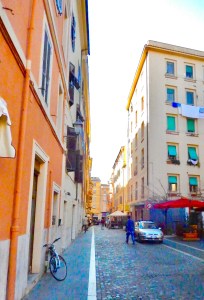
Civitavecchia Pedestrian Mall

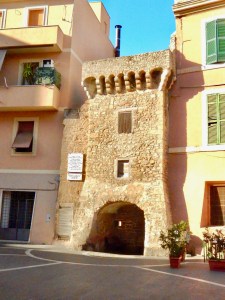
Visiting Civitavecchia – Civitavecchia is a nice city with a number of good hotels and restaurants within walking distance of the port. The main business district is right next to the port and there are a number of shops in the area as well as a pedestrian mall. On most days there is also an outdoor market only five or six blocks from the port entrance that features food and hard goods sold from stalls.

Tenerife, Canary Islands Port of Call

Santa Cruz de Tenerife, Canary Islands

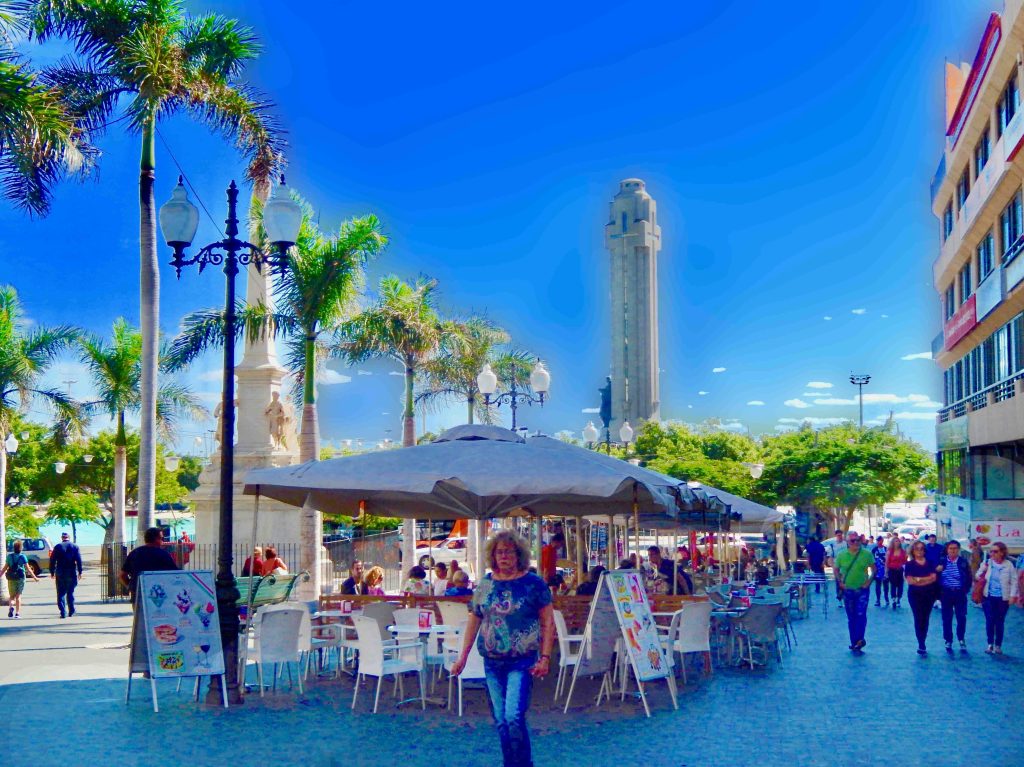
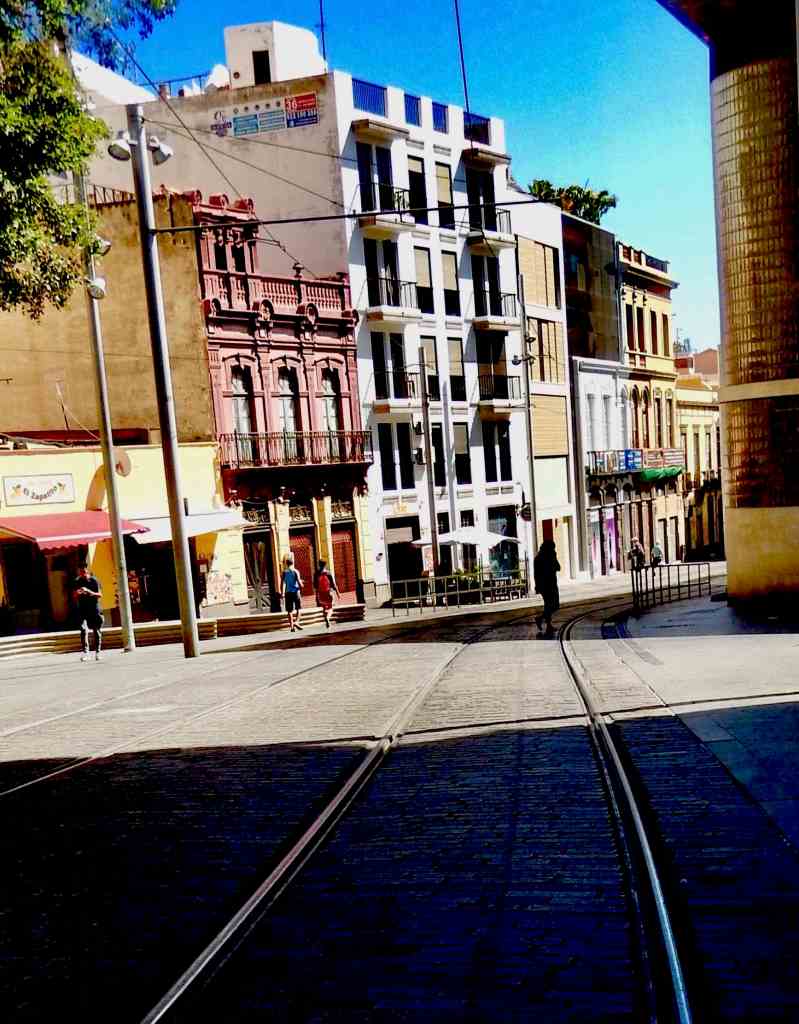
Santa Cruz de Tenerife: The capital city of Tenerife is a vibrant and cosmopolitan city with a rich history and culture and cruise ships dock in the center of town.

Santa Cruz de Tenerife

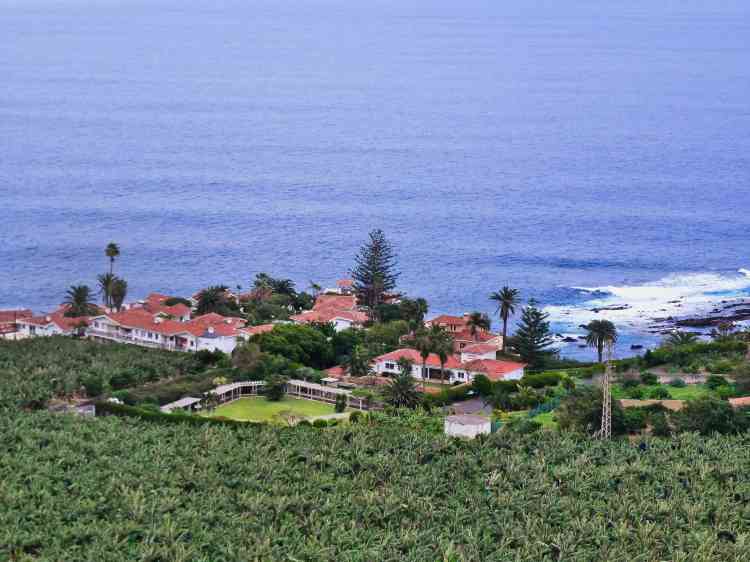
West of southern Morocco in the Atlantic Ocean sits a cluster of volcanic islands called The Canaries. The Canary Islands feature a rugged volcanic landscape known for the black and white sand beaches. Tenerife, the largest island, is dominated by an active volcano Mt. Teide, which has its own astronomical observatory and is part of Teide National Park. Tenerife hosts a huge pre-Lent Carnival each year in the capital of Santa Cruz de Tenerife.

Where Your Ship Docks

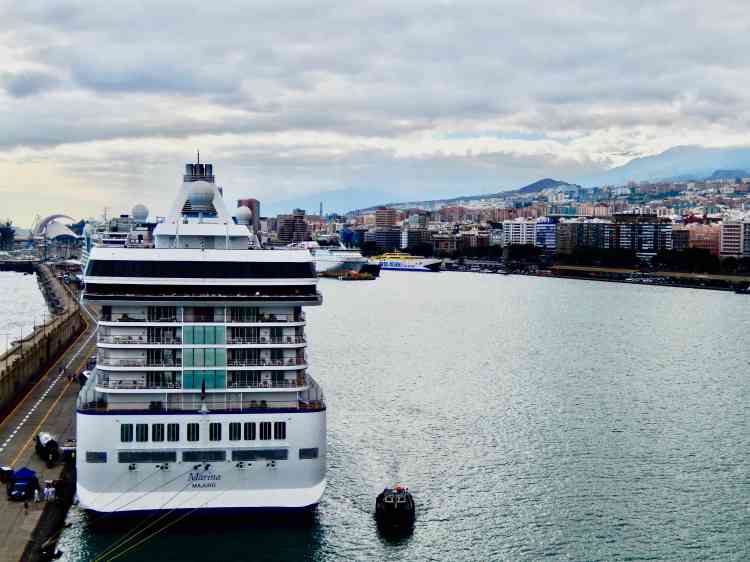
Most cruise ships will dock at the piers in Santa Cruz de Tenerife. There are no cruise terminals or readily available public facilities at the pier. While docked in the city it is still a good walk to reach the central business district. At times there can be shuttles available to get out of the port area.

Wheelchair Accessibility

Disembarking – This port has a developed cruise ship pier but the ease of disembarking varies by the individual ships gangway designs. The xxx pier disembarks right into downtown. For passengers using wheelchairs there can be a moderate ramp incline to deal with in both locations.

Port City Characteristics – This port has an average wheelchair infrastructure typical of European cities. The port area has good walking sidewalks to get out of the port. In town the city slopes up from the waterfront with some uneven sidewalk pavers and intersection crosswalks may have curbs or other wheelchair obstacles.

Transportation

The island does have a good bus system (CLICK HERE) that uses a pass card, the Ten+ Travel Card. It can be used on most all bus routes. The plastic card itself can be purchased at various outlets around the island for €2 plus a €5 minimum charge amount. The island of Tenerife is a large island covering almost 100 square miles with a trip from one end to the other being about fifty miles.
Because of the distances that you need to cover to see the island on a short visit it’s recommended that you rent a car or take a tour.

Currency

The Canary Islands belong to Spain and are part of the EU making the local currency the Euro. Credit cards are widely accepted but you will need to use the Euro for cash transactions. ATM machines are also common.

Attractions

African Market

Don’t miss an opportunity to just stroll the streets of Santa Cruz just a short walk up from the cruise docks. There are a number of good cafes and restaurants and shopping. There is also a city market called the African Market featuring its own restaurants, cafes, along with stalls of produce and crafts well worth a visit.

The Canary Islands are a favorite holiday destination for Europeans, particularly the British. It features a good selection of fine restaurants along with a thriving wine industry with a number of vineyards of note.

Because of the volcanic nature of the island there are a number of interesting sights focused on the geology. Visit the Cueva De Los Verdes, lava-formed tunnel which features guided tours. Also the Jameos del Agua, a volcanic cave system with dining & music that opens each day at 10 am.

Blessed with a near perfect climate, Tenerife has a number of good beaches like Playa de Amadores, a busy beach for swimming and sunbathing. There is also Palmitos Park, a botanic park with an aviary & dolphinarium or Siam Park a Thai-themed adventure water park.

Around The Island Of Tenerife

Mount Teide National Park: This UNESCO World Heritage Site is home to Mount Teide, the highest mountain in Spain and the third-tallest volcano in the world. Visitors can take a cable car to the summit for breathtaking views of the island.

Loro Parque: This world-renowned animal park is home to a diverse collection of animals, including parrots, dolphins, whales, and gorillas. Visitors can enjoy live shows and educational exhibits.

Siam Park: This water park is one of the largest in Europe and features a variety of thrilling rides, slides, and attractions. It is a great place to cool off on a hot day.

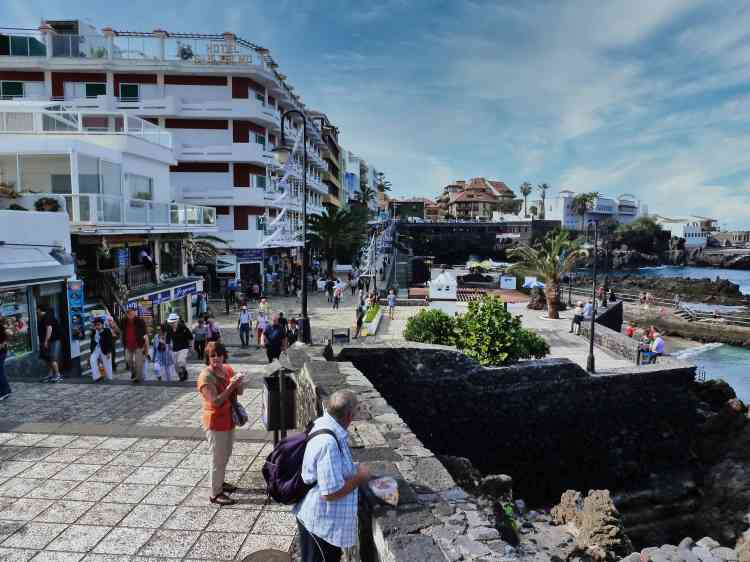
Playa de las Américas (Pictured above): This popular resort town is known for its beautiful beaches, lively nightlife, and a wide range of shops and restaurants.

Port Of Call Honolulu, Hawaii

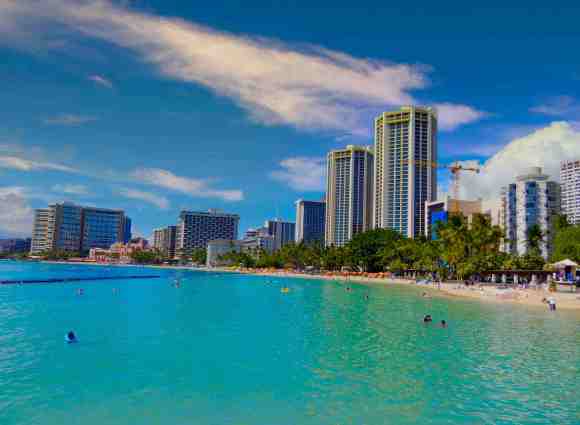
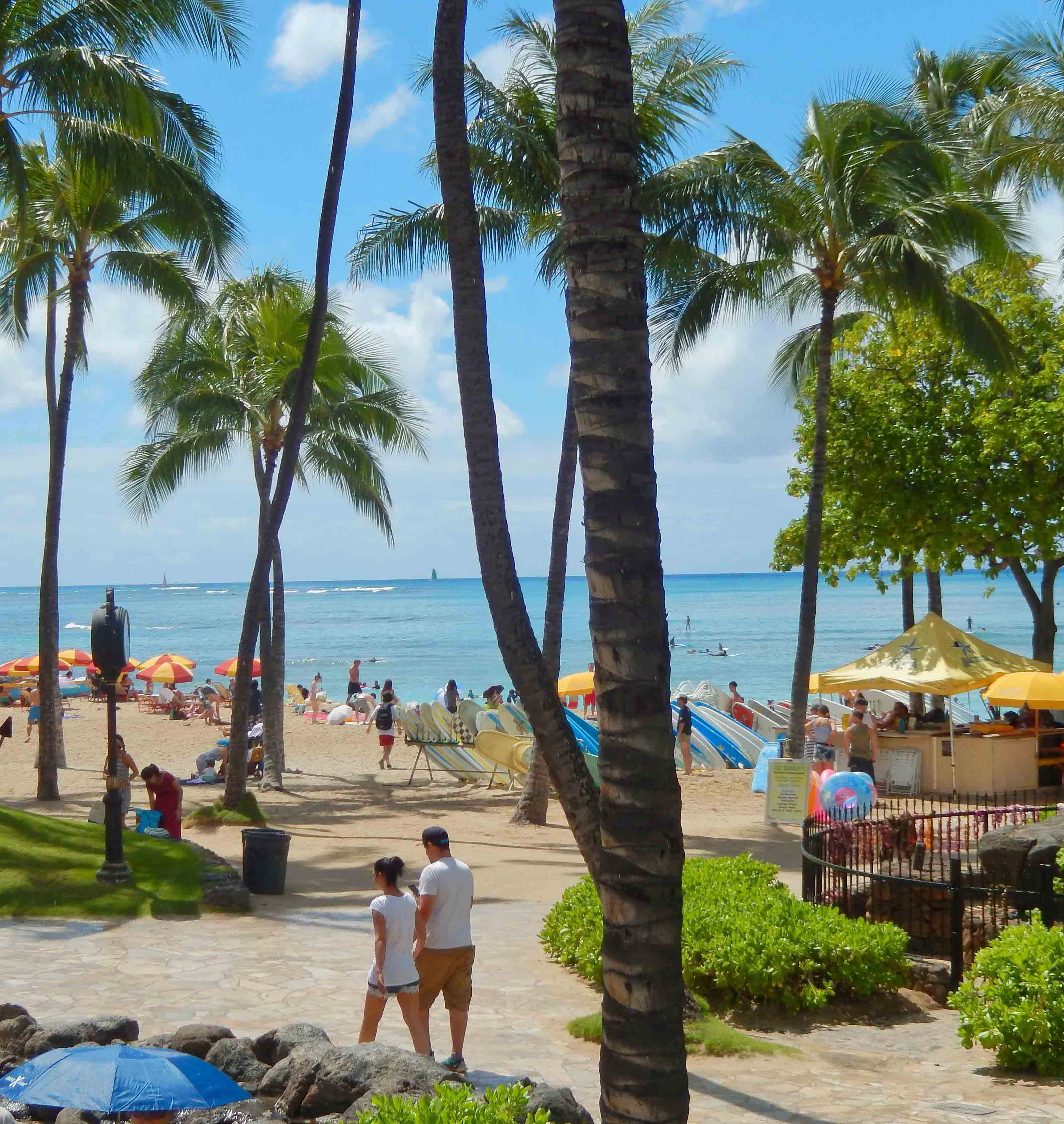
Waikiki Beach and Diamond Head

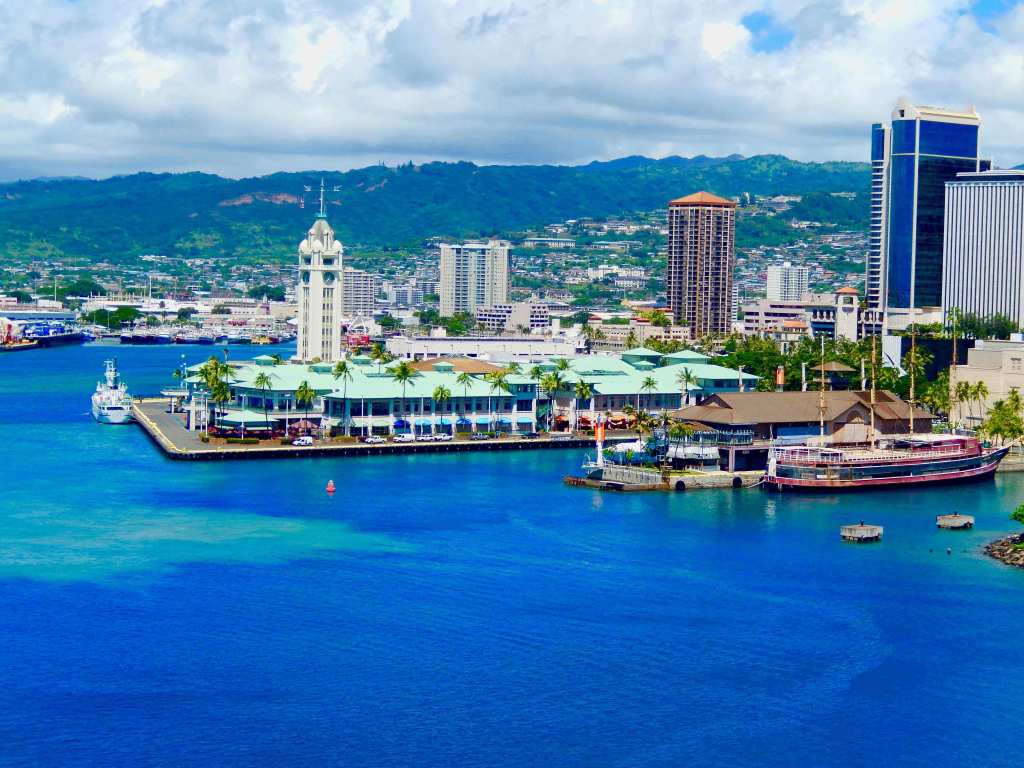
Cruise Port Honolulu.

Honolulu is a frequent stop for cruise ships repositioning in the Pacific, cruises going out of the west coast of the U.S. and Canada as well as cruising the Hawaiian Islands. It is the largest city in the islands, the states Capital and gateway to Hawaii’s most developed island Oahu.

Honolulu is located on the island of Oahu with a number of areas to visit and sights to see. Nearby the cruise dock is Pearl Harbor with the museums and memorials and in the other direction is world famous Waikiki Beach with the hotels and shopping. This island and city are major tourist destinations and to get a feel for Oahu you need a number of days.

Where The Ships Dock

The cruise piers are located on the northwest side of Honolulu between Waikiki Beach and the International Airport. Cruise ships dock at either the Aloha Tower (pier 11) or Pier 2 about a quarter mile more to the south (primarily used by NCL for Hawaiian cruises). Aloha Tower is conveniently located not far from the downtown area and the Aloha Tower Marketplace. There are facilities located at the cruise terminal and you can walk out without much difficulty. “Downtown” with its shopping and “Waikiki Beach” are not the same location so if you want to visit this famous beach area you will need transportation.

Cruise Ship Piers Oahu
Transportation

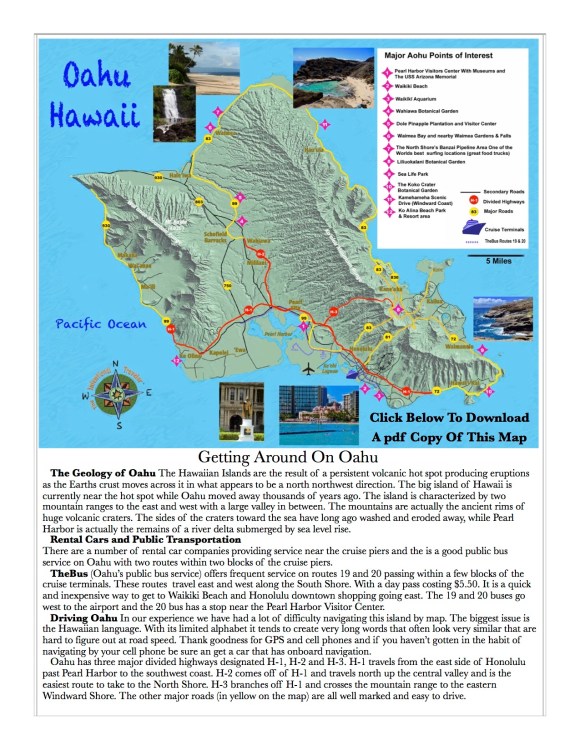
Our preference to really see the island is to rent a car. Rates are usually very reasonable and since you are in the United States your insurance covers the rental car. Oahu is a pretty big island with 3 major highways (H-1, H-2 and H-3) and we would strongly suggest that you use GPS navigation or navigate by your phone. The street names are difficult to pronounce and remember and the roads tend to wind around.

Wheelchair Accessibility

Embarking/Disembarking – This port has a developed cruise ship pier but the ease of disembarking varies by the individual ships gangway designs. For passengers using wheelchairs there can be a moderate ramp incline to deal with in both locations. From the pier it is several miles into downtown.

Port City Characteristics – This port has a well developed wheelchair friendly infrastructure. The port area is flat or has few inclines. Intersection crosswalks have few issues with curbs or other wheelchair obstacles.

Currency

This is the 50th state and the US Dollar is currency. Most major credit cards are welcome and you will find plenty of ATM machines.

Transportation

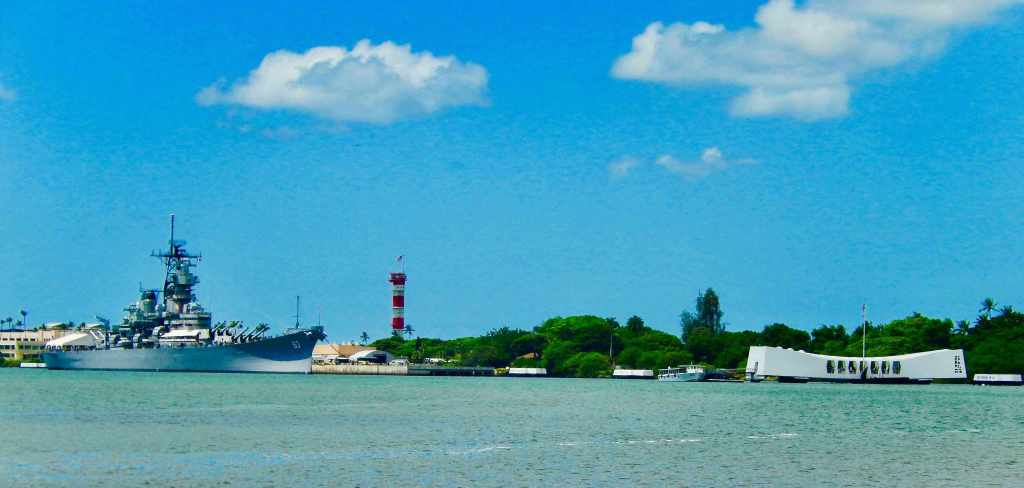
The primary comment on the Waikiki Trolley is it’s way overpriced for what you get to see. Again “TheBUS” Day Pass is much less expensive and covers the same routes. To see more of the island you’ll need to rent a car and there are several rental agencies near the pier. A short taxi ride into the center of Waikiki Beach is also good investment. If it’s going to be a first trip don’t miss a visit to Pearl Harbor with the USS Arizona Memorial and the USS Missouri.

Attractions

In Honolulu there are almost too many attractions to count, from shows to an aquarium and zoo. The best view on the island requires a car for a drive up to Hawaii Puu Ualakaa State Park with an overlook above Honolulu on Mount Tantalus.

Pearl Harbor

A must visit is Pearl Harbor and the Arizona Memorial. It is a popular tourist destination and is visited by millions of people each year. It is a powerful reminder of the attack on Pearl Harbor with its Visitor Center and museum.

If you have the time and a car the North Shore with the surf at the Banzai Pipeline and Waimea Bay, a number of great small towns to explore (look for the food trucks) and Waimea Falls Park are great destinations. There is also The Dole Plantation (don’t miss having a Dole Whip) in mid-island and a couple of beautiful gardens to check out. Above all is the ocean and the beaches and the reefs. Snorkeling and diving opportunities abound and depending on the season you can go out on a tour boat for whale watching.

Click above to download a pdf of this map

Ushuaia, Argentina’s Port of Call

Ushuaia The Gateway to Antarctica

Introduction

Ushuaia is often referred to as the end of the world and is the capital of Tierra del Fuego, Argentina. It is recognized as the southernmost city in the world. Ushuaia is located in a wide bay on the southern coast of Isla Grande de Tierra del Fuego, bounded on the north by the Martial mountain range, and on the south by the Beagle Channel. It is a popular port of departure for ships and expeditions headed to Antarctica. A little over a decade ago the cities population was less than 10,000 while today it is approaching 100,000. This is partly due to the growing popularity of Antarctic tourism but equally because the Argentinian government has encouraged manufacturing with special tax breaks as well as subsidies for people living here.

The Beagle Channel is the most southern natural channel connecting the Atlantic with the Pacific and has been a popular shipping lane. South of the Beagle Channel is Tierra del Fuego which means land of fire. Because the area was often shrouded in fog early explorers called it the land of smoke which was exaggerated in Europe for advertising purposes into land of fire. A large part of Tierra del Fuego is an Argentine national park.

Where Your Dock

Ushuaia has a large pier right at the cities waterfront capable of handling most ships. It is usually busy in season with expedition boats getting ready for Antarctic tours along with large cruise ships rounding the Horn or setting out for Antarctic waters. Right at the end of the pier is the cities visitor center with facilities and information on tours and the city. Also along the waterfront are a number of tour booking offices.

Transportation

While the city has a population of almost 100,000 it is geographically compact with most restaurants, cafes and shops located within a ten by six block area. Even though the Pan-American Highway passes through the city the area is so isolated with no other towns or cities within hundreds of miles. The areas big attractions for visitors is the national park and the incredible animal life on islands in the Beagle Channel which are best visited on a tour boat.

Currency

At this writing the exchange rate is about 38 Argentine Pesos to one US Dollar. Because of inflation rates over the past several years buying Pesos before leaving the United States is almost impossible. In the city many shops will accept Euros and American Dollars but it is advisable to exchange some currency for convenience. Credit cards are welcome and it is recommended to keep the charges in local currency to avoid unusual charges.

Attractions

Parque Nacional Tierra del Fuego (Tierra del Fuego National Park) is probably one of the major attractions in the area. It is also the terminus of the Pan-American Highway that ends in a narrow dirt road inside the park. There are also a number of islands near the city in the Beagle Channel that are popular with penguins, seals, sea lions, cormorants along with whales depending on the season. There are a number of tour boats along the waterfront to book.

In town there are a number of excellent restaurants, cafes, and chocolate shops along with gift shops. The city also can boast that they are home to the most Southern Hard Rock Cafe in the world.