1965 And The 4 Minute Louvre – An Update

This was originally posted in August 2019 based on my recollection of that week. Afterwards a number of people corrected me that it was the 6 minute Louvre and supplied links to a 1990 Buchwald column similar to my account. Just recently someone forwarded me a copy of a 1965 colume (see below). Perhaps Art Buchwald was inspired by the interest in American Jim Ryun that Summer. He also dropped one of the four pieces of art. Perhaps time fogs all recollections, even those in print.

Shortly after graduating high school the summer of 1965 found me in Paris visiting a Parisian exchange student, Jean Paul that had spent some time with my family the year before. At the same time a classmate of mine was also in Paris with her parents. For a few days Jean Paul, Beth and I hung out together racing around Paris in Jean Paul’s Citron 3.
Evenings usually found us in the park that cascades down the hill in front of Sacre Coeur. It was a gathering place for young people that included British rockers all decked out in their Union Jack clothing and spiked hair, American hippies, Algerian revolutionaries and Parisian rebels. It was full of guitar music, discussions about the Algerian freedom fight, the Vietnam war, art and our future. Often conversations travelled through three or four languages to include everyone and American and British rock songs were sung with a multitude of accents. The evenings broke up when the Gendarmes swept down the hillside with batons swinging to clear the park.
After that was bar hopping through Montmartre and Pigalle often stopping at street vendors selling french fries and mustard.

We slept late every day but did fit in some sightseeing here and there. Around that time Art Buchwald, an American humorist was in Paris and wrote a column in the American Times of Paris titled Breaking The Four Minute Louvre. It was shortly after American Jim Ryun was the first high school student to break the four minute mile and in the Spring of 1965 running the mile was in the news.

What red-blooded American youth visiting Paris could walk away from that challenge? The three of us accepted and while we were slightly hindered by being chased by museum guards we finished in a little over seven minutes. Getting lost could easily double your time and it was easy to do. I understand that the Louvre had to put up with crazy, running young people for most of that summer.

I actually met Art Buchwald in 1972 at a meeting of college newspapers in D.C. and asked him about that column. He laughed and said the French really have no sense of humor at all and he may still be persona non grata in Paris. Their loss.

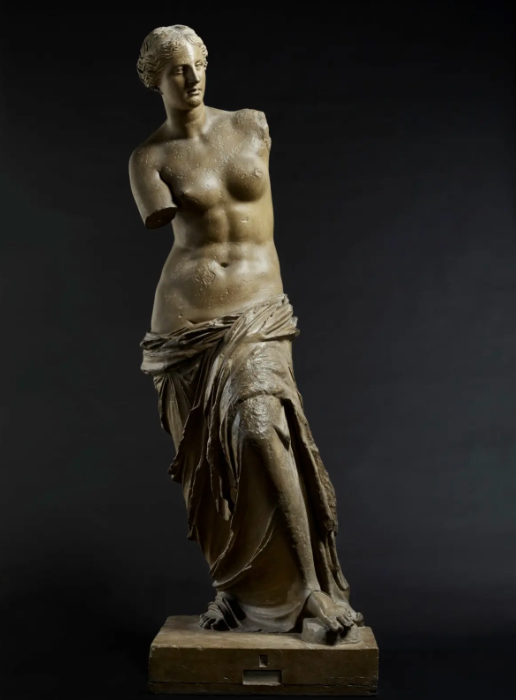
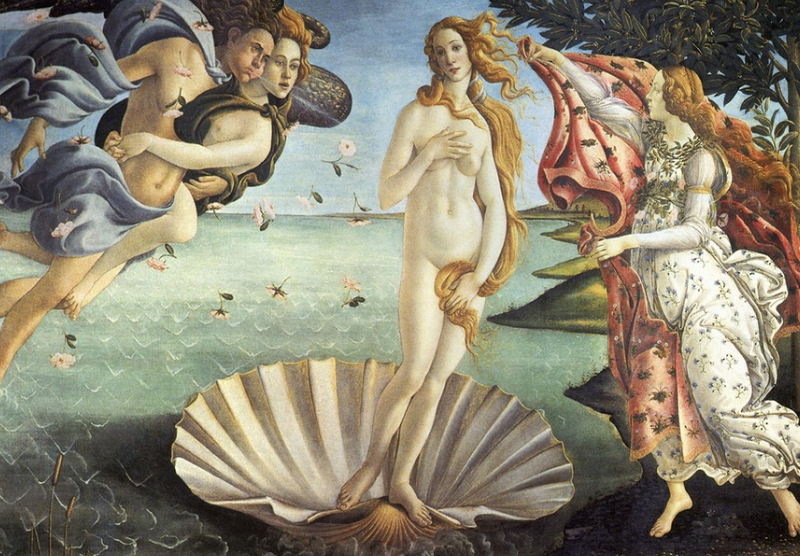
Tongue in cheek, Buchwald claimed that the worlds largest art collection actually contained only four pieces really worth seeing. Of course they included Leonardo da Vinci’s Mona Lisa, but also Botticelli’s Birth of Venus (often called Venus on the Half Shell), the Winged Victory (a masterpiece of Greek sculpture, called the Winged Victory of Samothrace) and the Venus di Milo (an ancient Greek statue and one of the most famous works of ancient Greek sculpture). They were each in different galleries in the Louvre and Buchwald’s column claimed that nobody had yet entered the Louvre, looked at each piece and exited the museum in under four minutes, but the new record was near. It was a funny image offered up to American tourists visiting Paris but it had unintended consequences.


A Copy of the 1965 article

4-MINUTE LOUVRE IS A RECORD NEVER TO FALL

The American Times of Paris 17 July 1965

Art Buchwald

I went back to Paris a few weeks ago to celebrate the anniversary of the running of the four-Minute Louvre, fifteen years ago, a young American student named Peter Stone broke the four-Minute Louvre and brought glory and honor to American tourists everywhere.

It is common knowledge that there are only four things worth seeing in the Louvre. They are the Venus de Milo, Botticelli’s Birth of Venus, the Winged Victory and the Mona Lisa. The rest of the stuff is all junk. Tourists go to see those four works and then rush out to continue their shopping in Paris. Before World War II, the record for going through the Louvre was five minutes and 30 seconds, held by a man known as the Swedish Cannonball. After the war an Englishman, paced by his Welsh wife, did it in five minutes flat. Soon everyone started talking about a Four-Minute Louvre.

Thus it was in 1950 that the young Peter Stone went in while thousands cheered, ran around the Venus de Milo, up past the Winged Victory, down to the Mona Lisa. You always have to say something when you look at the Mona Lisa. Peter’s famous remark was, “I know the guy who has the original,” and then he drove away in a waiting taxi. Peter did it in three minutes and 56 seconds, a record that still stands.

As I stood in the courtyard of the palace looking around me at the seasoned veterans who had come back, I recalled the ’50s and thought, “When it came to sightseeing, we were the best and the brightest.”

“Give me a pair of PF Flyers and I could do it,” my son said.

“It doesn’t help what kind of shoes you wear when there are now escalators all over the museum. The French always had a fear that an American would beat the four-Minute Louvre, and they did everything to confuse us. That’s why they would point you in the direction of the Mona Lisa, and you’d wind up in the salle displaying 22 armless and headless Roman statues. Peter broke the record because he refused to take any directions from museum guards.”

A man came up to me and stuck out his hand, “My name’s Gerry Tornplast. I was on Thomas Cook Tour Number 230 when it happened. The French didn’t think we could do it, but we proved that when you have a strong dollar and a weak franc, an American can achieve anything.”

My son asked, “Wasn’t there something else you wanted to see in the Louvre?”

“There was nothing. You have to remember, son, in those days the American tourist was strapped for time.”

I continued, “The halls still echo with Stone’s voice, as he broke into the sunlight, saying, `There isn’t a museum in the world that can keep me inside for very long.’ “
Once Upon A Time In Quebec

A Short Story

Ice Cream In Old Quebec

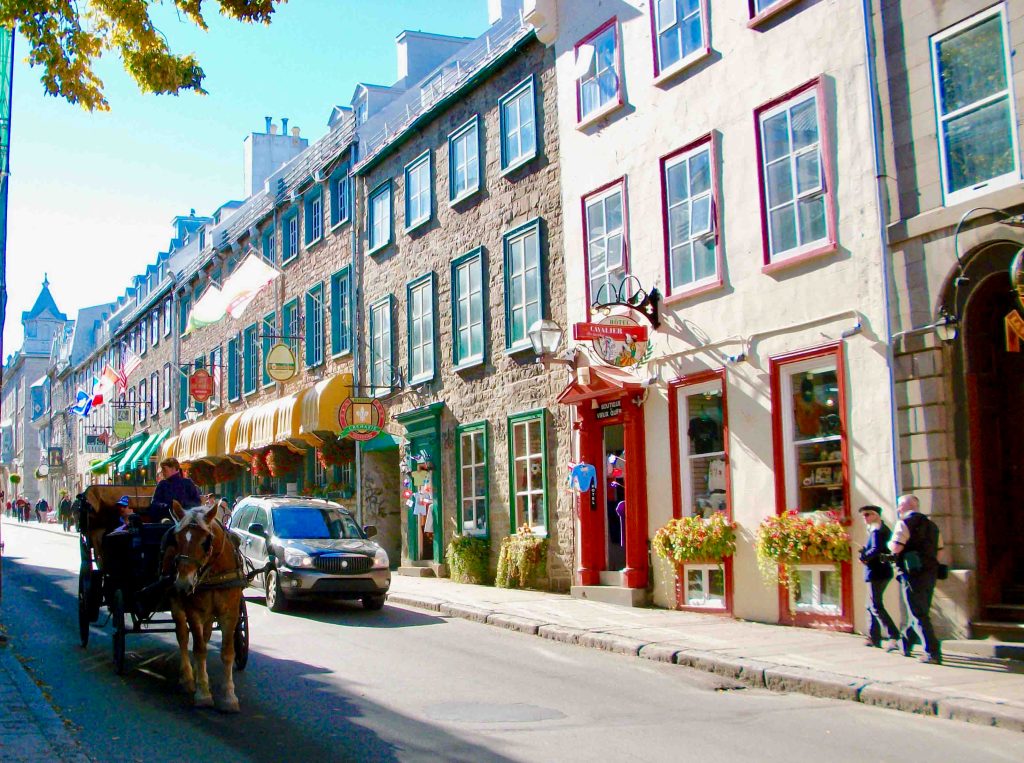
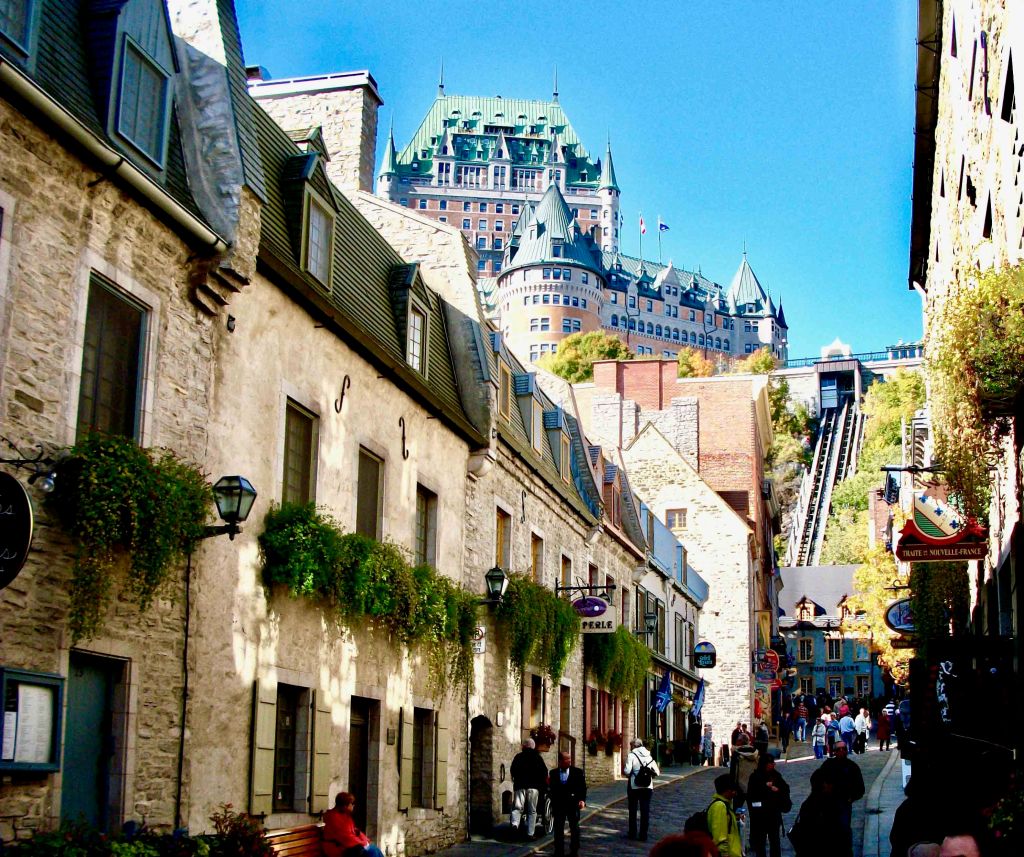
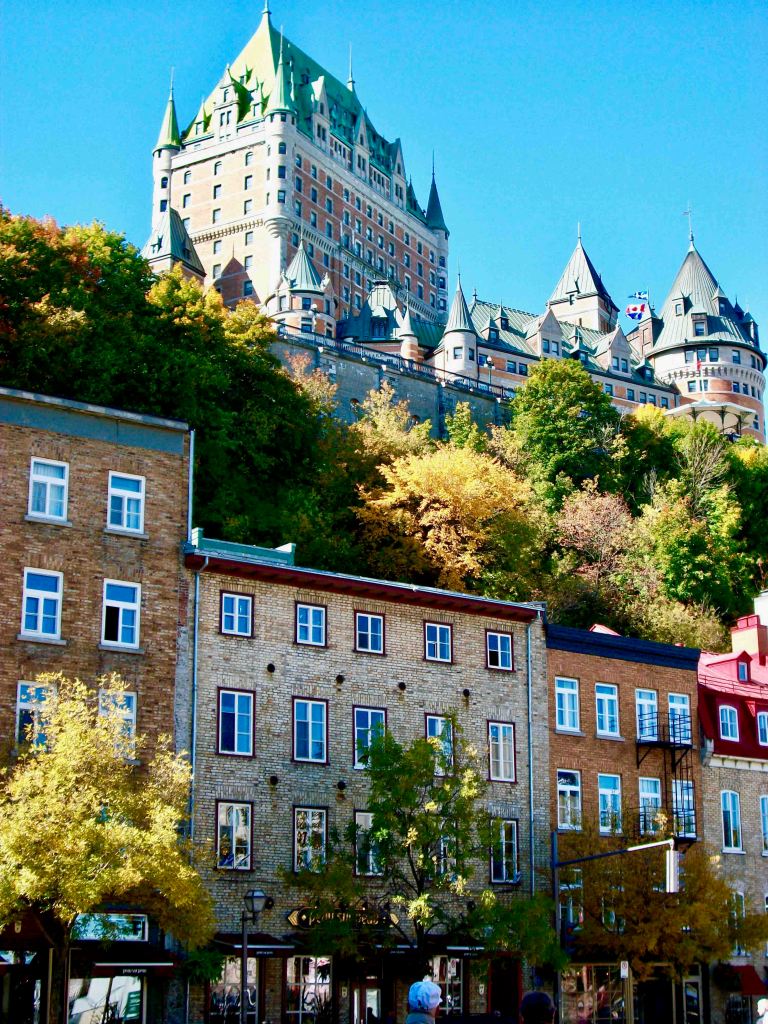
On a spectacular Autumn day we spent hours walking around Old Quebec. It’s a beautiful city with winding streets and lots of interesting shops, cafes and restaurants.

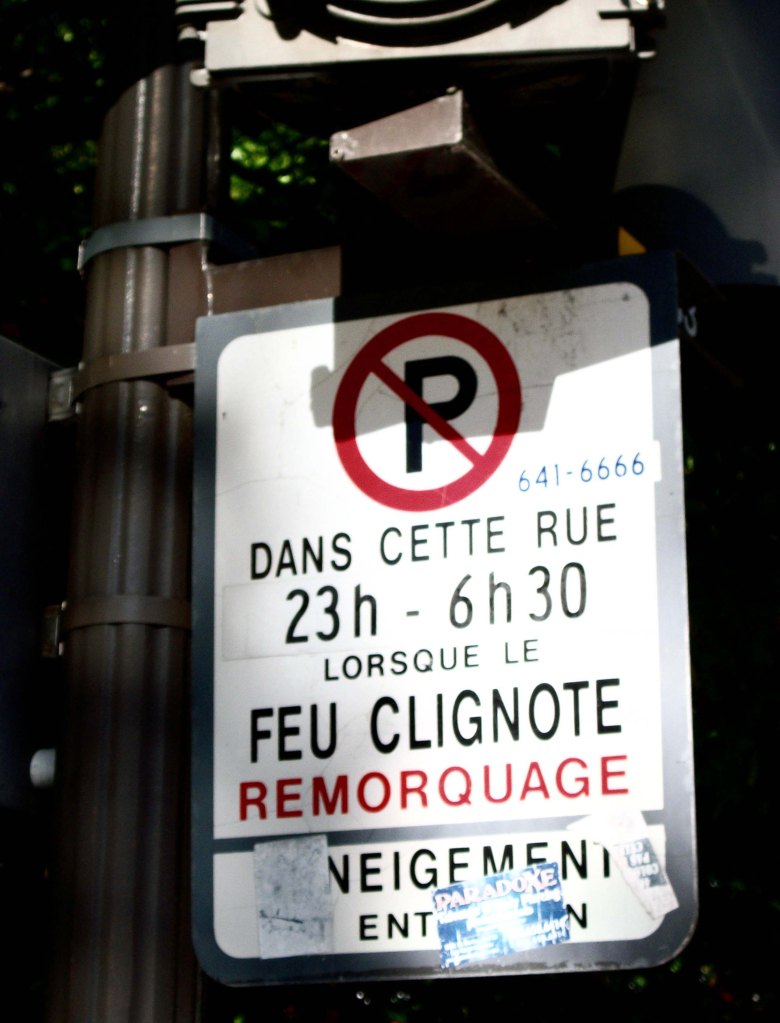
The first thing that hits you is there are literally no signs in English. Dealing with local merchants took me back to the sixties in Paris. Even if they understand you they pretend they can’t understand. If you tried to speak French mostly they continue to act as if they don’t understand. Someone should tell the good people of Quebec that the world has changed. On a recent visit to Paris I was amazed at how friendly most people were and everywhere we went we found people that understood our English and often replied with no sign of an accent.

One evening at a sidewalk cafe on the Rive Gauche I complimented our waitress and asked if she had learned English in America. “No” she replied “we all watch more American movies and TV shows than French. Almost all the younger people speak English – American English”.

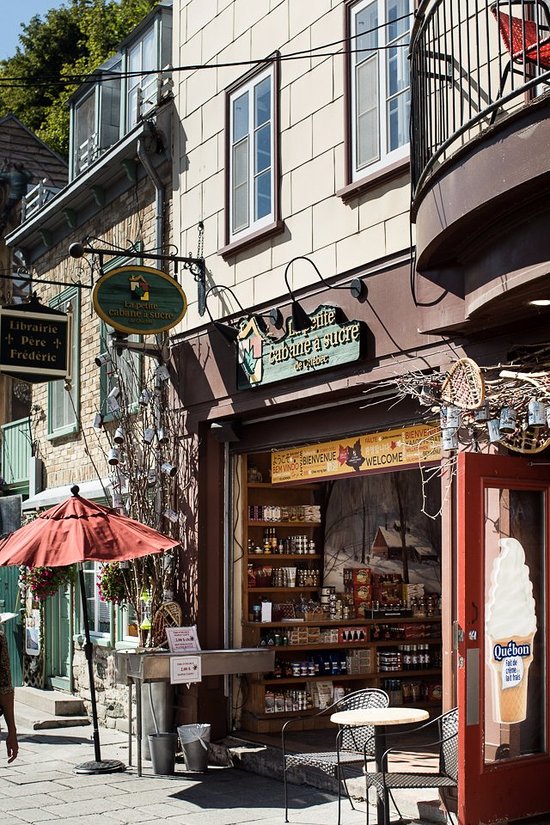
So back to Old Quebec. Early in the afternoon we passed an ice cream shop with a window on the sidewalk. The first person at the window was just leaving and ahead of us was a middle aged man. He steps up to the window and in English asks for two scoops of chocolate chip in a cup. The stern woman in the window just stares at him without speaking. Again he asks for two scoops of chocolate chip in a cup. Again silence from the woman but now she seems to glare. The man shifts his approach and even I can tell he is now just asking for simple two chocolate in very bad French. She glares back silently.

I tell my wife that we probably won’t be getting any ice cream and the woman in the window now talks over the middle aged man as if he wasn’t there and in heavily accented English asks what we would like. The man shrugs and turns away and walks on down the street. We place our order without difficulty and as we are paying I ask why she wouldn’t deal with the man in English. She replies “Him. He lives here, he needs to speak French!”

U.S. Customs Duty Free Policy

How much can I bring back to the U.S. duty-free?

There is a lot of confusion about bringing back purchases from foreign countries duty free, especially liquor and tobacco, what amounts and from where. The following is information directly from U.S. Customs:

Duty-Free Exemption

The duty-free exemption, also called the personal exemption, is the total value of merchandise you may bring back to the United States without having to pay duty. You may bring back more than your exemption, but you will have to pay duty on it. In most cases, the personal exemption is $800 ($1,600 from U.S. Virgin Islands, American Samoa, or Guam). There are limits on the amount of alcoholic beverages, cigarettes, cigars, and other tobacco products you may include in your duty-free personal exemption. The differences are explained in the section below regarding alcohol.

The duty-free exemption (Generally $800) applies if:

  • The items are for your personal or household use or intended to be given as gifts.
  • They are in your possession, that is, they accompany you when you return to the United States. Items to be sent later may not be included in your $800 duty-free exemption. (Exceptions apply for goods sent from Guam or the U.S. Virgin Islands.)
  • They are declared to Customs and Boarder Patrol CBP. If you do not declare something that should have been declared, you risk forfeiting it. If in doubt, declare it.
  • You are returning from an overseas stay of at least 48 hours. For example, if you leave the United States at 1:30 p.m. on June 1, you would complete the 48-hour period at 1:30 p.m. on June 3. This time limit does not apply if you are returning from Mexico or from the U.S. Virgin Islands.
  • You have not used all of your exemption allowance, or used any part of it, in the past 30 days. For example, if you go to England and bring back $150 worth of items, you must wait another 30 days before you are allowed another $800 exemption.

How much alcohol can I bring back?

How much alcohol can I bring back from a U.S. insular possession (U.S. Virgin Islands, American Samoa, or Guam) duty-free?

As long as the amount does not exceed what that state considers a personal quantity*, Customs and Border Protection (CBP) will allow you to enter the U.S. with up to five liters of alcohol duty-free as part of you exemption – as long as at least four liters were purchased in the insular possession (U.S. Virgin Islands, American Samoa or Guam), and at least one of them is a product of that insular possession. Additional bottles will be subject to a flat duty rate of 1.5% and subject to Internal Revenue Service taxes.

Please note, only one liter of alcohol purchased in a cruise ship’s duty-free shop is eligible for a duty-free exemption. If at least one bottle purchased on board is the product of an eligible Caribbean Basin country**, then you will be allowed two liters duty free. If you buy five liters of alcohol in – say – the U.S. Virgin Islands (USVI), and one of them is the product of the USVI, then you would have reached your duty-free limit. Any additional purchases made on board in a duty-free shop would be subject to CBP duty and an IRS tax.

If you buy four bottles in the USVI, one of which is a product of the USVI, then you could purchase one additional bottle from the onboard duty-free, and it would be eligible for duty-free entry.

If you have not exceeded your duty free exemption, you are no longer required to complete a customs declaration. As you pass through immigration you will be questioned about your purchases. If they include alcohol, be sure to have your purchase receipts readily available. The Officer may want to see them as proof of where the purchases were made. Place of purchase as well as quantity determine whether duty and taxes will be charged.

* Most States restrictions on the amount of alcohol that can be brought into that State apply only to residents of that State. Usually people transiting a state are not subject to those restrictions, but sometimes regulations change, and if this is a matter of utmost importance to you, you can check with the state Alcohol Beverage Control Board where you will be arriving to find out what their policies are.

** Most Caribbean Basin countries are considered beneficiary countries for purposes of this exemption. (Anguilla, Caymen Islands, Guadeloupe, Martininque and Turks and Caicos are not eligible)

Tobacco products allowance

In accordance with 26 U.S.C. § 5702(c), “tobacco products” means cigars, cigarettes, smokeless tobacco (snuff or chewing tobacco), pipe tobacco, and roll-your-own tobacco.

Returning resident travelers may import tobacco products only in quantities not exceeding the amounts specified in the personal exemptions for which the traveler qualifies (not more than 200 cigarettes and 100 cigars if arriving from other than a beneficiary country and insular possession).

Once every 31 days, a resident returning from travel from American Samoa, Guam, the Commonwealth of the Northern Mariana Islands (CNMI), or the Virgin Islands of the United States may import 1,000 cigarettes (5 cartons), not more than 200 of which acquired elsewhere than in such locations, within the returning resident’s $1,600 exemption from duty and taxes.

The Port of Call, Reykjavik, Iceland

Stark, Wild, Fascinating Reykjavik

Famous Icelandic hot dogs

Reykjavik is a beautiful city with the focus being its waterfront. On the water at the center of town is the Opera House and the square in front is the usual stop for the shuttles from the dock. That makes it a convenient meeting point where you will catch the returning shuttle. The waterfront between town and the ships dock also features a beautiful walking path, perfect for a stroll to take in the stark beauty of this remarkable location. The city’s waterfront is a popular area, with a view of Reykjavik’s landmark mountain, Mt. Esja across the bay. There is also the striking sculpture Sun Voyager by Jon Gunnar Arnason ,  a massive steel sculpture in the shape of a Viking ship.

Harbor view
Opera House

Where Your Ship Docks– Cruise ships will normally dock at port facilities outside of town. Reykjavik is usually the supplier of shuttle service into town with a round-trip fare that seems somewhat over priced (this is probably related to the high cost of living in Reykjavik). If you don’t mind walking (weather permitting) there is a nice paved walk along the shore into town of only about two miles. There is no cruise ship terminal so ships have to make use of boarding ramps. For people with walking issues and wheelchairs it can be difficult.

Transportation – Taxis are readily available and are surprising inexpensive. A taxi tour of the city can usually be booked with TaxiReykjavik  for durations of 1-3 hours for under $8 per hour. Rental cars are also inexpensive for trips out into the Icelandic countryside to visit the Rift Valley and waterfalls. MORE HERE  about taxi tours.

One of the nearest attractions to Reykjavik is the Blue Lagoon. There are hourly bus transfers 7 am to 8 pm to and from Blue Lagoon from Reykjavík via Destination Blue Lagoon with a package that includes round-trip fare and admission for under US$60. To get out and see the real wonders of Iceland you will need to rent a car (rental cars are not very expensive) or book a day tour. The most popular trip is the Golden Circle.

Currency – Local currency is the Icelandic króna with about 7,000 being equal to US$1. Credit cards are readily accepted and there are ATM’s available. 

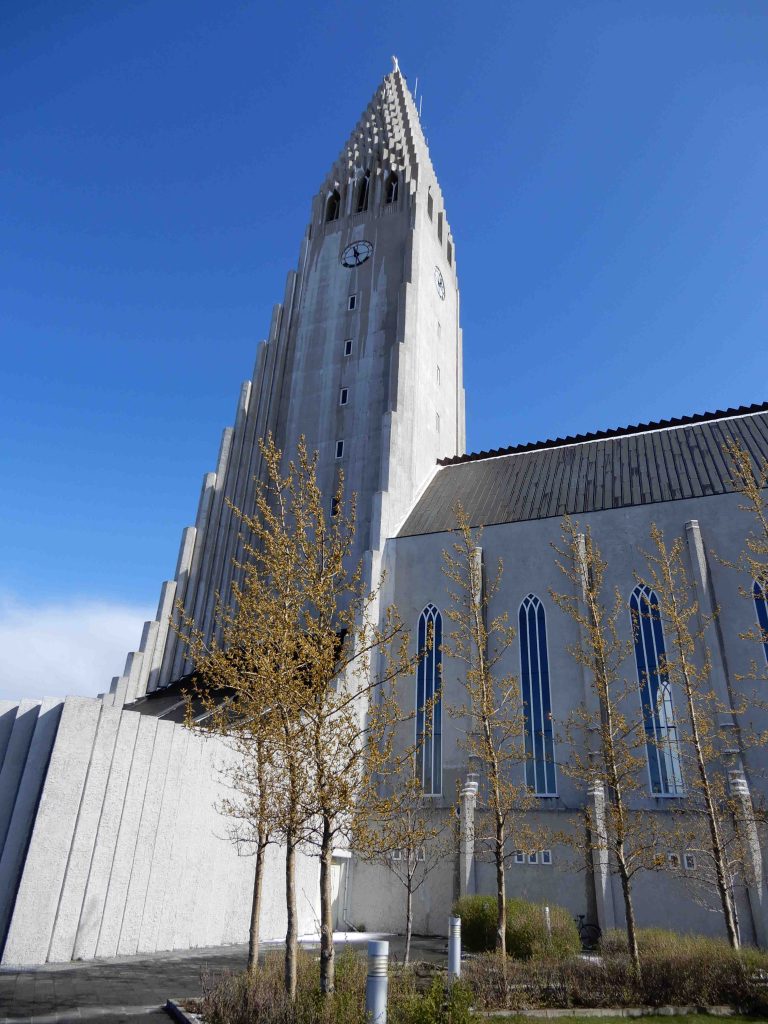
Presbyterian Cathedral

Attractions – Reykjavik’s many museums  offer insight into this country’s fascinating Nordic History. Start with the  Saga Museum  for a look into how the Vikings fought and lived with displays of wax figures depicting scenes of the earliest settlers (circa 874 AD).  The National Museum displays more than 2,000 artifacts from the ninth century to the present.  For a different experience, live actors at the open-air Reykjavik City Museum -Arbaejarsafn offer scenes of how settlers lived in the old days in an open-air museum, and it traces the development of Reykjavik and Iceland from their beginnings to today.

While the Blue Lagoon is located outside Reykjavik, this  is a must if you have enough time in Reykjavik. The mineral-rich thermal waters are a perfect 104 degrees Fahrenheit, and the minerals and algae in the water are supposed to improve skin and even cure psoriasis. The Blue Lagoon is about an hour’s drive from the city. 

The sea around Reykjavik is popular with many types of whales, dolphins and seals. Many whale watching tours also pass by Puffin Island. The whale watching season runs from late March to late October.

Another of Reykjavik’s landmarks is the Perlan, a unique piece of architecture built in 1988. It is a thermal energy operation in which natural hot water is stored for heating the city, it includes a glass dome under which a rotating restaurant is famous for its cuisine. The dome has a viewing platform with  panoramic 360-degree views of the city and its surroundings. Access to the viewing platform is free of charge.

Reykjavik features a beautiful Presbyterian Cathedral as the cities centerpiece with nice shops and restaurants radiating down streets toward the sea. Be sure and have a famous Icelandic hot dog as you explore.

Hallgrimskirkja Church can be seen from almost anywhere in the city. Its steeple rises above all other buildings in Reykjavik and the church can seat over 1000 worshipers. The grounds also feature a statue of the first Viking said to have discovered America, Leifur Eiríksson. The church  nave is open to the public daily and you can purchase tickets to visit the top of the tower for spectacular views of the city. 

Check out walking tours of Reykjavik HERE.

Cellphone Photography Basics

Phone Photography Tips

Spend some time getting to know your cellphone’s photo app functions.

Use The Photo App Options

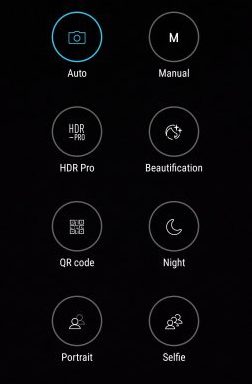
Most phone apps when opened start out in “photo auto” mode but there are additional options. They usually include features like “portrait” or “people” mode, “backlight” and “night scene” as a minimum. Each mode has a set of program features designed specifically to improve those sort of pictures. Beyond those there are usually a number of additional features you can explore.

Switching To Manual Mode

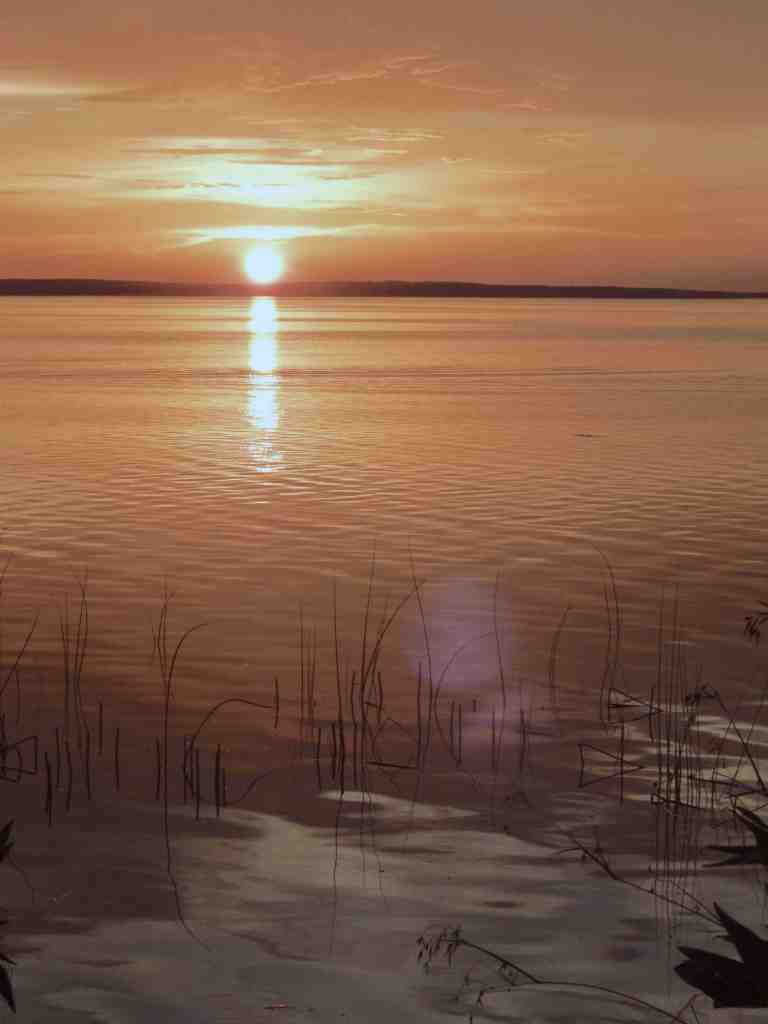
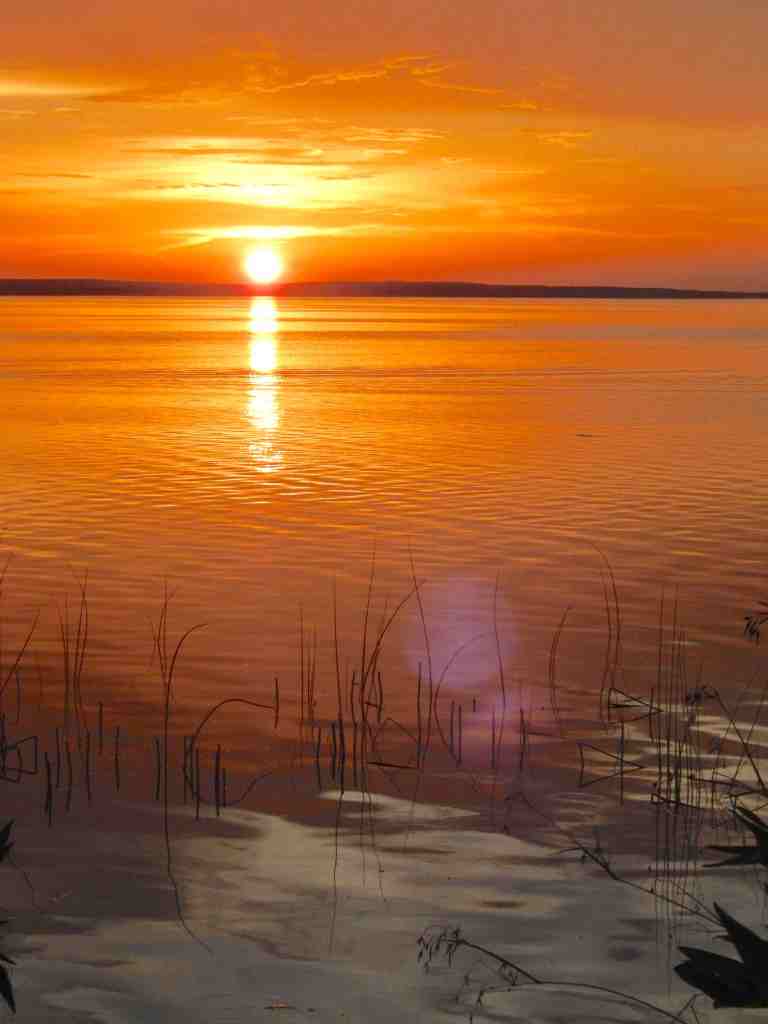
Your photo app probably has a feature called white balance which most of the time is very useful. It is designed to detect an overall color cast in each scene and correct it to a neutral cast. There are shooting moments when this will actually change the character of the scene that attracted you to take the photograph in the moment. There’s a good likelihood that white balance will ruin that sunset photo. Because your phone is trying to balance out all the colors in order for it to look natural based on its program, sometimes it works against you. Many apps allow you to to turn off white balance or change the white balance setting to cloudy. The cloudy setting generally gives you a higher contrast and brighter color. Play around with your phones white balance settings to get more comfortable overriding those settings.

Enable The Grid Lines

Activating grid lines is an easy way to give you more guidance while taking a picture. It helps remind you about the rule-of-thirds (see more HERE). It’s also an excellent guide to let you see those perspective distortions in the scene and will guide you in changing the angle of the phone and that effect.

Get in the habit of using the grid lines on your phones screen to play around with the images composition.

Adjusting Exposure Most phones usually have a tendency to overexpose photos so play around with what overall light and dark options you have. Also while you are viewing the screen of you phone you can tap locations in the scene to tell the phone where you want it to adjust where the nominal exposure should be. It also attempts to adjust focus to the selected spot.

Reducing overall exposure is usually preferred to over-exposure. After treatment of your photo will usually allow you to lighten up dark areas but over exposed areas don’t darken well. Often there isn’t enough detail in over-exposed areas to be recovered because it’s too washed out.

Avoid Digital Zooming

Beyond the information in the image provided by the phones lens there isn’t any additional information that can be captured. Often simply enlarging the image after the picture is captured will produce the same result, and at times better results, than the phones digital zoom. There is also the issue with holding the phone steady when zoomed to avoid excess motion blur. That is a direct issue with high magnification that actually magnifies slight motion in the phone.

If your phone has an optical telephoto lens that allows you to zoom in without losing quality, your only concern is vibration and hand shake causing blur.

Macro Mode

Not all phone camera apps have a macro mode. Usually designated by a flower. Not only does this allow you to get really close to objects it also offers an opportunity to create some dramatic out-of-focus backgrounds. If you haven’t given this much thought give it a try and see what you can create. There’s no real cost in taking lots of digital images so spend some time playing around with your phone.

Also, if you don’t have a macro mode or a telephoto lens there are remarkably inexpensive attachment lenses you can buy that will greatly expand the photographic potential of your cellphone. CLICK HERE FOR EXAMPLES. Most kits spring clip the lenses to your phone and include macro lens, wide angle, fish eye and some have a telephoto lens.

Clean your lens

This may seem like a silly notion but often the biggest item reducing the quality of your pictures is that fingerprint or speck of dust on your cellphone lens. Take a moment to think about your past camera lenses and their size. Chances are they were over an inch in width (sometimes more than two inches). Now look at that lens on your cellphone – a quarter of an inch or less. The smaller the lens the bigger impact that dust has on the image. Keep your lens clean – big difference! Be sure and use lens cleaning wipes or alcohol and a soft, lintless cloth.

Changing Your Perspective

When we move around the world we don’t usually see it as a series of still visual frames. Our minds are always processing the environment and focusing our attention on areas we find interesting. What we are left with are experiences and not still pictures. It is that experience that often leaves us disappointed in the photographs we take. They often do a poor job of demonstrating what we saw and why we were fascinated by visuals of the moment. Understanding this is actually a big step toward taking better photographs. We need to stop being in the moment and start forcing ourselves to see the two dimensional screen and ask if it is saying anything about what attracted us to take the picture in the first place.

Pacific Cruise Itineraries

Pacific Cruises – For those looking to venture a bit further from home there is a whole ocean of destinations to explore. That’s the largest body of water on the planet, The Pacific Ocean. Most Pacific cruisers start with a cruise to Alaska but that is just the beginning.

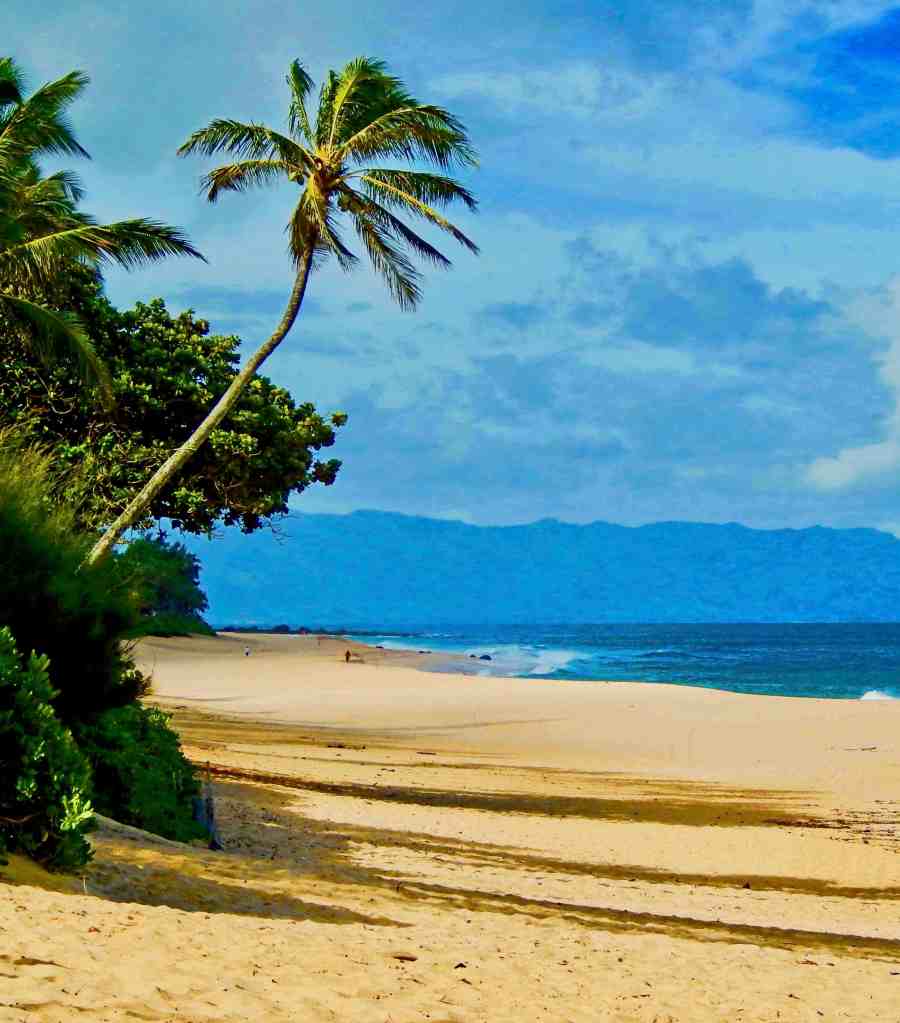
Oahu Hawaii North Shore

Looking south from Canada consider shorter Pacific itineraries by looking into a number of cruises based out of California and Vancouver, Canada. These come labeled in a number of categories suggesting a number of itineraries, but most are focused on the U.S. west coast. Many start in Vancouver because of the Jones Act* and often end in San Diego usually with Seattle, Monterey, San Fransisco, Catalina Island being popular ports of call. After those options California also features a number of shorter cruises to Mexico that begin in a number of California ports and usually visit Cabo San Lucas, Acapulco and Porta Vallarta. These cruises range from a couple of days to a week.

Waikiki Beach Oahu
Oahu SE coast

One of the more popular series of itineraries involves cruising to and around the Hawaiian Islands. The cruise companies, again because of the Jones Act*, have to do some interesting planning to cruise Hawaii. Often cruises that sail from the West Coast and end in Hawaii sail from Vancouver and often spend six to eight days at sea crossing the Pacific and will visit one or two ports in Hawaii before ending in Honolulu. There are also a number of cruises that sail around the islands with a majority sailing and ending in Honolulu and can include two to four Hawaiian ports. One cruise line, NCL operates an American flagged cruise ship, The Pride Of America which allows it to cruise freely around the islands without always returning to its departure port.

Bora Bora

Twice each year most major cruise companies reposition cruise ships between the North and South hemispheres offering a number of opportunities to cruise the Pacific Ocean. Many ships in the Fall are moving from Alaska to Australia and than back again in the Spring. The Hawaiian Islands are a usual destination in these repositioning moves with popular cruise itineraries being Sydney to Honolulu or Vancouver to Honolulu. Ports of call in these cruises can include Tahiti and the other Society Islands, Fiji, New Zealand and various ports in Australia. The southern half of these itineraries also cross the Equator making you an official Shellback including a very tame initiation.

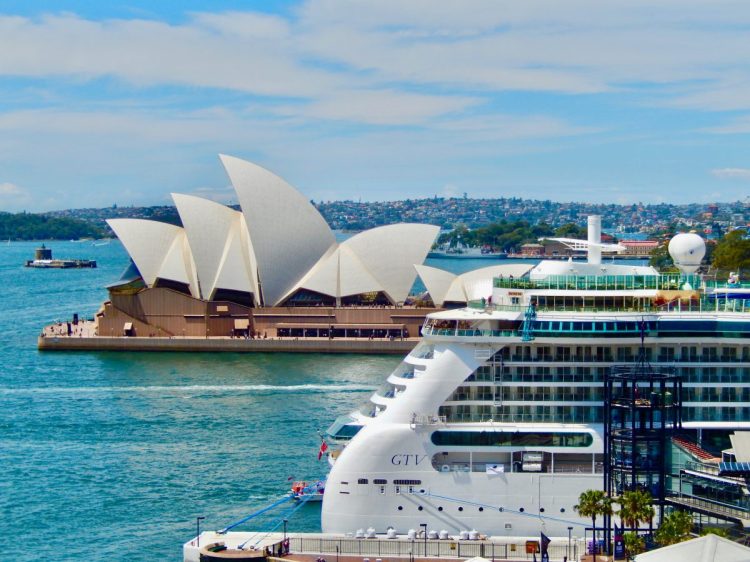
Sydney, Australia

There are also northern Pacific repositioning cruises that usually sail between Japan and North America’s west coast that at time include a stop in Russia’s Vladivostok. These cruises follow the same schedule moving in the Fall from Alaska to Japan and than back again in the Spring.

The west coast of South America is another Pacific cruising opportunity but with the most common itineraries being sailing from the east coast to the west coast and back again around the tip of South America. The primary West coast ports include Lima, Peru (consider a land tour to Machu Picchu as part of your itinerary) and Valparaíso, Chile.

Another opportunity to consider are South American repositioning cruises that can include a Panama Canal transit as the ships head to the Caribbean ports in Florida, New Orleans and Texas.

A cruise that is on many people’s wish list is the Galapagos Islands of Ecuador. Because of restrictions to protect the Galapagos, large cruise ships cannot visit these islands but many cruise lines operate specially built smaller ships dedicated to seeing the Galapagos. In order to take a Galapagos cruise you will need to first fly from Quito, Ecuador over to the Galapagos Islands to join your cruise In addition to the major cruise companies there are a number of additional Galapagos tour options).

Don’t be surprised if more cruise ports are added in the future as the cruise lines are always looking to entice passengers to cruise again.

*The Jones Act is a hundred year old law that prohibits moving cargo and passengers between U.S. ports unless the ship meets a number of requirements. See our article on The Jones Act.