Spend some time getting to know your cellphone’s photo app functions.
Use The Photo App Options
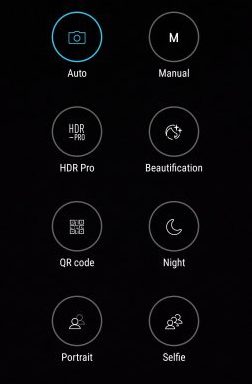
Most phone apps when opened start out in “photo auto” mode but there are additional options. They usually include features like “portrait” or “people” mode, “backlight” and “night scene” as a minimum. Each mode has a set of program features designed specifically to improve those sort of pictures. Beyond those there are usually a number of additional features you can explore.
Switching To Manual Mode
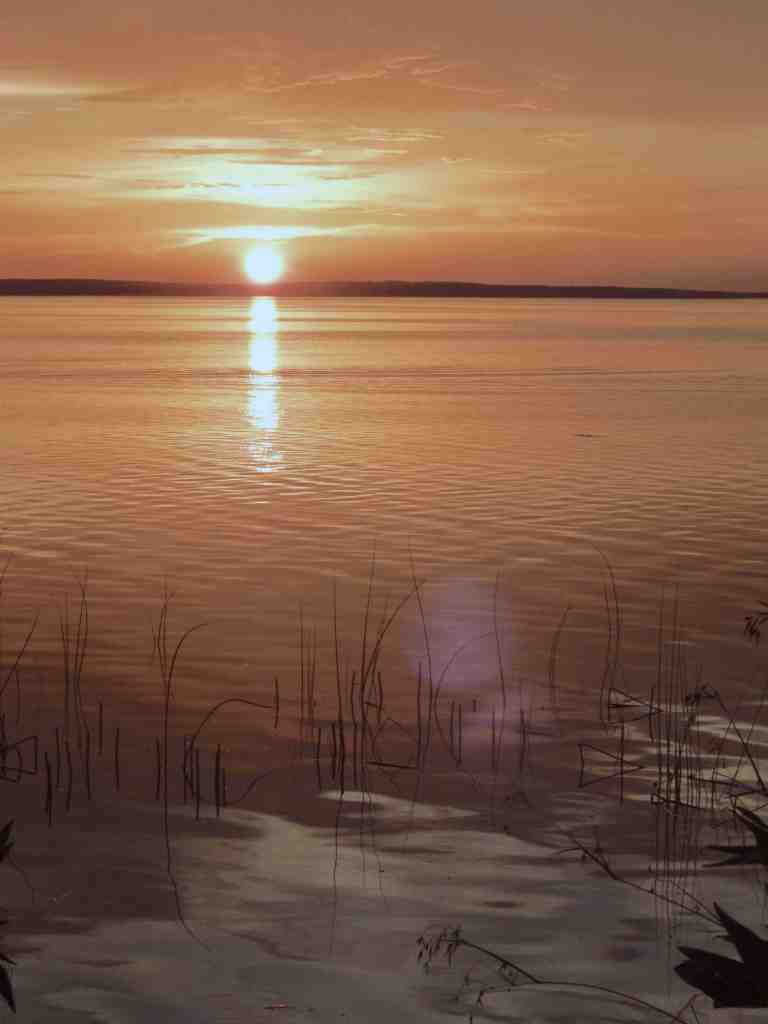
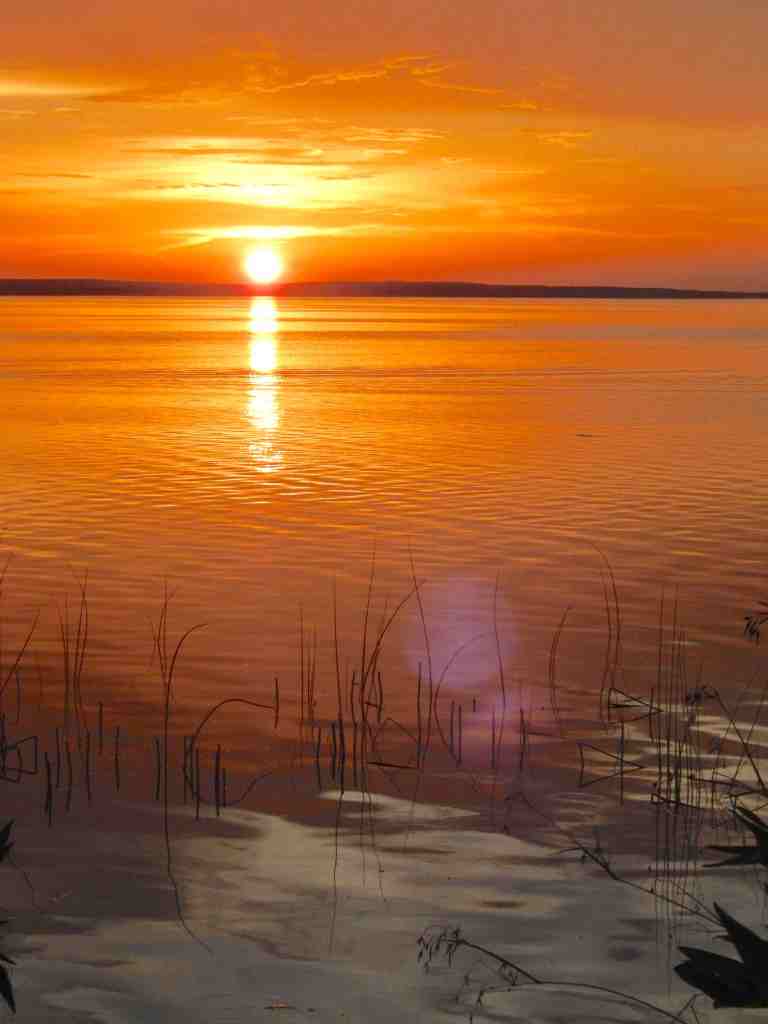
Your photo app probably has a feature called white balance which most of the time is very useful. It is designed to detect an overall color cast in each scene and correct it to a neutral cast. There are shooting moments when this will actually change the character of the scene that attracted you to take the photograph in the moment. There’s a good likelihood that white balance will ruin that sunset photo. Because your phone is trying to balance out all the colors in order for it to look natural based on its program, sometimes it works against you. Many apps allow you to to turn off white balance or change the white balance setting to cloudy. The cloudy setting generally gives you a higher contrast and brighter color. Play around with your phones white balance settings to get more comfortable overriding those settings.
Enable The Grid Lines
Activating grid lines is an easy way to give you more guidance while taking a picture. It helps remind you about the rule-of-thirds (see more HERE). It’s also an excellent guide to let you see those perspective distortions in the scene and will guide you in changing the angle of the phone and that effect.
Get in the habit of using the grid lines on your phones screen to play around with the images composition.
Adjusting Exposure Most phones usually have a tendency to overexpose photos so play around with what overall light and dark options you have. Also while you are viewing the screen of you phone you can tap locations in the scene to tell the phone where you want it to adjust where the nominal exposure should be. It also attempts to adjust focus to the selected spot.
Reducing overall exposure is usually preferred to over-exposure. After treatment of your photo will usually allow you to lighten up dark areas but over exposed areas don’t darken well. Often there isn’t enough detail in over-exposed areas to be recovered because it’s too washed out.
Avoid Digital Zooming
Beyond the information in the image provided by the phones lens there isn’t any additional information that can be captured. Often simply enlarging the image after the picture is captured will produce the same result, and at times better results, than the phones digital zoom. There is also the issue with holding the phone steady when zoomed to avoid excess motion blur. That is a direct issue with high magnification that actually magnifies slight motion in the phone.
If your phone has an optical telephoto lens that allows you to zoom in without losing quality, your only concern is vibration and hand shake causing blur.
Macro Mode
Not all phone camera apps have a macro mode. Usually designated by a flower. Not only does this allow you to get really close to objects it also offers an opportunity to create some dramatic out-of-focus backgrounds. If you haven’t given this much thought give it a try and see what you can create. There’s no real cost in taking lots of digital images so spend some time playing around with your phone.
Also, if you don’t have a macro mode or a telephoto lens there are remarkably inexpensive attachment lenses you can buy that will greatly expand the photographic potential of your cellphone. CLICK HERE FOR EXAMPLES. Most kits spring clip the lenses to your phone and include macro lens, wide angle, fish eye and some have a telephoto lens.
Clean your lens
This may seem like a silly notion but often the biggest item reducing the quality of your pictures is that fingerprint or speck of dust on your cellphone lens. Take a moment to think about your past camera lenses and their size. Chances are they were over an inch in width (sometimes more than two inches). Now look at that lens on your cellphone – a quarter of an inch or less. The smaller the lens the bigger impact that dust has on the image. Keep your lens clean – big difference! Be sure and use lens cleaning wipes or alcohol and a soft, lintless cloth.
Changing Your Perspective
When we move around the world we don’t usually see it as a series of still visual frames. Our minds are always processing the environment and focusing our attention on areas we find interesting. What we are left with are experiences and not still pictures. It is that experience that often leaves us disappointed in the photographs we take. They often do a poor job of demonstrating what we saw and why we were fascinated by visuals of the moment. Understanding this is actually a big step toward taking better photographs. We need to stop being in the moment and start forcing ourselves to see the two dimensional screen and ask if it is saying anything about what attracted us to take the picture in the first place.
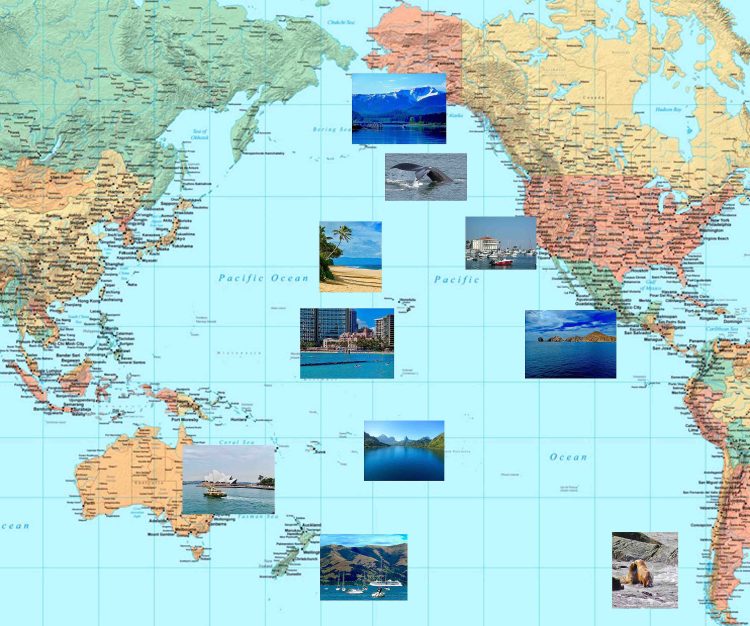
Pacific Cruises – For those looking to venture a bit further from home there is a whole ocean of destinations to explore. That’s the largest body of water on the planet, The Pacific Ocean. Most Pacific cruisers start with a cruise to Alaska but that is just the beginning.
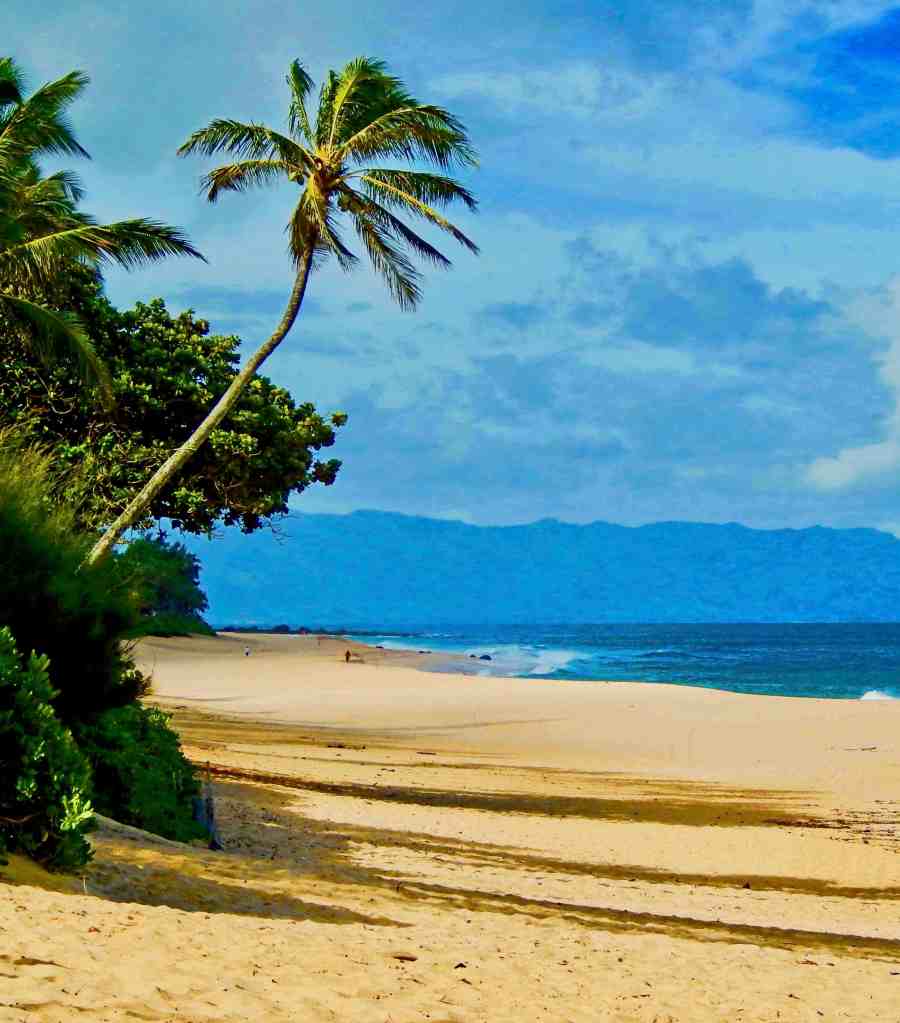
Oahu Hawaii North Shore
Looking south from Canada consider shorter Pacific itineraries by looking into a number of cruises based out of California and Vancouver, Canada. These come labeled in a number of categories suggesting a number of itineraries, but most are focused on the U.S. west coast. Many start in Vancouver because of the Jones Act* and often end in San Diego usually with Seattle, Monterey, San Fransisco, Catalina Island being popular ports of call. After those options California also features a number of shorter cruises to Mexico that begin in a number of California ports and usually visit Cabo San Lucas, Acapulco and Porta Vallarta. These cruises range from a couple of days to a week.
Waikiki Beach Oahu
Oahu SE coast
One of the more popular series of itineraries involves cruising to and around the Hawaiian Islands. The cruise companies, again because of the Jones Act*, have to do some interesting planning to cruise Hawaii. Often cruises that sail from the West Coast and end in Hawaii sail from Vancouver and often spend six to eight days at sea crossing the Pacific and will visit one or two ports in Hawaii before ending in Honolulu. There are also a number of cruises that sail around the islands with a majority sailing and ending in Honolulu and can include two to four Hawaiian ports. One cruise line, NCL operates an American flagged cruise ship, The Pride Of America which allows it to cruise freely around the islands without always returning to its departure port.
Bora Bora
Twice each year most major cruise companies reposition cruise ships between the North and South hemispheres offering a number of opportunities to cruise the Pacific Ocean. Many ships in the Fall are moving from Alaska to Australia and than back again in the Spring. The Hawaiian Islands are a usual destination in these repositioning moves with popular cruise itineraries being Sydney to Honolulu or Vancouver to Honolulu. Ports of call in these cruises can include Tahiti and the other Society Islands, Fiji, New Zealand and various ports in Australia. The southern half of these itineraries also cross the Equator making you an official Shellback including a very tame initiation.
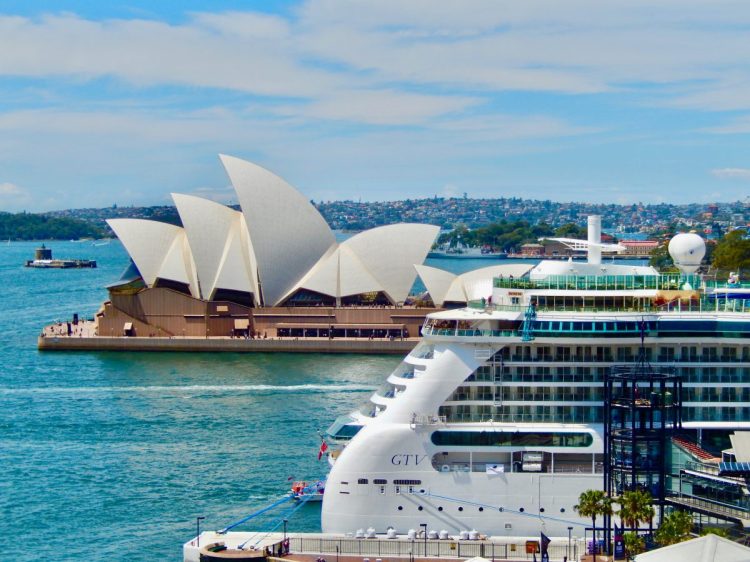
Sydney, Australia
There are also northern Pacific repositioning cruises that usually sail between Japan and North America’s west coast that at time include a stop in Russia’s Vladivostok. These cruises follow the same schedule moving in the Fall from Alaska to Japan and than back again in the Spring.
The west coast of South America is another Pacific cruising opportunity but with the most common itineraries being sailing from the east coast to the west coast and back again around the tip of South America. The primary West coast ports include Lima, Peru (consider a land tour to Machu Picchu as part of your itinerary) and Valparaíso, Chile.
Another opportunity to consider are South American repositioning cruises that can include a Panama Canal transit as the ships head to the Caribbean ports in Florida, New Orleans and Texas.
A cruise that is on many people’s wish list is the Galapagos Islands of Ecuador. Because of restrictions to protect the Galapagos, large cruise ships cannot visit these islands but many cruise lines operate specially built smaller ships dedicated to seeing the Galapagos. In order to take a Galapagos cruise you will need to first fly from Quito, Ecuador over to the Galapagos Islands to join your cruise In addition to the major cruise companies there are a number of additional Galapagos tour options).
Don’t be surprised if more cruise ports are added in the future as the cruise lines are always looking to entice passengers to cruise again.
*The Jones Act is a hundred year old law that prohibits moving cargo and passengers between U.S. ports unless the ship meets a number of requirements. See our article on The Jones Act.
A collection of articles to help you get the most from your cruise. Featured posts on selecting the right itinerary, saving on booking your cruise, what to expect in ports of call, selecting the right stateroom, onboard communication options and more…
Cruise ships rated, basic information on size and number of passengers, year entered service and last refurbishment and inks to most current cruise ship web pages.
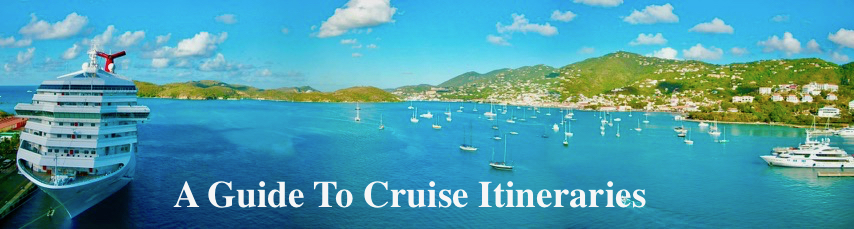
From the Caribbean to Alaska, Europe, Asia, Australia and everywhere in between there’s an itinerary to fill everyone’s wish list.
Cabin choices, when you book, what perks are available are just some of the things that impact your cruises cost. Learn what to do to save money when booking your cruise.
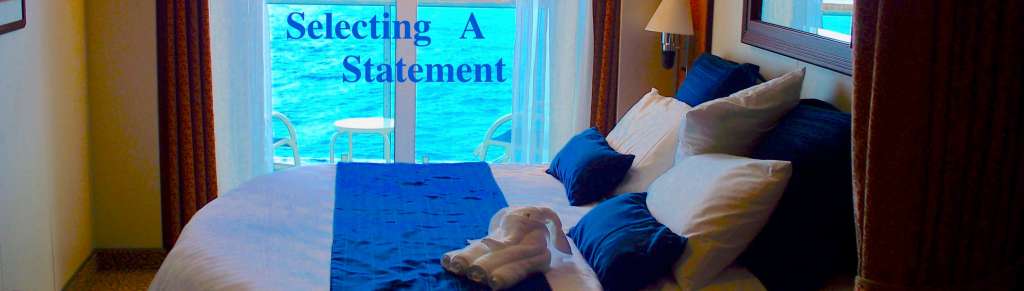
All cabins are not the same and at times position is important. Learn what to look for and what cabins to avoid.
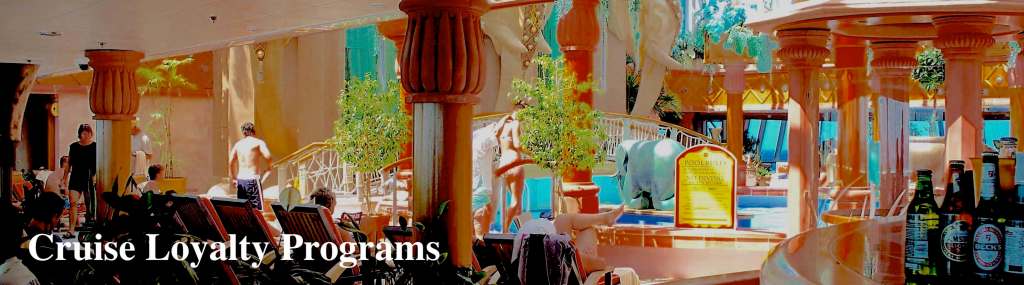
Every cruise line has a frequent cruiser program. See why you should be a member and which programs are the best.
Learn what to expect in each cruise port of call. Where you dock, how far to town, local transportation and things to see and do.
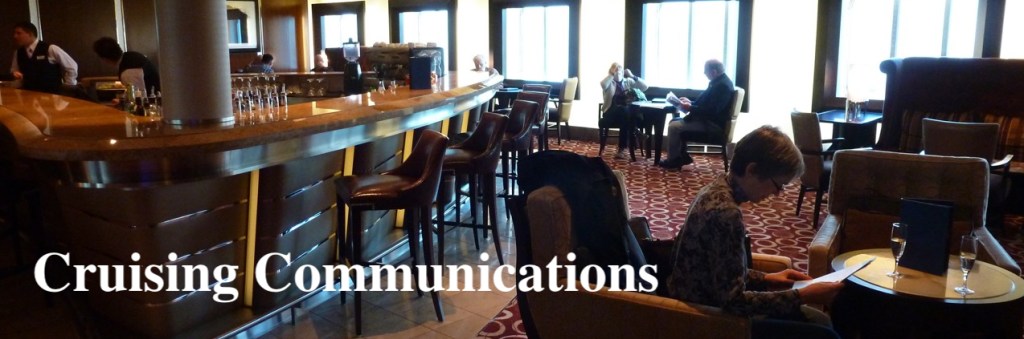
Cell phone service in the middle of the ocean can be very expensive but there are ways to stay in touch without costing a fortune.
Occasionally issues involving the Jones Act will come up. Here we explain what it all means with a tip or two about dealing with it.
Todays cruise ships are like magic carpets taking vacationers on adventures to the four corners of the world. Travel in luxury while your resort moves to a new destination every day or two. What’s not to love? Join us and explore itineraries far and wide…
The Caribbean
Crystal clear, turquoise waters under cloud laced sapphire skies. Palm trees and white powder beaches, tiki bars and fresh seafood. This is the worlds number one cruise destination for very good reason. Easy to reach departure ports in Florida, New Orleans and Texas offer departures for a dozens of islands, each with their own unique character. Discover island style in Jamaica and Antigua, a taste of Europe in Curacao and Sint Maarten and history everywhere you go.
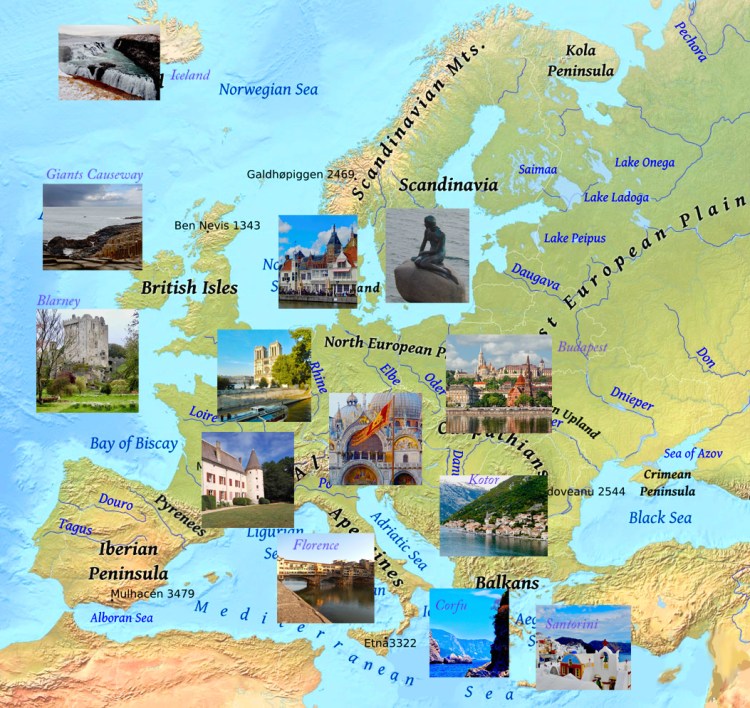
Cruising Europe is an experience all its own. History is everywhere from the ancient Greeks and Romans to Medieval castles and landmarks from the Great Wars. Discover cultures and amazing sights. The most popular European itineraries cruise the Mediterranean but don’t overlook Scandinavia and the British Isles. Explore itineraries that fit your interests and budget…
Cruise companies are constantly expanding the range of their itineraries with the South China Sea being one of the most popular recent offerings. Visit Southeast Asia, the island nations from The Philippines to Singapore and the nations of Japan and Korea.
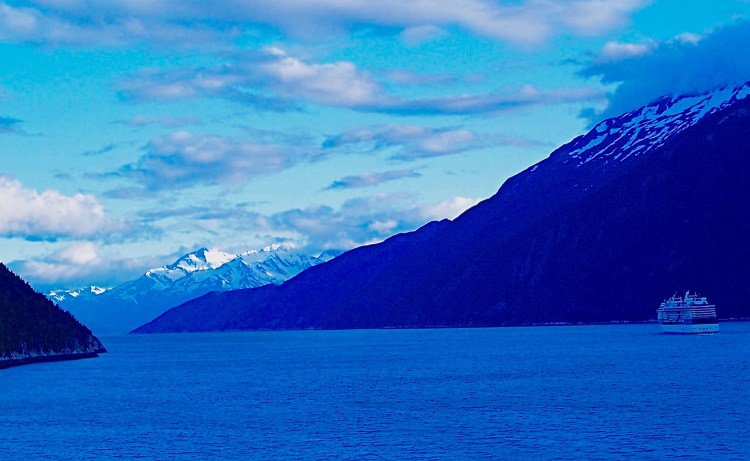
Many of the worlds top cruise itineraries go up the Alaskan coast. Cruise past some of the most spectacular scenery you’ll ever see as you watch for whales and wildlife. Visit gold rush towns and see fantastic glaciers up close. Add land tour options to see the wilderness of Denali or the Canadian Rockies to your cruise adventure. Experiences you’ll remember forever…
THE TRUTH ABOUT THE CRUISE BUSINESS WITH AN UPDATE ON CRUISING AND COVID-19
It has now been five plus months since this article was first posted and as of October 20th, 2020 only very limited cruise itineraries have begun. Currently four ships are now cruising in the Mediterranean, cruises to nowhere are just being scheduled out of Singapore and Australia and the American CDC, under pressure, has indicated it will not extend the “do not sail” order past November.
An estimated 15 million people annually take cruises on 23 ocean cruise lines that have experienced incredible business growth year over year. Analysts saw no reason why this trend wouldn’t continue and the primary marketing emphasis has been on luring new customers to cruising rather than taking away market share from other cruise companies.
In the first quarter of 2020 everything changed. A global pandemic moved across the planet with unprecedented speed. Nation after nation closed their borders and ports. While cruise ships were in no way responsible for any real spread and onboard outbreaks left ships more victims than perpetrators, the public relations was and is disastrous. Even if no one is talking about it, the cruise industry will probably never be the same.
As the United States and other countries take drastic measures to financially protect their businesses, industries and citizens, the cruise industry finds itself boxed into a corner. Much of the financial success of cruise companies, rightly or wrongly, has been based over the past fifty years on a maritime, international model. That model now represents its’ largest current threat.
Following are some detailed descriptions on a number of topics regarding how the cruise industry evolved over the past hundred years that include:
A History of How Flagging Ships in Foreign Countries Began
The Advantages of Flags of Convenience
Business Versus Social Needs
The Low Wages Issue
Legal Liability Issues
Safety and Regulation
The Financial Situation and the Future
Changing the Practice of Flags of Convenience
Where Does Help Come From
History
Cruise lines have avoided U.S., British and other countries’ laws and regulations for a long time. Starting in 1920 two U.S. ships, the M/V RELIANCE and the M/V RESOLUTE, ‘re-flagged’ in Panama in order to avoid the U.S. Prohibition.
Rules governing ships at sea come under The International Maritime Organization of which the United States is a member. It requires all ocean ships engaged in international trade to have a country of registry in order to sail in international waters. A ship is considered the territory of the country in which it is registered. The wording “country” pertains to any country, developed or underdeveloped, and under maritime law, ships are the territory of that country and subject its’ laws and regulations.
Over the past fifty years, virtually all cruise ships have been “flagged” in smaller countries like Panama, Liberia, Malta, and the Bahamas. A vessel’s country of registration is commonly referred to as the “flag of convenience”, saving cruise companies taxes, avoiding strict labor laws and providing favorable court venues.
The Overall Benefits Of Flags of Convenience
Cruising is a unique industry and, using flags of convenience, has actually been a benefit to a diverse number of people including employees, passengers and the companies themselves. The usual criticism is that flags of convenience allows payment of subsistence wages far below what is fair. There is also the issue that passengers are not protected by having the option to seek legal remedies in their home courts. In both of these, the truth is much more complicated than it would seem.
Business and Globalization
The first obligation in operating any business in a free market is to return a profit to yourself or your investors and the process involves lowering your costs and expanding your sales. All businesses small and huge pursue that course and at times their goals do not match the needs of society as a whole. The primary way to keep a balance between the goals of a business and the needs of a community is through laws and regulations. This involves everything from local business licenses to international treaties.
The globalization of business has been a huge benefit to many people worldwide. Businesses in developed nations have benefited greatly from using off-shore manufacturing to reduce the labor component of their products. This allows them to reduce selling prices, benefiting their customers, while increasing profits. Labor in less developed countries has also benefited with more jobs, increased wages and an improved standard of living. While there are always problems, trade-offs and abuse, overall, the world has become a better place because of international business.
The Cruise Wage Issue
The cruise industry does not sell a physical product but instead is based primarily on providing an all-inclusive service. In order to do that, one of their significant cost areas is associated with labor. Just like manufacturing industries, the cruise business relies on less expensive labor from all over the world. The difference is you don’t see the people that make your electronics, shoes and clothing but on a cruise ship you get to know them. It is unfair to suggest that they are paid slave wages. The truth is, cruise companies usually pay above prevailing wages in the countries where they recruit staff and while work hours may seem excessive, they are usually better than work hours and conditions back home.
If you talk to cruise ship staff you will find people from over fifty countries and a surprising number that have worked for the cruise lines for many years, renewing contract after contract. It is that flag of convenience concept that allows those employees to work at all. By Western standards they work long hours for little pay. Fifteen hour days for $1,500 to $1,800 a month (with free room and board) is not uncommon, but, compared to wages and working conditions back home, many consider themselves lucky to have these jobs.
It is that flag of convenience labor arrangement that allows for a reduced price of product. If all the cruise companies were required to flag their ships in a major Western country, the cost of an average cruise would probably double. Higher prices would reduce the number of potential passengers by more than half while seriously impacting employment and income in dozens of less developed and third world countries.
Legal Liability Arguments
With more than half of passengers being American, the legal rights and remedies of U.S. passengers are, in fact, reduced because of flags of convenience. This is primarily because most ticket/passenger contracts are written under the registering country’s laws and can include limited-liability clauses that are no longer supported in the United States and many Western countries. Under international maritime law, those clauses are usually enforced in courts of the registering country. Regardless of the attempted litigation location, the majority of courts worldwide still relinquish jurisdiction to maritime laws and those nations of registration.
There are two reasons why this isn’t as serious a problem as many critics will claim. First, most major cruise companies are well aware of the potential public relations impact of seeming insensitive to perceived wrong doing and the media seems always out there waiting for a cruise ship tragedy story to emerge. Second, Western countries are always examining how cruise companies use or abuse the flag of convenience status. In the United States, the courts have been stretching their interpretation of maritime law and jurisdiction in recent years. If cruise companies flagrantly evade reasonable responsibility it could bring on governments’ rethinking maritime law and the flags of convenience policies.
Much of the criticism and notoriety is driven by litigation law firms seeing cruise ships as a potentially huge liability litigation opportunity. If ships decide to start reflagging their ships in major Western countries, the cost of new civil actions could be significant.
Safety, Regulations And Inspections
While there are a lot of criticisms about cruise companies and their ships evading laws, that is not the case in a number of areas. While cruise ships may be considered territories of specific countries and their laws, their ability to sail within the waters of major nations does make them subject to other regulations. Along with international treaties and maritime laws, ship safety, food safety and environmental mandates are all overseen by the governments of cruise ports frequented by ships. Lifeboat requirements and safety drills are required by a number of laws and Coast Guard inspections are common. Often there are regulations covering the qualification requirements of specific crew positions.
How the Pandemic Could Change the World of Cruising
The 2020 pandemic has turned the economies of most of the worlds countries upside down. Governments have forced whole segments of their economies to shut down. After weeks and months of being closed, countless businesses could be devastated, even if the governments offer assistance. In the United States, the administration and government are promising to help major, important businesses but, in the case of the cruise companies, much of their operations have been outside of the country and its’ laws. There are already arguments suggesting that if this industry wanted to operate outside the reach of the government, maybe they are outside of the government’s responsibility as well.
Considering the magnitude of the current financial crisis how much financial reserves do these cruise lines have? Available financial information for one large cruise corporation looks like the following:
*Without having access to more financial information this is only an approximation. At full operation monthly costs are around 600 million dollars. In a complete shut down by reducing fuel, provisions and furloughing employees that could be reduced by 40-60%. The company would still be faced with significant operating expenses like servicing debt, headquarters and ship maintenance and operating costs.
**The assumption has to be that a significant percentage of this amount is actually the current value ships. In a market going forward where demand gets reduced by 50% (estimate) the asset value will be seriously impacted and selling ships would probable not be possible.
***This is a current dollar amount which indicates that in a total shutdown those cash reserves would last for one to three months. After that the corporation would be facing defaults on its debt.
The problem is that one has to assume that a major portion of those assets are actual cruise ships. The value of any physical asset is based principally on its ability to generate revenue and resale (liquidation) value in the marketplace. That depends less on their cost to build and, in the case of cruise ships, more on the market and people wanting to continuing booking cruises. Additionally, with a major monthly loss in revenue, cash reserves will vanish quickly.
Everything depends on how quickly cruise schedules can restart and how eager people will be to return to cruising and how soon. Additionally, there are a significant numbers of people holding credits from canceled cruises to be used for future cruises that will reduce monthly cash flow for a while going forward, even if cruising returns to normal booking levels. It would not be surprising to see some companies fail over the next six to twelve months and, at the least, see a number of ships removed from service.
The Thinning of Cruise Fleets is Now Well Underway
October 3rd, 2020 Cruise ships are going to salvage and scrapyard – Turkish workers are currently working overtime to salvage from five cruise ships for scrap metal (below). Among the ships is the Carnival Fantasy, a just refurbished cruise ship along with the Carnival Imagination.
A photograph by REUTERS/Umit Bektas shows three Carnival and two Pullmantur ships in a salvage yard in Turkey. The two Pullmantur ships are the old Royal Caribbean Monarch of the Seas and Sovereign of the Seas sold to Pullmantur just three years ago.
A Cruise Industry Without Flags of Convenience
In the world of cruising there is one ship that demonstrates what eliminating the flag of convenience policy would look like. NCL flagged The Pride Of America in the United States in order to allow it to cruise the Hawaiian Islands. This ship must follow American labor laws and regulations which means the number of hours the crew can work is regulated, pay must meet minimum wage and other U.S. payroll requirements and, additionally, the crew must meet legal requirements to work in the United States.
There are two major consequences of meeting the flag requirements of the United States. The first is the cost of the cruise. On average, a seven day cruise on The Pride Of America costs about twice as much as other NCL seven day cruises. With those sort of price increases how much of the market will no longer see a cruise as financially justifiable?
The second is level and quality of service. While this is a subjective measurement, a number of cruise ship surveys regularly rate The Pride Of America’s service one to two stars lower then the NCL fleet average.
So what you get is a lower quality experience at a significantly higher price. Cruising’s success has been based on a number of factors, but affordability is probably the biggest. Vacation competition includes theme park destinations, all-inclusive resorts and land tours and, dollar for dollar, cruising has consistently been the winner.
Where Does Help Come From
Without some outside help providing cash infusions and significant numbers of people making cruise bookings again, there will be rough seas ahead for this industry.
Throughout the pandemic, cruise ships have been more the victims of hysterical actions taken by local and national governments than a real health threat. Air travel was probably the primary source of worldwide spread of the coronavirus. Cruise ship passengers in too many highly publicized situations were subjected to panic decisions by a number of health agencies that resulted in the amplified spread of the virus onboard in the general populations and a number of deaths. Public opinion has been changed by sensationalized reporting about cruise ships, thus leaving in its wake a public relations nightmare for the industry. After the coronavirus pandemic is over that will still be the case. The real hope for saving many companies in the cruise business is for avid cruisers to come back in large numbers and come back quickly, even at the cost of paying higher prices. The cruise business gained in popularity because it offered a great value in an all-inclusive vacation with the bonus of traveling to distant locations. In that regard – nothing has changed and it will improve but how soon?
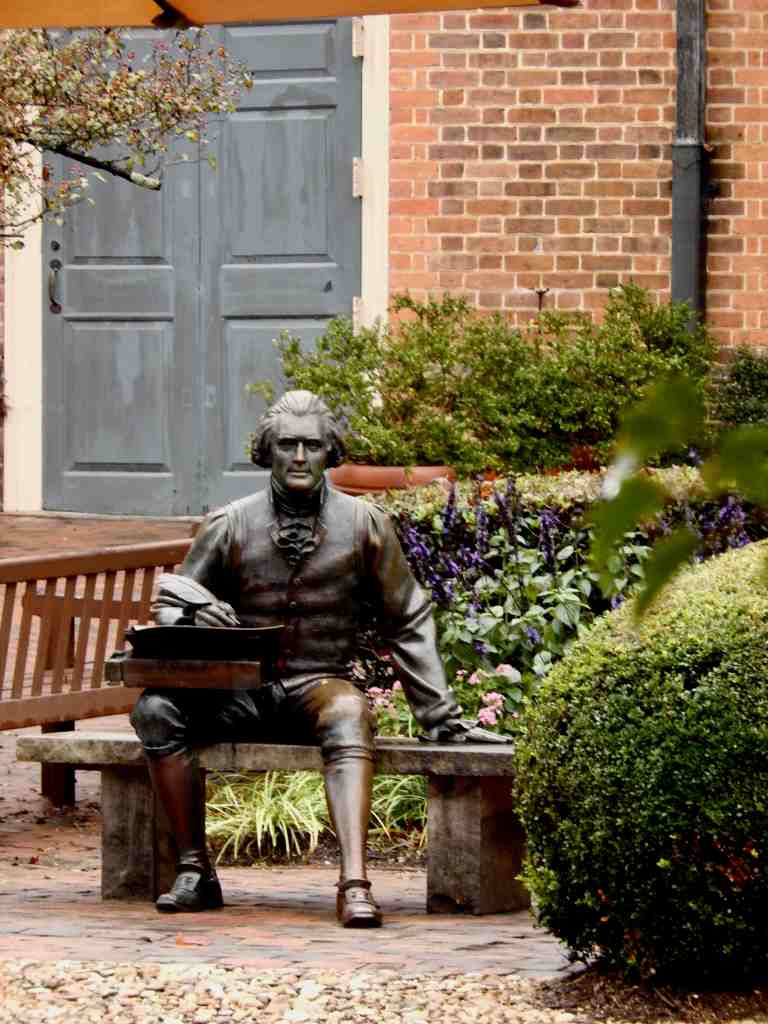
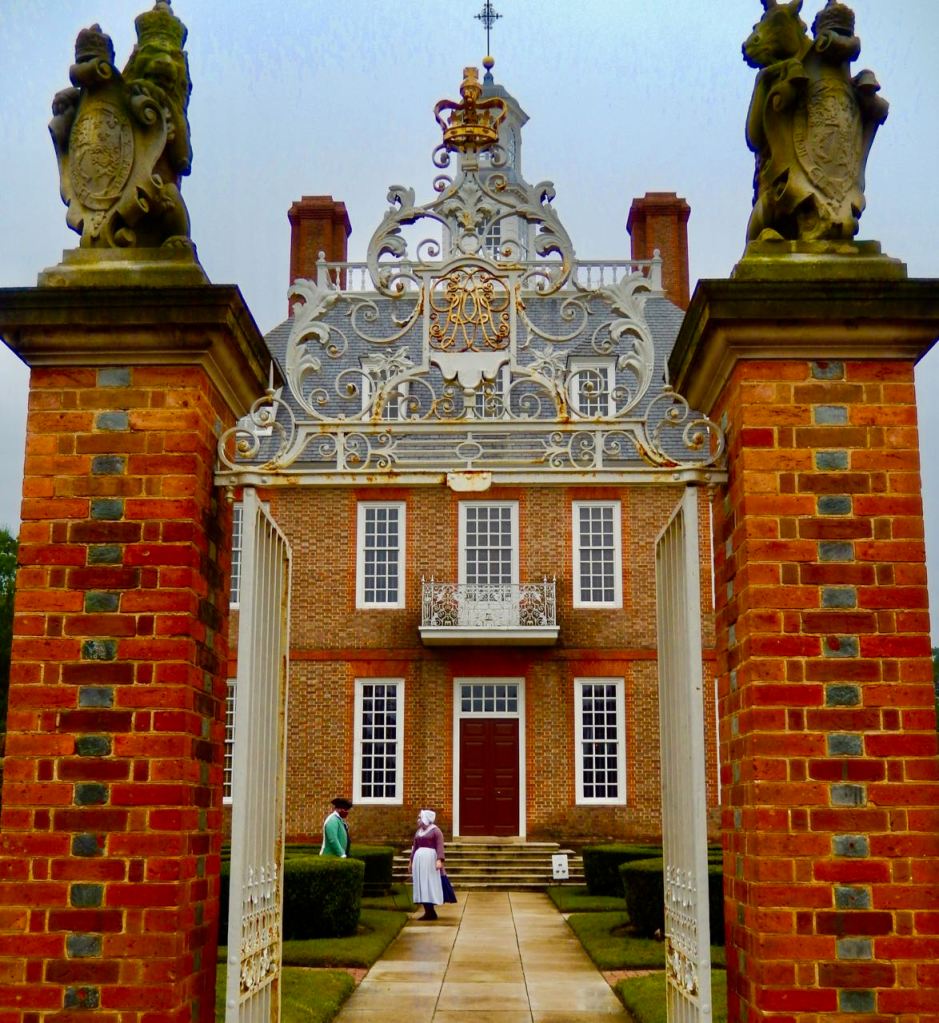
Our recent trip included a visit to Colonial Williamsburg on our way South, a living-history museum in the city of Williamsburg, Virginia. The area is an interesting blend of American history and popular tourist attraction. The colonial town is the anchor of a historic triangle in Tidewater Virginia that includes a restoration of the Jamestown colony (the first successful English settlement in North America) and the Yorktown Battlefield National Park and Museum celebrating the end of the Revolutionary War.
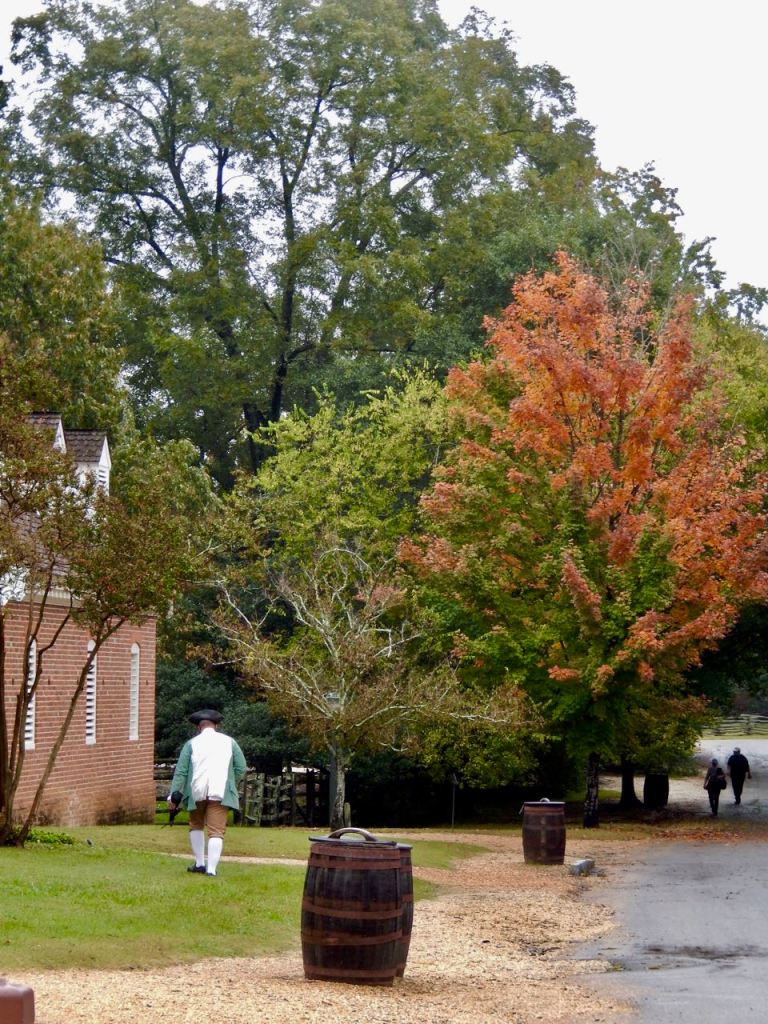
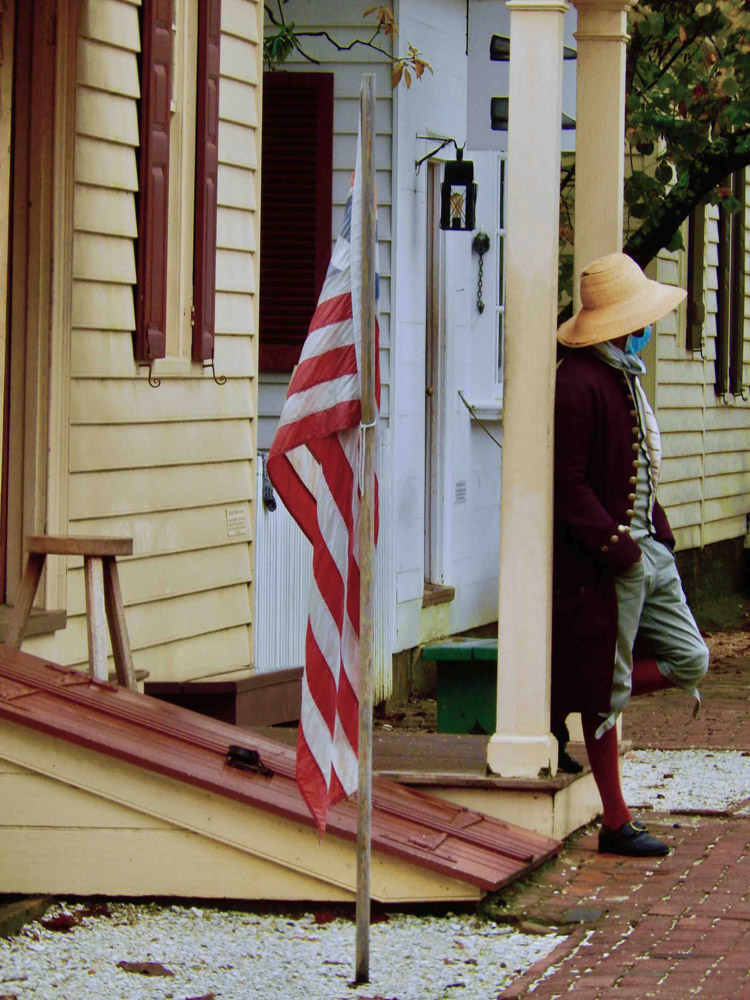
While our visit was over a couple of rainy days the town itself is fascinating. Within moments of a walk through town you get a sense that you have been transported back in time some 300 years. If there weren’t groups of tourists that at times that disturb the illusion, the feeling would be overwhelming.
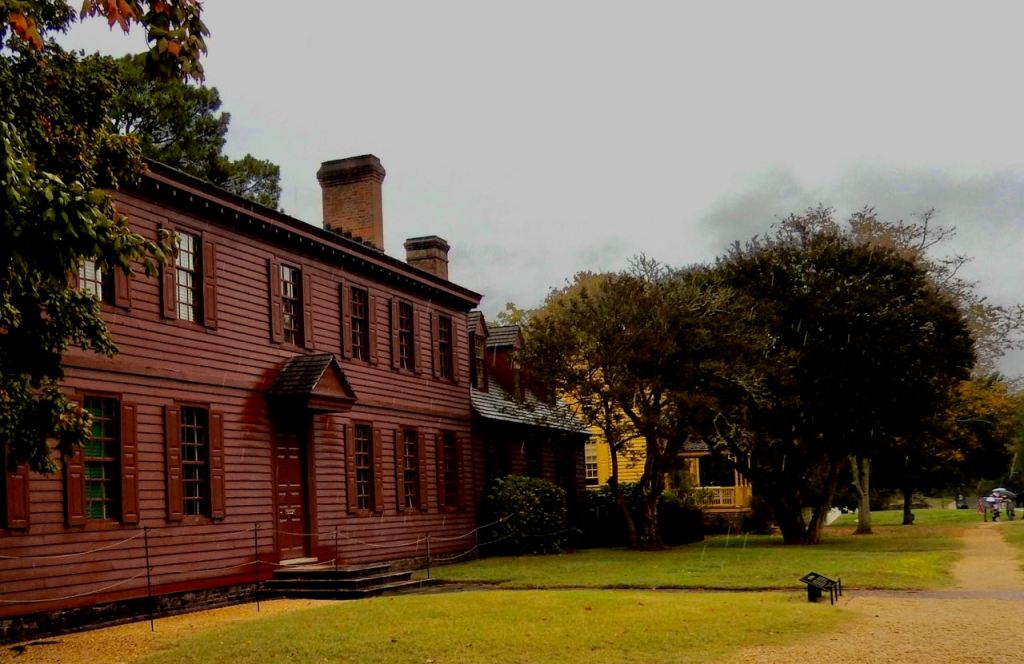
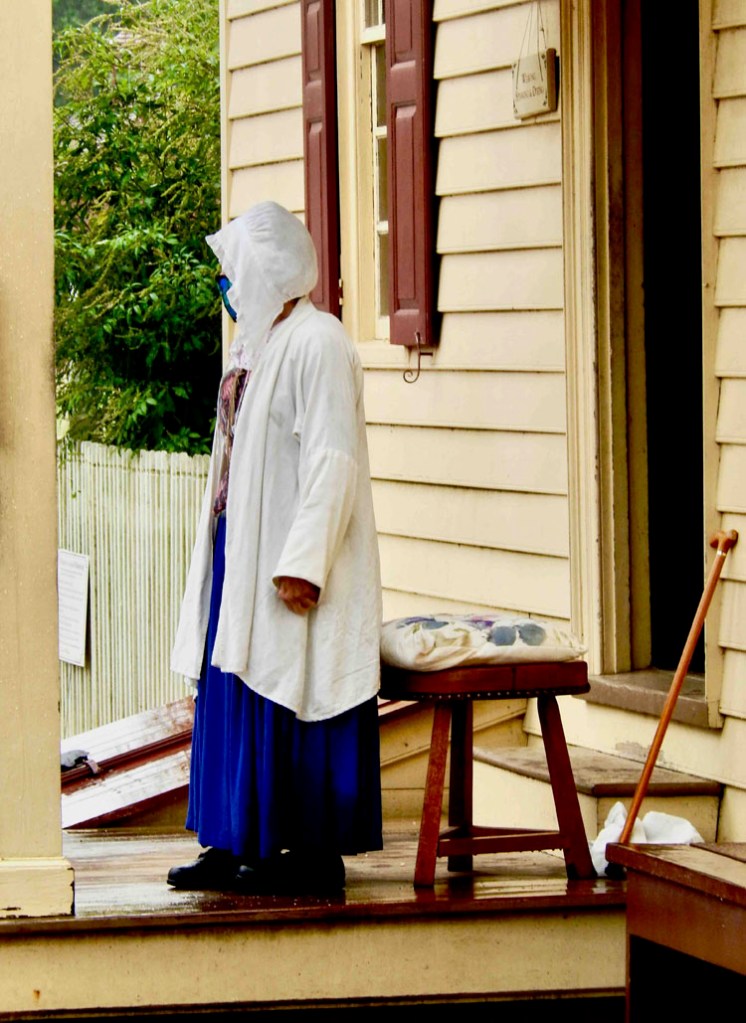
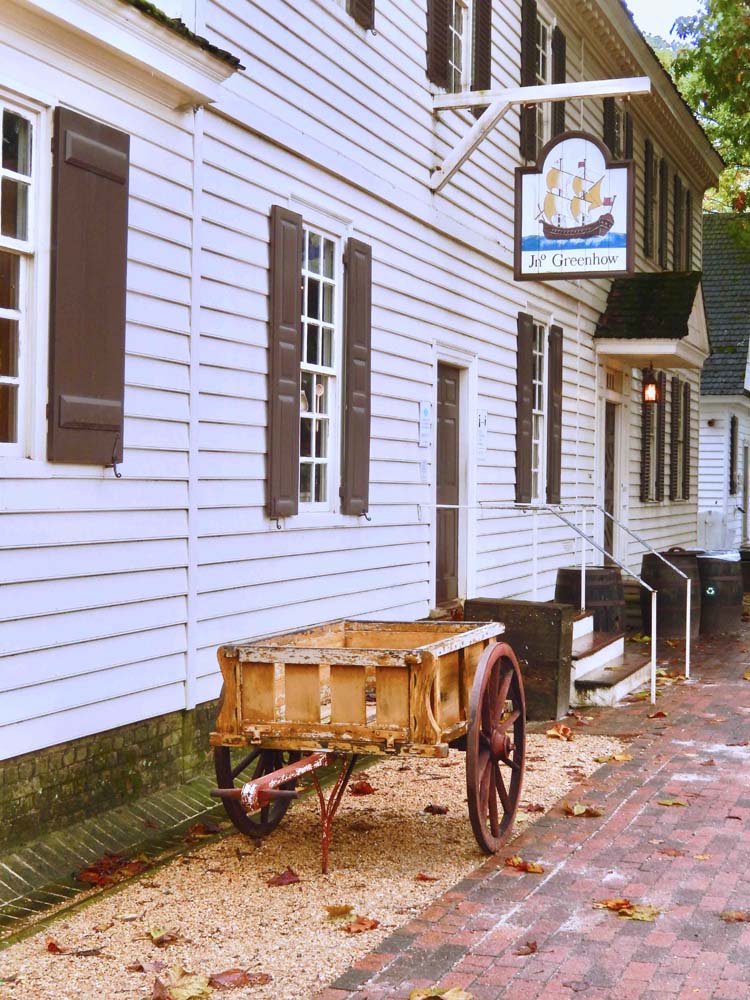
The historic town of Williamsburg is a 300 acre area that encompasses several hundred restored or re-created buildings from the 18th century, when it was the capital of Colonial Virginia. A living interpretation of a colonial period American city, the historic district includes three primary streets and their connecting side streets that represent the character of 18th-century America. While it is faithful to the period as it has costumed employees work and dress as people did back at that time it is also is a current residential neighborhood mixed with private residences.
Conceived in the 1920s, the restoration and re-creation of colonial Williamsburg was championed as a way to celebrate our countries revolutionary patriots and the history of the early United States. The project got its start with seed money in a grant from John D. Rockefeller Jr., and his wife, Abby Aldrich Rockefeller.
Major buildings include Raleigh Tavern, the Capitol building, the Governor’s Palace (all reconstructed), as well as the Courthouse, the George Wythe House, the Peyton Randolph House, the Magazine, and the functioning Bruton Parish Church (all originals). Four taverns have also been reconstructed for use as restaurants. There are historically accurate craftsmen’s workshops for trades, that include a printing shop, a shoemaker, blacksmith, a cooperage, a cabinetmaker, a gunsmith, a wigmaker, and a silversmith.
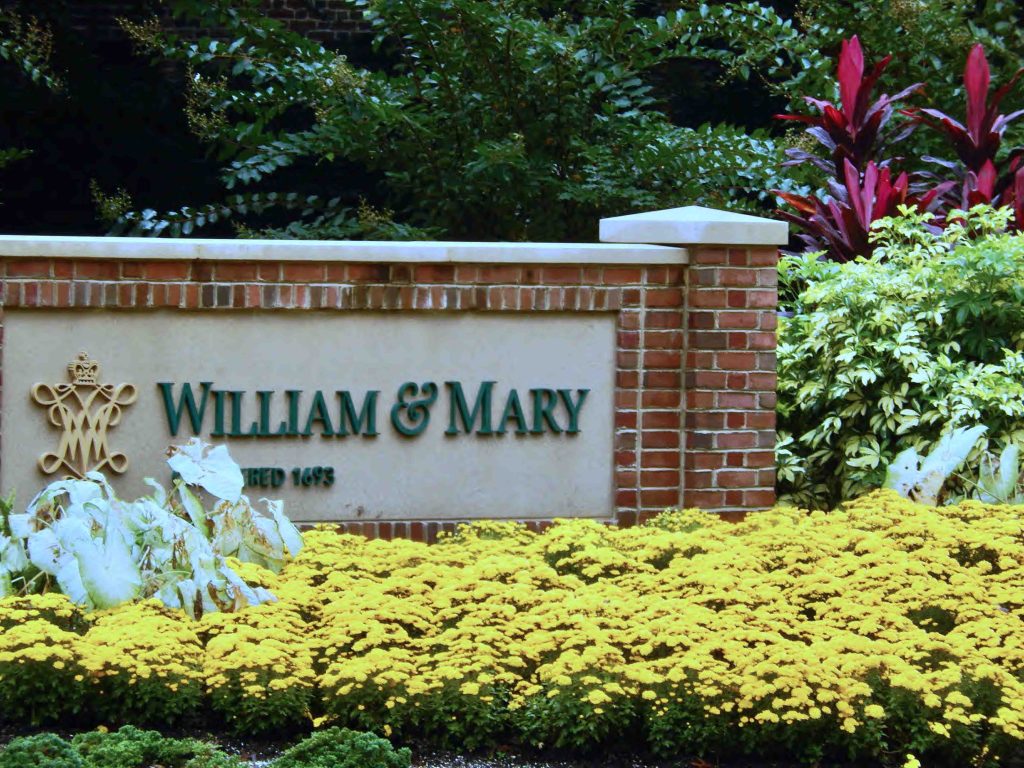
Colonial Williamsburg is also intertwined with America’s second oldest college, William & Mary which has its campus attached to the west side of the historic district. A newer commercial area that includes a number of upscale shops and a campus book store and coffee shop connects the two properties.
UPLOAD THIS DETAILED PDF MAP BY CLICKING ABOVE
Note: Currently because of the pandemic many of the interior tours are not available and some of the inns are closed as well.
































 The Intentional Travelers