Todays cruise ships are like magic carpets taking vacationers on adventures to the four corners of the world. Travel in luxury while your resort moves to a new destination every day or two. What’s not to love? Join us and explore itineraries far and wide…
The Caribbean
Crystal clear, turquoise waters under cloud laced sapphire skies. Palm trees and white powder beaches, tiki bars and fresh seafood. This is the worlds number one cruise destination for very good reason. Easy to reach departure ports in Florida, New Orleans and Texas offer departures for a dozens of islands, each with their own unique character. Discover island style in Jamaica and Antigua, a taste of Europe in Curacao and Sint Maarten and history everywhere you go.
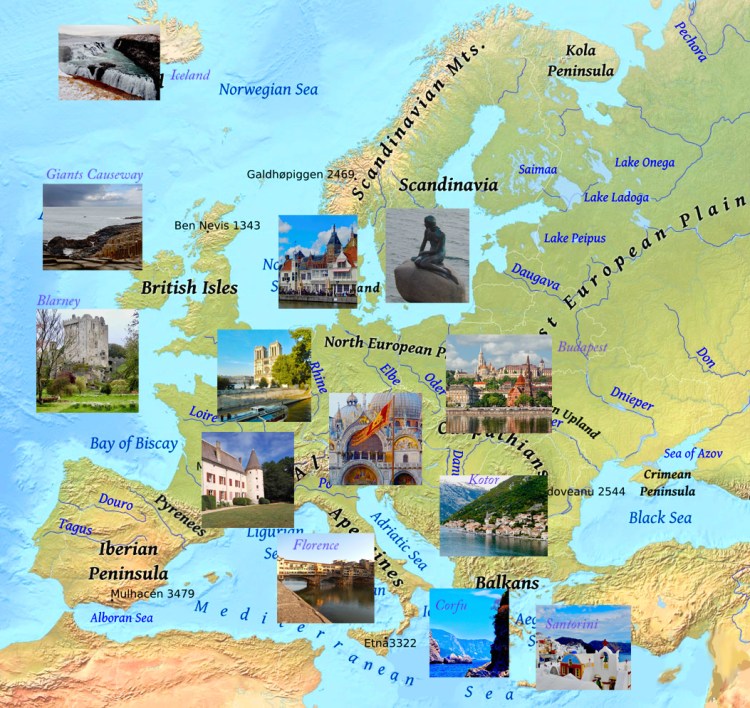
Cruising Europe is an experience all its own. History is everywhere from the ancient Greeks and Romans to Medieval castles and landmarks from the Great Wars. Discover cultures and amazing sights. The most popular European itineraries cruise the Mediterranean but don’t overlook Scandinavia and the British Isles. Explore itineraries that fit your interests and budget…
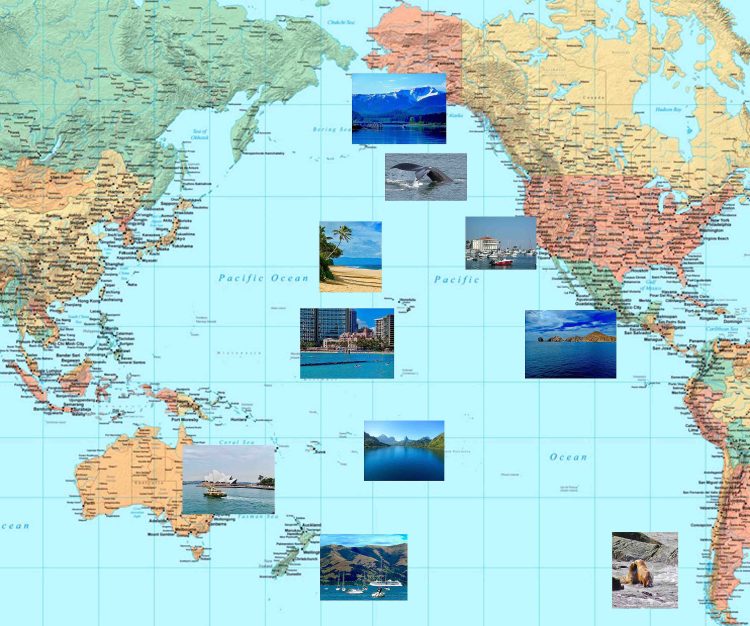
Cruise companies are constantly expanding the range of their itineraries with the South China Sea being one of the most popular recent offerings. Visit Southeast Asia, the island nations from The Philippines to Singapore and the nations of Japan and Korea.
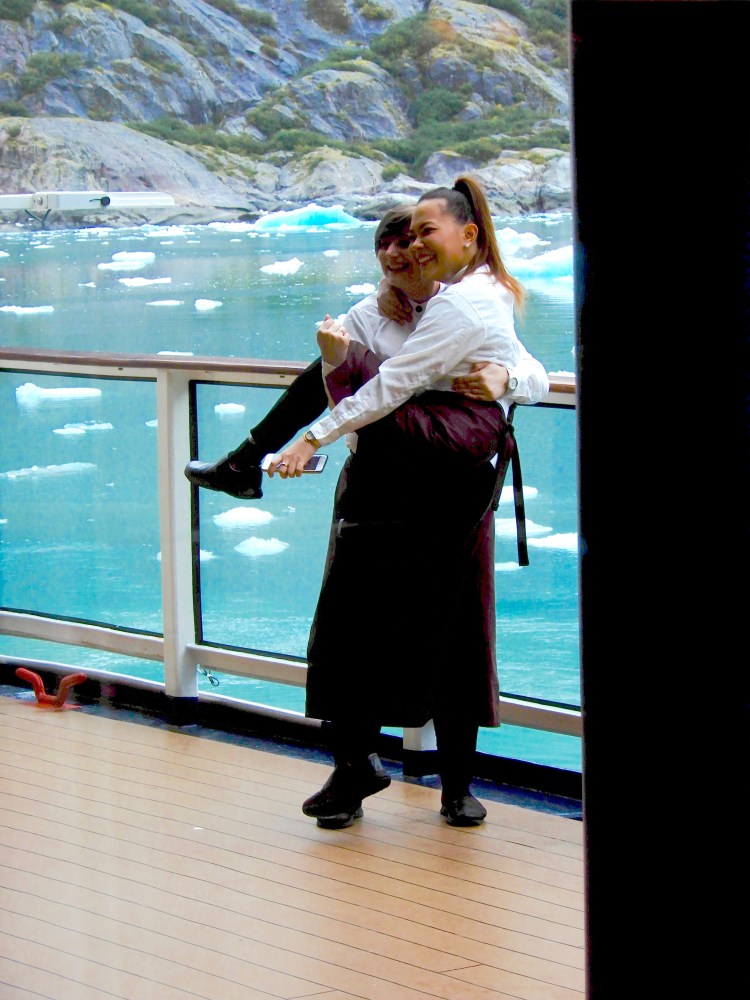
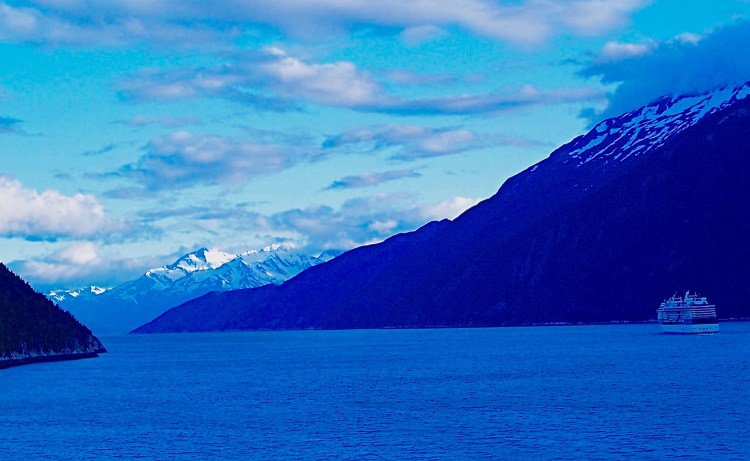
Many of the worlds top cruise itineraries go up the Alaskan coast. Cruise past some of the most spectacular scenery you’ll ever see as you watch for whales and wildlife. Visit gold rush towns and see fantastic glaciers up close. Add land tour options to see the wilderness of Denali or the Canadian Rockies to your cruise adventure. Experiences you’ll remember forever…
THE TRUTH ABOUT THE CRUISE BUSINESS WITH AN UPDATE ON CRUISING AND COVID-19
It has now been five plus months since this article was first posted and as of October 20th, 2020 only very limited cruise itineraries have begun. Currently four ships are now cruising in the Mediterranean, cruises to nowhere are just being scheduled out of Singapore and Australia and the American CDC, under pressure, has indicated it will not extend the “do not sail” order past November.
An estimated 15 million people annually take cruises on 23 ocean cruise lines that have experienced incredible business growth year over year. Analysts saw no reason why this trend wouldn’t continue and the primary marketing emphasis has been on luring new customers to cruising rather than taking away market share from other cruise companies.
In the first quarter of 2020 everything changed. A global pandemic moved across the planet with unprecedented speed. Nation after nation closed their borders and ports. While cruise ships were in no way responsible for any real spread and onboard outbreaks left ships more victims than perpetrators, the public relations was and is disastrous. Even if no one is talking about it, the cruise industry will probably never be the same.
As the United States and other countries take drastic measures to financially protect their businesses, industries and citizens, the cruise industry finds itself boxed into a corner. Much of the financial success of cruise companies, rightly or wrongly, has been based over the past fifty years on a maritime, international model. That model now represents its’ largest current threat.
Following are some detailed descriptions on a number of topics regarding how the cruise industry evolved over the past hundred years that include:
A History of How Flagging Ships in Foreign Countries Began
The Advantages of Flags of Convenience
Business Versus Social Needs
The Low Wages Issue
Legal Liability Issues
Safety and Regulation
The Financial Situation and the Future
Changing the Practice of Flags of Convenience
Where Does Help Come From
History
Cruise lines have avoided U.S., British and other countries’ laws and regulations for a long time. Starting in 1920 two U.S. ships, the M/V RELIANCE and the M/V RESOLUTE, ‘re-flagged’ in Panama in order to avoid the U.S. Prohibition.
Rules governing ships at sea come under The International Maritime Organization of which the United States is a member. It requires all ocean ships engaged in international trade to have a country of registry in order to sail in international waters. A ship is considered the territory of the country in which it is registered. The wording “country” pertains to any country, developed or underdeveloped, and under maritime law, ships are the territory of that country and subject its’ laws and regulations.
Over the past fifty years, virtually all cruise ships have been “flagged” in smaller countries like Panama, Liberia, Malta, and the Bahamas. A vessel’s country of registration is commonly referred to as the “flag of convenience”, saving cruise companies taxes, avoiding strict labor laws and providing favorable court venues.
The Overall Benefits Of Flags of Convenience
Cruising is a unique industry and, using flags of convenience, has actually been a benefit to a diverse number of people including employees, passengers and the companies themselves. The usual criticism is that flags of convenience allows payment of subsistence wages far below what is fair. There is also the issue that passengers are not protected by having the option to seek legal remedies in their home courts. In both of these, the truth is much more complicated than it would seem.
Business and Globalization
The first obligation in operating any business in a free market is to return a profit to yourself or your investors and the process involves lowering your costs and expanding your sales. All businesses small and huge pursue that course and at times their goals do not match the needs of society as a whole. The primary way to keep a balance between the goals of a business and the needs of a community is through laws and regulations. This involves everything from local business licenses to international treaties.
The globalization of business has been a huge benefit to many people worldwide. Businesses in developed nations have benefited greatly from using off-shore manufacturing to reduce the labor component of their products. This allows them to reduce selling prices, benefiting their customers, while increasing profits. Labor in less developed countries has also benefited with more jobs, increased wages and an improved standard of living. While there are always problems, trade-offs and abuse, overall, the world has become a better place because of international business.
The Cruise Wage Issue
The cruise industry does not sell a physical product but instead is based primarily on providing an all-inclusive service. In order to do that, one of their significant cost areas is associated with labor. Just like manufacturing industries, the cruise business relies on less expensive labor from all over the world. The difference is you don’t see the people that make your electronics, shoes and clothing but on a cruise ship you get to know them. It is unfair to suggest that they are paid slave wages. The truth is, cruise companies usually pay above prevailing wages in the countries where they recruit staff and while work hours may seem excessive, they are usually better than work hours and conditions back home.
If you talk to cruise ship staff you will find people from over fifty countries and a surprising number that have worked for the cruise lines for many years, renewing contract after contract. It is that flag of convenience concept that allows those employees to work at all. By Western standards they work long hours for little pay. Fifteen hour days for $1,500 to $1,800 a month (with free room and board) is not uncommon, but, compared to wages and working conditions back home, many consider themselves lucky to have these jobs.
It is that flag of convenience labor arrangement that allows for a reduced price of product. If all the cruise companies were required to flag their ships in a major Western country, the cost of an average cruise would probably double. Higher prices would reduce the number of potential passengers by more than half while seriously impacting employment and income in dozens of less developed and third world countries.
Legal Liability Arguments
With more than half of passengers being American, the legal rights and remedies of U.S. passengers are, in fact, reduced because of flags of convenience. This is primarily because most ticket/passenger contracts are written under the registering country’s laws and can include limited-liability clauses that are no longer supported in the United States and many Western countries. Under international maritime law, those clauses are usually enforced in courts of the registering country. Regardless of the attempted litigation location, the majority of courts worldwide still relinquish jurisdiction to maritime laws and those nations of registration.
There are two reasons why this isn’t as serious a problem as many critics will claim. First, most major cruise companies are well aware of the potential public relations impact of seeming insensitive to perceived wrong doing and the media seems always out there waiting for a cruise ship tragedy story to emerge. Second, Western countries are always examining how cruise companies use or abuse the flag of convenience status. In the United States, the courts have been stretching their interpretation of maritime law and jurisdiction in recent years. If cruise companies flagrantly evade reasonable responsibility it could bring on governments’ rethinking maritime law and the flags of convenience policies.
Much of the criticism and notoriety is driven by litigation law firms seeing cruise ships as a potentially huge liability litigation opportunity. If ships decide to start reflagging their ships in major Western countries, the cost of new civil actions could be significant.
Safety, Regulations And Inspections
While there are a lot of criticisms about cruise companies and their ships evading laws, that is not the case in a number of areas. While cruise ships may be considered territories of specific countries and their laws, their ability to sail within the waters of major nations does make them subject to other regulations. Along with international treaties and maritime laws, ship safety, food safety and environmental mandates are all overseen by the governments of cruise ports frequented by ships. Lifeboat requirements and safety drills are required by a number of laws and Coast Guard inspections are common. Often there are regulations covering the qualification requirements of specific crew positions.
How the Pandemic Could Change the World of Cruising
The 2020 pandemic has turned the economies of most of the worlds countries upside down. Governments have forced whole segments of their economies to shut down. After weeks and months of being closed, countless businesses could be devastated, even if the governments offer assistance. In the United States, the administration and government are promising to help major, important businesses but, in the case of the cruise companies, much of their operations have been outside of the country and its’ laws. There are already arguments suggesting that if this industry wanted to operate outside the reach of the government, maybe they are outside of the government’s responsibility as well.
Considering the magnitude of the current financial crisis how much financial reserves do these cruise lines have? Available financial information for one large cruise corporation looks like the following:
*Without having access to more financial information this is only an approximation. At full operation monthly costs are around 600 million dollars. In a complete shut down by reducing fuel, provisions and furloughing employees that could be reduced by 40-60%. The company would still be faced with significant operating expenses like servicing debt, headquarters and ship maintenance and operating costs.
**The assumption has to be that a significant percentage of this amount is actually the current value ships. In a market going forward where demand gets reduced by 50% (estimate) the asset value will be seriously impacted and selling ships would probable not be possible.
***This is a current dollar amount which indicates that in a total shutdown those cash reserves would last for one to three months. After that the corporation would be facing defaults on its debt.
The problem is that one has to assume that a major portion of those assets are actual cruise ships. The value of any physical asset is based principally on its ability to generate revenue and resale (liquidation) value in the marketplace. That depends less on their cost to build and, in the case of cruise ships, more on the market and people wanting to continuing booking cruises. Additionally, with a major monthly loss in revenue, cash reserves will vanish quickly.
Everything depends on how quickly cruise schedules can restart and how eager people will be to return to cruising and how soon. Additionally, there are a significant numbers of people holding credits from canceled cruises to be used for future cruises that will reduce monthly cash flow for a while going forward, even if cruising returns to normal booking levels. It would not be surprising to see some companies fail over the next six to twelve months and, at the least, see a number of ships removed from service.
The Thinning of Cruise Fleets is Now Well Underway
October 3rd, 2020 Cruise ships are going to salvage and scrapyard – Turkish workers are currently working overtime to salvage from five cruise ships for scrap metal (below). Among the ships is the Carnival Fantasy, a just refurbished cruise ship along with the Carnival Imagination.
A photograph by REUTERS/Umit Bektas shows three Carnival and two Pullmantur ships in a salvage yard in Turkey. The two Pullmantur ships are the old Royal Caribbean Monarch of the Seas and Sovereign of the Seas sold to Pullmantur just three years ago.
A Cruise Industry Without Flags of Convenience
In the world of cruising there is one ship that demonstrates what eliminating the flag of convenience policy would look like. NCL flagged The Pride Of America in the United States in order to allow it to cruise the Hawaiian Islands. This ship must follow American labor laws and regulations which means the number of hours the crew can work is regulated, pay must meet minimum wage and other U.S. payroll requirements and, additionally, the crew must meet legal requirements to work in the United States.
There are two major consequences of meeting the flag requirements of the United States. The first is the cost of the cruise. On average, a seven day cruise on The Pride Of America costs about twice as much as other NCL seven day cruises. With those sort of price increases how much of the market will no longer see a cruise as financially justifiable?
The second is level and quality of service. While this is a subjective measurement, a number of cruise ship surveys regularly rate The Pride Of America’s service one to two stars lower then the NCL fleet average.
So what you get is a lower quality experience at a significantly higher price. Cruising’s success has been based on a number of factors, but affordability is probably the biggest. Vacation competition includes theme park destinations, all-inclusive resorts and land tours and, dollar for dollar, cruising has consistently been the winner.
Where Does Help Come From
Without some outside help providing cash infusions and significant numbers of people making cruise bookings again, there will be rough seas ahead for this industry.
Throughout the pandemic, cruise ships have been more the victims of hysterical actions taken by local and national governments than a real health threat. Air travel was probably the primary source of worldwide spread of the coronavirus. Cruise ship passengers in too many highly publicized situations were subjected to panic decisions by a number of health agencies that resulted in the amplified spread of the virus onboard in the general populations and a number of deaths. Public opinion has been changed by sensationalized reporting about cruise ships, thus leaving in its wake a public relations nightmare for the industry. After the coronavirus pandemic is over that will still be the case. The real hope for saving many companies in the cruise business is for avid cruisers to come back in large numbers and come back quickly, even at the cost of paying higher prices. The cruise business gained in popularity because it offered a great value in an all-inclusive vacation with the bonus of traveling to distant locations. In that regard – nothing has changed and it will improve but how soon?
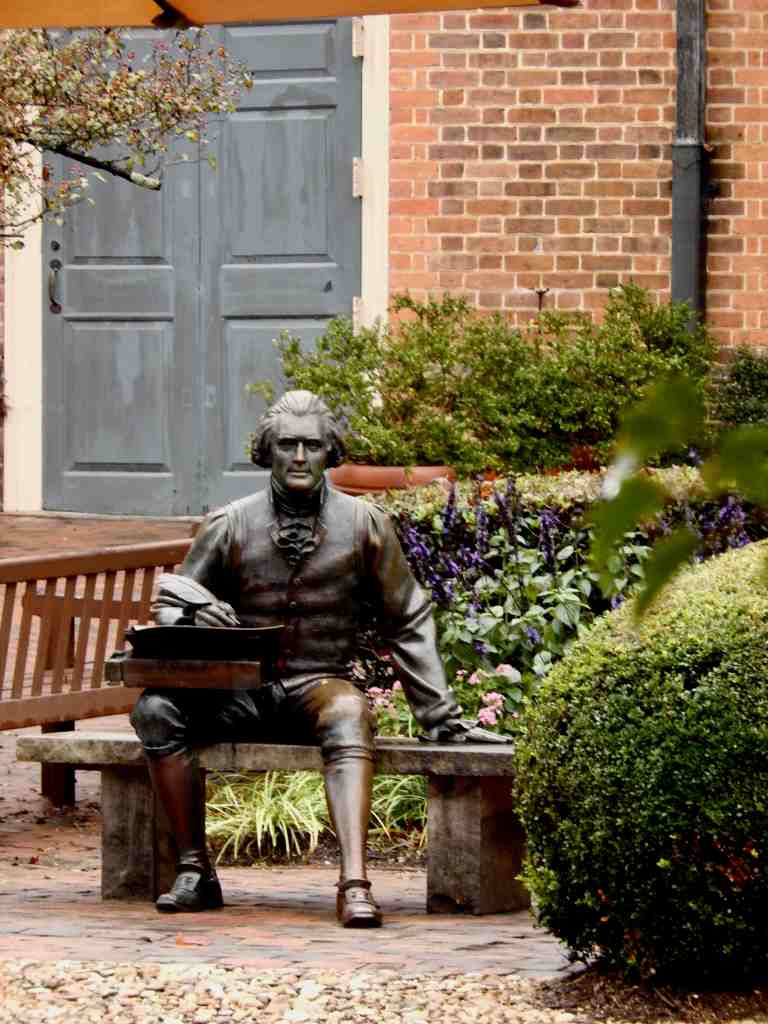
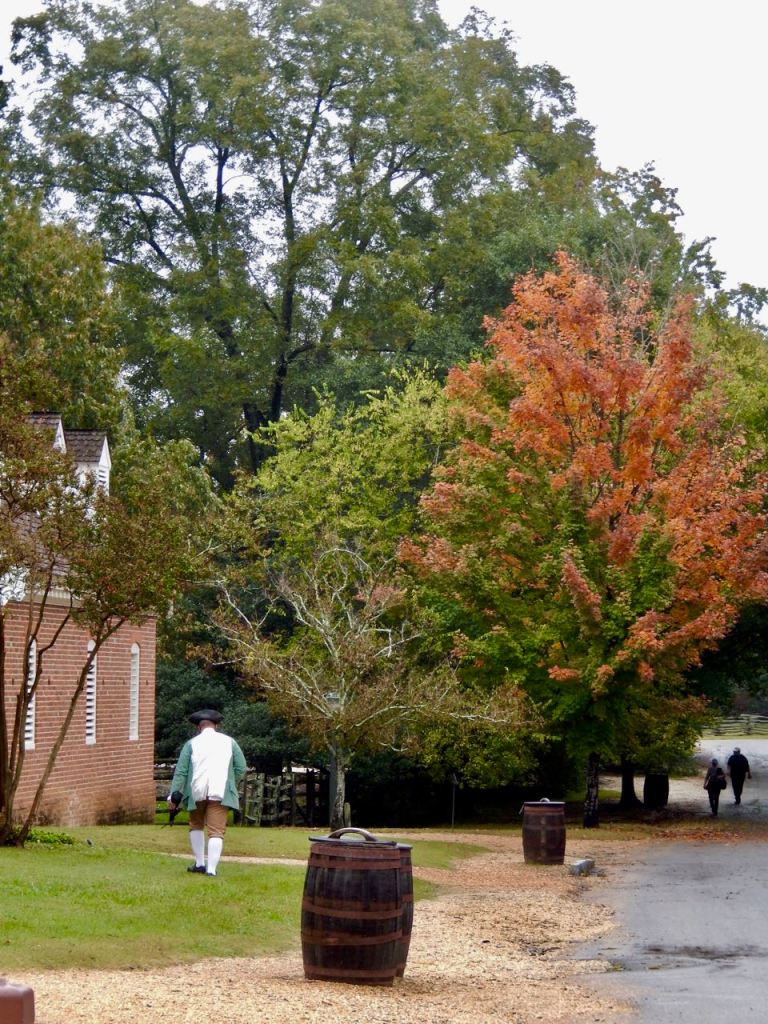
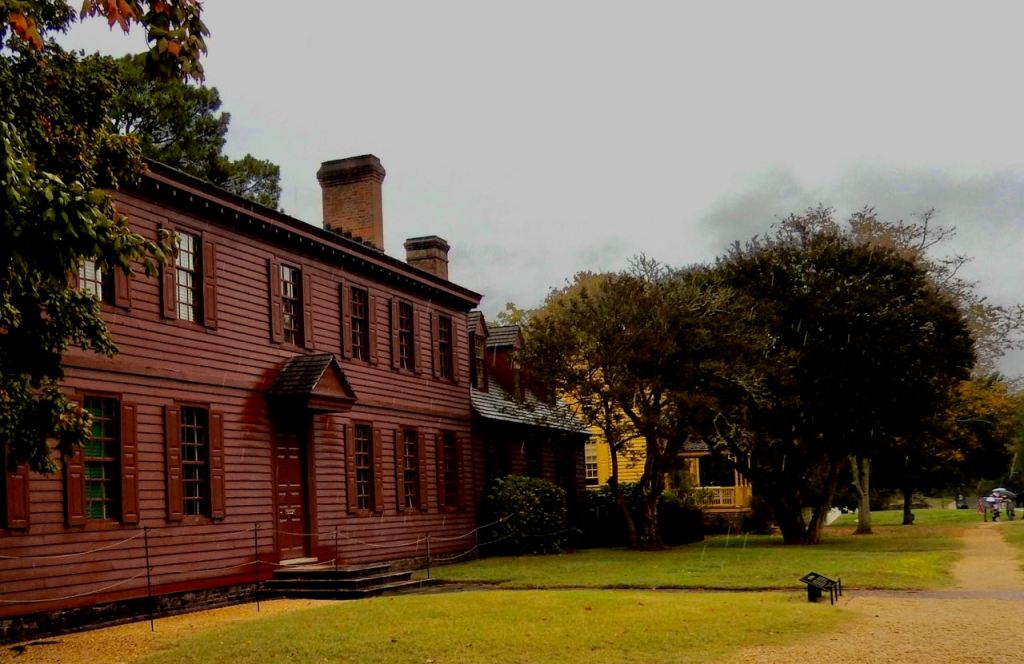
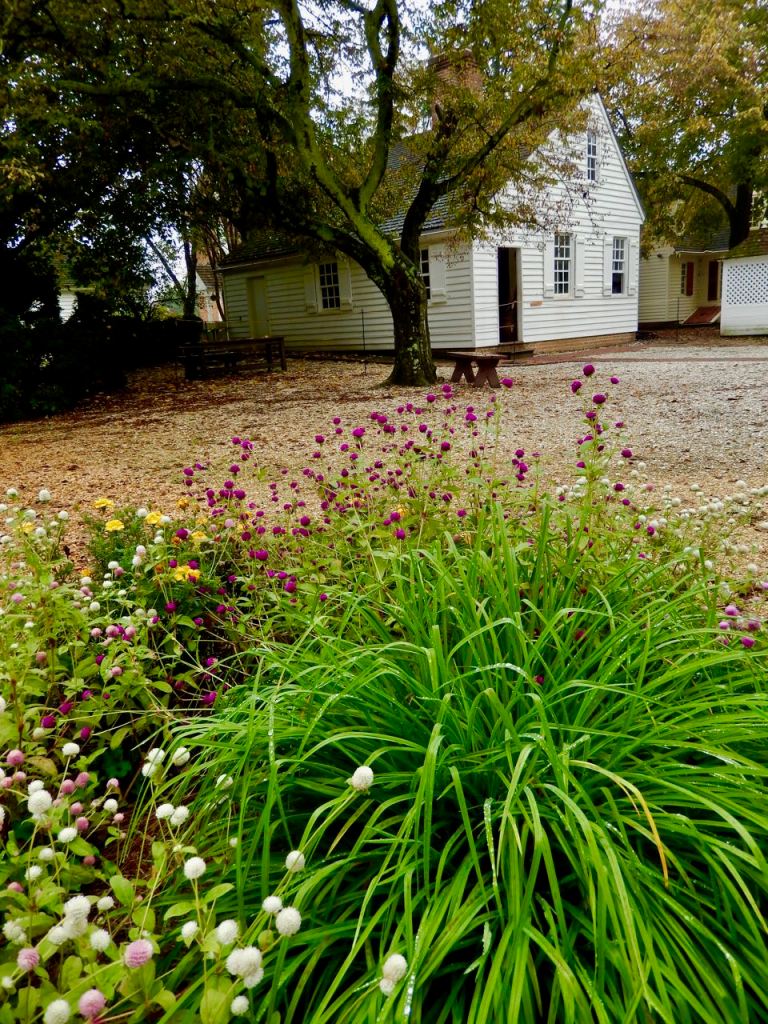
Our recent trip included a visit to Colonial Williamsburg on our way South, a living-history museum in the city of Williamsburg, Virginia. The area is an interesting blend of American history and popular tourist attraction. The colonial town is the anchor of a historic triangle in Tidewater Virginia that includes a restoration of the Jamestown colony (the first successful English settlement in North America) and the Yorktown Battlefield National Park and Museum celebrating the end of the Revolutionary War.
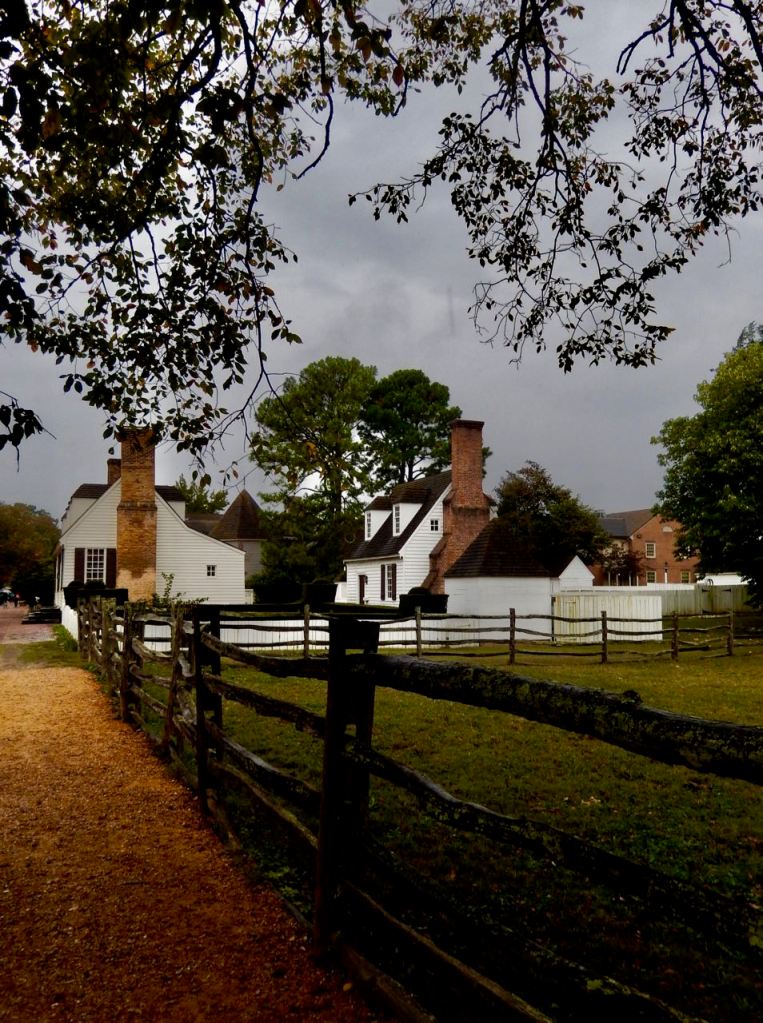
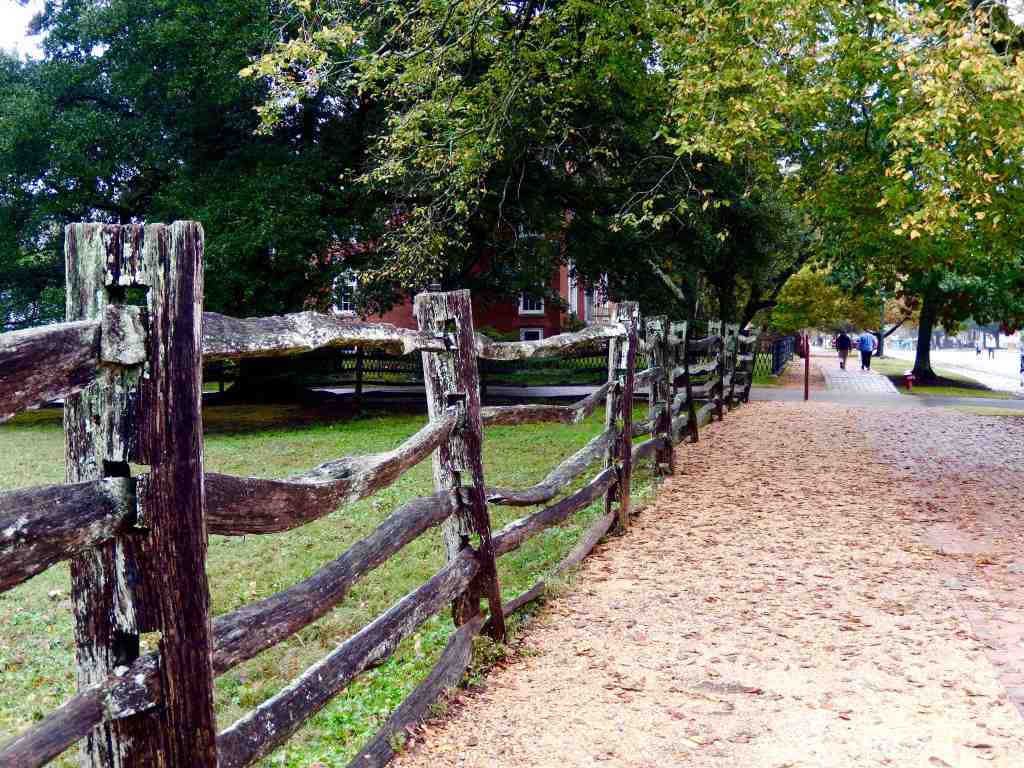
While our visit was over a couple of rainy days the town itself is fascinating. Within moments of a walk through town you get a sense that you have been transported back in time some 300 years. If there weren’t groups of tourists that at times that disturb the illusion, the feeling would be overwhelming.
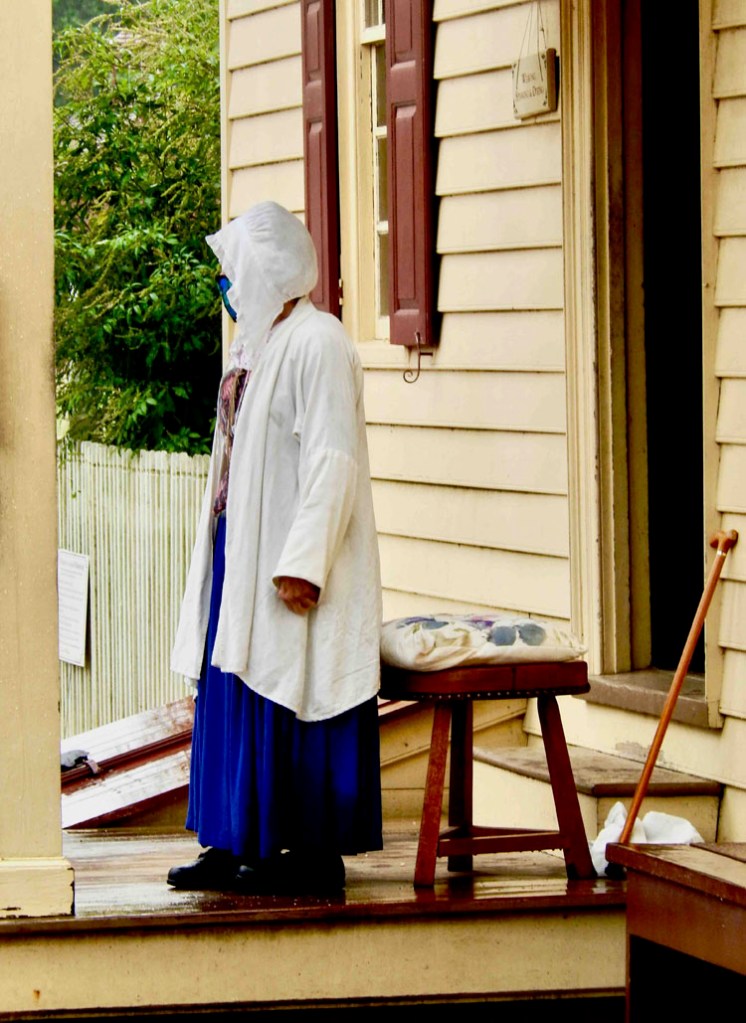
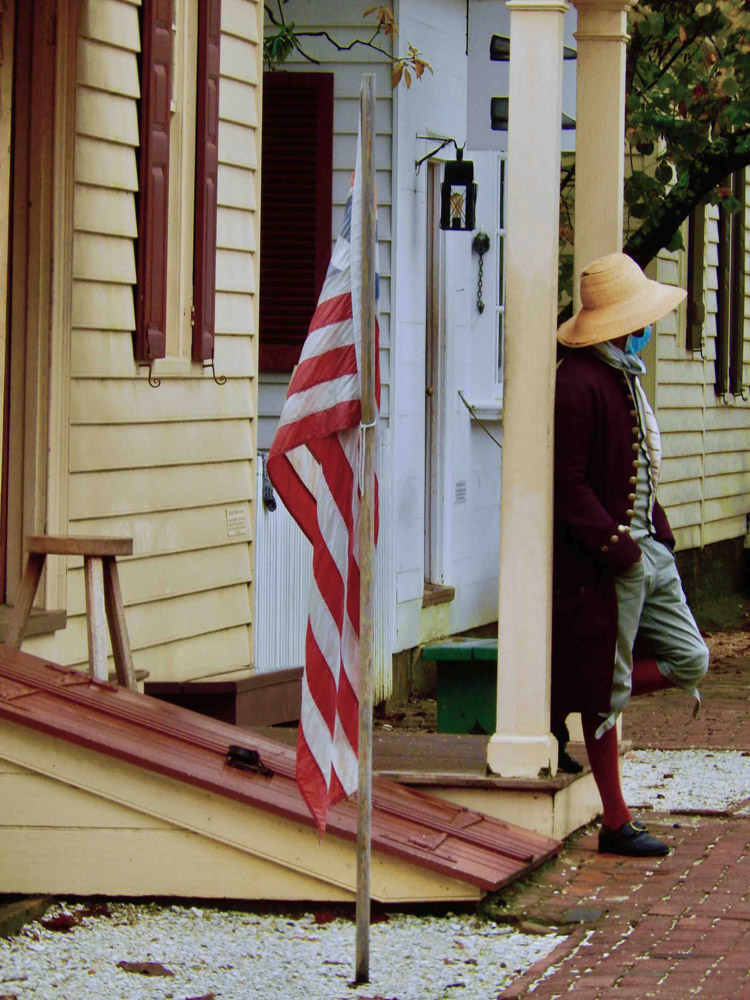
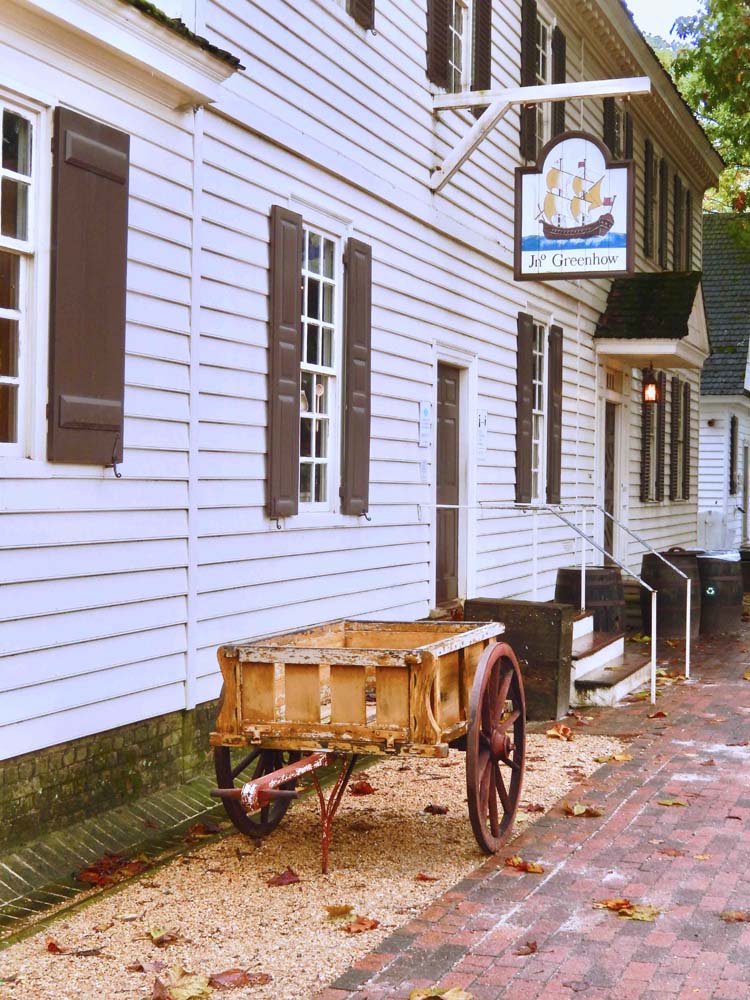
The historic town of Williamsburg is a 300 acre area that encompasses several hundred restored or re-created buildings from the 18th century, when it was the capital of Colonial Virginia. A living interpretation of a colonial period American city, the historic district includes three primary streets and their connecting side streets that represent the character of 18th-century America. While it is faithful to the period as it has costumed employees work and dress as people did back at that time it is also is a current residential neighborhood mixed with private residences.
Conceived in the 1920s, the restoration and re-creation of colonial Williamsburg was championed as a way to celebrate our countries revolutionary patriots and the history of the early United States. The project got its start with seed money in a grant from John D. Rockefeller Jr., and his wife, Abby Aldrich Rockefeller.
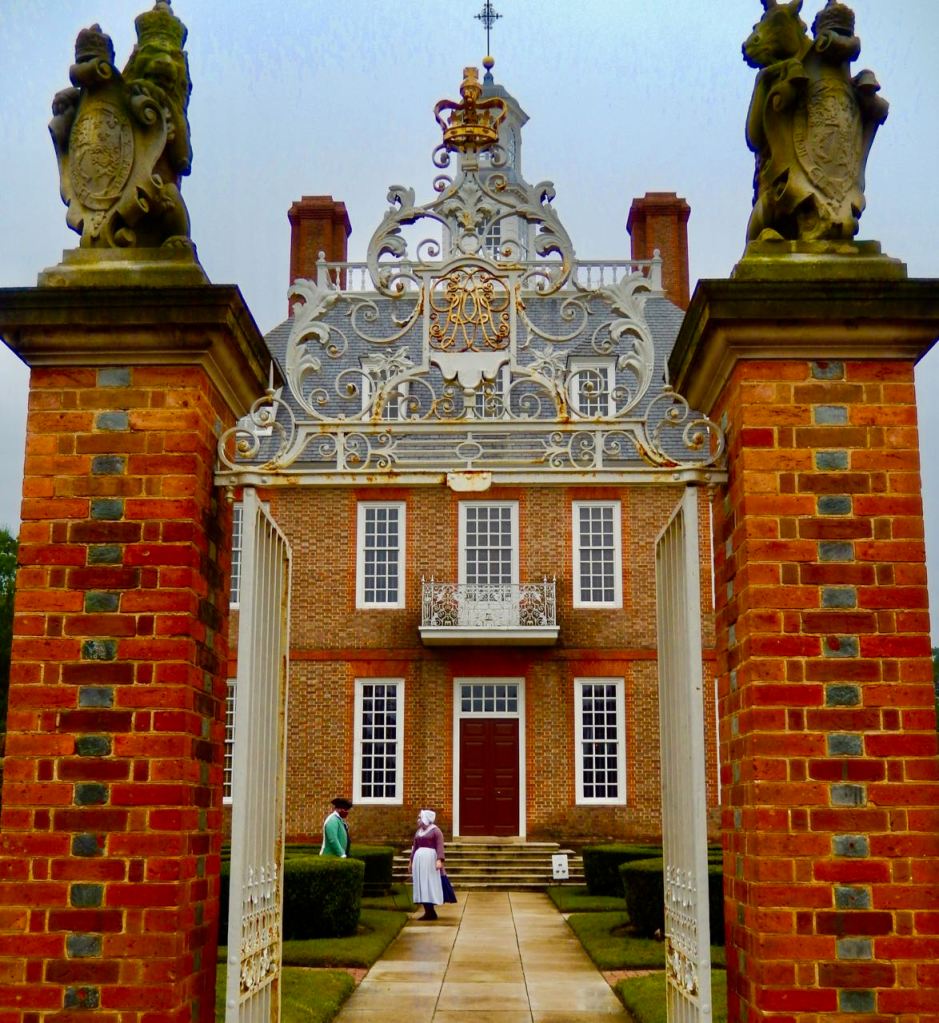
Major buildings include Raleigh Tavern, the Capitol building, the Governor’s Palace (all reconstructed), as well as the Courthouse, the George Wythe House, the Peyton Randolph House, the Magazine, and the functioning Bruton Parish Church (all originals). Four taverns have also been reconstructed for use as restaurants. There are historically accurate craftsmen’s workshops for trades, that include a printing shop, a shoemaker, blacksmith, a cooperage, a cabinetmaker, a gunsmith, a wigmaker, and a silversmith.
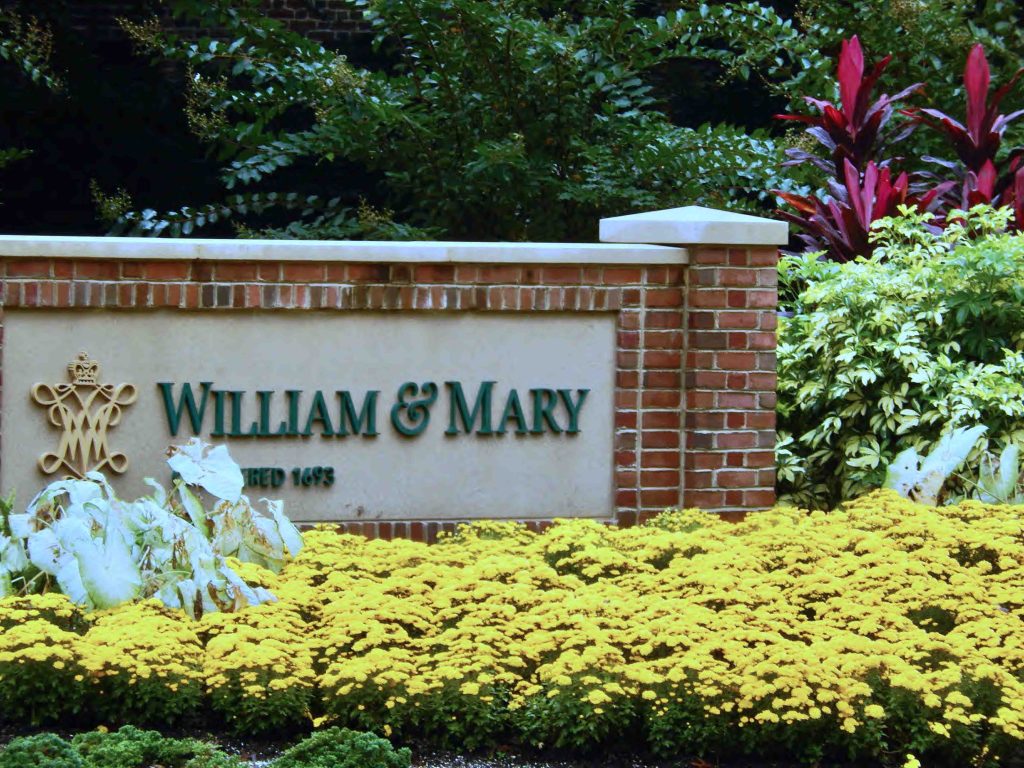
Colonial Williamsburg is also intertwined with America’s second oldest college, William & Mary which has its campus attached to the west side of the historic district. A newer commercial area that includes a number of upscale shops and a campus book store and coffee shop connects the two properties.
UPLOAD THIS DETAILED PDF MAP BY CLICKING ABOVE
Note: Currently because of the pandemic many of the interior tours are not available and some of the inns are closed as well.
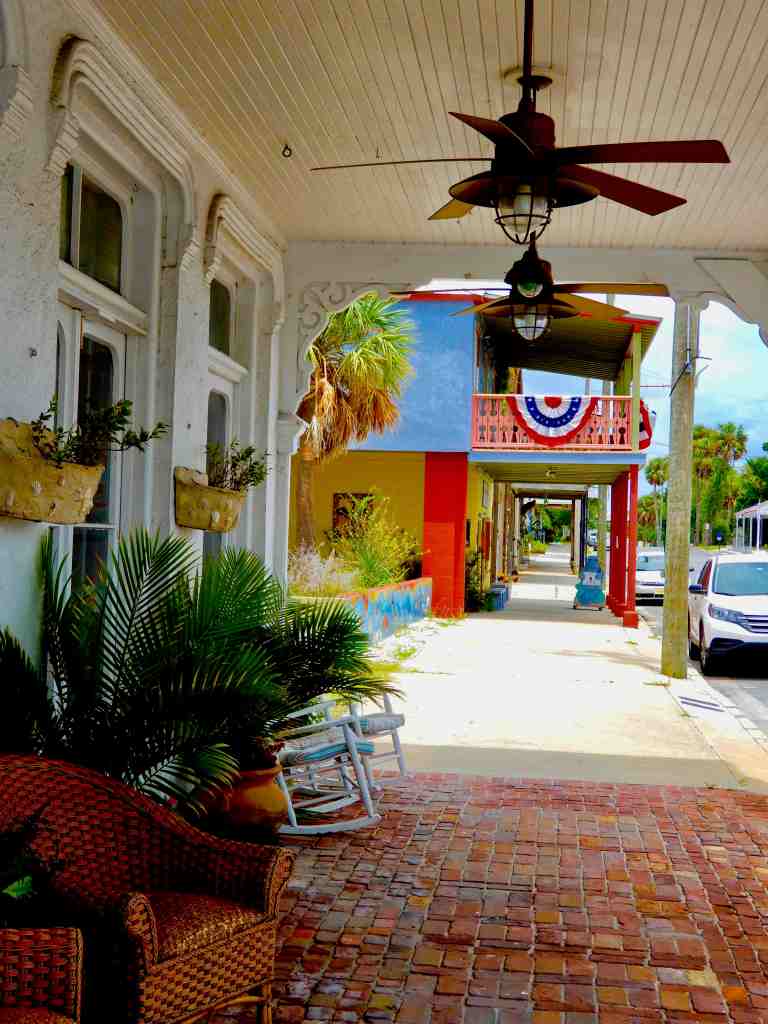
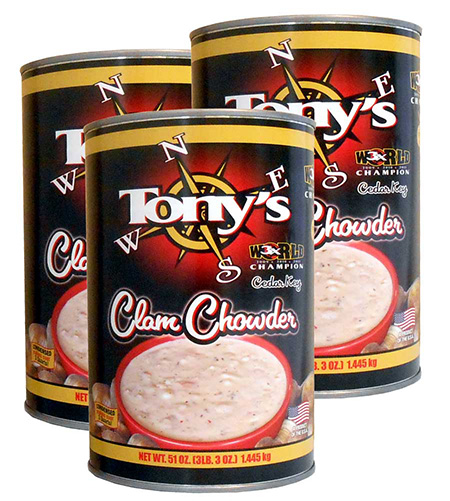
If you travel west on Florida State Road 24 from Gainesville to where the road literally ends, you find yourself in a bit of old Florida. Out in the middle of nowhere on Florida’s northwest coast is the little village of Cedar Key with its’ population of around 700. At the corner of D and 2nd is Tony’s Seafood Restaurant which is home to what many claim is the world’s best clam chowder.
An Update: For those that do not the time to go all the way up to Cedar Key, Tony has opened a second restaurant closer to Central Florida. Tony’s Chowder House in downtown Mount Dora opened in February 2019. Chef Tony opened this small restaurant with a throwback old “Chowder House” theme and, of course, featuring his championship clam chowder.
The Great Chowder Cook-Off is an annual event that has been held at the Newport Yachting Center in Newport, Rhode Island, for thirty-three years. It ranks right up there with the Terlingua International Championship Chili Cookoff or the Texas Championship BBQ Cookoff. All these American classic foods have passionate followers by the millions, hero’s by the score with reputations to protect and profit from.
On Saturday June 6, 2009 Tony’s Cedar Key Clam Chowder won the 28th Annual Great Chowder Cook-off and claimed the title, Clam Chowder World Champion.
Back for another title hunt in New England, Tony’s took to the field again on June 5, 2010 and for the second consecutive year won the 29th Annual Great Chowder Cook-off claiming another Clam Chowder World Championship.
At stake on June 4, 2011 was a third title and a chance for the recipe to be retired into the Cook-Off Hall of Fame. Not even a Grand Champion Chowder from New Jersey could deny Tony’s a third world championship. For the third year in a row Tony’s Cedar Key Clam Chowder captured the title and did so with impressive style in another landslide victory.
With Tony’s third title in three years and the recipe retired into the Great Chowder Cook-off Hall of Fame, the future is still bright for what many fans call the “King of Chowder”.
Tony’s Cedar Key restaurant
On our visit to Cedar Key that was where we went for our first meal and we were not disappointed. Some people come to this tiny town for the fishing and some come for the art galleries and crafts shops but we came for the chowder and all I can offer is it was worth the drive. If you are looking for white tablecloths and atmosphere you’re probably going to be disappointed but you won’t be in the food and specifically their world champion chowder.
If out of the way Cedar Key is way too far to go for a bowl of chowder don’t despair you canmail ordersome, as they have a very successful canning and shipping operation as well.
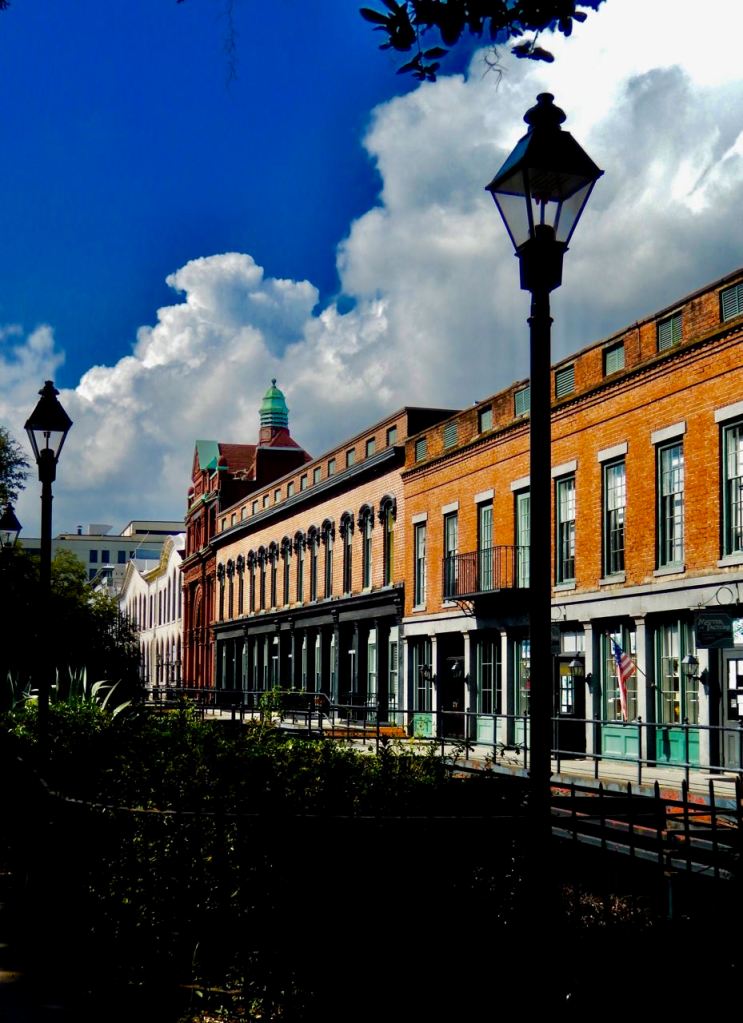
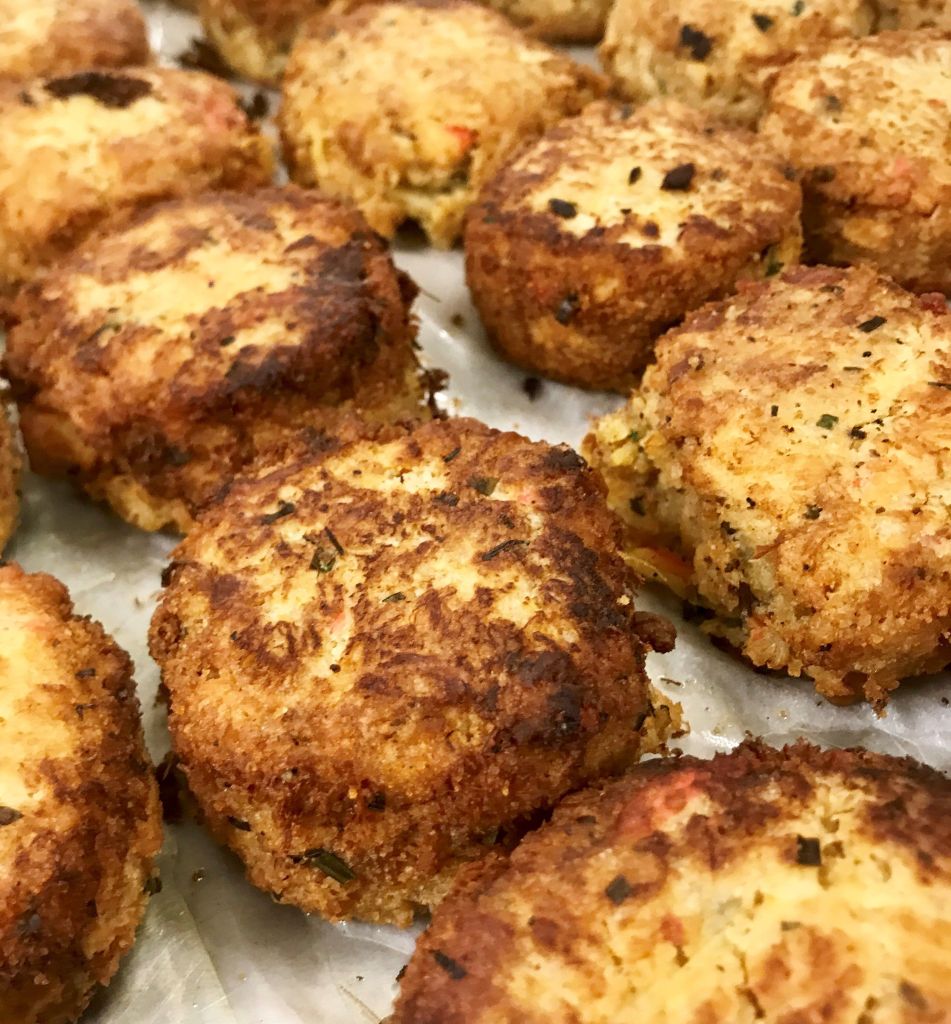
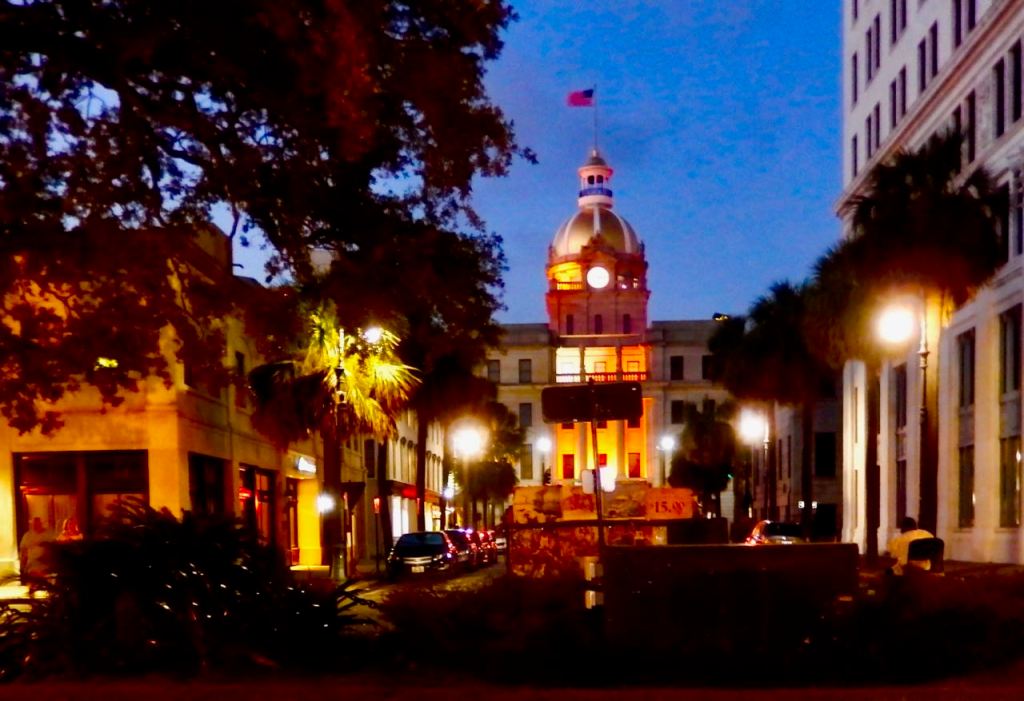
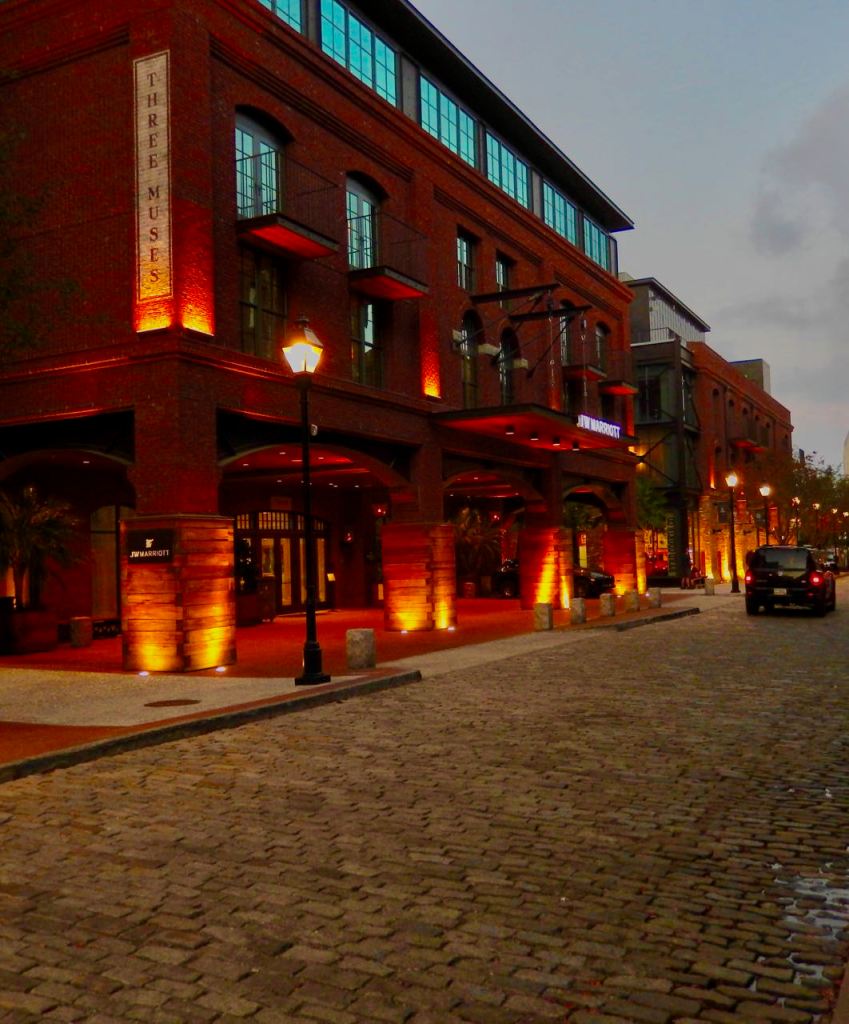
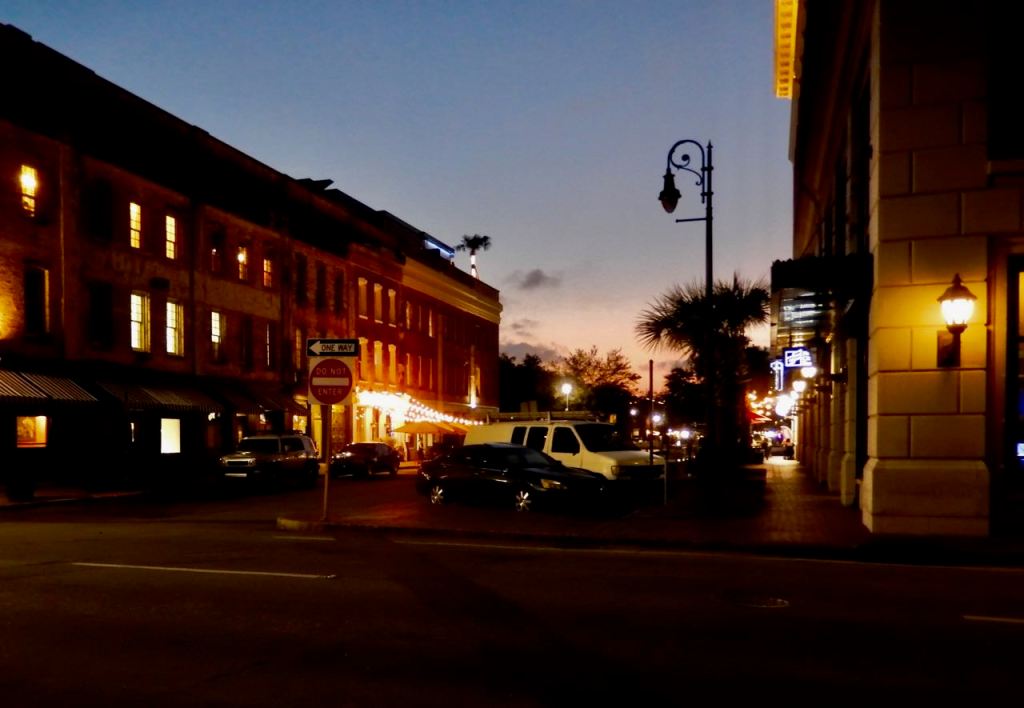
Just this past week we spent a night in Savannah on our way home from our two week mountain trip. Savannah, Georgia is near the top of our list of favorite American cities and heading south on interstate 95 we just couldn’t pass up a night in this fabulous place. Our hotel was only a couple of blocks from the river and one of our favorite Chart House restaurants. Happy hour wine, prime rib sliders and mini crab cakes with a stroll around old Savannah were the perfect antidote to a five hundred mile drive.
gophers 😉
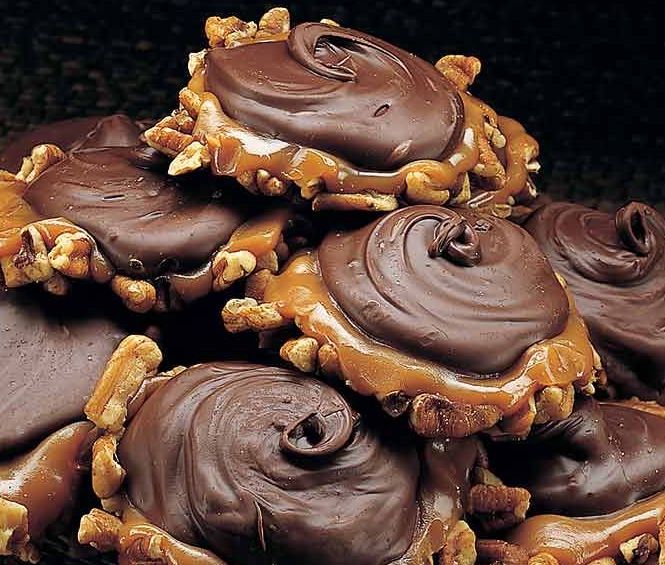
River Street is an interesting experience with large ships moving along the river, a dozen or more good restaurants spaced out with T-shirt shops, gift shops and another favorite indulgence – Savannah confection shops – turtles, gophers pralines and …
Chart House Savannah
mini crab cakes 😉
For a very long while we have had a fondness for Chart House restaurants. They have a simple business model – great food in great locations and often the views with your dinner are worth the price of the meal. These upscale restaurants come with the expected price tag ($$$$) but for the money they have never disappointed us. Often we are in the habit of stopping by for happy hour or a late night dessert in the bar rather than a full dinner.
We have spent a large number of evenings in sitting in the open-air bar sipping a drink and. We have visited Chart House restaurants all over the map from Christiansted in the Virgin Islands, Alexandria, Virginia, Vail, Colorado to Ft. Lauderdale and we cannot ever remember ever being disappointed.
Savannah at night
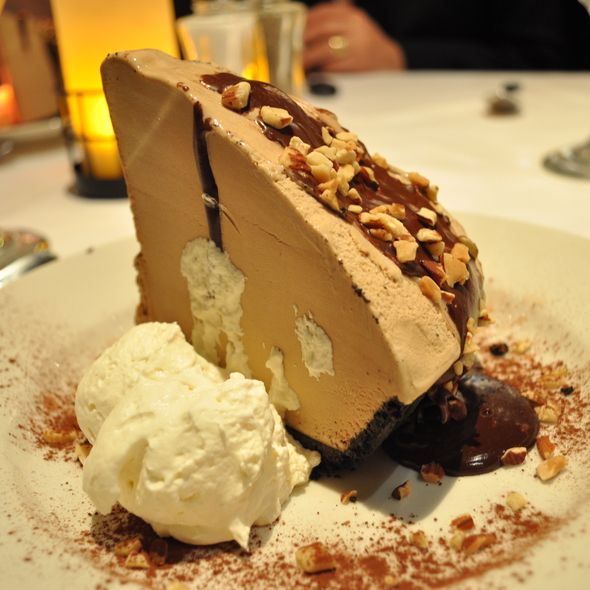
Mud pie ;-). 😉
Years ago we spent a lot of time in the Caribbean and there was a great Chart House in Christiansted, St. Croix right on the harbor boardwalk. Finishing an evening there with Jamaican Coffee and Mud Pie was a tradition with us as we watched the sailboats bob at anchor in the harbor. Today the Chart House still serves that Mud Pie, so our night in Savannah ended with Mud Pie.
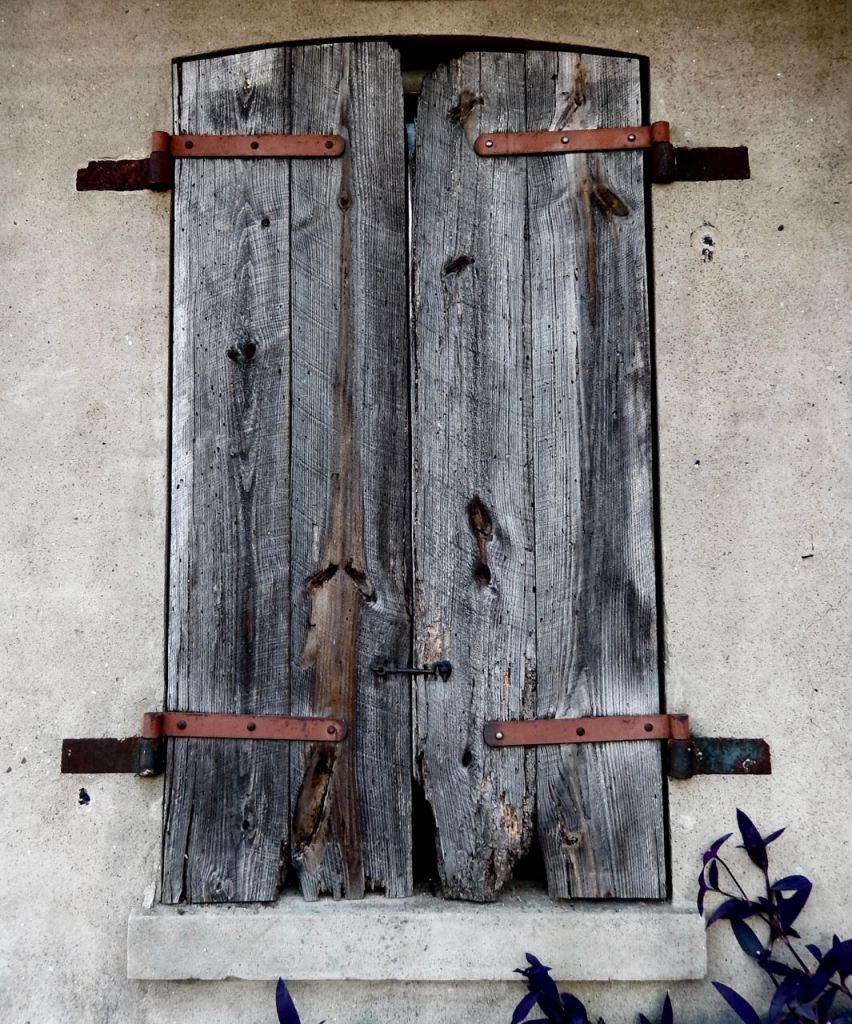
Around Savannah
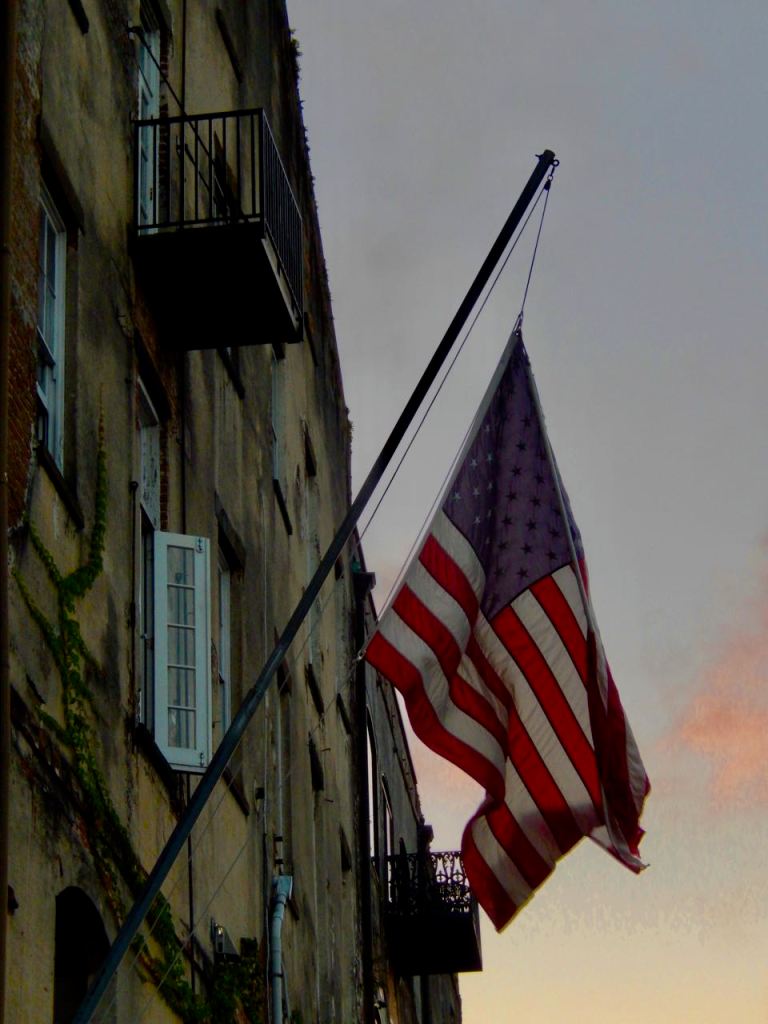
Around Savannah
Around Savannah
Besides the Chart House Restaurant in St. Croix there was one in Frenchtown, St. Thomas and Old San Juan but they all closed in 1999 – I think the hurricanes were too much for the chain. The staff and landlord tried to continue operating the one in Frenchtown under the name Harborside but on our last trip to St. Thomas it to was gone.
Around Savannah
We’ve also been to Chart House restaurants in Vale, Colorado, Scottsdale, Arizona, Ft. Lauderdale and Alexandria, Virginia and have never been disappointed. In the Spring of 2002 the chains 39 restaurants were acquired by the Landry’s Inc. hospitality organization and as far as we can tell they’ve been smart enough to have left them much the same.
One of the first tourist centers in the Blue Ridge Parkway was The Peaks of Otter dating back to the mid nineteenth century. Today it includes camping, a hotel, restaurant and Visitors Center with a number of interesting trails to hike.
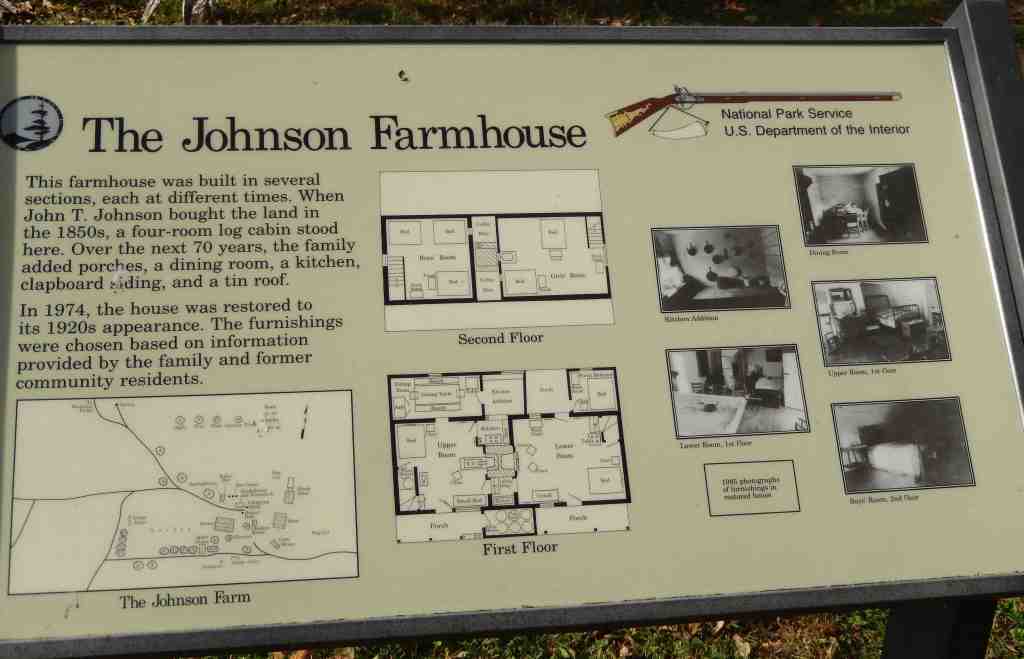
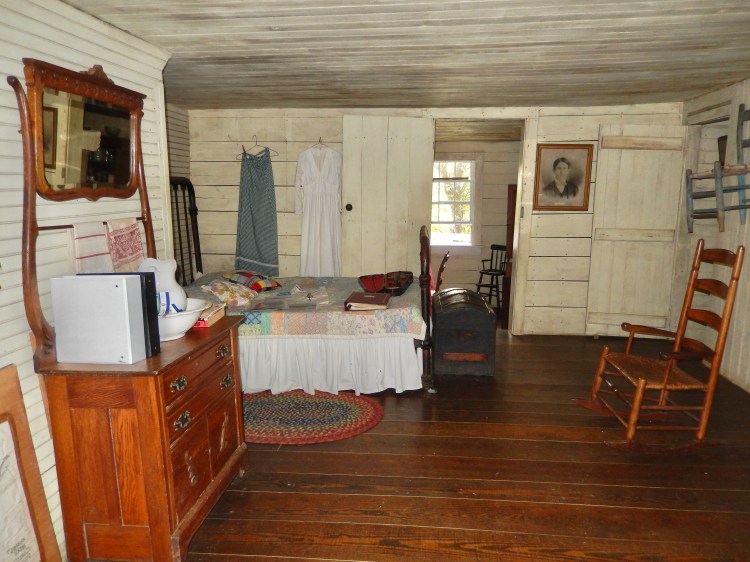
One, the Johnson Farm Trail takes you past a restored mid-1800s farm. The Johnson Family homestead includes the farmhouse, a barn, a spring house, antique farm equipment, a garden and orchard. While the grounds are always open for those hiking the trail, if you go during operating hours, park volunteers are on hand to answer questions and give tours of the farmhouse. Ask at the Visitor Center about current hours.
The Meadow
There are a number of hiking trails at Peaks of Otter but The Johnson Farm Trail is a favorite because of the farm and because it connects to the Harkening Trail which passes Balance Rock. If you stop at the Peaks of Otter Visitor Center (MP 85.9) a .3-mile connector trail leads to the start of the Johnson Farm Loop Trail. But starting there adds an extra .6-mile, round trip, to that hike. To save that half mile park at the lower lot of the Peaks of Otter Lodge, which is just a half mile north of the Visitor Center. From there look for a paved path that leads through a tunnel under the Blue Ridge Parkway. You will find the start of this trail on the other side. You can also access the Abbott Lake Loop Trail from this parking lot but instead of crossing under the Parkway, keep walking along the paved path for this easy, 1-mile hike that circles the lake.
Because The Johnson Farm Trail is a loop, you can hike either a clockwise or counterclockwise direction, but if you want to have less steep uphill climbing, hike in the counterclockwise direction, which is the way the trail sign is pointing. The farm is a reasonably moderate .75 mile hike up the trail, which is near the halfway point on this hike. If you continue on past the farm on the loop trail there is a fork off to the right that is the Harkening Hill Trail that will will take you to Balance Rock which is about a mile one way. Taking the entire Harkening Loop Trail back to your start will be an additional 3.6 miles.
Spring house
Abbott Lake
Shortly after starting the Johnson Farm Trail counterclockwise, the trail forks and you need stay on the left fork. Soon after that you will find yourself crossing an expanse of meadow and passing the site of the old Hotel Mons which dates back to the mid-1800s.
In 1857, a father and son named Benjamin and Leyburn Wilkes purchased the land, including the mountains around the Peaks of Otter area. They had been running a small boarding house since 1849 and believed that tourism was the future. The same year they purchased the land, they began construction on the first true hotel in the area, the Otter Peaks Hotel. Up until then, any lodging for tourists was done in private homes or small boarding houses. The most popular was run by Polly Wood, widow of Jeremiah Wood who was a grandson of the original settler of Peaks of Otter, Thomas Wood. The inn was known as Polly Wood’s Ordinary, and it still stands today on the shore of Abbott Lake near the Peaks of Otter Picnic Area. Polly Wood’s ordinary closed in the early 1850s not being able to compete with the new hotel.
Peaks of Otter Hiking Trails
Sharp Top Trail (1.5 miles to the summit)Strenuous3 hours
Originates at the Nature Center across the Parkway from the Visitor Center. This is a steep route and you should be in good health. There is no drinking water on the trail, so take water with you. The summit offers an impressive 360-degree view of the Peaks of Otter area, the Piedmont to the east, and the Shenandoah Valley with the Allegheny mountains to the west. Add an extra half-hour to take spur trail to Buzzard’s Roost, large rock formations offering good views of the area. Note: There is concession-operated bus service (one-way or round trip) to within 0.25 mile of the top seasonally.
Elk Run Loop (0.8 mile)Moderate to strenuous 1 hour
Begins behind the visitor center. It is a moderately strenuous trail and is self-guiding with written displays describing the forest environment.
Harkening Hill Loop Trail (3.3 miles)Moderate 5+ hours
Begins behind the visitor center and across from the amphitheater. This woodland trail climbs to a ridge with good views. A spur trail near the summit leads to Balance Rock, an immense boulder balanced on a small rock. Connects to Johnson Farm Loop Trail.
Johnson Farm Trails(1.8+ miles)Moderate 2+ hours
A loop trail, approximately two miles long, which follows a section of the Harkening Hill loop trail. Beginning at the north end of the visitor center parking area, the trail leads 1.1 miles to the Johnson Farm, originally built in the 1850s.
Flat Top& Fallingwater Cascades Trails(6.5 mile)Moderate to strenuous
Was designated a continuous National Recreation Trail in April 1982. Flat Top rises to an elevation of 4,004 feet with many scattered rock outcrops. On this trail, hikers climb and descend 1,600 feet from the Parkway trail heads. Fallingwater Cascades Trail is a loop trail which takes hikers along cascades on Fallingwater Creek with its huge rock outcrops with rhododendron and hemlock forest. This trail descends 260 feet from the Fallingwater Trail Parking Area and experiencing this mountain cascade is well worth the effort.
Abbott Lake Trail(1 mile)Easy under 1 hour
The least difficult of Peaks of Otter trails, is a one-mile loop around Abbott Lake. The trail through a woodland forest and open field, offering close-up views of the lake. Trail is ADA Accessible.
























 The Intentional Travelers