Not long ago we planned a trip thru the Blue Ridge and Smokey mountains of North Carolina and made reservations for a couple of days at the Broad River Inn Chimney Rock. Chimney Rock and nearby Lake Lure are somewhat isolated and have virtually no major chain hotels, so you have to pick from small local accommodations.
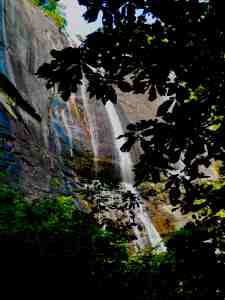
Hickory Nut Falls
We made our selection based on a few reviews and what a great choice. The reviewers didn’t give the Broad River Inn enough credit. It seems the owner and family are new to this property and they are putting in a lot of effort to fix up the place and make guests feel welcome.
Our room was beautifully decorated, our bed was very comfortable and the owners placed a chilled bottle of wine in our room along with some chocolates and snacks.
A room at Broad River Inn Chimney Rock
They include with the room a cooked-to-order breakfast and a daily speciality coffee from their attached coffee shop. Not to overstate anything the breakfast was incredible. Eggs, bacon or sausage and cinnamon monkey bread was our choice the first morning along with a yogurt parfait. The next morning – cinnamon bun french toast. The breakfast was almost worth the cost of the room.
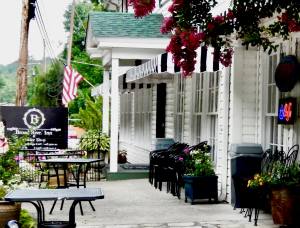
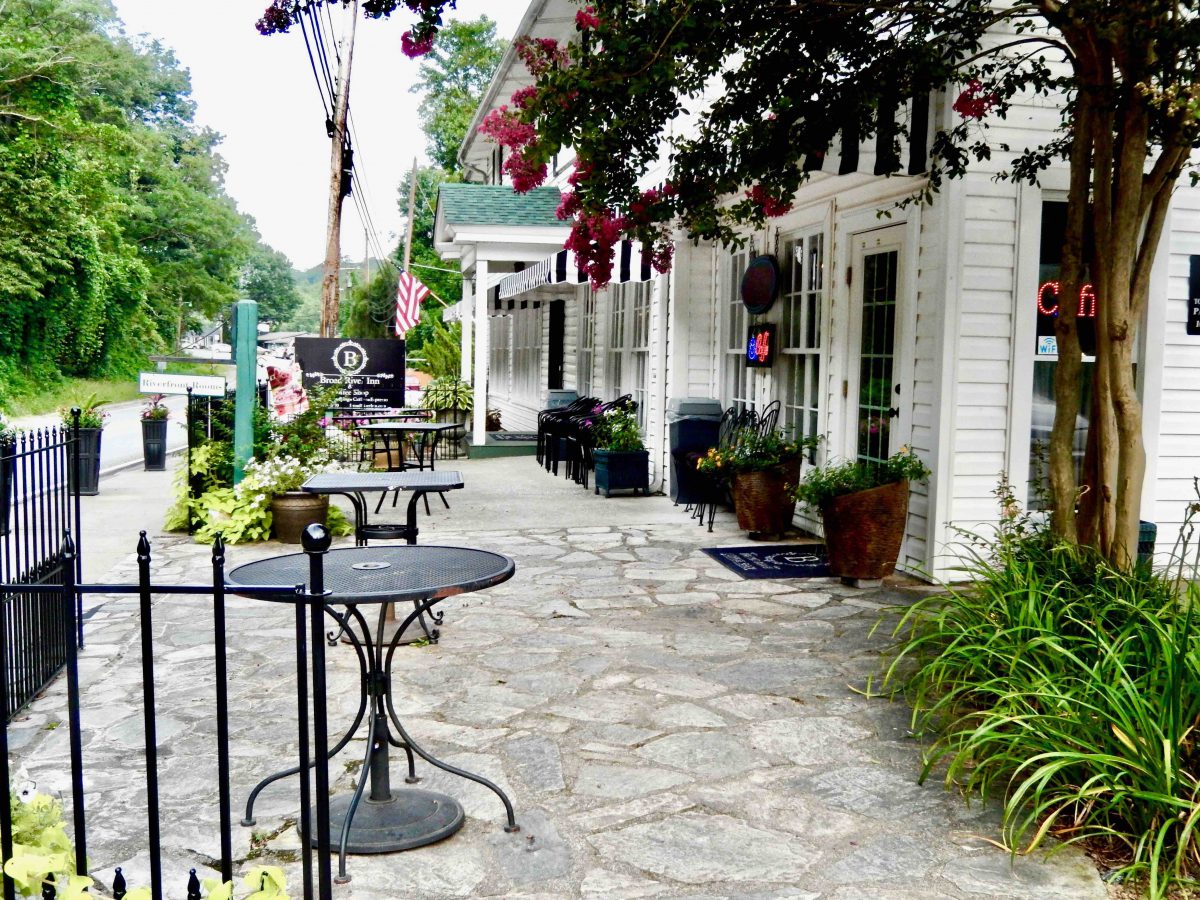
The small tourist town of Chimney Rock
Chimney Rock is a small tourist town nestled down in Hickory Nut Gorge with the attraction being the namesake rock formation standing on a cliff above the town. The buildings on the main street seem to alternate between small restaurants and souvenir shops. The Broad River Inn also runs an attractive miniature golf course along the edge of Broad River and you will find a good day of hiking and exploring at Chimney Rock Park.
The town of Chimney Rock runs into the end of Lake Lure which features its own collection of accommodations, restaurants, boating and a nice sand beach. While out of the way this area has enough to do to keep a family entertained for a few days. Broad River Inn Chimney Rock is also a good anchor for touring the wider areas growing selection of good wineries.
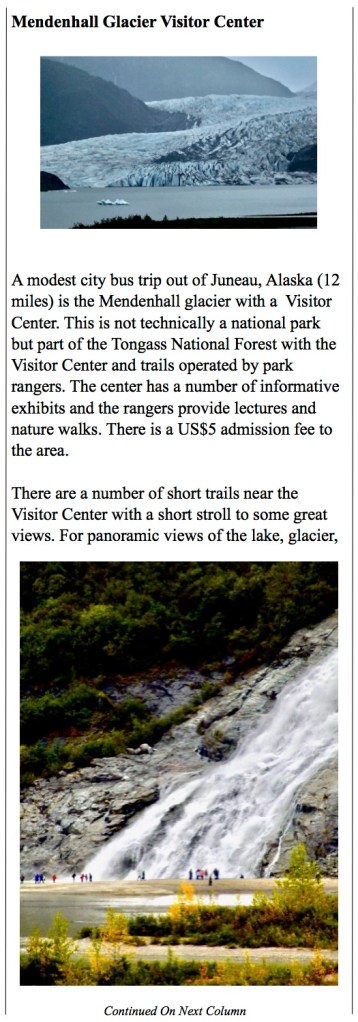
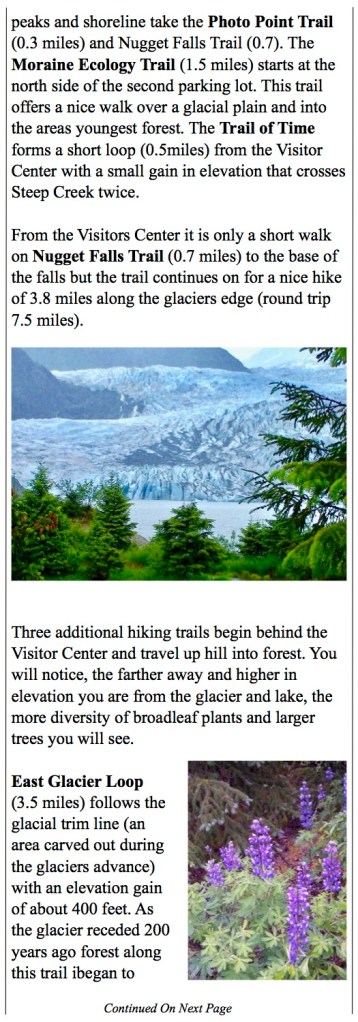
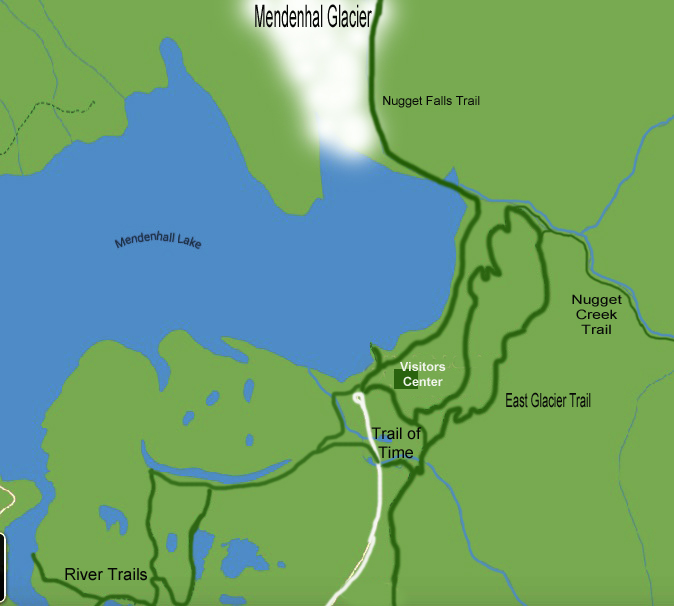
One of the worlds most accessible glaciers, Mendenhall is a short bus ride out of Juneau Alaska with great hiking trails for casual walks or good hikes.
I’ve spent much of my life behind a camera. Maybe it started in 1961 when my Father couldn’t seem to get good pictures out of his first 35mm camera and in frustration he gave it to me. It didn’t take long before I was developing my own film and making prints in an improvised darkroom. Years later, in the service, I spent some time with some photojournalists and decided that would be a great career. I came back and went to college to study photography and over the years I picked up several degrees in the field. While I was still interested in traveling the world as a photographer with news agencies or National Geographic, I realized it wasn’t that compatible with settling down to a normal life. Choices and compromises at every fork in the road of life. No real regrets though.
PART 2 • It’s All About The Light
One of the biggest steps you can take to improve your outdoor photographs is to start seeing what the light is doing to the scene. Just as important as the subject of your picture is the light and how it adds (or subtracts) from the environment.
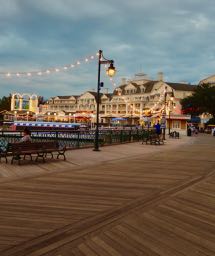
Night in Forsyth Park
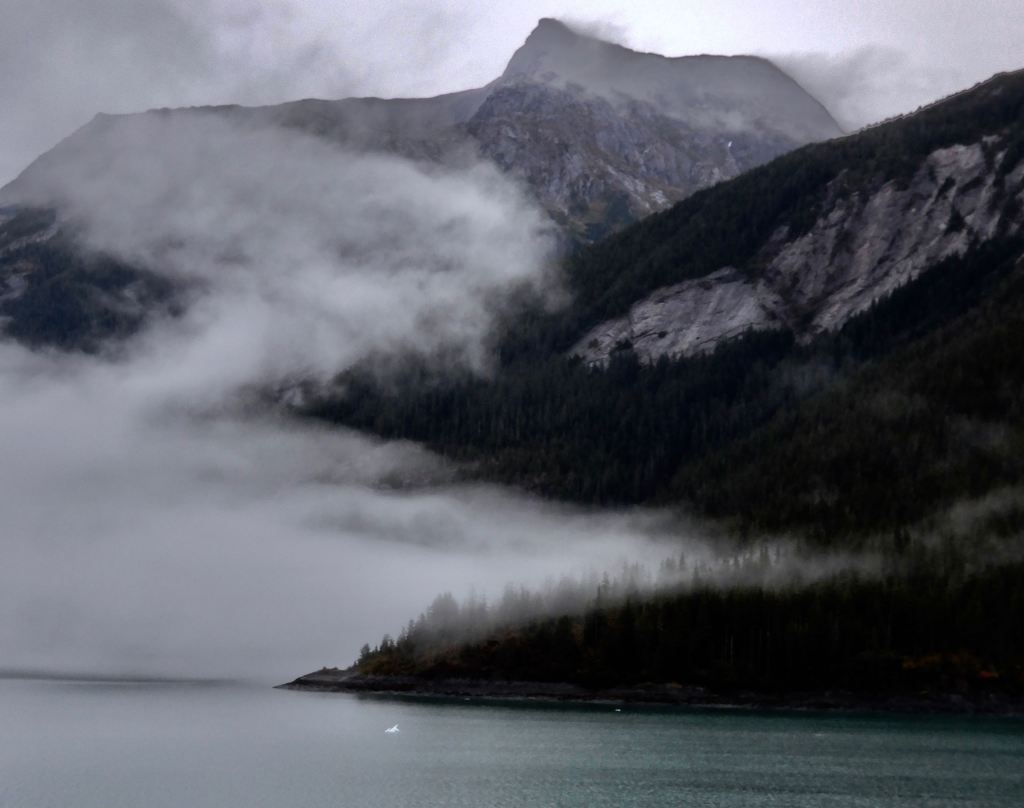
The light in your photograph directly affects the mood and can add drama but can also damage your results. It doesn’t matter if it’s natural sunlight or an artificial light source – you need some type of light to produce an image. From the beginning with photographic film to todays digital pixels the only thing that is being recorded is the light reflecting off the scene or emanating directly from it or a combination of both. Between the scene and your camera there are a number of things that can interact with the light. Fog and mist can diffuse it, smooth surfaces, like water, can add reflections to it and environmental conditions and the time of day can alter its intensity and color.
Here’s a secret I’ll share. Most of the time, when dealing with natural light and outdoor scenes even the best photographers aren’t sure what results they’ll get. Learning what to expect under different circumstances is a process that requires the taking of hundreds and thousands of photographs and studying the resulting images.
Early morning fog
When I was starting out in photography every one of those individual photographs had a price attached to it and it wasn’t inexpensive. A couple of times I had jobs where the film and processing costs were paid by my employers, but even then my results were judged against those costs. Today we live in an age of miracles where those pixels have no real costs associated with them. We can now shoot hundreds of images, view the results instantly and keep only the pictures we like. Considering this there is no excuse to not shoot, experiment and play with all sorts of lighting situations.
The best natural light for outdoor photography appears during the golden hours, which is an hour after sunrise, and about an hour before sunset. Most photographers will look to shoot during the golden hours, as it often produces the most stunning outdoor images.
Fog rolls through the Misty Fjord
Just as the day has times for the best light there are also times for the worst. Often natural light can be the photographers worst enemy. Bright mid-day Sun, especially in stark environments can be a severe challenge. High contrast scenes with deep shadows next to bleached out areas in direct sunlight. Probably the best trick you can put in your arsenal for just such times is a polarizing filter*. Putting on the filter and rotating it can cut the intensity of reflected and scattered light by over half. It causes the sky to darken and reduces the harshness of the sunlight reflecting off the scene.
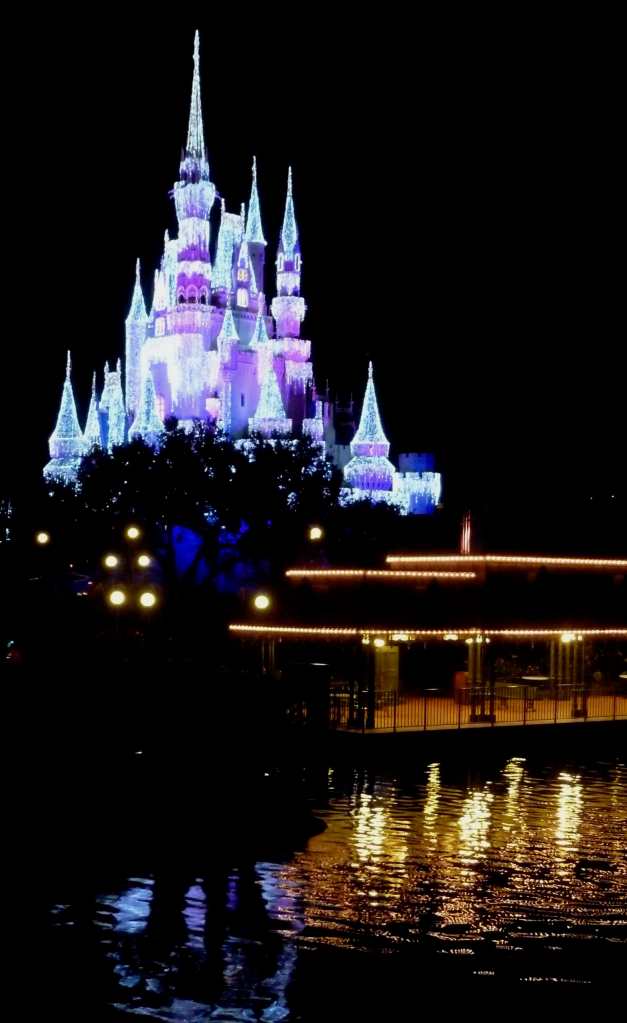
Night photography is actually my favorite because of the stunning effects produced by the play of illumination on buildings, lit up cityscapes and nighttime events (fireworks etc). There is often something magical about night lighting that you just won’t see in daytime.
Just after Sunset
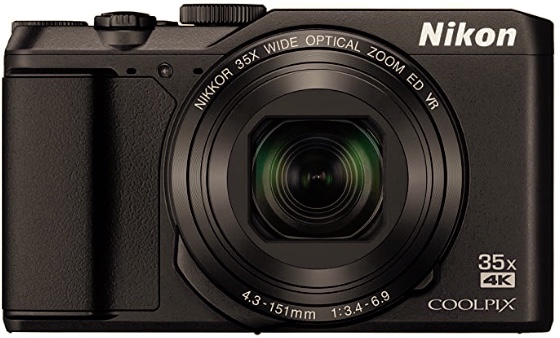
My Camera Gear – When I travel I carry a compact camera in addition to my cellphone. Considering the quality of the newer models of cameras and the capabilities of the new cellphones, I just can’t see hauling around a larger camera. While I have to admit lately that my cellphone takes incredible pictures often handling unusual lighting situations better than my Nikon, I still carry the camera because it has better control of shutter speed and aperture and has a really good zoom lens (35X).
*Polarizing filter – Because of the small size of modern cellphone and compact camera lenses all you need is a small piece of filter. Since there is no convenient filter holder for phones and compacts available I simply carry a small sheet of filter in a pocket case and simply hold it in front of the lens. You can buy a large sheet of optical grade film from Amazon (link below).
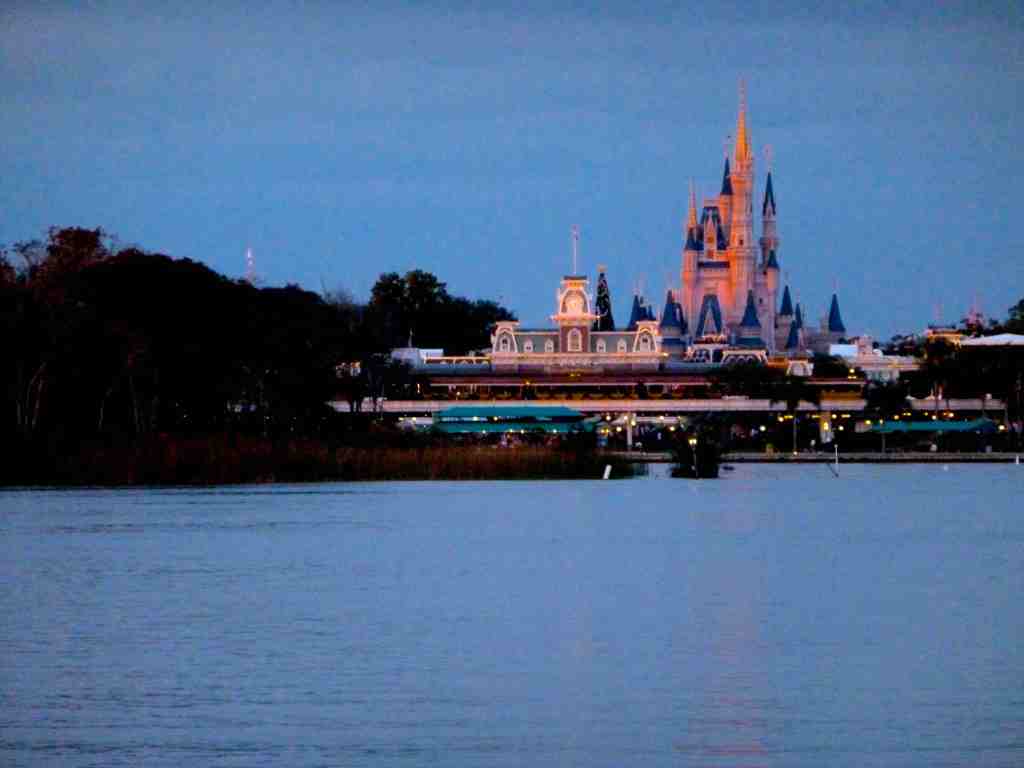
Dusk at Disney World
Nikon A900 is my favorite camera. Compact with lots of control over how you take photographs and with a 128 SD card it will store thousands of images or forty minutes of 720p video. Find it on Amazon HERE.
Nikon A1000 has a greater telephoto and a few more pixels but is about 20% bigger. More info or to buy on Amazon click HERE.
Polarizing film comes in a large sheet you can cut down to a number of smaller filters. To buy on Amazon click HERE.
The bottom line today with those virtually free pixels is – look, see, shoot. You can always erase the picture if it didn’t work out but if you don’t shoot you’ll never know.
Available now is our guide to Taking Better Pictures including the first three sections featured on this website. Download your free pdf copy now by clicking here.
Cruising Antarctica is the newest experience for travelers. Sailing on luxury ocean liners or smaller expedition boats it is an experience not to be missed.













 The Intentional Travelers