
Flying into Rome and getting from Fiumicino Airport by the Metro, bus, train and taxi into central Rome.

Flying into Rome and getting from Fiumicino Airport by the Metro, bus, train and taxi into central Rome.
One of your more important travel accessories is your luggage. Choosing wisely.
Please Note: Images shown on this page provide links to items on Amazon.com and may provided some form of compensation through their affiliate program should you make a purchase.
It was while traveling in Italy and not being able to lift our new oversized suitcases up into the train’s overhead rack that we realized we hadn’t thought through our new choice in luggage. Overnight or carry-on sizes, hard-side or soft, wheels or spinners, luggage, duffle or backpack; whatever your choice think about those situations you might encounter as you travel.
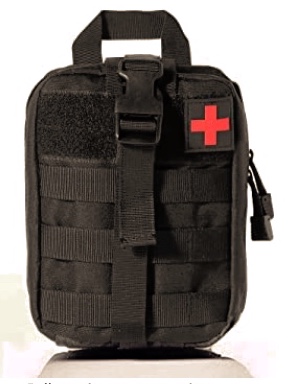
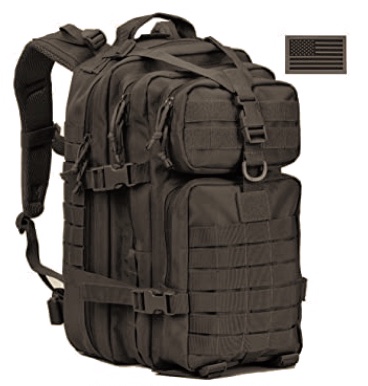
What we have come to in recent years is simply traveling lighter. Our current preference for even long trips is to travel with two carry-on sized suitcases and two backpacks. My wife carries a small backpack that can fit under an airplane seat and I use a heavy duty pack (mil-spec) with a collection of molle pouches that can be added or taken off depending on the trip. We pack cloths that can be easily rinsed out in a sink and dry fast and we are always evaluating our travel electronics looking for dual-purpose accessories. We still, on occasion, get both carry-ons and backpacks inside the airplane but we’re ready if that isn’t possible.
Luggage and air travel is getting harder every year and it isn’t likely to get any better. One of our biggest fears on international trips is arriving and discovering our bag(s) didn’t and that has happened more than once. For that reason alone we do a lot to avoid checking our bags but unfortunately so does everyone else. That makes airplane overhead bin space stressful to try and get into. While our preference is to skip checking a bag whenever possible it is getting more difficult. Understanding that we will often still have to check a bag or two we now pack considering the loss a possibility. No more his and her suitcases but splitting the packed items. We also “survival” pack our carry-on backpacks with clothes that will last a couple of days.
Soft or Hard?

We learned a long time ago that those gorillas pictured in the American Tourister commercials are still handling baggage and they are so skilled at destruction that hard suitcases aren’t much better protection than soft. On a couple of trips we got lessons on the real advantage of hard-side suitcases – they repel water much better. On one trip we sat on a plane looking out at our luggage sitting on an open luggage cart for twenty minutes in a torrential downpour.
Large or Small?
It’s already been pointed out some of the advantages of small over large. First carry-ons help eliminate the concern of missing bags and a carry-on bag is also much easier to handle. Becoming a professional packer allows you to squeeze more into a small space and you can stop worrying about weight limits at check-in like you do with a larger bag. There’s also no weight limit for carry-ons – lead bars are okay provided you can lift them.
Domestic versus International Sizes
The size limits are not international. There are a few inches of difference between carry-on luggage dimensions. Most domestic U.S. flights adhere to carry-on suitcases of 22″ x 14″ x 9″ maximum. Because of metric identification many international flights use 21 inches instead. If you do some travel outside the U.S. select the smaller size, especially since luggage rules can be a bit more strict, especially with budget carriers.
Two-wheel versus Spinner Luggage

Believe it or not there have been studies on the use of each type. Spinner luggage uses four multidirectional wheels and the bag is mostly carried standing up as you walk wheeling your bag beside you instead of dragging it behind. While wheels on two-wheeled bags will usually allow an extra inch or two in actual bag interior height, spinners are easier to navigate through tight spaces.
Backpacks versus Carry-Ons
While we are nervous about checking our backpacks we think they have a number of advantages over suitcases. Foremost is they are easier to carry. My wife gives me a hard time when mine hits forty pounds even though I’ve spent some of my life carrying much heavier backpacks for serious distances. Also when we can’t get access to an overhead bin the smaller packs can get shoved up under a seat where a suitcase won’t fit. Those extra outside pockets on backpacks also come in handy when on the move.
Carry-ons do have the advantage in being sturdier and do provide better security than packs. They also allow better peace of mind in the event they get checked and are easier for those that aren’t up to carrying around the weight.



Taking a cruise? Must have items to pack, ideas for keeping in shape and tips to stay on budget while onboard. Happy cruising




Getting seasick is just a fact of life. It is not the intent here to scare people away from cruising. In fact the purpose is just the opposite as we offer some information to help deal with the condition. Some people seem to get it worse than others but you should not allow your fear of getting seasick kep you from experiencing one of travels best options.
Afraid of Getting Seasick
Maybe you would love to try cruising but have a big concern? If you are worried about taking a cruise because you are prone to seasickness, or motion sickness, you are not alone but you need not worry too much. There are thousands of people that have faced that fear and have gone on to become enthusiastic frequent cruisers.

Seasickness is caused by a conflict between the inner ear, where the human balance mechanism resides, and the brains visual perception regarding its surroundings. The inner ear where balance is controlled, has small hairs bathed in fluid that detect changes in both up-and-down and side-to-side movement. With movement at sea the body moves along with the ship causing the balance mechanism to register motion while often your eyes see your surroundings as a relatively stable scene. Confused by this perceptual incongruity, the brain responds with a cascade of stress-related hormones that can cause nausea, vomiting, and vertigo.
For most people the good news is seasickness normally occurs in the first 12 to 24 hours at sea if there is detectable movement and subsides once the body acclimates to the ship’s motion. It’s rare for anyone to get or stay ill after the first day or two at sea, but there are some individuals that do have more trouble adjusting.
Try Ginger Root

There are a number of motion sickness remedies available that include Dramamine and the patch and even acupuncture, but there is one that we swear by. When back before our first cruise my wife asked her doctor about a prescription for the patch he said he had something better. While he wrote the prescription he recommended that she take ginger root capsules. A couple of years before, while on vacation in Australia he visited the Great Barrier Reef and the Aussies told him to try ginger root. To his surprise he handled the trip to the reef with flying colors.
My wife had a serious issue with seasickness and had been reluctant to take a cruise. One summer she decided that the cruise she most wanted to take was an Alaska cruise and if her seasickness got the better of her, at least she got to see Alaska. On that cruise she started taking ginger root capsules and she hasn’t had any real problems since and we have weathered a number of storms at sea.
We have a friend who cruises a lot and she was getting acupuncture treatments on the ship to help with her seasickness. After she started taking ginger she no longer needed those treatments. The recommended dose is 550mg taken with meals. Don’t take it alone or you’ll probably taste the ginger for hours afterwords.
Select The Right Stateroom

If you’re prone to bad episodes there are also some other things you can to reduce the risk of getting seasick. The problem is actually a severe form of motion sickness. It is particularly severe on ships because during higher seas the motion can be unusual and persistent but the good news is it rarely lasts for long. If your concerned about how well you’ll do consider booking a cabin that can reduce motion. The staterooms less prone to feeling the ships motion are located in the center of the ship half way between the stern and the bow and near the waterline. Think about a seesaw where the riders go up and down but the center stays relatively still. If you do suffer a bad episode a nap is just what the doctor ordered.
Bon Voyage and smooth sailing!
Looking for a nice hike of a couple of hours while in Oahu? Head to the famous North Shore and Waimea Valley near Waimea Bay.




Spend a day hiking the canyon and find some remarkable, thousand year old petroglyphs and ancient settlements.





 The Intentional Travelers