Exploring Utah’s National Parks


We picked up a rental car in Salt Lake City with accommodations booked in Moab, Panguitch, Springdale and Los Vegas, Nevada and headed out on a Utah roadtrip.

We started out taking US15 south out of Salt Lake City and then picked up Route 6 toward Moab with the first stop being Nine Mile Canyon.

Nine Mile Canyon

Petroglyphs, 9 Mile Canyon

Nine Mile Canyon (additional information). We had been told about the canyon and had also read an article about the locations of petroglyph sites in the area. The canyon is actually forty-eight miles long with the first petroglyph site about twenty-seven miles in. Unfortunately we seemed to have misplaced the article, which listed the location of each site. Once into this isolated area, we realized what a mistake that was. The two-lane road had virtually no traffic (except some free roaming cattle) and there was very little in the way of signage. We passed the first marker twice without seeing it – a green sign on a post about six inches tall and ten inches long that simply said “First Site” and an arrow. If you have the time, a visit to a few of these thousand year old sites is really interesting.
Getting into Moab late in the afternoon we checked into the motel and got something to eat with a plan to start in Arches National Park early the next morning.


Arches National Park

Arches National Park

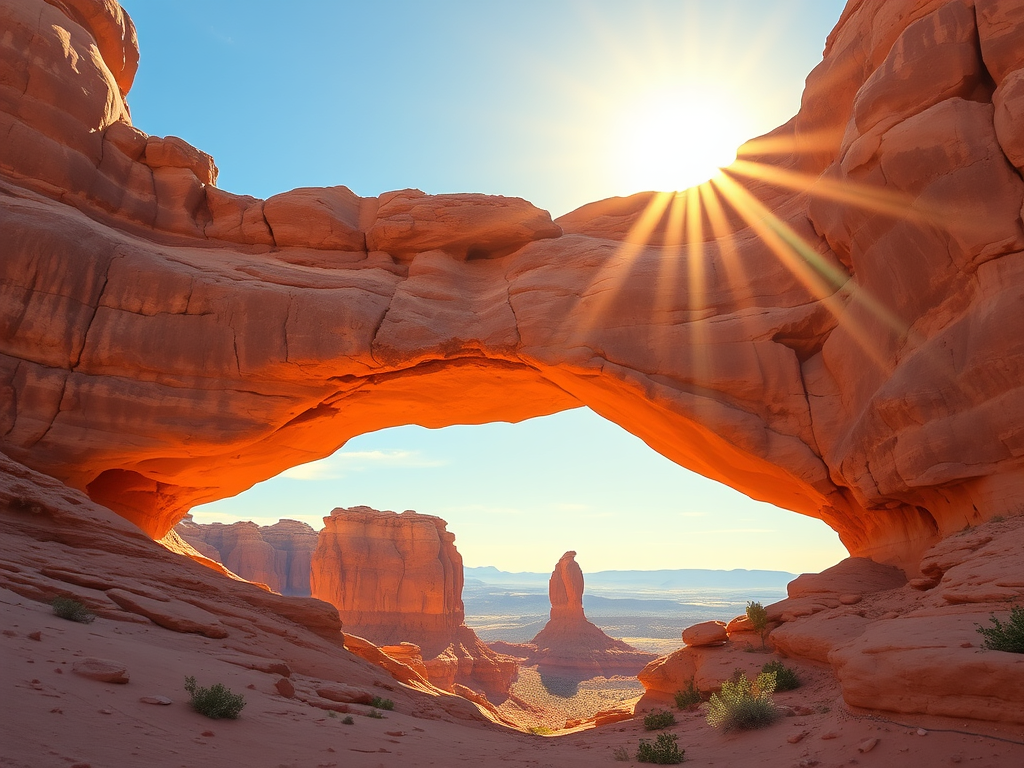
We visited Arches National Park early in the morning and realized that no photograph or description can begin to express the massive size of its’ formations or the scale of the arches and balancing rock structures. This place just has to be experienced in person. The sandstone formations are massive and the colors are fantastic. If you are a hiker, there is a large number of very walkable trails in the park, temperature permitting, along with a number of scenic drives. On the subject of weather it is very important that you carry water in your car and with you if hiking. The high temperatures and dry conditions can be punishing.

Canyonlands National Park

Canyonlands

Only about twenty-five miles from Arches is the northern entrance to Canyonlands National Park and it is a wholly different experience as you enter on high bluffs and look down into the canyons. The landscape is similar to the Grand Canyon in character and color as you stand on the rim. In the western area of the park are the best hiking trails where an extinct volcano caldera formed an interesting bowl-like valley. Between Canyonlands and Arches is a state park named Dead Horse Canyon which is worth a visit as well. There is also an entrance to Canyonlands about sixty miles south of Moab that features the Needles District with a strikingly different look, featuring backbone formations of rows of sandstone spires.

Scenic Route 128
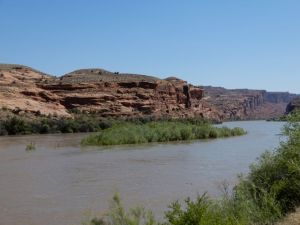
Just south of Arches National Park is scenic Route 128 North that runs up another canyon beside the Colorado River. As you drive the road along the river, you are surrounded by 500 to 1,000 foot sandstone cliffs with many completely vertical. On the river you see numerous rafting groups and as you drive deeper into the canyon the land opens up to dozens of spires and buttes.

In the canyon is a small town named Castle Valley and near the river is the Red Cliffs Lodge and the Castle Creek Winery. The winery offers tastings and features some good wines that are popular in the region’s restaurants. On the map you may notice a ghost town named Cisco and might be tempted to go take a look. Do not bother – the town is a junkyard of abandoned trailer homes and RV’s laced with obscene graffiti. Our suggestion is when you reach Dewey Bridge, turn around and drive back unless you are going on to US 70. While we didn’t visit, we were told that there is an interesting movie museum near the Castle Creek Winery and there are numerous raft operators on this stretch of the Colorado River.


Capital Reef National Park

Leaving Moab the next morning we headed north on 191 to US70 west. We exited 70 onto Route 24 south and headed to Capital Reef National Park. Capital Reef is home to another collection of petroglyphs and these are well marked with easy access from the road. This is also the location of Fruita which was established by Mormons as an agricultural area in 1880. A few structures from the original settlement still remain as do the orchards.
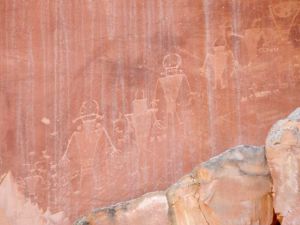
Petroglyphs, Capital Reef

Route 24 travels right thru Capital Reef with one scenic side road inside the park featuring a number of good hiking trails. After exiting Capital Reef on 24 west we picked up Route 12 heading south towards Bryce Canyon National Park.

Utah Route 12 is a scenic and interesting trip from Capital Reef to Bryce Canyon. It crosses some spectacular country with ridges, canyons and mountains at every turn. One stretch navigated a ridge with only two narrow lanes and steep drops on both sides called the Hogsback and it isn’t for nervious drivers. Along the way we stopped at the Anasazi State Park where we viewed a interesting museum and Indian village excavations.

Bryce Canyon National Park
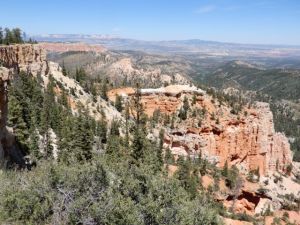
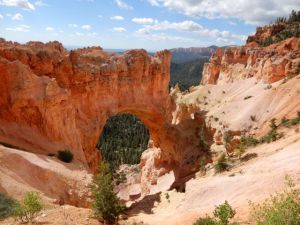
Natural Bridge, Bryce Canyon

Bryce Canyon

Bryce Canyon is a must visit. The park sits atop high country, looking down into the canyons which are packed with geological features called hoodoos. (Interconnected spires of colorful sandstone creating mazes and rising from the canyon floor.) While hoodoos are scattered throughout the parks in Utah, nowhere in the world are they as abundant as in the northern section of Bryce Canyon. Many of the hiking trails go down the canyon face and are steep and descend an average of 700 feet but there are a few walkways for those seeking less of a challenge.

There is a hotel with a restaurant inside the park but there are also a number of accommodations just a short drive away starting at Bryce Canyon City. The Park Service, in an effort to reduce traffic, operates free busses with pick-up stops in the “City”. The drive through the park is about nineteen miles to the end at Rainbow Point with an altitude of over nine-thousand feet. At the point, the morning we were there, the temperature dropped over twenty degrees from the Visitors Center and winds were howling.
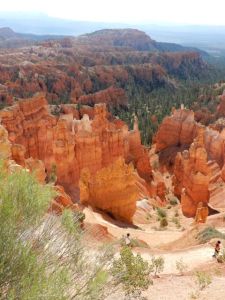
Bryce Canyon

Red Canyon is between Bryce Canyon and Panguitch where our motel was located. The canyon road goes thru two short tunnels cut thru the sandstone and there are a couple of parking areas for the hiking trails. Our motel had a colony of prairie dogs right outside our door and they liked to come out and socialize around dusk. The second night we were visited by a pronghorn antelope. One cautionary note here is that Panguitch is mostly closed on Sundays and it became a challenge finding a place to eat.

Zion National Park
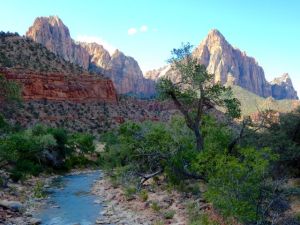
After two nights near Bryce Canyon in Panguitch we headed off early for Zion. We had read that Zion has a traffic problem and that by late morning parking is almost impossible to find. Like Bryce Canyon, Zion also has a free shuttle bus that picks up at stops in Springdale, the town just outside the southern entrance to the park. In season Zion Canyon Scenic Drive is only open to the parks buses, which can be picked up at the Visitors Center near the south entrance. Of the parks we visited, Zion had the largest number of hiking trails ranging from wheel chair accessible to strenuous. One of the park’s more popular hikes goes thru “the narrows” which is a narrow width passage with a stream running through it . Unfortunately this trail and a few others require a permit and there is usually a several days wait to get one.
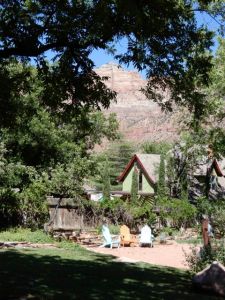
Driving down from Panguitch we entered Zion around 9:00 am at the east entrance. There were maybe three or four cars ahead of us and we traveled down canyon walls thru numerous switchbacks and two tunnels. One tunnel was two lanes and almost a mile long with no lights, so be sure and test your headlights before entering. We got to the visitors center around 10:00 and had to search for parking. We took a couple of hikes on trails near the Visitors’ Center and by noon the line for the tour busses wound thru the complex and out into the parking lot. A few hours later when we exited to Springdale the line of cars to get in was backed up over a mile through town.
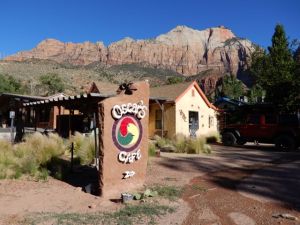
We spent the night at The Red Rock Inn and it was the highlight of the trip. Located in town and a couple of miles from the park it was comfortable, beautifully decorated and clean. The owners were helpful and friendly and the room came with a voucher for breakfast at Oscars a block away. Oscars was also great, offering a full breakfast and plenty of coffee. The whole town is nestled in a canyon with towering red sandstone cliffs above it and unbelievable traffic “in season.”

The next morning we headed for Los Vegas with a couple of nights on the strip and our flight home. During the trip we had temperatures over 100, saw snow (Panguitch averages six inches in June), windy conditions and virtually no rain. In summary, it was the trip of a lifetime offering up some of the most spectacular scenery we’ve seen along with some great hikes.      

Review • A Gem in Manila


A Fun Filipino Restaurant In Manila

While visiting Manila if you only have a day or two, Singing Cooks and Waiters should be your number one stop. Featuring great Filipino food and a unique style of fun entertainment.

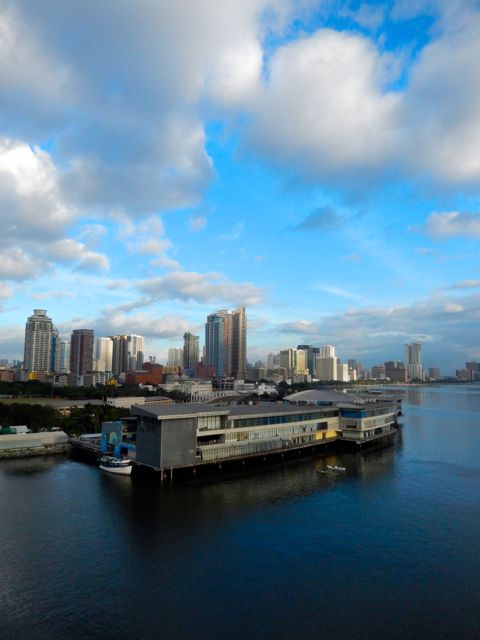
First, and most important, is to know the address of this Manila Gem. It is located in the Ongpauco Building on Roxas Blvd, Pasay, Metro Manila. It is best to have this written down for your taxi driver as they seem to have a hard time finding it. It is open for lunch (11-3) and dinner 6-11) but confirm the hours by either calling (632 832 0658) or checking their facebook page HERE.

Once you are seated in the dining room, you are presented with an extensive menu of local Filipino foods in a wide range of prices. There are several pages of poultry, meat and seafood to choose from so it is easy to pick several dishes that can be shared. If you are inclined, there are also a few local beers to enjoy with your meal.

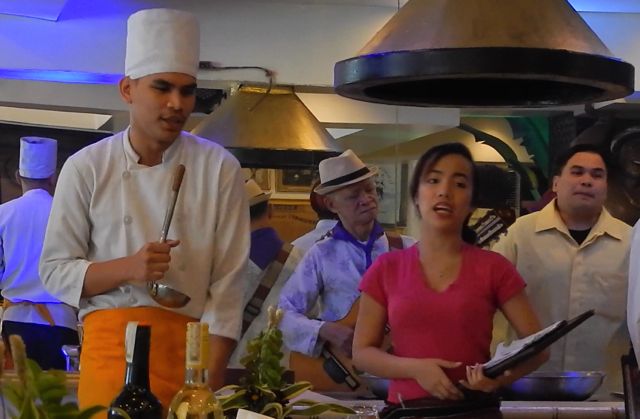
As you wait for your food, you can enjoy the Filipino hospitality and the amazing entertainment. There is a piano player and a local on the guitar and they are joined by singers who are also your waiters and cooks. They sing together and also perform some impressive solo numbers. The microphones are soup ladles from the kitchen. The singers walk among the tables to get diners to join in and eventually staff and guests make their way to the “stage” to sing and or dance. The only problem comes when you finish eating and it is time to leave. Getting your check can take a while as everyone is having so much fun they don’t want to break away!

As you exit the restaurant there is a very attentive doorman who will send you on your way or help you get a cab. If you still have a little time left in your day and you feel like shopping, the fabulous Mall of Asia is just a short taxi drive away.

Mall of Asia

Planning A Cruise? Start With The Intentional Travelers Port Guides

Today’s Images • A Sahara Dawn

Did you see which way he went? 😉

We’ve seen a lot of sunrises and that didn’t make the top ten.


Planning A Cruise? Start With The Intentional Travelers Port Guides

A Digital Nomad’s Guide to Home Exchange

Our favorite digital nomad, Vivek Mukherjee is back with more advice for those exploring becoming a digital nomad. Always lots of ideas and good references.


Home Exchange
Ad vice for Digital Nomad’s

If you’re the kind of person who travels with one hand on your passport and the other on your laptop, home swapping is more than a budget hack—it’s a way to live. But navigating this system isn’t as easy as sliding into a cozy bungalow in Lisbon or a mountain hut in Medellín. It takes planning, strategy, and a keen eye for red flags. The promise is intoxicating: real homes, in real places, with enough Wi-Fi to work and a view that doesn’t scream “budget hotel.” But it can unravel fast without a structure. This is your roadmap, drawn from trial, error, and conversations in faraway kitchens where the host left behind just enough coffee.
Start With a Trustworthy Platform

Don’t wing it with random Facebook groups and half-baked websites. You need a well-respected platform that vets both homes and people. Sites like HomeExchange, Kindred, and Love Home Swap operate more like matchmaking services than rental sites. They’ll ask you for identity verification, detailed profiles, and photos that don’t lie. And when things go wrong—and they will—these platforms offer resolution support, which is more than a comfort, it’s a lifeline. You’re not just borrowing a space, you’re stepping into someone else’s life.

Prioritize High-Speed Internet and Workspace Access

That dreamy adobe casita won’t mean much if you’re constantly hotspotting from your phone. Before you commit, ask the host for screenshots of speed tests or even a short video showing Wi-Fi strength throughout the house. Coworking spaces nearby can serve as a backup, but your default setup should be solid. Listings should show photos of desks, outlets, and chairs that won’t murder your spine. You need more than vibes, you need reliable broadband connectivity built into the bones of the place. Don’t compromise on that.

Know Who You’re Swapping With

The number one mistake? Treating home swapping like Airbnb. These aren’t anonymous transactions; they’re relationships. Most reputable services have systems where members review and approve guests before accepting a swap, often paired with background checks or video calls. You should feel free to decline anyone who gives you the wrong vibe—no guilt necessary. This is your home, your gear, and your peace of mind.

Prep Your Space Like a Hosting Pro

No, this isn’t the time to shove everything into one closet and call it minimalist. Home swappers are living in your space, not just sleeping in it. Leave fresh linens, label the weird light switches, and clear out a couple drawers. A welcome note with local suggestions goes a long way—no one expects concierge service, but a favorite taco spot can spark lifelong goodwill. People talk about impressions, and yours starts with an inviting space and sparkling bathroom windows, not passive-aggressive fridge magnets and hidden clutter.

Don’t Skimp on Insurance Knowledge

Here’s the deal: Your homeowner’s policy probably doesn’t cover a stranger breaking your blender while trying to make frozen margaritas. And theirs might not cover their broken ankle from slipping on your polished wood floors. You don’t need to become an insurance agent overnight, but you do need to ask questions. Call your provider. Be honest about what’s happening. Look into short-term rental riders or consider additional exchange insurance if your current policy has gaps.
Protect Your Place With a Home Warranty

Even with the most careful guests, stuff breaks. The dishwasher sputters. The AC gives up in July. A home warranty keeps you from getting that dreaded “something isn’t working” message while you’re six time zones away. It’s especially helpful for older properties where plumbing or electrical issues lurk behind clean walls. Consider home protection that includes appliance coverage and offers flexible options based on your home’s age and needs.

Communicate Early, Often, and Clearly

Don’t wait until someone’s already landed to ask if they’re okay with cats. Or if they’ve ever used a gas stove. Communication is everything, and it should begin the moment a potential swap is on the table. Ask questions, share quirks, flag anything weird in advance. Some people even hop on quick video calls to walk each other through their spaces. The best swaps build trust through conversation, not assumption.

Home swapping isn’t about perfection, it’s about trading lives for a little while. If you’re prepared, flexible, and honest, it can crack your world wide open. It’s a way to travel without the numb sameness of hotels, to work without the noise of short-term rentals that were never built to last. You’ll learn things about strangers, yes, but also about yourself. You’ll leave something behind that isn’t just a key—it’s trust. And if you do it right, someone will leave that for you too.


Planning A Cruise? Start With The Intentional Travelers Port Guides

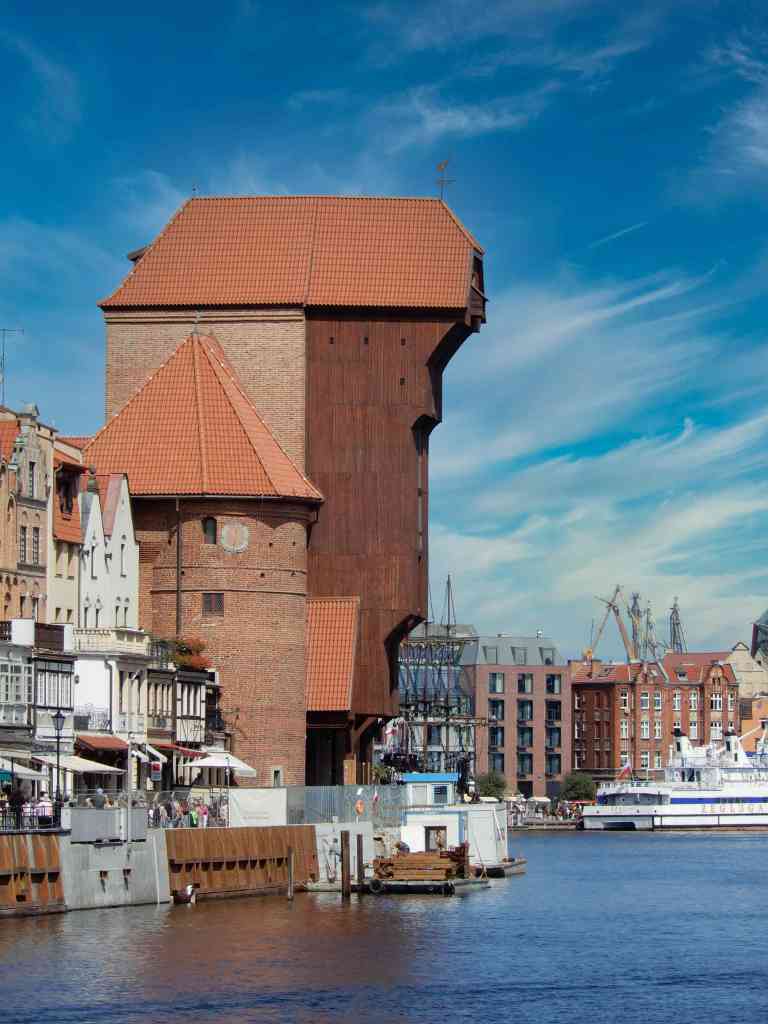
Todays Images • The Gdansk Crane

The Old Section of Gdansk, Poland Is Like a Walk Back Through Time

The Gdansk Crane, known as “Żuraw,” is an iconic medieval port crane located in Gdansk, Poland. Constructed in the late 14th century, it served as a vital piece of infrastructure for the city’s maritime trade, allowing for the loading and unloading of heavy cargo from ships . This impressive structure stands at approximately 84 feet tall and features a unique design with two large wooden wheels that were powered by human or animal labor .

Originally part of the city’s fortifications, the crane was also used for defensive purposes, showcasing the dual functionality of medieval architecture . The Gdansk Crane is one of the largest medieval cranes in Europe and represents a significant technological achievement of its time . Today, it is a popular tourist attraction and houses a museum that highlights Gdansk’s rich maritime history and shipbuilding heritage .

In summary, the Gdansk Crane is not only an architectural marvel but also a testament to the historical importance of trade and industry in Gdansk, making it a key cultural landmark in Poland .


Repositioning Cruises: A Good Value with Lots of Sea Days

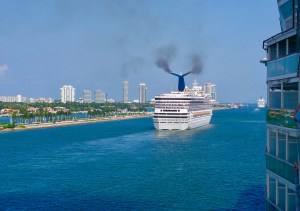
Carnaval ship leaves the Port of Miami

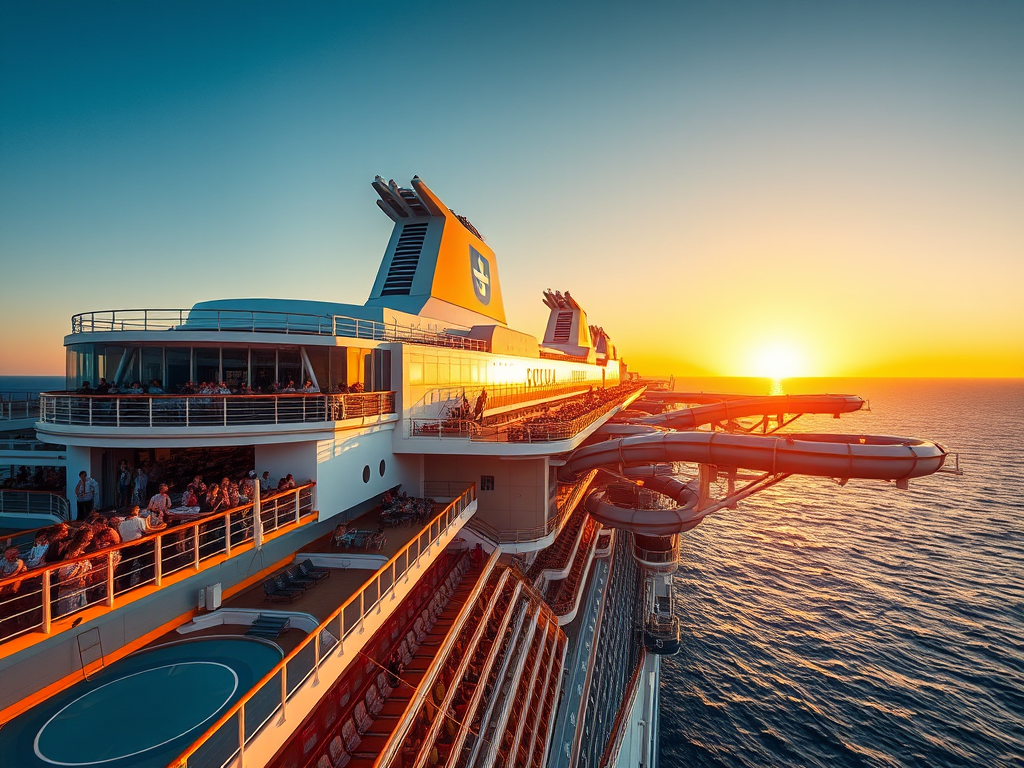
A repositioning cruise traditionally is when a cruise company needs to move ships from one seasonal location to another. Winter is cruising season in the Caribbean while Europe is a Summer market. For that reason dozens of cruise ships head out across the Atlantic every Spring and Fall. These Atlantic crossing occur twice a year and are by-far the most common repositioning cruises you’ll find. There are also other repositioning cruises that include Fall Alaska cruises taking ships back to the Caribbean through the Panama Canal or out to Hawaii or across the Pacific. Another opportunity is a late Summer repositioning movement down to South America and back north in the Spring.

Holland America in the Panama Canal

In the past, many of these cruises have been tremendous  bargains. A number of years ago these 12 to 15 night cruises could be had for four or five hundred dollars per passenger, but with the growing demand those days are gone. There were times when those repositioning cruise could even be less expensive than airfare. The down side was that you would have seven to nine straight days at sea. The up side for us was seven to nine straight days at sea and the ships provided the same entertainment, the same great cuisine and the same attentive service. Additionally, often these cruises provided a port call or two at each end of the crossing.

Lately, as cruising gets more popular and more people become frequent cruisers the ships have less trouble filling those cruise cabins and the pricing has regularly adjusted upward as a result. Even so, if your looking for a longer cruise these cruises are still a good value considering their length.

To decide if these cruises are for you, consider a number of questions about what particularly appeals to you about cruising. In our case we really like the port visits and getting an introduction to exotic locations, but we also enjoy the down time provided by “sea days”. We actually look forward to opportunities to catch up on our reading and each of us will go thru a number of books on a crossing. We also appreciate the time to organize our writing and photography. In our case we usually find it easy to stay busy but we know people that claim they would go crazy being stuck on a ship for a week or more.

Royal Caribbean at anchor Grand Cayman

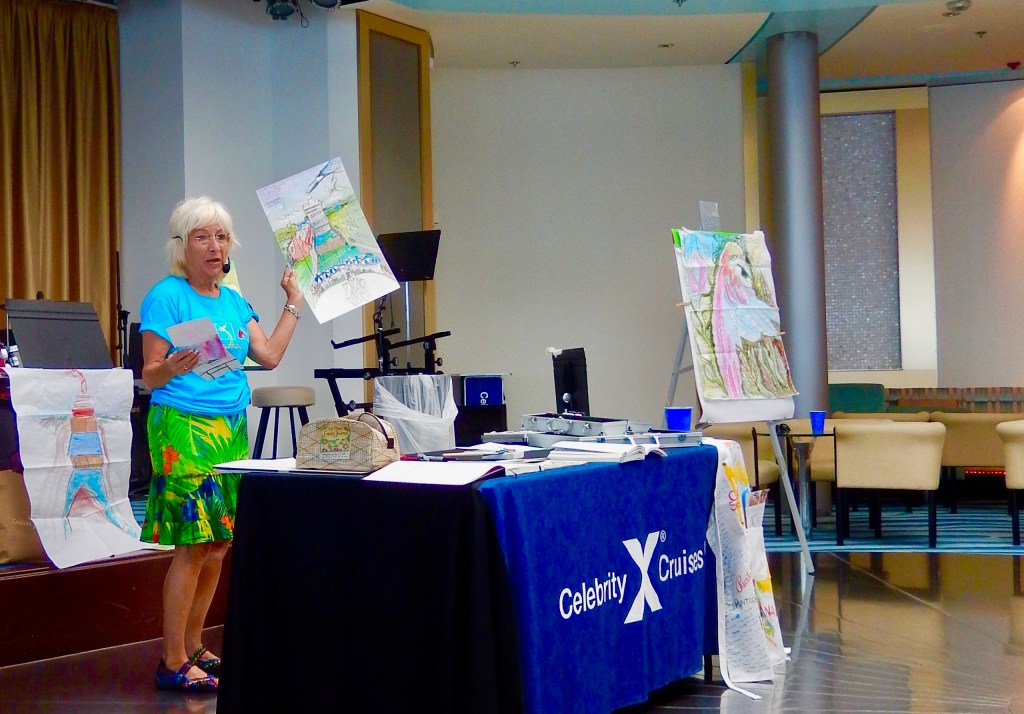
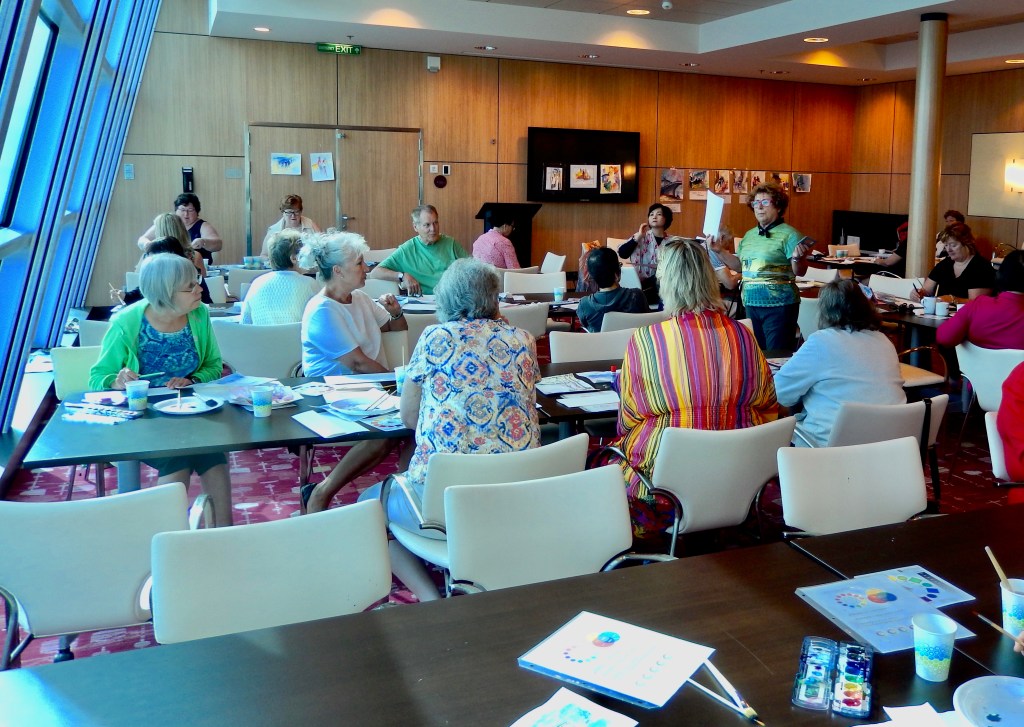
In addition to the value these cruises often offer additional enrichment programs for passengers. They range from painting and craft classes to lectures on numerous topics. We’ve listened to lectures from a former director of the Kennedy Space Center, an archaeologist discuss their digs in the Eastern Mediterranean and a young lady talking about her adventures solo-sailing across the Atlantic.

Royal Caribbean in New Zealand

Years ago we took a number of trans-Atlantics and the ships were mostly full of Brits. Staterooms often had tea assortments and electric kettles added as it seemed that a lot of Brits went to America for the Winter and returned to England in the Fall and repositioning fit their needs perfectly.

So, the next time you start looking at cruise destinations you might consider a repositioning cruise as an option.