Port of Call Flåm, Norway

A Stop In The Resort Village of Flåm
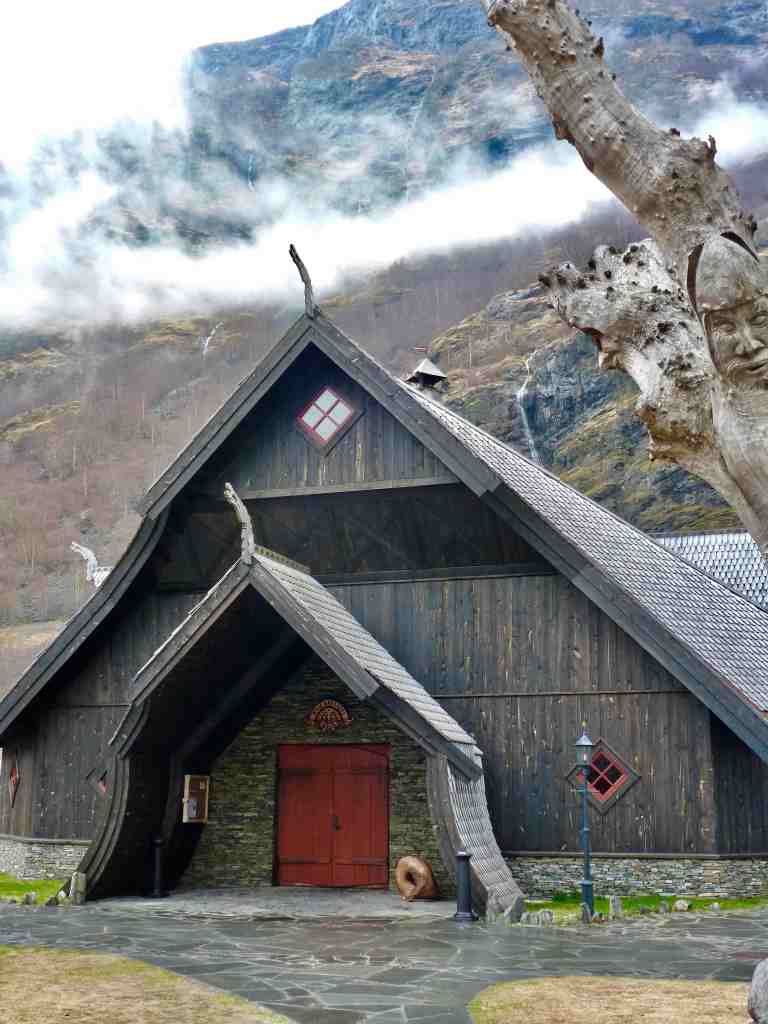
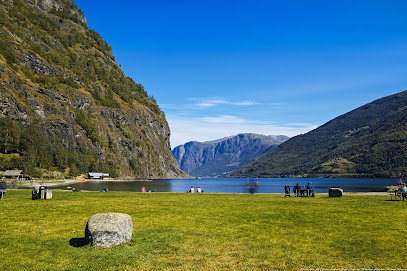
The tiny village of Flåm is actually an active cruise port and one of the most popular destinations in Norway, attracting thousands of visitors. Scandinavians from all over are drawn to its stunning scenery with steep, forested mountainsides with hundreds of waterfalls plunging into the blue fjord. This small picturesque village is situated at the end of the Aurlandsfjord, one of the arms off the 126 mile long and up to 4,000 foot deep Sognefjord.

Where Your Ship Docks

For such a tiny village Flåm can accommodate large cruise ships that dock along the waterfront in town. There are public facilities at the pier and the towns visitor center.

Transportation

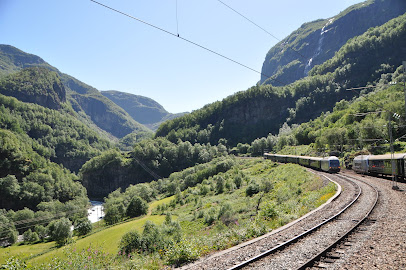
The village of Flåm has just 350 residents but welcomes over 500,000 tourists each year, so tourism is its main livelihood. There is no public transportation but the main attraction is the Flåm – Myrdal Railway. Flåm is the fjord terminus of the famous Flåmsbana Railway Line, one of the steepest and most scenic of its kind. Most trains between Oslo and Bergen connect to the Flåmsbana at Myrdal which is the other end of the Flåm – Myrdal Railway.
Currency

The local currency is the Krone or Kroner (NOK) with 1.00 NOK equal to about 12¢ US. It is also divided into 100 øre, which have only been available in digitally since 2012. Most credit cards are welcome and ATM machines are available.

Attractions

Perhaps one of the most popular things to do in Flam, Norway is to take a ride on the scenic Flam Railway. It is considered one of the most beautiful train rides in the world. The Flåm – Myrdal Railway runs for 12 miles thru 20 tunnels and up to an altitude of 2,845 feet.

Enjoy a kayaking tour on the fjord. Paddling through the peaceful fjord on a three-hour long guided tour is amazingly beautiful. Although the fjord is extremely deep, the surface is calm, so this isn’t adventurous kayaking.
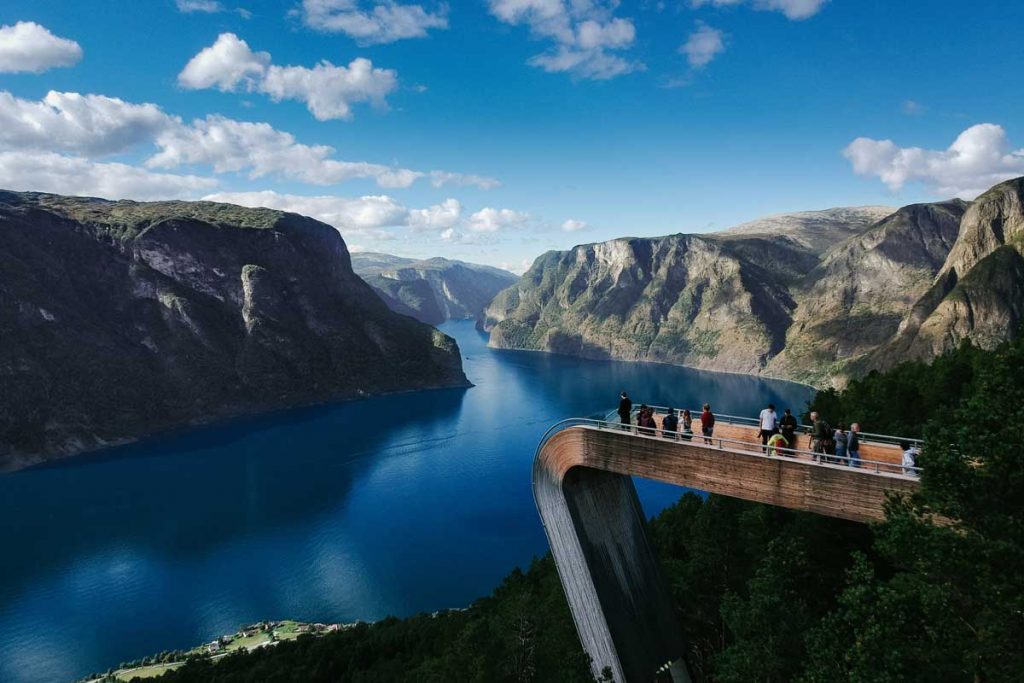
Take a tour to the Stegastein viewing platform only a 25 minute drive outside of Flam.

On your own you can take a bus from Flam to Aurland: There is regular bus service between Flam and Aurland that takes approximately 10 minutes. Once you reach Aurland, you can catch a bus that goes directly to Stegastein viewpoint. The bus ride takes around 15 minutes.

Please note that bus schedules may vary depending on the time of year, so it’s recommended to check the current timetable in advance. Additionally, during the winter season, the road to Stegastein viewpoint may be closed due to weather conditions.


For the souvenir collector there’s the biggest gift shop in Norway, Saga Souvenirs. In addition to a large collection of keychains, thimbles and shot glasses there are numerous regional products along with an excellent selection of knitwear, jewelry and of course trolls.
Repositioning Cruises, Another Side of Cruising

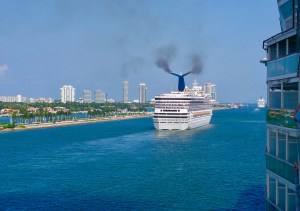
Carnaval ship leaves the Port of Miami

A repositioning cruise traditionally is when a cruise company needs to move ships from one seasonal location to another. Winter is cruising season in the Caribbean while Europe is a Summer market. For that reason dozens of cruise ships head out across the Atlantic every Spring and Fall. These Atlantic crossing occur twice a year and are by-far the most common repositioning cruises you’ll find. There are also other repositioning cruises that include Fall Alaska cruises taking ships back to the Caribbean through the Panama Canal or out to Hawaii or across the Pacific. Another opportunity is a late Summer repositioning movement down to South America and back north in the Spring.

Holland America in the Panama Canal

In the past, many of these cruises have been tremendous  bargains. A number of years ago these 12 to 15 night cruises could be had for four or five hundred dollars per passenger, but no longer. There were times when those repositioning cruise could even be less expensive than airfare. The down side was that you would have seven to nine straight days at sea. The up side for us was seven to nine straight days at sea and the ships provided the same entertainment, the same great cuisine and the same attentive service. Additionally often these cruises provided a port call or two at each end of the crossing.

Lately, as cruising gets more popular and more people become frequent cruisers the ships have less trouble filling these repositioning cruise cabins and the pricing has regularly adjusted upward as a result. Even so, these cruises are still a good value considering the length of the cruise.

To decide if these cruises are for you, consider a number of questions about what particularly appeals to you about cruising. In our case we really like the port visits and getting an introduction to exotic locations, but we also enjoy the down time provided by “sea days”. We actually look forward to opportunities to catch up on our reading and each of us will go thru a number of books on a crossing. We also appreciate the time to organize our writing and photography. In our case we usually find it easy to stay busy but we know people that claim they would go crazy being stuck on a ship for a week or more.

Royal Caribbean at anchor Grand Cayman

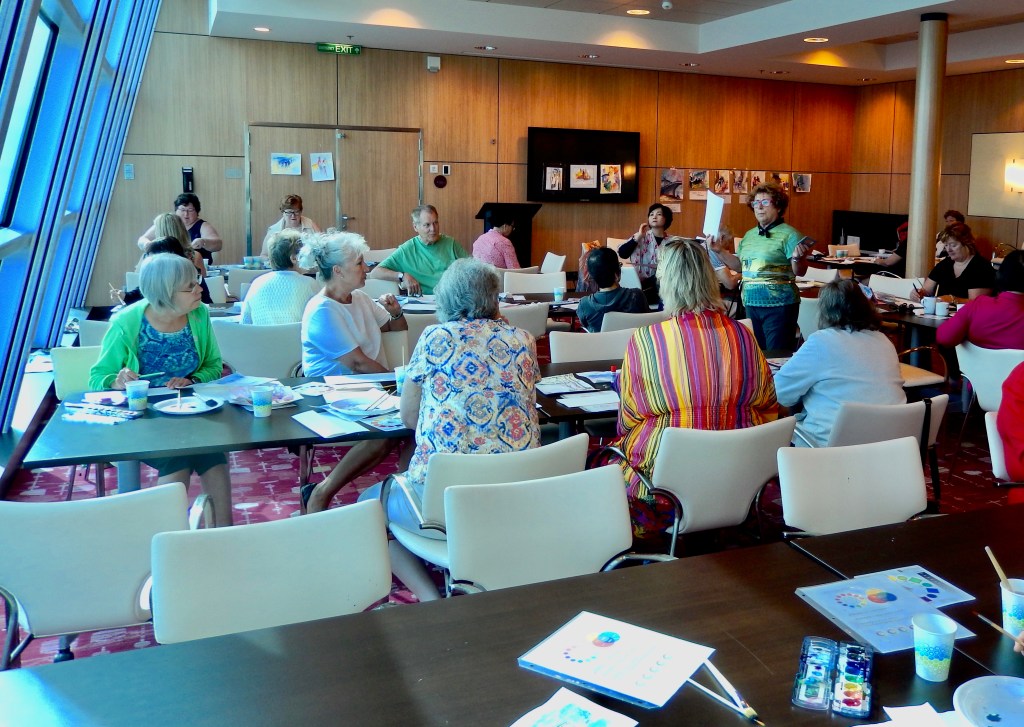
In addition to the value these cruises offer some cruise lines have added additional programs for passengers. They range from painting and craft classes to lectures on numerous topics. We’ve listened to lectures from a former director of the Kennedy Space Center, an archaeologist discuss their digs in the Eastern Mediterranean and a young lady talking about her adventures solo-sailing across the Atlantic.

Royal Caribbean in New Zealand

Twenty some years ago we took a number of trans-Atlantics and the ships were mostly full of Brits. Staterooms often had tea assortments and electric kettles added because of this. It seemed that a lot of Brits went to America for the Winter and returned to England in the Fall and repositioning fit their needs perfectly.

So, the next time you start looking at cruise destinations you might consider a repositioning cruise as a possible option.

What’s Causing Homelessness?

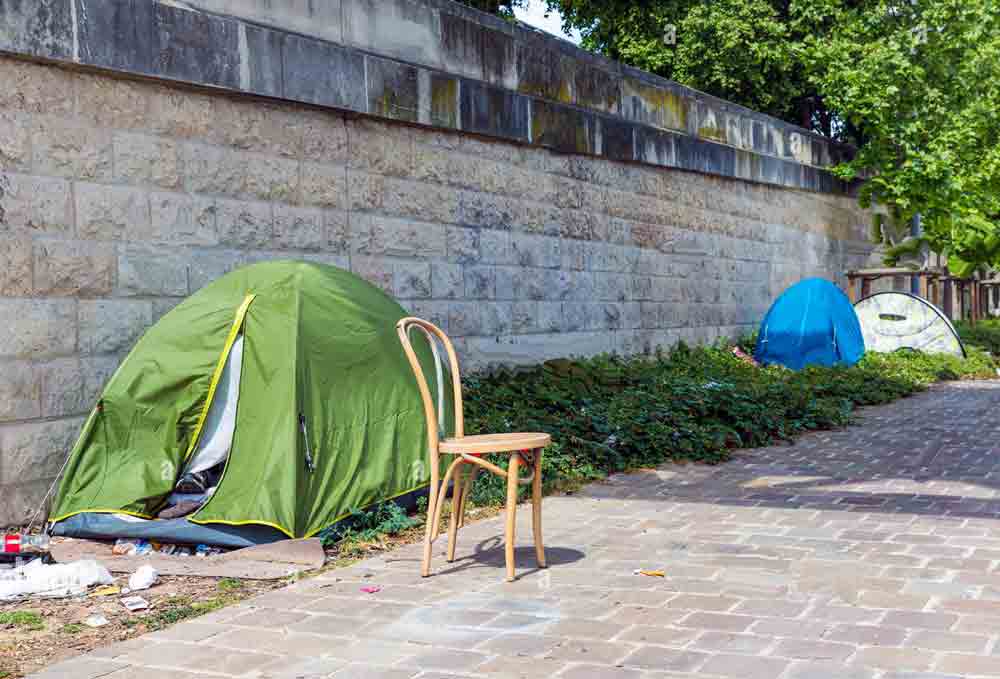
On a recent visit to Halifax, Nova Scotia we arranged a tour out to Peggy’s Cove. As we left town we drove by several downtown parks containing homeless tent encampments. When we asked our guide what was going on she had an interesting response. She said that this had sprung up only a few years ago and that reports indicate that the government isn’t sure what’s causing it and everyone seems to be at a loss as to what to do about it.

A perk in downtown Halifax, Canada

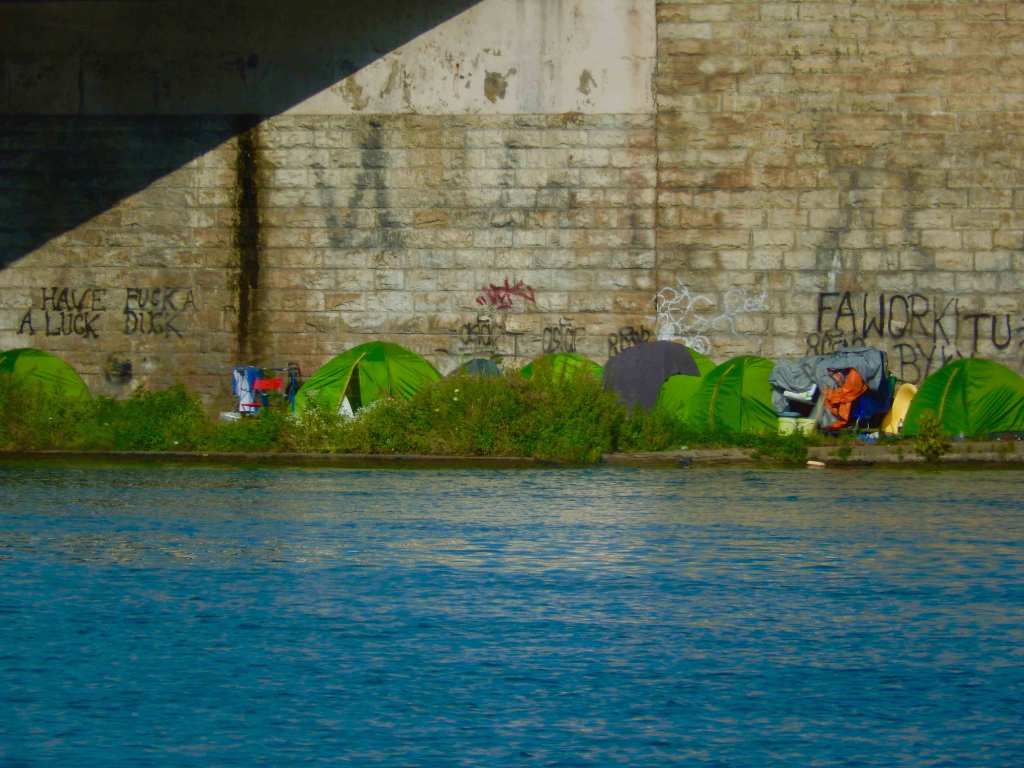
We’ve been traveling the world for decades and in recent years we’ve started noticing many more homeless encampments in many countries. The problem seems to be more serious in the western countries than anyplace else. We’ve seen camps along the banks of Seine in Paris and in Lyon under bridges. Recent trips to Vancouver and Halifax, Canada showed parks filled with tent cities. Anytime spent visiting American cities will expose similar scenes. It is becoming so common in western countries that one begins to wonder why this is happening now. In a world where increasing taxes is a common practice, one has to wonder where those taxes are going and why was homelessness less a problem some decades ago?

A homeless encampment in Paris

Any time one starts asking questions of government and public social service organizations you almost always get a similar response – “homelessness in the modern world is a complex issue with multiple causes”.

A Halifax park

Factors usually blamed for contributing to homelessness in the West include:

Lack of affordable housing – The high cost of housing, especially in western urban areas, makes it difficult for low-income individuals and less affluent families to find affordable accommodations. A recent study in the United States found the an ever growing segment of the population now is renting rather than buying. The percent of renters has increased every year for over two decades. Further aggravating this problem is the skyrocketing increases in rents disproportionate to the cost of the property investment. Additionally there is very little incentive to slow the increase in rental rates when occupancy rates remain proportionately high. Some areas blamed for the growing crises are:

A park in Vancouver Canada

Poverty and unemployment: Economic factors are a major contributing factor that includes, job loss, and low wages. In the west especially, official unemployment rates have become a mechanism more to hide the problem than to expose it. Anyone forced out of a good paying job into minimum wages is still employed. For decades the biggest trend has been toward this underemployment. Major groups have been replaced by automation from good paying jobs and are increasingly being forced to accept lower paying jobs. This results in larger numbers of people failing to secure stable employment or earn enough income to afford housing.

The banks of the Seine, Paris

Mental health issues and lack of supportive services: Mental health problems, including serious depression and substance abuse are major factors that contribute to homelessness. Limited access to mental health services and a lack of support systems exacerbate this issue. Insufficient access to healthcare, addiction treatment, and social services can make it challenging for individuals experiencing homelessness to address the underlying issues and find stable housing. In America a lack of being qualified for assistance causes males to be a large percentage of the homeless.

Under bridges in Lyon France

In many areas independent charities have been hampered by changes in government policies while at the same time government has increased budgets to address the homeless with little results. It is important to understand that the causes of homelessness change over time and can vary from region to region. Government also has little motivation to solve the problem if there is little pressure applied by the general public. Addressing homelessness first requires all of us to stop ignoring the issue and also requires a comprehensive approach that includes affordable housing initiatives, mental health support, employment opportunities, and social services to help individuals regain stability.

Surfs Up At Bondi Beach, Australia

While Bondi Beach is a famous beach resort and a great surfing venue, it is also famous for the largest free sculpture exhibition in the world. A sculpture event known as Sculptures By The Sea featured each year in October-November.

Bondi Beach And The Sculptures By The Sea

Bondi Beach, in addition to surfing, is famous for the Bondi to Bronte Coastal Walk. The walk is an iconic 3-km. paved trail along the coast between two well-known Sydney beaches. The walk offers sweeping ocean vistas of the coastline and sea from a paved trail that is beautifully fit into the cliffs between the two beaches. From mid October into early November the walk becomes an outdoor sculpture exhibit featuring works of artists from all over Australia and beyond.

Anyone visiting Sydney, especially during this time of year should really try to fit in a visit to Bondi Beach. The town is easy to reach via a Sydney T4 train from central station to Bondi Junction/ There you switch to a Beach bus. We would recommend getting an Opal card to make the best use of the area transportation (See our post on the Opal Card).

The beach itself is a sweeping two kilometers of crescent sand and the bars and eating venues along the beach street have a beach boardwalk vibe. The real draw though is the surf and in the world of surfers the waves at Bondi are legendary. Even without the art it is one of Sydney’s “must see” destinations and don’t forget to pick up a “Surf Bondi” Tee shirt before you leave.

Revisiting D-Day On Veterans Day

A Salute To All Those Who Served

 Veterans Day is more a time to remember than a holiday and we all should give thanks for those who served this country regardless of who they were. Following is a return visit to the location of one of the America’s most horrific battles and one of our greatest war time victories.

The Invasion Beaches of Normandy, France

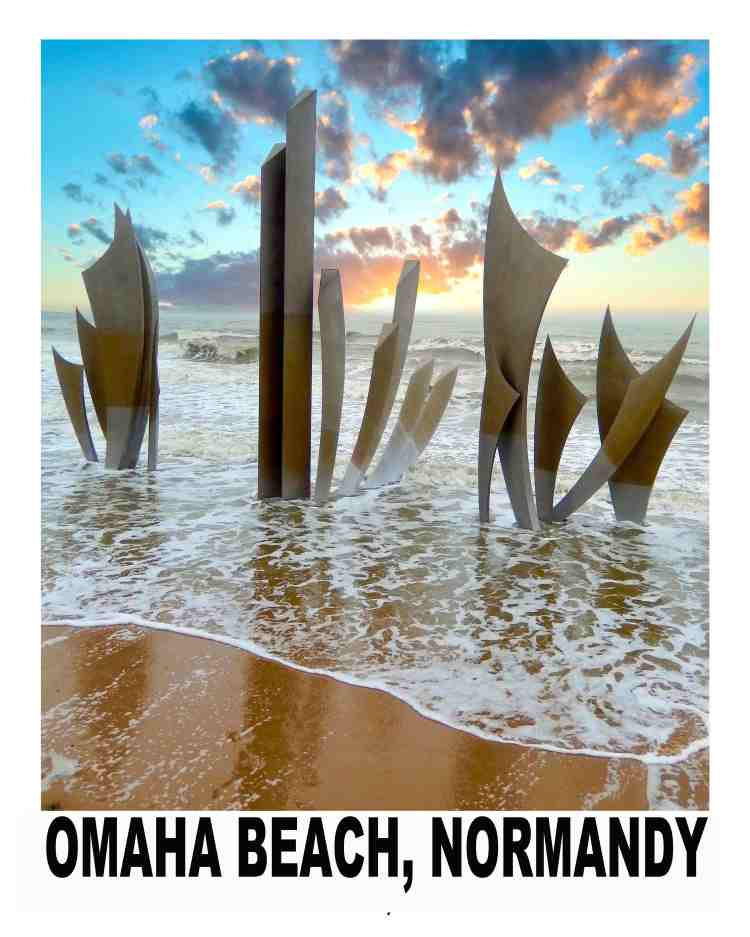
Memorial in the Surf at Omaha Beach
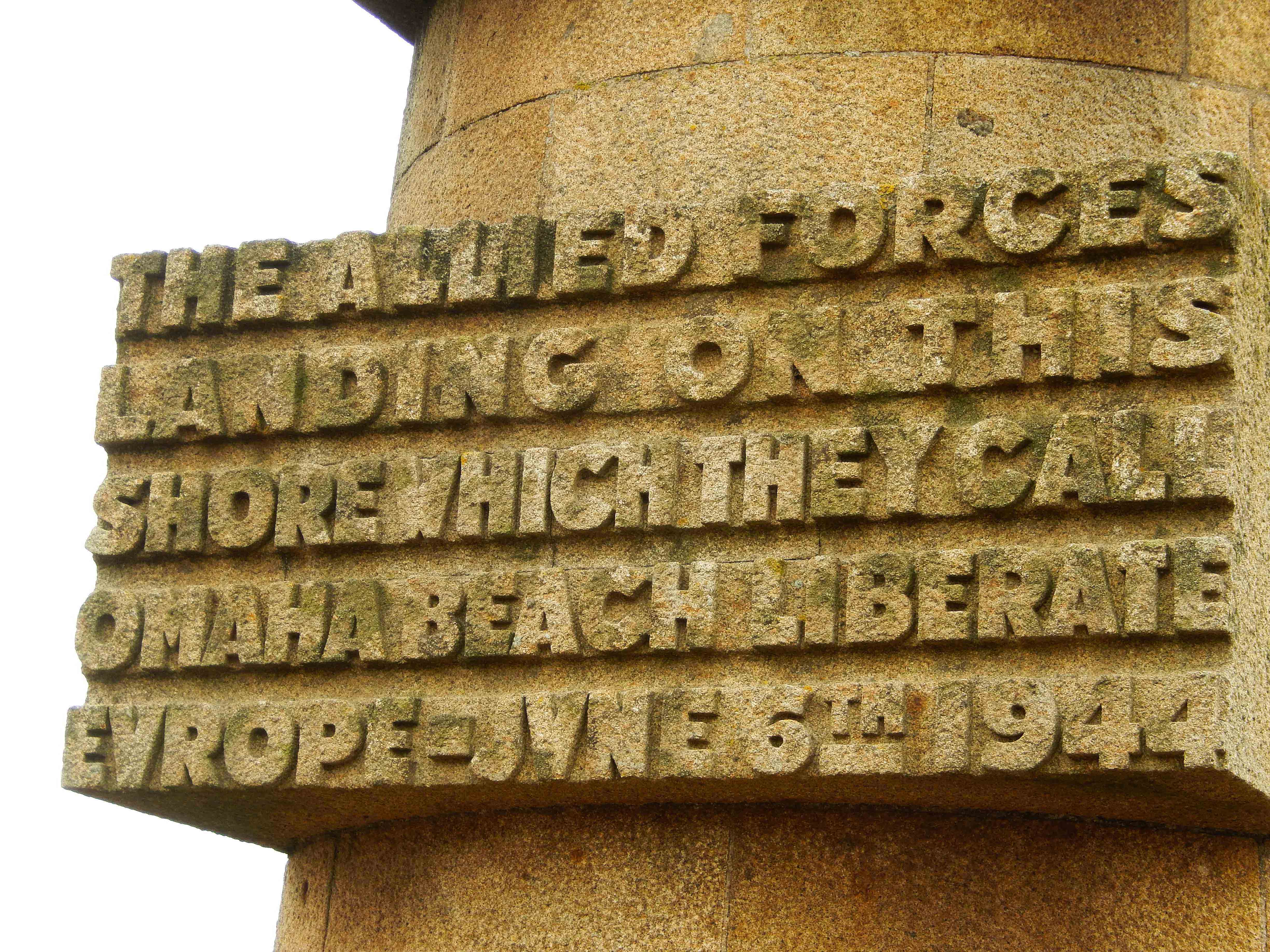
D-Day Execution June 6th 1944
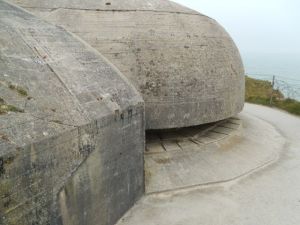
German Gun Defenses at Pointe du Hoc

After almost eighty years after the landing a visit to the beaches of Normandy is an emotional experience. After our day there we firmly believe that if you want to see Paris – spend several days at a minimum but do not pass up any opportunity to visit Normandy.

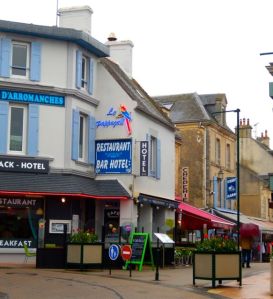
The Seaside Town of Arromanches

Even if it’s a short trip to Paris you should consider a day trip out to the D-Day beaches. There are a number of tours available from Paris to Normandy and many can be booked through your hotel. Another option is to rent a car and spend a couple of days in the area on your own. The countryside is beautiful and the people welcoming.

Your day should include a visit to the Caen Memorial Museum, the Normandy American Cemetery and Memorial at Colleville-sur-Mer, a tour of Pointe du Hoc, as many beaches (Utah, Omaha, Gold, Juno, Sword) as you can fit in, Arromanches-les-Bains and the Pegasus bridge. There are also a number of other cemeteries in the area honoring those that gave their lives from the British Commonwealth and many other countries.

Shell Craters at Pointe du Hoc

The French people have a less then accommodating reputation, but, throughout our day, we discovered the people of Normandy friendly, talkative and still wanting to express gratitude to Americans for the sacrifices on D-Day. While at Pointe du Hoc we saw a number of French school tours visiting and there seemed to be a serious effort to keep that moment in history alive for successive French generations.

Normandy American Cemetery

Even today, visiting the quiet beaches and the cliffs of Pointe du Hoc, the enormity of that event in 1944 still has an emotional impact. It is overwhelming to walk thru the Normandy American Cemetery with the 9,387 head stones standing in row after row, like the fallen soldiers they mark. Walking in the cemetery it is hard to process the number of lives lost in so short a time. The land beneath the cemetery is U.S. soil and the cemetery is maintained and operated by American personnel.

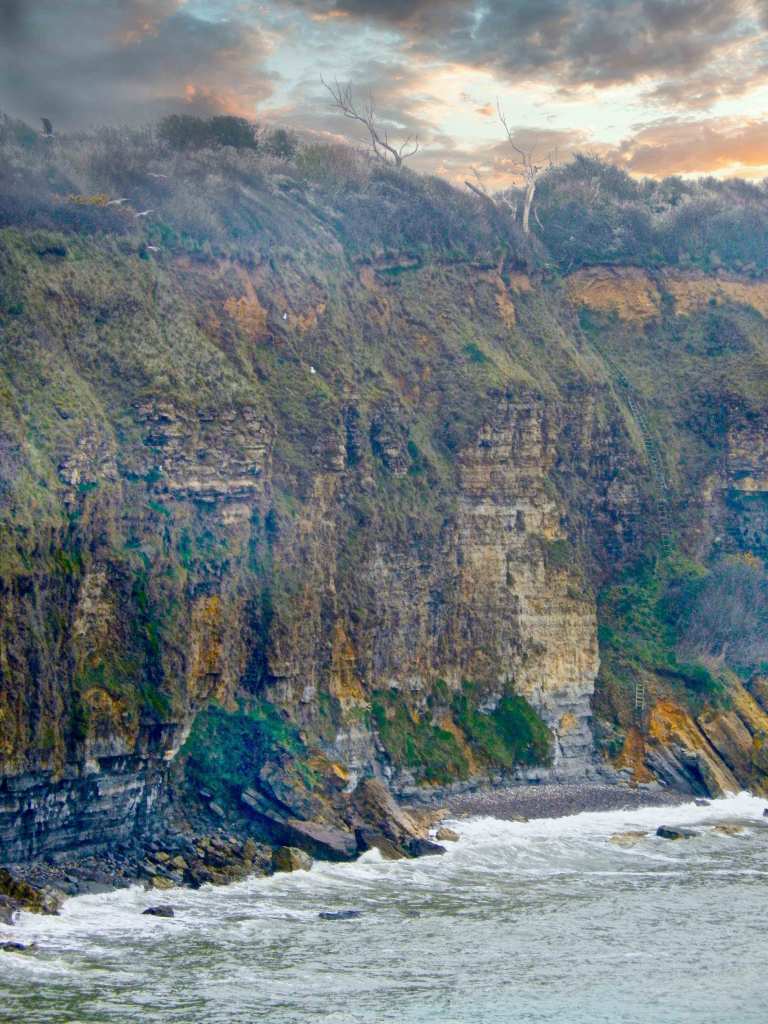
The 90 Foot Cliffs at Pointe du Hoc

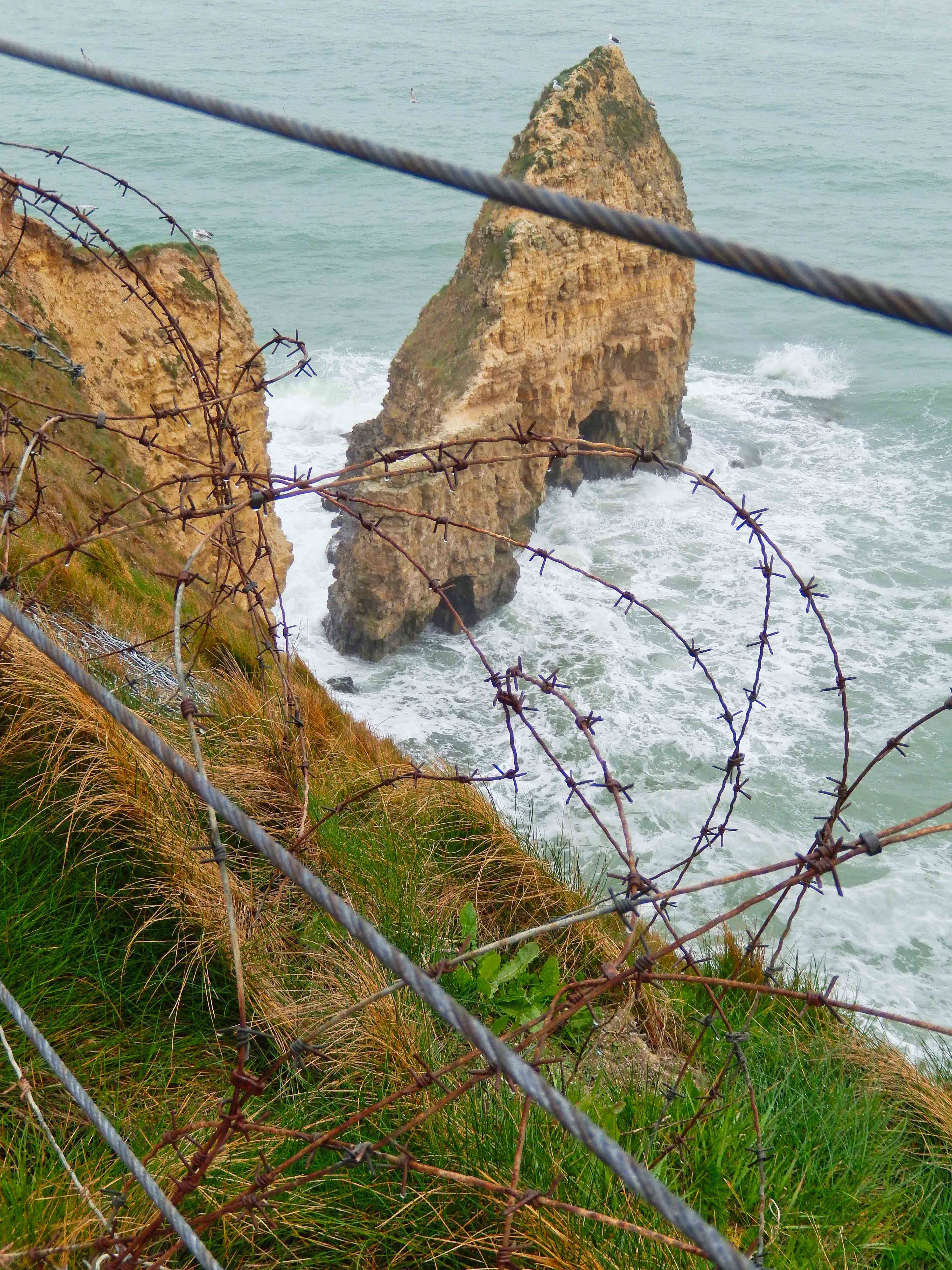
At Pointe du Hoc the tops of the cliffs are spotted with the immense concrete German bunkers and the ground is still gouged with the craters made by the Allied naval gun barrages. The most impressive thing, however, is to look down those ninety-foot cliffs and realize that 225 American Rangers climbed them while under attack from German gunfire and bad weather.

In addition to the D-Day experience is a drive through the beautiful French countryside. There are farms and villages spotted with yellow canola fields and bordered by oak trees thick with clusters of mistletoe. All-in-all an unforgettable experience.

Is There A Spring In Norway?

Cloudy With A Chance Of Cold!

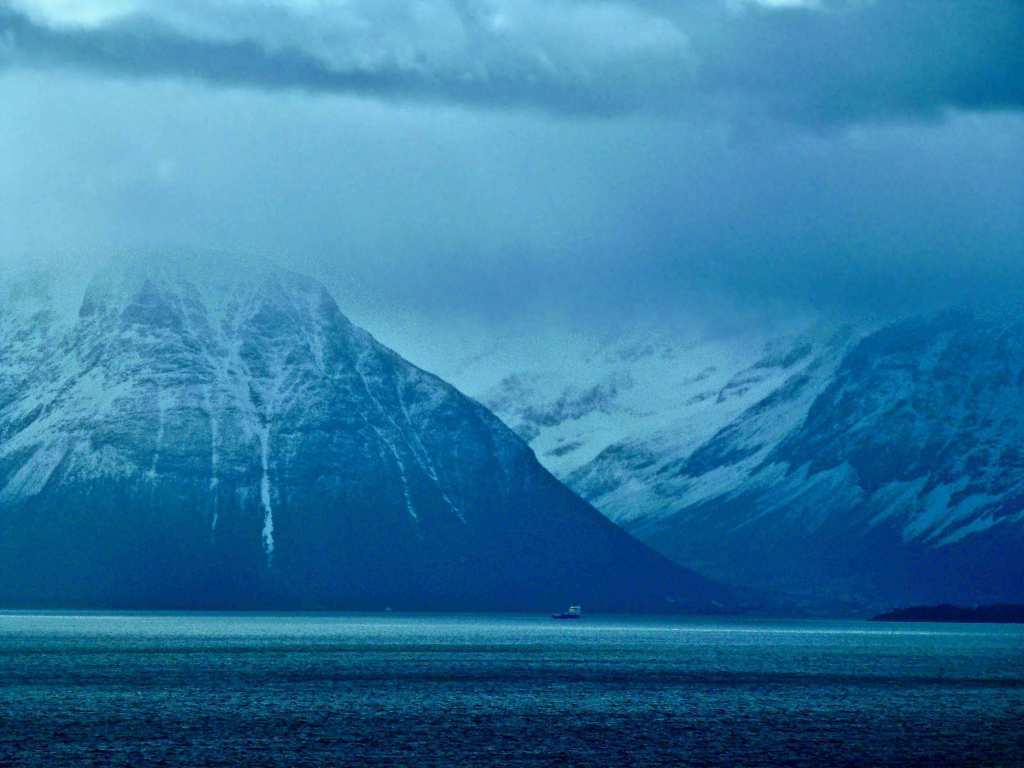
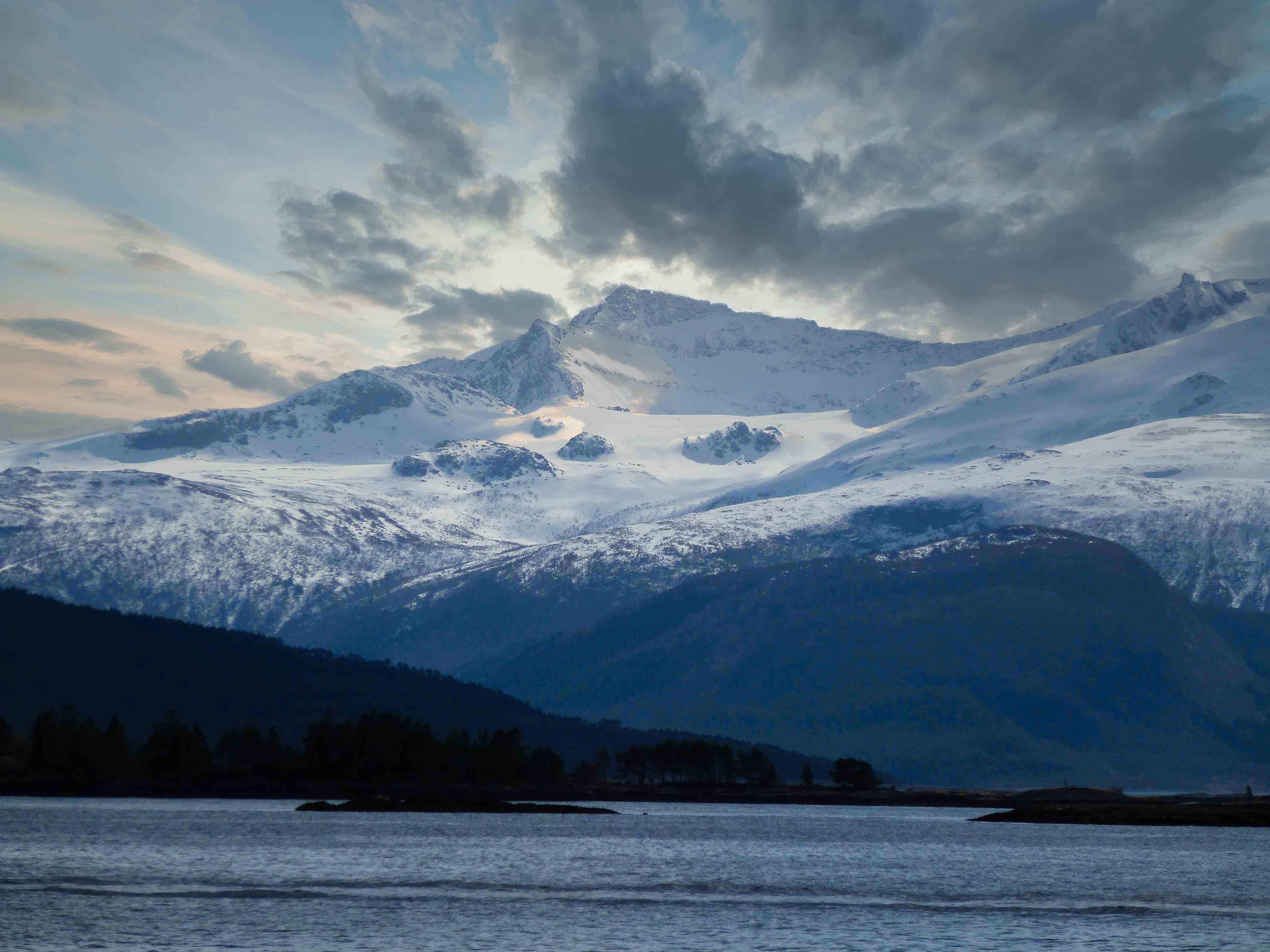
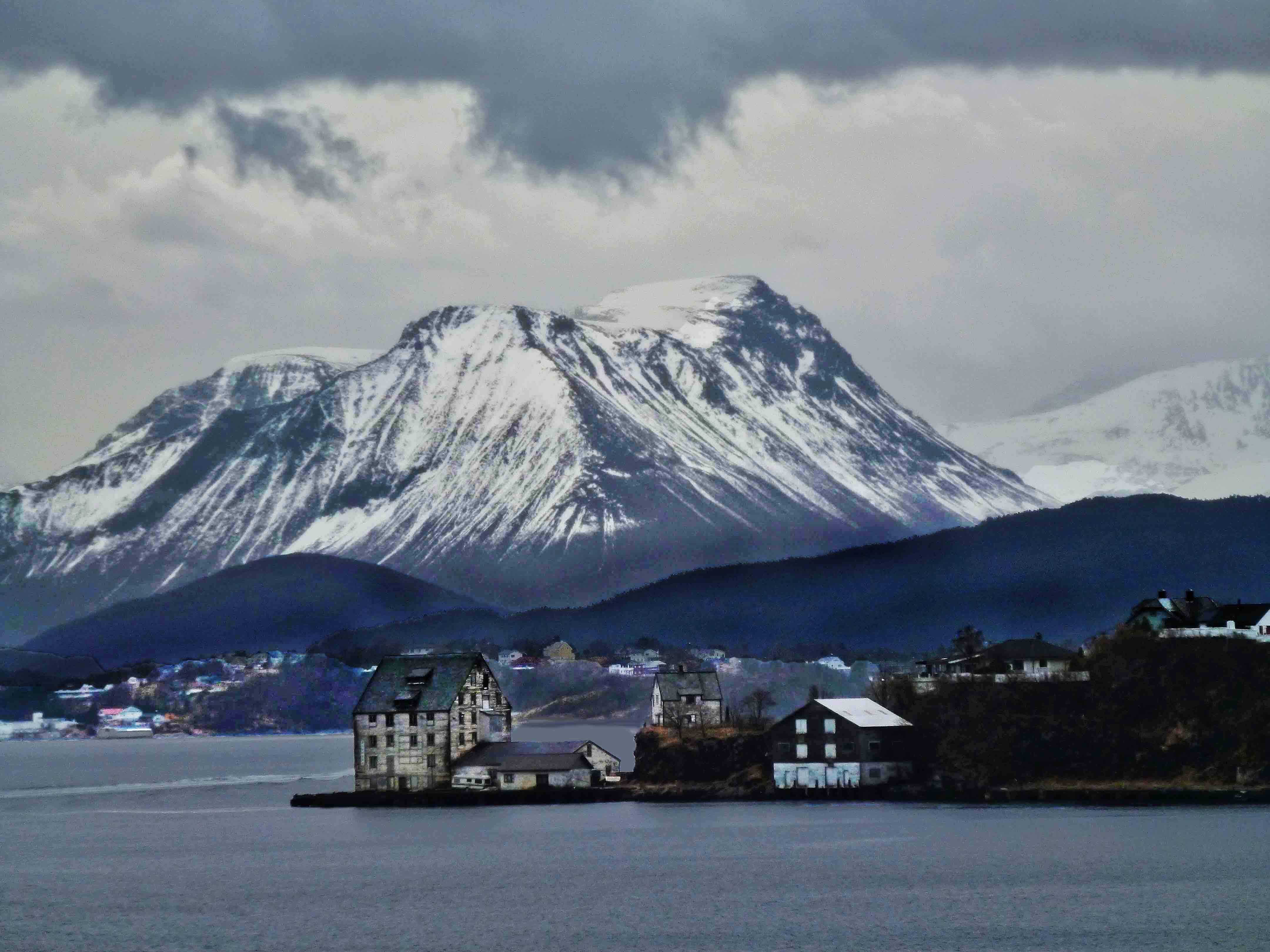
Crossing the North Sea recently for a late Spring cruise up the Norwegian coast the scene above was our first glimpse of Norway. For the next week we were mostly surrounded by snow covered mountains. Those cold, stark landscapes may suggest why the Vikings were always gone pillaging the British Isles and the coast of France?

Planning A Cruise? Start By Checking Out The Intentional Travelers Port Guides

Looking for specific information?

Haven’t joined us yet?

You can unsubscribe anytime with an easy link right in our emails and we promise not to sell or share your contact information with anyone.

Isn’t it time you joined us and subscribed?