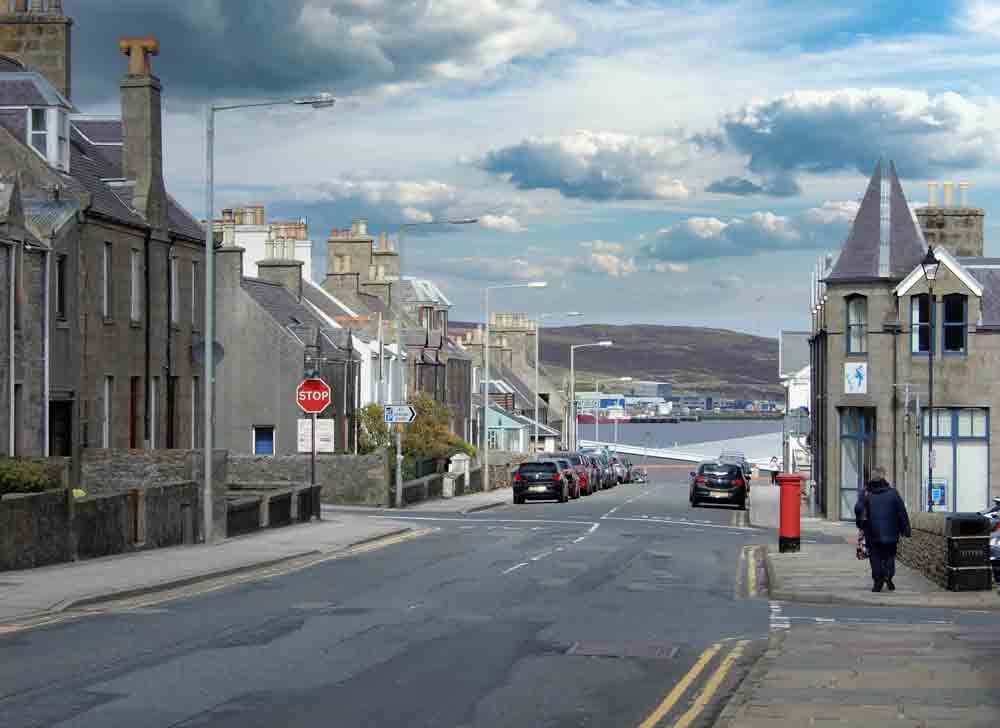
The Port Of Lerwick, Shetland Islands

Lerwick harbor

Located in the North Sea one hundred fifty miles north of Scotland is the Shetland Islands. The largest island is Shetland Mainland with three additional smaller islands named Yell, Unst and Fetlair. Lerwick, the major town in the archipelago, is located on the east coast of Shetland Mainland. Most of Lerwick’s buildings are made of local stone giving the area the appearance of being from a different era. Narrow alleys and streets don’t appear to have been made with automobiles in mind and alleys with stone staircases are common. The town owes its success to its location, finding shelter in the lee of the island of Bressay across the channel and its good natural harbor. The town takes its name from Norse meaning ‘mud-bay’ and was a safe harbor for Dutch fishermen as recently as the seventeenth century. This town is a good base for exploring the Scandinavian history, beautiful seascapes and wildlife of the Shetland archipelago.

In the mid eighteenth century relations between the British and Dutch deteriorated and the British seized the islands and built Fort Charlotte in 1781 to protect what they believed was Scottish territory. Shortly after that the herring fishing brought a boom to the islands and a building explosion showed off the archipelago’s new wealth. Again in the twentieth century the North Sea oil bonanza gave Lerwick, with its good port location, another economic boom.

Where Your Ship Docks

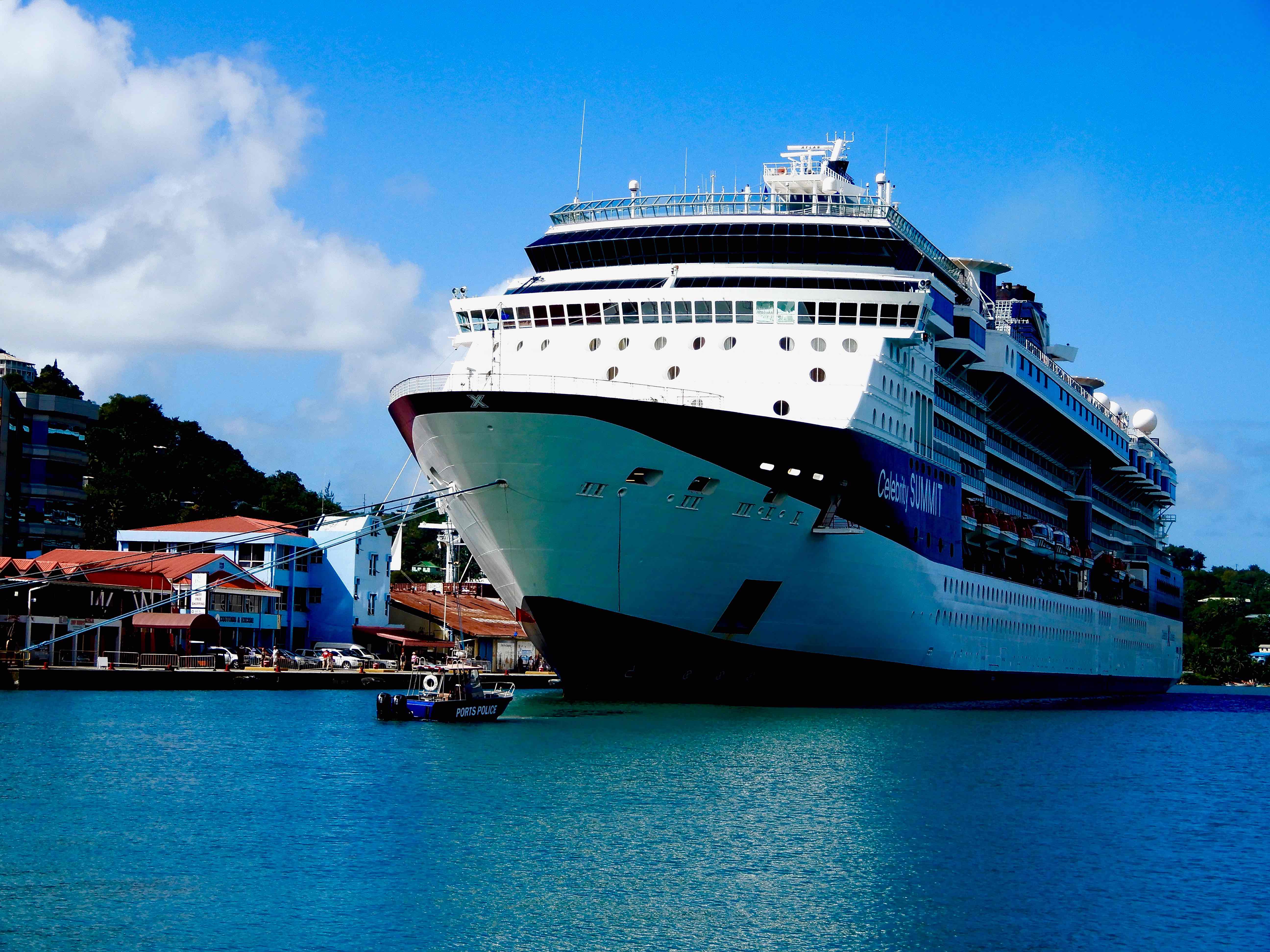
Lerwick is a tender port and the ships tenders dock right in the middle of town. Docking facilities are good and public facilities are only three blacks away in the Visitors Center.

Wheelchair Accessibility

Disembarking – This is normally a tender port as large cruise ships cannot be accommodated at its piers. Wheelchair bound passengers will encounter challenges both in getting on tenders as well as disembarking at the pier.

Port City Characteristics – This port has a moderate to steep geography where there are typically elevations and inclines to deal with. Otherwise wheelchair infrastructure is typical of a small town. The waterfront and near port area has moderate inclines in sidewalks but the city itself can be more difficult. Major intersection crosswalks are marked and are easy to cross but some streets may have curbs or other wheelchair obstacles.

Symbol of the Shetlands

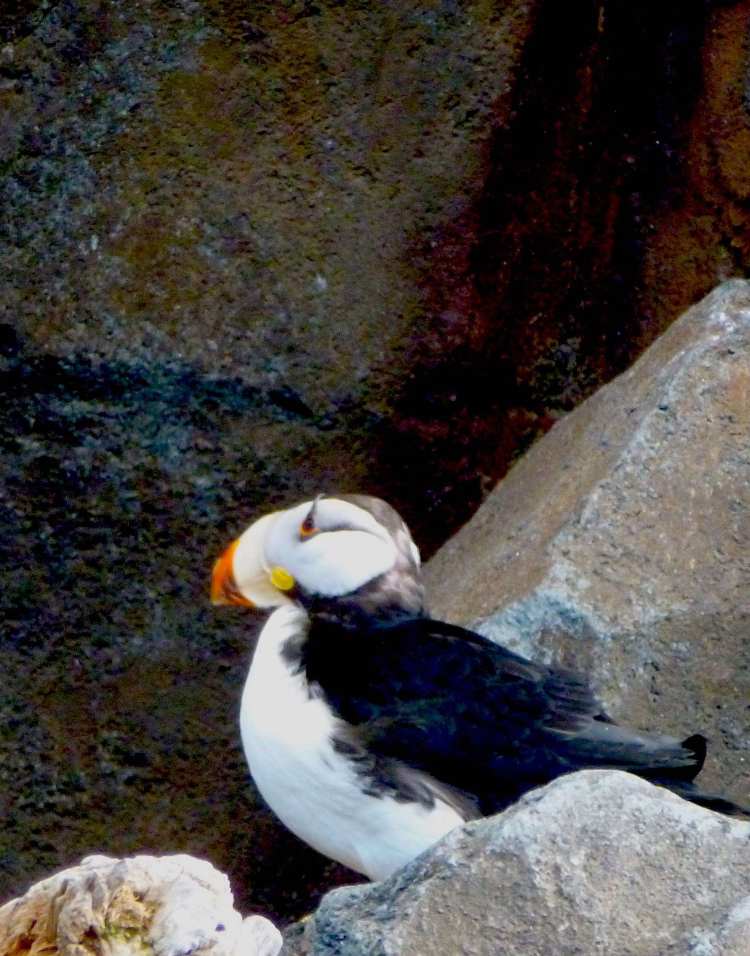
One of the iconic symbols of the Shetland Islands is the puffin and there are plenty of gift shops featuring this interesting sea bird. There are also a number of tour opportunities to visit puffin nesting areas.

Currency

Scotland uses the British Pound Sterling averaging US$1.25 to 1 Pound. ATMs are available and credit cards are usually welcome.

Scottish Coat of Arms displayed in Lerwick

“Nemo me impune lacessit” is the motto on the Royal coat of arms of the Kingdom of Scotland and translates to “No one attacks me with impunity”, and has been loosely rendered in Scots as Wha daur meddle wi me? (in Scottish Gaelic – Cha togar m’ fhearg gun dìoladh).

Lerwick is a small town and every pub, cafe and restaurant has an inviting local character. There are several cafes and pubs in Lerwick ans some popular options include The Lounge, The Queens Hotel, The Douglas Arms, The Grand Hotel, and The Peerie Shop Cafe.
Explore Shetland’s Ancient History – Over 4,000 years of historic development can be found on Shetland Mainland with Clickimin Broch sitting on a promontory facing into the Loch of Clickimin. A broch /ˈbrɒx/ is an Iron Age stone hollow-walled structure found throughout Scotland. Brochs belong to the classification “complex Atlantic roundhouse” and their origin is a matter of some controversy. When sea levels were higher the broch was connected to the mainland by a narrow constructed causeway, built in the later Iron Age. The remains of the causeway can still be found today.

Broch of Clickimin

Clickimin broch shows evidence of having been occupied from at least the Bronze Age, about 1000 BC and remained inhabited to about AD 500. Its main elements are generally believed to be:

  • A late Bronze Age house, outbuilding and enclosure
  • An early Iron Age enclosed site, consisting of a stout wall with a shallow ditch across the isthmus connecting the islet to the mainland
  • A middle Iron Age broch, with later alterations, and a blockhouse with a central passage and cells erected within the ring-fort
  • A late Iron Age circular building, added inside the broch tower, with a constructed causeway leading to the broch.
  • It is also believed that some of the excavations around the broch tower are a Pictish settlement dating back to before 2000 BC.
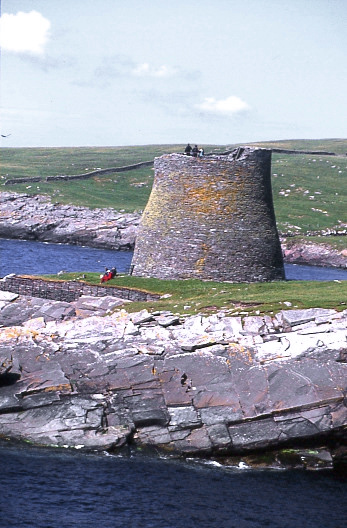
Broch of Mousa

It’s not known who built the broch, if it was erected as a defensive stronghold, or as a statement of its builder’s status, but it may have fulfilled both functions.

Farther south on Shetland Mainland is the archaeological site of Jarlshof on a headland overlooking the West Voe of Sumburgh, with more than 4,000 years of human settlement found on the site. It includes oval-shaped Bronze Age houses, an Iron Age broch and wheelhouse, Norse long houses, medieval farm buildings, and a laird’s house dating from the 1500s. The Iron Age broch and wheelhouses, which have survived the sea’s best efforts to wash them away, include evidence of a Norse community established here in early medieval times. A visitors center includes collection of artifacts spanning the different eras.

Broch of Mousa requires a boat ride but it is the best preserved example of an Iron Age round tower or broch. It is on the small island of Mousa in Shetland, Scotland and is the tallest broch still standing and amongst the best-preserved prehistoric buildings in Europe.

Fort Charlotte

Fort Charlotte in the centre of Lerwick, Shetland, is a five-sided artillery fort, with bastions on each corner. The grounds and exterior battlements are open to the public and it offers good views of the towns harbor area. Today Fort Charlotte is managed by Historic Scotland, and is the base for Shetland’s Territorial Army. Visitors must call to get the keys to visit.

Up Helly Aa Exhibition – a museum that tells the story of the famous Up Helly Aa fire festival, which takes place in Lerwick every January.
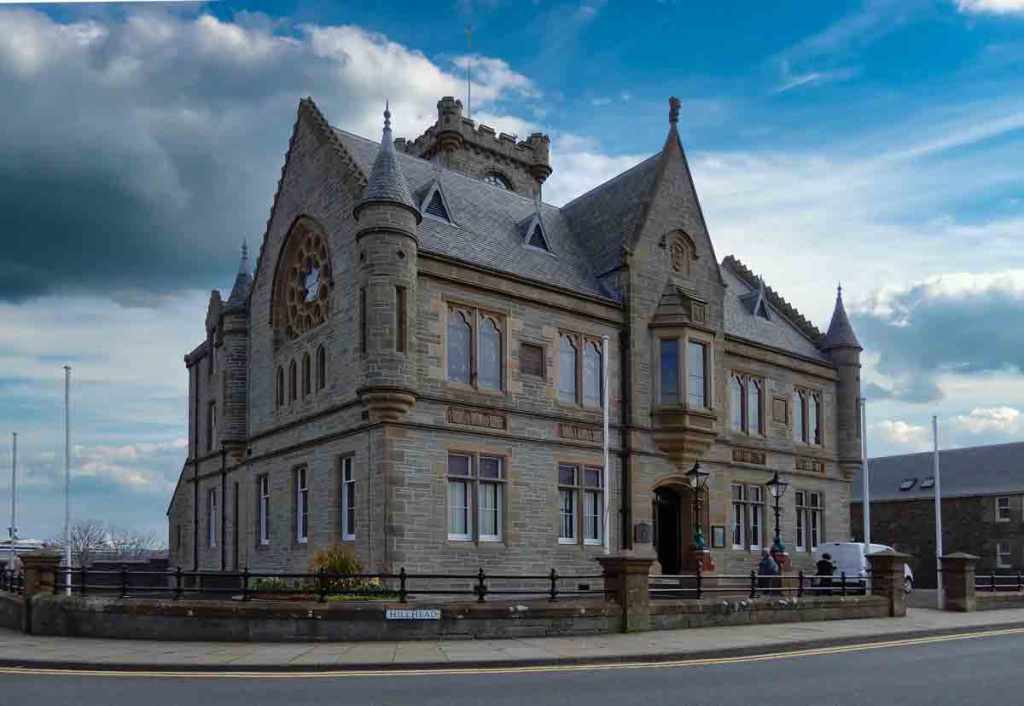
Up Helly Aa is an annual fire festival that takes place in Lerwick, Shetland Islands, on the last Tuesday of January. The festival celebrates Shetland’s Viking heritage and involves a procession of costumed participants carrying flaming torches through the streets of Lerwick, culminating in the burning of a replica Viking longship. The festival has its roots in the 19th century and has evolved over time to become one of the biggest events in the Shetland calendar. The procession is led by the Guizer Jarl, who is chosen each year to represent a Viking chief. The Jarl and his squad of Vikings wear elaborate costumes and carry axes and shields, while other participants dress up in a variety of costumes. Up Helly Aa is a unique and unforgettable experience that attracts visitors from all over the world.


Scalloway Castle – a ruined castle located in the village of Scalloway, just a few miles from Lerwick.

The Shetland Islands are also home to a large population of puffins, making them an excellent place for puffin-watching as well as other bird watching. Within the Shetland Mainland Island there are a number of places to see puffins, with some requiring only a short hike.
SEARCH THIS WEBSITE HERE
Destination The Caribbean

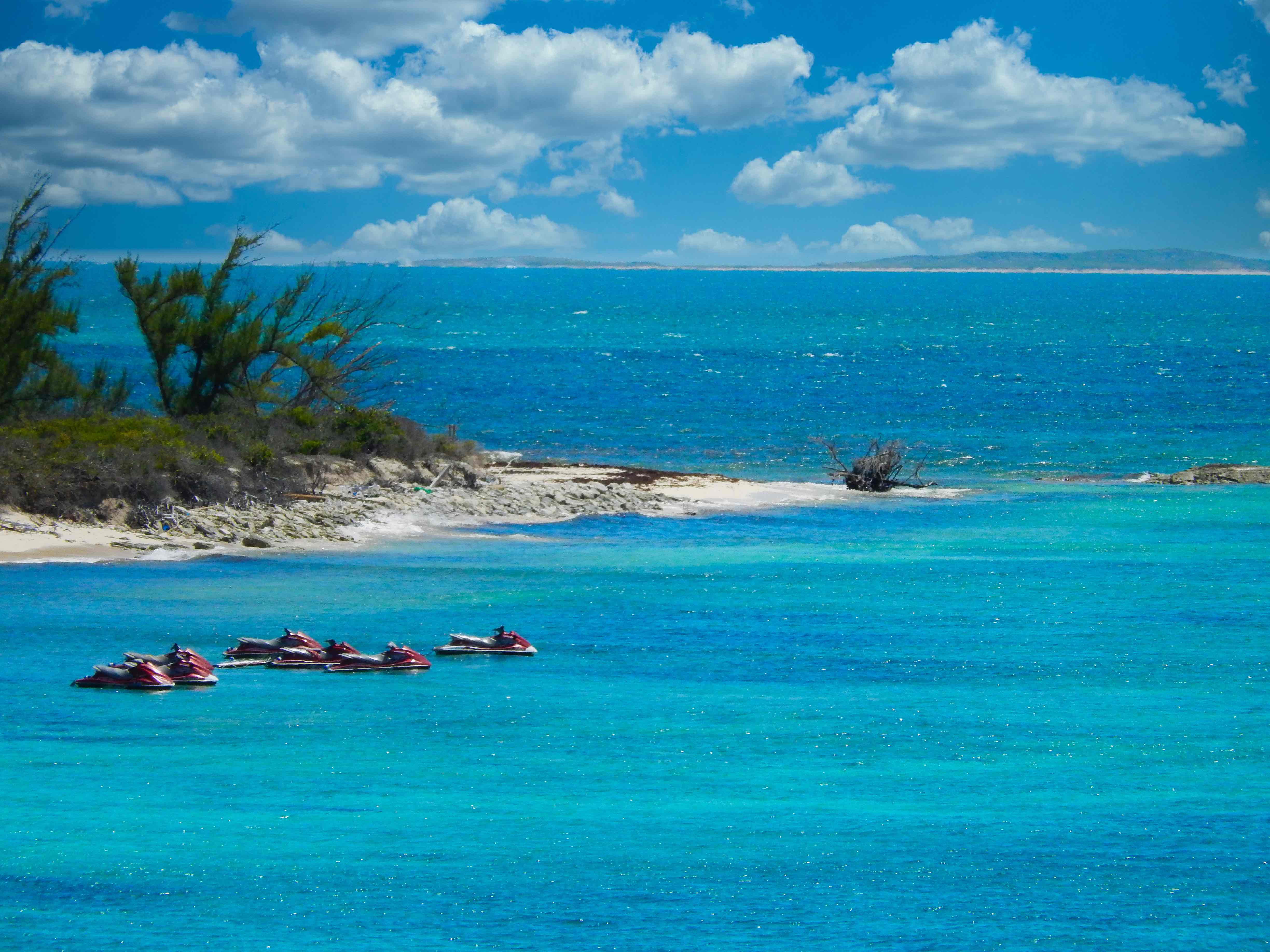
From Nassau off the coast of Florida to the Dutch island of Aruba in the Southern Caribbean, the Mexican island of Cozumel in the west and Barbados sitting between the Atlantic and Caribbean, there are dozens of fantastic tropical islands and ports of call. White sand beaches, turquoise water, coral reefs, tropical breezes, rain forests and amazing history all just waiting to experience. Thinking about a cruise or vacation? Find what’s in store before you go. Select your islands below and click to find out more.

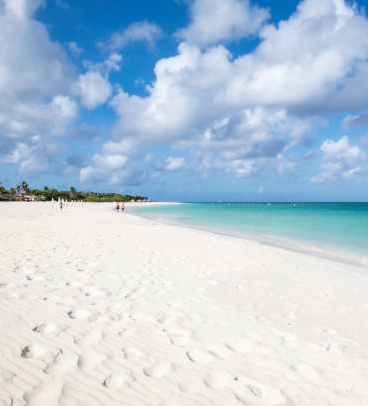
Beautiful Eagle Beach Aruba, Southern Caribbean Island

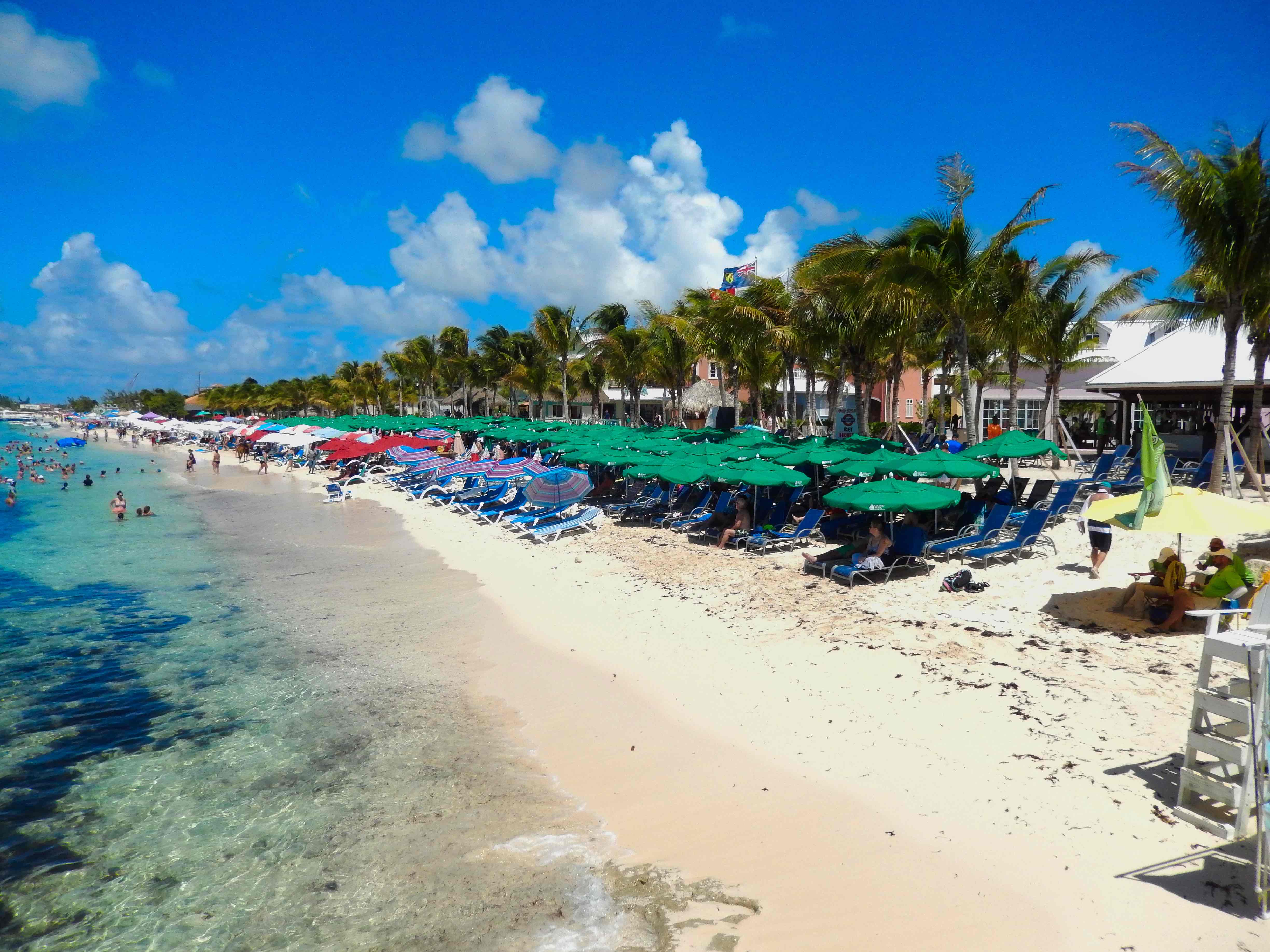
There’s almost as many unique characteristics as there are islands. Looking for miles of beaches consider Grand Turk, Grand Cayman, Nassau or Barbados to suggest a few. If history’s your interest you’ll find much to explore in San Juan, Cozumel, St. Croix and Antigua. For snorkeling over coral reefs there are fantastic options almost everywhere and duty free shopping is a Caribbean island tradition.

SEARCH THIS WEBSITE HERE
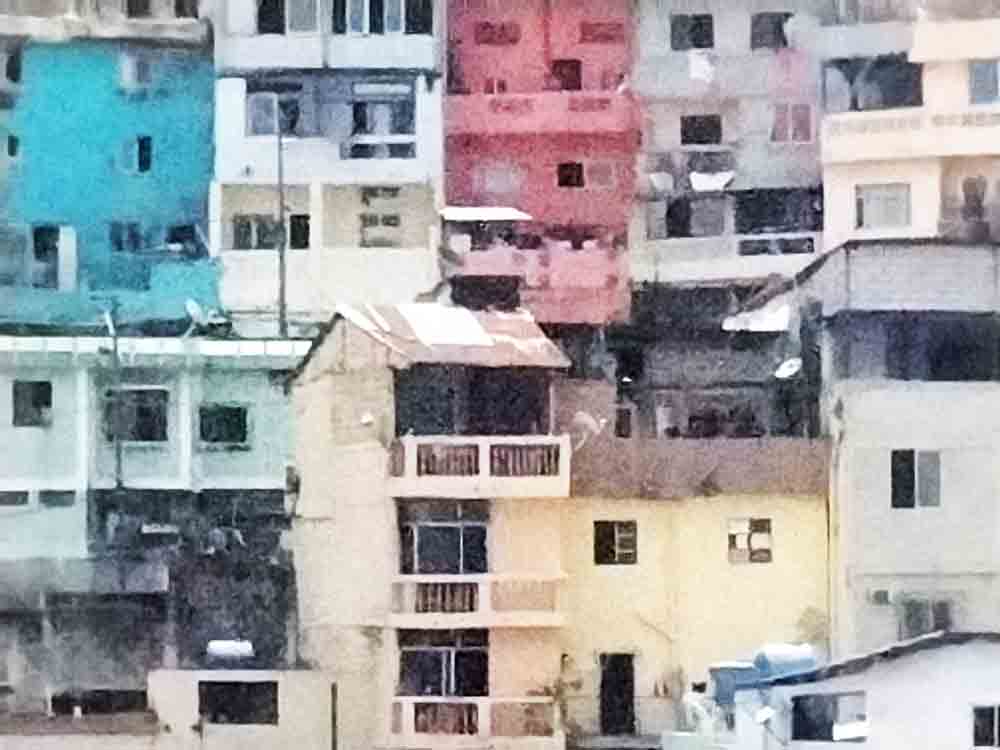
Urban Sprawl In South America

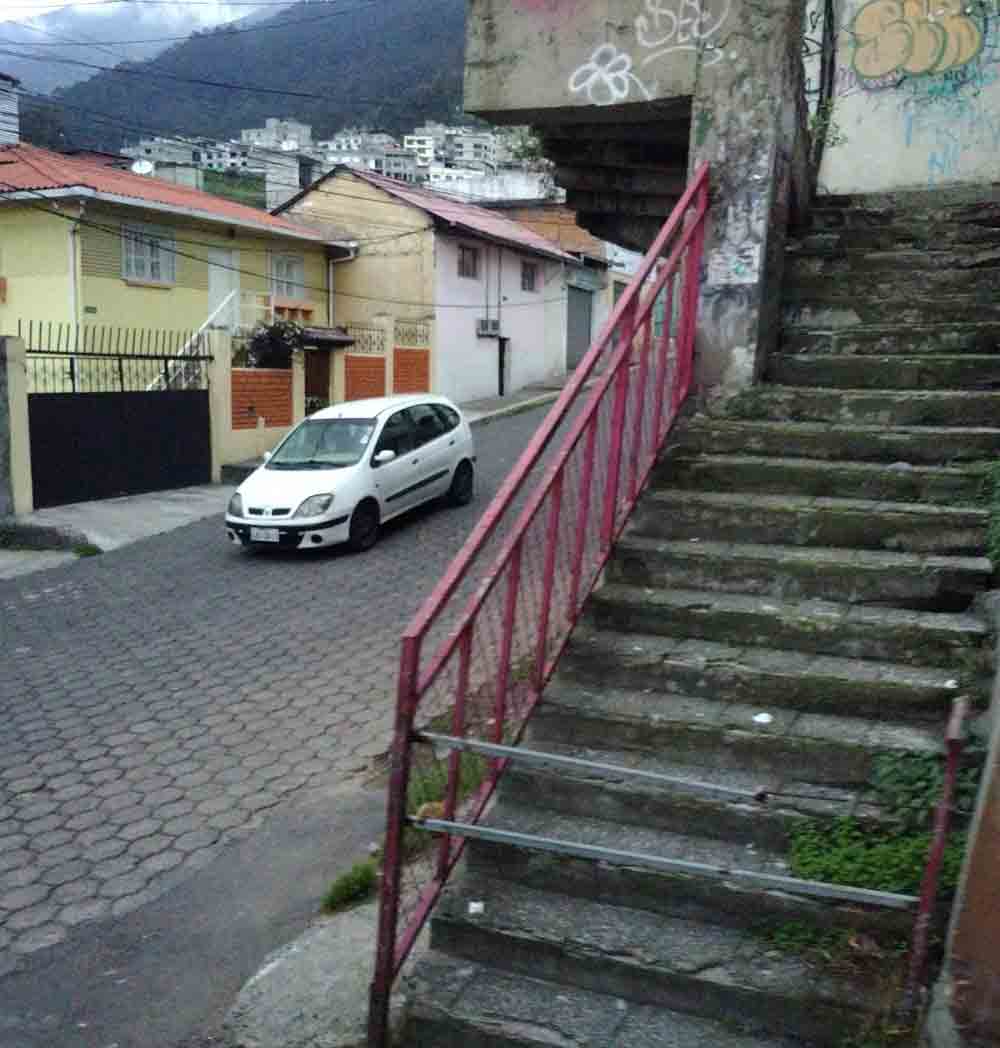
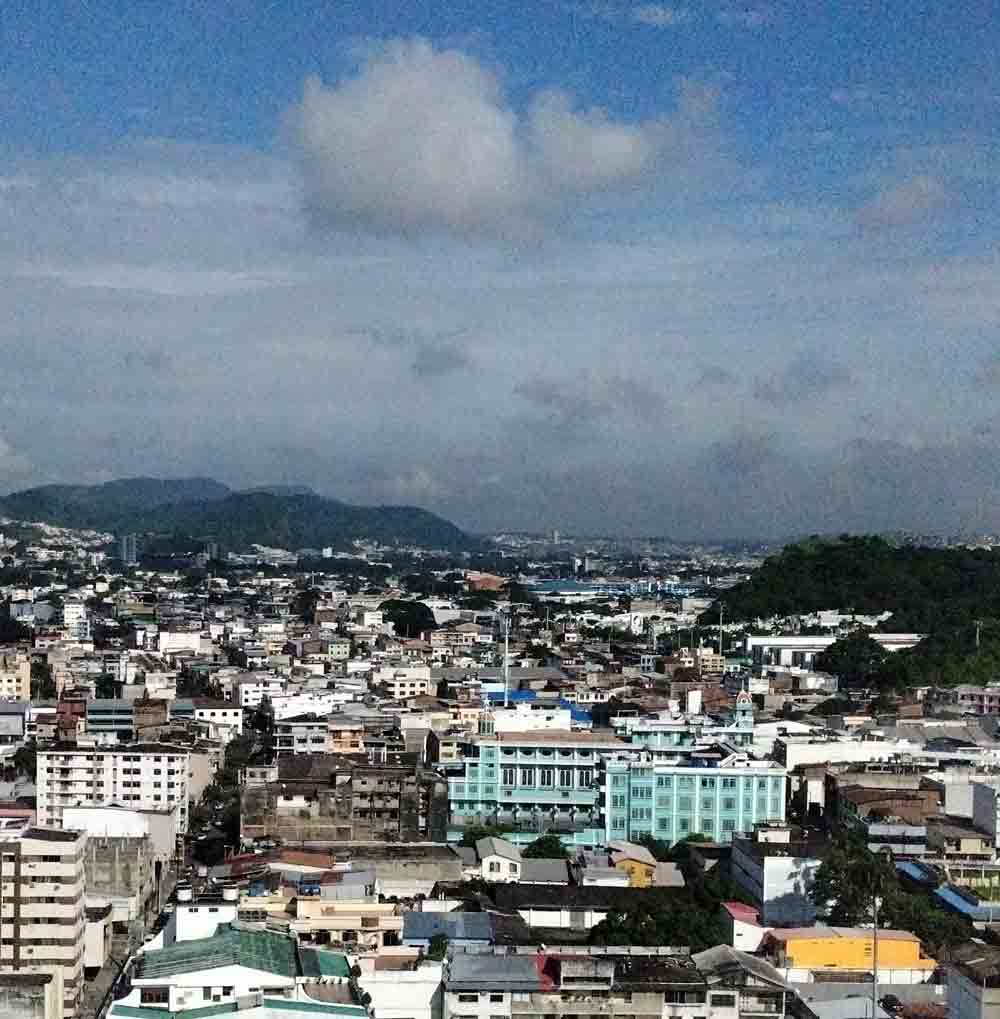
Visiting a number of major South American cities leaves you with the impression that like Topsy in the book ‘Uncle Tom’s Cabin‘, they just grow’d. Lima, Cusco, Guayaquil, Quito all have the appearance that they just grow’d and they all have similar characteristics. They all have their origins in a central historic district that’s centuries old. They all seem to reflect substantial growth outwards from that core, usually in several phases or layers. In almost all of these it seems the largest outer layer is characterized by high density, unplanned, ramshackle construction.

The roots of this growth also have several layers. Beginning around the period between the “world wars” the spreading effects of the agricultural revolution began to devalue typical small rural farms. Add to that the effects of growing South American socialist revolutions in the 50’s and 60’s that greatly impacted and destabilized the populations outside the cities. This resulted in huge increases in the rate of immigration into urban centers.

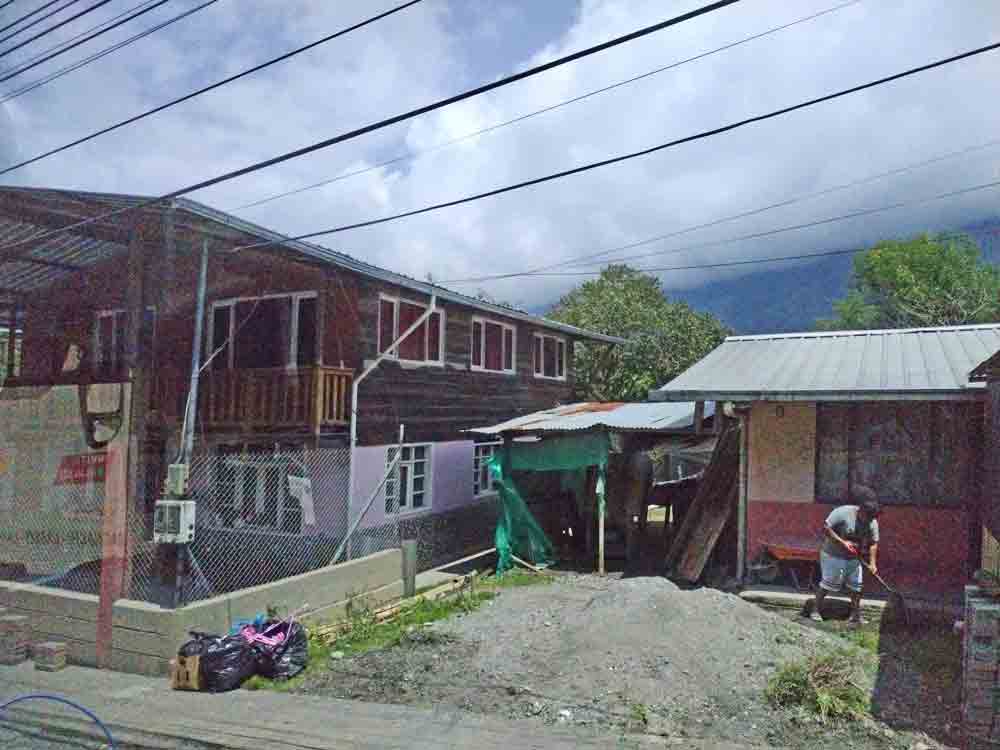
The effect was the proliferation of low-income settlements well into the 70’s and 80’s. Because of the inability of governments to provide cheap public housing, the poor were forced to build their own. With no government alternative the new poor were permitted to occupy land and build their own shelters. Generally the government, along with the growing private sector sought to provide housing for the increasing middle classes that were focused on areas near the cities core.

What now characterizes these outer layers is the remnants of “necessity construction” focused on the need for shelter first with little care being given to aesthetics or community pride. In most cities community improvement seems to be originating near the city core and spreading out as the standard of living for the middle class improves. Only Quito is seeing a major change from this dynamic as the upper middle class and professionals are now moving into new enclaves farther outside the core city to escape traffic congestion and inner city crime.

Destination The Mediterranean

Summer is cruising season in the Mediterranean and the major cruise lines are well established in the market and offer a wide variety of itineraries. There are a number of similarities in most itineraries with the two main embarkation ports being Barcelona and the port for Rome, Civitavecchia. A majority of cruises in the eastern Mediterranean sail out of Piraeus, the seaport of Athens, Greece.

Mediterranean Cruise Itineraries

One of the more popular cruise destinations Mediterranean itineraries vary in length from around seven days; usually stopping at four or five ports of call, nine to eleven days that make six to eight ports of call, and fourteen day itineraries calling on up to ten ports.

Itineraries Depend A Lot On The Departure Port

Cruises from Barcelona often stop at Spain’s Palma de Mallorca and series of ports east along the coast that usually include Villefranche-sur-Mer on the French Riviera, located near to Nice and Monte Carlo. Favorite Italian ports on those itineraries also include Civitavecchia the port of Rome, Naples and Livorno with its access to Florence and Pisa. Additional popular ports include Genoa on the west coast and Ravenna on the east coast.

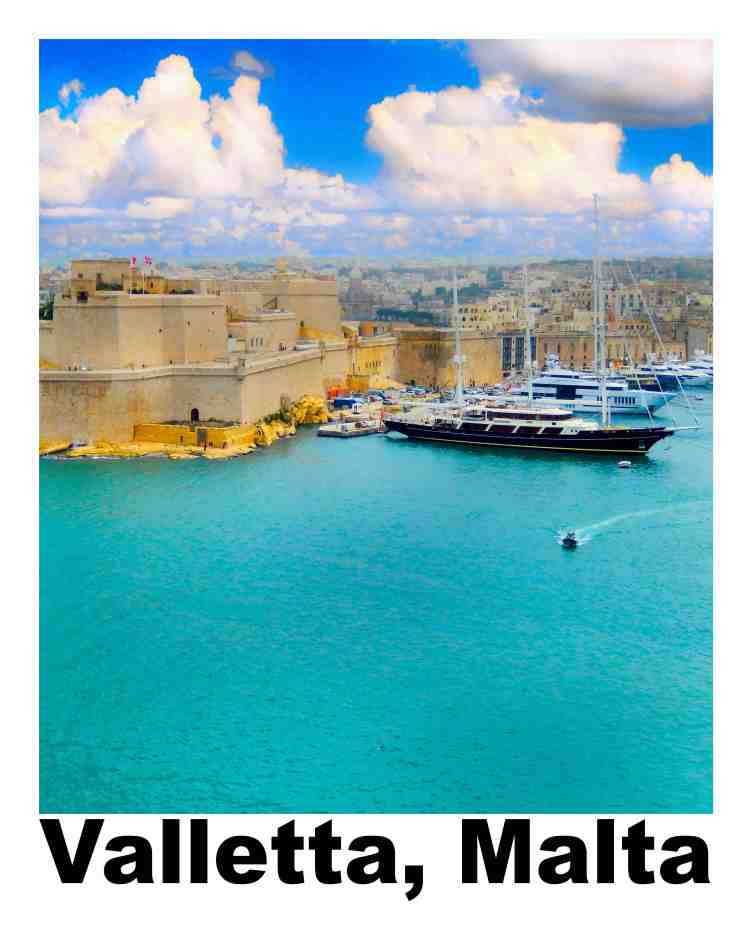
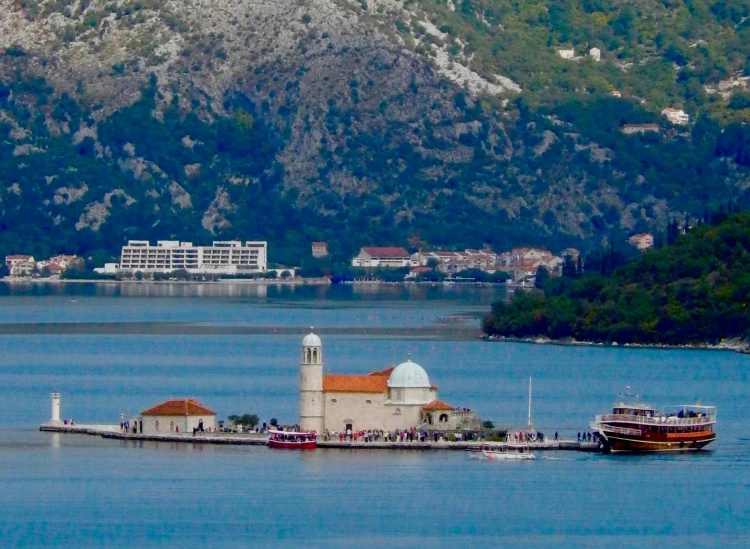
Most cruises out of Rome/Civitavecchia go south and cruise around the Italian boot passing through the Straights of Messina. Popular destinations on shorter cruises (6 to 8 days) include Naples, Dobrovnik, Kotor in Montinegro, the Greek island of Corfu and Malta. Longer cruises can add Messina, the Greek islands of Mykonos and Santorini, Ephesus, Turkey and Athens.

There are also Rome itineraries that sail west and often include Livorno, Villefranche, Provence France, with stops in the Spanish ports of Barcelona, Cartagena, Malaga and Palma de Mallorca and at times a port call in Gibraltar.

With the popularity of cruising growing there are more and more returning passengers. The cruise companies are always looking to add new ports as an enticement to get them to come back and cruise again. For that reason there are always differences and surprises in searching itineraries so look for one that hits your “must see” destinations or has added new stops.

There are some important things you need to consider when planning how you are going to get the most out of your cruise port visits. For most ports of call there is a serious time limit and if you go off on your own you cannot be late returning to your ship as the ship just won’t normally wait for you. If you take a cruise sponsored tour the ship is obligated to get you and your fellow passengers back on board before sailing. That doesn’t mean that you are locked into taking only sponsored tours but you need to plan and allocate extra time to get back to the ship.

When making your plans there are a few ports that many people put high on their list to visit when they decide to cruise the Mediterranean. Here we offer a few highlights along with ideas on getting the most from those all-to-brief stops.

Livorno with trips to Pisa and Florence To go on your own you can easily take a train from Livorno Centrale to Florence Santa Maria Novella for €6 to €14 per person one way. You do have to get from the pier to the train station but most cruises offer a shuttle service at a reasonable price into town center. In Livorno you can also buy a combination round-trip ticket that includes the train tickets and a bus to the train station that can be purchased at many convenience shops. The trip takes about one and a half hours and trains run about every half hour. In Florence from Santa Maria Novella you can walk into the historic district in only a few blocks. You can get to Pisa using a local bus or with train trip as it is only twenty minutes away with a moderate walk to the Cathedral and old city walls. More information on Lavorno HERE.

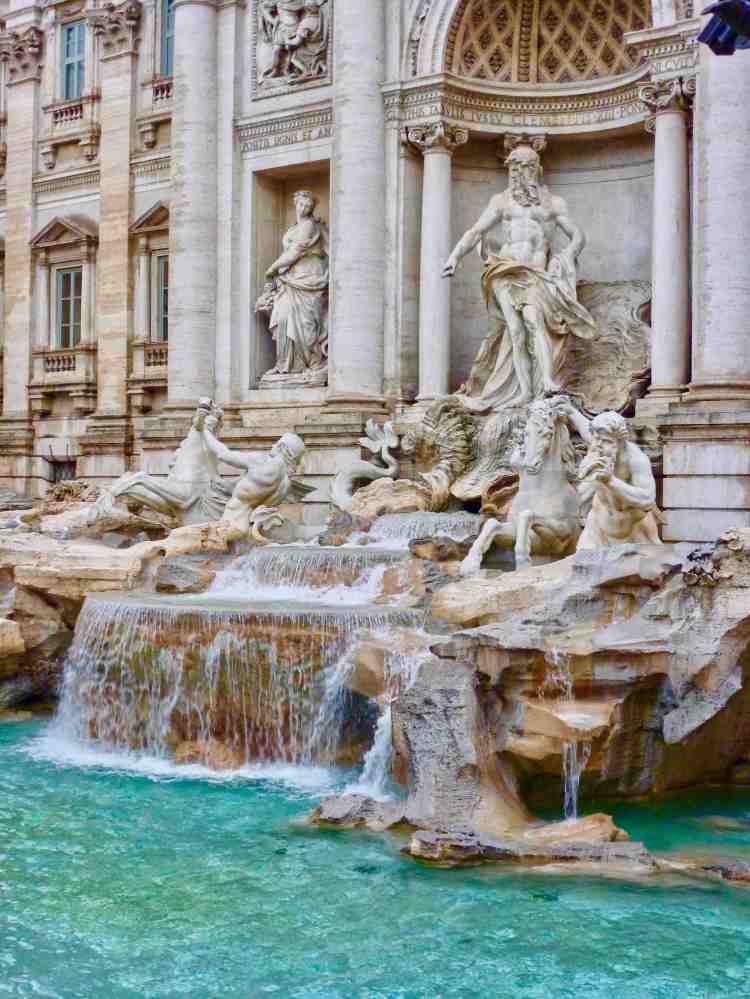
Civitavecchia / Rome This is a city that everyone should make an effort to visit. From the buildings of the ancient Roman Empire to the Vatican there are days worth of sightseeing to be experienced. There’s more information on seeing Rome in just one day HERE.

You can also find an article on getting into Rome HERE. In Civitavecchia the train station is a moderate walk along the waterfront from the port and a train to S. Pietro station (Vatican City) takes about 40 minutes. Fares start at €5 per person one way on the commuter trains and up to €20 round trip using regional trains. There is a manned ticket booth at the Civitavecchia station along with automated vending machines. A round-trip bus booked through the ship will cost over €80 and take about two hours each way depending on traffic.

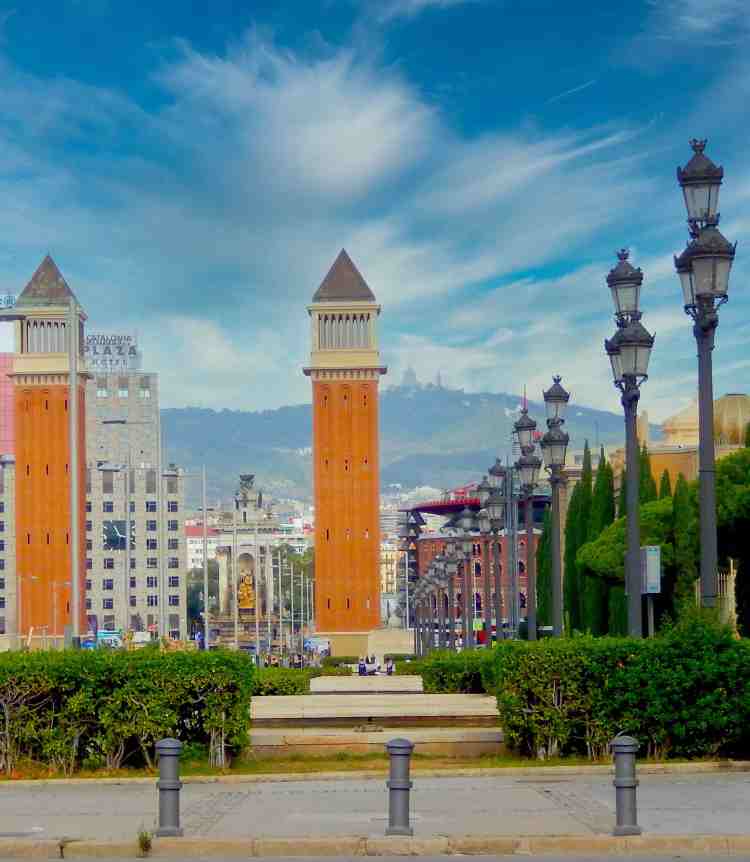
BarcelonaBarcelona is one of the largest cruise ports in the Mediterranean and is used as an embarkation port as well as a popular port of call. The city is a modern and historic place with a number of iconic neighborhoods and attractions. If you are cruising out of Barcelona do not miss the opportunity to spend a couple of extra days visiting this vibrant city.

There are 3 cruise terminals at the World Trade Centre pier called North, South and East terminals and they are not far from the Columbus Monument on the waterfront at La Rambla.

Transportation – The T3 PORTBUS (the “Blue Bus”) runs a circuit from all cruise port terminals to the monument of Christopher Columbus. The tickets for the T3 need to be purchased with cash on the bus itself. Single ticket: €3.00, with Return ticket: €4.00. Many of the cruise ships also provide a shuttle bus to their passengers for free or a small charge (usually about €5). Getting to the Gothic Quarter by taxi from the port is normally less than 10 minutes with a fare of about €20.00. A Taxi to Barcelona airport from the cruise port should take about 25 minutes with a fare: of €30.00 – €35.00.

Venice Unfortunately large cruise ships are no longer allowed to dock at the Venice cruise port. The cruise ships are now shifting Venice visits to two ports about an hour away using Ravenna to the west and Triest to the east. More information on this HERE.

Naples This city is near to the ruins of the Roman city Pompeii and well worth a visit, but Naples is also not far from the Amalfi coast. There are frequent Trains from Naples to the Amalfi Coast. To get from Naples to Salerno, you can take one of Trenitalia’s Alta Velocità (AV) trains from Napoli Centrale station. The trip is about 30 miles and there are also InterCity and Regionale trains serving this route, with over three dozen trains a day costing €5 each way. From the Positino station it is a good idea to know where you want to visit and take a taxi to the coast but this is still an easy day trip.

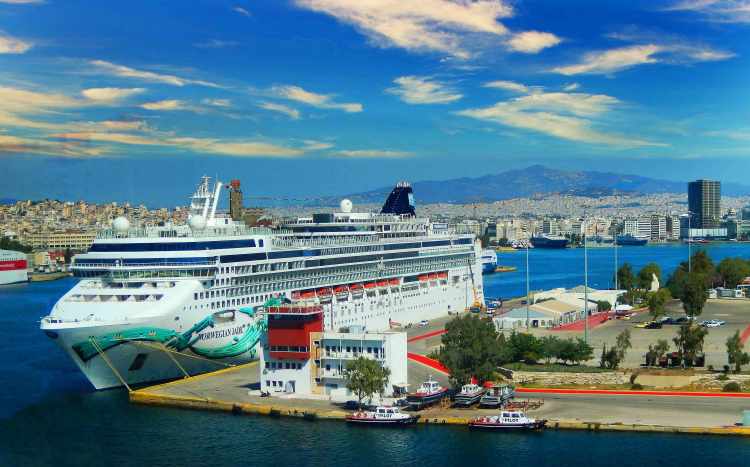
Piraeus and AthensYou can find a good piece on Piraeus HERE. The main attraction is the Acropolis in Athens and it’s well worth a day if this is your first visit. If you would like to save a good amount over the cruise tours you can use the metro to travel from Piraeus to central Athens. A trip to Athens using the metro costs less than €1. Also a free shuttle bus usually operates in the port taking passengers from the ships to the metro station. Visiting the Acropolis has a general admission €10 and hours vary by season and day of the week. You should also expect a good uphill climb to reach the top but there is an elevator for people with disabilities.

Villefranche-sur-Mer You can find a good piece on Villefranche HERE. Less than a half mile around the waterfront is the train station where you can catch frequent trains to Monte Carlo, Nice or Cannes. They run about every twenty minutes and a trip to Monte Carlo takes only fifteen minutes and costs usually under €7.00.

So before you sign up for those expensive tours consider saving some money with some low risk exploring on your own.

SEARCH THIS WEBSITE

Audubon Birds of Prey Center Near Orlando

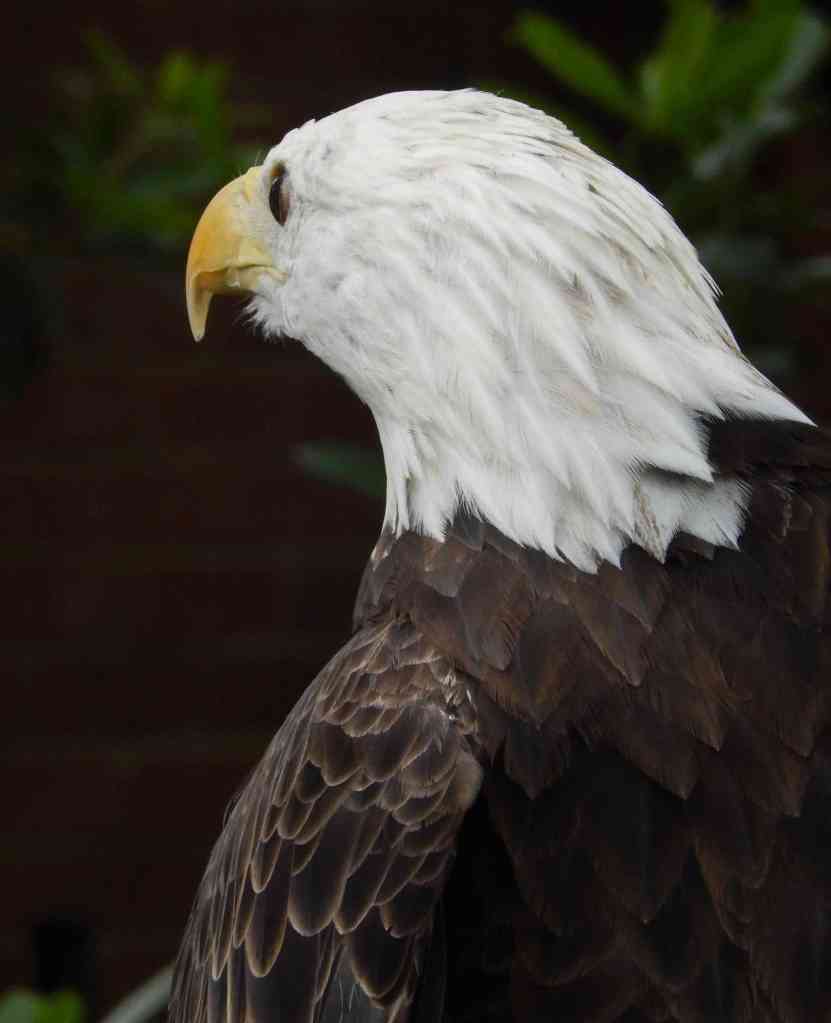
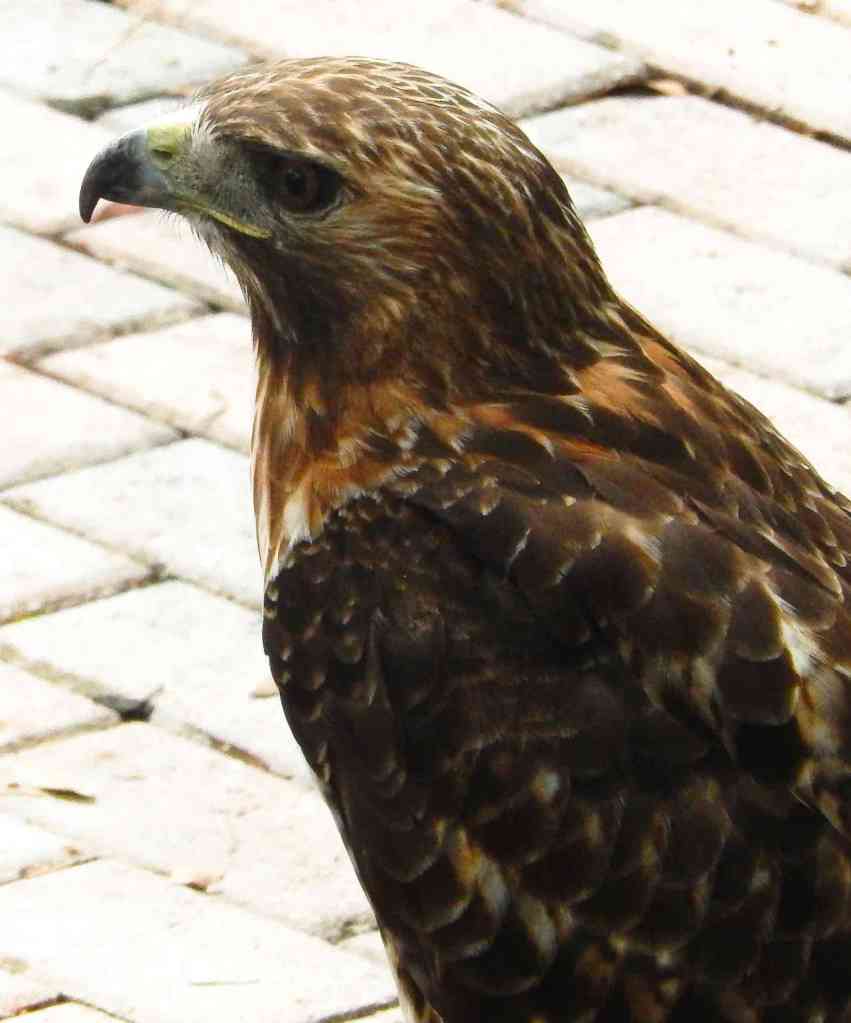
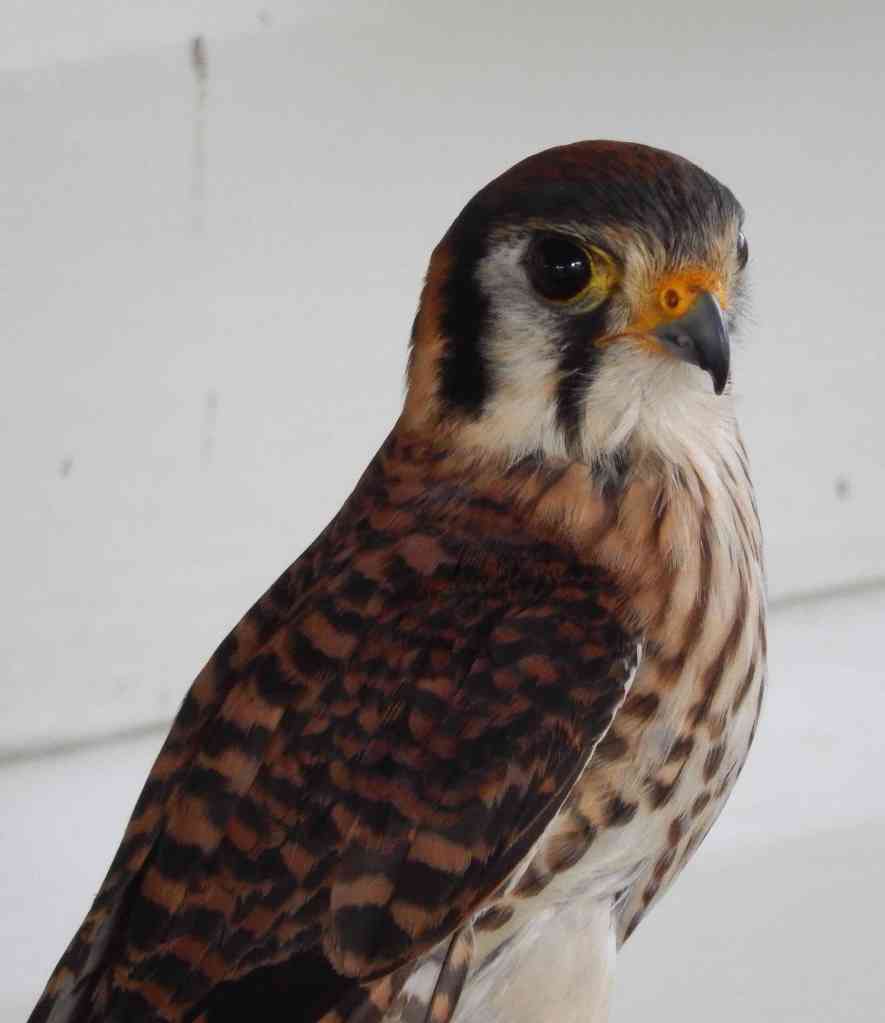
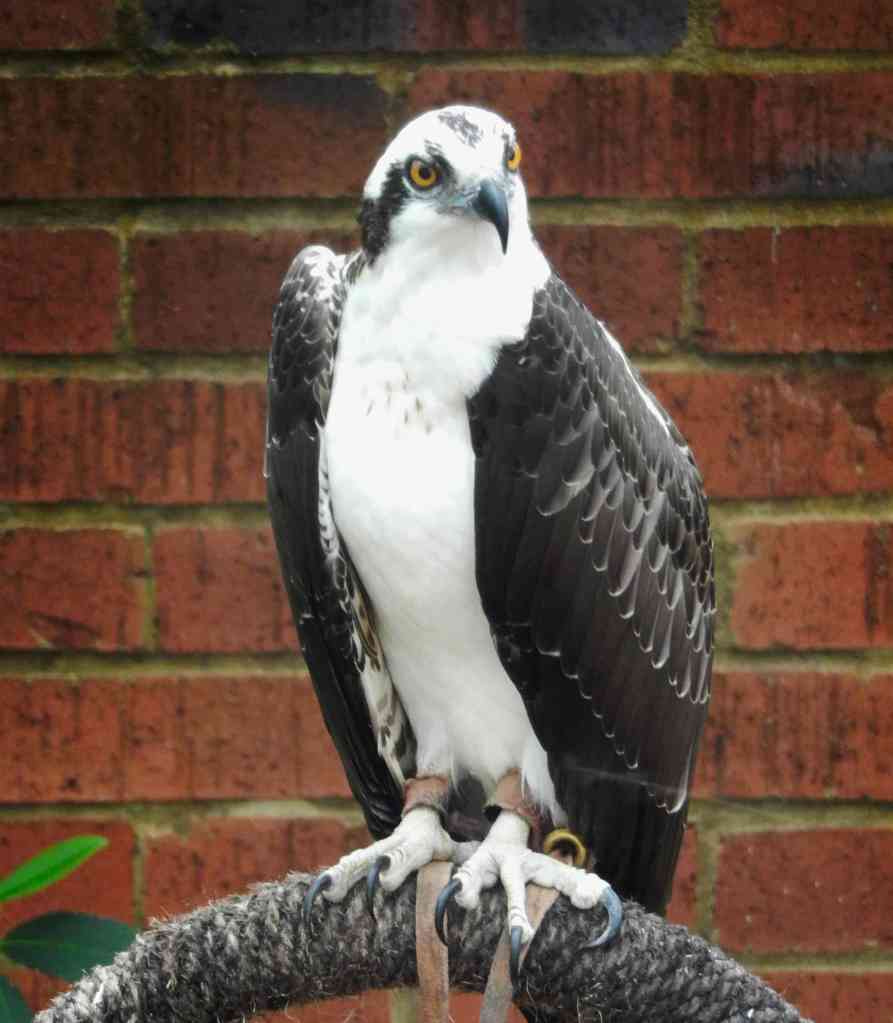
Meet some birds of prey at the Audubon Birds of Prey Center near Orlando Florida. A great educational experience for all ages.

If you live near to Orlando or are visiting for several days, take a couple of hours to visit the Audubon Birds of Prey Center located in the metropolitan Orlando area. It’s near the city of Maitland in the small Town of Eatonville just north of Winter Park. Stop by and experience a bit of real Florida, and enjoy the opportunity to view up close and personal Bald Eagles, Ospreys, Kites, Owls and Falcons. For additional information call (407) 644-0190.

The center operates first as a rescue facility for injured birds of prey but also is set up as an excellent learning experience. While they work to rehabilitate injured birds many of the residents are full time as it is believed that they aren’t capable of surviving in the wild.

Audubon Birds of Prey Center, 1101 Audubon Way, Maitland, FL 32751

Additional bird rescue organizations in Florida include:

  • Angel Wings Parrot Rescue, Brevard County 2300 Hall Rd, Malabar, FL 32950
  • Melbourne Avian Rescue Sanctuary, Northeast Florida, Central Florida
  • The Last Chance Sanctuary, (BBTLCS) Northeast Florida, Central Florida
  • Open Wings Rescue & Sanctuary, Duval County Jacksonville, FL
  • Florida Raptor Center, Saint Cloud, FL
  • Zaksee Florida Bird Sanctuary, Hillsborough County Tampa, FL 33625
  • Parrot Outreach Society, Charlotte County Punta Gorda, FL 33982
  • Birds of Paradise Sanctuary & Rescue, Manatee County Bradenton, FL 34212
  • Seminole County Parrot Rescue and Sanctuary Inc., Seminole County 220 Saunders Trail, Geneva, FL 32732

SEARCH THIS WEBSITE HERE
Destination Alaska & The Northwest

The Northwest and Alaska represent some of the most popular cruising destinations available. With snow capped mountains, glaciers, whales and interesting ports of call it isn’t hard to understand why.

SEARCH THIS WEBSITE HERE