Port of Call Cartagena, Columbia

The New Worlds Cartagena
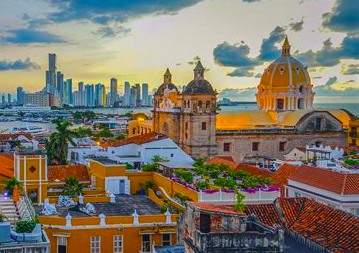
The city of Cartagena, Colombia is a place of contrasts between historic and modern and poverty and wealth. The city is located on a large natural bay with a peninsula that extends out into the Bay of Cartagena. The early Spaniards in the Caribbean made the bay their largest port in the New World and named the city after the city of Cartagena in Spain.

Where Your Ship Docks
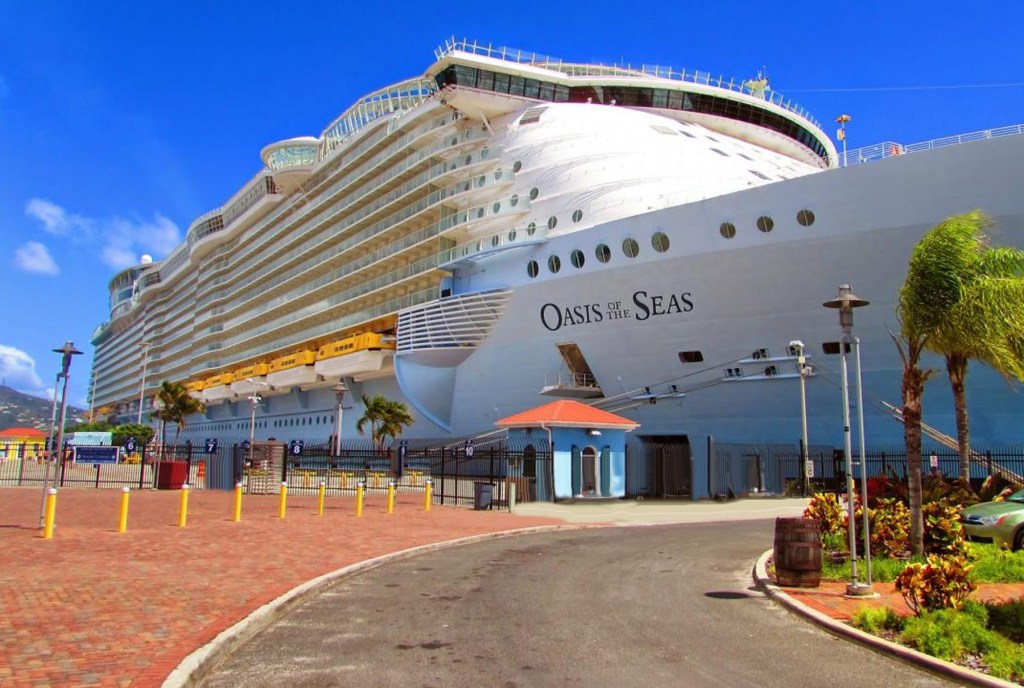
The Cartagena cruise terminal can handle up to five cruise ships at a time with good public facilities and a port shopping area with numerous stores and attractions. The distance from the terminal into the historic Old Town is about 3.5 miles.

Transportation
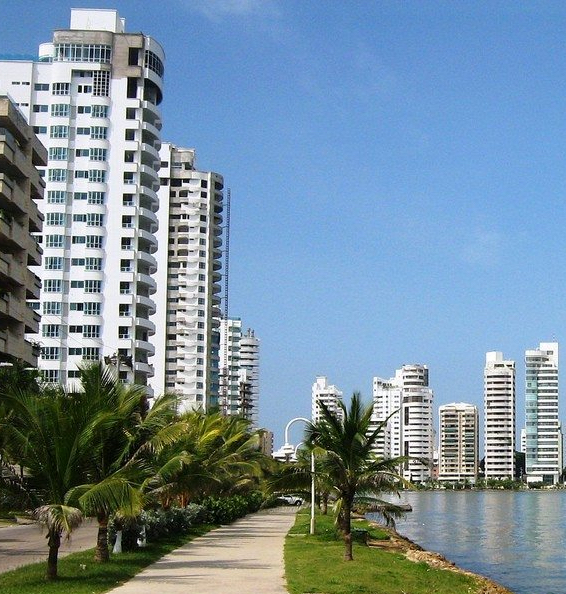
Taxis are readily available and very inexpensive. A taxi into the Old Town from the cruise port is under US$10. Cartagena is geographically a large city and probably the best way to experience the city with just a day in port is to take a tour. The city does have a Hop-On-Hop-Off Bus Tour (under US$20 per person) that covers the historic old town and some major beaches. Rental cars are inexpensive but there are no offices near to the port area. The U.S. State Department currently recommends that Americans avoid renting cars and driving in the city because of road conditions and major traffic.

Currency

CLICK TO GET YOURS – FREE SHIPPING

Colombia’s currency is the peso (COP). With 1 US Dollar = 3,950 Colombian Pesos. It’s important to understand that the prices in Colombia are marked with a dollar sign, so be sure to remember that the prices you see are in Colombian pesos. Major credit cards are welcome and ATMs are available but be aware of your surroundings and use caution when using them.
Attractions

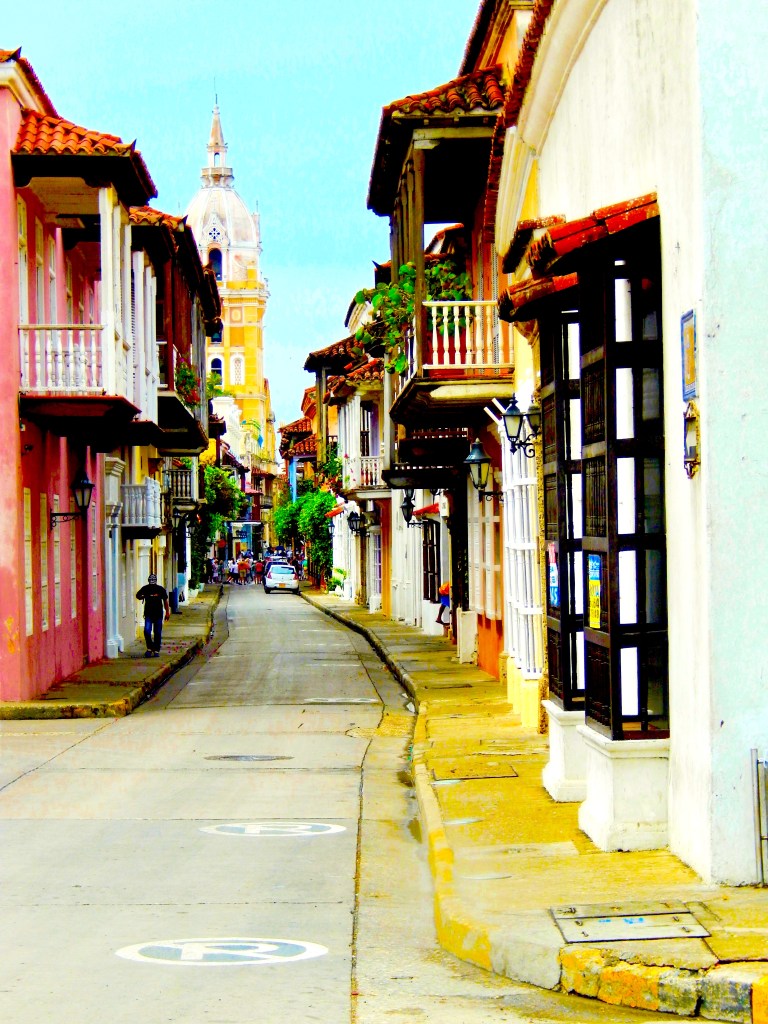
The city’s walled 17th century Old Town is a UNESCO World Heritage Site. Geographically the city is large, so if you want to see many of the more distinctive sites, it would be best to consider a shore excursion.
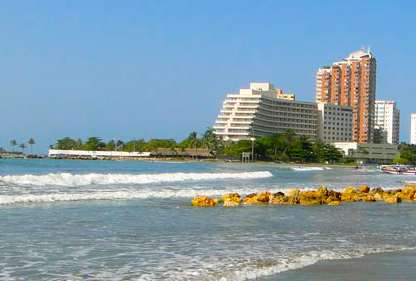
The main beaches of Cartagena are Boca Grande and La Boquilla with both surrounded by modern skyscrapers giving the area the look of Miami Beach but be aware if you go off on your own the aggressive street sellers can be pretty obnoxious.

Cartegana’s historic walled city is city’s major attraction. Stunning architecture, beautifully restored buildings, covers an extensive area in the historical center of the city. Narrow streets empty into restaurant filled squares and open parks. It’s common for small bands set up in restaurants and stroll the plazas. Don’t miss taking a horse-drawn carriage ride through the colonial city as carriages outnumber cars inside the old city.
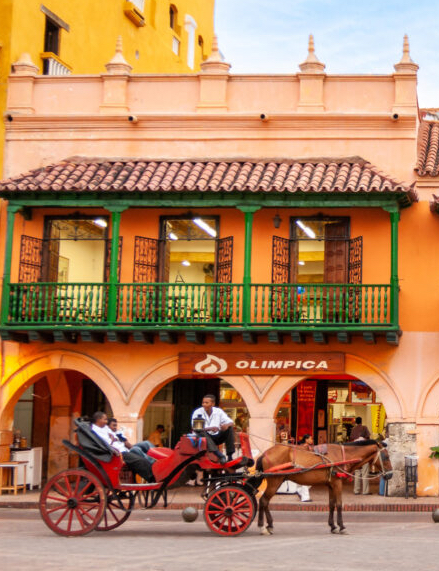
Plaza de los Coches, Cartagena de Indias, Colombia

Just outside the walled city is the Getsemani neighborhood. The Plaza de la Trinidad named after the church of the Holy Trinity, founded in 1643, is the most popular square in the area. It features street vendors selling food, numerous street performers, and people sitting on the steps of Iglesia de la Trinidad.

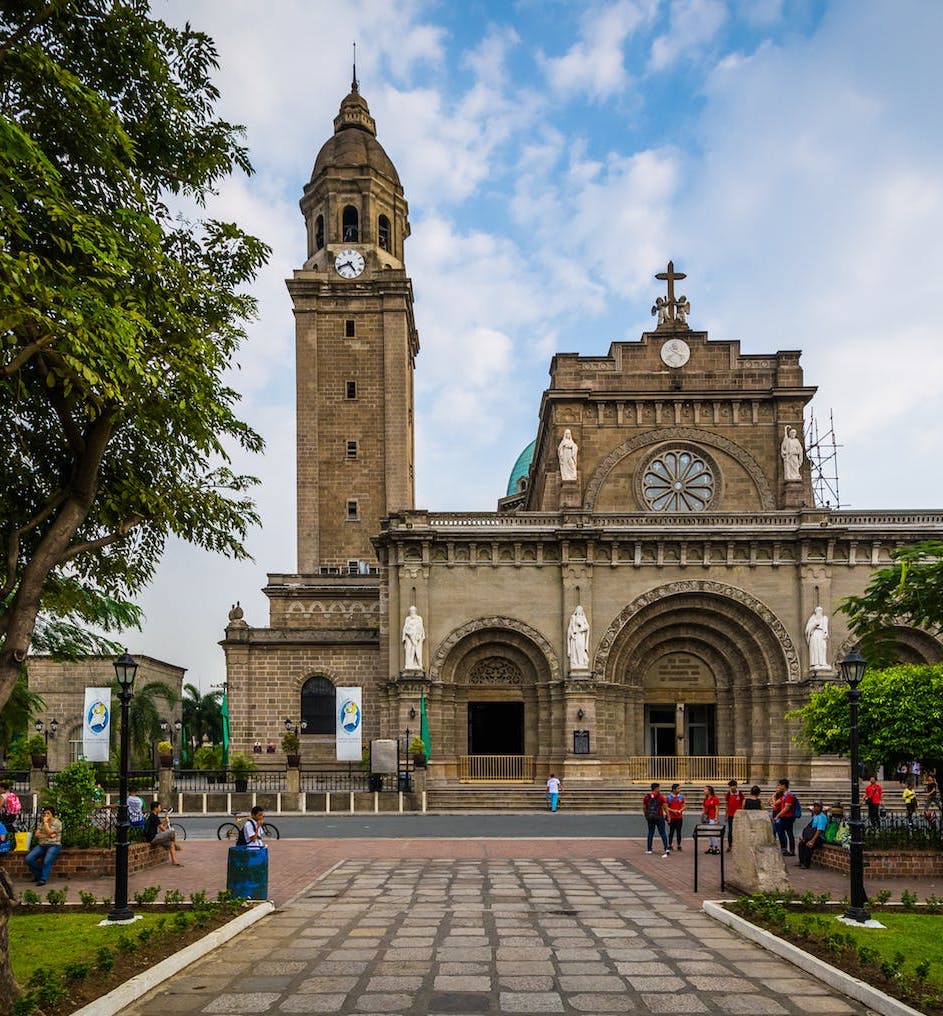
The Catedral Santa Catalina de Alejandria dates to 1612 and has been completely restored. Across the street is the Plaza Bolivar famous for artists selling their works.

Castillo San Felipe de Barajas is a short distance from the walls of the city and is one of the greatest colonial forts built in the new world. Famous for its extensive tunnel system and massive triangular shape this Spanish fort is unique in the Caribbean.

Castillo San Felipe de Barajas
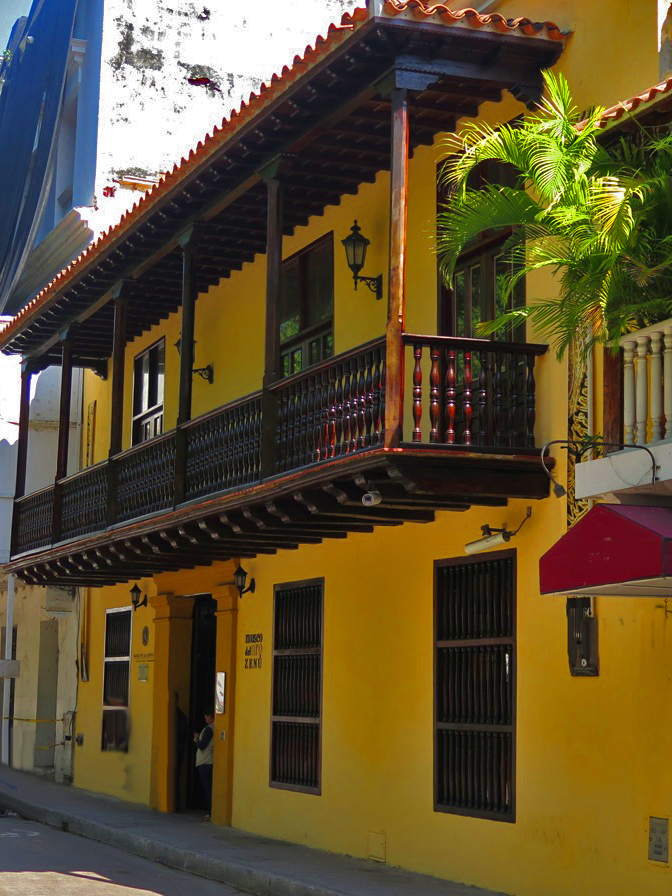
Museo del Oro Zenu

The Museo del Oro Zenu is located on the Plaza Bolivar. This museum is dedicated to the history of the native Zenu people and the importance of gold in their culture. The collection houses some 500 pieces of gold carved into shapes like a golden jaguar and filigree butterfly. The Zenu civilization is over 2,500 years old and besides their incredible gold work they are known to have built a vast network of canals.
Composition And Taking Photos

Composition Rules For Taking Better Photographs

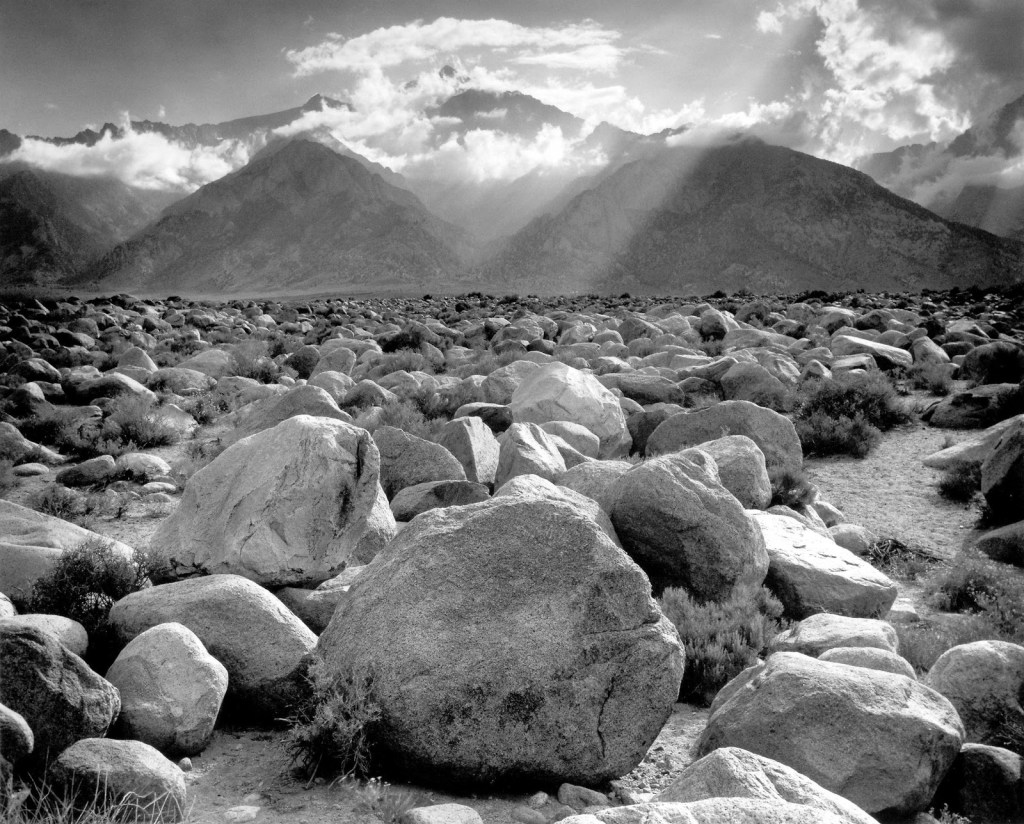
Ansel Adam’s Mount Williamson from Manzanar – Shooting from a low perspective with symmetry

I’ve spent most of my life in photography and no I’m not in the same league with most of photography’s legends. In the course of my career I’ve learned a few things about composition. What turns an okay picture into something really good? When to follow the rules and when to break them, but most of all how important it is to be aware of just what you’re seeing when taking a photograph. Most people develop a sort of tunnel vision when taking photographs. We tend to focus our attention only on that element that caught our attention and everything else seems to fade away. It takes training and conditioning to begin to see the entire environment.

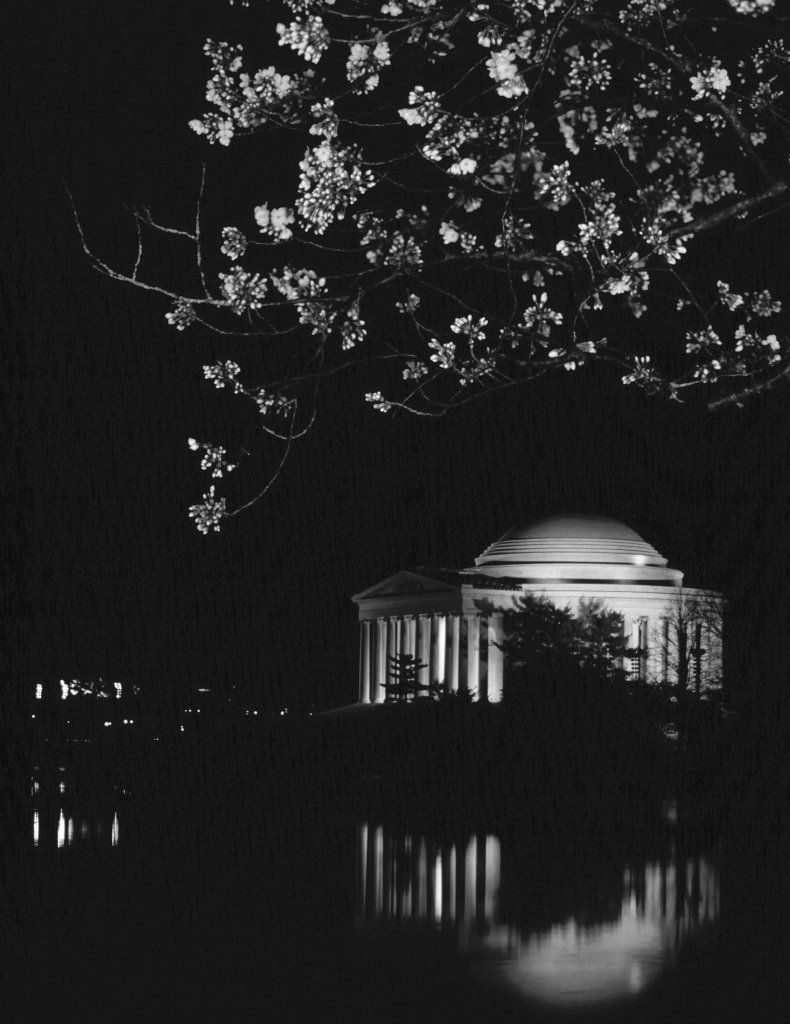
Cherry blossoms at the Jefferson Memorial – Framing with a foreground element

Over the years I’ve studied many of the masters of the craft and I had the privilege to meet and talk to a number of them. That has influenced my approach to taking photographs ever since. Here I’d like to offer some ideas on what to look for to help make your photography more compelling.

Foreground and the S curve

Don’t Just Stand There – Very few great photographs were actually taken from five feet above the ground. That’s the height of a camera held in front of your face while standing. It may be the most comfortable position for taking pictures but it is also the most often used, the most ordinary. I had a Nat Geo photographer once tell me that if he isn’t in the dirt or hasn’t climbed something to get the shot he just isn’t doing the job he was hired to do. Simply put, changing your point of view and your perspective changes the picture for the better. Consider the Adam’s image Mount Williamson from Manzanar above.

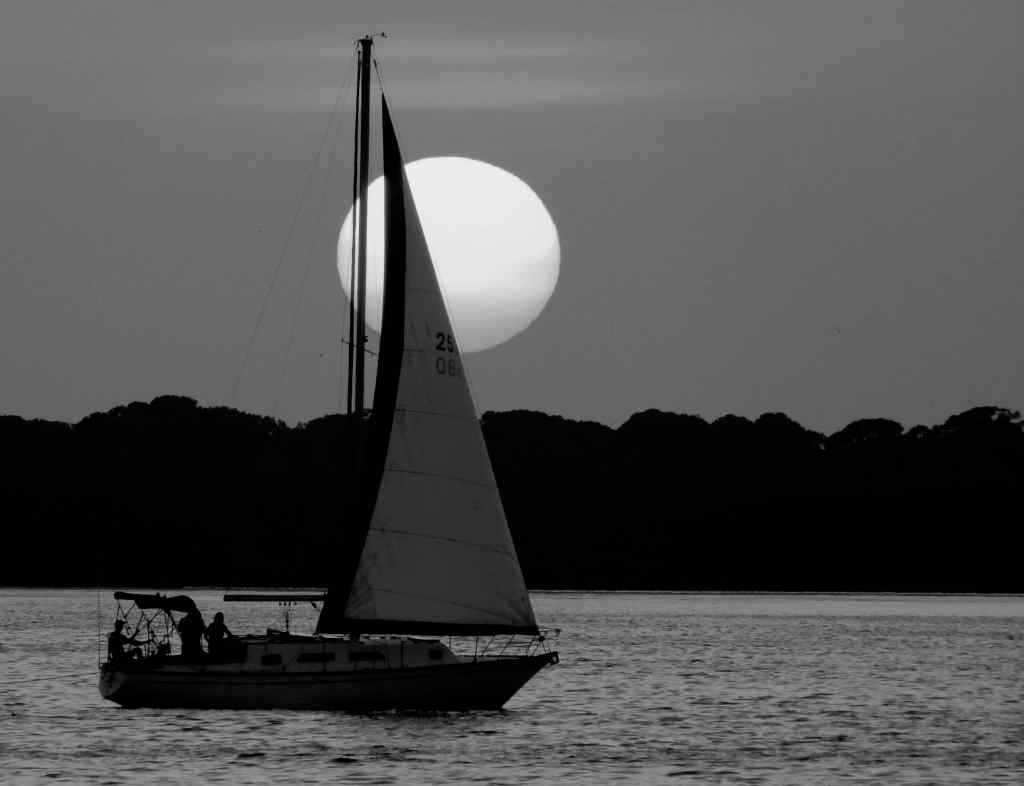
Dunedin, Florida sunset – get up early – go out late

The Golden Hours -It’s the time of day that includes that hour after sunrise and the hour before sunset and they’re called the Golden Hours for a reason because the time of day matters. It’s hard to take a Sunrise if you don’t get out of bed and Sunrises usually provide the day’s best lighting. Those golden hours. Get out there when the world is just waking up and you’ll often see some remarkable sights. The same holds true around sunset. Late evening and nighttime scenes have their own special magic. Photography is actually capturing the light that also includes elements of form and contrast but it’s really all about the light.

Look For The Geometry In A Scene -Composition can speak directly to the subconscious causing the eye and mind to be drawn into the flow and depths of the image. Have you ever seen two images of pretty much the same scene where one is just flat while the other draws your attention? It is elements of composition that make the difference. Consider a few simple tricks.

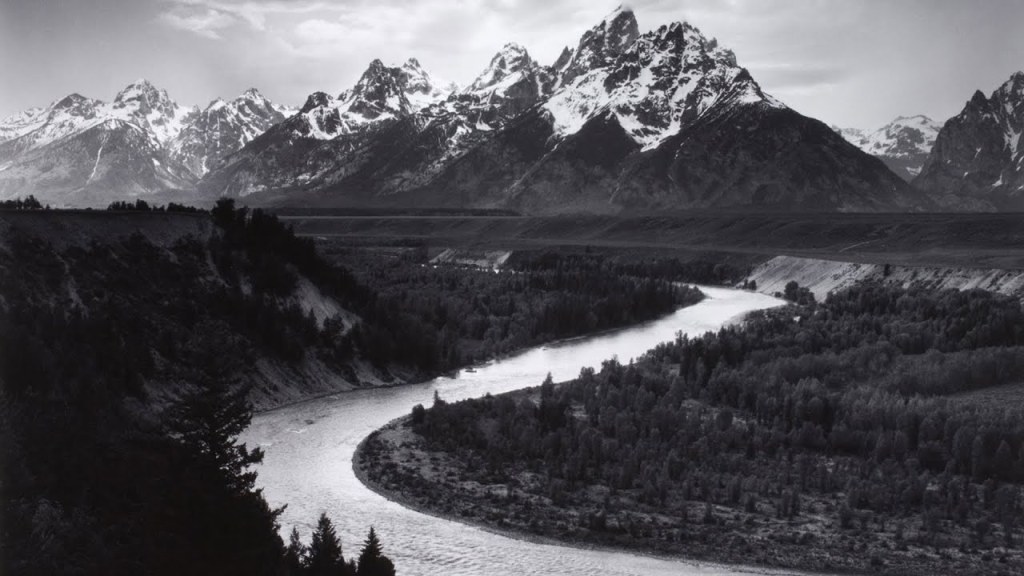
Ansel Adams – The Tetons and Snake River

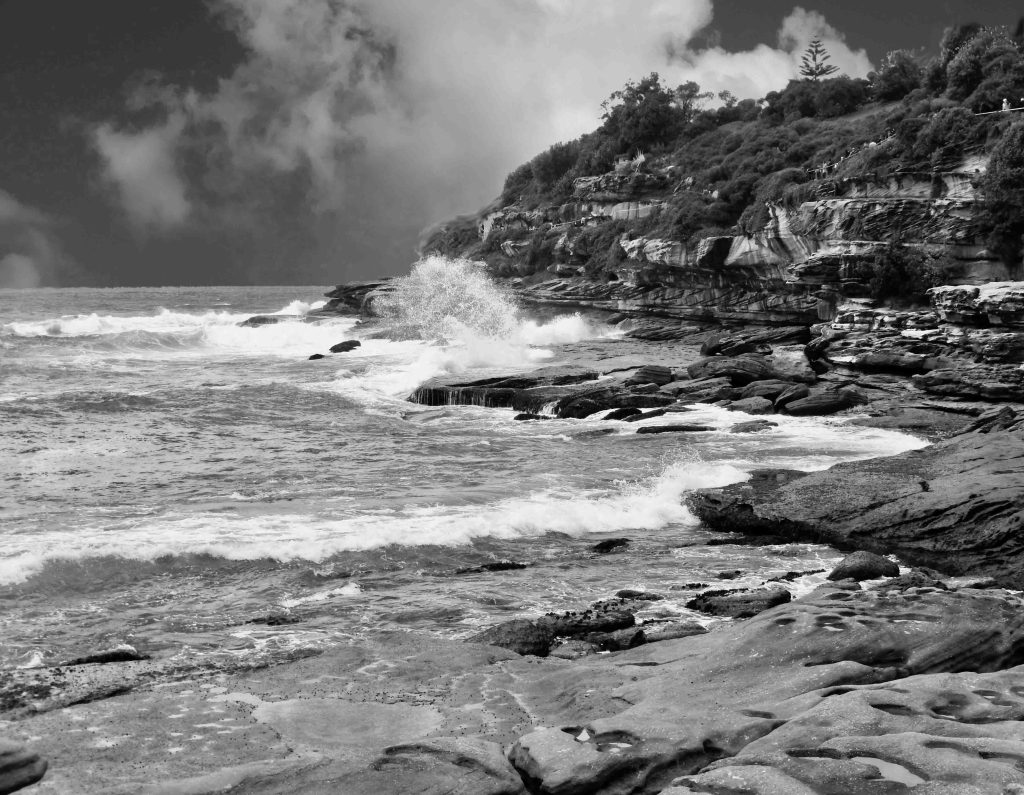
The S Curve – Famous landscapes are often examples of the S Curve but it can be incorporated in a number of images. A photograph that has a flow to it usually has graphic elements that wind back and fourth through the frame in an S shape. Start looking at images and you will find the S shape often. It tends to cause the eye to start at the back of the scene and travel through the scene following that S curve. Ansel Adams photograph of the Tetons and Snake River is a perfect S Curve.

Bondi Beach Australia and the S curve
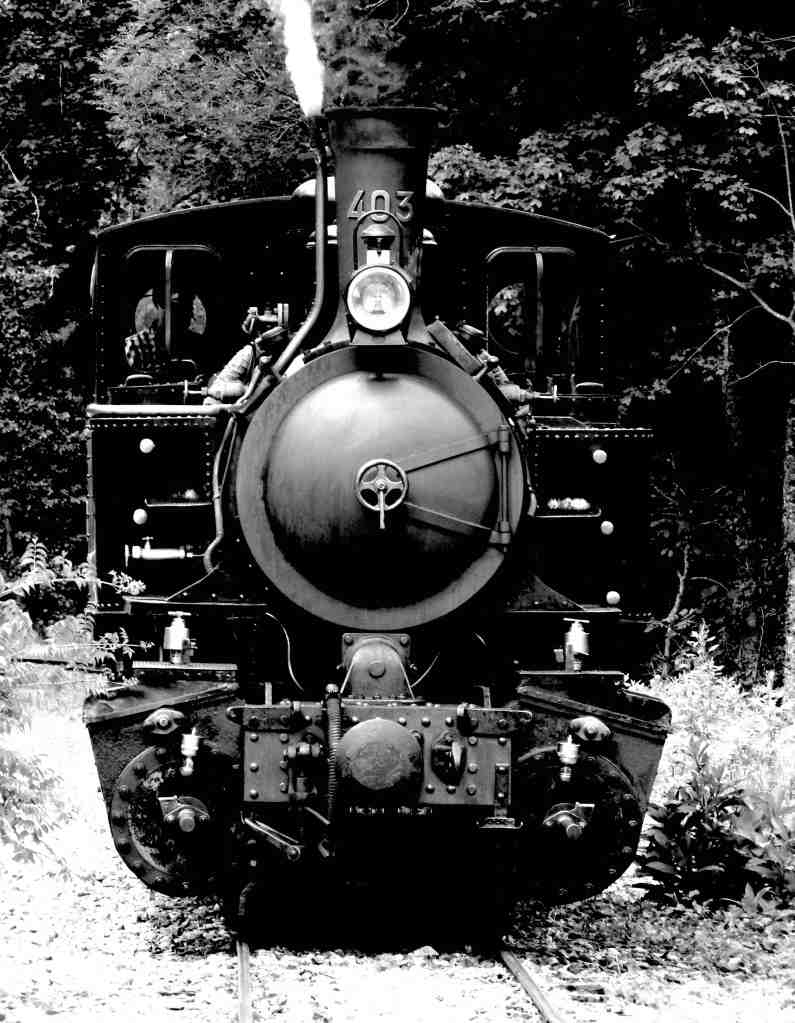
Framing the subject

Frame The Scene – A sense of depth in a photograph actually draws us into the image and makes it more meaningful. Again the appeal is often subconscious but that too adds to the impact of a photograph. The easiest way to add depth and appeal to a scene is to include near objects in a distant shot like tree limbs or near rock formations. Conrad Hall was the cinematographer on Butch Cassidy and the Sundance Kid and Paul Newman and the cast thought that there was so much filming from behind bushes that at one point they tied bushes around their waists to cover part of their faces as a joke. Still the movie garnered a lot of praise for its visually stunning images all to the credit of Conrad’s vision.

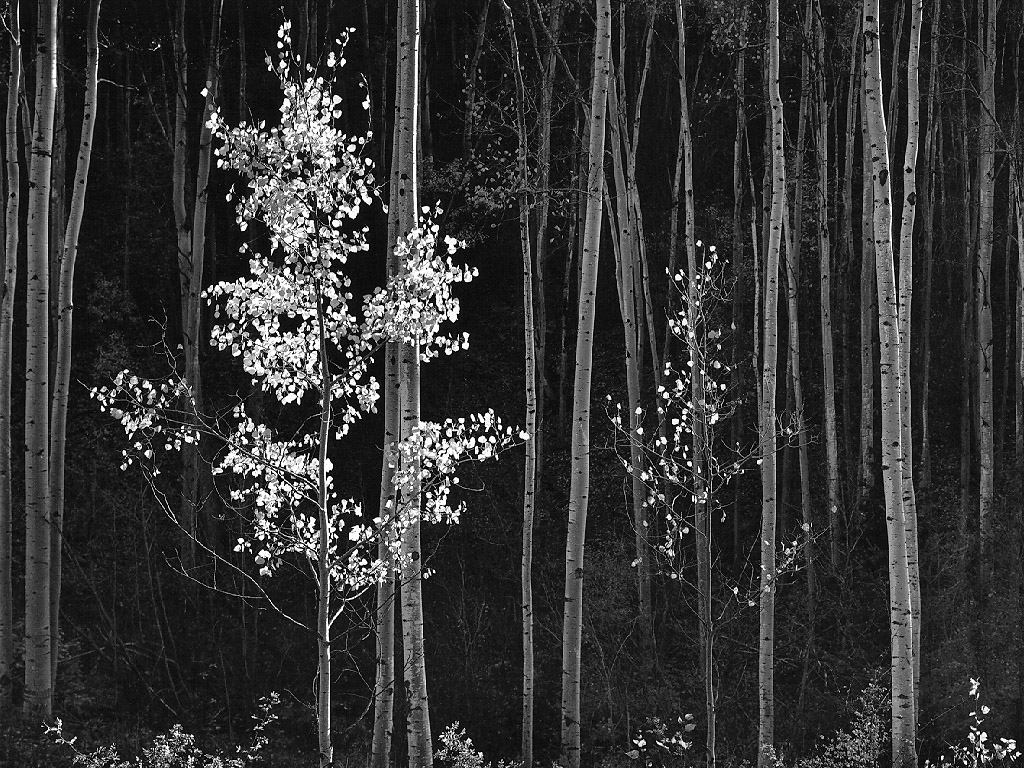
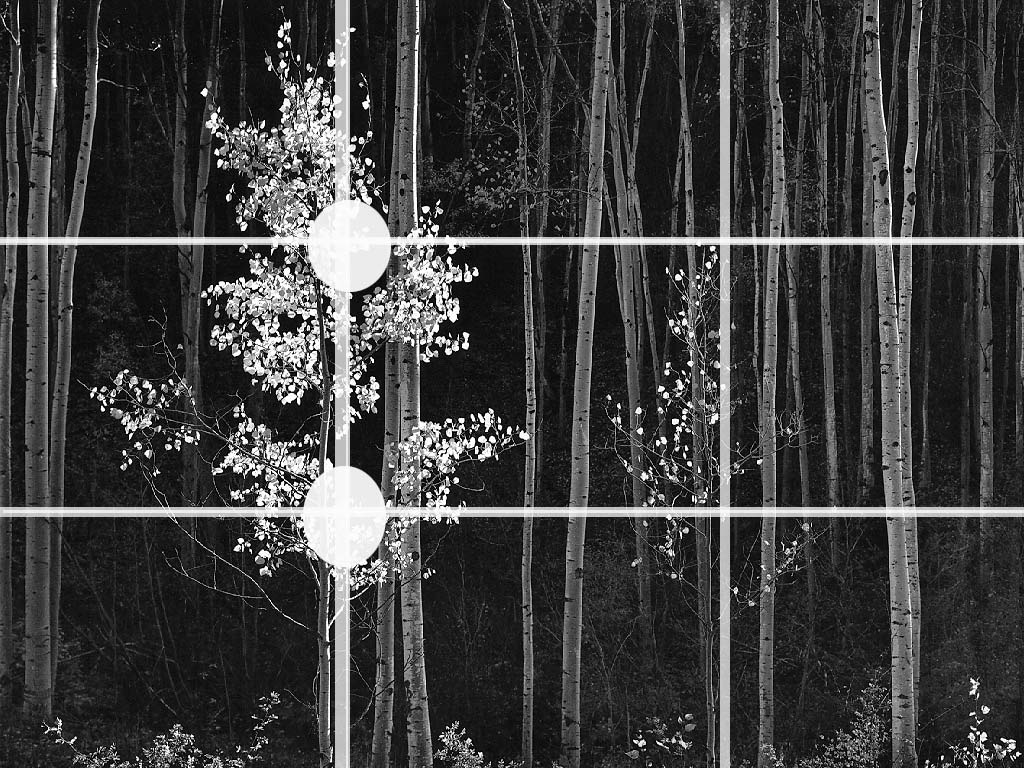
Ansel Adams – Birch trees

Use The Rule Of Thirds – Either in taking a picture or later cropping it consider the Rule of Thirds. Divide a scene into thirds horizontally and vertically and that produces four line intersections. Place the most important element in your scene at the points where they intersect. These are called power points and the most significant one is the lower right. Most right handed people are drawn to that location first in a scene. The more muted the rest of the composition the more powerful the image.

First and foremost, the take-away for improving your photography is don’t just shoot the scene in front of you but take a moment to appreciate it and the elements that make it interesting along with its surroundings. You are about to create a two dimensional graphic representation of your experience – make it as interesting as you possibly can.

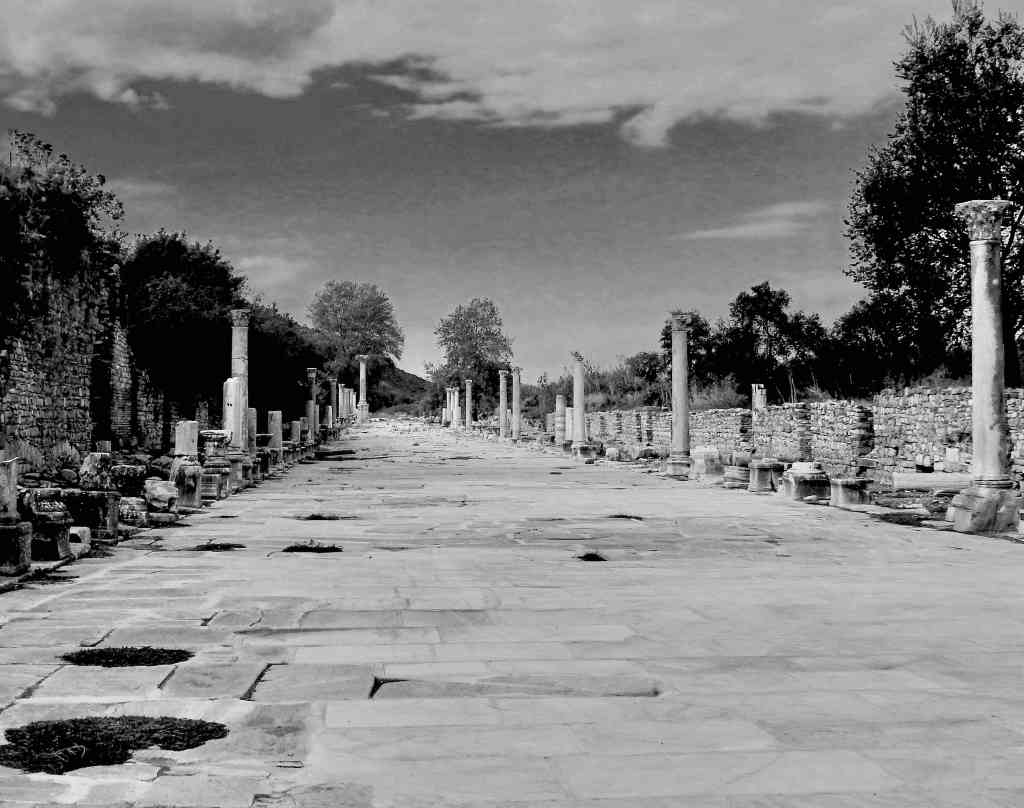
Symmetry and Rhythm We are drawn to regular shapes and if we see symmetry in a scene it seems to draw our attention. Eye-catching symmetry in a composition, particularly in situations where they are unusual, seem to stand out. Learn to look for them and when found consider the impact it has on you. Sometimes disrupting or breaking found symmetry can change the focal point in the scene and make the image even more intriguing.

Finally, as you approach the subject to take its photo, get in the habit of letting the scene speak to you and ask yourself some quick questions:

  • What is it about this scene that caught my attention? How can I improve the scene?
  • What elements are available to bring into the composition? Are there foreground elements that could frame the scene or something that might dramatize the central element?
  • Is there something in the composition that would draw a viewer through the composition?
  • Is there a better camera position that would enhance the image? Would a lower or higher position be a better perspective?

Download our short guide to taking better pictures. Our pdf guide is free for you to download use and print.

Cruise Port of Call Manila

The Cruise Port of Manila Philippines

Manila is the capital of the Philippines, an island country in Southeast Asia and is a major city having a population of 1.7 million. It has been the country’s largest city for almost 400 years. It sits on Manila Bay, on the island of Luzon. The Pasig River flows through the middle of the city.

Where Your Ship Docks

Cruise ships usually dock at the industrial port and this can be at a number of piers. Most of the docks are along a half-mile stretch of waterfront only four to eight blocks away from Rizal Park in the center of old Manila. The is no terminal or public facilities but usually you will be allowed to walk out. Be sure and carry an official photo ID.

Transportation

Taxis are readily available at the gate and fares are reasonable but you need to be very clear about where you are going and that the driver knows where it is. Often when you have a complete address of where you’re going the taxi driver has no idea where it is. Also be sure and negotiate a fare before starting out. We had a full address for a restaurant in Pasay, which was less than two miles from where we started and the driver could not locate it.

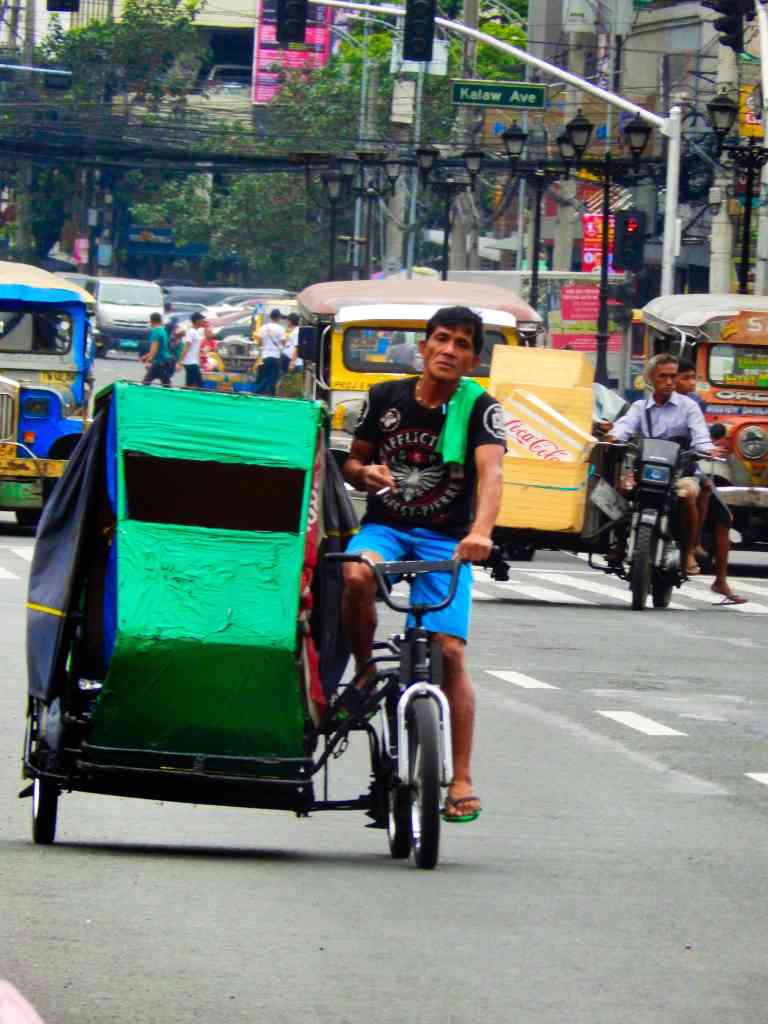
Jeepneys in traffic
Jeepneys

The Manila Metro Rail Transit System also known as the MRT is the rapid transit system for Metropolitan Manila. Running on just 2 lines and serving 31 stations in total, the 20 mile long network uses a single destination system (averaging 12 pesos per trip) or a loaded MRT card. The main line runs in a circular north to south route following the alignment of the Epifanio de los Santos Avenue (EDSA). During rush hours the system is usually packed ful of peoplel.

Manila is also famous for there unique vehicles. Jeepneys, sometimes called simply jeeps, they are the most popular public transportation in the Philippines. The vehicles were originally created from abandoned WW II Army Jeeps but are now manufactured new in Philipine factories. They are known for their crowded seating and fantastic decorations, which have become a symbol of Philippine culture and art. We have never figured out any route system regarding the Jeepneys, so our recommendation is to use taxis whenever possible. If you need to return to the ship allow plenty of time as Manila rush-hour traffic can get gridlocked..

Currency

The Philippine peso is the local money with ten pesos equal to about 1 US Dollar. Non-Philippine currency is not usually accepted. We would highly recommend carrying some pesos when you go ashore. There are a large number of small independent exchange operations in Manila and the rate and fees vary widely. Most restaurants and stores will accept most major credit cards but taxis often cannot.

On one trip we were short on pesos and our taxi driver would not accept any credit cards so he took us to an currency exchange shop to convert dollars for his fare.

A Cautionary NoteWhile we have no firsthand information about crime or how safe this city is, there were a number of indicators that made us question if we should have been walking were we did. A large number of security people with shotguns protecting businesses both large and small was one of those sign.

Rizal Park

Attractions

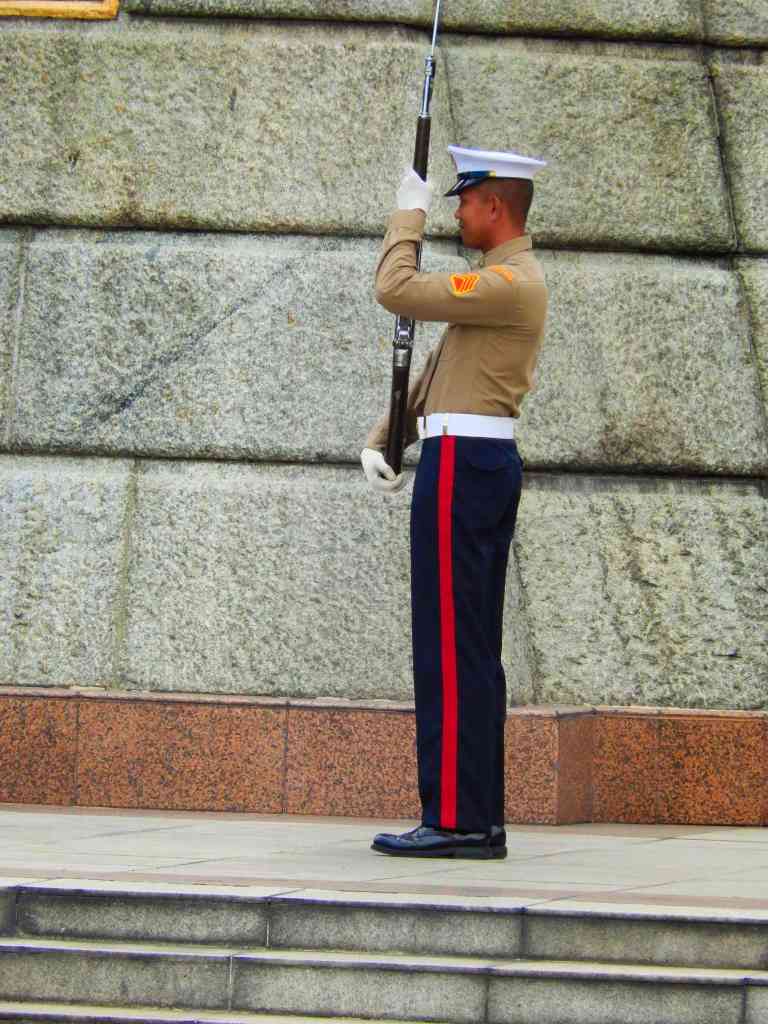
World War II remains a persistent memory in the Philippines and especially Manila. The La Madre Filipina, one of the numerous monuments at Manila’s Rizal Park, depicts the Philippines as a caring mother, comforting a young girl while consoling a crying boy. The white statue has a darker history as La Madre Filipina sat silently through the month-long Battle of Manila, as the Allies liberated the Philippine capital during World War II from the Japanese occupiers. The statue still stands as a testament to the experiences common to most people of Manila during that time.

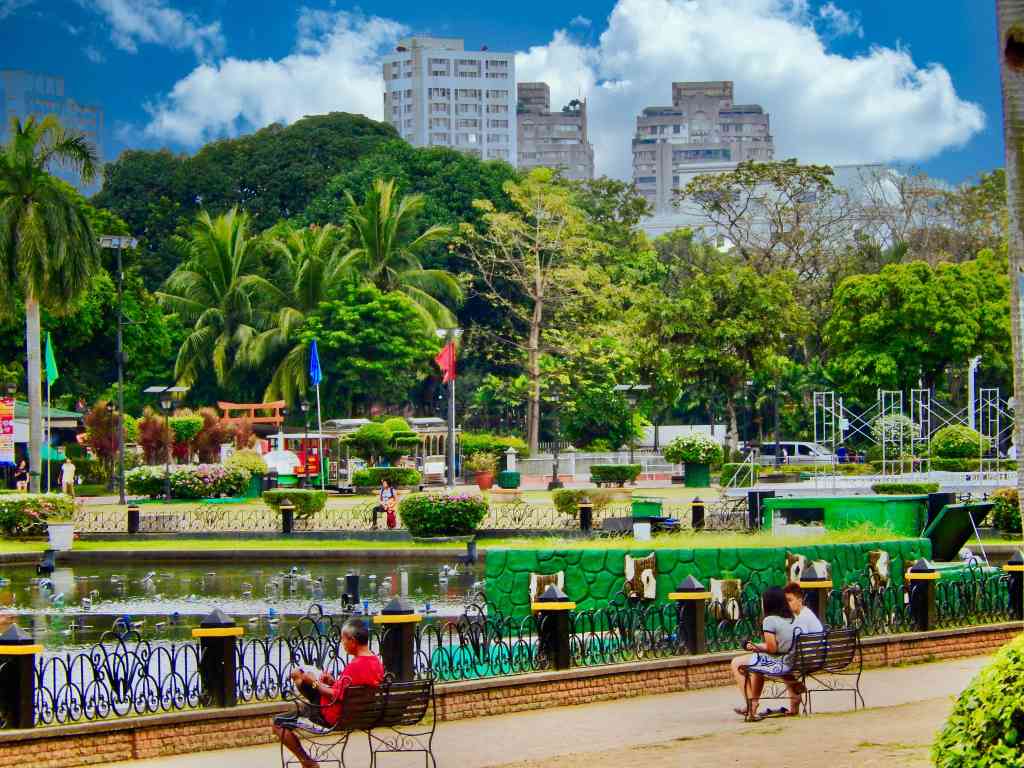
Rizal Park

La Madre Filipina

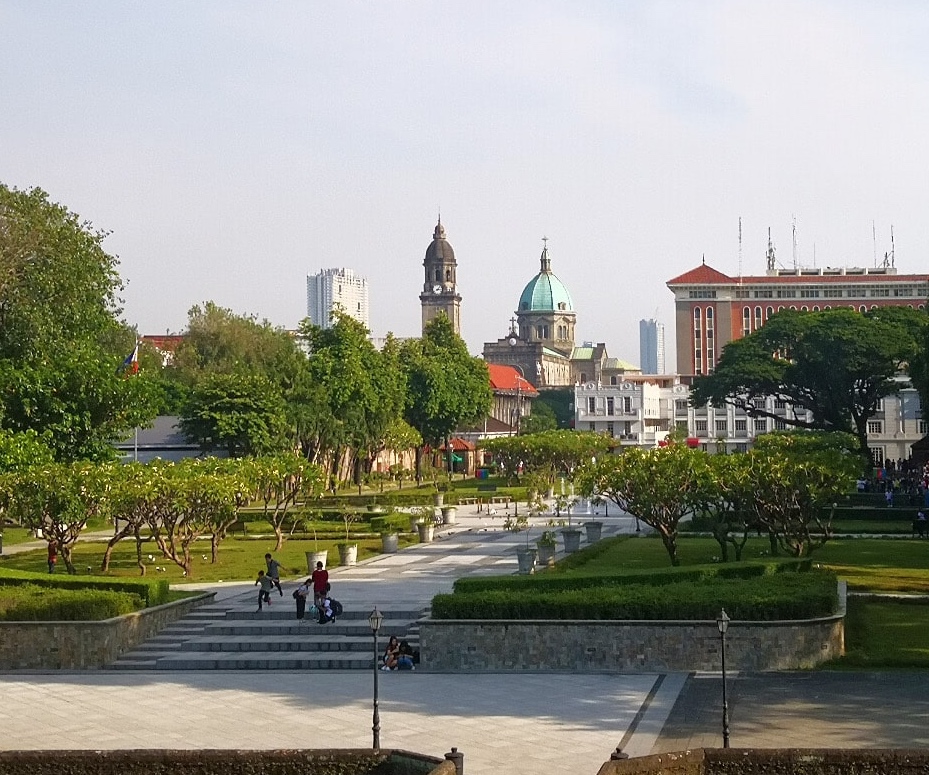
located only a few blocks from the port entrance and in the direction of downtown Manila, Rizal Park (Filipino: Liwasang Rizal, Spanish: Parque Rizal), also known as Luneta Park or simply Luneta, is a historic urban park in the Philippines. Located along Roxas Boulevard, adjacent to the old walled city of Intramuros, it is one of the largest urban parks in Asia. It has been a favorite leisure spot in the city that includes a botanical garden and orchid garden.

Intramuros – Put this high on your list of places to visit and it’s only a few blocks from the port entrance. This old historic walled city of Manila comprises a centuries-old historic district, entirely surrounded by fortifications, that was considered at the time of the Spanish Empire to be the entire City of Manila. Intramuros served as the seat of government of the Captaincy General of the Philippines of the Spanish Empire, and was home to the colony’s governor-general from its founding in 1571 until the Spanish-American War. Construction of the Spanish walled city began under the orders of the Spanish imperial government in the 16th century.

Fort Santiago (Spanish: Fuerte de Santiago; Filipino: Moóg ng Santiago) is a citadel first built by Spanish conquistador, Miguel López de Legazpi for the new established city of Manila in the Philippines. The defense fortress is part of the structures of the walled city of Manila or Intramuros. The fort is one of the most important historical sites in Manila.

Manila Ocean Park is the country’s first world-class marine theme park and a premiere educational facility. An integrated urban resort with marine life attractions and an aqua-themed hotel, the park is geared towards an all-year, all-weather destination for locals and visitors alike.

Mall of Asia – SM Mall of Asia, also abbreviated as SM MoA or MoA, is a shopping mall in Bay City, Pasay, Philippines, near the SM Central Business Park, the Manila Bay, and the southern end of Epifanio de los Santos Avenue. The mall has a gross floor area of over 3.5 million square feet and if you are into shopping you need to allocate several hours here. A taxi ride back to the cruise pier will cost about twenty dollars but watch the time as Manila traffic can take almost forty five minutes at busy periods.

SM Mall of Asia

Restaurants and A Popular Fast Food Outlet

CLICK TO GET YOURS – FREE SHIPPING

Finding food in Manila isn’t hard. There are a number of upscale hotels with good restaurants. McDonalds takes a back seat behind a Philippine fast food chain called Jollibee which is a favorite fast foods chain that offers fast service and includes fried chicken, French fries, pies, spaghetti, burgers, and more with a Filipino twist. In Manila and throughout Asia it’s a good choice for a quick meal (it is now opening outlets in the U.S.). Our favorite restaurant in Manila is Singing Cooks and Waiters, not only is the food excellent but the staff, from greeters, to waiters and cooks break often to put on a show and sing-along. Find a review HERE.

Denali National Park • The Great One

Denali is not like any other National Park in America. First, it is America’s most remote park and second the park is just massive. Most of the park has very limited access with few roads or even marked trails. There are no campgrounds or hotels inside this park and no scenic roads that people can drive.

Most visitors come to visit Denali as part of a bus tour or a combination Alaska Cruise/Land Tour. Unless you are planning an extended Alaska driving vacation those are probably your best options. If you’re thinking about a do-it-yourself car tour it’s important that you make reservations first. Denali is not your typical National Park. Access for the general public is mostly restricted to taking the parks bus excursions. While these are really good tours the problem is you need to make reservations significantly in advance – weeks or even months before your planned trip date. One of the additional advantages of going on a bus or cruise/land tour is your park access reservations are provided by your tour company.

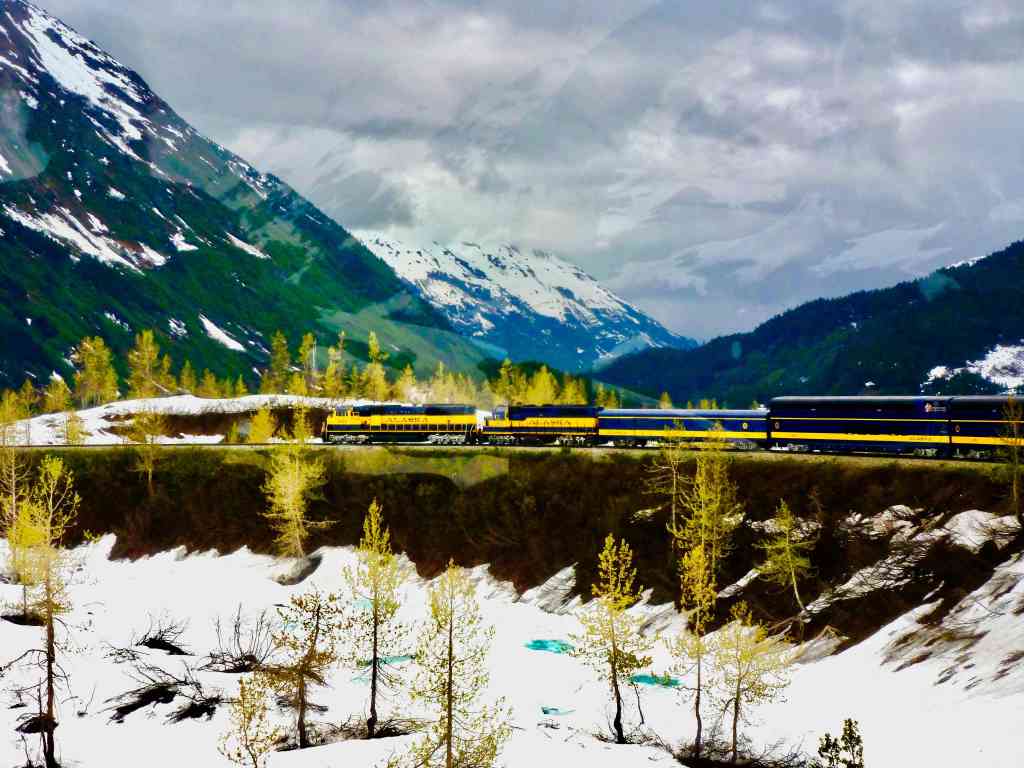
The Wilderness Express

Besides booking park tour reservations, traveling on your own usually means you will need reservations for accommodations too. Most visitors will select hotels within Denali Village with the major hotels being Denali Park Village, Denali Princess Wilderness Lodge, Grande Denali Lodge and McKinley Chalet Resort most within walking distance of restaurants and shops within the village. Most organized tours will also normally include one of these hotels as well.

Seward Marina

Visiting Denali as part of a cruise-land package is a great way to see parts of Alaska along with Denali National Park. Cruise land excursions travel overland by Wilderness Express train and/or bus from the port of Seward. The train portion is by observation cars featuring a dining room underneath. These packages include the option of either cruising first and taking the land tour second or in the reverse. Our recommendation would be to book the package flying into Fairbanks and taking the land tour and save the cruise for last with the cruise ending in Vancouver Canada. After a hectic week on buses and trains, relaxing on a cruise is the perfect ending.

The nearest city to Denali is Fairbanks where most flights are booked. Additional cities visited usually include Girdwood with the resort Hotel Aleyska, Anchorage, Talkeetna and of course Seward.

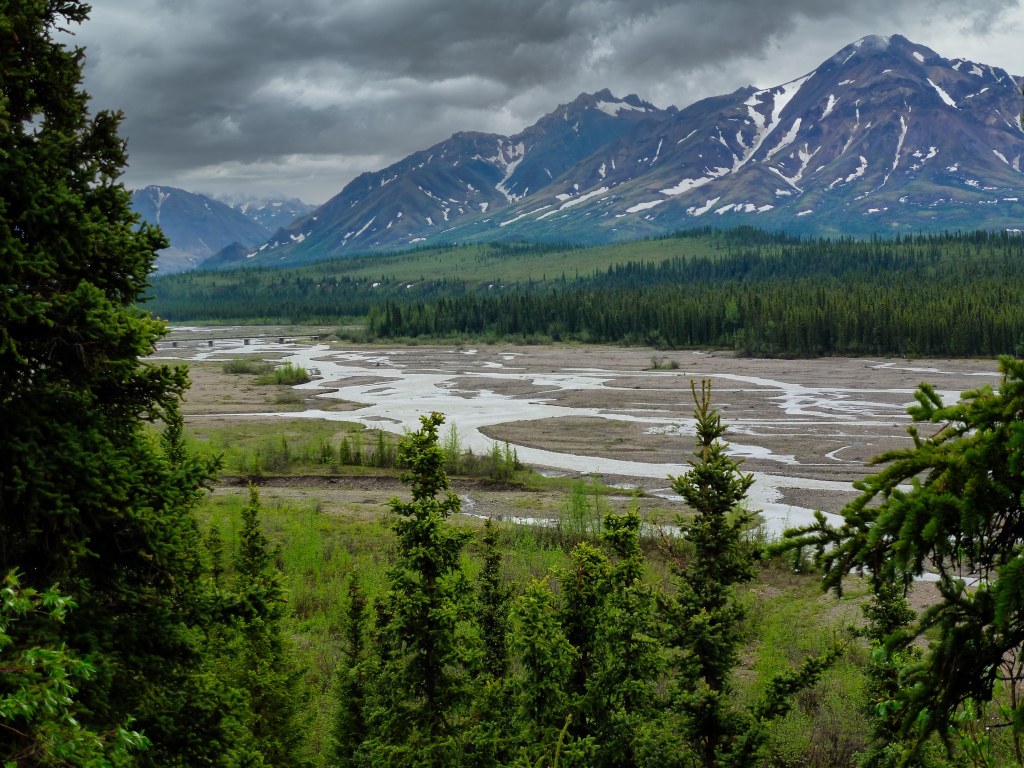
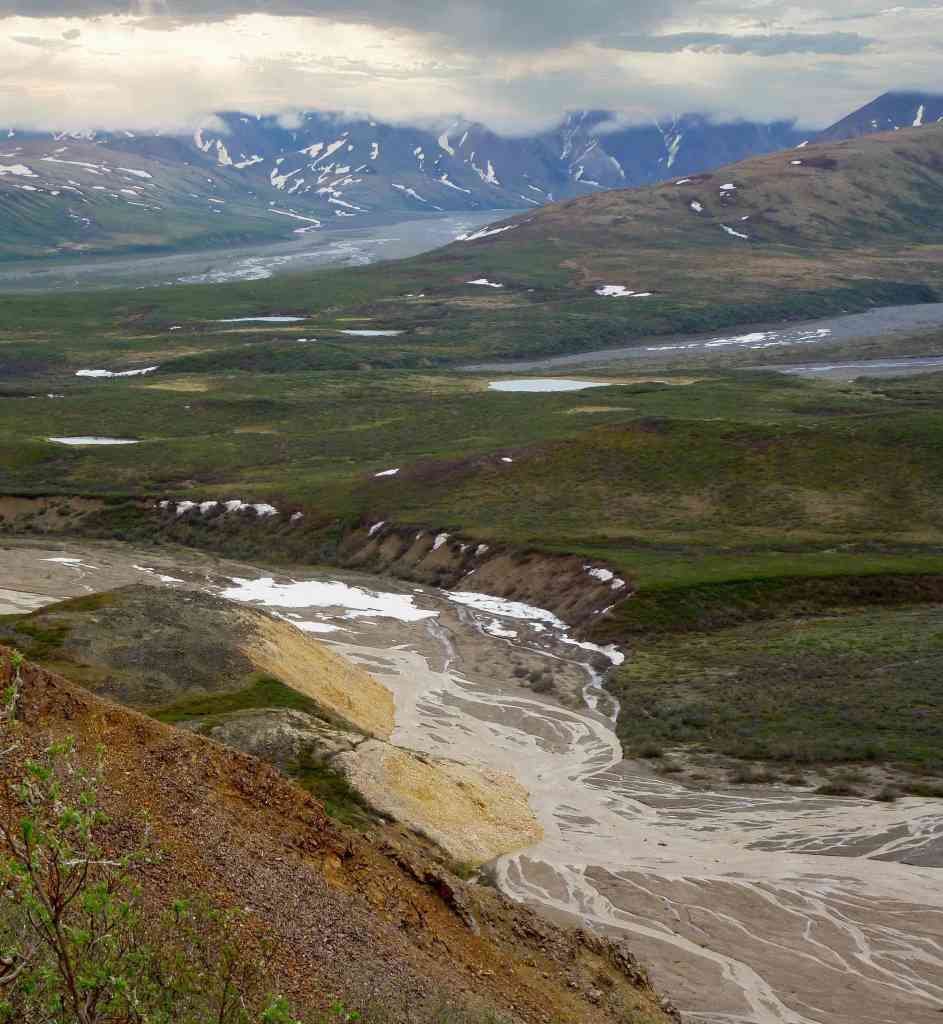
The Denali landscapes are vast and rugged and includes North America’s tallest mountain, Denali (previously Mt. McKinley) which stands above everything. The one problem is that it is shrouded in clouds most of the year, but, even if you miss the “Great One,” the Alaska Range is an awesome sight.

Most visitors to Denali will take the tundra wilderness tour, sponsored by the Park Service, with approximately 8 hours on a bus dedicated to enjoying the scenery and wildlife and learning the park’s history and it includes a “bag lunch”.

Dall Sheep

For perspective you need to understand that the scenery is inspiring but so is the very desolate and wild character of the park. Many of the mountain tops are above the tree line exposing huge expanses of meadows. The major focus of tours is the wildlife but that also needs some explaining. Area wise, Denali is our largest national park. It encompasses about 9,492 square miles (larger than the state of New Hampshire) and most of it is without roads or even trails. The animal populations are much smaller than most people would expect.

There are only 70 grizzly bears per 1,000 square miles in Denali. Other census numbers per 1,000 square miles show 131 Black bears, wolves less than 8, and the estimate for the total Denali Caribou Herd was about 2,230 animals. Dall Sheep totals in the park are less than 1,900. Based on these numbers it’s easy to understand that looking for wildlife is the major focus of the tour.

Staying at Denali Village offers a choice of a number of accommodations, some restaurants and gift shops and it is home to a popular helicopter tour. Some visitors want to see the “Into The Wild Bus” from the movie based on a true story. But because of concerns for public safety the bus was removed from the wilderness area. It seemed that over the years trekkers never stopped coming to see the bus, and a number of them died along the way. It was the last home of Chris McCandless, who detailed in a journal the tragic final moments of starvation in 1992 after he was trapped by the swollen, icy waters of the Teklanika River. McCandless had taken shelter in an abandoned bus for 114 days.

This part of Alaska should be on everyones bucket list and if you’re exploring an Alaska cruise check out the Denali land tour option.

America’s largest and most remote National Park, Denali is larger than the state of New Hampshire and offers very few roads or even hiking trails.


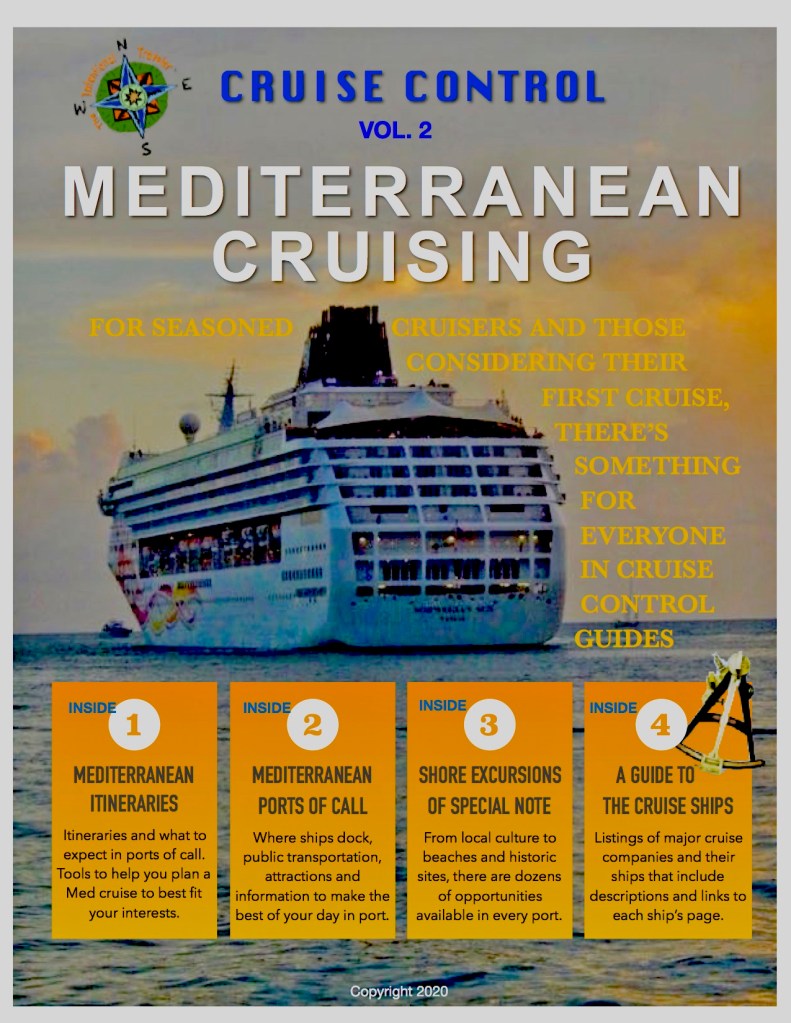
CRUISE CONTROL MED Vol. 2

Ready For A Mediterranean Cruise?


Our Mediterranean Cruise eBook

Get Your Mediterranean Cruise Planning Guide

FREE

A compilation of years of Mediterranean cruising articles from The Intentional Traveler, edited, updated and redesigned into a single source to help you plan that perfect Mediterranean cruise!


Why You Should Get This Book

All Mediterranean cruises and itineraries aren’t the same. Explore what options best match your dreams of the perfect Med cruise.

  • The Spanish Costa del Sol
  • Sailing the Greek Isles
  • The magic of Italy
  • Exploring Israel
  • Malta or the Balearic Islands

Get the most out of your investment.

Rating: 5 out of 5.

Solid information, very useful.

Fiona

Rating: 5 out of 5.

An excellent reference

Joseph

Rating: 4 out of 5.

Love the photos. Can’t wait to go…
Michelle

Find More Travel Inspiration

Recent Articles At The Intentional Traveler


Seattle’s Iconic Pike Place Market

Seattle’s Pike Place Market

The Heart Of The City

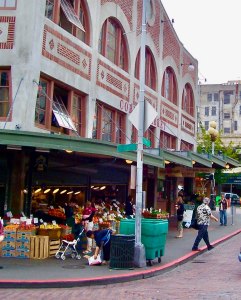
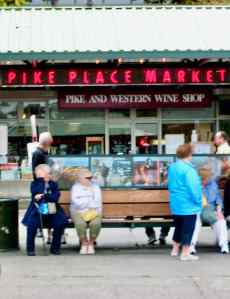
Many cities have farmers markets and open-air venues where growers, producers and craftsmen sell their goods. Over the years many have become local institutions and some boast regional reputations but there is only one Pike Place Market.

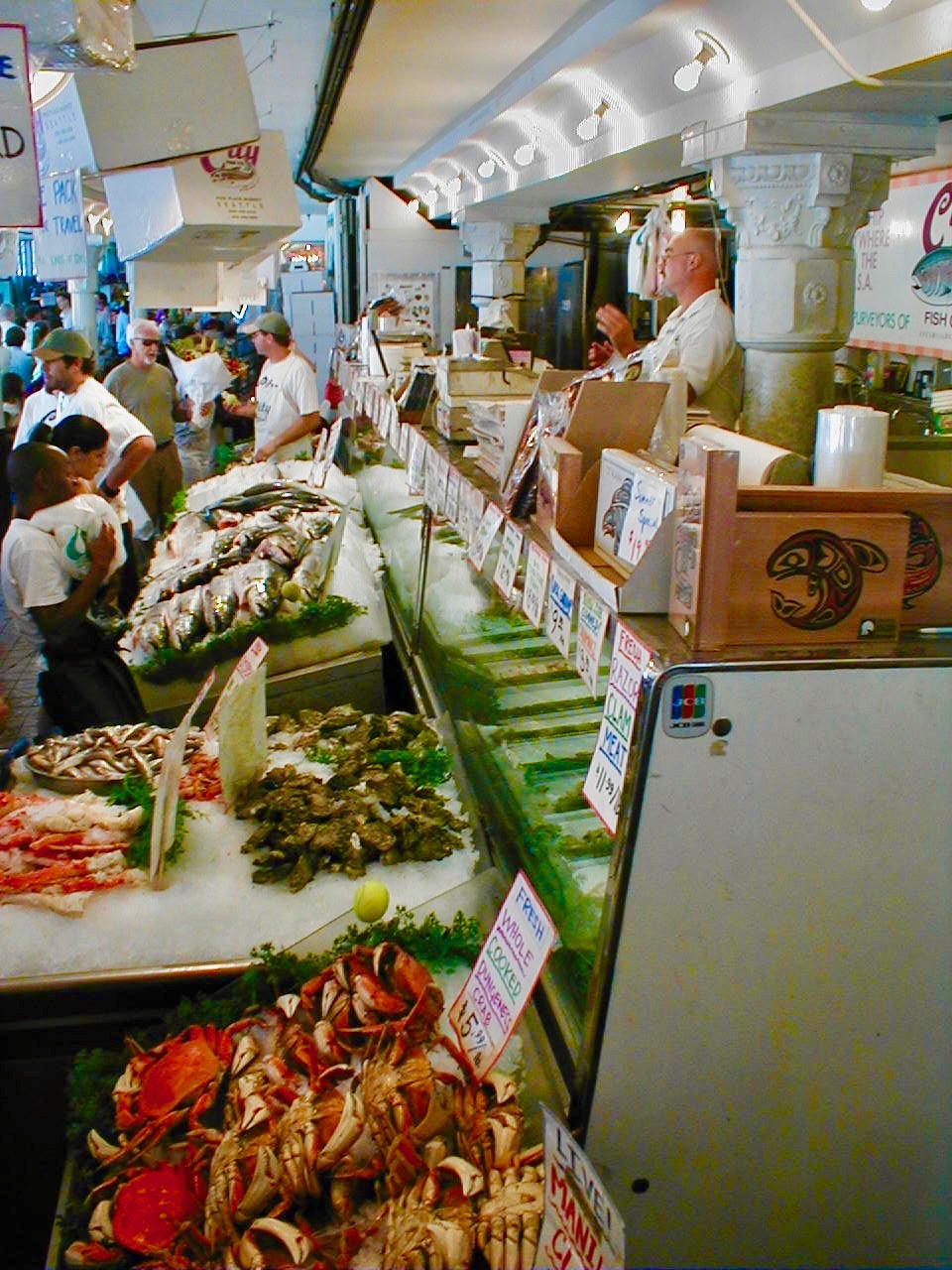
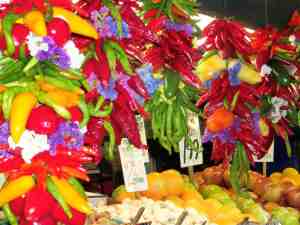
When you come to Seattle spending some time at the market is a must. On an early visit to this city we spent an afternoon at Pike’s Place Market. Visited the aquarium, bought flowers and left with a bundle of freshly steamed Dungeness crab for a feast back at the hotel. We get back to Seattle often and have always made time for a visit to Pike’s Place Market.

If you’re cruising out of the Seattle port or making a port call the Market is less than a mile and a half south from the Smith Cove Cruise Terminal. Don’t leave without picking up some fresh flowers or maybe take home some salmon or crab.

If you haven’t been introduced to Dungeness crab it is the Pacific Northwest’s exclusive crab delicacy. This crab is slightly bigger than the common Blue crab with larger and meatier clays. If you don’t know this crab, don’t leave Seattle without trying them and Pike Place Market is the place to get them.

A Long History

This market has been a part of Seattle’ story for a long time. Leading up to the summer of 1907 the rapid growth of the city had produced a system of wholesalers who had taken control of the buying and selling of fisherman’s catches, farm produce, dairy products and dozens of other commodities. They had, over the previous years, driven retail prices up in the boom-town while reducing their wholesale costs. The situation was growing out of control when Seattle City Councilman, Thomas Revelle put forward a proposal where the city would create a public market where fisherman, farmers and citizens could come to sell and buy goods directly in an open market.

Beginning on August 17, 1907, crowds of shoppers seeking fish, produce and hard goods flocked to the new marketplace. In just weeks, dozens of sellers were gathering daily to sell along the newly created road named Pike Place.

Frank Goodwin, who had made a fortune in the Klondike Gold Rush, began building the permanent structures that make up the Market and it continues today as a thriving and exciting place to visit and shop along the Seattle waterfront.