Tips To Save When Booking a Cruise

Getting the best deal on booking a cruise is a process very much like getting the best airfare. Like all businesses, cruise lines want to get the most for every cabin and, like the airlines at the moment of departure, anything unsold has no future value. Economists call these items non-fungible, meaning they cannot be sold or exchanged in the future. Over the course of twenty years we’ve discovered a few tricks in the cruise booking game.

Start By Just Doing Some Comparison Shopping

Like the cost of everything, cruise prices are based on market conditions. Prices vary by each cruise line, the various itineraries, the time of year and the cruise’s popularity.

Just like hotels and restaurants, cruise lines are generally priced based on their reputation, expected level of service and their focus clientele. Carnival, an economy line, is structured to appeal to a younger clientele looking a fun vacation – think “The Fun Ships”. Royal Caribbean, a mid-range price point, focuses on young families with a big emphasis on their kids program. Celebrity, is a somewhat higher priced choice, with focus on an older demographic with higher expectations in service. Taking a quick look at a number of similar cruises will quickly give you an idea how this pricing range works.

An owners suite on RCL

Some itineraries are more popular than others and pricing reflects this difference. Alaska can be more expensive than the Caribbean and trans-Atlantic cruises are usually much less expensive than European cruises.

Finally, the time of year has a huge effect on pricing. The easiest example is Caribbean cruise prices in August compared with October. While summer is usually off-season in the Caribbean it is also school break time. By October the kids are back in school and demand has dropped accordingly and so have the fares.

Seven Steps To Getting The Best Deal

Look at Add-On Expenses You’re Likely to Use

In addition to the cabin rate, you should also consider onboard expenses you are likely to incur. Included services vary by cruise lines and frequent cruiser status. In addition, most cruise lines are now offering onboard packages that can include laundry, internet, sodas, fancy coffees and bar drinks. Another major onboard expense to consider is shore excursions.

Make sure you understand what things are included in a cruise or what they are likely to cost during your cruise. For example, some cruises include all drinks while others charge $500.00 or more for a drink package and paying for individual drinks can run up a serious bar tab. Be honest about what you expect to want on the cruise. Making this price comparison may actually justify the expense of an upgrade.

Decide What You Want In A Stateroom

Picking a cabin category isn’t as straight forward as you would think. Most people assume that an inside cabin is the choice for saving money and, often it is, but not always. More and more the cruise lines are offering free add-ons as a sales promotion. These can include prepaid gratuities, drink packages and onboard credits. Sometimes incentives include one and at times all three. Often, inside cabins do not qualify for these free add-ons and that can have a big impact on the overall cost of the cruise.

When you consider a reservation, this can be a false economy. When these promotions are being offered, an ocean view or veranda cabin can be less expensive than an inside cabin. Just like in airfare pricing there have been cruises where an inside cabin costs more to book. This often happens when you book early and the cruise ship is trying to keep these cabins in reserve for a number of reasons.

When we select a cruise we often let the itinerary dictate which cabin we want. Long ago we decided that we have no problem with inside cabins. On most cruises we actually spend very little time in our cabin so upgrading means little. On one cruise we were upgraded to an owner’s suite and while spacious and beautiful, it really seemed a waste of space and certainly would not be worth it to us if we had to pay full price. On a trans-Atlantic, an inside cabin is fine with us but, in Alaska, getting a veranda cabin usually is a must. Often it is all about the view.

Food, food,and more food

Book Early

Many times the best prices are available when a cruise is first announced. After the initial listing period the cruise company can decide that the cruise is getting a good response and the simple rule of supply and demand allows them to increase fares.
Unlike airlines, the cruise company often allows you to take advantage of price reductions right up to the final payment date. That policy usually includes reduced fares, upgrading the cabin or taking advantage of free add-ons.

There are also situations where the opposite strategy can produce big savings. That is last minute bookings, usually only a few days or weeks before sailing. Faced with empty cabins and no revenue, many cruise lines will offer super last-minute discounts. This is partly because the cabin fare is only part of the potential revenue from each passenger. Casinos, drink sales and tour fees add up to big money. We generally do not use this option in our planning but will take advantage of last minute cruises if the price is too good to pass up.

Always Book While Onboard A Cruise

The likelihood of a passenger returning to the same cruise line is actually very high and with frequent cruiser programs the likelihood is even greater. Most ships have a future booking office onboard and to get you to commit they offer additional incentives. These may include fare discounts, greatly reduced deposits and special free add-ons. Since you can take advantage of price changes or switch cruises up to 90 days before the cruise and also get your deposit refunded if you cancel, this is a great opportunity*.

Watch and Take Advantage of Incentives

Even after you have confirmed a reservation and put down a deposit you can take advantage of special incentives. If you are a member of a buying group (Groupon, AAA, AARP), or an online travel service (Expedia, PriceLine) that sends you emails of special offers, get in the habit of reviewing these on a regular basis. If you see a good offer, see if you can add it to your reservation. Most times these offers are not exclusive regardless of what the travel agency says.
After You Book Keep Watching the Fares

As likely as fares are to go up, price reductions also happen, but you can’t take advantage of them if you don’t know about them. Get in the habit of regularly checking the prices on cruises you have already booked looking for opportunities to save or upgrade.

Work with a Good Travel Agent
There may not be such a thing as a free lunch, but travel agents are actually free (at least to you) when booking a cruise. We strongly recommend getting to know a good travel agent and getting in the habit of booking everything through them. They actually will appreciate the business and most consider it their job to help you manage saving money. They are also much more effective at dealing with the cruise lines when getting fares reduced or adding on incentives. Your way to contact the cruise line is to call a company inside agent but the travel agent has a marketing representative that they routinely deal with and have less difficulty negotiating changes.

Also, if your agent is affiliated with one of the growing super agencies, they can offer you specials provided by their agency in addition to the cruise line. Often their agency has packaged a popular cruise as a group rate and they can add you to the group and get you an additional discount, onboard credit or freebees. At times they also offer their own promotional specials like a free port tour or an additional onboard credit.

The best way to connect with a good agent is to ask friends or fellow travelers for their recommendation and ask questions about their experiences.

The Exclusive Deals That Really Aren’t

In closing, you need to understand the truth about all those agency advertised specials. Everyone sees ads or gets emails from travel agencies constantly screaming about their exclusive special deals from this or that cruise line. Usually the truth is they are not exclusive deals and they are cleverly misrepresenting the price structure**. Does “Cruises from $499.00 with a $700.00 onboard credit” seem odd? It may be true that an inside cabin can be booked for $499.00 but it is not eligible for any onboard credit; the $700.00 credit is only for a suite. We have rarely found a unique special offer but if we see one that seems interesting it can be a clue that there are price reductions happening with a particular cruise line. Contact your agent to find out if this opportunity is available.

*Unfortunately, in the last year, a number of cruise companies have started adopting a policy of non-refundable deposits and this changes the process some. Currently, cruise lines are offering lower fares for those non-refundable deposits so this is going to cause some rethinking of how you address some booking in the future.

**To be fair there are some deals that can be exclusive to a travel agency but in most cases the agency had an opportunity to reserve a group that gives them an additional discount. This allows them to give away some of the discount to promote a lowered fare.

Join Us

Let’s Stay In Touch – We know that subscribing to yet another email list is the last thing you want to do, but we promise to make this worth your while. Give us a try and see what we have to offer.

The Cruise Port of Fredireksted St. Croix

Visiting St. Croix U.S. Virgin Islands

At 84 square miles, St. Croix is the largest island in the Virgin Island group and significantly more rural than its neighbors. The island features a rain forest in its western interior, an arid climate in the east third of the island along with two historic towns.

In town in Frederiksted

The island was a possession of Denmark until the early nineteenth century and boasts a deepwater port at the west-end town of Frederiksted. The port was defended by Fort Fredirek as far back as the mid eighteenth century. A second deepwater industrial port was developed on the south coast in the Twentieth Century. The island, along with St. Thomas and St. John was bought by the United States in the early nineteenth century. That means you don’t need a passport to visit and best of all you can bring back to the United States five liters of liquor duty free along with you normal duty free limit of merchandise.

St. Croix is famous for being the teenage home of Alexander Hamilton and where he acquired his education working for a trading company as a clerk. If you get to Christiansted and walk its colonnades and alleys it isn’t hard to imagine yourself back in the eighteenth century Caribbean, strolling the same ground as young Alexander.

Where Your Ship Docks

The more popular destination town on St. Croix is Christiansted but because it sits inside a protective coral reef without providing any good anchorage or large pier cruise ships dock on the far west end of the island at the Frederiksted pier. The island and town are developing the area around the pier and historic customs house and there are public facilities available nearby. There is no terminal or facilities on the pier itself.

The Hotel On The Cay

Transportation

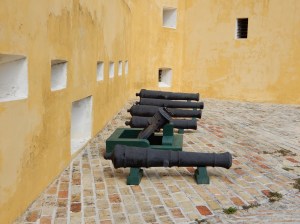
                Fredireksted pier and fort

Other than taking a tour the best way to see the island is to rent a car. Prices are reasonable but arranging a car can be an issue. On a recent trip we had reserved a car through Avis which indicated they had an office in Frederiksted, which they didn’t and we wasted an hour figuring this out and getting them to bring us a car from the airport. So be cautious in reserving a car. Driving is on the left side of the road which can be awkward because most of the vehicles come from the American market and have the steering column on the left. Taxis are available but they are expensive but you can negotiate a tour with the drivers. There is also limited bus service and “taxi buses” which have dedicated routes and a flat fare. The system is a bit freeform and isn’t something a visitor should rely on.

Currency

        Lunch on the water in Christiansted

The U.S. Virgin Islands use the U.S. Dollar and credit cards and debit cards are welcome.

Attractions

Frederiksted is a town that seems to always be redeveloping, starting tomorrow. For decades it has been taking two steps forward and one step backwards – sometime three steps backward. It is a historic town with a colonial fortification and customs house. There is a small strip of beach in town but the nearest good beach is Sandy Point National Wildlife Refuge about a mile or so from the pier. Unfortunately it is a refuge, and to protect the sea turtle nests the beach is closed to people between April and September.

Whim Great House

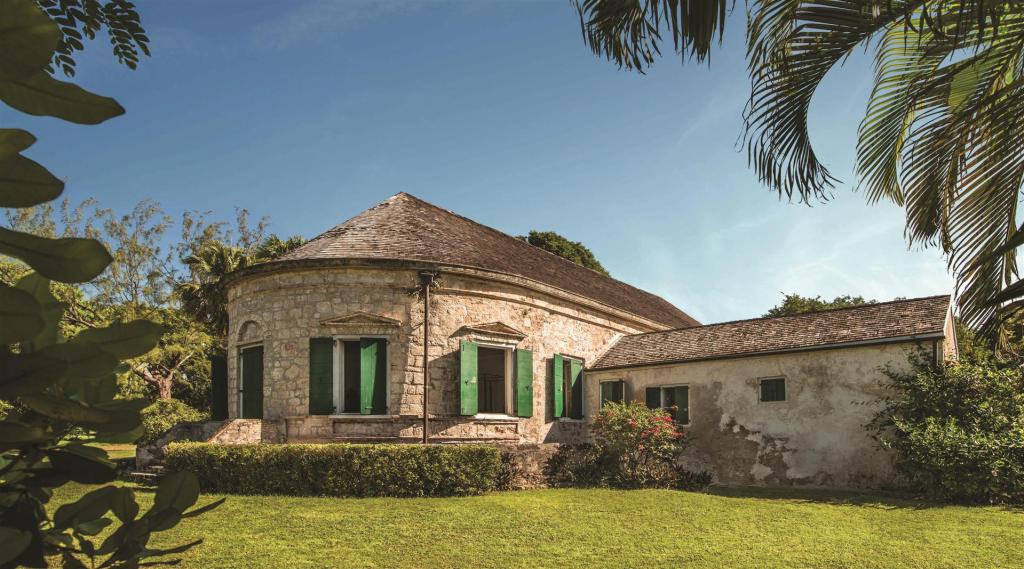
On Centerline Road is The Whim Great House Museum. A well preserved plantation house and museum and the Virgin Islands only surviving great house from the eighteenth centure.

Historic Christiansted

To really see the island you should rent a car. Christiansted is about twenty five miles from Frederiksted and there are some glorious beaches scattered around St. Croix. The southeast coast has a number of really good beaches as does the more isolated northwest coast. Christiansted, represents the quintessential tropical waterfront. It is located on the north central coast. The waterfront is fringed with a boardwalk and small boat docks, protected by a natural reef and a close-in small island. The island features a hotel. The harbor features sailboats at anchor, crystal clear water and a number of small hotels and restaurants in town and along its boardwalk. Running up from the waterfront is a historic colonial era town where the stone and brick buildings include colonnades that protect the sidewalks from the frequent tropical rainstorms. Most of these buildings feature galleries, shops and restaurants along with a couple of small hotels. Just to the east on the waterfront is the old Fort Christiansvaern operated by the U.S. Park Service along with the old customs house. The small island in the harbor is Protestant Cay and features the Hotel on the Cay which is serviced by hotel launches that dock in front of the fort. Its beaches are open to the public but there is a small fee to take the launch across from town.

There are excellent beaches on the island many with really good reefs for snorkeling. Out on the far east end are Cramer Park Beach, Isaacs Bay Beach and a number of resort beaches just to the west. Another area of special interest are beaches with good snorkeling near Davis Bay. Located along the western north coast it has always been pretty isolated and primitive but the beaches are some of the best in the islands.

Some thirty years ago the Rock Resort people built an exclusive resort above Davis Bay called the Carambola Resort but a combination of things, including a storm named Hugo, caused the venture to fail. Today it is alive again as the exclusive Renaissance St. Croix Carambola Resort and, based on location alone, it is worth a visit.

There is an odd tourist attraction that is gaining in popularity that involves a drinking pig, a beer drinking pig. Up in the rain forest on the West end of St. Croix is a bar with a resident pig. Way back in the day it was a popular stop for mostly locals to grab a quick beer. The tradition is to buy the pig a beer by simply tossing the can into its pen that’s connected to the bar. The pig would pick up the can, raise its head, crush the can and drink. If you got there too late (or early depending on perspective), the pig was passed out drunk. I never actually knew the place had a name but apparently it is the Montpellier Domino Club and I would bet that the original pig is long gone. It has been replaced we’re told by a couple of pigs and now seems to be a “must do” tourist destination.

Fort Christiansvaern

If you are a skin or scuba diver, or just a novice swimmer, one real “must do” on St. Croix is to visit the underwater National Park at Buck Island. The whole island, not just the reef, is the National Park. Located 1.5 miles off the northeast coast, there are a number of boat tours out to the area and the reef is truly spectacular. There is also an underwater trail on the eastern tip of Buck Island. If you can convince yourself to take this trip and put on a face mask you will never forget it.

A good driving circuit is to start by driving out Centerline Road which starts near Frederiksted. Make a stop at the Estate Whim Museum, featuring the only surviving plantation great house in the Virgin Islands. Go on east into Christiansted for lunch and a walk around the historic district and the waterfront. Skirt along the northwest coast from Salt River and stop at Davis Bay, the scenery is spectacular. On your return to Frederiksted drive through the rain forest on Mahogany Road with maybe a stop off for a beer with the pig if you’re inclined. It will certainly make for an interesting story.

Let’s Stay In Touch – We know that subscribing to yet another email list is the last thing you want to do, but we promise to make this worth your while. Give us a try and see what we have to offer.

Ideas To Beat Jet Lag

Dealing With Jet Lag

In the last dozen or two years we have made a number of international trips. There have been times when we hardly experienced jet lag at all, but a few trips took days to recover. Our experience has taught us a few things including what causes the worst jet lag. It seems that traveling east causes more problems with jet lag than traveling west. We also believe that what time the flight starts can have a big impact on how serious jet lag will be. Generally late evening flights are the better than morning flights especially on long trips. Our biggest issue is usually insomnia with the worst being a Singapore to Florida trip that literally took a few days to readjust from.

The most serious issue is flying across time zones where your body times evening becomes the destinations morning (or other way round). In addition to insomnia there is often gastrointestinal issues, and difficulty concentrating.

Instead of just letting it happen you can reduce jet lag by preparing for your flight and making sure during your flight you get as much sleep as possible. After the flight spend as much time as you can out in the sunshine to quickly adjust to the local time.

Here’s what the experts suggest:

Before Your Flight

Adjust Your Schedule

A few days before the trip adjust sleeping and eating schedule. Depending on the trip start a couple of days to up to a week before the flight. Traveling east, go to bed between one and two hours earlier each night. Traveling west, go to bed one or two hours later in the days before the flight. This gives your body a chance to adjust to new time zones ahead of time.

The same applies to your eating a few days before your flight. Change meal times closer to when people eat at the destination so your body gets used to the new meal times. If dinner time is several hours behind in your destination, have your dinner an hour or two earlier than usual.

Stay Hydrated

To reduce stress on your system avoid coffee and alcohol a day before your flight. Studies have shown that drinking coffee and alcohol before you fly can make your jet lag worse. Try to stay away from coffee and alcohol before you are set to fly. Stay hydrated by drinking lots of water leading up to your flight.

Carry a water bottle and fill it in the departure area. You can also have the bottle filled on the plane so you can stay hydrated while in the air.

Book Flights At The Right Times

Whenever possible book an overnight flight. This allows you to have dinner at a normal time in the evening making it easier to sleep on the flight during the night. Depending on your destination, you then arrive in the morning after an overnight flight having gotten some sleep. This makes adjusting to the new time zone once you land much easier. Try to avoid long flights where you land in the evening as these can aggravate jet lag.

Change your watch to the timezone of your destination when you board your flight. If you wear a watch, change the time so it matches the timezone of your destination. You can also adjust the clock on your cellphone. Doing this will help you get accustomed to the new timezone and ready for a new sleeping and eating schedule.

Get Rest During Your Flight

Airlines seem to want to distract passengers during a flight and often provide food, snacks and drinks and often show movies in flight. Even if it’s a movie you wanted to see, is it worth suffering serious jet lag for a day or two afterwords? Travel with a pillow and eye mask. It’s really important that you get some sleep on the plane. You could also pack headphones or earplugs to block out noise or distractions on the flight.

Taking Sleeping Pills

Only take sleeping pills during the flight if you are used to using them. If you are not used to them or taking too many can make you feel groggy when you land, and could end up making your jet lag even worse. Discuss this with your doctor before taking a sleeping pill during your flight.

Try and Get Some Exercise

Get out of your seat some and walk in the aisle of the plane, especially during a long flight. Doing light exercise and moving your body can help improve your blood circulation on the flight. It can also help you get to sleep more easily.

Avoiding Jet Lag Once You Land

Get Outside Once You Reach Your Destination*

It’s important to get some exposure to natural sunlight. Light exposure regulates your body’s circadian rhythm and helps you adjust to your new location. If you traveled westward, go outside in the evening so your system realizes it’s late. If you traveled eastward, in the morning get exposed to sunlight early in the day.

*Avoid going outside if you’ve traveled more than eight time zones. If you’ve traveled more than eight time zones to the east, wear sunglasses and stay away from bright light in the morning. Then, try to get as much sunlight as possible in the afternoon.

If you traveled more than eight time zones to the west, avoid outdoor light a few hours before dark for the first few days so you system can adjust to the local time.

Eat At The Local Time

Once at your destination, try to have meals at the local time so your system can adjust. If you land at night, for example, have dinner at the local time. If you land in the morning, have breakfast at the local time.

If you find yourself getting hungry between meals times, have snacks to keep you satisfied. Only have large meals at the local time so you can adjust better to the new time. Keep hydrated. Make sure you have a lot of water with your meals. Dehydration can make your jet lag much worse.

Adjust Your Sleep Schedule.

You should sleep based on the local time and stick to a “normal” sleep schedule. This will make your jet lag less intense and help your body better adjust to the new time zone. If you land in the early evening, stay awake until the late evening so you can go to sleep at the new appropriate time. If you get in early in the day, stay awake until the evening so again your sleep time matches the local time.

Take Melatonin To Help You Sleep

If you struggle with going to sleep in the new time zone, consider taking melatonin. Melatonin is a nonprescription drug that has been shown to help set your internal clock and make going to sleep much easier. Having 3 milligrams of melatonin before bed for several days after arrival can help regulate your sleep schedule. Again talk to your doctor about taking melatonin before you go on your trip.

Go Take A Hike

Here we offer a few of our favorites

As we travel, one of our favorite things to do is to hike. From wilderness trails to hiking through urban landscapes it is a fantastic way to get exercise. While we explore the world at our pace and from ground level we get the opportunity to see a lot more. While I’m not sure that either of us is up anymore to a forced march it isn’t unusual for us to still do three to six miles on a day hike. Here we offer a selection of our favorites.

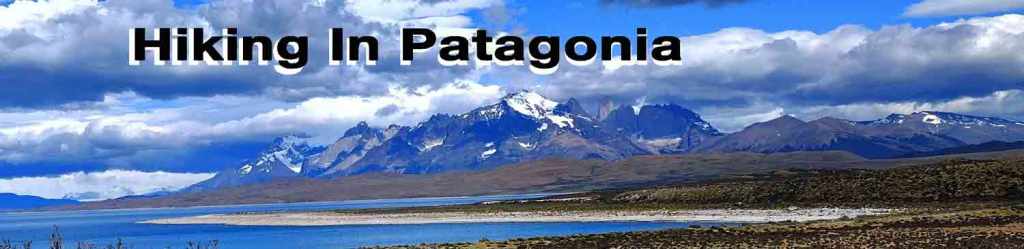
Hiking In Chile’s Southern Mountains

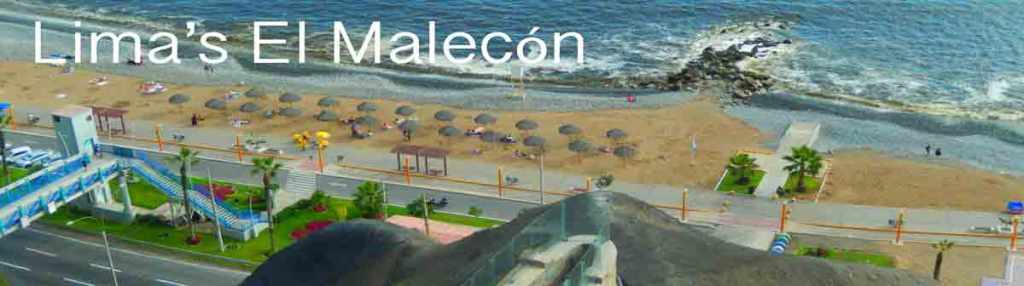
Lima Peru’s Amazing Cliff Top El Malecón

Hiking Smugglers Cove Trail, Skagway, Alaska

Hiking In Haleakala National Park Hawaii
Hiking back country trails near Old Faithful
One of America’s Greatest Walking Cities
There’s a lot more to explore in Florida than beaches
One of America’s great hiking National Parks
A complete listing
Trails at Linville Falls Wilderness Area
Several hikes near Cherokee, NC
A number of great hikes near Peaks of Otter
Great day hikes in Western North Carolina
Amicalola Falls State Park In Georgia
Hiking At Amicalola Falls State Park in the North Georgia mountains.
Trails for casual walks and long hikes at Mendenhall Glacier Alaska
A great Rails to Trails project from Hattiesburg to Prentiss The Longleaf Trace
A walkway into Charlotte Amalie, U.S. Virgin Islands
A beautiful beach walk in Barbados
Surprising ancient discoveries in Utah’s Nine Mile Canyon.

Australia’s Blue Mountains

Trails in Australia’s Blue Mountains. An easy day trip from Sydney.

Tierra del Fuego

Hikes literally at the end of the Earth, at the tip of Argentina in Tierra del Fuego National Park.

Pine Mountain Georgia

The Pine Mountain trails in Southwest Georgia feature 100 miles of great hiking trails on the mountain along with the trails in Callaway Gardens Resort.
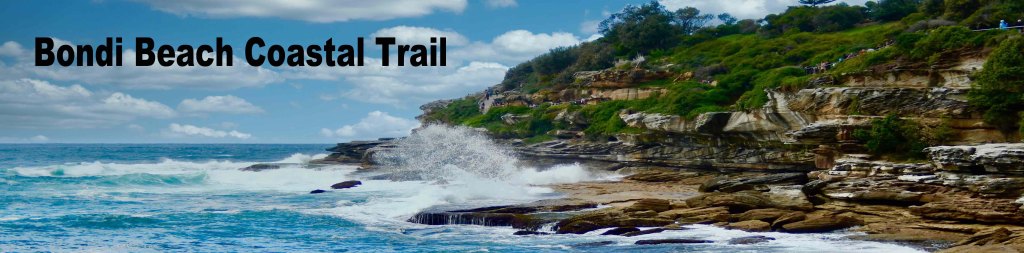
The Coastal Trail In Bondi Beach Australia

An Urban Hike In Florence

Oahu’s North Shore

Oahu’s North Shore and Waimea Waterfall, an easy hike/walk along a paved trail through some beautiful tropical botanical gardens.

One of the Natural Wonders Of The World

Iguazu Falls,Argentina is the worlds largest waterfall complex with miles of hiking trails.

Some additional hikes coming soon.

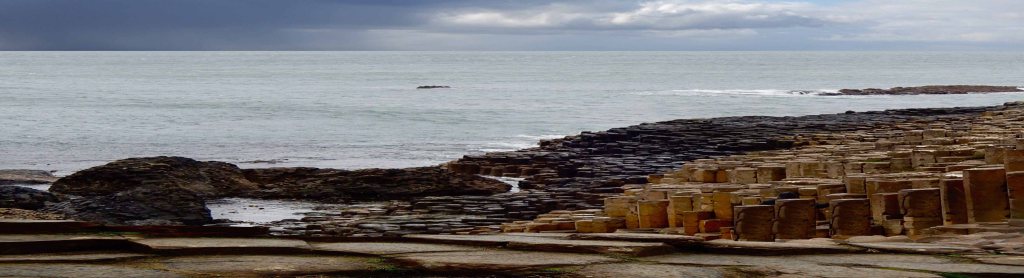
Northern Irelands Giants Causeway is an incredible natural wonder. A place of myth and remarkable geology. Featuring thousands of spectacular basalt columns formed through the rapid cooling of lava from an underwater volcano.

Come by often as we add more great hiking ideas.

Zion Hikes, The Simple & The Sublime

Zion National Park is one of the most rugged in America with a number of trails worthy of only the most fearless and adventurous hikers. Some hikes cross thin ridge tops with sheer cliffs on both sides or work across sheer walls. If you’re not up for narrow trails and thousand foot cliffs there are still a number of great options available.

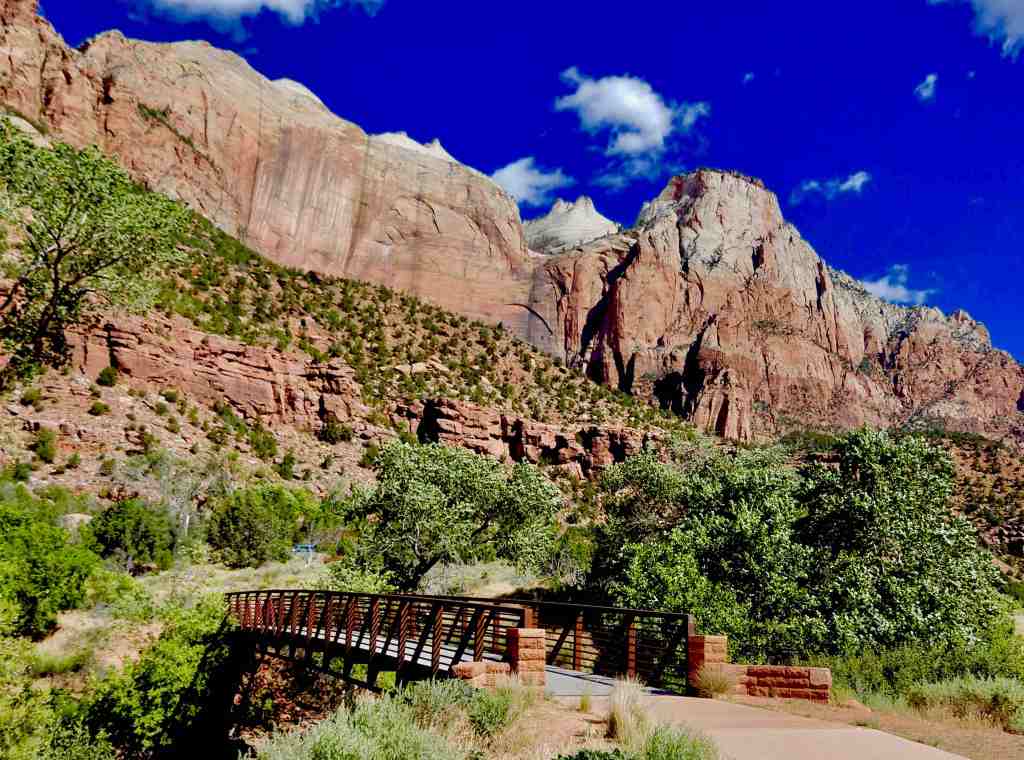
Pa’rus Trail

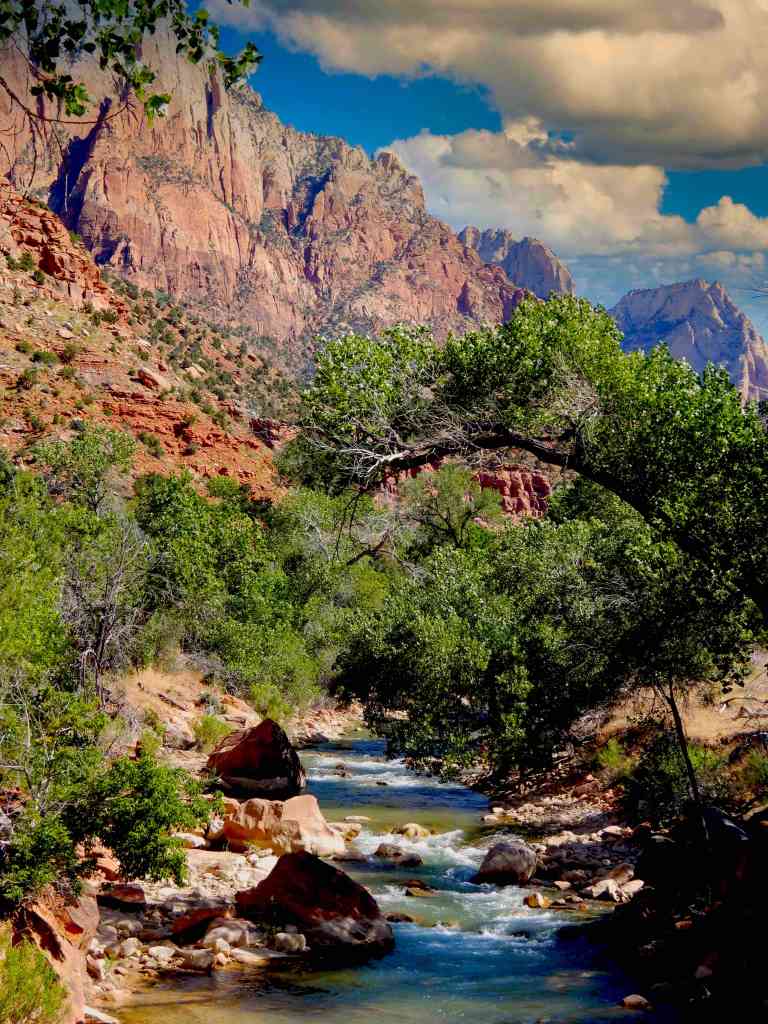
Two particular trails have high appeal without a lot of risk. For a great hike on a completely paved trail it’s the Pa’rus Trail that runs along the Virgin River. Another famous series of trails involves The Narrows which are rated by a number of sources as one of the worlds ten best hikes.

.

.

Pa’rus Trail (also referred to as the Riverside Walk) is a paved trail that begins near the Visitor Center and follows the Virgin River starting at the South Campground. This paved and mostly flat trail is handicap accessible and is the only trail in Zion National Park that allows pets (on a leash) and bicycles. It also features trailside exhibits. You can access this trail from Shuttle Stop #1 near the Visitors Center or Stop #3 at Canyon Junction. The Pa’rus Trail can also be accessed from the Zion Museum Shuttle Stop #2 by using a short connector trail that is not intended for wheelchairs nor approved for bikes or pets. Roundtrip the Pa’rus Trail is about 3.5 miles.

Restrooms and water filling stations are available at the Visitor Center and Museum.

The Narrows is through a gorge, with walls almost a thousand feet tall where the river often is just twenty feet wide. You can reach the top of The Narrows by taking the paved Riverside Walk for a mile past the Temple of Sinawava. After that you will often be walking in the Virgin River. You have to wade in the river since there is no trail through much of the canyon. The most popular start for a Narrows hike is from the Temple of Sinawava from the Riverside Walk, walking upstream a distance, turning around and hiking back down to the Temple of Sinawava (average distance into the first narrow stretch and back is about 5 miles). A full hike through The Narrows of 16 miles one way requires a park permit beyond Big Spring.

The Narrows

Check with the Park Service about river conditions before heading out. The water temperatures and depth and speed change with the seasons and recent weather. In the late spring and summer the water is at its warmest and the water level is lowest but flash floods are most common. Winter and early spring means colder water and high levels. The Narrows can also be closed in the spring when snowmelt raises the river flow. Fall offers better weather, but the water temperature starts cooling.

We would recommend setting aside time for a Narrows hike. Just going a few miles in you will experience some incredible scenery. Also a short detour from Wall Street to Orderville Canyon is well worth it.

Cruise Port of Call Gibraltar

Gibraltar is a “British Overseas Territory” located at the southern tip of the Iberian Peninsula on the north side of the Straights of Gibraltar. It’s relatively small with a total area of 2.6 square miles and is bordered to the north by Spain. The landscape is dominated by the Rock of Gibraltar at the foot of which is the densely populated town of Gibraltar, home to over 32,000 people, primarily native Gibraltans. Historically possession of the “Rock” has been important because of its strategic control over access to the straights.

In ancient times the straights were referred to as “The Pillars of Hercules” being the western limit to Hercules expeditions and Plato placed the island of Atlantis beyond the “Pillars of Hercules”. Renaissance tradition claimed the pillars bore the warning Ne plus ultra “nothing further beyond”, serving as a warning to sailors and navigators to go no further. Modern ships usually refer to the passage through the straights in the ship’s log as “chopping the rock” and is usually timed with picking up the official pilot.

No ship passes between the Atlantic Ocean and the Mediterranean without transiting the narrow straight between Europe and Africa that sits below the Rock of Gibraltar. In World War II the large gun emplacements up on “The Rock” could prevent any ship from transiting the straight.

Gibraltar has been a diplomatically disputed territory between Spain and Great Britain for a ages and often the Spanish will close the boarder between Spain and Gibraltar as a protest. Since the boarder is used mostly by Spanish citizens who work in Gibraltar it only hurts their own citizens.

Where Your Ship Docks

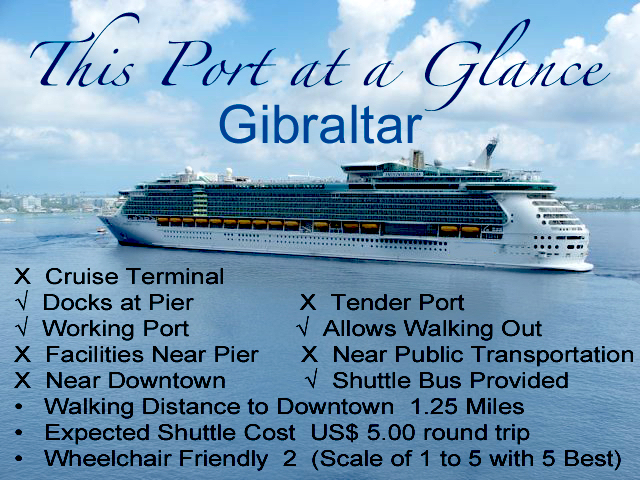
Cruise ships dock at the commercial harbor on the northwest side of the British city of Gibraltar. The city center is located on a strip of land on the west side of the “Rock”. Usually there are shuttle buses available to take you to the Gibraltar city gates.

Transportation

The city of Gibraltar is not very large and is easy to walk in once you get to the city entrance. Most visitors are interested in getting up to see the “rock” and the best way up is to book a tour bus, arrange a tour with a local taxi or take the cable car ride. The lower station is located at Red Sands Rd, Gibraltar mid way between the pier and downtown.

Currency

The local currency is the Gibraltar Pound currently equal to $1.31 US Dollar. Credit cards are welcome and there are ATM machines available.

Attractions

The Gibraltar Apes – One of the biggest attractions are the famous Gibraltar Apes, the only free-roaming bands of monkeys in Europe. Originally from the Atlas Mountains of Morocco, they are actually Barbary macaques that somehow got to Gibraltar. Currently, some 300 animals in five troops occupy the Upper Rock area of the Gibraltar Nature Reserve.

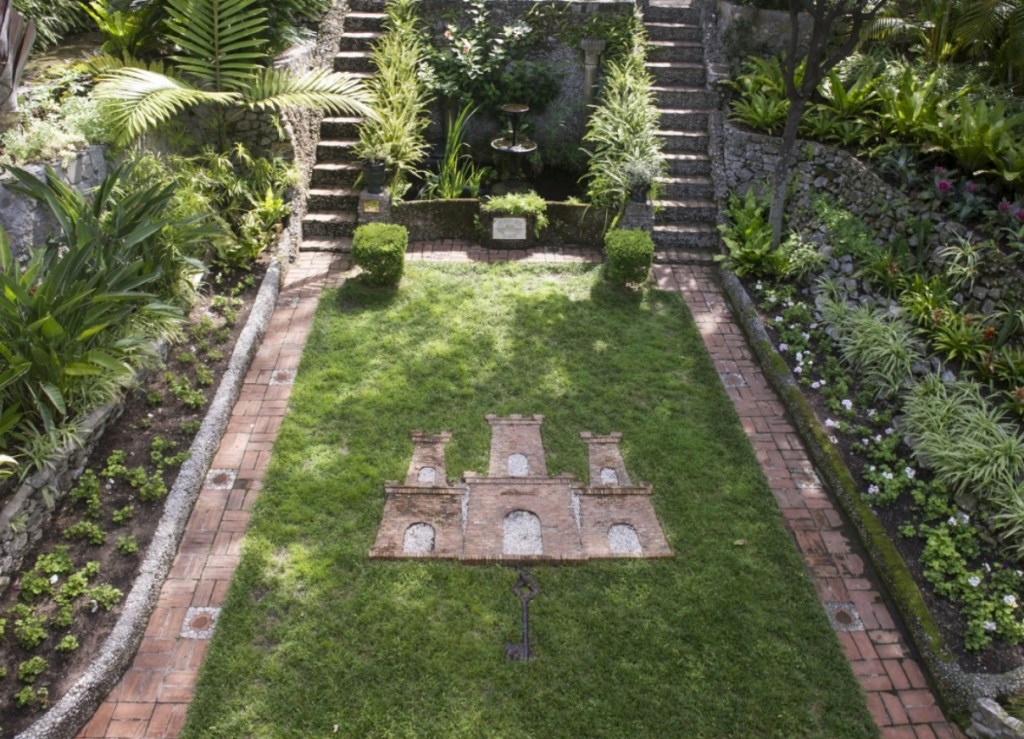
Alameda Botanic Gardens – Alameda Gardens opened to the public on 14th April 1816. The name Alameda is derived from the Spanish word “Alamo”, or White Poplar and old writings mention these trees growing along the Grand Parade in the center of the gardens.

Alameda Gardens
Gibraltar Cable Car

Cable Car – If you think that Gibraltar is an impressive sight from the ground or even from the sea, wait until you see it as you ride up and down the upper “Rock” on the cable car. It’s a short ride of 6-minute ride that ascends 1,350 feet. A round trip ticket costs G£17.00 with discounts for children and seniors. Plan on a light meal at the Top of the Rock Café as you take in the vistas of North Africa, Spain and Gibraltar

Explore the World War II Tunnels – The tunnels accommodated what amounted to an underground city during WW II manning and defending the batteries that controlled the Straights of Gibraltar.

Gorham’s Cave Complex a World Heritage Site – A sea cave complex and one of the last known habitations of the Neanderthals in Europe.

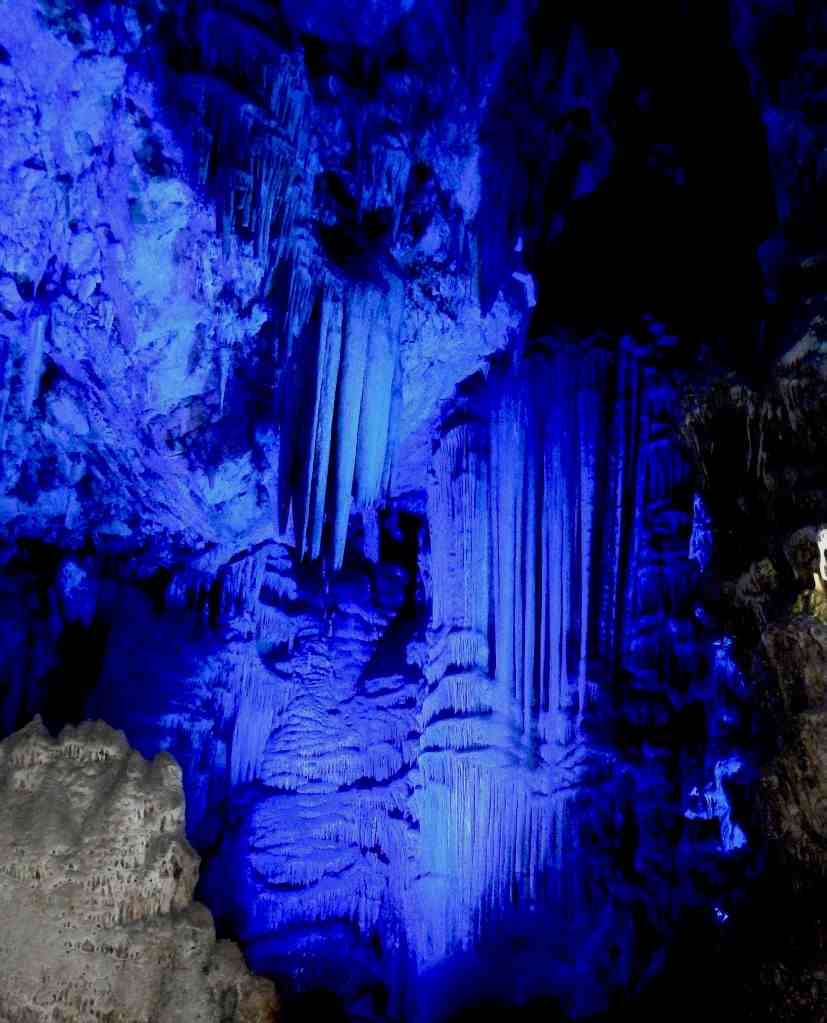
Lower St Michael’s Cave – The Rock of Gibraltar natural cavern with stalagmite formations and an underground lake.

Spirit of the Rock Distillery – Learn how Gin is made. Includes tastings of various famous Juniper spirits and facts about and Gins history on Gibraltar.

Dominating the passageway from the Atlantic into the Mediterranean the Rock of Gibraltar effectively controls the Straights of Gibraltar and is a British possession. This port of call offers a number of unique experiences for the cruise passenger.