The Acropolis Museum in Athens

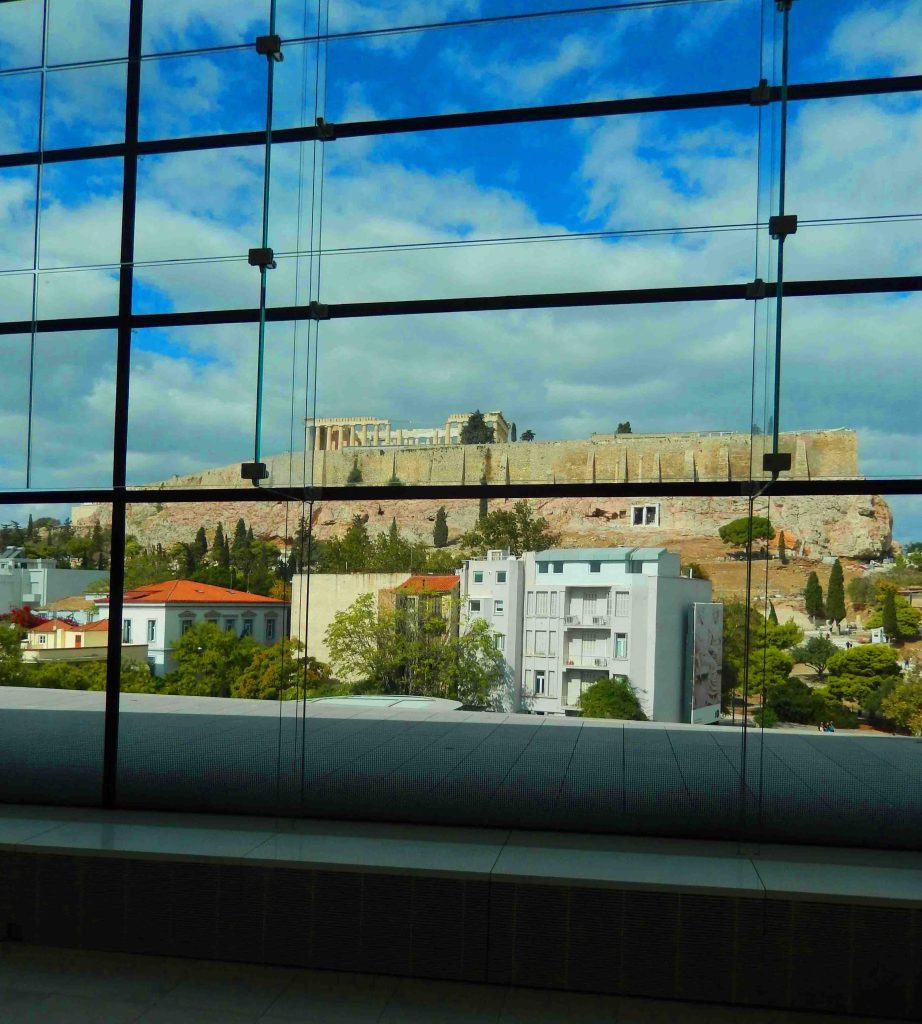
View from 4th floor gallery Acropolis Museum

Sitting at the base of the Acropolis in Athens and just two blocks from the Acropolis Metro station is the Acropolis Museum. The Acropolis Museum, one of the ten most important museums in the world, was built to house every artifact found on the rock and on the surrounding slopes. Discoveries date from the Greek Bronze Age to Roman and Byzantine Greece. It was also built over the ruins of Roman and early Byzantine Athens with its foundation carefully designed and built in a way that protects and provides access to the archaeological sight.

The museums main entrance over the archaeology site

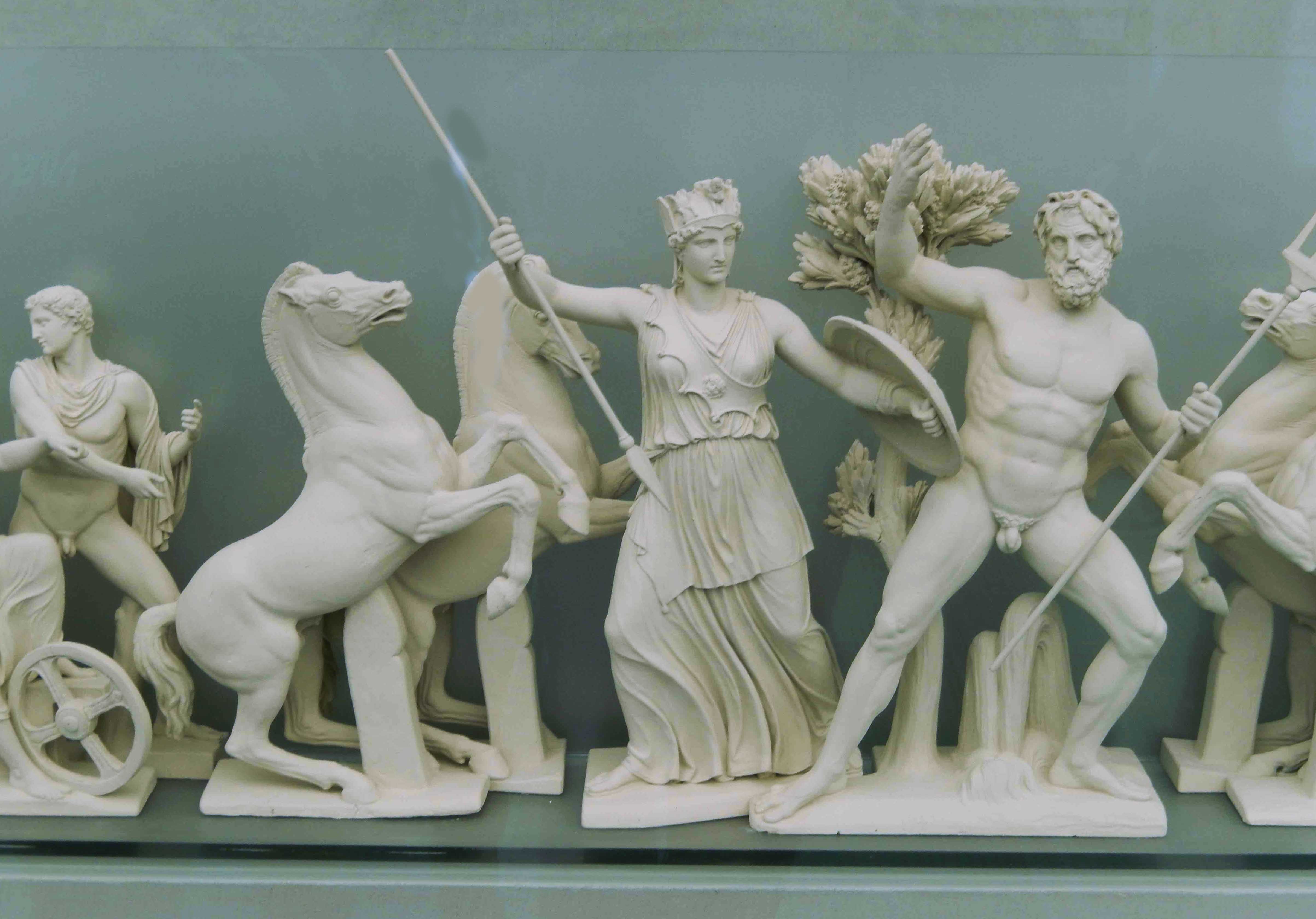
This ultra modern museum is dedicated to restoring and protecting the amazing buildings associated with ancient Athen’s Acropolis. Seriously damaged over centuries by looters, war and vandalism the recovery, preservation and restoration of the sites major buildings is a massive undertaking. Working from drawings, historic photographs and actual artifacts from the British Museum, the restoration is intended to specifically restore the Parthenon to its original condition. That will include the statue of Athena, the East and West building pediments, the metopes of the peristyle, and the continuous frieze of the cella and the temples exterior with its abundance of sculptures.

The collections of the museum are exhibited on three levels with a fourth middle level that houses the museum shop, the café and offices. On the first level of the museum there are artifacts from the slopes of the Acropolis with its long and rectangular hall whose floor is sloping to resemble the ascension to the Acropolis. At the top the visitor finds a large hall which houses additional findings that include artifacts and sculptures from the other Acropolis buildings such as the Erechtheum, the Temple of Athena Nike and the Propylaea and artifacts from Roman and early Christian Athens. The top floor features a movie on the Parthenon along with exhibits on the statuary restorations and an amazing gallery with its glass wall looking directly at the Acropolis.

The museum is normally open from 8 to 4 on weekdays and 8 to 8 Saturday and Sunday. General admission varies by season: 10€ from April through October and 5€ from November to April.

Travel Poster Collection Bangkok

Working with The Crafts Mart, an online store, we are making a number of our travel photographs available as high quality prints. These prints are produced using fade resistant inks on museum grade archival, heavy weight paper. Available in different sizes these prints are perfect for framing and are great for decorating to show off your travels. Most prints are available as a travel poster design and some as an unembellished photographic print.

The Grand Palace is a complex of buildings at the heart of Bangkok, Thailand. The palace has been the official residence of the Kings of Siam (Thailand) since 1782. The grounds encompass the palace and a number of Buddhist temples right in the heart of Bangkok and is a major attraction for visitors to the city.

A Confusing Saturday In Valencia Spain

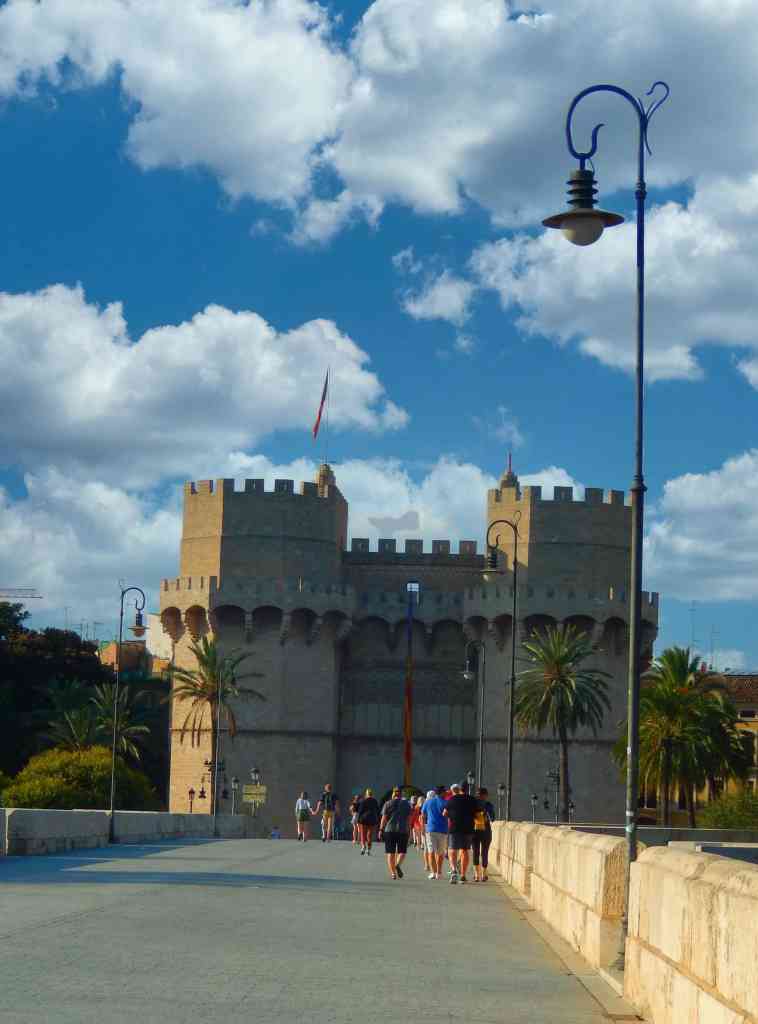
The Serranos Tower

On Oct 09, 2021 we were in Valencia Spain with plans for a walking tour of the old Gothic city. Starting at the Serranos Tower, which is the largest Gothic city gates in all Europe, we strolled toward the cathedral and into the beginning of mass demonstrations around the city.

Located in Catalonia, Spain, Valencia along with its sister Barcelona to the east, are the front lines in the free Catalonia movement. There has long been a feeling among Catalans that while they pay a majority of the taxes to Madrid, they get way too little in return. Things started spiraling out of control when on 27 October 2017 the Catalan Parliament voted in a secret ballot to approve a resolution declaring independence from Spain by a vote of 70–10. While the vote was considered illegal by the Spanish government for violating a decision of the Spanish Constitutional Court it demonstrated how strong the Catalan people felt about Madrid. As the Spanish central government cracked down by sending in national police and arresting Catalan political leaders, support for the Catalan independence movement grew.

Our favorite Spanish freedom fighter

The day we arrived in Valencia the U.S. Consulate General in Barcelona had issued a warning to Americans concerning the possibility of violent riots in Barcelona and Valencia. They warned that the verdict in the trial of pro-independence Catalan leaders is expected to be announced soon. It was expected that significant and maybe violent demonstration activity may take place throughout Catalonia.

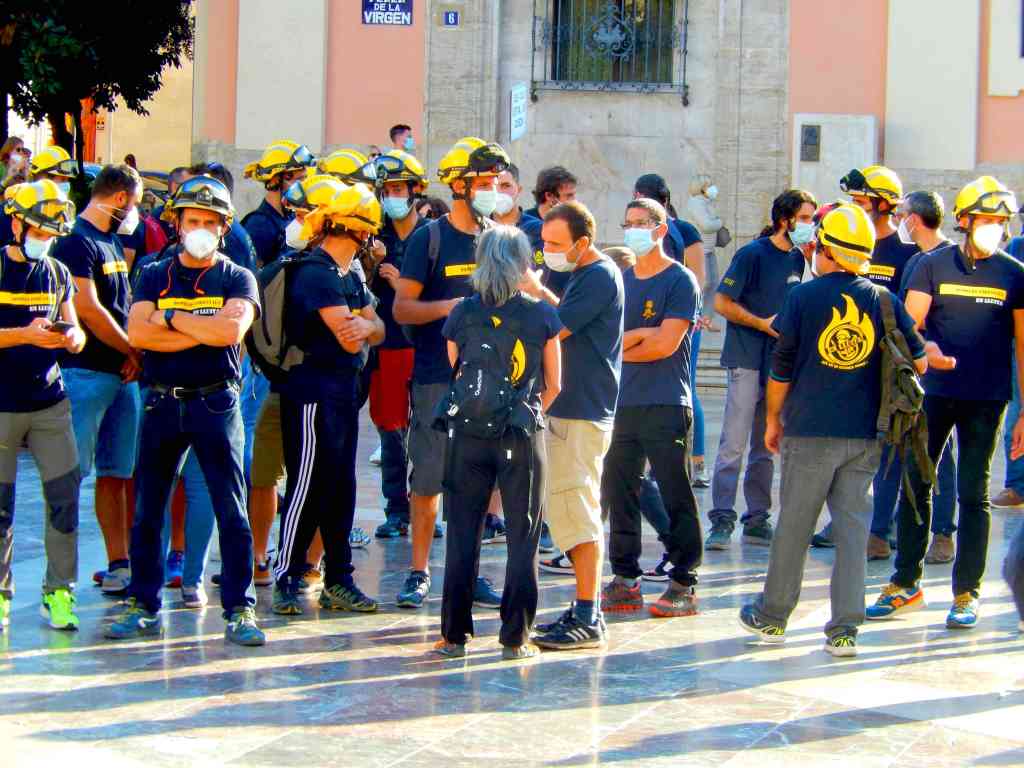
Protesting firefighters

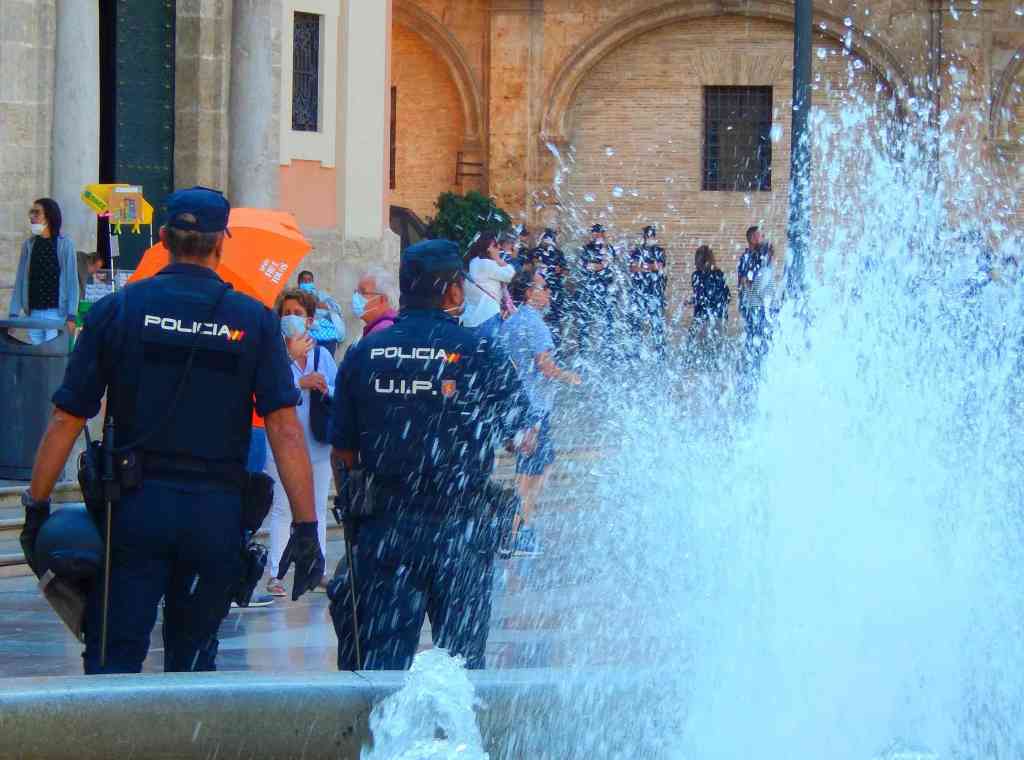
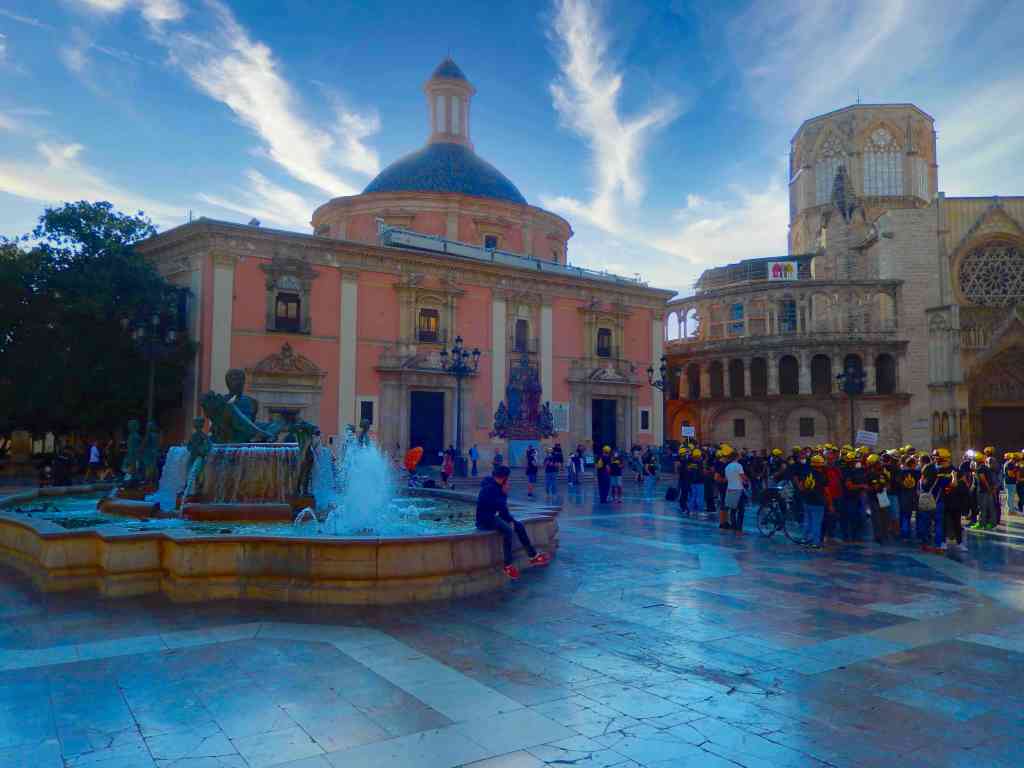
Not being aware of the call for demonstrations or the warnings, we entered through the gates of the Serranos Tower heading into the Gothic city walking toward the cathedral. Within a couple of blocks we were surprised by the number of well equipped police out and when we reached the square at the cathedral we found police armored cars three and four deep up several alleys, maybe a hundred police, many in riot gear, also helicopters where circling the square. In the center of the square were maybe a hundred or two demonstrators mostly wearing firemen’s gear or printed tee-shirts talking through bull-horns and passing out papers. Asking some locals what was going on we were told that Madrid had cut funding to the city and the city, in response, was laying off a number of first responders thus the protest. If the firemen were going to cause trouble they were going to have a hard time getting through those large police lines.

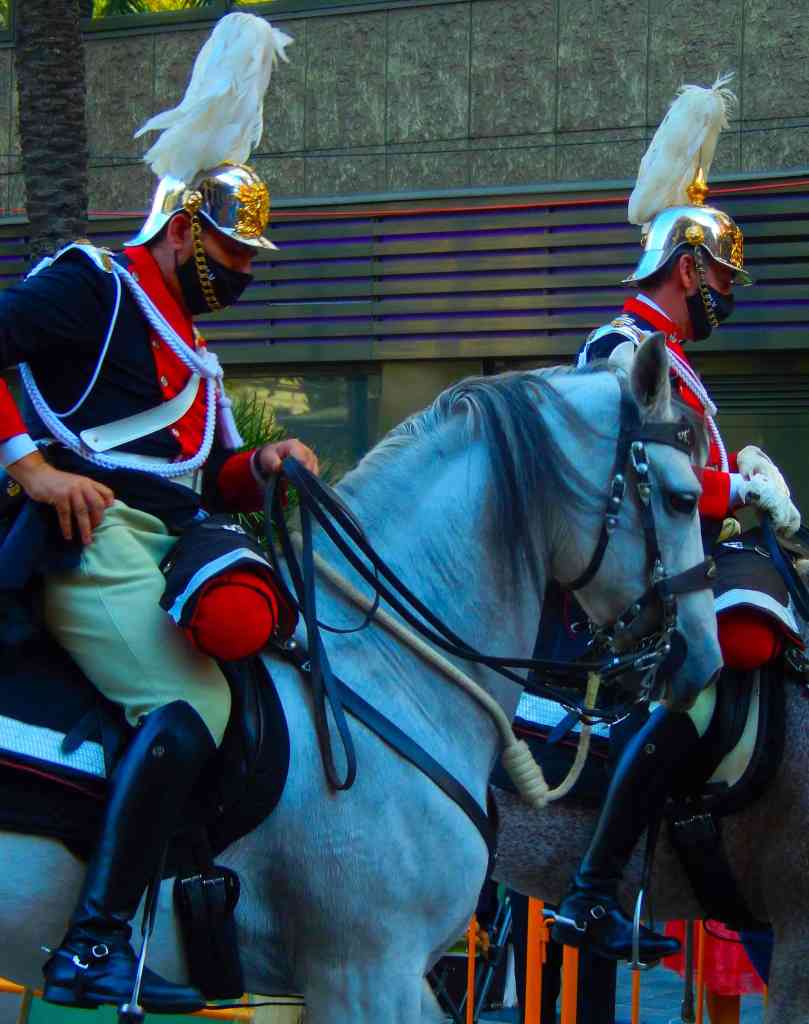
As we walked on toward the central city the police presence kept growing with police helicopters starting to hover overhead. More armored cars sitting on side streets and mounted police in parks. The crowds were growing a lot larger with the Catalan flag everywhere and often draped over peoples shoulders. Attempts to take pictures of the police got immediate reactions convincing me that it wasn’t something I should do. Paying attention to the patches on police uniforms and insignia on armored vehicles it seemed the local police were way outnumbered by the Spanish Civil Guard and National Police Corps. Both of those being para-military arms of the central government.

On leaving the area after a number of hours our impression was that the crowds and demonstrators were actually very orderly and well behaved and the police presence was a huge over reation. Our Spanish isn’t that good but what we heard and later read was a lot of talk and discussion about left wing groups, extreme right wingers, antifascist, fascists and much praise for the progressive political and social majority of Valencians.

If anyone has a decent understanding of current Spanish politics and the Catalan independence movement we’d love to hear about it.

Two Museums In Piraeus Greece

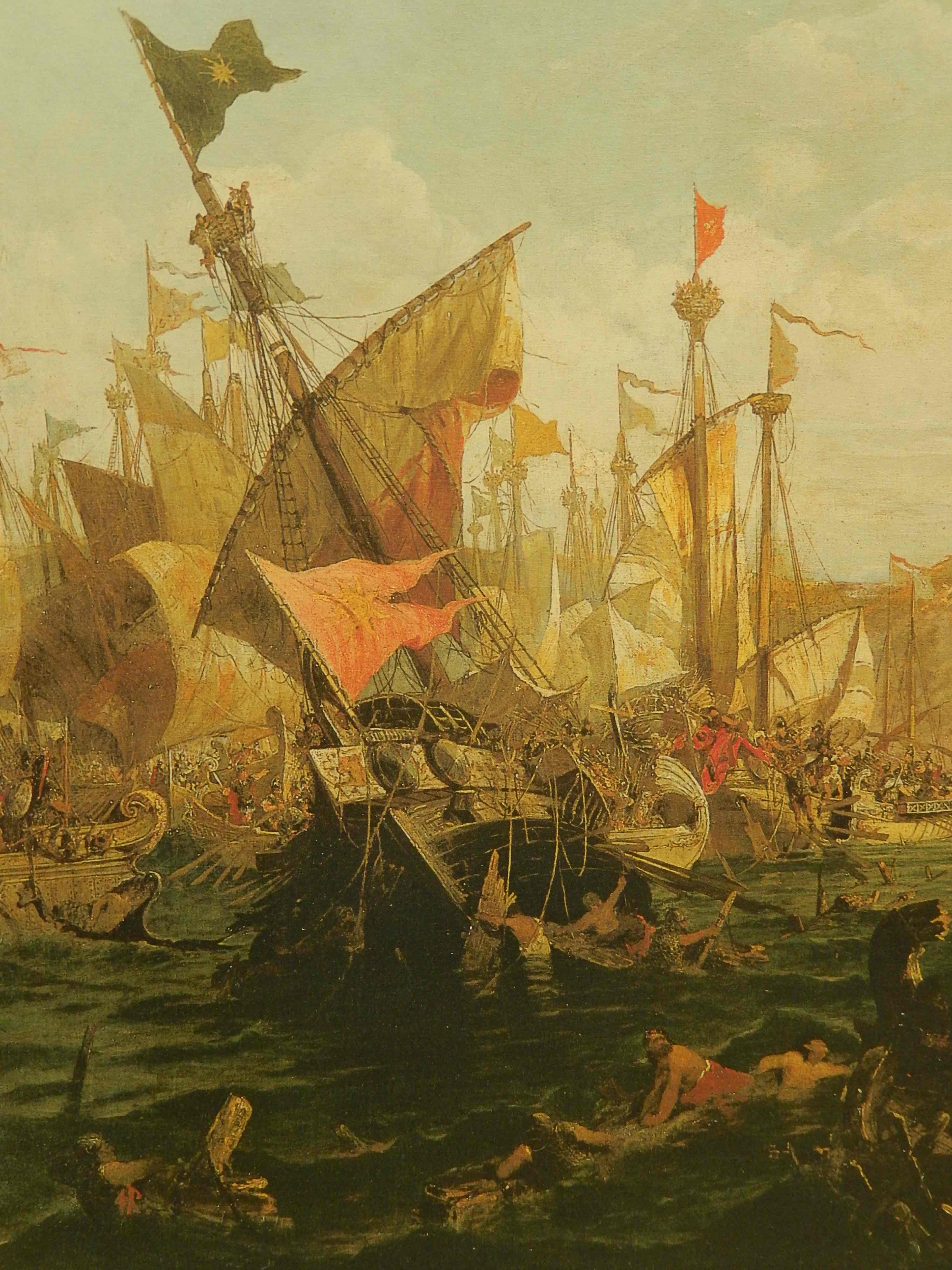
A Liberty Ship Museum Near Athens Greece

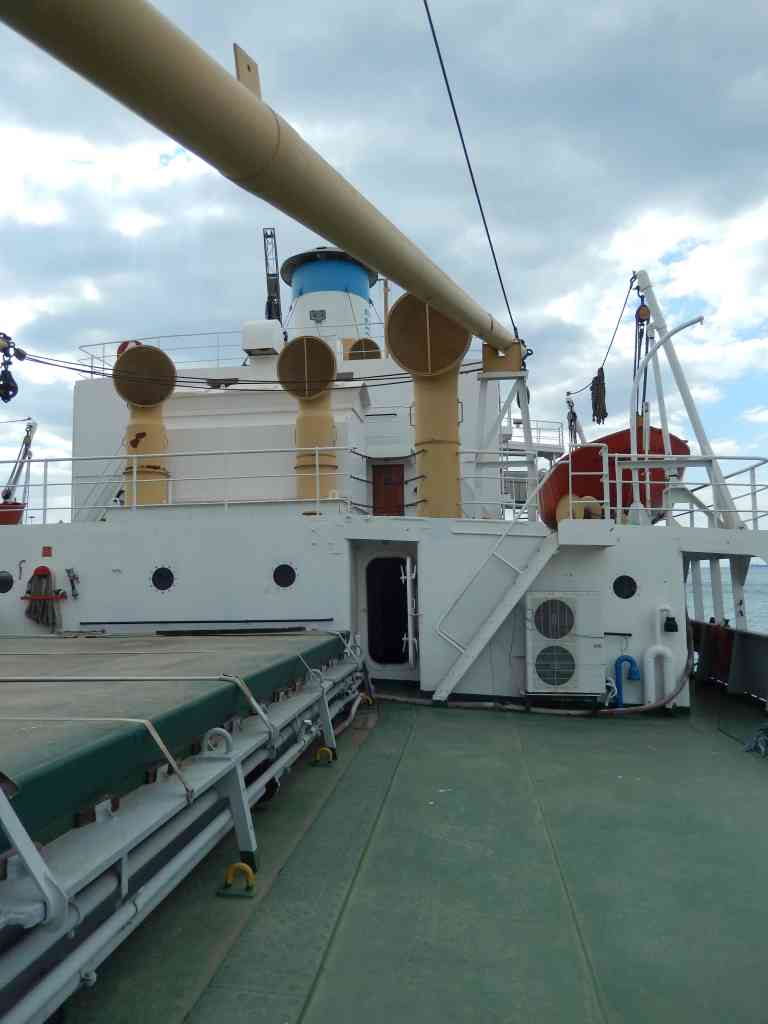
I admit I have a special fondness for these WWII antiques having spent over two years at sea on one. So I was really surprised and pleased to find one set up as a museum in Piraeus harbor.

During World War II American shipyards launched almost three thousand Liberty Ships. These amazing cargo ships played a major role in winning the war by shipping ammunition, troops, food and military equipment across the Atlantic. This class of cargo ship was built in the United States from a British design for its simple, low-cost construction. Mass-produced on an unprecedented scale, the Liberty Ships came to symbolize U.S. wartime industrial might.

When the job was done and the war ended all those cargo ships were seen by some as a huge business opportunity. Put up for auction nobody took better advantage of them than Greek shipping companies and a number of Greek families became very rich as a result.

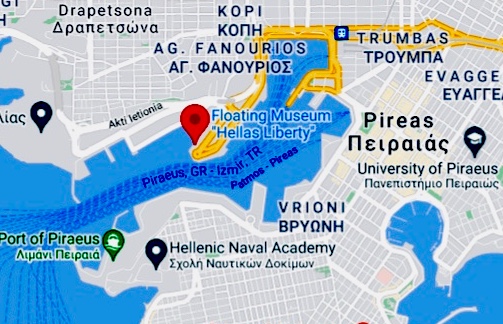
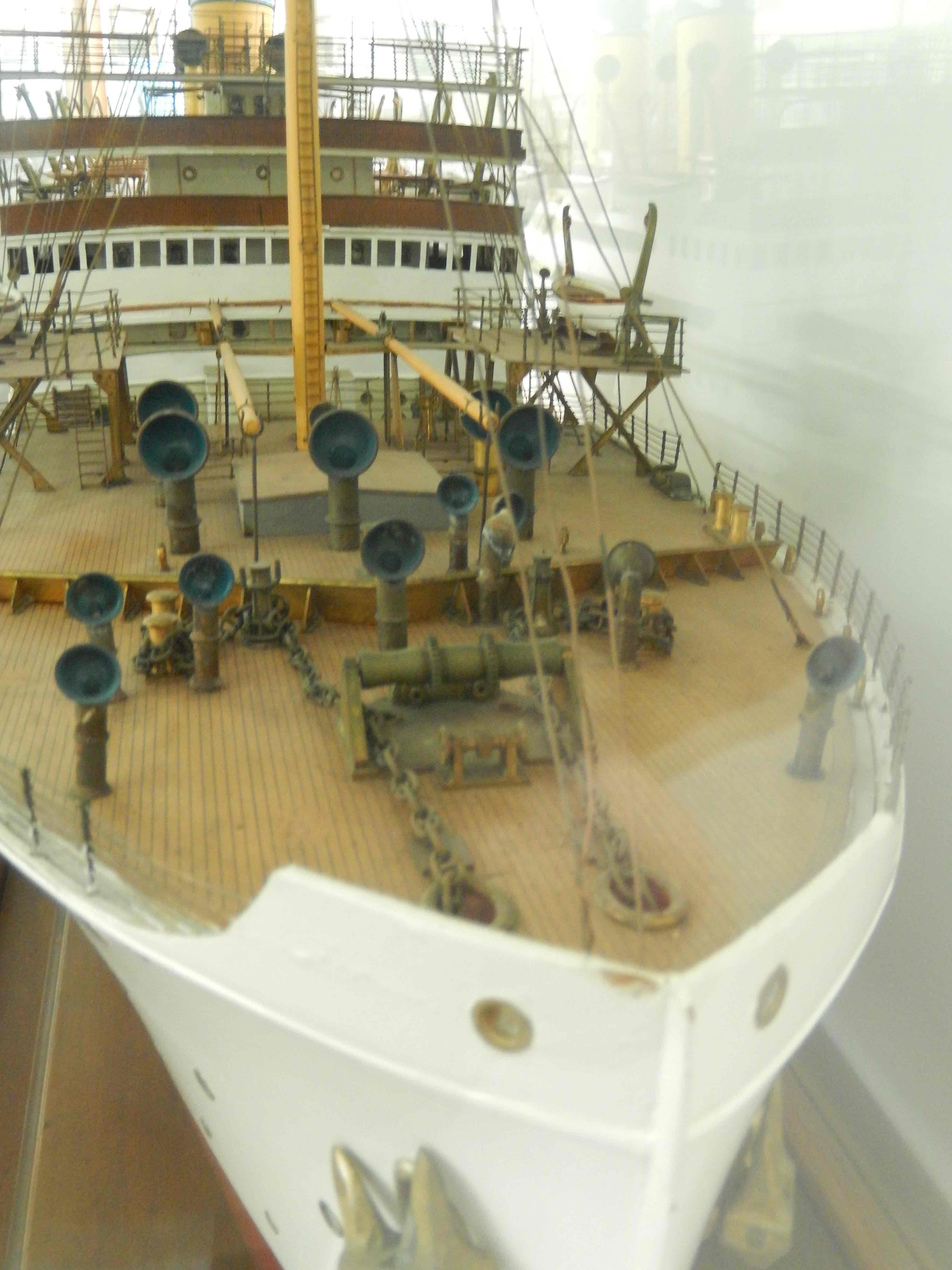
One Liberty Ship built by the California Shipbuilding Corporation in 1943 was bought at auction in January 1947 and registered in Piraeus, Greece. This ship, one of almost one hundred bought by Greek companies remained in service until 1967 when it was retired. Restored it now it sits tied up to a pier in Piraeus harbor as a floating maritime museum.

A few other of these ships still survive restored as floating museums. Today in the United States, only three remain intact, the John W. Brown, docked at Baltimore, the Jeremiah O’Brien in San Francisco and the American Freedom in Tampa Bay.

If you find yourself in the Athen’s port city with some free time, pay a visit to the fourth, the Hellas Liberty. She’s well maintained, has a number of historic exhibits and admission is free. A great way to spend an hour going back in time.

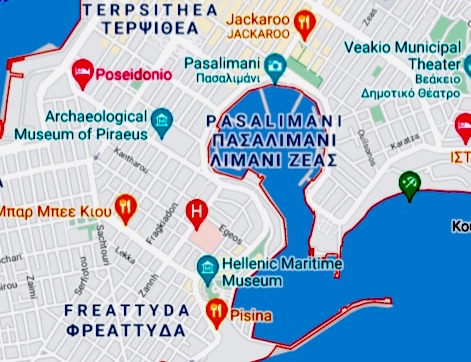
Hellenic Maritime Museum In Piraeus, Greece

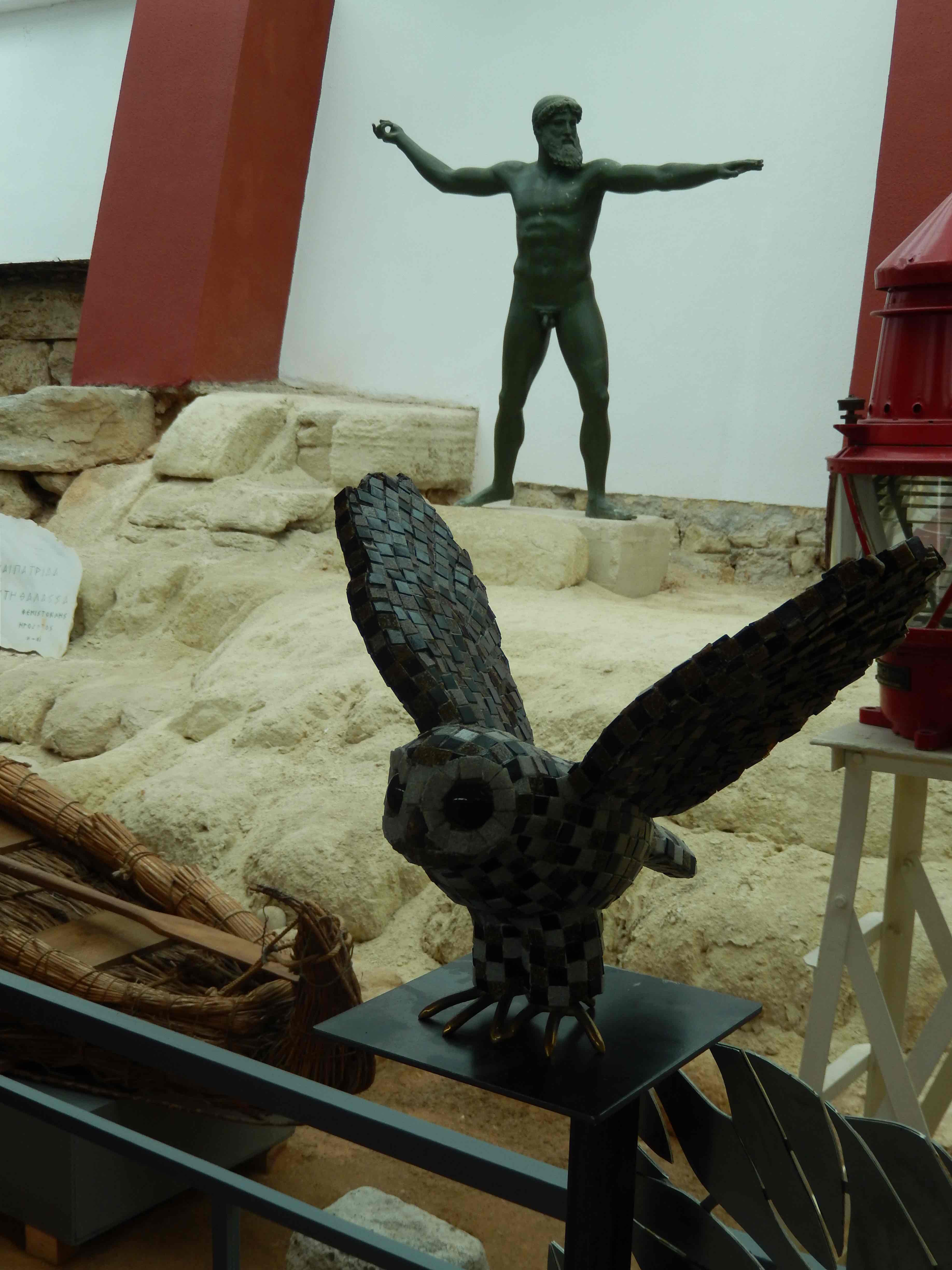
Another museum worth a visit while in Piraeus is next to the Marina Zeas (the Piraeus small boat harbor). Another jewel of a museum, the Hellenic Maritime Museum celebrates Greece’s impressive naval past from antiquity to the 20th century. This modern building sitting at the mouth of the marina has exhibits that include miniature vessels, naval instruments, weapons, furniture, and wonderful paintings, maps and engravings. One section of the museum is devoted to the private collection of shipping magnate Aristotle Onassis, a trove of sea-related treasures that once adorned his extravagant yacht, the Christina.

Singapore’s MRT (Metro Rapid Transit)

One of the worlds truly great subway systems is the Singapore MRT and it is a solid innovator. Many of their systems are recognized and implemented worldwide. If you are lucky enough to get to Singapore for a visit you must use the MRT to get around the city. From the time you arrive at the airport you can take advantage of this remarkable transportation system.

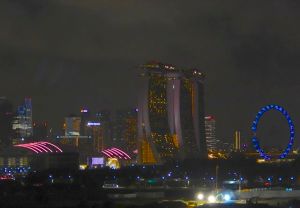
The Marina Towers and the Omni at night.

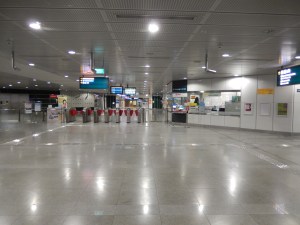
First thing you need to know is one of the official languages of Singapore is English and virtually all signage here is in English. So not understanding the language is not an excuse. Second, the MRT is spotless as is all of Singapore. Saying a place is so clean you can eat off the floor is a common expression but it might actually be true in the MRT.

MRT Station
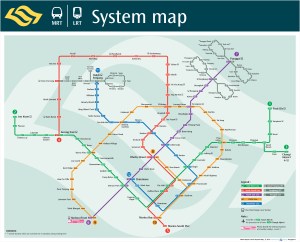
Click the map to download a printable pdf copy

The Singapore Tourist Pass is a special ez-link card that offers tourists unlimited travel on Singapore’s basic bus services, MRT and LRT trains for the duration of the days purchased. You can now take in the sights and sounds of Singapore in the comfort of the island’s extensive MRT system and public bus network. If you are going to be in Singapore for a day or three you need a Singapore Tourist Pass. You can purchase the Singapore Tourist Pass at “Changi Recommends” counters at all Changi Airport terminals, SMRT Passenger Service Counters, and TransitLink Ticket Offices at Changi Airport or HarbourFront and all 7-Eleven stores. Be sure and have your passport.

TOURIST 1-DAY PASS $10   2-DAY PASS $16   3-DAY PASS $20

The pass also requires a $10 rental deposit that is refunded when you turn in the card. You can collect your deposit at the airport before flying out.

Gardens By The Bay

If you don’t have a chance to get your ez-Link card the system offers an all-day ticket from the vending outlets in the stations. They are easy to understand and accept major credit cards. Since we were in Singapore three different times in some cases we found it cheaper to purchase one-way or roundtrip fares to specific destinations but in any case the fare on the MRT is a truly great deal.

With the MRT, even if you haven’t planned where you are going it isn’t hard to figure out. The popular destinations are clearly named on the route map like Botanic Garden, Chinatown, Little India, Marina Bay, Bayfront, Promenade, HarbourFront and Downtown.

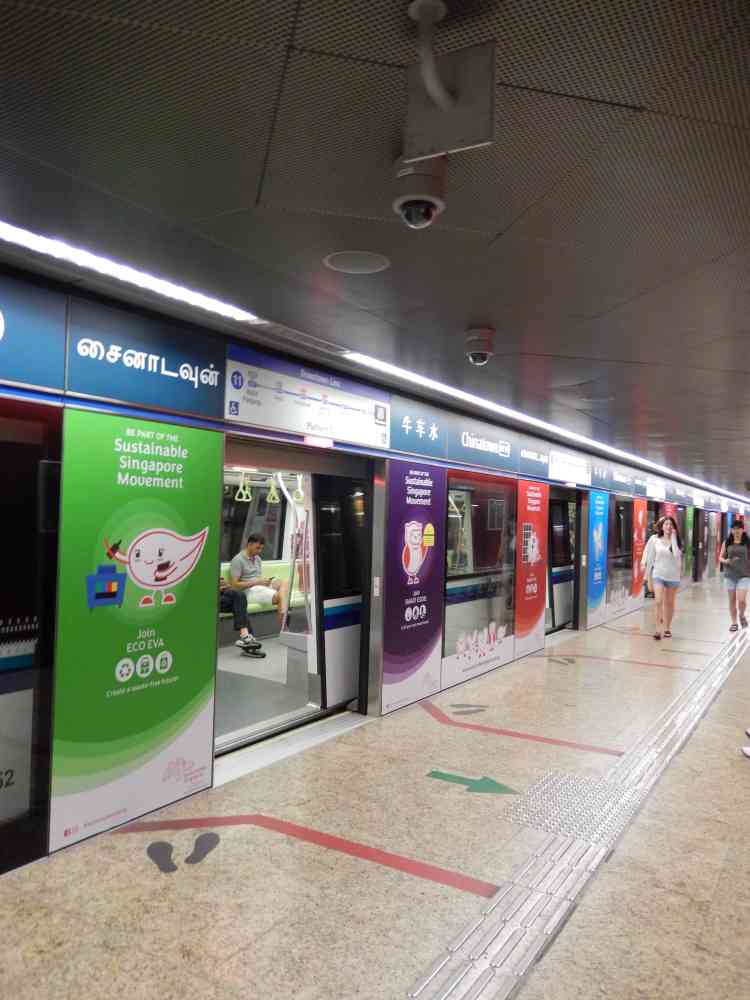
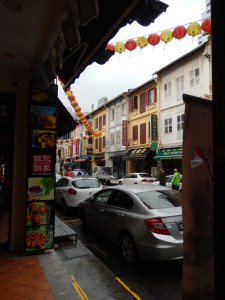
Chinatown

A final thought about the MRT and Singapore in general; the people are great. They are always trying to be helpful and friendly. While riding on the MRT young people kept insisting we take their seats (and I didn’t think I looked THAT old). Even the train kept telling us to “mind the gap and have a happy happy”…

Skagen, A Watch And A Town

Did you know you can buy a Skagen watch in Skagen, Denmark? Very fashionable and admired Skagen watches are sold the world over. Generally they are stylish, thin and not outrageously expensive. So if you find yourself visiting Denmark, maybe a stop at Skagen, Denmark would seem a natural thing to do. Skagen (pronounced as if the g wasn’t there), Denmark is a smallish port located on the Jutland peninsula and Denmark’s northernmost town. Besides having a watch company named after it, Skagen is also noted for its scenery. On the northeastern outskirts, Grenen Beach is at the convergence of the Skagerrak and Kattegat seas.

Watches in the Skagen Store

Walking through town keep your eye out for THE Skagen watch shop. We visited on a cruise and maybe the shop wasn’t accustomed to the number of people a cruise ship can deliver to their door, or at least that is how they acted. First you had to select a watch and get the help of a sales clerk to answer questions and write up your order. Not efficient, but so far so good.

Next you had to wait in line to pay at the counter and that is where things really broke down. Two or three hundred customers times ten to fifteen minutes divided by the two cashiers meant you are going to spend the day here.

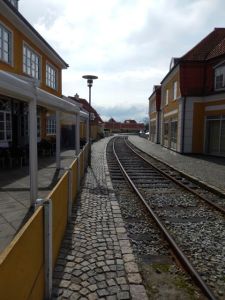
Town Square

At the time of the visit we really didn’t know much about the watches other than we liked them. We should have done our research. The watches are made in China and use a Japanese Miyota quartz movement. They have never been made in Skagen. The company was founded in 1989, the company has always been based in the United States. Started by Henrik and Charlotte Jorst, who moved from Denmark to the US in 1986. According to Wikipedia , the company, Skagen Designs Ltd. was named for Skagen, Denmark , with the stated corporate aim to present honest, simple, purposeful designs and thus share Danish ideals globally. After locating the Danish-owned clock and watch manufacturer, Comtech Watches, a supplier that could manufacture watches at a lower price through its Hong Kong factory, the Jorsts began designing their own watches.

skagan4.jpg
Welcome to Skagen

Today Skagen is a subsidiary of Fossil, which agreed to buy Skagen Designs and its international affiliates for about $236.9 million in cash and stock in 2012. While you can claim that we bought your Skagen watch in Skagen you may discover that you paid manufacturers list price. The truth is you could save considerable time and money buying the same watch at a duty free shop or a discount store anywhere, even in Skagen.

Before leaving Skagen do some shopping. Look for Glaspusterblaeser, a great glass blowing shop in an old post office building located at Sct. Laurentii Vej 13. They offer number of hand blown Christmas ornaments that make great gifts along with some interesting glassware.