Port of Ravenna on the Italian Adriatic Coast

Ravenna, A Jewel On The Northern Adriatic

Ravenna in the northern Italian province of Emilia Romagna is a bit off usual cruise itineraries but is gaining in interest. Located only two and a half hours from Venice by train and with frequent service starting at €12 it is a popular day trip for people visiting Venice. Ravenna, often overlooked is an incredible treasure trove of art and history with its basilica containing the worlds most extensive collection of Byzantine mosaics. The city was the capital of the Western Roman Empire from 402 AD until the Western Empires collapse in 476. Today, Ravenna is home to eight world heritage sites, is known for its great food and is located on good beaches on the Adriatic coast that include some world class beach resorts.

Where Your Ship Docks – The Ravenna pier capable of accommodating large cruise ships is about 5 miles outside the city and shuttles are usually provided. To catch a train to Venice you also need to get into the central station located in the center of town. There is no cruise terminal or facilities near the pier.

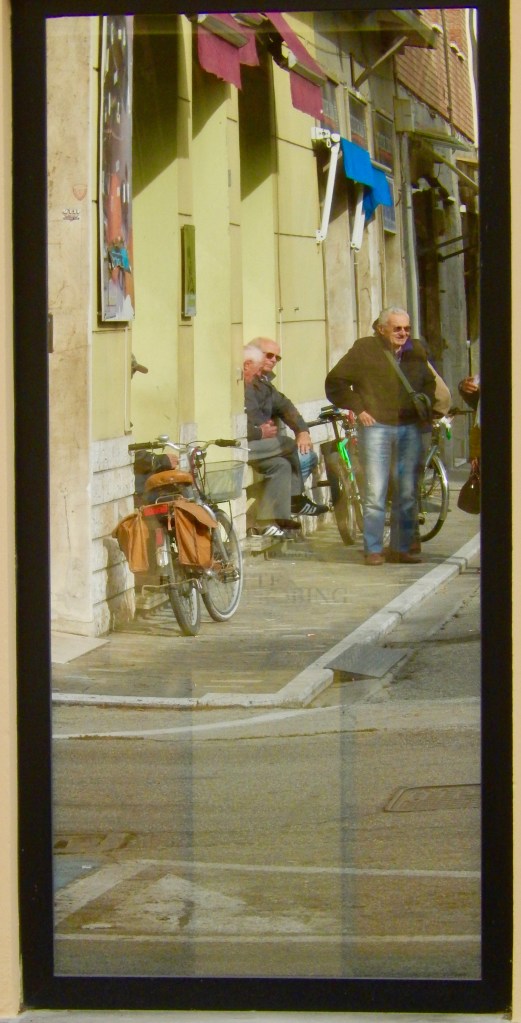
Old city gate

Transportation – Getting into Ravenna usually is by a provided shuttle bus and there will probably be very little in the way of taxis available at the pier. With the likelyhood of Venice no longer providing access for cruise ships Ravenna could be a gateway port for visiting Venice. Expect tours to Venice to be added and train service takes about 2 to 3 hours.

Currency – Italy uses the Euro and Ravenna requires you to change some money as Pounds, US and Canadian Dollars are not usually accepted. The are ATM’s readily available and credit cards are welcome.

Eight Unesco World Heritage Sites

  1. The Mausoleum of Galla Placidia meant to be the resting place of Galla Placidia, the sister of the Roman Emperor Honorius who had transferred the capital of the Western Roman Empire from Milan to Ravenna in 402 AD.
  2. The Neonian Baptistery along with the
  3. Arian Baptistery with both including plain octagonal shaped brick exteriors with lavish interiors.
  4. The Basilica of Sant’ Apollinare Nuovo with its 26 mosaic scenes from the New Testament, the oldest
  5. mosaics in the world.
  6. The the only chapel of the early Christian era that is still fully preserved.
  7. The Mausoleum of Theodoric built in 520 AD by Theodoric the Great, King and unifier of the Ostrogoths.
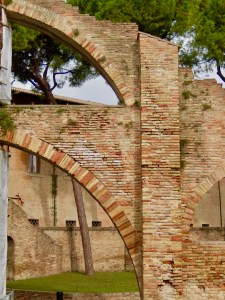
Flying buttress on the Basilica of San Vitale
Dante’s Tomb

The city is also the site of the Tomb of Dante Alighieri the author of The Divine Comedy. He was exiled from his native Florence to Ravenna in 1318, where he completed Paradise, the final section of his famous three part work. Dante is buried in the graveyard beside the San Francesco Basilica.

The “Basilica of San Vitale” in Ravenna, is one of the most important examples of early Christian Byzantine art and architecture in Europe. Built in the 6th century it is especially noted for the colorful mosaics of Christian icons that decorate the interior walls and ceilings.

The Roman Catholic Church has designated the building a “basilica”, the title bestowed on church buildings of exceptional historic and ecclesiastical importance, although it is not an architectural basilica form.
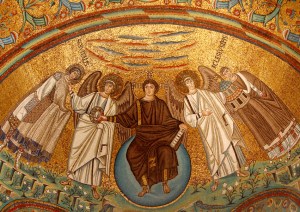
The church was begun by Bishop Ecclesius in 526, when Ravenna was under the rule of the Ostrogoths and completed by the 27th Bishop of Ravenna, Maximian, in 547.
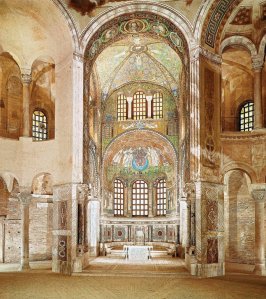
The church has an octagonal plan with the building combining Roman elements: the dome, shape of doorways, and stepped towers; with Byzantine elements: polygonal apse, capitals, narrow bricks, and one of the earliest examples of the flying buttress. The church is most famous for its collection of Byzantine mosaics, the largest and best preserved outside of Constantinople. The church is of extreme importance in Byzantine art, as it is the only major church from the period of the Emperor Justinian I to survive virtually intact to the present day. Furthermore, it is thought to reflect the design of the Byzantine Imperial Palace Audience Chamber, of which nothing at all survives. The Church also inspired the design of the church of the Saints Sergius and Bacchus in Constantinople, and also was the model used by the Emperor Charlemagne for his Palatine Chapel in Aachen in 805. Centuries later the San Vitale dome was the inspiration for Filippo Brunelleschi in the design for the dome of the Duomo of Florence, Italy.
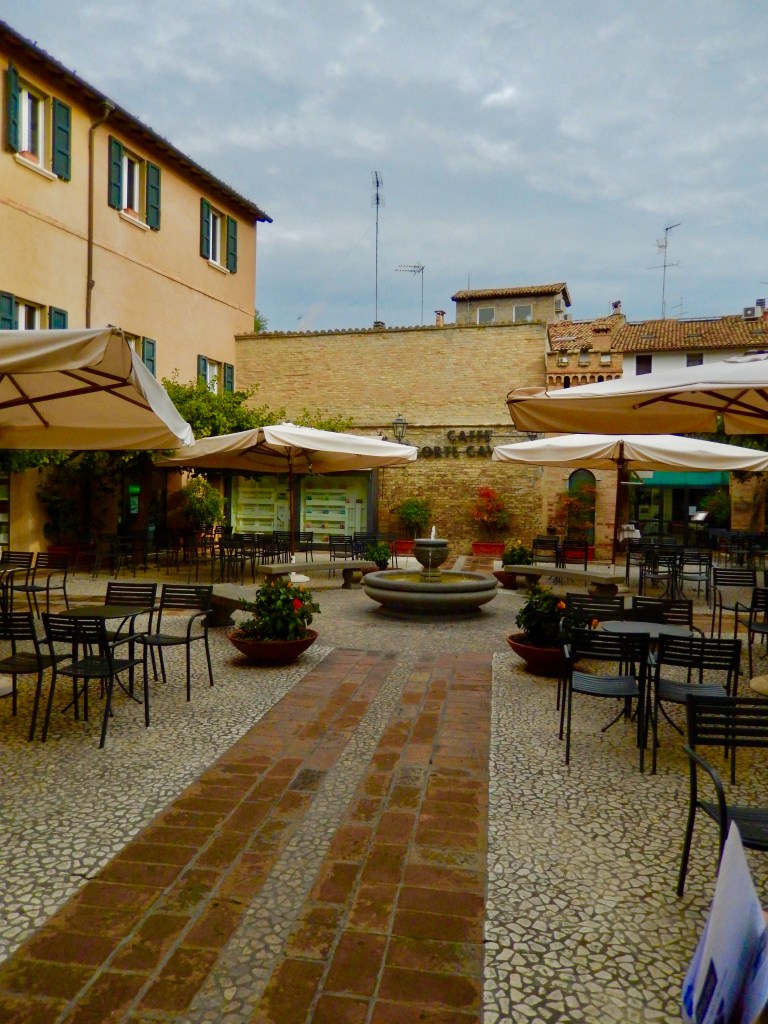
Besides the history and good food the city is also a very easy place for walking. It features a number of wide pedestrian malls lined with good shops, cafes and restaurants.
Outside the city towards the Adriatic beaches you will pass a number of canals dotted with interesting fishing huts with huge and elaborate fishing net contraptions that don’t seem a very sporting way of fishing. Even at the beach there is a long pier also with a number of these fishing huts and nets.

Of additional historic interest is the lagoon just north of the Ravenna pier. At the time that Ravenna was the capital of the Western Roman Empire the lagoon was the home port of the Roman fleet, the largest navy in the Mediterranean at the time. Excavations are exposing piers, shipyards and associated ruins from the period.

Ravenna Beach

Minerva’s Pencil Case has a great  post HERE with some breathtaking interior photography of the cathedral mosaics.
Đà Nẵng, Vietnam A Port of Call

Visiting Da Nang and Nearby Hoi An Vietnam

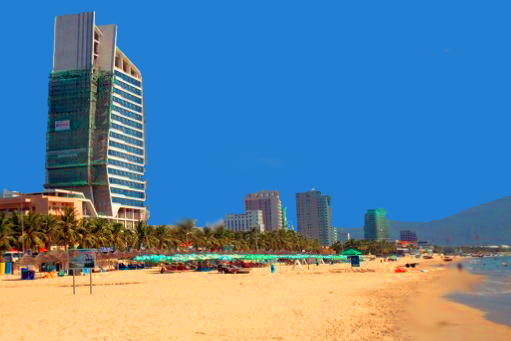
Downtown Da Nang is a modern cosmopolitan city, with an impressive skyline, major shopping options, parks, walking malls, and a beautiful beach. The Han River runs through the center of the city, and is crossed by four incredible bridges. The bridges offer an incredible light display of rainbow colors at night. On both banks of the river are parks and walking trails.

Where Your Ship Docks

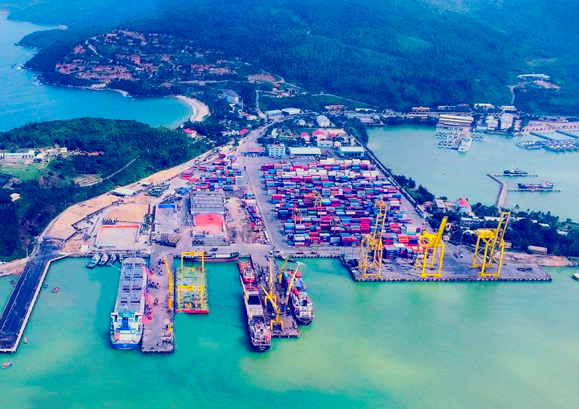
Most large cruise ships visiting Da Nang dock at Tien Sa port. Bus travel from the port to Danang City is around 30 min. At the port’s entrance (approx 500 m / 1650 ft from the cruise pier) there is a taxi stand. Smaller cruise ships often dock in town at the city’s Han River Port (on the river’s western bank).

Transportation

Taxis are inexpensive and available everywhere in Da Nang, particularly near tourist attractions, and shopping areas. The most popular taxi companies are Mai Linh, Taxi Xanh, and Vinasun. All taxis use meters, with the starting price at US$0.65 and after that less than US$1.00 per mile. The drivers also have a fairly good command of English, and there’s also a helpline number stated on the passenger door.

Danang Private Taxi is a private taxi service with English speaking drivers that specializes in arranging tours along with airport service. Visit them online at https://danangprivatetaxi.com/.

Uber? Uber stopped operations in 2018 in Vietnam but a fast growing, Asia ride share servcie is taking its place. The operation is GoJek with their Vietnam service affiliate being Go-Viet. Apps are available from Apple and Google.

Currency
1,000 Vietnamese Dong = less than 3.5¢ US and American currency is gladly accepted. Major credit cards are usually welcome at most businesses.

Attractions – Da Nang is Vietnam’s fastest growing and most progressive city. Going downtown and walking along the Han River is an experience in itself. The area boasts incredible beaches and there are a number of nearby picturesque and historical towns within easy reach.

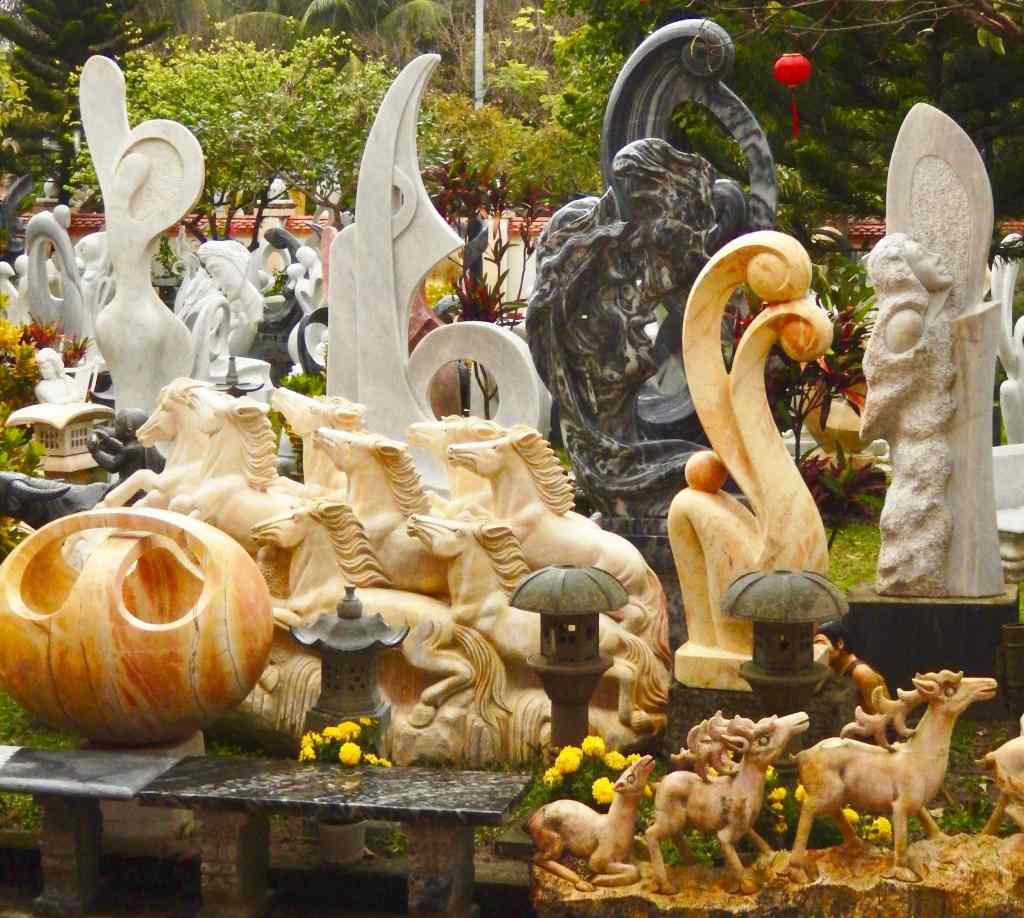
Marble Mountains is a cluster of five marble and limestone hills located in Ngũ Hành Sơn District, south of Da Nang city in Vietnam. There are a number of marble carving locations with retail outlets.

Bà Nà Hill Station is resort area located in the Trường Sơn Mountains west of the city and features the longest cable car in the world along with a number of interesting attractions including

The Golden Bridge a unique 450 foot pedestrian bridge. Located above 4,000 feet above sea level, it has views of the Sea and the surrounding mountains.

Danang Cathedral, Da Nang – Built in 1924 when Vietnam was under French control, the pink Gothic church stands above the city. In 1963, the church was officially recognized as Danang Cathedral. Behind the church is a grotto, fashioned after the Lourdes grotto in France.

Hoi An

Japan Bridge, Hoi An

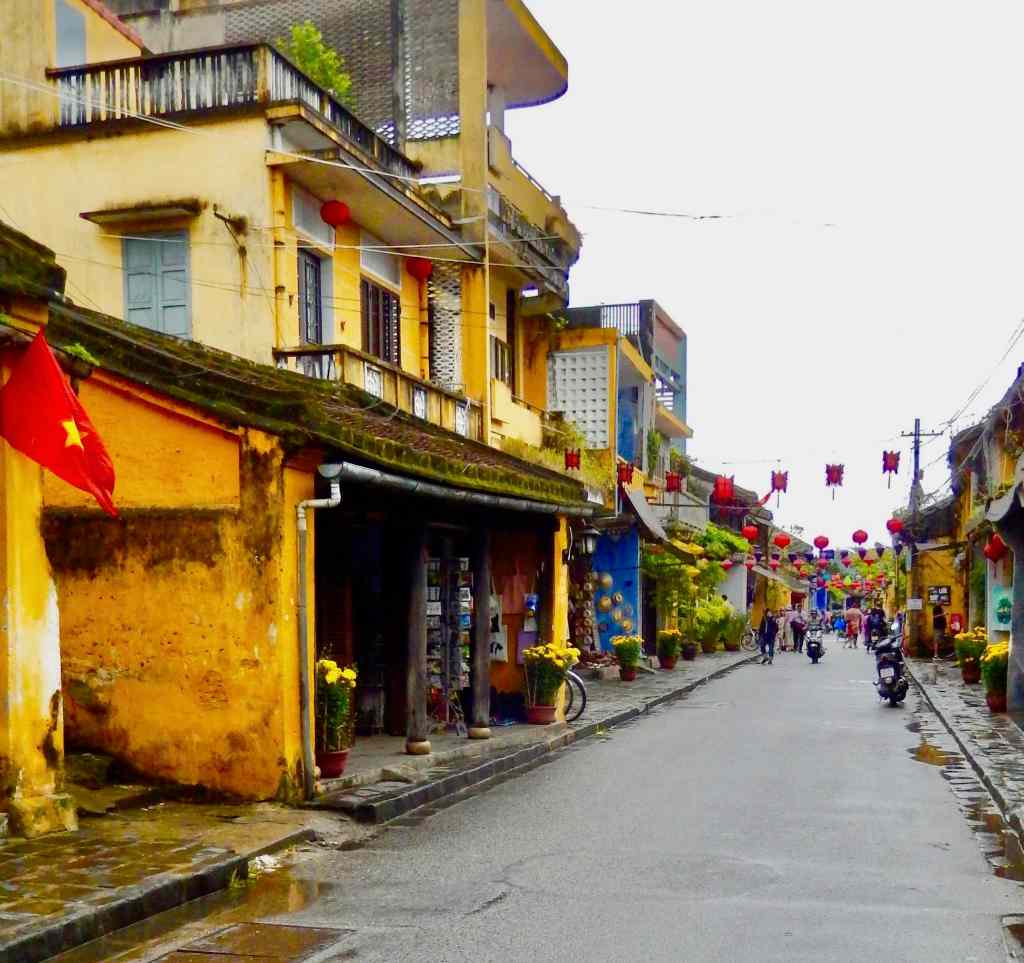
Hoi An is referred to as the Ancient Town and is an exceptionally well-preserved example of a South-East Asian trading port dating to the 15th century. It is only about 15 miles outside Đà Nẵng and is usually visited with cruise tours. Its buildings and streets demonstrate the influences, both Vietnamese and foreign, that produced this unique World Heritage Site. In town are a number of craft based businesses including enamel ware, and and a facility that will turn your photograph into a cross-stitch work of art.

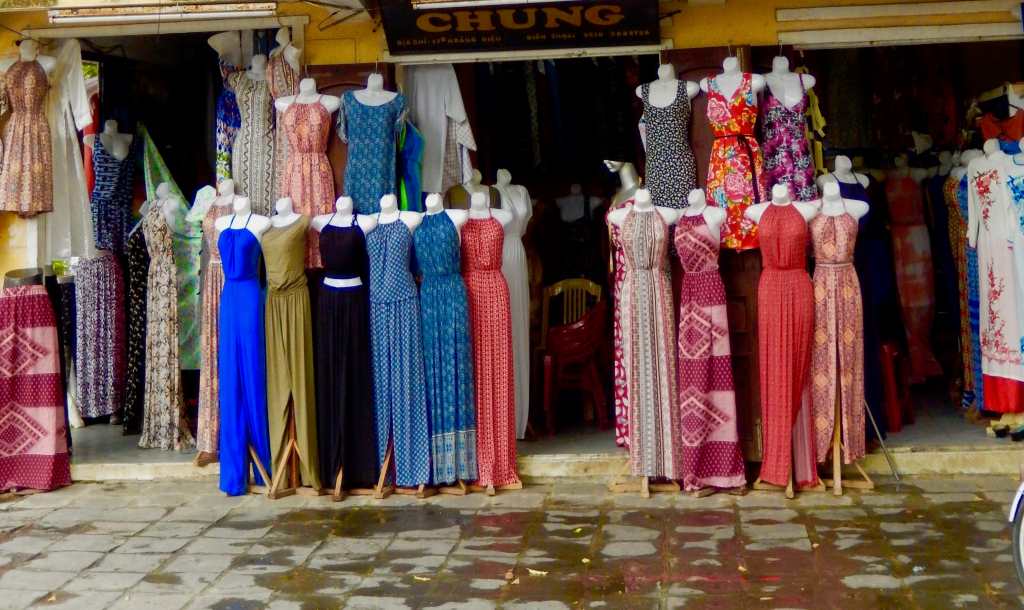
Hoi An’s shopping scene is a bargain hunters paradise featuring affordable yet quality tailoring outlets, where you can order custom-made dresses, suits, shirts, and shoes at a fraction of the price anywhere else. There are also plenty of arts, crafts and traditional goods on sale in Hoi An and its pedestrian-friendly streets, with charming local shopkeepers. making an afternoon or evening out shopping a delight.

While the prices and workmanship are almost unbelievable you need to pay particular attention to buying over the counter clothing as sizes tend to run very small from western standards.

Modern, historic and fascinating port of call Đà Nẵng is the the fastest growing most progressive city in Vietnam. Surrounded by historic towns and great beaches.

Bar Harbor Maine A New England Port

Visiting The Cruise Port of Bar Harbor, Maine

A favorite stop for New England and Canada Maritime cruises, Bar Harbor has a lot to offer. The town itself and waterfront are the major attraction with a number of shops and great restaurants to visit.

The Town Pier in Bar Harbor

Where Your Ship Docks

Bar Harbor is a tender port and the boats will tie up at the Town Pier. From there it is only a short walk into the center of town and there are a number of excursion and whale watching boats available right at the pier.

Because it is tidal New England the tides can rise over a large range sometimes making a it a climb up from the tenders dock.

Downtown Bar Harbor

Transportation

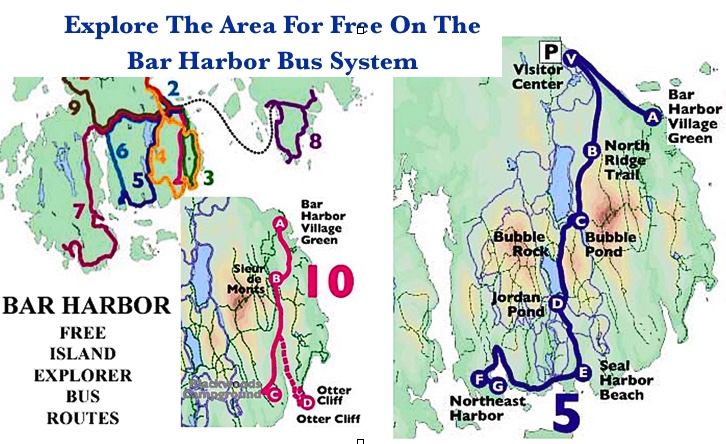
The best way to get around Bar Harbor is The Island Explorer, a free town shuttle bus that even offers free transportation to Acadia National Park and up Cadillac Mountain. The downtown area is also an easy walk with lots to see.

Currency

You’re in the United States and the U.S. Dollar is the local currency. Most credit cards are welcome and there are a number of ATM machines in town.

Attractions

This area is where the fall foliage starts to change color first in the Eastern United States and fall leaf change cruises are popular. Bar Harbor also offers a number of whale watching excursions and the town sits on the edge of Acadia National Park. A trip up Cadillac Mountain is a popular excursion. The top of the mountain is the first spot touched by the rays of the rising Sun in the United States each day and the Park Service offers a number of programs for visitors.

Good Links for Additional Information

Free Shuttle Website

The Official Bar Harbor Website

Acadia National Park Website

Visiting Cadillac Mountain Website

Rhodes Greece, A Port Of Call

Rhodes (Greek: Ρόδος, romanized: Ródos [ˈroðos]) is the largest of the Dodecanese islands of Greece and is also the island group’s capital.

The island was the site of the legendary Colossus of Rhodes, a statue of the Greek sun-god Helios, erected by Chares of Lindos in 280 BC. It was one of the Seven Wonders of the Ancient World, constructed to celebrate Rhodes’ victory over the ruler of Cyprus, Antigonus I Monophthalmus. According to most descriptions, the Colossus stood approximately 108 feet high, about the height of the modern Statue of Liberty. It collapsed during the earthquake of 226 BC.

When the knights of Saint-John arrived on the island in 1309, they built this impressive citadel city. The two and a half mile long fortified walls, with a number of strongholds and towers remain extremely well-preserved.

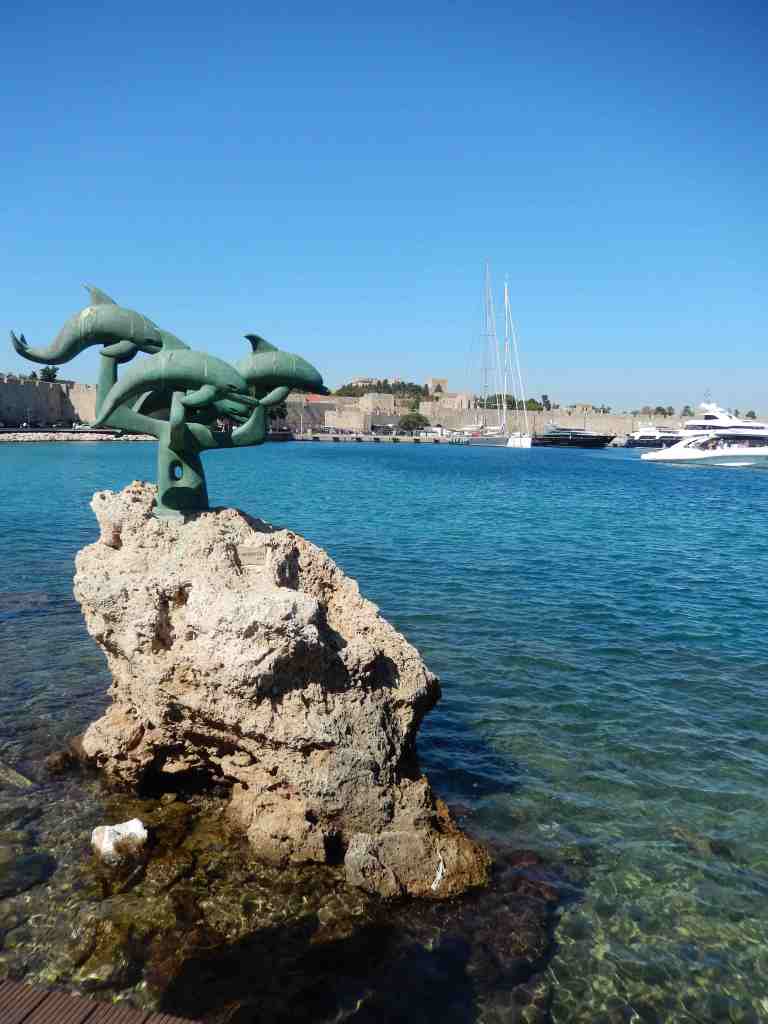
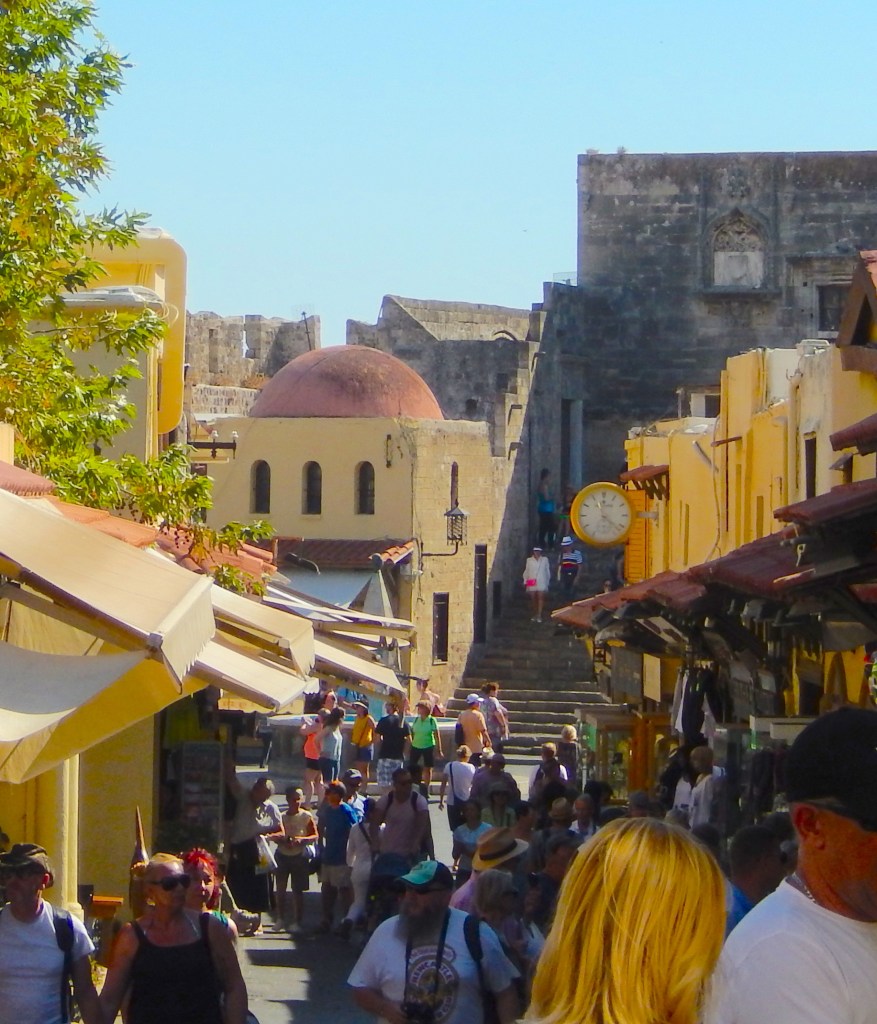
There are only walking streets inside the walls with an occasional motor bike and scooter. Wander through paved medieval streets and alleys while visiting historical monuments. The winding streets are lined with many taverns, restaurants, galleries and shops.

Where Your Ship Docks

The island of Rhodes is about forty miles in length and cruise ships dock at the far north end only a short walk from the Medieval City of Rhodes. The medieval city is far and away the island’s major attraction and became a UNESCO World Heritage site as the largest and best preserved medieval fortified city in Europe! The pier is situated to be convenient to the medieval city with a nice seaside walkway public facilities just inside.

Transportation

For a day visit to the Medieval City o­f Rhodes a leisurely walk is all that’s needed. If you would like to get out and see the island there are a number of rental car agencies right at the pier and there are taxis available also.

Currency

Rhodes is part of Greece and the local currency is the Euro. Generally US and Canadian Dollars are not taken but credit cards are widely used and there are numerous ATM’s available.

Attractions

The Palace of the Grand Master of the Knights of Rhodes: one of the first castles built by the knights. Inside, you will discover a museum dedicated to Rhodes’ History and the Grand Master’s apartment, with its magnificent mosaic floors.

The Street of the Knights: there, each of the languages had its own inn (also called “auberge” or “palatial residence”). You will discover the Inn of the Tongue of France, or the Inn of the Tongue of England for example.

The Archaeological Museum of Rhodes is located in the medieval Hospital of the Knights. There, you will find many ancient objects found in Rhodes and the other Dodecanese Islands.

The Roloi Clock Tower, features beautiful views of the Old City from the top.

The Byzantine Art Museum displays many frescoes and icons from the Byzantine period.

Church of Agia Triada (Holy Trinity) Erected sometime between the late 15th and early 16th century this church is situated on Leonidou Rodiou square. Some of the original frescoes that once decorated its interior have been preserved

Agia Aikaterini. St. Catherine – built in the 14th century, was converted to a Moslem mosque when the Ottomans captured Rhodes in1522. It’s said to be the first Christian church to be converted to a mosque. Süleyman the Magnificent prayed at this mosque after he conquered Rhodes.

The Suleyman Mosque, built during the Turkish occupation of Rhodes.

In the modern city of Rhodes, you will find vestiges of Rhodes’ Acropolis, located about a mile from the medieval city, on Monte Smith. There, you can see the remains of the Stadium, the Theatre and the Pythian Temple of Apollo. This archaeological site is small, but free.

Cruise Port Santorini Greece

Officially the Greek island of Thera But Popularly Referred To As Santorini
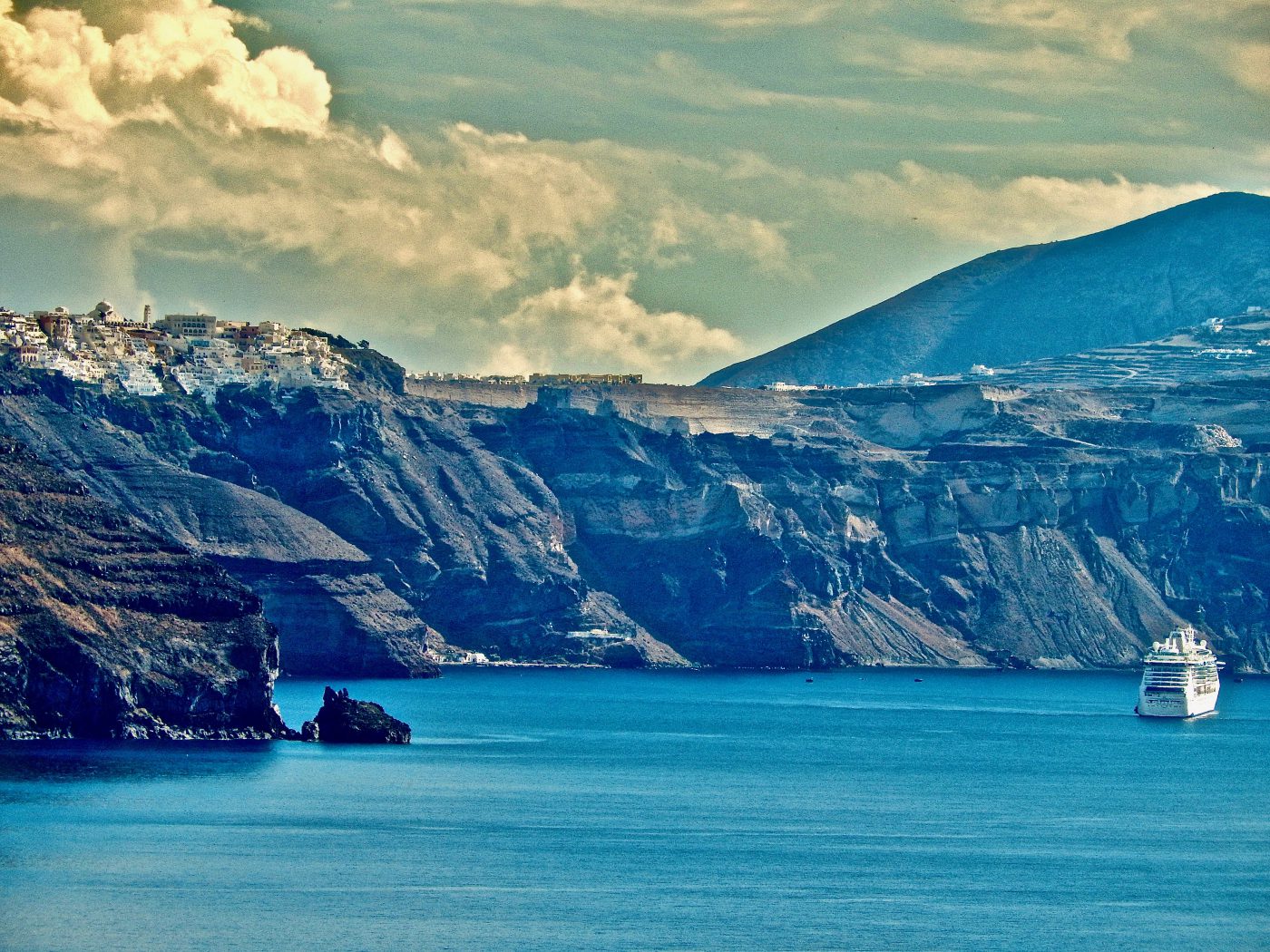
Looking up at Fira from the caldera at Old Port
Old Port below Fira

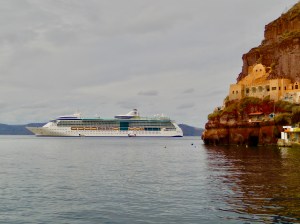
Cruise ships visiting Santorini will usually anchor out and tender in to the Old Port area. The anchorage is actually the caldera of an ancient volcano and the steep cliffs ringing the lagoon are what remains of the island after the massive explosion.

Cruise ship anchored off Old Port of Santorini
At anchor off Old Port

About 3,500 years ago in the Eastern Mediterranean a great Minoan civilization flourished. It was centered in Crete with towns and cities established on a number of nearby islands. From a number of archeological excavations we know that they built multi-story houses that were decorated with incredible frescoes and had advanced plumbing systems some with hot and cold running water. One of the richest cities was Akrotiri (not its ancient name because there is no known written record) located in the middle of trade routes connecting Crete, Cyprus, Greece and Egypt. On a day around 1625 BC it all came to an end as one of the largest volcanic eruptions of the last 5,000 years destroyed most of the island under Akrotiri. Shortly after that tsunamis from the eruption swept across Crete and dozens of other Minoan islands. Over a short period of time much of the Minoan civilization simply vanished.

Welcome to Santorini, Greece! Santorini was named in the thirteenth century after Saint Irene. The old name Thera was revived a century ago as the official name of the island but Santorini is still used.

Where You’re Ship Stops – There are only cruise ship piers on Santorini for smaller ships. Docking space is at a premium and most facilities are used by ferries and cargo ships. Most Cruise ships anchor out and use tenders to take passengers to the Old Port. Since the island is noted for its shear 900 foot cliffs that rise out of the sea, the first challenge you’ll face is getting from the limited sea level space up on top of the island.

Transportation – From the Old Port you will find four options to get up to the top of the island and the town of Fira. A mule ride (€8/$8.70), or a serious hike up 580 steps and on the same path used the mules (don’t wear shoes you don’t want ruined). There’s a modern cable car which costs €6 each way and takes 3 to 6 minutes unless there’s a long line which usually happens early in the day or within an hour or two of cruise ships departing. The island has a good bus service and reasonably priced taxis.

cable cars down to Old Port and cruise ship at anchor
Cabble cars down to Old Port

While Santorini has good bus service and a bus route does go to the Old Port area, it would probably be more efficient to take the cable car up to the town. If you want to see more of the island catch a bus in Fira or take a taxi. The island towns are very walkable with their unique white-washed stucco buildings and bright colored doors and trim being the picturesque hallmark of Santorini.

Bus Service – The island bus service is KTEL with the average fare being under €2. You find the fare schedule HERE and a system map HERE . Taxis – Taxis are available but catching one at the Old Port early in the day can at times be difficult. An average trip between towns will cost around €10 to €15. You can also have a taxi take you on a tour around the island but be sure and firm up a price before starting out.

Money – Like most of Europe the accepted currency on Santorini is the Euro. Credit cards are widely accepted but for incidental expenses you should carry some Euros.
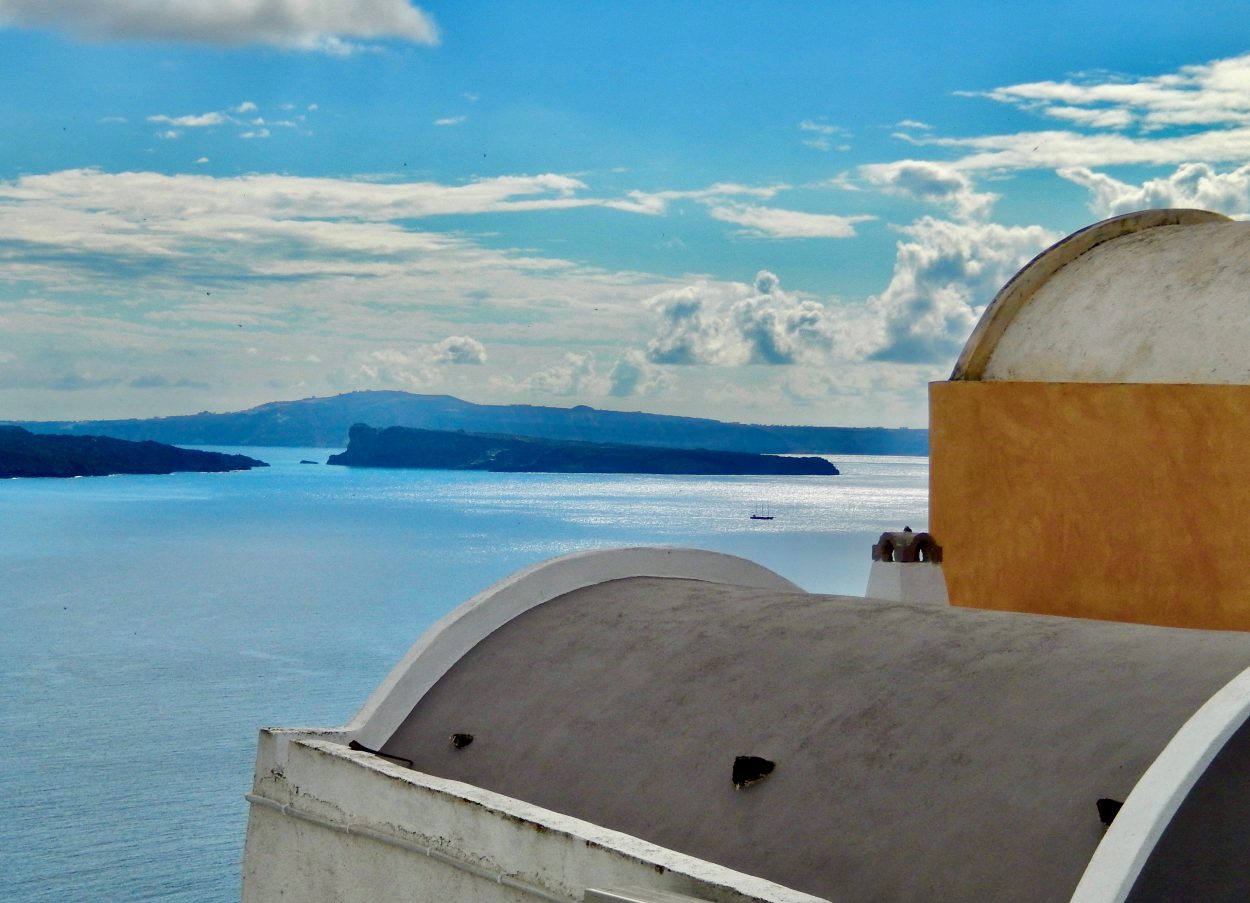
looking to the islands on far side of caldera fromSanto Wine patio
The view from Santo Wine

Things To Do – First, the island and it’s towns are the primary attraction. Your ship will be anchoring in a huge circular caldera with its shear inner walls forming the coast of several islands. Clinging to the upper sides of these cliffs are a number of iconic towns inviting you to stroll their streets.

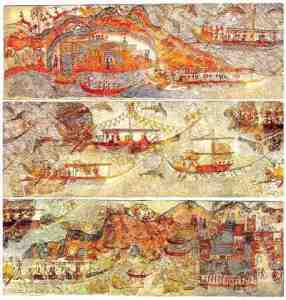
Minoan frescos of boating scenes from ruins at Akratiri
Akratiri Frescos

Minoan Akrotiri – A major archeological excavation site open to the public will probably exceed the size of the archeological excavations at Pompeii. It is also a treasure trove of some of the worlds oldest frescos, most preserved by the eruption showing remarkable detail and vibrant colors.

Wineries – Santorini is also home to a number of small, good wineries. The wine at the Santo Wines is only exceeded by the fabulous views from their patio. There are a number of wine tours available.

Donkey Rides – One option to get from Old Port up to the town of Fira (the islands Capital) is to ride the donkeys. These sturdy animals climb a winding trail that switches back and forth as you ascend about seven to nine hundred feet to the top. While not for everyone it is very similar to going down into the Grand Canyon by donkey.

Cruising Through The Panama Canal

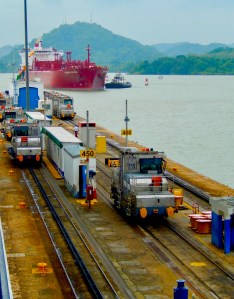
Above: A Holland America ship enters a lock on the left while a dry cargo ship gets ready to enter the lock on the right and a tanker exits the locks heading west.

Going up a lock to Gatún Lake

The best way to experience the canal is on a cruise ship. Generally these cruises start from major cruise ports of Miami, Ft. Lauderdale, San Diego, Los Angeles and San Francisco. They usually include a number of itinerary stops that can include Grand Cayman, Cartagena, Columbia, Colon in Panama, ports in Guatemala, Costa Rica, Honduras and Mexico but the star of the trip is the Canal.

In 1880 the French tackled what was to be one of the biggest engineering projects ever. The intent was to dig a canal from the Caribbean across Panama to the Pacific Ocean. They were defeated by some mountains but mostly by a mosquito and the single celled organism that causes malaria.

In 1903 President Theodore Roosevelt of the United States took on the responsibility of getting done a long-term United States goal, completing the trans-isthmian canal. In order to get the U.S. authority a number of treaties were attempted and finally the U.S. backed a revolutionary movement that gained Panama independence from Columbia and granted the U.S. ownership of the property.

The new canal projects success was partly the result of healthcare advances made during the construction, led by William Gorgas, an expert in controlling tropical diseases including yellow fever and malaria. Gorgas was one of the first to recognize the role of mosquitoes in the spread of these diseases, and by focusing on controlling the mosquitoes greatly improved worker safety and health.

Gatún Lake

This slideshow requires JavaScript.

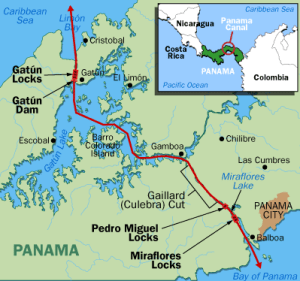
The American engineers abandoned the French plan of a sea level cut and went to a design using locks to lift ships up to the level of Gatún Lake and back down again. One of the biggest projects was the Culebra Cut through the roughest terrain on the route and remains one of the largest earth –moving projects ever tackled.

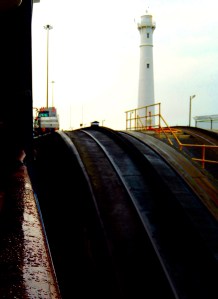
Transiting the locks

Later in the construction it was decided there would not be enough water reserves to operate the locks. Several dams were built with one being a dam at Pedro Miguel which encloses the south end of the Culebra Cut (actually an arm of Gatún Lake). The Gatun Dam is the main dam blocking the original course of the Chagres River, and resulted in creating Gatún Lake. Additionally two dams were built at Miraflores that enlarged Miraflores Lake.

Cabo San Lucas, Mexico
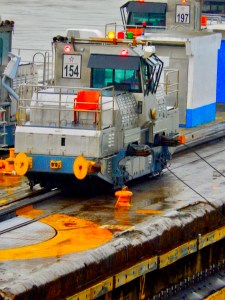
Mules prepare to receive a tanker
A new electric Mule

We have taken a couple of cruises that transit the canal and are always enthralled by the trip thru the locks and lakes of this remarkable place. Ships are pushed and pulled by tugs and canal rail engines called “mules” into locks with only inches of clearance. Water roars out of exhaust ports and massive ships rise and drop effortlessly within the locks.

Cruising across Lake Gatún is like a journey thru a primitive and beautiful rain forest with numerous islets. Dozens of ships glide along near us as they line up to re-enter the locks. Transiting the Culebra Cut with its walls towering above leaves us overwhelmed by the shear tonnage of dirt that had to be excavated and hauled away.

Many cruises stop at Cristobal Pier near Colon where locals offer crafts and wares for sale with usually Kuna Indians from the San Blas Islands among the merchants. Many of the cruise ships require a quick paint touch-up at the exit dock to cover up numerous rubs and scrapes from the passage through the locks

Up until recently the canal could only accommodate ships designated Panamax. Those original locks are 1,050 ft (320.04 m) in length, 110 ft (33.53 m) in width, and 41.2 ft (12.56 m) in depth. These limits have influenced the ship building industry to build Panamax vessels for the past hundred plus years

On September 7, 1977, President Jimmy Carter signed the Panama Canal Treaty and Neutrality Treaty promising to give control of the canal to the Panamanians in the year 2000. After Panama took control the Panama Canal Company started an expansion project. The expansion project started construction in 2007 and opened for commercial operation on 26 June 2016. The new locks allow transit of larger Post-Panamax and New Panamax ships, which have a greater cargo capacity than the original locks could accommodate. New Panamax ships will have a dimension of  1,200 ft (366 m) in length, 160.7 ft (49 m) in width and 49.9 ft (15.2 m) in depth. Unfortunately many of the cruise industries new mega-ships still cannot cruise the canal mainly because they are too tall to cruise under the bridge at the Pacific end of the canal.

All-in-all this is a fascinating journey and one of the three or four  best itineraries we’ve taken. The ports-of-call are an opportunity to visit a number of Central American countries and see some of this interesting region.

This is a very popular cruise itinerary, transiting the Panama Canal. Canal cruises generally cover three options. First is west to east normally starting in a California port like San Diego or LA and ending in a Florida cruise port like Miami or Ft. Lauderdale. Next there is the reverse, east to west finally some Caribbean cruises that include a trip part way through the canal returning to the Caribbean.