Experiencing Buddhism In Thailand

A Short Story

At the Maeklong train market

Thailand is almost exclusively a Buddhist nation. It has been the religion of the country for centuries because it resonates with the spirit of the Thai people. “Thai” is a word that means freedom, and most people in Thailand treasure freedom, and Buddhism blends well with that spirit of the Thai people. Unlike most religions, Buddhism focuses on achieving self-liberation based on an individual’s efforts to find their own individual spiritual path. There is a strong bond between Buddhism and the life of Thai people to the extent the two cannot be separated.

A couple of years age we spent time with some delightful people in Thailand who were introducing us to life in their country. The first thing you realize is Thai people are incredible friendly, respectful and completely devoted to their religious beliefs.

Around Bangkok

After a couple of days you realize there is a wide divide between the foundational principles of Theravada Buddhism (the Thai form of Buddhism) and the faith of the common people. Theravada Buddhism prohibits the belief in supernatural beings or solutions, and encourages the use of meditation to find worldly solutions to practical as well as spiritual problems. It also teaches that the only way to have contact with the Buddha is through studying his teachings, and understanding his teachings will allow one to reach the enlightened state.

The Jade Buddha

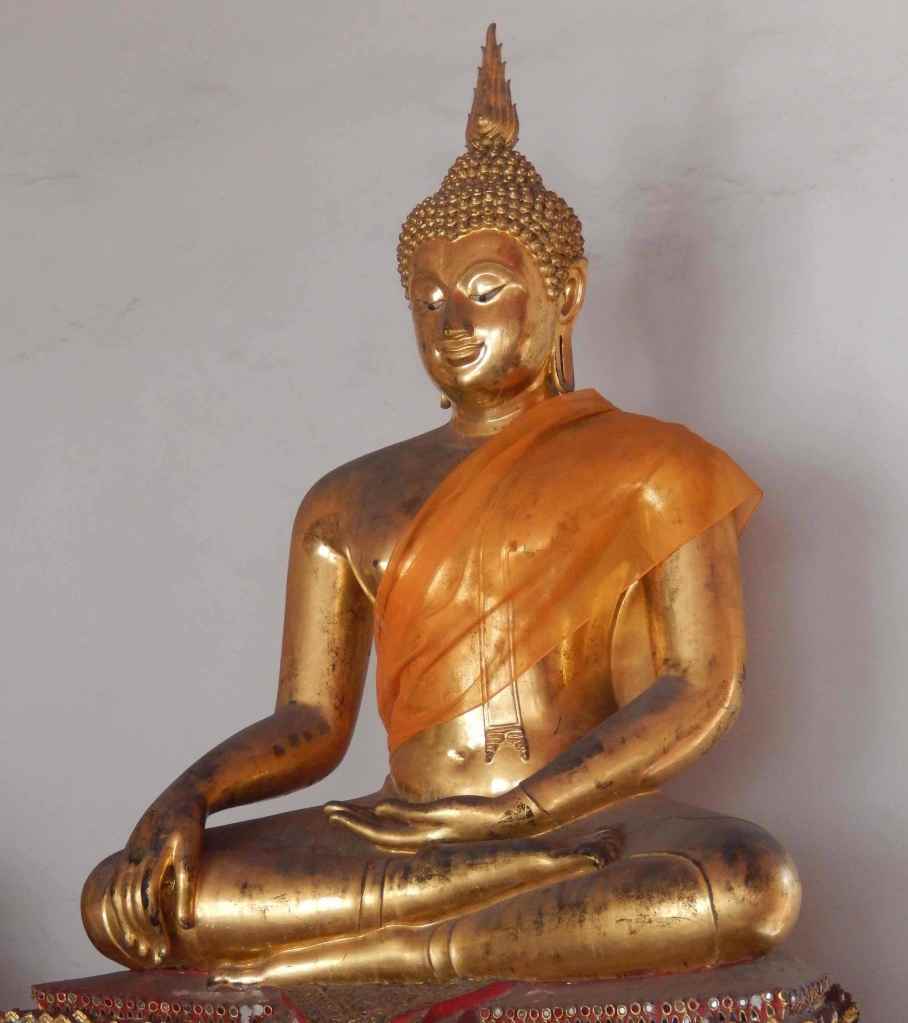
While a devout Theravada Buddhist our Ms. Mam lived with a direct and personal relationship with the Buddha. She also had a patron Buddha that she believed carried her needs to a supernatural power. Hers was the Jade Buddha inside the Grand Palace grounds in Bangkok and she always found time to pray at his temple.

Shortly before we arrived her sister and her family had taken a holiday to a resort beach. While there her sister had lost her purse that contained a store of important items. After telling Mam of the disaster Ms. Mam went immediately to the Jade Buddha seeking help. Within hours her sister had her purse returned with everything inside. While it is easy to explain this as a coincidence Ms. Mam truly felt is was a miracle provided by the Jade Buddha.

In addition to the power of Buddhism in Thailand it is also incredible the respect and faith the Thai people have for their king. A common element in almost every Thai home is an image of the king hanging in a prominent place and many homes also have an alter showing the respect for the king and his family.

While in Thailand we were told a story about a tourist that dropped some Thai currency and to keep it from blowing away stepped on it. People around him got upset because he was showing disrespect for their king, who’s image was on the bill he had stepped on.

Money, Credit Cards and International Travel

Financial Considerations for Traveling Internationally

You’ve got your passport and your bags are packed, but are you ready financially to travel abroad?

We’ve been to some pretty interesting places over the years but usually haven’t had issues with getting local currency or being able to use credit cards.

While some time back our favorite credit card was Discover. It offered a generous point system and claimed no transaction fees when used internationally. It took a number of trips over a couple of years to actually give up on trying to travel with our Discover cards. While they claimed that the card would be accepted anywhere the Diners Club emblem was displayed we found that to rarely be the case. So we arranged for Visa and MC cards with no transaction fees and haven’t experienced any difficulties since.

Getting ready for a recent trip proved to be a bit of a new challenge. We were off to the Falkland Islands, Argentina, Uruguay, and points South and immediately hit problems with Argentina. In attempting to reserve a hotel the first few wouldn’t accept the Visa card. It seems that credit cards are not widely used there. We then went to our bank to exchange for Argentine Pesos and were told they weren’t available. Checked with AAA – same thing. In the case of Argentina a collapse in their currency a few years ago stopped much of the financial world from actually doing business in the Argentine peso.

Next we reserved a guide and 4×4 in the Falklands but were told that we couldn’t use credit cards. No ATMs in the islands and they also use their own version of Pound Sterling. After several emails back and forth we settled with being able to pay with cash in British Pounds or US Dollars (no Euro’s).

Because Argentina has had a currency crises over the past few years money can be a problem. Our trip South began at the Buenos Aries International Airport and we had been told to avoid the exchange counters there. We have now started using a debit card (which we rarely do) for some travel, attaching it to an account with a specific balance and no overdraft. We used the debit card to access some limited cash at the airport ATM. We needed cash to get into the city. After that we have mapped several locations for Citi operated ATM’s in Buenos Aries with no service fees.

We will also be traveling out to Iguaçu Falls for a couple of days and while the hotel will accept Visa cards most everywhere else will require cash. This need for cash and not being sure where we can use credit cards can make things more complicated but it’s important to know about these requirements before you travel.

Here are a few tips on money and international travel

1. Let the bank know where and when you will be traveling.

Many banks will freeze your accounts if unexpected foreign purchases show up. It’s important that the bank or credit card issuer is aware of your travel plans so they can ensure the cards remains active with proper safeguards. On one extended trip to Barbados American Express froze our business cards and it took several days and numerous calls to straighten things out.

2. Determine if your PIN number will work where you’re going.

Before your trip, call your bank and credit card issuers and ask if your PIN will work at your destination ATM’s. Four-digit PINs work in most countries. If your PIN contains zeroes, however, that may be a problem in some non-network ATMs. Additionally, many foreign ATMs don’t recognize four-digit PINs. Calling ahead gives you time to change your PIN, if necessary.

3. Watch out for international transaction and currency conversion fees.

Since fees and conversion rates vary widely, it’s important to know exactly what you will be paying to make ATM withdrawals or paying with your debit or credit card. A new process that has become common is for merchants to ask if you want to charge in your home currency or local money? Avoid the temptation to ask for charges in your home currency. If you do you will discover that the bill included high transaction fees and a less than fair exchange rate with usually the merchant getting a commission. If you plan to travel with a credit card get one that doesn’t charge transaction fees and let your home bank calculate the exchange rate.

Contact your bank before you travel internationally to avoid any financial surprises

4. Ask about daily withdrawal limits on ATMs

Banks may have different withdrawal limits than ATMs. Keep in mind that any individual ATM may have a different withdrawal limit and limits may be expressed in the local currency. Have a backup plan that involves more than a single way to pay.

5. Verify your account balance.

Be sure there’s enough money in your accounts to pay for travel expenses once you get there; you don’t want to find yourself overdrawn on your trip. To alleviate any additional overdraft fees, on top of running out of money, you can transfer funds from one account to the other using a mobile banking app (stay off wifi with your phone)

6. Carry telephone numbers.

Get all the information you will need to contact your financial institution while traveling in case of stolen or lost cards. Most banks and credit card issuers will have local of international toll free numbers you can call to report any mishaps that may occur while traveling internationally.

7. When booking your hotel or rental car, use your credit card not a debit card.

It is best to use a credit card for reserving a hotel or rental car because hotels and rental car companies may place a hold on your card for a certain dollar amount for incidentals. If placed on a debit card these funds could be tied up for some time.

Use a credit card to pay for your hotel or rental car in case they place a hold on your card for incidentals

8. When getting cash in local currency, use your debit card.

Your debit card is ideal for getting cash in local currency because you may get the same interbank exchange rate as you do with credit card purchases – this is generally the cheapest way to get local currency. Getting cash with your debit card allows you to avoid the cash advance fees that your credit card would charge. It’s also convenient as there are ATMs available in many international airports. Most major bank ATMs don’t charge a usage fee, but watch out for ATMs that are not affiliated with any banks – they may charge high fees.

9. Set up auto notifications on your credit cards.

We also set up options to be notified by text message for all transactions where the card is not presented in person. This has helped on a couple of occasions. Once while in Spain someone went on a bicycle buying spree (11 bikes) in Rome with our card. Nice to be able to contact your bank when something like this happens.

10. Talk to your bank about ATM networks and credit card fees.

Take the time to talk to your bank and find out about the ATM networks that you should use when traveling internationally, it makes a big difference. Most networks have maps that show the locations of their affiliated ATMs and ATM machines almost always identify the their affiliated network. If it doesn’t – don’t use it. Sadly most bank service representatives  are poorly trained to discuss these issues but don’t stop if you are not getting the information you need.

Bon Voyage!
Cruising and The Jones Act Explained

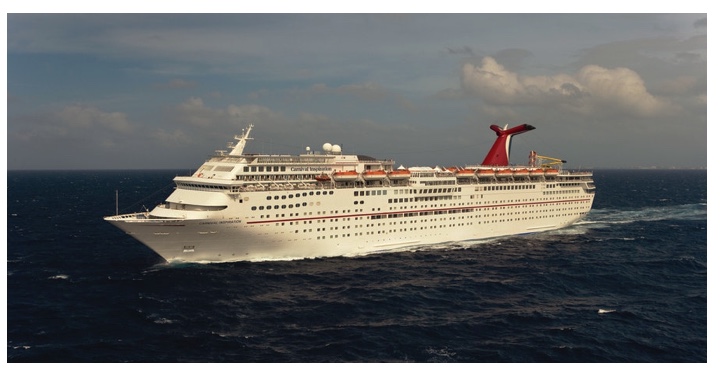
Ever tried to book back-to-back cruises and the cruise company says you can’t book it because it invokes the Jones Act? The Jones Act is a 100-year-old regulatory relic instituted during the Wilson administration to protect our maritime industry. The short description says that you cannot transport cargo or passengers between two American ports unless you use ships built in American shipyards, flagged as an American ship and crewed by U.S. citizens. The problem for the cruise industry is America doesn’t build cruise ships any more, it is expensive to flag ships in the U.S. and even more difficult to staff ships with U.S. citizens.

While it is a nuisance for the cruise industry it is a disaster for American business and our economy. As of 2016 there are less than one hundred tankers in the world that meet the Jones Act requirements. Because of this it is cheaper to ship U.S. oil to Europe from Texas than to refineries in New Jersey. What that means is our oil companies import more expensive oil while at the same time we export our oil. While complicated the Jones Act is one of the things standing in the way of our energy distribution. One example is that several times more oil moves throughout the United States by train than more energy efficient tankers.

One of the more insane things that happened as a result of the Jones Act occurred during the BP spill in the Gulf of Mexico. Norway dispatched three specialized oil clean-up ships to help with the disaster but the U.S. government wouldn’t allow them to help because of the Jones Act so they returned to Norway. The Trump administration actually temporarily suspended the Jones Act twice. Once to help move oil out of Texas after major hurricanes and to speed up aid to Puerto Rico after the devastating hurricane there.

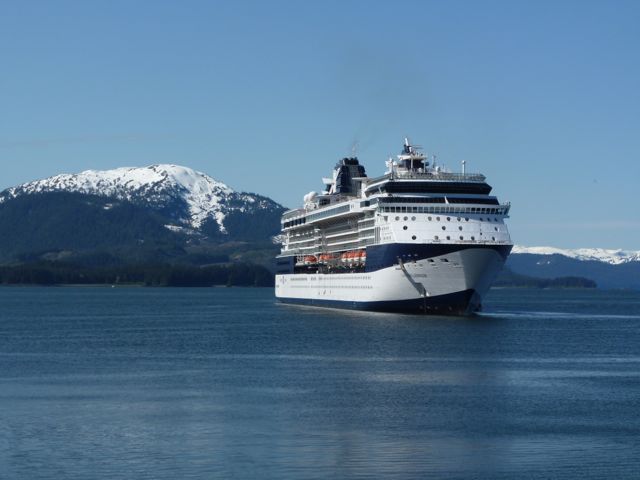
There have been a number of locations where the cruise industry has wanted to serve the American traveler by embarking in one port and disembarking in another. Hawaii is one of those locations, with inter-island cruises as well as cruises originating on the West Coast. New England cruises and Alaska are two other cruise destinations that would benefit by not having complications of the Jones Act. In the case of Alaska there are a number of popular week-long itineraries that go one way, but because of the Jones Act they depart out of Vancouver instead of the U.S. port of Seattle. Recently we wanted to take the last Alaska cruise of the year from Seattle and stay on for a cruise from Vancouver to Hawaii, but because we would embark in Seattle and disembark in Honolulu the Jones Act prevented it.

If you are a cruiser maybe it’s time you suggest to your congressman that the Jones Act has outlived its usefulness. Even if cruising isn’t your thing you should still consider contacting your congressman. The Jones Act costs you money at the gas pump by adding one or two billion dollars to fuel transportation costs each year and also prevents economical use of LNG in Hawaii, Puerto Rico, the Virgin Islands and Guam. Puerto Rico is the most negatively impacted by a number of elements in the act. There are still a number lobbies that fight to keep the Jones Act from being repealed and that includes labor unions, like the long shoremen and law firms that work injuries at sea cases. It has been suggested a number of times that the act could be eliminated for our island territories at least and new laws could be passed designed to cover American labor impacted by the health issues involved. Unfortunately even though there are very few union jobs being protected by the act it seems that special interests still take priority in Congress over the interests of an uninformed public.

Images Around Sydney Australia

Photographic impressions from our travels…

Sydney Opera House at dusk

Ocean walk near Bondi Beach
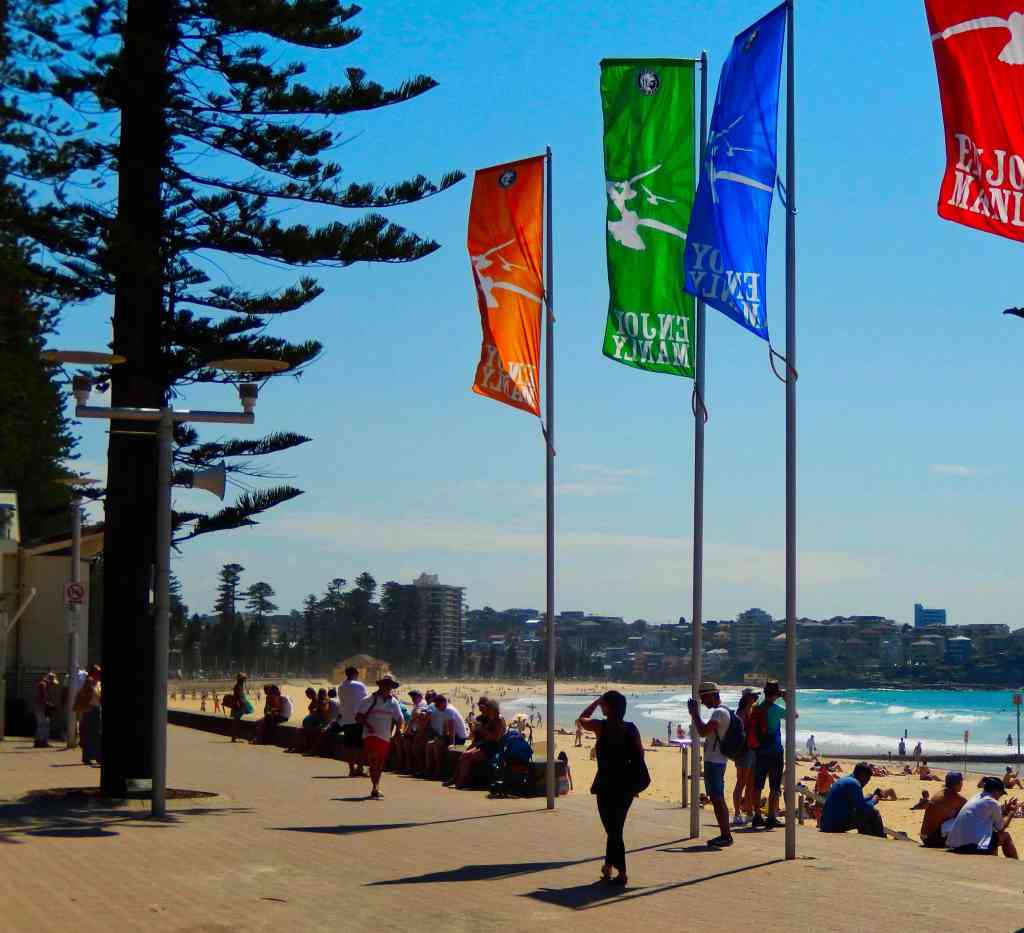
Manley Beach
Luna Park
“The Rocks” area in downtown Sydney

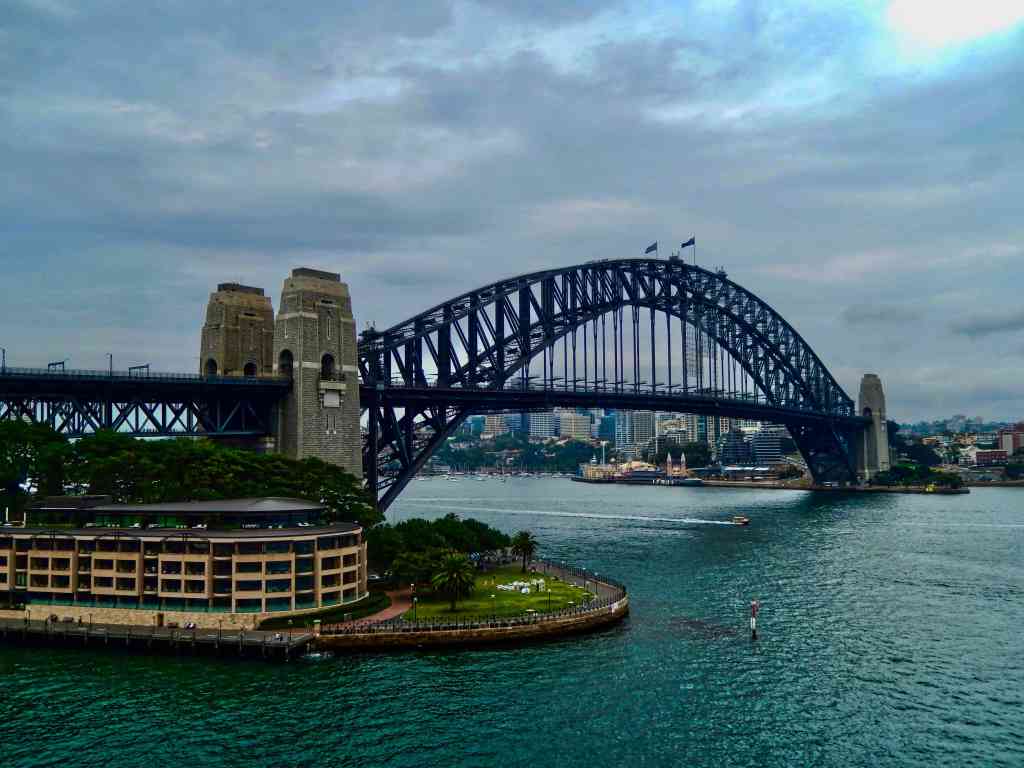
Australians living in Sydney are really lucky people. This beautiful city surrounds one of the world’s largest natural harbors while the area encompasses a number of world class beaches, the Blue Mountains a short train ride away and a fantastic waterfront that goes on for mile after mile.

The Sydney Harbour Bridge
The Three Sisters in the Blue Mountains

Sydney features a fantastic public transportation system that is both inexpensive and fast. From downtown Sydney you can take ferries or rapid rail to a number of beach resorts or a one hour train ride carries you out for a day in the Blue Mountains.

The Church of the Holy Sepulcher

The History Behind The Celebration Of Easter Without question the holiest site in all of Christendom is located in the Christian Quarter of Jerusalem. It represents the location where Jesus was crucified and where his body was laid to rest. Today there is a high level of certainty that the location has been actually identified.…


Images Around The Greek Islands

Photographic impressions from our travels…

Beautiful Corfu

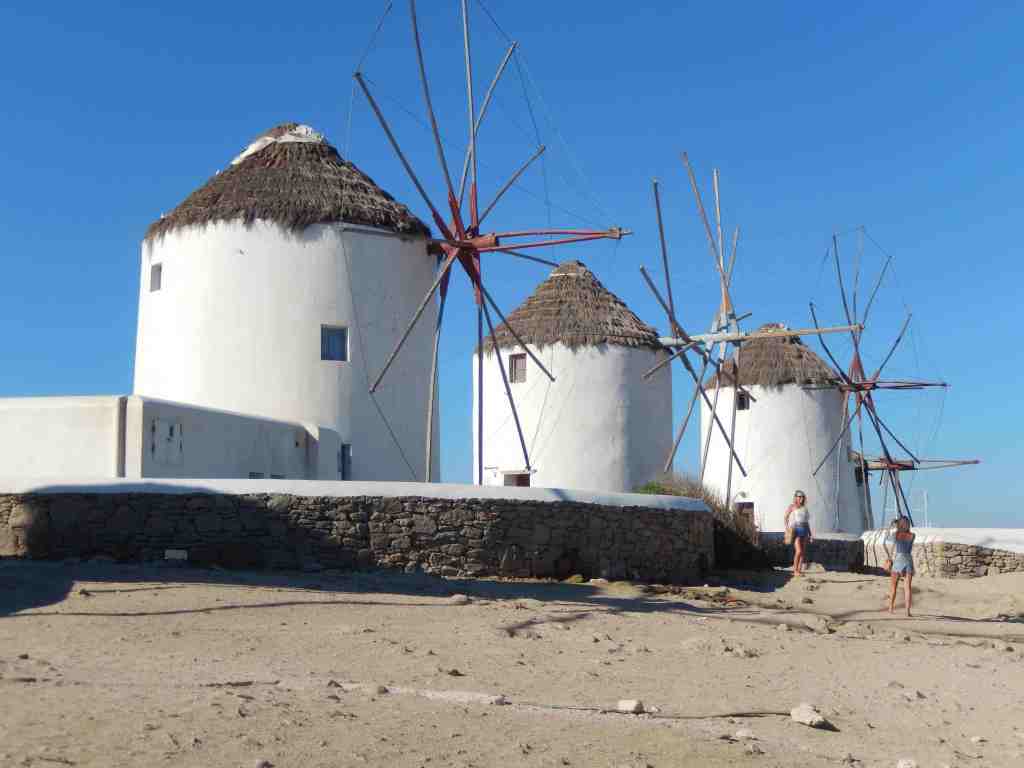
The windmills of Mykonos

To the Southeast of the Greek mainland are the Greek islands of the Aegean that include Crete, Santorini, Mykonos, Rhodes and Cyprus. To call the Greek Isles magical is not an overstatement.

The streets of Crete
Old Town Rhodes, Greece

Greece, while very much a part of mainland Europe, is actually more a country of islands. While a large land area in Southern Greece is attached to the mainland by a narrow isthmus, the area is characterized as associated with the Saranoc Islands that stretch up to the Ionian island of Corfu to the Northwest.

Santorini landscape
The view across the caldera on Santorini

Crystal clear azure seas, a near perfect climate combined with historic sites and remarkably friendly people, just magical!

Exploring South America

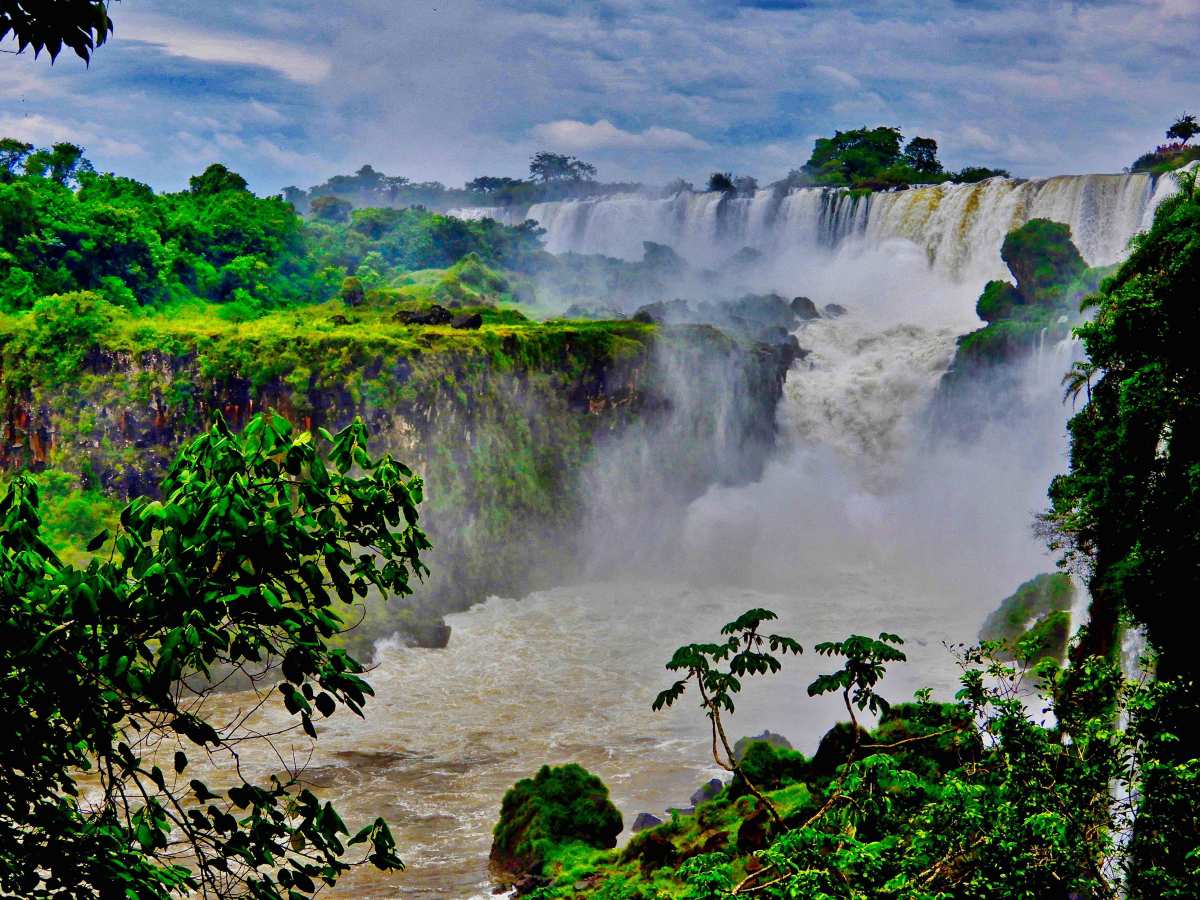
with From Cartagena, Columbia to Ushuaia, Argentina the South American continent is an amazing land of natural wonders and human accomplishments. Explore the islands of the Galapagos or hike around Iguazu Falls, climb up to Machu Picchu or cruise through the Panama Canal. You can even cast off for a trip to Antarctica or walk…

Where In The World #5?

It seems so other worldly, like Mars or the Moon but it’s right here on Earth. It’s so alien that the NASA space program uses it to test rovers and other equipment. Find the answer HERE. Here Are A Few Of Our More Recent Postings You might Find Interesting…


Why Use A TRAVEL AGENT

You Get More Without Paying More

If you weren’t aware, using a travel agent for booking trips involves no additional cost to you. Travel agents are compensated strictly by commission and their booking charges are exactly the same as if you had booked through an online travel site or directly with the travel supplier (resort, cruise line, tour company, theme park…). The costs of resort rooms, cruise cabins and airline seats are always in constant flux as availability and demand changes. If you do find a different price it is simply that the cost has been adjusted by the travel supplier after your recent quote. Also with a travel agent you have a better chance of benefitting from those typically shifting prices (more on that later).

Another thing that most people aren’t aware of is travel agents don’t get paid their commission until you actually take that trip. You may have booked that cruise a year ago and made your final payment months ago but until that ship sails, with you on board, no commission is paid. The same applies to resort rooms, tour bookings and other travel products.

The reason this is important to understand now is, in this age of the epidemics and travel cancellations your local travel agents income has probably gone to almost zero. In many cases over a years worth of work and income has simply vanished in the last few months. We’ve literally had almost seven months of cruise reservations alone disappear as sailings have been cancelled. Once the world opens up again many travel agents will be starting to build commissions from scratch all over again.

More Reasons To Use A Travel Agent

First, and this is one that hadn’t occurred to us before the recent collapse of the travel industries. If you had booked a cruise directly through the cruise companies website and cruise itineraries began to change and cruises started getting cancelled what were your options? From experience we know – not because we booked with the cruise line but because we needed to deal directly with the company as our long itinerary began to change. On average we spent two hours on hold and often got a representative who didn’t have the information and couldn’t offer anything but a call-back.

Once we got past the emergency information regarding flights and ports phase we turned everything over to our travel agent. She told us she was spending hours on hold too but when she reached her contact she had numerous cases to discuss.

Secondly, travel agents know what they’re talking about. Overall they are people that love travel. Often when they offer advice or make suggestions they have first hand information because they’ve already been there. Also most travel agents have a speciality like cruising or resorts and you should have a conversation about your interests before settling on an agent. While all agents can sell the whole world of travel products you should try and match your interests to the agent.

While there are more considerations in using a travel agent another big reason is they can actually save you money. Most travel agents are independent contractors but a majority also affiliate with large “super agencies” for support and the ability to take advantage of their buying power. They go by a number of names like American Express, Cruise Planners, Avoya but they all represent advantages for you and your agent.

One is that issue regarding the constantly changing prices on travel bookings. After you book a cruise what happens if the stateroom price comes down? If you find out about it you can contact the cruise line, but if you used a travel agent most have systems that track your reservation against changing prices and will let you know that you may have an opportunity for additional savings. Another way you can benefit involves group bookings. Most time when you book with an agent affiliated with a super agency there is a fair chance that they will book a number of people on the same trip. This allows them to combine all those booking into a group and get a bigger discount. The common practice today is for the agency to provide you with an additional credit or an add-on feature for your trip.

Selecting A Travel Agent

You need to find the right fit in an agent and that means asking friends, calling around and doing some research. Almost all travel agents can book any type of trip, but the best ones bring travel experience knowledge about their specific segment. Organized land tours, cruising, resort destinations and major attractions. There are agencies that specialize in cruises and some that focus on Disney vacations so start by knowing what your needs will be.

Don’t just find a listing and call one agent. Call a few to find the best match for your budget, bucket list or places to see and things to do. Keep your search local if possible and identify someone who is preferably independent with solid travel affiliations (a large franchise, American Express, a mega agency). They are most likely to be unbiased in what they offer while looking out for your best interest.

It’s important to understand the affiliation arrangements and to select one that has a connection with a larger organization. That arrangement allows them to take advantage of increased buying power, technology and website management and group travel discounts. Some affiliations to look for are American Express, Liberty Travel, and Avoya. Be sure and ask about the advantages of their affiliations and professional relationships. There are also franchise owners that are good choices in an agent. They include Expedia, Cruise Planners and Dream Vacations. There are links below for quick access to some of the better known agencies.

In conclusion we would like to say that, if you are a traveler, travel agents need your help. Maybe you’ve been furloughed and expect to get back to your job and salary in the near future. Travel agents don’t have that to look forward to. As independent contractors they won’t take home a paycheck until they book your trip and after that not until you actually travel. If you are planning a trip in the future, you’ve got nothing to lose contacting a travel agent and probably much to gain.