Ultimate Guide to Cruise Staterooms and Cabin Selection

Cabin Choices And Avoiding Problematic Staterooms

Deciding on a cabin isn’t just a matter of price. There are a number of other important things to consider in selecting the best cabin for your needs. Are you a light sleeper or are you prone to motion sickness? Are there staterooms with additional space or obstructed views? In this article we provide important considerations in selecting the best stateroom for your next cruise.

Staterooms come in a number of major categories:

While we select a cabin to fit our needs on each cruise, it isn’t always a matter of price…

Inside Staterooms – These are usually the lowest priced selection but oddly there can be exceptions at the time of booking to watch out for. In most cruise ships they are the cabins located on the interior side of passageways without any windows or port holes. On newer classes of ships there can now be variations of these accommodations as some ships offer interior cabins that have windows that overlook large public areas in the center of the ship like promenades or open air spaces. Recently some ships are also providing virtual windows for inside staterooms employing cameras looking at outside scenery feeding those images to flat panels in the stateroom.

Inside staterooms can be a good choice on occasion. I like them because they can be totally dark which allows us to sleep in later. The price can also be an important draw and what we have discovered over the years is that we spend very little time in the cabin so spending more on other categories can be a waste of money. The pools and spas, the entertainment and meals take up a lot of our days and we prefer to spend our reading time in public spaces looking out at the sea. We return to our cbin when it’s time for bed.

Ocean View Staterooms – This is the next category up from inside cabins and usually they are very similar to inside staterooms for size and layout with the addition of window. In most cases the window does not open.

If you are interested in booking one of the above cabins pay close attention to the ships floor plans. Often, because of the design parameters of the ship those cabins near the bow and stern may have a different shape and offer more square footage. We’ve discovered a number of ships where these can be remarkably roomy.

Veranda or Balcony Staterooms – These cabins represent the largest number of staterooms on most ships and offer not just a beautiful view through the sliding glass doors and fresh air on the balcony but provide a bit more room as well. Some ships are now even designed to be all balcony staterooms. Just as we have cruises where we prefer inside cabins there are other cruises where we think a veranda view is a necessity – Alaska has such spectacular scenery and opportunities to see whales that we always book one.

Suites – These staterooms come in so many varieties that there would never be enough space to do them justice. A couple of decades ago ships were designed with a few suites but demand finds the newer ships with a larger and more varied offering. We have on occasion cruised in a large suite and our teenage son was the one that made good use of it with late night pizza parties. From our perspective we didn’t find the upgrade worth the cost, but I have to confess that we are frugal cruisers.
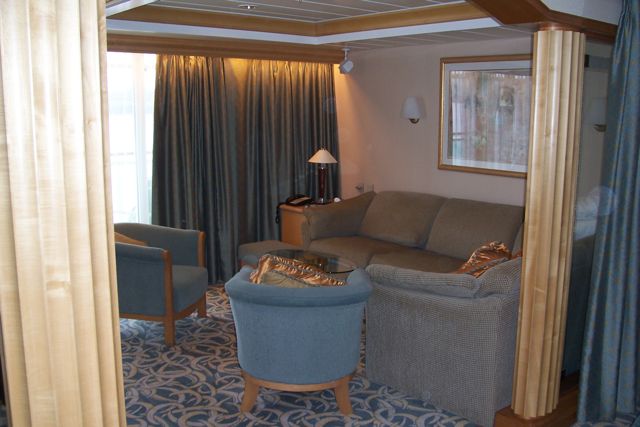
Position Matters

Modern cruise ships are very large and offer lots of choices in stateroom types and locations and yes selecting the right location can be important.

Deck Selection

Cabins can usually be found from deck two or four all the way up to deck ten or twelve. Our personnel preference is usually above mid-way up (7,8 or 9) partly for the views but also we have a habit of never riding elevators and that positions us between the dining room and theater and the pools and lounges. One concern to keep in mind is that the higher up you book a stateroom the more you will feel the motion of the ship. The most stable deck on a ship is at the water-line (no balconies).

Screenshot

Forward, Aft or Mid-ship Staterooms

Less important than deck selection for access to the ships various venues because there are usually two or three banks of elevators and stairways and venues are spaced out around the ship. Again the nearer you are to mid-ship the less you will feel the ships motion with bow and stern cabins having the most motion.

Additional Considerations

Noise

Before you make that selection study those floor plans. See what’s on the deck directly above that cabin. Is it a public space? Pool decks, dining rooms and lounges? Some large spaces get cleaned during the night which can produce extra noise. Is the cabin near corridor access to clubs and lounges? Often a number of noisy, late night partiers will have to pass by your cabin door on their way to bed. The same holds true of cabins right near elevator banks.

We’ve learned the hard way to study those floor plans looking for “empty spaces” behind or next to cabins. These spaces are not identified as to what’s inside and can be nothing more than a crew staircase, but they can also be machinery spaces capable of producing nighttime noises. We now eliminate those choices when choosing a stateroom.
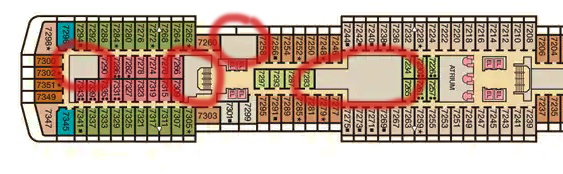
voids

Obstructed Views

It doesn’t do much good to select an ocean view stateroom and discover that the view is of the side of a lifeboat. Often these cabins are in a less expensive category and do provide some daylight. Also modern cruise ships are now equipped with areas that bulge out from ships sides that can be extra-large suites or lounges but if you select a balcony stateroom next to that bulge your view forward (or aft) could be limited.

Adjoining Cabins and Additional Beds

Most ship floor plans will indicate adjoining cabins for those cruising with family and which cabins offer optional beds. One consideration if you are a family or group is to consider the price differential between the new family suites and booking two or three adjoining cabins.

In conclusion it requires some thought about what you want in a cabin and what locations might be best for your needs. Take some time in making your selection and decide what things are important about the cruise and how you think you will get around the ship. Choosing wisely can prevent being upset with a cabin assignment after the ship departs.

Recent Posts You Might Enjoy
Todays Images • Mendenhall Glacier Alaska

Only a forty minute public bus out of Juneau, Mendenhall is one of the world’s most accessible glaciers. Managed by the USDA Forest Service the Mendenhall Glacier provides several miles of hiking trails and a very nice Visitor Center. The glacier is a must to see on any visit to Juneau.

The Mendenhall Glacier Recreation Area offers 9 fantastic hiking trails, accommodating both adventurous hikers and families. Among the popular hikes are the West Glacier Trail, which is 8 miles long and offers challenging terrain, and Nugget Falls, an easier 2-mile round trip, both promising stunning glacier views.

On Blogging – Pt. 10 Questions

To SEO Or Not To SEO?

Our Experience

Back in December Intend2Travel was near running out of space in the current WordPress hosting plan with over 2,600 posts, more than 7,000 images plus videos and pdf documents.and we needed to do something. One option was to walk away because of my medical issues* but for now we decided to upgrade the planto the next level with twenty five times more storage.

As a result of that decision we now have access to a lot of new plugins with some being highly rated SEOs. Like many we have struggled to understand SEO and while we have made progress with Google search we thought the upgrade may offer a step up.

Recent Google Search Data For Intend2Travel

For 3 months Through August 18, 2024 Google search clicks per day ranged from 24 to 48 with position averaging 22. At that point Google obviously changed the algorithm and clicks dropped a lot.

From August 20 to December 28 search clicks per day averaged only 12 to 16 with position averaging 34.

From December 28 to January 16, with the new SEO plugin operating, search clicks per day ranged from 5 to 10 while with position average dropped to 54.

From November 20 to December 30 pages indexed were about 1137 with not indexed being 1122

After December 30, pages indexed were about 1117 and not indexed were 1680 . I have no explanation why total pages went up by over 500 ( a report just released has total pages up again by 2100, making Googles page count 2.6 times higher than our total posted pages)?? Additionally with SEO operating our impressions have gone up by 164% with search position going from 22 to 54!?

History

The first search engines emerged in the early 90s, they evolved from basic directories into web crawlers, revolutionizing how information was found online. By the late 1990s and early 2000s significant advancements were found, with MSN Search and Yahoo, but that changed with the appearance and growing dominance of Google. For a decade Google scoured the internet identifying sites and logging their information into a format that could serve its users with answers to quarries.

Soon things started changing. As Google started dominating the internet search space handling aroud 90% of searches something changed in their fundamental approach to gathering data. Instead of the crawlers exploring web addresses while the algorithms worked at making senses of the information gathered, they discovered they could flip the rules of the internet. Instead of crawling and mining data from hundreds of different web formats they started requiring that website owners follow a set of rules and formats to make their web data available.

While this new approach had a number of major advantages it opened the door to a new internet specialty – SEO. Suddenly it was the websites responsibility to make Googles job easier and you had to conform to the search engine requirements. Now you had to register your address with Google, ask to be crawled and have an account and key code to identify the site. As with all things internet and code based, specific formats were required and a new industry emerged – SEO consultants.

Not only did you need their help in meeting the search technical requirements, they also began to suggest that they could make you more appealing to the algorithm and the new holy grail became ranking. As the SEO business grew Google thought it would be good to change the algorithm often. According to Google it changes its search think frequently to improve the relevance and quality of search results for users, as it reportedly updates the algorithm hundreds of times a year. These updates can significantly affect Search Engine Results Page rankings. Unfortunately this forces SEO professionals and web owners to constantly adapt their strategies from page design to identifying individual elements and description blocks.

If you have millions of subscribers (think Trip Adviser) it would seem that algorithm changes could easily have little impact, but for sites like ours with a little over 1,200 subscribers, searches still form a serious percentage of our visitor traffic..

Looking Back

We’ve offered up a few articles in the past about our experiences on the internet and a few years ago we posted about some radicle changes with Google search traffic. Based on our data I’m still convinced that Google algorithm changes are more to influence our thinking than to improve the relevance and quality of search results for users.

Here is the data from several years ago

Looking at the data it raises some interesting questions:

  1. The Google impressions show major changes in growing, peaking in May and falling off again.
  2. The percentage of clicks per impressions also grow (from about 1% to 1.5%) with a peak in June and falling off again.
  3. The percentage of Google clicks to all other search engines starts at about 27%, grows to almost 57% and drops back over 3 months to 27%.

What do I make of this?

First, Google clicks seem to correlate somewhat with reported total impressions but do show growth in the percentages indicating a deviation of about a half a percent (same bell shaped curve) which suggests an anomaly.

Second, various search engine contributions as a percentage of total search referrals seem to remain constant when averaged over two months of results. The only exception is the Google contribution. Google’s share starts at just under 28% of total search referrals, grows to almost 47% in May and drops gradually back to under 28% (the bell curve again). Statistically it should have stayed at under 27% in alignment with the additional 5 other search engines.

SEO On The Website

Most suggested SEO efforts focus on 4 areas in post creation. Two or three years ago when I was using free WordPress hosting I made a mirrored site in an effort to understand what practices produced results. Each new post was added to the mirrored site.

There are millions of articles about using SEO:

  • Titles – Pick words that have meaning in the article. Insert call to action words in every title. Select words like you’re picking high value tags.
  • Headings – Use section headings like you pick titles but don’t repeat words that are in the title.
  • Tags – Use a hashtag online search site for relevant high popularity tags. Don’t use tags that are already in your titles. Always try and find at least 6 tags, Regularly use the hashtag # symbol. Use no more that 12 tags. Don’t use the #. Use as many tags as are relevant regardless on quantity. Never use more than 4 tags.
  • Alternative Text – Use these to tell the web crawler what’s in the pictures. It also helps to comply with requirements for blind visitors.

While search engine traffic was growing slowly, there had been some growth and I applied many of the SEO suggestions to the mirror site and none to the original site. After six months the traffic on both sites showed little difference.

There are a number of videos on YouTube featuring Google engineers with good information on selecting tags worth watching.

Using Social Media To Improve Traffic

Most discussions regarding SEO put some emphasis on setting up social media accounts to bring traffic back to the website. The focus is on the established names:

  • facebook – Create a dedicated page for your website (you need a personnel facebook page before you can add a business or site page) and either manually add a post on each new posting or set up an automated link.
  • Twitter – Add a twitter account for your website and either manually add a post on each new posting or set up an automated link.
  • Instagram – Add an Instagram account for your website and either manually add a post on each new posting or set up an automated link. Instagram can also be auto linked to a facebook page.
  • Pinterest – Add a Pinterest account for your website and either manually add a post on each new posting or set up an automated link.

My experience regarding additional traffic from links from these social sites has not been great. They represent only a little over 1% of the total traffic and out of 20 referrals 12 have come from Twitter, 4 from facebook, and 2 each from Instagram and Pinterest.

To set up auto-posting to social accounts IFTTT.com has some good applets you can add and there are a number of plugins available for WordPress. These may be difficult to deploy to free WordPress sites.
What Does Make A Difference?

After four years I’ve found that the only real thing that does show results and increases search traffic is the frequency of posting. There is a direct link to frequent posting and search engine traffic. Also subscribers become a significant source of traffic once you get above 200 or 300*.

Another area I explored was joining groups. Facebook has a number of travel groups and I have worked three different groups (more later)*.

*This has a huge impact on what I call the “echo chamber effect” which I’ll get to soon.

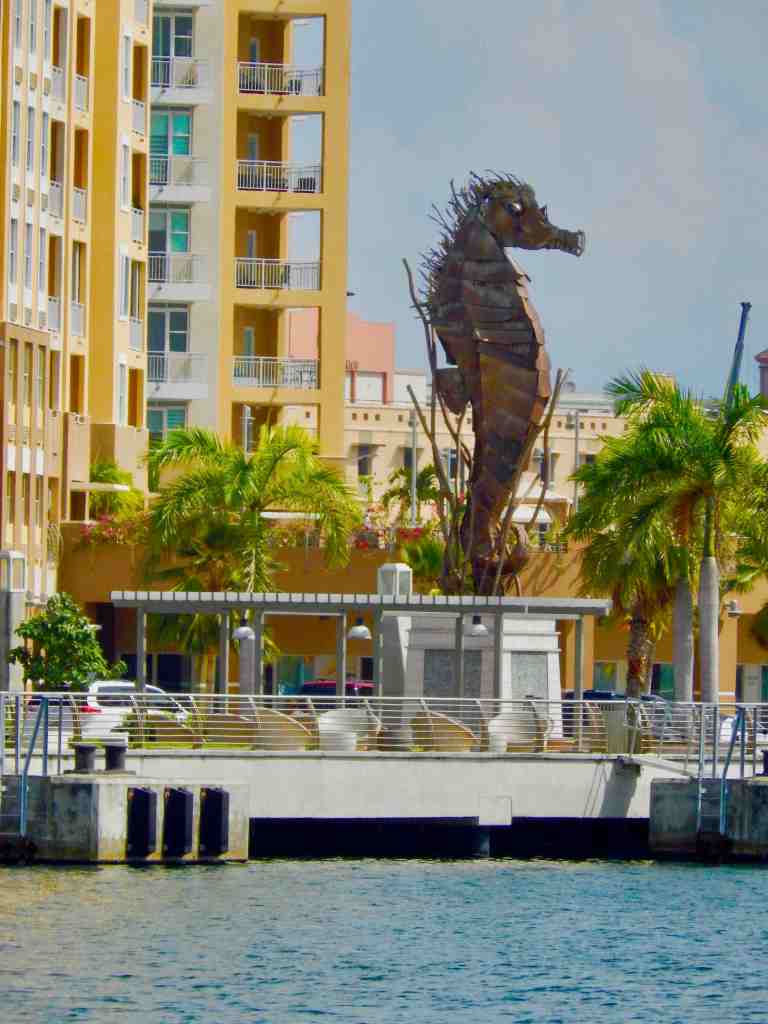
Old San Juan, Puerto Rico, A Port Of Call

Click The Above Title To Read The Original Posted Article

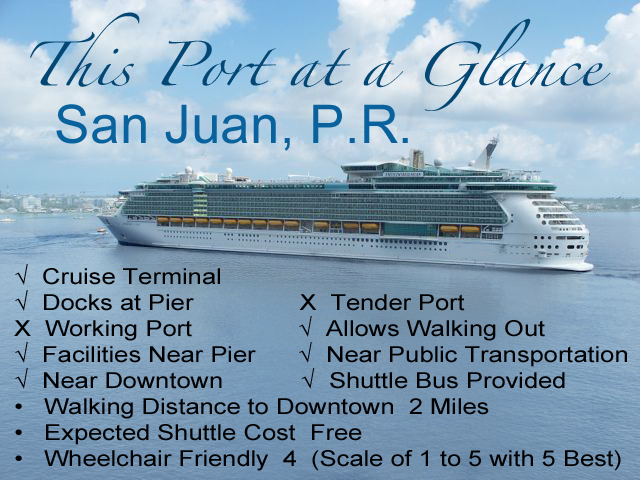
What to do and things to see on your port visit to San Juan, Puerto Rico. Where your ship docks, transportation  and highlights.

In the Caribbean there are a couple of cruise departure locations but the Caribbean’s busiest cruise port is San Juan Puerto Rico. This port provides a large natural harbor and perhaps the largest international airport in the region. San Juan is a big metropolitan area with beaches, resort hotels and casinos but the focus for most visitors is Old San Juan. Located just a short walk uphill from the cruise ship piers, it is a great destination to spend some time exploring

Puerto Rico is an American possession and while there have been a number of movements for independence the Puerto Ricans seem to be happy with the status quo. Unfortunately in the last couple of years this island has been seriously impacted by a devastating category 5 hurricane and more recently a series of earthquakes. We’ve been in and out of San Juan a couple of times since and the signs of rebuilding and repairing are everywhere.

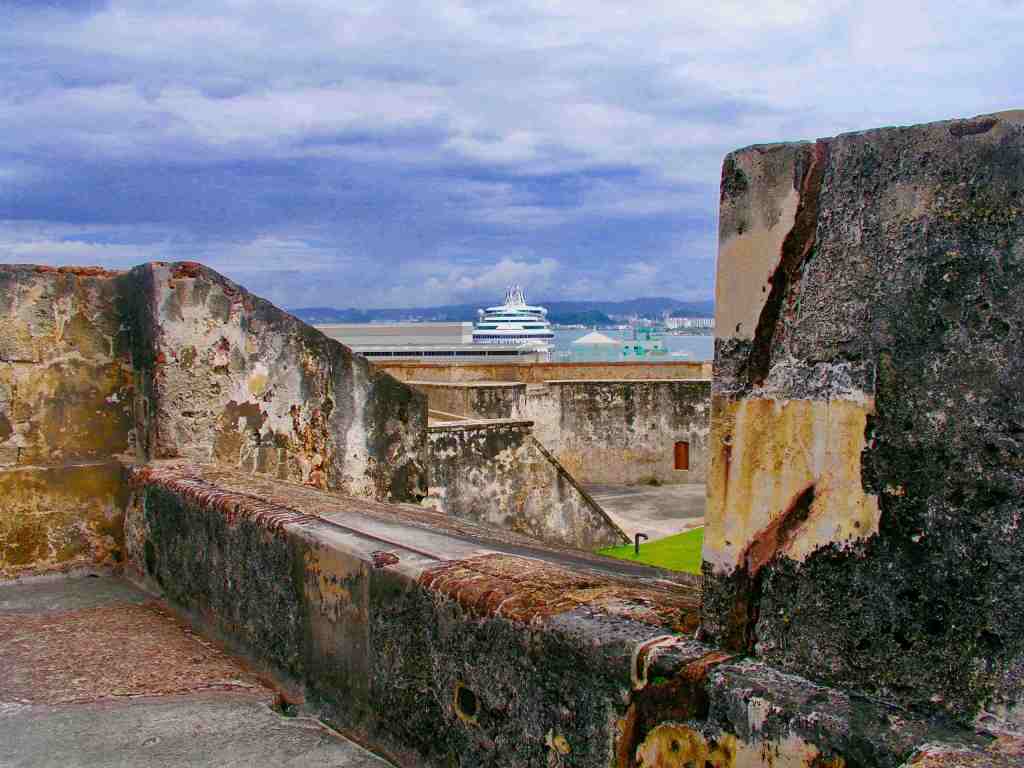
Where Your Ship Docks – Cruise ships usually dock at one of three piers along a strip on the harbor side of historic Old San Juan. The three piers have passenger terminals with a number of shops, cafes and restaurants across the street on the waterfront. There are no issues with walking in and out of your cruises terminal and taxis are readily available.

Wheelchair Accessibility

Disembarking – This port has a cruise terminal with built-in provisions for passengers using wheelchairs like ramps and elevators.

Port Area Characteristics – This port has an average wheelchair infrastructure typical of large cities. The port area has moderate inclines in sidewalks. Intersection crosswalks may have curbs or other wheelchair obstacles. Old San Juan does have some hillsand narrow sidewalks but generally no curbs at intersections.

Transportation – San Juan provides a free trolly that goes to the Old San Juan city center. If you are going to be spending a day or two in San Juan and want to see the countryside a rental car is probably your best choice. Rates range from $30 to $50 a day. Taxis are readily available and a trip to the airport from the cruise piers should run about $25 – $30.

Currency – They use the U.S. Dollar and major credit and debit cards are welcome. ATMs are also plentiful.

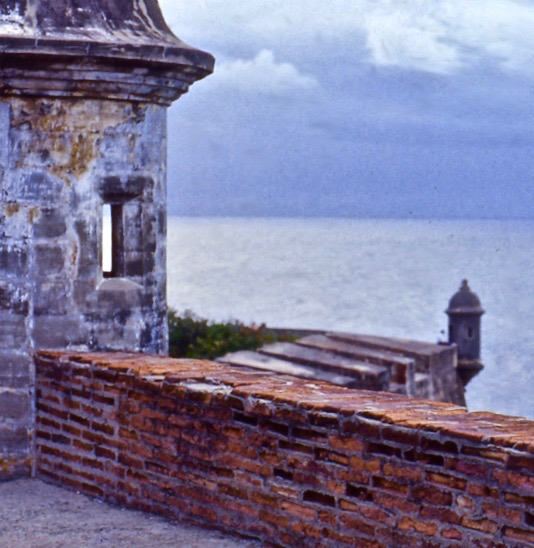
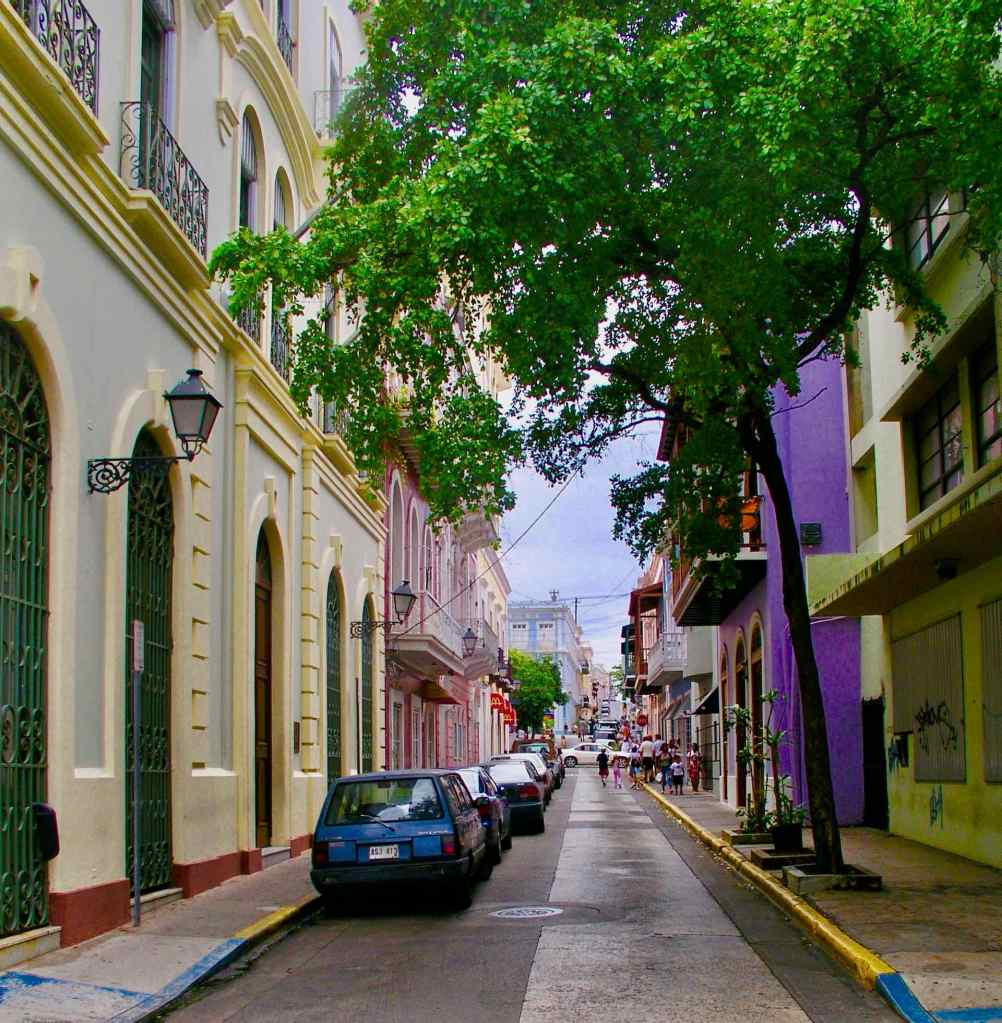
Attractions – The old city is the big attraction – use the free trolly to spend time visiting Old San Juan’s incredible fortifications and the historic town itself. There’s plenty of interesting shops to explore along with bars, cafes and restaurants. There are also a couple of Puerto Rican rum distilleries that provide visitor tours as well.

History – San Juan is one of the most fortified ports in the Caribbean dating as far back as the early sixteenth century. In 1508, Ponce de León founded the original settlement, Caparra on the island. In 1521, the settlement was abandoned and moved to a site which was called at the time “Puerto Rico” (meaning “rich port”). Constructed in 1521, Casa Blanca served as the first fortification of the new settlement and was residence of Ponce de León descendants. La Fortaleza was built in 1533, followed by the construction of a battery at “the Morro” overlooking the protected harbor. Plans for the castle portion of San Felipe del Morro were made in 1584. Extensions to the Morro, plus construction of El Cañuelo, and El Boquerón, were begun in 1599 and the complete fortification of the city began in 1630 and was concluded by 1641. The addition San Cristobal fort was completed by 1771.

Old San Juan National Historic Site was established in 1949 to preserve historic fortifications in Old San Juan. The historic site was added to the National Register of Historic Places in 1966 and La Fortaleza along with the San Juan National Historic Site were then declared a World Heritage Site by UNESCO. Thanks to a number of groups working to preserve the Old Town, today it represents one of the largest examples of Spanish colonial towns anywhere in the New World today.

What to expect on your port days in San Juan, Puerto Rico, the heart of the Caribbean. Where your ship docks, getting around, historic forts, Spanish colonial architecture, food and culture.


Recent Articles From The Intentional Traveler

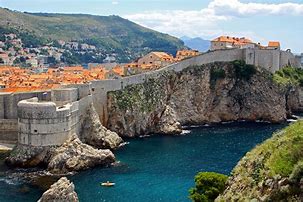
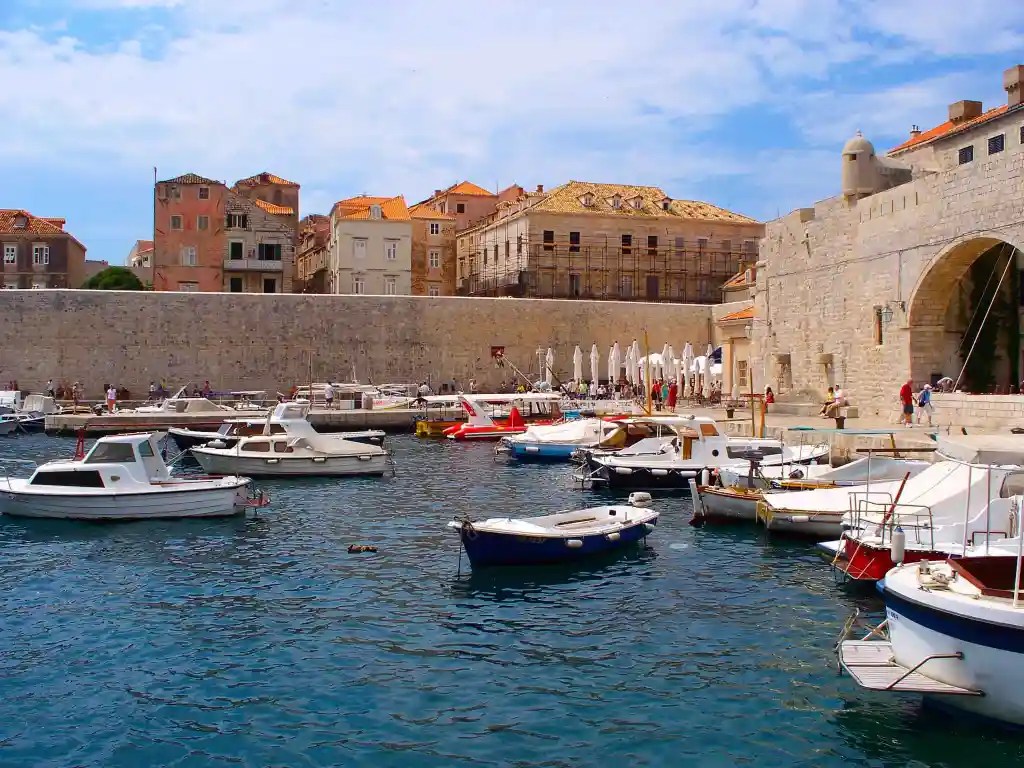
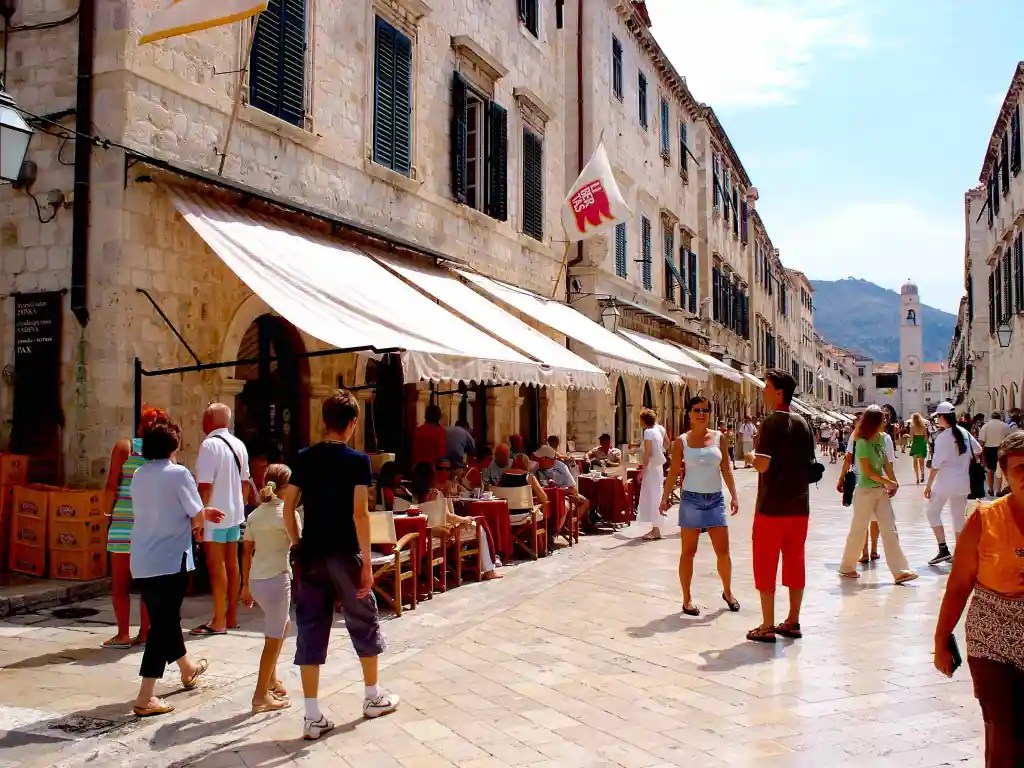
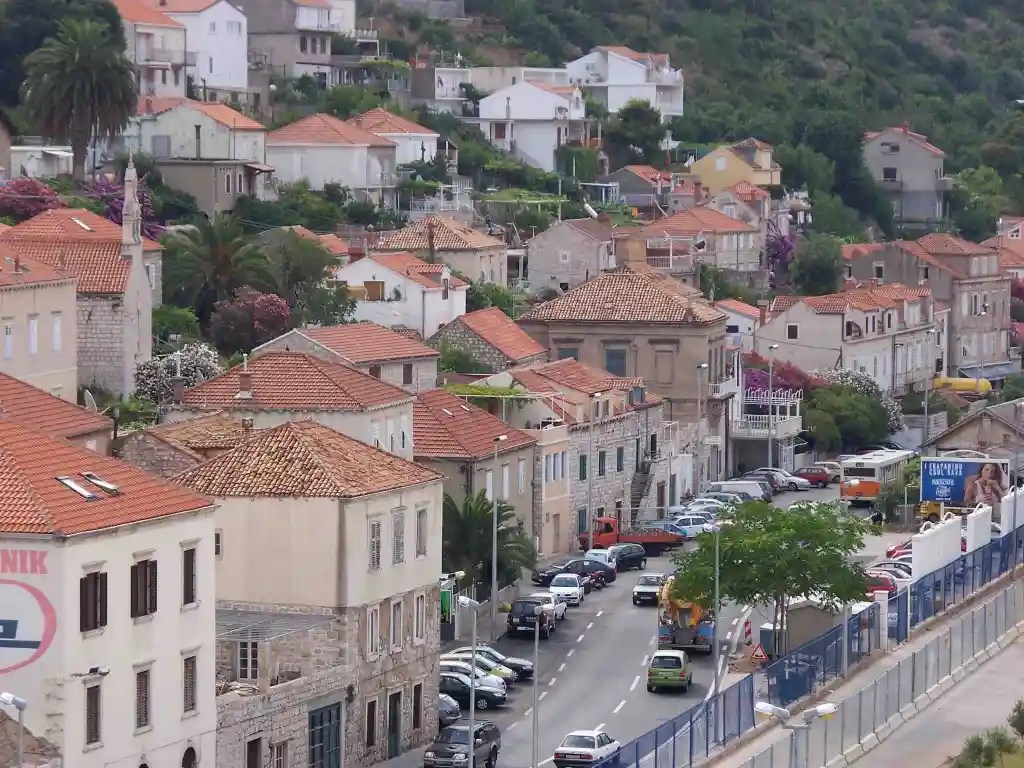
Dubrovnik, A Photo Essay

Featured here are the massive defensive walls of the old city of Dubrovnik in Croatia. Dubrovnik’s history dates back to the 7th century when it was founded as Ragusa by refugees from the Roman city of Epidaurum. The city became a significant Mediterranean city state, growing in trade with a flourishing culture over centuries. Today the fortified old city is recognized as a UNESCO World Heritage site, showing resilience in recent years from the destruction from the 1991 Balkan war, having been significantly restored.

Historic Dubrovnik prospered with trade from the Roman Byzantine Empire and later the Republic of Venice. The city became a prominent Mediterranean city-state from the 15th to the 17th centuries. Its sheltered waters and strategic location made it a significant player in maritime trade.

If it seems that you’ve been here before perhaps it’s because Dubrovnik served as the primary filming location for King’s Landing, featuring numerous iconic spots from the series, such as Lovrijenac Fort which stood in for the Red Keep.

Looking for travel inspiration or information? There’s articles on over 250 destinations here. Search The Intentional Travelers:

More Recent Posts In The Intentional Travelers:

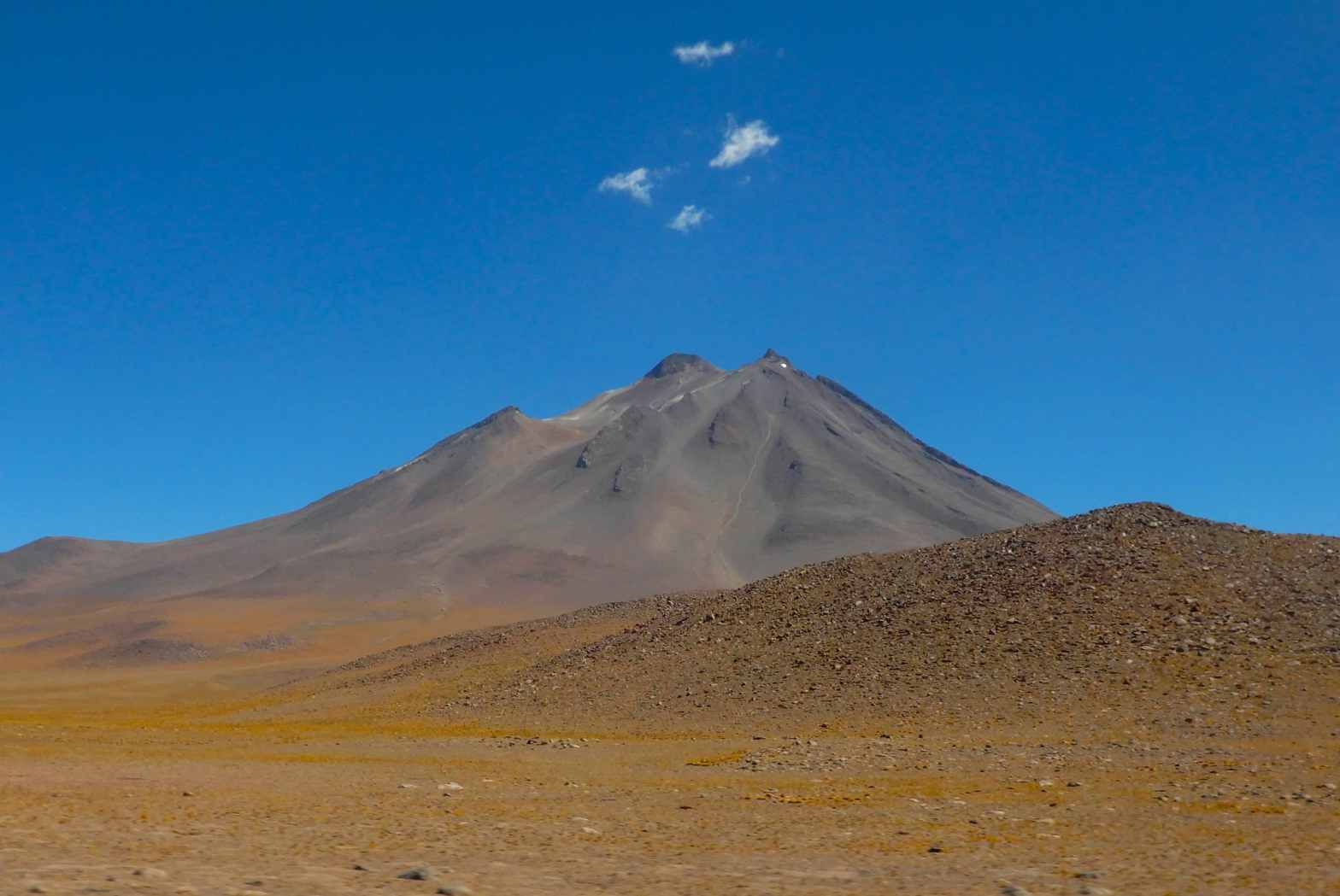
Where In The World #5?

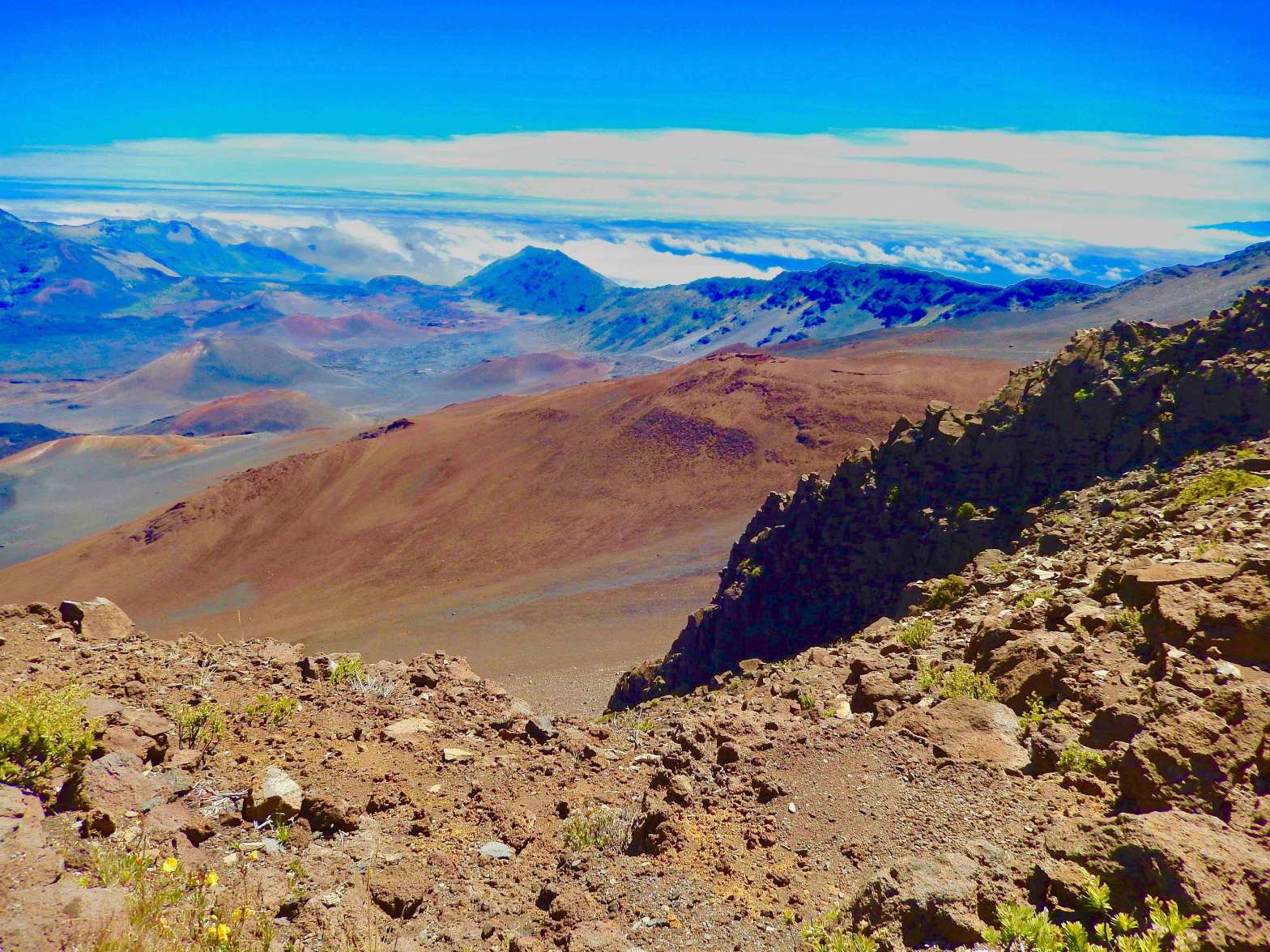
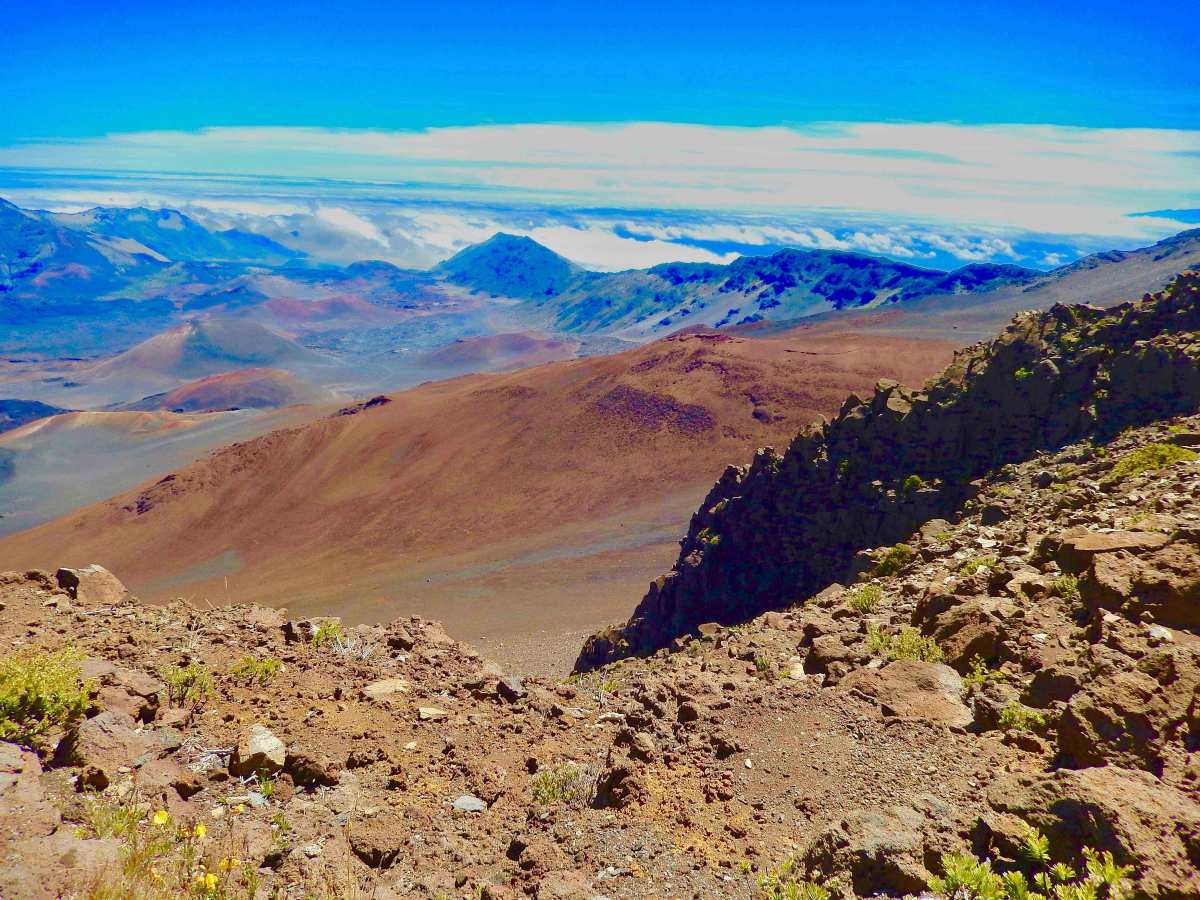
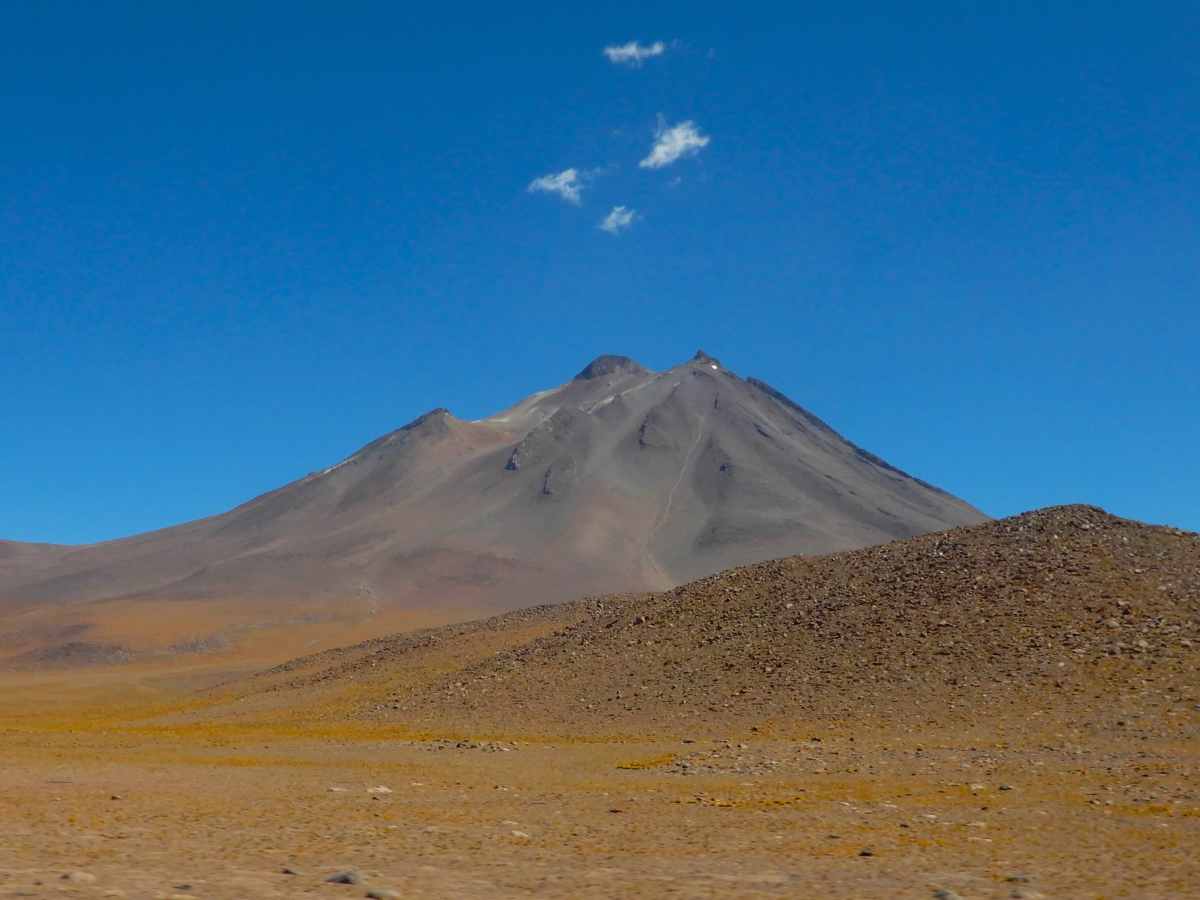
It seems so other worldly, like Mars or the Moon but it’s right here on Earth. It’s so alien that the NASA space program uses it to test rovers and other equipment. Find the answer HERE. Here Are A Few Of Our More Recent Postings You might Find Interesting…

Discovering Kruger National Park, South Africa

Visiting Kruger: The Ultimate Safari Experience For The Trip Of A Lifetime Rated as one of the world’s greatest wildlife experiences and reported to be the number one African safari destination, Kruger National Park is not to be overlooked when considering your travel plans. Larger than many countries and containing mostly undeveloped land, Kruger is…

Something went wrong. Please refresh the page and/or try again.

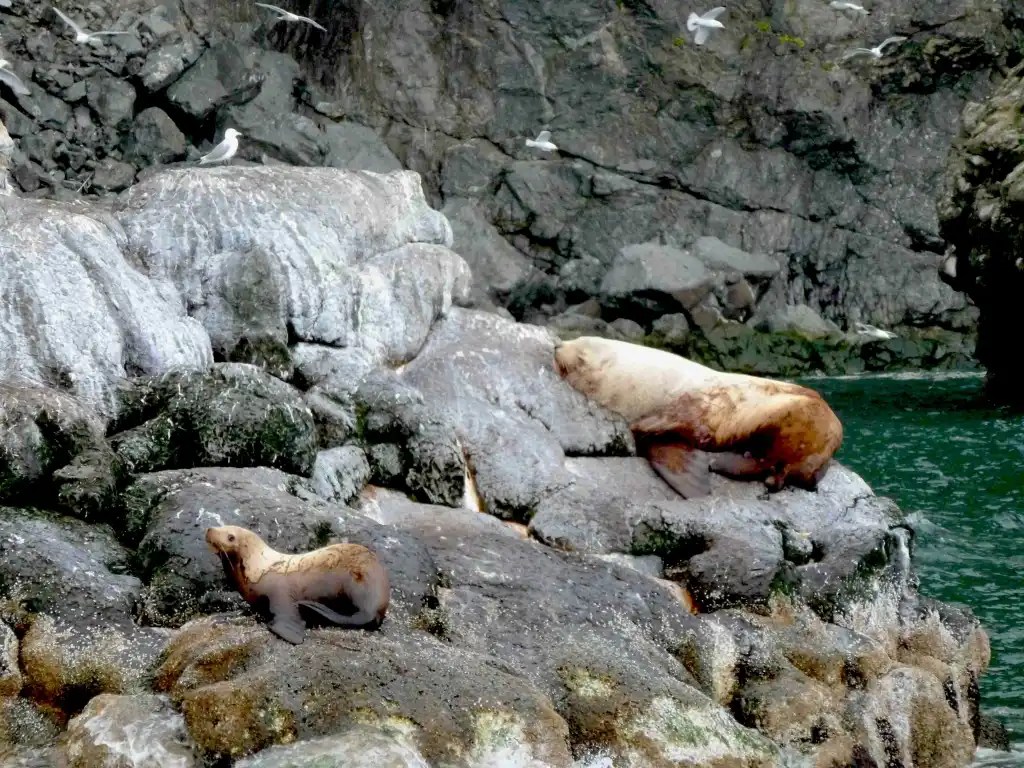
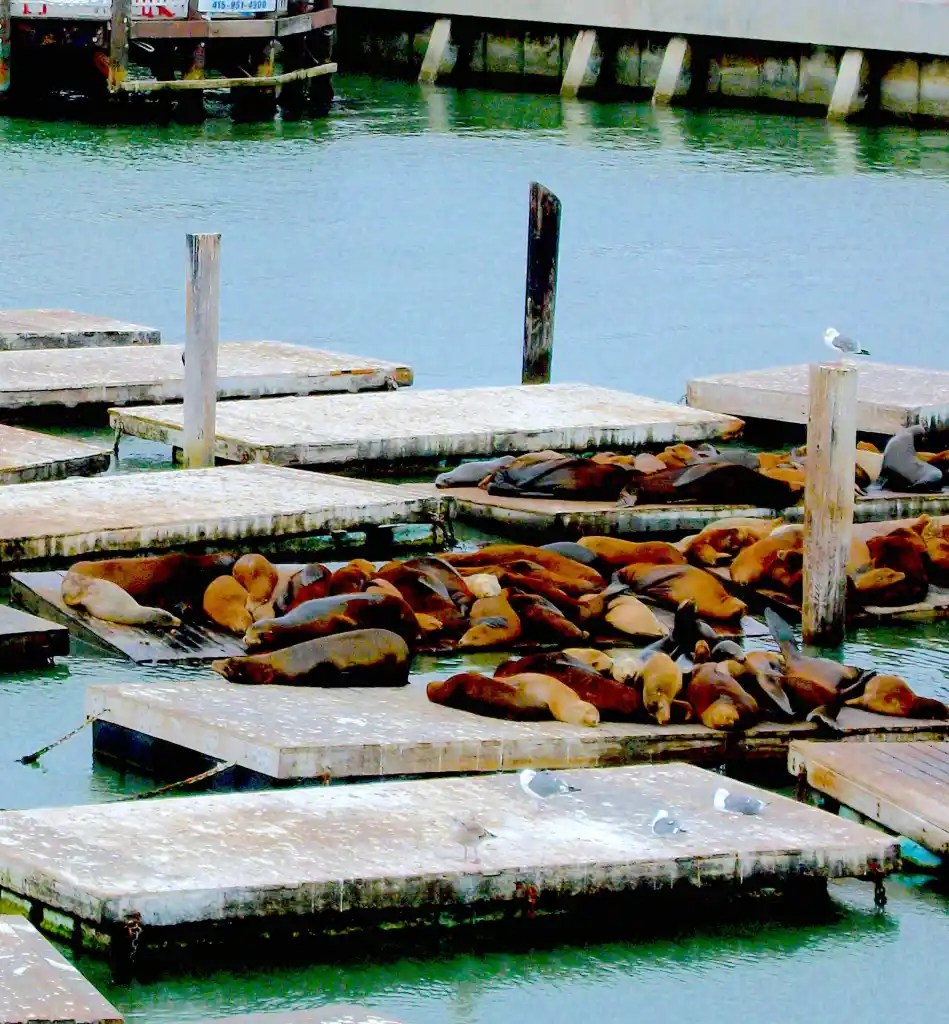
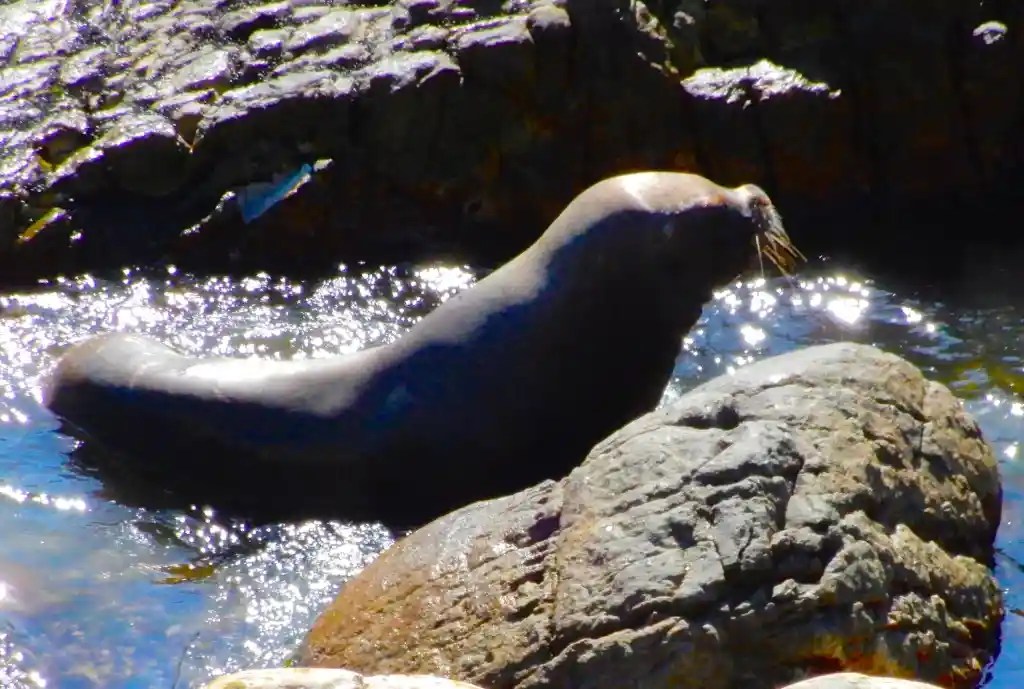
Sea Lions and Seals? A Photo Essay

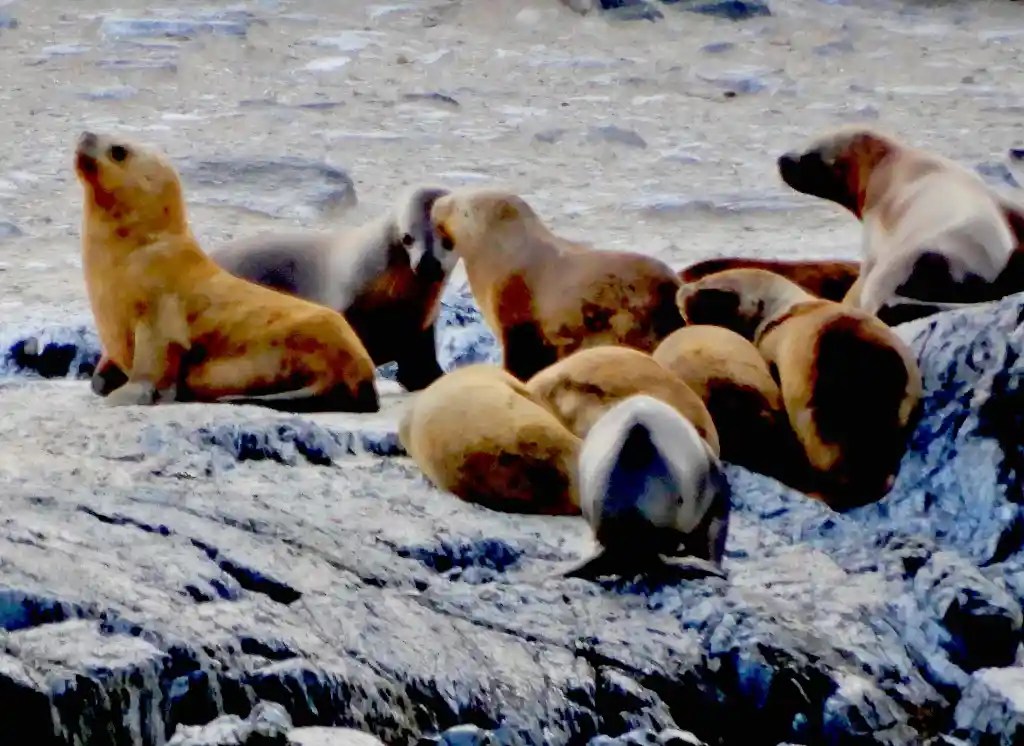
Featured Above Is The Beagle Channel In Argentina

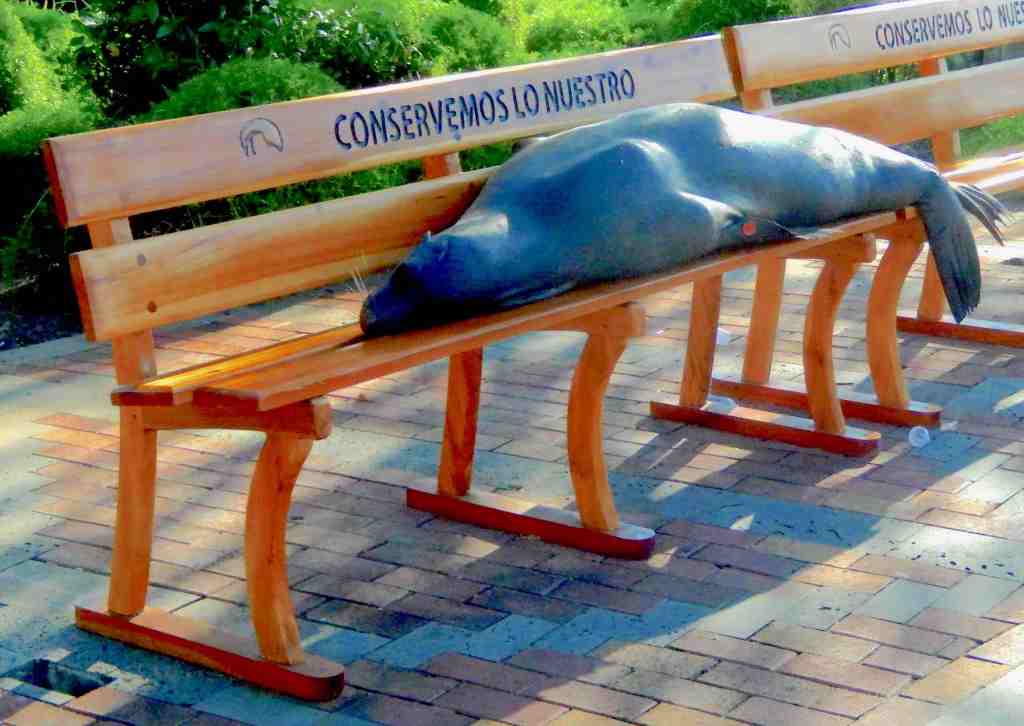
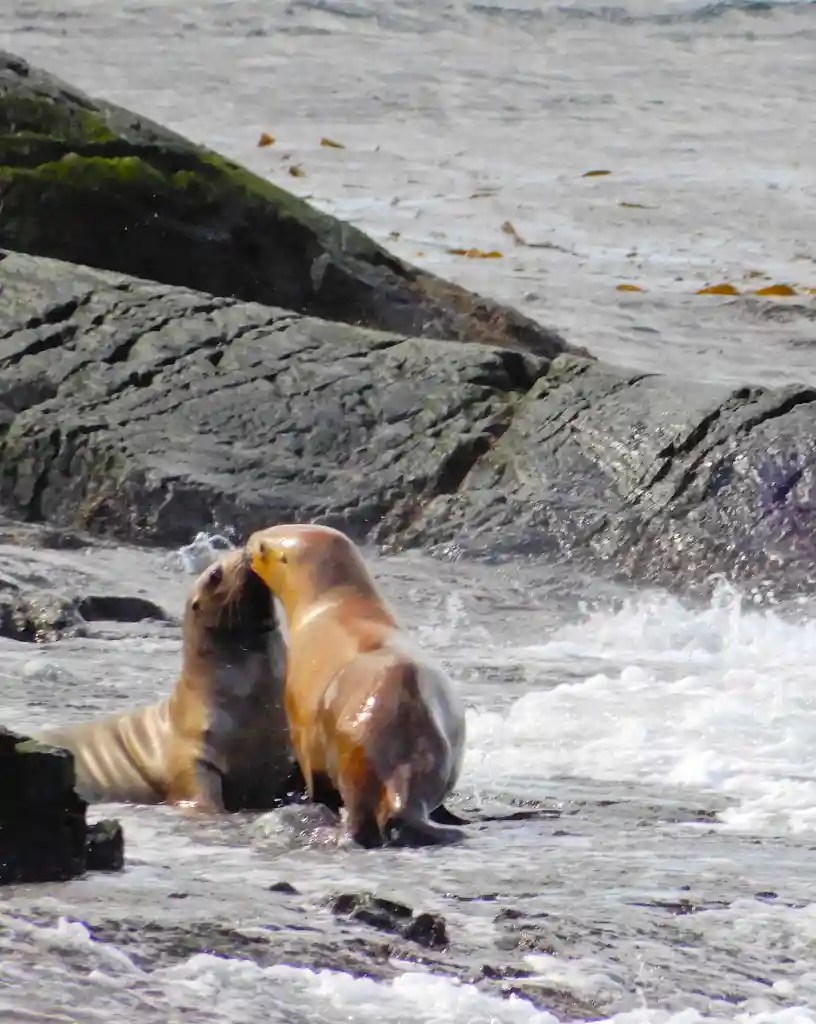
From the Canadian Maritimes to San Francisco, the Falklands, the Galapagos, New Zealand and Alaska we’ve found and photographed them and we still have difficulty remembering the difference between seals and sea lions.

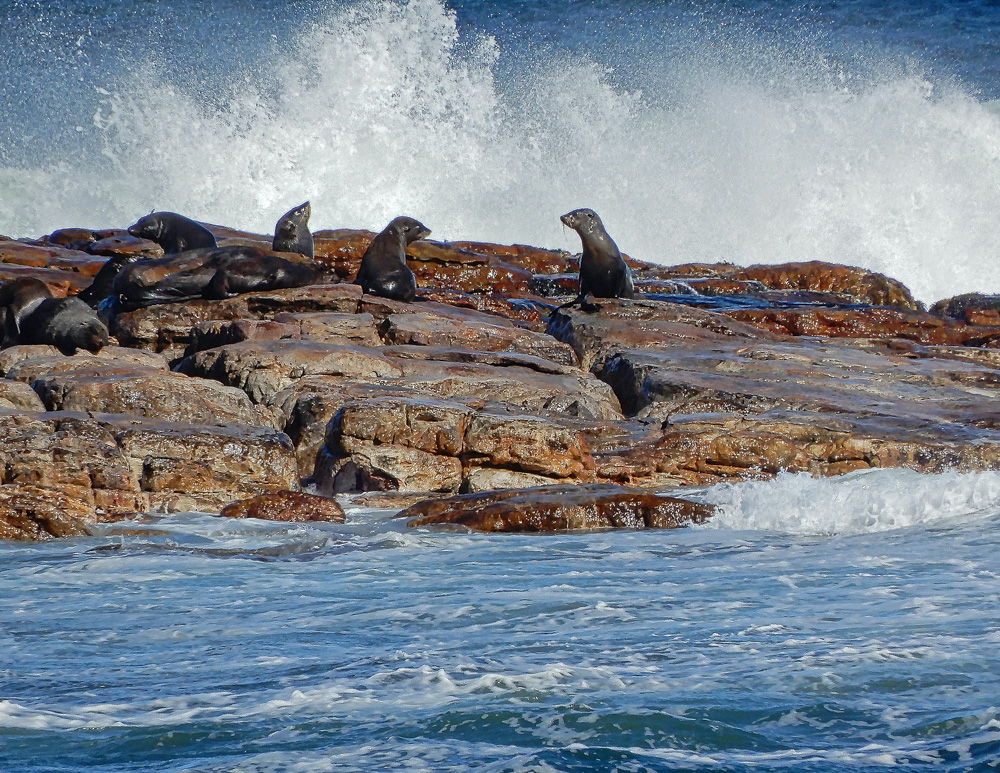
Pictured above is a colony of seals on a rocky islet in the Beagle Channel in Argentina,

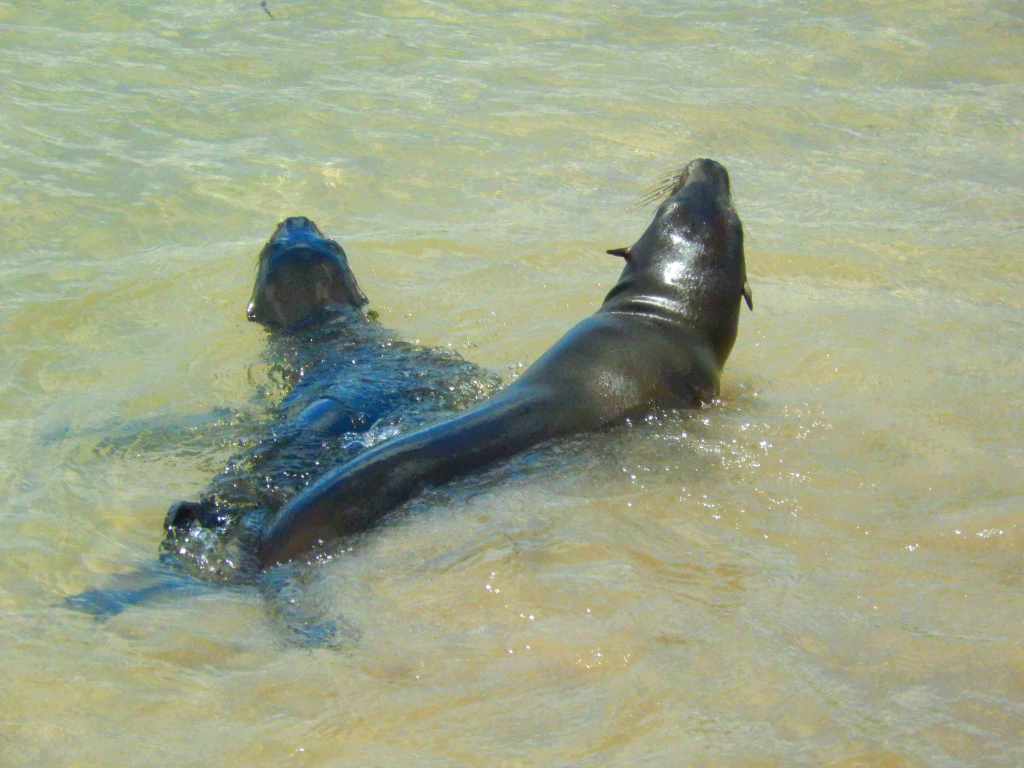
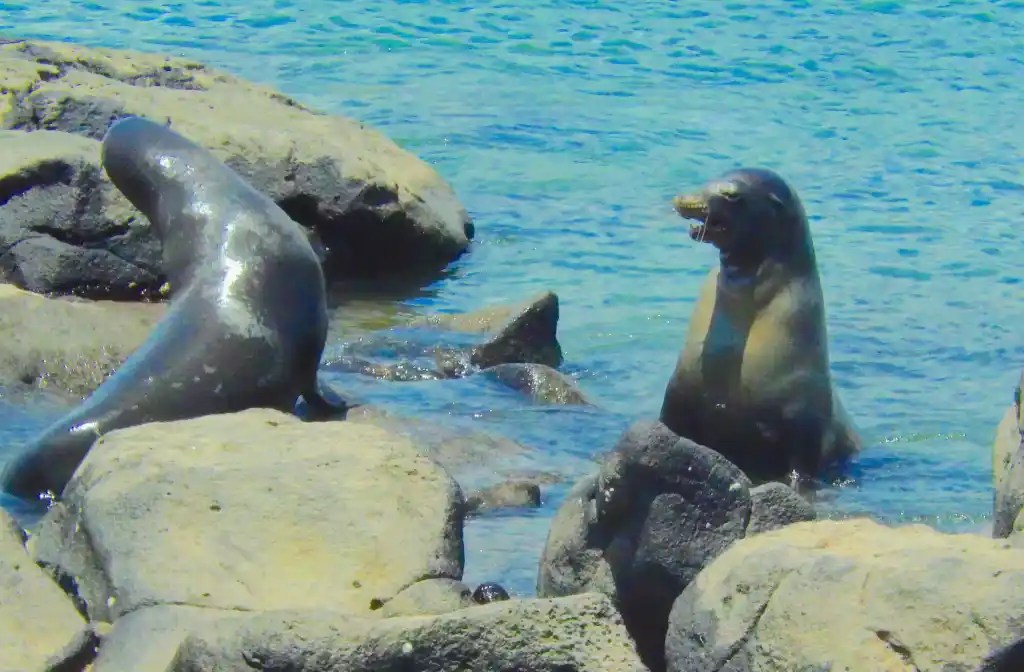
Galapagos Sea Lions

Sea lions have visible external ear flaps, while seals do not. This is one of the most obvious ways to tell the two groups apart but there are also a number of sub-species of both.

In terms global distribution, sea lions are primarily found in the northern Pacific Ocean and the southern oceans, including the coasts of North America, South America, Australia, and New Zealand. Seals, on the other hand, have a broader distribution, inhabiting both the Arctic and Antarctic regions as well as temperate coastal waters

around the globe.

Below The Cape of Good Hope, South Africa

Cape of Good Hope, South Africa

We spend much of our time traveling and have realized there is a facet of the experience that is so compelling that the opportunity is rarely ignored. We have spent days traveling to wild places in search of all forms of wildlife. From whales to butterflies, from Terra del Fuego, Argentina to Resurrection Bay, Alaska and we’ve seen and photographed all manner of creatures.

The Galapagos Below

Beagle Channel South America Below

Below Resurrection Bay, Alaska

Below San Francisco Bay

Monterey California

The Falklands Below