Something has happened with facebook and I’m looking for some feedback from other website owners.
The Background
I maintain several web sites and connect them to a number of social media sites. I’ve been using IFTTT for years to add autoposts to a number of social media pages. This particular travel site is my hobby and and while I started it to chronicle our world travels. It’s grown into something more. We also have several online stores (TheCraftsMart.com) that have changed hosts and styles over the years but use the same IFTTT process for auto posting to our social media sites.
What’s Happened
About a month ago I began to record an increase in traffic visiting several of my sites from my facebook pages. At first I was pleased at what was happening but one afternoon I spent time reviewing one stores facebook page. I simply scrolled down the page looking at postings and making notes but never clicked on a single post. I never clicked anywhere on that facebook page (https://www.facebook.com/WinterGardenCrafts). Later that day I checked the stores traffic and was shocked that there were 44 inbound links from the stores facebook page, and that was unusual for a day when I hadn’t added a post to the facebook page. In fact it was similar to holiday traffic when I was advertising with facebook??
I used the same process with my travel site and its facebook page – same result. I managed to chat online with a facebook representative who was very convincing that I had to be mistaken. As an additional check I repeated the process with a page and website dedicated to my odd musings (https://earlynotions.wordpress.com/). I did that three days in a row with the same results.
If my experience isn’t unique than facebook is falsely ginning up its click traffic and its data cannot be trusted.
On the positive side I can use this approach to inflate my traffic (does Google etc. even track all this sort of traffic??
I would really like to know if anyone else is seeing this – add comments below please.
Hotels, food and transportation are all inexpensive by American standards. Hotels are easily half to two-thirds the cost of similarly rated U.S. properties. Also expect to pay half in restaurants compared to the U.S. Fast food and coffee shops are the exception – mostly they’re on par with U.S. prices. It is not uncommon for hotel rooms to not have heating or air but almost every hotel will supply stand alone heaters upon request (tip: if it is cold outside make your request at check-in as they do run out). Everywhere we went we were cautioned to not drink the water but every hotel provided distilled water dispensers or free bottled water (tip: be sure and carry a refillable bottle with you on the trip). If you’re generally averse to taking taxis because of cost you’ll need to make an adjustment in your thinking. Taxis are, on average, half American prices and tipping is not expected but rounding up is common. You can also book with the Uber app in most cities in Peru and Ecuador. In restaurants tipping is commonly added to the check – if at all and again rounding up is common.
Lima Peru
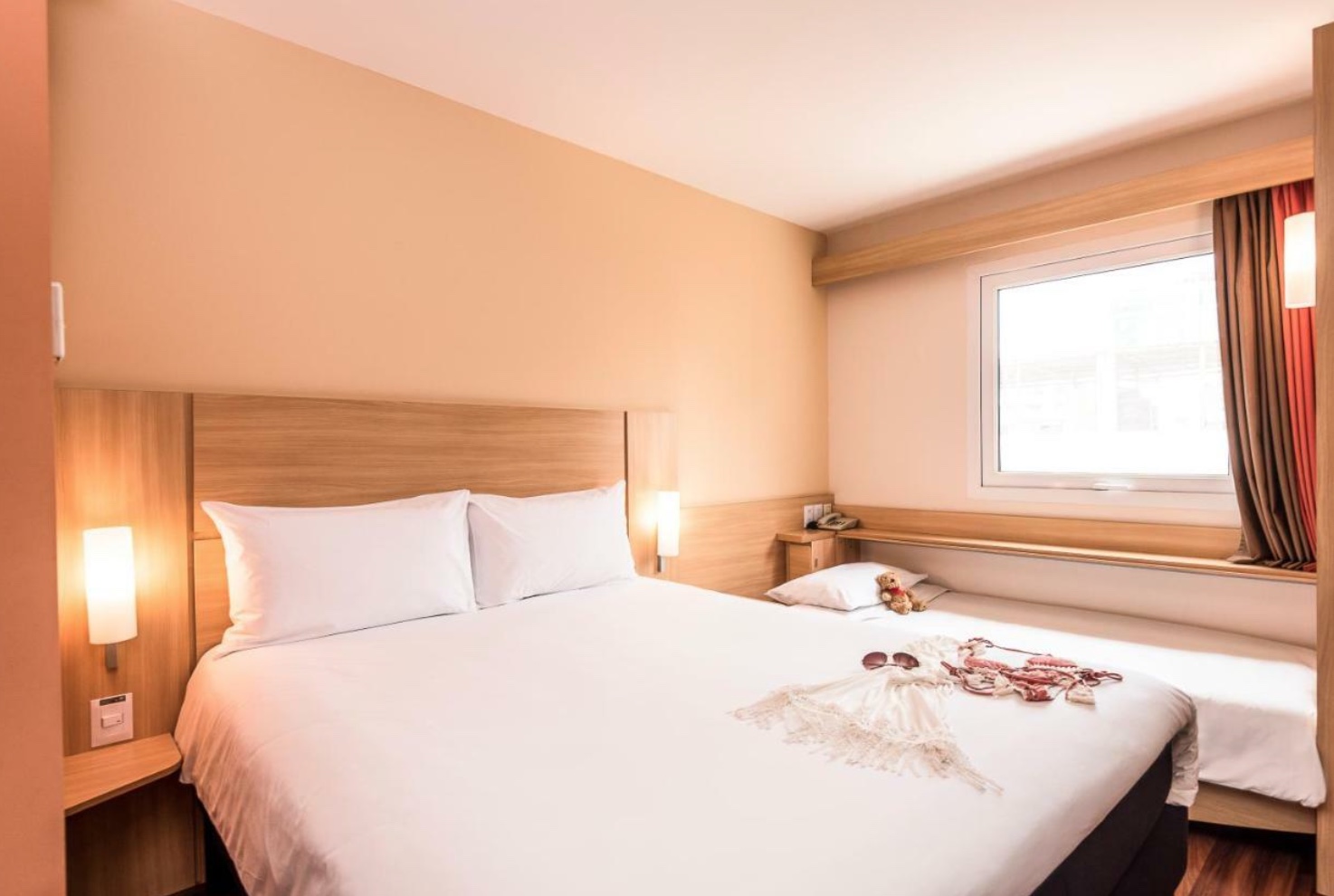
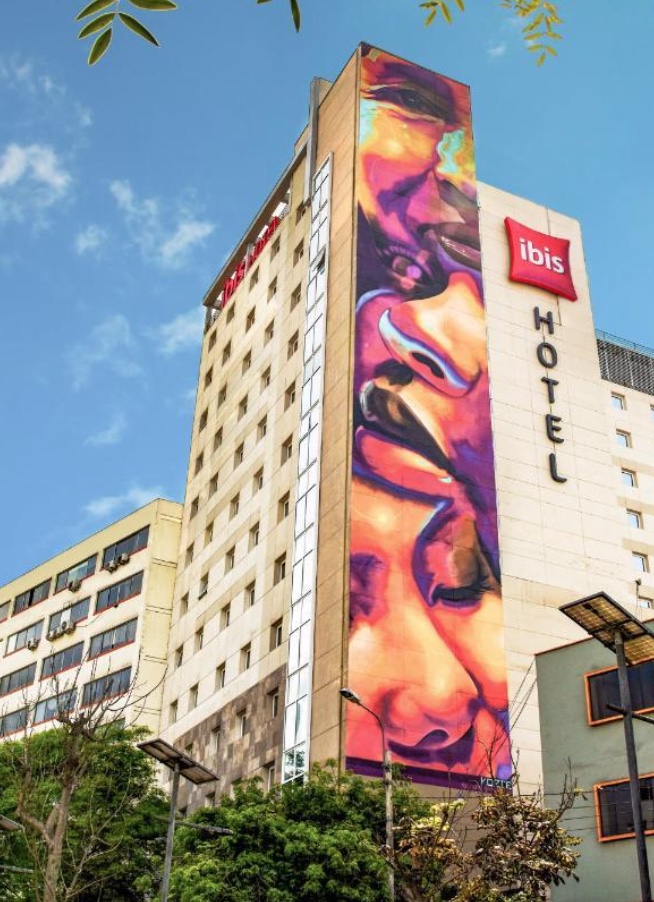
Ibis Larco Miraflores Hotel – Avenida Larco 1140, Lima, Peru
This hotel is rated at 3.5 stars and is considered in the moderate price category. It is part of the Accor Hotels family and allows you to accumulate Accor reward points if you are a member (see HERE). The staff was very helpful, the rooms were comfortable and clean and the location was very convenient. The rate included a light buffet breakfast in the lobby restaurant.
Popular points of interest near the hotel include the Malecón clifftop and the upscale Larcomar shopping within 5 or 6 blocks. There are also a number of very good restaurants nearby.
Sacred Valley, Peru
Ava Spot Hotel in the Sacred Valley – Sector Rumichaca, km. 75 de carretera Cusco, Urubamba 08660, Peru
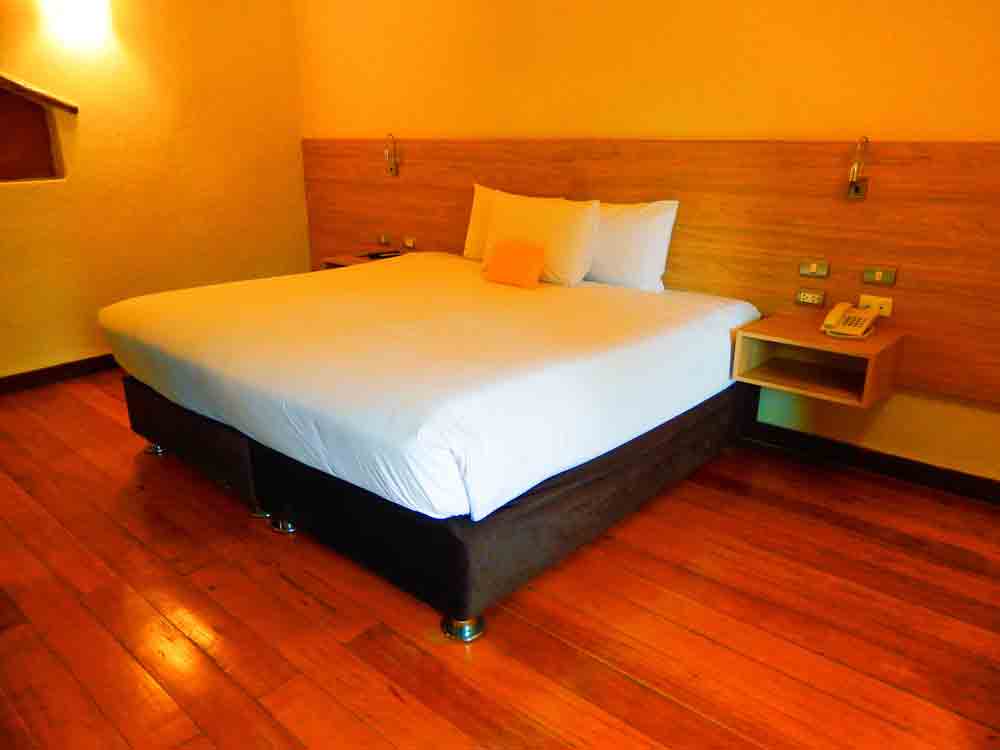
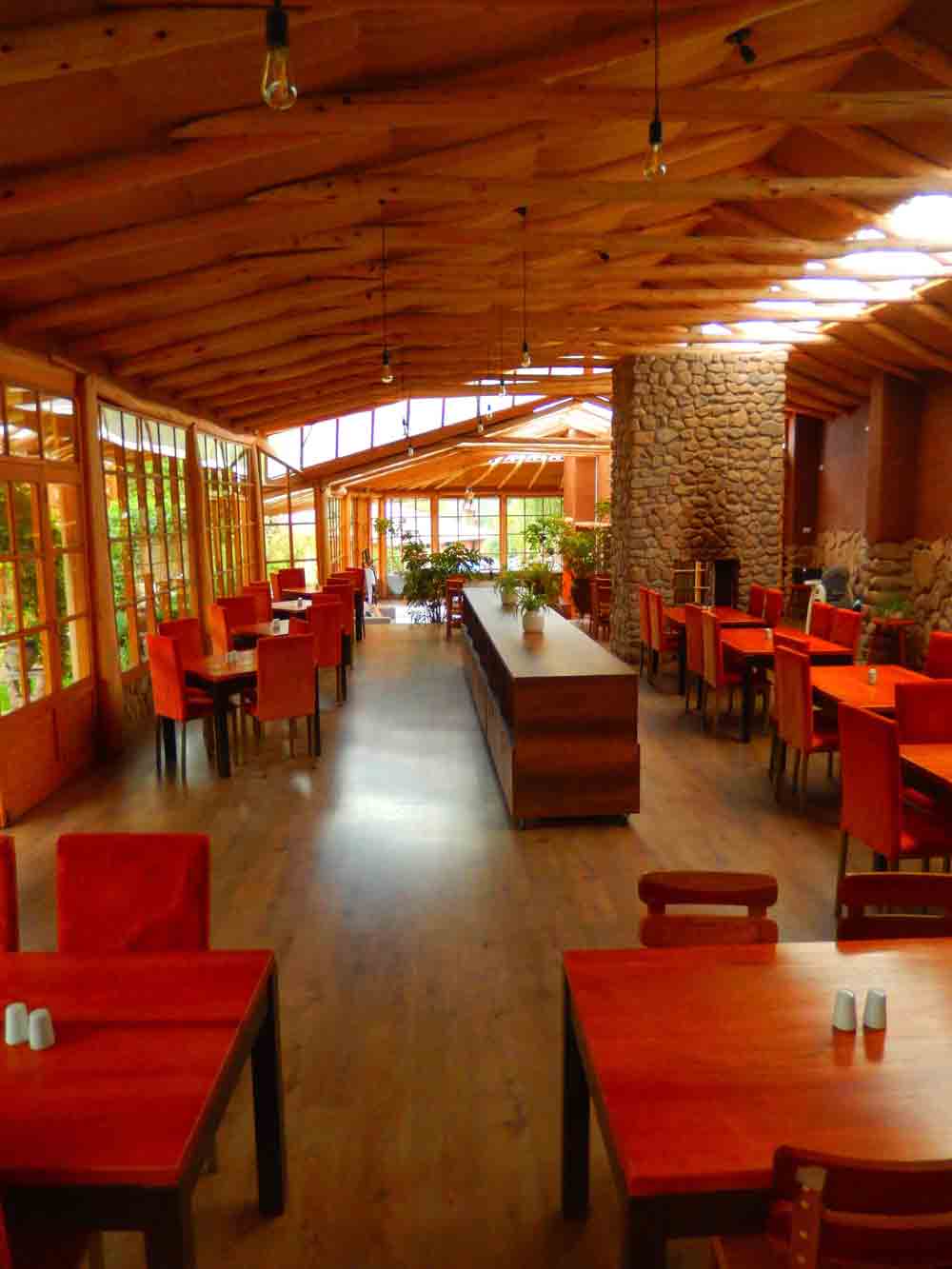
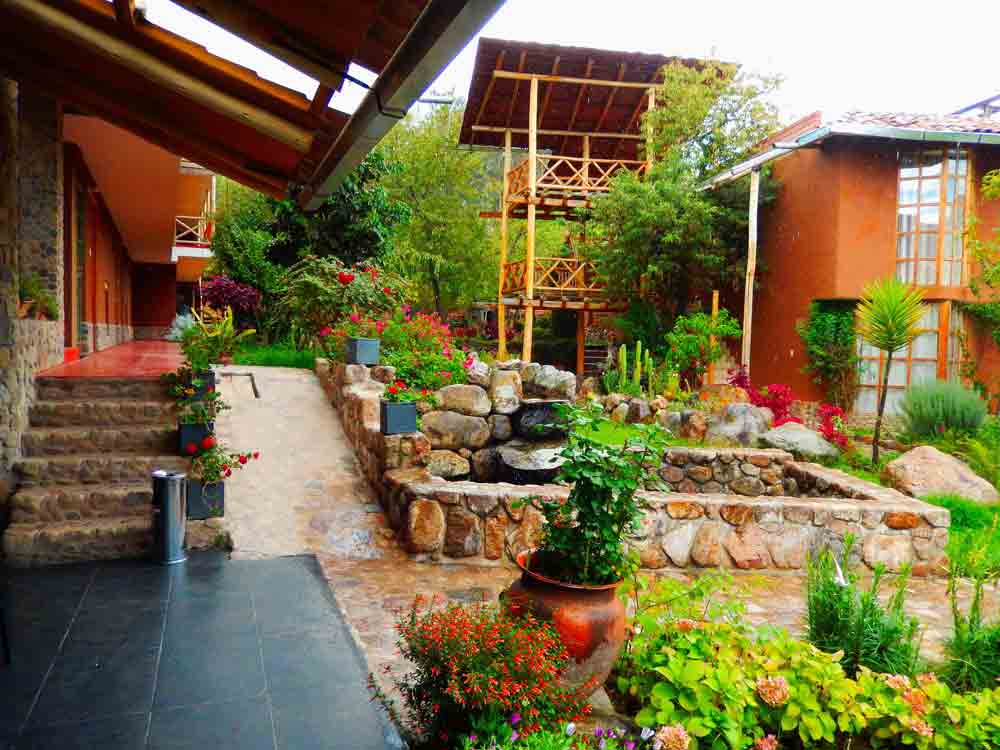
This is an upscale hotel rated at 4 stars. It features a pool, bar and small restaurant. The rooms are clean and comfortable and the staff very friendly and helpful. The room rate included a light buffet breakfast in the restaurant. It is located about 4 miles from the train station to Machu Picchu and the hotel can arrange transportation.
Aguas Calientes, Peru
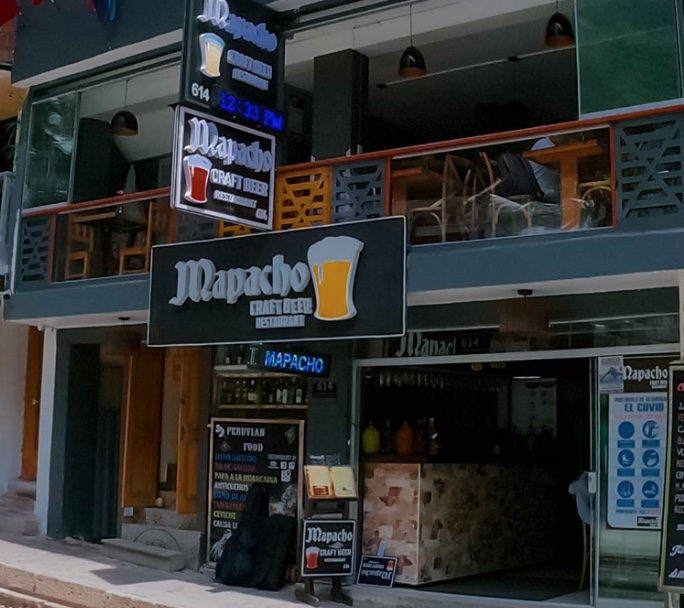
Mapacho Craft Beer in Aguas Calientes – There are a number of highly rated restaurants and cafes in Aguas Calientes and Mapacho was highly recommended. They offer a large selection of beer and the pizza and pulled pork were very good.
Cusco, Peru
Agustos Cuzco Hotel – Av. Hipólito Unanue #155 Distrito Wanchaq, Cusco, Cusco-Perú
An older hotel rated at 3.5 stars but a 40 minute walk to the historic Plaza de Armas. The rooms are clean and comfortable and the staff was friendly and helpful. The room rate included a light buffet breakfast.
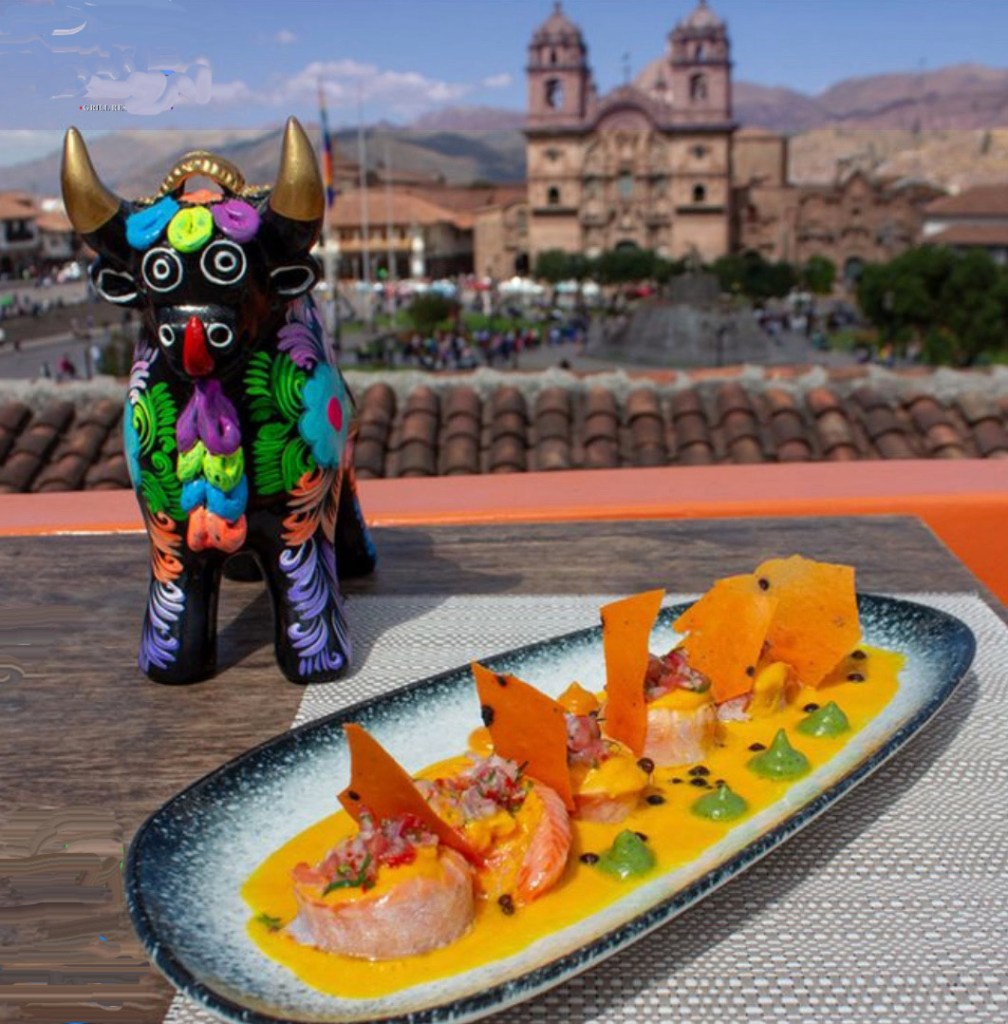
Mistura Grill, Cusco – located on the west side of Plaza de Armas
We had a number of meals around the Plaza de Armas and Mistura was the best we tried. Located on a second floor with great views of the square, they feature a traditional Peruvian menu with moderate prices.
Amazon Rain Forest, Ecuador
Amazona Suchipakari Lodge – located 200 miles across the Andes from Quito. The Jungle and Adventure Tours are provided by naturalist guides into the Amazon Rainforest. The rooms are comfortable but a bit primitive with no air conditioning. Meals are included with a light buffet breakfast but other meals offer little choices in selection.
Quito, Ecuador
Quito Mercure Alameda – Also part of the Accor Hotels family that allows you to accumulate Accor reward points if you are a member. This was a nice hotel rated at 4 stars and for no reason we were upgraded to a suite for our stay. The room was very comfortable, the staff was friendly and helpful and the room rate included a light buffet breakfast. The hotels restaurant was very good and on weekends featured a nice buffet dinner.
The location was good being in the upscale La Mariscal area and was only 3 blocks from the Artisan Market with a large popular park only a few blocks farther.
Miskay, Quito – Rated one of the better restaurants in Quito it was only 5 or 6 blocks from the hotel in Plaza Foch, one of the more cosmopolitan sectors of the Ecuadorian capital, in the heart of the neighborhood La Mariscal. Miskay offered a unique fusion like Ecuadorean based menu with a friendly and attentive staff.
San Cristobal, Galapagos, Ecuador
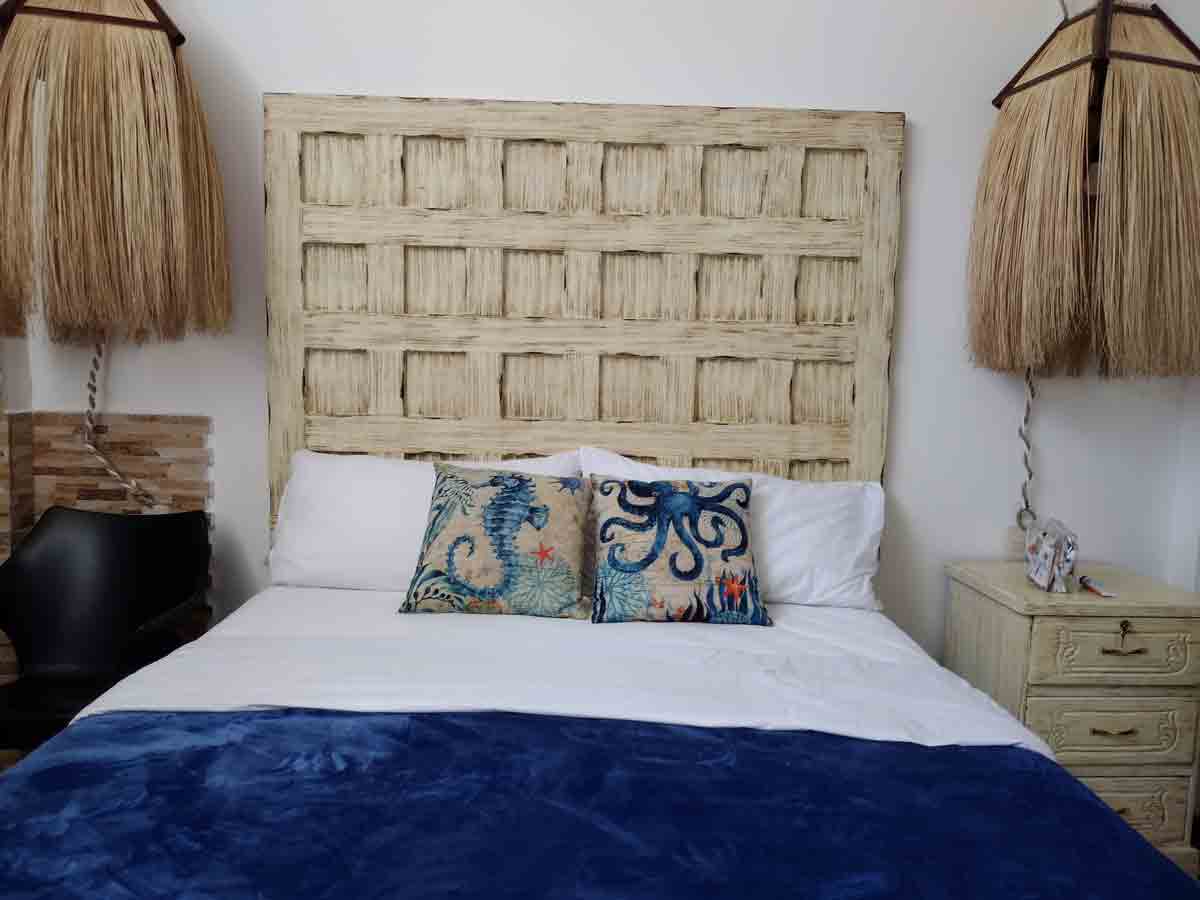
Blue Bay Galapagos Planet Hotel – located only a few blocks from the airport but with only a few flights a day that wasn’t a problem. It is in town with only six or eight blocks to the waterfront. The hotel features a swimming pool and a breakfast room on the 4th floor (walkup) and air conditioners in each room. The rooms are clean and comfortable and the staff is friendly and helpful and the room rate included a light buffet breakfast.
Antonios – One of the more popular restaurants in town serves some excellent Italian food. Seating is inside and on an outdoor sidewalk across the street (try the seafood pizza).
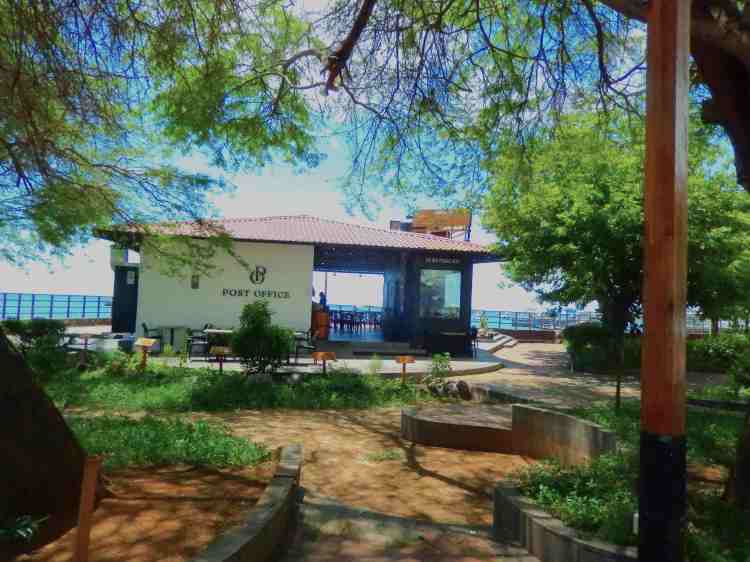
The Post Office – This is one of San Cristobal’s newest restaurants and is noted for the best sunset views from their patio. They offer a wide range of beers and if you are a beer drinker don’t pass up the beer flight at a really good price. Like much of San Cristobal the emphasis is on seafood but with modern flair. Don’t be surprised if a sea lion shuffles past your table.
Guayaquil, Ecuador
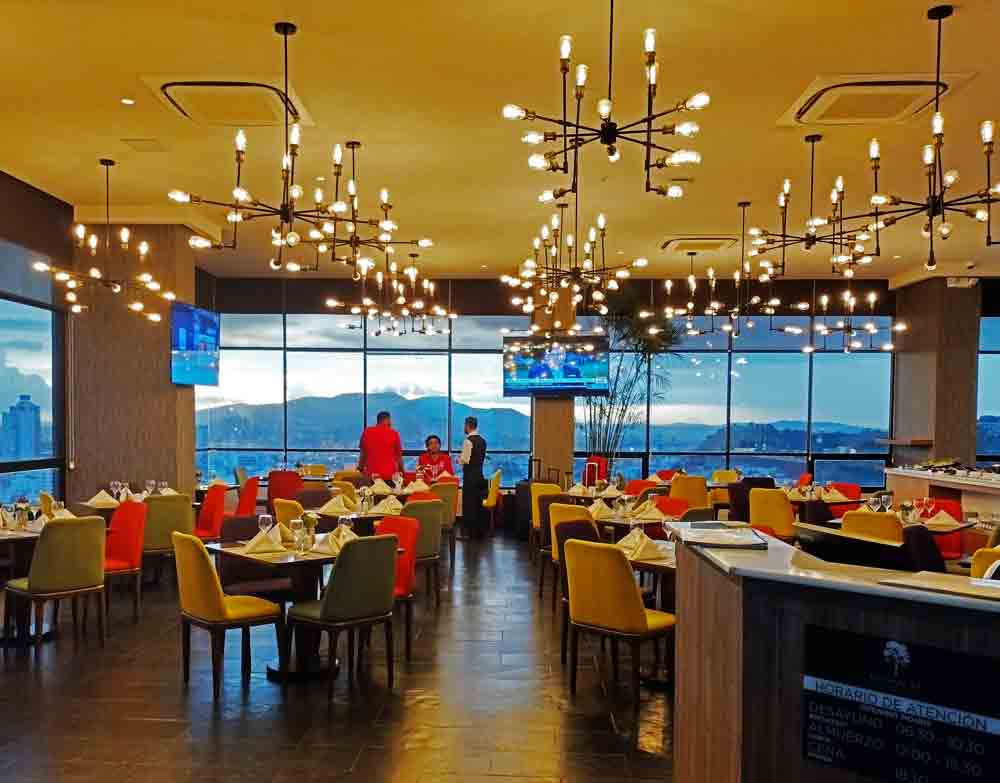
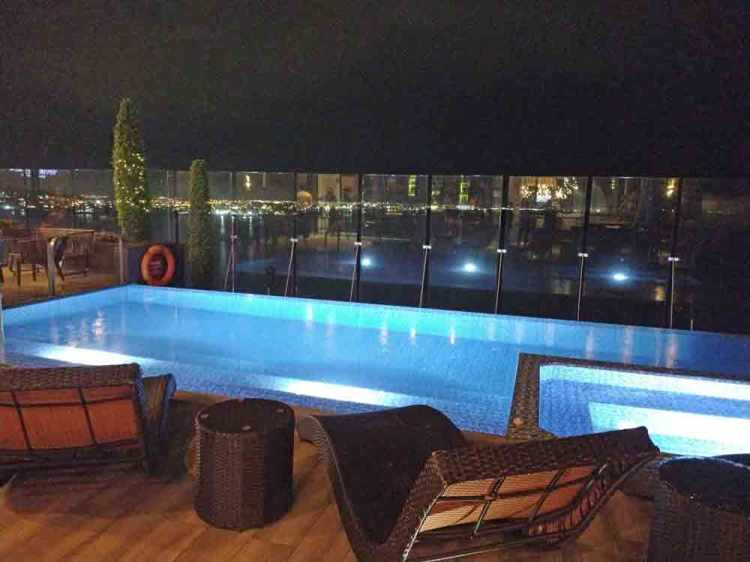
River Garden Hotel And Suites – located in the central business district across the street from Malecón 2000. The modern room featured a king bed, desk and a private bathroom. The hotel has a friendly and attentive staff with great views of the city from the top floor. It features an open air rooftop pool and hot tub along with a bar and an excellent formal restaurant offering incredible views. Plan dinner around sunset! Included with the room that was under $100 a night was a buffet breakfast offering made-to-order omelets. The hotel restaurant located on the 12th floor was reasonably priced with excellent service and food.
Popular points of interest near the hotel include Saint Francis Church, iguana park, the Artisan Market Guayaquil and the Malecón 2000 with its Botanical Garden right across the street from the hotel.
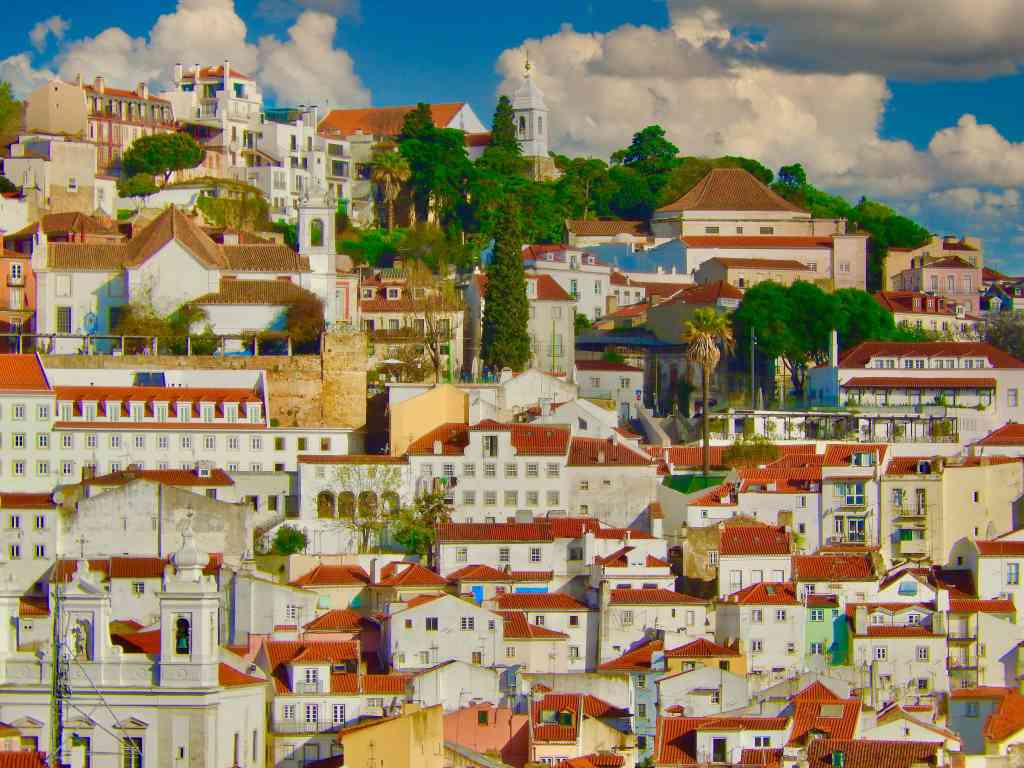
It’s easy while walking the streets of Lisbon to think you have somehow slipped back in time. This beautiful city really seems to live in the past. Quant cobblestoned streets lead to plazas bordered by palaces, churches and castles. Attractive small cafes and restaurants abound and shops and galleries invite at every turn. Streetcars that look like they really belong in another time, glide down narrow streets. Even much of this cities graffiti rises to the level of fine art. Portugal seems to have deliberately let the world speed on by, having discovered a comfortable place to sit back and watch everyone else frantically race on to – not sure where.
Getting Around Lisbon
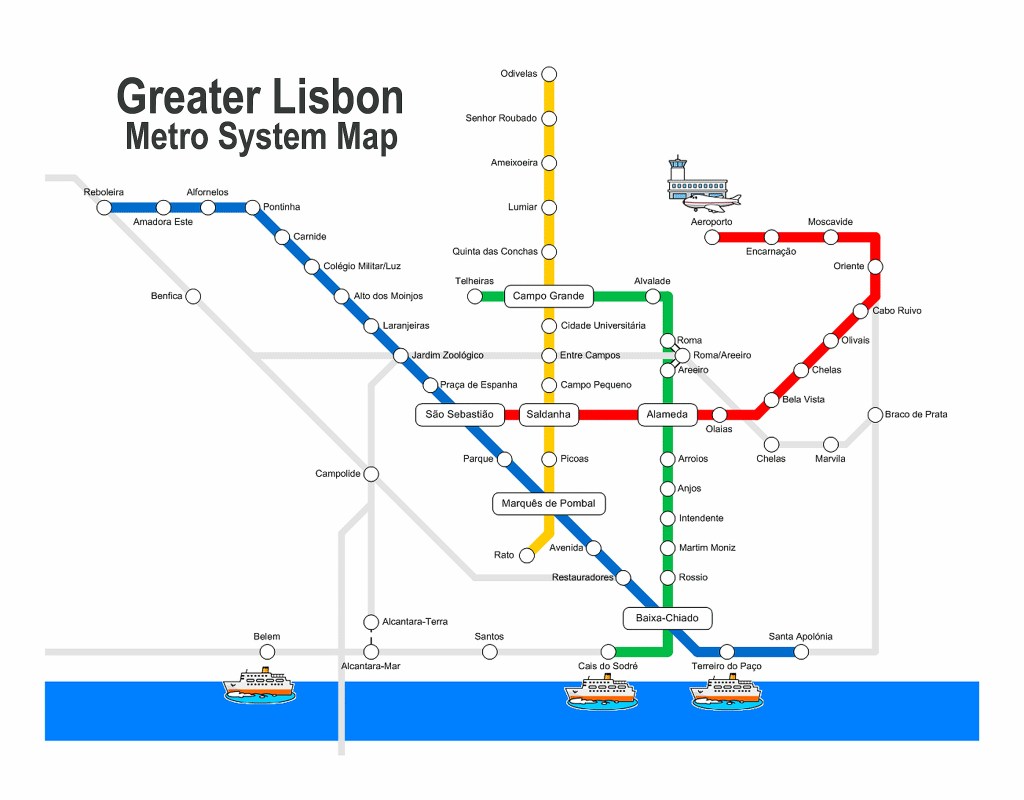
Lisbon features a good public transport network, both underground and surface using subways, buses and trams but for the one day visitor the system has two issues; first it is difficult to change lines, as there are few connections between the networks. Second it doesn’t run past some of the most popular tourist attractions in the city.
The Lisbon Metro is the rapid transit system (subway). Opened in December 1959, it was the first metro system in Portugal. The system’s four lines total 31 miles with service to 56 stations.
Visitor Passes – There are 24 and 48 hour passes available and the funicular system can also be used. 1 Day ticket (valid for 24 hours after first use) Metro pass is 6.40€ -Valid for unlimited journeys on the Metro networks during 24 hours. The full Carris/Metro/Transtejo (Cacilhas) pass is 9.50€ – Valid for unlimited journeys on Carris, Metro and Transtejo (river connection), during 24 hours following the first use.
Ticket Offices are open every day 7:45 a.m – 7:45 p.m at the following Metro stations:
Marquês de Pombal
Campo Grande
Colégio Militar/Lu
Jardim Zoológico
Marquês de Pombal
Rossio
Baixa-Chiado
Cais do Sodré
Oriente Aeroporto
There are vending machines at every station.
There is also a visitor specific card called the Lisboa Card where you get unlimited travel for 24 hours for just €20 that also includes free access to Lisbon’s best museums and attractions like the Torre de Belem, Jeronimos Monastery and the Santa Justa Elevator and more. You can buy the card online HERE.
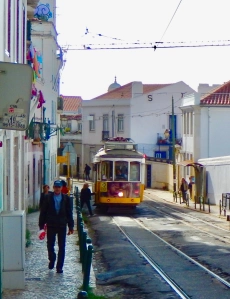
If you’re planning your first visit make sure that riding the streetcars is at the top of your list. The trams (streetcars) in Lisbon are a fantastic way to get around the city, and they’re one of the city’s most popular tourist attractions.
Portugal’s capital currently has five different routes and 58 trams, with 40 being vintage streetcars. Called heritage trams they are small, historic and the most recognized symbol of Lisbon.
The price of the ticket for the Lisbon tramway on boarding is € 3, but if you use the 7 Colinas Card*, the price is € 1.50 per trip.
Of the five routes, two are of special interest to visitors:
Nostalgic Tram #28
The tram 28 is a historic institution with wooden construction that will carry you back to another era as you wind through the city’s narrow streets. It rings constantly warning pedestrians to move out of the way.
This tram route links São Jorge Castle and Bairro Alto, as it travels through picturesque neighborhoods for over six miles, including Graça, Mouraria, Alfama, Baixa, Chiado, Madragoa and Bairro Alto. You probably won’t be the only tourist taking this historic tram.
Popular Tram #15
The tram 15 is the most frequently used tram in Lisbon connecting the city center mostle along the water out to Belém. The trams on this route are modern and always packed with people especially during weekday rush hour.
The tram 15 departs from “Cais de Sodré” station, a large interchange station near Praça do Comércio.
*7 Colinas Card – If you don’t want to buy a 1-day travel card at least buy a 7 Colinas card for € 0.50, and add a one-way ticket any time you wish to use Lisbon’s public transport system. You can buy this travel card in any metro station, newspaper stand or Carris’ points of sale and top it up whenever you need it on the automated stands. You can also check the amount you have left on any of the city’s buses, trams and even the lift. A single ticket with the 7 Colinas card for the Carris network (trams, buses, and funiculars) and the metro costs € 1.50.
Currency
The currency of Portugal is the Euro and major credit cards are welcome almost everywhere including in metro stations. ATMs are also readily available.
While in Lisbon don’t miss an opportunity to pick up Portuguese gifts. The country is famous for its reasonable prices. Portuguese ceramics are famous and authentic cork craftsmanship is remarkable. Look for the Barcelos Rooster, it’s Portugal’s national symbol and can be found in woodwork, ceramics and embroidery handcrafts. The countries Port Wine is known the world over and the prices here are difficult to pass up. You’ll also find bargains in distilled spirits and local speciality foods.
Attractions
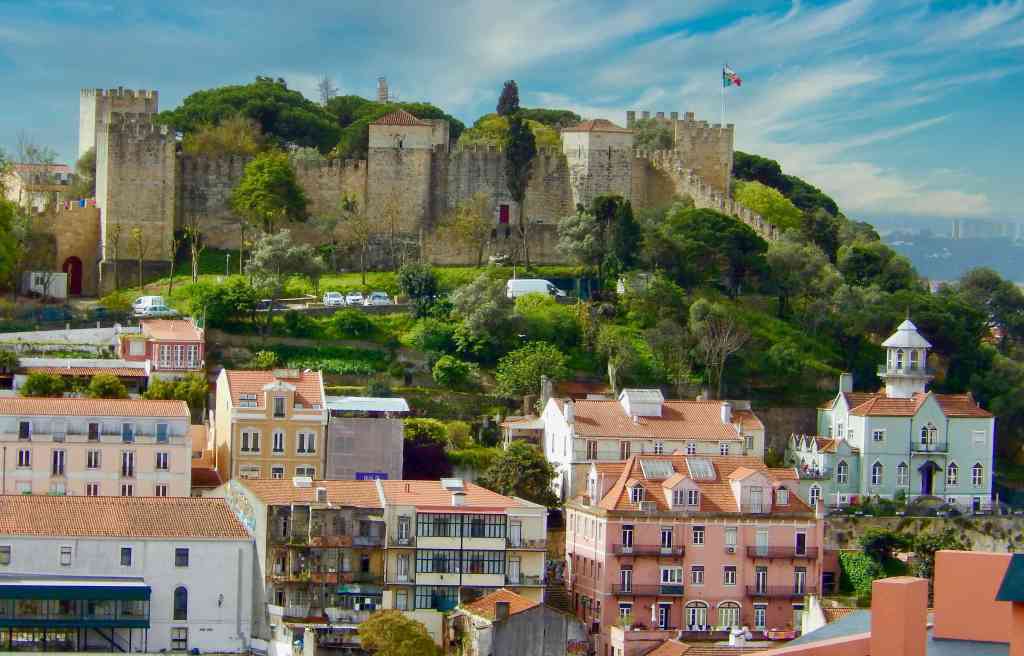
Castelo de S. Jorge
Castles, museums, churches and palaces all within a mile or so from the cruise ship.
SantaJustaLift
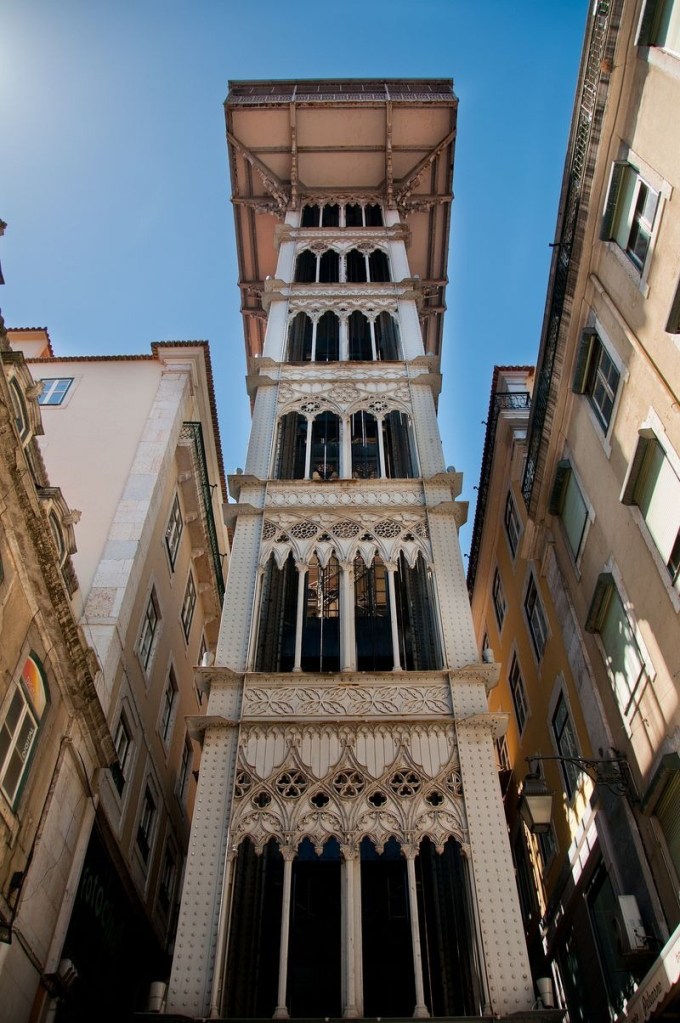
TheSantaJustaLift is an elevator in Lisbon and the fastest way to get from the Baixa neighbourhood to the Bairro Alto district. It was inaugurated as one of the city’s public transport in1902 and was called Elevador do Carmo (Lift).
Castelo de S. Jorge at R. de Santa Cruz do Castelo. Hilltop Moorish castle & palace ruins
Jerónimos Monastery at Praça do Império 1400-206 Lisboa. World heritage listed Gothic monastery
Oceanário de Lisboa at Esplanada Dom Carlos I. Waterside aquarium with ocean ecosystems
Museu Nacional do Azulejo at R. Me. Deus 4. Ceramic collections located in a church
Belém Tower at Av. Brasília. Medieval defensive tower
.
Padrão dos Descobrimentos at Av. Brasília. Concrete monument to maritime explorers
Santa Justa Lift at R. do Ouro. Elevator linking city levels from 1902
Carmo Convent at Largo do Carmo. Medieval ruins & archaeology museum
Basílica da Estrela at Praça da Estrela. Baroque church with twin bell towers
Ajuda National Palace at Largo Ajuda 1349-021. 19th-century royal palace and museum
Arco da Rua Augusta at R. Augusta 2. Triumphal arch with a viewing platform
Miradouro da Nossa Senhora do Monte. Popular destination for city views
Museu Nacional de Arte Antiga at R. das Janelas Verdes. Historical art collection in old palace
Palácio dos Marqueses da Fronteira at Largo São Domingos de Benfica 1 Grand palace
Miradouro Sophia de Mello Breyner Andresen at Calçada da Graça, Terrace park featuring sweeping city views
Museu de Marinhaat Praça do Império Maritime museum in sixteenth century monastery
Machu Picchu is an Inca citadel located in southern Peru on a 7,970 foot tall mountain peak. It has often been referred to as the “Lost City of the Incas”. It is located 50 miles northwest of the original Inca capital city of Cusco. The Urubamba River flows through the valley below the mountain creating a tropical climate in the region. The site sits on a narrow saddle between two mountain peaks: the taller Machu Picchu and Huayna Picchu. Historical research in 2022 claimed the site was probably originally called Huayna Picchu by the Inca, as it sits under the smaller peak.
Because the Inca had no written language and no outsiders visited Machu Picchu until the early 20th century, there are no historical records from the site about its true use or who originally occupied it. The names given the buildings, their described uses, and the actual original inhabitants are the best guesses of archaeologists using physical evidence, and artifacts from tombs at the site.
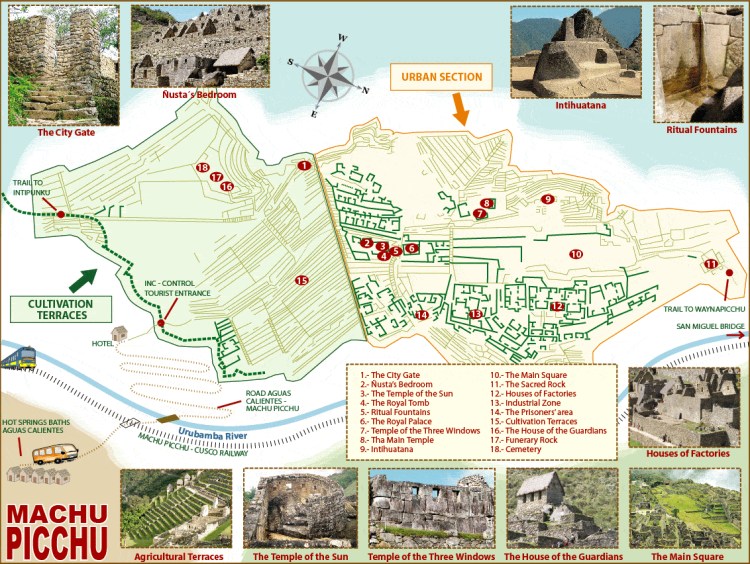
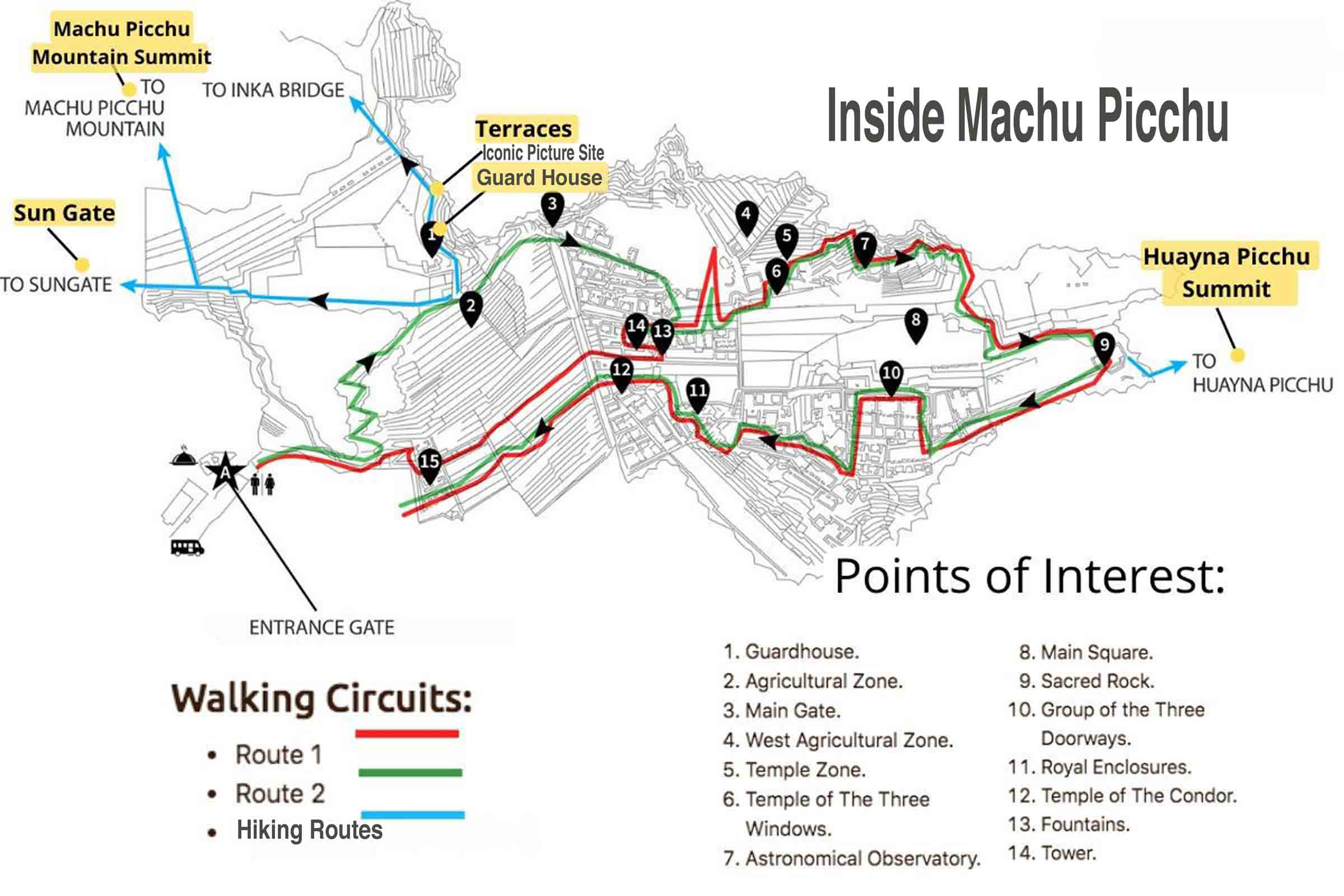
For a downloadable pdf map of the Machu Picchu archeological site click the map below
Current thinking of archaeologists is that Machu Picchu was constructed as an estate for the Inca emperor Pachacuti (1438–1472), but according to new radiocarbon dating, Machu Picchu was actually occupied from 1420 to 1532 AD casting some doubt on the theory.
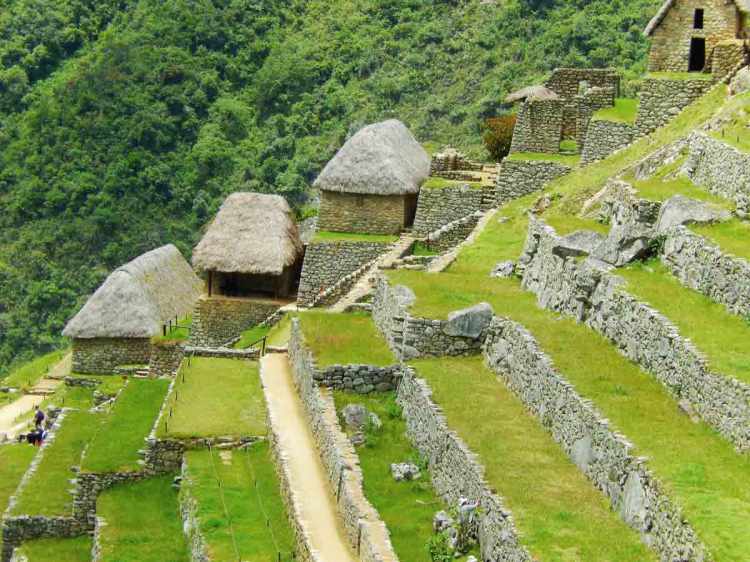
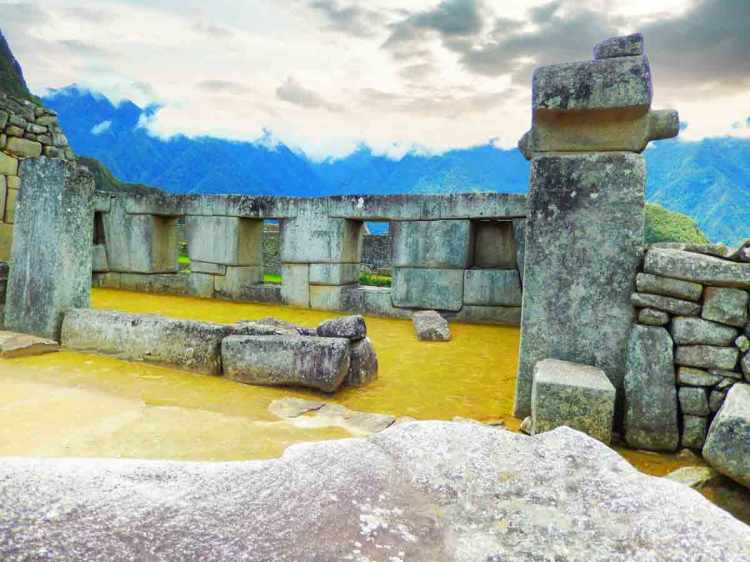
Machu Picchu is a typical Inca style site, with fitted dry-stone walls and stacked stone terracies. The three main structures are the Intihuatana, the Temple of the Sun, and the Room of the Three Windows. Most of the outlying buildings have been reconstructed to how they originally appeared.
Researches and Inca historians believe it was used as a royal estate, with about 750 people living there, with most serving as support staff who lived there permanently. Though it is likely that the estate belonged to Inca Pachacutec, religious specialists and specialized workers with their families lived there as well. During the lessor agreeable season, the population was reduced to about one hundred servants and a few religious specialists for maintenance.
Machu Picchu was declared a Peruvian Historic Sanctuary in 1981 and a UNESCO World Heritage Site in 1983 and in 2007, Machu Picchu was voted as one of the New Seven Wonders of the World.
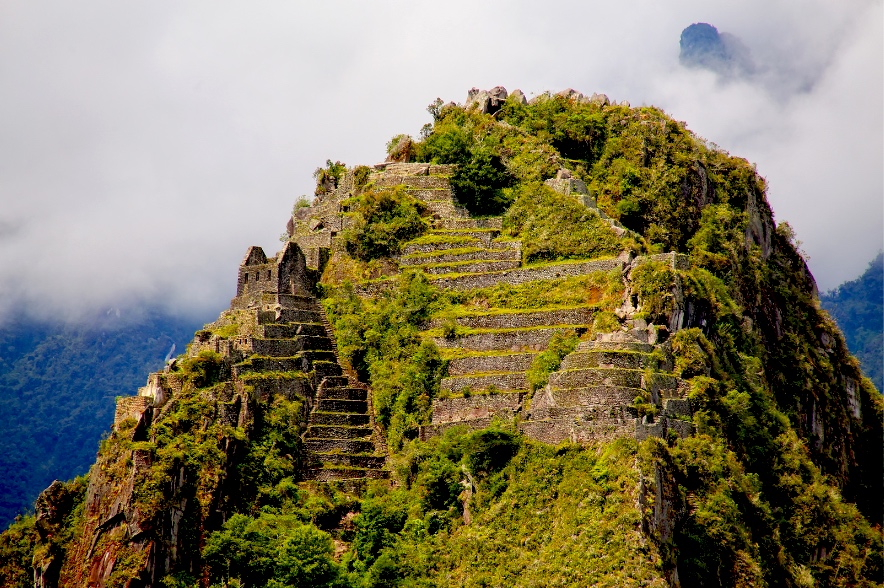
The terraces on Huayna Picchu
Selecting Your Tour
Visiting Machu Picchu is not as simple as just buying an admission ticket and going inside. First the site only allows about 5,000 visitors per day so you will need to pre-book your visit right down to the hours you will get there. In addition there are several paths through the site as well as extended trails and you will need to select a time choice as well as your path:
Machu Picchu Entry Times
The Machu Picchu entry time slots are set by the Ministry of Foreign Trade and Tourism, in coordination with the National Service for State-Protected Natural Areas and the Ministry of Culture, to protect the site and ensure more orderly visits.
Machu Picchu Time Slots:
Slot 1: Entry starting at 6 to 7 a.m. Slot 2: Entry starting at 7 to 8 a.m. Slot 3: Entry starting at 8 to 9 a.m. Slot 4: Entry starting at 9 to 10 a.m. Slot 5: Entry starting at 10 to 11 a.m. Slot 6: Entry starting at 11 a.m. to 12 p.m. Slot 7: Entry starting at 12 to 1 p.m. Slot 8: Entry starting at 1 to 2 p.m. Slot 9: Entry starting at 2 to 3 p.m.
The various visitor route options include:
Route 1: This route will take you through the upper and lower parts of the archaeological site. You will have a chance to view constructions such as the dry moat, the Temple of the Sun Lookout, the granite block field, the reflecting pools, Pisonay Square, and the archaeological reserve. This route takes about two hours.
Click this map to download a pdf copy to print or keep
Route 2: This is like an extended version of the previous route, but with lots more to see. In addition to the sites mentioned in Route 1, you will see the Temple Square, the Sacred Stone, the Twelve Niches, the Eastern Qolcas, the Intiwatana Pyramid (open from 7 a.m. to 10 a.m.), and the Temple of the Condor (open from 10 a.m. to 1 p.m.). You will also be able to take the optional Inca Bridge path.
Route 3 – Machu Picchu and the Mountain is for people who like to hike. On the first leg climb up the mountain of Machu Picchu, which takes about two hours. There, you’ll have a chance to take photos. To take this route, you will actually leave and enter again farther down. The attractions on this route include the Qolcas, the agricultural area, the canal, the dry moat, the Temple of the Sun Complex, the House of the Inka Complex, the water fountains, the reflecting pools, Pisonay Square, and the archaeological reserve.
Route 4 -Machu Picchu to Huayna Picchu. Designed for the most adventurous visitors, this one sells out the fastest. You will take Route 4, which consists of a hike to the top of the mountain of Huayna Picchu. You begin the route in the lower part of the complex, known as the “urban sector.” There, you’ll have a chance to visit the attractions from Route 3, as well as the Eastern Qolcas, the Sacred Stone, the Twelve Niches, and the Temple of the Condor (open from 10 a.m. to 1 p.m.).
The New Route: Machu Picchu to Huchuy Picchu. This route starts at the lower part of the site before climbing up to the top of Huchuy Picchu, located next to Huayna Picchu. This is a new route that was just recently opened by the Peruvian Ministry of Culture, designed for those who are more serious hiker.
Like the Huayna Pichu route, the Huchuy Picchu includes the same route and checkpoints. The trip takes about two and a half hours.
Note that these last two routes do not include the famous location from which the classic photo of the citadel is taken.
For additional information on getting to Machu Picchu click HERE.
Below are links to articles on over one hundred destinations, featuring information on what’s there, major attractions, maps, public transportation and tips to get the most out of your visit.
Travel and hiking go hand and hand. Discover a number of great day hikes in America and around the world. Everything from serious treks to casual walks and some amazing finds. Hiking at the end of the Earth and historic carvings in a remote canyon.
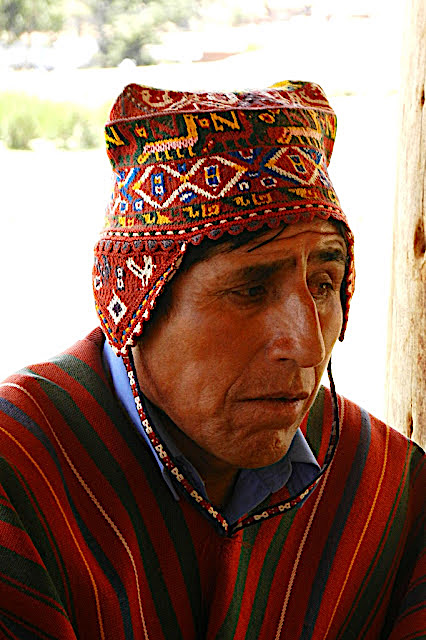
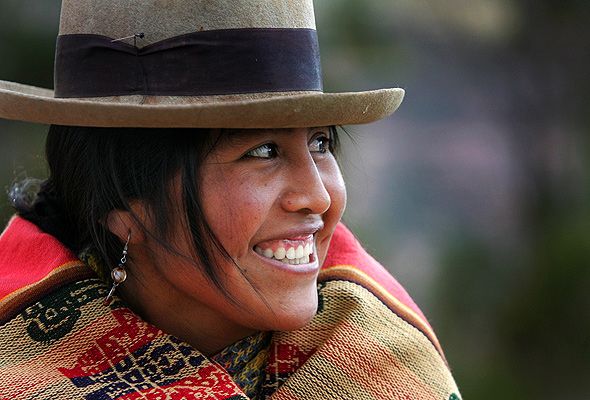
Actually the question should be ‘who was the Inca?’ While the indigenous peoples centered geographically on Peru are often referred to as Inca, the word Inca itself refers to the individual emperor – Inca or Inka means king or emperor of the empire.
But as the name is most popularly used, the Inca are everywhere.
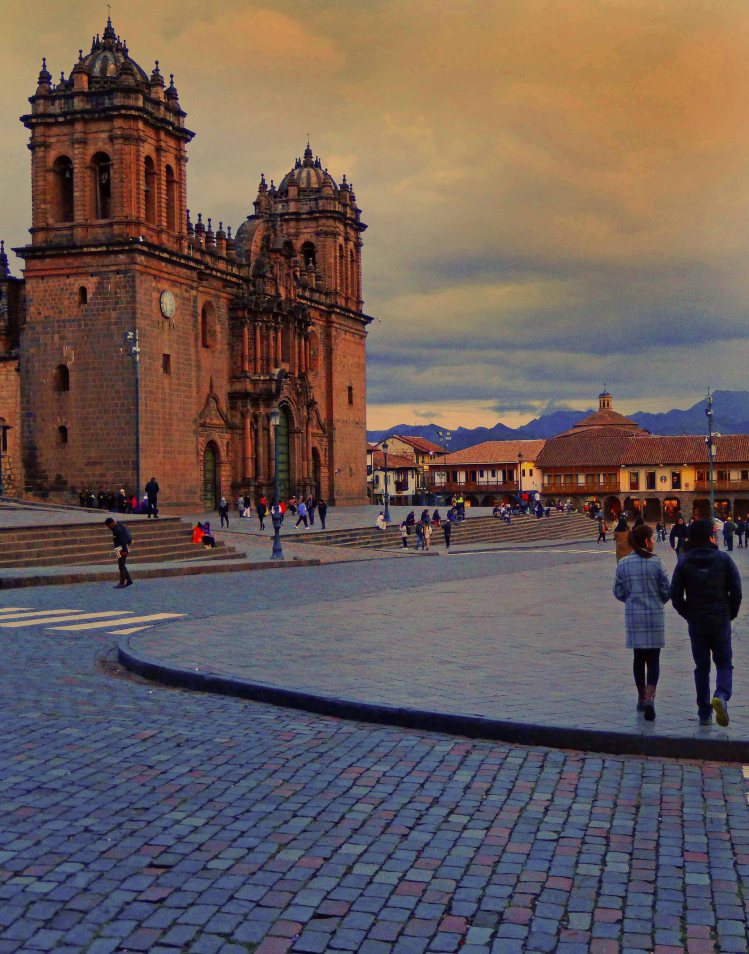
The Central Square In Cusco
The Rise Of The Inca Emperors
The Inca Empire started from its capital in Cusco, and expanded to control most of Peru, parts of Chile, Ecuador and Columbia. It was hugely successful because it integrated the knowledge of the societies they conquered and developed an administrative, political, military, economic and ideological system that allowed it to reach its peak in just a little more than a century and a half.
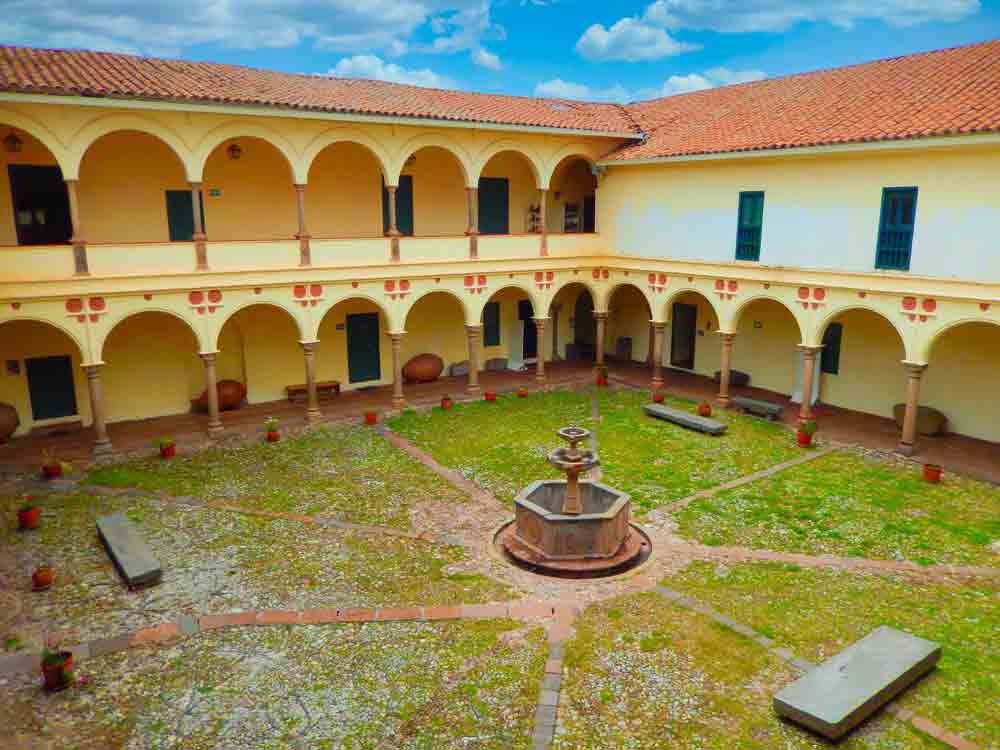
The Inka Museo In Cusco
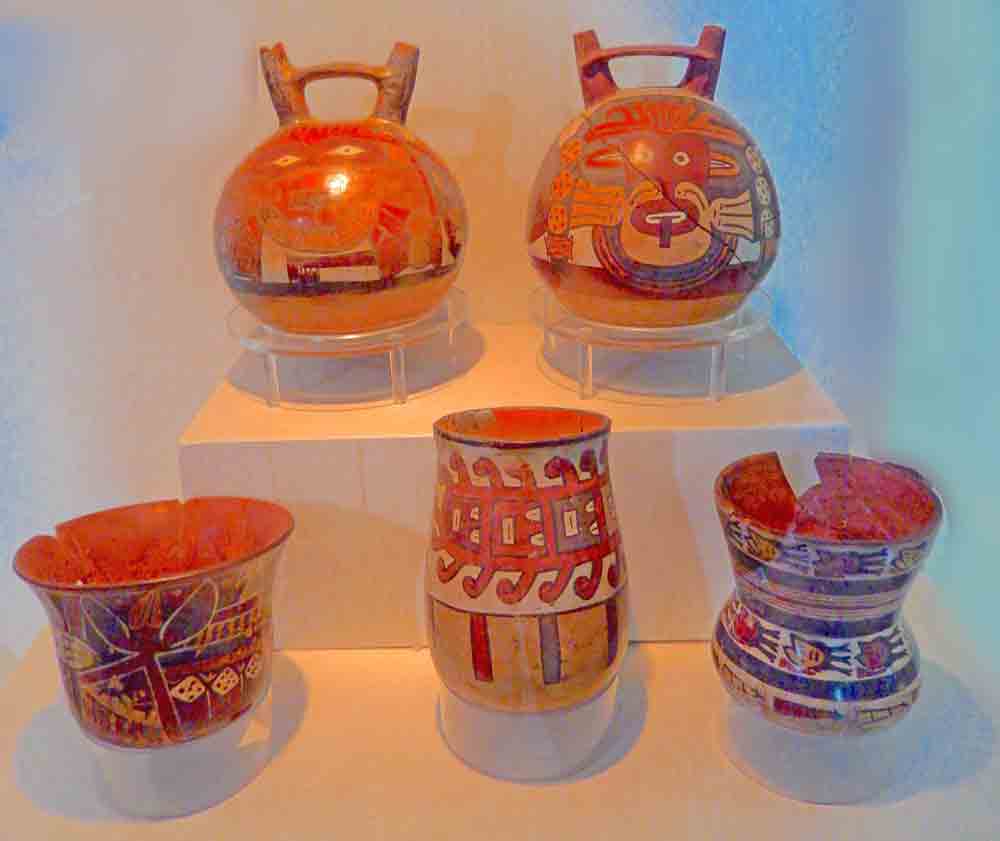
Interested in learning more about the Inca and other civilizations centered on Peru? The Inka (Inca) Museo is one of the best collections of artifacts from The Inca Empire along with collections representing additional significant civilizations in the region. The exhibits provide an excellent insight into Inca culture featuring ceramics, textiles, tools and even Inca burial chambers with half of the exhibits being in both Spanish and English. The museum is located a few steps from Cusco’s main square with admission costing US$8. About
The Short Lived Inca Empire
The Inca Empire first appeared in modern-day Peru sometime during the 12th century, arising from earlier pre-Inca indian groups in the region. These early groups are credited with creating the ancient Nazca Lines, immense drawings etched into the landscape and the pyramids of the Lima culture.
The Inca began expanding their lands with their fourth emperor, Mayta Inca Capac. However, they did not truly become a large empire until the eighth emperor, Viracocha Inca, in the early 15th century when he defeated the Ayarmaca kingdom to the south and took over the Urubamba Valley. He also established the Inca practice of leaving military garrisons to maintain peace in conquered lands.
Other Regional Indian Civilizations
Around 1000 BC the Chavin civilization developed in the northern Andes mountains from farming villages that dotted the region. The culture grew slowly at first, but in about 850 BC, it began to reach its peak when the Chavin people established their city, Chavin de Huántar on a coastal plain about 160 miles north of modern Lima, Peru. The Chavin peoples were skilled at metalwork, stonework, ceramics, tile work, textile weaving, dyeing methods, pottery, and bead making. After 500 BC, they started using llamas as pack animals to carry their goods up and down the mountains to Chavin de Huántar, which grew into a prosperous center for trade as well as religion. By about 300 BC, the influence of Chavin de Huántar was in decline and by 200 BC, the region contained only small, independent communities.
The Mochica culture arose about 200 BC to 600 AD and was located on the coast of northern Peru. These people left massive drawings of animals, birds, and geometrical patterns on the coastal plain that are known as the Nazca Lines. The people of the cities of Tiwanaku and Wari in the highlands were active from about 400 AD to 1000 AD, while along the coast the Sican culture, famous for its great pyramids, sprang up from the descendants of the Mochica peoples about 800 AD. Around the same time, more Mochica descendants further south developed their own culture, the Chimú. The Chimú were craftspeople, builders, and traders, but by 1470 AD, they were overrun and integrated into a more powerful culture, the Incas.
Early in the 16th century the Spanish began the conquest of the Inca Empire reaching Cusco around 1532 and by 1572, the last Inca outpost was conquered.
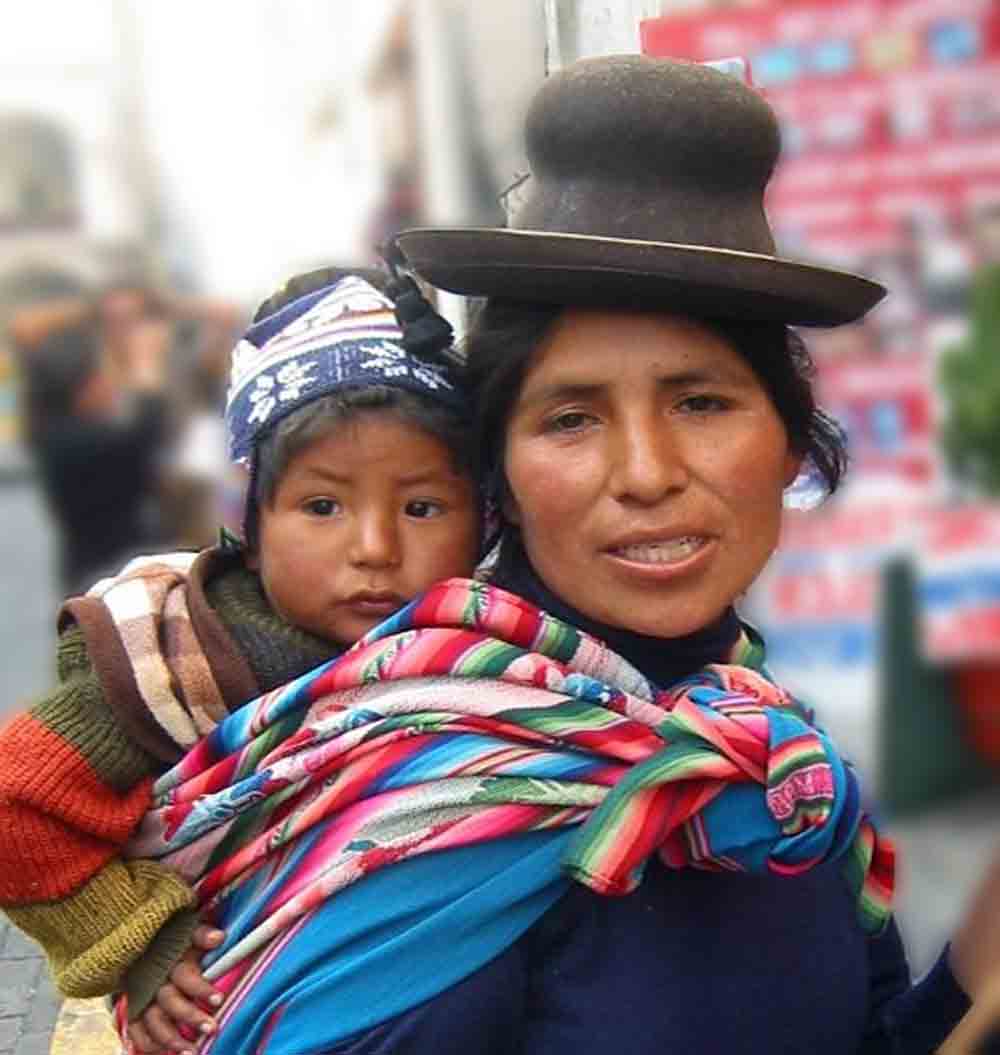
The Inca left behind evidence of an amazing culture and some of the worlds most amazing structures and altered landscapes, but left little little information about how they lived. The Inca had no written language except a complex system of tying knots in collections of string which is believed to be an accounting system. What they did leave is a bloodline that survives today in the people of Peru.






























 The Intentional Travelers