How To Beat Jet Lag

Jet Lag – The Curse Of Traveling
In the last dozen or two years we have made a number of international trips. There have been times when we hardly experienced jet lag at all, but a few trips took days to recover. Our experience has taught us a few things including what causes the worst jet lag. It seems that traveling east causes more problems with jet lag than traveling west. We also believe that what time the flight starts can have a big impact on how serious jet lag will be. Generally late evening flights are the better than morning flights especially on long trips. Our biggest issue is usually insomnia with the worst being a Singapore to Florida trip that literally took a four days to readjust from.

The most serious issue is flying across time zones where your body times evening becomes the destinations morning (or other way round). In addition to insomnia there is often gastrointestinal issues, and you can experience difficulty concentrating.

Instead of just letting it happen you can reduce jet lag by preparing for your flight and making sure during your flight you get as much sleep as possible. After the flight spend as much time as you can out in the sunshine to quickly adjust to the local time.

Here’s what the experts suggest:

Before Your Flight

Adjust Your Schedule

A few days before the trip adjust sleeping and eating schedule. Depending on the trip start a couple of days to up to a week before the flight. Traveling east, go to bed between one and two hours earlier each night. Traveling west, go to bed one or two hours later in the days before the flight. This gives your body a chance to adjust to new time zones ahead of time.

The same applies to your eating a few days before your flight. Change meal times closer to when people eat at the destination so your body gets used to the new meal times. If dinner time is several hours behind in your destination, have your dinner an hour or two earlier than usual.

Stay Hydrated

To reduce stress on your system avoid coffee and alcohol a day before your flight. Studies have shown that drinking coffee and alcohol before you fly can make your jet lag worse. Try to stay away from coffee and alcohol before you are set to fly. Stay hydrated by drinking lots of water leading up to your flight.

Carry a water bottle and fill it in the departure area. You can also have the bottle filled on the plane so you can stay hydrated while in the air.

Book Flights At The Right Times

Whenever possible book an overnight flight. This allows you to have dinner at a normal time in the evening making it easier to sleep on the flight during the night. Depending on your destination, you then arrive in the morning after an overnight flight having gotten some sleep. This makes adjusting to the new time zone once you land much easier. Try to avoid long flights where you land in the evening as these can aggravate jet lag.

Change your watch to the timezone of your destination when you board your flight. If you wear a watch, change the time so it matches the timezone of your destination. You can also adjust the clock on your cellphone. Doing this will help you get accustomed to the new timezone and ready for a new sleeping and eating schedule.

Get Rest During Your Flight

Airlines seem to want to distract passengers during a flight and often provide food, snacks and drinks and often show movies in flight. Even if it’s a movie you wanted to see, is it worth suffering serious jet lag for a day or two afterwords? Travel with a pillow and eye mask. It’s really important that you get some sleep on the plane. You could also pack headphones or earplugs to block out noise or distractions on the flight.

Taking Sleeping Pills

Only take sleeping pills during the flight if you are used to using them. If you are not used to them or taking too many can make you feel groggy when you land, and could end up making your jet lag even worse. Discuss this with your doctor before taking a sleeping pill during your flight.

Try and Get Some Exercise

Get out of your seat some and walk in the aisle of the plane, especially during a long flight. Doing light exercise and moving your body can help improve your blood circulation on the flight. It can also help you get to sleep more easily.

Avoiding Jet Lag Once You Land

Get Outside Once You Reach Your Destination*

It’s important to get some exposure to natural sunlight. Light exposure regulates your body’s circadian rhythm and helps you adjust to your new location. If you traveled westward, go outside in the evening so your system realizes it’s late. If you traveled eastward, in the morning get exposed to sunlight early in the day.

*Avoid going outside if you’ve traveled more than eight time zones. If you’ve traveled more than eight time zones to the east, wear sunglasses and stay away from bright light in the morning. Then, try to get as much sunlight as possible in the afternoon.

If you traveled more than eight time zones to the west, avoid outdoor light a few hours before dark for the first few days so you system can adjust to the local time.

Eat At The Local Time

Once at your destination, try to have meals at the local time so your system can adjust. If you land at night, for example, have dinner at the local time. If you land in the morning, have breakfast at the local time.

If you find yourself getting hungry between meals times, have snacks to keep you satisfied. Only have large meals at the local time so you can adjust better to the new time. Keep hydrated. Make sure you have a lot of water with your meals. Dehydration can make your jet lag much worse.

Adjust Your Sleep Schedule.

You should sleep based on the local time and stick to a “normal” sleep schedule. This will make your jet lag less intense and help your body better adjust to the new time zone. If you land in the early evening, stay awake until the late evening so you can go to sleep at the new appropriate time. If you get in early in the day, stay awake until the evening so again your sleep time matches the local time.

Take Melatonin To Help You Sleep

If you struggle with going to sleep in the new time zone, consider taking melatonin. Melatonin is a nonprescription drug that has been shown to help set your internal clock and make going to sleep much easier. Having 3 milligrams of melatonin before bed for several days after arrival can help regulate your sleep schedule. Again talk to your doctor about taking melatonin before you go on your trip.


Georgia’s Callaway Gardens, For A Family Experience

Ida Cason Callaway Memorial Chapel
Robin Lake beach

When I was a child my family spent summer weeks in the Appalachians hiking, fishing and just laying back. The world seemed to move slower back then with days spent on simple pleasures. Rocking on the porch in the evening. Taking a bike ride along a wooded trail. Canoeing across a mountain lake. Wouldn’t it be nice to return to those days if only for a short time? A few years back our family discovered how.

Trail around Robin Lake
Callaway Discovery Center
The Gardens Restaurant seen from the boathouse
Labor Day Weekend Balloon Launch

Welcome to Callaway Gardens. Located seventy miles southwest of Atlanta in Pine Mountain, Georgia, a delightful throwback to an age that seems to have all but disappeared. While the Gardens still draw crowds to special events like a hot air balloon event every Labor Day and a national water skiing competition there is plenty to recommend this interesting attraction all year round.

Bike trail bridge
Trails thru the Pine Cabins
The Lodge& Spa entrance

The Gardens include miles of hiking and bicycling trails thru a number of habitats. A butterfly center where typically 1,000 or more butterflies flutter freely about in one of North America’s largest tropical butterfly conservatories. Several lakes for fishing, boating and water sports including Robin Lake beach with a recreation area, snack bar and weekend concerts in the summer. There are also a number of good restaurants associated with the property including:

  • Piedmont Dining Room – Located at the Spa Resort it’s open for breakfast, lunch, dinner. No matter the meal the Piedmont Dining Room has something delicious in store for you.
  • Country Kitchen – Tucked inside the historic Callaway Gardens Country Store, the Country Kitchen specializes in down-home Southern dishes.
  • Cason’s Tap Room – Cason’s offers handcrafted cocktails, modern Southern cuisine and the latest craft beers on tap.
  • Discovery Café – This eatery in the Callaway Discovery Center is a wonderful spot for a light lunch or snack in the Gardens. Sit outdoors on the deck overlooking the lake.
  • Robin Lake Beach Dining – A summertime favorite overlooking Robin Lake Beach, the Beach Pavilion is the place to cool off with cold drinks and ice cream or grab a quick bite.

Accommodations at the Gardens include The Lodge and Spa, The Mountain Creek Inn along with rental Pine Cottages and rental villas.

There are a number of activity programs in the gardens. One of the most popular in Summer is the Family Adventure, focused on entertainment and activities for the whole family. There area also several championship golf courses and a regular nature show called Birds of Prey. At Christmas the Gardens attract crowds to Fantasy in Lights, one of the countries highest rated light displays. The gardens also offer circus shows in the Summer in the Big Top next to Robin Lake..

Pioneer Log Cabin

One spectacular time at the Garden is Spring when the acres of Azaleas are in bloom. They line miles of trails and are featured in a couple of Azalea gardens. Two other special times to visit are in the Fall around late October and early November when the leaves are changing color and Christmas when the roads and trails are ablaze in millions of holiday lights and decorations.

Downtown Pine Mountain

Near the Gardens is the town of Pine Mountain with good antique shopping and a number of additional restaurants. Just a short drive away is the town of Warm Springs, Georgia, that was the summer Whitehouse of FDR and is a National Historic Site open for tours.

Looking for an alternative to theme parks and tourist attraction crowds? Take the family for a little old fashioned fun in the South.

Cruise Deals Hawaii

This Weeks Cruise Deals And Featured Itineraries

Cruising Hawaii!

The American Paradise Is Waiting

Cruising the Hawaiian Islands is an amazing experience, but it does offer a challenge. Because of U.S. maritime laws cruise ships have a challenge visiting Hawaii. Cruise ships are not allowed to embark passengers in one American port and disembark them in another unless the ship is staffed with U.S. citizens and flagged in America. For that reason there is only one cruise ship cruising the islands – Pride of America. Because of this many cruise ships embark from Vancouver.

Regardless – cruising around the Hawaiian Islands is an experience not to be missed.

Following are several sample listings available online for this weekend.

Please Note • Todays cruise industry is incredibly dynamic with new itineraries and special deals changing daily. With endless possibilities and ever changing offers it is nearly impossible to stay up-to-date. This series will regularly highlight new offerings we think you might find interesting. Most links here will take you to individual cruise line websites where you can search for specific cruise offers. We do not receive any discounts or commission from travel or cruise companies.


Explore Exotic And Amazing Ports of Call

From lost civilizations to some of the greatest natural wonders, cruises can help you explore the world in luxury. Explore your cruise options using these convenient links:

Some Flying Health Advice

Keeping Safe While Flying

Note: In the times of the Covid pandemic there is actually a bit of good news for air travelers. First, people are much more aware of the risks of contagion when flying and the airlines are taking more precautions. Also with all the emphasis on mask wearing you will no longer stick out in a crowd if you use masking as a precaution. While some airlines were requiring N95 masks to fly it’s a good idea to embrace the idea. You can find the N95 masks HERE. Likewise because of increased airline sanitation it is becoming less likely that you will pick up a bug from flying. It’s still recommended that you don’t let your guard down though.

Even cruising often requires a flight to get to the ship and some of these can be really long distance flights. This exposes that love-hate side to travel. Getting there is great but traveling there not so much. Long distance flights are usually no fun at all, especially if you fly coach and with a price difference on international flights as high as ten times, many feel the pain is worth the price savings.

It’s often suggested to get up and walk around to help circulation but that is just not practical on night flights where you are stuck between two or three people on a wide body jet. The cabin crew isn’t pleased either with isle walkers getting in their way.

Compression Socks

You can find some relief if you plan ahead on those long flights, especially if your cramped in coach. One area of particular concern is the toll it can take on your circulation. It isn’t unusual to discover that your ankles swell and maybe even hurt on and after a long flight. While the risk of developing blood clots on a flight is pretty low, it does go up with age and as travel length increases.

A lot of athletes and seniors already know the solution. Ask you doctor and he’ll tell you to wear compression socks. These stockings help increase circulation and reduce the risk of swelling or worse, deep vein thrombosis (DVT) and clotting on long flights.

An excerpt from the Mayo Clinic explains, “Compression stockings steadily squeeze your legs, helping your veins and leg muscles move blood more efficiently. They offer a safe, simple and inexpensive way to keep blood from stagnating.” Find them HERE.

Twisted Pillow

Another useful item is a travel pillow to help reduce strain on the neck. I’ve been traveling with my inflatable half-donut for a number of years and the only thing I have to recommend it is it deflates flat and does help. One concern is it doesn’t help at keeping your head up straight and that seems to be where the strain is.

Recently I found a straight line, bendable pillow that has a rigid center. It allows you to bend it so there is a higher point on one end that is supposed to support your head when wrapped behind the neck. Available HERE.

Masks and Nose Filters

Another concern with flying is getting trapped in that enclosed environment along with a number of people sneezing and coughing. It’s not uncommon to come down with a flu or cold within a few days of a long flight. One approach is to do what a lot of Asian flyers do and wear a face mask (with Covid that is getting much more acceptable). While it may seem odd to see an entire group exiting a plane wearing surgical masks, it does have a practical side. Another option is to use nose filters. They’re discreet little adhesive pads with HEPA filters that you stick to each nostril. There are several kinds with one called First Defense. You can find them on Amazon and Ebay. There are a number of competitors out there including 3M and WoodyKnows (also available from Amazon ) that claim to offer the same protection.

Sanitize Sanitize Sanitize

Another practice that has become common after the recent pandemic is using hand sanitizer. While airlines claim to sanitize the area around seats there’s no harm in doing a little sanitizing of your own. Spritz the trays, control panel and seat arms as a minimum.

Another lesson that now gets a lot more attention is keeping your hands off your face as much as possible. The most common way to catch and spread a virus is to give it access to your mucus membranes. Mouth, nose and especially your eyes, and it’s remarkably easy for your hands to pick up a bug off surfaces. In the case of most bugs they can’t gain access to your body without contacting a mucus membrane. Not touching your face is really important but washing your hands frequently is a must too.

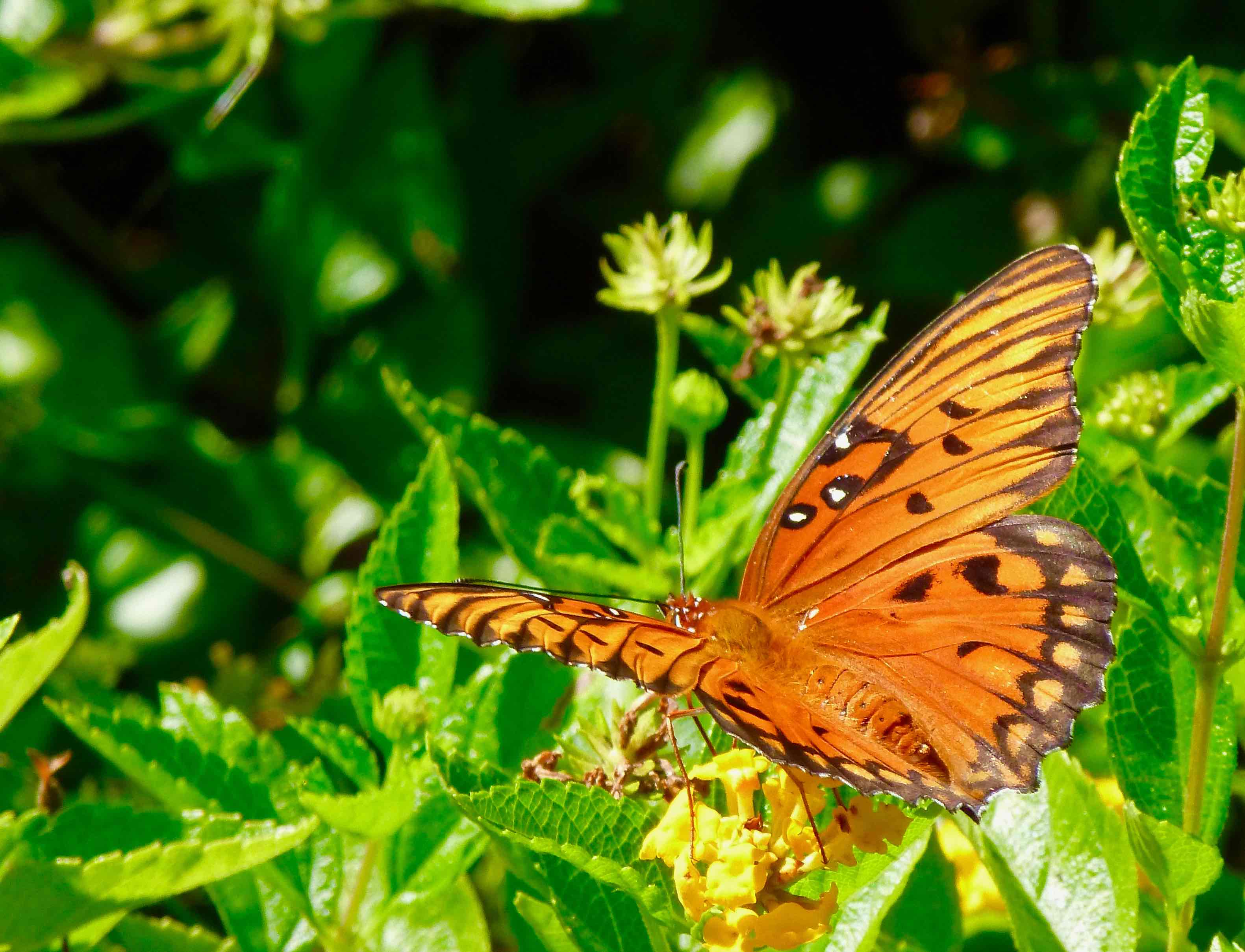
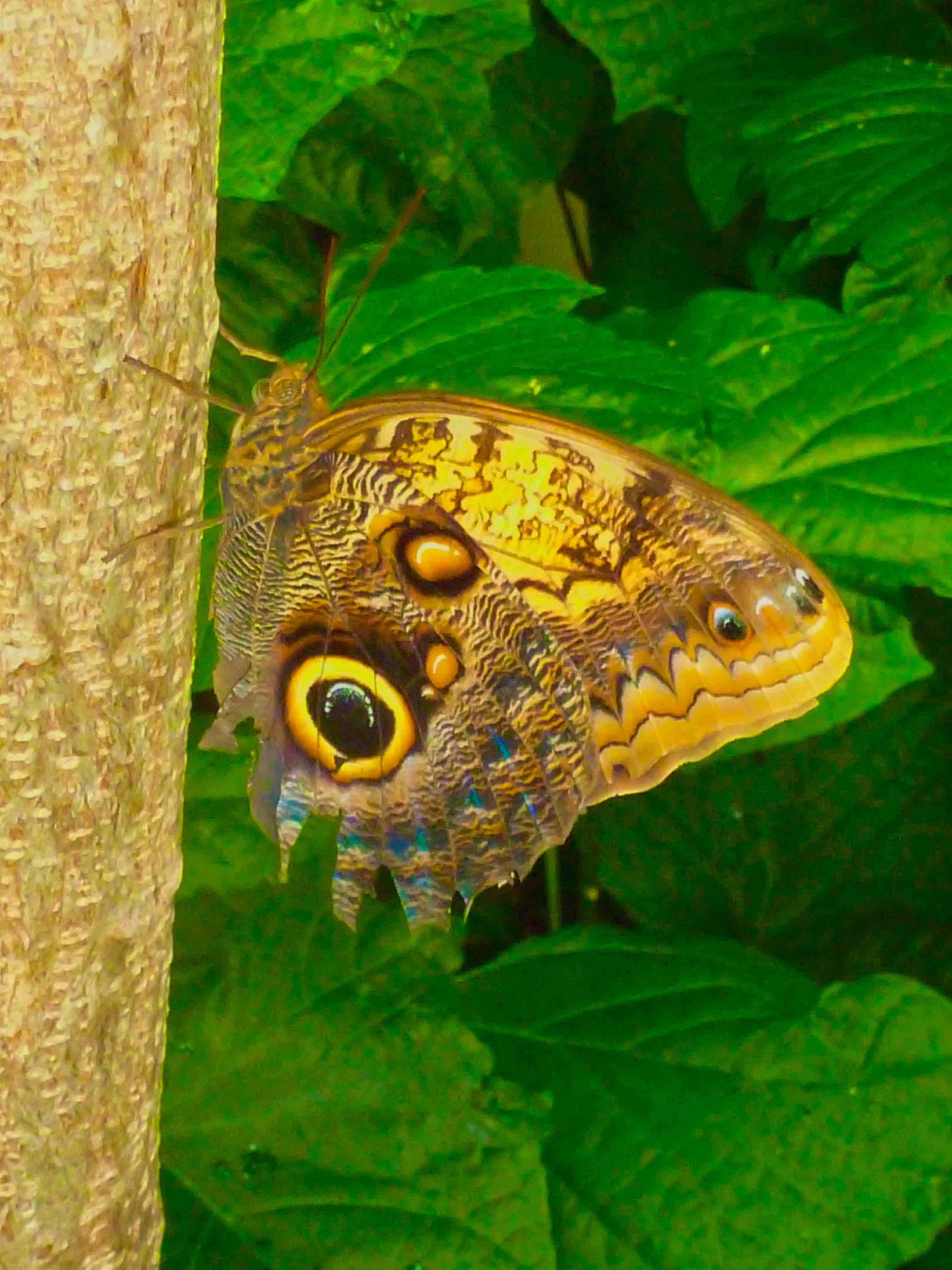
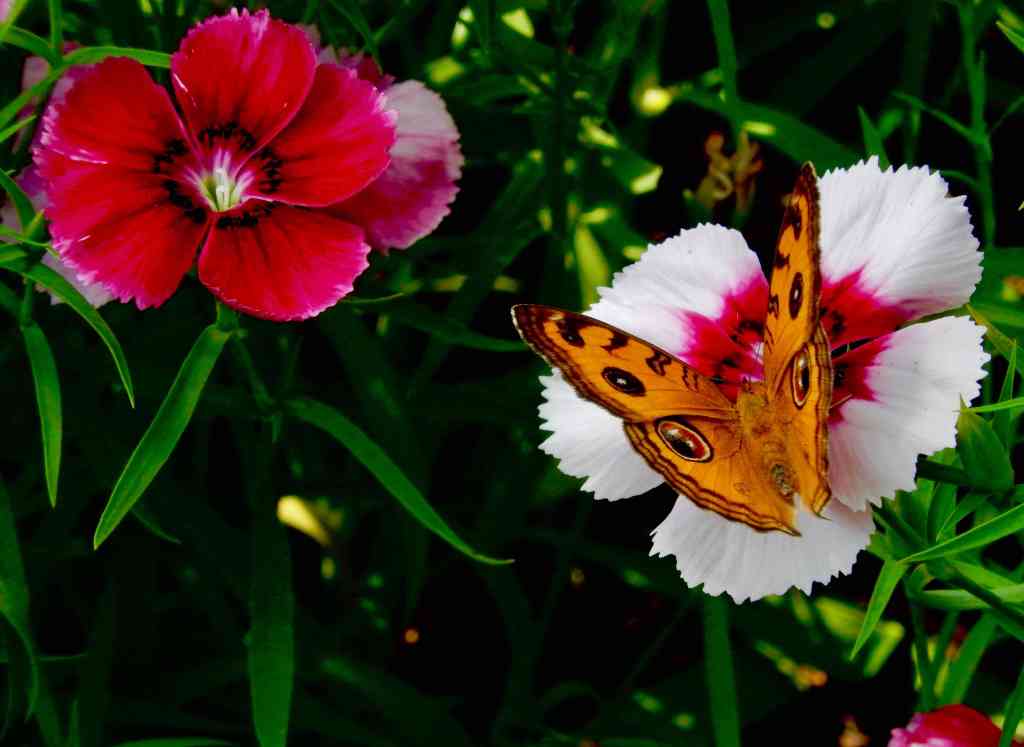
Chasing Butterflies

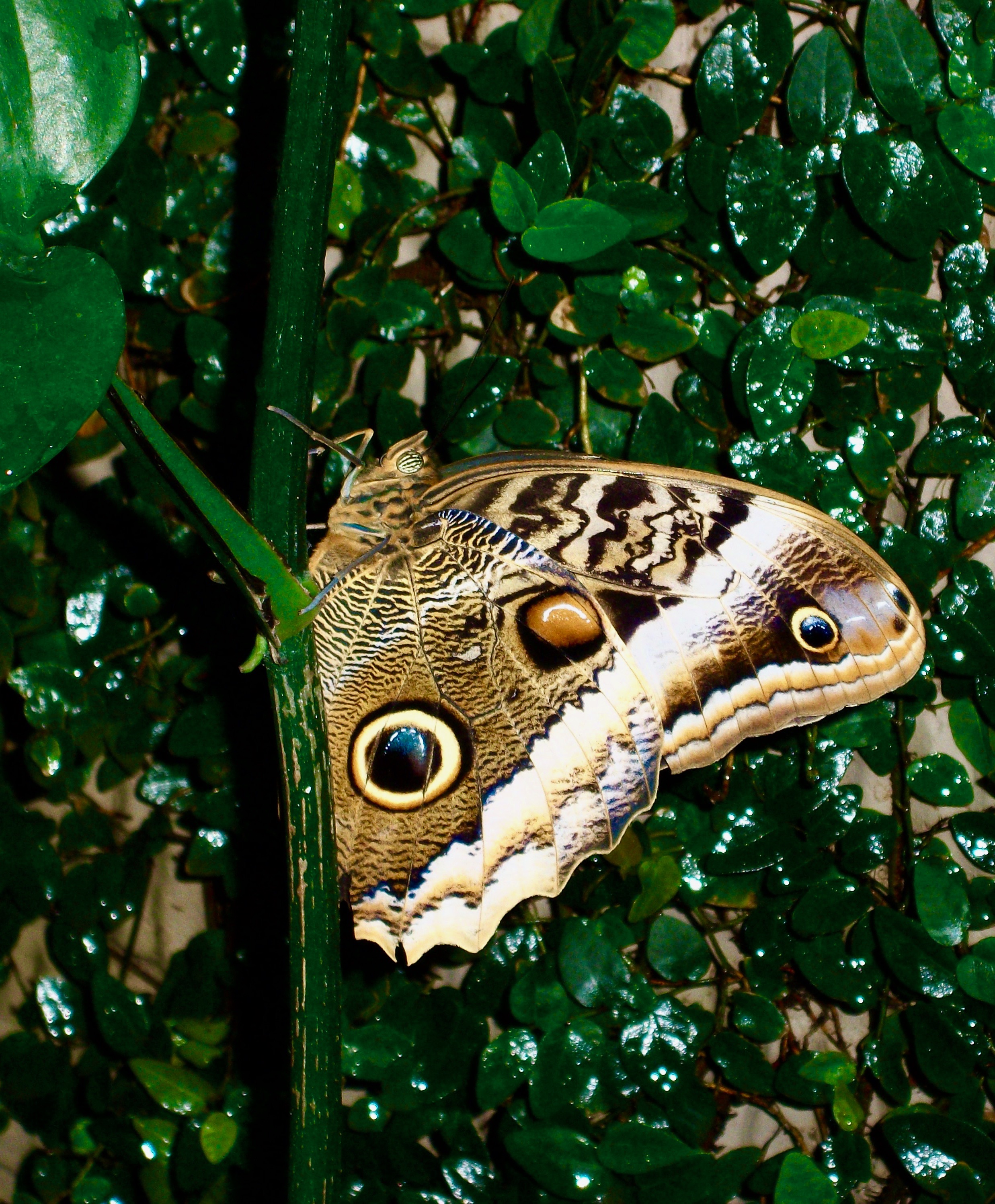
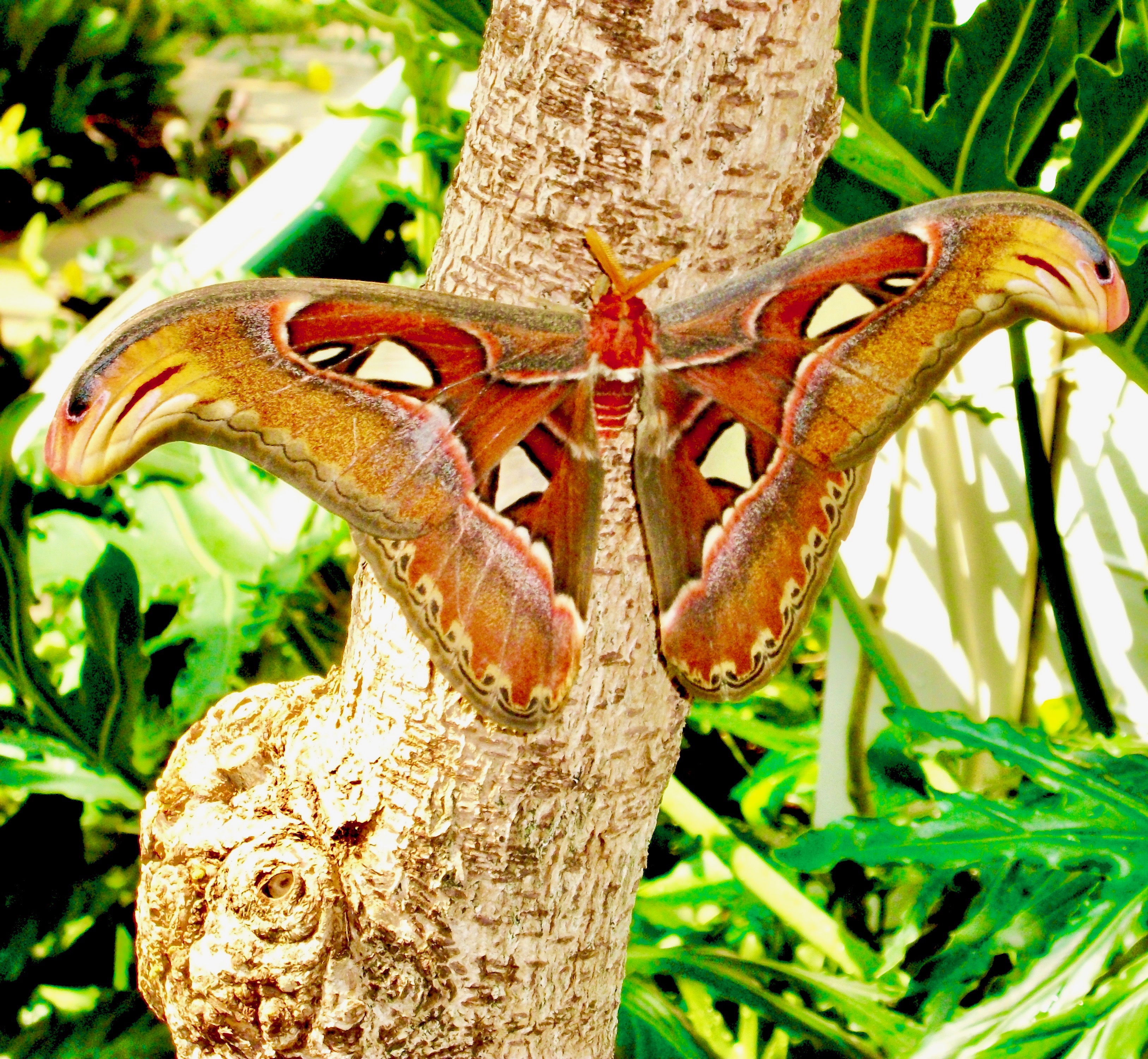
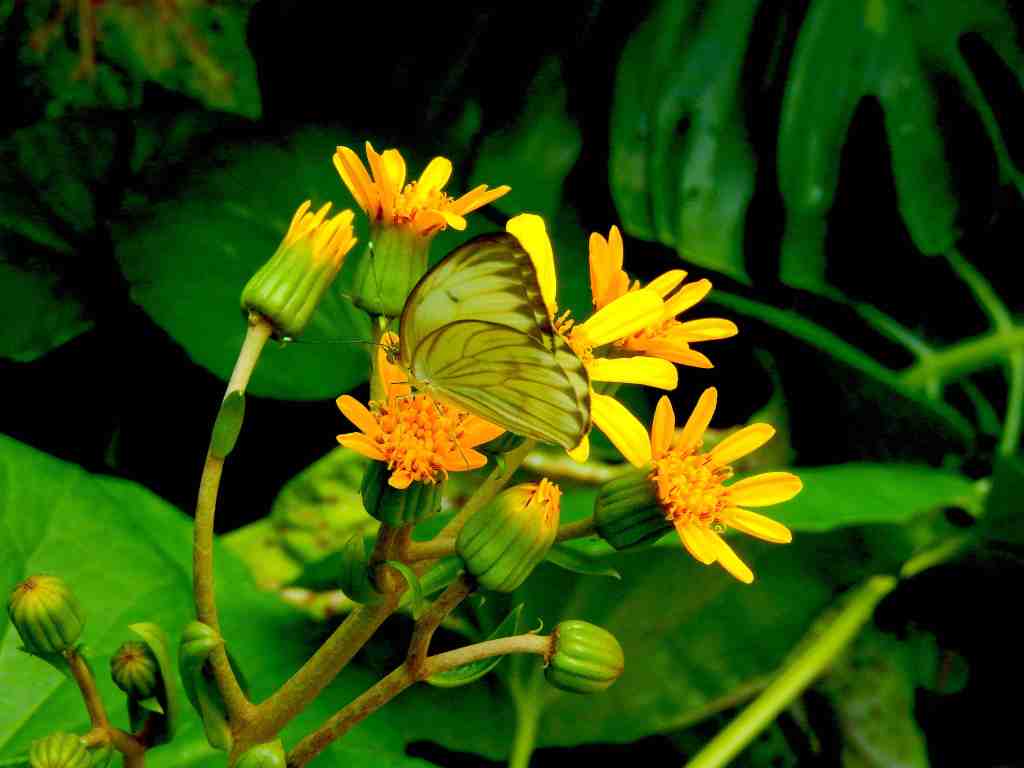
My family just spent a few days at Callaway Gardens in Pine Mountain, Georgia and the hit of the visit was the Cecil B. Day Butterfly Center. Everybody loves butterflies, they’re Mother Nature’s most enchanting decorative accent. It’s interesting to realize that as recently as the mid eighties there were no butterfly breeders or attractions in the United States.

My first experience with a butterfly facility was in 1989 when I lived in Ft. Lauderdale, Florida. There was an article in the paper about a commercial business in town breeding butterflies. It was founded in 1988 by Ronald Boender, and Butterfly World is the first butterfly house in the US and one of the world’s largest. The 3-acre site includes butterfly aviaries, a working butterfly farm and research center. Today the facility is a popular attraction located in a Broward County Park at 3600 W. Sample Road, Coconut Creek, Florida

North America’s largest butterfly exhibit is The Niagara Parks Butterfly Conservatory. The Niagara Falls Butterfly Conservatory is home to over 2,000 butterflies, made up of 45 different species. Located on the grounds of the Niagara Parks Botanical Gardens, visitors to the Butterfly Conservatory are transported to a tropical paradise full of lush vegetation, trickling waterfalls and thousands of vibrantly colored butterflies.It opened in 1996 and remarkably is a $15 million facility. The conservatory can accommodate up to 300 visitors per hour. The glass dome that contains the conservatory is 11,000 sq ft in size with 590 ft of paths inside the greenhouse.

Today there are probably butterfly facilities near to you. In addition to the three mentioned above some of the larger ones include:

  • Butterfly Pavilion 900 Exposition Blvd., Los Angeles, CA 90007
  • Chattanooga Aquarium – Butterfly Pavilion One Broad Street, Chattanooga, TN. 37402
  • Butterfly Pavilion 6252 W. 104th Avenue, Westminster, CO 80020
  • The Butterfly Place 120 Tyngsboro Road, Westford, MA 01886
  • Butterfly House 313 Hudson Ave, Tenafly, NJ 07670
  • Hershey Gardens 170 Hotel Road, Hershey, PA 17033

If you haven’t visited one of these remarkable facilities, what are you waiting for? I guarantee it will be some of the best time you’ve had recently.

The Port of Cartagena, Spain

Cartagena Spain

The port of call of Cartagena, on the Mediterranean’s Costa Cálida, has been an active port and trade center since Carthaginian times. Thanks to its strategic position it has been an important city to a number of cultures including Carthaginians, Romans, Moors and the Spanish, all having left their mark on this interesting city.

Where Your Ship Docks – Cruise ships dock at a pier connected to the marina and a short walk to downtown. Getting into and seeing a lot of the town is an easy walk from the ship.

Transportation – Other than walking and taking tours the best way to get around is by taxi. There are a number of taxi services and prices are about average and there currently aren’t any ride shares available. There is also a trolly tour of Cartagena that lasts about an hour and a half for about $50.

Money – Spain uses the Euro, credit cards are welcome and there are ATMs readily available.

The City and Attractions – Near the pier on the waterfront is th ARQUA which is the home of the National Centre for Underwater Archaeological Research. Its displays cover naval construction, trade and navigation since ancient times.

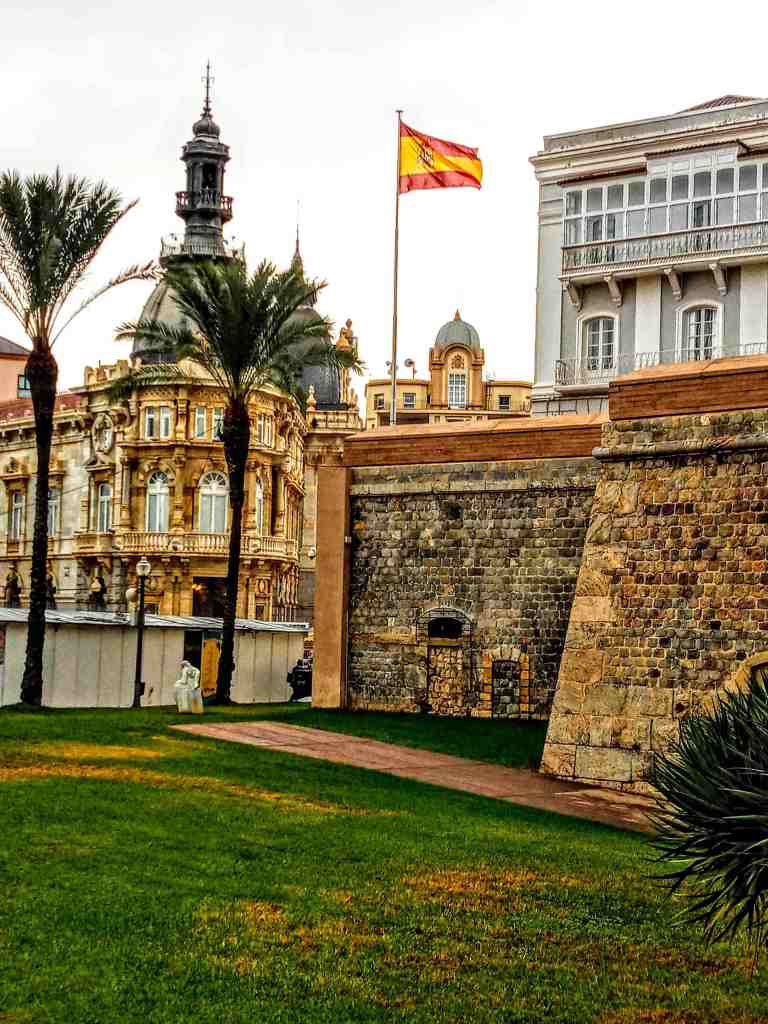
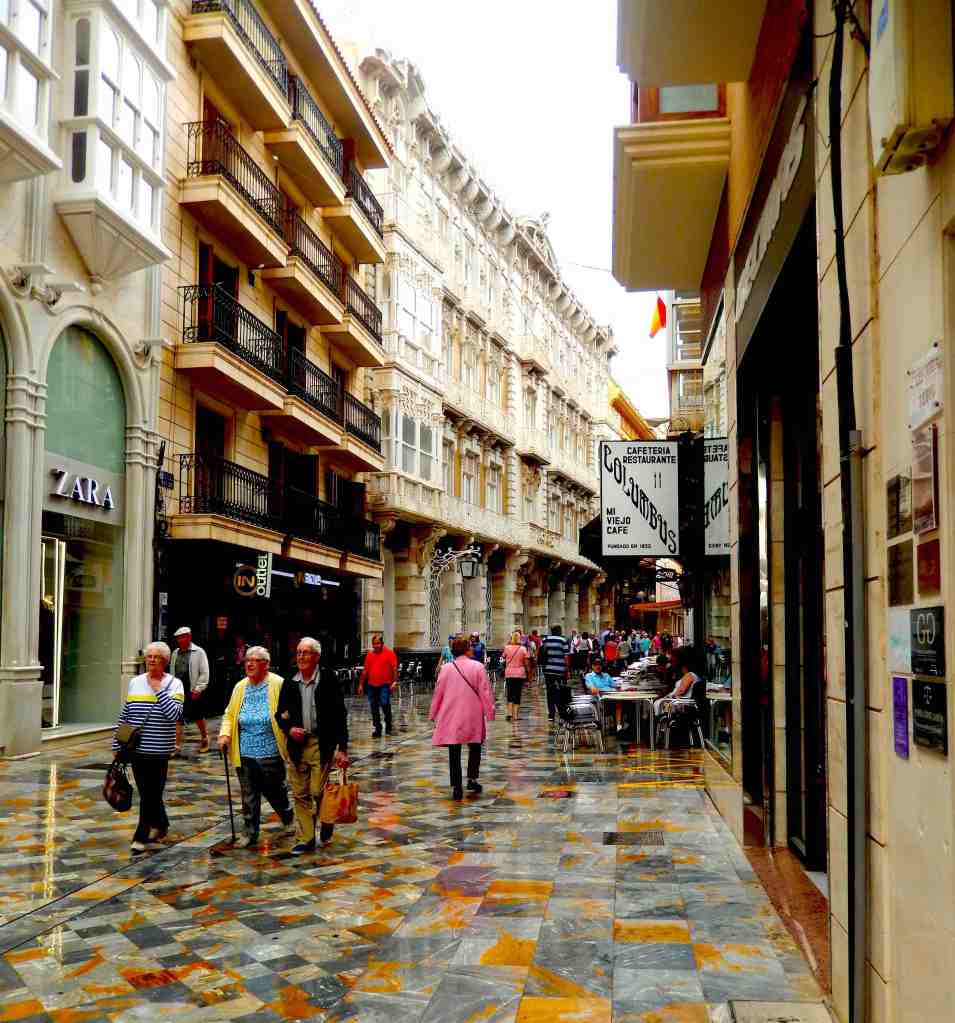
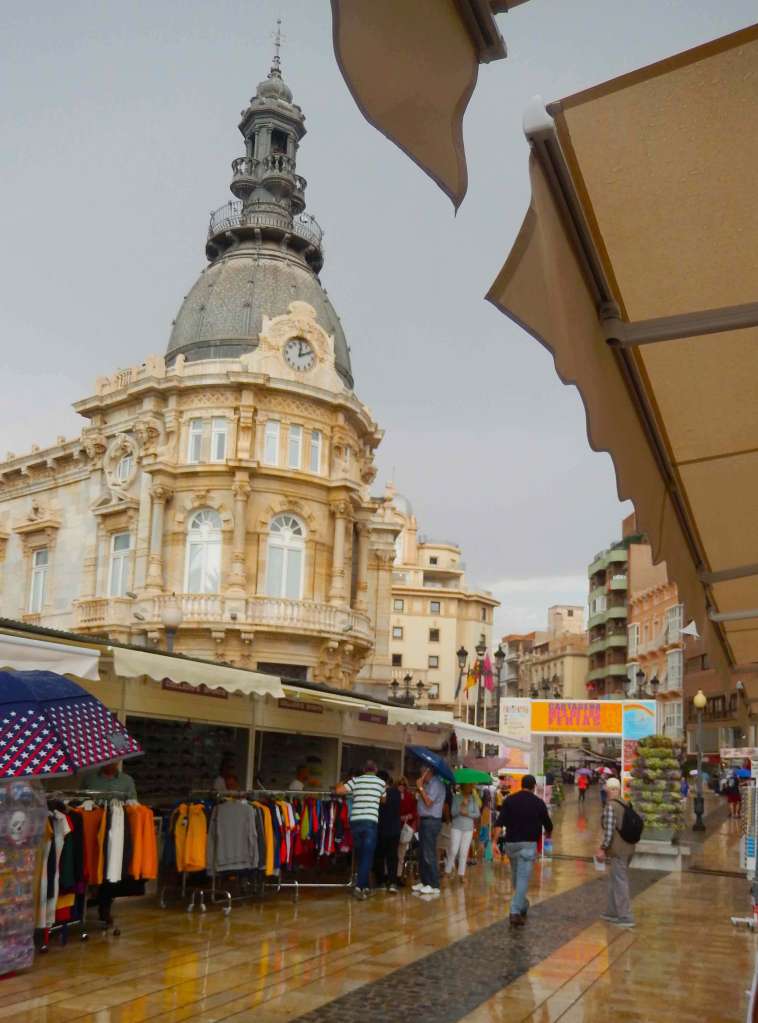
Leaving the marina stroll off to the left along the Muralla del Mar Wall on Calle Real to the Calle Mayor. It’s a pedestrian mall and the main thoroughfare through the commercial center lined with all types of shops. Enjoy the cities architecture that ranges from Modernist to classical and traditional. Calle Mayor, leads off to the Plaza del Ayuntamiento square with the houses of Cervantes and Llagostera, designed by the architect Victor Beltrí. The style is known for the glassed-in balconies, iron work and bronze reliefs. Other notable buildings include the Casino, the Gran Hotel, the railway station, and the houses of Maestre and Dorda.

Muralla del Mar is the massive city wall of Cartagena that was built on the orders of Carlos III. It’s difficult not to be impressed by this huge wall that runs parallel to the port and marina area. This section runs near the old city centre, and it is most of what is left of a massive structure that looped around the whole of the old city making the port virtually impregnable in the 18th century.

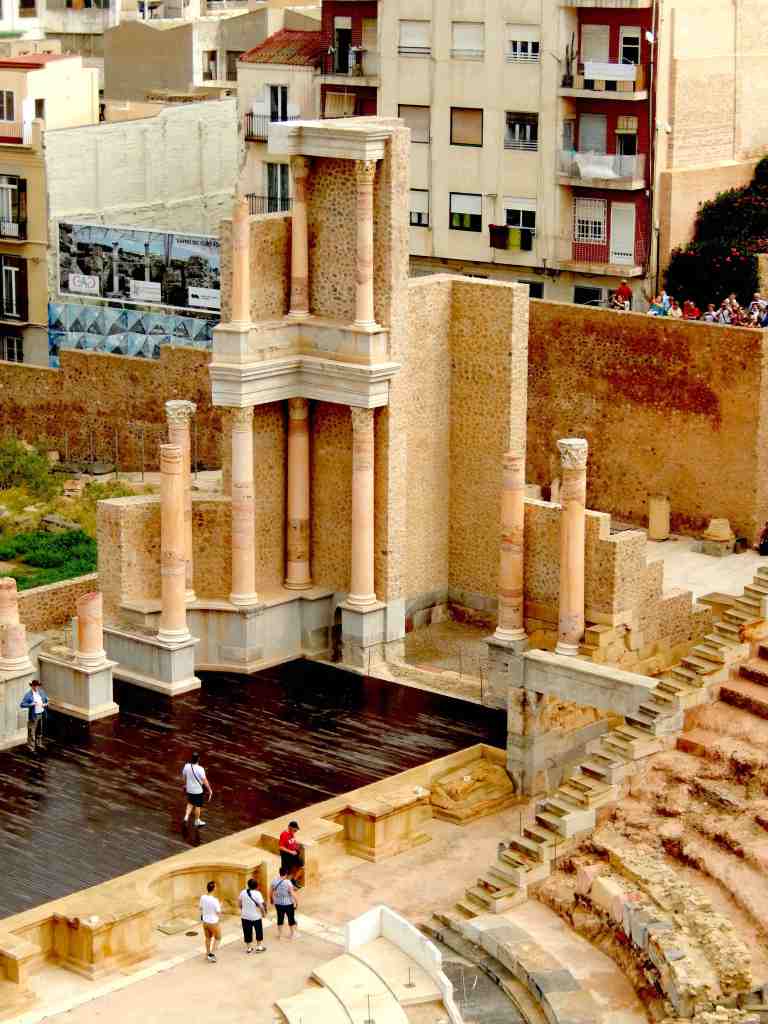
The Old Cathedral is located on the Camino del Parque Torres, behind the Muralla del Mar wall. This is the oldest church in Cartagena (13th century), and stands upon the remains of a Roman theatre discovered in 1987 that dates back to the first century A.D., and is one of the most important Roman theaters in Spain. The items excavated from the site are displayed in the Museum of the Roman Theatre.

More examples from the Roman era are the archaeological sites of El Molinete, the Morería Baja Colonnade and the ancient Byzantine Wall, which is actually an early Roman structure. Two additional archaeological sites are the Augusteum and the Decumanus. The Augusteum contains the remains of the old forum, a public building featuring beautiful marble floors. The Decumanus site, adjoining the Roman Forum quarter, contains rooms in the city’s Roman baths. The Casa Fortuna, built in the first century B.C. belonged to a wealthy family, and shows what daily life was like at the time of the early Roman Empire.

The Concepción Castle stands on a hill above the city and served as a fortress for Carthaginians, Romans, Visigoths, Arabs and Spanish, and now houses the History and Mediaeval Cartagena Visitor Center. Nearby is the Refuge – a Spanish Civil War museum, with galleries which were once shelters from aerial attack.

Romans, Moors and Spanish have all added to the heritage of this remarkable seaside city. Culture, archeology and architecture all add to the character of this Spanish city with much to see and explore.