Southampton is not just a port of call but one of England’s most active cruise departure ports. It is only eighty miles from London and is also London’s major seaport. Located on a major estuary on the English Channel it experiences an unusual double high-tide.
The area has been settled since the Stone Age and was an important port in medieval times, experiencing several hundred years of invassions and attacks until it was expanded by the Victorians. As a centre of commerce, an industrial town and an important military embarkation point, Southampton was a strategic target for the Luftwaffe and was severely damaged in World War II. Southampton was awarded city status by Queen Elizabeth II in 1964 .
Where Your Ship Docks
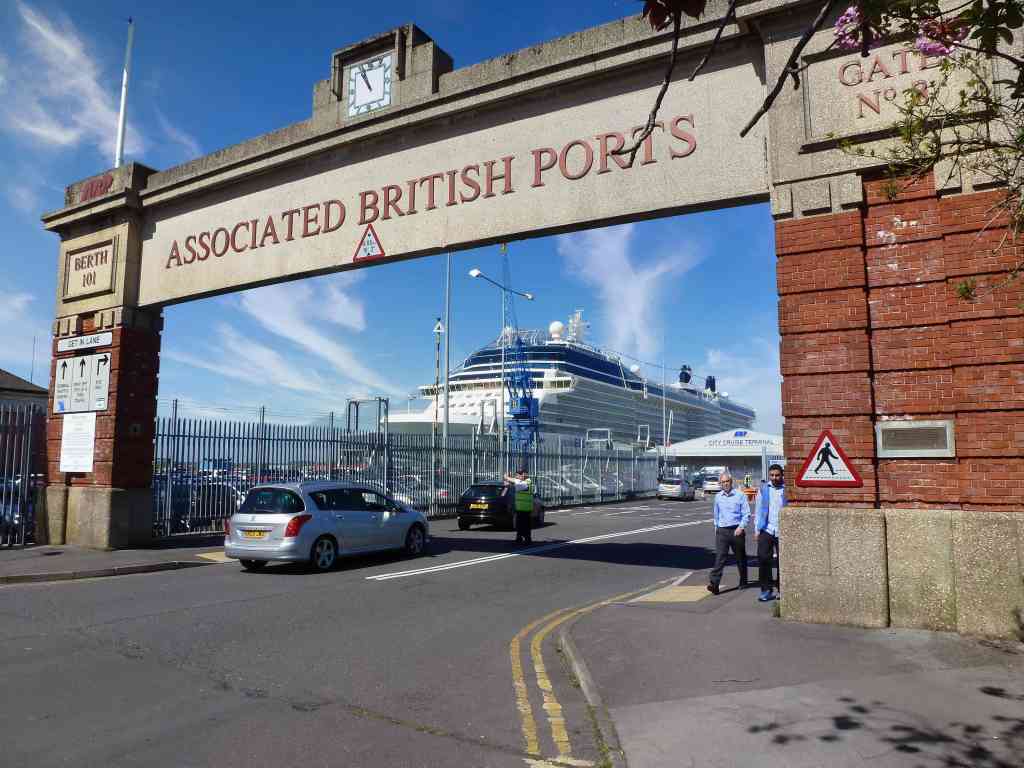
The are a number of piers servicing various cruise lines with the Port Authority being only a few blocks from the Old Town. There are no terminals at most piers and public facilities are sparse. There is no problem with walking out of the port and taxis are common at the cruise ships..
Transportation
The Old Town is a short walk from the port’s piers and the city has a good metropolitan bus system. Rental cars are moderately priced and Europcar and Enterprise have offices very near the port entrance.
Currency
The UK is now back on the English Pound with the exchange rate averaging around 1 Pound = 1.30 US$. Most major credit cards are welcomed and ATMs are easy to find.
Sights and Attractions
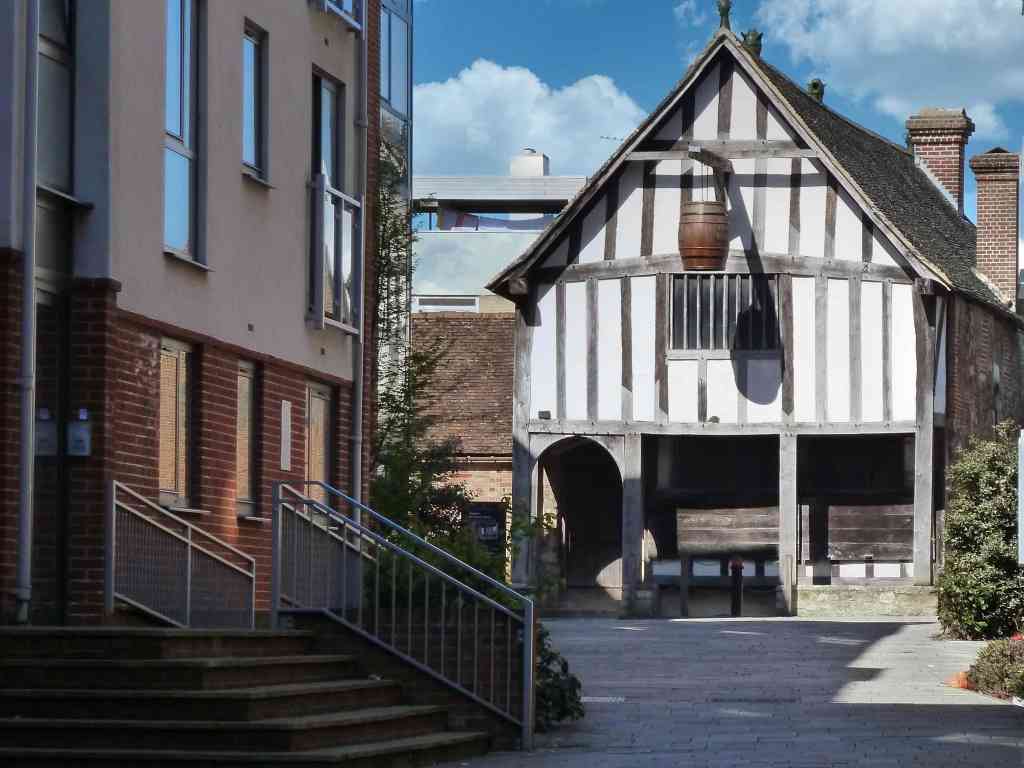
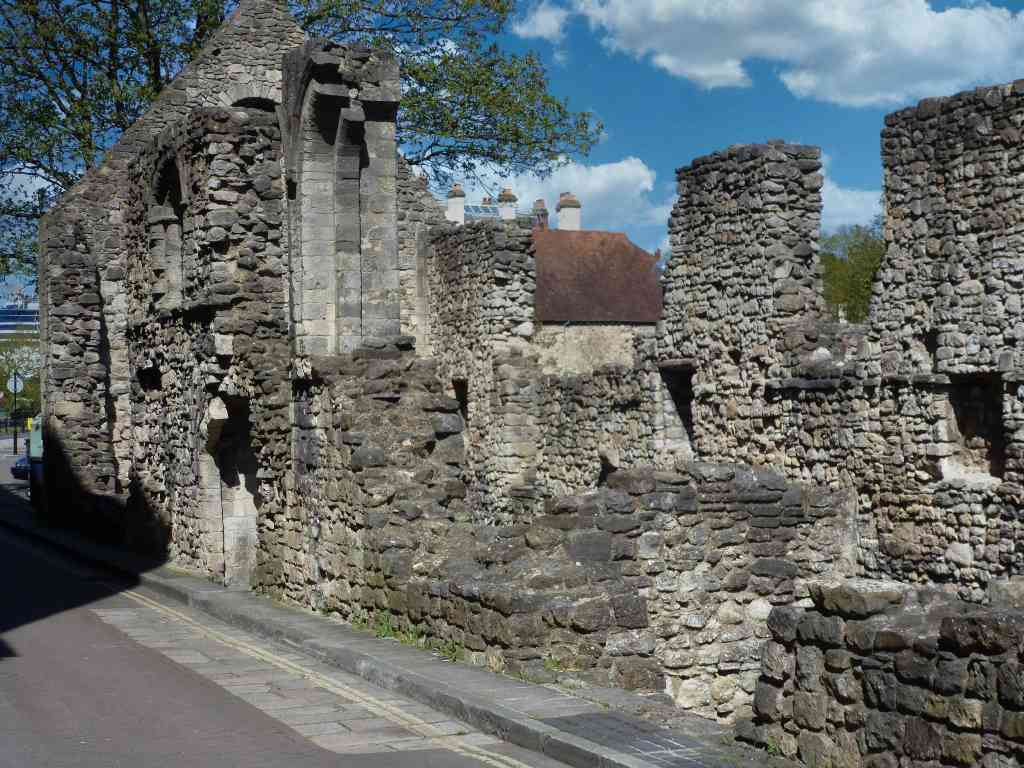
To introduce yourself to the cities history start by “Walking the Southampton Walls,” which leads you around the 1.25-mile perimeter of the old medieval trading town. The walls encompass 13 remaining towers, six city gates, and half mile of thick stone walls and arcades. Most existing features were built in the 1360s by a population attempting to defend against French and Genoese Privateers. The area also incorporates the ruins of a 14th century church and the cities old main gate.
SeaCity Museum – Take a journey of discovery through Southampton’s history and browse exhibitions from the city’s ancient past, covering thousands of years of archaeology. You can also enjoy fresh local food and great coffee surrounded by Southampton history and culture. Find out more here.
Solent Sky Museum – Spitfire Solent Sky – Let your imagination take flight learning about Southampton’s history in aviation. Sit in the cockpits of a Supermarine Swift or Harrier Jump Jet and explore the legendary Spitfire and largest flying boat operation in the world.
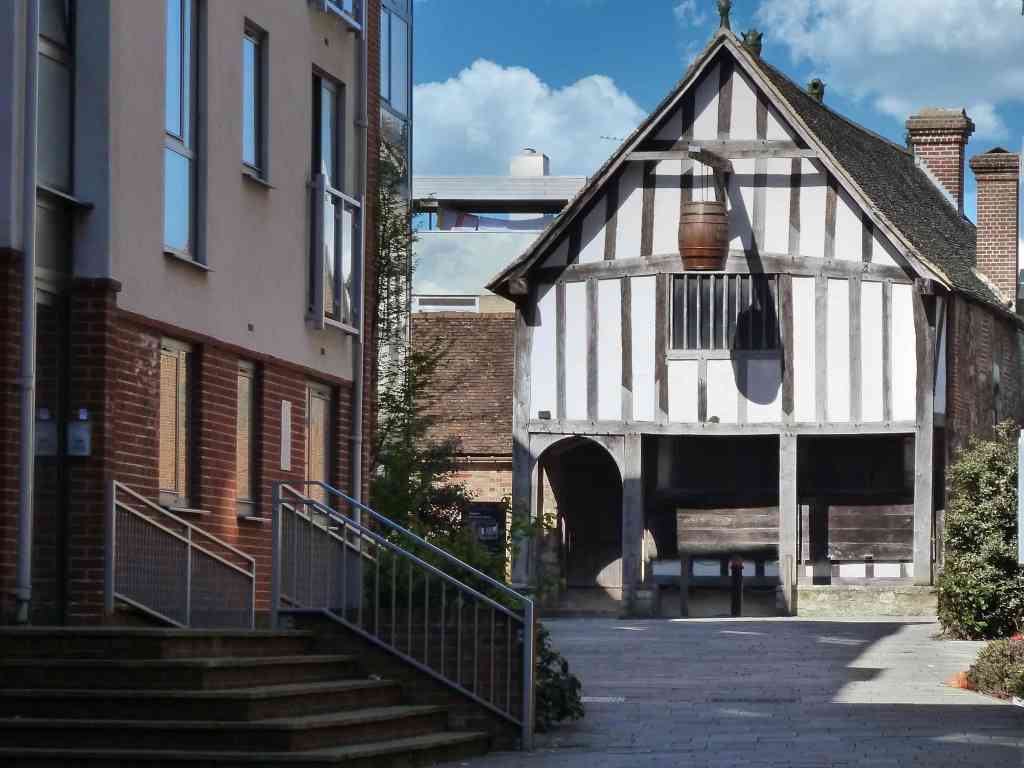
Tudor House & Garden Museum – If you’re near Westquay and Southampton’s Old Town, don’t miss a unique visit to Southampton’s oldest Museum. At Tudor House & Garden Museum you’ll be able to soak up over 800 years of history in one location. Discover King Johns Palace at the bottom of the garden, which forms part of the outer medieval wall of Southampton.
God’s House Tower – This is the cornerstone of Southampton’s Old Town and a heritage site with a colorful history. Experience its stories brought to life with the Stories Behind the Stones exhibition found throughout the historic Tower.
God’s House Tower
John Hansard Gallery, part of the University of Southampton, is one of the UK’s leading contemporary art galleries.
MAST Mayflower Studios – A multi-cultural center presenting theatre, dance, musicals, music, comedy, circus, cabaret, spoken word, visual arts and family shows at the heart of Southampton’s Cultural Quarter.
The Old City Gate
Attractions close to Southampton
A number are based around the New Forest, in the Brockenhurst and Lyndhurst areas. Popular attractions include Beaulieu and its enormous National Motor Museum, the spectacular Exbury Gardens, with its azaleas and Marwell Zoo in nearby Winchester.
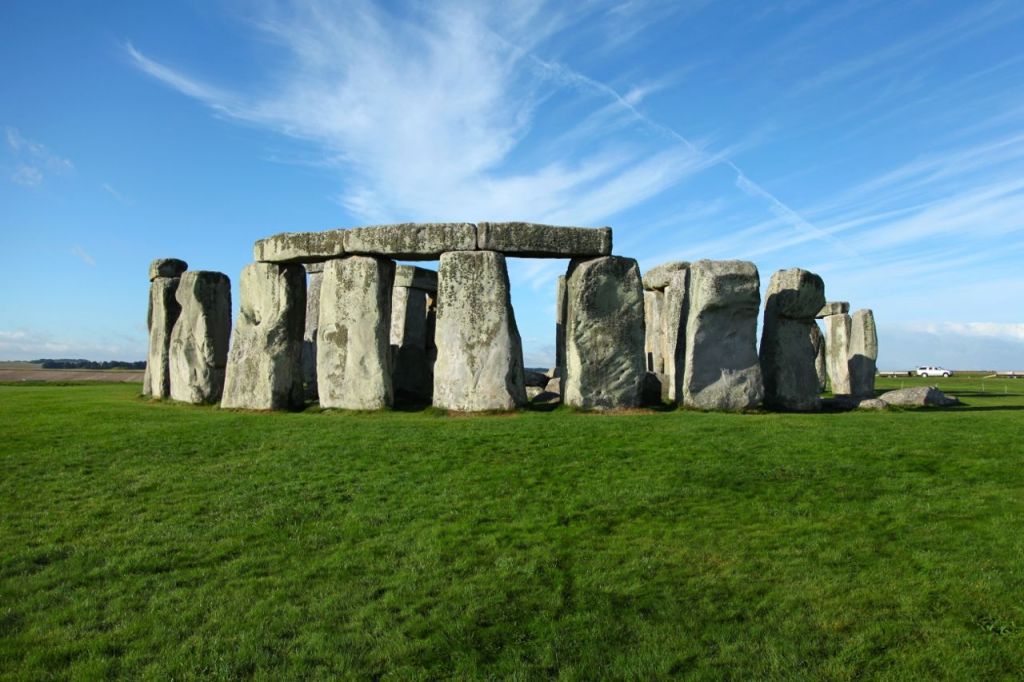
Less than 60 miles away is Stonehenge and Salisbury Cathedral. There are a number of Southampton tour companies with half and whole day tours and if you’re cruising passengers will usually be offered shore excursions to Stonehenge. For disembarking passengers often transfers to London will also include a tour to Salisbury Plain.
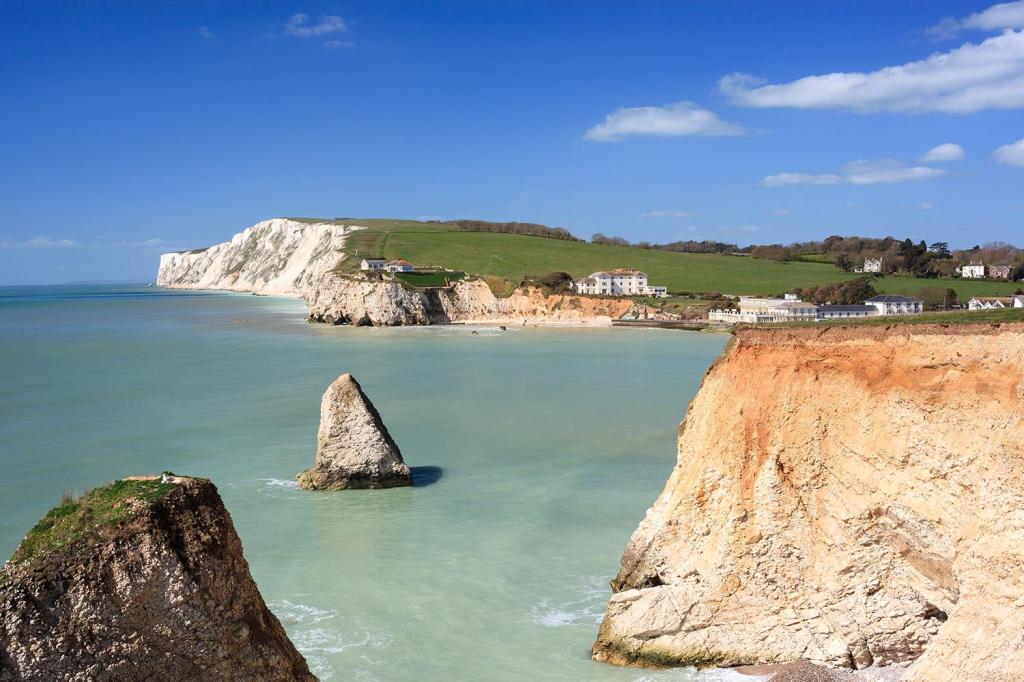
Southampton is also near to the Isle of Wight , a large island just a few miles to the south. Regular Red Funnel ferries link the city and the Isle of Wight, with both day trip and short break tickets being reasonably inexpensive.
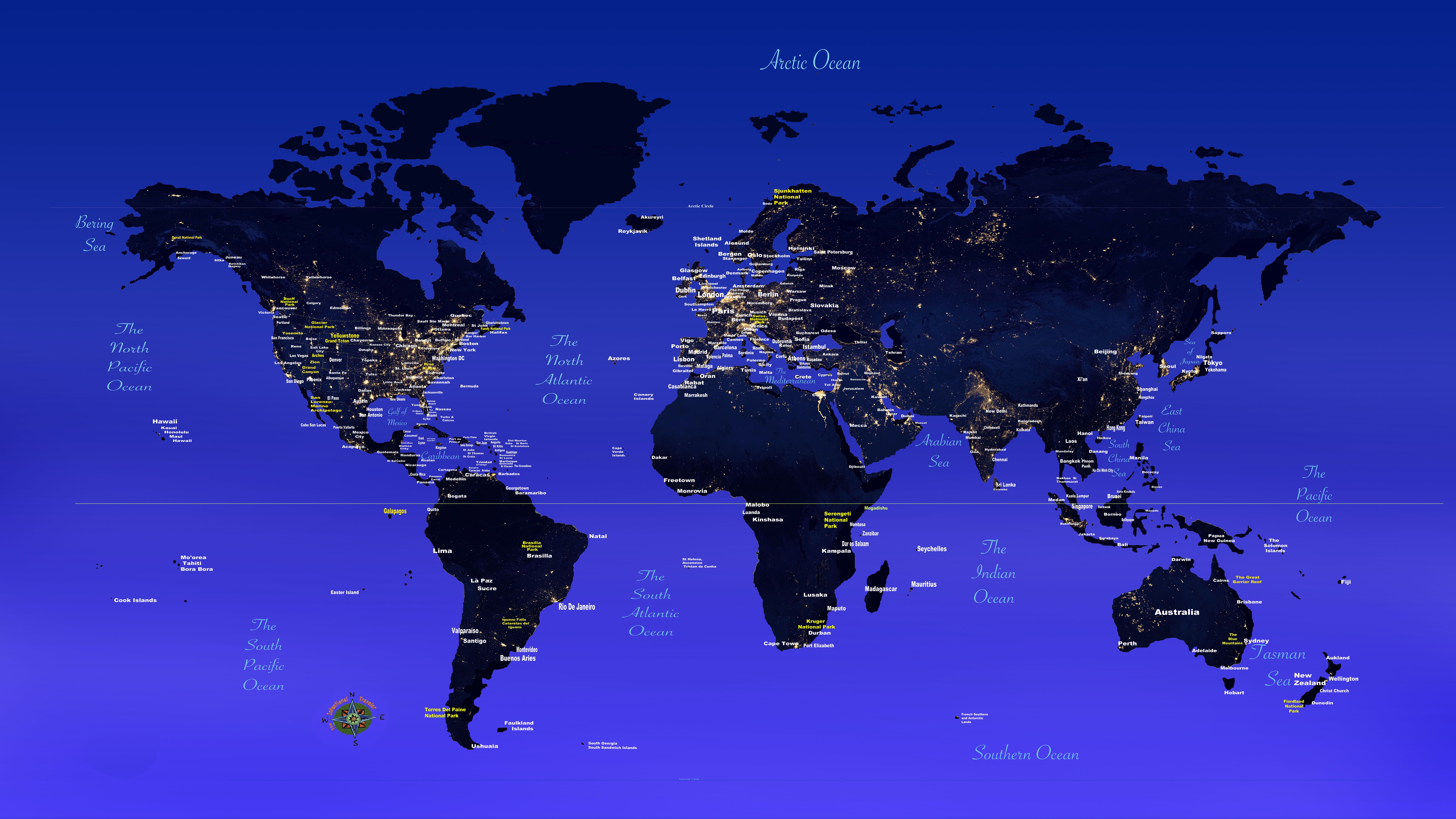
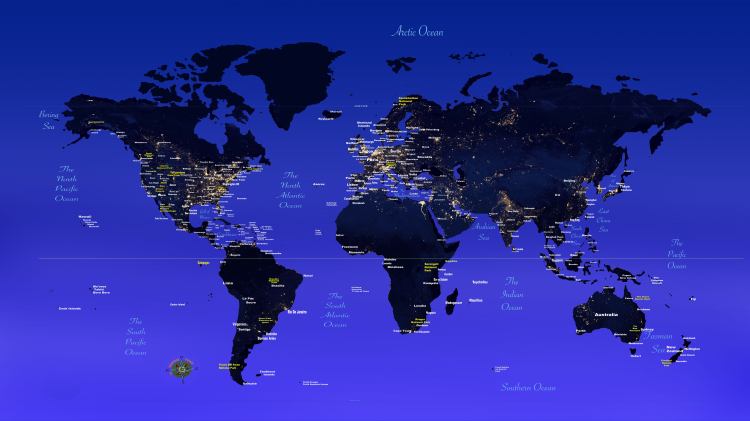
The World at Night Wallpaper Pin Map (Map Dark Wallpaper 2.3)
This map is available to download as a jpg file that can also be edited as a travel pin map (instructions below).
Closeup with pins added
TERMS OF USE – Our wallpaper images are copyrighted and use is limited to digital device wallpaper or printed for personnel use. They are not to be printed for distribution or published without the express permission of The Intentional Traveler.
By submitting your name and email address you agree to receive notices of new posts and special announcements from The Intentional Traveler and its associated entities. You can unsubscribe at any time by clicking the “Unsubscribe” link in any emails.
How To Use This File – On clicking the “Download” button above you will be redirected to a new page containing this image in an open jpeg format available to download.
To download drag and drop the image or option click to select download location.
Using Wallpaper As A Pin Map – Depending on the operating system for your device you can edit this map in a number of jpeg editing apps.
Creating A Wallpaper Pin Map
For Macintosh users it’s easy using Preview. Under tools select Annotate and Text. Our preferred method is to select a bold text, select a color and type a Period. After that you can move the dot around the map and copy and paste to add more.
For Windows users download Photo Marker, a simple and effective way to mark-up your images. It will allow you to take notes on a photo or our map.
Not all mistakes made by man turn out to be serious disasters. Two hundred years ago in Southwest Georgia poor farming practices helped create a “natural” wonder.
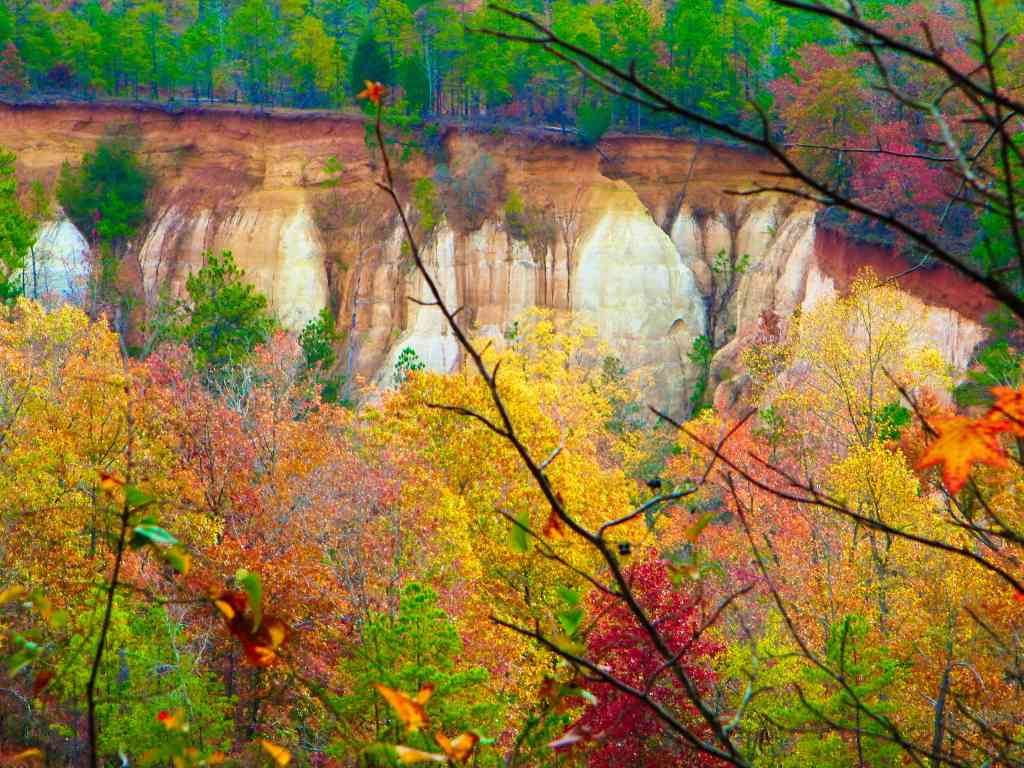
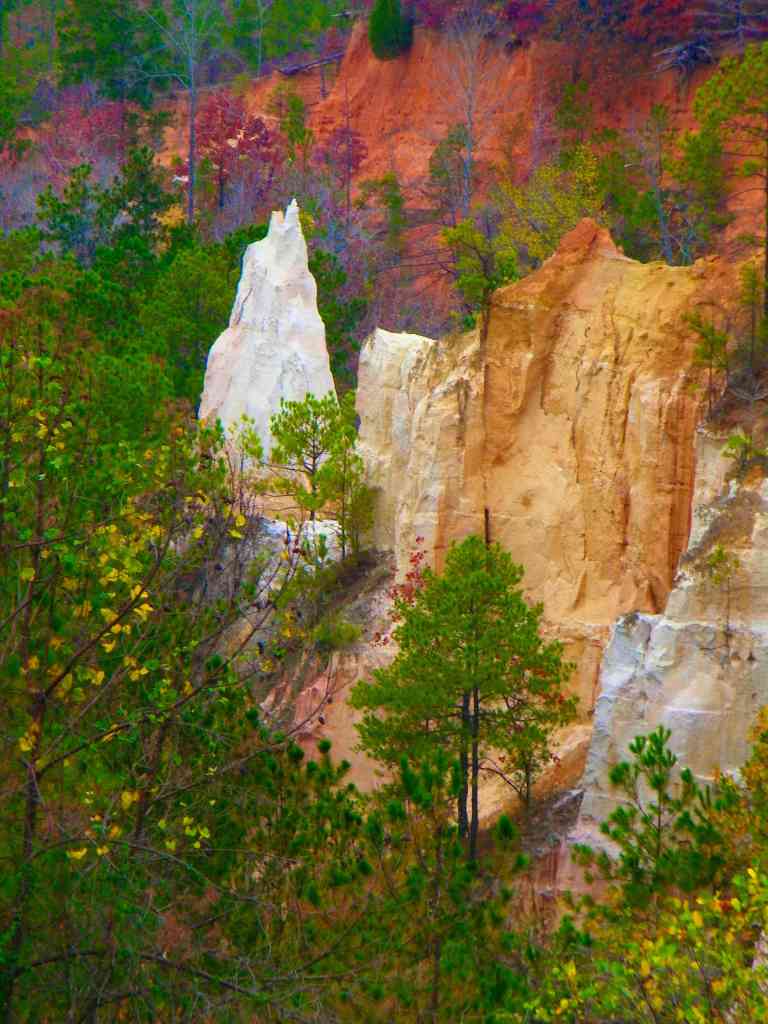
Providence Canyon is a network of gorges, gullies and a plateau created by erosion through multicolored layers of clays and soils. Referred to as “Georgia’s Little Grand Canyon,” Providence Canyon consists of an area of plateaus, cliffs, and narrow pinnacles where erosion has exposed a geologic record going back several million years.
Historical accounts show that the canyon was formed initially in the early 1800s as the result of poor farming practices. The original forest cover was cleared so it could be farmed. Gullies formed and soon grew deeper and by 1850 eroded pathways as deep as a dozen feet crisscrossed the area. From there additional runoff dramatically increased the erosion.
The area gets its name from Providence Methodist Church, established in 1832. By 1859 the church building and a schoolhouse were relocated and where they originally stood the land has washed into the canyon. The second church building still stands just northwest of the canyon.
The Georgia Department of Natural Resources now operates Providence Canyon State Park. The 1,109-acre park encompasses the canyon rim and 16 separate canyons, as deep as 150 feet. From a trail along the rim, several overlooks offer views of the canyon walls, in which forty-three different colors of sands have been identified. Inside the canyon are a number of hiking trails.
Geology
Providence Canyon, lies in the Georgia Coastal Plain region, and is composed of sediments deposited by ancient streams, seas, deltas, and coastal beaches some 65 million years ago. The sediments forming the canyon form four geologic formations: Baker Hill, Clayton, Providence, and Ripley.
The Baker Hill formation is the youngest and forms the uppermost part of soils in Providence Canyon State Park. Deposited during the Paleogene period, this formation sits just under the the canyon’s rim.
The Clayton formation, in the top of the canyon walls, was also deposited during the Paleogene period, 65 million years ago,at the end of the age of the dinosaurs. It’s composed of coarse reddish sand colored by iron oxide. At the base of this formation, iron oxides have precipitated into a thin, dark layer of iron ore, which was mined in areas outside the park.
The Providence formation makes up most of the canyon walls. One hundred and nineteen feet thick, it was deposited during the Cretaceous period, about 70 million years ago. The upper layer of this formation consists of very fine sand mixed with a white clay called kaolin. The middle layer is coarser-grained and more colorful, with crossbeds stained yellow by limonite and purple by manganese. The lowest and oldest layer is a black and yellow mica thick clay deposit. This part of the formation is known as the Perote member and is visible at the bottom of the canyon.
The canyon floor is the Ripley formation deposited during the Cretaceous period, about 75 million years ago, it is orange in color with a composition of clay sand. This formation includes layers of fossils.
Providence Canyon is still eroding and from water runoff and is being undercut by the force of groundwater. The clay content of sediments in the floor of the canyon makes it more resistant, and the growth of pine trees, laurel bushes, and other vegetation helps to stabilize the soil, reducing the rate of vertical erosion.
Having often traveled between Rome, its airport, the cruise port of Civitavecchia and a number of cities in Italy we’ve made a few mistakes but have also had some fun traveling by train. Here is some basic information on travel centered on Rome as well as some tips on things to watch out for.
First, you should really try using public transportation. It is, in most instances, the significantly less expensive option. It also is an opportunity to mix with local Romans giving you a feeling about who they are and, with the exception of getting packed in during rush hour, you’ll find they can be very helpful.
Buses between Fiumicino (FCO) airport and central RomeFirst we have discovered that buying bus tickets online before your trip is a bad idea. Before our first trip we had looked into buying bus tickets online and had made notes on lines and costs but didn’t actually get around to making the purchase. Our hotel was just a few blocks from the Termini (Rome’s Central Train Station) so we decided to find an express bus. Once we arrived, we discovered that there were a number of bus ticket counters near the baggage area and pricing was much lower than what we had seen online. We bought tickets on an express bus to Termini for about €8 each. At Fiumicino airport, the bus departure points are outside of Terminal 3, and off to your right. Buses take about 45 minutes to get to Rome Termini from Fiumicino airport, traffic permitting, and we were at our hotel 15 minutes by foot after arriving at the Termini.
For express bus service Cotral offers a bus from Rome Termini to Rome Airport every 4 hours. Tickets cost €2 – €3 and it takes about 45 min. There is also the Roma Airport Bus T.A.M. for €5 per person. These buses run between 08:00 am and 11:30 pm between Fiumicino (Terminal 3) and a stop outside Termini Station. The return tickets cost €8.00 per person and depart from Termini Station between 4:30 am and 8:30 pm.
For other locations in Rome to the airport, the locations are less centralized and we would suggest inquiring at your hotel. Some buses can pick you up and your front desk can provide advice on traffic times and the best service.
Rome Area Trains (Commuter, Express and Regional)
Tickets for many trains are not for reserved seats. You can use them at any time within the next several months, but the ticket MUST be validated right before use. You must, before boarding the train, punch the ticket in one of the little green and white machines around the platform area.
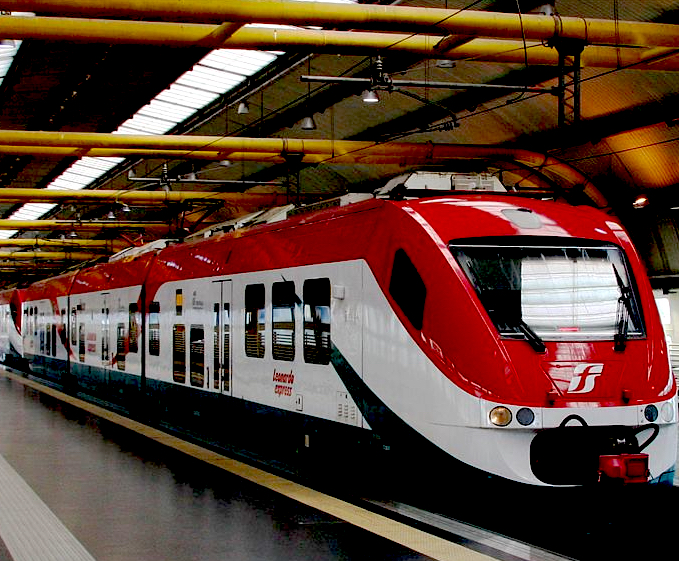
The Leonardo Express
The best way to get from the Termini to Rome Airport (FCO) is by train which takes 45 minutes and costs as little as €4. The Leonardo Express train (€14 per person) is a fast service between Fiumicino and Rome Termini. Trains leave every half hour and take 32 min. It is the most popular service to central Rome but can be busy at times.
station
A word of caution. From Fiumicino airport there are a number of options for taking a train into central Rome but be careful when using the Suburban trains during rush hour if you are carrying luggage. Unfortunately if you are flying in from the U.S. you are usually arriving early in the morning and that means rush hour on the trains. Seating is at a premium on these trains and the aisles are standing room only. As friendly as Romans are they do not take kindly to you taking up seats with your bags or blocking aisles and they won’t hesitate telling you about it. You may not understand Italian but you’ll get the drift by their tone.
Suburban train fares run €8 per person to Termini. This service (FL1) has a number of stops including Trastevere, Ostiense, and Tiburtina stations. This is usually the best train to take if you’re going to Trastevere, Piazza Navona, or the Pantheon neighborhood. The trains start at about 6:00 am and run till after 10:00 pm. The trains run 10 to 25 minutes apart depending on the time of day. For suburban trains to the Termini you’ll need to connect at Ostiense station with metro line B marked Termini, and also for high-speed Italo trains to Florence and points north. At Tiburtina station, the FL1 connects with Metro line B and also to Italo and Trenitalia trains. At Trastevere station, you can also connect to FL5 for service to the port of Civitavecchia. You can also connect with trains to Florence as well as Civitavecchia at Tiburtina station.
Rome Termini is the central station in the city with access to the Metro and bus routes to other areas and train service to other parts of Italy. The easiest way to purchase tickets is to use the vending machines. Instructions are available in numerous languages and most credit cards are accepted. In the main terminal hall there are information/ticketing counters but be careful and don’t just walk up to them. You need to get a ticket and watch the board for your number to be called and to identify the window to use. Also, while most situations in Rome and Italy allow you to get by very well speaking only English, train ticket offices are often an unfortunate exception. Be prepared by writing down information about where you’re going.
Taxis
The fare for a taxi from Fiumicino to central Rome for one to four people and luggage is €48 plus. The trip takes approximately 45 minutes to most parts of central Rome. If your hotel is outside this area, you will have to pay the meter. Note that the fixed price from the airport to central Rome applies only to taxis licensed by the City of Rome. For groups of four, taxis can be an economical option over buses and trains.
Other Options In addition to buses and trains there are limousine services and, at last check, Uber is operating in the Rome area as well. Check your Uber App.
Getting From Rome To The Cruise Port
Civitavecchia Port
A couple of times we have stayed in Rome to do some sightseeing before taking a cruise. We prefer to stay at hotels just a few blocks from the Termini (Central Train Station). Within an easy walk there are a few nice local restaurants and wine bars that offered good snacks and light fare and we can easily catch a train to Civitavecchia.
There are trains leaving the Termini for Civitavecchia about twice an hour throughout the day. Trains to Civitavecchia originate at the main Termini in Rome with most stopping at Tuscolana, Ostiense, Trastevere, and San Pietro. Many are double-deck regional commuters with room to set luggage but make sure you keep an eye on it. Fares are about €7 to €9 per person one way. There are a few faster InterCity trains between Roma Termini and Civitavecchia costing under €12 each.
Roma Termini vending machines
Train schedules that are easy to understand are posted throughout the stations. Make note of the track number and follow the signs to the platform. Remember the ticket MUST be validated for use. Validate before boarding the train, punch the ticket in one of the little green and white machines around the platform area. There can be serious fines for being on a train and not validating a ticket.
If you’re not staying near the Termini can also catch many of the trains to Civitavecchia at Tuscolana, Ostiense, Trastevere, and San Pietro stations.
Map of Romes major attractions
Getting From Rome’s Fiumicino Airport To The Cruise Port Of Civitavecchia
If you are flying in to Rome’s Fiumicino Airport and would prefer to take a train directly to Civitavecchia station the process is a bit more time consuming. You will first need to take the train going to Rome city center getting off at “Trastevere Station” than change direction to another line designated for Civitavecchia. The trip averages about 2 hours and will cost about €12.
From Fiumicino Airport there is no direct bus service to Civitavecchia but there are private car and shuttle services that will average €125 to €150 with a recent Uber quote being €120 (black). With your cruise you can book a cruise ship shuttle from Fiumicino Airport but expect to pay about $95 per person.
Download this map below
Shuttle bus stop inside the Civitavecchia port
From the station in Civitavecchia the entrance to the port is a pleasant walk of a dozen or so blocks. (Exit the train station and go right.) When you get to the McDonalds turn right and go uphill following the street around a turn to the left. A few blocks further along is the ports free shuttle bus area on your left. The free shuttle buses to each ship are clearly marked.
If you are disembarking from a cruise there is a free shuttle bus to the train station in Civitavecchia at the port shuttle bus stop.
CLICK TO GET YOURS – FREE SHIPPING
If you’ve been traveling around Italy there are also good train connections from most major cities taking you to Civitavecchia. A few times we have stayed a night or two in Civitavecchia and there are a number of good, small hotels near local restaurants and only a few blocks from the city’s shopping promenade and the port and waterfront. Civitavecchia is also more than just a cruise port and deserves some time exploring the city itself if you can fit it into.
Cruising out of Rome and how to get to the port o. Trains, buses, taxis and getting to the port shuttle area
Download printable copies of our guides for getting around Rome.
Some of the best travel information on the internet is to be found on independent travel sites. We’d like to share a few of our favorites with you.
Josh Hewitt‘s Wanderlust Travel & Photos
A great photographer, Josh provides some of the internets most informative postings. Don’t go anywhere without first consulting what Josh has to say..
Elle’s AdventuresFromElle
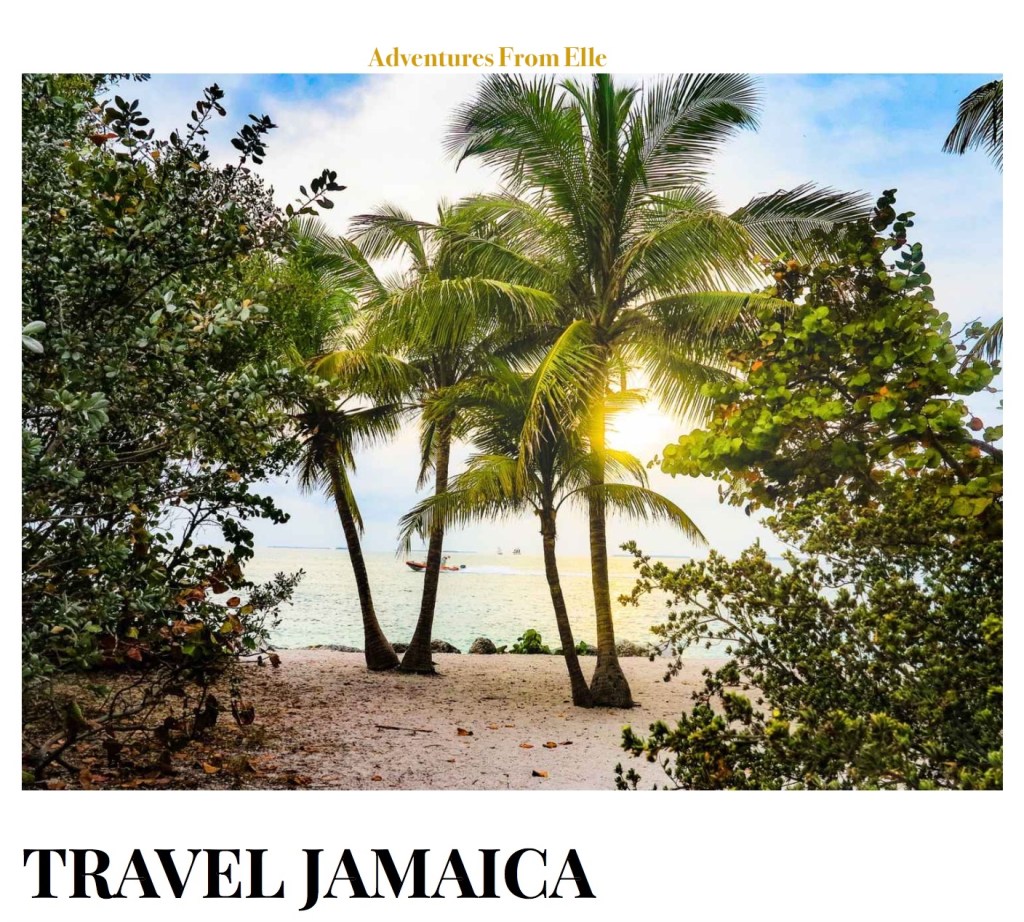
Interested in visiting Jamaica? Don’t go without a consultation with our favorite Jamaican Doctor. Rochelle Knight (Elle) knows everything about her home island.
Hiking & Adventure with Alesin Dopf
If you’re into mountain hiking and adventure trekking Alesin is someone you should get to know. Amazing detailed journals of some truly spectacular Canadian mountain hikes…
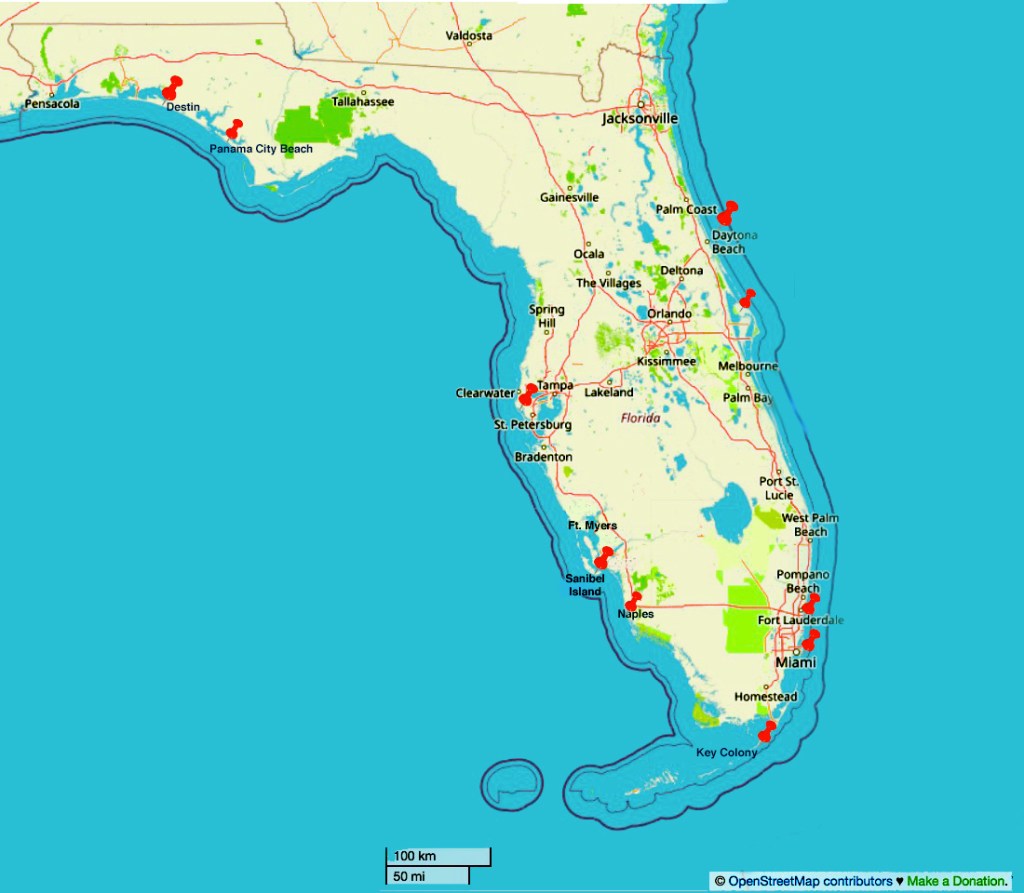
Get a jump on Summer and get in some serious beach time. There’s no better time for sun on the beach than Florida in the Spring with its hundreds of miles of sandy beaches lined with palm trees and lapped by crystal turquoise waters. If you’ve been dreaming about a Florida beach vacation here’s some tips on what to consider.
First, Florida is not all hot tropical weather all the time. The state has three primary temperate zones:
A sub-tropical zone with mostly warm winter months that includes the Florida Keys, Miami through Palm Beach on the Atlantic coast and Marco Island up to Tampa on the Gulf.
A moderate zone with cool evenings and nights through the Winter months that stretches from the sub-tropical zone north for 50 to 100 miles.
A mild temperate zone with a climate stretching through Northern Florida that can see average winter days in the 50° to 60° range and where frost is not uncommon.
The Panhandle – This piece of Florida is a popular vacation destination but its season actually runs from Spring to Autumn because of its mild temperate zone location. Also because there are no major airports nearby it is often a summer driving vacation destination for Southeastern families and Spring Breakers.
Destin
Destin Beach
A stretch of Florida coast heading east from the Alabama line that features some of the cleanest, whitest sand in the whole world, gorgeous Gulf waters and frequent sunshine. Centered on Destin this stretch of Florida coast is one of the state’s most affordable beach areas. Along with stretches of resort hotels and beach communities Destin also offers some remarkable state park beaches like June White Decker Park and Crystal Beach. Again season runs from Spring to Fall.
Panama City Beach
Panama City Beach’s 27 miles of beautiful white sand Gulf beaches offers a range of accommodations. Because of its resort vibe and wide selection of activities and restaurants it’s a popular Spring Break destination and a Summer family vacation destination.
The Treasure Coast
The best moderate Winter beaches are mostly found on the central East Coast and include wildlife refuges, long barrier island beaches, the Space Coast all within easy driving distance of Orlando.
Merritt Island
Daytona Beach
Famous for its wide expanse of white sand beach Daytona also draws Spring Break crowds, a biker week and the famous Daytona 500 race. It also has the advantage of the theme parks of Orlando only an hours drive away. If your looking for a bit more action than just lounging on the beach this city has a lot to consider.
Merritt Island
The unincorporated “town” of Merritt Island is located on Florida’s largest island and is adjacent to the Merritt Island National Wildlife Refuge and also serves as the home of NASA’s Kennedy Space Center with its launch activities and the popular Visitors Center. Located on the north end of a stretch of coast that includes Palm Bay, Melbourne, Titusville, Vero Beach and Hutchinson Islands there’s a lot to take in.
Clearwater
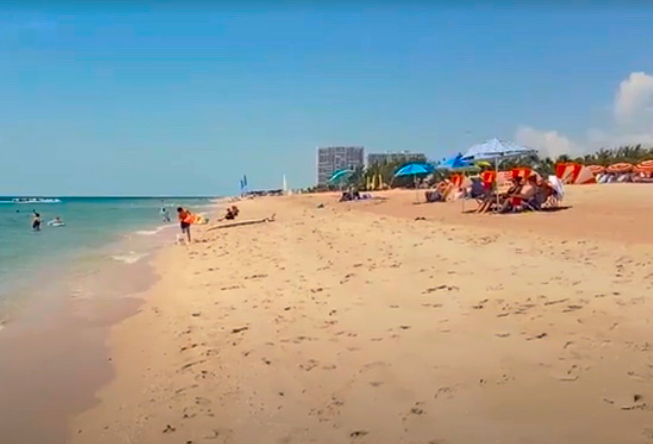
West Palm Beach South to Miami includes the beautiful beaches of the Fort Lauderdale area, the excitement of Miami’s South Beach and incredible diving and sport fishing.
Ft. Lauderdale
Fort Lauderdale
Ft. Lauderdale
Located on a strip of land south of Boca Raton and North of Miami between the Florida Everglades and the Atlantic Ocean, it includes towns like Pompano Beach, Hollywood and Dania Beach. This area draws Winter vacationers to its warm weather, white beaches and crystal clear waters all surrounded by the excitement of a major metropolitan city.
Miami and Miami Beach
Miami Beach
This world class city has a decidedly Latin vibe with it famous South Beach, incredible resort hotels and magnificent beaches. You could spend a month here and never run out of things to do.
St. Petersburg
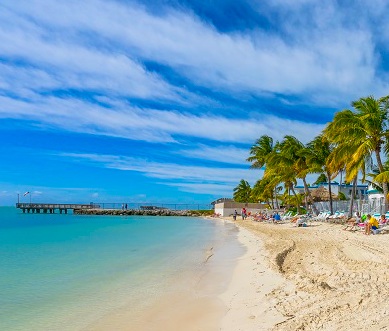
The Florida Keys draw boaters, sport fisherman scuba divers and snorkelers to its warm clear waters. Hundreds of islets, islands and quays (keys) stretch south from Miami to Key West but if you are looking for fantastic beaches this isn’t what you are looking for with one small exception.
Key Colony Beach
Located just east of Marathon this small town features one of the best beaches in the Florida Keys. The beach stretches for less than a mile in front of a row of classic beach motels but you are only minutes away from the attractions of Marathon, Islamorada and about 50 miles from Key West.
Naples
Florida’s Southern Gulf Coast includes another hundred plus miles of fantastic beaches. After crossing through the Everglades from Miami on the Gulf Coast you’ll discover a number of famous islands and beach resorts. Starting in the south is Marco Island, farther north is Sanibel and Captiva and in between is the upscale beach town of Naples. Traveling north along the coast are great beaches at Sarasota, St. Petersburg, Clearwater and Dunedin along with stretches of sany barrier island beaches.
Naples
Wall to wall with golf courses, gourmet restaurants and fancy boutiques, Naples is a seriously upscale Florida beach town. While the luxury resorts and fancy restaurants can make Naples seem a bit expensive there are moderately priced accommodations to be found and luckily, the beautiful beaches are free to enjoy. Watch for the frequent dolphins swimming near the beach and visit Naples’ iconic fishing pier.
Sanibel Island
Great beaches and one of Floridas best places for shelling. Shell hunting there even has a name – the Sanibel stoop. Like its sisters, Marco and Captiva, Sanibel has a laid back feel that benefits from its sense of being off the beaten path. Perfect choices if you are trying to just get away.
Tampa Bay Clearwater Beach
Vero Beach
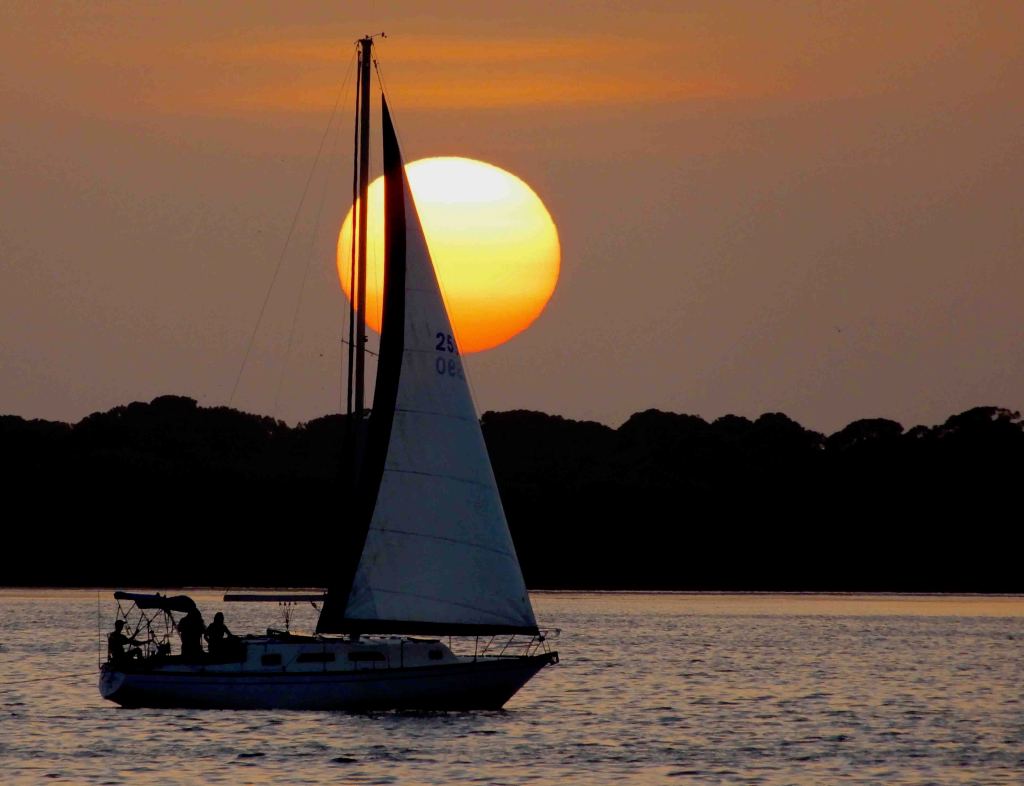
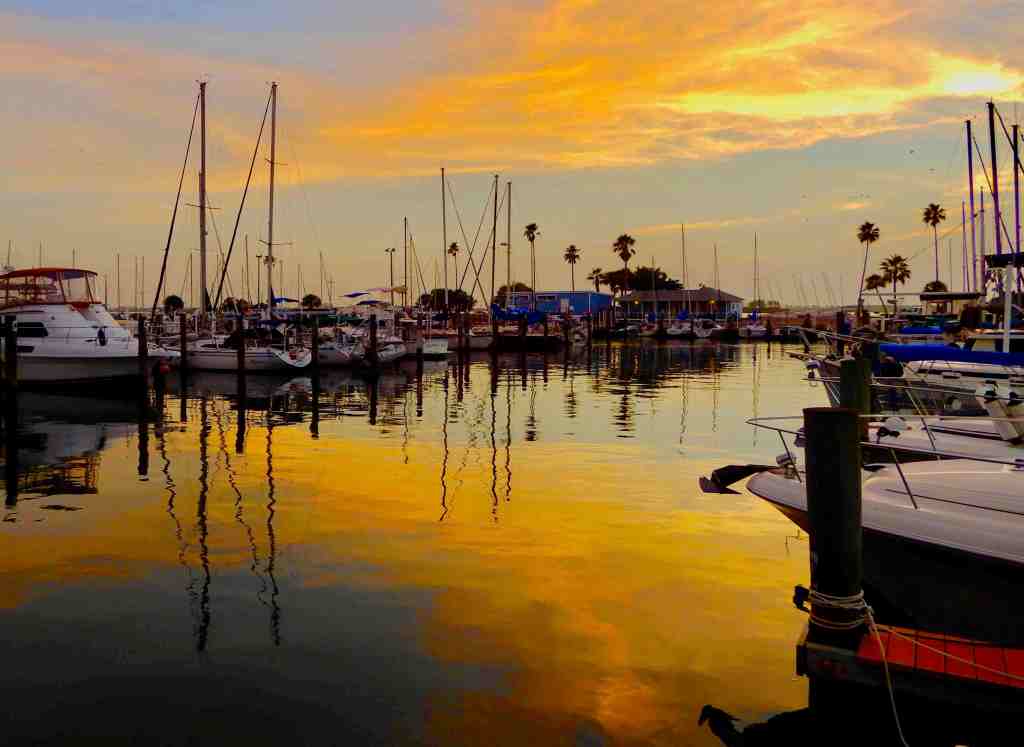
Another major metropolitan center is Tampa Bay with its string of white sand beaches the area also offers major attractions like the Florida Aquarium, Busch Gardens, the Dali Museum and some of the best Sunsets anywhere. At Clearwater Beach’s Pier 60 watching a breathtaking sunset is a popular pastime. The 1,000-foot pier with its lights draws anglers here at night to fish.
When your dreams start drifting to tropical climes, remember Florida has an antidote waiting for you.





















 The Intentional Travelers